Skip to content
What Is the Best Hydration Plan for Athletes : A Practical Guide
# Your Trusted Dietary Supplement Brand In US
- Emily

Table of Contents
A good workout does not only depend on strength, speed, or discipline. It also depends on how well the body manages fluid before, during, and after training. Many athletes start a session feeling fine, then suddenly hit a wall halfway through. The legs feel heavier, the mouth feels dry, the heart rate climbs faster than expected, and the last part of training becomes harder than it should be. In many cases, the problem is not poor effort. It is poor hydration planning.
The best hydration plan for athletes combines daily water intake, electrolyte support, sweat loss tracking, workout timing, and post-training recovery. Athletes should drink regularly throughout the day, prepare fluids before training, sip during longer or hotter sessions, and replace lost water and minerals after exercise. A strong plan should match body size, sweat rate, training length, weather, and workout intensity.
Think about a runner training in summer heat, a cyclist riding for two hours, or a CrossFit athlete sweating through a high-volume session. Each person may need a different hydration approach. Drinking plain water randomly may help for short workouts, but it may not be enough when sweat loss is high. This guide breaks down how athletes can build a simple, realistic hydration plan that works in daily training, competition prep, gym sessions, outdoor sports, and recovery days.
What Is a Hydration Plan for Athletes?
A hydration plan for athletes is a daily and workout-based drinking routine that helps match fluid and electrolyte intake with sweat loss, training time, climate, and recovery needs. It helps athletes avoid guessing and build a more stable training rhythm.
Hydration Plan Basics
A hydration plan for athletes should cover more than “drink more water.” It should include daily fluid intake, pre-workout preparation, in-workout sipping, electrolyte replacement, and post-workout recovery based on sweat level and training demand.
For most athletes, hydration problems do not begin during the workout. They often begin hours earlier. A runner may start training after a busy workday with only coffee and a small bottle of water. A gym athlete may arrive for a heavy leg session after sitting in an office all day. A cyclist may begin a long ride already slightly under-hydrated from the previous night. Once training starts, the body has to manage sweat, heat, breathing, muscle work, and energy output at the same time.
A hydration plan helps athletes avoid this situation. Instead of drinking randomly, the athlete follows a simple structure: drink steadily during the day, prepare before training, sip during longer or hotter sessions, and replace fluid afterward. This kind of routine does not need to feel strict. It simply gives the body a better starting point.
The plan should also match the athlete’s sport. A 45-minute lifting session in a cool gym may need only water. A 90-minute run in warm weather may need water plus sodium and other electrolytes. A hot yoga class may create more sweat than expected, even if the session is not high impact. A CrossFit class may cause heavy sweat in a short time because intensity rises quickly.
| Hydration Area | What Athletes Should Ask | Practical Example |
|---|---|---|
| Daily intake | Did I drink enough before training started? | Water with meals, bottle at desk |
| Pre-workout | Am I starting hydrated or already thirsty? | Drink 2–4 hours before training |
| During workout | How long and sweaty is this session? | Sip water or electrolytes during breaks |
| Electrolytes | Am I losing a lot of salt through sweat? | Use electrolytes for heat, long sessions, heavy sweat |
| Post-workout | Did I replace what I lost? | Drink gradually after training |
| Recovery | How do I feel tomorrow morning? | Track headache, heavy legs, thirst, fatigue |
The most useful hydration plan is personal. It should be based on body size, sweat rate, training length, weather, workout intensity, and how often the athlete trains. The goal is not to follow a perfect number every day. The goal is to reduce avoidable problems such as dry mouth, early fatigue, headache, cramps, poor focus, and slow recovery.
A simple plan also helps customers choose products more clearly. If the athlete knows they train mostly under 60 minutes, they may only need light hydration support. If they sweat heavily, train outdoors, or exercise multiple times per week, electrolyte products become more relevant. This makes the buying decision easier and more practical.
Why Athletes Need More
Athletes need more hydration support because exercise increases sweat, heat production, breathing rate, and mineral loss. The harder and longer the body works, the more important fluid timing and electrolyte balance become.
Athletes usually lose more fluid than people with low daily activity. During exercise, muscles generate heat. To control body temperature, the body releases sweat. This cooling process is useful, but it also removes water and minerals from the body. When fluid loss becomes too high, training quality may drop.
For many athletes, the first signs are not dramatic. They may simply feel that the workout is harder than usual. Their pace may fall earlier. Their last sets may feel heavier. They may need longer rest between intervals. Some athletes notice a headache after training, while others feel unusually tired the next morning. These small problems can repeat for weeks if the hydration plan is weak.
Different sports create different hydration pressure. Endurance athletes lose fluid over a longer time. HIIT athletes sweat quickly because intensity is high. Strength athletes may not always notice fluid loss, but long sessions in warm gyms can still create dehydration risk. Hot yoga users may lose large amounts of sweat even when movement is slower. Outdoor athletes face heat, sun, wind, and humidity, which all change fluid needs.
| Athlete Type | Common Hydration Challenge | What They Often Need |
|---|---|---|
| Runners | Fluid loss over distance | Water plus electrolytes for longer or hotter runs |
| Cyclists | Long training time and steady sweat | Bottle-friendly electrolyte support |
| CrossFit athletes | Heavy sweat in short high-intensity blocks | Pre- and post-workout hydration routine |
| Strength athletes | Long gym sessions and low drinking habit | Water during sets, recovery hydration after |
| Hot yoga users | High sweat in heated rooms | Electrolytes after class |
| Team-sport athletes | Repeated sprints and limited drink breaks | Planned fluids during breaks |
| Outdoor athletes | Heat, sun, humidity, long activity | More structured fluid and sodium support |
| Busy professionals | Poor daytime drinking before training | Simple packets at work or in gym bag |
A major mistake is waiting until thirst becomes strong. Thirst is helpful, but it often appears after the body has already started losing fluid. Another mistake is drinking only plain water after heavy sweating. Water is important, but after long, hot, or very sweaty sessions, the body may also need sodium and other electrolytes to support fluid balance.
Athletes also need more because they care about repeat performance. A one-time hydration mistake may only affect one workout. But repeated poor hydration can affect weekly training consistency. If recovery feels slow, the athlete may reduce intensity the next day. If headaches or cramps appear often, motivation drops. If the body feels heavy after every hot session, training becomes harder to maintain.
A better hydration plan helps athletes feel more in control. It does not guarantee a perfect workout, but it removes one common reason performance drops earlier than expected.
Water vs Electrolytes
Water is the foundation of hydration, but electrolytes become more important when sweat loss is high. Athletes should choose based on workout length, sweat level, temperature, and recovery needs, not just habit.
Water should always be the first layer of a hydration plan. It supports blood volume, temperature control, digestion, nutrient transport, and normal body function. For short workouts, easy gym sessions, walking, mobility work, or light recovery days, plain water may be enough.
Electrolytes become more useful when training creates heavier sweat. Sweat contains water, but it also contains sodium and smaller amounts of potassium, magnesium, calcium, and chloride. Sodium is usually the main electrolyte athletes pay attention to because it supports fluid balance and helps the body hold water more effectively. Potassium works with sodium in fluid balance. Magnesium and calcium support normal muscle and nerve function.
The key point is not that every athlete needs electrolytes every time. The key point is knowing when water alone may be limited. If an athlete drinks water but still feels thirsty, drained, or headachy after a sweaty session, electrolytes may be missing from the plan. If salt marks appear on clothing, sweat tastes very salty, or cramps happen after hot training, sodium replacement may deserve more attention.
| Training Situation | Water May Be Enough | Electrolytes May Be Better |
|---|---|---|
| Light workout under 45 minutes | Yes | Usually not needed |
| Easy strength session in cool gym | Yes | Optional for heavy sweaters |
| Normal daily activity | Yes | Usually not needed |
| HIIT over 60 minutes | Sometimes | Often useful |
| CrossFit class with heavy sweat | Sometimes | Often useful |
| Long run or bike ride | Not always | Usually useful |
| Hot yoga | Sometimes | Often useful |
| Outdoor summer training | Limited | Strongly useful |
| Two workouts in one day | May not be enough | Useful for recovery |
| Salt stains after training | Often not enough | Strong sign to consider electrolytes |
Athletes should also compare drinks carefully. Some sports drinks contain high sugar. Some contain caffeine. Some provide sodium but very little of other minerals. Some look like electrolyte products but provide unclear amounts. A good hydration product should make the label easy to understand.
| Label Detail | Why It Matters for Athletes |
|---|---|
| Sodium amount | Helps evaluate sweat replacement support |
| Potassium amount | Supports fluid balance planning |
| Magnesium and calcium | Useful for broader mineral support |
| Sugar level | Affects diet goals and stomach comfort |
| Caffeine content | Important for evening training and sensitivity |
| Serving size | Helps avoid underuse or overuse |
| Flavor style | Affects whether athletes drink enough |
| Solubility | Matters for bottles, shakers, and on-the-go use |
Taste also matters more than many people think. If a drink is too sweet, too salty, or hard to mix, athletes may stop drinking it during the moments they need it most. A hydration product should be easy to finish, especially during intense training when the stomach may feel sensitive.
For everyday athletes, the best approach is simple: use water as the base, add electrolytes when sweat loss increases, and adjust based on how the body feels during and after training. This makes hydration more practical, more personal, and easier to follow long term.
How Much Water Do Athletes Need?
Athletes need enough water to start training hydrated, replace sweat loss, and recover before the next session. The right amount depends on body size, sweat rate, workout length, weather, intensity, food intake, and how often the athlete trains each week.
Daily Hydration Plan
A daily hydration plan helps athletes avoid starting workouts already low on fluid. Instead of drinking a large amount right before training, athletes should spread water intake across the day and adjust based on sweat, weather, and schedule.
There is no single water number that fits every athlete. A smaller runner, a 220-pound strength athlete, a hot yoga user, and a cyclist training outdoors in summer will all have different needs. This is why fixed advice like “drink eight cups a day” is too simple for athletes. It may work as a basic reminder, but it does not reflect sweat loss, training load, body size, or climate.
A better approach is to build a daily drinking rhythm. Athletes should drink water after waking, with meals, during work or study hours, before training, during longer sessions, and after exercise. This helps prevent the common problem of arriving at training already thirsty or slightly dehydrated.
For many active people, the biggest hydration gap happens during busy daytime hours. They drink coffee in the morning, rush lunch, sit in meetings, drive to the gym, and only start drinking when the workout begins. By that point, the body has to manage exercise and catch up on fluid at the same time.
A practical daily plan can look like this:
| Time of Day | Hydration Goal | Practical Action |
|---|---|---|
| After waking | Replace overnight fluid gap | Drink water before or with breakfast |
| Breakfast | Build baseline hydration | Add water with food, not only coffee |
| Mid-morning | Prevent slow fluid drop | Keep a bottle nearby |
| Lunch | Support afternoon energy | Drink water with a normal meal |
| 2–4 hours before training | Prepare for sweat loss | Drink water or light electrolytes |
| 30 minutes before training | Avoid dry mouth | Take small sips, do not chug |
| During training | Match sweat and workout length | Sip water or electrolytes as needed |
| After training | Replace fluid loss | Drink gradually with food or electrolytes |
Athletes can also use a simple body weight reference as a starting point. This does not need to be exact, but it gives a practical direction. A larger athlete usually needs more fluid than a smaller athlete. A heavy sweater needs more than a light sweater. A person training in heat needs more than someone training in a cool room.
| Athlete Profile | Daily Hydration Focus | What to Watch |
|---|---|---|
| Light activity day | Maintain normal fluid intake | Thirst, urine color |
| Strength training day | Drink steadily before and after gym | Long sessions, sweat in warm gyms |
| HIIT or CrossFit day | Prepare earlier and replace sweat after | Fast sweat loss, high effort |
| Long run or ride day | Add structured fluids and electrolytes | Body weight drop, salt stains |
| Hot weather day | Increase fluid earlier | Headache, dizziness, heavy sweat |
| Two-a-day training | Rehydrate between sessions | Recovery quality, next-session fatigue |
Food also contributes to hydration. Fruit, vegetables, soups, yogurt, smoothies, rice, potatoes, and oatmeal all add fluid to the day. Very salty meals, high caffeine intake, alcohol, long flights, and hot environments may increase hydration needs.
The goal is not to force water all day until the stomach feels full. The goal is steady intake, fewer large gaps, and better training comfort. If an athlete often feels thirsty before warm-up, hydration should begin earlier in the day.
Sweat Rate Check
Sweat rate helps athletes understand how much fluid they lose during training. A simple before-and-after body weight check can show whether the current hydration plan is enough or needs more water and electrolytes.
Sweat rate is one of the most useful tools because it turns hydration from guessing into a personal plan. Two athletes can do the same workout and lose very different amounts of fluid. One may finish with a slightly damp shirt. Another may be completely soaked and leave salt marks on clothing. They should not use the exact same hydration strategy.
The easiest way to check sweat rate is simple:
- Weigh yourself before training with minimal clothing.
- Train as usual.
- Track how much fluid you drink during the session.
- Weigh yourself again after training.
- Compare the difference.
Most short-term body weight change during exercise comes from fluid loss. One pound of body weight loss is roughly equal to 16 ounces of fluid. This is not perfect, but it is accurate enough for practical training decisions.
| Step | Example |
|---|---|
| Body weight before training | 170 lb |
| Body weight after training | 168.5 lb |
| Weight lost | 1.5 lb |
| Fluid consumed during workout | 16 oz |
| Estimated fluid gap | Around 40 oz total sweat impact |
| What it means | Hydration plan may need more during or after training |
Here is how to read body weight changes after training:
| Body Weight Change | What It Usually Suggests | What Athletes Can Do |
|---|---|---|
| No major change | Fluid intake likely matched sweat loss | Keep current plan |
| About 1% loss | Mild fluid gap | Drink slightly more next time |
| Around 2% loss | Hydration may be too low | Add planned sipping and review electrolytes |
| More than 2% loss | High sweat loss | Improve pre-, during-, and post-workout hydration |
| Weight gain | Possible overdrinking | Drink less or avoid forcing fluids |
Athletes should not test sweat rate only once. Sweat changes with weather, clothing, intensity, humidity, training type, and fitness level. A runner may sweat very differently in spring compared with summer. A cyclist may lose more fluid on a sunny outdoor ride than during an indoor recovery spin. A hot yoga user may lose large amounts of fluid even without high-impact movement.
A useful sweat check schedule may look like this:
| Training Condition | When to Test |
|---|---|
| Normal gym session | Once during a regular training week |
| Hot outdoor workout | At least once in warm weather |
| Long endurance session | During a typical long run or ride |
| Race preparation | Before competition season |
| New training environment | After changing gym, climate, or altitude |
| Heavy sweat pattern | Repeat every few weeks for better accuracy |
Sweat rate is also helpful for product choice. If an athlete loses very little fluid, plain water may be enough. If the athlete loses a lot of fluid and sees salt stains, electrolytes become more important. If the athlete trains for more than 90 minutes, fluid and fuel may need to be planned together.
The goal is not to replace every drop during the workout. That may not be comfortable or realistic. The goal is to avoid large fluid gaps and recover well afterward.
Signs of Low Hydration
Low hydration often appears as small training problems before it becomes serious. Athletes may notice dry mouth, headache, darker urine, early fatigue, dizziness, muscle tightness, poor focus, or slower recovery after sweaty sessions.
Hydration problems can be easy to miss because they feel like normal training fatigue. An athlete may think, “I just had a bad workout,” when the real issue is that they started the session low on fluid. Another athlete may think their conditioning is poor because their heart rate feels high, but the body may simply be working harder to cool itself.
Low hydration can show up before, during, and after training. Before training, the athlete may feel thirsty, dry, or mentally flat. During training, performance may drop earlier than expected. After training, the athlete may feel headachy, unusually tired, or thirsty for hours.
| When It Happens | Possible Sign | What It May Mean |
|---|---|---|
| Before training | Dry mouth, strong thirst | Daily fluid intake may be low |
| During warm-up | Effort feels high too early | Athlete may have started under-hydrated |
| Mid-workout | Pace or power drops quickly | Fluid loss may be affecting performance |
| Late workout | Dizziness or headache | Hydration, heat, or fueling may need attention |
| After workout | Thirst continues for hours | Water and electrolytes may be too low |
| Next morning | Heavy legs, dull headache | Recovery hydration may be incomplete |
Urine color can help, but it should be used carefully. Pale yellow often suggests a reasonable hydration range. Dark yellow may suggest low fluid intake. Completely clear urine all day may mean the athlete is drinking more than needed or drinking too much at once. Vitamins, supplements, medications, and certain foods can also affect urine color.
| Urine Color Pattern | Possible Meaning | Practical Response |
|---|---|---|
| Pale yellow | Usually a good sign | Keep current routine |
| Dark yellow | May need more fluid | Drink earlier and more steadily |
| Very clear all day | Possible overdrinking | Reduce forced intake, spread fluids |
| Dark after training | Sweat replacement may be low | Add post-workout fluids |
| Strong odor plus low volume | Fluid intake may be too low | Increase water and monitor |
Athletes should also watch sweat clues. Salt stains on shirts, white marks on hats, gritty skin after drying, stinging eyes from sweat, or repeated cramps after hot sessions may suggest a higher sodium loss pattern. These athletes may not solve the issue by drinking plain water alone.
| Sweat Sign | What It Suggests | What to Try |
|---|---|---|
| Shirt is soaked quickly | High sweat rate | Plan fluids before and during training |
| White salt marks | Higher sodium loss | Add electrolyte support |
| Sweat stings eyes badly | Salty sweat pattern | Review sodium replacement |
| Cramps after hot sessions | Fluid, sodium, or fatigue issue | Improve hydration and recovery routine |
| Headache after sweaty workouts | Fluid/electrolyte gap possible | Add structured post-workout rehydration |
A strong hydration plan should reduce repeat problems. If headaches, dark urine, heavy legs, dry mouth, or early fatigue keep happening, the athlete should not ignore them. The routine may need more fluid earlier in the day, better pre-workout hydration, electrolytes during heavy sweat sessions, or improved post-workout recovery.
For most athletes, better hydration is not about chasing perfect numbers. It is about noticing patterns and making practical adjustments that improve training comfort and consistency.
What Should Athletes Drink Before Training?
Athletes should drink water before most workouts, but longer, hotter, or sweat-heavy sessions may need electrolytes as well. The best pre-training drink should prepare the body without causing bloating, stomach sloshing, sugar heaviness, or bathroom pressure during exercise.
Pre Workout Hydration Plan
A pre workout hydration plan helps athletes start training with enough fluid in the body, instead of trying to catch up after sweating begins. The most useful window is usually 2–4 hours before exercise.
Many athletes think pre-workout hydration means drinking a large bottle right before training. In real life, that often makes the session worse. Running with a full stomach feels uncomfortable. Jumping movements feel heavier. Heavy squats or core work can feel awkward when the stomach is full of liquid. The athlete may also need bathroom breaks during warm-up.
A better plan starts earlier. Drinking 2–4 hours before training gives the body time to absorb fluid and remove what it does not need. Then the athlete can use small sips closer to training to keep the mouth comfortable.
For morning athletes, the biggest issue is the overnight fluid gap. The body has gone several hours without drinking. A small amount of water after waking is usually more useful than rushing straight into training dry. For after-work athletes, the bigger issue is daytime under-drinking. Coffee, meetings, driving, and a rushed lunch can leave the body behind before the gym session even starts.
| Time Before Training | What to Drink | Practical Goal |
|---|---|---|
| 4 hours before | Water with a normal meal | Build baseline hydration |
| 2–3 hours before | Water or light electrolyte drink | Prepare for sweat loss |
| 60 minutes before | Small amount based on thirst | Avoid dry mouth before warm-up |
| 15–30 minutes before | Small sips only | Reduce stomach heaviness |
| Right before training | Avoid chugging | Prevent bloating and bathroom pressure |
The drink choice should match the session. A light lifting session in a cool gym may only need water. A 90-minute soccer practice, summer run, hot yoga class, long cycling ride, or CrossFit session may benefit from electrolytes before training. Athletes who sweat heavily or see salt marks on clothing should pay more attention to sodium before high-sweat workouts.
Food also matters. A meal with carbohydrates and a small amount of sodium may support training better than plain water alone. For example, oatmeal with fruit, rice with eggs, soup, potatoes, yogurt, or a sandwich with water can help the athlete start with better energy and fluid balance. Coffee alone is usually not a complete pre-workout hydration plan.
| Athlete Schedule | Common Mistake | Better Pre-Training Habit |
|---|---|---|
| Early morning workout | Training immediately after waking | Drink water after getting up |
| Lunch workout | Skipping water during work hours | Sip water through the morning |
| Evening gym session | Relying on coffee all day | Keep water at desk or in car |
| Weekend long run | Drinking only right before running | Hydrate the evening before and morning of |
| Hot weather training | Using the same plan as cool weather | Add earlier fluids and electrolytes |
| Travel workout | Forgetting climate and flight dryness | Carry portable hydration packets |
The best pre-workout hydration plan should feel easy. Athletes should not need complicated calculations every day. They can ask a few quick questions: Am I thirsty before training? Will this workout last more than 60 minutes? Will I sweat heavily? Is the weather hot? Did I drink enough earlier today? If several answers point to higher sweat risk, electrolytes may be a smarter choice than water alone.
Best Pre Workout Drinks
The best pre workout drink depends on workout length, sweat level, stomach comfort, and training goal. Water is the base, electrolytes help with sweat-heavy sessions, and carbohydrates may help during longer endurance training.
Water is usually enough for short, moderate workouts. If an athlete is lifting for 45 minutes, doing mobility work, walking, or training lightly in a cool room, plain water may do the job. It is simple, easy to digest, and does not add sugar or extra ingredients.
Electrolyte drinks become more useful when sweat loss is expected to be higher. This includes long runs, cycling, hot yoga, outdoor summer training, HIIT, CrossFit, tennis, soccer, basketball, and any session where the athlete expects a soaked shirt. Sodium is especially important because it supports fluid balance. Potassium, magnesium, and calcium can also support a more complete hydration routine.
Low-sugar electrolyte powders are useful for athletes who want hydration support without the heavy sweetness of traditional sports drinks. This matters for people who train often, follow a lower-sugar diet, or dislike sticky mouthfeel during exercise. If a drink tastes too sweet, many athletes drink less of it, which defeats the purpose.
Carbohydrate drinks may help before or during longer endurance sessions. A marathon runner, long-distance cyclist, or team-sport athlete training for more than 90 minutes may need fuel as well as fluid. But for short gym workouts, a heavy carbohydrate drink may be unnecessary.
| Drink Type | Best For | Why It Works | What to Check |
|---|---|---|---|
| Plain water | Short workouts, light sweat | Simple and stomach-friendly | Drink earlier, not all at once |
| Electrolyte drink | Hot, long, or sweaty sessions | Replaces minerals lost through sweat | Sodium amount and serving size |
| Low-sugar powder | Daily training and gym use | Lighter taste, easier repeat use | Sweetener type and flavor strength |
| Carbohydrate drink | Long endurance sessions | Adds fuel for longer effort | Sugar amount and stomach comfort |
| Caffeinated hydration drink | Morning or high-focus sessions | May support alertness | Caffeine amount and timing |
| Coconut water | Light hydration and potassium | Natural taste, easy to drink | Lower sodium than many athletes need |
| Protein shake | Muscle recovery, not main hydration | Useful after lifting | Not ideal as pre-training fluid base |
A good pre-workout drink should pass three basic tests. It should be easy to finish. It should sit well in the stomach. It should match the session. If a drink tastes good but causes bloating, it is not useful before training. If a drink has electrolytes but no clear sodium amount, the athlete cannot judge whether it fits sweat-heavy exercise. If a product contains caffeine but does not clearly show the amount, it may be risky for evening training or sensitive users.
Athletes should also think about convenience. A drink that only works at home may not help on busy days. Single-serving powders or stick packs can fit into a gym bag, office drawer, backpack, or cycling kit. This is especially useful for people who train after work, travel often, or need a simple product they can mix quickly.
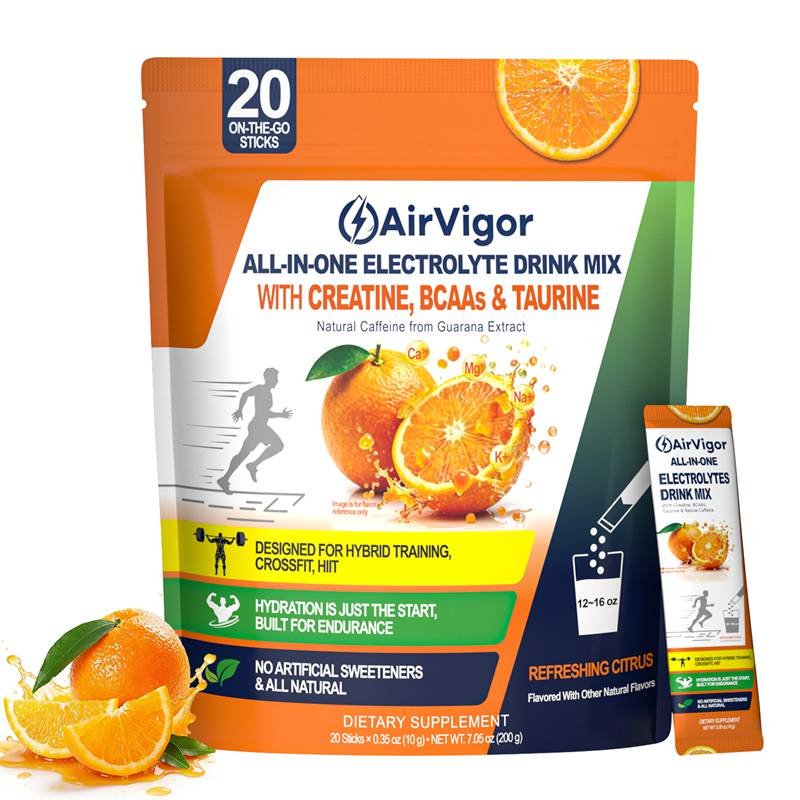
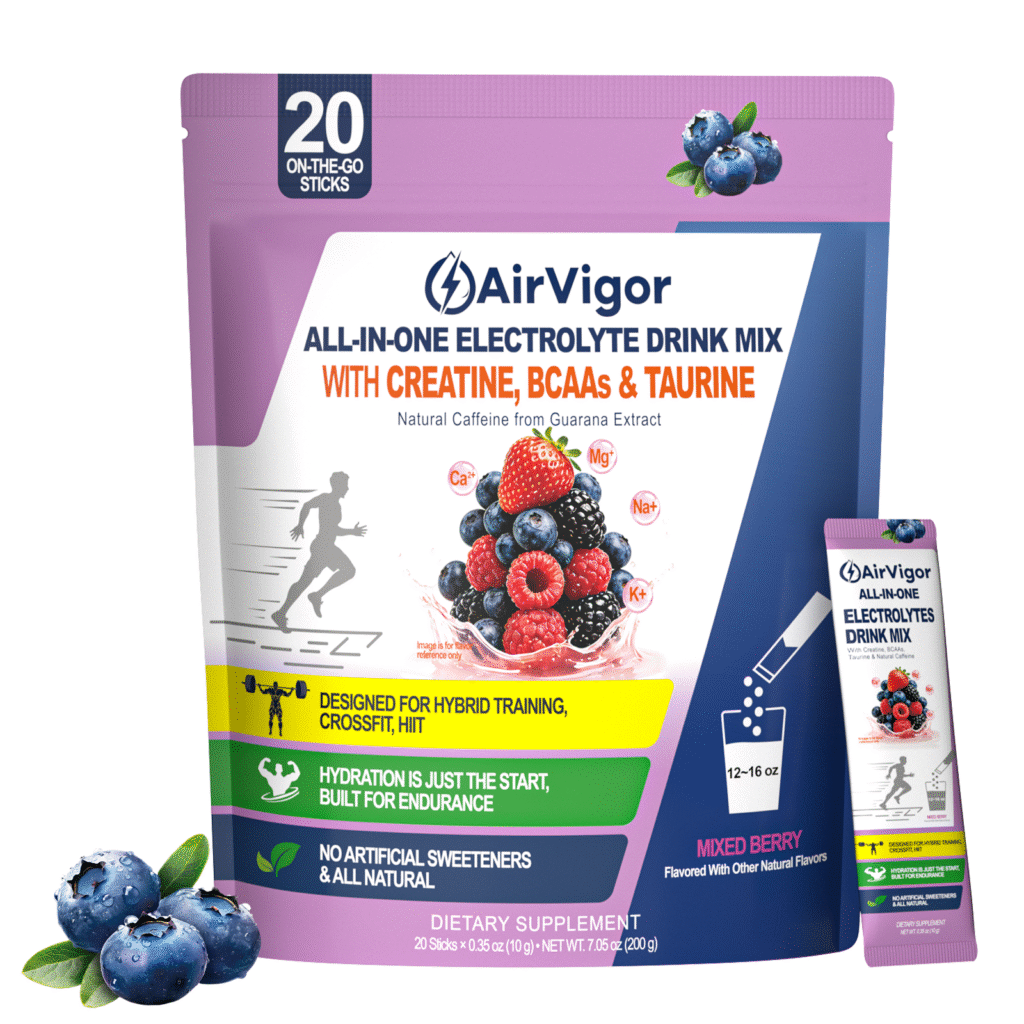
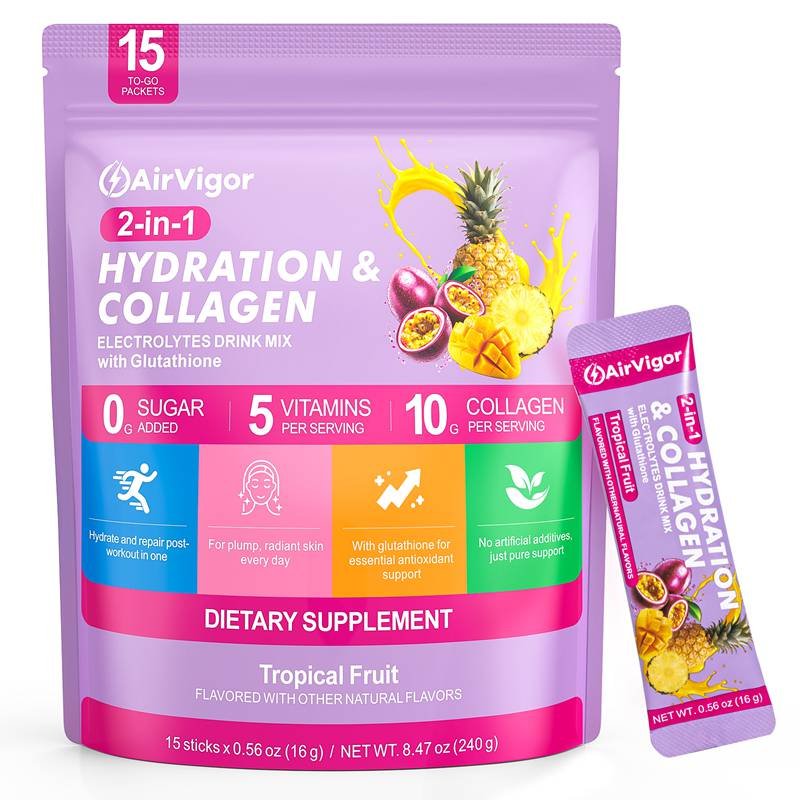
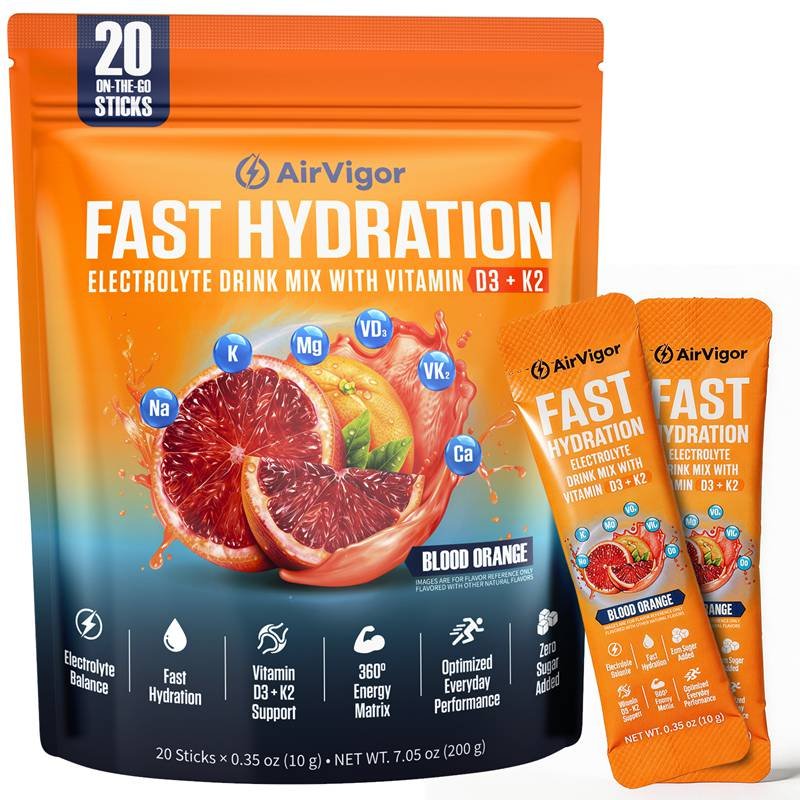
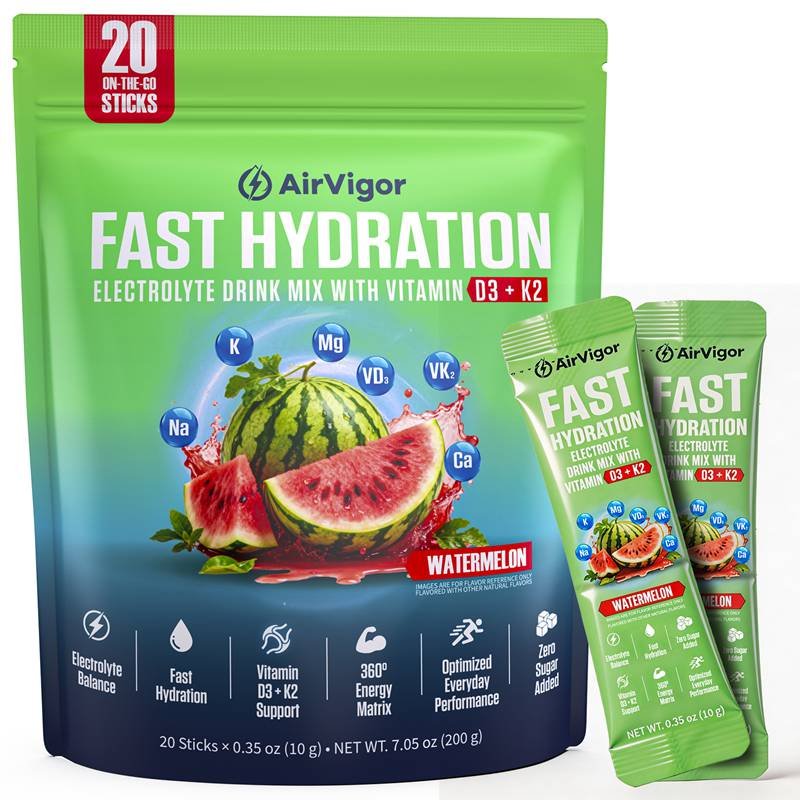
AirVigor’s hydration product direction fits this type of routine because athletes often want clear serving information, portable use, easy mixing, and a taste that does not feel heavy before movement. The more practical the product is, the easier it becomes to use consistently.
Drinks to Avoid
Athletes should avoid drinks that cause bloating, sugar heaviness, jitters, unclear dosing, or stomach discomfort before training. A drink may look refreshing, but if it hurts movement quality, it does not belong in the pre-workout plan.
Very sweet drinks are one of the most common problems. Some athletes tolerate sugar well, especially during long endurance sessions, but others feel sluggish or uncomfortable when drinking high-sugar beverages before training. A sticky mouthfeel can also make athletes feel thirstier during exercise.
Carbonated drinks may cause gas or bloating. This can be especially uncomfortable before running, jumping, squatting, or core exercises. Alcohol should be avoided before training because it can affect coordination, reaction time, hydration, and recovery. Even alcohol from the night before can make a morning workout feel harder.
Too much caffeine is another issue. Caffeine can support alertness, but a high dose may cause jitters, stomach upset, fast heartbeat, or poor sleep later. Athletes who train in the evening should be careful because poor sleep can hurt recovery more than the drink helps the session.
Another problem is products with unclear formulas. Some drinks use broad phrases such as “energy blend,” “performance blend,” or “hydration complex” without showing useful amounts. Athletes should not have to guess how much sodium, caffeine, sugar, or active ingredient they are getting.
| Drink to Be Careful With | Why It May Hurt Training | Better Choice |
|---|---|---|
| Very sweet sports drink | May feel heavy or sticky | Low-sugar electrolyte drink |
| Soda or carbonated drink | Can cause gas and bloating | Still water or powder drink |
| Alcohol | Affects coordination and hydration | Water and a balanced meal |
| Too much coffee | May cause jitters or stomach upset | Moderate caffeine or water |
| Large water intake right before training | Causes stomach sloshing | Drink earlier, sip closer to start |
| Unknown energy blend | Hard to judge safety or timing | Clear-label hydration product |
| Thick smoothie right before exercise | May digest slowly | Use earlier or save for after training |
Athletes should also avoid copying someone else’s routine without testing it. A drink that works for a cyclist may feel terrible for a runner. A caffeinated product that works for a morning lifter may disrupt sleep for an evening athlete. A sugar-heavy drink that helps a marathoner may be unnecessary for a 45-minute gym workout.
The best way to judge a pre-training drink is by the workout result. Did the athlete feel comfortable? Was the stomach calm? Did thirst stay manageable? Did energy feel steady? Was recovery normal afterward? If the answer is no, the drink choice or timing may need to change.
A strong pre-workout hydration plan should make training feel smoother, not more complicated.

How Should Athletes Hydrate During Exercise?
Athletes should hydrate during exercise by sipping steadily based on workout length, sweat rate, heat, and intensity. Short sessions may only need water, while longer or sweat-heavy sessions often need electrolytes to help maintain comfort, focus, and training rhythm.
During Workout Hydration Plan
A during workout hydration plan helps athletes avoid waiting until thirst becomes strong. Small, regular sips usually work better than drinking too much at once, especially during running, HIIT, cycling, team sports, or hot-weather training.
Hydration during exercise should match the way the athlete actually moves. A runner cannot drink the same way as a lifter. A cyclist can sip more often because the bottle is easy to reach. A basketball player may only drink during breaks. A CrossFit athlete may have very short windows between blocks. This is why a good hydration plan should fit the sport, not just the bottle label.
For short sessions under 45 minutes, many athletes can drink water as needed if they started the workout hydrated. For sessions around 60 minutes, the plan depends on sweat and intensity. For sessions longer than 75–90 minutes, especially in heat or humidity, athletes usually need a more structured plan with water and electrolytes.
The goal is not to drink constantly. The goal is to prevent a large fluid gap from building up. Once thirst becomes intense, it may be harder to catch up without overloading the stomach.
| Workout Type | Best Drinking Moment | Practical Hydration Approach |
|---|---|---|
| Strength training | Between sets | Small sips of water; electrolytes for long or warm sessions |
| Running | Every 15–20 minutes or at planned points | Water for shorter runs, electrolytes for longer or hotter runs |
| Cycling | Every 10–15 minutes | Frequent small sips from bottle; electrolytes for longer rides |
| HIIT | Before class, during short breaks, after class | Small sips; avoid overdrinking during high-impact movement |
| CrossFit | Between blocks or after intense rounds | Light electrolyte drink if sweat is heavy |
| Team sports | During timeouts, substitutions, halftime | Planned water and electrolytes during available breaks |
| Hot yoga | Before class and after class; small sips during | Electrolytes often useful due to high sweat |
| Hiking | At regular trail intervals | Sip steadily; electrolytes for heat, altitude, or long routes |
Athletes should also consider how the drink feels during movement. A drink that works after training may feel too heavy during training. Thick shakes, high-sugar drinks, carbonated beverages, or overly strong flavors may be hard to tolerate when breathing is fast and the stomach is bouncing. During exercise, most athletes prefer a drink that is light, smooth, and easy to finish.
Bottle access also matters. If the athlete cannot reach the drink easily, they may underdrink. Runners may need handheld bottles, belts, or aid stations. Cyclists need bottles that are easy to grab. Gym users can keep a bottle near the bench or machine. Team athletes should use breaks wisely because drinking chances may be limited.
A simple during-exercise drinking guide:
| Session Length | Suggested Hydration Style | Electrolyte Need |
|---|---|---|
| Under 45 minutes | Drink when thirsty | Usually low |
| 45–60 minutes | Sip during natural breaks | Depends on sweat |
| 60–90 minutes | Plan regular sips | Useful if sweat is moderate to heavy |
| 90–120 minutes | Use structured fluid intake | Usually helpful |
| Over 2 hours | Plan fluids, electrolytes, and fuel | Very important |
| Hot or humid session | Start earlier and sip more steadily | Often needed |
| Two-a-day training | Hydrate during and after each session | Stronger recovery need |
The most practical rule is this: do not let the workout become a long dry stretch. Even if an athlete does not want to drink much, small sips at the right moments can help prevent bigger problems later in the session.
Key Electrolytes for Athletes
Electrolytes help support fluid balance, normal muscle function, and nerve signaling during exercise. The most important ones for athletes are sodium, potassium, magnesium, calcium, and chloride, with sodium usually being the key mineral lost through sweat.
During exercise, sweat loss changes more than water levels. Athletes also lose electrolytes, and sodium is usually the biggest concern. Sodium helps the body manage fluid balance and retain the water being consumed. This is why some athletes drink plenty of plain water but still feel thirsty, drained, or headachy after hard sweating.
Potassium helps support fluid balance inside cells and works closely with sodium. Magnesium supports normal muscle and nerve function. Calcium supports normal muscle contraction. Chloride works with sodium as part of fluid balance. The body needs these minerals in different amounts, and the best plan depends on sweat level, training length, diet, and climate.
| Electrolyte | Main Role During Exercise | When Athletes Should Pay Attention |
|---|---|---|
| Sodium | Supports fluid balance and water retention | Heavy sweat, salt marks, hot weather, long sessions |
| Potassium | Supports fluid balance inside cells | Endurance work, daily training, recovery |
| Magnesium | Supports normal muscle and nerve function | Muscle tightness, repeated training, recovery routines |
| Calcium | Supports normal muscle contraction | Overall mineral balance and muscle function |
| Chloride | Works with sodium in fluid regulation | Sweat replacement and fluid balance |
Athletes should not assume every electrolyte drink is the same. Some products are mostly flavored water with very low mineral amounts. Some provide sodium but very little potassium or magnesium. Some contain high sugar, which may be useful for long endurance training but unnecessary for shorter gym sessions. Some include caffeine, which may not be ideal for evening athletes.
A clear label matters because athletes need to know what they are drinking. The front label may say “hydration,” but the nutrition panel should show the real details.
| Label Detail | Why It Matters During Exercise |
|---|---|
| Sodium amount | Helps judge sweat replacement support |
| Potassium amount | Adds fluid balance support |
| Magnesium amount | Helps complete the mineral profile |
| Calcium amount | Supports overall muscle function routine |
| Sugar content | Important for endurance fuel and stomach comfort |
| Caffeine amount | Affects timing, heart rate feel, and sleep |
| Serving size | Helps avoid using too little or too much |
| Mixing instruction | Matters for bottles, shakers, and sports use |
The need for electrolytes rises when the athlete trains longer, sweats heavily, or exercises in heat. If an athlete finishes training with salt stains, a dry mouth, headache, or strong thirst after drinking water, it may be time to review electrolyte intake.
Here are common signs that electrolytes may be useful during or around training:
| Sign or Situation | Why Electrolytes May Help |
|---|---|
| White salt marks on clothes or hat | Suggests higher sodium loss |
| Sweat stings the eyes badly | May suggest salty sweat |
| Headache after hot workouts | Fluid and sodium replacement may be low |
| Heavy sweating in short sessions | Water loss is happening quickly |
| Training longer than 60–90 minutes | More time for fluid and mineral loss |
| Outdoor summer training | Heat increases sweat loss |
| Two workouts in one day | Faster rehydration becomes more important |
| Feeling thirsty after drinking water | Water alone may not be enough |
Electrolytes are not a replacement for water, food, or smart training. They are part of the system. The best hydration plan uses water as the base, then adds electrolytes when the session creates enough sweat stress to justify them.
Short vs Long Workouts
Short and long workouts need different hydration plans. Water may be enough for short sessions, but longer workouts usually require more planning because sweat, sodium loss, heat buildup, and energy demand increase over time.
A 30-minute workout does not place the same demand on the body as a two-hour session. Yet many athletes use the same hydration routine for every workout. That is one reason some people feel fine on easy gym days but struggle during long runs, hot classes, or weekend rides.
For workouts under 45 minutes, athletes who start hydrated often only need water. This includes light lifting, easy cardio, walking, stretching, and short skill sessions. If the athlete is a heavy sweater or training in heat, electrolytes can still be useful, but they are not always required.
For workouts between 45 and 75 minutes, sweat level becomes more important. A cool indoor lifting session may still only need water. A 60-minute HIIT class, tennis session, or outdoor run may need electrolytes because sweat loss builds quickly.
For workouts between 75 and 120 minutes, athletes should plan fluids more carefully. This is the range where many people experience late-session drop-off. Electrolytes often become useful, especially in warm conditions.
For workouts over 2 hours, hydration and fueling usually need to work together. Endurance athletes, hikers, cyclists, soccer players, tennis players, and long-distance runners may need water, electrolytes, and carbohydrates depending on intensity and duration.
| Workout Length | Common Examples | Hydration Plan |
|---|---|---|
| Under 45 minutes | Light gym, easy walk, mobility | Water if already hydrated |
| 45–60 minutes | Strength training, short run, basic class | Water; electrolytes if sweating heavily |
| 60–75 minutes | HIIT, CrossFit, tennis, warm gym session | Water plus electrolytes for heavy sweat |
| 75–120 minutes | Long run, cycling, team sport, hot yoga | Planned sipping and electrolytes |
| Over 2 hours | Endurance ride, hike, tournament, long race prep | Fluids, electrolytes, and fuel |
| Multiple sessions daily | Morning and evening training | Hydration during and recovery between sessions |
The type of workout also matters. A short but intense session can create more sweat than a longer easy session. A hot yoga class may create more fluid loss than a cool-weather jog. A strength athlete may not breathe as hard as a runner, but a two-hour lifting session in a warm gym can still cause significant sweat loss.
Athletes can use this simple decision table before training:
| Question | If the Answer Is Yes | What to Consider |
|---|---|---|
| Will I train longer than 60 minutes? | Fluid loss may build | Plan regular sips |
| Is the weather hot or humid? | Sweat loss rises | Add electrolytes |
| Do I usually sweat heavily? | Water loss is higher | Drink earlier and during |
| Do I see salt marks after training? | Sodium loss may be high | Choose electrolyte support |
| Do I have another session soon? | Recovery time is shorter | Hydrate during and after |
| Does plain water leave me thirsty? | Electrolyte balance may be weak | Review sodium intake |
| Does my stomach feel heavy during workouts? | Timing or drink choice may be wrong | Sip smaller amounts earlier |
A good hydration plan should be flexible, not fixed. Athletes should not drink the same way every day just because it is easy. They should match the plan to the session. Easy day: keep it simple. Long day: prepare more. Hot day: start earlier. Heavy sweat day: include electrolytes. Competition day: test the plan in training before relying on it.
The best during-exercise hydration routine is the one that supports performance without distracting the athlete from movement.
What Is a Post Workout Hydration Plan?
A post workout hydration plan helps athletes replace fluid and electrolytes lost through sweat, reduce next-day heaviness, and prepare for the next session. The best plan combines gradual drinking, sodium support when needed, balanced food, and simple recovery tracking.
After Workout Hydration Plan
A post workout hydration plan should begin soon after training, especially when the session was long, hot, or sweat-heavy. The goal is to replace fluid gradually, not drink too much too fast.
After exercise, the body is still working. Heart rate slowly comes down, body temperature stays elevated, sweat may continue for several minutes, and muscles begin the recovery process. If the athlete only takes a few sips and moves on, fluid loss may carry into the rest of the day or even the next morning.
Many athletes under-hydrate after workouts because the hard part feels “done.” They finish training, talk with friends, shower, drive home, answer messages, or go straight back to work. By the time they notice thirst, headache, or heavy legs, the recovery window has already become harder to manage.
A smart post workout hydration plan should focus on three things: how much sweat was lost, how soon the next workout happens, and whether the athlete is showing signs of low fluid or mineral replacement.
| Post-Workout Question | Why It Matters | What to Do |
|---|---|---|
| Was my shirt soaked? | Heavy sweat means higher fluid loss | Drink gradually and consider electrolytes |
| Did I train in heat? | Heat increases sweat and sodium loss | Add earlier post-workout fluids |
| Did I lose body weight? | Weight drop often reflects fluid loss | Replace more fluid after training |
| Do I see salt marks? | Sodium loss may be higher | Use electrolyte support |
| Do I train again tomorrow? | Recovery time is shorter | Rehydrate more intentionally |
| Do I feel headachy or unusually tired? | Fluid or electrolyte replacement may be low | Review post-workout routine |
For most athletes, drinking within the first 30 minutes after training is a good habit. It does not mean forcing a huge bottle immediately. It means starting the recovery process while the body still needs support. Sipping over the next 1–2 hours is often more comfortable than chugging a large amount at once.
A simple post-workout routine can look like this:
| Time After Training | What to Do | Practical Goal |
|---|---|---|
| 0–15 minutes | Start sipping water | Begin replacing sweat loss |
| 15–30 minutes | Add electrolytes if sweat was heavy | Support fluid and mineral balance |
| 30–60 minutes | Eat a balanced meal or snack | Support full recovery |
| 1–2 hours | Continue drinking gradually | Avoid staying dehydrated |
| Next morning | Check thirst, urine color, legs, headache | See if the plan worked |
Water is enough after some sessions. A short strength workout in a cool gym may only need water and a normal meal. But after long runs, cycling, hot yoga, CrossFit, outdoor sports, or heavy sweat sessions, electrolytes can make rehydration more complete.
Sodium deserves special attention after heavy sweating because it helps the body retain fluid. If the athlete drinks only plain water after major sweat loss, they may urinate frequently and still feel thirsty. This is a sign that fluid balance may not be fully restored.
Post-workout hydration should also include food. Meals provide water, sodium, potassium, carbohydrates, protein, and other nutrients. A recovery drink can help, but it should not replace the full recovery routine every time.
Recovery Drinks for Athletes
Recovery drinks should match what the workout took from the body. Water supports basic rehydration, electrolytes help after heavy sweat, carbohydrates support long endurance recovery, and protein supports muscle repair after hard training.
Not every workout needs the same recovery drink. A 40-minute upper-body lifting session does not create the same recovery demand as a 12-mile run. A hot yoga class creates different needs from a heavy leg day. A cyclist finishing a two-hour ride may need fluids, sodium, and carbohydrates. A gym athlete may need water, electrolytes, protein, and a meal.
This is where many athletes get confused. They choose a drink based on habit instead of the workout. Some drink only protein shakes after every session and forget fluid replacement. Others drink only water after heavy sweating and wonder why they feel drained later. Some use sugary sports drinks after short workouts when they do not really need that much sugar.
A better approach is to match the drink to the recovery problem.
| Workout Type | Main Recovery Need | Better Drink Direction |
|---|---|---|
| Light strength session | Basic fluid and food | Water plus normal meal |
| Heavy lifting | Muscle recovery and fluid | Water, protein, balanced meal |
| HIIT or CrossFit | Sweat, minerals, recovery | Electrolytes plus food |
| Long run | Fluid, sodium, energy | Electrolytes plus carbs |
| Cycling over 90 minutes | Fluid, sodium, fuel | Electrolytes and carbohydrate support |
| Hot yoga | High sweat replacement | Water plus electrolytes |
| Outdoor summer sport | Heat and sweat recovery | Electrolytes and gradual fluids |
| Two-a-day training | Fast recovery between sessions | Structured fluids, electrolytes, meal |
Water is the first layer. Athletes should not skip it. Electrolytes are the second layer when sweat loss is high. Sodium is usually the main focus after heavy sweat, but potassium, magnesium, and calcium can also support a broader recovery routine.
Protein is useful after strength training, high-volume gym sessions, or muscle-damaging workouts, but protein is not a hydration solution by itself. A protein shake can support muscle recovery, but the athlete may still need water and electrolytes if the session was sweaty.
Carbohydrates matter more after long endurance sessions, back-to-back training, or workouts that strongly drain energy stores. A runner, cyclist, swimmer, or team-sport athlete may recover better when fluids, electrolytes, and carbohydrates are combined with a real meal.
| Drink Type | What It Helps With | Best Time to Use |
|---|---|---|
| Water | Basic fluid replacement | After any workout |
| Electrolyte drink | Sweat and mineral replacement | After hot, long, or heavy-sweat sessions |
| Protein drink | Muscle recovery support | After strength or high-volume training |
| Carbohydrate drink | Energy replacement | After endurance or long team-sport sessions |
| Smoothie | Fluid, carbs, protein, micronutrients | After longer workouts or as a meal bridge |
| Milk or yogurt drink | Protein, carbs, fluid | After gym or endurance sessions if tolerated |
| Soup or broth | Fluid and sodium | After cold-weather or heavy-sweat training |
The best recovery drink should also feel comfortable. After intense training, the stomach may not want something thick, overly sweet, or carbonated. A light electrolyte drink can be easier to finish after sweat-heavy workouts. For athletes who train often, taste and stomach comfort matter because they affect whether the routine is repeated.
A good recovery plan does not need to be complicated. Water, electrolytes when needed, protein or carbohydrates when appropriate, and a balanced meal can cover most real-world training needs.
Simple Recovery Steps
A simple recovery routine helps athletes rehydrate without overthinking. The best plan starts soon after training, uses electrolytes when sweat loss is high, includes food, and checks next-day signs such as thirst, headache, and leg heaviness.
The most effective post workout hydration plan is often the one athletes can repeat. A perfect plan that takes too much effort will not last. A simple plan that fits the athlete’s schedule is much more useful.
After a normal workout, the athlete can start with water and food. After a heavy sweat workout, the athlete should add electrolytes. After a long endurance session, the athlete may also need carbohydrates. After strength training, protein becomes more important. If the athlete has another session within 24 hours, the recovery plan should be more structured.
Here is a simple recovery flow:
| Step | What to Do | Why It Helps |
|---|---|---|
| Step 1 | Start drinking within 30 minutes | Prevents long delay in rehydration |
| Step 2 | Choose water or electrolytes based on sweat | Matches the drink to actual loss |
| Step 3 | Eat a balanced meal | Adds sodium, potassium, carbs, and protein |
| Step 4 | Continue sipping for 1–2 hours | More comfortable than chugging |
| Step 5 | Check next-day signs | Shows whether recovery was enough |
| Step 6 | Adjust next time | Makes the plan personal |
Athletes can also use a quick decision guide:
| If This Happened During Training | Post-Workout Choice |
|---|---|
| Short session, light sweat | Water and meal |
| Shirt soaked | Water plus electrolytes |
| Salt stains on clothes | Electrolyte drink with sodium |
| Long run or ride | Electrolytes plus carbohydrates |
| Heavy lifting | Water, protein, balanced meal |
| Hot yoga | Electrolytes after class |
| Headache after training | Review fluid and sodium intake |
| Training again tomorrow | More structured rehydration |
The next morning tells the truth. If the athlete wakes up very thirsty, has dark urine, feels heavy-legged, or has a dull headache, the previous day’s hydration plan may not have been enough. If recovery feels smoother, urine color is normal, and energy is stable, the plan is probably moving in the right direction.
Post-workout hydration also needs to fit real life. A parent may need to rehydrate while driving home from practice. A busy professional may need a stick pack at the office after a lunch workout. A runner may need something light after a hot evening run. A traveler may need single servings that fit into a carry-on. The easier the plan is to follow, the more consistent the results become.
For athletes, recovery is not only about one workout. It is about being ready for the next one. A strong post workout hydration plan helps reduce avoidable fatigue and keeps training more consistent over time.
Why Choose AirVigor for Athletes?
AirVigor helps athletes build a more practical hydration routine with clear formulas, real ingredient addition, portable product formats, and stable quality control. It is designed for training days, sweat-heavy sessions, travel, recovery, and brands looking for custom athlete-focused hydration products.
AirVigor Hydration Plan Support
AirVigor supports athletes who need hydration products that are easy to use before, during, or after training. The focus is simple: clear ingredients, easy mixing, portable servings, and a routine athletes can actually repeat.
Athletes do not always train under perfect conditions. A runner may start after work. A cyclist may ride in dry heat. A CrossFit athlete may move from strength work to conditioning with little rest. A hot yoga user may lose a lot of fluid in less than one hour. In these situations, hydration products need to be convenient, not complicated.
AirVigor’s hydration product direction fits this kind of daily use. Instead of making hydration feel like another difficult supplement step, the product experience should be simple: open, mix, drink, and continue training or recovery. For athletes, this matters because the best hydration plan is the one they can follow consistently.
A single-serving format is especially useful for active people. It can sit in a gym bag, office drawer, backpack, car, cycling pouch, travel kit, or locker. This small convenience often decides whether an athlete uses the product regularly or forgets it at home.
| Athlete Situation | Common Problem | AirVigor Fit |
|---|---|---|
| Early morning training | No time for a full routine | Quick mixing before workout |
| Evening gym session | Low fluid intake during workday | Easy packet at desk or in gym bag |
| Long outdoor run | Sweat loss and dry mouth | Portable hydration support |
| Cycling session | Need bottle-friendly mixing | Powder format for water bottles |
| CrossFit or HIIT | Heavy sweat in short time | Use before or after class |
| Hot yoga | High sweat in heated room | Post-class electrolyte support |
| Travel workout | Climate and schedule changes | Single servings for carry-on use |
| Weekend sports | Long play time and limited breaks | Packable hydration option |
Many customers do not want to manage three or four separate products just to support one training session. They want something clear, useful, and easy to repeat. AirVigor’s product philosophy is built around real-life use: simple preparation, practical serving design, clear product information, and stable daily experience.
For athletes, this can help turn hydration from a last-minute fix into a normal training habit. For gyms, coaches, wellness stores, Amazon sellers, and sports nutrition brands, this also creates strong product potential because hydration is not limited to elite athletes. It fits runners, gym users, cyclists, team-sport players, outdoor workers, hot yoga users, travelers, and busy professionals who train regularly.
Clear Formula for Athletes
AirVigor focuses on clear formula expression so athletes can understand what they are drinking. Serving size, ingredient structure, electrolyte amounts, sugar level, flavor style, and usage timing should be easy to read before purchase.
Athletes care about labels because they use products around performance. If a drink is used before training, they want to know whether it may feel heavy. If it is used during exercise, they want to know whether it mixes cleanly and supports sweat replacement. If it is used after training, they want to know whether it helps them rehydrate without guessing.
A clear formula helps athletes make faster and smarter choices. They can compare sodium levels, sugar content, serving count, caffeine, and supporting minerals. They can decide whether the product fits a short gym session, a long outdoor run, a hot yoga class, or a recovery routine.
This matters even more for repeat customers. A first-time buyer may try a product because of the design, flavor, or recommendation. A repeat buyer usually comes back because the label makes sense, the serving is easy to use, the taste is manageable, and the product fits their weekly routine.
| Formula Detail | Why Athletes Care |
|---|---|
| Serving size | Helps athletes use the product correctly |
| Sodium amount | Important for sweat-heavy workouts |
| Potassium amount | Supports fluid balance planning |
| Magnesium and calcium | Useful for broader mineral support |
| Sugar content | Helps match diet goals and stomach comfort |
| Caffeine level | Important for sleep, timing, and sensitivity |
| Flavor style | Affects whether athletes drink enough |
| Mixing performance | Matters for bottles, shakers, and on-the-go use |
| Usage direction | Helps customers know when to drink it |
AirVigor emphasizes real ingredient addition and clear formula presentation. This gives customers more confidence because they do not need to guess what the product is meant to do. It also helps reduce confusion for online shoppers who compare multiple hydration products before buying.
For business customers, formula clarity is directly tied to conversion. On Amazon, Walmart, Shopify, TikTok Shop, and other channels, customers often compare product images, ingredient panels, serving sizes, reviews, and usage scenes before placing an order. If the product message is too vague, people hesitate. If the formula and use case are clear, the product becomes easier to understand.
| Sales Channel | What Customers Often Compare | Why Clear Formula Helps |
|---|---|---|
| Amazon | Images, reviews, serving count, label | Reduces purchase hesitation |
| Shopify store | Brand story, formula details, benefits | Builds product trust |
| Gym retail shelf | Flavor, use timing, convenience | Helps fast in-person decisions |
| TikTok Shop | Usage scene, product format, taste | Makes product easier to explain |
| Wholesale channel | MOQ, formula, quality files, packaging | Helps business evaluation |
| Sports club | Member fit and repeat use | Supports routine-based sales |
AirVigor’s formula approach works for both ready brand products and custom product development. A brand can build a hydration product for runners, gym users, hot yoga, endurance sports, travel hydration, or recovery support with clearer positioning from the beginning.
Built for Daily Training
AirVigor is built for daily training routines, not only competition days. Athletes need hydration support that fits normal workouts, busy schedules, gym bags, office drawers, travel days, outdoor sessions, and recovery after sweat-heavy training.
Most athletes do not need an overcomplicated routine. They need a product that removes friction. If a hydration product is hard to mix, tastes too strong, has unclear directions, or is inconvenient to carry, people stop using it. Daily training products must be easy enough to use when the athlete is tired, busy, or in a rush.
AirVigor’s product direction pays attention to how people actually use supplements. Powder and stick pack formats can fit into modern training lifestyles. A single serving can go to the gym, office, hotel, race bag, cycling bottle, or hiking backpack. This makes hydration easier to connect with real movement, not just home preparation.
Daily athletes also need flexibility. A person may lift weights on Monday, do a treadmill run on Wednesday, join a HIIT class on Friday, and hike on the weekend. A hydration product should be useful across different types of training without feeling too heavy or too specific.
| Training Moment | What Athletes Need | Useful Product Experience |
|---|---|---|
| Before training | Start hydrated without bloating | Light taste, easy mixing |
| During training | Sip without stomach discomfort | Smooth texture, bottle-friendly use |
| After training | Replace sweat loss | Electrolyte support and clear serving |
| Workday training | Fast preparation | Single-serving packets |
| Outdoor sessions | Portable hydration | Packable product format |
| Travel workouts | Routine consistency | Easy carry and storage |
| Hot-weather training | More sweat support | Electrolyte-focused formula |
| Recovery day | Gentle fluid support | Easy-to-drink flavor |
For customers, the value is convenience and consistency. A product that tastes clean and mixes quickly is easier to use several times per week. A product with clear serving information feels safer and less confusing. A product that can be used across different training scenes becomes more valuable than one that only fits one narrow situation.
For business partners, daily-use positioning is also important. Hydration products often have better repeat potential when customers use them during normal routines, not only for races or events. This creates more chances for subscription, bundle sales, multi-pack offers, gym retail programs, and seasonal campaigns.
| Customer Group | Daily Use Angle | Product Opportunity |
|---|---|---|
| Gym users | Before and after workouts | Stick packs, tubs, combo packs |
| Runners | Hot days and long runs | Electrolyte packets |
| Cyclists | Bottle-ready hydration | Powder formulas |
| Hot yoga users | After-class recovery | Light electrolyte blends |
| Busy professionals | Desk-to-gym routine | Portable servings |
| Travelers | Climate and schedule changes | Travel-size packs |
| Sports teams | Practice and game days | Bulk or club packs |
| Wellness retailers | Active lifestyle customers | Retail-ready hydration products |
AirVigor can support this market because its supplement development direction covers electrolytes, creatine, amino acids, protein, vitamins, minerals, collagen, probiotics, botanical extracts, and functional wellness formulas. For athlete hydration, this broader capability makes it easier to build product lines instead of relying on only one formula.
A customer may start with electrolyte hydration and later look for creatine, protein, collagen, or recovery support. A brand partner may begin with a hydration powder and later expand into training bundles or functional wellness products. AirVigor’s product system gives room for that growth.
Quality Behind AirVigor
AirVigor supports athlete hydration products with raw material screening, R&D evaluation, production control, packaging review, label checking, and quality documentation. This helps create a more stable product experience for consumers and business partners.
Quality matters because athletes use hydration products repeatedly. If the product clumps, tastes different from batch to batch, has unclear label information, or arrives with poor packaging, customers lose trust quickly. Sports nutrition buyers are practical. They care about taste, mixing, stomach comfort, ingredient clarity, and whether the product feels reliable after repeated use.
AirVigor is operated by Atom Nexus Inc., a U.S.-based company located in Ontario, California. The brand focuses on multi-category dietary supplement development and global market operation. Its product direction includes electrolytes, protein nutrition, creatine, vitamins, minerals, botanical extracts, probiotics, collagen, and composite functional supplements.
AirVigor has a research team of more than 25 specialists in nutrition biochemistry, food engineering, and nutrition research. The company has built an independent lab system to evaluate raw material indicators, active ingredient content, solubility, stability, flavor performance, and product fit across different use scenes. Over the past five years, the team has completed more than 20,000 formula models and optimization projects, with more than 300 supplement-related technical patents.
| Capability Area | AirVigor Strength | Why It Matters |
|---|---|---|
| R&D team | 25+ research members | Supports formula development and optimization |
| Formula experience | 20,000+ formula models | Helps match products to real use scenes |
| Technical patents | 300+ supplement-related patents | Shows long-term development capability |
| Independent lab | Solubility, stability, flavor, active content | Improves product experience |
| Quality team | 30+ quality inspection members | Supports batch and packaging review |
| Production framework | GMP, HACCP, ISO, FSSC22000, FDA registration-related systems | Supports standardized manufacturing |
| Documentation | COA, MSDS, batch records | Helps business and market preparation |
| Packaging review | Seal, moisture resistance, transport fit | Protects product during storage and shipping |
AirVigor also focuses on packaging performance because hydration products are often carried, stored, shipped, and used in changing environments. Stick packs, pouches, tubs, and bottles must protect powder from moisture, seal properly, and remain practical for real customer use. Packaging is not only visual design. It affects freshness, convenience, storage, and customer confidence.
For business clients, this quality system supports product development and market entry. AirVigor can assist with OEM, ODM, private label products, semi-finished supply, sample development, flavor adjustment, formula discussion, packaging design, and production planning.
| Business Need | AirVigor Support |
|---|---|
| Ready AirVigor product order | Branded hydration and supplement products |
| Private label electrolyte powder | Formula, flavor, packaging, production |
| Custom athlete formula | OEM/ODM development based on project goals |
| Gym or sports club product | Portable hydration products for members |
| Amazon or Shopify seller | Market-ready product development support |
| Distributor supply | Stable product and documentation support |
| Sample development | Regular samples usually 3–7 days |
| Low starting quantity | Standard MOQ from 500 pcs depending on project |
| Mass production | Regular production cycle usually 15–30 days |
AirVigor’s production and customization structure is useful for different business models. An Amazon seller may need a clear-label hydration powder for sports customers. A gym chain may want a private label electrolyte stick for members. A wellness brand may need a low-sugar hydration formula for active lifestyle users. A distributor may need stable supply with quality files and packaging support.
The practical value is clear: AirVigor can support both consumer-ready hydration products and business-level custom development. For athletes, that means products built around clear use and quality consistency. For partners, it means a supplier that can discuss formula, samples, packaging, MOQ, production time, and market direction in one process.

Conclusion
A strong hydration plan for athletes should be simple, consistent, and matched to real training. Water is the base, but athletes who sweat heavily, train longer, exercise in heat, or need better recovery may also benefit from electrolytes and smarter timing.
AirVigor supports this kind of daily hydration routine with clear formulas, practical product formats, strict quality control, and flexible OEM/ODM capability. Whether customers need ready AirVigor products or custom hydration formulas for their own brand, AirVigor can support product orders, samples, packaging discussion, and quotation requests.
For AirVigor branded products or custom supplement cooperation, contact support@airvigor.com to discuss hydration products, private label options, and athlete-focused formula development.
Share:
Contact Expert Team
At AirVigor, performance becomes effortless. We transform advanced nutrition science into clean, effective supplements that help you hydrate, recover, and feel stronger every day. Shop AirVigor Supplements on Amazon and experience athlete-trusted formulas—backed by real science and supported by our world-class R&D and production capabilities.
Trust AirVigor
At AirVigor, turning your performance goals into reality is no longer a struggle—it’s a science-driven journey we build together. Whether you’re a runner, lifter, cyclist, yogi, outdoor athlete, or someone simply seeking better daily energy, AirVigor transforms advanced nutrition research into clean, effective, and trustworthy supplements you can feel.
Backed by our U.S. scientific team, global certifications, and world-class production standards, every formula is engineered to deliver real hydration, real recovery, and real performance. And when you’re ready to experience the difference, you’ll find AirVigor products available on Amazon and other major platforms—fast shipping, consistent quality, and a community of athletes already seeing results.
Behind the scenes, our R&D and manufacturing ecosystem also supports specialized formulation development, ensuring AirVigor continues to lead with innovation while keeping quality and safety uncompromised. But at the core, everything we create is built for you—your health, your performance, your momentum.
Choose AirVigor. Feel the science. Elevate your every day.


Subscribe to our newsletter
Sign up to our newsletter and we’ll keep you up to date with the latest arrivals.