Skip to content
Are Electrolyte Drinks the Same as Sports Drinks : A Simple Guide
# Your Trusted Dietary Supplement Brand In US
- Emily

Table of Contents
A cold sports drink can feel like the obvious answer after sweating. The bottle looks athletic, the color feels refreshing, and the label usually talks about hydration, performance, or electrolytes. But many people only check the front label and never look at the real numbers: sugar, calories, sodium, potassium, and serving size. That is where the confusion starts.
Sports drinks are not the same as electrolytes. Sports drinks are finished beverages that may include water, sugar or carbohydrates, flavoring, colors, and some electrolytes. Electrolytes are minerals such as sodium, potassium, magnesium, calcium, and chloride that help the body manage fluid balance, muscle movement, and normal nerve signals.
The better question is not “Are sports drinks good or bad?” The better question is, “What does my body actually need right now?” A 25-minute walk, a 90-minute summer run, a heavy gym session, a long travel day, and an outdoor work shift do not need the same drink. Once readers understand the difference between sports drinks and electrolytes, hydration stops being a guessing game.
What Are Sports Drinks and Electrolytes?
Sports drinks are ready-to-drink beverages usually made with water, flavor, sugar or carbohydrates, and small amounts of electrolytes. Electrolytes are minerals your body uses for fluid balance, muscle movement, and normal nerve signals. They overlap, but they are not the same thing.
Sports Drinks Basics
Sports drinks are designed for activity situations where the body may need fluid, minerals, and quick fuel at the same time.
Most sports drinks are built around three main ideas: replace fluid, provide some electrolytes, and deliver carbohydrates through sugar. That combination can be useful during long workouts, endurance training, team sports, outdoor heat, or repeated high-sweat activity. The issue is that many people drink them in situations where only water or a lower-sugar electrolyte option would make more sense.
A typical sports drink may include water, sugar, sodium, potassium, citric acid, flavoring, colors, and preservatives. Some newer versions may add caffeine, vitamins, amino acids, or “zero sugar” sweeteners. That does not automatically make the drink better or worse. It simply means the user needs to read the label instead of trusting the front of the bottle.
The most important thing to understand is that sports drinks are usually made as a full beverage formula, not as pure electrolyte support. They are often sweet, colorful, easy to drink, and designed to feel refreshing after activity. For serious training, that can be useful. For daily sipping, the added sugar and calories may not be necessary.
| Sports Drink Component | What It Does | Customer Question to Ask |
|---|---|---|
| Water | Helps replace fluid | Am I actually dehydrated or just thirsty? |
| Sodium | Supports sweat mineral replacement | Did I sweat heavily or see salt marks? |
| Potassium | Supports normal fluid and muscle function | Is it balanced with sodium? |
| Sugar / Carbs | Provides quick exercise fuel | Do I need energy during activity, or just hydration? |
| Flavoring | Makes the drink easier to consume | Is taste hiding too much sugar? |
| Color / Additives | Improves product look and shelf appeal | Do I want these in a daily drink? |
| Caffeine | Adds stimulation in some formulas | Will this affect sleep or sensitivity? |
For example, a 90-minute summer run may make a sports drink useful because the user may need sodium and carbohydrates together. A 20-minute walk after dinner does not usually create that same need. This is why sports drinks should be viewed as situational products, not automatic daily hydration drinks.
Electrolytes Basics
Electrolytes are minerals that help the body manage water movement, muscle contraction, and normal communication between nerves and cells.
The main electrolytes in hydration products are sodium, potassium, magnesium, calcium, and chloride. Sodium usually matters most for sweat replacement because it is the primary electrolyte lost through sweat. Potassium works closely with sodium to help maintain fluid balance across cells. Magnesium and calcium are involved in normal muscle function, but they are usually included in smaller amounts in drink formulas.
Electrolytes are not calories. They do not provide energy the way sugar does. Their job is different. They help the body use water properly and maintain normal function during daily activity, sweating, and physical stress. This is why someone may drink a lot of plain water after heavy sweating but still feel like something is missing.
For many healthy adults, regular meals provide a meaningful amount of electrolytes. Sodium may come from salted foods, soups, sauces, or regular meals. Potassium may come from bananas, potatoes, beans, spinach, yogurt, coconut water, and other foods. Magnesium and calcium may come from nuts, seeds, dairy, leafy greens, and fortified foods. Electrolyte products become more useful when sweat loss, heat, training, or travel makes normal food and water less convenient.
| Electrolyte | Main Role | Common Food Sources | Why It Matters in Hydration |
|---|---|---|---|
| Sodium | Fluid balance, nerve signals, muscle function | Salted foods, soups, broths | Main mineral lost in sweat |
| Potassium | Cell fluid balance, normal muscle function | Bananas, potatoes, beans, yogurt | Works with sodium for balance |
| Magnesium | Muscle and energy-related processes | Nuts, seeds, leafy greens | Often used in active lifestyle formulas |
| Calcium | Muscle contraction, nerve communication | Dairy, fortified drinks, greens | Supports normal muscle function |
| Chloride | Fluid balance | Salt, many savory foods | Usually paired with sodium |
A good electrolyte product should not make the formula feel mysterious. Users should be able to see the mineral amounts clearly and understand why each one is included. This is especially important for people comparing hydration powders, sports drinks, tablets, coconut water, and zero-sugar electrolyte options.
Why People Mix Them Up
People mix up sports drinks and electrolytes because many sports drinks use electrolyte language heavily on the front label.
A bottle may say “electrolytes,” “hydration,” or “performance,” but that does not mean the entire drink is only electrolytes. It may also contain sugar, colors, flavors, preservatives, caffeine, or other ingredients. The electrolyte part may be only a small section of the total formula.
A simple comparison makes the difference easier to understand. A protein bar may contain protein, but the bar is not the same thing as protein. It may also contain sugar, oils, chocolate, fiber, and flavoring. Sports drinks work the same way. They may contain electrolytes, but they are not the same as electrolytes.
| Product | What It Really Is | What Users Often Assume |
|---|---|---|
| Sports drink | Beverage with water, sugar, flavor, and electrolytes | “This is electrolytes.” |
| Electrolyte powder | Mineral-focused drink mix | “This is only for athletes.” |
| Coconut water | Natural drink with potassium and sugar | “This replaces all electrolytes.” |
| Plain water | Basic hydration fluid | “Water is always enough.” |
| Energy drink | Stimulant drink, often with caffeine | “This helps hydration.” |
The confusion becomes a real problem when users choose the wrong drink for the wrong situation. A tired office worker may not need sugar and electrolytes. A heavy sweater in hot weather may need sodium more than sweetness. A long-distance runner may need both electrolytes and carbohydrates. A person who dislikes sweet drinks may do better with a lighter electrolyte powder.
The label should guide the decision, not the product image. Good questions include:
- How much sugar is in one serving?
- How much sodium is actually included?
- Is the drink for daily hydration or long exercise?
- Does the product contain caffeine?
- Is the serving size the whole bottle or only part of it?
- Does the formula fit my sweat level and routine?
These questions help readers choose based on need, not marketing.
Sports Drinks and Electrolytes in Real Life
The right choice depends on activity length, sweat level, heat, and whether the body needs fuel or only mineral support.
A person doing light daily activity usually does not need a sports drink. Water and regular meals are often enough. A person sweating heavily in hot weather may benefit from electrolytes, especially sodium. A person training for more than 90 minutes may need a more complete plan that includes fluid, electrolytes, and carbohydrates.
This is where many customers appreciate a simpler decision system. Instead of asking whether sports drinks are “good” or “bad,” it is better to ask what the body is losing.
| Real-Life Situation | What the Body May Need | Better First Choice |
|---|---|---|
| Sitting at work | Basic fluid | Water |
| Short gym session | Fluid, maybe light minerals | Water or low-sugar electrolytes |
| Hot yoga | Fluid and sodium support | Electrolyte drink |
| Long outdoor run | Fluid, sodium, possible fuel | Electrolytes plus carbs if needed |
| Team practice in heat | Fluid, sodium, quick energy | Sports drink or planned fuel |
| Travel day | Convenience and steady hydration | Electrolyte powder or packets |
| Outdoor work shift | Fluid and sodium over time | Electrolytes with steady water intake |
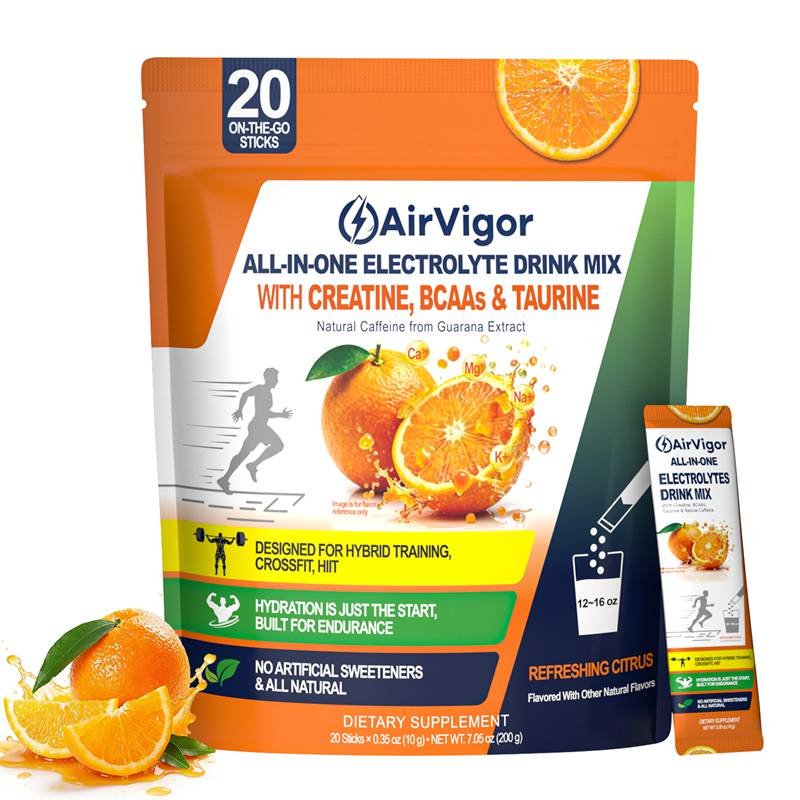
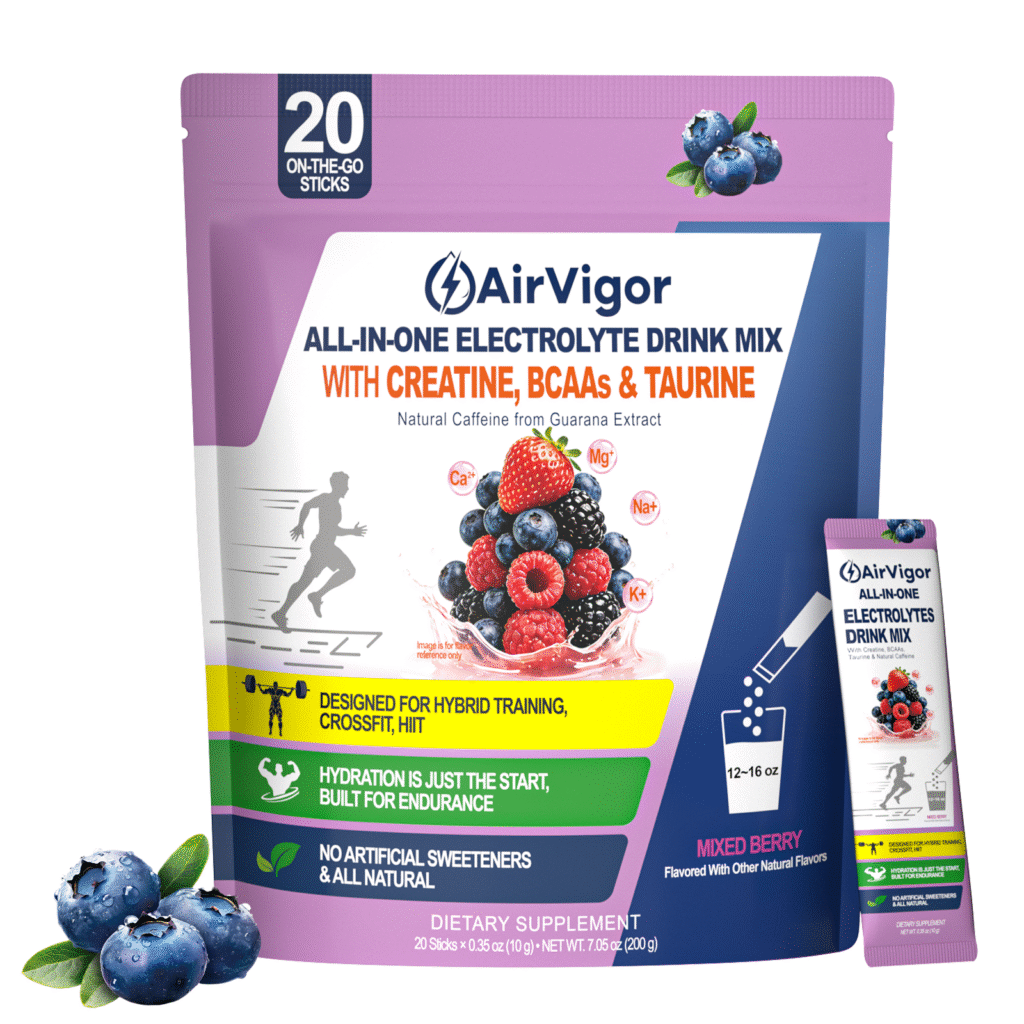
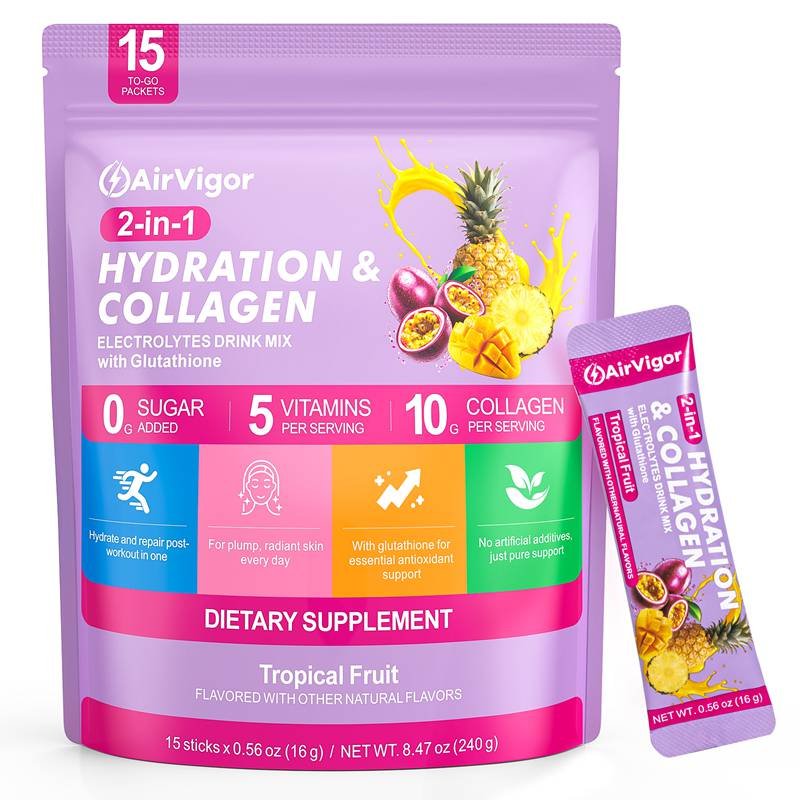
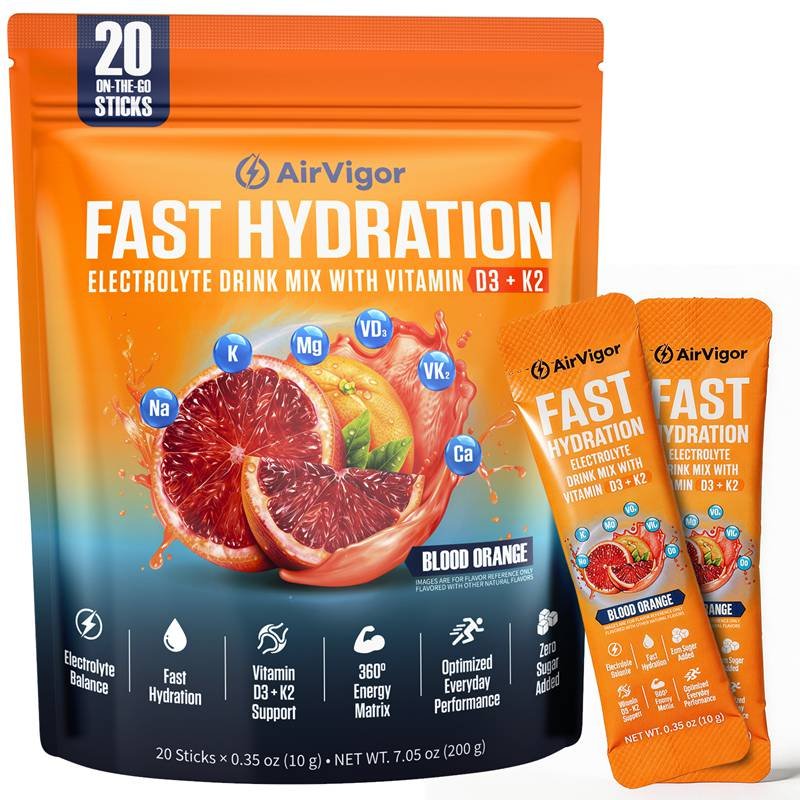
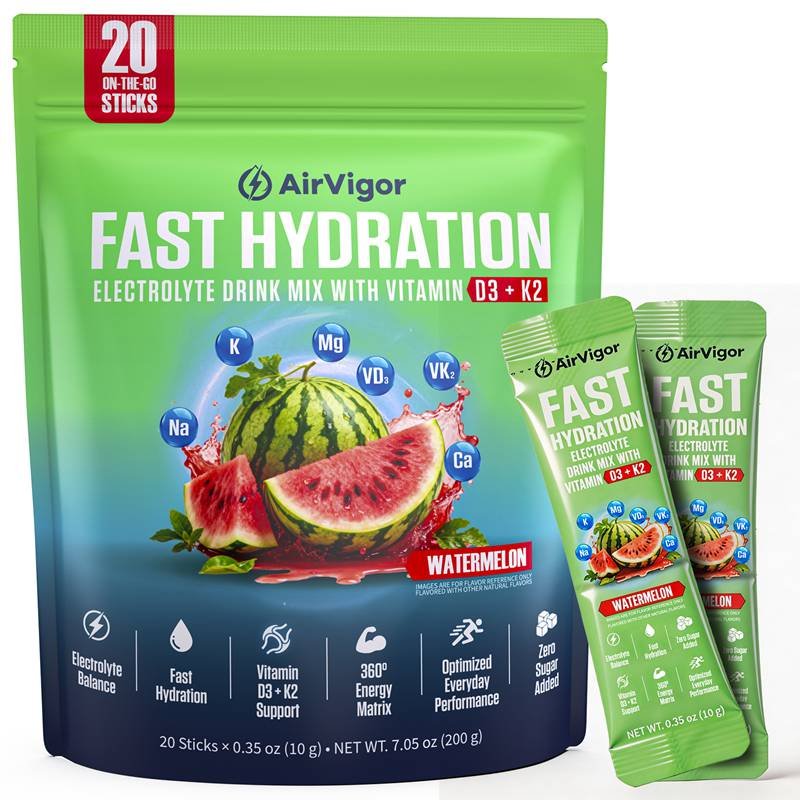
For users who want mineral support without turning every hydration moment into a sugary drink, electrolyte powders can be more practical than traditional sports drinks. They are lighter to carry, easier to store, and easier to mix when needed. This is why AirVigor focuses on clear formula expression, practical serving formats, and hydration support that fits real routines such as gym training, travel, hot weather, and active daily schedules.
Sports drinks and electrolytes belong in the same conversation, but they should not be treated as the same product. Sports drinks are useful when fluid, minerals, and quick carbohydrates are all needed. Electrolytes are useful when mineral support is the main goal. Water still remains the best starting point for many normal daily situations.
Are Sports Drinks Electrolytes?
Sports drinks are not electrolytes. They are beverages that may contain electrolytes. Electrolytes are minerals inside the formula, while sports drinks often include water, sugar, flavoring, colors, and calories. The real difference shows up when you check the label and match the drink to your activity.
Sports Drinks Are Beverages
Sports drinks are finished drink products, not pure electrolyte formulas. They are made to taste good, feel refreshing, and support certain active situations.
A sports drink usually comes ready to drink in a bottle. That makes it convenient after practice, during outdoor activity, or when someone wants a quick cold drink. But convenience also means less control. The user gets the full formula in the bottle, whether they need every part or not.
This matters because many sports drinks are built around a mix of hydration, taste, sugar, and electrolytes. The drink may contain sodium and potassium, but it may also contain 20–40 grams of sugar in a larger bottle, depending on the product and serving size. For long sports sessions, that sugar may help provide quick fuel. For casual hydration, it may add calories without solving a real need.
| What Sports Drinks May Include | Why It Is Added | What Users Should Notice |
|---|---|---|
| Water | Basic fluid replacement | Still not always enough for heavy sweat |
| Sugar / Carbohydrates | Quick fuel during long activity | Can add calories when not needed |
| Sodium | Sweat mineral support | Amount varies by product |
| Potassium | Electrolyte balance | Often lower than sodium |
| Flavoring | Makes the drink easier to consume | Can make the drink feel healthier than it is |
| Color | Product appearance | Not related to hydration value |
| Caffeine | Stimulation in some formulas | May not fit evening use or sensitive users |
A sports drink can be useful, but it should not be judged only by the front label. The nutrition facts panel tells a more honest story. If the drink is high in sugar and low in sodium, it may be closer to a sweet beverage than a serious electrolyte option for heavy sweat.
Electrolytes Are Minerals
Electrolytes are minerals the body uses for fluid balance, muscle movement, and normal nerve signals. They are ingredients, not a drink category.
The main electrolytes people look for in hydration products are sodium, potassium, magnesium, calcium, and chloride. Among these, sodium is often the most important for sweat replacement because sweat contains more sodium than most other minerals. That is why heavy sweaters, runners, hot yoga users, outdoor workers, and athletes training in heat often pay close attention to sodium.
Electrolytes do not provide energy in the same way sugar does. They do not add calories. Their role is more about helping the body manage water properly. This is why a person can drink a lot of plain water after sweating and still feel like something is missing if mineral loss was significant.
| Electrolyte | Why It Matters | Common Hydration Relevance |
|---|---|---|
| Sodium | Helps support fluid balance and normal muscle function | Main electrolyte lost through sweat |
| Potassium | Works with sodium for fluid balance | Often included for balanced support |
| Magnesium | Supports normal muscle function | Often used in active lifestyle formulas |
| Calcium | Supports normal muscle contraction | Useful in broader mineral formulas |
| Chloride | Helps maintain fluid balance | Naturally paired with sodium in many formulas |
A good electrolyte product should make these mineral amounts easy to find. Users should not have to guess whether the drink is designed for real sweat replacement, light daily hydration, or mainly flavor.
Sports Drinks With Electrolytes
Many sports drinks do contain electrolytes, but the amount may not be strong enough for every sweat-heavy situation. The word “electrolytes” alone does not tell the full story.
Some sports drinks are made for endurance performance. Some are made for casual refreshment. Some are low-calorie. Some are high-sugar. Some contain caffeine. Some use bright colors and strong flavors to create a refreshing feeling, even when the mineral profile is simple.
This is why readers should compare actual numbers instead of relying on product style. Three label items matter most for most users: sodium, sugar, and calories.
| Label Item | Why It Matters | What to Ask Before Drinking |
|---|---|---|
| Sodium | Shows sweat replacement strength | Is this enough for my sweat level? |
| Sugar | Shows whether the drink is also fuel | Do I need quick energy right now? |
| Calories | Shows daily intake impact | Is this worth it for my activity? |
| Potassium | Supports electrolyte balance | Is it included in a meaningful amount? |
| Serving Size | Prevents label confusion | Is one bottle one serving or more? |
| Caffeine | Affects stimulation and sleep | Do I want caffeine in my hydration drink? |
For example, a 90-minute run in warm weather may justify a sports drink because the body may need both sodium and carbohydrates. A short strength session in an air-conditioned gym may not need the same drink. A travel day or hot-weather walk may call for electrolytes, but not necessarily sugar.
This is the main point: sports drinks can deliver electrolytes, but they do not always deliver the right electrolyte support for the moment.
Sports Drinks Are Not Always Needed
Sports drinks are often overused because people connect sweating with needing a sports drink. In real life, the need depends on duration, intensity, heat, and how much someone sweats.
A light sweat does not automatically mean the body needs sugar and electrolytes. A person doing a 20-minute walk, light stretching, or casual daily errands may be fine with water. A person training hard for more than an hour, sweating heavily, or working outdoors in heat has a stronger reason to think about electrolytes.
The wrong drink choice can happen in two directions. Some people drink sports drinks too often and take in sugar they do not need. Others drink only water during long, hot, sweaty activity and ignore sodium loss.
| Situation | Sports Drink Needed? | Better Choice |
|---|---|---|
| Desk work | No | Water |
| Short walk | No | Water |
| Light gym session | Usually no | Water or light electrolytes |
| Hot yoga | Sometimes | Electrolytes |
| Long run | Often useful | Electrolytes plus fuel if needed |
| Team practice in heat | Often useful | Sports drink or electrolytes with food |
| Outdoor work shift | Sugar not always needed | Electrolytes with steady water |
A smarter hydration routine starts with the body’s real need. If the body mainly needs fluid, water is enough. If the body loses sweat and minerals, electrolytes may help. If the body needs minerals plus quick energy, a sports drink can make sense.
Sports Drinks vs Electrolytes
Sports drinks usually combine fluid, sugar, flavor, and some electrolytes. Electrolytes focus more directly on minerals such as sodium, potassium, magnesium, calcium, and chloride. The best choice depends on sweat level, workout length, heat, sugar needs, and daily drinking habits.
Sports Drinks vs Electrolytes Sugar
Sugar is the biggest difference for many users because sports drinks often provide fuel, while electrolyte products may focus on mineral support.
Many traditional sports drinks contain sugar because they were designed for situations where the body needs quick carbohydrates. During long runs, cycling sessions, team practices, or tournament days, carbohydrates can help working muscles keep going. In those moments, sugar is not just there for taste. It may serve a real performance purpose.
The problem is that many people use sports drinks when they are not doing long or intense activity. A short walk, light gym session, office afternoon, or casual errand does not usually require extra sugar. If a person drinks sports drinks several times per week outside hard exercise, the sugar can become part of the daily diet without feeling like “dessert.”
A practical way to judge sugar is to ask whether the body needs fuel or only hydration. If the activity is short and light, water may be enough. If the user sweats heavily but does not need extra calories, a zero-sugar electrolyte product may be more suitable. If the session is long, hot, and physically demanding, sugar may help.
| Situation | Is Sugar Useful? | Better Direction |
|---|---|---|
| Sitting at work | Usually no | Water |
| 20–30 minute walk | Usually no | Water |
| Light gym session | Usually no | Water or zero-sugar electrolytes |
| Hot yoga | Not always | Electrolytes |
| 60–90 minute workout | Sometimes | Electrolytes; carbs only if needed |
| 90+ minute endurance session | Often useful | Electrolytes plus carbohydrate plan |
| Team practice in heat | Often useful | Sports drink or electrolytes with fuel |
This is why sports drinks are not automatically better than electrolytes. They may simply contain more than the user needs. For daily hydration, many customers now prefer lighter electrolyte options that help support mineral replacement without turning every drink into a sweet beverage.
Sports Drinks vs Electrolytes Sodium
Sodium matters because it is the main electrolyte lost through sweat, but many users focus only on flavor or sugar.
When people compare sports drinks and electrolytes, sodium should be one of the first numbers they check. Sweat contains sodium, and heavy sweaters may lose enough that plain water does not feel complete after long or hot activity. This is especially common among runners, cyclists, hot yoga users, CrossFit athletes, outdoor workers, sauna users, and people who train in humid weather.
Not all sports drinks provide the same sodium level. Some are made mainly for taste and light activity. Others are built for endurance performance. Electrolyte powders may also vary widely. Some provide stronger sodium support, while others lean more toward flavor, potassium, or general wellness positioning.
The front label may say “electrolytes,” but the sodium amount tells a much better story. A drink with bright colors and bold sports branding may still provide only modest mineral support. A simple electrolyte powder may provide clearer sodium information and be easier to adjust around real sweat needs.
| What to Check | Why It Matters |
|---|---|
| Sodium per serving | Shows how sweat-focused the drink is |
| Potassium per serving | Helps support mineral balance |
| Serving size | Prevents misunderstanding the real dose |
| Sugar grams | Shows whether the drink is also fuel |
| Calories | Matters for daily use |
| Caffeine | Important for evening use and sensitive users |
Users who often see salt marks on clothing, taste salt on their skin, or feel drained after sweating may need to pay closer attention to sodium. Users who barely sweat during short indoor sessions may not need a strong electrolyte formula every time.
Sports Drinks vs Electrolytes Calories
Calories can make sports drinks useful during long activity, but unnecessary during casual hydration.
Sports drinks often contain calories because of sugar or carbohydrates. That can be useful when the body is working hard for a long time. For example, a cyclist riding for two hours may benefit from calories in liquid form because it is easier than eating solid food during movement. A soccer player in a long practice may also use carbohydrates between intense efforts.
For everyday hydration, those calories may not add much value. A person may drink a sports drink after a short workout and feel like they made a healthy choice, but the body may not have needed the extra energy. Over time, liquid calories can add up because drinks are consumed quickly and often do not feel as filling as food.
Electrolyte products can be more flexible because they may come in zero-calorie, low-calorie, or carbohydrate-supported formats. This allows users to choose based on the moment instead of accepting one fixed sports drink formula every time.
| Drink Type | Common Calorie Source | Best Use |
|---|---|---|
| Traditional sports drink | Sugar / carbohydrates | Long or intense activity |
| Zero-sugar sports drink | Sweeteners, no sugar calories | Flavor and light hydration |
| Electrolyte powder | Depends on formula | Sweat support with more control |
| Carb electrolyte mix | Carbohydrates plus minerals | Endurance training |
| Plain water | No calories | Daily hydration |
For customers who train often, this difference matters. They may want minerals after sweating but not want sugar and calories every time. A zero-sugar electrolyte product can fit that need better than a traditional sports drink.
Sports Drinks vs Electrolytes Daily Use
Sports drinks are usually better for selected activity moments, while electrolyte products can be easier to fit into daily routines when sugar is low.
Daily use is where many hydration choices go wrong. Sports drinks feel connected to fitness, so people may treat them as healthier than soda or juice. But if the drink contains sugar and calories, it still affects daily intake. The label should be judged honestly, even if the bottle looks athletic.
Electrolytes can also be overused. A person does not need electrolytes in every bottle of water. Water and regular meals are enough for many normal days. Electrolytes become more useful when sweat, heat, long activity, travel, or repeated training increases the need for mineral support.
A simple daily-use rule works well:
- Use water for normal thirst.
- Use electrolytes when sweat, heat, or activity increases mineral loss.
- Use sports drinks when the body also needs quick carbohydrates.
- Avoid turning sweet sports drinks into an everyday habit.
| Daily Scenario | Better Starting Choice | Why |
|---|---|---|
| Office work | Water | No major sweat loss |
| Light walk | Water | Low fluid and mineral loss |
| Gym workout with sweat | Electrolytes | Mineral support may help |
| Hot outdoor errands | Electrolytes | Heat increases sweat loss |
| Long run | Electrolytes plus fuel if needed | Longer effort may need both |
| Tournament day | Sports drink or planned fuel | Repeated effort needs energy |
| Travel day | Electrolyte sticks | Portable and easy to mix |
For users who want hydration support several times a week, taste and convenience matter. A bulky bottle may not fit a gym bag. A drink that is too sweet may become tiring. A powder stick can be easier to carry, mix, and use only when needed.

When Do Electrolytes Help?
Electrolytes help most when the body loses more than plain water, especially through heavy sweat, heat, long workouts, travel, or repeated training. They are not needed for every drink, but they can be useful when water alone does not match real fluid and mineral loss.
Electrolytes for Heavy Sweat
Heavy sweat is one of the clearest signs that electrolytes may be useful, because sweat carries sodium and smaller amounts of other minerals.
Not everyone sweats the same way. One person may finish a workout with only a damp shirt, while another leaves sweat marks on the floor, towel, hat, and clothing. Sweat rate can vary widely by body size, training intensity, temperature, humidity, fitness level, and how adapted someone is to heat. Some active people may lose less than 0.5 liter of sweat per hour, while heavy sweaters can lose more than 1–2 liters per hour during hard training or hot outdoor work.
The key point is that sweat is not only water. Sodium is the main electrolyte lost through sweat, and sweat sodium levels can vary a lot from person to person. Some people lose roughly a few hundred milligrams of sodium per liter of sweat, while salty sweaters may lose much more. This is why two people can drink the same amount of water after the same workout and feel very different afterward.
Heavy sweaters often notice patterns. Their skin may taste salty, their eyes may sting when sweat runs down their face, or white salt marks may appear on dark shirts, hats, or backpack straps. These are practical signs that electrolyte support may be more useful than plain water alone.
| Heavy Sweat Sign | What It May Suggest | Better Hydration Direction |
|---|---|---|
| Shirt is soaked after training | High fluid loss | Water plus electrolytes |
| White salt marks on clothes | Higher sodium loss | Sodium-focused electrolytes |
| Strong thirst after drinking water | Water may not feel complete | Add electrolytes gradually |
| Heavy legs after hot sessions | Sweat and fatigue may overlap | Review fluid, sodium, and food intake |
| Repeated cramping feeling | Multiple factors possible | Check sweat, sodium, training load, and recovery |
Electrolytes are not a magic fix for every tired or tight muscle. Sleep, food, training volume, stretching, and overall health all matter. But if heavy sweating happens often, electrolyte support becomes a practical part of the routine rather than a trend.
Electrolytes in Heat
Hot weather increases sweat loss, which can make electrolytes more useful during outdoor activity, warm workplaces, summer travel, and high-humidity training.
Heat changes hydration needs quickly. A normal 45-minute walk can feel easy in cool weather but draining in July heat. Humidity makes the situation harder because sweat does not evaporate as efficiently, so the body may keep sweating to cool itself. This can increase both fluid loss and sodium loss.
People often underestimate heat exposure because it does not always feel like exercise. Yard work, outdoor markets, theme parks, beach days, warehouse shifts, delivery routes, and kids’ sports tournaments can all create long periods of sweating. The body does not care whether the activity is called a workout. If sweat loss is high, hydration needs change.
In hot conditions, drinking only when thirst becomes strong may not be enough for everyone. A better approach is to start hydrated, drink steadily, and include electrolytes when sweating continues for a long time. This is especially useful for people who know they sweat heavily or feel drained after heat exposure.
| Hot Weather Situation | Common Hydration Issue | Electrolyte Use |
|---|---|---|
| Outdoor run | Fast sweat and sodium loss | Useful before or after training |
| Hot yoga | Heavy sweat in a short time | Often helpful after class |
| Yard work | Long sweating without noticing | Useful with steady water |
| Theme park day | Walking, heat, irregular meals | Convenient in packet format |
| Outdoor jobsite | Repeated sweat over hours | Useful across the day |
| Beach or pool day | Heat, sun, and activity | Useful when water alone feels incomplete |
For hot weather, convenience matters. A ready-to-drink sports drink may be available, but it can also be bulky or too sweet. A stick packet is easier to carry and mix when needed. AirVigor electrolyte products are especially practical for warm-weather routines because they fit into a gym bag, backpack, suitcase, desk drawer, or car kit without taking up much space.
Electrolytes for Long Workouts
Long workouts make electrolytes more useful because sweat loss builds over time, especially when exercise passes 60 minutes or happens in heat.
Workout length is one of the simplest ways to judge whether electrolytes may help. For short, low-sweat sessions, water is usually enough. For training that lasts around an hour or more, especially in heat, electrolytes become more relevant. Once activity moves beyond 90 minutes, many people need to think about both minerals and fuel.
This is where sports drinks and electrolytes often get confused. Long workouts may require electrolytes, but they do not always require a sugary sports drink. The user may need sodium and water, but not extra carbohydrates. Or the user may need both electrolytes and carbohydrates because the session is long, intense, or performance-focused. The drink should match the session.
For example, a 45-minute strength session in an air-conditioned gym may not require much more than water. A 75-minute hot yoga class may call for electrolytes because sweat loss is high. A 2-hour cycling ride may require electrolytes and a carbohydrate plan. These are different situations, not one hydration rule.
| Workout Length | Sweat Level | What Usually Makes Sense |
|---|---|---|
| Under 30 minutes | Low to moderate | Water is often enough |
| 30–60 minutes | Depends on intensity | Water or light electrolytes |
| 60–90 minutes | Moderate to high | Electrolytes may help |
| 90+ minutes | Often higher | Electrolytes plus fuel planning |
| Back-to-back sessions | Repeated loss | Planned electrolyte support |
| Hot or humid workout | Higher sweat stress | Electrolytes become more useful |
People who train several days per week may also benefit from a more consistent hydration plan. Electrolytes can be used around sweat-heavy sessions instead of every single drink. This keeps the routine practical and avoids overusing products when normal water and meals are enough.
Electrolytes for Travel
Travel can make electrolytes helpful because flights, walking, heat, irregular meals, and schedule changes often disrupt normal hydration habits.
Many people feel off during travel and assume they are simply tired. Sometimes that is true. But travel can also change fluid and mineral intake. Flights feel dry, coffee intake may increase, meals may be delayed, and water routines are often interrupted. After landing, people may walk more than usual, carry bags, stand in lines, or spend hours outdoors in unfamiliar weather.
Electrolytes are useful here because travel hydration is often about convenience. A traveler may not want to carry heavy bottles or rely on convenience store sports drinks. Powder sticks are easier to pack, lighter to carry, and simple to mix with bottled water after airport security or at a hotel.
Travel does not always require electrolytes. A short flight with normal meals and water may be fine. But for long flights, warm destinations, outdoor sightseeing, hiking trips, business travel, and high-step vacation days, electrolyte packets can be a practical support tool.
| Travel Moment | Why Hydration Changes | Useful Option |
|---|---|---|
| Long flight | Dry cabin air and limited water routine | Water, electrolytes if needed |
| City walking | More steps and sun exposure | Electrolyte packet with water |
| Business travel | Coffee, stress, skipped meals | Light electrolyte support |
| Beach vacation | Heat, sun, sweat | Electrolytes without heavy sugar |
| Hiking trip | Sweat and long activity | Electrolytes plus food and water |
| Road trip | Irregular drinking schedule | Portable stick packets |
AirVigor fits travel use because the format is simple. Users can keep packets in a carry-on, laptop bag, gym pouch, or hotel room. The goal is not to replace water. The goal is to make mineral support easier when travel creates real hydration gaps.
Electrolytes After Sweating
After sweating, electrolytes can help replace minerals lost during activity and make post-workout hydration feel more complete.
Many people drink a large amount of plain water right after exercise. Sometimes that works well. Other times, the body still feels heavy, thirsty, or slow to settle. This can happen after high sweat loss because the body has lost both fluid and sodium. In that case, water is still important, but electrolytes may make hydration feel more balanced.
Post-sweat hydration should be steady. Drinking too much too quickly can feel uncomfortable, especially after hard training. A better approach is to sip gradually, cool down, eat normally, and use electrolytes when the sweat loss was meaningful. This is especially useful after hot runs, cycling, CrossFit, sauna sessions, hot yoga, outdoor labor, and long sports practices.
| After-Sweat Moment | What to Do | Why It Helps |
|---|---|---|
| First 15 minutes | Sip water or electrolytes slowly | Easier on the stomach |
| After cooling down | Check thirst and sweat level | Helps decide if more fluid is needed |
| With a meal | Include normal food | Food adds broader minerals |
| Later in the day | Continue steady water intake | Supports full-day hydration |
| Before next session | Plan ahead if training again | Reduces repeated fluid gaps |
A practical post-sweat routine does not need to be complicated. If the workout was light, water and food may be enough. If the workout was sweaty, hot, long, or repeated, an electrolyte drink may be a better fit. AirVigor electrolyte products are designed for this type of real routine: easy to mix, easy to carry, and simple enough to use after training without overthinking.
When Are Sports Drinks Useful?
Sports drinks are useful when the body needs fluid, electrolytes, and quick carbohydrates at the same time. This usually happens during long endurance training, intense team sports, tournament days, hot-weather workouts, or repeated high-output activity. For short workouts or daily thirst, water or electrolytes may fit better.
Sports Drinks for Endurance Training
Sports drinks can help during longer endurance sessions because the body may need both sweat replacement and quick fuel.
Endurance training is one of the strongest reasons to use sports drinks. When someone runs, cycles, rows, hikes, or trains continuously for a long time, the body loses fluid through sweat and uses stored carbohydrates for energy. If the session is short, water may be enough. If the session keeps going, the body may need more than water.
Many active users start to notice the difference when exercise passes 60–90 minutes. The legs feel heavier, pace becomes harder to hold, thirst returns faster, and mental focus may drop. In that setting, a drink with fluid, sodium, and carbohydrates can be useful because it helps cover more than one need at once.
The key is not to drink sports drinks automatically. A slow 30-minute jog does not create the same demand as a 2-hour bike ride. A cool-weather walk does not need the same drink as a summer trail run. Sports drinks make the most sense when the workout is long enough for carbohydrates to matter.
| Endurance Activity | Typical Session Length | Main Need | Sports Drink Fit |
|---|---|---|---|
| Easy jog | 20–40 minutes | Fluid | Usually not needed |
| Moderate run | 45–75 minutes | Fluid, possible sodium | Sometimes useful in heat |
| Long run | 90+ minutes | Fluid, sodium, carbohydrates | Stronger fit |
| Cycling | 90–180 minutes | Steady fluid and fuel | Often useful |
| Hiking | 2+ hours | Fluid, sodium, food energy | Useful with snacks or meals |
| Race day | Varies | Planned hydration and fuel | Useful if tested before |
For endurance users, the best drink is the one that has already been tested during training. A sports drink that works during a long practice session may be helpful on race day. A drink that causes stomach discomfort during training should not be used for the first time during an event.
Sports Drinks for Team Sports
Sports drinks can be useful in team sports when practices or games are long, hot, intense, or repeated across the same day.
Team sports create a different kind of demand from steady endurance training. Soccer, basketball, football, lacrosse, rugby, volleyball, tennis, and hockey often involve short bursts of speed, fast direction changes, physical contact, and repeated effort. Players may stop and start, but the total session can still be demanding.
A sports drink can be useful when a player needs quick fluid and carbohydrates between intense efforts. This is common during summer practice, tournament weekends, double-header games, training camps, or long sessions with limited meal breaks. In these cases, sugar can act as fuel rather than just sweetness.
However, sports drinks are often overused in youth sports and casual adult leagues. A child playing a short indoor practice may not need a full bottle of sugary sports drink. An adult playing a 30-minute casual game may also be fine with water. The decision should depend on sweat, heat, duration, and energy demand.
| Team Sport Situation | Body Demand | Better Drink Choice |
|---|---|---|
| Short indoor practice | Light to moderate sweat | Water |
| Summer soccer practice | High sweat, repeated running | Sports drink or electrolytes with fuel |
| Basketball tournament | Repeated games, limited recovery | Sports drink may help |
| Tennis match in heat | Sweat, long duration, focus demand | Sports drink or electrolyte plan |
| Football camp | Heat, contact, repeated sessions | Planned hydration and fuel |
| Casual evening game | Low to moderate demand | Water or light electrolytes |
For parents, coaches, and recreational athletes, the label still matters. A sports drink should be chosen because the session creates real need, not because the bottle looks athletic. If a player only needs mineral support, an electrolyte drink may be enough. If the player also needs fast calories, a sports drink can make more sense.
Sports Drinks for Quick Energy
Sports drinks can provide quick energy because many formulas include sugar or fast carbohydrates.
Quick energy is one reason sports drinks still matter. During hard activity, the body may not want solid food. A drink is easier to sip, easier to carry, and often easier on the stomach than a snack. For runners, cyclists, tennis players, and field sport athletes, liquid carbohydrates can be convenient during movement.
This does not mean every tired feeling calls for a sports drink. Fatigue can come from poor sleep, not eating enough, dehydration, overtraining, heat stress, or too much caffeine earlier in the day. A sugary drink may give a short lift, but it will not fix every cause of low energy.
Sports drinks are more useful when the tired feeling happens during long or intense activity. If someone feels flat halfway through a long ride, carbohydrates may help. If someone feels tired at a desk at 3 p.m., the better answer may be water, food, rest, or movement.
| Situation | Possible Cause | Is a Sports Drink Useful? |
|---|---|---|
| Heavy legs during a long run | Low fuel and sweat loss | Often useful |
| Tired during office work | Sleep, meals, stress, caffeine pattern | Usually not the first choice |
| Weak during hot practice | Sweat, heat, fuel use | Often useful |
| Low energy before a light workout | Missed meal or low fluid | Food or water may be better |
| Fatigue after short exercise | Recovery, sleep, nutrition | Sports drink may not solve it |
| Tournament day crash | Repeated effort and low fuel | Can be useful |
A useful rule is simple: sugar in sports drinks makes more sense during movement than during sitting. If the body is actively using fuel, a sports drink can help. If the body is not using fuel quickly, the sugar may add more than the user needs.
Sports Drinks When Sugar Helps
Sugar in sports drinks is useful when the body needs quick carbohydrates, not when the user only needs basic hydration.
This is the point many readers care about most. Sugar is not always bad, and it is not always useful. During long or intense exercise, sugar can help supply fast energy. During casual daily drinking, it may simply add calories. The same ingredient can be useful or unnecessary depending on the moment.
A sports drink may be a good fit when the user is training long, sweating hard, and struggling to maintain output. It may be less useful when the user is only thirsty, sitting at work, doing light activity, or trying to reduce added sugar.
| User Need | Better Option |
|---|---|
| Basic thirst | Water |
| Sweat without fuel need | Electrolytes |
| Sweat plus quick fuel | Sports drink |
| Daily low-sugar hydration | Zero-sugar electrolytes |
| Long endurance session | Sports drink or electrolyte-carb plan |
| Hot but low-intensity day | Water plus electrolytes if needed |
For many modern customers, this is why electrolyte powders are becoming more appealing. They allow users to support hydration without taking in sugar every time they sweat. AirVigor fits this need by offering practical electrolyte support for gym training, travel, warm weather, and active daily routines where a full-sugar sports drink may not be necessary.
Sports drinks still have a place. They are useful when fluid, electrolytes, and carbohydrates are all needed together. The smarter approach is to use them with purpose, not out of habit.
How to Choose Electrolytes
Choose electrolytes by looking at your sweat level, activity length, sodium needs, sugar preference, and daily routine. A good electrolyte product should be easy to understand, easy to drink, and clear about what each serving provides.
Check the Electrolyte Label
The label should tell you what minerals are included, how much you get per serving, and whether the drink adds sugar, calories, or caffeine.
Many electrolyte products look similar from the front. They may all mention hydration, minerals, sweat, recovery, or active lifestyles. The real difference is usually on the nutrition label. A strong product should make the key numbers easy to find, especially sodium, potassium, sugar, calories, and serving size.
Serving size is one detail many people miss. Some ready-to-drink bottles look like one serving but may list nutrition for a smaller portion. Powders and stick packets are usually easier to understand because one stick or one scoop often equals one serving. This makes it easier for users to know what they are actually drinking.
A clear electrolyte label should not make users guess. If a product includes magnesium, calcium, vitamins, caffeine, amino acids, or sweeteners, the amount and purpose should be easy to understand. This matters for daily users, athletes, travelers, and people trying to reduce sugar from drinks.
| Label Item | Why It Matters | What to Look For |
|---|---|---|
| Sodium | Main electrolyte lost through sweat | Clear amount per serving |
| Potassium | Supports fluid and muscle function | Balanced with sodium |
| Magnesium | Often used in active lifestyle formulas | Included in a clear amount |
| Calcium | Supports normal muscle contraction | Useful in broader electrolyte blends |
| Sugar | Changes daily use and calorie load | Zero, low, or carb-based |
| Calories | Matters for repeated use | Check if calories fit your goal |
| Caffeine | Can affect sleep and sensitivity | Best avoided if unwanted |
| Serving Size | Prevents label confusion | One stick, scoop, or bottle amount |
For AirVigor, label clarity is part of the product experience. Users should be able to understand the formula before they buy, not after they search through fine print. This is especially important when someone is comparing sports drinks, electrolyte powders, and zero-sugar hydration products side by side.
Check Sodium First
Sodium is one of the most important numbers on an electrolyte label because it is the main mineral lost in sweat.
Many people check potassium first because it sounds familiar from bananas, coconut water, or general wellness content. Potassium is important, but sweat replacement usually starts with sodium. When people sweat heavily, especially in heat, sodium loss can become more noticeable than most other mineral losses.
The right sodium amount depends on the person and the situation. Someone doing a light walk may not need much. Someone doing hot yoga, running in summer, cycling for two hours, working outdoors, or training in a humid gym may need more electrolyte support. A person who sees white salt marks on clothing may also need to take sodium more seriously.
| User Situation | Sodium Need | Why |
|---|---|---|
| Desk work | Low | Little sweat loss |
| Short walk | Low | Water is usually enough |
| Light gym session | Low to moderate | Depends on sweat |
| Hot yoga | Moderate to high | Heavy sweat in a short time |
| Long run | Moderate to high | Sweat loss builds over time |
| Outdoor work | Moderate to high | Repeated heat exposure |
| Endurance event | High | Long sweat and fluid loss |
More sodium is not always better. People with blood pressure concerns, kidney disease, heart conditions, or sodium-restricted diets should be careful with higher-sodium products and follow medical advice. For healthy active adults, sodium should be matched to sweat, heat, and activity length.
A useful way to choose is to look at patterns. If water feels enough, keep it simple. If sweat is heavy and water feels incomplete, electrolytes may help. If the activity is long and intense, sodium becomes more important.
Watch the Sugar
Sugar can help during long exercise, but it is often unnecessary for daily hydration or short workouts.
This is where many people choose the wrong product. A sports drink with sugar may be useful during a long run, bike ride, team practice, or tournament. The body is using carbohydrates, so the sugar has a job. But during daily work, short gym sessions, errands, or light sweating, added sugar may not offer much benefit.
A drink with 20–40 grams of sugar can fit some endurance situations, but it may be too much for repeated daily use. If someone drinks a sugary sports drink after every light workout, the habit can add a large amount of liquid sugar over time. Many users now want electrolyte support without turning hydration into another sweet drink.
| Drink Choice | Sugar Level | Better Use |
|---|---|---|
| Plain water | 0g sugar | Daily thirst |
| Zero-sugar electrolytes | 0g sugar | Sweat support without sugar |
| Low-sugar electrolytes | Small amount | Light flavor and mineral support |
| Traditional sports drink | Often higher sugar | Long or intense activity |
| Endurance carb drink | Higher carbohydrate | Race day or long training |
Zero-sugar electrolyte products are especially useful for people who train several days per week, dislike sweet drinks, want fewer liquid calories, or need something light for work, travel, or warm weather. This is one reason AirVigor can fit modern hydration habits better than traditional sports drinks for many everyday users.
Match Electrolytes to Activity
The best electrolyte choice depends on what your body is actually doing, not only what the product promises.
A person sitting at a desk, a runner training in heat, a warehouse worker, and a traveler walking through a warm city all have different hydration needs. One product cannot be judged properly without knowing the situation. This is why the best electrolyte routine changes by activity.
For light daily life, water and meals are often enough. For sweat-heavy workouts, electrolytes may help. For long endurance sessions, electrolytes may need to be paired with carbohydrates. For travel or hot-weather errands, a portable electrolyte powder may be easier than buying bottled sports drinks.
| Activity | What the Body May Need | Better Choice |
|---|---|---|
| Office work | Basic fluid | Water |
| Short walk | Fluid | Water |
| Strength training | Fluid, possible minerals | Water or electrolytes |
| Hot yoga | Fluid and sodium | Electrolytes |
| Long run | Fluid, sodium, possible carbs | Electrolytes plus fuel if needed |
| Team sports | Fluid, sodium, quick energy | Sports drink or planned fuel |
| Travel day | Convenience and mineral support | Electrolyte stick packets |
| Outdoor labor | Fluid and sodium over time | Electrolytes with steady water |
This kind of activity-based thinking helps users avoid two common mistakes. The first mistake is drinking sports drinks when water would be enough. The second mistake is drinking only water when the body is losing a lot of sodium through sweat.
AirVigor electrolyte products are built for users who want a simple hydration option that can move between real-life situations: gym, work, travel, outdoor activity, warm weather, and post-sweat routines.
Choose the Right Format
Electrolytes come in bottles, powders, tablets, drops, and stick packets, so the best format depends on where and how you use it.
Format affects whether people actually use the product. A ready-to-drink bottle is convenient when it is already cold and available, but it can be bulky, heavy, and harder to store. A tub of powder works well at home but may be less convenient at the gym or while traveling. Tablets are portable, though some users dislike the taste or waiting time. Stick packets are often easier for active daily routines because each serving is already measured.
| Format | Strength | Limitation |
|---|---|---|
| Ready-to-drink bottle | Convenient immediately | Bulky, often higher sugar |
| Powder tub | Good for home use | Requires measuring |
| Tablet | Portable | May take time to dissolve |
| Liquid drops | Flexible dosing | Less familiar for some users |
| Stick packet | Portable and pre-measured | Requires water to mix |
For people who train, travel, or work outside the home, stick packets are often the easiest format to use consistently. They fit into small spaces, do not require a scoop, and reduce mess. One packet can be mixed with water when needed, while the rest stay sealed for later.
This is one of AirVigor’s strengths. A portable electrolyte format matches how people actually live: rushing to the gym, packing for a trip, keeping something in a desk drawer, or needing quick hydration support after sweating.

Conclusion
Sports drinks are not the same as electrolytes. Sports drinks are beverages that may contain electrolytes, sugar, flavoring, and other ingredients. Electrolytes are minerals that help support fluid balance, muscle function, and normal nerve signaling.
For long workouts, endurance training, team sports, or quick fuel needs, sports drinks can be useful. For heavy sweat, hot weather, travel, gym routines, and daily low-sugar hydration support, electrolyte products may be a better fit. For light activity and normal daily drinking, water is often enough.
AirVigor gives active users a clearer way to choose hydration support without depending on sugary sports drinks every time they sweat. With easy-to-use electrolyte products, transparent formula expression, and stable quality management, AirVigor is built for real training days, busy schedules, warm weather, and everyday active routines.
For fast market testing or daily consumer use, AirVigor in-stock electrolyte products are the recommended first choice. Custom electrolyte formulas, private label packaging, and flavor development can also be discussed for qualified partners who need a more tailored product plan.
Share:
Contact Expert Team
At AirVigor, performance becomes effortless. We transform advanced nutrition science into clean, effective supplements that help you hydrate, recover, and feel stronger every day. Shop AirVigor Supplements on Amazon and experience athlete-trusted formulas—backed by real science and supported by our world-class R&D and production capabilities.
Trust AirVigor
At AirVigor, turning your performance goals into reality is no longer a struggle—it’s a science-driven journey we build together. Whether you’re a runner, lifter, cyclist, yogi, outdoor athlete, or someone simply seeking better daily energy, AirVigor transforms advanced nutrition research into clean, effective, and trustworthy supplements you can feel.
Backed by our U.S. scientific team, global certifications, and world-class production standards, every formula is engineered to deliver real hydration, real recovery, and real performance. And when you’re ready to experience the difference, you’ll find AirVigor products available on Amazon and other major platforms—fast shipping, consistent quality, and a community of athletes already seeing results.
Behind the scenes, our R&D and manufacturing ecosystem also supports specialized formulation development, ensuring AirVigor continues to lead with innovation while keeping quality and safety uncompromised. But at the core, everything we create is built for you—your health, your performance, your momentum.
Choose AirVigor. Feel the science. Elevate your every day.


Subscribe to our newsletter
Sign up to our newsletter and we’ll keep you up to date with the latest arrivals.