Skip to content
Are Recovery Electrolytes Better Than Energy Drinks After Exercise: Daily Guide
# Your Trusted Dietary Supplement Brand In US
- Emily

Table of Contents
Most people do not start comparing recovery electrolytes and energy drinks because they suddenly become interested in sports nutrition. They compare them because something feels off. Workouts feel heavier than before, afternoon fatigue becomes harder to manage, or drinking water alone no longer feels enough after sweating, travel, or long workdays. Many people eventually realize that feeling “energized” and feeling properly hydrated are not the same thing.
Recovery electrolytes are generally better for hydration and post-workout recovery because they help replace important minerals lost through sweat, including sodium, potassium, and magnesium. Energy drinks may improve alertness temporarily through caffeine, but they often do not support hydration balance or physical recovery as effectively as electrolyte-based hydration systems.
This shift is changing the wellness and sports nutrition market quickly. Modern consumers are moving away from extremely sugary drinks and aggressive stimulant formulas toward cleaner hydration products that feel smoother, lighter, and easier to use daily. Whether someone trains regularly, travels frequently, works long hours, or simply wants more stable daily energy, understanding the difference between recovery electrolytes and energy drinks can completely change how they approach hydration and recovery.
What Are Recovery Electrolytes?
Recovery electrolytes are hydration-focused supplements designed to help restore fluids and minerals lost through sweating, exercise, heat exposure, travel, and daily activity. Unlike traditional energy drinks that mainly rely on caffeine stimulation, recovery electrolytes focus more on hydration balance, muscle support, and helping the body recover more comfortably after physical stress.
How Recovery Electrolytes Work
Recovery electrolytes help the body absorb and retain fluids more efficiently by replacing important minerals lost throughout the day. Proper hydration is not only about drinking water. The body also depends on electrolytes like sodium, potassium, magnesium, and calcium to regulate fluid balance, muscle contraction, and nerve signaling.
Many customers first notice the importance of electrolytes after situations where water alone no longer feels enough. This often happens after intense sweating, long workouts, outdoor activities in hot weather, or long travel days. A person may drink several bottles of water yet still feel tired, sluggish, or physically drained because the body is also missing minerals that help manage hydration properly.
Sodium plays a particularly important role because it helps the body hold onto fluids after sweating. Potassium supports muscle and nerve function, while magnesium is commonly associated with muscle relaxation and post-workout recovery comfort. Calcium also contributes to normal muscle movement and physical function.
| Electrolyte | Main Role in Recovery | Common Daily Loss Source |
|---|---|---|
| Sodium | Helps maintain fluid balance | Sweat, heat exposure |
| Potassium | Supports muscle and nerve function | Exercise, physical activity |
| Magnesium | Helps support recovery comfort | Stress, sweating |
| Calcium | Supports muscle movement | Daily activity |
This is why recovery electrolytes have become increasingly popular not only among athletes, but also among office workers, travelers, gym users, and people living in warmer climates. Modern consumers are beginning to understand that hydration affects much more than thirst alone. Poor hydration balance may contribute to heavy fatigue, slower recovery after exercise, headaches, muscle tightness, and reduced physical comfort throughout the day.
Which Recovery Electrolytes Matter Most
Not all recovery electrolyte formulas are built the same way. Some are designed for endurance athletes with very high sodium levels, while others are made for lighter daily hydration support. Customers today are paying much closer attention to ingredient balance because they want products that feel practical for real-world use instead of overly aggressive sports formulas.
Sodium is usually considered the most important electrolyte after heavy sweating because it helps improve fluid retention and hydration efficiency. However, many customers now prefer more balanced sodium levels because extremely salty drinks can feel unpleasant for everyday use.
Potassium has also become more important in modern hydration products because many people do not consume enough potassium-rich foods regularly. It helps support muscle performance and fluid balance, especially during exercise and physically demanding routines.
Magnesium has gained strong customer interest in recent years because it is commonly connected with post-workout comfort, muscle recovery, and relaxation support. Many customers specifically look for magnesium in hydration products because they want a smoother recovery experience instead of only quick stimulation.
| Mineral | Why Customers Look for It |
|---|---|
| Sodium | Helps replace minerals lost through sweat |
| Potassium | Supports muscle and hydration balance |
| Magnesium | Helps support post-workout recovery |
| Calcium | Supports normal physical function |
Another major shift in the hydration market is the move away from extremely sugary sports drinks. Customers increasingly want lighter formulas with cleaner flavor systems, lower sugar levels, and easier daily drinkability. Instead of products that feel heavy during workouts, they prefer hydration products that feel smooth, refreshing, and comfortable to use several times per week.
Are Recovery Electrolytes Good Daily?
Recovery electrolytes can work very well for daily hydration when the formula is balanced for regular use. Many people today experience mild dehydration more often than they realize because modern lifestyles naturally increase fluid loss and inconsistent hydration habits.
Long workdays, air-conditioned offices, coffee consumption, frequent travel, hot weather, high-protein diets, and regular workouts can all affect hydration balance. Some customers notice afternoon fatigue, dry mouth, headaches, or heavy physical tiredness even when they believe they drink enough water throughout the day.
This is one reason daily-use electrolyte products have grown rapidly across wellness and fitness markets. Customers are no longer only using electrolytes during marathon training or competitive sports. Many now use them during morning workouts, while traveling, during long office hours, or after physically demanding days outdoors.
| Daily Situation | Why Customers Use Recovery Electrolytes |
|---|---|
| Gym sessions | Helps replace sweat-related mineral loss |
| Office work | Supports hydration during long workdays |
| Travel | Helps manage dehydration from flights |
| Hot weather | Supports fluid balance during sweating |
| Evening recovery | Helps restore hydration after activity |
Most daily-use customers prefer products with moderate sodium levels, lower sugar, and portable packaging that fits easily into their lifestyle. A formula that tastes too strong or feels too heavy often becomes difficult to use consistently.
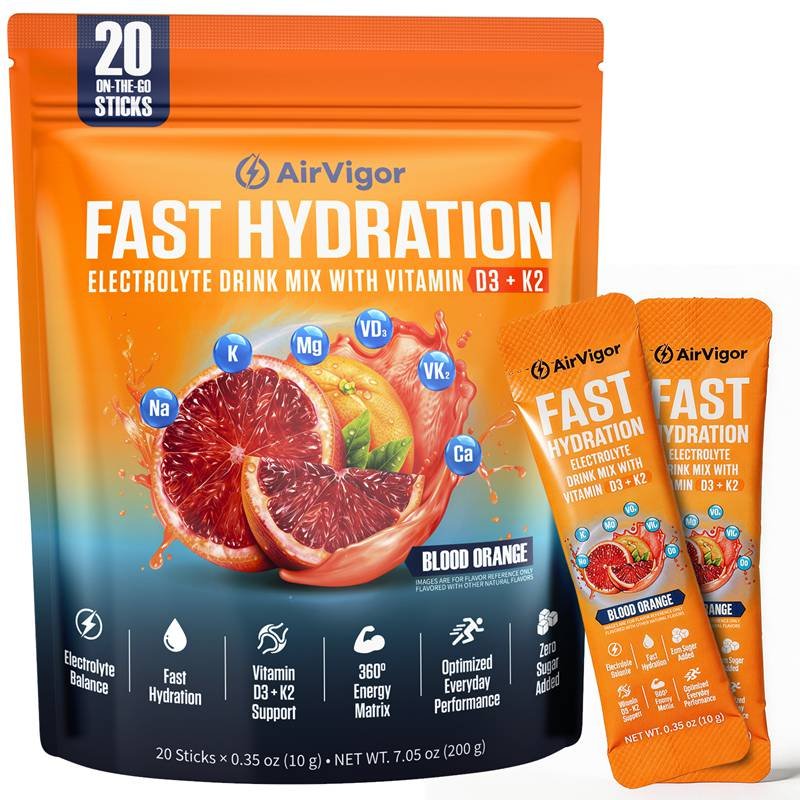
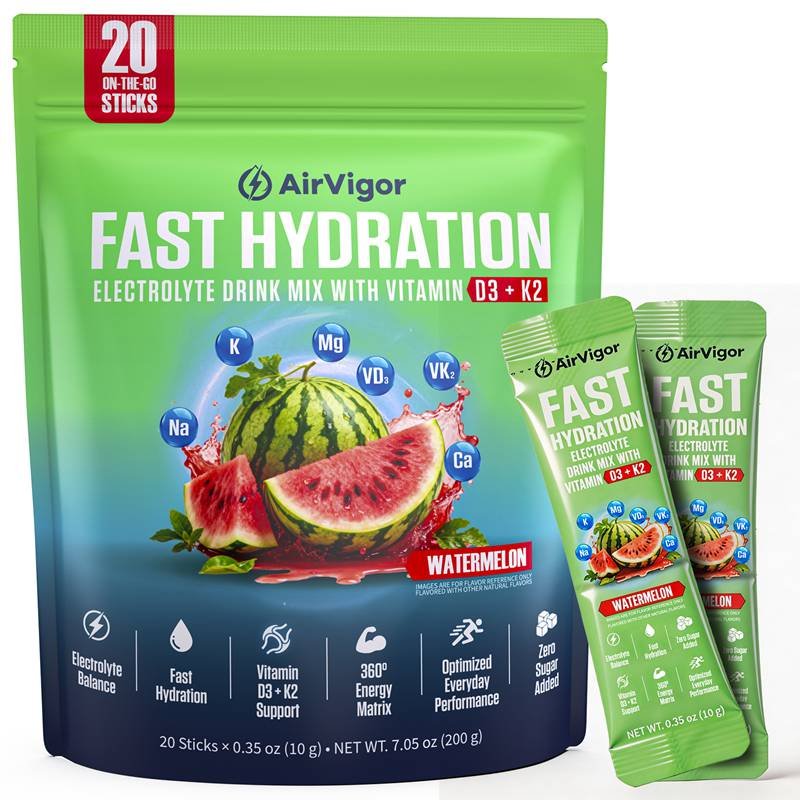
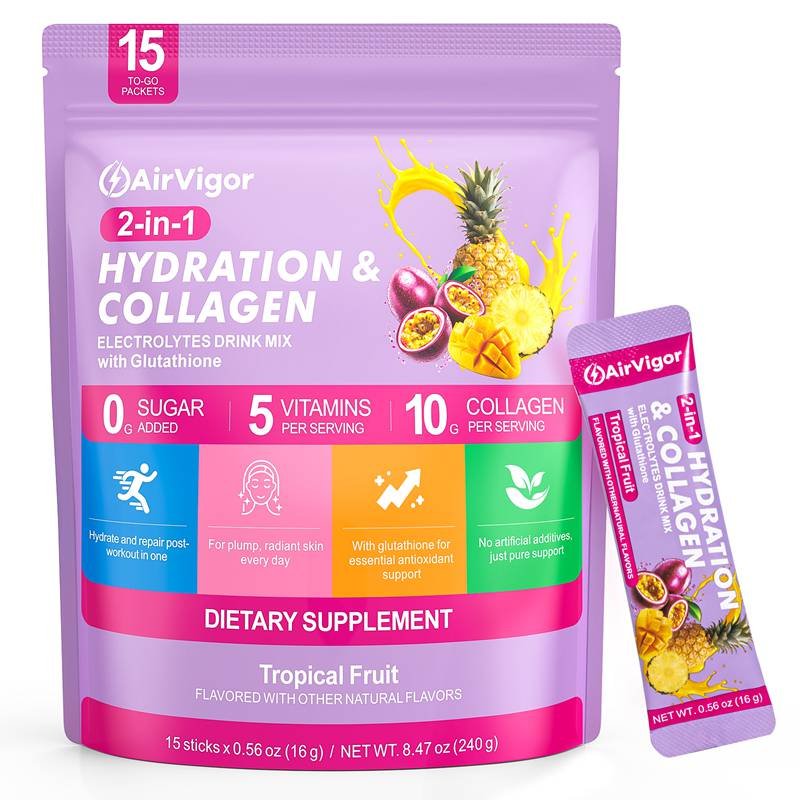
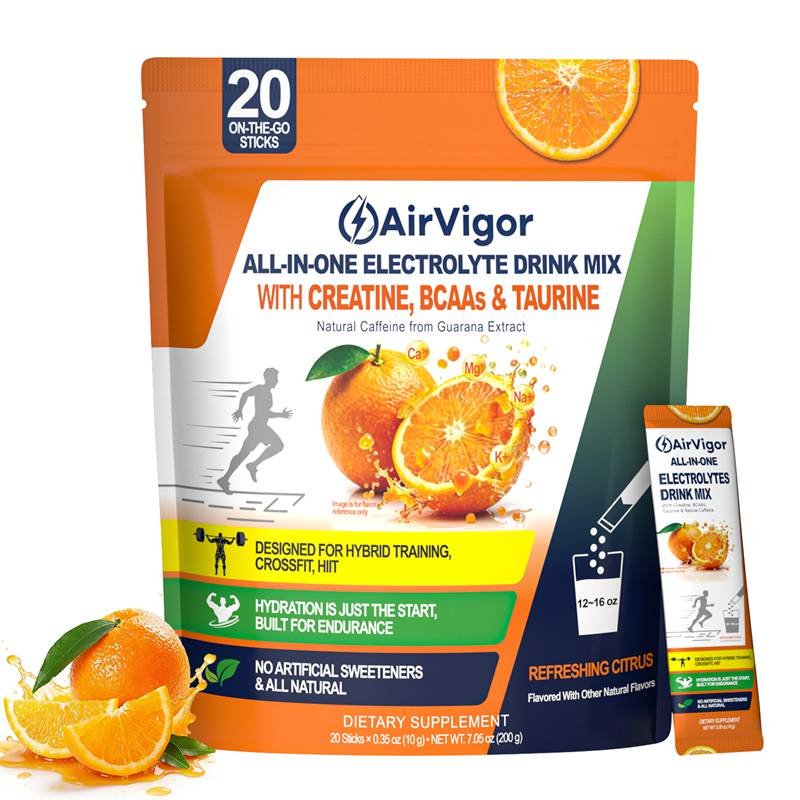
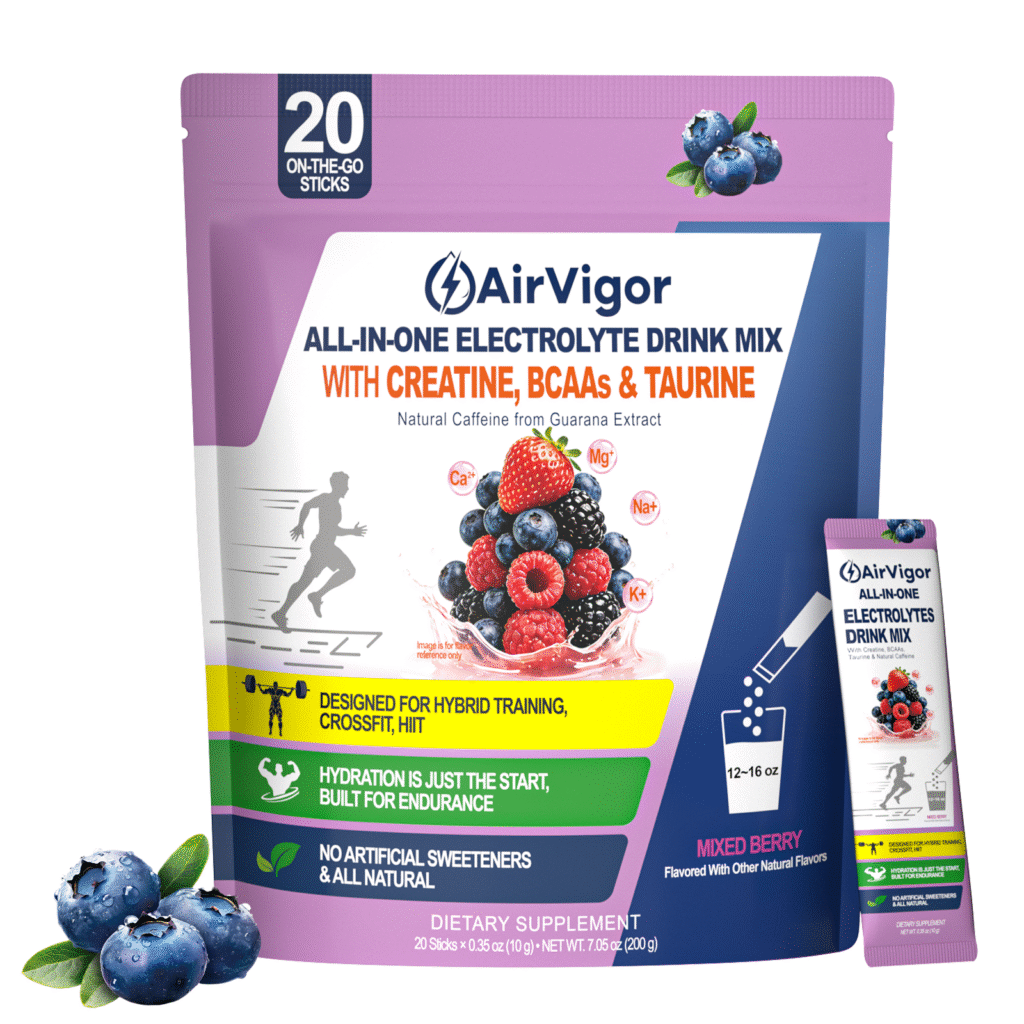
This is where modern hydration brands like AirVigor can stand out. Customers increasingly value products that combine clear ingredient transparency, stable quality control, realistic serving sizes, smooth taste, and practical daily usability. Instead of looking for extreme stimulation, many consumers now simply want hydration support that helps them feel more physically stable, refreshed, and comfortable throughout everyday life.
What Are Energy Drinks?
Energy drinks are beverages designed to increase alertness, focus, and short-term energy levels, usually through caffeine and stimulatory ingredients. Unlike recovery electrolytes, energy drinks are mainly built around mental and physical stimulation rather than hydration balance or post-workout recovery support.
How Energy Drinks Increase Energy
Energy drinks became popular because they create a fast and noticeable effect. Many customers first use them during long workdays, night shifts, study sessions, gaming, driving, or before workouts because the caffeine can temporarily reduce feelings of tiredness and improve focus for a few hours.
Most energy drinks rely heavily on caffeine as the main active ingredient. Some formulas also include taurine, B vitamins, guarana, or ginseng to strengthen the feeling of stimulation. This combination can make users feel more awake relatively quickly, which is one reason the category grew so aggressively across fitness culture and convenience retail markets over the last decade.
However, many customers eventually realize that “feeling energized” and “feeling recovered” are very different experiences. A person may feel mentally alert after an energy drink while still being physically dehydrated, especially after sweating, workouts, heat exposure, or long periods without proper fluid intake.
| Beverage Type | Main Purpose | Typical Focus |
|---|---|---|
| Energy Drinks | Fast stimulation | Caffeine, focus, alertness |
| Recovery Electrolytes | Hydration and recovery | Minerals and fluid balance |
The difference becomes more noticeable for people who train frequently or live highly active lifestyles. Someone using energy drinks occasionally before a demanding work shift may have a very different experience from someone drinking multiple cans weekly during workouts or recovery periods.
Why Energy Drinks Feel Different
One reason energy drinks feel stronger than hydration products is because stimulants affect the nervous system very quickly. Customers often notice the effect within 20 to 40 minutes, especially if the drink contains higher caffeine levels.
That immediate sensation creates a psychological connection between intensity and effectiveness. Many people naturally assume that if a product feels strong, it must also be helping the body recover or perform better physically. In reality, the body may still lack proper hydration or mineral balance underneath the temporary stimulation.
This is where many active customers begin changing their habits. Over time, some people notice that high-caffeine beverages can sometimes leave them feeling:
- more dehydrated after workouts,
- mentally tired later in the day,
- or physically drained once the stimulation fades.
This shift in customer awareness is changing the beverage market. Younger consumers, fitness users, and wellness-focused buyers increasingly look for products that provide more stable physical support instead of only short-term intensity.
| Common Energy Drink Ingredient | Purpose in Formula |
|---|---|
| Caffeine | Increases alertness |
| Taurine | Supports stimulation profile |
| B Vitamins | Energy metabolism support |
| Sugar or sweeteners | Improves flavor and fast energy feel |
At the same time, customers are becoming much more sensitive to how products feel during real-world use. Drinks that are overly sweet, chemically flavored, or too aggressive often struggle with long-term repeat use, especially among consumers trying to improve daily wellness habits.
Are Energy Drinks Bad for Hydration?
Energy drinks are not necessarily bad products, but they are not always ideal hydration solutions, particularly during situations involving heavy sweating or physical recovery.
Some modern energy drinks now include small amounts of electrolytes, but most formulas are still primarily designed around stimulation rather than hydration support. This is important because many customers mistakenly expect energy drinks to function like sports recovery beverages.
High caffeine intake can sometimes become problematic for customers who already consume multiple sources of caffeine throughout the day. Coffee, pre-workouts, soda, and energy drinks together may push total caffeine intake much higher than expected.
Sugar content is another reason some customers move away from traditional energy drinks. Older formulas often contained very high sugar levels, creating quick energy spikes followed by noticeable crashes later. During workouts, highly sweet drinks may also feel heavy or uncomfortable for some users.
| Drink Category | Typical Experience |
|---|---|
| High-caffeine energy drink | Fast stimulation, possible crash |
| Sugary energy drink | Quick energy, heavier feel |
| Recovery electrolytes | Steadier hydration support |
This is one reason the hydration market has changed significantly in recent years. Many customers no longer want beverages that simply feel intense for a short period. Instead, they increasingly look for products that feel smoother, lighter, and easier to integrate into everyday life.
For AirVigor, this trend creates a valuable opportunity because modern consumers are becoming more focused on hydration quality, ingredient transparency, and long-term usability. Rather than chasing extreme stimulation, many customers today simply want to feel more physically stable, hydrated, and consistent throughout their daily routines.
Recovery Electrolytes vs Energy Drinks for Workouts
Recovery electrolytes and energy drinks may both appear in gym bags and convenience stores, but they support workouts in very different ways. Energy drinks mainly focus on stimulation and alertness, while recovery electrolytes focus more on hydration balance, sweat recovery, and helping the body maintain physical performance during and after training.
Which Helps Hydration Faster
During workouts, the body loses more than water. Sweat also removes important minerals that help regulate fluid balance, muscle contraction, and physical endurance. This is one reason many people still feel exhausted after training even when they drink plenty of water.
Recovery electrolytes are designed to help the body absorb and retain fluids more effectively by replacing minerals lost through sweat. Sodium plays the biggest role because it helps the body hold onto water instead of losing it too quickly. Potassium and magnesium also support muscle and nerve function during exercise.
This difference becomes much more noticeable during:
- long cardio sessions,
- high-intensity interval training,
- hot weather workouts,
- cycling,
- running,
- or heavy sweat conditions.
Many gym users describe the experience very simply: energy drinks may help them feel mentally “switched on,” but recovery electrolytes help them physically last longer without feeling drained.
| Workout Situation | Recovery Electrolytes | Energy Drinks |
|---|---|---|
| Heavy sweating | Strong hydration support | Limited hydration support |
| Long workouts | Helps maintain fluid balance | Mainly stimulation |
| Hot weather training | Better recovery support | May feel dehydrating for some users |
| Post-cardio recovery | Helps replace lost minerals | Less effective for hydration |
Modern fitness customers are also becoming much more aware of hydration quality instead of only focusing on caffeine intensity. A workout drink that feels refreshing, light, and easy to drink during training is often preferred over products that feel overly sweet or heavy.
This is one reason lower-sugar electrolyte powders and hydration stick packs have become increasingly popular across gym, running, and wellness communities.
Which Helps Recovery Better
Workout recovery has become one of the biggest shifts in modern fitness culture. A few years ago, many people focused almost entirely on pre-workout stimulation. Today, more customers care about how they feel after training and whether they can recover well enough to train consistently throughout the week.
This is where recovery electrolytes usually perform much better than energy drinks.
After exercise, the body needs:
- fluids,
- electrolytes,
- muscle recovery support,
- and hydration stability.
Energy drinks may temporarily reduce feelings of tiredness because of caffeine, but they do not directly replace sweat-related mineral loss very effectively. In some cases, very high caffeine intake late in the day may even interfere with sleep quality, which is one of the most important parts of physical recovery.
Recovery electrolytes are built around a different goal. Instead of creating a quick energy spike, they help support:
- fluid restoration,
- post-sweat hydration,
- muscle comfort,
- and recovery balance after activity.
| Recovery Need | Recovery Electrolytes | Energy Drinks |
|---|---|---|
| Replace sweat minerals | Strong support | Limited support |
| Support hydration | Strong support | Moderate |
| Reduce post-workout fatigue | Better fit | Short-term stimulation only |
| Daily workout recovery | Easier long-term use | Depends on caffeine tolerance |
This is why many experienced gym users now separate workout hydration from mental stimulation. Some may still use caffeine before training, but increasingly switch to electrolytes during or after workouts because the body often responds better to hydration support than additional stimulation after exercise.
The shift is especially visible among:
- runners,
- CrossFit users,
- cyclists,
- Pilates users,
- and people training multiple days per week.
These customers often care less about “feeling hyped” and more about avoiding heavy fatigue, dehydration, headaches, or muscle tightness later.
Which Feels Better During Training
One of the biggest reasons customers switch away from traditional energy drinks during workouts is simple: comfort.
Many older workout beverages were extremely sweet, heavily flavored, or high in sugar. While they created strong flavor impact, they often became difficult to drink during intense exercise.
Customers frequently describe problems such as:
- bloating during cardio,
- sticky sweetness,
- stomach discomfort,
- or feeling thirsty again shortly afterward.
Modern recovery electrolyte products are increasingly designed to feel lighter and smoother during real workouts. This is especially important for customers doing:
- long training sessions,
- endurance cardio,
- outdoor summer workouts,
- hot yoga,
- or physically demanding gym programs.
| Customer Preference During Workouts | Why It Matters |
|---|---|
| Faster dissolution | Easier to mix and drink |
| Moderate sweetness | Less flavor fatigue |
| Lower sugar | Feels lighter during exercise |
| Portable stick packs | Better gym convenience |
| Smooth hydration feel | Easier repeat use |
This trend reflects a larger change happening in sports nutrition. Customers no longer only want products that sound intense on the label. They want products that actually feel practical during real-world use.
For AirVigor, this creates an important positioning advantage. Modern customers increasingly value hydration products that combine:
- effective electrolyte support,
- smoother taste,
- lower sugar systems,
- portable convenience,
- and stable daily usability.
Instead of focusing only on short-term stimulation, many active consumers now prioritize hydration products that help them train more comfortably, recover more smoothly, and maintain better consistency throughout the week.

Recovery Electrolytes vs Energy Drinks After Exercise
After exercise, the body usually needs hydration support and mineral recovery more than additional stimulation. Recovery electrolytes are designed to help restore fluids and minerals lost through sweat, while energy drinks mainly focus on increasing alertness through caffeine and sweeteners. This difference becomes much more noticeable after intense training, long cardio sessions, or workouts performed in hot environments.
What Happens After Heavy Sweating
Sweating is one of the body’s natural cooling systems, but it also removes important minerals along with water. During exercise, especially in warm weather or high-intensity training, the body can lose large amounts of sodium and smaller amounts of potassium and magnesium. These minerals play an important role in fluid balance, muscle function, and physical recovery.
Many customers notice this after difficult workouts. Even after drinking water, they may still feel physically drained, thirsty, or mentally sluggish later in the day. Others experience heavy legs, headaches, muscle tightness, or a lingering “dehydrated” feeling after training sessions.
This is often why water alone does not always feel fully satisfying after heavy sweating. The body may also need electrolytes to help absorb and retain fluids properly.
| Common Post-Workout Feeling | Possible Cause |
|---|---|
| Dry mouth after drinking water | Incomplete hydration recovery |
| Heavy fatigue later in the day | Fluid and mineral loss |
| Muscle tightness | Electrolyte imbalance |
| Headaches after workouts | Dehydration |
| Feeling physically drained | Poor recovery hydration |
This is one reason recovery-focused hydration products have become much more common across fitness and wellness communities. Customers increasingly care about how they feel several hours after exercise, not only during the workout itself.
Do Energy Drinks Replace Electrolytes?
Some energy drinks now contain small electrolyte blends, but most are still mainly designed around caffeine stimulation rather than recovery hydration.
This can sometimes create confusion because energy drink packaging often uses words related to performance, endurance, or recovery. In reality, many formulas still focus primarily on creating a fast feeling of energy rather than helping the body restore hydration balance after sweating.
A typical energy drink may contain:
- high caffeine levels,
- flavor enhancers,
- sweeteners,
- and only limited electrolyte support.
Recovery electrolytes are structured differently. Their purpose is to help replace minerals lost during physical activity and support fluid balance more directly.
| Formula Goal | Recovery Electrolytes | Energy Drinks |
|---|---|---|
| Hydration support | Stronger focus | Secondary focus |
| Sweat recovery | Strong support | Limited support |
| Caffeine stimulation | Low or none | Main function |
| Post-workout recovery | Better fit | Situational use |
For example, a customer finishing a long run in summer heat may benefit much more from fluids, sodium, and potassium than another large caffeine serving. This is why many experienced gym users now separate pre-workout stimulation from post-workout hydration. They may still use caffeine before exercise, but often choose electrolytes afterward because the body responds differently during recovery.
Why Recovery Electrolytes Feel More Stable
One reason recovery electrolytes continue gaining popularity is because many customers describe the experience as smoother and easier on the body compared with highly caffeinated beverages.
Energy drinks often create a strong short-term effect. Customers may initially feel energized and mentally focused, but later experience crashes, dehydration discomfort, or difficulty sleeping if caffeine intake becomes too high.
Recovery electrolytes usually create a different experience because the goal is not overstimulation. Instead, customers often describe feeling:
- more physically balanced,
- less drained after workouts,
- and more comfortable during recovery periods.
This difference matters more for people maintaining active routines several times per week. Recovery quality directly affects how the body feels the next day, especially for customers doing repeated workouts, outdoor activities, or physically demanding schedules.
| Customer Priority After Exercise | More Suitable Option |
|---|---|
| Rehydration after sweating | Recovery electrolytes |
| Long-term workout consistency | Recovery electrolytes |
| Avoiding sugar-heavy drinks | Recovery electrolytes |
| Immediate mental stimulation | Energy drinks |
The hydration market itself has also changed significantly over the last few years. Customers today increasingly prefer products that feel lighter, cleaner, and easier to integrate into daily life. Instead of extremely sweet drinks or overly aggressive stimulation, many consumers now look for hydration products that support more stable energy and smoother recovery throughout the week.
For AirVigor, this shift reflects a growing opportunity in modern wellness. Customers are no longer only searching for products that make them feel temporarily energized. More people now want hydration systems that help them recover comfortably, maintain better physical balance, and support long-term active lifestyles in a realistic way.
How to Choose Recovery Electrolytes vs Energy Drinks
Choosing between recovery electrolytes and energy drinks depends on what the body actually needs. Some situations require hydration and mineral support, while others require temporary alertness. The right choice often comes down to activity level, sweat loss, caffeine tolerance, daily routine, and long-term recovery habits.
Which Drink Fits Your Lifestyle
Many customers choose energy drinks simply because they are familiar and easy to find. Others move toward recovery electrolytes after realizing that constant caffeine does not always solve fatigue, especially when dehydration, poor recovery, or heavy sweating are also involved.
This difference becomes very noticeable in daily life. Someone sitting through long office meetings may mainly want mental alertness. A runner training outdoors in summer heat usually needs hydration support much more than another caffeine serving. A frequent traveler dealing with dry cabin air and jet lag may also benefit more from fluid and electrolyte balance than heavy stimulation.
Modern customers are becoming more selective because they want products that fit naturally into real routines instead of creating short-term highs followed by crashes later.
| Lifestyle Situation | More Suitable Choice |
|---|---|
| Heavy workouts and sweating | Recovery electrolytes |
| Outdoor summer activities | Recovery electrolytes |
| Frequent travel | Recovery electrolytes |
| Long office workdays | Depends on hydration and caffeine intake |
| Late-night studying | Energy drinks |
| Early morning alertness | Energy drinks in moderation |
| Daily wellness hydration | Recovery electrolytes |
This shift is one reason hydration powders and stick packs have expanded far beyond traditional sports nutrition. Customers now use electrolytes during commuting, office work, outdoor activities, flights, and daily hydration routines because they want steadier physical energy throughout the day.
What to Avoid in Energy Drinks
Not all energy drinks are problematic, but many customers eventually become more cautious about formulas that feel too aggressive or difficult to use consistently.
One major concern is caffeine overload. Some products now contain caffeine levels equal to two or three cups of coffee in a single serving. While this may create strong short-term stimulation, it can also lead to jitteriness, anxiety, sleep disruption, or heavy crashes later, especially for customers already drinking coffee throughout the day.
Sugar content is another reason many consumers move away from traditional energy drinks. Older formulas often relied heavily on sugar to create a stronger “energy” feeling, but customers today increasingly dislike drinks that feel overly sweet or heavy during workouts and daily use.
| Beverage Type | Typical Sugar Range |
|---|---|
| Traditional energy drink | 25–50 g |
| Sugar-free energy drink | 0–5 g |
| Modern recovery electrolytes | Often lower sugar |
Many active consumers now prefer lighter hydration systems because they feel:
- easier on the stomach,
- smoother during workouts,
- and more practical for long-term use.
Another issue customers increasingly mention is flavor fatigue. Highly sweet or artificially intense drinks may feel exciting initially, but become difficult to drink regularly after several weeks. This is one reason the hydration market has shifted toward cleaner flavor systems, lower sweetness levels, and simpler ingredient structures.
How to Read Recovery Electrolyte Labels
Customers today pay much closer attention to supplement labels than they did several years ago. Instead of only focusing on marketing claims, many now compare ingredient amounts, sugar levels, mineral balance, and overall formula structure before purchasing.
A balanced recovery electrolyte formula usually focuses on hydration support rather than excessive stimulation. Sodium is often the key mineral because it helps improve fluid retention after sweating. Potassium supports muscle and nerve function, while magnesium is commonly associated with muscle recovery and physical comfort after exercise.
| Ingredient | Why Customers Look for It |
|---|---|
| Sodium | Supports hydration after sweat loss |
| Potassium | Helps muscle and fluid balance |
| Magnesium | Supports post-workout comfort |
| Lower sugar | Easier daily use |
| Portable format | Better convenience for travel and gym use |
Customers are also becoming more skeptical of products that hide ingredient amounts behind proprietary blends or use overly complicated formulas without clear dosage transparency.
This is where trust becomes extremely important. Many consumers now prefer hydration products that clearly explain:
- serving sizes,
- mineral amounts,
- usage situations,
- and expected daily use.
For AirVigor, this trend aligns strongly with modern customer behavior. Today’s buyers increasingly value products that combine:
- clear ingredient transparency,
- balanced hydration support,
- smoother flavor systems,
- stable manufacturing quality,
- and packaging designed for real-world convenience.
Instead of chasing extreme stimulation, many customers now simply want products that help them feel more hydrated, physically stable, and easier to recover throughout busy daily routines.
Why Choose AirVigor Recovery Electrolytes?
AirVigor recovery electrolytes are developed around practical hydration support, balanced ingredient systems, and long-term daily usability. Instead of focusing on overly aggressive stimulation or extremely sugary sports drink formulas, AirVigor focuses on helping customers maintain smoother hydration, recovery comfort, and more stable physical performance throughout everyday life.
Real Ingredients Without Overloading
Many customers today are becoming more selective about hydration products because they no longer want formulas that feel overly intense or difficult to use consistently. A few years ago, highly sweet sports drinks and high-caffeine performance beverages dominated the market, but customer preferences have changed significantly.
Modern consumers increasingly prefer products that feel lighter, cleaner, and easier to fit into daily routines. They want hydration support that works during workouts, office schedules, travel, outdoor activities, and long days without creating excessive sweetness, stomach heaviness, or strong energy crashes later.
AirVigor recovery electrolytes are built around this shift in customer behavior. The focus is placed on balanced electrolyte support, stable ingredient quality, smoother flavor systems, and practical long-term usability instead of overwhelming stimulation.
| AirVigor Product Direction | Why Customers Value It |
|---|---|
| Balanced hydration support | Easier daily use |
| Clear ingredient structure | Better product trust |
| Smoother flavor systems | Less flavor fatigue |
| Portable packaging | Fits active lifestyles |
| Stable manufacturing quality | More consistent experience |
This matters because hydration products are often used repeatedly throughout the week. Customers who exercise regularly or live active lifestyles usually care more about consistency and comfort than short-term intensity alone. A product that feels too sweet, too harsh, or too artificial often becomes difficult to maintain long term, even if the initial experience feels exciting.
Recovery Electrolytes Designed for Daily Use
One of the biggest changes in the hydration market is that electrolytes are no longer used only by endurance athletes. Today’s customers use hydration products during gym sessions, long office hours, flights, outdoor activities, and daily wellness routines.
Because of this, customer expectations have become much more lifestyle-focused. Many people now want hydration products that dissolve quickly, taste smooth, and feel comfortable enough for regular use instead of only occasional high-intensity workouts.
This shift explains why portable hydration stick packs and lower-sugar electrolyte powders have grown rapidly in recent years. Customers increasingly prefer products that fit naturally into work bags, gym bags, backpacks, and travel routines without feeling complicated or inconvenient.
| Modern Customer Preference | Why It Matters |
|---|---|
| Faster dissolution | Better convenience |
| Moderate sweetness | Easier repeat use |
| Portable stick packs | Better travel usability |
| Balanced mineral systems | More comfortable hydration |
| Lighter flavor profiles | Better workout experience |
AirVigor’s product development process reflects these modern hydration habits. Formula testing focuses not only on ingredient composition, but also on dissolution performance, stability, flavor balance, and long-term drinkability.
The company currently operates with more than 25 nutrition and food science researchers and has completed over 20,000 formulation model developments. This larger research structure helps support formula consistency across different product types and usage situations.
Why More Customers Choose AirVigor Recovery Electrolytes
Customers today pay much closer attention to product quality and manufacturing reliability than they did in the past. Many actively compare ingredient transparency, sugar levels, packaging convenience, and production standards before purchasing hydration products.
AirVigor places strong emphasis on manufacturing consistency because hydration products are often integrated directly into daily routines. Customers want confidence that the taste, ingredient quality, and mixing experience remain stable from purchase to purchase.
The company’s manufacturing systems operate under internationally recognized quality management frameworks including GMP, HACCP, ISO systems, FSSC22000, and FDA registration standards. AirVigor also maintains 100,000-level clean production workshops and large-scale manufacturing facilities designed to support product consistency across multiple global markets.
| AirVigor Manufacturing Strength | Customer Benefit |
|---|---|
| Multi-stage quality review systems | More stable product quality |
| Packaging compatibility testing | Better storage performance |
| Global warehouse support | Faster regional delivery |
| Ingredient review systems | Better consistency between batches |
For customers, these systems matter because hydration products are not usually impulse purchases used once and forgotten. Many consumers use recovery electrolytes several times per week during workouts, travel, physically demanding schedules, or general wellness routines. Small details like flavor consistency, smooth mixing, and reliable packaging become very important over time.
Across North America, Europe, Australia, Japan, and other global markets, more customers are moving toward hydration products that feel practical, balanced, and sustainable instead of overly aggressive. AirVigor’s recovery electrolyte direction reflects this broader shift in consumer behavior, where long-term comfort, stable hydration support, and realistic daily usability have become more important than extreme stimulation alone.

Conclusion
Recovery electrolytes and energy drinks may both promise “energy,” but they support the body in very different ways. Energy drinks are mainly designed for short-term stimulation, while recovery electrolytes focus more on hydration balance, sweat recovery, and helping the body maintain more stable physical performance.
As more consumers move toward healthier and more sustainable wellness habits, hydration quality is becoming just as important as energy itself. Customers increasingly prefer products that feel lighter, easier to use daily, and better suited for workouts, travel, work routines, and long-term recovery support.
AirVigor recovery electrolytes are developed around these modern hydration needs, combining balanced electrolyte support, smoother drinkability, practical daily usability, and stable manufacturing quality for active lifestyles worldwide.
Share:
Contact Expert Team
At AirVigor, performance becomes effortless. We transform advanced nutrition science into clean, effective supplements that help you hydrate, recover, and feel stronger every day. Shop AirVigor Supplements on Amazon and experience athlete-trusted formulas—backed by real science and supported by our world-class R&D and production capabilities.
Trust AirVigor
At AirVigor, turning your performance goals into reality is no longer a struggle—it’s a science-driven journey we build together. Whether you’re a runner, lifter, cyclist, yogi, outdoor athlete, or someone simply seeking better daily energy, AirVigor transforms advanced nutrition research into clean, effective, and trustworthy supplements you can feel.
Backed by our U.S. scientific team, global certifications, and world-class production standards, every formula is engineered to deliver real hydration, real recovery, and real performance. And when you’re ready to experience the difference, you’ll find AirVigor products available on Amazon and other major platforms—fast shipping, consistent quality, and a community of athletes already seeing results.
Behind the scenes, our R&D and manufacturing ecosystem also supports specialized formulation development, ensuring AirVigor continues to lead with innovation while keeping quality and safety uncompromised. But at the core, everything we create is built for you—your health, your performance, your momentum.
Choose AirVigor. Feel the science. Elevate your every day.


Subscribe to our newsletter
Sign up to our newsletter and we’ll keep you up to date with the latest arrivals.