Skip to content
Are Electrolytes with Coffee a Good Idea : A Clear Daily Guide
# Your Trusted Dietary Supplement Brand In US
- Emily

Table of Contents
Coffee is how many people start the day, but it is not always how the body wants to start the day. After 7–9 hours without fluids, the body wakes up needing water, minerals, and a steady routine. Instead, many people drink coffee first, skip water, rush into work, then wonder why they feel dry, jittery, thirsty, or tired by late morning. That is why more coffee drinkers are asking whether electrolytes with coffee is a smart idea or just another wellness trend.
Yes, you can mix electrolytes with coffee, especially if you are healthy, use a normal serving, and keep caffeine intake reasonable. Electrolytes may be useful when coffee is part of a morning routine that also includes sweating, workouts, travel, fasting, low-carb eating, hot weather, or long work hours. For taste and stomach comfort, many people prefer drinking electrolytes in water before or after coffee instead of mixing powder directly into hot coffee.
The real value is not in making coffee look more “functional.” The real value is solving a common morning problem: caffeine may wake you up, but it does not always help you feel balanced. If your day starts with coffee, emails, meetings, training, or school drop-off before your first full glass of water, electrolytes may help turn a rushed morning into a more stable hydration routine.
Can You Mix Electrolytes with Coffee?
Yes, you can mix electrolytes with coffee, but the better question is whether you should mix them directly into the cup or drink them near your coffee routine. For many users, electrolytes work best in water before or after coffee for better taste and comfort.
Are Electrolytes with Coffee Safe?
For most healthy adults, electrolytes with coffee can fit into a normal morning routine when the serving size is reasonable and the product label is followed. The main things to watch are total caffeine intake, mineral dosage, stomach comfort, and whether the electrolyte formula already contains stimulants.
Coffee and electrolytes do different jobs. Coffee is mainly used for alertness. Electrolytes support fluid balance, muscle function, and normal nerve signaling. Combining them does not automatically create a problem, but the full daily routine matters more than the single cup.
A person drinking one morning coffee and one serving of electrolytes is in a very different situation from someone drinking three coffees, a pre-workout, and a caffeinated electrolyte product. Many customers do not notice the caffeine “stacking” until they feel shaky, anxious, fast-hearted, or unable to settle later in the day.
| What to Check First | Why It Matters | Better Choice |
|---|---|---|
| Daily coffee amount | More coffee means more caffeine load | Keep electrolytes caffeine-free near coffee |
| Electrolyte serving size | Too much mineral intake may feel heavy | Follow label directions |
| Stimulant ingredients | Guarana, green tea, or caffeine can stack | Avoid extra stimulants if sensitive |
| Stomach comfort | Coffee acidity plus minerals may irritate some users | Use electrolytes in water first |
| Health background | Kidney, heart, blood pressure, or medication concerns may affect mineral use | Ask a healthcare professional |
| Time of day | Late caffeine may affect sleep | Use electrolytes without coffee later |
For everyday users, a practical rule is simple: do not use electrolytes to justify drinking more coffee. Use them to support hydration when your day has a real need, such as sweat, travel, heat, fasting, or long work blocks.
Do Electrolytes with Coffee Work?
Electrolytes with coffee can work when they solve a real morning problem: the body needs fluid and minerals, while the mind wants caffeine. They are most useful when coffee is part of a routine that also includes sweating, skipping breakfast, low-carb eating, travel, or several hours without water.
The benefit is not that electrolytes “cancel out” caffeine. That is not how the body works. Electrolytes help the body manage fluid balance, while caffeine affects alertness and may increase urination in some people. These two effects can exist at the same time.
Many coffee drinkers feel dry or tired by late morning and assume coffee caused it. Sometimes the issue is simpler: they woke up after a night without fluids, drank coffee first, then forgot water for three or four hours. In that case, electrolytes may help because they create a more complete morning hydration habit.
| Morning Pattern | What Often Happens | How Electrolytes May Help |
|---|---|---|
| Coffee before water | Dry mouth, strong thirst later | Adds a hydration step early |
| Coffee before workout | Sweat starts before fluid is replaced | Supports mineral intake around training |
| Coffee while fasting | Jittery or light feeling | Minerals may help if intake is low |
| Coffee during travel | Dry lips, low fluid intake | Helps structure hydration during the trip |
| Coffee during busy work | Water gets forgotten | Creates a visible reminder drink |
| Coffee in hot weather | Thirst returns quickly | Supports sweat-related mineral needs |
The strongest value is consistency. A person may not feel a dramatic effect after one cup, but over time, a better morning hydration routine can reduce the “coffee only” pattern that leaves many people feeling behind before lunch.
When Should You Avoid It?
You should avoid mixing electrolytes directly into coffee if the taste becomes salty, bitter, metallic, sour, or hard to finish. You should also avoid it if coffee already causes stomach discomfort, acid reflux, jitters, or a fast heartbeat. In those cases, separate use is usually smarter.
Hot coffee is the hardest format for direct mixing. Heat can make mineral flavors stronger. Sodium may taste salty, magnesium may taste bitter, and potassium may create a mineral note. If the electrolyte powder is fruit-flavored, the result may taste even stranger in a hot roast coffee.
Iced coffee is usually easier, but it still depends on the formula. A light citrus or berry flavor may work in cold brew for some users, while a strong salty formula may not. A full serving in a small coffee cup can also become too concentrated.
| Situation | Direct Mixing? | Better Option |
|---|---|---|
| Hot black coffee | Usually not ideal | Drink electrolytes in water |
| Iced coffee | Possible | Start with half serving |
| Coffee with milk | Sometimes better | Test a small amount first |
| Acid reflux | Not recommended | Keep coffee and electrolytes separate |
| Sensitive stomach | Use caution | Take electrolytes with more water |
| Strong caffeine response | Use caution | Avoid caffeinated electrolyte formulas |
| Heavy sweating | Electrolytes are useful | Use with water before or after sweat |
| Normal breakfast and light activity | Often not needed | Plain water may be enough |
A good customer-friendly approach is to test, not force. If the taste is poor or the stomach feels uncomfortable, the idea is not wrong—the method is wrong. Keep coffee enjoyable and use electrolytes in water.
What Is the Best Way to Try It?
The best way to try electrolytes with coffee is to start small, use enough liquid, and choose the right timing. First-time users should avoid adding a full serving to a small hot coffee. A half serving in water near coffee is usually a better starting point.
For users who still want to mix directly, iced coffee is the easiest test. Cold brew, iced Americano, or iced latte gives more room for flavor blending. Hot black coffee should be the last option because mineral notes become more obvious.
| Goal | Best Method | Why It Works |
|---|---|---|
| Better morning hydration | Electrolytes in water before coffee | Helps start the day with fluid |
| Keep coffee taste clean | Drink separately | No salty or bitter coffee flavor |
| Try direct mixing | Half serving in iced coffee | Lower risk of poor taste |
| Support workout | Electrolytes before or after training | Matches sweat needs |
| Travel hydration | Electrolytes in bottled water | Easy to use anywhere |
| Avoid jitters | Hydrate before second coffee | Reduces over-reliance on caffeine |
A simple morning routine could look like this:
- Drink 8–12 ounces of water after waking.
- Enjoy coffee as usual.
- Use electrolytes in water mid-morning if the day includes sweat, fasting, travel, heat, or long work hours.
For active users, the routine can shift slightly. Drink electrolytes before training if sweating is expected, enjoy coffee when it feels comfortable, and avoid using more caffeine just because the body feels tired. Sometimes the body needs water and minerals, not another espresso.
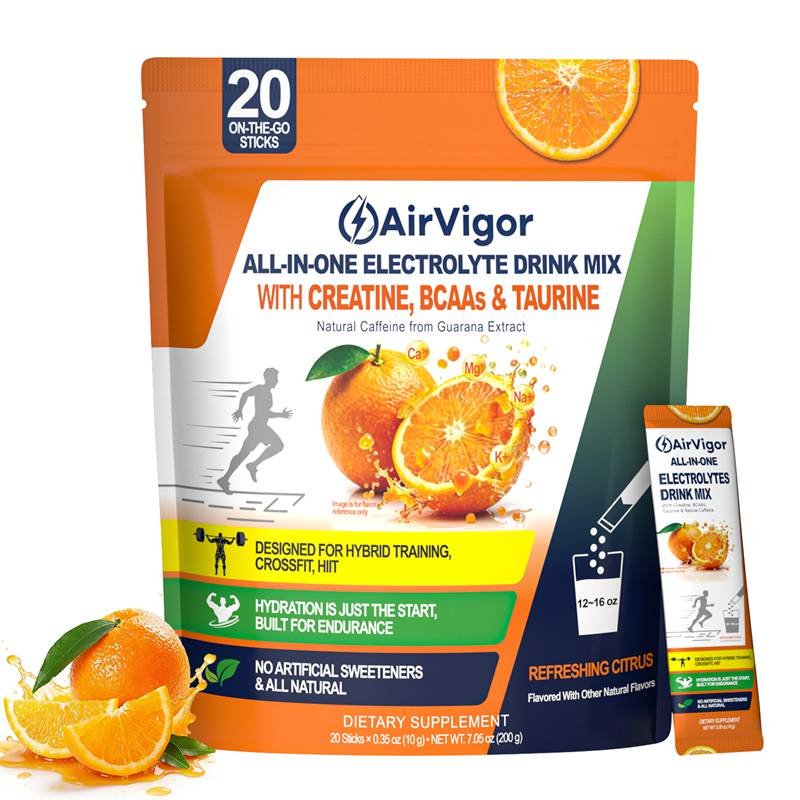
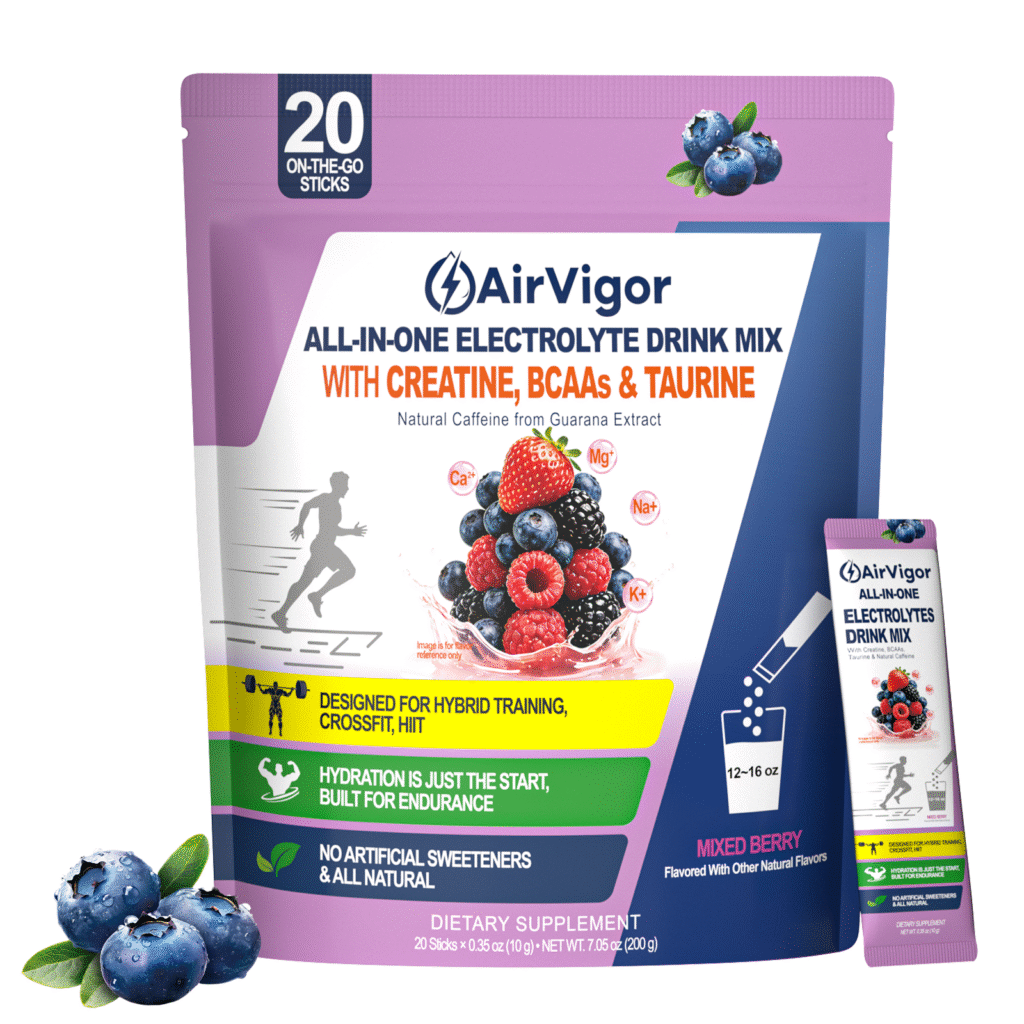
This is where AirVigor fits naturally. A clear electrolyte formula with practical serving guidance helps users build a routine they can repeat, whether they use it around coffee, before workouts, during travel, or on busy mornings when hydration is easy to forget.
What Are Electrolytes with Coffee?
Electrolytes with coffee means using key minerals such as sodium, potassium, magnesium, and calcium around your coffee routine. Some people mix them into iced coffee, while others drink them separately with water before or after coffee for better taste and comfort.
What Minerals Are Included?
Most electrolyte formulas include sodium, potassium, magnesium, calcium, and sometimes chloride. These minerals help the body manage fluid balance, muscle movement, and normal nerve signaling. The exact formula matters because different users need different mineral support.
Sodium is usually the main hydration mineral because it helps the body hold and distribute fluid. Potassium works closely with sodium and supports normal muscle and nerve function. Magnesium is often connected with muscle comfort, relaxation, and energy-related body processes. Calcium supports muscle contraction and normal communication between nerves and muscles.
For coffee drinkers, the most important point is label clarity. If you are using electrolytes near coffee, you should know exactly what minerals you are adding. A vague “hydration blend” does not tell you whether the product is suitable for daily hydration, heavy sweating, low-carb eating, or workout use.
| Electrolyte | What It Supports | Why Coffee Drinkers May Care |
|---|---|---|
| Sodium | Fluid balance and water retention | Useful when coffee is followed by sweat, travel, or long work hours |
| Potassium | Muscle and nerve function | Helps support active routines and balanced mineral intake |
| Magnesium | Muscle function and relaxation | May matter for users with tight muscles or high activity |
| Calcium | Muscle contraction and nerve signaling | Adds support to a more complete mineral profile |
| Chloride | Fluid balance with sodium | Common in hydration-focused formulas |
The best electrolyte formula is not always the strongest one. A high-sodium formula may be useful for heavy sweaters, but too much for a light office routine. A mild daily hydration formula may feel better for coffee drinkers who want balance without a salty taste.
Why Add Them to Coffee?
People add electrolytes to coffee because coffee is already a fixed habit. It is easier to build hydration around something you already do every morning than to create a completely new routine. For many users, coffee is not the problem—the problem is that coffee replaces water until late morning.
Electrolytes may make sense when the morning includes sweat, low food intake, fasting, travel, hot weather, or long hours of focus. In these situations, the body may need more than caffeine. Coffee may help you feel awake, but electrolytes help support the fluid and mineral side of the routine.
That said, “with coffee” does not always mean “inside coffee.” For many users, the better method is drinking electrolytes near coffee. This keeps coffee tasting normal and gives the electrolyte powder enough water to mix correctly.
| User Routine | Why Electrolytes May Help | Best Way to Use |
|---|---|---|
| Coffee before workout | Sweat may increase mineral needs | Electrolytes in water before or after training |
| Coffee while fasting | Fluid and mineral intake may be low | Light electrolyte serving separately |
| Coffee during travel | Dry air and irregular drinking | Electrolytes in bottled water |
| Coffee at desk | Water often gets forgotten | Keep electrolyte water beside coffee |
| Coffee in hot weather | Sweat loss may build quickly | Use electrolytes before strong thirst |
| Coffee after poor sleep | Body may feel dry or flat | Hydrate before adding more caffeine |
The goal is not to make every cup of coffee more complicated. The goal is to create a morning routine that feels easier on the body. If adding electrolytes directly into coffee ruins the taste, the smarter move is to drink them separately.
Is It Better Than Water?
Electrolytes with coffee are not automatically better than water. Plain water is still the best basic drink for everyday hydration. If you eat balanced meals, drink enough water, and do not sweat much, you may not need electrolytes with coffee at all.
Electrolytes become more useful when water alone does not match the situation. For example, after hot yoga, a long run, a humid commute, a sauna session, or a low-carb morning, the body may need both fluid and minerals. In that case, electrolyte water near coffee may feel more useful than coffee alone.
Coffee also has a different purpose. Most people drink it for alertness, taste, habit, or comfort. Electrolytes are used for hydration support. Water is used for basic fluid intake. These drinks can work together, but they should not be treated as the same thing.
| Drink Option | Best For | Main Benefit | Main Limit |
|---|---|---|---|
| Plain water | Normal daily hydration | Simple, easy, no taste conflict | No added minerals |
| Coffee | Morning alertness and routine | Helps focus and feels familiar | Caffeine may bother some users |
| Electrolytes in water | Sweat, heat, travel, workouts | Adds minerals with enough fluid | Requires a separate drink |
| Electrolytes with iced coffee | Convenience and testing | Fits coffee habit better | Taste depends on formula |
| Electrolytes with hot coffee | Rare use cases | Convenient if taste works | Mineral taste may become strong |
For most readers, the best routine is not choosing one drink forever. It is matching the drink to the moment. Coffee can stay as the morning drink. Water can stay as the daily base. Electrolytes can be added when sweat, schedule, diet, or travel creates a real need.
What Types of Coffee Work Best?
Iced coffee usually works better with electrolytes than hot coffee. Cold drinks hide mineral flavors more easily, and larger iced coffee cups give more room for proper dilution. Cold brew, iced Americano, and iced latte are often easier starting points than hot black coffee.
Hot coffee is more difficult because heat makes mineral notes stronger. Sodium may taste salty, magnesium may taste bitter, and potassium may leave a slightly mineral aftertaste. If the electrolyte powder has fruit flavor, the result may taste strange in a hot roast coffee.
Milk-based coffee can be smoother, but it depends on the formula. Some electrolyte flavors may work with vanilla, berry, or mild citrus notes in iced lattes. Strong lemon-lime, tropical, or salty formulas may not pair well with coffee at all.
| Coffee Type | Works with Electrolytes? | Best Use Tip |
|---|---|---|
| Hot black coffee | Usually difficult | Better to keep separate |
| Espresso | Too concentrated | Avoid direct mixing |
| Hot latte | Possible but risky | Test a tiny amount first |
| Iced Americano | Better | Start with half serving |
| Cold brew | Often smoother | Good option for mild formulas |
| Iced latte | Can work | Use compatible flavors only |
| Bottled coffee | Use caution | Check sugar and caffeine first |
A simple test is enough: add a small amount to iced coffee, stir well, and taste before adding more. If it tastes off, do not force it. Use the electrolyte powder with water and enjoy the coffee normally.
How Do You Choose the Right Formula?
The right formula depends on the user’s routine. A heavy sweater, a low-carb user, a traveler, and a desk worker do not always need the same electrolyte profile. Coffee drinkers should look for clear mineral amounts, easy mixing, mild taste, and no hidden stimulant stacking.
A caffeine-free electrolyte product is usually easier to pair with coffee. If the electrolyte powder already contains caffeine, guarana, green tea extract, or other stimulant ingredients, the total caffeine load may become too high for some users. This is especially important for people who already drink more than one coffee per day.
Taste also matters. A product may look good on the label but fail in daily use if it tastes too salty, too sweet, or too strong. For coffee routines, mild flavors or formulas designed for water are usually more practical than intense sports-drink flavors.
| What to Look For | Why It Matters for Coffee Drinkers |
|---|---|
| Clear sodium, potassium, magnesium, and calcium amounts | Helps users understand what they are taking |
| Caffeine-free formula | Easier to use near coffee without stimulant stacking |
| Good solubility | Reduces clumps in water or iced drinks |
| Mild flavor | More suitable for daily use |
| Low or no sugar | Better for low-carb or daily wellness routines |
| Clear serving directions | Helps avoid overuse or poor mixing |
| Portable format | Easier for work, gym, and travel |
AirVigor’s approach fits this need well because the brand focuses on clear formula expression, real ingredient addition, practical usage, and stable product quality. For coffee drinkers, that means electrolytes can support the routine without making the routine harder to follow.
Does Electrolytes with Coffee Hydrate You?
Electrolytes with coffee may support hydration when coffee is part of a routine that also includes sweat, fasting, travel, heat, or long hours without water. Coffee provides fluid, while electrolytes add minerals that help the body manage fluid balance more effectively.
Does Coffee Count as Hydration?
Coffee does count toward daily fluid intake because it is mostly water. Many people still think coffee automatically dehydrates the body, but that idea is too simple. Caffeine can increase urination in some people, especially at higher amounts, but moderate coffee intake can still be part of a normal hydration routine.
The problem is not usually one cup of coffee. The problem is what happens around that cup. Many people wake up, drink coffee first, skip water, eat little or no breakfast, and work for several hours before drinking anything else. By late morning, they feel dry, tired, thirsty, or unfocused, then assume coffee caused the whole issue.
A better way to look at it: coffee may give fluid, but it does not provide a complete hydration habit. The body may still need plain water, food-based minerals, or electrolytes depending on the day.
| Morning Habit | Hydration Result | Better Adjustment |
|---|---|---|
| Coffee after water and breakfast | Usually fine | Keep routine consistent |
| Coffee before any water | May feel dry later | Drink water first |
| Coffee during fasting | May feel light or jittery | Add electrolytes in water if needed |
| Coffee before workout | Fluid may not be enough | Use electrolytes around training |
| Coffee during travel | Dry air and low water intake | Carry electrolyte sticks |
| Coffee during long meetings | Water often gets forgotten | Keep electrolyte water nearby |
For most coffee drinkers, the goal is not to quit coffee. The goal is to stop letting coffee become the only drink of the morning.
Can Minerals Improve Hydration?
Minerals can improve hydration support because hydration is not only about water volume. The body also needs electrolytes to help move and hold fluid properly. Sodium, potassium, magnesium, calcium, and chloride all play roles in normal fluid balance, muscle function, and nerve communication.
Sodium is especially important when sweating is involved. It helps the body retain fluid and replaces part of what is lost through sweat. Potassium supports muscle and nerve function. Magnesium and calcium help with normal muscle activity. This is why people who sweat heavily, train early, travel often, or follow low-carb diets may notice more value from electrolytes than someone having a relaxed coffee morning at home.
Electrolytes do not make coffee “more hydrating” in a magical way. They help fill the mineral side of hydration when the body has a real reason to need it. If you are already drinking water, eating balanced meals, and not sweating much, the difference may be small. If you are losing minerals or skipping food and water, the difference may feel more noticeable.
| Situation | Why Water Alone May Feel Incomplete | How Electrolytes Help |
|---|---|---|
| Heavy sweating | Sodium and minerals leave through sweat | Helps replace key minerals |
| Low-carb eating | Water and sodium balance may shift | Supports steadier fluid balance |
| Long flights | Dry cabin air and irregular drinking | Helps make hydration more structured |
| Morning workout | Sweat starts before full hydration | Supports pre- or post-training routine |
| Hot weather | Fluid loss builds faster | Helps before thirst becomes strong |
| Long work blocks | Water intake gets delayed | Creates an easy hydration reminder |
The most useful approach is to match electrolytes to the day. A light office day may only need water. A sweaty training day, flight day, or low-carb morning may justify electrolytes.
Is Morning Hydration Different?
Morning hydration is different because the body has gone several hours without drinking. Even if you do not feel extremely thirsty when you wake up, your fluid intake has been paused overnight. Then coffee often comes in before water, food, or minerals. This can make the morning feel less steady, especially for people who are sensitive to caffeine.
Many users describe the same pattern: coffee helps them feel awake for the first hour, but then they feel dry, flat, shaky, or hungry by mid-morning. This does not always mean dehydration. It can also involve poor sleep, low calories, stress, or caffeine sensitivity. Still, adding water and electrolytes at the right time may make the routine feel more balanced.
Morning is also when habits are easiest to repeat. If electrolytes are placed near coffee, users are more likely to remember them. This is why many people keep electrolyte sticks next to coffee pods, on a desk, or in a gym bag.
| Morning Situation | Best Hydration Move |
|---|---|
| Wake up thirsty | Drink water before coffee |
| Coffee causes jitters | Hydrate and eat before more caffeine |
| Early training | Use electrolytes before or after workout |
| Low-carb breakfast | Consider light electrolyte support |
| Long commute | Drink before leaving home |
| Desk job with meetings | Keep electrolyte water visible |
| Travel morning | Pack stick electrolytes with water bottle |
A simple morning routine can be enough:
- Drink 8–12 ounces of water after waking.
- Enjoy coffee as usual.
- Use electrolytes in water when the day includes sweat, fasting, travel, heat, or long work hours.
This kind of routine feels more realistic than trying to turn coffee into a complete wellness drink.
Does Caffeine Change the Result?
Caffeine can change how you feel, even when hydration is not the only issue. It can increase alertness, but it can also cause jitters, fast heartbeat, stomach sensitivity, or more frequent urination in some people. Electrolytes do not remove these effects. They support hydration, but they do not cancel caffeine.
This is important because some users drink electrolytes with coffee hoping it will stop caffeine crashes or nervous energy. Sometimes it helps if the issue was low fluid or mineral intake. But if the issue is too much caffeine, poor sleep, or drinking coffee on an empty stomach, electrolytes alone will not fix it.
The best customer advice is to separate the signals:
| What You Feel After Coffee | Possible Reason | Better Response |
|---|---|---|
| Dry mouth | Low water intake | Drink water or electrolytes |
| Shaky hands | Too much caffeine or empty stomach | Reduce caffeine, eat something |
| Headache | Low fluid, stress, sleep, or caffeine changes | Hydrate and review routine |
| Fast heartbeat | Caffeine sensitivity | Avoid stimulant stacking |
| Tired but wired | Poor sleep or too much caffeine | Do not add more coffee |
| Thirst returns quickly | Sweat or low minerals | Use electrolytes if needed |
| Stomach burning | Coffee acidity | Avoid mixing minerals into hot coffee |
If your electrolyte product already contains caffeine, guarana, green tea extract, or other stimulants, be careful when using it with coffee. A caffeine-free electrolyte formula is usually easier for coffee drinkers because it supports hydration without increasing stimulant load.
How to Use Electrolytes with Coffee?

The best way to use electrolytes with coffee is to protect three things: taste, stomach comfort, and proper dilution. For most people, electrolytes work better in water before or after coffee. If mixing directly, iced coffee is usually easier than hot coffee.
Hot or Iced Coffee?
Iced coffee usually works better with electrolytes because cold drinks soften mineral taste and give more room for mixing. Hot coffee can make sodium taste saltier, magnesium taste more bitter, and flavored electrolyte powders taste less natural.
If you want to try electrolytes directly in coffee, start with iced coffee first. Cold brew, iced Americano, or iced latte usually gives a smoother result than hot black coffee. A full serving may still be too strong, so a half serving is a safer first test.
Hot coffee is more difficult because heat changes the way minerals taste. Coffee already has bitterness, acidity, and roast notes. When minerals are added, the drink may become sharp, salty, or metallic. This is why many users try it once in hot coffee and then switch to water.
| Coffee Type | Mixing Result | Best Use Tip |
|---|---|---|
| Hot black coffee | Strong mineral taste | Usually better separate |
| Espresso | Too concentrated | Avoid direct mixing |
| Hot latte | Slightly smoother | Test a very small amount |
| Iced Americano | Cleaner taste | Good for half-serving test |
| Cold brew | Smoother and less acidic | Often the best coffee option |
| Iced latte | Easier flavor blending | Works with mild formulas |
| Bottled coffee | Depends on sugar and caffeine | Check label first |
For most daily users, the better habit is simple: keep coffee enjoyable and mix electrolytes with water. Coffee can stay as the morning drink, while electrolytes can support hydration nearby.
Mix or Drink Separately?
Drinking electrolytes separately is usually the most reliable method. It gives the powder enough water, keeps coffee flavor clean, and lowers the chance of stomach discomfort. This is especially helpful for people who drink strong coffee, hot coffee, espresso, or coffee before breakfast.
Direct mixing can work, but it is less predictable. Many electrolyte servings are designed for 12–20 ounces of water. A small coffee mug may only hold 6–10 ounces. That means the minerals become more concentrated, the taste gets stronger, and the stomach may feel heavier.
A separate drink also makes the routine easier to adjust. On light days, plain water may be enough. On workout, travel, low-carb, or hot-weather days, electrolytes can be added when needed.
| Routine Goal | Better Method | Why It Works |
|---|---|---|
| Keep coffee taste normal | Drink electrolytes separately | No salty or bitter coffee flavor |
| Improve morning hydration | Electrolytes before coffee | Starts the day with water and minerals |
| Support workouts | Electrolytes before or after training | Matches sweat loss better |
| Avoid stomach discomfort | Use more water | Minerals are less concentrated |
| Reduce afternoon coffee dependence | Hydrate before another coffee | Helps check if thirst is the real issue |
| Make travel easier | Mix electrolytes in bottled water | Portable and predictable |
A good everyday routine can look like this:
| Time | What to Do | Why It Helps |
|---|---|---|
| After waking | Drink 8–12 oz water | Replaces overnight fluid gap |
| Morning coffee | Drink coffee as usual | Keeps your normal routine |
| Mid-morning | Use electrolytes if needed | Helps on busy, sweaty, or fasting days |
| Before workout | Use electrolytes with water | Prepares for sweat |
| After workout | Rehydrate with electrolytes | Helps replace minerals lost through sweat |
For many users, “electrolytes with coffee” really means “electrolytes around coffee.” That approach is easier to repeat and usually tastes better.
How Much Should You Use?
The right amount depends on the electrolyte label, your coffee intake, sweat level, diet, and stomach tolerance. First-time users should usually start with half a serving, especially if using electrolytes near coffee or testing them in iced coffee.
Do not assume more electrolytes means better hydration. A person sitting indoors with one coffee may not need the same amount as someone doing hot yoga, running in summer, or working outdoors. Electrolyte needs change with the day.
A useful customer rule is to match the serving to the situation:
| Situation | Suggested Use |
|---|---|
| First time trying | Start with half serving |
| Light office day | Water may be enough |
| Morning workout | Use as directed before or after training |
| Heavy sweating | Full serving may be useful |
| Low-carb morning | Light serving may help |
| Travel day | Use one serving with enough water |
| Sensitive stomach | Use half serving with more water |
| Multiple coffees daily | Watch caffeine first, then electrolytes |
If the drink tastes too salty, sour, bitter, or heavy, reduce the amount or add more water. Taste is often a sign that the serving is too concentrated for the liquid used.
For coffee drinkers, the safest starting plan is:
- Day 1: Use half serving in water near coffee.
- Day 2: Try full serving in water if needed.
- Day 3: Test half serving in iced coffee only if taste matters less than convenience.
This gives the body and taste buds time to adjust without wasting coffee or product.
What Should You Avoid?
Avoid adding a full electrolyte serving into a small hot coffee as your first test. This is the most common reason people dislike the combination. The drink may become too salty, too bitter, or too concentrated.
Also avoid stacking caffeine. Some electrolyte products include caffeine, green tea extract, guarana, or other stimulant ingredients. If you already drink coffee, these formulas can push your total stimulant intake higher than expected. This may lead to jitters, nervous energy, fast heartbeat, or poor sleep.
| What to Avoid | Why It Can Be a Problem | Better Choice |
|---|---|---|
| Full serving in small hot coffee | Too concentrated | Use more water or half serving |
| Caffeinated electrolytes with coffee | Stimulant stacking | Choose caffeine-free electrolytes |
| Electrolytes on an irritated stomach | May feel heavy | Drink water and eat first |
| Using electrolytes instead of water | Not enough fluid volume | Keep water as the base |
| Adding more coffee when tired | May worsen jitters | Hydrate first |
| Ignoring product directions | Poor taste or overuse | Follow label guidance |
If coffee already makes you feel jittery, acidic, or uncomfortable, do not add more variables to the cup. Use electrolytes separately with water and adjust the coffee routine first.
What Is the Best Daily Routine?
The best daily routine depends on lifestyle. A gym user, desk worker, traveler, and low-carb user may all use electrolytes differently. The goal is to build a routine that feels natural, not forced.
| User Type | Best Routine |
|---|---|
| Office worker | Coffee as usual, electrolyte water at desk |
| Morning athlete | Electrolytes before training, coffee if tolerated |
| Low-carb user | Coffee as usual, light electrolytes mid-morning |
| Traveler | Electrolytes in bottled water during travel, coffee separately |
| Hot-weather worker | Electrolytes before sweating starts, coffee moderate |
| Casual coffee drinker | Water first, coffee after, electrolytes only when needed |
For most people, the easiest routine is:
- Drink water after waking.
- Drink coffee normally.
Use electrolytes in water when the day includes sweat, heat, travel, fasting, low-carb eating, or long hours without water.
AirVigor fits this kind of real routine because the brand focuses on clear formulas, practical serving guidance, convenient formats, and stable product quality. Instead of making coffee more complicated, AirVigor electrolytes can help users build a hydration habit that works around coffee, workouts, travel, and busy mornings.
Who Needs Electrolytes with Coffee?
Electrolytes with coffee are not necessary for every coffee drinker. They are most useful for people who drink coffee while also dealing with sweat, fasting, low-carb eating, travel, hot weather, long work blocks, or mornings when water and meals are easy to forget.
Good for Morning Workouts?
People who train in the morning may benefit from electrolytes with coffee because caffeine and hydration play different roles. Coffee may help you feel more awake before training, but electrolytes help support the fluid and mineral side of the routine.
Many early workout users wake up, drink coffee quickly, and go straight into the gym or a run. The body has already gone several hours without fluids during sleep. Once training starts, sweat loss adds another layer. This is especially true for HIIT, CrossFit, running, cycling, heated Pilates, hot yoga, or outdoor summer training.
For this group, the best method is usually not putting electrolytes directly into coffee. A better routine is coffee for alertness and electrolytes in water before or after training. This gives the minerals enough fluid to work with and keeps the coffee taste clean.
| Morning Workout Type | Common Issue | Best Electrolyte Timing |
|---|---|---|
| Strength training | Dry mouth, heavy warm-up | Before training if sweat is expected |
| HIIT / CrossFit | Fast sweat loss, tired second half | Before or after workout |
| Running | Thirst builds during route | Before run or in bottle |
| Cycling | Long sweat window | During or after ride |
| Hot yoga | Heavy sweat after class | After session |
| Pilates | Light sweat, longer class | Use only if needed |
A simple routine for morning training:
- Drink 8–12 oz water after waking.
- Use electrolytes in water if the workout is sweaty or long.
- Drink coffee when it feels comfortable, not as the only morning fluid.
This works better than relying on coffee alone, especially when the workout lasts more than 45–60 minutes or takes place in a warm environment.
Good for Low-Carb Diets?
Low-carb and keto-style users are another group that may need electrolytes with coffee. Many people on low-carb diets drink black coffee in the morning, sometimes while fasting. At the same time, lower carbohydrate intake may change how the body stores water and minerals.
When carbohydrate intake drops, the body often holds less glycogen. Since glycogen is stored with water, some people notice more fluid loss during the early stage of low-carb eating. Sodium intake may also drop if the person cuts packaged snacks, bread, and higher-sodium processed foods. This can make the morning feel dry, light, flat, or shaky, especially when coffee is consumed before food.
Electrolytes can help low-carb users build a more stable routine, but the serving should be reasonable. More minerals are not always better. A light serving in water near coffee is often easier than mixing a full serving into black coffee.
| Low-Carb Morning Pattern | Possible Feeling | Better Routine |
|---|---|---|
| Black coffee only | Dry mouth or lightheaded feeling | Electrolytes in water mid-morning |
| Coffee while fasting | Jitters or stomach discomfort | Water first, coffee after |
| Fasted workout | Sweat plus low intake | Electrolytes before training |
| Very low-salt meals | Flat energy | Add balanced mineral support |
| Long work block | Forgetting water | Keep electrolyte bottle nearby |
| Afternoon coffee habit | Caffeine used for tiredness | Hydrate before more coffee |
Low-carb users often read labels closely, so formula clarity matters. A good electrolyte product should show sodium, potassium, magnesium, and other key minerals clearly. It should also avoid unnecessary sugar if the user is trying to maintain a low-carb routine.
Good for Busy Professionals?
Busy professionals often need electrolytes with coffee more than they realize. They may not sweat like athletes, but they often build a “coffee first, water later” routine. The day starts with caffeine, then emails, meetings, calls, commuting, and delayed meals. Water gets pushed back until the body starts sending signals.
This group may feel dry mouth, low focus, afternoon fatigue, or strong thirst after several hours of coffee and screen time. Electrolytes are not a replacement for sleep or food, but they can help create a structured hydration habit. Instead of waiting until lunch to drink water, users can place electrolytes near the coffee routine.
For busy professionals, convenience matters more than intensity. A strong, salty sports-style formula may feel too much for desk use. A mild, easy-to-drink electrolyte powder with clear serving directions is more practical.
| Workday Situation | Common Problem | Electrolyte Strategy |
|---|---|---|
| Back-to-back meetings | Coffee replaces water | Keep electrolyte water on desk |
| Long commute | Morning hydration skipped | Drink before leaving |
| Late breakfast | Low fluid and mineral intake | Use mid-morning |
| Afternoon slump | More coffee becomes the first response | Hydrate before another coffee |
| Air-conditioned office | Dry mouth | Sip electrolyte water slowly |
| Work travel | Airport coffee, low water intake | Carry stick packs |
A realistic office routine:
- Coffee stays part of the morning.
- Electrolyte water stays visible on the desk.
- A second coffee comes only after water intake is checked.
This makes hydration easier without asking users to change their whole lifestyle.
Good for Travelers?
Travelers are a strong fit for electrolytes with coffee because travel often combines dry air, irregular meals, caffeine, poor sleep, and limited water access. Airport coffee is easy to find, but proper hydration is often forgotten until the body feels tired or dry.
Long flights can make the mouth and skin feel dry. Road trips may reduce water intake because people want fewer bathroom stops. Business travelers often drink coffee to stay alert after poor sleep, then move straight into meetings. In these situations, electrolytes can help make hydration more intentional.
For travel, electrolytes should usually be mixed with bottled water instead of coffee. This is more predictable, easier to drink, and less likely to upset the stomach. Stick packs are especially helpful because they take little space and do not require carrying a large tub.
| Travel Scenario | Common Issue | Better Electrolyte Use |
|---|---|---|
| Long flight | Dry mouth, low fluid intake | Mix with bottled water |
| Early airport coffee | Caffeine before water | Drink water or electrolytes first |
| Business trip | Poor sleep and meetings | Use electrolytes mid-morning |
| Road trip | Drinking less to avoid stops | Sip regularly, not all at once |
| Hot destination | More sweat than expected | Use before outdoor time |
| Jet lag | Coffee used to push through | Hydrate before extra caffeine |
Travel users want simple products. They do not want messy scoops, large tubs, or complicated measuring. A clean stick format with clear directions fits this situation well.
Good for Hot Weather or Heavy Sweat?
People in hot weather or heavy-sweat situations may need electrolytes with coffee more than casual coffee drinkers. This includes outdoor workers, delivery drivers, runners, hikers, construction workers, sauna users, hot yoga students, and people living in humid climates.
Coffee may still be part of the morning, but sweat changes the hydration equation. When sweat loss increases, water alone may not always feel enough. The body also loses sodium and smaller amounts of other minerals. If someone starts the day with coffee, then spends hours in heat, electrolytes may help support a more stable hydration routine.
The best timing is usually before heavy sweating starts, not only after strong thirst appears. Once thirst becomes intense, the body may already be behind. Drinking electrolytes with enough water before outdoor work or training can be more useful than waiting until fatigue appears.
| High-Sweat Situation | Why Electrolytes Matter | Best Timing |
|---|---|---|
| Outdoor work | Sweat builds over hours | Before shift and during breaks |
| Summer running | Sweat loss happens fast | Before and after run |
| Hiking | Long duration, limited access | Carry stick packs |
| Hot yoga | Heavy sweat in short time | After class |
| Sauna | Fluid and mineral loss | After session |
| Humid commute | Sweat before work begins | Morning or mid-morning |
For these users, coffee should not be the main hydration tool. Coffee can remain part of the routine, but electrolyte water should be planned around sweat exposure.

Why Choose AirVigor Electrolytes with Coffee?
AirVigor electrolytes fit coffee routines because the brand focuses on clear formulas, real ingredient addition, convenient use, and stable quality control. For coffee drinkers, the right electrolyte product should support hydration without making the morning taste strange, confusing, or difficult to repeat.
Clear Electrolyte Formula
AirVigor focuses on clear formula expression, so users can understand what they are taking and why it matters. This is especially important for coffee drinkers because caffeine intake already varies from person to person.
A good electrolyte product should not make customers guess. When someone uses electrolytes near coffee, they want to know the mineral structure, serving size, mixing method, and suitable use scene. If the label only says “hydration blend” without clear details, users cannot easily decide whether the product fits morning coffee, workouts, low-carb routines, travel, or daily office use.
AirVigor’s formula development is built around real ingredient addition and easy-to-understand supplement logic. That means the product should clearly support daily hydration needs instead of hiding behind vague language. For people who drink coffee every morning, this clarity matters because they need a product that works around their existing habit, not one that adds more confusion.
| What Coffee Drinkers Want | Why It Matters | AirVigor Focus |
|---|---|---|
| Clear ingredient information | Helps users understand what they are drinking | Real formula expression |
| Simple serving directions | Reduces overuse and wrong mixing | Clear use guidance |
| Practical mineral support | Fits sweat, work, travel, and active days | Daily hydration logic |
| No confusing formula story | Builds trust before purchase | Transparent product positioning |
| Easy routine fit | Makes repeat use more likely | Convenient supplement format |
For customers, this kind of clarity makes the product easier to trust. For distributors and private label partners, it also makes the product easier to explain, list online, and position in different sales channels.
Built for Coffee Drinkers
Coffee drinkers do not all have the same routine. Some drink one cup after breakfast. Some drink black coffee while fasting. Some use coffee before training. Some rely on coffee during long office days or travel mornings. AirVigor electrolytes are better positioned when the product is explained around these real habits.
For many users, the best method is not mixing a full serving into hot coffee. Hot coffee can make mineral taste stronger. Sodium may taste salty, magnesium may taste bitter, and flavored electrolyte powders may taste awkward in a dark roast. AirVigor’s customer education approach should guide users toward a more practical routine: enjoy coffee normally, and use electrolytes in water before, after, or near coffee.
This is more realistic for long-term use. Customers are more likely to stay consistent when the routine feels natural. A product that tastes clean in water, mixes smoothly, and fits into a busy morning has stronger repeat-use potential than one that forces users into an unusual coffee recipe.
| Coffee User Type | Common Need | Better AirVigor Use |
|---|---|---|
| Morning office worker | Coffee first, water forgotten | Electrolyte water beside coffee |
| Early gym user | Caffeine before sweat | Electrolytes before or after training |
| Low-carb user | Coffee while fasting | Light electrolyte serving in water |
| Traveler | Airport coffee, dry air | Stick pack with bottled water |
| Hot-weather user | Coffee before outdoor activity | Electrolytes before sweating |
| Casual coffee drinker | Mild daily hydration | Use only when needed |
The product should not tell every coffee drinker that they need electrolytes daily. That would feel forced. A stronger message is that AirVigor electrolytes are useful when coffee is part of a bigger hydration gap—sweat, heat, travel, fasting, long work blocks, or active lifestyles.
Easy Daily Use
Daily convenience is one of the biggest reasons customers keep using a supplement. If a product tastes too strong, clumps, requires too much preparation, or feels hard to carry, it usually gets left in the cabinet. AirVigor’s product design direction supports practical use through clear instructions, portable packaging options, and formulas built for real routines.
For coffee drinkers, easy use means flexibility. They may not need electrolytes every day, but they want them ready when the day demands more hydration. A stick pack can go into a laptop bag, gym bag, suitcase, car console, or desk drawer. This makes electrolytes available when coffee is easy to find but water and minerals are easy to forget.
This matters in daily life. A business traveler may buy coffee at the airport but use an electrolyte stick in bottled water before boarding. A gym user may drink coffee before training but use electrolytes after sweating. An office worker may keep AirVigor near the coffee machine as a reminder to hydrate before a second cup.
| Use Scene | Customer Problem | Why Convenience Matters |
|---|---|---|
| Office desk | Water gets forgotten | Visible stick packs help build habit |
| Gym bag | Morning training is rushed | Quick mixing saves time |
| Airport travel | Coffee is easier to buy than hydration support | Portable sticks fit carry-on bags |
| Car commute | No time for a full routine | Single serving is easy to carry |
| Hot outdoor day | Sweat starts early | Electrolytes can be used before activity |
| Low-carb routine | Mineral support needs consistency | Simple serving improves repeat use |
For customers, convenience reduces friction. For sellers, it increases repeat-purchase potential because the product fits more use moments.
Quality You Can Trust
AirVigor is supported by a structured product development and manufacturing system. The brand emphasizes strict raw material screening, high-grade ingredient selection, formula review, production process control, finished product inspection, and quality document management. For customers, this means the product is not only designed for taste and convenience, but also developed with consistency in mind.
Dietary supplements depend heavily on quality control. Users may not see the manufacturing process, but they feel the result through taste, solubility, packaging condition, label clarity, and batch-to-batch consistency. If an electrolyte product tastes different every time, clumps easily, leaks during shipping, or has unclear directions, customers lose trust quickly.
AirVigor’s broader system includes a 25+ person R&D team, 30+ quality inspection personnel, independent laboratory support, 20,000+ formula model development and optimization experience, and 300+ nutrition supplement-related technical patents. Production follows management frameworks such as GMP, HACCP, ISO, FSSC22000, and FDA facility registration. Related product documents may include COA, MSDS, and other compliance support files depending on market and product requirements.
| Quality Area | Why Customers Care | AirVigor Advantage |
|---|---|---|
| Raw material screening | Ingredient quality affects product experience | Multiple review steps |
| Formula testing | Taste, solubility, and stability matter | R&D and lab support |
| Production control | Batch consistency builds trust | Standardized manufacturing process |
| Packaging review | Moisture and sealing affect powder quality | Packaging stability checks |
| Label accuracy | Customers need clear use directions | Formula and label cross-checking |
| Quality documents | Important for B-end partners | COA/MSDS support when applicable |
This quality foundation is especially valuable for electrolyte products because powder stability, moisture resistance, flavor performance, and solubility all affect daily use.
Strong Fit for Business Partners
AirVigor is not only suitable for end users. It also fits distributors, Amazon sellers, Shopify brands, gyms, wellness stores, nutrition channels, and private label partners looking for electrolyte products with strong daily-use potential. “Electrolytes with coffee” is a useful content angle because it connects hydration with an existing consumer habit.
Coffee is not a niche behavior. Morning coffee, office coffee, travel coffee, and pre-workout coffee are all familiar scenes. This makes electrolyte products easier to position across lifestyle content, fitness content, low-carb content, and busy professional content. For e-commerce sellers, this creates more keyword opportunities and more use-case-based product storytelling.
AirVigor supports OEM and ODM cooperation, including formula development, flavor adjustment, packaging design, label support, sample development, and production coordination. Standard MOQ can start from 500 pcs. Sample timing is often 3–7 days for regular projects, 7–10 days when additional raw material sourcing is needed, and 10–12 days for more complex customization. Regular mass production commonly takes 15–30 days depending on materials, packaging, order volume, and production schedule.
| Partner Type | What They Need | AirVigor Support |
|---|---|---|
| Amazon sellers | Clear product angle and stable supply | Brand product ordering and product files |
| Shopify brands | Story-driven hydration product | OEM/ODM support |
| Gyms and fitness studios | Repeat-use supplement products | Stick pack and training-use positioning |
| Distributors | Scalable product supply | Global channel and warehouse support |
| Wellness retailers | Easy-to-explain daily product | Clear label and formula logic |
| Private label brands | Custom formula and packaging | MOQ from 500 pcs |
| Content-driven sellers | SEO-friendly product scenes | Coffee, travel, workout, and workday angles |
For B-end customers, the value is not just the product itself. It is the ability to build a complete selling story around real use cases: coffee mornings, hydration gaps, travel days, training routines, low-carb diets, and office wellness.
Conclusion
Electrolytes with coffee can be useful when your morning includes sweat, fasting, travel, low-carb eating, hot weather, or long work hours. For many people, the best method is simple: enjoy coffee as coffee, and use electrolytes in water before, after, or near that routine.
AirVigor makes hydration support easier with clear formulas, real ingredient addition, convenient formats, and quality-focused production. Customers can order AirVigor electrolyte products for daily use, while distributors, online sellers, gyms, and wellness brands can contact AirVigor for wholesale supply, OEM/ODM customization, sample development, packaging options, and product quotation support.
Share:
Contact Expert Team
At AirVigor, performance becomes effortless. We transform advanced nutrition science into clean, effective supplements that help you hydrate, recover, and feel stronger every day. Shop AirVigor Supplements on Amazon and experience athlete-trusted formulas—backed by real science and supported by our world-class R&D and production capabilities.
Trust AirVigor
At AirVigor, turning your performance goals into reality is no longer a struggle—it’s a science-driven journey we build together. Whether you’re a runner, lifter, cyclist, yogi, outdoor athlete, or someone simply seeking better daily energy, AirVigor transforms advanced nutrition research into clean, effective, and trustworthy supplements you can feel.
Backed by our U.S. scientific team, global certifications, and world-class production standards, every formula is engineered to deliver real hydration, real recovery, and real performance. And when you’re ready to experience the difference, you’ll find AirVigor products available on Amazon and other major platforms—fast shipping, consistent quality, and a community of athletes already seeing results.
Behind the scenes, our R&D and manufacturing ecosystem also supports specialized formulation development, ensuring AirVigor continues to lead with innovation while keeping quality and safety uncompromised. But at the core, everything we create is built for you—your health, your performance, your momentum.
Choose AirVigor. Feel the science. Elevate your every day.


Subscribe to our newsletter
Sign up to our newsletter and we’ll keep you up to date with the latest arrivals.