Skip to content
Are Electrolytes Only for Summer
# Your Trusted Dietary Supplement Brand In US
- Emily

Table of Contents
Most people think about electrolytes when summer arrives. Hot weather, outdoor workouts, long beach days, and heavy sweating naturally make hydration feel more important. Many people reach for sports drinks during heat waves or intense exercise, which is why electrolytes are often viewed as a “summer-only” product. But modern hydration habits are changing. Today, many people experience hydration challenges during gym workouts, air travel, office work, winter heating, low-carb diets, and busy daily routines throughout the entire year.
Electrolytes are not only for summer. While hot weather increases sweat loss, electrolyte needs can also rise during indoor training, winter dehydration, travel, illness, caffeine intake, alcohol consumption, and physically active lifestyles. Electrolytes help support fluid balance, muscle function, hydration efficiency, and recovery year-round, especially when water alone does not fully restore hydration balance.
This is why more consumers are starting to rethink hydration. A person may not feel severely dehydrated, yet still experience headaches after flights, fatigue after workouts, dry mornings, muscle cramps, or constant thirst despite drinking water regularly. In many cases, the issue is not simply drinking more water, but helping the body absorb and use fluids more effectively. As hydration awareness continues growing, electrolyte powders and convenient stick packs are becoming part of everyday wellness routines for gym users, office workers, travelers, and health-conscious consumers looking for easier year-round hydration support.
What Are Electrolytes?
Electrolytes are essential minerals that help the body maintain normal hydration, muscle movement, nerve signaling, and fluid balance. The most important electrolytes include sodium, potassium, magnesium, calcium, and chloride. These minerals dissolve in body fluids and carry electrical charges that help regulate many basic functions people rely on every day, from staying hydrated during workouts to preventing muscle cramps and supporting recovery after physical activity.
Many people first hear about electrolytes through sports drinks, but the body uses electrolytes constantly, not only during exercise. Every heartbeat, muscle contraction, and nerve signal depends on proper electrolyte balance. Even small changes in hydration levels can affect how a person feels throughout the day.
Electrolytes become especially important when the body loses fluids faster than usual. This commonly happens during sweating, travel, heat exposure, illness, alcohol consumption, long workouts, or physically demanding work. In these situations, drinking only plain water may not always fully restore hydration balance because the body also needs minerals to help absorb and retain fluids properly.
Which Electrolytes Matter Most?
Different electrolytes support different functions inside the body. A balanced hydration formula usually works better than focusing on only one mineral because hydration depends on several systems working together.
| Electrolyte | Main Function | Common Situations Where It Matters |
|---|---|---|
| Sodium | Helps retain fluids and support hydration balance | Sweating, workouts, summer heat |
| Potassium | Supports muscle and nerve function | Exercise, recovery, active lifestyles |
| Magnesium | Supports muscle relaxation and recovery | Gym training, poor sleep, muscle tightness |
| Calcium | Supports muscle contraction and nerve signaling | Daily muscle function |
| Chloride | Helps maintain fluid balance | General hydration support |
Sodium is the electrolyte most commonly lost through sweat. During intense exercise, some individuals may lose between 500mg and 2,000mg of sodium per liter of sweat depending on genetics, climate, and workout intensity. This is one reason some people feel exhausted or develop headaches after long workouts even if they drink large amounts of water.
Potassium works closely with sodium to help regulate fluid movement and muscle contractions. Magnesium has also become increasingly important in modern hydration products because many adults consume less magnesium than recommended through everyday diets. Consumers often associate magnesium with muscle recovery, relaxation, and hydration support after workouts.
How Do Electrolytes Help Hydration?
Water alone does not automatically create effective hydration. Electrolytes help the body move fluids into cells and maintain fluid balance over time. Without enough electrolytes, large amounts of water may pass through the body quickly without fully correcting hydration problems.
This is why some people continue feeling thirsty even after drinking water. In many cases, hydration quality matters just as much as hydration quantity.
A practical example can be seen after workouts. Someone may finish a 60-minute gym session, drink a full bottle of water, and still feel tired, weak, or dehydrated later. When electrolytes are added, hydration often feels more complete because the body is replacing both fluids and minerals lost through sweat.
| Situation | Water Alone | Water + Electrolytes |
|---|---|---|
| Light daily activity | Often enough | Optional |
| Sweaty workout | Sometimes insufficient | Usually more effective |
| Outdoor summer activity | May not fully replace losses | Better hydration support |
| Long-distance travel | Limited hydration efficiency | Helps restore fluid balance |
| Low-carb diet transition | May increase fatigue | Often helpful |
Modern consumers are becoming more aware of this difference. Instead of simply drinking more fluids, many people now focus on improving hydration efficiency, especially during workouts, travel, and physically demanding routines.
Are Electrolytes Only Important for Athletes?
One of the biggest misconceptions about electrolytes is that they are only useful for athletes or extreme sports. In reality, many everyday situations can increase hydration demand even for people who do not consider themselves highly active.
Common lifestyle situations that may increase electrolyte needs include:
- Frequent gym workouts
- Heated indoor environments during winter
- Long office hours with high caffeine intake
- Air travel and dry cabin air
- Hot weather and outdoor activities
- Low-carb or ketogenic diets
- Physically demanding jobs
- Alcohol consumption
- Poor hydration habits
For example, office workers often drink several cups of coffee throughout the day while consuming very little water or minerals. Travelers commonly experience dehydration symptoms after flights because airplane cabins have extremely low humidity levels. Many gym users sweat heavily indoors year-round, even during colder seasons.
This broader lifestyle use is one reason electrolyte powders and stick packs have become increasingly popular beyond traditional sports nutrition. Consumers now use electrolyte products not only for workouts, but also for daily wellness routines, travel support, recovery, and more consistent hydration habits.
The hydration category has also changed significantly over the past few years. Many consumers no longer want heavy, sugary sports drinks designed only for endurance athletes. Instead, they prefer lighter hydration products with lower sugar content, convenient stick packs, and formulas that fit naturally into modern daily routines.
What Happens When Electrolyte Balance Is Low?
Low electrolyte levels do not always cause dramatic symptoms immediately. More often, the effects appear gradually and are mistaken for normal tiredness or stress.
Some common signs associated with poor electrolyte balance include:
| Possible Sign | What Consumers Often Notice |
|---|---|
| Fatigue | Feeling drained during the day |
| Muscle cramps | Tightness during or after exercise |
| Headaches | Especially after sweating or travel |
| Brain fog | Difficulty concentrating |
| Increased thirst | Drinking water without feeling fully hydrated |
| Slow recovery | Feeling sore or tired longer after workouts |
These symptoms are one reason many people begin looking into hydration support products. In many cases, improving hydration habits and maintaining better electrolyte balance can help support more stable energy levels, workout recovery, and overall daily comfort.
As year-round hydration awareness continues growing, electrolytes are increasingly becoming part of broader wellness routines instead of being viewed only as summer sports products.
Are Electrolytes Only for Summer Workouts?
Electrolytes are not only for summer workouts. Hot weather increases sweating and makes dehydration easier to notice, but many people continue losing fluids and minerals during indoor training, winter workouts, travel, physically demanding jobs, and busy daily routines throughout the entire year. For most active consumers, hydration needs are often influenced more by workout intensity, sweat rate, and lifestyle habits than by outdoor temperature alone.
Many gym users assume hydration becomes less important during colder months because they no longer train outside in the heat. In reality, indoor fitness habits often create repeated weekly sweat loss regardless of season. Heated gyms, strength training sessions, spin classes, treadmill workouts, hot yoga, and functional fitness programs can all place noticeable hydration demands on the body even during winter.
Why Are Electrolytes Closely Linked to Summer?
The strong connection between electrolytes and summer mainly comes from visibility. People feel dehydration faster in hot weather. Heavy sweating, outdoor sports, beach trips, hiking, and summer travel make fluid loss easier to recognize, so consumers naturally associate electrolytes with these situations.
During moderate to intense outdoor exercise, sweat loss can increase significantly depending on heat and humidity levels. Many active adults lose between 0.5 and 2 liters of fluid per hour during training sessions in warm conditions. Along with water, the body also loses sodium and smaller amounts of potassium and magnesium through sweat.
| Summer Activity | Average Sweat Loss Per Hour |
|---|---|
| Outdoor walking | 0.3–0.7 L |
| Gym workout | 0.5–1.0 L |
| Outdoor running | 1.0–1.5 L |
| High-intensity sports | 1.5–2.5 L |
This is why summer dehydration often feels obvious. People commonly notice headaches after outdoor exercise, increased thirst, reduced endurance, salt stains on clothing, or muscle cramps after long activities.
However, the body’s need for hydration support does not suddenly disappear when temperatures drop. Summer simply makes hydration problems easier to see. Modern lifestyles now create hydration stress throughout the year, especially for people who train regularly or maintain physically active schedules.
Do Indoor Workouts Still Cause Fluid Loss?
Indoor training is one of the most overlooked hydration situations. Many consumers think electrolytes are mainly for runners, cyclists, or outdoor athletes, but indoor fitness environments can create just as much sweat loss.
This is especially true for people doing:
- CrossFit or circuit training
- Indoor cycling classes
- Treadmill running
- Hot yoga
- Strength training
- HIIT workouts
- Boxing or combat fitness
- Basketball training
A typical 60-minute indoor workout can easily leave clothing soaked, especially inside heated gyms or crowded fitness studios. Consumers often underestimate how much fluid they lose simply because they are exercising indoors.
The effect becomes more noticeable when workouts repeat several times throughout the week. Someone training four or five days weekly may not feel severely dehydrated after one session, but cumulative fluid loss can gradually affect recovery, energy, and workout consistency.
Many gym users eventually notice patterns such as:
- Feeling unusually tired later in the week
- Headaches after training
- Reduced workout performance
- Tight muscles during recovery
- Constant thirst despite drinking water
These situations are one reason electrolyte powders have become increasingly popular among everyday gym-goers, not only endurance athletes. Consumers are beginning to view hydration as part of workout consistency rather than only emergency recovery during extreme heat.
Why Do Some People Feel Dehydrated in Winter?
Winter hydration is often overlooked because thirst tends to feel weaker in colder weather. Many people naturally drink less water during winter without realizing it. At the same time, indoor heating systems dry the air significantly, increasing water loss through breathing and skin evaporation throughout the day.
This combination quietly affects hydration quality, especially for people who already consume large amounts of caffeine, travel frequently, or exercise regularly indoors.
A common example is the office-to-gym routine. Someone may spend eight hours inside heated indoor environments, drink several coffees during work, and then complete a sweaty gym session after work. Even though outdoor temperatures are cold, the body may still experience noticeable fluid and electrolyte loss across the day.
Winter hydration problems often appear as:
| Common Winter Complaint | Possible Hydration Connection |
|---|---|
| Dry mouth in the morning | Overnight dehydration |
| Workout headaches | Fluid and sodium loss |
| Tight muscles | Poor hydration recovery |
| Afternoon fatigue | Low daily fluid intake |
| Increased thirst at night | Inconsistent hydration balance |
Travel can make this even worse during colder months. Airplane cabins often have humidity levels below 20%, far lower than normal indoor environments. Many travelers feel exhausted, dry, or sluggish after flights partly because hydration balance becomes disrupted during travel routines.
This is why more consumers are beginning to use electrolyte products year-round instead of treating them as seasonal sports drinks.
Are Electrolytes Useful Outside Fitness?
One of the biggest changes in the hydration category is that electrolyte products are no longer used only for workouts. Consumers increasingly use them during everyday situations that affect hydration balance, energy levels, and recovery.
For example, office workers commonly rely on caffeine throughout the day while drinking very little water. Travelers often experience dehydration symptoms after flights. People following low-carb diets frequently lose more sodium during the early adjustment period, which can contribute to fatigue or headaches.
As a result, electrolytes are increasingly being used during:
- Long workdays
- Flights and travel
- Outdoor work
- Recovery after alcohol consumption
- Busy schedules with inconsistent hydration
- Physically demanding routines
- Low-carb or ketogenic diets
This shift is changing how consumers think about hydration products. Instead of viewing electrolytes as occasional sports drinks, many people now see them as practical daily wellness tools that fit modern lifestyles.
Convenience also plays a major role here. Portable stick packs are growing quickly because they fit naturally into gym bags, office drawers, cars, backpacks, and carry-on luggage. Products that are easy to carry and simple to mix are much more likely to become long-term habits.
Why Are More People Using Electrolytes Year-Round?
Consumers today are paying more attention to hydration quality, not just water intake. Many people already understand the importance of protein, sleep, recovery, and vitamins. Hydration is now becoming part of that broader wellness conversation.
This shift is also changing what consumers expect from hydration products. Many no longer want heavy sports drinks filled with sugar. Instead, they prefer hydration products that feel lighter, cleaner, and easier to use consistently.
Modern consumers increasingly look for:
| Consumer Preference | Why It Matters |
|---|---|
| Lower sugar formulas | Easier daily use |
| Portable stick packs | Better convenience |
| Light flavor profiles | More repeat use |
| Balanced electrolytes | Suitable beyond extreme sports |
| Multi-function wellness support | Simplifies routines |
As hydration awareness grows, consumers are asking different questions than they did a few years ago. Instead of only asking what to drink during summer workouts, many now ask how to stay hydrated consistently throughout work, training, travel, and recovery across the entire year.

What Happens Without Electrolytes?
Without enough electrolytes, the body often struggles to maintain stable hydration, muscle function, and normal energy levels. Many people expect dehydration to feel extreme, but in everyday life the signs are usually much more subtle. Someone may feel tired after workouts, develop headaches during travel, struggle with muscle tightness, or feel thirsty all day despite drinking water regularly. In many cases, the issue is not simply low water intake. The body also needs minerals like sodium, potassium, and magnesium to help absorb, retain, and use fluids properly.
This is one reason hydration has become a bigger part of modern wellness conversations. More consumers are realizing that poor hydration can quietly affect how they feel throughout the week, especially during busy schedules, repeated workouts, travel, poor sleep, or physically demanding routines.
What Are Common Signs of Low Electrolytes?
Low electrolyte balance usually develops gradually rather than all at once. Most people do not suddenly collapse from dehydration. Instead, they experience smaller problems that slowly affect comfort, recovery, and daily performance.
A person training several times per week may notice their workouts feel harder later in the week. An office worker may feel mentally drained every afternoon despite drinking coffee. Travelers often experience headaches, dry mouth, or unusual fatigue after flights. These situations are commonly connected to hydration quality, especially when fluid and mineral intake remain inconsistent for several days.
Some of the most common signs people notice include fatigue, muscle cramps, headaches after sweating, brain fog, increased thirst, slower workout recovery, and reduced exercise endurance. These symptoms are especially common among people who sweat frequently but mainly rely on plain water for hydration.
| Common Symptom | What Many People Experience |
|---|---|
| Fatigue | Feeling drained despite adequate sleep |
| Muscle cramps | Tightness during or after exercise |
| Headaches | Common after workouts or travel |
| Brain fog | Difficulty focusing during work |
| Constant thirst | Drinking water without feeling hydrated |
| Slow recovery | Longer soreness after training |
One reason these problems are often overlooked is because they overlap with normal daily stress. People commonly assume they simply need more sleep, more caffeine, or less work pressure, when hydration balance may also be affecting how they feel physically and mentally.
Why Does Water Sometimes Not Feel Like Enough?
Many people assume hydration simply means drinking more water. Water is essential, but after sweating or fluid loss, the body also needs electrolytes to help retain and distribute fluids efficiently.
This becomes easier to notice after exercise. Someone may complete a hard workout, drink a large bottle of water afterward, and still feel exhausted or thirsty later in the day. In many cases, fluids were replaced, but minerals lost through sweat were not.
The same thing often happens during long flights, hot weather, physically demanding workdays, sauna sessions, alcohol consumption, or consecutive days of training. A person may technically drink enough water while still feeling dehydrated because hydration balance remains incomplete.
People following low-carb or ketogenic diets often notice this quickly. Reduced carbohydrate intake lowers stored glycogen levels, which also affects water retention inside the body. During the first few weeks of dietary changes, many people experience fatigue, headaches, or weakness partly because fluid and sodium balance shifts more rapidly than expected.
Hydration needs also vary significantly between individuals. Some people naturally sweat much more than others. During intense training sessions, sweat loss can range from less than 0.5 liters to more than 2 liters per hour depending on workout intensity, body size, temperature, and genetics.
| Situation | Why Hydration May Feel Incomplete |
|---|---|
| Heavy sweating | Sodium and fluids are both lost |
| Long flights | Dry cabin air increases fluid loss |
| Multiple weekly workouts | Repeated sweat loss accumulates |
| Hot environments | Higher fluid demand |
| Alcohol intake | Increased dehydration risk |
| Low-carb diets | Reduced water and sodium retention |
This is one reason many consumers are shifting away from the idea that hydration is only about water quantity. Increasingly, people are focusing on hydration quality and recovery support instead.
Can Low Electrolytes Affect Workout Performance?
Electrolytes directly affect how muscles contract and recover during exercise. Sodium, potassium, calcium, and magnesium all play important roles in muscle function and fluid balance. When hydration becomes less stable, workouts often begin feeling heavier and recovery may take longer.
Many active adults notice patterns like reduced endurance, earlier muscle fatigue, headaches after training, or unusual soreness after repeated workouts. These issues become more common when people train consistently several times throughout the week without maintaining hydration balance.
Indoor workouts are a good example. Many consumers assume they only need hydration support during outdoor summer exercise, but heated gyms, spin classes, treadmill sessions, strength training, and high-intensity interval workouts can all produce substantial sweat loss year-round.
| Workout Type | Estimated Sweat Loss |
|---|---|
| Light strength workout | 0.5–0.8 L/hour |
| HIIT training | 1.0–1.5 L/hour |
| Indoor cycling | 1.0–2.0 L/hour |
| Hot yoga | 1.5–2.5 L/hour |
For people training four or five days per week, hydration stress often becomes cumulative. Someone may feel fine after one workout but increasingly drained later in the week as fluid and electrolyte losses gradually build.
This is one reason many gym users now include electrolyte powders or hydration stick packs as part of regular workout routines rather than only emergency recovery products during summer.
How Do Everyday Habits Affect Electrolyte Balance?
Electrolyte balance is not affected only by workouts. Many common daily habits quietly influence hydration quality throughout the week.
Long office hours, high caffeine intake, inconsistent water consumption, air-conditioned environments, poor sleep, alcohol intake, and frequent travel can all affect hydration balance over time. Many people spend entire workdays indoors drinking coffee while barely consuming enough fluids. By evening, they may feel exhausted, mentally foggy, or unusually thirsty without connecting the problem to hydration.
Travel creates another common hydration challenge. Airplane cabins are extremely dry compared to most indoor environments, often with humidity levels below 20%. This dry air increases fluid loss during flights, especially during long travel days combined with poor sleep and irregular meals.
Consumers are also exercising more consistently than before. Functional fitness, gym memberships, boutique studios, and home workouts have made sweating a regular weekly habit for many adults rather than an occasional event.
As a result, electrolytes are increasingly being used outside traditional sports settings. Consumers now commonly use hydration products during workdays, travel, recovery periods, and physically demanding schedules because hydration affects much more than exercise performance alone.
Why Are More Consumers Using Electrolytes Year-Round?
Hydration awareness has changed significantly over the past few years. Consumers are paying closer attention to recovery, wellness routines, sleep quality, workout consistency, and overall daily performance. Hydration is increasingly viewed as part of this broader wellness picture.
At the same time, many people are moving away from traditional sugary sports drinks. Consumers today often prefer lighter hydration products that fit more naturally into daily life instead of beverages designed mainly for endurance athletes.
Portable stick packs, lower-sugar electrolyte powders, and wellness-focused hydration formulas have grown rapidly because they fit modern routines more easily. Products that can be kept in a gym bag, backpack, office drawer, or carry-on luggage are much more likely to become repeat habits.
Modern consumers are not only asking what to drink during summer workouts anymore. They are increasingly asking how to stay hydrated consistently throughout work, training, travel, and recovery across the entire week.
How Should You Use Electrolytes?
Electrolytes work best when hydration support matches real daily demand. Some people only need them occasionally after heavy sweating or long outdoor activities, while others benefit from more consistent use because of frequent workouts, travel, physically demanding schedules, or low daily water intake.
One of the biggest hydration mistakes is waiting until symptoms become obvious. By the time someone feels extremely thirsty, develops a headache, or notices muscle cramps, hydration balance has often already been declining for several hours. This is why many active adults now focus on maintaining hydration more consistently instead of trying to recover afterward.
Modern lifestyles also create more year-round hydration stress than many people realize. Heated indoor environments, repeated gym sessions, long office hours, coffee-heavy mornings, flights, poor sleep, and hot weather can all gradually affect fluid balance throughout the week. As a result, electrolytes are increasingly being used as part of regular wellness and recovery habits instead of only during summer workouts.
When Is the Best Time to Drink Electrolytes?
The best timing depends on why someone is using electrolytes in the first place. For some people, electrolytes are most useful before workouts to support hydration before sweating begins. Others prefer them after training to support recovery or during travel when dehydration becomes more noticeable.
Morning hydration has become especially popular over the past few years. The body naturally loses fluids overnight, and many people wake up mildly dehydrated without realizing it. This often feels worse after poor sleep, alcohol intake, dry indoor heating, or intense workouts the previous day.
Pre-workout hydration is another common routine among gym users. Starting exercise already dehydrated can make workouts feel heavier, reduce endurance, and increase fatigue later in the day. Many people now drink electrolytes roughly 20–45 minutes before training to help support more stable hydration during exercise.
After workouts, hydration needs often continue longer than expected. Someone finishing a sweaty gym session may still be replacing fluids and minerals several hours later, especially during repeated training days or hot weather.
| Common Situation | Why Electrolytes Are Often Used |
|---|---|
| Morning hydration | Restore fluids after sleep |
| Before workouts | Support hydration before sweating |
| After training | Help replace sweat loss |
| Long flights | Reduce dry-air dehydration |
| Hot outdoor activity | Support fluid balance in heat |
Travel is another situation where hydration timing matters more than most people expect. Airplane cabins are extremely dry compared to normal indoor environments, which is one reason many travelers feel tired, thirsty, or sluggish after flying. Portable stick packs have become especially popular because they are easy to carry during flights, road trips, and busy travel schedules.
How Much Electrolytes Do You Actually Need?
There is no single perfect electrolyte amount that works for everyone. Hydration needs vary significantly depending on sweat rate, activity level, climate, body size, diet, and overall lifestyle habits.
Some people naturally sweat heavily during exercise, while others lose much smaller amounts of fluid. During intense workouts, sweat loss may range from less than 0.5 liters to more than 2 liters per hour depending on workout intensity and environmental conditions.
People who typically place higher hydration demands on the body often include:
- Frequent gym users
- Outdoor workers
- Runners and cyclists
- Heavy sweaters
- Travelers
- People following low-carb diets
- Individuals training several times per week
For most consumers, hydration routines work best when they stay simple and realistic. Extremely aggressive sports formulas are often unnecessary for everyday use unless someone is participating in endurance events or prolonged high-heat activity.
This is one reason many consumers now prefer lower-sugar electrolyte powders with more balanced formulas. They want hydration products that feel practical for regular use instead of drinks designed only for marathon-level exercise.
| Activity Level | Typical Hydration Demand |
|---|---|
| Mostly sedentary routine | Primarily regular water intake |
| Moderate weekly workouts | Occasional electrolyte support |
| Frequent sweaty training | More regular hydration support |
| Outdoor summer activity | Higher fluid and sodium demand |
Low-carb and ketogenic diets are another common reason people begin using electrolytes more consistently. Lower carbohydrate intake reduces glycogen storage, and glycogen naturally helps the body retain water. As glycogen levels decline, many people temporarily lose more fluids and sodium than expected, especially during the first few weeks of dietary changes.
Should You Use Electrolytes Every Day?
Daily electrolyte use can be helpful for people with consistently elevated hydration demand, but not everyone needs electrolytes every single day.
Someone with a relatively inactive indoor routine may do perfectly well with balanced meals and normal water intake alone. On the other hand, people who sweat regularly, travel often, exercise frequently, or spend long hours in dry indoor environments may benefit from more consistent hydration support throughout the week.
The biggest shift in recent years is that consumers no longer view electrolytes only as sports products. Hydration is increasingly becoming part of broader wellness routines alongside recovery habits, sleep support, fitness, and healthier beverage choices.
Many people now prefer hydration products that are:
- Easy to carry
- Lower in sugar
- Light-tasting
- Simple to mix
- Convenient during work, travel, and workouts
Convenience matters more than many brands realize. Products that are difficult to prepare or unpleasant to drink rarely become long-term habits. In contrast, hydration stick packs that fit naturally into gym bags, office drawers, backpacks, and carry-on luggage are much easier to use consistently.
This shift toward practical daily hydration is one reason electrolyte powders continue growing far beyond traditional sports nutrition categories.
What Are the Most Common Electrolyte Mistakes?
Most hydration problems come from inconsistent habits rather than extreme dehydration itself. People often underestimate how quickly small daily behaviors affect hydration balance over time.
A common mistake is ignoring hydration during winter or indoor workouts because sweating feels less noticeable than during outdoor summer exercise. Another is relying entirely on plain water after heavy sweating without replacing sodium and minerals lost during workouts.
Some consumers also use very sugary sports drinks daily even when their activity level does not require that much sugar intake. Others wait until they already feel exhausted, thirsty, or cramping before paying attention to hydration.
| Common Mistake | Why It Often Causes Problems |
|---|---|
| Waiting until strong thirst appears | Hydration may already be declining |
| Drinking only water after heavy sweating | Mineral losses are not replaced |
| Ignoring winter hydration | Indoor heating still increases fluid loss |
| Using high-sugar sports drinks daily | Less practical for regular use |
Modern hydration habits usually work best when they are simple, repeatable, and realistic. Consumers are much more likely to maintain healthy hydration routines when products fit naturally into everyday life instead of feeling complicated or extreme.
Why Are Electrolytes Becoming Part of Daily Wellness?
Hydration is no longer viewed only as a sports performance issue. More consumers now connect hydration quality with energy levels, recovery, focus, travel comfort, workout consistency, and overall wellness habits.
This broader interest is changing the hydration category itself. Many people are moving away from heavy traditional sports drinks and choosing lighter hydration products that fit more naturally into workdays, gym routines, recovery periods, and travel schedules.
Portable stick packs, lower-sugar formulas, and wellness-focused hydration products continue growing because they match how modern consumers actually live. Instead of only asking what to drink during intense summer workouts, people are increasingly focused on staying hydrated consistently throughout the entire week.

Which Electrolytes Are Best for Daily Hydration?
The best electrolytes for daily hydration are formulas that help maintain fluid balance consistently without feeling too sugary, overly salty, or difficult to drink regularly. Most consumers today are not training for endurance races every day. They are trying to stay hydrated during gym sessions, workdays, travel, outdoor activities, and busy weekly routines. Because of this, modern hydration products need to feel practical enough for everyday use, not just extreme workouts.
This is one reason the electrolyte category has changed so much over the past few years. Many consumers are moving away from traditional sports drinks because they no longer want heavy, high-sugar beverages designed mainly for long-distance endurance athletes. Instead, they are looking for hydration products that feel lighter, cleaner, easier to carry, and simple to use throughout the week.
What Ingredients Matter Most in Electrolytes?
Sodium remains the most important electrolyte for hydration because it helps the body retain fluids and replace minerals lost through sweat. During intense exercise, some people may lose over 1,000mg of sodium per hour depending on workout intensity, climate, and individual sweat rate.
However, effective hydration is not only about sodium. Potassium, magnesium, calcium, and chloride also help support fluid balance, muscle contractions, and recovery.
| Electrolyte | Main Hydration Role |
|---|---|
| Sodium | Supports fluid retention and sweat replacement |
| Potassium | Helps regulate muscle and nerve function |
| Magnesium | Supports muscle relaxation and recovery |
| Calcium | Supports muscle contractions |
| Chloride | Helps maintain overall fluid balance |
Many active consumers have also become more interested in magnesium over the past few years because low magnesium intake is relatively common in modern diets. People who train regularly often associate magnesium with muscle comfort, recovery, and reduced tightness after exercise.
At the same time, consumers are becoming more aware that extremely high-sodium products are not always necessary for everyday routines. While endurance athletes may require aggressive sodium replacement during long events, most people prefer more balanced formulas that feel comfortable for regular use.
Why Are Lower-Sugar Electrolytes Becoming More Popular?
One of the biggest changes in the hydration market is the shift away from very sugary sports drinks. Traditional sports beverages were originally developed for prolonged endurance activity where athletes needed both carbohydrates and fluid replacement during multi-hour exercise.
Most modern consumers have very different hydration goals.
They are usually looking for products that support:
- Daily hydration
- Workout recovery
- Travel routines
- Busy work schedules
- Healthier beverage habits
- More consistent energy throughout the day
Because of this, lower-sugar electrolyte powders and stick packs have become increasingly popular. Many people simply do not want to drink large amounts of sugar during office hours, indoor workouts, or everyday hydration routines.
Taste also matters much more than many brands expect. A hydration product may have a strong ingredient profile, but if it tastes overly salty, thick, or artificial, consumers rarely continue using it consistently.
The products that usually perform best long term are the ones people actually enjoy drinking several times per week.
| Product Type | Typical Use |
|---|---|
| Traditional sports drinks | Long endurance exercise |
| Lower-sugar electrolyte powders | Daily hydration and workouts |
| Sugar-free hydration mixes | Everyday wellness routines |
| Recovery hydration blends | Post-workout support |
This shift toward lighter hydration is one reason electrolyte powders now appeal to far more than athletes alone. Consumers increasingly use them during workdays, flights, gym sessions, hiking trips, and physically demanding schedules because they fit modern lifestyles more naturally than older sports drink formats.
How Important Is Sodium for Hydration?
Sodium plays a major role in hydration because it helps the body hold onto fluids more effectively. When people sweat, sodium is usually the mineral lost in the highest amount.
Some people naturally lose far more sodium than others during exercise. Heavy sweaters often notice white salt marks on clothing, headaches after workouts, strong thirst, or unusual fatigue during longer training sessions.
For example, someone doing high-intensity training in a warm gym several times per week may place much higher sodium demands on the body than someone doing occasional light exercise in cooler environments.
| Activity Pattern | Relative Sodium Demand |
|---|---|
| Light daily activity | Lower |
| Moderate weekly workouts | Moderate |
| Frequent intense training | Higher |
| Long endurance exercise | Very high |
This is why hydration routines should feel personalized instead of overly extreme. Many consumers actually do better with moderate, balanced hydration support they can maintain consistently rather than very aggressive formulas they only use occasionally.
The goal for most people is not maximizing sodium intake. It is maintaining more stable hydration throughout the week.
Why Have Stick Packs Become So Popular?
Convenience has become one of the biggest reasons electrolyte powders continue growing rapidly. Consumers are much more likely to maintain hydration habits when products fit naturally into daily routines.
Large tubs may work well at home, but many people forget to use them consistently because they are inconvenient during work, travel, or workouts outside the house.
Stick packs solve this problem by making hydration portable and easy to repeat. Consumers can keep them in gym bags, office drawers, backpacks, carry-on luggage, or cars without thinking much about preparation.
This matters more than many brands realize because hydration products are highly habit-driven. The products consumers continue purchasing are usually the ones that feel easiest to use repeatedly during busy schedules.
Portable formats also support more real-life hydration situations such as:
- Airport travel days
- Long commutes
- Gym sessions after work
- Outdoor activities
- Hotel stays
- Busy office schedules
Consumers increasingly want wellness routines that feel simple rather than complicated. This is one reason hydration stick packs continue growing across both fitness and broader wellness markets.
Are Multi-Function Electrolytes Better?
Many modern hydration products now combine electrolytes with additional wellness ingredients such as collagen, vitamins, minerals, or recovery support blends.
This trend reflects how consumers use supplements today. Instead of buying separate products for hydration, recovery, beauty support, and wellness, many people now prefer products that simplify routines.
Collagen electrolyte powders are a strong example. Active consumers often like the idea of combining hydration support with skin wellness and recovery benefits in one convenient drink mix.
However, the strongest multifunction products usually keep hydration as the main priority. When formulas become overloaded with too many ingredients, they often create problems with flavor, mixing quality, or overly large serving sizes.
The best daily hydration products usually succeed because they balance:
- Effective hydration support
- Good taste
- Convenient daily use
- Practical wellness benefits
Consumers today are generally less interested in “extreme performance” marketing and more interested in products that fit naturally into real life.
What Do Most Consumers Actually Want From Electrolytes?
Most people are not searching for the strongest hydration formula possible. They are usually looking for products that help them feel better hydrated, recover more comfortably after workouts, and maintain healthier routines without adding unnecessary sugar or complexity.
Modern consumers increasingly prefer hydration products that are:
| Consumer Preference | Why It Matters |
|---|---|
| Lower sugar | Easier daily use |
| Light flavor profiles | Better long-term drinkability |
| Portable stick packs | Convenient during work and travel |
| Balanced electrolytes | Suitable for regular routines |
| Easy mixing | Faster daily preparation |
Hydration is also becoming more connected to broader wellness habits. Consumers now commonly associate good hydration with workout recovery, energy levels, travel comfort, daily performance, and healthier beverage choices.
This is one reason electrolyte products are expanding far beyond traditional sports nutrition categories. More consumers are beginning to view hydration support as part of everyday wellness routines rather than something reserved only for summer sports or intense athletic training.
Conclusion
For many people, hydration problems do not come from extreme situations. They come from small daily habits repeated throughout the week — indoor workouts, long office hours, flights, poor sleep, heavy caffeine intake, inconsistent recovery, and busy schedules that make proper hydration easy to overlook. This is one reason more consumers are beginning to realize that feeling tired, sluggish, thirsty, or slow to recover is not always about simply drinking more water. In many cases, hydration quality matters just as much as hydration quantity.
Electrolytes are no longer viewed only as products for summer sports or endurance athletes. Modern consumers are increasingly using hydration support during gym routines, travel days, workweeks, outdoor activities, and recovery periods because hydration affects much more than exercise performance alone. Better hydration habits can support more stable energy, improved workout consistency, easier recovery, and a more comfortable daily routine throughout the entire year.
This shift is also changing what people expect from hydration products. Consumers today often prefer lighter formulas, lower sugar content, convenient stick packs, and products that fit naturally into everyday life instead of overly aggressive sports drinks designed only for extreme training environments. The hydration products people continue using long term are usually the ones that feel simple, practical, and easy to maintain consistently.
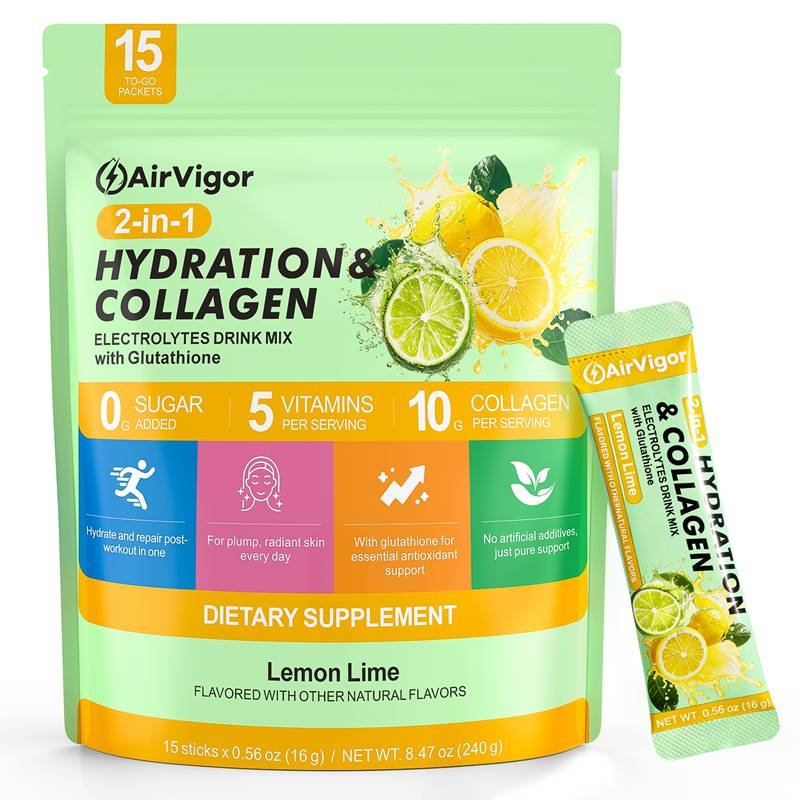
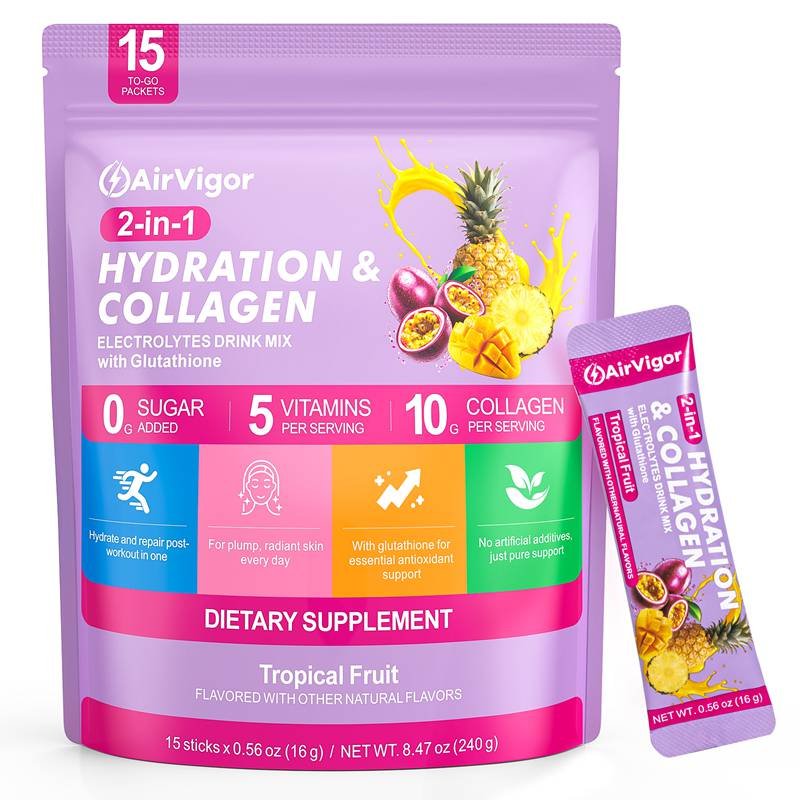
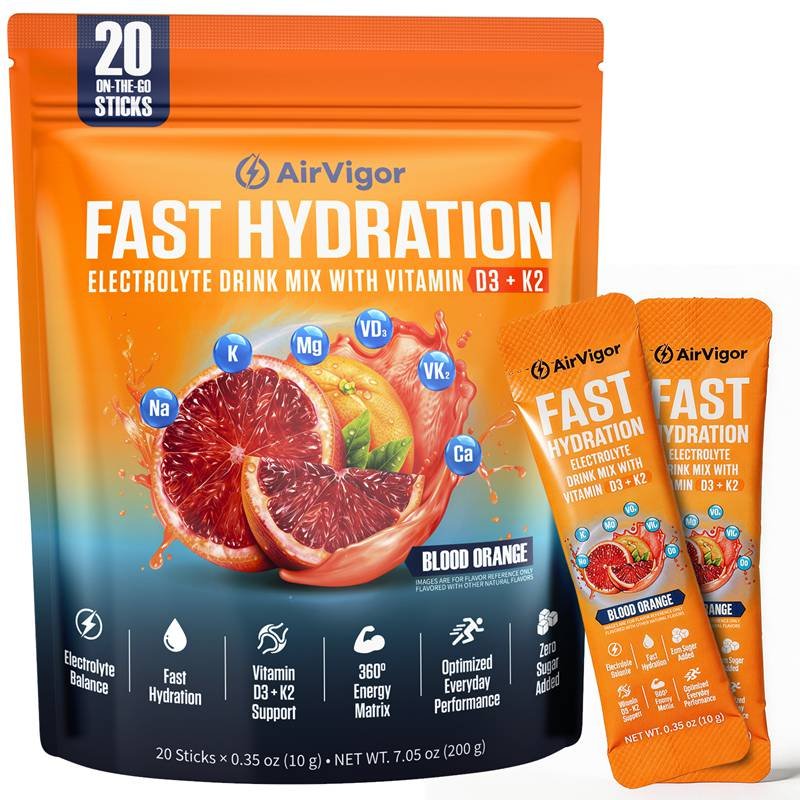
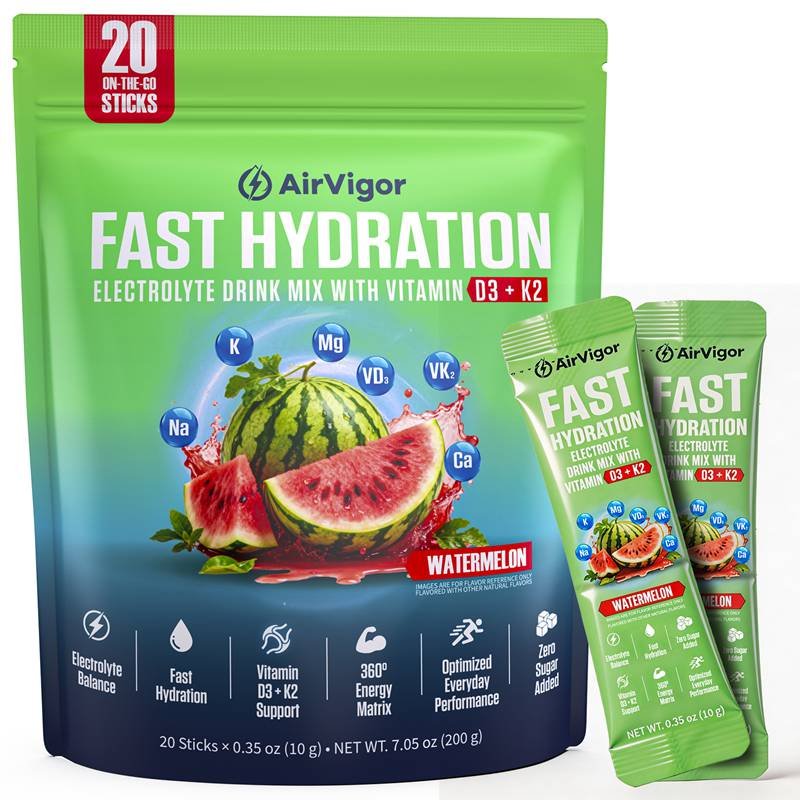
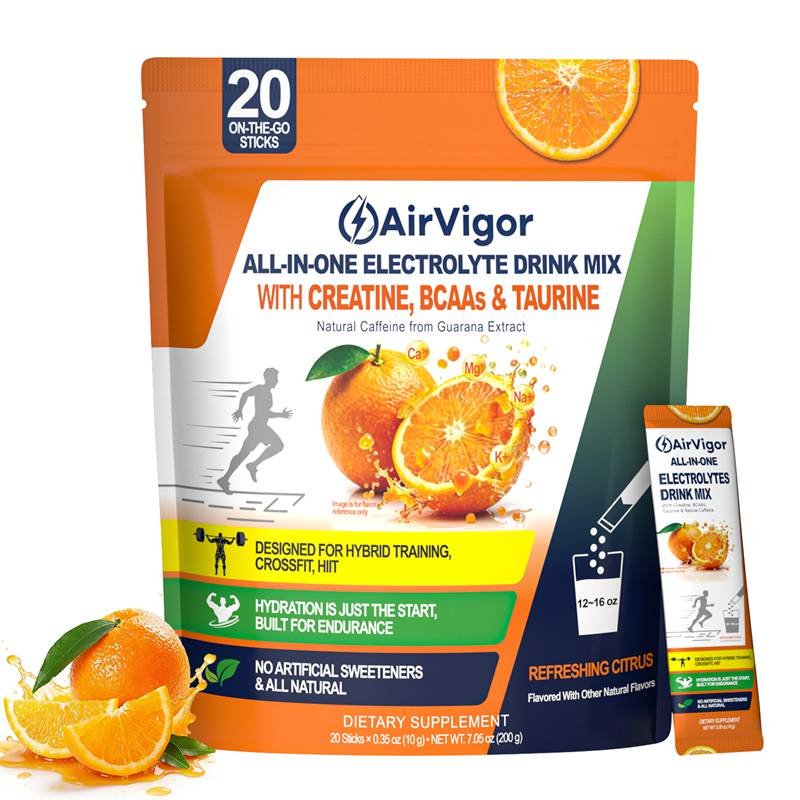
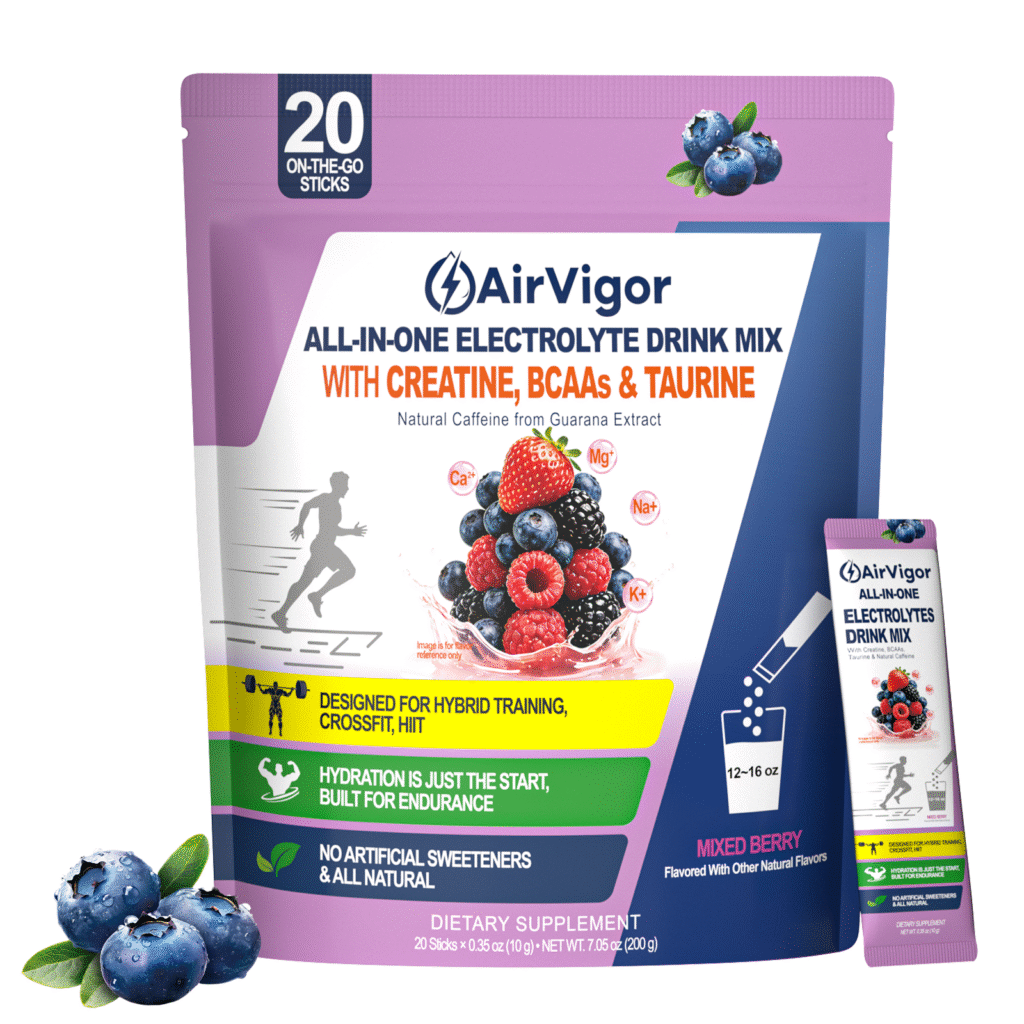
That is why brands like AirVigor are focusing on modern hydration routines rather than seasonal sports positioning alone. By combining balanced electrolyte support, portable daily-use formats, and wellness-focused hydration solutions, AirVigor is designed for consumers who want hydration products that work just as well during workdays, travel, gym sessions, and everyday wellness routines as they do during summer workouts.
As hydration awareness continues growing worldwide, the electrolyte category is expanding far beyond traditional sports nutrition. Consumers are increasingly looking for hydration products that support modern lifestyles, healthier beverage choices, and long-term wellness habits rather than temporary seasonal use.
If you are looking to develop electrolyte products for your brand, launch private label hydration formulas, or source convenient stick pack electrolyte solutions for your market, AirVigor welcomes wholesale partnerships, OEM customization projects, and long-term collaboration opportunities in the growing global hydration category.
Share:
Contact Expert Team
At AirVigor, performance becomes effortless. We transform advanced nutrition science into clean, effective supplements that help you hydrate, recover, and feel stronger every day. Shop AirVigor Supplements on Amazon and experience athlete-trusted formulas—backed by real science and supported by our world-class R&D and production capabilities.
Trust AirVigor
At AirVigor, turning your performance goals into reality is no longer a struggle—it’s a science-driven journey we build together. Whether you’re a runner, lifter, cyclist, yogi, outdoor athlete, or someone simply seeking better daily energy, AirVigor transforms advanced nutrition research into clean, effective, and trustworthy supplements you can feel.
Backed by our U.S. scientific team, global certifications, and world-class production standards, every formula is engineered to deliver real hydration, real recovery, and real performance. And when you’re ready to experience the difference, you’ll find AirVigor products available on Amazon and other major platforms—fast shipping, consistent quality, and a community of athletes already seeing results.
Behind the scenes, our R&D and manufacturing ecosystem also supports specialized formulation development, ensuring AirVigor continues to lead with innovation while keeping quality and safety uncompromised. But at the core, everything we create is built for you—your health, your performance, your momentum.
Choose AirVigor. Feel the science. Elevate your every day.


Subscribe to our newsletter
Sign up to our newsletter and we’ll keep you up to date with the latest arrivals.