Skip to content
Are Electrolyte Drinks Better Than Water : What You Should Know
# Your Trusted Dietary Supplement Brand In US
- Emily

Table of Contents
Water has always looked like the simple answer, and electrolyte drinks have always looked like the stronger one. That contrast is exactly why so many people end up confused. In real life, hydration choices usually happen in ordinary moments: before a gym session, halfway through a long run, after sweating in summer heat, or on a workday when plain water suddenly feels less satisfying than usual. Mayo Clinic keeps the baseline simple: water is generally the best way to replace lost fluids. But the same guidance also says that once exercise goes beyond 60 minutes, a sports drink can help support electrolyte balance and provide carbohydrates. That is the first important clue that the better drink depends on the situation, not on which label sounds more advanced.
Electrolyte drinks are not automatically better than water. Water is often enough for daily hydration and for many shorter or lower-sweat workouts. Electrolyte drinks become more useful when the body is losing not only fluid, but also meaningful amounts of sodium and other minerals through longer exercise, heavier sweating, hotter conditions, or illness-related fluid loss. Harvard’s Nutrition Source says most people usually get enough electrolytes from food and beverages under normal conditions, while ACSM notes that heavy sweaters in vigorous exercise may lose around 500 to 700 milligrams of sodium per hour.
That difference matters because most people are not really asking which drink is “healthier” in the abstract. They are asking a much more useful question: what should I actually drink so I feel better, perform more steadily, and avoid turning hydration into guesswork? Once the topic is framed that way, the comparison becomes much more practical. The stronger option is not always the more complex one. It is the one that matches what your body is actually losing.
What Is the Difference Between Electrolyte Drinks and Water?
Water and electrolyte drinks do not do the exact same job. Water is the default fluid for hydration and often works very well on its own. Electrolyte drinks add minerals such as sodium and potassium, and sometimes carbohydrate, which can make them more useful when sweating, heat, or longer exercise increases both fluid loss and electrolyte loss. Harvard’s Nutrition Source describes electrolyte beverages as drinks designed to be easily absorbed in the gut to quickly rebalance mineral and fluid levels.
What does water do in the body?
Water is still the foundation of hydration. Mayo Clinic says it is generally the best way to replace lost fluids, and Harvard’s broader beverage guidance keeps water in the central role for healthy daily hydration. MedlinePlus also explains that hydration is essential for body function because fluid balance affects circulation, temperature regulation, and normal organ function.
This matters because hydration advice often becomes too product-focused too quickly. Many people do not need a specialized drink for ordinary hydration. They need to drink enough plain water more consistently. Harvard’s electrolyte guidance is helpful here because it reminds readers that, under normal conditions, most people already get the electrolytes they need from regular foods and beverages. That means water is not a weak fallback. In many daily situations, it is exactly the right answer.
A practical comparison helps:
| Hydration situation | What water does well |
|---|---|
| Daily routine | Covers basic fluid needs well |
| Short workout | Often enough on its own |
| Mild weather exercise | Usually effective as the main drink |
| Low-sweat session | Strong default choice |
That is why water should not be treated as “too basic.” In a large share of real-life situations, it is the most appropriate option.
What do electrolyte drinks add?
Electrolyte drinks add minerals that help regulate fluid balance and support nerve and muscle function. MedlinePlus says electrolytes help balance the amount of water in the body, move nutrients into cells, move waste out of cells, and support muscle and nerve function. Harvard also notes that sports drinks are marketed to replenish glucose, fluids, and electrolytes such as sodium, potassium, magnesium, and calcium lost during strenuous exercise.
This matters most when hydration is no longer just a water problem. During longer or sweat-heavier sessions, the body may lose enough sodium that replacing fluid alone starts feeling incomplete. ACSM says heavy sweaters in vigorous exercise may lose 500 to 700 milligrams of sodium in an hour. Some electrolyte drinks also include carbohydrate, which can offer energy support in longer sessions. That makes electrolyte drinks more useful in clearly demanding conditions, but not automatically superior in every situation.
A simple comparison makes the difference easier to see:
| Drink type | Main added value |
|---|---|
| Water | Fluid replacement |
| Electrolyte drink | Fluid plus mineral replacement |
| Electrolyte + carbohydrate drink | Fluid, minerals, and some energy support |
That is why the better question is not “Which one has more in it?” It is “Which one fits what this session or this day is taking out of me?”
Why can they feel different during exercise?
Electrolyte drinks can feel different because they usually taste saltier, sweeter, or more concentrated than water, and because they may match the workout demand better in some conditions. Harvard Health says many electrolyte drinks contain added sugars, sweeteners, or other ingredients, while the American Heart Association notes that products in this category can vary substantially in sodium, potassium, magnesium, sugar, and calories.
For customers, this is one of the biggest sources of confusion. A stronger taste can be mistaken for stronger hydration. Sometimes that lines up with reality, especially in long, hot, or sweat-heavy sessions. Sometimes it only means the drink is sweeter or more concentrated than the workout actually requires. This is why the product “feel” is not a reliable guide on its own. Duration, heat, and sweat loss are usually better guides than flavor intensity.
A practical guide helps:
| What you notice | What it may really mean |
|---|---|
| Stronger taste | More concentrated formula |
| Sweeter feel | More sugar or sweetener |
| More helpful on long hot sessions | Better fit for fluid + sodium loss |
| No big difference on easy sessions | Water may have been enough |
That is why “feels stronger” and “works better” are not always the same thing.
Is Water Enough for Most People?
For many people, yes. Water is enough for daily hydration and for many shorter, easier workouts. Harvard says most people usually get enough electrolytes from food and beverages under normal conditions. Mayo Clinic says water is generally the best way to replace lost fluids. Electrolyte drinks become more useful only when the day or workout creates a bigger hydration problem than usual.
Is water enough for daily hydration?
For most healthy people under normal conditions, water is enough for routine hydration. Harvard’s electrolyte guidance is very clear on this point: most people usually get enough electrolytes from the foods and beverages they already consume. Harvard Health makes the same case in simpler terms, adding that people who eat a balanced diet and do not do extreme physical activity are probably already getting all the electrolytes they need from food.
This is important because daily hydration is where many people start overusing electrolyte drinks. A product may feel more interesting than water, but interest is not the same as need. If a person is eating regular meals, living in mild conditions, and not exercising hard for long periods, there may be little practical reason to replace routine water intake with electrolyte drinks. In fact, Harvard Health also points out that many people already get too much sodium because it appears in so many prepared and processed foods.
A practical daily guide helps:
| Daily situation | Is water often enough? |
|---|---|
| Mild indoor day | Usually yes |
| Regular meals and normal fluid intake | Usually yes |
| Low-sweat daily routine | Often yes |
| Heat, illness, or heavy sweating | Sometimes not |
That is why the strongest daily hydration strategy usually starts with water and only gets more specialized when the day clearly becomes harder.
Is water enough for most workouts?
For many workouts, yes. Mayo Clinic says water is generally the best way to replace lost fluids and shifts toward sports drinks mainly when exercise or training lasts more than 60 minutes. That gives readers a very usable starting point: water is often enough for shorter, easier, or moderate sessions, especially in mild conditions.
This matters because many people overcomplicate workout hydration before the session actually earns that complexity. A short lift, standard indoor cardio workout, or moderate class often does not need anything more complicated than water. The mistake is not choosing water. The mistake is assuming water must work equally well in every environment and every session length. The stricter rule is to let the workout dictate the drink, not the other way around.
A practical workout table helps:
| Workout type | Is water often enough? |
|---|---|
| Short easy workout | Usually yes |
| Moderate indoor session | Often yes |
| Workout under 60 minutes | Often yes |
| Long or very sweaty workout | Sometimes not |
That is why water remains the default for many workouts, even if it is not the best answer for every workout.
Which situations make water less effective on its own?
Water starts becoming less effective on its own when the body is losing more than fluid alone or when the session is long enough that replacement becomes more complicated. Mayo Clinic’s clearest threshold is exercise beyond 60 minutes. ACSM’s clearest threshold is vigorous, sweat-heavy exercise where sodium losses become meaningful. Heat raises the chance of both happening sooner.
This matters because the real hydration decision is not “water or electrolytes forever.” It is “what kind of session or day am I actually in right now?” Long endurance sessions, repeated summer training, hot outdoor work, illness-related fluid loss, and very heavy sweating are all examples where water alone may not be the full answer. Mayo Sports Medicine also notes that electrolyte-containing beverages can help rehydration because sweat removes both fluid and electrolytes, such as sodium and chloride.
A practical situation guide helps:
| Situation | Why water alone may feel less effective |
|---|---|
| Workout beyond 60 minutes | Longer fluid loss and possible energy decline |
| Heavy sweating | More sodium loss |
| Hot weather training | Faster fluid loss |
| Illness with vomiting or diarrhea | Fluid and electrolyte loss together |
That is why the better hydration question is not “Which one is better in general?” It is “Which one fits this situation better?”
When Are Electrolyte Drinks Better Than Water?
Electrolyte drinks are better than water when the body is losing more than fluid alone. That usually happens in longer workouts, hotter environments, heavier sweating, or situations where fluid loss is paired with meaningful sodium loss. Mayo Clinic says sports drinks become more useful once exercise goes beyond 60 minutes, while ACSM notes that heavy sweaters during vigorous exercise may lose about 500 to 700 milligrams of sodium per hour. That is the point where the comparison shifts from simple hydration to fluid-plus-electrolyte replacement.
When do electrolyte drinks make more sense?
Electrolyte drinks make more sense when plain water starts feeling incomplete for the demands of the session. A short indoor workout usually does not create a large enough replacement problem to require more than water. A long endurance session, repeated summer training, or a high-sweat workout often does. Mayo Clinic’s more-than-60-minute guidance is useful because it gives readers a clear, practical threshold instead of a vague product claim. Harvard’s electrolyte drink guidance also supports this selective use by explaining that these beverages were originally designed for long, hard efforts in hot conditions where both dehydration and electrolyte loss could affect performance.
This matters because many people ask the comparison question in the wrong way. They ask which drink is “healthier” overall when the more useful question is which one is more appropriate for the exact situation. Water does not become weak just because electrolyte drinks exist. Electrolyte drinks become more relevant only when the workout or environment creates a bigger replacement need. That is why a 30-minute gym session and a 90-minute summer run should not be treated as the same hydration problem. The body is not asking for the same thing from both sessions, so the bottle should not be either.
A practical comparison helps:
| Situation | Is water often enough? | Do electrolyte drinks make more sense? |
|---|---|---|
| Short easy workout | Usually yes | Often no |
| Moderate session under 60 minutes | Often yes | Sometimes not necessary |
| Workout over 60 minutes | Sometimes not | More understandable |
| Long, sweat-heavy training | Sometimes not | Often yes |
That is why the stronger option is not always the one with more ingredients. It is the one that matches what the session is actually taking out of the body.
Which workouts increase sodium loss?
The workouts most likely to increase sodium loss are the ones that are vigorous, long, and visibly sweat-heavy. ACSM’s guidance is especially useful here because it gives a measurable number: heavy sweaters in vigorous exercise may lose around 500 to 700 milligrams of sodium in an hour. That number explains why some sessions feel manageable with water while others leave the body feeling flatter, cramp-prone, or harder to recover from. The issue is not only fluid. It is the cumulative sodium loss that builds with duration and intensity.
This matters because many people think of sweat as one simple category: either they sweat a lot or they do not. In practice, sodium loss becomes more relevant when several factors stack together. A long run in warm weather, a hard cycling session, a team sport in summer heat, or a vigorous class with continuous movement can all push hydration into a different category than a brief lifting session in a cool room. Once the workout combines time, intensity, and sweat, water may still be useful, but electrolyte drinks begin to make more sense because the replacement job is no longer just about thirst.
A practical workout table helps:
| Workout | Sodium-loss concern |
|---|---|
| Easy walk or short lift | Lower |
| Moderate indoor workout | Lower to moderate |
| Long run or ride | Higher |
| Vigorous training with heavy sweating | Highest |
That is why electrolyte drinks are not “better” because they are marketed for sport. They are better when the workout is clearly creating a larger sodium-loss problem.
How does heat change the answer?
Heat changes the answer because it usually increases sweat rate and raises the chances that fluid loss and sodium loss will matter sooner. Harvard’s electrolyte guidance repeatedly ties these drinks to long training and sweating in hot conditions, while Mayo Clinic’s sports-drink advice becomes more relevant when exercise is both extended and warm. In practice, heat can make a workout that would normally be manageable with water feel much more demanding.
This matters because many people bring the same hydration habits into very different environments. They use the same bottle and the same drinking pattern for a cool indoor workout and a humid outdoor session, then wonder why one feels smooth and the other feels draining. Heat increases the cost of the session. It often pushes sweat higher, raises the importance of staying ahead of fluid loss, and makes electrolytes more understandable sooner than people expect. The comparison is not really summer versus winter. It is whether the conditions are making the body lose enough through sweat that water alone starts feeling less complete.
A practical heat guide helps:
| Condition | Better answer |
|---|---|
| Cool indoor workout | Water often enough |
| Mild outdoor session | Usually water first |
| Long warm-weather session | Electrolytes more understandable |
| Vigorous session in heat | Electrolytes often more useful |
That is why heat does not make water useless. It simply makes the reasons for electrolyte drinks much easier to justify.

Are Electrolyte Drinks Better for Exercise or Recovery?
Electrolyte drinks can matter both during exercise and after exercise, but not equally in every situation. During exercise, they matter more when the session is long, hot, or sweat-heavy. After exercise, they matter more when the workout creates enough sweat loss that the body is still trying to replace both fluid and sodium. For shorter or easier sessions, water is often still enough both during and after.
Do electrolyte drinks help during exercise?
Yes, they can, especially when the session is long enough that hydration and fueling start overlapping. Mayo Clinic says that if exercise lasts more than 60 minutes, a sports drink can help maintain electrolyte balance and provide carbohydrates. That makes electrolyte drinks more relevant during exercise when the body is not only replacing fluid, but also trying to stay steady through sustained effort.
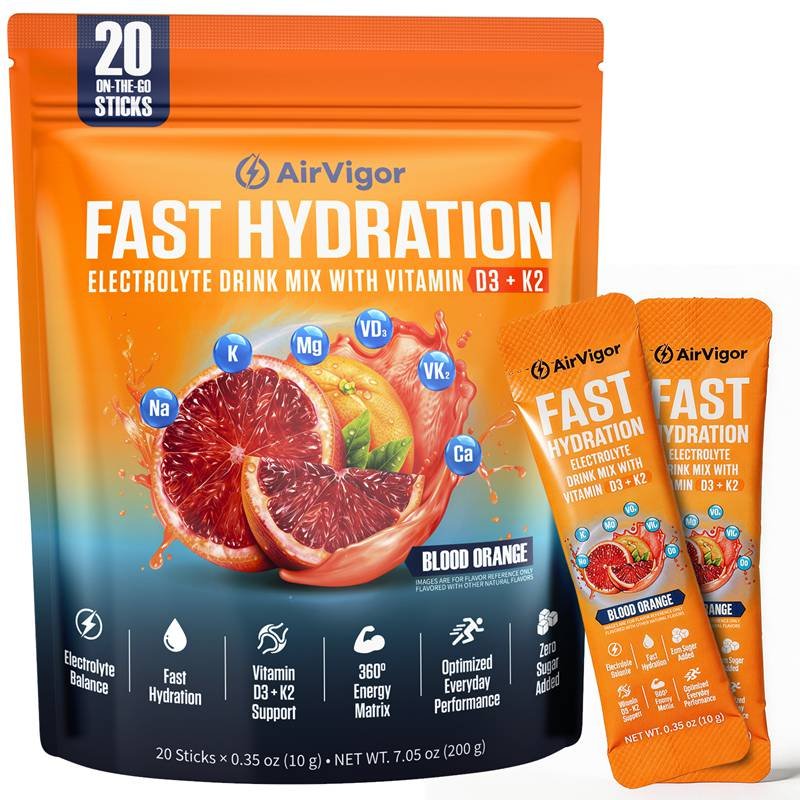
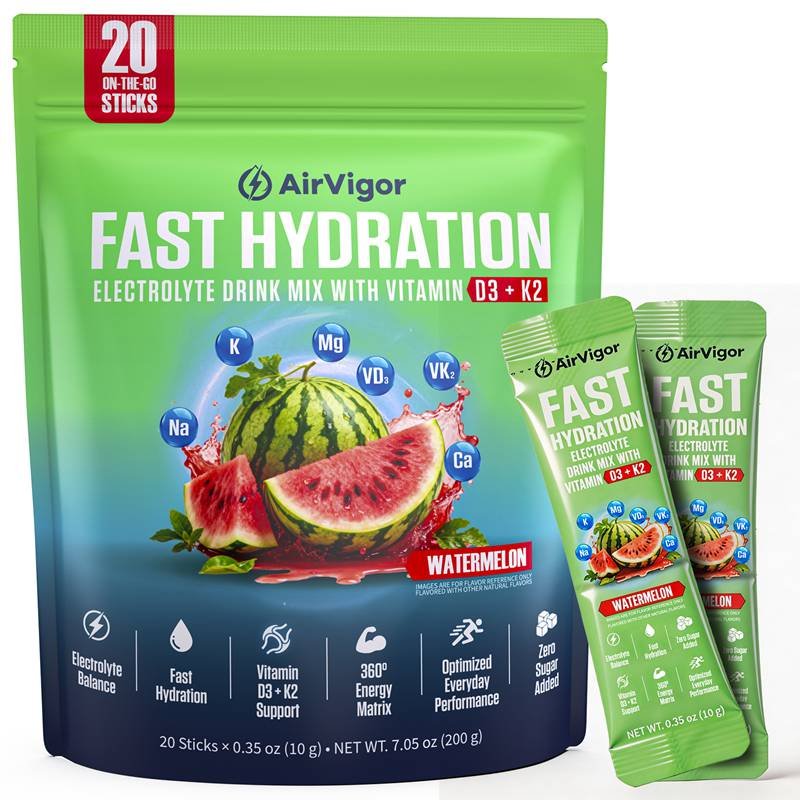
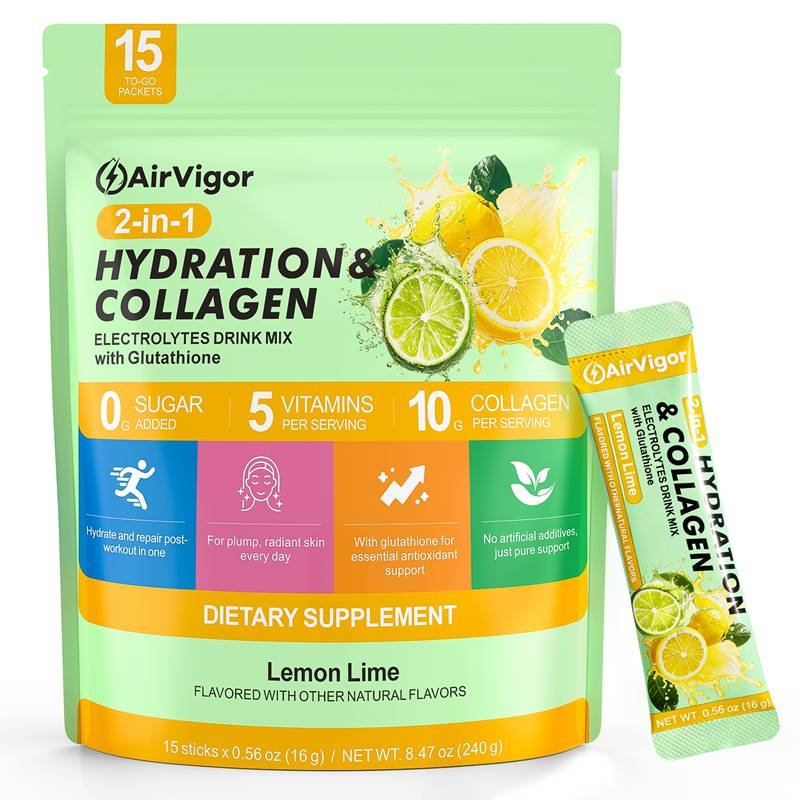
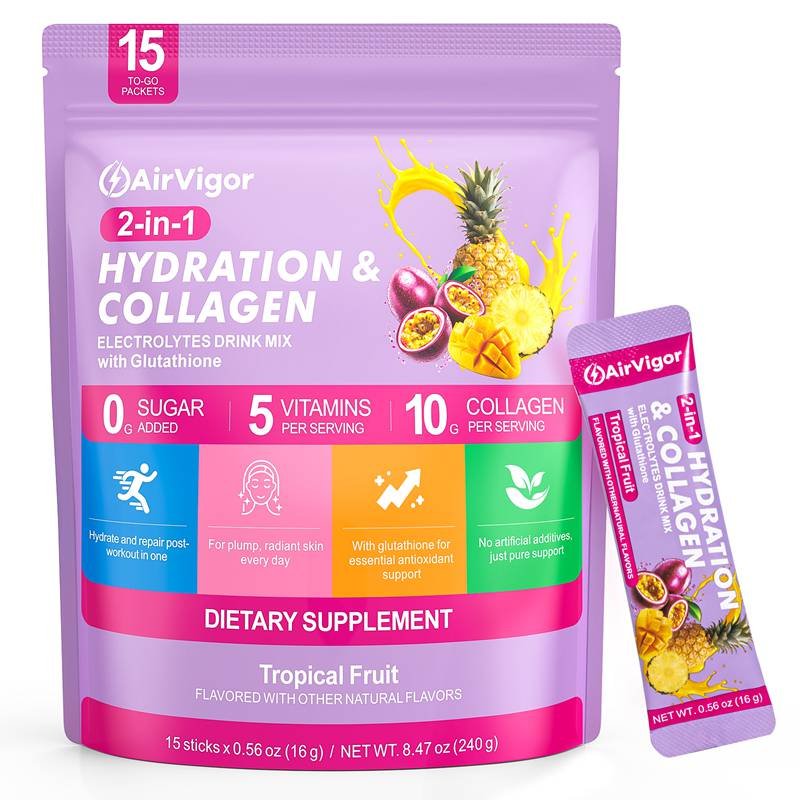
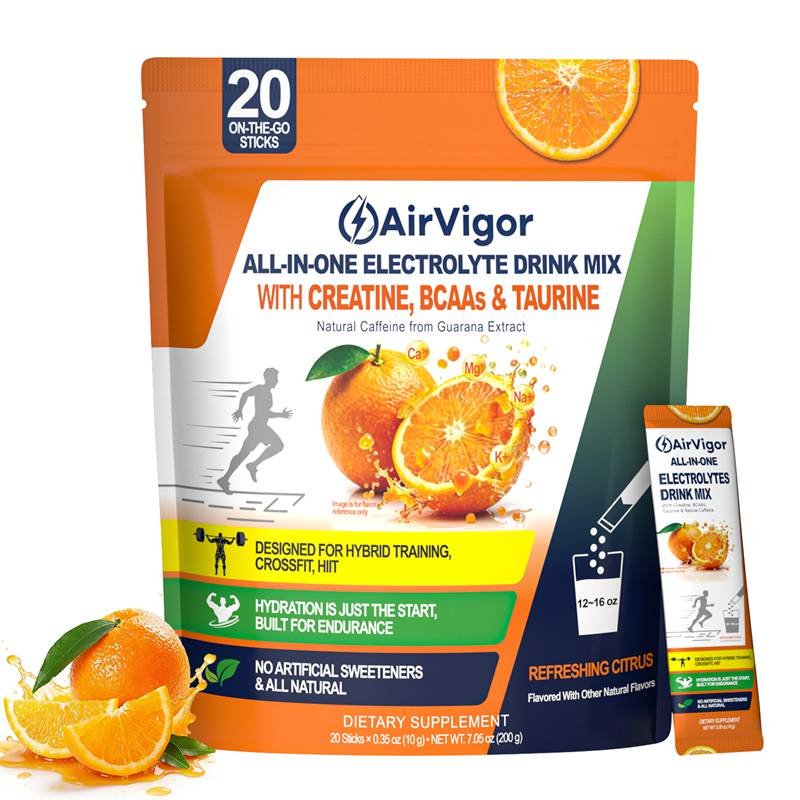
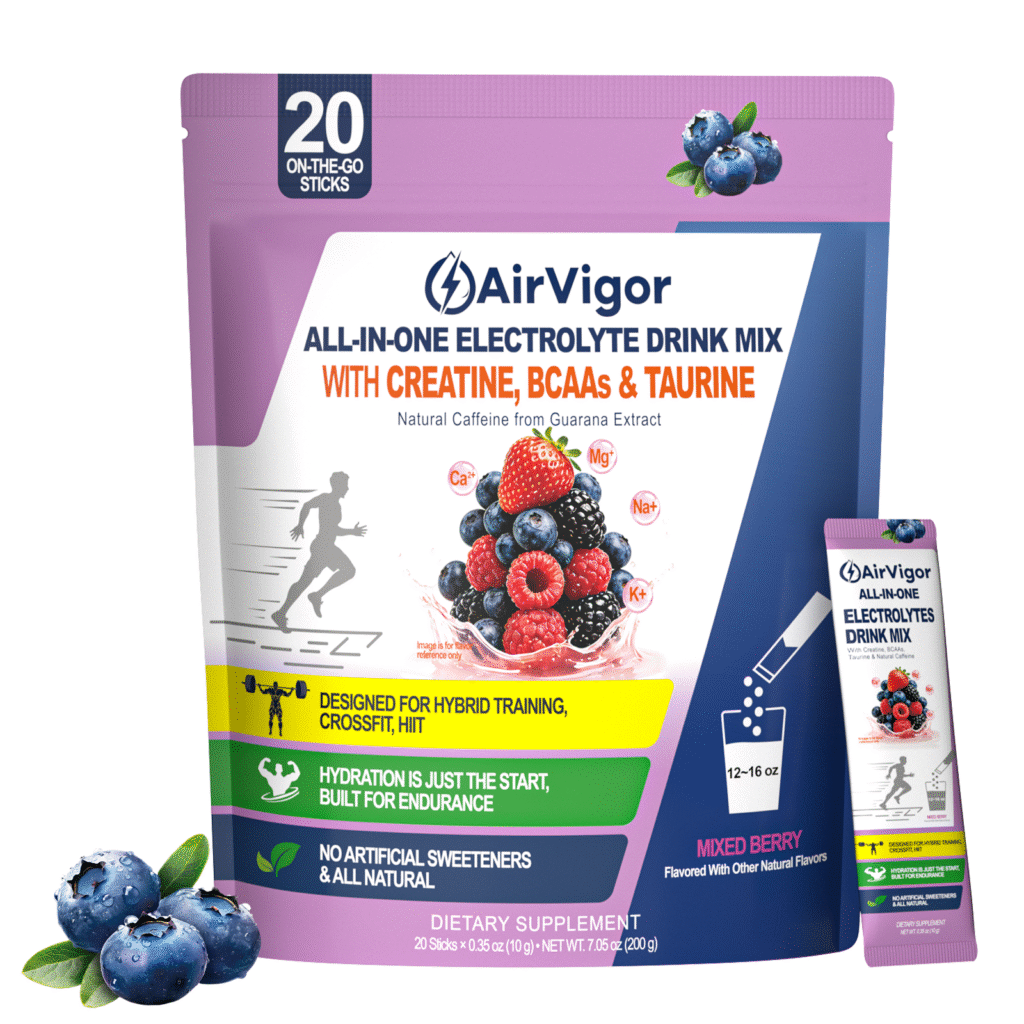
This matters because the during-workout comparison is where the difference between water and electrolyte drinks often becomes clearest. In a short session, water usually handles the job well. In a longer session, especially one with heat or heavy sweating, the body may start asking for more than plain water can easily provide. That is where a balanced electrolyte drink becomes more purposeful. It is not automatically better because it has more on the label. It is better because the session has changed. For a product like AirVigor, this is where the fit becomes more natural: not as a replacement for water in every workout, but as a more structured option when the session clearly starts demanding more than basic fluid replacement.
A practical during-workout guide helps:
| Session type | Better during-workout option |
|---|---|
| Short easy workout | Water |
| Moderate indoor session | Usually water |
| Workout beyond 60 minutes | Water plus stronger case for electrolytes |
| Hot or sweat-heavy workout | Electrolytes more understandable |
That is why electrolyte drinks are often better during exercise only when the workout requires that upgrade.
Do electrolyte drinks help after exercise?
Sometimes yes, especially after tough workouts, heavy sweating, or heat exposure. Cleveland Clinic says sports drinks can help the body rehydrate and recover after a tough workout or illness, but also stresses that they are specialty drinks rather than casual all-day beverages. ACSM adds another useful point: real foods can also help restore sodium after exercise. That makes the recovery picture more realistic. Electrolyte drinks can help, but they are not the only recovery tool, and they are not necessary after every session.
This matters because post-workout hydration is where people often use electrolyte drinks too casually. After a short, easy session, they may be unnecessary. After a long, hot, or sweat-heavy session, they become much more understandable because the body may still be trying to catch up on both water and sodium. The better question after training is not “Should I always drink electrolytes now?” It is “How much did I actually sweat, how depleted do I feel, and is water alone enough to restore me?” That keeps recovery hydration more precise and more believable.
A practical after-workout guide helps:
| After-session condition | Are electrolyte drinks more understandable? |
|---|---|
| Short easy workout | Often not necessary |
| Moderate session with light sweat | Sometimes |
| Long or heat-heavy session | Often yes |
| Heavy sweating plus fatigue | More understandable |
That is why electrolyte drinks can be better after exercise, but only when the workout actually created a bigger replacement need.
Which sessions benefit most from them?
The sessions that benefit most are the ones that combine time, sweat, and heat. Mayo Clinic’s more-than-60-minute threshold, ACSM’s sodium-loss guidance, and Cleveland Clinic’s advice on tough workouts and illness all point in the same direction: electrolyte drinks are most useful when the body has clearly lost more than plain water alone can easily replace.
This matters because readers often want a single universal answer, but the more useful answer is patterned. A short indoor lift usually does not need much more than water. A ninety-minute summer run, a long bike ride, a vigorous class in heat, or a physically demanding outdoor session may create a much stronger case for electrolyte support. The more the session stresses hydration through duration and sweat, the more likely electrolyte drinks are to outperform water alone for that specific purpose. That is the key comparison to keep in mind: not which drink is “best overall,” but which drink is better for this kind of session.
A practical session guide helps:
| Session type | Better option |
|---|---|
| Short, easy, low-sweat workout | Water |
| Moderate session in mild conditions | Usually water |
| Long endurance workout | Electrolyte drink more understandable |
| Heat-heavy or very sweaty session | Electrolyte drink often better fit |
That is where the comparison becomes useful in real life: matching the drink to the session, not to the marketing category.
Which Risks or Mistakes Should You Know About?
The biggest hydration mistake is treating water and electrolyte drinks as if they should be used the same way in every situation. Water is still the stronger default for many daily routines and many shorter workouts. Electrolyte drinks become more useful when the body is losing more than fluid alone, especially in longer exercise, hotter conditions, heavier sweating, or illness-related fluid loss. Harvard notes that most people usually get enough electrolytes from food and beverages under normal conditions, while the Cleveland Clinic describes sports drinks as specialty drinks rather than casual all-day beverages.
Can electrolyte drinks be unnecessary?
Yes. In many everyday situations, they are unnecessary. If a person is eating regular meals, living in mild conditions, and not doing long or sweat-heavy exercise, water usually covers the main hydration job well. Harvard’s guidance is very clear that most people generally get enough electrolytes from what they already eat and drink. Harvard Health adds that people who eat a balanced diet and are not doing extreme physical activity are probably already getting the electrolytes they need from food, and that many people already consume too much sodium through prepared and processed foods.
This matters because electrolyte drinks are often marketed in a way that makes plain water seem old-fashioned or incomplete. But adding sodium, sugar, or minerals does not automatically make a drink more useful. If the day has not created a bigger hydration problem, those extras may not solve anything meaningful. A better rule is to ask whether the session or the situation has actually created fluid loss plus mineral loss, not just ordinary thirst. That one question makes drink choice more accurate and usually saves people from making routine hydration more complicated than it needs to be.
A practical comparison helps:
| Situation | Are electrolyte drinks often necessary? |
|---|---|
| Mild daily hydration | Often no |
| Short workout in mild conditions | Often no |
| Long or sweat-heavy session | Sometimes yes |
| Illness or major fluid loss | More understandable |
That is why the more useful question is not whether electrolyte drinks sound more advanced. It is whether the body has actually created a reason to need them.
Can you drink too much water during long exercise?
Yes. This is one of the most overlooked parts of the water-versus-electrolytes discussion. Mayo Clinic Sports Medicine says drinking too much during exercise can contribute to exercise-associated hyponatremia, and MedlinePlus explains that low sodium can happen when too much water dilutes sodium outside cells. Mayo Clinic’s water guidance also warns that when people drink too much water, sodium levels can become too low, and that this can be life-threatening in serious cases.
This matters most in long endurance sessions, hot conditions, or highly structured events where people may keep drinking on schedule without paying enough attention to sweat rate, body feedback, or sodium loss. The goal is not to drink the largest volume possible. The goal is to stay in balance. That is why “drink more” is not always the best advice on its own. In some sessions, underdrinking is the problem. In others, overdrinking plain water can also create a problem if sodium loss is building up over time. The stronger hydration habit is not mindless volume. It is smarter matching.
A practical warning table helps:
| Pattern | Why it can become a problem |
|---|---|
| Drinking very large amounts regardless of need | Can overshoot actual fluid requirement |
| Long endurance session with only plain water | Can dilute sodium if losses are high |
| Ignoring fullness and body feedback | Makes fluid balance less accurate |
That is why better hydration is not about always choosing more water or more electrolytes. It is about choosing the amount and type that fit the real demands of the session.
Which drink choices can slow performance down?
The wrong drink is usually not “wrong” in general. It is wrong for the session. A short, easy workout usually does not need a heavy, sweet, sports-style drink. A long, hot, sweat-heavy session may outgrow plain water alone. Mayo Clinic keeps water as the default for many workouts and shifts toward sports drinks once exercise extends beyond about 60 minutes. Cleveland Clinic takes a similar practical view by saying sports drinks can help after tough workouts or illness, but should not be used casually just because someone is thirsty.
This matters because poor fit can change how the workout feels. A beverage that is heavier than the workout requires may feel unnecessary, too sweet, or harder to tolerate. On the other hand, a very long or hot session may feel harder than it should if the plan stays too simple and ignores sodium loss or duration. The better question is not “Which drink sounds strongest?” It is “Which drink actually matches what this session is taking out of me?” That question creates a better hydration decision than choosing by trend, branding, or habit alone.
A simple drink-choice guide helps:
| Workout type | Better choice |
|---|---|
| Short easy workout | Water |
| Standard moderate session | Usually water |
| Workout beyond 60 minutes | Stronger case for electrolytes and carbs |
| Hot or sweat-heavy session | Electrolytes more understandable |
That is why drink choice should follow session demand, not product category.
How Do You Choose the Better Option for Your Routine?
The better option is the one that fits your real routine, not the one that sounds more technical. The strongest comparison is rarely water versus electrolytes “in general.” Which one makes more sense for this kind of day, this kind of workout, and this level of sweat loss? Mayo Clinic, ACSM, Harvard, and Cleveland Clinic all support that same middle-ground view: water is often enough, but some sessions and conditions clearly justify more support.
Which drink is better for short workouts?
For most short workouts, water is better because it is usually enough. Mayo Clinic says water is generally the best way to replace lost fluids, and its sports-drink threshold begins after exercise extends beyond about 60 minutes. That makes water the more appropriate choice for a large share of short strength sessions, moderate cardio workouts, easy runs, and indoor classes in mild conditions.
This matters because many people make short-session hydration more complicated than it needs to be. If the workout is not long enough, hot enough, or sweat-heavy enough to create a larger replacement need, a more complex drink may not add much beyond taste. Water works because the session has not yet asked the body for much more than fluid replacement. The stronger habit is to let the workout earn the complexity instead of assuming every bottle should be upgraded. That is also what makes a hydration routine easier to repeat over time. Simpler habits are often the ones people actually keep.
A practical guide helps:
| Short session type | Better drink |
|---|---|
| Easy walk or light cardio | Water |
| Short strength workout | Water |
| Standard gym session under 60 minutes | Water |
| Low-sweat indoor class | Water |
That is why simple often wins in shorter training.
Which drink is better for long or hot sessions?
For long or hot sessions, electrolyte drinks are often the better fit because the body may be losing both fluid and sodium in more meaningful amounts. Mayo Clinic says sports drinks can help when exercise lasts more than 60 minutes, and ACSM notes that heavy sweaters in vigorous exercise may lose about 500 to 700 mg of sodium per hour. Heat usually makes that comparison more important because it tends to raise sweat loss sooner and more noticeably.
This matters because long and hot sessions create a different hydration problem than short, mild ones. Once duration and sweat rise, water may still be part of the solution, but the body may need more support than water alone can easily provide. That does not mean every summer workout needs a sports drink. It means there is a much stronger case for electrolyte support when the session clearly combines time, heat, and sweat. This is exactly where a balanced formula can become more useful than plain water: not everywhere, but very clearly in the sessions that demand more.
A practical comparison helps:
| Session type | Better option |
|---|---|
| Workout over 60 minutes | Electrolytes more understandable |
| Vigorous training in heat | Often stronger fit |
| Long endurance session | Water plus stronger case for electrolytes/carbs |
| Heavy-sweat workout | Electrolytes often more useful |
That is why electrolyte drinks can be better than water — but mainly when the session clearly earns that upgrade.
How can AirVigor fit into a smarter hydration plan?
AirVigor fits most naturally into the workouts where hydration is doing more work than usual: longer sessions, hotter sessions, and sweatier sessions. Mayo Clinic’s beyond-60-minute guidance and ACSM’s sodium-loss guidance create a very practical place for a balanced electrolyte product. The stronger message is not that every workout needs electrolyte powder. The stronger message is that some workouts clearly outgrow plain water alone.
This matters because the most believable hydration products are the ones that do not try to replace water in every situation. A smarter AirVigor position is to support the sessions where fluid and sodium loss become more meaningful. That makes the product easier to trust and easier to fit into a real routine. It also solves a more useful customer problem: not “What should I drink all day?” but “What should I use when training conditions clearly get harder than normal?” That is a much clearer and stronger use case for both direct customers and private-label product development.
A practical fit guide helps:
| Workout situation | Where AirVigor fits best |
|---|---|
| Short easy session | May not be necessary |
| Moderate session with light sweat | Sometimes useful |
| Workout beyond 60 minutes | Stronger fit |
| Hot or vigorous sweat-heavy training | More understandable as structured hydration support |
That is where a hydration product feels purposeful instead of generic.
Final Thoughts
Electrolyte drinks are not automatically better than water. Water is often enough for daily hydration and many shorter workouts. Electrolyte drinks become more useful when the body is losing more than fluid alone, especially in longer exercise, heavier sweating, hot conditions, or illness-related fluid loss. That is the practical middle-ground view supported by Mayo Clinic, ACSM, Harvard, MedlinePlus, and Cleveland Clinic.
That is why the better hydration choice is usually not the more aggressive one. It is the one that fits the actual cost of the session. For a brand like AirVigor, that creates a strong opportunity: not to replace water, but to support the workouts and conditions where hydration clearly becomes more demanding than plain water alone.
Looking to Source a Better Hydration Formula or Build Your Own?
If you are looking for:
- an electrolyte drink for longer or sweatier workouts
- a more balanced alternative to generic sports drinks
- a formula that fits heat, endurance, and structured hydration needs
- an OEM or ODM partner for custom hydration product development
AirVigor can support both finished branded products and private-label or custom formulation projects. The strongest hydration products are the ones that solve a real fluid-and-electrolyte problem clearly, and that is exactly where a well-positioned, balanced formula can win.
Share:
Contact Expert Team
At AirVigor, performance becomes effortless. We transform advanced nutrition science into clean, effective supplements that help you hydrate, recover, and feel stronger every day. Shop AirVigor Supplements on Amazon and experience athlete-trusted formulas—backed by real science and supported by our world-class R&D and production capabilities.
Trust AirVigor
At AirVigor, turning your performance goals into reality is no longer a struggle—it’s a science-driven journey we build together. Whether you’re a runner, lifter, cyclist, yogi, outdoor athlete, or someone simply seeking better daily energy, AirVigor transforms advanced nutrition research into clean, effective, and trustworthy supplements you can feel.
Backed by our U.S. scientific team, global certifications, and world-class production standards, every formula is engineered to deliver real hydration, real recovery, and real performance. And when you’re ready to experience the difference, you’ll find AirVigor products available on Amazon and other major platforms—fast shipping, consistent quality, and a community of athletes already seeing results.
Behind the scenes, our R&D and manufacturing ecosystem also supports specialized formulation development, ensuring AirVigor continues to lead with innovation while keeping quality and safety uncompromised. But at the core, everything we create is built for you—your health, your performance, your momentum.
Choose AirVigor. Feel the science. Elevate your every day.


Subscribe to our newsletter
Sign up to our newsletter and we’ll keep you up to date with the latest arrivals.