Skip to content
What Happens When Your Body Is Low on Electrolytes: Symptoms & Solutions
# Your Trusted Dietary Supplement Brand In US
- Emily

Table of Contents
When your body is low on electrolytes, it can quickly lead to a range of uncomfortable and even dangerous symptoms. From fatigue and muscle cramps to dizziness and heart palpitations, these symptoms may sound familiar to anyone who’s overexerted themselves during exercise or gone too long without proper hydration. But did you know that electrolyte imbalances can also be triggered by things as common as stress, illness, or even certain medications?
Electrolytes, including sodium, potassium, magnesium, and calcium, are vital for maintaining proper hydration, nerve signaling, muscle function, and overall bodily function. Low levels of these minerals can affect everything from your energy levels to your ability to concentrate. Fortunately, replenishing electrolytes doesn’t have to be complicated. In this article, we’ll explain the critical role electrolytes play, how to identify if you’re low on them, and, most importantly, how to restore balance quickly.
When you’re low on electrolytes, the body struggles to maintain proper hydration and muscle function, leading to fatigue, cramps, and potentially severe health issues like arrhythmias. This article will help you understand the signs and symptoms of low electrolytes and provide you with solutions to restore balance quickly.
What Are Electrolytes and Why Do They Matter?
Electrolytes are essential minerals in your body that carry an electric charge when dissolved in water. These minerals, such as sodium, potassium, calcium, magnesium, and chloride, are critical for a wide variety of bodily functions. Electrolytes help maintain fluid balance, regulate muscle contractions, transmit nerve signals, and control pH levels in the body. Without them, your cells, tissues, and organs would not function properly, and you could experience a range of issues, from mild fatigue to life-threatening conditions.
The Importance of Electrolytes
Electrolytes play a significant role in maintaining hydration, nerve function, muscle contraction, and overall fluid balance. A proper balance of electrolytes is needed to support the body’s metabolism and performance, especially during physical activity or in extreme temperatures. When you exercise or are exposed to heat, you lose electrolytes through sweat. If not replenished, this can result in dehydration, muscle cramps, dizziness, and even more severe conditions like heatstroke or heart arrhythmias.
| Electrolyte | Main Functions | Imbalance Symptoms |
|---|---|---|
| Sodium (Na⁺) | Regulates fluid balance, blood pressure, nerve function. | Fatigue, dizziness, confusion, nausea, low blood pressure. |
| Potassium (K⁺) | Muscle function, heart rhythm, nerve transmission. | Muscle cramps, weakness, irregular heartbeat, fatigue. |
| Calcium (Ca²⁺) | Muscle contraction, bone health, nerve function. | Muscle spasms, cramps, bone pain, difficulty breathing. |
| Magnesium (Mg²⁺) | Muscle relaxation, nerve stability, energy production. | Muscle cramps, irritability, fatigue, sleep disturbances. |
| Chloride (Cl⁻) | Fluid balance, stomach acid production. | Digestive issues, dehydration, low blood pressure. |
These electrolytes are not just important for hydration—they also maintain the body’s acid-base balance, transmit nerve impulses, and support proper muscle function. Without them, your body would not be able to perform the necessary actions that enable you to move, think, or even maintain vital processes like your heartbeat.
How Do Electrolytes Work Together in the Body?
Electrolytes work in tandem, balancing one another to regulate the body’s fluids, muscle functions, and nerve signaling. The body relies on a delicate balance between sodium, potassium, calcium, magnesium, and chloride to ensure cells and organs can perform their functions effectively.
For example:
- Sodium and Potassium: Sodium, primarily found outside the cells, regulates fluid levels in the blood and tissue, while potassium, found inside the cells, helps regulate fluid within the cells. Together, they help maintain osmotic balance and cell function.
- Calcium and Magnesium: These two minerals work in opposition during muscle contractions. Calcium signals the muscles to contract, while magnesium helps muscles relax after contraction. If either mineral is out of balance, muscle cramps or spasms can occur.
- Chloride: Working with sodium, chloride helps maintain the body’s fluid balance and is also involved in the production of stomach acid, which is important for digestion and nutrient absorption.
The intricate relationship between these electrolytes makes it clear that maintaining a balanced intake is crucial. A deficiency or an excess of any single electrolyte can have a cascading effect on others, leading to imbalances that disrupt normal bodily functions.
What Happens If Electrolytes Are Low?
When electrolyte levels drop, the body’s ability to regulate essential functions becomes compromised. Symptoms of low electrolytes can range from mild (fatigue and muscle cramps) to severe (heart arrhythmias and seizures). For instance:
- Sodium Imbalance: Low sodium (hyponatremia) can cause confusion, fatigue, and seizures. It can also result from drinking too much plain water without replenishing electrolytes during intense exercise.
- Potassium Imbalance: Low potassium (hypokalemia) affects muscle function and can cause weakness, cramps, and irregular heart rhythms. This is especially common in athletes or individuals who sweat heavily and don’t replenish their potassium levels.
- Calcium and Magnesium Imbalance: Both calcium and magnesium are crucial for muscle contraction and relaxation. Low levels of these minerals can result in muscle spasms, cramps, and even more serious issues like heart palpitations or seizures.
How Electrolytes Affect Your Performance and Recovery
Proper electrolyte balance is vital for optimal physical performance and recovery. During exercise, electrolytes are lost through sweat, especially during high-intensity workouts or in hot climates. This loss of electrolytes can hinder your performance and delay recovery if not replenished.
Electrolytes and Performance
- Hydration: Electrolytes help the body retain and balance water, ensuring muscles and organs function at their peak during exercise.
- Muscle Function: Electrolytes, particularly potassium, calcium, and magnesium, are involved in muscle contractions. Without sufficient electrolytes, your muscles can become fatigued, cramp, or even go into spasms.
- Nerve Function: Electrolytes help transmit electrical impulses to nerve cells, which is vital for communication between your brain and muscles. A disruption in nerve signaling can affect coordination and motor function.
By properly maintaining electrolyte balance before, during, and after exercise, you can avoid fatigue, improve performance, and ensure quicker recovery.
How to Replenish Electrolytes?
To maintain electrolyte balance, it’s essential to replenish electrolytes regularly, especially after intense physical activity, heat exposure, or dehydration. There are several ways to get electrolytes back into your system:
- Electrolyte-Rich Foods: Foods such as bananas (potassium), dairy (calcium), leafy greens (magnesium), and salted foods (sodium) are excellent sources of electrolytes.
- Electrolyte Drinks: Sports drinks, coconut water, or specially-formulated electrolyte drinks can provide a fast way to replenish lost minerals.
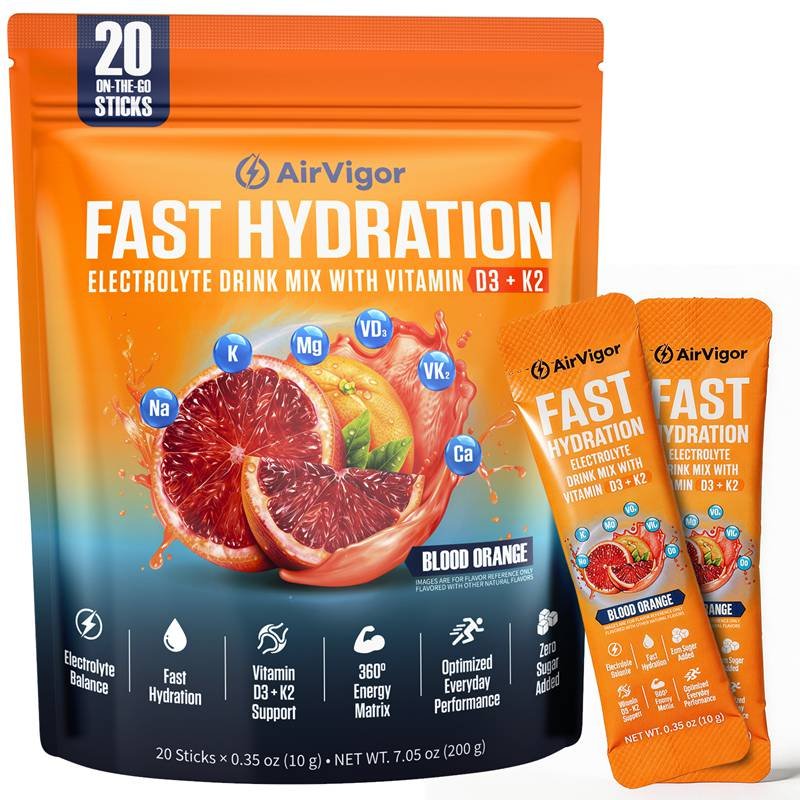
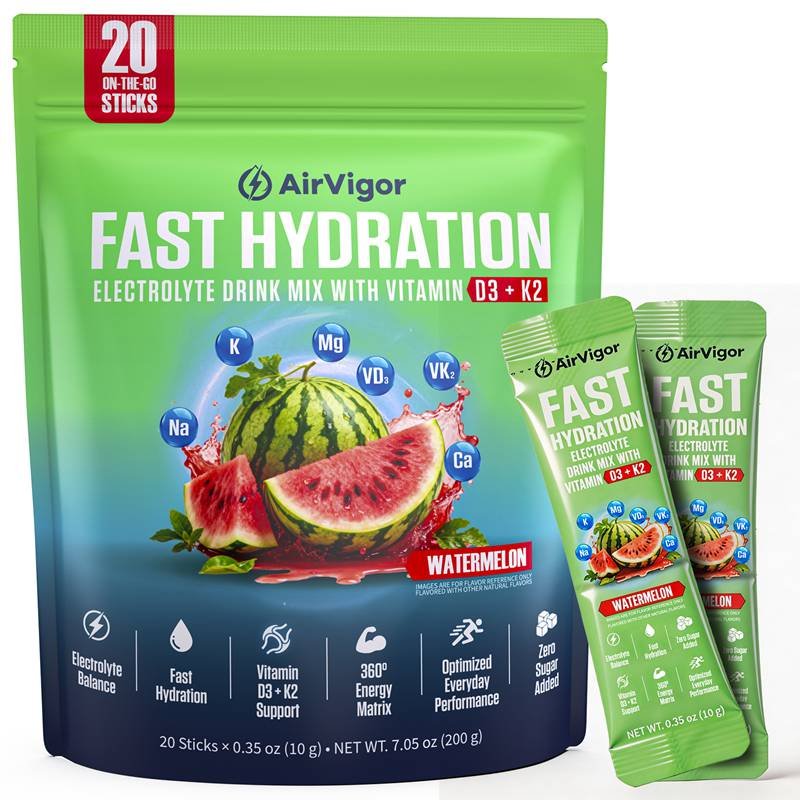
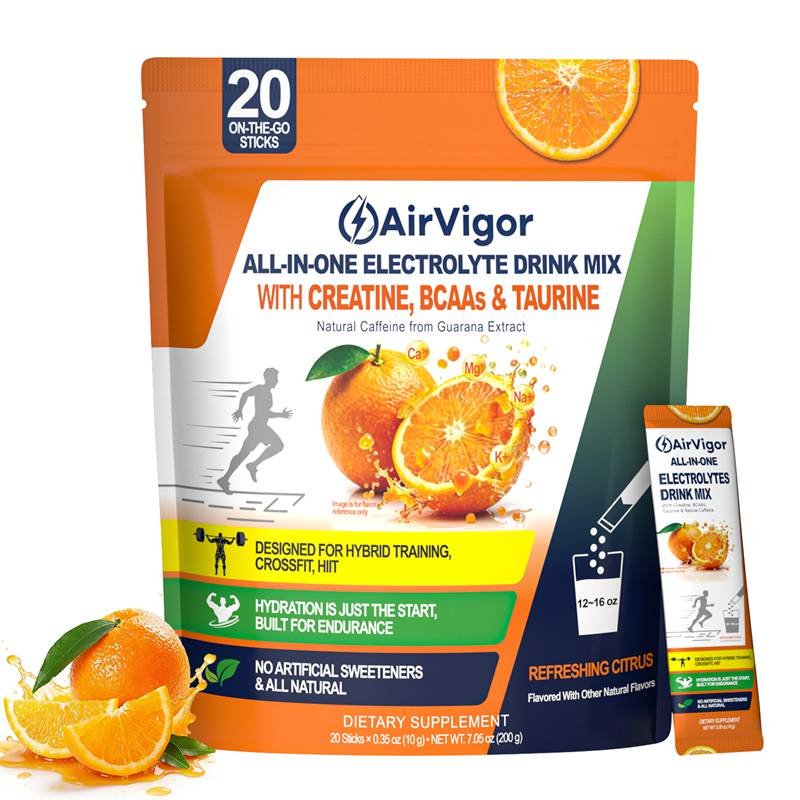
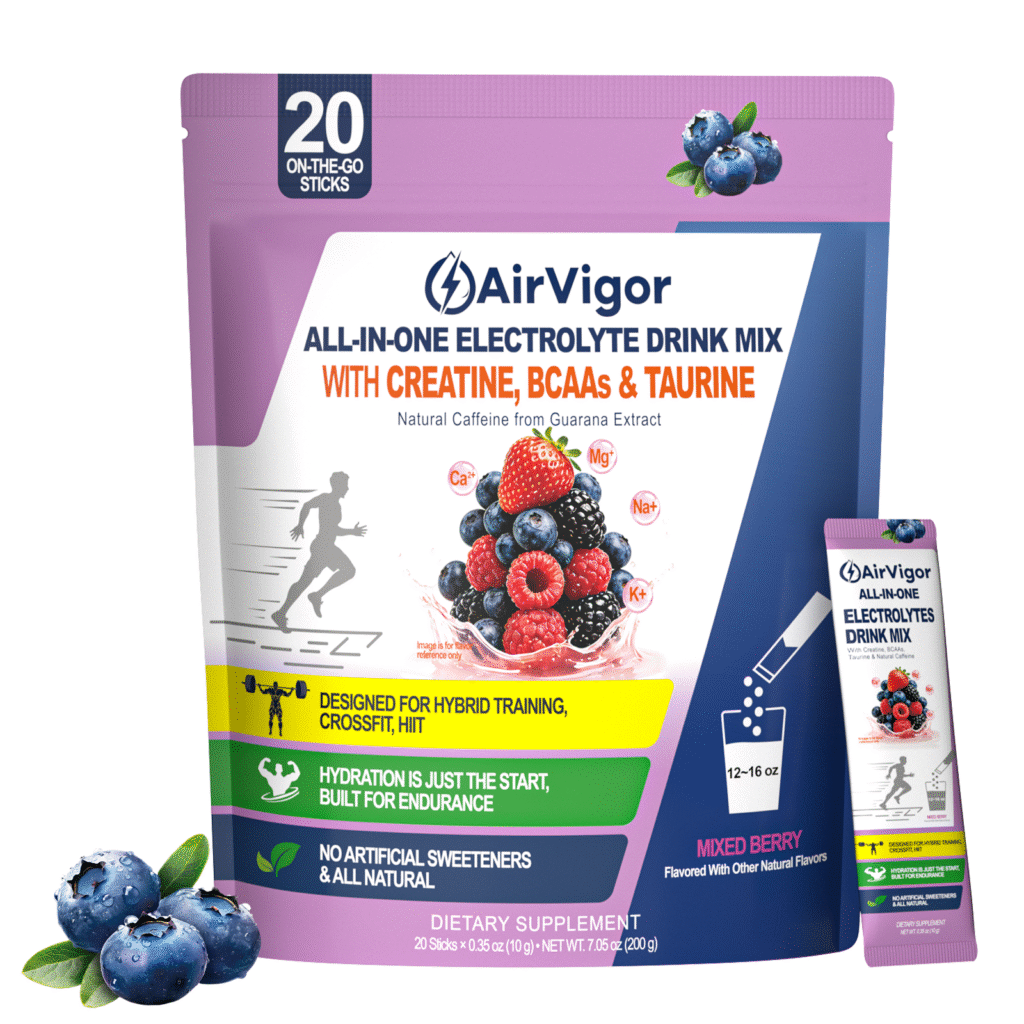
- Supplements: Electrolyte powders and tablets, such as those offered by AirVigor, provide an easy and effective way to restore electrolyte balance.
By incorporating these methods into your routine, you can ensure your body remains properly hydrated and capable of functioning at its best.
Electrolytes are essential for maintaining proper hydration, muscle function, and overall bodily performance. A balance of sodium, potassium, calcium, magnesium, and chloride is crucial for ensuring the body operates efficiently, particularly during exercise and hot conditions. By understanding the role of electrolytes and how to replenish them, you can improve your athletic performance, reduce the risk of dehydration, and maintain optimal health. Don’t wait until you feel the effects of low electrolytes—take proactive steps to restore balance and keep your body performing at its best.
How Does Electrolyte Imbalance Occur?
Electrolyte imbalances happen when there is either too much or too little of an electrolyte in the body, which disrupts its normal functioning. The body’s ability to maintain proper fluid and electrolyte balance is vital for sustaining physiological processes like hydration, nerve signaling, muscle contractions, and blood pressure regulation. When the body loses too many electrolytes through sweat, urine, or digestive issues, or when intake is insufficient, it can lead to an imbalance that affects performance, recovery, and overall health.
Causes of Electrolyte Imbalance
Several factors contribute to electrolyte imbalances, and these can occur due to various reasons, from lifestyle habits to underlying health conditions. Below, we’ll explore the most common causes and how they lead to an imbalance.
| Cause | How It Leads to Imbalance | Electrolytes Affected |
|---|---|---|
| Excessive Sweating | Sweating during intense physical activity or in hot climates leads to the loss of key electrolytes like sodium, potassium, and magnesium. | Sodium, Potassium, Magnesium |
| Dehydration | Insufficient fluid intake combined with excessive fluid loss leads to both dehydration and electrolyte loss. | Sodium, Potassium, Chloride |
| High Caffeine or Alcohol Intake | Both caffeine and alcohol can cause increased urine production, leading to the loss of electrolytes through frequent urination. | Sodium, Potassium, Magnesium |
| Illness (Diarrhea, Vomiting, Fever) | Vomiting and diarrhea, especially prolonged or severe, lead to the loss of electrolytes through the digestive tract. | Sodium, Potassium, Chloride |
| Kidney Dysfunction | Impaired kidney function can result in the inability to properly filter electrolytes, causing either depletion or retention. | Sodium, Potassium, Calcium |
| Medications | Some medications, such as diuretics and laxatives, can increase electrolyte loss by affecting fluid retention. | Sodium, Potassium, Magnesium |
| Low Intake of Electrolyte-Rich Foods | A diet deficient in essential electrolytes can lead to imbalances, particularly when high sweat loss or physical activity is involved. | Potassium, Magnesium, Calcium |
How Electrolyte Imbalances Affect the Body?
An imbalance in any of these electrolytes can have serious consequences for health and performance. Here are the primary electrolytes that can be affected and the impact on the body when they’re out of balance:
| Electrolyte | Function | Symptoms of Imbalance | Common Causes |
|---|---|---|---|
| Sodium | Regulates blood pressure, blood volume, and nerve function | Headache, nausea, fatigue, confusion, seizures, or coma (severe) | Excessive fluid intake, excessive sweating, kidney conditions, water intake without electrolytes during intense exercise |
| Potassium | Essential for muscle contractions and heart function | Muscle weakness, cramps, fatigue, irregular heartbeats (arrhythmias) | Dehydration, diuretics, excessive sweating, vomiting, diarrhea |
| Magnesium | Supports enzyme systems, muscle function, and nerve transmission | Muscle cramps, spasms, weakness, fatigue, sleep disturbances, irritability | Dehydration, excessive alcohol consumption, chronic diarrhea |
| Calcium | Important for bone health, muscle contractions, and nerve function | Muscle spasms, numbness, tingling, seizures (severe) | Poor diet, kidney disease, issues with parathyroid glands |
| Chloride | Works with sodium to maintain fluid balance | Dehydration, muscle cramps, digestive issues | Vomiting, diarrhea, excessive sweating |
Risk Factors That Increase Electrolyte Imbalances
Electrolyte imbalances can happen to anyone, but certain groups of people are more at risk due to lifestyle choices or underlying conditions:
- Athletes and Active Individuals: High levels of physical activity, especially in hot or humid conditions, increase the likelihood of electrolyte imbalances. Intense workouts, especially in the heat, can cause rapid fluid and electrolyte loss, which if not replenished properly, can result in muscle cramps, fatigue, and poor performance.
- People with Chronic Illnesses: Conditions like diabetes, kidney disease, and adrenal gland disorders can increase the likelihood of electrolyte imbalances. Diuretics, used to treat hypertension and fluid retention, can also deplete essential minerals like potassium and magnesium.
- Elderly Individuals: As people age, kidney function declines, making it harder for the body to regulate electrolytes. Additionally, older adults often take medications that can affect electrolyte levels.
- Individuals on Medications: Diuretics, laxatives, and certain blood pressure medications can disrupt electrolyte balance, especially if used over long periods.
- People with Poor Dietary Habits: Diets lacking in essential electrolytes (such as potassium, magnesium, and calcium) can increase the risk of developing an imbalance. A balanced diet rich in fruits, vegetables, and whole grains is crucial for maintaining optimal electrolyte levels.
Prevention and Treatment of Electrolyte Imbalance
Prevention involves maintaining a balanced diet and ensuring proper hydration, especially when engaging in physical activity or exposed to extreme temperatures. Here are some steps you can take to prevent electrolyte imbalances:
- Hydrate with Electrolyte-Rich Drinks: Water is essential for hydration, but it’s not enough to maintain electrolyte balance, especially after intense physical activity. Drinking electrolyte-enhanced water or sports drinks can help replenish sodium, potassium, and magnesium lost during sweating.
- Eat a Balanced Diet: Incorporate electrolyte-rich foods like bananas (potassium), leafy greens (magnesium), dairy (calcium), and salt-rich snacks into your daily routine.
- Monitor Your Health: If you’re at risk for electrolyte imbalance due to medication or health conditions, keep track of your symptoms and consult with a healthcare provider.
- Electrolyte Supplements: If you have difficulty maintaining electrolyte levels through food alone, consider using supplements, like AirVigor’s electrolyte powders, which offer a convenient and balanced solution for those on the go.
What Happens to Your Body When Electrolytes Are Low?
Electrolytes are critical minerals that play an essential role in maintaining many of the body’s key functions, including hydration, muscle contractions, nerve signaling, and maintaining blood pressure. When electrolyte levels drop too low, your body can struggle to perform these functions effectively, leading to a range of symptoms, from fatigue and muscle cramps to potentially more serious health conditions such as cardiac arrhythmias or seizures.
Understanding what happens when your electrolytes are low can help you prevent these issues and respond effectively to symptoms of an imbalance. Let’s break down the impact of low electrolytes on your body and what you can do to address the imbalance.
| Electrolyte | Primary Functions | Consequences of Low Levels |
|---|---|---|
| Sodium (Na⁺) | Regulates fluid balance, nerve signaling, and blood pressure. | Dehydration, low blood pressure, confusion, seizures. |
| Potassium (K⁺) | Supports muscle function, heart rhythm, nerve transmission. | Muscle weakness, cramps, arrhythmias, fatigue. |
| Calcium (Ca²⁺) | Muscle contractions, nerve function, bone health. | Muscle spasms, tingling, osteoporosis, difficulty in muscle contraction. |
| Magnesium (Mg²⁺) | Muscle relaxation, energy production, nerve stability. | Muscle cramps, fatigue, irritability, sleep disturbances. |
| Chloride (Cl⁻) | Fluid balance, gastric acid production. | Digestive issues, dehydration, low blood pressure. |
What Happens When Sodium Levels Drop Too Low?
Sodium is the body’s primary electrolyte for regulating fluid balance. It helps maintain normal blood volume and blood pressure. When sodium levels are low, your body struggles to maintain fluid balance, leading to water retention or dehydration. This is commonly seen in people who consume excessive water without adequate sodium replenishment, as seen in conditions like hyponatremia.
Symptoms of Low Sodium:
- Fatigue: Low sodium can lead to low blood pressure and poor circulation, which results in feeling tired and sluggish.
- Headache: Dehydration caused by low sodium can lead to headaches, dizziness, and nausea.
- Confusion & Irritability: Severe sodium imbalance can cause mental fog, confusion, and irritability.
- Severe Consequences: In extreme cases, low sodium levels can cause seizures, coma, or even death if left untreated.
What Happens When Potassium Levels Drop Too Low?
Potassium is crucial for muscle function, particularly for the heart muscles. It also helps nerve cells communicate and regulate fluid balance in and around cells. Low potassium levels, a condition called hypokalemia, are often caused by excessive sweating, diarrhea, or vomiting. It is also common in people on diuretic medications or those who don’t consume enough potassium-rich foods.
Symptoms of Low Potassium:
- Muscle Weakness and Cramps: Potassium helps muscles contract properly, and without enough potassium, muscle function becomes impaired, leading to weakness or cramps.
- Irregular Heartbeat (Arrhythmia): Potassium helps regulate the electrical impulses in the heart. A deficiency can cause irregular heartbeats, which may be life-threatening.
- Fatigue: Low potassium can cause general fatigue and a feeling of weakness.
What Happens When Calcium Levels Drop Too Low?
Calcium is well known for its role in maintaining strong bones, but it also plays a vital role in muscle contraction and nerve transmission. Low calcium levels, or hypocalcemia, can occur due to a poor diet, kidney issues, or other underlying health conditions.
Symptoms of Low Calcium:
- Muscle Spasms and Cramps: Calcium is needed for muscle contraction, and insufficient calcium can lead to muscle spasms, particularly in the legs or hands.
- Tingling or Numbness: Low calcium levels can affect nerve signaling, leading to a sensation of tingling in the fingers, toes, or around the mouth.
- Bone Weakness: Chronic low calcium levels can lead to brittle bones, increasing the risk of fractures and osteoporosis.

What Happens When Magnesium Levels Drop Too Low?
Magnesium is involved in over 300 biochemical processes in the body, including muscle function, nerve transmission, and energy production. It also plays a key role in regulating other electrolytes such as sodium and potassium. Low magnesium levels can result from poor dietary intake, excessive alcohol consumption, or excessive stress.
Symptoms of Low Magnesium:
- Muscle Cramps and Weakness: Magnesium helps muscles relax, so insufficient magnesium can cause cramps, spasms, and even general muscle weakness.
- Fatigue and Irritability: Low magnesium levels can impact energy production and lead to tiredness, mood swings, and irritability.
- Sleep Disturbances: Magnesium also supports nerve stability, so a deficiency can lead to sleep issues and difficulty relaxing.
What Happens When Chloride Levels Drop Too Low?
Chloride, often paired with sodium, plays a crucial role in maintaining fluid balance and supporting digestion by helping produce hydrochloric acid in the stomach. Low chloride levels can result from excessive vomiting, diarrhea, or dehydration.
Symptoms of Low Chloride:
- Digestive Issues: Chloride is a key component of stomach acid, which is necessary for digesting food. Low chloride levels can cause bloating, indigestion, or other digestive discomforts.
- Dehydration: Chloride works with sodium to regulate water levels in and out of cells, and a deficiency can contribute to dehydration.
- Low Blood Pressure: Without proper chloride balance, blood pressure can drop, leading to symptoms like dizziness or fainting.
How to Prevent Electrolyte Imbalance?
While electrolyte imbalances can be a result of various conditions or lifestyle factors, there are several proactive steps you can take to prevent them. Staying hydrated is essential, but simply drinking water is not enough. You need to replenish electrolytes as well.
Steps to Maintain Balanced Electrolytes:
- Stay Hydrated with Electrolyte Drinks: During physical activity or in hot weather, water alone may not be sufficient. Use electrolyte-infused drinks or sports drinks to replenish lost minerals like sodium, potassium, and magnesium.
- Eat a Balanced Diet: Incorporate electrolyte-rich foods like bananas (potassium), spinach (magnesium), and dairy products (calcium) into your daily meals.
- Monitor Symptoms: If you’re experiencing symptoms like fatigue, muscle cramps, or dizziness, consider electrolyte supplementation to balance your levels.
- Use Supplements When Necessary: Electrolyte powders, tablets, or ready-to-drink solutions are excellent for individuals who have higher needs due to intense physical activity, travel, or illness.
When to Seek Medical Attention for Electrolyte Imbalance?
While mild electrolyte imbalances can often be addressed with hydration and diet, severe imbalances may require medical intervention. Symptoms such as confusion, seizures, or irregular heartbeats should be taken seriously and prompt a visit to a healthcare provider. If you suspect you have an electrolyte imbalance, it’s always a good idea to consult a doctor for blood tests to assess your levels and determine the best course of action.
If you’re experiencing symptoms of electrolyte imbalance or simply want to optimize your hydration, AirVigor’s electrolyte powders are designed to restore balance and support performance. With scientifically balanced formulations of sodium, potassium, calcium, and magnesium, AirVigor provides a convenient way to stay hydrated and energized, whether you’re exercising, working, or traveling. Get in touch with us today to learn more about our products and how they can benefit your health and performance.
How to Recognize If You Are Low on Electrolytes?
Electrolytes are critical for your body’s hydration, muscle function, and nerve signaling. They regulate many physiological processes and help maintain balance within your cells, tissues, and organs. However, when electrolyte levels drop too low, it can lead to a variety of symptoms ranging from mild discomfort to severe health complications. Recognizing the early signs of electrolyte imbalance is key to addressing the problem before it worsens.
In this article, we will delve into how to recognize the symptoms of low electrolytes, what they mean for your body, and what steps you can take to restore balance quickly. We’ll also cover how you can assess electrolyte deficiency and when it’s essential to seek professional help.
What Are Electrolytes and Why Do They Matter?
Electrolytes like sodium, potassium, calcium, magnesium, and chloride play vital roles in various bodily functions such as muscle contraction, nerve transmission, hydration, and blood pressure regulation. The balance between these electrolytes is crucial for optimal body function. An imbalance, whether too high or too low, can lead to a wide array of health issues.
Key Functions of Electrolytes:
| Electrolyte | Primary Role | Deficiency Symptoms |
|---|---|---|
| Sodium | Regulates fluid balance and blood pressure | Dizziness, fatigue, nausea, confusion |
| Potassium | Controls muscle contractions and heart rhythm | Muscle cramps, weakness, heart palpitations |
| Calcium | Supports bone health, nerve function, and muscle contraction | Muscle spasms, bone pain, numbness |
| Magnesium | Supports muscle relaxation, nerve function, and energy production | Muscle cramps, fatigue, poor sleep |
| Chloride | Helps maintain fluid balance and supports digestion | Dehydration, fatigue, digestive issues |
Recognizing the Symptoms of Low Electrolytes
If you notice any of the following symptoms, it may indicate that your electrolyte levels are low. These signs can vary depending on which electrolyte is deficient and the severity of the imbalance.
1. General Symptoms of Electrolyte Deficiency
Some common signs of low electrolytes may appear across the board, regardless of the specific mineral lacking in your body. If you experience any of the following symptoms, it may be time to take action:
- Fatigue: Low electrolytes can lead to an overall feeling of tiredness, making it harder to perform daily activities or exercise.
- Muscle Cramps or Weakness: Inadequate potassium, magnesium, or calcium can cause muscle cramps, weakness, or spasms, especially after physical exertion.
- Dizziness or Lightheadedness: Low sodium or potassium can lead to a drop in blood pressure, causing dizziness, lightheadedness, or even fainting.
- Headaches: Electrolyte imbalances are often linked with dehydration, which can cause headaches or migraines.
2. Electrolyte-Specific Symptoms
While general symptoms can signal electrolyte imbalance, each electrolyte plays a specific role in your body, and its deficiency can cause more targeted symptoms.
Sodium Deficiency (Hyponatremia)
Sodium plays a key role in regulating blood pressure and fluid balance. A drop in sodium levels, often due to excessive sweating or inadequate intake, can cause significant symptoms.
| Symptom | Cause |
|---|---|
| Confusion | Affects brain function due to low fluid levels |
| Nausea/Vomiting | Electrolyte imbalances can disrupt the digestive system |
| Severe Fatigue | Inability to maintain fluid balance impacts muscle and brain function |
| Headaches | Blood pressure drops due to low sodium levels |
Potassium Deficiency (Hypokalemia)
Potassium helps in muscle contraction and nerve transmission. A deficiency in potassium can cause muscle-related symptoms and even affect your heart rhythm.
| Symptom | Cause |
|---|---|
| Muscle Weakness | Potassium is essential for muscle contraction, and a lack of it leads to weakness |
| Cramps | Inadequate potassium causes muscle cramps or spasms, especially in the legs |
| Irregular Heartbeat | Low potassium can disrupt electrical signals in the heart, causing arrhythmias |
| Fatigue | Impaired nerve and muscle function leads to general tiredness |
Calcium Deficiency (Hypocalcemia)
Calcium is important for muscle contraction and bone health. A deficiency can result in muscle spasms and a weakened skeletal system.
| Symptom | Cause |
|---|---|
| Muscle Spasms | Calcium is needed for muscle contraction, and low levels cause spasms |
| Tingling or Numbness | Low calcium can cause tingling in the fingers, lips, or toes |
| Bone Pain | Long-term calcium deficiency can lead to brittle bones |
| Nausea | Calcium also plays a role in digestion, so low levels can cause digestive discomfort |
Magnesium Deficiency (Hypomagnesemia)
Magnesium helps in muscle relaxation and energy production. When magnesium is low, muscle cramps, fatigue, and sleep disturbances are common.
| Symptom | Cause |
|---|---|
| Muscle Cramps | Magnesium supports muscle relaxation, and a deficiency causes cramps |
| Fatigue | Magnesium helps produce energy, and a deficiency can lead to tiredness |
| Twitching | Magnesium supports nerve function, and its deficiency causes involuntary muscle twitching |
| Sleep Issues | Magnesium is linked to the production of melatonin, affecting sleep patterns |
How to Check Your Electrolyte Levels at Home?
While blood tests are the most reliable way to determine your electrolyte levels, there are some steps you can take at home to evaluate your electrolyte status. Here’s what to consider:
1. Self-Assessment of Symptoms
As discussed above, observing symptoms such as muscle cramps, dizziness, or fatigue can provide clues about your electrolyte levels. If you experience these symptoms consistently, it could indicate a deficiency.
2. Drink Electrolyte Drinks
One way to assess if you’re low on electrolytes is by consuming electrolyte-rich drinks (e.g., coconut water or sports drinks). If you feel better within hours, it suggests that your body was lacking in minerals like sodium or potassium.
3. Track Fluid Intake
Another simple way to track your electrolyte status is by monitoring how much water you’re drinking. If you’re consuming large amounts of water without replenishing electrolytes, you may feel symptoms like bloating or fatigue. Proper hydration includes balancing both fluids and electrolytes.
When to Seek Professional Medical Help?
If you notice any of the following severe symptoms, it’s important to consult a healthcare professional immediately:
- Irregular Heartbeats: Electrolytes are crucial for heart function, and low potassium or calcium can lead to arrhythmias, which require medical attention.
- Severe Dizziness or Confusion: If you experience confusion, extreme dizziness, or fainting, it could indicate a serious electrolyte deficiency.
- Severe Muscle Weakness or Cramps: If muscle cramps are persistent or severe, they may be indicative of an electrolyte imbalance that requires professional intervention.
How to Restore Electrolyte Balance?
If you suspect you’re low on electrolytes, here are some effective ways to replenish them:
- Hydrate with Electrolyte Drinks: Drinking sports drinks or coconut water can help quickly restore lost electrolytes.
- Eat Electrolyte-Rich Foods: Include potassium-rich foods like bananas, magnesium-rich foods like nuts, and calcium-rich foods like dairy in your diet.
- Take Electrolyte Supplements: If you’re struggling to get enough electrolytes from food and drink, consider supplements in powder, tablet, or liquid form.
How Can You Replenish Electrolytes Quickly?
When your body is low on electrolytes, replenishing them quickly is essential for maintaining optimal performance, hydration, and overall well-being. Whether you’ve just finished a workout, are recovering from illness, or have spent time in the heat, restoring electrolyte balance can help prevent fatigue, muscle cramps, dizziness, and other unpleasant symptoms. The key to rapid electrolyte replenishment lies in a combination of the right foods, drinks, and supplements.
In this section, we’ll explore how you can replenish your electrolytes quickly through different methods, including drinks, foods, and supplements. By understanding the best practices for restoring electrolytes, you can ensure that your body stays hydrated and performs at its best.
Why Replenish Electrolytes Quickly?
Electrolytes are minerals in your body that carry an electric charge and are vital for a variety of functions, such as maintaining fluid balance, regulating muscle contractions, and supporting nerve function. Low levels of electrolytes can impair these functions, resulting in symptoms like fatigue, cramps, and dizziness.
Replenishing electrolytes quickly is important to restore balance, prevent muscle cramps, reduce fatigue, and support overall bodily functions, especially during or after intense physical exertion, sweating, or illness.
| Electrolyte | Main Function | Foods & Drinks to Replenish | Deficiency Symptoms |
|---|---|---|---|
| Sodium | Regulates fluid balance and blood pressure | Salty foods, sports drinks | Dizziness, fatigue, confusion |
| Potassium | Regulates muscle function and heart rhythm | Bananas, sweet potatoes, coconut water | Muscle cramps, weakness, arrhythmias |
| Calcium | Supports muscle contractions and bone health | Dairy, fortified plant milks, leafy greens | Muscle spasms, numbness, bone pain |
| Magnesium | Aids muscle relaxation and nerve function | Nuts, seeds, leafy greens, dark chocolate | Cramps, fatigue, headaches |
1. Best Electrolyte Drinks to Restore Balance
One of the fastest ways to replenish lost electrolytes is through drinks specifically designed for hydration. These drinks often contain sodium, potassium, magnesium, and calcium—key electrolytes that your body needs to maintain fluid balance, muscle function, and nerve signaling.
| Drink | Key Electrolytes | Benefits | Considerations |
|---|---|---|---|
| Sports Drinks | Sodium, Potassium, Carbs | Rapid rehydration, energy replenishment | Can contain high sugar |
| Coconut Water | Potassium, Sodium | Natural hydration, replenishes potassium | Low in sodium |
| Electrolyte Waters | Sodium, Potassium, Calcium | Balanced rehydration without sugar | Often low in calories |
| Homemade Electrolyte Water | Sodium, Potassium | DIY option with custom ingredients | Requires preparation |
Sports Drinks: Sports drinks like Gatorade or Powerade are designed to provide a rapid rehydration solution. They contain both sodium and potassium, which are key for replacing electrolytes lost during exercise. However, be mindful of the sugar content in some sports drinks, which can add unnecessary calories.
Coconut Water: Known as “nature’s sports drink,” coconut water contains high levels of potassium and small amounts of sodium, which makes it a good option for replenishing electrolytes after light physical activity or when you’re looking for a more natural hydration option. While it’s rich in potassium, it may not have enough sodium for those who have sweated heavily.
Electrolyte Water: Popular brands like Smartwater offer electrolyte-enhanced waters with a blend of key electrolytes, including sodium, calcium, and potassium. These waters are a convenient, low-calorie option for maintaining hydration throughout the day.
Homemade Electrolyte Water: If you want a quick and budget-friendly option, homemade electrolyte water can be an effective solution. You can mix water with a pinch of salt (for sodium), a squeeze of lemon (for potassium), and a touch of honey (for a little sweetness and glucose to aid hydration).
2. Electrolyte-Rich Foods for Quick Replenishment
Eating electrolyte-rich foods is a great way to replenish electrolytes over a longer period. Incorporating the right foods into your diet ensures that your body receives the essential minerals it needs to maintain hydration and muscle function.
| Food | Electrolyte(s) Found | Benefits | How to Consume |
|---|---|---|---|
| Bananas | Potassium | Excellent for muscle function and nerve transmission | Eat as a snack, add to smoothies |
| Leafy Greens | Magnesium, Calcium | Supports muscle relaxation and bone health | Add to salads, smoothies, or cooked dishes |
| Sweet Potatoes | Potassium, Magnesium | Aids muscle contraction and hydration | Roast, bake, or mash |
| Yogurt | Calcium, Magnesium | Improves bone health, muscle function | Have with fruit or in smoothies |
| Avocados | Potassium, Magnesium | Supports muscle and heart health | Eat as a snack, add to salads |
Bananas: Bananas are one of the best sources of potassium, which is essential for muscle contraction and nerve function. Eating a banana after a workout or during the day can help restore potassium levels and prevent muscle cramps.
Leafy Greens: Vegetables like spinach, kale, and swiss chard are rich in magnesium and calcium, both of which play an important role in muscle relaxation, nerve function, and bone health. Adding these greens to your diet can support long-term electrolyte balance.
Sweet Potatoes: Sweet potatoes are an excellent source of both potassium and magnesium. They help in muscle contraction, regulate fluid balance, and support hydration. Roast or bake them for a nutritious addition to your meals.
Yogurt: Yogurt is a great source of calcium, which is vital for muscle contraction and nerve transmission. It also contains magnesium, which helps relax muscles after exercise. Include yogurt in your diet for a delicious, electrolyte-boosting snack.
3. Electrolyte Supplements for Quick Replenishment
Electrolyte supplements are convenient and precise solutions for those who need to restore electrolytes quickly. These supplements come in various forms—powders, tablets, capsules, and drinks—and can be easily mixed with water or consumed as part of your routine.
| Supplement | Form | Key Benefits | Best For |
|---|---|---|---|
| Electrolyte Powders | Powder | Customizable dosage, high concentration | Athletes, long workout recovery |
| Electrolyte Tablets | Tablet | Portable, easy to take on the go | Travel, daily hydration |
| Electrolyte Drinks | Ready-to-Drink | Instant hydration and electrolyte replacement | Post-workout, quick recovery |
| Electrolyte Gummies | Gummy | Tasty and easy to consume | Casual use, kids |
Electrolyte Powders: These powders are highly concentrated and customizable, allowing you to adjust the dosage based on your individual needs. Ideal for athletes or individuals experiencing significant fluid loss, these powders typically come in single-serving packets, making them convenient for post-workout or on-the-go use.
Electrolyte Tablets: These effervescent tablets dissolve in water, offering a quick and easy way to restore electrolytes. They are portable and convenient, making them perfect for travelers or anyone who needs hydration support throughout the day.
Electrolyte Drinks: Ready-to-drink electrolyte beverages provide immediate hydration and electrolyte replacement, making them ideal for post-exercise recovery. Look for low-sugar options to avoid excessive calorie intake.
Electrolyte Gummies: These are a fun and tasty way to get your electrolytes, especially for kids or anyone who has trouble consuming liquids or powders. They tend to have lower doses of electrolytes per serving, so they’re best for light hydration.
4. When to Drink Electrolytes for Maximum Effectiveness
The timing of electrolyte replenishment is just as important as the method you use. Drinking the right beverages and eating foods at the right time can enhance your hydration and recovery.
| When to Drink | Best Sources | Why It’s Important |
|---|---|---|
| Before Exercise | Electrolyte drinks or water with a pinch of salt | Prepares the body to retain fluid and maintain energy |
| During Exercise | Electrolyte drinks or coconut water | Replenishes electrolytes lost in sweat and prevents cramping |
| After Exercise | Sports drinks, electrolyte powder mixed with water | Supports recovery, rehydrates, and prevents muscle soreness |
Replenishing your electrolytes quickly and effectively is essential for maintaining hydration, muscle function, and overall performance, especially during or after physical activity. Whether through drinks, foods, or supplements, each method offers its benefits depending on the situation and the severity of electrolyte loss. Combining these strategies will ensure that your body remains well-hydrated and ready for the next challenge.
Are Electrolyte Supplements Effective for Restoring Balance?
When it comes to replenishing electrolytes quickly and efficiently, supplements can play a key role in restoring balance. Whether you’re an athlete recovering from an intense workout, a traveler battling dehydration, or someone simply managing daily hydration, electrolyte supplements are designed to support the body in times of fluid and mineral imbalance. However, their effectiveness depends on various factors, including the type of supplement, your specific needs, and how it fits into your overall hydration strategy.
How Do Electrolyte Supplements Work?
Electrolyte supplements are designed to replace the essential minerals lost through sweat, urine, or illness, such as sodium, potassium, calcium, and magnesium. When these minerals are depleted, they can lead to dehydration, muscle cramps, fatigue, and impaired nerve function. Electrolyte supplements deliver these minerals in a form that the body can quickly absorb, helping to restore balance and ensure proper bodily function.
Supplements come in various forms—powders, tablets, drinks, and gummies—each offering different benefits based on convenience, dosage control, and speed of absorption.
How Electrolyte Supplements Help Replenish Balance?
| Supplement Form | Key Benefits | When to Use |
|---|---|---|
| Electrolyte Powders | Customizable dosage, high concentration | Post-workout, heat exposure, sports events |
| Electrolyte Tablets | Portable, convenient, easy to take | Daily hydration, travel, workdays |
| Electrolyte Drinks | Instant hydration and electrolyte replacement | Immediate rehydration after intense activity |
| Electrolyte Gummies | Tasty, easy to consume | Light hydration, kids, casual use |
Are Electrolyte Supplements Effective?
The effectiveness of electrolyte supplements largely depends on the specific needs of the individual and the type of supplement consumed. Let’s break down the most common forms of supplements and how they work to restore electrolyte balance:
1. Electrolyte Powders
Electrolyte powders are a concentrated, customizable way to restore electrolytes. When mixed with water, they provide a high dose of sodium, potassium, and magnesium—key electrolytes lost during physical activity, sweating, or dehydration. They are designed to be fast-acting and are often consumed by athletes and individuals involved in endurance sports.
Electrolyte powders are highly effective because they allow for tailored hydration. The key advantage of powders is their ability to adjust the concentration based on your specific hydration needs. Athletes or individuals working out in hot, humid conditions often sweat more, requiring a higher electrolyte intake, which can be easily achieved with these powders.
Best For:
- Athletes or individuals engaged in high-intensity workouts
- People experiencing high levels of sweat or dehydration
- Those who need fast hydration after exercise or in hot weather
2. Electrolyte Tablets
Electrolyte tablets dissolve in water, delivering a moderate dose of electrolytes. These tablets are typically effervescent, which means they dissolve quickly and are easy to consume on the go. They are convenient for daily hydration needs or for individuals who require quick access to electrolytes without any mess.
Electrolyte tablets are effective for maintaining hydration throughout the day or during light physical activity. They are particularly useful for daily use, as they provide an easy and portable option for keeping electrolyte levels balanced. However, they may not provide as high a concentration of electrolytes as powders, making them less suitable for athletes needing quick recovery or replenishment after intense exertion.
Best For:
- Office workers or travelers needing hydration on the go
- Individuals experiencing mild dehydration
- People looking for daily hydration support
3. Electrolyte Drinks
Electrolyte drinks, such as sports drinks, provide rapid hydration and electrolyte replenishment. These drinks typically contain sodium, potassium, and carbohydrates, which help restore fluid balance and energy quickly. They are designed for immediate use, particularly after long periods of sweating or physical activity.
Electrolyte drinks are highly effective in rehydrating the body quickly. Their liquid form makes them ideal for fast absorption, and the inclusion of carbohydrates provides an energy boost, especially after prolonged exercise. However, many commercial sports drinks contain high levels of sugar, which may not be suitable for those watching their calorie intake or seeking to avoid spikes in blood sugar levels.
Best For:
- Immediate hydration after exercise or intense physical activity
- Athletes recovering from long, sweaty workouts
- Individuals in need of quick, efficient hydration
4. Electrolyte Gummies
Electrolyte gummies are a fun, convenient way to get your electrolytes. They are typically flavored and are easy to consume, making them a great option for kids or those who dislike the taste of powders or drinks. Gummies tend to have lower doses of electrolytes per serving compared to powders or drinks.
While electrolyte gummies are tasty and easy to consume, they are less effective for rapid rehydration due to their lower electrolyte content. They are best for maintaining light hydration throughout the day rather than as a sole solution for intense hydration needs.
Best For:
- Casual users looking for a convenient, low-dose option
- Kids or individuals who struggle to consume liquid-based electrolytes
- People who need light hydration between meals or activities
When Is the Right Time to Use Electrolyte Supplements?
The timing of electrolyte supplementation is crucial for ensuring the most effective restoration of balance. The best time to replenish electrolytes depends on the intensity of physical activity, environmental conditions, and overall hydration needs.
| Situation | Best Time to Use Electrolyte Supplement | Supplement Type |
|---|---|---|
| Before Exercise | Hydrate to prepare the body for exertion | Electrolyte drink or tablet |
| During Exercise | Prevent electrolyte loss during prolonged activity | Electrolyte drink or tablet |
| Post-Exercise | Replenish lost electrolytes and hydrate quickly | Electrolyte powder or drink |
| Hot Weather/Illness | Maintain hydration and electrolyte balance | Electrolyte drink or powder |
Is the Effectiveness of Electrolyte Supplements Supported by Science?
Yes, the effectiveness of electrolyte supplements has been widely supported by scientific research. Studies consistently show that electrolyte replenishment improves hydration status, prevents muscle cramps, and helps maintain athletic performance during prolonged activity.
One study found that athletes who consumed electrolyte drinks performed better during endurance activities, with fewer incidences of fatigue and cramps, compared to those who drank plain water. Additionally, electrolyte supplements have been shown to improve recovery post-exercise, allowing individuals to resume activity faster and with reduced muscle soreness.
Conclusion
Electrolyte supplements are an effective and convenient solution for quickly replenishing essential minerals and maintaining hydration, particularly for those involved in high-intensity activities, athletes, or individuals exposed to extreme conditions. Choosing the right form of supplement—whether powder, tablet, drink, or gummies—depends on your specific needs, preferences, and the intensity of your activities. By understanding how each type works and when to use them, you can ensure optimal hydration and support for your body.
For fast electrolyte replenishment, AirVigor offers high-quality electrolyte supplements tailored to enhance your athletic performance and recovery. Explore our range of products on Amazon or contact us directly for more information on our customized solutions.
Share:
Contact Expert Team
At AirVigor, performance becomes effortless. We transform advanced nutrition science into clean, effective supplements that help you hydrate, recover, and feel stronger every day. Shop AirVigor Supplements on Amazon and experience athlete-trusted formulas—backed by real science and supported by our world-class R&D and production capabilities.
Trust AirVigor
At AirVigor, turning your performance goals into reality is no longer a struggle—it’s a science-driven journey we build together. Whether you’re a runner, lifter, cyclist, yogi, outdoor athlete, or someone simply seeking better daily energy, AirVigor transforms advanced nutrition research into clean, effective, and trustworthy supplements you can feel.
Backed by our U.S. scientific team, global certifications, and world-class production standards, every formula is engineered to deliver real hydration, real recovery, and real performance. And when you’re ready to experience the difference, you’ll find AirVigor products available on Amazon and other major platforms—fast shipping, consistent quality, and a community of athletes already seeing results.
Behind the scenes, our R&D and manufacturing ecosystem also supports specialized formulation development, ensuring AirVigor continues to lead with innovation while keeping quality and safety uncompromised. But at the core, everything we create is built for you—your health, your performance, your momentum.
Choose AirVigor. Feel the science. Elevate your every day.


Subscribe to our newsletter
Sign up to our newsletter and we’ll keep you up to date with the latest arrivals.