Skip to content
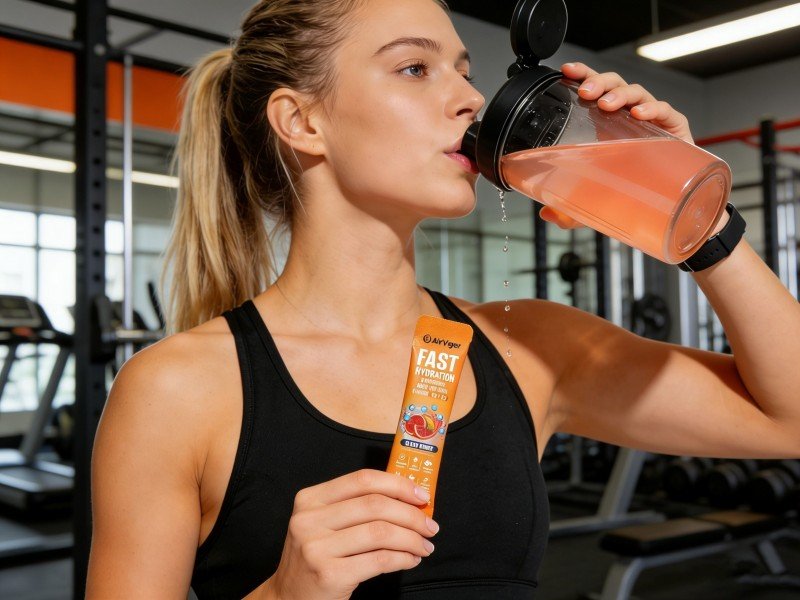
Many people only start thinking about hydration when the workout already feels harder than it should. They wait until the mouth feels dry, the legs feel heavy, the heart rate feels a little higher than expected, or the session starts to feel “off.” By then, they are not really hydrating well — they are catching up. During-exercise hydration works better when it starts early and continues in small, regular amounts instead of one large drink taken too late. Sports-hydration guidance has repeated this point for years: during exercise, fluid intake should begin early and continue at regular intervals, with common working ranges around 200–300 mL every 10–20 minutes when sweat loss is meaningful.
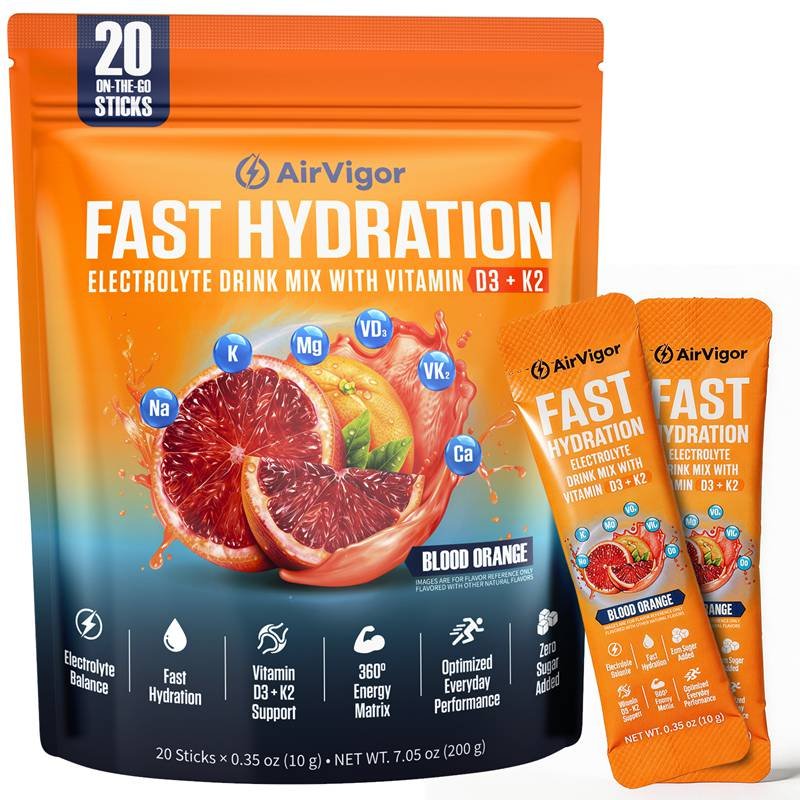
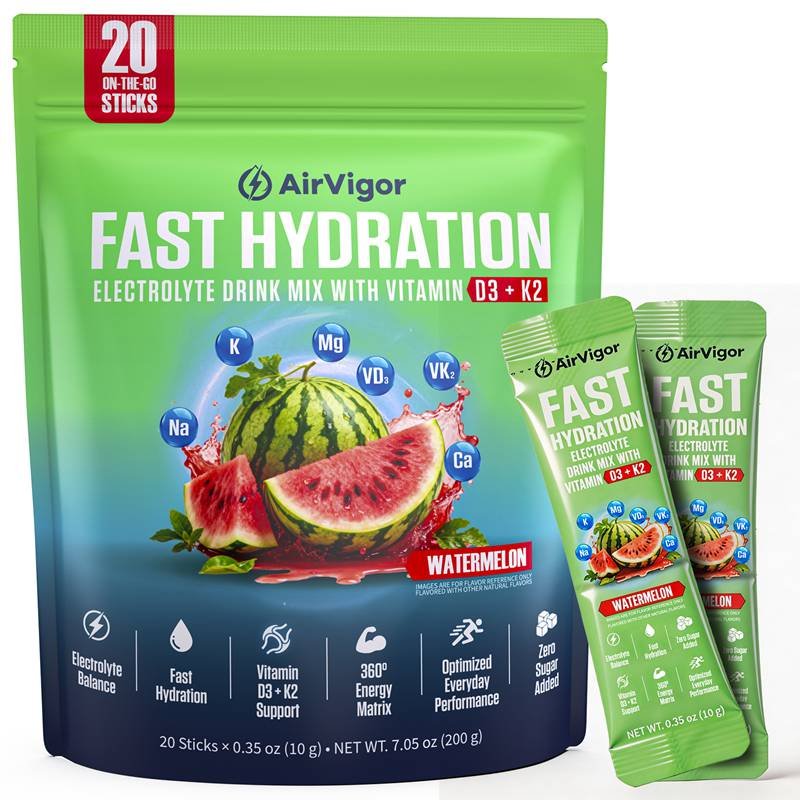
Recovery Electrolyte with D3K2 works best during a workout when it is used as a steady sip-based hydration tool, not as a “drink only when you are already struggling” product. For many training sessions, one serving mixed into 500–750 mL of water is a practical starting point, with sip frequency adjusted by heat, workout length, and sweat rate. Electrolyte drinks become more useful than plain water as workouts move past 60 minutes, when sweat loss becomes more meaningful, or when the session happens in hot or humid conditions.
That is why this topic matters so much in real life. A product can taste clean, mix well, and have a strong label, but the result still depends on whether you use it at the right strength, at the right time, and for the right kind of session. If you have ever started a workout feeling fine but faded halfway through, or found that water alone did not seem to hold up once sweating increased, the issue may not have been your motivation or fitness. It may have been that your hydration plan started too late. This guide is built to make that part much easier.
What Is Recovery Electrolyte with D3K2 During Training?
During training, Recovery Electrolyte with D3K2 is best understood as a working hydration bottle, not just a flavored drink you happen to carry to the gym or on a run. Its role is simple: it helps you keep fluid and key electrolytes coming in while sweat loss is still happening. That matters because many workouts do not feel difficult at the beginning. They get harder as time passes. The body keeps losing water, sodium, potassium, and other minerals through sweat, while breathing rate, body temperature, and muscle demand all keep rising. If nothing useful is coming back in, the session often starts to feel more expensive than it should.
For many users, the real value of an intra-workout electrolyte is not dramatic. It is practical. It helps prevent the workout from drifting in the wrong direction. Instead of waiting until the mouth is dry, the body feels flat, or the second half of the session turns noticeably heavier, the drink supports a steadier rhythm while you are still moving. That is especially useful in sessions with 45–90 minutes of activity, warm conditions, repeated sweating, or limited chances to stop and recover.
A lot of customers also misunderstand what “during training” use really means. It does not mean every workout needs an electrolyte bottle. It does not mean you need to drink constantly from start to finish. And it definitely does not mean stronger is always better. What it means is this: when the session is long enough, hot enough, or sweaty enough that plain water may stop feeling like a complete solution, Recovery Electrolyte with D3K2 becomes a more useful tool.
A practical way to look at the category is this:
| Product role | Main purpose during exercise | Best use case |
|---|---|---|
| Plain water | General hydration | Short, cool, low-sweat sessions |
| Pre-workout stimulant | Alertness before training | Before exercise, not during |
| Recovery Electrolyte with D3K2 | Ongoing hydration support | Longer, hotter, sweat-heavier sessions |
For real customers, that is the difference that matters. The product is not there to make the workout look advanced. It is there to make the workout easier to hold together once sweat loss starts to build.
What Does Recovery Electrolyte with D3K2 Do?
During exercise, Recovery Electrolyte with D3K2 helps with a problem most people know well, even if they do not describe it scientifically: the workout feels fine early, then somewhere in the middle it starts slipping. Pace feels less comfortable. Rest periods stop feeling long enough. Focus drops. The bottle is still there, but it has been ignored too long. This is exactly where a better during-workout drink earns its place.
In real use, it mainly helps with four things:
- keeps fluid intake moving instead of becoming random
- supports electrolyte intake while sweat loss continues
- makes longer sessions easier to manage
- reduces late-session catch-up drinking
That last point is more important than it sounds. Many people do not fail hydration because they never drink. They fail because they drink too late. Once the session is already uncomfortable, drinking a large amount all at once often feels awkward and does not fully solve the issue.
A practical comparison shows what users often experience:
| What happens in training | Without a good bottle plan | With a better bottle plan |
|---|---|---|
| First 20 minutes | Feels fine | Feels fine |
| Middle of session | Drinking gets forgotten | Intake stays more regular |
| Later in session | Mouth feels dry, effort feels higher | Session feels steadier |
| End of session | Large catch-up drink | Less need to overdrink late |
So when customers ask what this product “does,” the best answer is not a complicated ingredient explanation. The best answer is: it helps the session stay more stable while the session is still happening.
Why Drink Recovery Electrolyte with D3K2 During Training?
The short answer is that the body does not stop losing fluid just because the workout is going well. Sweat loss is still happening whether you pay attention to it or not. If the session is short and easy, that may not matter much. But once exercise starts lasting longer, feeling hotter, or causing repeated sweating, the gap between what the body is losing and what the user is replacing can grow surprisingly fast.
This is where customers usually notice the difference:
- the second half of the run feels harder than expected
- the last third of the ride feels flatter
- the gym session feels heavier after the first hour
- outdoor work becomes more draining as the shift continues
That is why drinking during training is often more useful than waiting until after.
A very practical way to think about it:
| Session feature | Why intra-workout use becomes more useful |
|---|---|
| 60+ minutes | Fluid loss has more time to build |
| High sweat rate | Losses add up faster |
| Heat or humidity | More fluid is usually needed |
| Limited breaks | Easier to fall behind |
| Repeated intervals or rounds | Harder to catch up later |
Customers rarely say, “I want a better mineral-delivery structure during exercise.” What they usually say is something like, “I just do not want the workout to fall apart halfway through.” That is exactly the kind of problem this bottle is built to help with.
Is Recovery Electrolyte with D3K2 Better Than Water?
Sometimes yes, sometimes no. The better answer depends on the session.
If the workout is short, cool, and low-sweat, plain water is usually enough. In that case, a full electrolyte bottle may be unnecessary. But once the workout gets longer, hotter, or more sweat-heavy, the value of a better drink usually goes up.
Here is a practical side-by-side view:
| Training situation | Plain water | Recovery Electrolyte with D3K2 |
|---|---|---|
| 20–30 min easy indoor session | Usually enough | Often unnecessary |
| 45–60 min moderate session | Sometimes enough | Sometimes more useful |
| 60+ min workout | May feel less complete | Usually more useful |
| Hot-weather session | Less targeted | Stronger fit |
| Long sweat-heavy session | Can feel less satisfying | Better ongoing support |
The reason is not that water “stops working.” The reason is that some sessions ask for more than just a few mouthfuls of fluid. As sweat loss rises and the session keeps going, the user often needs a drink that is easier to keep sipping and feels more suitable for sustained use.
So the better question is not:
“Is this always better than water?”
The better question is:
“Will this session make steady hydration support more important than usual?”
If the answer is yes, Recovery Electrolyte with D3K2 usually becomes the smarter fit.
Which Workouts Need Recovery Electrolyte with D3K2?
The strongest use case is not simply “hard workouts.” It is workouts where duration, heat, sweat, or poor drinking opportunities make hydration harder to manage.
That often includes:
- runs longer than about 60 minutes
- cycling sessions with steady exposure
- long gym sessions with visible sweat
- hot outdoor training
- physically demanding work with long active periods
A useful way to rank workout fit:
| Workout type | During-training need level |
|---|---|
| Stretching or light mobility | Low |
| Short low-sweat gym session | Low |
| 45–60 min moderate session | Moderate |
| 60+ min endurance workout | High |
| Hot outdoor activity | High |
| Long sweaty gym session | Moderate to high |
This matters because customers often misjudge “need” in two directions.
Some people bring electrolytes to every small workout, even when water would do the job perfectly well. Others save electrolytes for sessions that clearly need them, but still do not start drinking until the session is already going badly. The smarter approach is to match the product to the workout itself.
A simple decision rule works well:
- short + cool + low sweat = water is often enough
- longer + hotter + more sweat = electrolyte bottle becomes more useful
That is the most honest way to define what Recovery Electrolyte with D3K2 is during training. It is not a mandatory drink for every workout. It is a practical hydration tool for sessions where the body keeps losing enough that steady replacement matters.

How Much Recovery Electrolyte with D3K2 Should You Drink?
During a workout, the right amount depends on how long the session lasts, how much you sweat, how hot it is, and how often you can actually drink. For many users, the most practical starting point is 1 serving mixed into 500–750 mL of water, taken in small repeated sips instead of large occasional gulps. The goal is not to make the bottle as strong as possible. The goal is to make it drinkable enough that you keep using it through the workout.
How Much Recovery Electrolyte with D3K2 Per Serving?
For many everyday training situations, 1 serving is the right place to start. That usually works well when:
- the workout lasts about 45–90 minutes
- sweat is noticeable but not extreme
- the drink can be carried or accessed through the session
- another water source is available later if needed
This is the most useful starting rule because it is simple and repeatable.
A practical use table:
| During-workout situation | Good starting use |
|---|---|
| Short low-sweat session | Often optional |
| 60-min moderate workout | 1 serving often makes sense |
| Long run or ride | 1 serving to start, sometimes more total fluid later |
| Hot sweat-heavy session | 1 serving often makes sense, but total fluid may need to increase |
The key point is that intra-workout intake is usually about consistency, not about making a stronger bottle.
How Much Water for Recovery Electrolyte with D3K2?
The amount matters a lot during exercise because a bottle that feels fine before a workout may feel too strong halfway through it. As breathing rises and heat builds, many people become less tolerant of drinks that are too concentrated.
For many users, a practical range is:
- 500–600 mL for a stronger but still usable mix
- 600–750 mL for more balanced sipping through the session
- more total water planning later if the session becomes longer or hotter than expected
A useful guide:
| Water amount | What it usually feels like during exercise |
|---|---|
| 500–600 mL | Stronger, more concentrated |
| 600–750 mL | Balanced, easier for repeated sipping |
| 750+ mL | Lighter, often useful in hotter sessions |
For most people, the best during-workout bottle is not the strongest one. It is the one that still tastes manageable and easy to sip when the session reaches the point where hydration matters most.
How Much Recovery Electrolyte with D3K2 During Heavy Sweat?
When sweat loss is high, the problem is usually not only “Do I need electrolytes?” It is “Can I keep fluid intake steady while I am still moving?”
This is where customers often get it wrong. They assume heavy sweat means they should simply make the drink stronger. In many cases, the smarter move is different:
- keep the mix balanced
- start sipping earlier
- keep sip frequency steady
- increase total fluid intake, not just concentration
A practical heavy-sweat routine often looks like this:
- Mix 1 serving into a bottle sized for steady sipping
- Start drinking early in the session
- Keep intake moving in small amounts
- Increase total fluid availability if heat or duration rises further
A comparison table helps:
| Heavy-sweat scenario | Better strategy |
|---|---|
| Warm 60-minute workout | 1 balanced bottle, sipped steadily |
| 90-minute run in heat | 1 serving to start, with more fluid planning |
| Cycling session with long exposure | 1 serving to start, regular sipping throughout |
| Long gym session with high sweat loss | Smaller repeated sips work better than one late drink |
The smarter move is usually a more consistent total intake, not simply more powder in the same bottle.
Can You Drink Too Much Recovery Electrolyte with D3K2?
Yes. During a workout, too much usually happens in one of three ways:
- the bottle is mixed too strong
- too much is drunk too quickly
- the session never really needed intra-workout electrolyte support in the first place
A practical decision table:
| During-workout pattern | Better or worse fit |
|---|---|
| One balanced bottle sipped through a sweaty session | Better fit |
| Very strong mix in too little water | Often worse |
| Large volume taken all at once late in the workout | Less comfortable |
| Small repeated sips from early in the session | Better fit |
For most people, the best rule is simple: match drink strength and total volume to the session, not just to the label.
When Should You Drink Recovery Electrolyte with D3K2?
During a workout, timing matters because hydration works best as a steady process, not as a late correction. A lot of people wait until the session already feels uncomfortable, then take a few large drinks and hope that fixes everything. Usually, it does not. By that point, the workout is already moving, sweat loss is already building, breathing is already higher, and the body is already working harder than it was 20 or 30 minutes earlier.
That is why a smarter during-workout routine usually follows three simple rules:
- start early
- sip regularly
- keep the pattern steady
For most people, this works better than any extreme hydration strategy.
A useful way to think about timing is not “What is the perfect minute?”
It is “At what point will this session become harder to manage if I keep waiting?”
That answer usually depends on:
- workout length
- workout density
- heat and humidity
- how much the person usually sweats
- how easy it is to access the bottle during movement
For short, easy, low-sweat sessions, strict timing matters less. For long workouts, hot training, or steady endurance sessions, timing matters much more. In those situations, the goal is not to rescue the session late. The goal is to prevent hydration from becoming a problem in the first place.
How Soon Should You Start Recovery Electrolyte with D3K2?
For most workouts where intra-workout electrolytes actually matter, the best answer is:
Start early in the session, not after you already feel behind.
This does not mean taking a large drink in the first few minutes. It means beginning regular sipping early enough that the bottle becomes part of the workout rhythm.
This is especially useful when:
- the session will last more than about 45–60 minutes
- sweating starts early for you
- the environment is hot
- the workout is continuous, such as running or cycling
- rest breaks are short or irregular
A simple timing guide:
| Workout type | Better time to start |
|---|---|
| Short low-sweat session | Often not necessary |
| 45–60 min moderate session | Start early if sweating is noticeable |
| 60+ min endurance session | Start early in the session |
| Hot outdoor workout | Start early and keep sipping |
Many people think they should wait for thirst before they begin. That is one of the most common mistakes. Thirst can be useful, but during a longer or hotter session, it is usually not the best tool for pacing all fluid intake. Starting earlier helps prevent the late-session pattern where the bottle suddenly becomes very important because the workout has already become less comfortable.
How Often Should You Sip Recovery Electrolyte with D3K2?
Most people do better with small, repeated sips than with large occasional gulps.
This works better for several practical reasons:
- it is easier on the stomach
- it is easier to remember
- it makes fluid intake feel less disruptive
- it supports steadier hydration across the workout
A good real-life pattern is often:
- sip every 10–20 minutes
- sip more regularly if the workout is very hot or very sweaty
- stay lighter and less frequent when the session is shorter or cooler
A practical sip guide:
| Session condition | Better sipping pattern |
|---|---|
| Light or moderate session | Small sips at longer intervals |
| 60+ min workout | Regular sips every 10–20 minutes |
| Hot or high-sweat workout | More consistent sipping |
| Limited-break workout | Sip whenever access allows, but do not wait too long |
This is also why drink strength matters so much. If the bottle tastes too strong after 30 or 40 minutes, people naturally stop sipping. Then the plan breaks down. A balanced bottle usually performs better in real life than a stronger bottle that becomes hard to finish.
Is Recovery Electrolyte with D3K2 Better for Long Workouts?
Yes. Longer workouts are usually where this kind of product makes the most sense.
For many short sessions, water is enough or a during-workout drink is not needed at all. But as workout duration increases, the value of a more structured hydration strategy usually increases too.
Longer workouts often create problems such as:
- more total sweat loss
- more noticeable thirst
- reduced willingness to drink plain water only
- a heavier or flatter feeling in the second half
- more obvious drop-off in comfort and rhythm
A simple duration table:
| Workout length | During-workout electrolyte fit |
|---|---|
| Under 30 minutes | Usually low |
| 30–45 minutes | Low to moderate |
| 45–60 minutes | Moderate |
| 60+ minutes | High |
| 90+ minutes in heat | Very high |
That is why Recovery Electrolyte with D3K2 is usually more useful in sessions where the workout keeps demanding more from the body for a long enough time that hydration becomes part of the performance experience, not just a background detail.
Can You Drink Recovery Electrolyte with D3K2 All Workout Long?
Yes, and in many longer sessions, that is exactly how it works best.
But “all work out long” does not mean constant drinking or forcing large volumes no matter what. It means the bottle stays active throughout the session as a steady support tool rather than something you only remember once the workout is already getting difficult.
This works best when:
- the session is long enough to justify it
- the bottle is mixed at a manageable strength
- the drink is easy to access
- the user is willing to sip instead of waiting for a big need to appear
A practical guide:
| During-workout pattern | Better or worse fit |
|---|---|
| One bottle sipped steadily across a long session | Good fit |
| Waiting until late in the workout | Less effective |
| Taking one large drink halfway through | Often less comfortable |
| Small repeated sips through the session | Better fit |
That is usually the smartest way to think about intra-workout electrolytes. Not as a rescue drink. Not as a performance shortcut. But as a steady support system that helps the session stay more manageable from the first half into the second.

How Should You Use Recovery Electrolyte with D3K2 in Real Life?
Most people do not need a complex intra-workout hydration system. They need something they can actually use while moving, sweating, and trying to stay focused on the workout itself.
That is where Recovery Electrolyte with D3K2 becomes practical. The best real-life routine usually depends on four things:
- what kind of activity are you doing
- how long does it last
- how much you sweat
- how easy it is to drink during the session
This is why one fixed rule rarely works for everyone. A runner moving steadily for 75 minutes does not use the bottle the same way as a cyclist. A cyclist does not use it the same way as a gym user. A gym user does not use it the same way as someone working outdoors in the heat.
A better real-life hydration plan usually follows this logic:
- the longer the session, the more useful steady sipping becomes
- the hotter the conditions, the more important early drinking becomes
- the harder it is to access fluid, the more important bottle planning becomes
- the more sweat you lose, the less useful “I’ll just drink later” becomes
That is what makes real-life use so important. The product itself may be good, but the routine still has to match the activity.
How Should Runners Use Recovery Electrolyte with D3K2?
Runners usually get the most value from during-workout electrolytes when the run is:
- longer than about 60 minutes
- done in warm weather
- likely to produce steady sweat loss
- hard to finish comfortably on water alone
A practical runner routine often looks like this:
- mix 1 serving in 500–750 mL of water
- start sipping early in the run
- continue with small amounts every 10–20 minutes
- increase total fluid planning if the run is long or hot
A practical running table:
| Running situation | Practical during-run use |
|---|---|
| Easy short jog | Often unnecessary |
| 60-minute run | Often useful |
| Long run in heat | Strong fit |
| Tempo or race-pace work in warm weather | Strong fit |
For runners, the goal is usually not to feel “boosted.” It is to stop the second half of the run from feeling disproportionately harder simply because fluid intake was ignored too long.
How Should Cyclists Use Recovery Electrolyte with D3K2?
Cyclists are often one of the best fits for during-workout electrolytes because they can usually carry a bottle and sip without stopping. That makes consistency much easier.
A practical cycling routine often looks like this:
- mix 1 serving in 600–750 mL of water
- keep the bottle easy to reach
- sip every 10–20 minutes
- plan more total fluid if the ride is long, hot, or exposed
A simple cycling guide:
| Cycling situation | Practical during-ride use |
|---|---|
| Easy short ride | Often optional |
| 60–90 min ride | Useful |
| Long summer ride | Strong fit |
| Repeated hard intervals on the bike | Strong fit |
For cyclists, one of the biggest advantages is that the bottle can stay part of the session naturally. That is why during-workout electrolytes often fit cycling especially well: the user can build a real sipping rhythm instead of waiting for a break to catch up.
How Should Gym Users Use Recovery Electrolyte with D3K2?
Gym users usually need electrolytes during workouts less often than endurance users, but there are still clear situations where they make sense.
They become more useful when the session includes:
- long total workout time
- noticeable sweating
- poor gym ventilation
- strength plus cardio in the same session
- warm indoor conditions
A practical gym routine often looks like this:
- mix 1 serving in 500–700 mL of water
- take small sips between sets or training blocks
- keep the drink balanced rather than overly concentrated
A practical gym-use table:
| Gym session | Practical during-workout use |
|---|---|
| Short low-sweat strength session | Often optional |
| 60-minute moderate session with sweat | Sometimes useful |
| Long session with cardio included | Useful |
| Hot gym, high sweat loss | Strong fit |
For many gym users, the best fit is not “drink constantly.” It is “have a bottle that stays easy to sip whenever the session becomes long enough or sweaty enough to justify it.”
How Should Outdoor Workers Use Recovery Electrolyte with D3K2?
Outdoor workers are one of the strongest real-life use groups because their activity often combines:
- long duration
- heat exposure
- repeated sweat loss
- limited cooling opportunities
- inconsistent rest access
This is especially relevant for:
- construction workers
- landscapers
- delivery workers
- maintenance crews
- other physically active outdoor roles
A practical routine often looks like this:
- mix 1 serving in 600–750 mL of water
- start drinking early in the hotter part of the shift
- sip regularly instead of waiting for a strong thirst
- continue overall water planning beyond the first bottle
A practical outdoor-use table:
| Outdoor work situation | Practical during-activity use |
|---|---|
| Mild weather, low exertion | Sometimes optional |
| Hot-weather physical work | Useful |
| Long summer shift | Strong fit |
| High-sweat outdoor task | Strong fit |
For outdoor workers, the main benefit is often not athletic performance. It is simply keeping long, hot activity from becoming harder than it needs to be because fluid intake was delayed too long.
Who Should Drink Recovery Electrolyte with D3K2?
Recovery Electrolyte with D3K2 makes the most sense for people whose session creates a real hydration need while the workout is still happening. In plain terms, that usually means workouts that are long enough, hot enough, or sweaty enough that drinking only a little water late in the session is not likely to be enough. Sports-hydration guidance consistently shows that intra-workout electrolyte drinks become more useful as exercise moves past about 60 minutes, heat rises, and sweat loss becomes more meaningful.
That does not mean everyone needs it during every workout. Many people can do very well with water during short, cool, low-sweat sessions. The strongest fit is usually someone doing endurance work, long gym sessions with clear sweat loss, hot-weather activity, or outdoor work where hydration pressure keeps building. The weaker fit is someone doing brief, low-sweat movement with easy water access and little reason for electrolyte support while the session is still in progress. The best use case is not “people who like supplements.” It is people whose activity keeps taking fluid from them long enough that steady replacement matters.
Who Benefits Most From Recovery Electrolyte with D3K2?
The users who usually get the most value are the ones who keep running into the same practical problem: the first part of the session feels fine, but the second half feels noticeably worse.
That often includes:
- runners doing sessions longer than about 60 minutes
- cyclists carrying a bottle on longer rides
- gym users doing long, sweaty sessions
- outdoor workers in the heat
- active people doing repeated efforts with short breaks
What these users usually care about is not hype. They care about things they can actually feel:
- steadier comfort through the session
- less dryness and heaviness later on
- better rhythm in the second half
- a bottle they can keep sipping without getting tired of it
A clear fit table helps:
| User type | Fit level | Why it usually works |
|---|---|---|
| Endurance runners | High | Duration and sweat loss make steady intake more useful |
| Cyclists | High | Easy bottle access supports regular sipping |
| Outdoor workers | High | Heat and long activity windows increase ongoing fluid demand |
| Long-session gym users | Moderate to high | Sweat loss and session length can make water feel incomplete |
| Short-session light exercisers | Low to moderate | Water is often enough |
For these users, the product usually works best as a session-stability tool, not as a dramatic performance product.
Who May Not Need Recovery Electrolyte with D3K2?
Not every workout needs intra-workout electrolytes.
Many people may not need it during:
- a short indoor walk
- a quick low-sweat strength session
- light mobility work
- a cool-weather workout with little sweat
- any session where plain water already feels fully adequate
This matters because a lot of people either underuse or overuse electrolyte products. Some save them for sessions where they actually matter, but still drink too late. Others bring them to sessions that do not create enough fluid loss to justify them. The smarter move is to match the bottle to the session.
A practical table makes that easier:
| Session type | Is during-workout Recovery Electrolyte with D3K2 usually needed? |
|---|---|
| Easy mobility or stretching | Often no |
| 20–30 min low-sweat workout | Often no |
| Short indoor gym session | Often no |
| 60+ min sweaty session | Often yes |
| Hot outdoor training or work | Usually yes |
That is the better standard: use it when the session creates a real hydration challenge, not simply because a bottle is available.
Who Should Be Careful With Recovery Electrolyte with D3K2?
Most healthy adults can use a moderate-dose electrolyte drink without much difficulty, but some people should think more carefully before using potassium-containing electrolyte products regularly.
The main caution groups include:
- people with chronic kidney disease
- people with reduced kidney function
- people with a history of high blood potassium
- people taking medications that can raise potassium levels
This matters because potassium balance depends heavily on kidney function, and some medicines can increase potassium retention. That does not mean the product is unsafe by default. It means the product should fit the person’s full health picture, not just the workout.
A simple caution guide:
| Health situation | Practical guidance |
|---|---|
| Healthy adult, normal kidney function | Usually reasonable |
| Healthy active user with high sweat loss | Usually reasonable |
| Chronic kidney disease | Needs caution |
| History of high potassium | Needs medical review |
| Potassium-raising medications | Review first |
For these users, the right question is not only “Will this help during training?” It is also “Is this appropriate for me overall?”
Is Recovery Electrolyte with D3K2 Safe for Daily Use?
For most healthy adults, daily use can make sense if the daily need is real. That usually applies to people who train frequently, work in heat, or repeatedly face sessions where sweat loss and duration make during-workout support useful.
Daily use makes more sense when:
- you train most days of the week
- your sessions are long enough to sweat meaningfully
- you work outdoors in warm conditions
- you regularly need a bottle during activity, not just after it
Daily use makes less sense when:
- workouts are short and easy
- sweat loss is low
- conditions are cool
- plain water already works well for the session
A practical daily-use table:
| Pattern | Daily during-workout use fit |
|---|---|
| Frequent endurance or long-duration training | Good fit |
| Outdoor physical work in heat | Good fit |
| Long sweaty gym sessions | Sometimes a good fit |
| Short light exercise | Often unnecessary |
| No clear sweat or duration demand | Weak fit |
The smartest rule is simple: daily use makes sense when your routine creates a daily during-activity reason for it.

Working With AirVigor
Once you understand how much to drink, how much water to use, and when to sip, Recovery Electrolyte with D3K2 becomes much easier to position correctly. It is not only a before-workout or after-workout product. It can also work as a practical during-workout hydration tool, especially for sessions where sweat loss builds gradually and where staying steady matters more than trying to recover late.
For end users, the product has to feel practical:
- the serving has to be easy to understand
- the bottle size has to make sense for real training or work
- the mix has to stay easy to drink halfway through the session
- the usage guidance has to fit actual routines, not perfect conditions
For businesses, the same logic matters even more. A serious intra-workout hydration product is not built by combining ingredients randomly. It has to answer real questions such as:
- What should one serving look like for a 60-minute session versus a 90-minute session?
- What water range keeps the drink easy to sip while moving?
- Is the formula better suited to runners, cyclists, gym users, or outdoor workers?
- How should sodium, potassium, and support nutrients be balanced for ongoing intake, not one-time use?
- Which format works best in real life: stick packs, tubs, bottles, or refill pouches?
Based on the company profile you provided, AirVigor is positioned to support both finished-product ordering and custom product development. With its in-house R&D structure, internal testing systems, manufacturing standards, OEM/ODM support, and multi-market supply capability, AirVigor is well-suited to help build hydration products that are not only technically sound but also practical for real users in real situations.
So whether you are:
- looking to order AirVigor branded products
- developing a private-label intra-workout hydration product
- planning a custom Recovery Electrolyte with D3K2 formula for your market
If you want to explore product ordering, OEM/ODM development, or custom formula pricing, contacting the AirVigor team is the most practical next step. The best hydration product is not the one with the most complicated label. It is the one people can use correctly, consistently, and confidently while the session is still happening.