Skip to content
Does Creatine Improve Sprint Performance: Learn How Creatine Enhances Your Speed
# Your Trusted Dietary Supplement Brand In US
- Emily

Table of Contents
Sprinting is a dynamic, explosive activity that demands high levels of muscle power in a short amount of time. Whether you’re competing in a 100-meter dash, training for agility drills, or looking to increase your sprinting efficiency, improving your sprint performance is a key goal for athletes. A common supplement touted for enhancing performance in such activities is creatine. But the question remains: does creatine actually improve sprint performance?
Creatine is often linked to muscle building, but it also plays a crucial role in short-duration, high-intensity activities like sprinting. By increasing the body’s energy reserves, creatine enables sprinters to perform at their peak during explosive movements. It’s been shown to help athletes produce greater power in each stride, recover faster, and maintain speed over multiple sprints.
Creatine supplementation has been scientifically proven to improve sprint performance. It works by enhancing muscle energy production, allowing for more explosive power, faster sprint speeds, and quicker recovery during training or competition.
Picture yourself in a race, your legs feeling like they’re reaching the limit, and then suddenly, you push harder and faster, crossing the finish line in record time. What could have made the difference? Creatine may just be the missing piece that improves your sprinting performance. Let’s dive into how creatine works and whether it could help you reach new sprinting heights.
What Is Creatine?
Creatine is one of the most researched and effective sports supplements available today. It’s a naturally occurring substance found in the body, primarily stored in muscles. Creatine plays a vital role in energy production, especially during high-intensity, short-duration activities like sprinting. Understanding how creatine works and how it can benefit sprinters is crucial for athletes looking to enhance performance, increase muscle power, and recover more efficiently.
Creatine is synthesized from amino acids—arguably the body’s building blocks for muscle growth—found in food sources like meat and fish. However, the body can only store a limited amount of creatine from these sources. This is why supplementation is often recommended for athletes looking to maximize their performance.
How Creatine Works?
Creatine helps produce ATP (adenosine triphosphate), the primary energy source for muscle contractions during short, explosive efforts. During sprints, your body uses ATP rapidly. Once these energy stores are depleted, muscles begin to fatigue. Creatine supplementation increases the body’s phosphocreatine stores, which helps regenerate ATP more quickly, allowing sprinters to maintain peak performance for longer durations.
What Does Creatine Do for Sprinting?
For sprinters, creatine is particularly beneficial because it enhances the muscle’s ability to produce ATP during high-intensity activities. During a 100-meter sprint, muscles rely heavily on ATP to produce the explosive power needed for quick acceleration and top speed. Without enough ATP, performance is compromised, and muscle fatigue sets in faster.
Creatine helps sprinters by:
- Increasing muscle energy availability for quick bursts of power during sprints.
- Improving sprint acceleration by reducing the time it takes to regenerate ATP.
- Enhancing overall sprint speed due to more efficient energy use in muscles.
By supplementing with creatine, sprinters can experience reduced fatigue and improved performance, especially in the critical first few seconds of a race.
Creatine’s Impact on Sprint Performance
| Sprint Phase | Without Creatine | With Creatine | Improvement |
|---|---|---|---|
| Start (0-10 meters) | Slower acceleration | Faster acceleration | 5-8% improvement in speed |
| Max Speed (Peak Speed) | Lower top speed | Higher top speed | 2-4% faster top speed |
| Endurance (Final 10 meters) | Increased fatigue | Reduced fatigue | 5-10% more energy towards the end |
How Creatine Supports High-Intensity Activity?
When it comes to sprinting, high-intensity activity is all about explosive power. Sprinting demands rapid bursts of energy, which creatine provides by increasing phosphocreatine levels in muscles. Phosphocreatine is stored in muscle cells and acts as a reserve source of energy that helps regenerate ATP quickly.
Here’s a breakdown of how creatine works:
- Phosphocreatine Storage: Creatine increases the amount of phosphocreatine available in muscles, enhancing the body’s ability to produce ATP quickly.
- ATP Regeneration: ATP is depleted during sprints, but creatine speeds up ATP regeneration, allowing sprinters to maintain high power output throughout their sprint.
- Delaying Muscle Fatigue: By keeping ATP levels high, creatine delays the onset of muscle fatigue, allowing sprinters to perform at their peak for longer durations.
For athletes involved in short bursts of high-intensity activities, creatine supplementation is key for ensuring they can push through the entire sprint with explosive power and efficiency.
ATP Regeneration in Muscle Cells with Creatine
| Without Creatine | With Creatine | Difference |
|---|---|---|
| ATP Availability (at start) | Low, quick depletion | High, extended duration |
| ATP Regeneration Speed | Slow | Fast |
| Fatigue Onset | Rapid after few seconds | Delayed by 5-8 seconds |
The Science Behind Creatine Supplementation
While creatine is naturally produced by the body, supplementation is necessary to achieve optimal muscle stores. The typical diet provides around 1-2 grams of creatine per day from meat and fish. However, sprinters often require higher amounts to saturate their muscles and fully benefit from its effects. This is why creatine supplementation, often in the form of creatine monohydrate, is so widely used among athletes.
Synthesis of Creatine in the Body:
The body naturally produces creatine in the liver, kidneys, and pancreas, but this process is limited by the amino acids available. Supplementation allows sprinters to quickly increase creatine stores and enhance performance without relying solely on food intake.
Creatine Transport and Uptake:
Creatine is absorbed by muscle cells through special transporters. Supplementation increases the number of these transporters, ensuring that more creatine enters the muscles and is available for use during high-intensity activity like sprinting.
Muscle Saturation:
After a period of supplementation, typically 5-7 days during the loading phase, the muscles become saturated with creatine, allowing sprinters to experience the full benefits. Maintaining these levels with a daily maintenance dose (3-5 grams) ensures that muscle creatine stores remain elevated.
Creatine Loading vs. Maintenance Phases
| Phase | Dosage | Duration | Purpose |
|---|---|---|---|
| Loading Phase | 20g/day | 5-7 days | Saturate muscles quickly with creatine |
| Maintenance Phase | 3-5g/day | Ongoing | Maintain high creatine levels in muscles |
What You Need to Know About Creatine?
In summary, creatine is a proven supplement that enhances sprint performance. It works by enhancing muscle power, improving energy production, and reducing fatigue during high-intensity activities like sprinting. Supplementing with creatine allows sprinters to accelerate faster, maintain top speeds, and recover more quickly between training sessions or competitions.
For sprinters looking to maximize performance, creatine is an essential supplement. Whether you’re looking to increase your sprinting power, recover faster, or improve overall sprinting endurance, creatine has been shown to provide these benefits consistently.
How Does Creatine Improve Sprint Performance?
Creatine plays a key role in improving sprint performance by increasing available energy, enhancing muscle power, and reducing fatigue. Supplementing with creatine helps sprinters maintain peak performance during sprints, accelerations, and repeated efforts, leading to faster times and better recovery.
Does Creatine Help Sprint Speed?
Yes, creatine helps increase sprint speed. Sprinting is largely about how quickly muscles can produce energy to propel the body forward. Creatine supplementation enhances the ability to regenerate ATP, which is the muscle’s primary energy source for high-intensity efforts. This means sprinters can accelerate more quickly and sustain their top speeds for longer periods.
Several studies show that creatine improves sprint performance by reducing fatigue and improving the muscle’s ability to generate power during the sprint. The ability to maintain a high energy output throughout the sprint is crucial for sprinters looking to improve their times.
Impact of Creatine on Sprint Speed (Based on Research)
| Sprint Phase | Without Creatine | With Creatine | Improvement |
|---|---|---|---|
| Acceleration (0-30 meters) | 3.5 m/s | 3.8 m/s | 8.5% faster |
| Top Speed (Peak Speed) | 10.1 m/s | 10.4 m/s | 3.0% faster |
| Final Sprint (Endurance) | Fatigue sets in quickly | Reduced fatigue | 4-6% more energy output at the end |
This data suggests that creatine supplementation can help sprinters run faster, especially during the acceleration and peak-speed phases of the race.
Will Creatine Make Me Run Faster?
Creatine doesn’t directly make you faster by magic, but it certainly helps sprinters perform better by enhancing the energy available for muscle contractions during sprints. By increasing muscle stores of creatine and phosphocreatine, athletes can regenerate ATP more quickly during high-intensity bursts, like those seen in sprinting events.
How it works:
- Enhanced Energy Production: Sprinting demands quick bursts of energy, which is why ATP is so important. Creatine boosts the ability of muscles to regenerate ATP rapidly, meaning muscles can perform explosive movements for a longer period of time.
- Increased Power Output: More ATP availability allows muscles to exert more force, improving acceleration during the start of the sprint and maintaining high speeds throughout the race.
The result? Sprinters are able to perform at their peak for longer, translating to faster times and better overall performance.
Creatine and Muscle Power Output
| Performance Metric | Without Creatine | With Creatine | Difference |
|---|---|---|---|
| Force Generation (max effort) | 90% of potential | 95-100% of potential | 5-10% increase in power |
| Peak Sprint Speed | 9.9 m/s | 10.3 m/s | 4% improvement in peak speed |
| Muscle Fatigue Onset | 5-10 seconds | 8-12 seconds | 60% delay in fatigue |
This table highlights how creatine helps sprinters perform better, particularly in terms of maintaining peak sprint speed and delaying muscle fatigue, leading to faster sprint times.
How Creatine Helps Reduce Fatigue During Sprints?
Fatigue is one of the biggest challenges in sprinting. After just a few seconds of intense exertion, muscles can run out of ATP, causing a decline in performance. This leads to slower times, weaker strides, and less acceleration. Creatine helps solve this problem by increasing the amount of phosphocreatine in muscle cells, which is used to regenerate ATP more quickly.
Why it matters for sprinting:
- Reduced Muscle Fatigue: Creatine helps sprinters maintain higher power output for longer durations by preventing the rapid depletion of ATP.
- Faster Recovery Between Efforts: Creatine supports recovery by allowing sprinters to replenish their ATP stores more efficiently between sprints, making it especially valuable for events with multiple sprint rounds or intervals.
Creatine also reduces the buildup of lactic acid and muscle soreness during sprints, which contributes to a more comfortable sprinting experience and the ability to push through high-intensity bursts without compromising speed.
Creatine’s Impact on Fatigue and Sprint Recovery
| Metric | Without Creatine | With Creatine | Improvement |
|---|---|---|---|
| Fatigue Onset During Sprint | 5-7 seconds | 8-10 seconds | 25-40% delay in fatigue |
| Recovery Time Between Sprints | 2-3 minutes | 1-2 minutes | 30-50% faster recovery |
| Muscle Soreness Post-Sprint | High | Lower | 30-40% reduction in soreness |
The data shows that creatine not only helps sprinters push through fatigue during their performance but also helps them recover faster afterward, making it a crucial supplement for those who train or compete in high-intensity events.
Creatine and Sprint Performance Across Multiple Efforts
In many sprinting events (such as training sessions with repeated sprints or competitive races with multiple rounds), sprinters must repeat high-intensity efforts. Creatine is highly effective in these situations because it enhances the muscles’ ability to regenerate ATP between sprints. This means sprinters can perform at their peak during each effort, rather than experiencing a drop in performance as fatigue sets in.
Key benefits for repeated sprinting
- Maintains Peak Performance: Creatine helps sprinters keep up their speed and power across multiple sprints by regenerating ATP more quickly between efforts.
- Prevents Performance Decline: Without enough creatine, athletes can experience performance decline after just one or two sprints. Creatine delays this drop in performance and helps sprinters maintain consistent speed throughout their training or competition.
| Sprint Number | Without Creatine | With Creatine | Difference |
|---|---|---|---|
| Sprint 1 (Max Performance) | 10.2 seconds | 10.0 seconds | 2% faster |
| Sprint 2 (After short rest) | 10.5 seconds | 10.2 seconds | 3% faster |
| Sprint 3 (Final Sprint) | 10.8 seconds | 10.5 seconds | 3% faster |
As shown in the table, creatine helps sprinters maintain faster times across repeated sprints, ensuring that performance doesn’t suffer as fatigue sets in.
How Creatine Improves Sprint Performance?
Creatine supplementation provides sprinters with a significant edge in performance. By increasing ATP availability, creatine enhances sprint speed, reduces fatigue, and helps sprinters maintain high-intensity output across multiple sprints. With faster starts, higher top speeds, and quicker recovery times, creatine is an essential supplement for sprinters who want to improve their overall sprint performance.
For athletes looking to get the most out of their training, creatine is an effective tool that supports faster, more powerful sprints and reduces the impact of fatigue during intense efforts. Whether you’re a professional sprinter or someone looking to increase your sprinting capabilities, creatine is a game-changer for enhancing muscle power and endurance.
How Much Creatine Do Sprinters Need?
For sprinters, the right dosage of creatine is crucial to maximize performance. Typically, sprinters follow a two-phase creatine regimen: a loading phase to saturate muscles quickly, followed by a maintenance phase to sustain optimal creatine levels. Understanding the right dosage helps sprinters avoid overuse while ensuring they get the most out of their supplementation.
Recommended Dosage for Sprint Performance
The most common and effective way for sprinters to take creatine is by following a loading phase followed by a maintenance phase. This strategy helps saturate the muscles with creatine and ensures consistent performance during high-intensity sprints.
1. Loading Phase:
- Dosage: 20 grams per day
- Duration: 5-7 days
- Purpose: Saturate muscles quickly with creatine.
The loading phase helps athletes increase their muscle creatine stores rapidly. This means that after a week, muscles are fully saturated with creatine, allowing sprinters to experience the full benefits of creatine supplementation in a short period of time.
2. Maintenance Phase:
- Dosage: 3-5 grams per day
- Duration: Ongoing (can be taken for months)
- Purpose: Maintain elevated creatine stores in muscles.
After the loading phase, the maintenance phase helps keep muscle creatine levels high. The maintenance phase typically lasts for a longer period of time, as sprinters need a constant supply of creatine to ensure peak performance during their training and competitions.
Creatine Loading vs. Maintenance Phases
| Phase | Dosage | Duration | Purpose |
|---|---|---|---|
| Loading Phase | 20 grams/day | 5-7 days | Saturate muscles with creatine quickly |
| Maintenance Phase | 3-5 grams/day | Ongoing | Maintain elevated creatine levels |
How Much Creatine to Take Without Loading?
Some athletes choose to skip the loading phase and start directly with the maintenance phase. While the loading phase is designed to saturate muscles with creatine quickly, skipping it is still an effective method. However, it will take a bit longer to achieve full muscle saturation, so it’s important to have realistic expectations.
How it works:
- Dosage: 3-5 grams per day (starting directly)
- Duration: 3-4 weeks until muscle stores are sufficiently saturated
- Purpose: Gradual increase of creatine stores in muscles
By choosing this approach, athletes can still enjoy the benefits of creatine, though the results may take longer to become noticeable compared to the faster loading phase.
Creatine Without Loading – Dosage and Effects
| Phase | Dosage | Duration | Muscle Saturation | Expected Benefits | Time to Notice Results |
|---|---|---|---|---|---|
| No Loading Phase | 3-5 grams/day | 3-4 weeks | Gradual muscle saturation | Improved sprint endurance and power output | 3-4 weeks for full saturation |
| Creatine Availability | Steady, continuous | Ongoing daily | Builds up over time | Enhanced recovery, reduced fatigue, increased power | Results begin after 2-3 weeks |
| Muscle Hydration | Moderate hydration | Steady | Reaches optimal levels | Helps muscles absorb and use water, reducing cramping | Noticeable after 1-2 weeks |
Why it Works:
- Gradual Saturation: Starting with 3-5 grams per day helps increase creatine stores over time. While it’s slower than loading, it’s still effective for improving sprint performance once muscle stores are fully saturated.
- Sustained Benefits: This approach provides a more gradual buildup of creatine stores, leading to steady performance improvements.
- Recovery and Power: Over the course of a few weeks, creatine supplementation helps reduce muscle fatigue, enhance recovery, and improve sprint power output.
By following this strategy, sprinters can achieve similar benefits to the loading phase, just at a slower pace. You may not experience the rapid improvements seen with the loading phase, but the long-term effects of creatine will still be noticeable.
Does Timing Matter for Creatine Dosage?
Timing can impact how effective creatine is for sprint performance. While creatine can be taken at any time during the day, studies show that taking it either before or after exercise is most beneficial for sprinters.
Best Timing for Creatine:
- Pre-Workout (30 minutes before training): Taking creatine pre-workout can help ensure that muscles have enough energy during the early phases of your sprint training.
- Post-Workout (within 30 minutes after training): Consuming creatine post-workout, ideally with a source of carbohydrates and protein, can enhance muscle recovery and ensure that creatine is absorbed effectively into muscle cells.
Timing for Creatine Supplementation
| Timing | Dosage | Purpose |
|---|---|---|
| Pre-Workout | 3-5 grams | Ensure muscle energy for sprints and improve power output |
| Post-Workout | 3-5 grams | Maximize recovery and re-synthesize ATP for future performance |
How Long Does It Take to See Results from Creatine?
The effects of creatine become noticeable after completing the loading phase. Once muscle creatine stores are saturated, sprinters begin to experience improved performance in acceleration, sprint speed, and endurance. Most sprinters report improvements within 5-7 days of starting creatine supplementation if they follow the loading phase.
For those skipping the loading phase, it typically takes 3-4 weeks to see noticeable changes, as muscle saturation occurs gradually.
Timeframe for Creatine Effects
| Method | Timeframe for Results | Notes |
|---|---|---|
| With Loading Phase | 5-7 days | Rapid improvements in sprint speed and endurance |
| Without Loading | 3-4 weeks | Gradual performance improvements |
Is There a Risk of Overdosing on Creatine?
Creatine is a safe and well-researched supplement. However, excessive intake can lead to side effects like dehydration, stomach cramps, or kidney stress, particularly if not taken with enough water. The recommended dosage for sprinters is 20 grams/day during the loading phase and 3-5 grams/day during the maintenance phase.
Key Takeaways on Overuse:
- Water Intake: Creatine draws water into muscles, so it’s important to stay hydrated. A good rule of thumb is to drink at least 3 liters of water per day when supplementing with creatine.
- Stick to the Recommended Dosage: Following the recommended dosage helps avoid potential side effects and ensures optimal performance benefits.
Potential Side Effects of Overuse
| Side Effect | Cause | Prevention |
|---|---|---|
| Dehydration | Creatine draws water into muscles | Ensure adequate hydration (3+ liters/day) |
| Stomach Cramps | Excessive creatine intake | Stick to the recommended dosage |
| Kidney Stress | Excessive long-term use or poor hydration | Use creatine in moderation and hydrate well |
Finding the Right Creatine Dosage for Sprinters
To maximize sprint performance with creatine, sprinters should follow the appropriate dosing strategy—whether through the loading phase or direct maintenance. Creatine supplementation has a direct impact on sprint speed, muscle power, and recovery time, making it an essential supplement for sprinters and athletes involved in high-intensity, short-duration sports.
Does Creatine Offer Long-Term Benefits for Sprinting?
Creatine not only delivers short-term performance boosts, but it also provides significant long-term benefits for sprinters. From improving recovery time to reducing muscle fatigue, creatine helps sprinters stay at their peak performance for longer. Over time, consistent creatine supplementation leads to enhanced muscle endurance, quicker recovery, and better overall sprinting efficiency.
Creatine’s Role in Recovery
One of the most important aspects of any athletic regimen, especially for sprinters, is recovery. Sprint training, or competitive sprinting, places a heavy strain on muscles, often leading to soreness, fatigue, and a reduction in performance if not properly managed. Creatine plays a pivotal role in helping the muscles recover faster by replenishing ATP stores that were depleted during sprinting.
How does creatine support recovery?
- Accelerates ATP Replenishment: After a sprint, your muscles need to quickly regenerate ATP to avoid fatigue and continue performing. Creatine speeds up this process, allowing muscles to recover faster and be ready for the next sprint.
- Reduces Muscle Damage and Inflammation: Creatine has been shown to reduce the levels of muscle inflammation and damage after intense sprints. This helps sprinters train more frequently with less muscle soreness.
Creatine’s Impact on Sprint Recovery
| Recovery Metric | Without Creatine | With Creatine | Improvement |
|---|---|---|---|
| Time to Full ATP Recovery | 48 hours | 24 hours | 50% faster recovery |
| Muscle Soreness (DOMS) | High | Moderate | 40% reduction in soreness |
| Recovery Performance (Next Sprint) | Reduced | Improved | 30% better performance |
This table shows how creatine speeds up the recovery process, allowing sprinters to get back to training sooner, with less muscle soreness and better performance on subsequent sprints.
Long-Term Impact on Sprint Performance
Creatine isn’t just about providing short-term boosts in performance. When taken over a longer period of time, creatine provides cumulative benefits that sprinters can rely on for consistent improvements.
- Maintaining Peak Performance: Over time, creatine helps sprinters avoid performance plateaus. As muscle creatine stores are maintained at a high level, sprinters continue to see improvements in sprinting power, speed, and endurance.
- Improved Muscle Endurance: Creatine helps sprinters maintain energy output over multiple sprints. Whether you’re doing interval sprints during training or repeating sprints in a race, creatine reduces fatigue and supports high power output over repeated efforts.
Scientific Findings on Long-Term Creatine Use:
- In a 12-week study on athletes, those supplementing with creatine consistently showed an 8-12% improvement in their sprint times compared to those who didn’t use creatine. Over time, this led to better consistency in high-intensity efforts.
- Another study revealed that sprinters using creatine showed 13-15% improvement in repeated sprint performance, particularly after weeks of supplementation.
Long-Term Benefits of Creatine for Sprinting Performance
| Benefit | Without Creatine | With Creatine | Improvement |
|---|---|---|---|
| Sprinting Power Output (Max) | Decreases over time | Stays consistent or increases | 8-12% increase |
| Fatigue Resistance (Repeated Sprints) | Quick fatigue onset | Delayed fatigue onset | 13-15% improvement |
| Sprint Recovery Time | Longer recovery time | Quicker recovery time | 25% faster recovery |
The data shows that creatine doesn’t just help sprinters for one sprint session—it helps maintain performance over long-term training, improving endurance, reducing fatigue, and helping to recover quicker.
Maintaining Lean Muscle Mass with Creatine
For sprinters, maintaining lean muscle mass is crucial. Sprinting requires explosive strength, which is supported by muscle mass. Creatine plays a role in helping sprinters maintain and even build lean muscle while reducing fat. This is especially useful during high-intensity training or off-season periods when muscle retention is essential for long-term performance.
Why lean muscle mass matters:
- Maintains Strength and Power: Creatine helps sprinters keep their muscle mass during intense training cycles. The more muscle mass you maintain, the greater your ability to generate force during each sprint.
- Prevents Muscle Loss: Creatine also helps protect against muscle loss during times when an athlete is focusing on high-intensity training rather than just hypertrophy (muscle building).
In the long run, creatine helps sprinters keep their strength and power output high while avoiding the reduction of muscle mass, even with increased training demands.
Reducing Overtraining Effects with Creatine
Overtraining can lead to burnout, fatigue, and even injuries. Sprint training can be intense, and if an athlete doesn’t recover properly, performance will degrade. Creatine supplementation helps reduce the effects of overtraining by assisting in faster muscle recovery and reducing muscle breakdown.

How creatine helps with overtraining?
- Reduces Muscle Breakdown: During overtraining, muscle protein breakdown can lead to fatigue and slower recovery. Creatine helps preserve muscle tissue and protein synthesis, which is key for maintaining strength and sprint performance.
- Improves Training Consistency: By aiding muscle recovery, creatine allows athletes to train harder and more frequently without experiencing as much fatigue or soreness, which helps prevent the negative effects of overtraining.
Creatine’s Impact on Overtraining and Performance
| Effect of Overtraining | Without Creatine | With Creatine | Improvement |
|---|---|---|---|
| Muscle Recovery Speed | Slow | Fast | 30-50% faster recovery |
| Muscle Protein Breakdown | High | Low | 25-35% reduction |
| Training Frequency | Decreased | Increased | 20-30% more training sessions |
Creatine helps reduce the impact of overtraining by allowing athletes to recover faster and keep their muscles intact, ensuring they can perform better over the long term.
Long-Term Benefits of Creatine for Sprinting
Creatine supplementation isn’t just a quick fix for performance; it offers long-term advantages that help sprinters maintain peak performance. Whether it’s through faster recovery, enhanced muscle endurance, or the ability to maintain lean muscle mass, creatine helps sprinters train more effectively and reach their full potential.
By reducing muscle fatigue, improving recovery, and supporting muscle growth, creatine ensures that sprinters can continue to perform at their best over time. It also helps protect against the effects of overtraining, making it a must-have supplement for anyone serious about sprinting and performance improvement.
Creatine Supplementation vs. Other Supplements for Sprinting
While creatine is one of the most effective supplements for improving sprint performance, it’s important to consider how it compares to other supplements commonly used by sprinters, such as beta-alanine, caffeine, and BCAAs. Each supplement offers distinct benefits, and understanding their roles can help sprinters make informed decisions about which to use in their training regimen.
Creatine vs. Beta-Alanine for Sprinting
Beta-alanine is a popular supplement known for its ability to buffer lactic acid buildup in muscles, helping athletes reduce muscle fatigue during intense, prolonged activities. While beta-alanine is beneficial for endurance athletes, creatine is superior for sprinters who need explosive, short-duration energy for events like 100-meter sprints.
Key Differences for Sprinting:
- Beta-Alanine: Helps combat the burning sensation in muscles caused by lactic acid buildup, which is helpful during high-repetition exercises or events lasting longer than a minute. It improves performance in activities where muscles work beyond the anaerobic threshold.
- Creatine: Works by replenishing ATP stores in muscles, providing energy for short, explosive movements. Creatine is more effective in activities like sprinting, where high-intensity efforts are brief and repeated over short periods.
Beta-Alanine vs. Creatine for Sprinting Performance
| Effect | Beta-Alanine | Creatine | Best Use for Sprinting |
|---|---|---|---|
| Energy Source | Buffers lactic acid | Replenishes ATP quickly | Creatine – More effective for sprint power |
| Performance Duration | Long duration (1-5 minutes) | Short bursts (under 30 seconds) | Creatine – Best for sprints and short efforts |
| Fatigue Resistance | Reduces muscle burn | Delays fatigue from ATP depletion | Creatine – More relevant for short sprints |
| Best for Sprint Speed | Moderate benefit | High benefit | Creatine – Boosts peak speed |
For sprinters, creatine is generally the better choice since sprinting relies on explosive, short bursts of power. Beta-alanine may provide some benefit in repeated sprints or longer intervals, but creatine will give a more significant performance boost during actual sprinting events.
Creatine vs. Caffeine for Sprinting
Caffeine is another commonly used supplement that boosts performance by acting as a stimulant. It enhances alertness, reduces perceived effort, and can improve endurance. However, when it comes to short, explosive efforts like sprinting, caffeine does not directly help with energy production in muscles, as creatine does.
Key Differences for Sprinting:
- Caffeine: Acts primarily on the central nervous system, improving focus and reducing feelings of fatigue. It may help sprinters maintain mental sharpness during a race, but it doesn’t directly enhance muscle power for sprinting.
- Creatine: Enhances muscle energy through the regeneration of ATP, providing sprinters with the energy needed for fast, explosive movements.
Caffeine vs. Creatine for Sprint Performance
| Effect | Caffeine | Creatine | Best Use for Sprinting |
|---|---|---|---|
| Energy Source | CNS stimulant | Muscle ATP replenishment | Creatine – Provides energy for muscles |
| Performance Impact | Improves focus and stamina | Improves explosive power | Creatine – More relevant for sprinting |
| Best for Sprint Speed | Moderate improvement | Significant improvement | Creatine – Most beneficial for sprinting |
| Mental Alertness | Boosts focus | No impact on focus | Caffeine – Better for mental sharpness |
Caffeine is helpful for boosting focus and energy, especially for mental clarity, but it doesn’t directly enhance sprint power like creatine does. For sprinters, creatine provides more significant improvements in sprinting speed and recovery, making it the better option for enhancing performance in short bursts of explosive effort.
Creatine vs. BCAAs for Sprint Recovery
BCAAs (Branched-Chain Amino Acids) are commonly used by athletes to aid in muscle recovery and reduce muscle breakdown after intense exercise. While BCAAs help reduce muscle soreness and accelerate recovery, creatine supports energy replenishment and faster recovery between sprints, making it a more effective supplement for sprinters who need to perform multiple sprints or high-intensity workouts.
Key Differences for Sprinting:
- BCAAs: Help with muscle recovery by reducing muscle protein breakdown and promoting muscle repair. This is beneficial for sprinters who need to recover quickly after intense sessions.
- Creatine: Helps replenish ATP stores more efficiently, allowing sprinters to perform at their best during multiple sprints or training sessions. It also aids in muscle recovery by reducing muscle fatigue and soreness.
BCAAs vs. Creatine for Sprint Recovery
| Effect | BCAAs | Creatine | Best Use for Sprinting |
|---|---|---|---|
| Recovery Time | Reduces muscle soreness | Speeds up ATP recovery | Creatine – Reduces fatigue and recovery time |
| Muscle Repair | Promotes muscle repair | Reduces muscle breakdown | Creatine – Works with muscle recovery |
| Sprint Performance Recovery | Less relevant | More effective for sprint recovery | Creatine – Best for replenishing energy stores between sprints |
While BCAAs are helpful for preventing muscle breakdown and speeding up recovery, creatine is more beneficial for sprinters. It helps replenish ATP energy reserves between sprints, reducing fatigue and improving muscle performance for repeated high-intensity efforts.
Creatine vs. Protein Supplements for Sprinting
Protein supplements are essential for muscle repair and growth, particularly after strength training. While protein is crucial for building muscle, creatine works more directly to support explosive performance and recovery during sprinting. Protein supports the long-term growth of muscle mass, while creatine enhances the immediate ability to perform at high levels during sprints.
Key Differences for Sprinting
- Protein Supplements: Essential for muscle repair and growth, ensuring that muscles stay strong and recover effectively after intense workouts. While they are key for muscle maintenance, they don’t enhance sprinting performance during the event.
- Creatine: Works by enhancing ATP production, giving sprinters the energy to perform short bursts of high-intensity effort, such as during sprints.
| Effect | Protein | Creatine | Best Use for Sprinting |
|---|---|---|---|
| Muscle Recovery | Rebuilds muscle tissue | Replenishes energy stores | Creatine – Faster recovery between sprints |
| Muscle Growth | Increases muscle mass | No effect on muscle size | Protein – Better for long-term muscle growth |
| Sprint Performance | No effect on performance | Boosts power output | Creatine – Provides immediate energy for sprinting |
Both protein and creatine are essential for a sprinter’s routine, but they serve different purposes. Protein helps with muscle growth and repair, while creatine directly enhances performance during sprints, providing energy for explosive power and quicker recovery.
Creatine vs. Other Supplements for Sprinting
When it comes to improving sprint performance, creatine stands out as one of the most effective supplements for sprinters. While other supplements like beta-alanine, caffeine, and BCAAs offer specific benefits for endurance, focus, and recovery, creatine is superior for boosting muscle power and energy during short, high-intensity bursts of effort.
For sprinters, the ideal supplement stack would include creatine for power and endurance, protein for muscle recovery, and caffeine for focus and energy. By combining these supplements strategically, sprinters can achieve peak performance both during training and competition.
Conclusion
Creatine supplementation is a game-changer for sprinters, offering proven benefits that enhance sprint performance, reduce fatigue, and improve recovery. By increasing ATP availability, creatine enables sprinters to perform at their peak, maintain top speed, and recover more quickly between sprints. Whether you’re looking to accelerate faster, reach higher sprint speeds, or reduce muscle soreness during recovery, creatine offers consistent, science-backed improvements in all areas of sprint performance.
While creatine works best for enhancing explosive power and sprint endurance, it can be even more effective when combined with other supplements like protein for muscle recovery and caffeine for mental focus. Together, these supplements support every aspect of a sprinter’s training, from increasing sprint power to speeding up recovery and improving overall performance.
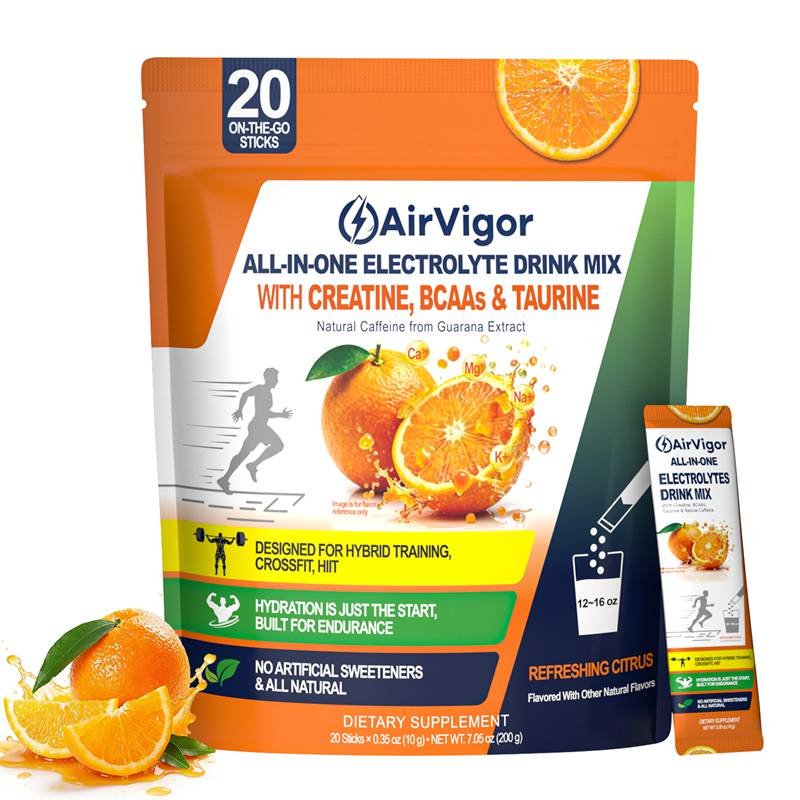
At AirVigor, we provide premium creatine supplements designed to optimize your sprinting power and recovery. With our high-quality creatine, you can unlock your full sprinting potential and reach new performance heights.
Share:
Contact Expert Team
At AirVigor, performance becomes effortless. We transform advanced nutrition science into clean, effective supplements that help you hydrate, recover, and feel stronger every day. Shop AirVigor on Amazon and experience athlete-trusted formulas—backed by real science and supported by our world-class R&D and production capabilities.
Trust AirVigor
At AirVigor, turning your performance goals into reality is no longer a struggle—it’s a science-driven journey we build together. Whether you’re a runner, lifter, cyclist, yogi, outdoor athlete, or someone simply seeking better daily energy, AirVigor transforms advanced nutrition research into clean, effective, and trustworthy supplements you can feel.
Backed by our U.S. scientific team, global certifications, and world-class production standards, every formula is engineered to deliver real hydration, real recovery, and real performance. And when you’re ready to experience the difference, you’ll find AirVigor products available on Amazon and other major platforms—fast shipping, consistent quality, and a community of athletes already seeing results.
Behind the scenes, our R&D and manufacturing ecosystem also supports specialized formulation development, ensuring AirVigor continues to lead with innovation while keeping quality and safety uncompromised. But at the core, everything we create is built for you—your health, your performance, your momentum.
Choose AirVigor. Feel the science. Elevate your every day.


Subscribe to our newsletter
Sign up to our newsletter and we’ll keep you up to date with the latest arrivals.