Skip to content

Hydration is no longer confined to the old sports-drink playbook. Consumers now connect hydration with energy, daily wellness, convenience, travel, heat management, and routine performance, not only with exercise recovery. Glanbia’s 2025 North America hydration report says 54% of consumers believe feeling hydrated has a positive impact on energy levels, while 1 in 5 say they rarely or never feel hydrated. Its broader proactive-hydration research also reports that 64% of global consumers recognize the link between hydration and overall health, yet only 30% feel hydrated most or all of the time.
Modern hydration trends reflect a structural shift in the category. Hydration is moving from a mainly reactive, sports-led use case toward a broader market built around proactive use, portable formats, lower-sugar formulas, cleaner labels, and products that fit work, travel, and everyday life. The strongest products are no longer defined only by electrolyte claims, but by whether they match modern routines and repeat-use expectations. Glanbia’s 2025 hydration and active-adult trend work supports exactly that direction.
That shift matters because hydration products are no longer competing only on thirst relief or post-workout use. They are now competing on portability, ingredient credibility, sugar restraint, flavor fatigue, and whether they can stay relevant across multiple daily occasions. In practical terms, the category has moved from “what helps after exertion” to “what people will actually keep using.” That is why modern hydration trends are now closely tied to proactive wellness behavior, functional beverage design, and format innovation. Glanbia’s US functional beverage analysis places hydration at the front of that broader beverage transition.
What Is Driving Modern Hydration Trends?
Modern hydration trends are being driven by three linked forces: broader consumer interest in wellness, stronger demand for convenience, and greater scrutiny of sugar and ingredient quality. Glanbia’s hydration research shows that proactive hydration is becoming a meaningful growth area, while its US functional beverage report values the US functional beverage market at $50 billion, with a forecast of $62 billion by 2027, and lists sports drinks at $12.2 billion with an estimated 5.6% CAGR from 2022 to 2027.
What has changed about how people think about hydration?
The most important change is that hydration is now viewed as part of daily physical and mental functioning, not only as a response to visible dehydration or athletic exertion. Glanbia’s North America hydration report shows that consumers increasingly connect hydration with energy, and its global proactive-hydration findings show a broad recognition that hydration is tied to overall health.
This shift matters because it changes how products are evaluated. A hydration product was once needed to work mainly in sports or heat-driven situations. Now it also needs to fit office days, commuting, travel, general wellness routines, and lower-intensity but more frequent use. That raises the importance of taste, sugar load, portability, and label clarity. A product designed only for reactive recovery can still succeed, but it is now competing against products that claim a place in daily life.
A simple comparison shows how consumer logic has changed:
| Earlier hydration mindset | Current hydration mindset |
|---|---|
| Used mainly after exercise | Used before, during, and outside exercise |
| Focused on thirst and sweat | Also tied to energy, routine wellness, and consistency |
| Strongly sports-led | Increasingly lifestyle-led |
| One main use occasion | Multiple daily use occasions |
That transition is one of the strongest reasons hydration now sits inside the larger functional beverage conversation rather than only inside sports nutrition. Glanbia and Circana both describe convenience and function as central to where beverage growth is heading.
Why has hydration moved beyond sports?
Hydration has moved beyond sports because beverages are now expected to do more than one job. Circana’s 2026 beverage innovation analysis points to functional, health-led beverage evolution as a major force in the category, while Glanbia’s market analysis shows that hydration now sits alongside energy and protein as a major functional beverage pillar.
This matters commercially because the market is no longer being defined only by athletes. Office workers, travelers, wellness consumers, active adults, and younger proactive-health users are all participating in hydration demand. Once that happens, the category changes. The product must feel lighter, more repeatable, and more useful beyond one intense event. That is why brands have expanded hydration into formats and benefit systems that feel less like traditional sports drinks and more like all-day functional beverages.
A market view helps clarify the change:
| Old category center | New category center |
|---|---|
| Sports recovery | Multi-occasion functional hydration |
| Team sports and endurance | Work, travel, gym, wellness, daily routine |
| Bottled sports drinks | RTDs, powders, sticks, hybrids |
| Performance-first messaging | Function plus lifestyle fit |
The category has expanded because the consumer now asks a broader question: not only “How do I rehydrate after exercise?” but “What hydration product fits the way I actually live?” Glanbia’s active-adult trend work supports that broader behavior pattern directly.
How are proactive and reactive hydration different?
Reactive hydration responds to a clear hydration stress that is already underway, such as sweating, exercise, or heat exposure. Proactive hydration is built around maintaining hydration before a stronger problem is felt. Glanbia’s global hydration reporting explicitly separates these two need states and identifies proactive hydration as a growing opportunity, especially among younger consumers and routine wellness users.
This distinction matters because it changes both formulation and positioning. A reactive product can justify stronger replacement logic and more sports-oriented messaging. A proactive product usually needs broader repeat-use appeal, lower friction, cleaner label cues, and a flavor system that can survive more frequent use. In other words, proactive hydration is not simply a weaker version of reactive hydration. It is a different product job with different consumer expectations.
A practical side-by-side view helps:
| Reactive hydration | Proactive hydration |
|---|---|
| Triggered by visible need | Built around consistency before strong need |
| More closely tied to sport, heat, or sweat | More closely tied to routine wellness and daily use |
| Stronger replacement identity | Stronger repeat-use identity |
| Often performance-coded | Often lifestyle- and wellness-coded |
That is one of the clearest reasons modern hydration has become more diverse in both formula style and consumer message.
Which Hydration Formats Are Growing Fast?
The fastest-growing hydration formats are the ones that combine functionality with convenience, portability, and better-for-you positioning. Glanbia’s active-adult trends highlight stick packs, portable powders, and sugar-free hydration options, while its RTD beverage analysis says functional RTD beverages continue to grow and that sugar reduction remains a major reformulation priority.
Are electrolyte powders and stick packs becoming more important?
Yes. Electrolyte powders and stick packs are becoming more important because they solve several current market needs at once: portability, flexible use, portion control, and easier personalization. Glanbia’s 2025 active-adult report says the convenience of stick packs, wide flavor variety, and sugar-free options help consumers personalize hydration routines at the gym, while traveling, and during busy days. It also notes that brands such as Liquid I.V. helped normalize single-serve hydration powders packed with electrolytes and added functional ingredients.
This matters because portability is now one of the category’s strongest commercial advantages. A stick pack can move from gym bag to desk drawer to carry-on without the storage and shipping burden of bottled formats. Powders also give brands more formulation flexibility around sodium, sugar, flavor intensity, and hybrid functionality. That makes them suitable not only for performance use, but also for daily-use hydration products that need to feel lighter and more controllable.
A format-strength table helps:
| Powder / stick advantage | Why it supports growth |
|---|---|
| Portable | Easier to carry than bottled beverages |
| Pre-portioned | Supports intake control and convenience |
| Flexible use | Fits gym, travel, work, and home |
| Formula versatility | Easier to position as sugar-free, electrolyte-led, or hybrid |
That is why powders and stick packs are no longer niche hydration formats. They are becoming central to the way modern consumers access hydration across different occasions.
Which role do ready-to-drink beverages still play?
Ready-to-drink beverages still matter because they remove the mixing step and remain the easiest entry point for many consumers. Glanbia’s RTD market analysis says functional RTD beverages are experiencing significant growth, driven by health, wellness, and convenience, while its US beverage report places hydration at the front of functional beverage development.
This matters because RTDs still dominate many immediate-use occasions. Consumers who want hydration without preparation often choose bottled or canned formats first, especially in convenience channels and impulse purchase settings. RTDs also remain commercially useful because the product promise feels simple: open, drink, and get the benefit. The tradeoff is that RTDs face greater pressure on logistics, shipping weight, sugar reformulation, and margin structure than powder formats do.
A practical RTD view helps:
| RTD strength | Why it still matters |
|---|---|
| Immediate use | No mixing required |
| Familiar beverage behavior | Easier for mainstream consumers |
| Strong retail visibility | Good for impulse and convenience purchase |
| Simple benefit delivery | Makes function feel easy to access |
That is why modern hydration should be viewed as a multi-format market. Powders are growing, but RTDs remain highly relevant because they still solve convenience in the most direct way.
How does convenience shape hydration choices?
Convenience now shapes hydration choices almost as strongly as ingredient claims do. Circana’s 2026 beverage analysis highlights convenience as one of the defining forces in beverage innovation, and Glanbia’s functional beverage reporting repeatedly identifies convenience as a primary driver of category growth.
This matters because hydration is a high-frequency behavior category. Products that are hard to carry, hard to store, or awkward to use repeatedly are less likely to become habits. That is why portability, low-prep use, and flexible format design are now central to hydration growth. Consumers are no longer judging products only by how well they fit one post-workout moment. They are judging whether those products fit commuting, workdays, travel, gym use, and repeat daily behavior.
A simple convenience table shows why format matters so much:
| Convenience factor | Why it drives hydration demand |
|---|---|
| Portability | Helps products move across daily occasions |
| Low-prep use | Reduces friction and increases repeat use |
| Flexible serving format | Allows one product to fit multiple routines |
| Easier storage | Supports both household and retail practicality |
That is why convenience is no longer a secondary feature in hydration. It is one of the category’s strongest demand drivers and one of the main reasons modern hydration looks different from the sports-drink market that came before it.
Which Ingredients Matter Most in Modern Hydration?
Modern hydration formulas are no longer judged only by whether they contain electrolytes. They are increasingly judged by which electrolytes they prioritize, how much sugar they carry, whether the ingredient list feels clean and current, and whether the formula matches a believable daily-use occasion. Glanbia’s 2025 hydration materials describe hydration innovation as being shaped by proactive versus reactive use, cleaner labels, flavor expectations, and new functional combinations, while Circana’s beverage innovation coverage highlights hydration, zero sugar, added electrolytes, and essential vitamins as recurring features in successful new products.
That matters because hydration has moved beyond a narrow post-workout setting. Once a product is expected to work during travel, at work, during heat exposure, or as part of a daily wellness routine, the formula has to feel lighter, more repeatable, and easier to trust. In practical terms, modern consumers are no longer looking only for “something with electrolytes.” They are comparing sodium strength, sugar load, ingredient simplicity, taste fatigue risk, and how well the product fits repeated use. Glanbia’s proactive-hydration work explicitly notes that taste, clean-label ingredients, and natural sweeteners are becoming more important as hydration products move into more frequent-use occasions.
Is sodium still the first number to check?
In many hydration products, yes. Sodium remains one of the most important numbers to check because it is still the electrolyte most closely associated with sweat-related fluid replacement. Even as hydration expands beyond traditional sports use, electrolyte-led products remain central to the category, and Glanbia’s North America hydration report says proactive hydration is still strongly led by electrolytes and sports drinks.
This matters because the market may be changing faster than the physiology. Consumers are now buying hydration products for more occasions, but the formula still has to make functional sense. If a product is positioned around exercise, heat, travel recovery, or active use, sodium is often the mineral that gives the hydration logic credibility. That does not mean every product needs to be aggressively sodium-forward. It does mean that a hydration formula without a clear sodium story can feel underbuilt when it is marketed around sweat, movement, or recovery. In practical terms, sodium is often the first number that tells the consumer whether the product is built for real replacement, lighter support, or simply hydration positioning.
A practical formulation view helps:
| Formula position | Why sodium still matters |
|---|---|
| Active-use hydration | Helps define sweat-replacement logic |
| Daily proactive hydration | Still relevant, but usually needs a lighter repeat-use feel |
| Hybrid hydration product | Anchors credibility when broader benefits are added |
That is why sodium remains one of the most informative signals on a modern hydration label, even as the category becomes broader and more lifestyle-oriented.
Why are sugar-free and lower-sugar formulas growing?
Sugar-free and lower-sugar formulas are growing because modern hydration is expected to fit repeat use, wellness-oriented routines, and broader “better-for-you” beverage expectations, not only hard recovery after exercise. Glanbia’s RTD beverage analysis says sugar reduction remains a major reformulation focus, and its Europe hydration trends report explicitly says brands should keep sugar low, taste great, and offer natural, fortified energy and/or health benefits. Circana’s innovation reporting also points to hydration and zero-sugar combinations as part of what has been resonating in new beverage launches.
This matters because once hydration becomes part of a daily-use pattern, sugar stops being a small formulation detail and becomes a practical adoption issue. A drink that feels acceptable after a hard workout may feel too heavy during an office day, during commuting, or in a proactive hydration routine. Lower-sugar and sugar-free formulas often feel more aligned with modern hydration because they reduce the sense that hydration must behave like an older sports-drink product. That is one reason current hydration growth is increasingly overlapping with mainstream wellness beverage expectations rather than staying inside a narrow athletic frame.
A simple comparison makes the shift clearer:
| Older hydration expectation | Current hydration expectation |
|---|---|
| Sugar accepted as part of the sports-drink profile | Sugar questioned more closely across repeat-use occasions |
| Built mainly for reactive use | Built increasingly for all-day or proactive use |
| Performance-first drink logic | Lifestyle fit plus functionality |
That is why sugar reduction is not just a technical reformulation theme. It is one of the clearest signs that hydration is being redesigned for modern use patterns.
How are clean-label ingredients changing the category?
Clean-label expectations are changing hydration by raising the standard for what a formula must feel like, not just what it must do. Glanbia’s proactive-hydration work says taste, clean-label ingredients, and natural sweeteners are becoming more important as proactive hydration grows, and its Europe hydration trends report highlights demand for products that combine low sugar with strong taste and natural-feeling added benefits.
This matters because hydration is now competing in a more trust-sensitive part of the beverage market. Consumers are not only asking whether a product hydrates. They are asking whether it feels credible, clean enough to use repeatedly, simple enough to understand, and aligned with a healthier daily routine. That pushes brands toward shorter ingredient stories, more recognizable inputs, more disciplined sweetness systems, and formulas that do not rely on an overloaded supplement identity to justify their value. A hydration product that feels chemically crowded may still function, but it is less likely to feel current in a category moving toward everyday use and proactive wellness.
A practical clean-label lens helps:
| Clean-label signal | Why it matters in hydration |
|---|---|
| Natural-sounding ingredients | Improves trust and daily-use fit |
| Lower sugar with acceptable taste | Supports repeat use |
| Simpler functional story | Makes the benefit easier to understand |
| Better ingredient transparency | Helps separate substance from decoration |
That is why clean label is no longer a secondary packaging claim in hydration. It is part of what makes the formula feel current and usable.

Which Functional Hydration Trends Are Getting Stronger?
The strongest functional hydration trends are the ones that extend hydration into more occasions, more portable formats, and more layered benefit systems. Glanbia’s 2025 hydration reporting highlights proactive hydration, electrolyte powders, and flavor-led innovation as major drivers, while its broader functional beverage and sports nutrition analyses show that hydration is increasingly intersecting with energy, protein, and everyday performance. Its 2026 sports nutrition trend report also points to advanced hydration as a continuing development area.
That matters because hydration is no longer being asked to stand alone. Consumers increasingly want products that solve more than one problem or that fit more than one moment. The strongest growth areas are therefore the ones where hydration still feels believable while gaining another layer of usefulness, whether that is portability, energy-adjacent positioning, protein crossover, or broader daily wellness relevance.
How are electrolytes being used beyond workouts?
Electrolytes are increasingly being used beyond workouts because hydration itself is being reframed as a broader lifestyle need. Glanbia’s global hydration report explicitly distinguishes reactive hydration from proactive hydration and says that proactive hydration is creating new opportunities, particularly among Gen Z and health-conscious consumers. Its “future of hydration” framework also says consumers are seeking hydration from multiple functional beverage segments, not just sports drinks.
This matters because it changes both product design and messaging. A workout-only hydration product can afford to be more narrowly performance-oriented. A broader daily-use hydration product has to feel more flexible, lighter, and easier to repeat. That does not remove electrolytes from the story. It changes how they are framed. Instead of existing only as post-exercise recovery tools, electrolytes are increasingly being positioned as part of all-day support, workday hydration, travel readiness, and proactive wellness behavior. The more hydration becomes proactive, the more electrolyte products must fit settings where the consumer is not explicitly “training,” but still wants a beverage with functional credibility.
A use-case comparison helps:
| Earlier electrolyte use | Newer electrolyte use |
|---|---|
| Post-workout recovery | Daily hydration routines |
| Long sports sessions | Work and travel |
| Heat during exercise | Proactive hydration before strain is obvious |
| Performance-only framing | Lifestyle plus function framing |
That is why electrolytes are no longer confined to sports positioning, even though sports remain one of their strongest original anchors.
Are hydration-plus-energy and hydration-plus-protein becoming more common?
Yes. Hybrid beverage concepts that pair hydration with energy, protein, or other adjacent benefits are becoming more common. Glanbia’s RTD market insights say energy and protein RTD beverages continue to grow, and its 2025 US functional beverage report describes hydration, energy, and protein as major pillars within a broader functional beverage market. Its 2026 sports nutrition trend report also points to advanced hydration as part of the next sports nutrition wave rather than as an isolated category.
This matters because consumers increasingly want efficiency from beverages. A product that supports hydration and another useful function may feel more valuable than a one-dimensional drink, provided the formula remains coherent. Hydration-plus-energy is attractive when consumers want alertness and daily functionality without moving completely into a traditional energy-drink identity. Hydration-plus-protein becomes more relevant in active recovery, meal-adjacent nutrition, or broader performance routines. The strongest hybrids are usually the ones where hydration still feels authentic, and the added function feels contextually appropriate rather than forced.
A hybrid-benefit table helps:
| Hybrid direction | Why it is growing |
|---|---|
| Hydration + energy | Matches daily productivity and active-lifestyle occasions |
| Hydration + protein | Fits recovery and nutrition-focused routines |
| Hydration + broader wellness cues | Supports repeat use beyond sports-only contexts |
That is why hybrid functionality is becoming one of the most commercially important directions in modern hydration.
Which everyday use cases are driving demand the most?
The strongest everyday use cases are the ones where hydration intersects with modern routines rather than only with formal exercise. Glanbia’s “future of hydration” and global hydration insights both emphasize that consumers are now seeking hydration from multiple functional beverage segments and across multiple need states, while its active-adult trends identify gym use, travel, and busy lifestyles as natural fits for electrolyte powders, gels, and functional beverages.
This matters because it explains why the category is growing through occasion expansion rather than through a single hero format. The most successful hydration products increasingly align with commuting, workday use, travel, heat exposure, active lifestyles, and general daily wellness. Once the category broadens this way, portability, sugar reduction, flavor quality, and clean-label cues become more important because the product must survive everyday life, not just one intense workout. That is also why powders, sticks, functional RTDs, and hybrid beverages are all growing at once: they serve different versions of the same everyday hydration demand.
A practical demand map helps:
| Everyday use case | Why it supports hydration growth |
|---|---|
| Workday hydration | Expands category beyond sports |
| Travel and commuting | Increases value of portable formats |
| Heat and routine fatigue | Supports proactive hydration behavior |
| Active lifestyle maintenance | Keeps hydration relevant beyond one exercise window |
That is why modern hydration demand is best understood as occasion expansion plus formula modernization, not merely as a temporary surge in electrolyte interest.
What Should Brands Build Next in Hydration?
The next wave of hydration products is unlikely to win on electrolyte claims alone. It is more likely to win on occasion, fit, repeat-use practicality, sugar discipline, cleaner ingredient logic, and format convenience. Glanbia’s 2025 hydration work shows that hydration is now tied more closely to daily wellness and energy perception, not only to sports recovery. In its North America hydration report, 54% of consumers say feeling hydrated has a positive impact on energy, and 1 in 5 say they rarely or never feel hydrated. Its proactive-hydration research also says 64% of global consumers recognize the link between hydration and overall health, while only 30% feel hydrated most or all of the time. Those numbers matter because they show a category with strong perceived relevance but incomplete consumer satisfaction, which is exactly the kind of market condition that creates room for better products.
This shift is also happening inside a much larger functional beverage environment. Glanbia’s US functional beverage market overview says the US functional beverage market is projected to grow from $50 billion to $62 billion by 2027, with sports drinks at $12.2 billion and estimated to grow at 5.6% CAGR from 2022 to 2027. That matters because hydration is no longer competing only against legacy sports drinks. It is competing inside a broader market where consumers compare it with energy drinks, protein beverages, functional waters, and other better-for-you drink concepts. In that environment, a hydration product has to feel more current, more useful, and easier to repeat than older category standards.
What makes a hydration formula feel more trustworthy?
A hydration formula usually feels more trustworthy when the benefit story, ingredient system, and use occasion all match. Current trend sources point in the same direction: consumers are increasingly paying attention to sugar level, ingredient familiarity, and whether a product’s function sounds believable in everyday use. Glanbia’s proactive-hydration and global hydration materials point to taste, clean-label ingredients, natural sweeteners, and broader routine relevance as key factors in category growth. Circana’s innovation analysis likewise highlights hydration, zero sugar, added electrolytes, and vitamins as part of the benefit mix that has helped newer beverage products stand out.
That matters because the hydration aisle is full of products that sound active but do not always feel especially convincing once the label is read closely. A stronger product tends to have a clearer sodium story, a sugar level that fits repeated use, and a simpler explanation of when it makes sense. This is especially important now that hydration is being used proactively, not only reactively. A product that claims all-day relevance but still feels heavy, overly sweet, or cluttered with unnecessary additions is less likely to feel modern. In commercial terms, trust now comes less from sounding stronger and more from sounding more coherent.
A practical development lens makes that easier to see:
| Formula signal | Why it improves trust |
|---|---|
| Clear electrolyte purpose | Makes the product easier to match to a real need |
| Lower- or no-sugar structure | Improves repeat-use fit |
| Clean-label direction | Makes the formula feel more current and easier to trust |
| Strong format logic | Helps the product fit work, travel, gym, and daily routines |
These priorities are consistent with Glanbia’s repeated emphasis on proactive hydration, sugar restraint, convenience, and cleaner label expectations across its hydration reports.
Which consumers need targeted hydration support most?
The consumers most likely to need more targeted hydration support are no longer only athletes. They increasingly include active adults, frequent travelers, workday users, younger proactive-wellness consumers, and people who want hydration to support energy and everyday functioning. Glanbia’s proactive-hydration work notes especially strong relevance among younger consumers, and its active-adult trend analysis points to powders, stick packs, and sugar-free hydration options as good fits for gym routines, travel, and busy lifestyles.
That matters because the category is becoming more segmented. One group still wants sweat replacement and exercise hydration. Another wants lighter, all-day, proactive support. Another wants hydration with a second benefit layer, such as energy or protein. Brands that treat hydration as one flat consumer problem are more likely to build interchangeable products. Brands that understand who is using the product, when they are using it, and how often they expect to repeat it are more likely to create something durable. This is one reason occasion-led development now matters so much. Modern hydration demand is no longer built around one consumer identity. It is built around several use systems living inside the same category.
A simple consumer map helps clarify that shift:
| Consumer group | What they are often looking for |
|---|---|
| Active users | Electrolytes and more obvious replacement logic |
| Daily wellness users | Proactive hydration and lighter repeat-use fit |
| Travelers and commuters | Portable formats and convenience |
| Hybrid-function seekers | Hydration plus energy, protein, or broader wellness value |
That pattern closely matches the broader expansion of hydration into multiple functional beverage segments and need states.
How can AirVigor position a stronger hydration product line?
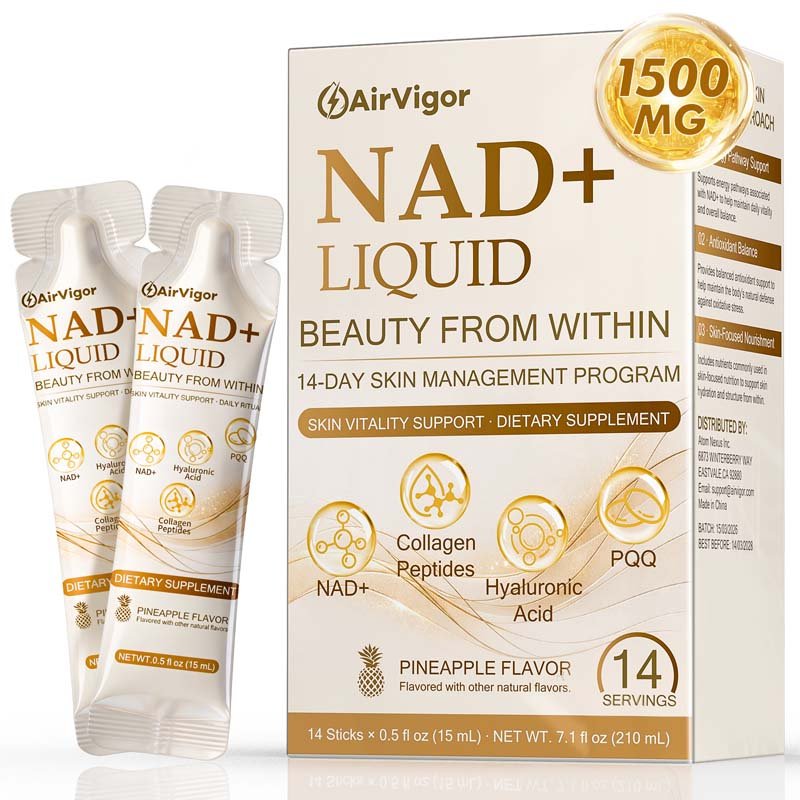
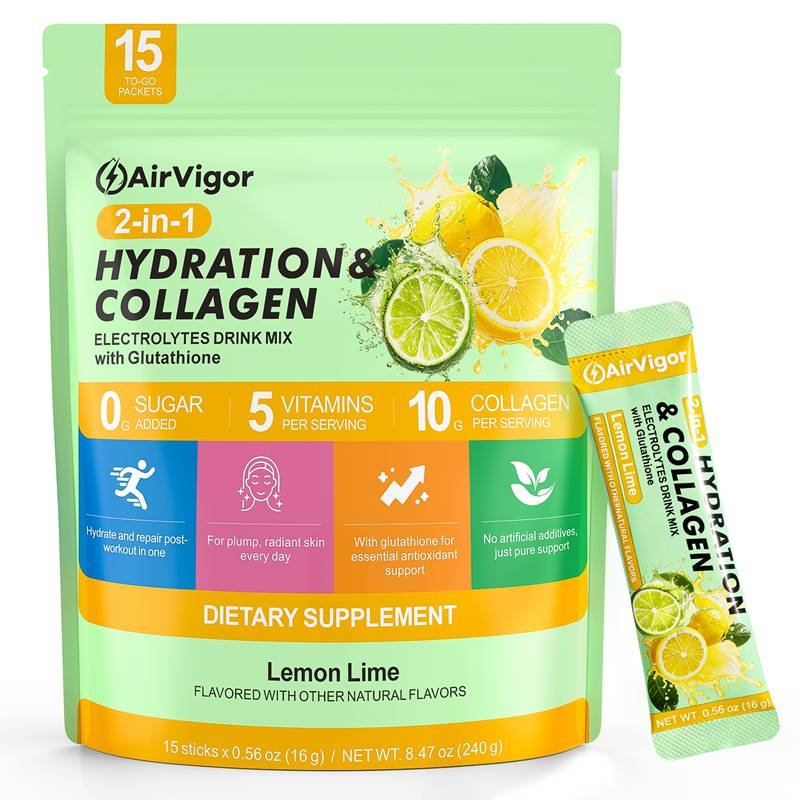
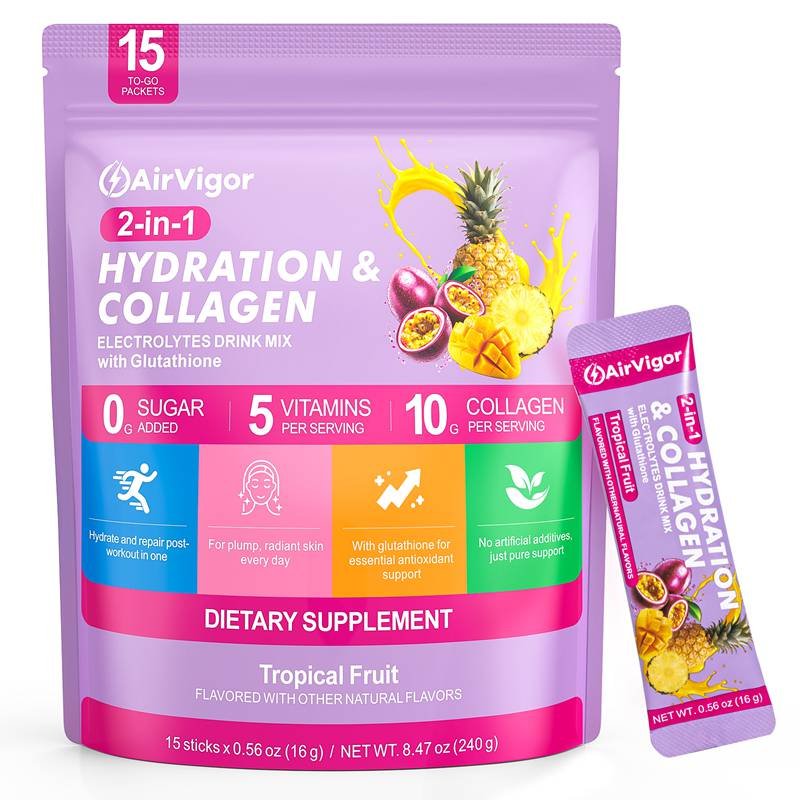
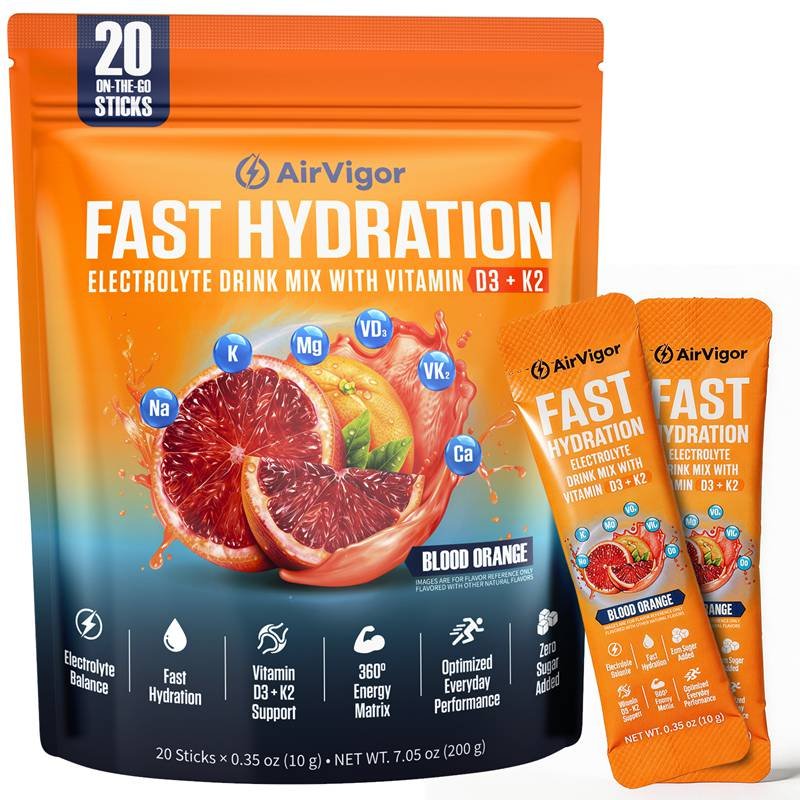
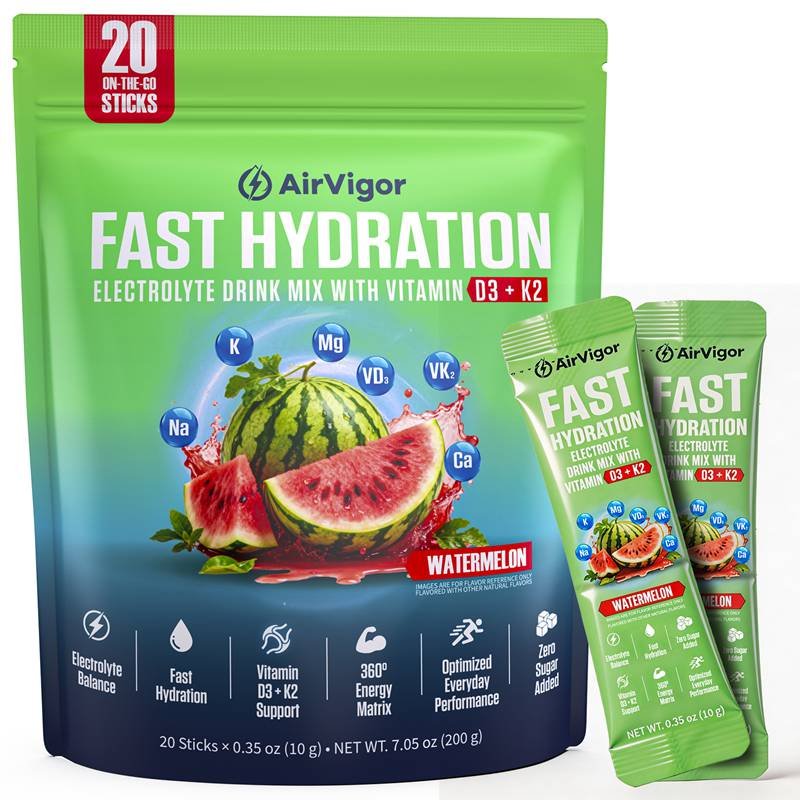
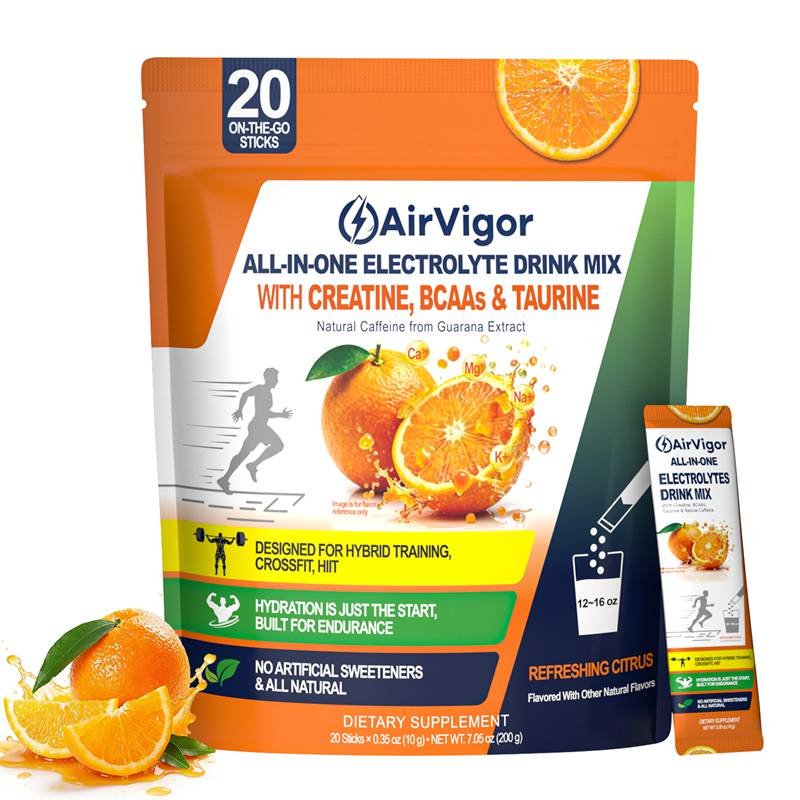
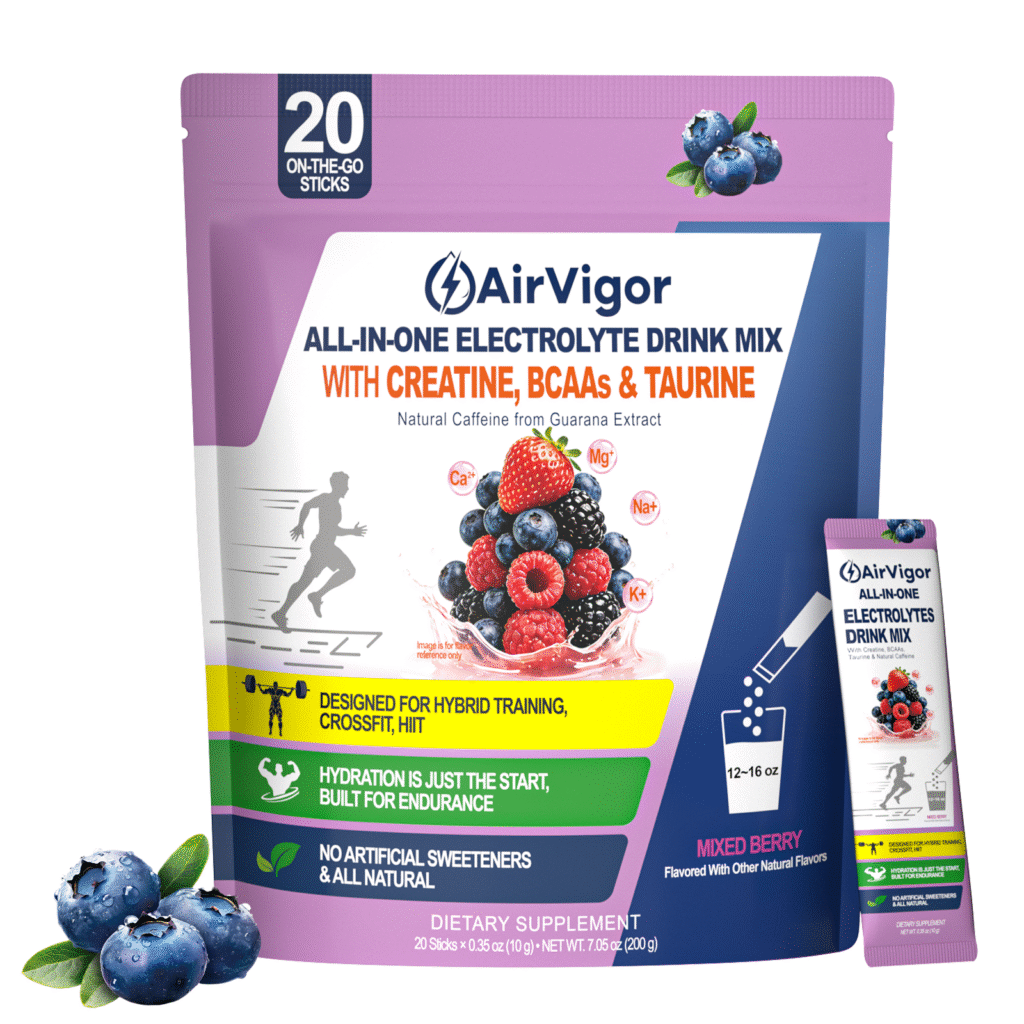
AirVigor can position a stronger hydration line by building around clear use occasions instead of generic hydration claims. The most durable structure is usually not one catch-all hydration SKU, but a small, understandable system: a more active-use electrolyte formula, a lighter proactive hydration product, and potentially a hybrid concept for consumers who want hydration with a second benefit layer. Glanbia’s reporting supports all three directions. Proactive hydration is growing, hydration remains central to functional beverages, and portable formats plus lower-sugar designs are gaining importance at the same time.
That matters commercially because many hydration products still sound interchangeable. AirVigor can stand out by sounding more precise. A stronger position is not “hydration for everyone.” A stronger position is hydration for the way modern people actually live: work, travel, training, heat, repeated daily use, and broader wellness goals. That gives the product line room to scale across channels without confusing the consumer. One formula can serve performance and sweat-heavy use. Another can support proactive daily hydration. A third can explore adjacent functions if the hydration logic remains credible. That kind of architecture is more defensible than trying to force one formula into every modern hydration occasion.
A positioning framework helps make that strategy clearer:
| Positioning style | How it reads | Strategic strength |
|---|---|---|
| “Hydration for everyone” | Broad but generic | Lower |
| “Electrolytes for active use, lighter hydration for daily routines” | Clear and scalable | Higher |
| “Hydration plus one believable added benefit” | More differentiated | Higher when the use case stays clear |
That is where AirVigor can build long-term value: not by chasing every hydration trend, but by organizing modern hydration into a more coherent product system.
Final Thoughts
Modern hydration trends are best understood as a shift from a narrow sports-drink model to a broader, more flexible functional beverage category. The greatest changes are the rise of proactive hydration, the growth of portable powder and stick formats, stronger pressure for lower sugar and cleaner labels, and increasing interest in products that fit daily routines or adjacent functional goals. Across Glanbia’s 2024–2025 hydration reports and Circana’s innovation analysis, the same pattern appears again and again: hydration is becoming less about one recovery moment and more about how a product fits repeated modern use.
That is why the most useful strategic question for brands is no longer whether to enter hydration. The more important question is which hydration problem they are solving, for which consumer, in which format, and with what level of daily-use credibility. Brands that answer that clearly are more likely to create formulas that feel relevant, repeatable, and commercially sustainable.
Looking to Build a More Modern Hydration Line?
If the goal is to develop hydration products that fit today’s market, the most important starting points are use occasion, sugar strategy, electrolyte logic, portability, and label trust. Those decisions matter more now because hydration has expanded beyond sports into everyday wellness, workday use, travel, and broader functional beverage behavior.
AirVigor can support both finished branded products and private-label or custom formulation projects. The strongest hydration products in the current market are the ones that solve a real modern-use problem clearly, and that is exactly where a better-structured electrolyte and hydration portfolio can create stronger long-term value.