Skip to content

Women’s hydration is often reduced to one simple instruction: drink more water. In many situations, that advice is correct. But hydration needs do not stay fixed across every day, season, or life stage. Heat, longer active days, frequent workouts, travel, pregnancy, and inconsistent routines can all change how easy it is to stay well hydrated with plain water alone. Harvard’s Nutrition Source says healthy women generally need about 9 cups of fluids a day, with higher amounts often needed in hot climates or with more physical activity. ACOG says pregnant women should drink 8 to 12 cups of water daily, which shows how quickly hydration guidance can change when physiology and daily demand change.
Electrolyte powder can be useful for women’s hydration when the day creates a more demanding fluid-loss situation than usual. It is not necessary for every woman or every routine. On ordinary days, water plus normal meals is often enough. During strenuous exercise, hot or humid conditions, repeated sweating, travel-related dehydration risk, or illness-related fluid loss, electrolyte support becomes easier to justify because electrolyte beverages are designed to help rebalance fluid and mineral levels more directly. Harvard’s electrolyte guidance and Northwestern Medicine’s hydration explanation both support that narrower, more practical use case.
That distinction matters because many women are not looking for a sports-drink identity. They are looking for something more functional: steadier hydration during busy days, better tolerance for heat or exercise, lower sugar, easier portability, and a formula that feels credible enough to use repeatedly. That is why this topic is no longer only about post-workout recovery. It is about understanding when electrolyte powder solves a real hydration problem better than water alone and when it does not.
Women’s Hydration: Why Electrolyte Powder?
Electrolyte powder helps women’s hydration most clearly when hydration needs move beyond a calm indoor baseline. Harvard’s Nutrition Source says electrolyte beverages are mainly useful when fluid loss is higher, including from strenuous exercise, strenuous jobs in hot or humid conditions, or persistent vomiting and diarrhea. Northwestern Medicine explains that hydration is not only about drinking fluids; the body also needs electrolytes to help move fluid in and out of cells properly. That makes electrolyte powder more relevant when heat, sweat, exertion, or fluid loss are part of the day.
What does Electrolyte Powder do?
Electrolyte powder is designed to do more than add flavor to water. Its purpose is to help replace minerals such as sodium, potassium, and magnesium while also supporting hydration when the body is losing both water and electrolytes. Northwestern Medicine says electrolytes help move fluid in and out of cells, and MedlinePlus explains that fluid and electrolyte balance regulates body water, supports nerve and muscle function, and helps move nutrients into cells and wastes out of cells.
This matters because many women use hydration products in situations that are demanding without feeling dramatic. A long summer commute, a high-sweat workout class, a travel day, a long outdoor walk, or a packed work schedule can all leave a person feeling flatter or less steady than usual. In those moments, electrolyte powder is not acting like a stimulant. It is helping restore the fluid-and-mineral conditions that allow the body to function more normally under strain. That is a narrower claim, but it is also a stronger one.
A practical view helps clarify the role:
| What Electrolyte Powder does | Why it matters for women’s hydration |
|---|---|
| Replaces fluid with minerals | More useful when sweating or heat increase losses |
| Supports fluid balance | Helps when plain water feels less complete |
| Fits portable routines | Easier to use during workouts, commuting, or travel |
| Can be portion-controlled | Useful for women who want clearer intake guidance |
The logic in this table reflects Harvard’s and Northwestern’s explanation that electrolytes become more relevant when the body is trying to manage fluid loss under more demanding conditions.
How does Electrolyte Powder help Women’s Hydration?
Electrolyte powder helps women’s hydration most clearly when hydration stress is practical rather than extreme. Harvard’s electrolyte guidance says these drinks are most helpful during strenuous exercise, hot or humid conditions, strenuous jobs, or fluid loss from vomiting and diarrhea. ACOG’s pregnancy hydration guidance adds another useful perspective: women’s hydration needs can rise substantially in specific life stages and under exercise conditions, which means “drink water” is not always the whole planning answer.
This matters because many women make hydration decisions within crowded schedules. A product that works in theory but feels too sweet, too bulky, or too inconvenient to carry may not survive real daily use. Electrolyte powder can help because it often offers a more portable and flexible format than bottled drinks while still addressing hydration conditions that go beyond a calm, low-sweat day. That is one reason powders and stick packs have grown in active-lifestyle and wellness routines: they solve a logistical problem as well as a hydration one.
A situation-based comparison helps:
| Daily situation | Does Electrolyte Powder often make more sense? |
|---|---|
| Mild indoor routine with normal meals | Often no |
| Sweaty workout or hot-weather activity | Often yes |
| Travel or long commute with inconsistent hydration | Sometimes |
| Illness-related fluid loss | Often yes |
| Pregnancy with higher water needs | Water first, with extra hydration attention |
That is why electrolyte powder is strongest when it is framed as a response to specific hydration strain, not as a universal upgrade to ordinary drinking habits.
When does Women’s Hydration need more than water?
Women’s hydration needs more than water when the body is losing enough fluid and minerals that plain water no longer feels like the whole answer. Harvard’s electrolyte guidance makes that threshold clear by limiting stronger need states to conditions such as strenuous exercise, heat, humidity, or illness-related fluid loss. Northwestern Medicine says most people do not need extra electrolyte products every day, but they may help in the right situations.
This matters because water remains the foundation of healthy hydration. A strong hydration strategy does not push women away from water. It explains when water may no longer be complete by itself. That line usually appears when sweating becomes sustained, when a woman is active in heat, when travel disrupts normal drinking patterns, or when illness creates fluid loss that feels larger than a normal day can absorb. In those conditions, electrolyte powder may become less about “optimization” and more about practicality.
A threshold view makes the difference easier to apply:
| Condition | Is water often enough? | When electrolyte support becomes more relevant |
|---|---|---|
| Ordinary indoor day | Usually yes | Rarely |
| Light activity | Often yes | Sometimes, if heat rises |
| Hot outdoor activity or sweat-heavy exercise | Sometimes not | More clearly justified |
| Vomiting or diarrhea | Often not by itself | More clearly justified |
That is why the strongest women’s hydration products are not the ones trying to replace water. They are the ones that make sense when the day clearly becomes more demanding than water-only conditions.
Women’s Hydration: Water or Electrolyte Powder?
For many women, water is still the right first choice. Harvard’s Nutrition Source says healthy women generally need about 9 cups of fluids daily, and its healthy beverage guidance says at least half of daily fluid intake should come from water. Electrolyte powder becomes more useful when activity, heat, travel, pregnancy-related hydration attention, or illness makes hydration more demanding than usual.
Is water enough for Women’s Hydration?
On many days, yes. Water is enough for women’s hydration when conditions are ordinary, meals are regular, activity is moderate, and there is no unusual heat or fluid loss. Harvard’s water guidance makes clear that daily fluid needs vary with climate and activity, but the basic hydration baseline for healthy women is still built around regular fluid intake rather than specialty products.
This matters because water is often underestimated once people start comparing hydration products. In reality, water remains the strongest baseline habit for most women on most days. If the day is cool, indoor, and relatively stable, the addition of electrolyte powder may offer little real advantage. The mistake is assuming that because electrolytes can be helpful in harder conditions, they must always be helpful in ordinary ones. A more disciplined hydration strategy respects water first and adds other tools only when the situation changes.
A practical baseline table helps:
| Day type | Is water often enough for Women’s Hydration? |
|---|---|
| Indoor office day | Usually yes |
| Routine errands and normal movement | Usually yes |
| Light workout with limited sweat loss | Often yes |
| Hot weather or sweat-heavy activity | Sometimes not |
| Gastrointestinal fluid loss | Sometimes not |
That is why water should remain the foundation of women’s hydration planning rather than something hydration products are trying to replace.
When is Electrolyte Powder a better choice?
Electrolyte powder becomes a better choice when the situation is defined by fluid loss, mineral loss, or a higher chance that hydration will fall behind. Harvard’s Nutrition Source says electrolyte drinks are most useful during strenuous exercise, strenuous jobs in hot or humid conditions, or gastrointestinal fluid loss. Northwestern Medicine says electrolyte support is usually unnecessary on normal days but can help in the right conditions.
This matters because women’s hydration challenges are often practical rather than extreme. A busy workday with little time to drink, a flight with dry cabin air, a long walk in summer heat, a hard training session, or a day of feeling run-down after illness can all shift the hydration equation. In those settings, electrolyte powder can be the better choice because it responds to a more specific need: not only fluid intake, but fluid balance under strain. That is a more convincing use case than suggesting women need electrolytes for every lifestyle goal.
A practical comparison helps:
| Situation | Water | Electrolyte Powder |
|---|---|---|
| Calm routine hydration | Usually enough | Often unnecessary |
| Heat or sweat-heavy exercise | Sometimes limited | Often more useful |
| Travel and long active days | May be enough, but not always | Sometimes more practical |
| Illness-related fluid loss | Often less complete by itself | Often more useful |
That is why electrolyte powder is strongest when it is framed as a better choice for harder hydration conditions, not as a universal upgrade.
How do heat and workouts affect Women’s Hydration?
Heat and workouts change women’s hydration by increasing fluid loss and making consistency harder to maintain. Harvard’s water guidance says more fluid may be needed in very warm climates or with higher activity. Northwestern Medicine’s hydration-in-the-heat guidance says dehydration can be caused by sweating in hot weather or during exercise and that the resulting body stress can affect how well the body functions. ACOG also advises women to drink water before, during, and after exercise during pregnancy.
This matters because workouts and heat are often where women first notice that ordinary hydration habits are not always enough. A short indoor session may not change much. A longer class, a hot walk, a summer run, or repeated activity across the day can change how the body feels by evening. Thirst, fatigue, heavier sweating, and slower recovery all become more likely when fluid needs rise faster than intake. In those conditions, electrolyte powder may fit better because it addresses both water loss and mineral loss rather than water loss alone.
A practical demand map helps:
| Condition | Hydration demand for women |
|---|---|
| Cool indoor day | Lower |
| Moderate activity | Moderate |
| Heat exposure | Higher |
| Sweat-heavy workout | Higher |
| Pregnancy plus exercise or heat | Higher attention needed |
That is why the more useful question is not whether women need a special hydration category in theory. The more useful question is when the day has clearly become demanding enough that hydration needs to be more intentional than usual.
Electrolyte Powder: What Should Women Look For?
The most useful way to evaluate electrolyte powder for women’s hydration is not to start with flavor or branding. It is to start with the use case, electrolyte structure, sugar level, and repeat-use practicality. Harvard’s Nutrition Source says electrolyte beverages are mainly useful when fluid loss is substantial, while the American Heart Association notes that products in this category can vary widely in sodium, potassium, magnesium, sugar, and calories. That means label quality matters as much as category choice.
That distinction matters because women are often not choosing between “hydration” and “no hydration.” They are choosing between products that fit very different routines. A formula intended for a sweat-heavy class, a hot travel day, or repeated summer use should not be evaluated by the same standard as a product meant for mild daily support. The stronger product is usually the one that makes its purpose visible through the panel rather than relying on vague front-label language.
Is sodium important in Electrolyte Powder?
Yes. In most electrolyte powders, sodium is still one of the first numbers worth checking because it is central to fluid balance and becomes more relevant when sweating and heat increase fluid loss. Northwestern Medicine explains that electrolytes help with hydration and that the body relies on them for fluid balance, while Harvard’s electrolyte guidance says electrolyte drinks are most useful in conditions involving substantial fluid loss, such as strenuous exercise or hot, humid environments.
This matters because many women’s hydration products are marketed with a softer wellness identity while still being used in conditions that require real fluid and mineral support. A powder with almost no sodium may still work as a flavored water support, but it may feel underbuilt in hot weather, after intense movement, or during long active days. At the same time, sodium should match the intended use. A powder for lighter daily hydration should usually feel different from one intended for more obvious sweat-replacement situations. The useful question is not whether sodium is “high” or “low” in isolation. The useful question is whether the sodium level fits the hydration burden the user is likely to face.
A practical sodium framework helps:
| Formula type | What sodium often needs to do |
|---|---|
| Lighter daily hydration | Support repeat use without feeling too heavy |
| Workout or heat support | Make the hydration logic more convincing |
| Travel or long active day support | Help the product feel more useful than plain water alone |
That is why sodium still matters even in women’s hydration products that want to sound cleaner, lighter, and more lifestyle-oriented.
How do potassium and magnesium support Women’s Hydration?
Potassium and magnesium usually strengthen the formula by supporting broader fluid balance and normal muscle and nerve function. Northwestern Medicine lists sodium, potassium, magnesium, chloride, bicarbonate, and phosphate among the major electrolytes. The NIH Office of Dietary Supplements says potassium is required for normal cell function because of its role in maintaining intracellular fluid volume and transmembrane electrochemical gradients, and the NIH magnesium fact sheet says magnesium is involved in more than 300 enzyme systems and supports muscle and nerve function.
This matters because women often describe hydration problems in practical rather than biochemical terms. They may say they feel flat, cramp-prone, heavy, slower to recover, or less steady in heat or after activity. A formula that includes potassium and magnesium alongside sodium can feel more complete because it supports a wider hydration-and-function story. The key issue is balance. These minerals work best when they reinforce a coherent hydration structure rather than serve as decorative ingredients on the label. A shorter, more disciplined mineral story often feels more trustworthy than a crowded formula with no clear hierarchy.
A practical ingredient table helps:
| Electrolyte | Why it matters for women’s hydration |
|---|---|
| Sodium | Helps define the core hydration and sweat-replacement logic |
| Potassium | Supports normal cell function and fluid balance |
| Magnesium | Supports muscle, nerve, and energy-related cellular processes |
That is why a better women’s hydration formula usually looks intentional rather than overloaded.
Is low-sugar Electrolyte Powder better?
In many cases, yes. Lower-sugar or sugar-free electrolyte powder often fits women’s hydration better because many women do not use these products only after hard training. They are also using them during work, travel, warmer days, and lighter active routines. The American Heart Association notes that electrolyte beverages can vary substantially in sugar and calories, and Glanbia’s 2025 active-adult trends report says sugar-free hydration options are helping consumers personalize hydration routines during busy days, travel, and exercise.
This matters because repeat-use fit is now one of the category’s strongest commercial filters. A product can have a useful electrolyte profile and still feel wrong for real life if it is too sweet, too dense, or too calorie-heavy for repeated use. A lower-sugar formula often feels more compatible with proactive hydration because it reduces the sense that hydration must behave like an older sports drink. This is especially relevant for women who want hydration support that feels practical across several occasions rather than limited to one intense workout window.
A simple comparison helps:
| Formula style | Why it may fit women’s hydration better or worse |
|---|---|
| Low-sugar or sugar-free | Easier to repeat across more daily situations |
| Moderate sugar | Can fit harder activity or heat, but should be justified |
| Heavier sugar profile | More limited fit for frequent or everyday use |
That is why the sugar level is not a side issue. It directly affects whether the product survives real daily use.

Women’s Hydration: Which Daily Needs Matter Most?
Women’s hydration demand is now being shaped less by one narrow sports moment and more by multiple daily needs: active routines, heat, commuting, travel, pregnancy, long workdays, and portable convenience. Harvard’s Nutrition Source says healthy women generally need about 9 cups of fluids a day, with more often needed in warm climates or with more physical activity. ACOG says pregnant women should drink 8 to 12 cups of water daily. Those numbers show that women’s hydration is not a one fixed formula problem. It is a context problem.
That matters because the strongest women’s hydration products are usually the ones that understand daily variability. A calm indoor day, a travel day, a hot workout day, and a pregnancy routine do not create identical hydration needs. The more the product can fit those realities without overstating its role, the stronger it becomes. This is also one reason portable powders and stick packs have gained attention: they fit the unpredictability of modern daily routines better than many older beverage formats. Glanbia’s 2025 active-adult trends report explicitly links stick packs, sugar-free options, flavor variety, travel, gym use, and busy days.
How does Electrolyte Powder fit active women?
Electrolyte powder fits active women best when activity creates meaningful sweat loss, heat exposure, or a hydration need that feels larger than plain water alone. Harvard says electrolyte drinks are most useful during strenuous exercise or in strenuous jobs in hot or humid conditions. Northwestern Medicine similarly explains that electrolyte supplements are not always necessary, but they can help in higher-demand situations where hydration becomes harder to maintain.
This matters because active women are not one single group. Some need obvious sweat-replacement support. Others need only lighter hydration support that fits workouts without feeling like a traditional sports drink. The more sweat-heavy or heat-heavy the routine becomes, the more credible the electrolyte powder becomes. The lighter and more ordinary the activity, the more plain water may still cover most of the need. That is why a stronger product story does not treat all active women the same way. It begins with the size of the hydration burden.
A practical activity map helps:
| Activity pattern | Does Electrolyte Powder often make more sense? |
|---|---|
| Light indoor routine | Often not |
| Moderate workouts with some sweat | Sometimes |
| Sweat-heavy classes or outdoor activity | Often yes |
| Long hot active days | More clearly justified |
That is why active-use hydration products should be built around the actual conditions of movement and heat rather than broad performance language.
Which life stages change Women’s Hydration needs?
Pregnancy is one of the clearest life stages where hydration attention increases. ACOG says pregnant women should drink 8 to 12 cups of water daily and recommends drinking plenty of water before, during, and after exercise. That guidance matters because it shows that hydration expectations can shift with physiology and not only with activity level.
This matters because life-stage hydration is often discussed too vaguely. Some women need only simple water-intake reminders. Others need more help maintaining fluid intake during heat, activity, travel, or changing routines. Pregnancy offers one clear example, but the broader lesson is that hydration products should be designed with flexibility and use-case clarity rather than one narrow identity. A woman’s hydration product that sounds useful only at the gym may miss much of the real category opportunity. A more versatile formula and clearer label logic can fit a broader range of women without overreaching.
A practical life-stage view helps:
| Life context | Why hydration attention may increase |
|---|---|
| Pregnancy | Higher daily water guidance and exercise hydration attention |
| Heat-heavy daily routines | Higher fluid-loss risk |
| Travel or long workdays | Harder to stay consistent with fluid intake |
| Active lifestyle | More sweat-related demand |
That is why women’s hydration products become stronger when they reflect life context rather than only workout identity.
Are stick packs better for Women’s Hydration?
In many cases, yes. Stick packs are often a better fit because they reduce friction: they are portable, pre-portioned, easier to carry, and easier to fit into work, commuting, travel, gym, and handbag routines. Glanbia’s 2025 active-adult trends report says stick packs, flavor variety, and sugar-free options help consumers personalize hydration routines during busy days, travel, and exercise.
This matters because convenience often determines whether a hydration habit survives. A product can be well formulated and still fail if it is too bulky, too messy, or too inconvenient to use consistently. Women’s hydration is increasingly a repeat-use category, which makes format almost as important as formula. Stick packs work well because they solve portability and portion-control problems at the same time. They also support cleaner routine planning: one serving, one bottle, one clear use occasion. That is a strong fit for women who want hydration support without carrying large RTDs or loose powders.
A practical format comparison helps:
| Format question | Stick packs | Larger tubs / RTDs |
|---|---|---|
| Easy to carry in daily routines | Strong | More limited |
| Portion control | Strong | More variable |
| Travel and commuting fit | Strong | Weaker |
| Flexibility for repeat daily use | Strong | Depends on routine |
That is why stick packs are becoming more attractive in women’s hydration: they match the logistics of modern life more effectively than many older beverage formats.
Electrolyte Powder for Women’s Hydration: Which Formula Wins?
The stronger formula usually is not the one with the softest packaging, the prettiest flavor story, or the broadest wellness promise. The stronger formula is the one that matches how women actually use hydration products: during active routines, in heat, while traveling, across long workdays, and in repeat daily situations where a product must feel light enough to use again tomorrow. That changes the standard. A woman’s hydration formula has to perform physiologically, but it also has to work behaviorally. If it is too sweet, too vague, too bulky, or too sports-coded, it may still be technically acceptable while failing in real life.
This matters because women’s hydration is now a multi-occasion category. One woman may want support after a sweat-heavy class. Another may want a lighter formula for hot-weather walking, commuting, or daily wellness. Another may want something portable that fits a handbag, laptop bag, or travel pouch. Once the category expands that way, the formula has to do more than “contain electrolytes.” It has to feel believable, repeatable, and easy to fit into modern life.
Which label details matter most in Electrolyte Powder?
The most important label details are usually the sodium level, the presence of supporting electrolytes such as potassium and magnesium, the sugar and calorie load, the serving size, and the clarity of use instructions. These details matter because they tell the user what kind of hydration problem the product is actually built to solve.
A woman’s hydration formula should not force the customer to guess whether it is meant for ordinary daily support, sweat-heavy activity, heat exposure, or travel-related hydration strain. If the sodium level is too low, the formula may sound more functional than it actually feels in use. If the sugar level is too high, the product may feel burdensome for repeated use. If the serving size is vague, the product becomes harder to trust because the user cannot tell whether she is using it correctly.
A useful label checklist looks like this:
| Label detail | Why it matters for women’s hydration |
|---|---|
| Sodium amount | Helps define whether the product fits heat, sweat, or lighter daily use |
| Potassium and magnesium | Adds broader hydration and muscle-function support |
| Sugar and calories | Shapes whether the formula feels realistic for repeat use |
| Serving size | Improves routine clarity and consistency |
| Mixing instructions | Makes the product easier to use with confidence |
The strongest formulas usually look more disciplined than decorative. They explain their purpose clearly enough that the customer can tell when the product fits the day and when water may still be enough.
Which women need targeted hydration support?
The women most likely to benefit from more targeted hydration support are usually those facing higher sweat exposure, more active routines, hotter environments, frequent travel, long workdays, or life stages that increase hydration attention. That does not mean every woman in these categories needs electrolyte powder every day. It means the case for a more intentional formula becomes stronger.
This matters because women’s hydration demand is not evenly distributed. A woman working indoors in a cool environment with regular meals may have a very different hydration pattern from a woman doing frequent workouts, walking in heat, traveling often, or managing demanding days with inconsistent fluid intake. Pregnancy is another clear example of a life stage where hydration attention becomes more important. A better product does not pretend that all women have the same hydration burden. It recognizes that the size of the hydration problem changes the value of the formula.
A practical user map helps:
| User group | Why targeted support may matter more |
|---|---|
| Active women with frequent workouts | More sweat-related fluid loss |
| Women in hot climates | Higher daily hydration burden |
| Frequent travelers | More inconsistent hydration routines |
| Busy professionals with long days | Less consistent fluid intake and recovery rhythm |
| Pregnant women | Higher hydration attention and daily fluid goals |
That is why the strongest women’s hydration products are usually built around clear use cases instead of one broad, generic promise.
How can AirVigor build better Women’s Hydration products?
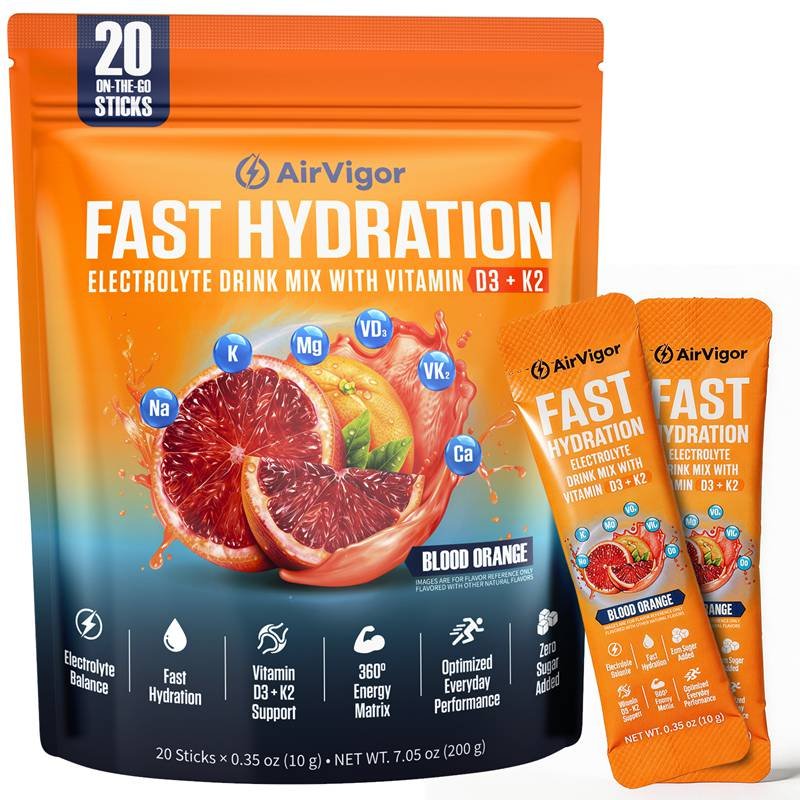
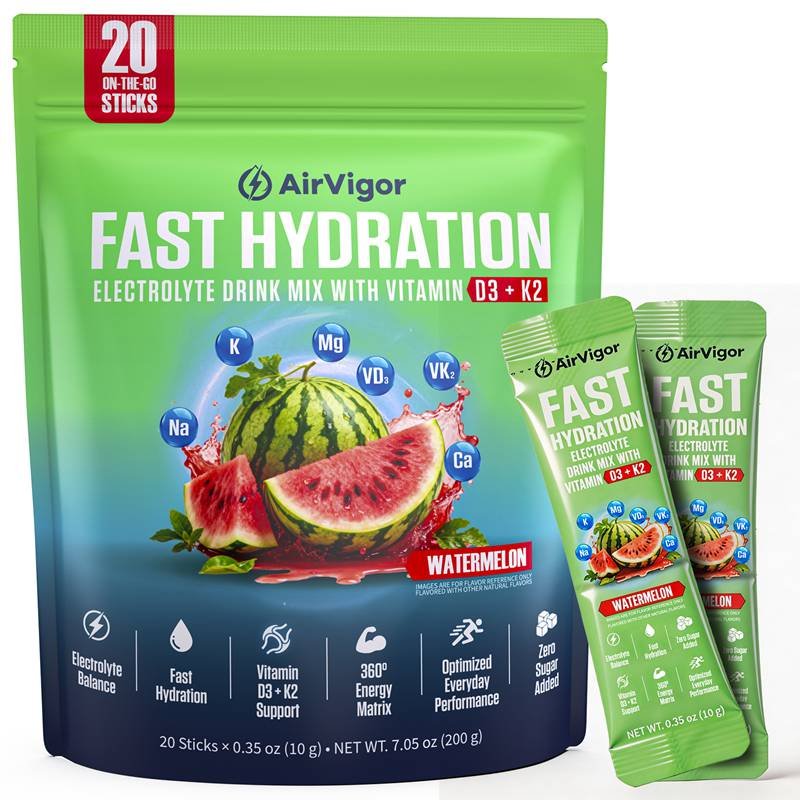
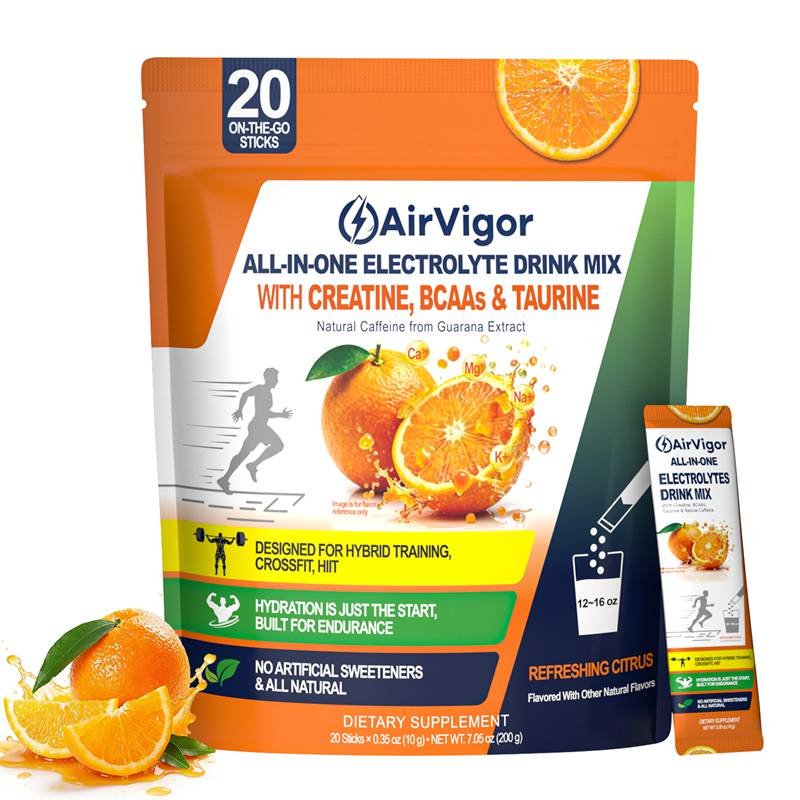
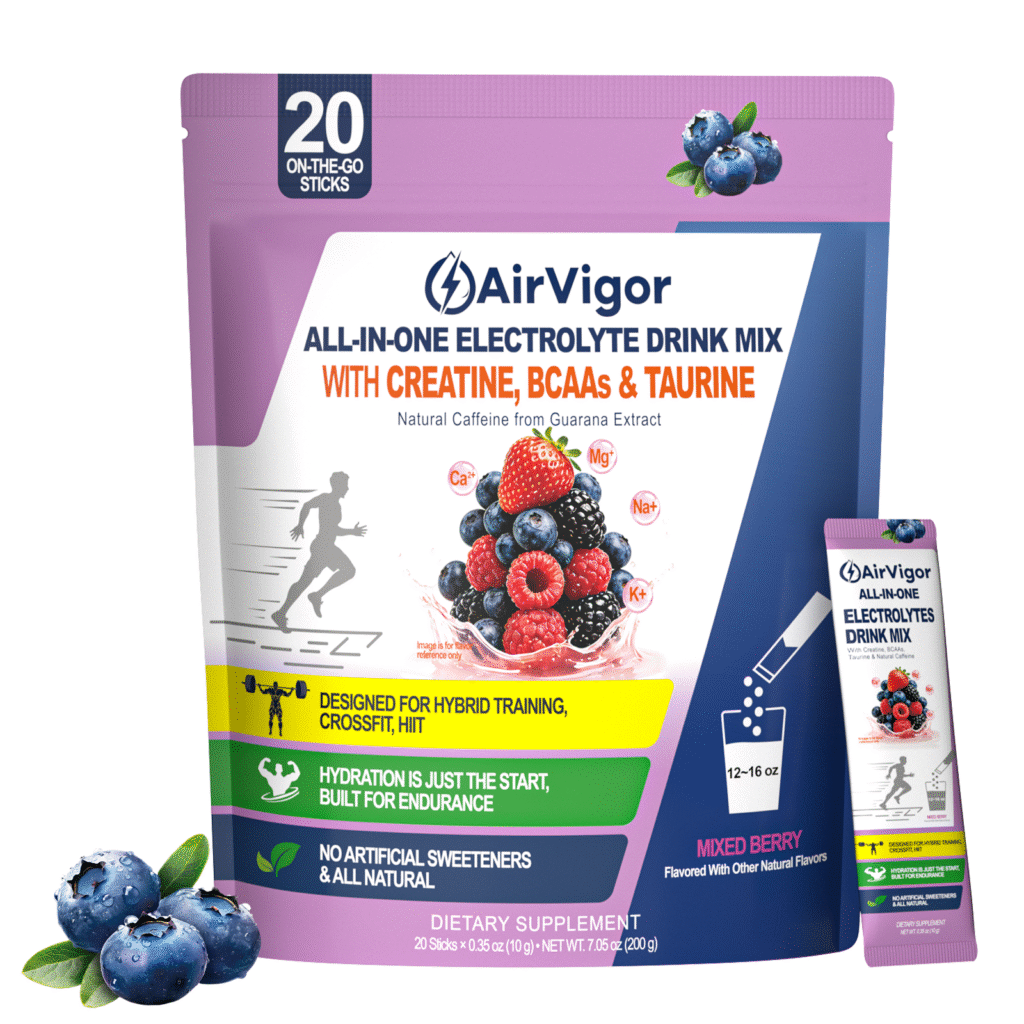
AirVigor can build stronger women’s hydration products by focusing on daily-use reality instead of vague wellness language. The strongest direction is not to make the formula sound softer. It is to make it sound more useful. A better product story begins with real occasions: active mornings, sweat-heavy workouts, long travel days, hot commutes, demanding work schedules, and daily hydration routines where women want something lighter and more portable than traditional sports drinks.
This matters commercially because many women’s hydration products still sound interchangeable. They use similar words — clean, balanced, refreshing, wellness, beauty, daily — without making the formula’s actual role much clearer. AirVigor can stand out by being more exact. One formula can be built for active and sweat-heavy use. Another can be lighter, lower in sugar, and more suited to proactive daily hydration. A stick-pack format can make portability and serving clarity part of the product advantage instead of an afterthought.
A positioning framework helps:
| Positioning style | How it reads | Strategic strength |
|---|---|---|
| “Wellness hydration for everyone” | Broad but generic | Lower |
| “Electrolyte Powder for Women’s Hydration in active, hot, and busy routines” | Clear and practical | Higher |
| “Lower-sugar daily hydration with portable support for real-life use” | Repeat-use friendly and modern | Higher |
That is where AirVigor can create stronger long-term value: not by sounding trendier, but by sounding more specific, more useful, and more trustworthy in the situations women actually care about.
Final Thoughts
Electrolyte powder can be good for women’s hydration, but only when the formula and the situation match. On ordinary days, water plus normal meals is often enough. In hotter conditions, during sweat-heavy exercise, during travel, during long active days, or when hydration routines become harder to maintain, electrolyte powder can become much more useful because it supports both fluid intake and mineral balance more directly.
That is why the best question is not simply whether women need electrolyte powder. The better question is when women’s hydration needs move beyond ordinary water-only conditions. A woman who reads the product through that lens is more likely to choose something that feels useful, repeatable, and worth trusting. And a brand that builds around that logic is more likely to create a women’s hydration line with real staying power.
Looking to Develop a Better Electrolyte Powder for Women’s Hydration?
If the goal is to develop a stronger women’s hydration product, the most important starting points are daily-use fit, electrolyte clarity, lower-sugar design, portable format, and use-case credibility. Those choices matter because modern women’s hydration is no longer only about sports recovery. It now includes workdays, heat, travel, exercise, and routines that demand more consistent hydration support without making the product feel heavy or unnecessary.
AirVigor can support both finished branded products and private-label or custom formulation projects. The strongest products in this category are the ones that solve a real hydration problem clearly, and that is exactly where a better-structured electrolyte powder for women’s hydration can create stronger long-term value.