Skip to content
Do You Really Need Electrolytes Every Day : A Simple Guide
# Your Trusted Dietary Supplement Brand In US
- Emily

Table of Contents
Most people know they should drink water, but fewer people know when water alone is enough. That is why daily electrolyte drinks have become so popular. You see them at the gym, in office drawers, on travel packing lists, and in morning wellness routines. The real question is not whether electrolytes are useful. The better question is whether your body actually needs extra electrolytes every day.
You do not need electrolytes every day in every situation. If you eat balanced meals, sweat very little, and spend most of your day indoors, plain water and food may cover your needs. Daily electrolytes make more sense when your routine includes heavy sweating, hot weather, long workouts, low-carb eating, travel, sauna use, or irregular meals.
Think about two people drinking the same bottle of water. One person sits in an air-conditioned office and eats normal meals. The other finishes a 60-minute workout, sweats through a shirt, then rushes to work with only coffee and a snack. Their hydration needs are not the same. This guide helps you understand which side you are closer to.
What Do Electrolytes Do in Your Body?
Electrolytes help your body move water, send signals, contract muscles, and stay steady during heat, sweat, exercise, and busy days. They are small minerals, but they affect how hydrated, balanced, and physically ready you feel.
How Electrolytes Move Water
Electrolytes help water stay in the right places instead of simply passing through your body.
Water does not work alone. After you drink it, your body still needs to move that fluid into blood, cells, muscle tissue, and the spaces around cells. Electrolytes help guide that movement. Sodium, potassium, and chloride are especially important because they influence how fluid shifts between different areas of the body.
This is why drinking more water is not always the full answer. If someone sweats heavily, drinks a large bottle of plain water, and still feels thirsty or flat, the issue may not be water intake alone. Sweat contains both fluid and minerals. Replacing only the fluid may help, but it may not fully support hydration balance after a hard session, hot shift, or long outdoor day.
For most calm indoor days, meals and water may be enough. The body can usually manage everyday hydration through normal eating and drinking. But when sweat loss increases, electrolyte needs can rise quickly.
| Daily Situation | What Happens in the Body | Why Electrolytes Matter |
|---|---|---|
| Sitting indoors | Low sweat loss, normal fluid needs | Food and water often cover needs |
| Light walking | Mild fluid loss | Water is usually enough |
| Hot yoga | Fast sweat loss in heat | Sodium and fluid replacement become more important |
| Long run or ride | Sustained sweat loss | Electrolytes help support hydration over time |
| Outdoor work | Repeated fluid loss across hours | Water plus electrolytes may be easier to maintain |
| Travel day | Dry air, less water, irregular meals | Electrolytes can help rebuild a routine |
The practical point is simple: hydration is not only about how much you drink. It is also about what your body is losing and whether your fluid intake matches that loss.
Why Sodium Matters in Sweat
Sodium is the main electrolyte people lose through sweat, especially during heat, workouts, and outdoor work.
Sodium often gets a bad reputation because many modern diets are high in salty processed foods. But in the body, sodium is essential. It supports normal fluid balance, nerve signaling, and muscle function. The key is not to avoid sodium completely. The key is to understand when your body loses more of it.
Sweat sodium loss varies a lot from person to person. Some people sweat lightly and lose modest amounts. Others are “salty sweaters” who leave white marks on shirts, hats, or leggings after training. These marks are not just cosmetic. They often show that the person is losing more sodium through sweat.
A common sweat sodium range is about 300–1,500 mg per liter of sweat, depending on genetics, heat, fitness level, diet, and sweat rate. That is a wide range, which explains why one person may feel fine after water while another needs a more structured electrolyte routine after the same class or workout.
| Sweat Clue | What It May Mean | Practical Hydration Move |
|---|---|---|
| Shirt barely damp | Low sweat loss | Water may be enough |
| Clothes soaked after training | Higher fluid loss | Add electrolytes after heavy sessions |
| White salt marks on clothing | Higher sodium loss | Choose a formula with clear sodium amount |
| Stinging sweat in eyes | Sweat may be saltier | Watch sodium replacement after long sessions |
| Strong thirst after water | Fluid balance may still be off | Try water plus electrolytes around sweat |
Sodium is most useful when the situation calls for it: long workouts, repeated sweat, hot weather, sauna use, or physical work in warm spaces. On low-sweat days, extra sodium may not be necessary, especially for people who already eat a high-sodium diet.
How Potassium Supports Muscles
Potassium works inside cells and helps support normal muscle and nerve function.
Potassium is one of the most important electrolytes for daily body function. While sodium plays a major role outside cells, potassium is concentrated mostly inside cells. This balance between sodium and potassium helps nerves send signals and helps muscles contract and relax normally.
Most people hear about potassium from bananas, but potassium is found in many foods: potatoes, beans, spinach, yogurt, avocado, oranges, tomatoes, and coconut water. A good diet is still the main foundation. An electrolyte drink can support intake during active or sweat-heavy moments, but it should not replace mineral-rich meals.
For active people, potassium matters because muscle function depends on proper electrical signaling. When the body is stressed by heat, sweat, or long movement, hydration and mineral balance become more noticeable. This does not mean potassium alone prevents cramps or fatigue. Muscle cramps can come from training load, poor recovery, low food intake, or overuse. But potassium is still part of the larger muscle-support picture.
| Food Source | Why It Helps Daily Electrolyte Intake |
|---|---|
| Potato | High potassium, easy to add to meals |
| Banana | Convenient snack before or after activity |
| Beans | Potassium plus carbohydrates and protein |
| Spinach | Potassium plus magnesium and plant nutrients |
| Yogurt | Potassium plus calcium and protein |
| Avocado | Potassium plus healthy fats |
| Tomato | Potassium plus fluid-rich nutrition |
A balanced electrolyte drink should make potassium easy to see on the label. Users should not have to guess whether it is included or how much they are getting per serving.
Where Magnesium and Calcium Fit
Magnesium and calcium support muscle, nerve, and daily wellness functions, but they should be included in sensible amounts.
Magnesium and calcium are sometimes treated like “extra” electrolytes, but both play real roles in the body. Magnesium supports muscle and nerve function and participates in hundreds of enzyme-related processes. Calcium supports bones, muscle contraction, and nerve signaling.
For daily electrolyte drinks, the goal is not to overload the formula with large mineral amounts. Magnesium can be useful, but too much at once may cause digestive discomfort for some people. Calcium can support overall mineral balance, but it is not always the main electrolyte lost through sweat. This is why formula design matters.
People who train often may pay closer attention to magnesium and calcium because they care about muscle comfort, recovery routines, and long-term nutrition. People who eat little dairy, leafy greens, nuts, seeds, or legumes may also be more aware of these minerals. Still, an electrolyte drink should be one part of a broader diet, not the only source.
| Mineral | Main Daily Role | Common Food Sources | What to Check in a Drink |
|---|---|---|---|
| Magnesium | Muscle and nerve function, enzyme support | Nuts, seeds, legumes, spinach, whole grains | Moderate amount, clear dosage |
| Calcium | Bone nutrition, muscle contraction, nerve signaling | Dairy, fortified drinks, tofu, leafy greens | Clear amount, not excessive |
| Sodium | Fluid balance, nerve signals | Salted foods, soups, electrolyte drinks | Amount should match sweat level |
| Potassium | Cell fluid balance, muscle function | Potatoes, bananas, beans, yogurt, greens | Included with clear mg value |
A strong daily electrolyte product does not need to look complicated. It should show the mineral profile clearly and match the reason people use it: hydration support after sweat, heat, activity, travel, or irregular routines.
Why Balance Matters More Than More
Electrolytes work best when the formula matches the person, the day, and the level of fluid loss.
More electrolytes do not automatically mean better hydration. A high-sodium product may be useful for someone sweating heavily in summer heat. The same product may be unnecessary for someone sitting indoors all day and eating salty meals. A low-sodium product may be fine for light daily use but may feel too weak after long training or outdoor work.
This is where many people get confused. They compare electrolyte drinks only by the biggest number on the label. But the better question is: what is the product designed for?
| Product Type | Better For | May Not Fit |
|---|---|---|
| Light daily electrolyte | Office, travel, mild activity, general hydration habits | Very heavy sweat sessions |
| Higher-sodium electrolyte | Hot weather, endurance, heavy sweaters, outdoor work | Low-sweat users with high-sodium diets |
| Sugar-free electrolyte | Daily use, low-carb routines, work, light training | Long endurance events needing carbs |
| Carb-containing sports drink | Long workouts, endurance fueling | Daily casual sipping |
| Mineral-only formula | Simple hydration support | Users wanting broader active recovery ingredients |
A good daily electrolyte should be easy to understand before buying. The label should clearly show sodium, potassium, magnesium, calcium, sugar, calories, serving size, and suggested use. Hidden blends make it harder for people to judge whether the product fits their routine.
For someone asking, “Do I need electrolytes every day?” the answer starts here: look at your sweat, heat exposure, activity level, diet, and how you feel after drinking plain water. If your day creates real fluid and mineral loss, electrolytes can be helpful. If your day is calm and your meals are balanced, water may already be enough.
Do You Really Need Electrolytes Daily?
You may need electrolytes daily if your routine includes heavy sweating, hot weather, frequent workouts, sauna use, low-carb eating, travel, or irregular meals. If your day is mostly indoors and your diet is balanced, water and food may be enough.
When Water Is Enough
Plain water works well on low-sweat days when meals are steady and your body is not losing many minerals.
Many people do not need an electrolyte drink every single day. If you spend most of your time indoors, eat regular meals, and do light activity, your body usually gets enough electrolytes from food. Sodium comes from salt and many cooked foods. Potassium comes from fruits, vegetables, potatoes, beans, yogurt, and leafy greens. Magnesium comes from nuts, seeds, grains, legumes, and vegetables.
That does not mean electrolytes are useless. It means your need depends on the day. A calm workday, a short walk, or a rest day is very different from a hot-weather run or a sweat-heavy gym session. On easier days, water may hydrate well without extra minerals.
The easiest way to decide is to look at sweat, heat, food, and thirst. If you ate normally, did not sweat much, and felt fine with water, extra electrolytes may not be necessary. This is especially true for people who already eat salty foods or restaurant meals often.
| Daily Situation | Usually Enough? | Why |
|---|---|---|
| Office day with regular meals | Water may be enough | Low sweat and steady mineral intake |
| Rest day from training | Water may be enough | No major fluid loss |
| Short walk under 30 minutes | Water may be enough | Sweat loss is usually light |
| Cool-weather errands | Water may be enough | Heat stress is low |
| Balanced home-cooked meals | Food supports electrolytes | Minerals come from normal diet |
For these situations, a simple routine works well: drink water when thirsty, eat balanced meals, and add electrolytes only when your day becomes more demanding.
When Daily Electrolytes Help
Daily electrolytes make more sense when sweat, heat, workouts, travel, or irregular meals show up often.
Electrolytes become more useful when your daily routine causes repeated fluid and mineral loss. This is common for people who train several times per week, sweat heavily, work outdoors, use saunas, take hot yoga classes, or spend long hours in warm environments. In these situations, hydration is not only about drinking more water. The body may also need minerals lost through sweat.
A person doing one light workout may not need much extra support. A person doing HIIT five days a week, running in summer heat, or working outside for six hours has a different need. The more often sweat happens, the more important it becomes to build a repeatable hydration habit.
Daily electrolytes can also help people who forget to drink enough water. A lightly flavored electrolyte drink may make water easier to finish, especially during busy workdays or travel. In this case, the value is both mineral support and better drinking consistency.
| Lifestyle Pattern | Daily Electrolytes May Help? | Best Use Time |
|---|---|---|
| 4–6 sweaty workouts weekly | Yes, often useful | Before or after training |
| Hot yoga or sauna several times weekly | Yes, often useful | After sweating |
| Outdoor work in warm weather | Yes, often useful | During the workday |
| Frequent flights or travel | Sometimes useful | Travel days and hotel routines |
| Low-carb eating | Sometimes useful | Morning or around workouts |
| Mostly indoor and low activity | Not always needed | Use only after sweat or heat |
Daily use does not have to mean every morning no matter what. A better routine is flexible: use electrolytes on demanding days and skip them when water and food are clearly enough.
How Sweat Changes Needs
Sweat loss is the biggest reason some people need electrolytes more often than others.
Sweat contains water and minerals. Sodium and chloride are the main electrolytes lost through sweat, while potassium, magnesium, and calcium are lost in smaller amounts. The amount varies widely. Some people barely sweat during exercise. Others soak through clothing and leave white salt marks on shirts, hats, or leggings.
This is why two people can take the same fitness class and feel different afterward. One may recover well with plain water. The other may feel thirsty, heavy, or drained because their sweat loss was higher. Body size, heat, humidity, workout intensity, clothing, fitness level, and personal sweat rate all change electrolyte needs.
Heavy sweaters may notice a few clear signs:
- Clothes become soaked during workouts or work shifts
- White salt marks appear on dark clothing
- Sweat tastes very salty or stings the eyes
- Thirst continues after drinking plain water
- Energy feels lower after hot or sweaty days
These signs do not prove a deficiency, but they do suggest that water alone may not be matching the situation. A measured electrolyte drink can help support a more complete hydration routine after sweat-heavy activity.
| Sweat Level | Common Signs | Electrolyte Need |
|---|---|---|
| Light sweat | Skin slightly damp, no salt marks | Water is often enough |
| Moderate sweat | Shirt damp, thirst after activity | Electrolytes may help after activity |
| Heavy sweat | Clothes soaked, strong thirst | Electrolytes often make more sense |
| Salty sweat | White marks, stinging eyes | Sodium replacement may be more important |
| Repeated sweat | Training or heat exposure most days | A daily routine may be useful |
If sweat is rare, electrolytes can be occasional. If sweat is part of your normal week, a daily electrolyte plan becomes more practical.
What Diet Already Provides
Food is still the main source of electrolytes, so daily supplements should fill gaps rather than replace meals.
Many people forget that electrolytes are not only found in powders and drinks. Everyday foods provide them. A normal meal with vegetables, protein, grains, dairy, beans, or lightly salted foods can supply meaningful amounts of sodium, potassium, magnesium, calcium, and chloride.
For example, potatoes, bananas, beans, yogurt, spinach, tomatoes, avocado, nuts, seeds, and soups can all support electrolyte intake. This is why a person with balanced meals may not need an electrolyte drink every day. Their diet already provides a steady base.
The problem starts when meals become irregular. Busy people often run on coffee, snacks, protein bars, takeout, or skipped meals. Travelers may eat late and drink less water. Low-carb users may reduce foods that previously supplied fluid and minerals. Athletes may sweat more than their meals replace in the short term.
| Food Source | Key Electrolytes | Why It Matters |
|---|---|---|
| Banana | Potassium | Easy snack before or after activity |
| Potato | Potassium | Strong everyday mineral source |
| Yogurt | Potassium, calcium | Supports minerals plus protein |
| Spinach | Potassium, magnesium | Useful for daily meals |
| Beans | Potassium, magnesium | Good for active users and meal prep |
| Nuts and seeds | Magnesium | Helpful for daily mineral intake |
| Soup or broth | Sodium, chloride | Useful when sweat or appetite changes |
Electrolyte drinks work best when they support a real gap. They should not become a replacement for fruits, vegetables, protein, and complete meals. A strong hydration routine includes both: food as the foundation, electrolytes as support when the day demands more.
Who Should Be Careful
Daily electrolytes are not ideal for everyone, especially when sodium or mineral intake needs closer control.
Some people should be more careful with daily electrolyte drinks. This includes people with kidney concerns, heart conditions, high blood pressure, fluid restriction, or those taking medications that affect sodium, potassium, or fluid balance. These users should ask a healthcare professional before adding electrolyte supplements regularly.
Even healthy users should avoid the idea that more is always better. A high-sodium electrolyte product may be useful for heavy sweat, but unnecessary for a low-sweat person who already eats salty meals. A magnesium-heavy formula may bother the stomach for some users. A potassium-containing product may not be appropriate for people with certain medical conditions or medications.
The safer approach is to match the formula to your real routine. Read the label. Check sodium, potassium, magnesium, sugar, calories, and serving size. Do not use multiple electrolyte products at once unless you know what each one contributes.
| User Situation | What to Watch |
|---|---|
| High blood pressure | Sodium level per serving |
| Kidney concerns | Potassium, magnesium, and total minerals |
| Low-sweat lifestyle | Unnecessary daily sodium intake |
| High-sodium diet | Extra sodium may not be needed |
| Sensitive stomach | Magnesium type and amount |
| Multiple supplements | Overlapping minerals from different products |
For most healthy active adults, a clear and moderate electrolyte formula can fit well around sweat, heat, and training. For people with health concerns, daily use should be discussed with a clinician.
Who Should Take Electrolytes More Often?
People who sweat often, train regularly, work in heat, travel frequently, use saunas, or follow low-carb diets may need electrolytes more often. The real reason is simple: they lose more fluid, eat less consistently, or need a more reliable hydration routine.
Active People and Heavy Sweaters
Frequent training increases sweat loss, and heavy sweaters may lose more sodium than water alone can replace.
Exercise is one of the most common reasons people use electrolytes. A short walk or light stretching session usually does not create much mineral loss. But repeated gym sessions, running, cycling, HIIT, CrossFit, tennis, basketball, boxing, hot yoga, and long hikes can change the picture.
The more you sweat, the more your hydration needs shift. Sweat is mostly water, but it also contains sodium, chloride, and smaller amounts of potassium, magnesium, and calcium. Sodium is usually the biggest concern because sweat sodium loss can vary widely between people. Some athletes lose only a modest amount. Others lose enough to see white salt marks on hats, shirts, or leggings.
This is why two people can finish the same 60-minute class and feel completely different afterward. One person may feel fine with water. Another may feel thirsty, heavy, slow, or drained even after drinking. The difference may come from sweat rate, sodium loss, fitness level, body size, heat, and what they ate before training.
| Training Situation | Electrolyte Need | Practical Use |
|---|---|---|
| Light workout under 30 minutes | Usually low | Water is often enough |
| Strength training with light sweat | Low to moderate | Use electrolytes if meals or fluids were low |
| HIIT or CrossFit | Moderate to high | Use before or after training |
| Long run or cycling session | Higher | Use before, during, or after depending on duration |
| Hot yoga or sauna workout | Higher | Use after sweating to support rehydration |
| Two workouts in one day | Higher | Use between sessions and after training |
Heavy sweaters may benefit most from a consistent electrolyte routine. These users often notice:
- Clothes become soaked during workouts
- White salt marks appear after drying
- Sweat tastes very salty
- Eyes sting from sweat
- Thirst remains after plain water
- Performance drops late in long sessions
For active users, electrolytes are not about chasing a dramatic feeling. They are about making hydration more stable so training feels easier to repeat.
Outdoor Workers and Hot Weather
People who work or spend long hours in heat may need electrolytes because sweat loss continues for hours.
Heat changes hydration needs faster than most people expect. When the body gets hot, it sweats to cool down. If that heat exposure lasts for several hours, fluid and sodium loss can build up even without a formal workout.
This matters for construction workers, landscapers, delivery drivers, warehouse staff, event workers, lifeguards, farm workers, roofers, kitchen staff, and people who work in garages or non-air-conditioned spaces. These users are not always thinking about “sports hydration.” They are trying to get through a physical day without feeling drained, dizzy, overly thirsty, or exhausted.
Water should still be the base. But during long heat exposure, water alone may not always feel complete, especially if the person is sweating heavily and meals are delayed. A measured electrolyte drink can help support fluid balance and make regular drinking easier.
| Work or Heat Setting | Why Electrolytes May Help | Better Timing |
|---|---|---|
| Construction site | Long heat exposure and sweat | During breaks and after shift |
| Landscaping | Continuous movement outdoors | Mid-shift and after work |
| Delivery routes | Heat plus limited water breaks | Before route and during breaks |
| Warehouse work | Warm indoor environment | During long shifts |
| Outdoor sports coaching | Sun exposure and standing for hours | Before and during activity |
| Summer travel or theme parks | Walking, heat, irregular meals | Midday and after heavy sweating |
The biggest risk in hot weather is waiting too long. Thirst often appears after the body is already behind. For hot days, a better routine is planned hydration: water throughout the day, electrolytes around heavy sweat, food when possible, shade breaks, and attention to early warning signs.
A daily electrolyte packet can be useful because it is simple to carry. For workers or travelers, the best product is not the most complicated one. It is the one they can actually use when the day becomes hot.
Travelers and Busy Professionals
Travel and long workdays often cause low water intake, skipped meals, dry air, and poor hydration timing.
Travel hydration is different from workout hydration. The problem is not always heavy sweat. It is broken routine. People drink less before flights to avoid restroom stops. They rely on coffee. They eat salty airport or restaurant food. They sit in dry cabin air. They arrive late, sleep poorly, and wake up feeling dry or tired.
Busy professionals face a similar issue. A person may start with coffee, take calls for four hours, miss lunch, drink very little water, and then wonder why they feel flat by late afternoon. In these cases, electrolytes can help create a more intentional hydration habit.
Electrolyte packets work especially well for travel and work because they are small and pre-measured. A bottle of sports drink is bulky. A tub of powder is not travel-friendly. A packet can fit in a laptop bag, purse, backpack, suitcase, desk drawer, or car console.
| Daily Scenario | Common Hydration Problem | How Electrolytes Fit |
|---|---|---|
| Long flight | Dry air and low water intake | Use after landing or during travel |
| Road trip | Less drinking to avoid stops | Use with planned water breaks |
| Office day | Coffee replaces water | Use as afternoon hydration support |
| Back-to-back meetings | Meals and water get delayed | Keep packets at the desk |
| Business travel | Restaurant meals and irregular sleep | Use in the morning or after workouts |
| Hotel gym workout | Sweat plus travel fatigue | Use after training |
This group may not need electrolytes every day at home. But on travel days, long workdays, or days with missed meals, they may notice the difference more. The value is not only mineral replacement. It is making hydration easier to remember.
Low-Carb and Keto Users
Low-carb eating may change water and sodium balance, especially during the first weeks of diet change.
People following low-carb or keto-style diets often search for electrolytes because they notice changes in thirst, water weight, energy, or muscle comfort. When carbohydrate intake drops, stored glycogen usually decreases. Glycogen holds water, so some people lose more water early in the transition. As fluid balance shifts, sodium and other minerals may become more noticeable.
This does not mean every low-carb user needs large amounts of electrolytes. It means they should pay closer attention to sodium, potassium, and magnesium intake, especially if they are also exercising, sweating, or eating fewer mineral-rich foods.
A low-carb user may benefit from electrolytes if they experience:
- Thirst that feels stronger than usual
- Headache during early diet changes
- Heavy legs during workouts
- Lower workout tolerance
- Salt cravings
- Muscle tightness after sweating
- Low intake of fruits, beans, grains, or dairy
For this group, sugar-free electrolyte drinks are often preferred because they fit the diet better. But the label still matters. The product should show clear sodium, potassium, and magnesium amounts. A “keto hydration blend” without visible dosages is harder to judge.
| Low-Carb Situation | Electrolyte Concern | Practical Choice |
|---|---|---|
| First 1–3 weeks of low-carb eating | Water and sodium balance may shift | Use clear electrolyte support |
| Low-carb plus exercise | Sweat loss adds to mineral needs | Use around workouts |
| Low vegetable intake | Potassium and magnesium may be lower | Improve food plus supplement support |
| Low-carb plus travel | Meals and fluids become irregular | Carry sugar-free packets |
| Low-carb plus sauna or hot yoga | Heavy sweat increases need | Use after sweating |
Electrolytes can help low-carb users build a steadier routine, but they should still focus on whole foods, adequate protein, vegetables, and sensible mineral intake.
Sauna, Hot Yoga, and Wellness Routines
Heat-based routines can create heavy sweat even when the activity does not feel intense.
Saunas, steam rooms, hot yoga, heated Pilates, and infrared wellness sessions can produce major sweat loss. The tricky part is that these activities may not feel like traditional exercise. A person may be standing, stretching, or sitting, but the body is still sweating to cool itself.
This is why some people feel light, thirsty, or tired after a heat-based session. They may assume they only need water, but if sweat loss is high, electrolytes may help support a more complete rehydration routine.
Hot yoga users are a good example. A 60–90 minute class in a heated room can leave towels soaked and clothing heavy. If someone goes to class several times per week, electrolytes may be useful after class or during recovery. Sauna users may also benefit, especially if they combine sauna with training.
| Heat-Based Routine | Sweat Level | Electrolyte Use |
|---|---|---|
| Short sauna session | Light to moderate | Water may be enough |
| Long sauna session | Moderate to high | Electrolytes may help after |
| Hot yoga class | Often high | Use after class |
| Heated Pilates | Moderate to high | Use based on sweat level |
| Workout plus sauna | High | Electrolytes often make sense |
| Multiple heat sessions weekly | Repeated loss | Consider a routine |
For these users, taste matters. A heavy, sweet drink may not feel good after heat. A light electrolyte powder that mixes quickly into cold water is usually easier to drink.
Older Adults and Irregular Eaters
People with lower appetite, irregular meals, or inconsistent drinking habits may need more careful hydration support.
As people get older, thirst signals may become less reliable. Some older adults drink less because they do not feel thirsty, do not want frequent bathroom trips, or eat smaller meals. Others take medications or follow dietary restrictions that affect fluid and mineral balance. This does not mean all older adults should take electrolytes daily, but hydration habits deserve more attention.
Irregular eaters also fall into this category. Someone who skips breakfast, eats a small lunch, and drinks coffee most of the day may not get a steady supply of minerals. A person under stress may forget water and meals. A busy parent may spend all day caring for others and only realize at night that they barely drank anything.
Electrolytes may be useful when they help rebuild a simple routine. But this group should be more cautious with sodium, potassium, and magnesium, especially if they have health conditions or take medications.
| User Situation | Possible Issue | Better Approach |
|---|---|---|
| Lower appetite | Less mineral intake from food | Improve meals first, use electrolytes carefully |
| Skipped meals | Inconsistent sodium and potassium intake | Pair hydration with food |
| Older adult with low thirst | Drinks too little during day | Scheduled water, clinician guidance if needed |
| Medication use | Minerals may need control | Ask healthcare provider |
| Busy caregiving schedule | Hydration gets forgotten | Keep easy packets nearby |
| Stress-heavy workdays | Coffee replaces water | Use structured hydration breaks |
For healthy adults with busy or irregular schedules, electrolyte drinks can be helpful. For older adults or people with medical concerns, regular use should be discussed with a healthcare professional.

What Are Signs You May Need Electrolytes?
You may need electrolytes when thirst, heavy sweating, cramps, headache, or fatigue show up after heat, workouts, travel, sauna, or long active days. These signs do not prove a deficiency, but they can show your hydration routine needs more than plain water.
Thirst After Drinking Water
When water does not satisfy thirst after sweat or heat, your body may need both fluid and minerals.
Thirst is usually the first sign people notice. But not all thirst feels the same. Normal thirst after a salty meal or morning coffee may improve with plain water. Thirst after a long workout, hot yoga class, summer hike, or outdoor work shift can feel different. You may drink a full bottle and still feel dry, flat, or not fully recovered.
This happens because sweat removes both water and electrolytes. Sodium is especially important because it helps the body manage fluid balance. If sweat loss is high, replacing only water may not feel complete. Some people also urinate more after drinking large amounts of plain water, which makes them feel like water is “not staying in.”
A practical example: if you finish a 60–90 minute workout, sweat heavily, drink 20–30 oz of water, and still feel thirsty within an hour, electrolytes may be worth adding next time. This does not mean you need them every day. It means that specific type of day created a stronger hydration need.
| What You Feel | Common Context | What It May Mean |
|---|---|---|
| Thirst improves quickly with water | Normal indoor day, light activity | Water may be enough |
| Thirst returns soon after water | Heavy sweat, hot weather, sauna | Electrolytes may help |
| Dry mouth after travel | Flight, low water intake, dry air | Rebuild fluid routine |
| Thirst plus salty sweat marks | Hard training, outdoor work | Sodium loss may be higher |
| Thirst every day without clear reason | No sweat or heat connection | Consider broader health factors |
If thirst is extreme, constant, or paired with unusual symptoms, do not treat it as a simple electrolyte issue. Daily electrolyte drinks are useful for lifestyle hydration support, but persistent thirst should be taken seriously.
Heavy Sweat and Salt Marks
Soaked clothing, white salt marks, or stinging sweat can show that mineral loss is higher than usual.
Sweating is not the problem. Sweating is how the body cools itself. The important question is how much you sweat and how salty your sweat appears to be. Some people finish exercise with slightly damp skin. Others soak through shirts, leave white salt lines on dark clothing, or feel sweat sting their eyes.
Sweat sodium loss varies widely. Many active adults may lose roughly 0.5–2.0 liters of sweat per hour during hard exercise or hot conditions. Sweat sodium can range from about 300–1,500 mg per liter depending on the person, climate, fitness level, diet, and intensity. That means two people doing the same workout can have very different electrolyte needs.
You do not need a lab test to notice basic patterns. If your hat, shirt, or leggings dry with white marks, your sweat may contain more sodium. If your clothes are soaked after every workout, your fluid loss is higher. If both happen often, plain water may not always be enough after those sessions.
| Sweat Clue | What It Suggests | Better Hydration Move |
|---|---|---|
| Slight sweat, no salt marks | Low fluid and mineral loss | Water usually works |
| Shirt damp after exercise | Moderate sweat loss | Electrolytes optional |
| Clothes soaked through | Higher fluid loss | Add electrolytes around activity |
| White marks on clothing | Higher sodium loss | Choose clear sodium content |
| Sweat stings eyes often | Saltier sweat may be present | Replenish after hard sessions |
| Heavy sweat several days weekly | Repeated mineral loss | Build a consistent routine |
For heavy sweaters, timing matters. Waiting until you feel drained may be too late. A better approach is to drink water before activity, use electrolytes after heavy sweat, and adjust based on heat, workout duration, and how your body feels afterward.
Cramps or Heavy Legs
Cramps and heavy legs may be linked to sweat loss, but they can also come from training fatigue or poor recovery.
Muscle cramps are one of the most common reasons people search for electrolytes. The connection makes sense because sodium, potassium, calcium, and magnesium all support normal muscle and nerve function. When the body is stressed by heat, sweat, and repeated movement, mineral balance may become more noticeable.
But cramps are not always caused by electrolyte loss. A runner may cramp because mileage increased too fast. A gym user may feel heavy legs after a new squat routine. A cyclist may feel tight because of long repetitive movement. Poor sleep, low food intake, low carbohydrates, dehydration, and muscle fatigue can all play a role.
This is why the timing of cramps matters. If cramps or heavy legs show up after hot workouts, long sessions, or sweat-heavy days, electrolytes may help support the hydration side of recovery. If cramps happen randomly, at rest, or very frequently, it is worth looking beyond hydration.
| Muscle Signal | Likely Context | Electrolyte Role |
|---|---|---|
| Heavy legs after long run | Sweat plus muscle fatigue | May help with hydration recovery |
| Cramps during hot workout | Heat, fluid loss, fatigue | Electrolytes may support routine |
| Tightness after new training | Muscle overload | Recovery and training plan matter |
| Night cramps after heavy sweat | Possible fluid/mineral loss | Review hydration and meals |
| Frequent cramps without sweat | Unclear cause | Look beyond electrolytes |
A more complete recovery routine should include:
- Water and electrolytes after heavy sweat
- A meal or snack with protein and carbohydrates
- Stretching or light movement after intense sessions
- Enough sleep before the next workout
- A slower training increase if cramps started after a new program
Electrolytes can support normal muscle function, but they should not be treated as the only solution for every cramp.
Headache After Heat
A headache after sun, heat, or heavy sweating can be a sign your hydration plan fell behind.
Headaches after hot weather are common enough that many people ignore them, but they are worth paying attention to. If a headache appears after outdoor work, a summer run, a long hike, a sports tournament, a theme park day, or a hot yoga class, hydration may be part of the problem.
Heat increases sweat loss. Sweat loss reduces body fluid. If you also drink coffee, skip meals, or delay water, the body may fall behind. In that situation, plain water can help, but electrolytes may be useful when sweat loss has been heavy.
The pattern matters. A headache during a calm indoor day may have nothing to do with electrolytes. A headache that follows several hours in heat, soaked clothing, and low fluid intake is more clearly connected to hydration stress.
| Headache Timing | More Likely Hydration-Related? | What to Do Next Time |
|---|---|---|
| After outdoor work in heat | More likely | Start hydration earlier |
| After hot yoga or sauna | More likely | Use water plus electrolytes after |
| After a long flight | Sometimes | Rehydrate steadily after landing |
| After a salty restaurant meal | Sometimes | Water first, electrolytes if needed |
| Random morning headache | Unclear | Check sleep, caffeine, stress, hydration |
| Severe headache with confusion or weakness | Concerning | Seek medical help |
If heat-related symptoms include dizziness, confusion, fainting, vomiting, rapid heartbeat, or unusual weakness, this is not a normal “just drink electrolytes” situation. Get out of the heat, cool down, and seek medical care if symptoms are serious.
Fatigue After Sweating
Feeling unusually drained after sweat can mean fluid, minerals, food, or rest did not keep up with your day.
It is normal to feel tired after a hard workout or hot day. The body worked. Muscles used energy. Sweat helped control temperature. But if you feel unusually flat, slow, foggy, weak, or heavy after sweating, your hydration routine may need attention.
A common pattern looks like this: morning coffee, little food, hard workout, lots of sweat, plain water only, then fatigue for the rest of the day. In that case, electrolytes may help, but they are not the whole answer. The body may also need calories, protein, carbohydrates, cooling time, and sleep.
Electrolytes are most useful when fatigue has a clear sweat or heat connection. For example, if you feel normal on rest days but drained after hot workouts, hydration support may be worth adjusting. If you feel tired every day even without sweating, the cause may be unrelated to electrolytes.
| Fatigue Pattern | Possible Reason | Better Routine |
|---|---|---|
| Tired after hot workout | Sweat and fluid loss | Water plus electrolytes after training |
| Tired after sauna | Heat-driven sweat loss | Rehydrate slowly afterward |
| Tired after flight | Dry air, low water, poor sleep | Use hydration plan after landing |
| Tired after skipped meals | Low food intake | Eat first, then hydrate |
| Tired every afternoon | Sleep, stress, caffeine, meals | Review whole routine |
| Tired daily without clear trigger | Not clearly electrolyte-related | Consider professional guidance |
A useful post-sweat routine is simple: drink water, add electrolytes when sweat is heavy, eat a real meal or snack, and cool down before rushing into the next task. For many people, this works better than drinking random water all day with no structure.
Dark Urine or Low Urination
Urine color and frequency can offer clues, but they are not perfect hydration tests.
Many people use urine color to judge hydration. Pale yellow often suggests better fluid intake, while dark yellow may suggest the body needs more fluid. Low urination across many hours can also mean you are not drinking enough. These clues can be useful, especially during travel, hot weather, or long work shifts.
But urine color is not a perfect test. Vitamins, supplements, medications, coffee, food pigments, and timing can change color. Bright yellow urine after a B-vitamin product does not always mean dehydration. Clear urine all day may also mean a person is drinking a lot of plain water, but not necessarily replacing minerals after sweat.
The better approach is to combine urine clues with real context. Were you sweating? Was it hot? Did you drink mostly coffee? Did you skip meals? Did you urinate much less than usual? Did you feel thirsty or tired?
| Urine Clue | What It May Suggest | What to Check |
|---|---|---|
| Pale yellow | Often good fluid intake | Continue normal routine |
| Dark yellow after heat | More fluid may be needed | Add water and consider electrolytes |
| Very little urination | Low fluid intake possible | Drink steadily |
| Clear urine all day | High water intake | Check if electrolytes are needed after sweat |
| Bright yellow after vitamins | May be vitamin-related | Do not judge by color alone |
Urine should not be the only guide. It is one piece of the picture. Sweat, thirst, heat, meals, activity, and how you feel all matter.
How Do You Choose a Daily Electrolyte?
Choose a daily electrolyte by checking sodium, potassium, sugar, serving size, taste, portability, and label clarity. A good formula should match your sweat level, lifestyle, and diet instead of giving you unnecessary minerals or hidden dosages.
Start With Your Real Need
The right electrolyte depends on why you are using it, not only what the front label says.
Before comparing brands, first ask what problem you want the electrolyte drink to solve. A person using electrolytes after hot yoga does not have the same need as someone sipping a light drink at an office desk. A runner training in summer heat does not need the same formula as a traveler trying to drink more water during flights.
The biggest mistake is choosing the strongest-looking formula without thinking about the situation. More sodium may be useful for heavy sweaters, outdoor workers, and endurance users. But for low-sweat users who already eat salty meals, that same formula may be more than they need. A very light electrolyte may be fine for casual daily hydration, but may not feel enough after 90 minutes of sweating.
| Main Reason for Use | Better Formula Direction | What to Watch |
|---|---|---|
| Daily office hydration | Light to moderate electrolytes | Avoid too much sodium |
| Heavy gym training | Higher sodium with potassium | Check sweat level and timing |
| Hot yoga or sauna | Sodium-focused hydration support | Use after heavy sweat |
| Outdoor work | Clear sodium and serving control | Avoid overly sweet drinks |
| Travel | Portable, light taste, easy mix | Packets are easier than tubs |
| Low-carb routine | Sugar-free, clear minerals | Check sodium, potassium, magnesium |
| Long endurance training | Electrolytes plus possible carbs | Sugar-free may not always be enough |
A daily electrolyte should feel matched to the day. If you sweat hard, choose stronger support. If your day is calm, choose lighter support or use plain water.
Check Sodium First
Sodium is the main electrolyte lost through sweat, so the amount per serving matters.
Sodium is often the first number worth checking on an electrolyte label. Sweat contains more sodium than most other minerals, which is why people who sweat heavily often benefit from sodium-containing electrolyte drinks. If a product claims strong hydration support but has almost no sodium, it may be better suited for light daily use rather than heavy sweat.
That does not mean everyone needs a high-sodium formula every day. A person who eats restaurant food, packaged snacks, cured meats, instant noodles, salty sauces, or frozen meals may already consume plenty of sodium. For that person, extra sodium should be used more carefully and mainly around sweat-heavy days.
A useful way to think about sodium:
| Sodium Per Serving | Better For | May Not Fit |
|---|---|---|
| Under 100 mg | Light flavor, casual sipping | Heavy sweaters or hot workouts |
| 100–300 mg | Daily hydration, light workouts | Very long sweat-heavy sessions |
| 300–600 mg | Training, heat, active work | Low-sweat users with salty diets |
| 600 mg+ | Endurance, heavy sweat, hot conditions | Daily casual use for many people |
If you see white salt marks on clothing, sweat heavily, or feel thirsty after plain water, sodium may matter more. If you barely sweat and eat salty foods often, a lower-sodium option may be more reasonable.
Look for Potassium Balance
Potassium supports fluid balance inside cells and helps muscles and nerves work normally.
Potassium is another key electrolyte to look for. While sodium helps manage fluid outside cells, potassium is more concentrated inside cells. This balance supports normal muscle function, nerve signaling, and daily body function.
Many people do not get enough potassium-rich foods consistently, especially if they eat few fruits, vegetables, beans, potatoes, yogurt, or leafy greens. A daily electrolyte drink can add some potassium, but food should still be the base. Electrolyte powders usually provide a modest amount compared with whole foods.
| Potassium Source | Approximate Daily Value for Users | Why It Helps |
|---|---|---|
| Potato | Strong food-based potassium source | Good with meals after training |
| Banana | Easy snack option | Convenient before or after activity |
| Beans | Potassium plus magnesium | Useful for meal prep |
| Yogurt | Potassium plus calcium and protein | Good recovery pairing |
| Spinach | Potassium plus magnesium | Easy in salads or smoothies |
| Avocado | Potassium plus healthy fats | Fits low-carb meals |
A good electrolyte label should show potassium clearly in milligrams. If the product hides potassium inside a blend, it becomes harder to compare. For daily use, clear numbers build more trust than dramatic wording.
Decide If You Need Magnesium and Calcium
Magnesium and calcium can support muscle and nerve function, but the amounts should stay sensible.
Magnesium and calcium are helpful electrolytes, but they should not be added randomly in very high amounts. Magnesium supports muscle and nerve function and is involved in many body processes. Calcium supports muscle contraction, nerve signaling, and bone nutrition.
For daily electrolyte drinks, moderate amounts are usually easier to tolerate. Too much magnesium at once may cause digestive discomfort for some people. Too much calcium may not be necessary in a hydration drink if the user already gets enough from food or other supplements.
| Mineral | Why It May Help | Better Label Practice |
|---|---|---|
| Magnesium | Muscle and nerve support, wellness routines | Clear mg amount, moderate serving |
| Calcium | Muscle contraction and bone nutrition | Clear amount, not excessive |
| Sodium | Main sweat electrolyte | Match amount to sweat level |
| Potassium | Cell fluid and muscle support | Show mg clearly |
People who train often, sweat often, or eat limited diets may appreciate magnesium and calcium in an electrolyte formula. But the product should still be easy to understand. A clean label is not about having fewer ingredients only. It is about knowing exactly what each ingredient contributes.
Watch the Sugar Level
For daily hydration, sugar-free or low-sugar electrolytes often fit better than heavy sports drinks.
Sugar is one of the biggest differences between daily electrolyte powders and traditional sports drinks. Some sports drinks contain sugar because long endurance activity may require carbohydrates. That can make sense for marathon training, long rides, team sports, or extended activity.
But for daily hydration, office use, travel, hot yoga, low-carb routines, or light workouts, many people do not want extra sugar. A sugary drink can add calories quickly and may feel too heavy when the user simply wants hydration support.
| Drink Type | Better For | Main Concern |
|---|---|---|
| Sugar-free electrolyte | Daily use, low-carb, office, travel | Taste quality matters |
| Low-sugar electrolyte | Light training, daily hydration | Check sweetener and calories |
| Sports drink with sugar | Long endurance or hard team sports | Not ideal for casual daily use |
| Juice-based drink | Taste and quick carbs | Sugar can be high |
| Plain water | Calm indoor days | No mineral replacement after heavy sweat |
A practical rule: if you are drinking electrolytes mainly for daily hydration, choose low sugar or sugar-free. If you are exercising hard for a long time and also need fuel, carbohydrates may have a place. The formula should fit the moment.
Choose a Format You Will Actually Use
The best electrolyte is not the one sitting unopened in your kitchen cabinet.
Convenience matters because hydration depends on repetition. A product that looks good online but is hard to carry, messy to scoop, or annoying to mix may not become part of your daily routine. Many people buy large tubs with good intentions, then leave them at home when they need them most.
Stick packets work well for daily electrolyte use because they solve several problems at once. Each serving is measured. They are easy to pack. They reduce mess. They work for gym bags, cars, offices, hotel rooms, lunch boxes, hiking packs, and travel pouches.
| Format | Best Use | Possible Downside |
|---|---|---|
| Stick packets | Travel, gym, work, outdoor use | Slightly more packaging |
| Tub powder | Home use, high-frequency users | Less convenient outside home |
| Ready-to-drink bottle | Immediate use | Heavy, more expensive per serving |
| Tablets | Easy carry | May dissolve slowly or taste lighter |
| Capsules | Mineral intake without flavor | Does not encourage water intake |
For many daily users, packets are the easiest choice. They make the serving clear and remove the guessing. If someone wants to use electrolytes after training, during travel, or at work, portability can decide whether the habit happens at all.
Read the Label, Not Only the Claims
A trustworthy electrolyte product should show clear dosages, serving size, sugar content, and suggested use.
The front of an electrolyte package may look exciting, but the label tells you whether the product fits your needs. Clear dosages matter because electrolytes are minerals. You should know how much sodium, potassium, magnesium, and calcium you are drinking per serving.
Avoid products that depend too heavily on vague blends. If a label says “hydration matrix” or “performance blend” but does not show individual mineral amounts clearly, comparison becomes difficult. A daily-use product should not make customers guess.
| Label Item | Why It Matters |
|---|---|
| Sodium per serving | Helps match formula to sweat level |
| Potassium per serving | Shows cell fluid and muscle support level |
| Magnesium amount | Helps judge tolerance and benefit |
| Calcium amount | Shows added mineral support |
| Sugar grams | Important for daily use and low-carb routines |
| Calories | Useful for daily wellness tracking |
| Serving size | Prevents overuse or underuse |
| Suggested use | Helps users time the product correctly |
| Allergen notes | Important for sensitive users |
| Storage directions | Helps protect powder quality |
A strong label should feel simple. You should be able to understand the product in less than one minute: what is in it, how much to use, when to use it, and whether it fits your routine.
Match Flavor to Daily Drinking
A daily electrolyte should taste light enough to drink when you are hot, tired, or busy.
Flavor is not just a nice detail. It affects whether people actually drink enough. A formula can look excellent on paper, but if it tastes too salty, too sweet, too artificial, or too strong, users may stop after a few servings.
For daily electrolytes, lighter flavors usually work better. People often want something refreshing after sweating or during work, not something that feels like candy. This is especially important in hot weather, after workouts, or during travel when the stomach may already feel sensitive.
| Flavor Style | Better For | Possible Issue |
|---|---|---|
| Light citrus | Daily hydration, training, travel | May feel too mild for some users |
| Berry | Everyday drinking | Can taste too sweet if overflavored |
| Tropical | Summer, outdoor use | Can feel strong if too sweet |
| Unflavored | Sensitive users, mixing with other drinks | May taste mineral-heavy |
| Strong sports flavor | Intense workouts | Less ideal for office or travel |
A good daily electrolyte should dissolve cleanly and taste balanced in a normal bottle of water. If users need to force themselves to finish it, the formula is not daily-friendly.
Choose Quality You Can Trust
For daily use, quality management matters because the product may become part of your routine for months.
Electrolytes are often used repeatedly, so quality should matter as much as flavor. Customers should look for brands that care about ingredient selection, clear label review, batch consistency, and packaging stability. This is especially important for powders because moisture, clumping, poor sealing, and unclear labels can affect the user experience.
For daily electrolyte powders, packaging should help protect the formula from humidity and travel damage. Stick packets should be sealed well, easy to open, and stable enough for bags, lockers, desk drawers, and suitcases.
| Quality Point | What Customers Should Look For |
|---|---|
| Clear mineral dosages | No guessing about active ingredients |
| Batch consistency | Taste and mixability stay stable |
| Moisture protection | Powder stays dry and usable |
| Label accuracy | Ingredients match the product |
| Easy mixing | No heavy clumps or residue |
| Portable packaging | Suitable for gym, work, and travel |
| Responsible claims | Supports hydration without exaggerated promises |
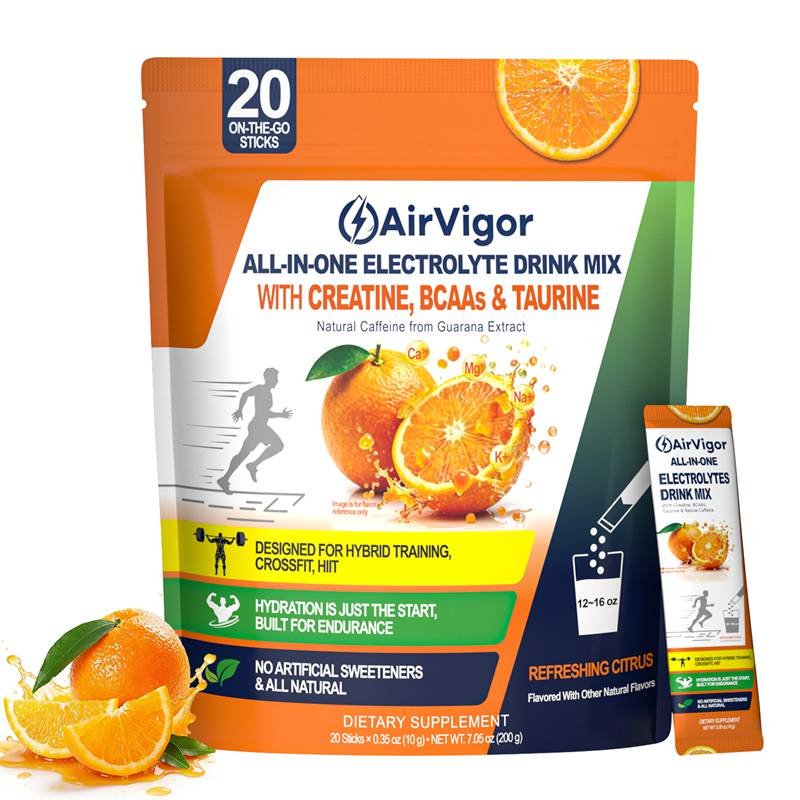
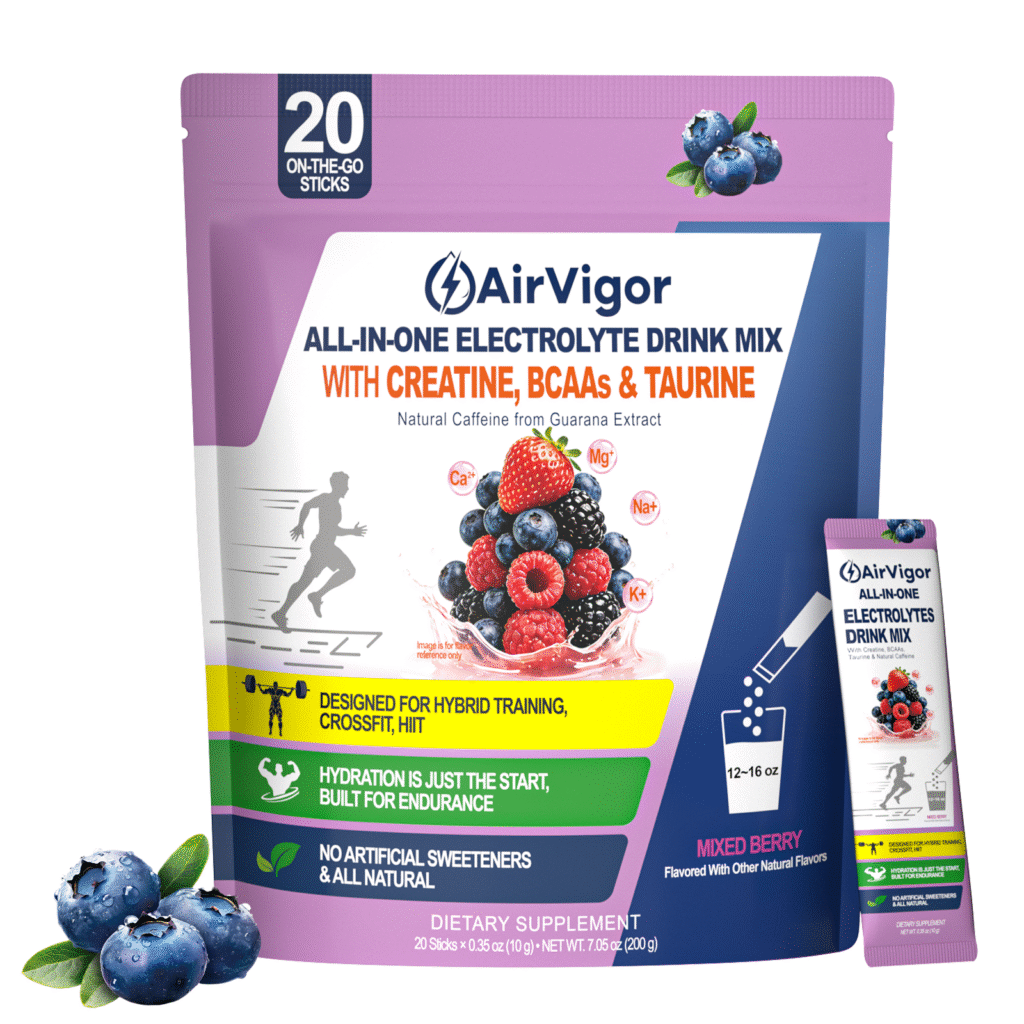
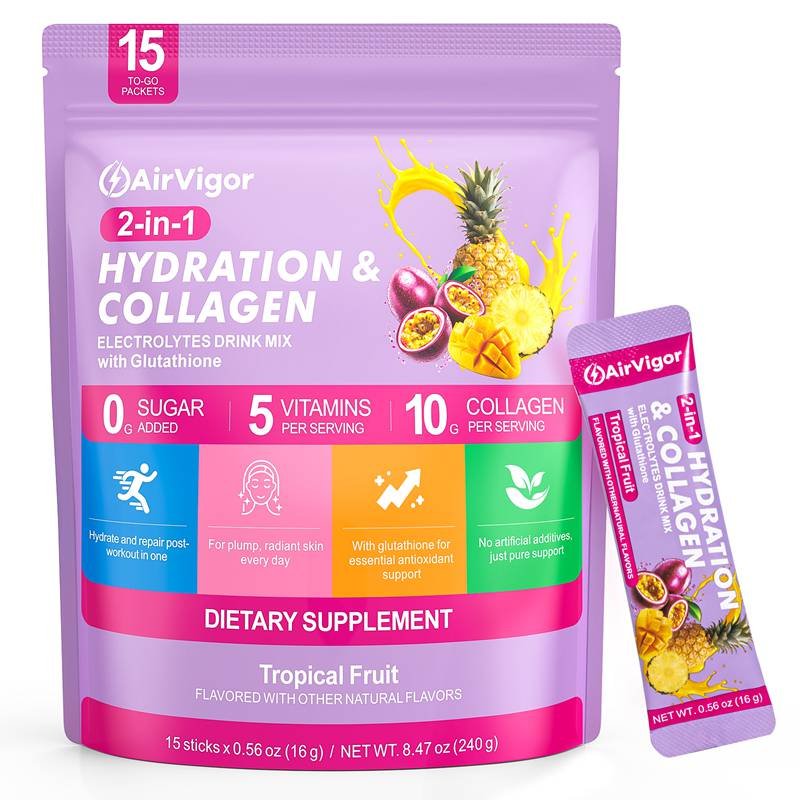
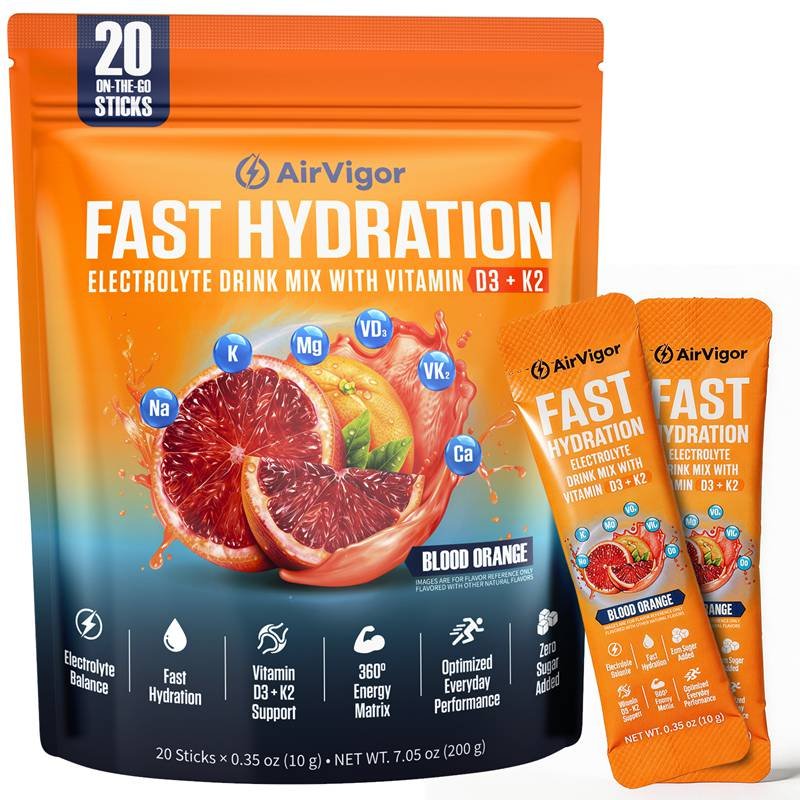
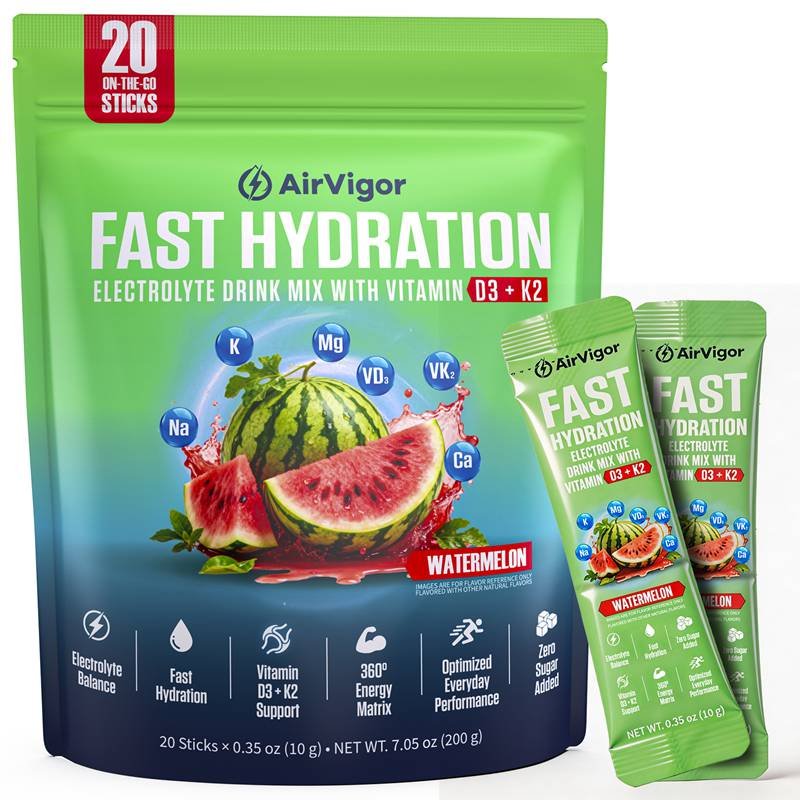
This is where AirVigor’s product philosophy fits naturally. AirVigor focuses on real ingredient addition, clear formula expression, selected raw materials, production review, and stable product experience. For customers using electrolytes often, that kind of consistency matters more than a loud front label.

Is AirVigor Good for Daily Electrolytes?
AirVigor fits people who want daily electrolyte support that is easy to carry, easy to understand, and easy to use after sweat, heat, travel, or training. It is made for real routines, not complicated supplement stacks..
Clear Formula Expression
AirVigor puts focus on visible ingredients, understandable dosages, and formulas that users can read quickly.
Many people feel lost when choosing electrolyte powders. Some labels use broad phrases but do not show enough detail. Others include too many ingredients without explaining why they are there. For daily-use products, clarity matters because users may take the product several times a week or even every day during active seasons.
AirVigor’s brand direction is based on real ingredient addition and clear formula expression. The goal is to help users understand what the product is for, when to use it, and how it fits into their routine. That matters especially for electrolyte products because mineral balance is personal. A heavy sweater, a traveler, and an office worker do not always need the same approach.
A strong electrolyte label should make the important information easy to find.
| Label Detail | Why Users Care |
|---|---|
| Sodium amount | Helps match the product to sweat level |
| Potassium amount | Supports daily fluid and muscle function needs |
| Magnesium and calcium | Useful for broader mineral support when included |
| Sugar content | Important for daily use, low-carb routines, and calorie control |
| Serving size | Helps avoid guessing and overuse |
| Suggested use | Shows when the product fits best |
| Storage guidance | Helps keep powder stable during daily use |
AirVigor’s formula philosophy works well for people who do not want hidden blends or vague supplement language. A daily electrolyte should feel easy to judge before purchase and easy to use after opening.
Portable Packets for Real Life
Single-serving packets make electrolyte use easier for people who move between work, training, travel, and home.
A daily electrolyte product is only useful if people can actually use it. Large tubs work well at home, but they are less convenient for travel, gym lockers, cars, hiking packs, or office drawers. Ready-to-drink bottles are easy but bulky and often more expensive per serving. Stick packets solve a simple problem: one serving, easy carry, less mess.
For AirVigor, portable packaging is not just a design choice. It supports the way people live. A person may need electrolytes after a morning workout, during a hot work shift, after a flight, or after a long walk in summer weather. A packet makes the decision easier.
| Use Scene | Why Packets Work |
|---|---|
| Gym bag | No scoop, no powder spill, easy after training |
| Office drawer | Better than forgetting water all afternoon |
| Suitcase | Flat, light, and simple for travel days |
| Car console | Useful after outdoor errands or warm commutes |
| Hiking pack | Easy to carry without extra bottle weight |
| Lunch bag | Convenient for outdoor workers or active shifts |
The packet format also helps serving control. Users do not need to guess how much powder to scoop. They can mix one serving into water and move on. For daily hydration, that simplicity is a real advantage.
Support for Training and Sweat
AirVigor works well around workouts, heavy sweat, hot weather, and active recovery routines.
Electrolytes are most useful when the body loses fluid and minerals through sweat. This is where AirVigor fits naturally. People who train often, sweat heavily, take hot yoga classes, use saunas, run outdoors, cycle, hike, or work in heat may need more than plain water on demanding days.
The goal is not to claim that electrolytes create instant performance. The better point is more practical: when sweat is high, replacing only water may not always feel complete. Electrolytes can support a better hydration routine before, during, or after activity, depending on the user’s needs.
| Activity Type | Electrolyte Need | AirVigor Use Moment |
|---|---|---|
| HIIT or CrossFit | Moderate to high sweat | Before or after training |
| Running or cycling | Longer sweat duration | Before, during, or after longer sessions |
| Hot yoga | Heat-driven sweating | After class |
| Strength training | Depends on sweat level | After sweaty sessions |
| Hiking | Heat, distance, and sun exposure | During or after activity |
| Outdoor work | Repeated sweat across hours | During breaks or after work |
AirVigor is especially useful for people who want one product that can move between different parts of life. The same packet can support a gym day, a travel day, a hot-weather workday, or a weekend hike.
Light Hydration Without Heavy Sugar
AirVigor suits users who want electrolyte support without the heavy sweetness of many sports drinks.
Many traditional sports drinks are sweet, colorful, and designed around athletic fueling. That can make sense for long endurance events where carbohydrates are needed. But for daily hydration, office use, travel, hot yoga, or light workouts, many people prefer something lighter.
Sugar-conscious electrolyte products are popular because users want hydration support without adding unnecessary sugar to normal routines. This matters for people who follow low-carb eating, avoid sugary drinks, train in the evening, or simply dislike heavy sports drink flavors.
| Drink Choice | Better For | Common Drawback |
|---|---|---|
| Plain water | Calm indoor days | No mineral support after heavy sweat |
| Sugary sports drink | Long endurance activity | Too sweet for daily use |
| Juice-based drink | Taste and quick carbs | Sugar can add up quickly |
| AirVigor-style electrolyte | Daily hydration support | Best used when the day creates a need |
| Capsules | Mineral intake | Does not help people drink more water |
A daily electrolyte drink should be easy to finish when someone is hot, tired, or busy. If the drink tastes too sweet or feels heavy, people stop using it. AirVigor’s direction is more lifestyle-friendly: hydration support that fits training, travel, work, and warm-weather routines without feeling like a sugary beverage.
Conclusion
You do not need electrolytes every day just because they are popular. You may need them more often if your life includes sweat, heat, workouts, travel, low-carb eating, or irregular meals. On calm indoor days with balanced food and enough water, plain water may be enough.
The best electrolyte routine is simple: use water as your base, add electrolytes when your day creates real fluid and mineral loss, and choose a product with clear dosages, light taste, and practical packaging.
AirVigor is made for people who want daily hydration support without confusion. With clear formula expression, portable packets, quality-focused production management, and lifestyle-friendly use, AirVigor fits training, work, travel, and warm-weather routines. To order AirVigor brand products or ask about custom electrolyte formulas, packaging options, OEM, or ODM cooperation, contact the AirVigor team for product details and pricing.
Share:
Contact Expert Team
At AirVigor, performance becomes effortless. We transform advanced nutrition science into clean, effective supplements that help you hydrate, recover, and feel stronger every day. Shop AirVigor Supplements on Amazon and experience athlete-trusted formulas—backed by real science and supported by our world-class R&D and production capabilities.
Trust AirVigor
At AirVigor, turning your performance goals into reality is no longer a struggle—it’s a science-driven journey we build together. Whether you’re a runner, lifter, cyclist, yogi, outdoor athlete, or someone simply seeking better daily energy, AirVigor transforms advanced nutrition research into clean, effective, and trustworthy supplements you can feel.
Backed by our U.S. scientific team, global certifications, and world-class production standards, every formula is engineered to deliver real hydration, real recovery, and real performance. And when you’re ready to experience the difference, you’ll find AirVigor products available on Amazon and other major platforms—fast shipping, consistent quality, and a community of athletes already seeing results.
Behind the scenes, our R&D and manufacturing ecosystem also supports specialized formulation development, ensuring AirVigor continues to lead with innovation while keeping quality and safety uncompromised. But at the core, everything we create is built for you—your health, your performance, your momentum.
Choose AirVigor. Feel the science. Elevate your every day.


Subscribe to our newsletter
Sign up to our newsletter and we’ll keep you up to date with the latest arrivals.