Skip to content
What Is the Best Summer Hydration Routine for Hot Days : Smart Guide
# Your Trusted Dietary Supplement Brand In US
- Emily

Table of Contents
Summer hydration sounds easy until the heat actually hits. You drink water in the morning, carry a bottle during the day, and still end up feeling dry, tired, heavy, or unfocused by the afternoon. For many people, summer dehydration does not start with extreme thirst. It starts with small signs: darker urine, dry lips, a mild headache, low energy after being outside, or a workout that feels harder than usual. The real issue is often not that you never drink water. It is that your fluid intake, electrolyte replacement, and timing do not match how much your body loses through heat, sweat, travel, and daily activity.
The best Summer Hydration Routine is a simple daily plan that combines regular water intake, electrolyte support when sweating increases, low-sugar drink choices, and smart timing before and after heat exposure. Water should stay the foundation, but during hot weather, workouts, outdoor activity, or long travel days, electrolytes can help support fluid balance more effectively than water alone.
A useful summer routine should not feel like another complicated health rule. It should fit into real life: one glass of water after waking, a bottle before going outside, an electrolyte drink after heavy sweating, and a portable stick pack for the gym, office, car, beach bag, or suitcase. When hydration becomes easy to repeat, your summer days feel more stable, your workouts feel less draining, and your body has a better chance to keep up with heat.
What Is a Summer Hydration Routine?
A Summer Hydration Routine is a simple daily plan for drinking water, replacing electrolytes when needed, and timing fluids around heat, sweat, workouts, travel, and outdoor activity. It helps customers avoid random drinking and build a more reliable summer habit.
What does a Summer Hydration Routine include?
A Summer Hydration Routine usually includes water, electrolytes, drinking timing, and a drink format that is easy to use. The goal is not to drink more for no reason, but to match hydration with real summer fluid loss.
A useful Summer Hydration Routine starts with the basics: water throughout the day, meals that provide minerals, and extra electrolyte support when heat or sweat increases. Many people think hydration only means drinking a large bottle of water, but summer hydration is more specific than that. A person sitting indoors all day does not have the same needs as someone walking in 90°F heat, doing hot yoga, hiking, cycling, or traveling for several hours.
Water should always be the foundation. It supports body temperature regulation, digestion, circulation, and normal daily function. But during summer, the body may lose more fluid through sweat. When sweat increases, the body also loses minerals such as sodium, potassium, magnesium, calcium, and chloride. These minerals help support fluid balance and normal muscle function, which is why some people still feel thirsty or tired after drinking plain water on very hot days.
Timing is also important. A good routine does not wait until strong thirst appears. It spreads hydration across the day: after waking, before going outside, before activity, after sweating, and during travel or long outdoor plans. This helps customers stay ahead of the common summer pattern where they drink too little early, sweat during the day, then try to catch up at night.
| Routine Part | What It Means | Practical Summer Example |
|---|---|---|
| Water | Daily fluid foundation | Drink after waking, with meals, and throughout work hours |
| Electrolytes | Mineral support when sweat increases | Use after heavy sweating, hot yoga, running, or outdoor work |
| Timing | Drinking before the body feels behind | Hydrate before going outside, not only after feeling tired |
| Low-sugar choice | Hydration without heavy sweetness | Choose electrolyte powder instead of sugary sports drinks for daily use |
| Portability | Easy access away from home | Keep stick packs in a gym bag, car, office drawer, or suitcase |
For a normal summer workday, a simple routine may be enough: water in the morning, steady sipping during the day, and an electrolyte drink only if heat, sweat, or activity increases. For a more active day, the routine should be more structured. A customer may drink water before a workout, use electrolytes after heavy sweating, and continue sipping water later instead of waiting until they feel drained.
This kind of routine works because it feels realistic. It does not ask people to count every ounce or follow a strict schedule. It gives them a practical way to make better drink choices based on the day.
Why does a Summer Hydration Routine matter?
A Summer Hydration Routine matters because many summer hydration problems build slowly. Customers may not feel severely dehydrated, but they may notice dry mouth, low afternoon energy, mild headaches, darker urine, heavier workouts, or slower recovery after sweating.
Summer heat changes the way the body uses fluid. Even simple activities can feel more draining when the temperature rises. Walking from a parking lot, commuting in hot weather, sitting in dry air conditioning, drinking coffee, eating salty meals, and exercising after work can all affect hydration by the end of the day.
This is why many customers say they “drink water” but still feel tired. The issue is often not one single mistake. It is the full-day pattern. They may drink water only after they already feel thirsty. They may drink coffee before water. They may sweat during lunch or after work without replacing electrolytes. They may rely on sweet drinks that feel refreshing at first but are not ideal for repeated daily use.
A Summer Hydration Routine gives the customer a clearer plan.
| Common Summer Problem | What Customers Often Feel | Better Routine Response |
|---|---|---|
| Drinking too late | Afternoon fatigue, dry mouth | Start fluids earlier in the day |
| Heavy sweating | Thirst after drinking water | Add electrolytes after sweat loss |
| Hot commute | Low energy before work starts | Drink water before leaving home |
| Air conditioning | Dry mouth or skin discomfort | Sip steadily, not only at meals |
| Sugary sports drinks | Heavy taste, flavor fatigue | Use low-sugar electrolyte options |
| Travel days | Irregular water and meals | Carry portable stick packs |
For fitness users, a routine can improve how summer workouts feel. If the body starts training already low on fluids, the workout may feel harder than it should. Customers may notice they lose focus faster, feel heavier during the second half of training, or feel more drained afterward.
For everyday users, the benefits are more lifestyle-based. A good routine may help them feel more prepared during hot workdays, outdoor errands, beach days, family sports events, and travel. It gives them an easy answer for common summer moments: “Should I just drink water, or do I need something more?”
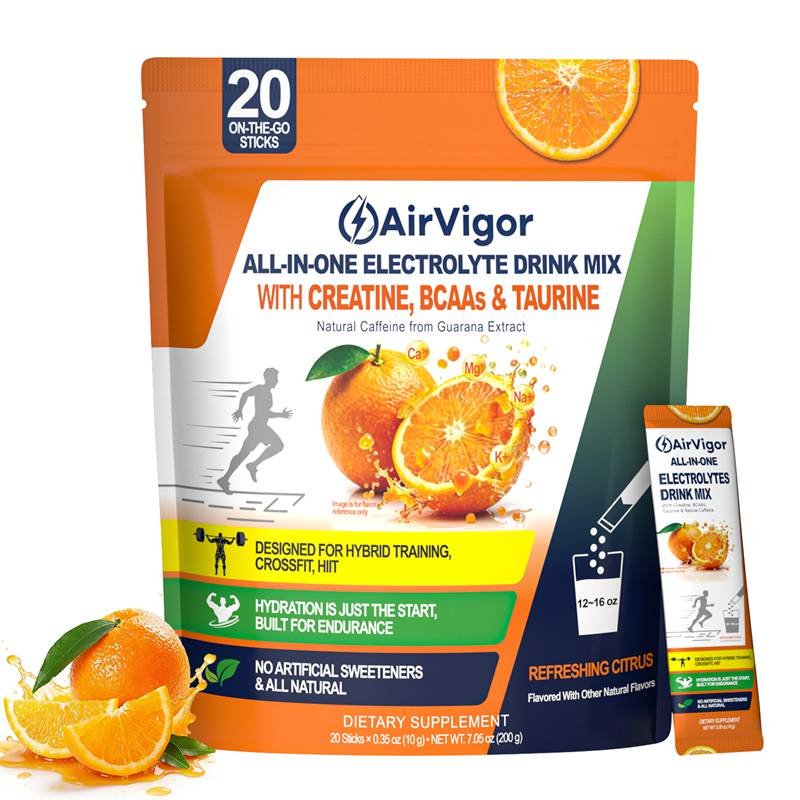
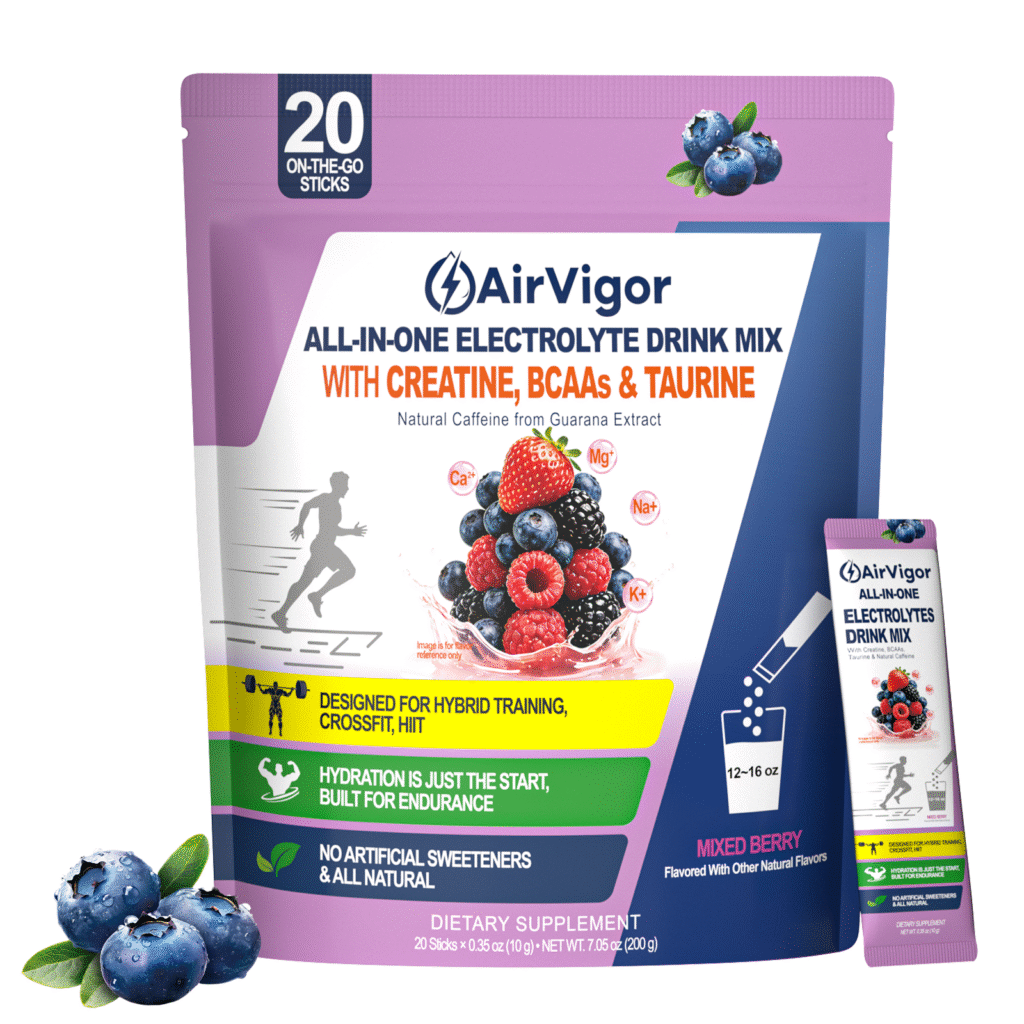
AirVigor fits into this routine because it gives customers a simple electrolyte option when summer conditions create extra demand. It is not about replacing water. It is about making hydration easier when heat, sweat, and busy schedules make plain water feel less complete.
Who needs a Summer Hydration Routine?
A Summer Hydration Routine is useful for people who spend time in heat, sweat often, exercise, travel, work long days, or want a more consistent way to manage summer hydration. Different customers need different routines based on activity level and lifestyle.
Not every person needs the same amount of electrolyte support. Someone who spends most of the day indoors may only need regular water and balanced meals. Someone who trains outdoors, works in heat, or sweats heavily may need a more structured plan. The best routine should match real life, not a perfect wellness schedule.
| Customer Type | Main Hydration Challenge | What They Usually Need |
|---|---|---|
| Office worker | Coffee, dry air conditioning, hot commute | Water early, steady sipping, optional electrolytes on hot days |
| Gym user | Sweat, post-workout thirst, muscle fatigue | Water before training and electrolytes after heavy sweat |
| Runner or cyclist | Long sweating time, outdoor heat | Planned fluids and electrolyte support |
| Hot yoga user | Heavy sweat in a short session | Hydrate before class and use electrolytes after |
| Traveler | Flights, dry air, missed meals, irregular water | Portable stick packs mixed with bottled water |
| Outdoor worker | Long heat exposure and repeated sweating | Scheduled water breaks and electrolyte replacement |
| Parent or family user | Beach days, sports events, pool days | Convenient low-sugar hydration options |
| Wellness-focused user | Wants a simple daily habit | Clear formula, light taste, easy routine fit |
The routine should also change by day. A light indoor day may only require water. A gym day may require water plus electrolytes after training. A hiking day may require more planning, especially if the weather is hot or the trail is long. A travel day may require convenience more than anything else because normal routines are harder to follow.
For customers, this flexibility matters. They do not want a complicated hydration rule. They want to know what to do when their day changes.
| If the Day Looks Like This | Practical Summer Hydration Routine |
|---|---|
| Mostly indoors, little sweat | Drink water regularly and eat balanced meals |
| Hot commute plus office work | Drink water before leaving and keep hydration nearby |
| Light workout | Water before and after exercise |
| Sweaty workout | Water before, electrolytes after |
| Hot yoga or indoor cycling | Hydrate before class, use electrolytes after sweat loss |
| Hiking, beach, or outdoor sports | Carry water and portable electrolyte sticks |
| Travel day | Keep stick packs in a carry-on or day bag |
This is where AirVigor’s portable hydration format becomes useful. A customer can keep one stick in a bag without needing to change their whole routine. When heat, sweat, travel, or outdoor plans make hydration more demanding, they have a simple option ready.
A strong Summer Hydration Routine should feel easy to use, not difficult to maintain. The best plan is the one customers can repeat during real summer days.
Why Does Your Summer Hydration Routine Change?
Your Summer Hydration Routine changes because heat, humidity, sweat, outdoor activity, travel, and daily schedule shifts all increase fluid demand. A routine that works in spring or winter may not feel enough in summer, especially when your body loses both water and electrolytes.
Why is summer hydration harder?
Summer hydration is harder because the body uses more fluid to cool itself. When the weather gets hot, sweat becomes one of the body’s main ways to release heat. That process helps protect the body, but it also increases water and mineral loss.
Many customers do not feel this change right away. They may start the day normally, drink coffee, go to work, run errands, or exercise after work. By late afternoon, they feel tired, dry, or heavy, but they do not always connect that feeling with hydration. Summer makes the gap easier to miss because fluid loss often builds slowly across the day.
Humidity can make the problem worse. In dry heat, sweat may evaporate quickly, so people may not notice how much they are losing. In humid weather, sweat stays on the skin longer, making the body feel sticky and overheated. In both cases, the body is working harder than usual.
| Summer Factor | What Happens to the Body | What Customers May Feel |
|---|---|---|
| High temperature | Body sweats more to cool down | Thirst, tiredness, dry mouth |
| Humidity | Sweat does not evaporate easily | Sticky skin, heavy feeling, lower comfort |
| Outdoor activity | Fluid loss increases with movement | Earlier fatigue, reduced endurance |
| Air conditioning | Indoor air may feel dry | Dry mouth, dry skin, more water cravings |
| Coffee or alcohol | May affect normal fluid habits | More frequent thirst or low energy |
| Busy schedule | Drinking is delayed | Afternoon headache or sluggishness |
A practical Summer Hydration Routine should adjust to these changes. On a light indoor day, water may be enough. On a hot outdoor day, the routine may need more structure. That may include drinking earlier, carrying water, adding electrolytes after sweating, and avoiding the habit of waiting until thirst becomes strong.
The key is to stop treating every summer day the same. A calm indoor workday, a hot commute, a gym session, and a beach day do not create the same hydration needs. When the day changes, the routine should change too.
What does heat do to your Summer Hydration Routine?
Heat changes your Summer Hydration Routine by increasing sweat loss and making hydration timing more important. If you wait until you already feel thirsty, tired, or light-headed, your body may already be asking for fluid support.
During hot weather, the body works harder to keep temperature steady. Sweat helps cool the skin, but it also reduces fluid levels. If the body does not receive enough fluid during the day, heat can make normal activities feel harder. A short walk may feel more tiring. A workout may feel heavier. A commute may feel more draining than usual.
This is why summer hydration is not only about total water intake. Timing matters. Drinking a large amount of water late in the day may not feel as helpful as steady fluid intake earlier. Customers often need a routine that supports the whole day instead of trying to fix hydration at the end.
| Time of Day | Common Summer Mistake | Better Routine Response |
|---|---|---|
| Morning | Drinking coffee before water | Drink water soon after waking |
| Before leaving home | Forgetting to carry fluids | Bring water or an electrolyte stick |
| Midday | Waiting until thirst is strong | Sip steadily before feeling drained |
| Before activity | Starting a workout already dry | Drink water 1–2 hours before |
| After sweating | Drinking plain water only if sweat was heavy | Add electrolytes when needed |
| Evening | Trying to catch up all at once | Rehydrate gradually with dinner |
Heat also changes how different drinks feel. On a mild day, plain water may be enough and refreshing. On a sweaty day, plain water may not feel complete because the body has also lost electrolytes. On a travel day, convenience may matter most because routines are disrupted. On a workout day, customers may want a drink that supports hydration without feeling too sweet or heavy.
This is where a low-sugar electrolyte stick can fit naturally. It gives customers a simple way to respond to heat without carrying bulky sports drinks or guessing when to use a large powder tub. The routine becomes easier: water for the base, electrolytes when sweat and heat increase.
How does sweat affect your Summer Hydration Routine?
Sweat affects your Summer Hydration Routine because sweat contains both water and electrolytes. The more you sweat, the more your body may need support beyond plain water, especially during workouts, outdoor work, sports, hiking, or long summer days outside.
Not all sweat is the same. Some people sweat lightly and only need regular water. Others sweat heavily and may notice soaked clothing, salty skin, white marks on hats or shirts, or thirst that does not go away quickly after drinking water. These signs can help customers understand when electrolytes may be useful.
A simple way to judge sweat level:
| Sweat Level | What Customers Notice | Hydration Routine |
|---|---|---|
| Light sweat | Slight moisture, no strong thirst | Water is usually enough |
| Moderate sweat | Damp shirt, more thirst | Water plus possible electrolytes |
| Heavy sweat | Soaked clothes, salty skin, tired feeling | Electrolytes are more useful |
| Repeated sweat | Sweating hard several days in a row | More consistent hydration planning |
| Long sweat session | Outdoor activity over 60–90 minutes | Planned water and electrolyte support |
Sweat loss can also change by situation. A 30-minute indoor workout may not require the same routine as a 90-minute outdoor run. A short walk in the shade is different from a beach volleyball game. A person who works outdoors may need a more structured plan than someone who only leaves home for errands.
| Summer Scenario | Sweat Level | Practical Drink Choice |
|---|---|---|
| Short indoor workout | Light to moderate | Water before and after |
| Hot yoga class | Heavy | Water before, electrolytes after |
| Outdoor run | Moderate to heavy | Water before, electrolytes after or during |
| Hiking | Moderate to long-duration | Carry water and electrolyte sticks |
| Yard work | Moderate to heavy | Regular water breaks and electrolytes if needed |
| Beach or pool day | Varies by heat and activity | Water plus portable hydration support |
| Travel sightseeing | Light to moderate but repeated | Water and stick packs for convenience |
For customers, this is easier than following a strict rule. They can look at the day, look at their sweat level, and choose accordingly. If sweat is light, water is enough. If sweat is heavy, repeated, or paired with heat, electrolytes make more sense.
AirVigor fits this routine because customers can use it only when the day calls for it. One stick can stay in a gym bag, car, office drawer, backpack, or suitcase until heat and sweat make hydration more demanding.

How Do Electrolytes Fit Your Summer Hydration Routine?
Electrolytes fit into your Summer Hydration Routine when summer heat, sweat, workouts, travel, or long outdoor activity make plain water feel less complete. Water replaces fluid, while electrolytes help support normal fluid balance, muscle function, and a more practical hydration rhythm.
What electrolytes support summer hydration?
The main electrolytes that support summer hydration include sodium, potassium, magnesium, calcium, and chloride. These minerals help the body manage fluid movement, muscle function, and normal body signals, especially when sweat loss increases during hot weather.
For most customers, the word “electrolytes” sounds technical, but the need is easy to understand. When you sweat, you lose water and minerals at the same time. The more you sweat, the more your hydration routine may need to account for both. This is why a person may drink a full bottle of water after a hot workout and still feel thirsty or drained. The body may be asking for more than water.
Sodium is especially important in summer because it is one of the main minerals lost in sweat. It helps the body hold and manage fluid. Potassium works closely with sodium and supports fluid movement between cells. Magnesium and calcium help support normal muscle function, which matters for people who train, walk, hike, cycle, or do outdoor work in heat. Chloride works with sodium and is also part of sweat loss.
| Electrolyte | Why It Matters in a Summer Hydration Routine | When Customers Notice the Need |
|---|---|---|
| Sodium | Helps support fluid balance after sweating | Heavy sweat, salty skin, white marks on clothing |
| Potassium | Supports fluid movement and muscle function | Long walks, workouts, outdoor activity |
| Magnesium | Supports normal muscle and nerve function | Training days, active routines, post-sweat recovery |
| Calcium | Helps support normal muscle function | Fitness, hiking, hot yoga, outdoor sports |
| Chloride | Works with sodium in fluid balance | Heavy sweating and hot environments |
A good Summer Hydration Routine does not need to turn every drink into an electrolyte drink. Many normal days can still rely on water and balanced meals. Electrolytes are most useful when the body loses more through sweat or when a daily routine makes fluid intake inconsistent.
| Summer Situation | Electrolyte Need | Practical Routine |
|---|---|---|
| Indoor workday with little sweat | Low | Water and normal meals are usually enough |
| Hot commute | Low to moderate | Water first, electrolytes if the day feels draining |
| Light workout | Low to moderate | Water before and after |
| Sweaty gym session | Moderate | Electrolytes after training may help |
| Hot yoga | Moderate to high | Hydrate before class, electrolytes after |
| Outdoor run or cycling | Moderate to high | Plan water and electrolytes around sweat level |
| Hiking or yard work | Moderate to high | Carry water and electrolyte stick packs |
| Travel day | Depends on routine | Use electrolytes when meals and fluids are disrupted |
This is the kind of decision-making customers actually need. They do not need to memorize mineral science. They need to know when their summer day is demanding enough to add electrolytes.
Why is water not always enough?
Water is the base of every Summer Hydration Routine, but it may not always be enough when sweat loss is high. Sweat contains water and electrolytes, so heavy sweating can leave the body needing both fluid and mineral support.
Many customers experience this in a familiar way. They finish a summer workout, drink water, and still feel dry. They spend an afternoon outside, drink a bottle of water, and still feel tired later. They travel, walk all day, and feel drained even though they had water at meals. In these moments, the issue may not be only fluid amount. Timing, sweat loss, electrolytes, and food intake can all affect how hydrated the body feels.
Plain water is usually enough for light daily activity. If someone is sitting indoors, eating normal meals, and not sweating much, extra electrolytes may not be necessary. But when summer heat increases sweat loss, a hydration routine may need more than water.
| Customer Experience | Possible Hydration Gap | Better Response |
|---|---|---|
| “I drink water but still feel thirsty.” | Sweat minerals may not be fully replaced | Add electrolytes after heavy sweating |
| “I feel tired after being outside.” | Heat and fluid loss may be building up | Drink earlier and use electrolytes if needed |
| “My workout feels harder in summer.” | Heat increases fluid demand | Hydrate before training and replace after sweat |
| “Sports drinks feel too sweet.” | Customer wants lighter support | Try low-sugar electrolyte powder |
| “I forget to drink when traveling.” | Routine is disrupted | Carry stick packs and mix with bottled water |
| “I get drained after hot yoga.” | Heavy sweat in a short time | Use water before and electrolytes after class |
The important point is balance. Water is not wrong. Water is essential. But summer hydration becomes more complete when the drink choice matches the situation. A calm indoor day needs a simple water habit. A hot, sweaty, active day may need electrolytes.
Traditional sports drinks may help during long or intense activity because they often provide electrolytes and carbohydrates. But for daily summer use, many people want a cleaner, lighter option. They may not need a sugary drink after every commute, walk, gym session, or outdoor errand. A low-sugar electrolyte powder can fit better because it offers mineral support without making the drink feel heavy.
| Drink Choice | Best Use | Limitation |
|---|---|---|
| Plain water | Everyday hydration | May feel incomplete after heavy sweating |
| Sports drink | Long sports sessions or high-energy activity | Often too sweet for daily use |
| Coconut water | Light natural hydration | Usually not high enough in sodium for heavy sweat |
| Electrolyte powder | Heat, sweat, workouts, travel | Quality depends on formula clarity and taste |
| Stick packs | On-the-go summer routines | Best when easy to mix and carry |
This is where AirVigor can fit naturally. The product gives customers a practical middle option between plain water and heavy sports drinks. It is easy to carry, simple to mix, and useful when heat or sweat makes hydration more demanding.
How do you add electrolytes to your Summer Hydration Routine?
The easiest way to add electrolytes to your Summer Hydration Routine is to connect them with real summer triggers: sweat, heat, activity, travel, and thirst that does not feel satisfied by plain water. This keeps the routine simple and prevents overuse.
Most customers do not want a complicated hydration schedule. They want to know when to use electrolytes and when water is enough. A good routine can be built around the moments when the body is more likely to lose fluid and minerals.
| Summer Trigger | What It Means | How to Use Electrolytes |
|---|---|---|
| Heavy sweat | Clothing is damp or soaked | Use electrolytes after activity |
| Long outdoor time | Heat exposure lasts several hours | Carry water and stick packs |
| Hot workout | Sweat and body temperature increase | Drink water before, electrolytes after |
| Travel day | Meals and fluids are irregular | Mix a stick pack with bottled water |
| Salty skin | Noticeable mineral loss | Add electrolytes after sweating |
| Thirst after water | Plain water feels incomplete | Try electrolytes and continue sipping |
| Repeated sweat days | Body may start the next day behind | Build a steadier hydration rhythm |
For daily use, the routine can stay simple. Start with water in the morning. Drink steadily during the day. Add electrolytes when sweat or heat increases. Continue rehydrating gradually after activity. This gives the customer a flexible plan without making hydration feel strict.
A practical day may look like this:
| Time or Moment | Summer Hydration Routine |
|---|---|
| After waking | Drink water before coffee |
| Before going outside | Bring water if heat is high |
| Before workout | Sip water earlier instead of waiting |
| After heavy sweat | Mix one electrolyte stick with water |
| During travel | Keep stick packs in a bag or suitcase |
| Evening | Rehydrate gradually with water and food |
AirVigor stick packs make this easier because they are built for real use locations. A hydration product sitting at home is not helpful when the customer needs it at the gym, beach, airport, office, car, or hiking trail.
| Where to Keep AirVigor Sticks | Best Use Moment |
|---|---|
| Gym bag | After sweaty training |
| Office drawer | Hot commute days or dry indoor afternoons |
| Car console | After errands, outdoor events, or sports practice |
| Carry-on bag | Flights, hotels, and travel days |
| Hiking backpack | Long trails and summer walks |
| Beach tote | Pool days, beach days, and family outings |
| Sports bag | Tennis, pickleball, running, cycling, or soccer |
This kind of routine is easier to maintain because it does not require the customer to change their whole day. They simply keep hydration support nearby and use it when the situation calls for it.
When Should You Follow a Summer Hydration Routine?
You should follow a Summer Hydration Routine throughout the day, especially before heat exposure, before and after workouts, during travel, and after heavy sweating. The best routine starts early, continues steadily, and adjusts based on heat, sweat level, activity, and schedule.
What should you drink in the morning?
Morning hydration is the first step of a Summer Hydration Routine because the body has gone several hours without fluids. A simple glass of water after waking helps restart fluid intake before coffee, commuting, heat exposure, or morning workouts.
Many people begin the day with coffee, tea, or a quick breakfast, then leave home without drinking much water. In cooler weather, this may not feel like a big issue. In summer, it can make the body start the day slightly behind. If the morning also includes a hot commute, outdoor errands, or exercise, that small gap can become more noticeable by midday.
A practical morning routine does not need to be strict. The goal is to give the body fluid before the day becomes busy. For most people, water should come first. If the day includes a workout, long drive, outdoor work, or high heat, keeping an electrolyte stick nearby may help later when sweat or thirst increases.
| Morning Situation | Common Customer Habit | Better Summer Hydration Routine |
|---|---|---|
| Waking up | Starting with coffee only | Drink water first, then coffee |
| Hot commute | Leaving home without fluids | Drink water before leaving and carry a bottle |
| Morning workout | Training on low fluid intake | Sip water before exercise |
| Early outdoor work | Waiting until sweating starts | Drink before starting the task |
| Travel morning | Skipping water to save time | Pack stick packs and buy bottled water |
| Busy office start | Forgetting to drink until lunch | Keep water at the desk from the morning |
For customers who work in offices, a good routine may be water after waking, coffee with breakfast, and steady sipping through the morning. For fitness users, it may be water before training and electrolytes after heavy sweat. For travelers, it may mean drinking water before leaving home and carrying stick packs for later.
Morning also sets the tone for the rest of the day. If a customer waits until lunch to start drinking, summer heat may already be affecting comfort, focus, and energy. If they start with a small hydration habit early, the day becomes easier to manage.
How should you hydrate before activity?
Before activity, your Summer Hydration Routine should focus on starting prepared rather than trying to catch up later. Drinking water 1–2 hours before exercise or outdoor plans can help the body feel more ready for heat and sweat.
Many customers only think about hydration after they are already sweating. This is common during summer workouts, hikes, outdoor sports, yard work, beach days, and walking-heavy travel days. The problem is that once thirst, headache, or heavy fatigue appears, the body may already be asking for support. A better routine starts before the activity begins.
The amount of preparation depends on the activity. A short indoor gym session may only need water. A hot outdoor run, cycling session, tennis match, or hiking trip usually needs more planning. If the activity is longer than an hour, takes place in heat, or makes clothing damp or soaked, electrolyte support becomes more useful.
| Activity Type | Before Activity | During Activity | After Activity |
|---|---|---|---|
| Short walk | Drink water if thirsty | Usually not needed | Water after |
| Light gym session | Water before training | Sip if needed | Water or electrolytes if sweating |
| Outdoor run | Drink water 1–2 hours before | Carry fluids if longer | Electrolytes after heavy sweat |
| Cycling | Start hydrated | Sip regularly | Replace fluids gradually |
| Hot yoga | Drink earlier, not right before class | Usually limited during class | Electrolytes after class |
| Hiking | Start with water and pack fluids | Drink steadily | Electrolytes if sweat is heavy |
| Yard work | Drink before starting | Take regular water breaks | Use electrolytes if sweating heavily |
A useful pre-activity routine may look like this:
| Timing | What to Do | Why It Helps |
|---|---|---|
| 1–2 hours before | Sip water steadily | Helps avoid starting activity dry |
| 15–30 minutes before | Drink a small amount if needed | Supports comfort without stomach heaviness |
| Right before activity | Avoid chugging large amounts | Reduces bloating or sloshing |
| During longer activity | Sip based on heat and sweat | Keeps hydration more consistent |
| After sweating | Replace fluid and electrolytes if needed | Supports post-activity recovery |
AirVigor fits this stage because it is easy to keep ready before the day changes. A customer may plan a short walk that becomes longer, a light workout that turns intense, or a travel day with more walking than expected. A stick pack in a bag gives them a simple hydration option without carrying a bulky drink.
What helps after sweating?
After sweating, your Summer Hydration Routine should help replace fluid gradually and add electrolytes when sweat loss is heavy. This is especially useful after workouts, hot yoga, outdoor sports, hiking, yard work, beach days, or long hours in summer heat.
The after-sweat moment is where many customers notice hydration problems most clearly. During activity, they may feel fine. Later, they may feel dry, tired, heavy, headachy, or unusually thirsty. Some may also notice salty skin, white marks on clothing, or muscle tightness after repeated sweat loss. These signs can suggest that water alone may not feel complete.
A good after-sweat routine should not rely on drinking a large amount of water all at once. That can feel uncomfortable. A better approach is to cool down, drink gradually, add electrolytes if sweat was heavy, and eat a balanced meal or snack when needed.
| After-Sweat Signal | What Customers May Notice | Better Routine Response |
|---|---|---|
| Dry mouth | Water intake may be low | Sip water gradually |
| Strong thirst after water | Plain water may feel incomplete | Add electrolytes |
| Salty skin | Noticeable mineral loss | Use an electrolyte drink |
| White marks on clothing | Higher salt loss through sweat | Replace electrolytes after activity |
| Heavy legs | Heat and activity may be adding stress | Fluids, minerals, food, and rest |
| Mild headache after heat | Hydration gap may be building | Cool down and drink steadily |
| Low energy later | Recovery routine may be weak | Rehydrate over the next few hours |
For fitness users, after-sweat hydration can be part of the training routine. A runner may use electrolytes after a hot run. A hot yoga user may use them after class. A gym user may use them after a sweaty strength or HIIT session. For daily users, after-sweat hydration may happen after yard work, walking in heat, carrying groceries, travel sightseeing, or spending several hours at the beach.
| Summer Activity | After-Sweat Hydration Routine |
|---|---|
| Hot yoga | Water before class, electrolytes after heavy sweat |
| Running | Water after finishing, electrolytes if sweat was heavy |
| Cycling | Rehydrate gradually and replace electrolytes |
| Hiking | Drink water and use electrolytes after long heat exposure |
| Yard work | Take water breaks and use electrolytes if clothing is soaked |
| Beach day | Drink steadily after sun exposure and activity |
| Travel sightseeing | Use water and stick packs when meals are irregular |
AirVigor works well in this moment because the need is clear. The customer has already sweated and wants an easy drink. A stick pack can be mixed quickly with water after training, after outdoor work, or after a long summer day outside.
Which Drink Fits Your Summer Hydration Routine?
The right drink for your Summer Hydration Routine depends on heat, sweat, activity length, sugar preference, and convenience. Water should stay the base, but electrolyte powder, low-sugar drink mixes, and portable stick packs may fit better during workouts, travel, outdoor plans, or heavy sweating.
Which summer hydration drink is best?
The best summer hydration drink is the one that matches your day. A quiet office day, a hot yoga class, a long walk, a beach afternoon, and a travel day do not create the same hydration needs. This is why one drink cannot solve every summer situation.
Plain water is the best starting point for most daily routines. It is simple, sugar-free, easy to find, and suitable for meals, indoor work, light errands, and normal sipping throughout the day. If you are not sweating much and eating regular meals, water usually covers basic hydration needs.
The need changes when summer adds more heat or sweat. After a sweaty workout, long outdoor activity, or several hours in the sun, plain water may not feel complete because the body may also lose electrolytes. This is when an electrolyte drink can be more useful.
Sports drinks can help during longer or more intense exercise because they often contain electrolytes and carbohydrates. But for everyday summer use, many customers do not want a high-sugar drink after every walk, commute, gym session, or outdoor errand. A low-sugar electrolyte powder can be a better fit for people who want hydration support without a heavy sweet taste.
| Drink Type | Best Fit | Where It May Fall Short |
|---|---|---|
| Plain water | Daily hydration, indoor work, meals, light activity | May not feel complete after heavy sweating |
| Coconut water | Light refreshment and natural taste | Usually lower in sodium for sweat replacement |
| Traditional sports drink | Long sports sessions, endurance activity, high energy demand | Often too sweet for daily or casual use |
| Electrolyte tablets | Compact travel use, light hydration support | Some users dislike the taste or mouthfeel |
| Powder tub | Home use, frequent mixing, family use | Less convenient for travel, gym, or outdoor plans |
| Stick packs | Gym bags, office drawers, travel, beach, hiking, hot days | Works best when formula is clear and easy to mix |
A simple way to choose is to look at the situation first. If the day is calm and indoor, water is usually enough. If the day includes heat, sweat, travel, or longer activity, electrolyte support may make more sense. If the customer wants repeated daily use, lower sugar and better portability become more important.
| If Your Day Looks Like This | Better Drink Choice |
|---|---|
| Mostly indoors, little sweat | Plain water |
| Hot commute, dry office air | Water first, electrolyte drink if needed |
| Light walk or errands | Water |
| Sweaty gym session | Water before, electrolyte drink after |
| Hot yoga or indoor cycling | Electrolytes after heavy sweat |
| Hiking or beach day | Water plus portable electrolyte sticks |
| Long sports activity | Electrolytes; carbohydrates may be useful depending on intensity |
| Travel day | Stick packs mixed with bottled water |
For AirVigor customers, the value is flexibility. The product does not need to replace water. It gives customers a simple option for the moments when summer makes hydration harder.
Are low-sugar drinks better?
Low-sugar drinks are often better for daily Summer Hydration Routine use because they provide hydration support without making every drink feel like a sweet sports beverage. This matters for customers who want something lighter for workdays, workouts, travel, hot commutes, or outdoor plans.
Sugar is not always wrong. During long endurance exercise, intense sports, or activities lasting a long time, carbohydrates can be useful. The problem is that many summer hydration moments are not endurance events. A person may only need support after a hot walk, a gym class, a long shopping trip, a flight, or an afternoon outside. In those cases, a heavy sweet drink may feel unnecessary.
Many customers also care about how often they can use a product. A drink that tastes too sweet may be acceptable once, but hard to repeat every day. A low-sugar electrolyte powder can feel cleaner and easier to drink across more summer situations.
| Customer Concern | Why Low-Sugar Hydration Helps |
|---|---|
| “Sports drinks are too sweet.” | A lighter taste is easier for repeated use |
| “I do not want extra sugar after every workout.” | Low-sugar options fit casual fitness better |
| “I need something for the office.” | Low-sugar drinks feel more suitable for daily sipping |
| “I want hydration for travel.” | Stick packs avoid buying sugary bottled drinks |
| “I get flavor fatigue.” | Lighter formulas are easier to use more often |
| “I want something after sweating, not dessert.” | Low-sugar electrolytes feel more practical |
Low-sugar hydration is especially useful for these summer routines:
| Summer Routine | Why Low-Sugar Makes Sense |
|---|---|
| Office hydration | Does not feel too heavy during work |
| Gym hydration | Supports sweat replacement without extra sweetness |
| Hot yoga | Feels lighter after class |
| Travel | Easier to use with bottled water |
| Outdoor errands | Convenient without being sticky or sugary |
| Beach or pool days | More flexible for repeated use |
| Daily wellness routine | Better fit for people watching sugar intake |
The better message for customers is balance. If a person is training hard for a long time, a carbohydrate-containing drink may be useful. If the goal is daily summer hydration, low-sugar electrolytes are often easier to fit into normal life.
AirVigor fits this need because the product is built for real summer use. Customers can mix it when heat, sweat, or travel makes water feel less complete, without making their routine feel like a high-sugar sports habit.
Is electrolyte powder better than sports drinks?
Electrolyte powder can be better than sports drinks for many daily summer routines because it is usually easier to carry, easier to store, and more flexible. Sports drinks may still be useful for long-duration sports, but they are not always the best choice for everyday heat, travel, or casual workouts.
The main difference is control. With a bottled sports drink, the serving is already fixed. The sugar level, flavor intensity, bottle size, and ingredients are chosen for you. With electrolyte powder, especially stick packs, customers can mix it with water when they need it and carry only what they plan to use.
For many summer users, this matters more than they expect. A sports drink may be convenient if purchased at a store, but it is bulky to carry in advance. A powder tub may work well at home, but it is less useful outside. A stick pack fits better into the way people actually move through summer: gym bag, car, office, airport, beach, hiking trail, or sports field.
| Comparison Point | Sports Drink | Electrolyte Powder / Stick Pack |
|---|---|---|
| Portability | Bottle can be bulky | Small, light, easy to carry |
| Sugar control | Often higher sugar | Easier to choose low-sugar options |
| Storage | Takes more space | Fits in bags, drawers, cars, and suitcases |
| Use timing | Must buy or carry bottle | Can mix when needed |
| Daily use | May feel too sweet | Often easier to repeat |
| Travel | Liquids can be inconvenient | Powder sticks are travel-friendly |
| Outdoor use | Heavy if carrying several bottles | Lightweight for hiking, beach, or sports |
Electrolyte powder is not automatically better for every person. An endurance athlete may still need carbohydrates during long training. A person who wants a ready-to-drink option may prefer bottled drinks. But for daily summer hydration, electrolyte stick packs often solve more real-life problems.
They are useful for people who ask:
| Customer Question | Why Stick Packs Help |
|---|---|
| “What can I carry to the gym?” | One stick takes little space |
| “What should I drink after hot yoga?” | Mix with water after class |
| “What can I bring on a flight?” | Powder is easier than bottled drinks |
| “What helps during beach days?” | Keep sticks in a tote and mix as needed |
| “How do I avoid sugary sports drinks?” | Choose low-sugar electrolyte powder |
| “What works for summer errands?” | Carry a stick and use when needed |
This is why AirVigor’s format works well for summer hydration. It meets customers where they are, instead of expecting them to carry heavy bottles or prepare drinks at home before every activity.
How do stick packs help your Summer Hydration Routine?
Stick packs help your Summer Hydration Routine by making hydration support available exactly where summer happens. They are small, pre-measured, easy to carry, and simple to mix with water. This makes them useful for customers who need hydration outside the home.
A lot of hydration plans fail because the drink is not available at the right time. A customer may own electrolyte powder at home but forget it when going to the gym. They may want a better drink after sweating but only find sugary options at a convenience store. They may travel and have access to bottled water but not their normal routine. Stick packs solve that problem by making the serving portable.
| Where Customers Keep Stick Packs | Why It Helps |
|---|---|
| Gym bag | Ready after sweaty workouts |
| Office drawer | Useful for hot commute days |
| Car console | Helpful after errands, outdoor events, or sports practice |
| Carry-on bag | Easy to use during travel |
| Hiking backpack | Lightweight for outdoor activity |
| Beach tote | Convenient for pool or beach days |
| Sports bag | Useful for tennis, pickleball, running, cycling, or soccer |
| Kitchen counter | Easy to build into a daily habit |
Stick packs also reduce guesswork. Customers do not need to scoop powder or measure servings. This matters for summer use because hydration needs often appear when people are busy, hot, or away from home. A pre-measured serving makes the decision easier.
A good stick-pack routine may look like this:
| Summer Moment | How to Use a Stick Pack |
|---|---|
| After waking on a hot day | Keep one ready if the day includes heat or activity |
| After a workout | Mix one stick with water after heavy sweat |
| During travel | Mix with bottled water when meals and fluids are irregular |
| At the beach | Use after long sun exposure or activity |
| After yard work | Drink gradually after sweating |
| During outdoor sports | Keep in a sports bag for after play |
| At the office | Use after a hot commute or dry afternoon |
AirVigor stick packs fit these moments because they are built for convenience and real use. Customers can keep them nearby and use them when water alone does not feel like enough. That makes the Summer Hydration Routine easier to repeat without making it complicated.

Why Choose AirVigor for Your Summer Hydration Routine?
AirVigor fits a Summer Hydration Routine because it focuses on clear formulas, real ingredient addition, portable formats, and daily-use convenience. It is designed for customers who need hydration support during hot days, workouts, travel, outdoor activity, and busy summer routines.
What makes AirVigor easy to use?
AirVigor is easy to use because it is built around real summer situations, not only product labels. A hydration product may look good online, but customers usually decide whether to repurchase based on simpler things: Can I carry it? Does it mix easily? Is the taste light enough? Do I understand when to drink it? Can I use it at work, the gym, or while traveling?
For a Summer Hydration Routine, convenience is not a small detail. Many people do not need hydration support only at home. They need it after a hot commute, after a workout, during travel, after a beach day, or when they feel drained after outdoor activity. A portable stick-pack format makes the routine easier because the serving is already prepared and can be mixed with water when needed.
| Customer Need | Why It Matters in Summer | How AirVigor Fits |
|---|---|---|
| Easy to carry | Hydration needs often happen away from home | Stick packs fit bags, drawers, cars, and suitcases |
| Clear use timing | Customers want to know when to drink it | Fits after sweating, workouts, travel, and hot days |
| Low-sugar direction | Many users do not want heavy sports drinks | Better for daily summer routines |
| Simple preparation | Busy customers avoid complicated products | Mix one stick with water |
| Multi-scene use | Summer days change quickly | Useful for gym, office, travel, beach, and outdoor plans |
| Clear formula expression | Customers want to know what they are drinking | Ingredient and dosage information can be presented clearly |
A good summer hydration product should reduce friction. If the customer has to scoop powder, carry a large bottle, deal with messy packaging, or drink something too sweet, the habit becomes harder to repeat. AirVigor’s format helps customers keep hydration support close by without changing their whole day.
For example, an office user can keep AirVigor in a desk drawer for hot commute days. A gym user can keep it in a training bag. A traveler can pack several sticks in a carry-on. A parent can keep them in a beach tote or sports bag. A hiker can carry sticks without adding much weight. These are small details, but they are exactly what make a Summer Hydration Routine easier to keep.
How does AirVigor support summer days?
AirVigor supports summer days by fitting into the moments when customers are most likely to lose fluid, sweat more, or break their normal drinking routine. Summer hydration is not only about exercise. It also includes hot commutes, dry office air, outdoor errands, travel days, beach trips, sports events, and long hours in the sun.
Many customers do not want complicated hydration advice. They want to know what to do in common situations. Water should remain the base, but when heat, sweat, activity, or travel makes hydration more demanding, an electrolyte drink can be useful. AirVigor works well in this space because it can be used when needed instead of replacing every daily drink.
| Summer Scenario | What Customers Often Feel | How AirVigor Can Fit |
|---|---|---|
| Hot commute | Dry mouth, low energy before work | Keep a stick in the office or car |
| Gym workout | Thirst and fatigue after sweating | Mix with water after training |
| Hot yoga | Heavy sweat in a short session | Use after class for post-sweat hydration |
| Outdoor walk | Thirst after heat exposure | Use when water feels less complete |
| Hiking | Long outdoor time and sweat | Carry sticks with a water bottle |
| Beach or pool day | Sun exposure, activity, repeated thirst | Keep sticks in a beach tote |
| Travel day | Irregular meals and dry air | Mix with bottled water when routine is disrupted |
| Outdoor work | Repeated sweat across several hours | Use with regular water breaks |
This scenario-based use is important because customers usually buy hydration products for real moments, not only ingredient names. A runner wants to know what to drink after summer training. A traveler wants something easy to carry. A hot yoga user wants help after heavy sweat. An office worker wants something lighter than a sugary sports drink after a hot commute.
AirVigor’s value comes from being easy to place inside those moments. It does not ask the customer to follow a strict routine. It simply gives them a practical option when the day becomes hotter, sweatier, longer, or less predictable.
Why is AirVigor good for daily routines?
AirVigor is good for daily routines because it focuses on repeatable use. Customers may try a hydration product once because the weather is hot, but they continue using it only if the product fits their day. Taste, portability, mixability, sugar level, clear instructions, and stable quality all affect whether the product becomes part of a real routine.
A Summer Hydration Routine should not feel like a short-term challenge. It should feel easy enough to continue through the season. That means the product should work in more than one setting. AirVigor can support morning routines, workout recovery, outdoor weekends, travel days, and busy workdays.
| Daily Routine Factor | What Customers Care About | AirVigor Advantage |
|---|---|---|
| Portability | Can I take it with me? | Single-serve sticks are easy to carry |
| Taste | Can I drink it often? | Light hydration positioning supports repeat use |
| Sugar level | Is it too sweet for daily use? | Low-sugar direction fits more lifestyles |
| Mixability | Is it quick to prepare? | Mix with water without a complicated process |
| Usage clarity | Do I know when to use it? | Fits heat, sweat, workouts, and travel |
| Formula trust | Do I understand the ingredients? | Clear formula expression supports confidence |
| Lifestyle fit | Can I use it beyond exercise? | Works for office, gym, travel, beach, and outdoor days |
The strongest summer hydration products are not the ones customers use once and forget. They are the ones that stay visible in daily life. One stick in the gym bag. One box on the kitchen counter. A few sticks in the suitcase. A pack in the office drawer. That is how a hydration habit becomes easy.
AirVigor also supports this kind of long-term routine through product planning and quality management. The brand focuses on clear ingredient expression, carefully selected raw materials, stable product experience, and packaging that supports real use. For hydration products, these details matter because customers notice taste, dissolving speed, serving convenience, and whether the product still feels fresh after being carried around.
Conclusion
A good Summer Hydration Routine should be simple, flexible, and easy to repeat. Water stays the foundation, but when heat, sweat, workouts, travel, or outdoor plans increase fluid loss, electrolytes can make the routine feel more complete.
AirVigor helps make summer hydration more practical with clear formulas, portable stick packs, and daily-use hydration support for hot days, active routines, travel, and outdoor lifestyles. For ready-to-order AirVigor products or custom hydration product inquiries, customers and business partners can contact the AirVigor team with their product goals, target market, formula needs, package type, and estimated quantity.
Share:
Contact Expert Team
At AirVigor, performance becomes effortless. We transform advanced nutrition science into clean, effective supplements that help you hydrate, recover, and feel stronger every day. Shop AirVigor Supplements on Amazon and experience athlete-trusted formulas—backed by real science and supported by our world-class R&D and production capabilities.
Trust AirVigor
At AirVigor, turning your performance goals into reality is no longer a struggle—it’s a science-driven journey we build together. Whether you’re a runner, lifter, cyclist, yogi, outdoor athlete, or someone simply seeking better daily energy, AirVigor transforms advanced nutrition research into clean, effective, and trustworthy supplements you can feel.
Backed by our U.S. scientific team, global certifications, and world-class production standards, every formula is engineered to deliver real hydration, real recovery, and real performance. And when you’re ready to experience the difference, you’ll find AirVigor products available on Amazon and other major platforms—fast shipping, consistent quality, and a community of athletes already seeing results.
Behind the scenes, our R&D and manufacturing ecosystem also supports specialized formulation development, ensuring AirVigor continues to lead with innovation while keeping quality and safety uncompromised. But at the core, everything we create is built for you—your health, your performance, your momentum.
Choose AirVigor. Feel the science. Elevate your every day.


Subscribe to our newsletter
Sign up to our newsletter and we’ll keep you up to date with the latest arrivals.