Skip to content
Do Weekend Athletes Need Electrolyte Powder : Hydration Guide
# Your Trusted Dietary Supplement Brand In US
- Emily

Table of Contents
Weekend athletes often train harder than they realize. A person may sit at a desk from Monday to Friday, then run five miles on Saturday, play tennis for two hours, join a cycling group, hike under the sun, or take a high-intensity gym class. The body does not care whether the activity is professional or recreational. Once sweating begins, fluid and mineral loss begins too.
Electrolyte powder can be worth using for weekend athletes when workouts are long, sweaty, outdoors, or followed by noticeable fatigue. It helps replace minerals lost through sweat, especially sodium, potassium, magnesium, and calcium. These minerals support hydration balance, muscle movement, nerve signals, and normal recovery after exercise.
The real problem is that many active people only think about hydration after they already feel drained. They may drink plain water all week, then wonder why Saturday training feels harder than expected. This article explains when electrolyte powder makes sense, how to choose it, and why a simple hydration routine can make weekend sports feel more controlled, more comfortable, and easier to repeat.
What Is Electrolyte Powder for Weekend Athletes?
Electrolyte powder for weekend athletes is a hydration supplement designed to replace minerals lost through sweat during sports and exercise. It helps active adults maintain hydration balance, support normal muscle function, and recover more comfortably after workouts, especially during longer or sweat-heavy activities.
Who Are Weekend Athletes?
Weekend athletes are active individuals who may spend most of the workweek at a desk but participate in sports, fitness training, or outdoor activities during their free time. Their training schedules are often concentrated into one or two days, which can place significant hydration demands on the body.
Many people do not consider themselves athletes because they are not competing professionally. However, from a hydration perspective, the body responds to sweating in a similar way regardless of skill level. A two-hour tennis match, a long cycling session, or a summer hike can result in substantial fluid and mineral losses.
The challenge for many weekend athletes is that physical activity often arrives after several days of work, commuting, inconsistent water intake, and irregular eating habits. This can make hydration more difficult than expected.
| Typical Weekend Athlete | Common Activity Duration | Potential Sweat Loss |
|---|---|---|
| Recreational Runner | 45–90 Minutes | 0.5–1.5 Liters |
| Cyclist | 2–4 Hours | 1–4 Liters |
| Hiker | 2–6 Hours | 1–5 Liters |
| Tennis Player | 1–3 Hours | 1–3 Liters |
| CrossFit Participant | 30–75 Minutes | 0.5–2 Liters |
| Hot Yoga Enthusiast | 60–90 Minutes | 1–2 Liters |
Because training is often concentrated into weekends, hydration mistakes can become more noticeable. Many people feel strong at the beginning of a workout but experience fatigue, headaches, excessive thirst, or slower recovery later in the day.
What Is Inside Electrolyte Powder for Weekend Athletes?
Electrolyte powders contain minerals that help regulate fluid balance and support normal muscle and nerve function. These minerals are naturally present in the body and are continually lost through sweat during exercise.
The exact formula varies between products, but most electrolyte powders focus on four primary minerals.
| Electrolyte | Primary Role in the Body | Why Weekend Athletes Care |
|---|---|---|
| Sodium | Maintains fluid balance | Replaces the largest mineral lost through sweat |
| Potassium | Supports fluid movement and muscle function | Helps maintain hydration balance |
| Magnesium | Supports muscle and nerve function | Popular among active individuals |
| Calcium | Supports muscle contraction | Part of a complete hydration formula |
Among these minerals, sodium is usually the most important during exercise because it is lost in the highest amount through sweating.
Research has shown that sodium losses can vary dramatically between individuals. Some people may lose only a few hundred milligrams per liter of sweat, while heavy sweaters can lose more than 1,500 milligrams per liter.
| Sweat Type | Estimated Sodium Loss Per Liter |
|---|---|
| Light Sweater | 300–600 mg |
| Average Sweater | 600–1000 mg |
| Heavy Sweater | 1000–1500+ mg |
This explains why some athletes notice white salt marks on clothing or hats after exercise while others do not.
Many modern electrolyte powders also include complementary ingredients depending on their intended use.
| Additional Ingredient | Common Purpose |
|---|---|
| Vitamin C | Everyday wellness support |
| B Vitamins | Energy metabolism support |
| Collagen Peptides | Beauty and active lifestyle products |
| Creatine | Sports performance products |
| Amino Acids | Workout and recovery formulas |
| Coconut Water Powder | Natural hydration positioning |
For most weekend athletes, the foundation of a good hydration product remains effective electrolyte levels, pleasant taste, and easy daily use.
Why Do Weekend Athletes Lose Electrolytes So Easily?
Many people assume dehydration only becomes a concern during marathons or professional competitions. In reality, electrolyte loss can occur during ordinary recreational activities.
Sweating is the body’s cooling system. As body temperature rises, sweat is released onto the skin surface and evaporates. While this process helps regulate temperature, it also removes water and minerals from the body.
Several factors can increase electrolyte losses:
| Factor | Impact on Sweat Loss |
|---|---|
| Hot Weather | Higher sweat production |
| High Humidity | Reduced cooling efficiency |
| Longer Exercise Duration | Greater cumulative loss |
| Larger Body Size | Often higher sweat volume |
| High Exercise Intensity | Increased fluid turnover |
| Heavy Clothing or Protective Gear | Increased heat retention |
A practical example highlights the issue.
Imagine a recreational cyclist participating in a three-hour summer ride. If sweat loss averages 1 liter per hour, total fluid loss could exceed 3 liters. Depending on individual sweat composition, sodium loss alone could range from 1,800 mg to more than 4,500 mg during the ride.
This is why many active adults discover that drinking plain water alone does not always leave them feeling fully rehydrated after demanding outdoor activities.
Is Electrolyte Powder Different From Sports Drinks?
Electrolyte powder and sports drinks serve similar purposes, but they are not identical products.
Traditional sports drinks were originally developed to provide both hydration and carbohydrate energy during prolonged exercise. As a result, many contain significant amounts of sugar.
Electrolyte powders typically focus more heavily on mineral replacement and flexibility.
| Comparison | Electrolyte Powder | Traditional Sports Drink |
|---|---|---|
| Electrolytes | Primary Focus | Included |
| Sugar Content | Often Lower | Often Higher |
| Mixing Flexibility | User Controlled | Fixed Formula |
| Portability | Excellent | Limited |
| Storage | Lightweight | Bulkier |
| Travel Convenience | High | Moderate |
This does not mean sports drinks are necessarily bad. They can be useful during long endurance events where additional carbohydrate intake is beneficial.
However, many weekend athletes are looking for hydration support without consuming large amounts of sugar. This trend has contributed to the rapid growth of electrolyte powders among runners, cyclists, gym users, hikers, and recreational athletes.
A practical way to think about the difference is simple:
- Water provides fluid.
- Sports drinks provide fluid, electrolytes, and carbohydrates.
- Electrolyte powders primarily focus on fluid balance and mineral replacement.
The best option depends on the activity, duration, environment, and personal preferences of the individual.
Why Use Electrolyte Powder for Weekend Athletes?
Electrolyte powder helps weekend athletes replace minerals lost through sweat, maintain hydration balance, and support more comfortable exercise and recovery. For many active adults, the goal is not elite performance, but feeling better during workouts and recovering more smoothly afterward.
Why Do Weekend Athletes Lose Electrolytes?
Even moderate recreational exercise can lead to meaningful fluid and mineral losses. The longer the activity lasts and the hotter the environment becomes, the greater the demand placed on the body’s hydration system.
Many weekend athletes train only a few days each week, but those sessions are often longer and more intense than expected. A Saturday morning bike ride may last three hours. A tennis tournament can involve multiple matches. A hiking trip may require spending most of the day outdoors.
During these activities, the body cools itself by producing sweat. While sweat is primarily water, it also contains important electrolytes that help regulate fluid movement, muscle contractions, and nerve signaling.
The amount of electrolyte loss varies widely between individuals.
| Activity | Average Duration | Estimated Sweat Loss |
|---|---|---|
| Jogging | 45–60 Minutes | 0.5–1.2 Liters |
| Tennis | 1–3 Hours | 1–3 Liters |
| Cycling | 2–4 Hours | 1.5–4 Liters |
| Hiking | 2–6 Hours | 1–5 Liters |
| CrossFit | 30–75 Minutes | 0.5–2 Liters |
| Hot Yoga | 60–90 Minutes | 1–2 Liters |
In practical terms, a cyclist completing a three-hour summer ride could lose several liters of sweat. Along with that sweat comes sodium, potassium, magnesium, and other minerals.
Many people first notice electrolyte loss through signs such as:
| Common Experience | Possible Explanation |
|---|---|
| White salt marks on clothing | Higher sodium loss |
| Feeling unusually thirsty after drinking water | Mineral replacement may be incomplete |
| Headaches after outdoor exercise | Fluid and electrolyte imbalance |
| Reduced exercise comfort in heat | Increased sweat losses |
| Feeling drained later in the day | Hydration recovery may be insufficient |
Weekend athletes often underestimate these losses because they compare themselves to professional athletes. In reality, the body responds to sweat loss based on physiology, not athletic status.
Can Electrolyte Powder Support Better Workout Performance?
Most people do not buy electrolyte powder because they expect dramatic performance improvements. They buy it because they want their workouts to feel more consistent.
Hydration influences many aspects of exercise. As fluid losses accumulate, athletes may notice that workouts feel harder, energy feels less stable, and exercise enjoyment begins to decline.
Electrolyte powder helps support the systems that keep hydration functioning properly.
The primary benefit is not stimulation. Unlike caffeine or pre-workout products, electrolytes do not create an artificial feeling of energy. Instead, they help maintain the conditions that support physical performance.
Many weekend athletes report benefits such as:
| What Athletes Notice | Why It Matters |
|---|---|
| Less thirst during activity | Easier hydration management |
| More comfortable long workouts | Better fluid balance |
| More stable exercise experience | Reduced hydration-related fatigue |
| Better tolerance of hot weather | Improved sweat replacement |
| Greater consistency between sessions | More effective recovery habits |
Consider a recreational runner preparing for a weekend 10K race.
If hydration is neglected throughout the week, the runner may begin the event already under-hydrated. As sweating increases, fluid and electrolyte losses continue to accumulate. By the final miles, the runner may feel significantly different than expected.
In contrast, an athlete who starts well hydrated and replaces electrolytes appropriately often reports a more predictable experience.
The difference is not necessarily faster race times. The difference is often feeling stronger and more comfortable throughout the event.
Does Electrolyte Powder Help During Hot Weather?
Heat is one of the biggest reasons weekend athletes begin using electrolyte products.
Exercise performance is influenced not only by training intensity but also by environmental conditions. Hot weather increases sweat production, which increases fluid and electrolyte losses.
The challenge becomes even greater when humidity is high. In dry conditions, sweat evaporates efficiently and cools the body. In humid environments, evaporation becomes less effective, often leading to even greater sweat production.
The table below illustrates how weather can influence hydration demands.
| Environment | Typical Hydration Demand |
|---|---|
| Cool Weather (50–65°F) | Lower |
| Moderate Weather (65–80°F) | Moderate |
| Hot Weather (80–95°F) | High |
| Hot & Humid Conditions | Very High |
For weekend athletes who live in warmer climates, hydration often becomes a year-round consideration.
Examples include:
- Florida runners
- Texas cyclists
- Arizona hikers
- California tennis players
- Australian outdoor athletes
These individuals may experience substantially greater sweat losses than athletes exercising in cooler regions.
Many consumers discover that hydration strategies that worked during spring no longer feel sufficient during summer.
This is often where electrolyte powders become part of a more effective hydration routine.
When Should Weekend Athletes Use Electrolyte Powder?
The best time to use electrolyte powder depends on workout length, sweat rate, weather conditions, and recovery needs. For most weekend athletes, electrolyte supplementation is most valuable before long activities, during sweat-heavy sessions, and after exercise when hydration recovery becomes a priority.
Before Training
Starting a workout in a well-hydrated state is often easier than trying to catch up after dehydration begins. Many weekend athletes focus on hydration during exercise but overlook the hours leading up to their activity.
A common situation occurs when someone finishes a busy workweek, drinks several cups of coffee, eats irregular meals, and then heads into a long Saturday workout. Although they may not feel thirsty, hydration levels may already be lower than ideal.
Electrolyte powder can be useful before exercise because it helps support fluid balance before significant sweat losses occur. This is especially relevant for athletes who know they sweat heavily or plan to train in warm conditions.
| Activity Type | Recommended Pre-Hydration Focus |
|---|---|
| 30-Minute Gym Session | Water usually sufficient |
| 60-Minute Run | Water + optional electrolytes |
| 2-Hour Tennis Match | Electrolytes often beneficial |
| Long Cycling Ride | Electrolytes recommended |
| Summer Hiking | Electrolytes recommended |
A practical example is a recreational cyclist preparing for a three-hour weekend ride. If hydration only begins once the ride starts, the athlete may spend much of the session trying to replace losses that are already occurring. Starting hydrated often feels more comfortable and sustainable.
Many experienced endurance athletes aim to consume fluids consistently throughout the morning rather than drinking large amounts immediately before exercise.
| Time Before Activity | Hydration Approach |
|---|---|
| 2–3 Hours Before | Regular water intake with food |
| 60 Minutes Before | Optional electrolyte beverage |
| 15–30 Minutes Before | Small fluid top-up if desired |
The goal is not excessive drinking. The goal is simply to begin activity with a stronger hydration foundation.
During Training
Electrolyte powder becomes increasingly valuable as workout duration and sweat loss increase.
Many weekend athletes can complete shorter workouts with water alone. However, as activities extend beyond an hour, especially in warm weather, electrolyte replacement often becomes more relevant.
The body’s hydration demands are influenced by several factors.
| Factor | Impact on Hydration Needs |
|---|---|
| Exercise Duration | Longer sessions increase sweat losses |
| Air Temperature | Higher temperatures increase sweating |
| Humidity | Reduces cooling efficiency |
| Exercise Intensity | Higher intensity increases fluid turnover |
| Clothing and Equipment | Can increase heat retention |
For example, a one-hour indoor strength session may produce moderate sweat loss. In contrast, a two-hour tennis match under direct sunlight may result in significantly greater fluid and sodium losses.
The following table provides a useful reference for many recreational athletes.
| Workout Duration | Typical Hydration Strategy |
|---|---|
| Under 60 Minutes | Water often sufficient |
| 60–90 Minutes | Electrolytes may be beneficial |
| 90–180 Minutes | Electrolytes often recommended |
| Over 180 Minutes | Structured hydration plan advised |
Many athletes make the mistake of waiting until they feel very thirsty before drinking. By that point, hydration losses may already be affecting comfort and performance. Instead, many successful hydration routines focus on consistency. Small amounts consumed regularly often feel better than large amounts consumed infrequently.
This approach may help reduce:
- Stomach discomfort
- Bloating
- Excessive thirst
- Large fluctuations in hydration status
For activities such as cycling, hiking, endurance running, and tournament sports, regular electrolyte intake during exercise often becomes an important part of maintaining hydration.
After Training
Post-workout hydration is one of the most common reasons weekend athletes use electrolyte powder regularly.
Many people finish a workout, drink a bottle of water, and assume hydration recovery is complete. However, substantial sweat losses may require more attention than a single drink provides.
After exercise, the body begins restoring:
- Fluid balance
- Electrolyte levels
- Normal physiological function
- Recovery processes
This becomes especially important when sweat losses are high.
| Exercise Scenario | Recovery Importance |
|---|---|
| Light Gym Workout | Moderate |
| Hot Yoga Session | High |
| Long Run | High |
| Cycling Event | High |
| Summer Hiking | Very High |
| Tournament Sports | Very High |
Research consistently shows that sodium plays an important role in helping the body retain consumed fluids. This is one reason why some athletes continue feeling thirsty even after drinking large amounts of plain water following heavy sweating.
A simple example illustrates the difference. Imagine two hikers finishing a four-hour summer trail. Hiker A drinks only water afterward. Hiker B consumes fluids along with electrolyte replacement. Although both are consuming fluids, the second strategy may better address both fluid and mineral losses.
Many weekend athletes report that post-workout hydration influences how they feel later that evening and the following morning.
Common experiences include:
| Recovery Experience | Why Athletes Notice It |
|---|---|
| Better next-day readiness | More complete rehydration |
| Less lingering fatigue | Improved fluid replacement |
| Reduced excessive thirst | Better hydration balance |
| Greater comfort after activity | Supports recovery process |
For adults balancing work and exercise, recovery quality often becomes more important than a single workout itself.

Which Electrolyte Powder for Weekend Athletes Is Best?
The best electrolyte powder for weekend athletes depends on how they train, how much they sweat, and the environments where they exercise. A runner training in cool weather may need something very different from a cyclist riding for hours in summer heat. Rather than chasing the strongest formula, most active adults benefit from choosing a product that provides meaningful electrolyte replacement, tastes good, mixes easily, and fits naturally into their weekly routine.
Which Ingredients Matter Most?
Many consumers compare electrolyte powders based on flavor, packaging, or online reviews, but the ingredient panel usually tells a much more useful story. Weekend athletes often focus on magnesium because it receives significant attention in fitness and wellness content, yet sodium is typically the mineral lost in the greatest quantity through sweat.
During exercise, electrolytes help regulate fluid balance, support muscle contractions, and assist normal nerve signaling. When sweat losses increase, the body’s demand for these minerals increases as well. However, not all electrolyte formulas provide the same balance.
For example, a recreational tennis player spending two hours outdoors in summer conditions may lose several times more sodium than magnesium. Similarly, a cyclist completing a three-hour ride may lose enough sodium through sweat that plain water alone does not feel fully satisfying afterward.
| Electrolyte | Main Function | Typical Sweat Loss Importance |
|---|---|---|
| Sodium | Supports hydration balance and fluid retention | Very High |
| Potassium | Supports muscle and nerve function | High |
| Magnesium | Supports muscle relaxation and recovery | Moderate |
| Calcium | Supports muscle contraction | Moderate |
Sweat composition varies considerably between individuals. Research has shown that sodium losses alone can range from approximately 300 mg to more than 1,500 mg per liter of sweat. This explains why some athletes finish a workout with visible salt stains on clothing while others do not.
| Sweat Type | Estimated Sodium Loss Per Liter |
|---|---|
| Light Sweater | 300–600 mg |
| Average Sweater | 600–1000 mg |
| Heavy Sweater | 1000–1500+ mg |
Because of these differences, there is no universal electrolyte formula that works perfectly for everyone. The best products generally provide meaningful amounts of sodium while maintaining a balanced combination of potassium and magnesium. Weekend athletes who frequently train outdoors, sweat heavily, or participate in endurance-style activities often place greater emphasis on sodium content than those exercising briefly indoors.
Should You Choose Low-Sugar or Traditional Formulas?
One of the biggest changes in the hydration market over the last decade has been the shift toward lower-sugar electrolyte products. Many active adults want hydration support without consuming large amounts of sugar every time they exercise.
Traditional sports drinks were originally designed for athletes participating in prolonged endurance activities where both hydration and energy replacement were necessary. These products often contain substantial amounts of carbohydrates. While that approach can still be useful in certain situations, many weekend athletes are exercising for fitness, recreation, weight management, or general wellness rather than competing in all-day endurance events.
This has led many consumers to choose lower-sugar electrolyte powders that focus primarily on hydration.
| Product Category | Typical Sugar Content |
|---|---|
| Traditional Sports Drinks | 20–35 g |
| Reduced-Sugar Sports Drinks | 5–15 g |
| Low-Sugar Electrolyte Powders | 0–5 g |
| Sugar-Free Electrolyte Powders | 0 g |
For many weekend athletes, lower-sugar formulas offer several practical advantages. They tend to feel lighter, are often easier to consume regularly, and fit more comfortably into broader nutrition goals. Someone attending a 60-minute fitness class or playing a recreational tennis match may not need the same carbohydrate intake as a cyclist completing a century ride.
That said, lower sugar is not automatically better in every situation. Longer activities can increase energy demands, and some athletes prefer products that provide both electrolytes and carbohydrates during extended training sessions.
A useful way to evaluate a product is to consider the activity itself. If the primary goal is hydration during a one- to two-hour workout, a lower-sugar electrolyte formula is often sufficient. If the activity lasts several hours and energy intake becomes a concern, a product containing carbohydrates may offer additional benefits.
What Format Is Most Practical for Active Lifestyles?
Convenience often determines whether a hydration routine succeeds or fails. Even a well-designed formula provides little value if it remains unused at home.
Weekend athletes frequently move between work, travel, training, and family commitments. Hydration products that are easy to carry and prepare tend to become long-term habits more easily than products requiring extensive preparation.
Powder formats have become especially popular because they combine portability with flexibility. Users can control how much water they mix, carry multiple servings easily, and avoid transporting bulky bottles.
| Format | Advantages | Considerations |
|---|---|---|
| Powder Stick Packs | Portable, flexible, easy to store | Requires water |
| Electrolyte Tablets | Compact and lightweight | May dissolve slower |
| Ready-to-Drink Bottles | Convenient immediately | Heavier and less portable |
| Capsules | Easy travel option | No direct hydration support |
For many weekend athletes, stick packs have become a preferred solution because they fit naturally into real-world routines. A runner can carry them in a running vest, a cyclist can store them in a jersey pocket, and a traveler can pack several servings without taking up much space.
The ability to maintain hydration habits consistently often matters more than small differences between formulas. A product that is easy to carry and enjoyable to drink is much more likely to be used week after week.
What Should Weekend Athletes Look for on the Label?
The front of a package often highlights marketing messages, but the supplement facts panel usually provides the information that matters most. Learning how to evaluate an electrolyte label can help consumers make better decisions and avoid products that appear impressive but contain only minimal electrolyte levels.
Several factors are worth comparing when evaluating products.
| Label Feature | Why It Matters |
|---|---|
| Sodium Content | Reflects sweat replacement capability |
| Potassium Content | Supports electrolyte balance |
| Magnesium Content | Supports muscle and nerve function |
| Sugar Level | Influences calorie intake and usage frequency |
| Serving Size | Affects practicality and value |
| Ingredient Transparency | Allows meaningful product comparison |
Consumers are increasingly looking for products with straightforward ingredient disclosure rather than complex proprietary blends. Clear labeling allows athletes to understand exactly what they are consuming and compare products based on actual content rather than marketing language.
A useful rule is that hydration products should solve a practical problem. If a weekend athlete regularly finishes long workouts feeling dehydrated, experiences heavy sweating during outdoor activities, or struggles to maintain hydration during travel and recreation, choosing a formula with clearly disclosed electrolyte levels can make decision-making much easier.
How Do Real Weekend Athletes Choose the Right Formula?
Most weekend athletes do not choose products based solely on laboratory numbers. They choose products based on how those products fit into everyday life.
A recreational runner may prioritize a clean taste and lower sugar. A cyclist may focus on sodium content for long rides. A tennis player may want a convenient stick pack that can be mixed between matches. A hiker may value portability and ease of packing.
The best electrolyte powder is usually the product that balances three key factors:
| Decision Factor | Why It Matters |
|---|---|
| Effective Electrolyte Levels | Supports hydration needs |
| Convenient Daily Use | Encourages consistency |
| Pleasant Taste and Mixability | Makes regular use easier |
This is why many experienced athletes eventually move away from choosing products based purely on hype. Instead, they focus on finding a formula that fits their sweat rate, activity level, and lifestyle.
For most weekend athletes, the goal is not to find the most extreme hydration product on the market. The goal is to find one that helps them feel prepared for activity, stay comfortable during exercise, and recover well enough to enjoy the next active weekend.
How to Use Electrolyte Powder for Weekend Athletes?
Using electrolyte powder effectively is less about following strict rules and more about matching hydration to activity level, sweat loss, and weather conditions. Most weekend athletes achieve better results when electrolytes become part of a consistent hydration routine rather than something used only when dehydration symptoms appear.
How Much Electrolyte Powder Do Weekend Athletes Need?
One of the most common hydration questions is how much electrolyte powder should be consumed during a workout or active weekend. The answer depends on several factors, including body size, workout duration, exercise intensity, temperature, and individual sweat rate.
Many people assume hydration needs are the same for everyone, but sweat losses can vary dramatically. Two athletes participating in the same tennis match may lose completely different amounts of fluid and sodium.
A useful starting point is to think about hydration based on activity duration rather than a fixed daily amount.
| Activity Duration | Typical Hydration Approach |
|---|---|
| Under 60 Minutes | Water often sufficient |
| 60–90 Minutes | Electrolytes may be beneficial |
| 90–180 Minutes | Electrolytes often recommended |
| Over 180 Minutes | Structured hydration strategy useful |
For example, a recreational runner completing a 45-minute jog in cool weather may not require electrolyte supplementation during the workout. However, a cyclist riding for three hours in summer heat may consume multiple servings throughout the session.
Many sports nutrition professionals recommend paying attention to body weight changes before and after exercise. This provides a simple estimate of fluid loss.
| Example Measurement | Value |
|---|---|
| Pre-Workout Weight | 180 lbs |
| Post-Workout Weight | 178 lbs |
| Weight Lost | 2 lbs |
| Approximate Fluid Loss | About 32 oz (950 mL) |
This approach helps athletes understand their own hydration patterns rather than relying entirely on generalized recommendations. Over time, many active adults develop a much better understanding of how much fluid and electrolyte support their bodies actually need.
When Should Electrolyte Powder Be Consumed?
Timing can influence how effective a hydration strategy feels. Many weekend athletes wait until they become extremely thirsty before reaching for electrolytes. By that point, significant fluid and mineral losses may have already occurred.
A more effective approach is to view hydration as a process that starts before exercise and continues through recovery.
For shorter activities, water and normal meals may provide sufficient hydration support. As workout duration and sweat losses increase, electrolyte timing becomes more important.
| Activity Type | Common Timing Strategy |
|---|---|
| Gym Workout | Before or after as needed |
| Outdoor Run | Before and after |
| Long Cycling Ride | Before, during, and after |
| Hiking Trip | Throughout activity |
| Tennis Tournament | During breaks and after matches |
| Hot Yoga | Before and after |
Consider a weekend hiker spending four hours on a mountain trail. Waiting until the hike is finished to begin replacing fluids may result in excessive thirst, fatigue, and discomfort. Regular hydration throughout the activity often feels much more manageable.
Many experienced athletes aim to maintain hydration rather than recover from dehydration. This mindset shift often leads to more consistent energy levels and a more enjoyable exercise experience.
How Should Electrolyte Powder Be Mixed?
Most electrolyte powders are designed to be mixed with water, but the amount of water used can influence both taste and hydration effectiveness.
Some athletes prefer stronger flavor and higher electrolyte concentration. Others prefer a lighter taste that encourages more frequent drinking.
Following the manufacturer’s suggested mixing ratio is usually the best starting point because electrolyte concentrations are formulated around a specific water volume.
| Water Volume | Typical Result |
|---|---|
| Less Water Than Recommended | Stronger taste and concentration |
| Recommended Amount | Balanced flavor and electrolyte delivery |
| More Water Than Recommended | Lighter taste and lower concentration |
Mixability is another factor that affects long-term usage. Weekend athletes often prepare drinks in gym bottles, shaker cups, cycling bottles, or hydration packs.
Products that dissolve quickly and leave minimal residue tend to encourage more consistent use. Consumers frequently report that flavor and ease of mixing are among the most important factors influencing whether they continue purchasing a hydration product.
A formula can have an excellent ingredient profile, but if it is difficult to drink or inconvenient to prepare, many users eventually stop using it.
Can Weekend Athletes Use Electrolyte Powder Every Day?
Not every day places the same demands on hydration.
For many active adults, electrolyte powder is most useful during periods of increased sweat loss rather than as a mandatory daily supplement.
The need often changes according to:
- Training schedule
- Outdoor exposure
- Climate
- Travel
- Physical workload
A person spending the day indoors may have different hydration needs than someone hiking, coaching youth sports, working outdoors, or training in summer temperatures.
| Daily Situation | Electrolyte Use |
|---|---|
| Rest Day | Usually optional |
| Office Day | Depends on hydration habits |
| Moderate Workout | May be useful |
| Outdoor Exercise | Frequently beneficial |
| Long Endurance Activity | Often recommended |
| Hot Weather Activity | Commonly beneficial |
Many consumers also use electrolyte powders during travel because flying, climate changes, and irregular schedules can make hydration more challenging.
The key is flexibility. Weekend athletes often benefit most when electrolyte use reflects actual activity demands rather than following a rigid schedule.

Why Choose AirVigor Electrolyte Powder for Weekend Athletes?
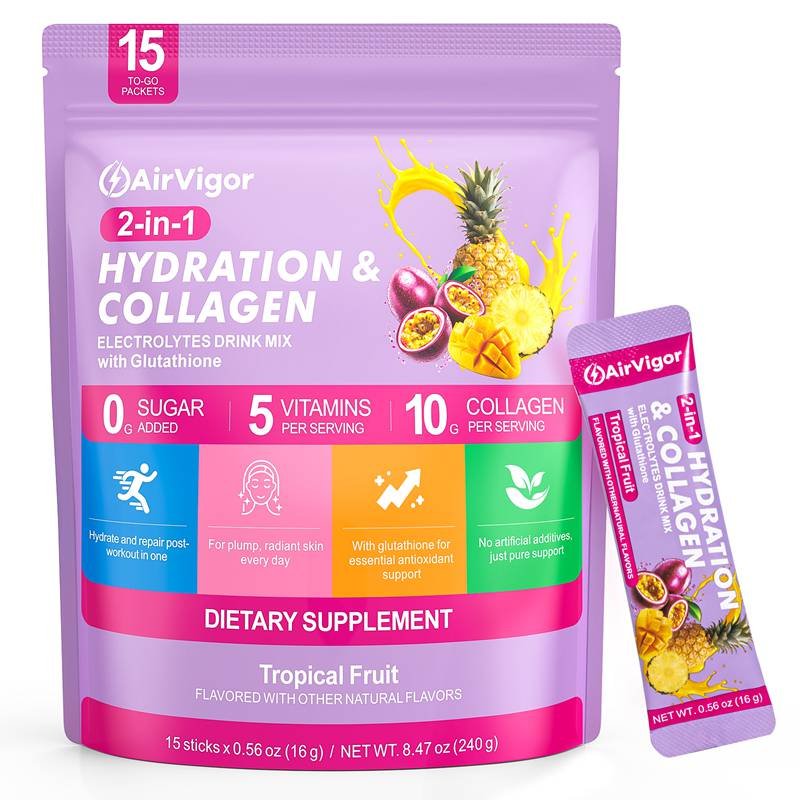
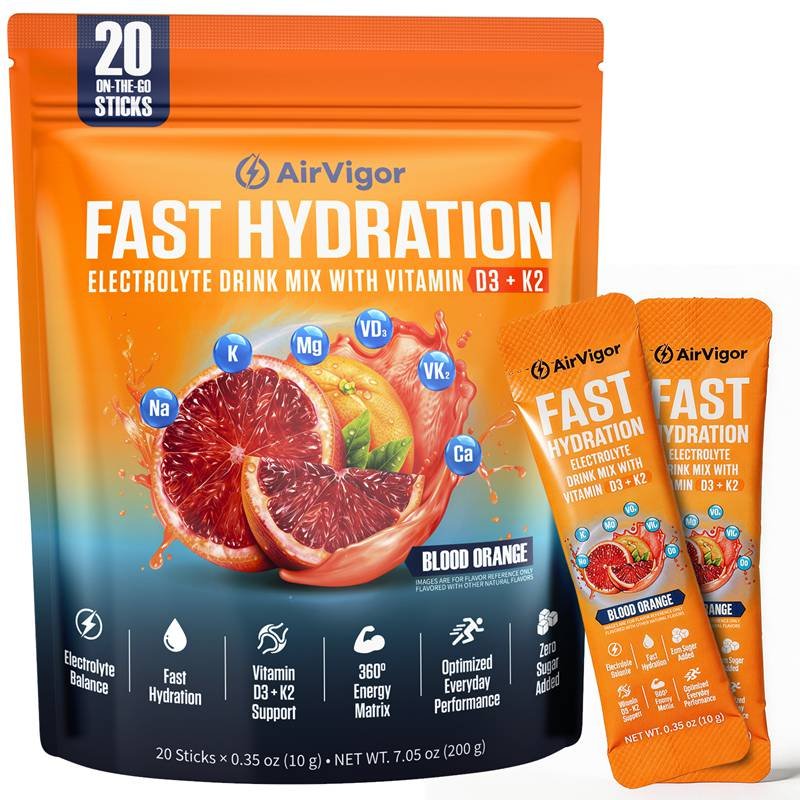
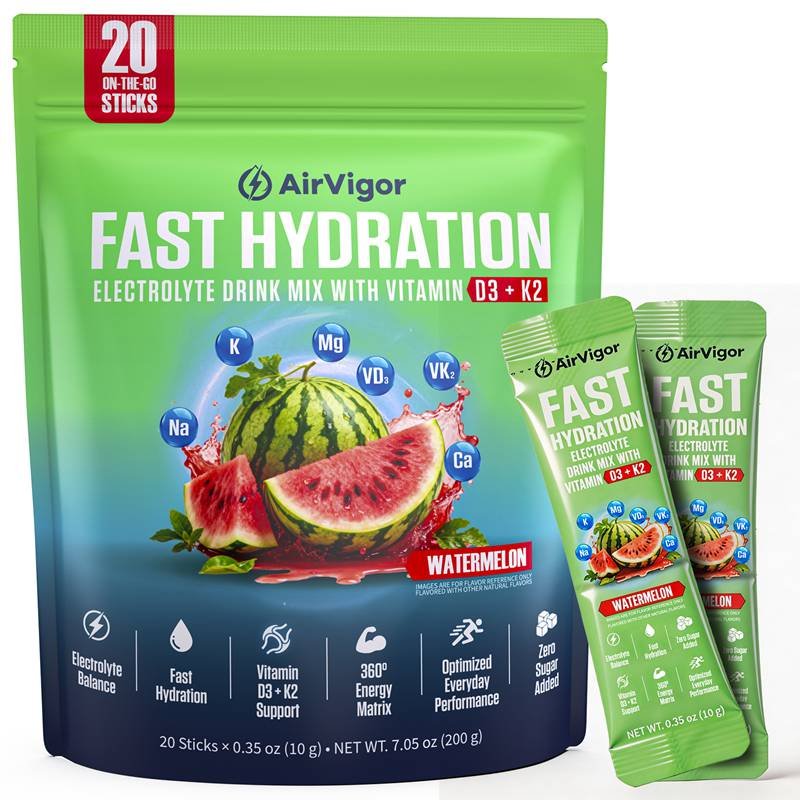
Weekend athletes need hydration products that fit real life. A formula may look impressive on paper, but if it is difficult to carry, unpleasant to drink, or inconsistent from batch to batch, it rarely becomes part of a long-term routine. AirVigor focuses on practical hydration support built around ingredient transparency, reliable quality standards, and convenient everyday use.
Designed Around How Weekend Athletes Actually Train
Most electrolyte products are marketed using images of elite endurance athletes, professional competitions, or extreme fitness challenges. While those scenarios attract attention, they do not reflect how most consumers actually exercise.
The majority of weekend athletes are balancing work, family responsibilities, travel, and training. Their workouts often happen early in the morning, after work, or during weekends when time is limited. They need hydration solutions that are simple, portable, and easy to incorporate into busy schedules.
AirVigor develops products with these real-world situations in mind. Whether someone is preparing for a Saturday morning run, a cycling group ride, a hiking trip, a tennis match, or a gym session, the goal is to make hydration easier rather than more complicated.
| Weekend Activity | Common Hydration Challenge |
|---|---|
| Running | Fluid loss during longer sessions |
| Cycling | Sustained sweat loss over several hours |
| Hiking | Limited access to hydration sources |
| Tennis & Pickleball | Repeated sweat loss between matches |
| Gym Training | Inconsistent hydration habits |
| Hot Yoga | High sweat volume in a short period |
Many consumers are not looking for complicated supplement stacks. They simply want a hydration product they can trust and use consistently every week.
Transparent Ingredients Instead of Marketing Hype
One of the biggest frustrations among supplement consumers is unclear labeling. Many products use proprietary blends or emphasize marketing language without clearly communicating what is actually inside the formula.
AirVigor follows a different approach. The focus is on clearly presenting ingredients and maintaining consistency from one batch to the next.
When consumers compare electrolyte products, they are increasingly looking for answers to practical questions:
- How much sodium is included?
- What minerals are actually provided?
- Is the serving size realistic?
- Does the formula fit my activity level?
A transparent formula allows customers to make those decisions more confidently.
| What Consumers Want to Know | Why It Matters |
|---|---|
| Electrolyte Content | Helps compare products accurately |
| Serving Size | Supports proper hydration planning |
| Ingredient Disclosure | Builds confidence and trust |
| Intended Usage | Makes product selection easier |
This trend is especially noticeable among active adults who regularly research ingredients before making a purchase. Rather than relying on exaggerated claims, they often prefer products that clearly explain what they contain and how they fit into an active lifestyle.
Quality Standards That Support Long-Term Consistency
Weekend athletes often purchase hydration products repeatedly throughout the year. Because hydration is a habit-based category, consistency becomes extremely important.
A product that tastes different from one purchase to the next or performs inconsistently can quickly lose consumer trust.
AirVigor supports product consistency through an established manufacturing and quality management system.
The company’s development and manufacturing resources include:
| Capability | Details |
|---|---|
| Nutrition & Food Science Team | 25+ specialists |
| Formula Development Experience | 20,000+ formula models |
| Innovation Portfolio | 300+ nutrition-related patents |
| Manufacturing Space | 30,000+ square meters |
| Quality Personnel | 30+ quality specialists |
| Production Environment | 100,000-class clean workshop |
Products are developed and produced within facilities operating under recognized quality management frameworks.
| Quality System | Purpose |
|---|---|
| GMP | Manufacturing management |
| HACCP | Food safety management |
| ISO Systems | Process consistency |
| FSSC22000 | Food safety framework |
| FDA Registration Frameworks | Regulatory support |
For consumers, these systems are largely invisible. What matters is the result: a product that delivers a consistent experience each time it is purchased.
Conclusion
Electrolyte powder can be a practical addition to a weekend athlete’s routine, especially during longer workouts, hot-weather activities, and sweat-heavy sports. The right formula helps replace key minerals lost through sweat, supports hydration balance, and makes recovery feel more manageable between active weekends.
For many runners, cyclists, hikers, gym-goers, and recreational athletes, consistency matters more than complexity. Choosing an electrolyte powder that is easy to carry, enjoyable to drink, and suitable for regular use often leads to better hydration habits over time.
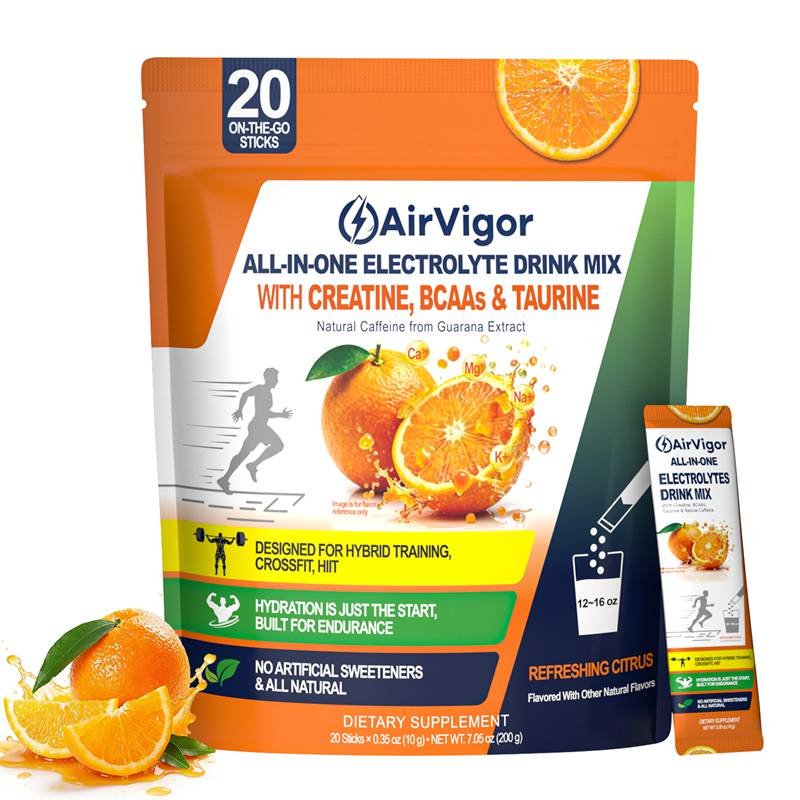
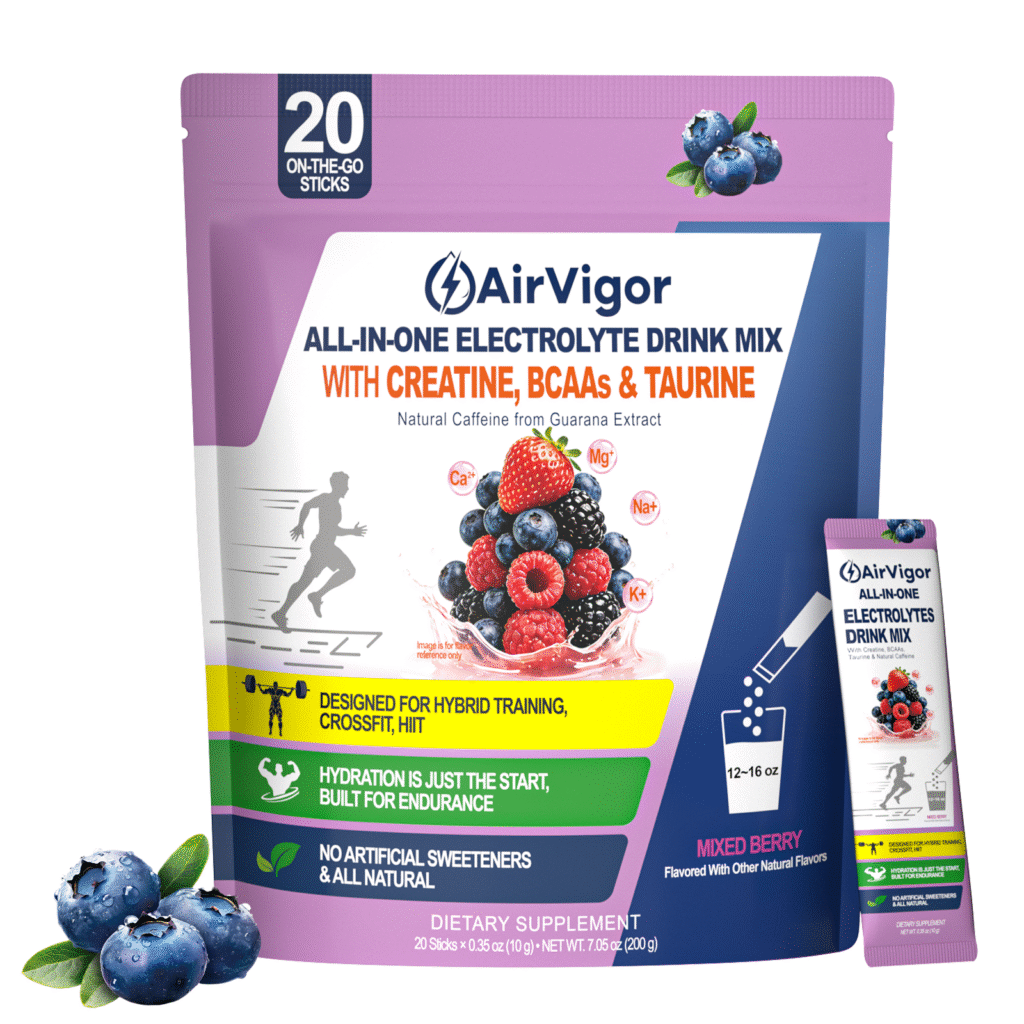
AirVigor Electrolyte Powder is designed with these needs in mind, combining transparent ingredients, convenient stick-pack formats, and quality-focused manufacturing standards to support active lifestyles. Whether you’re preparing for your next weekend workout or looking for a reliable hydration solution year-round, AirVigor offers a simple way to stay ready for every adventure.
Share:
Contact Expert Team
At AirVigor, performance becomes effortless. We transform advanced nutrition science into clean, effective supplements that help you hydrate, recover, and feel stronger every day. Shop AirVigor Supplements on Amazon and experience athlete-trusted formulas—backed by real science and supported by our world-class R&D and production capabilities.
Trust AirVigor
At AirVigor, turning your performance goals into reality is no longer a struggle—it’s a science-driven journey we build together. Whether you’re a runner, lifter, cyclist, yogi, outdoor athlete, or someone simply seeking better daily energy, AirVigor transforms advanced nutrition research into clean, effective, and trustworthy supplements you can feel.
Backed by our U.S. scientific team, global certifications, and world-class production standards, every formula is engineered to deliver real hydration, real recovery, and real performance. And when you’re ready to experience the difference, you’ll find AirVigor products available on Amazon and other major platforms—fast shipping, consistent quality, and a community of athletes already seeing results.
Behind the scenes, our R&D and manufacturing ecosystem also supports specialized formulation development, ensuring AirVigor continues to lead with innovation while keeping quality and safety uncompromised. But at the core, everything we create is built for you—your health, your performance, your momentum.
Choose AirVigor. Feel the science. Elevate your every day.


Subscribe to our newsletter
Sign up to our newsletter and we’ll keep you up to date with the latest arrivals.