Skip to content
Can You Take Electrolytes Without Exercise: A Simple Guide
# Your Trusted Dietary Supplement Brand In US
- Emily

Table of Contents
Electrolytes are commonly associated with intense exercise or athletic activities, such as running, gym workouts, or endurance sports. While this association is understandable, it represents only part of their role in human physiology. Sodium, potassium, magnesium, calcium, and other charged minerals are continuously used to maintain fluid balance, nerve signaling, muscle function, and other essential bodily processes. Daily activities like commuting in hot weather, traveling across time zones, consuming multiple cups of coffee, sitting in dry office environments, or following low-carbohydrate diets can all lead to fluid and mineral loss.
Yes, electrolytes can be useful even without exercise. They support fluid balance, muscle and nerve function, and hydration during heat, travel, sauna use, low-carb diets, or mild fluid loss. Selecting a balanced, low-sugar formula ensures your body receives essential minerals for everyday activities, maintaining comfort and energy throughout the day.
Imagine a busy office worker who spends hours in air-conditioned environments, drinks multiple coffees, and skips meals. No workout occurs, yet the body still requires adequate hydration to maintain focus and performance. Understanding how and when to use electrolytes in non-exercise contexts can help individuals optimize hydration, prevent fatigue, and support overall well-being.
What Are Electrolytes Without Exercise For?
Electrolytes without exercise are used to support daily hydration, fluid balance, nerve signaling, and normal muscle function. They are not only useful after workouts. Heat, travel, sauna use, caffeine intake, low water consumption, low-carb eating, and mild fluid loss can all make electrolyte support helpful in everyday life.
Electrolytes are minerals that carry an electrical charge when dissolved in body fluids. The most relevant minerals for hydration include sodium, potassium, magnesium, calcium, and chloride. These minerals help the body regulate how water moves between cells, support communication between nerves and muscles, and maintain normal physical function throughout the day. Exercise increases electrolyte demand because sweat loss becomes more obvious, but the body uses these minerals continuously, even during non-exercise routines.
This is why electrolytes can matter for people who do not consider themselves athletes. A person working in a warm warehouse, sitting in dry indoor air, traveling across time zones, using a sauna, drinking several coffees, or following a low-carb diet may have different hydration needs from someone spending a quiet day at home with regular meals and steady water intake. In these situations, plain water may still be important, but it may not always feel fully effective if fluid and mineral balance has already been affected.
Electrolytes should be understood as a hydration support tool, not a shortcut for energy, sleep, meals, or recovery. They do not replace a balanced diet, cure fatigue, or remove the need to drink enough water. Their value comes from helping water intake work better when the body is dealing with heat, sweat, travel, dry environments, alcohol, caffeine, or temporary fluid loss. For healthy adults, a moderate, transparent, zero-sugar electrolyte powder can fit well into daily hydration when there is a clear reason to use it.
Product format also affects how people hydrate in real life. Traditional sports drinks may contain electrolytes, but many also include sugar, artificial colors, or unnecessary calories for everyday use. Capsules can provide minerals, but they do not help users drink more water. Stick-pack powders are often more practical for non-exercise hydration because they combine measured minerals with actual fluid intake. One packet can be kept at a desk, in a gym bag, in a travel pouch, or at home for use during heat, travel, sauna, or long workdays.
Electrolytes should still be used with context. People who already consume a high-sodium diet, have kidney disease, have high blood pressure, take medications that affect mineral balance, or have been advised to restrict certain minerals should be more careful and seek professional guidance. For most healthy adults, the best daily electrolyte product is not necessarily the strongest formula. It is the product that provides clear mineral levels, zero sugar, good taste, easy mixing, and a serving size that matches real hydration needs.
| Electrolyte | Everyday Role | Why It Matters Without Exercise |
|---|---|---|
| Sodium | Helps maintain fluid balance and nerve signaling | Useful when sweat, heat, travel, or low-carb eating affects water balance |
| Potassium | Supports cells, muscles, and heart function | Helps maintain normal muscle and cellular function during daily routines |
| Magnesium | Supports muscles, nerves, and energy metabolism | Helpful when hydration habits are connected with fatigue or muscle tightness |
| Calcium | Supports muscle contraction and bone health | Contributes to normal muscle signaling and body function |
| Chloride | Supports fluid and acid-base balance | Works closely with sodium in daily hydration balance |
What Do Electrolytes Without Exercise Do?
Electrolytes without exercise help the body manage water balance, nerve signals, and muscle function during normal daily activity. Even when you are not training, your body is still regulating fluid inside and outside cells. If water intake is inconsistent, if you sweat lightly throughout the day, or if caffeine and dry indoor air affect your hydration routine, electrolyte balance can influence how hydrated and comfortable you feel.
The benefit is usually steady and practical rather than dramatic. Electrolytes may help water feel more effective because they support the body’s normal fluid balance. This can matter during hot weather, travel days, long work hours, sauna sessions, low-carb diets, or periods when you feel dry, foggy, or depleted. A well-designed electrolyte powder can also encourage better water intake because it adds light flavor, measured minerals, and convenience without relying on sugar.
Why Do You Lose Electrolytes Without Exercise?
Electrolytes can be lost without exercise through sweat, urine, digestive fluid loss, heat exposure, sauna use, alcohol intake, and daily routines that increase fluid turnover. Sweat is not limited to workouts. A hot commute, outdoor errands, warm weather, heavy clothing, stress, or a long day on your feet can all lead to gradual fluid and sodium loss, even if the person never enters a gym.
Fluid loss can also happen when sweating is not obvious. Diarrhea and vomiting can remove both water and minerals. Frequent urination from high fluid intake, caffeine, or alcohol may also affect hydration patterns. Low-carb and ketogenic diets can increase early water and sodium loss for some people because lower glycogen storage is often accompanied by lower water retention. In these cases, electrolyte needs are shaped by lifestyle, diet, environment, and fluid balance rather than exercise alone.
Are Electrolytes Without Exercise Still Useful?
Electrolytes without exercise can be useful when there is a clear hydration reason. They are most relevant when plain water does not fully match the situation, such as hot weather, long travel, sauna use, heavy sweating from non-exercise activity, low-carb eating, or mild fluid loss from illness. They are less useful when taken randomly on days when hydration and diet are already well balanced.
A better approach is to match electrolyte use to the day’s actual conditions. If the day involves heat, dry indoor air, multiple coffees, alcohol, travel, sauna, low water intake, or unusual fluid loss, a balanced electrolyte drink may support hydration more effectively than water alone. If the day is mild, meals are balanced, and water intake is already sufficient, electrolytes may not be necessary. For daily use, the ideal product should be moderate, transparent, zero sugar, easy to mix, and flexible enough to use only when the body needs extra hydration support.
Do You Need Electrolytes Without Exercise?
You may need electrolytes without exercise when your daily routine increases fluid loss or makes hydration harder to maintain. Heat, light sweating, travel, caffeine, alcohol, low-carb eating, sauna use, illness-related fluid loss, and inconsistent water intake can all raise the need for hydration support. On a normal day with balanced meals and enough water, plain water may be sufficient.
The need for electrolytes is not determined only by workouts. It is determined by how much fluid your body loses, how consistently you drink water, and whether your diet provides enough key minerals. Many people drink some water during the day but still feel dry, tired, lightheaded, or unfocused because their hydration routine does not match their environment. Dry indoor air, long flights, summer heat, multiple cups of coffee, and skipped meals can all affect how well the body maintains fluid balance.
Electrolytes without exercise become more relevant when mild hydration stress repeats throughout the week. One day of low water intake may not feel serious, but several small factors can build up: a hot commute, an air-conditioned office, a coffee-heavy morning, poor sleep, a salty restaurant meal, or a sauna session. The body may not need a medical intervention, but it may benefit from a better hydration routine that includes both water and minerals when the situation calls for it.
At the same time, not everyone needs electrolytes every day. Regular meals already provide minerals such as sodium, potassium, magnesium, and calcium. Sodium is common in many modern diets, while potassium is found in foods such as fruits, vegetables, beans, dairy products, and potatoes. Magnesium can come from nuts, seeds, whole grains, and leafy greens. If a person eats well, drinks enough water, lives in a mild climate, and does not lose much fluid, electrolyte supplements may offer limited additional benefit.
The best choice depends on the person’s routine. An office worker may prefer a lighter zero-sugar electrolyte stick pack for dry indoor days. A sauna user may need more focused sodium support. A frequent traveler may value portability, fast mixing, and stomach comfort. A low-carb consumer may pay closer attention to sodium and magnesium. Someone recovering from vomiting or diarrhea may need more careful rehydration support, and more serious symptoms should be handled with medical guidance rather than supplements alone.
| Daily Situation | Electrolytes Without Exercise? | Why It May Help |
|---|---|---|
| Normal day with balanced meals and enough water | Usually not necessary | Food and water may already support hydration needs |
| Hot weather or outdoor errands | Often helpful | Light sweating can remove fluid and sodium |
| Long flight or travel day | Helpful | Dry air and lower water intake can affect hydration |
| Sauna or hot room exposure | Helpful | Sweat loss can be significant even without exercise |
| Several coffees and low water intake | Sometimes helpful | Water intake may become inconsistent |
| Vomiting or diarrhea | Helpful, but use carefully | Fluid and minerals can both be lost quickly |
| Kidney disease or mineral restrictions | Use only with guidance | Electrolyte intake may need medical control |
Do You Sweat Without Working Out?
Yes, the body can sweat without exercise. Sweating is part of temperature regulation, and it can happen during hot weather, humidity, stress, fever, sauna use, outdoor chores, commuting, cooking in a warm kitchen, or working in heated indoor spaces. Even light sweating can matter when it continues for several hours.
This is one reason everyday electrolyte loss is often underestimated. Workout sweat is easy to notice, but daily sweat is usually gradual. A person may not feel drenched after walking through a parking lot, carrying groceries, waiting at an outdoor event, or spending a workday in a warm warehouse. Even so, the body may still lose fluid and sodium. In these situations, plain water remains essential, but a light electrolyte drink may provide better hydration support than a sugary sports drink designed mainly for athletic fueling.
Can Heat Increase Electrolyte Needs Without Exercise?
Heat can increase electrolyte needs without exercise because the body sweats to cool itself. Hot weather, humid rooms, summer travel, outdoor markets, beach days, theme parks, yard work, and long periods outdoors can all increase fluid loss. The activity may not feel like a workout, but the body still needs to manage temperature and hydration.
This matters for people who spend time in warm environments but do not identify as athletes. Parents at children’s sports games, outdoor workers, delivery drivers, gardeners, travelers, and people attending summer events may all need hydration support. Heat also changes drinking behavior. Some people drink more plain water but do not replace minerals. Others intentionally drink less because bathrooms are inconvenient. A portable electrolyte stick pack can fit these situations well because it is easy to carry, quick to mix, and more practical than a bulky bottle or powder tub.
Does Travel Make Electrolytes Without Exercise Helpful?
Travel can make electrolytes without exercise helpful because hydration habits often become inconsistent. People may drink less water before flights, spend hours in dry cabin air, walk long distances through airports, consume more coffee or alcohol, eat saltier meals, sleep poorly, and move between different climates. These factors can affect fluid balance even when no exercise is involved.
For travel use, convenience often matters as much as the formula itself. A large powder tub is not ideal for a suitcase, and ready-to-drink bottles can be bulky. Capsules are compact, but they do not encourage water intake. Stick packs are more practical because one serving can be placed in a purse, backpack, carry-on, or hotel bag, then mixed with water when needed. This format supports the behavior that matters most during travel: drinking enough fluid consistently.
Can Coffee Affect Electrolytes Without Exercise?
Coffee does not automatically cause dehydration in every person, especially for regular caffeine users. The more common issue is that coffee can replace water in the daily routine. Many people drink coffee in the morning, delay breakfast, work for several hours without refilling a water bottle, and then notice afternoon fatigue, dry mouth, or headaches.
In that situation, electrolytes without exercise may help support a better hydration routine. This does not mean every coffee drinker needs electrolyte powder. Someone who drinks one cup of coffee and enough water may not need extra support. But when the day includes multiple coffees, skipped meals, dry indoor air, and low water intake, a zero-sugar electrolyte drink can be a useful reset. The goal is not to offset coffee directly; it is to restore a better balance between fluid intake, minerals, and daily hydration needs.

When Should You Take Electrolytes Without Exercise?
You should take electrolytes without exercise when there is a clear reason to support hydration, such as heat exposure, light sweating, travel, sauna use, low water intake, low-carb eating, alcohol intake, or mild fluid loss from illness. For everyday use, one serving mixed with water is usually enough for routine hydration support when the situation calls for it.
Electrolyte timing should match the body’s actual hydration demand rather than follow a fixed daily habit. Some people may not need electrolytes every morning, especially if they eat balanced meals, drink enough water, and live in a mild climate. On other days, electrolyte support may be useful before spending several hours outdoors, during a long flight, after a sauna session, or during a workday when caffeine has replaced too much water. The goal is to use electrolytes when water and minerals together make more sense than water alone.
For non-exercise use, the most practical timing usually falls into three situations: before fluid loss becomes noticeable, during a period of higher hydration demand, or after mild fluid loss has already occurred. Drinking electrolytes before a hot outdoor event may be more useful than waiting until thirst, fatigue, or dry mouth appears. Mixing a stick pack during travel can help maintain more consistent water intake. Using electrolytes after sauna, warm-weather sweating, or mild digestive fluid loss can help support recovery when plain water alone may not fully address the situation.
Morning use can be helpful, but it should not be treated as mandatory. If a person wakes up thirsty, slept in a dry room, drank alcohol the night before, ate a very salty meal, or did not drink enough water the previous day, a morning electrolyte drink may be appropriate. If the person feels hydrated, eats a balanced breakfast, and drinks enough water, an electrolyte serving may not be necessary. This approach keeps daily electrolyte use practical and prevents the product from being used without a clear need.
Afternoon use is often more relevant for office workers, parents, drivers, travelers, and people who spend time in warm or dry environments. A mid-afternoon dip is often blamed on low energy, but in some cases it is linked to poor hydration earlier in the day. A zero-sugar electrolyte drink can be a better option than another sweet drink when the goal is fluid and mineral support without extra sugar. Evening use depends on the formula. Caffeine-containing electrolyte blends may not be suitable later in the day, while caffeine-free, low-sugar formulas may be more appropriate after sauna use, hot weather exposure, or alcohol intake.
| Best Time | Good Use Case | What to Avoid |
|---|---|---|
| Morning | Dry mouth, poor sleep, alcohol, low water intake | Using high-sodium products every morning without need |
| Midday | Heat, dry office air, coffee-heavy routine | Replacing meals or plain water completely |
| Travel | Flights, road trips, hotels, climate changes | Waiting until dehydration feels severe |
| After sauna | Sweat loss and fluid support | Using caffeinated formulas late at night |
| After illness | Mild fluid and mineral loss | Ignoring severe symptoms or medical advice |
| Low-carb days | Sodium and fluid balance support | Taking concentrated minerals without checking the label |
What Time Is Best?
The best time to take electrolytes without exercise is when hydration demand is higher than usual or when early signs of fluid imbalance begin to appear. This may happen in the morning after poor hydration, during the afternoon in hot or dry environments, before or during travel, or after sweating from sauna use, outdoor errands, or warm indoor conditions. There is no universal best time because electrolyte needs depend on the person’s routine, diet, climate, and fluid loss.
A useful way to think about timing is to connect electrolyte use with the day’s conditions. If the day includes heat exposure, long travel, several cups of coffee, alcohol, sauna use, low-carb eating, or poor water intake, electrolytes may fit naturally into the routine. One stick pack mixed with water at work, in a hotel room, at the airport, or after sauna is easier to maintain than a complicated supplement schedule. This format also supports the most important behavior behind hydration: drinking enough fluid consistently.
How Often Should You Use Them?
How often you use electrolytes without exercise depends on sweat, heat, travel, diet, caffeine intake, alcohol intake, and total water consumption. Some people may only need electrolytes occasionally, such as during summer, travel, sauna use, or after a night of poor hydration. Others may use them several times per week when their routine regularly includes heat, dry indoor air, low-carb eating, or long workdays with inconsistent water intake.
For most healthy adults, it is better to start with one serving on days that clearly create fluid or mineral loss. If the day is normal, meals are balanced, and water intake is steady, plain water may be enough. If the day includes hot weather, noticeable sweating, poor water intake, long travel, or sauna use, an electrolyte drink may be useful. Label review is important because a light daily hydration formula is different from a high-sodium endurance formula. The more concentrated the mineral content, the more intentional the use should be.
Is Daily Use Okay?
Daily electrolyte use can be appropriate for healthy adults when the formula is moderate, transparent, low in sugar, and matched to real hydration needs. The main concern is not daily electrolyte use itself, but taking high amounts of sodium, potassium, magnesium, or added sugar without considering diet, existing supplements, medical conditions, or medication use.
For daily hydration, customers should look for clearly listed mineral amounts, zero or low sugar, good mixability, and a serving size that fits ordinary water intake. Zero-sugar formulas are often better suited for non-exercise use because they support hydration without turning daily drinking into a sugar habit. People with high blood pressure, kidney disease, heart conditions, pregnancy-related concerns, or medication-related mineral restrictions should use electrolyte supplements carefully and seek professional guidance when needed. A responsible daily hydration product should help people understand when electrolytes make sense, not encourage unnecessary intake.
When Should You Skip Them?
You should skip electrolytes without exercise when there is no clear hydration need, when your diet is already high in sodium, when the formula contains ingredients that do not fit the time of day, or when a healthcare professional has advised limiting specific minerals. More electrolytes do not always improve hydration, especially if total mineral intake is already sufficient.
Poorly labeled products should also be avoided. If a powder only lists a vague “hydration blend” without showing sodium, potassium, magnesium, or calcium amounts, it is difficult to know whether the formula is suitable for daily use. Very sweet electrolyte drinks may also be unnecessary for non-exercise hydration because many everyday users want mineral support without extra sugar or calories. The best product choice should be based on label clarity, mineral balance, sugar content, use occasion, and how easily the product fits into a real drinking routine.
How Do Electrolytes Without Exercise Help?
Electrolytes without exercise help by supporting hydration, fluid balance, nerve signaling, and normal muscle function in everyday situations. They are most useful when thirst, fatigue, dry mouth, headaches, or low energy are connected to poor hydration, heat exposure, sauna use, alcohol intake, travel, low-carb eating, or inconsistent water intake.
Electrolytes should not be treated as instant energy, a headache remedy, or a recovery shortcut. They do not work like caffeine, sugar, or stimulants. Their role is more fundamental: they help the body maintain the balance between water and key minerals such as sodium, potassium, magnesium, calcium, and chloride. When that balance is affected, a person may feel thirsty, dry, foggy, weak, or physically uncomfortable even without exercising. In these cases, water combined with electrolytes may support hydration more effectively than water alone.
The cause of the symptom matters. If fatigue comes from poor sleep, skipped meals, low calorie intake, emotional stress, illness, or an underlying health condition, electrolytes may provide little benefit. If the same fatigue appears after heat exposure, sweating, dry indoor air, alcohol intake, long travel, low-carb eating, or several hours with little water, hydration support becomes more relevant. This distinction is important because many people search for electrolytes when they feel tired, but the real value of electrolytes depends on whether fluid and mineral balance is part of the problem.
For non-exercise users, the benefits are usually practical rather than dramatic. A well-designed electrolyte powder can help someone finish a full bottle of water during work, support hydration during a flight, replace minerals after a sauna session, or provide a better alternative to sugary drinks on hot days. The benefit is not a sudden burst of energy. It is steadier hydration support, clearer mineral intake, fewer unnecessary sugars, and a more consistent drinking routine.
Product format also changes how useful electrolytes are in daily life. Capsules can provide minerals, but they do not encourage fluid intake. Ready-to-drink bottles are convenient, but they may be bulky, expensive per serving, and higher in sugar. Powders and stick packs are often more suitable for non-exercise hydration because they combine minerals with actual water intake. One measured serving mixed with about 12–20 oz of water can create a complete hydration moment that is easy to repeat at work, while traveling, after sauna use, or during hot weather.
| User Concern | When Electrolytes May Help | What They Cannot Do |
|---|---|---|
| Thirst | After heat, sauna, alcohol, travel, or low water intake | Replace the need to drink enough water |
| Fatigue | When fatigue appears with thirst, dry mouth, heat, or sweating | Replace sleep, calories, meals, or medical care |
| Headache | When linked to dehydration, heat, alcohol, or travel | Treat every type of headache |
| Dry mouth | When water intake is low or indoor air is dry | Fix medication-related or medical dryness |
| Travel depletion | During flights, road trips, hotels, or climate changes | Prevent jet lag or replace sleep |
| After alcohol | With water before bed or the next morning | Cure a hangover or remove alcohol faster |
Do They Help Hydration?
Yes, electrolytes can help hydration because they support how the body holds, distributes, and uses water. Sodium plays a central role in fluid balance, while potassium, magnesium, and calcium support normal cell, nerve, and muscle function. When these minerals are paired with enough water, they may help hydration feel more complete in situations where plain water alone does not fully match the body’s needs.
For daily use, water volume matters. Many electrolyte powders are designed to be mixed with about 12–20 oz of water, depending on the mineral level and flavor strength. A serving that is too concentrated may taste salty or feel heavy on the stomach. A more diluted serving may taste lighter and can work well for people who prefer mild daily hydration. This is why a good electrolyte product should dissolve cleanly, taste light, and make it easier for people to finish the full bottle.
Hydration is also a behavior issue. Many people do not drink enough water because they forget, dislike plain water, avoid refilling a bottle during work, or reduce water intake while traveling. A zero-sugar electrolyte stick pack can make hydration easier to repeat because it adds light flavor, measured minerals, and portability without extra sugar. This is especially useful for office workers, drivers, parents, travelers, outdoor workers, sauna users, and people who spend long hours in dry indoor air.
| Daily Situation | Why Plain Water May Feel Incomplete | How Electrolytes May Help |
|---|---|---|
| Long office day | Dry indoor air and low water intake | Supports steady drinking and fluid balance |
| Hot commute | Light sweating may go unnoticed | Replaces some minerals lost through sweat |
| Sauna session | Sweat loss can be significant | Supports post-sweat rehydration |
| Low-carb diet | Water and sodium loss may increase | Supports sodium and fluid balance |
| Travel day | Dry air, less water, more coffee | Makes hydration easier to maintain |
Can They Help Fatigue?
Electrolytes can help fatigue when the fatigue is related to dehydration, heat exposure, sweating, low fluid intake, alcohol intake, or mineral loss. They do not directly create energy like calories, sugar, or caffeine. Instead, they support normal hydration status, which can affect how the body feels during work, travel, hot weather, or long daily routines.
This difference matters because many people respond to afternoon tiredness with more coffee, soda, or sweet drinks. Sometimes the body may need calories or rest, but in many daily routines the issue is poor hydration from the first half of the day. A person may drink coffee in the morning, sit under air conditioning, skip water refills, eat a salty lunch, and then feel tired or dry by mid-afternoon. In that situation, a zero-sugar electrolyte drink may be a more suitable option than another high-sugar beverage.
The best way to judge whether electrolytes may help is to look at the surrounding pattern. Fatigue with thirst, dry mouth, heat exposure, sweating, sauna use, alcohol intake, low-carb eating, or low water intake is more likely to be hydration-related. Fatigue after poor sleep, skipped meals, heavy stress, or illness may require food, rest, or medical attention instead. A responsible electrolyte product should support hydration clearly without pretending to solve every cause of tiredness.
Do They Help Headaches?
Electrolytes may help headaches when the headache is connected to dehydration, heat exposure, sweating, alcohol intake, travel, or poor fluid balance. They are not a treatment for all headaches. Severe, frequent, sudden, or unusual headaches should not be managed with supplements alone and may require professional medical advice.
For everyday use, electrolytes are more useful as part of a hydration routine than as a guaranteed fix after discomfort has already become strong. Someone taking a long flight may use electrolytes before or during travel to support fluid intake in dry cabin air. Someone who works in dry indoor environments may use them in the afternoon if thirst, eye dryness, and low water intake appear together. Someone who drinks alcohol may use water plus electrolytes before bed or the next morning to support rehydration.
Timing also matters. If dehydration is involved, earlier fluid and mineral support is usually more practical than waiting until symptoms feel intense. During heat, travel, sauna use, alcohol intake, or long workdays with caffeine and little water, using electrolytes before hydration falls too far behind may be more useful than trying to correct the issue later. The message should remain clear: electrolytes support hydration; they should not be positioned as a medical headache solution.
Can They Help After Drinking?
Electrolytes can help after drinking alcohol by supporting rehydration with water. Alcohol can affect normal fluid balance, increase urination, reduce sleep quality, and disrupt normal drinking habits. Electrolytes do not cure a hangover, remove alcohol from the body faster, or cancel the effects of drinking. Their role is to support fluid and mineral replacement when hydration has been affected.
For mild next-day dehydration, a zero-sugar electrolyte stick pack can be mixed with water before bed or used the next morning with a light meal. A caffeine-free formula is usually more appropriate at night because stimulant ingredients may interfere with sleep. This type of routine is especially useful for travelers, social drinkers, and people who want a simple option without relying on sugary sports drinks.
Electrolytes are not enough for severe symptoms. If someone has repeated vomiting, confusion, fainting, chest pain, severe dehydration, or symptoms that feel unusual, medical attention is more important than any supplement. For ordinary mild dehydration after alcohol, electrolytes can be a useful hydration support tool when used with water, food, and rest.

Which Electrolytes Without Exercise Are Best?
The best electrolytes without exercise are balanced, transparent, low in sugar, and easy to use in daily routines. For non-exercise hydration, the goal is not to take the strongest mineral formula possible. The better goal is to support fluid balance during everyday situations such as heat exposure, dry indoor air, travel, sauna use, low water intake, alcohol intake, or low-carb eating. A good daily electrolyte product should clearly list its minerals, avoid unnecessary sugar, mix well with water, and fit naturally into the way people actually drink throughout the day.
Formula strength should match the use occasion. A high-sodium endurance formula may be appropriate for long-distance athletes or heavy sweaters, but it may be unnecessary for someone who wants light hydration support at work or during travel. For most healthy adults using electrolytes without exercise, moderate mineral levels are usually more practical than aggressive dosing. The label should show sodium, potassium, magnesium, and calcium amounts per serving, so users can understand what they are adding to their daily intake instead of relying on vague “hydration blend” claims.
Product format also matters because hydration is not only about minerals; it is also about drinking enough water. Capsules can deliver minerals, but they do not encourage fluid intake. Ready-to-drink bottles are convenient, but they may be bulky, expensive per serving, and sometimes higher in sugar. Powder tubs can work well at home, although they are less convenient outside. Stick packs are often the most practical format for non-exercise use because each serving is pre-measured, portable, and designed to be mixed with a full bottle of water. That combination of minerals plus fluid is what makes electrolyte use more relevant for daily hydration.
What Minerals Matter Most?
The most important minerals in electrolytes without exercise are sodium, potassium, magnesium, calcium, and chloride. Sodium helps the body maintain fluid balance and supports nerve signaling. Potassium supports cellular function, muscles, and heart rhythm. Magnesium plays a role in muscle function, nerve activity, and energy metabolism. Calcium supports muscle contraction and normal body function, while chloride works closely with sodium to support fluid and acid-base balance.
For non-exercise hydration, moderate mineral support is usually more appropriate than extremely high doses. Someone using electrolytes after a sauna session or during hot weather may need more sodium support than someone using a light daily hydration drink at the office. A person following a low-carb diet may pay closer attention to sodium and magnesium because water and sodium loss can increase during early low-carb adaptation. People with high blood pressure, kidney disease, heart conditions, or medication-related mineral restrictions should review electrolyte use carefully and seek professional guidance when needed.
| Mineral | Daily Role | Practical Range for Non-Exercise Use |
|---|---|---|
| Sodium | Supports fluid balance and nerve signaling | Often around 200–300 mg per serving for light daily hydration |
| Potassium | Supports muscles, cells, and heart function | Often around 200–400 mg per serving |
| Magnesium | Supports muscles, nerves, and energy metabolism | Often around 50–100 mg per serving |
| Calcium | Supports muscle contraction and normal body function | Often around 50–100 mg per serving |
| Chloride | Supports fluid and acid-base balance | Usually paired with sodium in hydration formulas |
These ranges are useful as a general reference, not a universal requirement. The right amount depends on diet, sweat level, climate, health status, and use occasion. For daily hydration, clear mineral disclosure is more important than oversized numbers. A product that lists exact mineral amounts helps users choose a formula that matches their routine instead of guessing from marketing language.
Is Zero Sugar Better?
Zero sugar is usually better for electrolytes without exercise because daily hydration does not normally require extra sugar. Sugar can be useful in certain endurance or oral rehydration situations, but many non-exercise users are looking for fluid and mineral support without added calories. Office workers, travelers, parents, sauna users, and people using electrolytes during ordinary daily routines often benefit from a formula that supports hydration without turning each drink into a sweetened beverage.
A zero-sugar formula also makes repeat use easier. If a person drinks electrolytes several times per week during summer, travel, or low water intake, added sugar can quickly become unnecessary. For example, a drink with 10–20 grams of sugar per serving may not seem significant once, but regular use can add a meaningful amount of sugar across a week. A low-calorie or zero-sugar electrolyte powder gives users more flexibility because it can be used in the morning, during work, after sauna, or while traveling without feeling like a sports drink designed for intense training.
Taste still matters. A daily electrolyte drink should not be overly salty, overly sweet, or difficult to finish. Light citrus, berry, or clean fruit flavors can help people drink more consistently while keeping the formula suitable for regular use. The ideal non-exercise electrolyte product should make water easier to drink without relying on heavy sweetness, artificial color, or unnecessary calories.
Are Stick Packs Easier?
Stick packs are often easier for non-exercise electrolyte use because they solve three common problems at once: measuring, carrying, and consistency. A tub may be economical at home, but it requires a scoop, a dry storage area, and careful portioning. Capsules are simple to carry, but they do not create the habit of drinking water. Ready-to-drink bottles are easy to use, but they take up space and are less flexible for travel. A stick pack offers one measured serving that can be added to a bottle of water at work, in a hotel room, at the airport, after sauna, or during a hot day outdoors.
For daily hydration, this format matters more than many people realize. A product that is inconvenient will not be used consistently, even if the formula looks good on the label. Single-serve packets also reduce the risk of over-scooping and help users understand exactly how much sodium, potassium, magnesium, and calcium they are taking per serving. For customers who want electrolytes without exercise, a portable stick pack is often more practical than a sports drink bottle or a large powder tub.
The most suitable stick-pack electrolyte should dissolve quickly, taste clean, and mix well with a normal water bottle. Around 12–20 oz of water per serving is a common daily-use range, depending on flavor strength and mineral concentration. A lighter mix may be better for office hydration, while a stronger mineral profile may be preferred after sauna, heat exposure, or heavy sweating from non-exercise activity. The key is matching the formula and water volume to the actual moment.
Why Choose AirVigor?
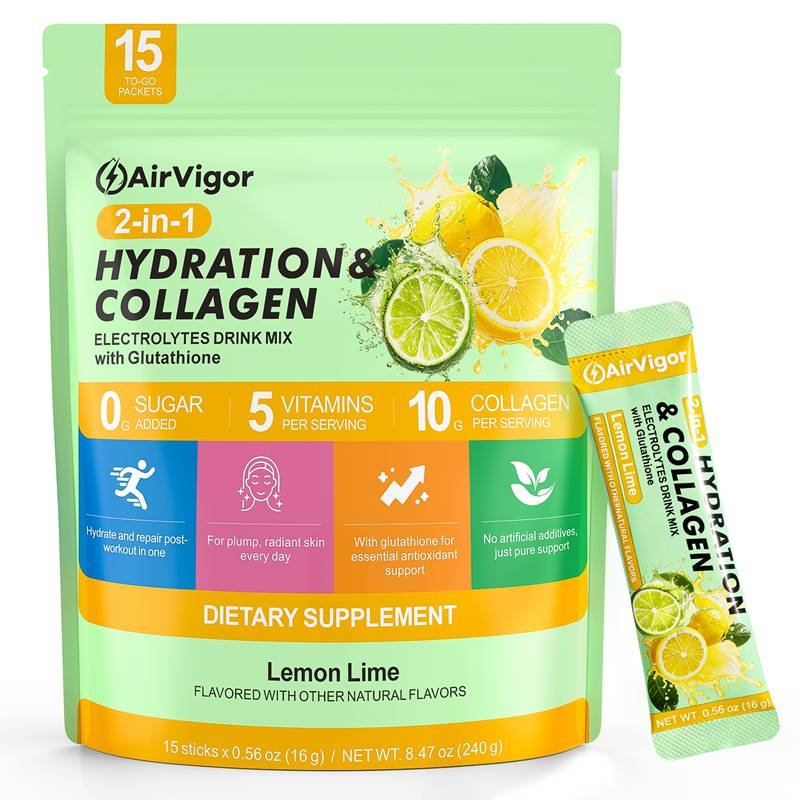
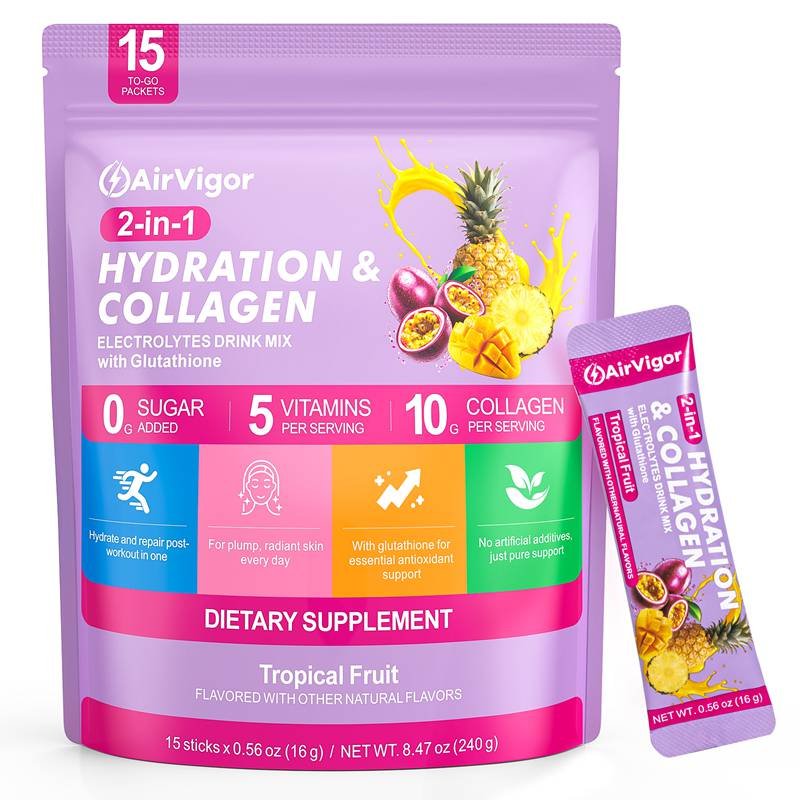
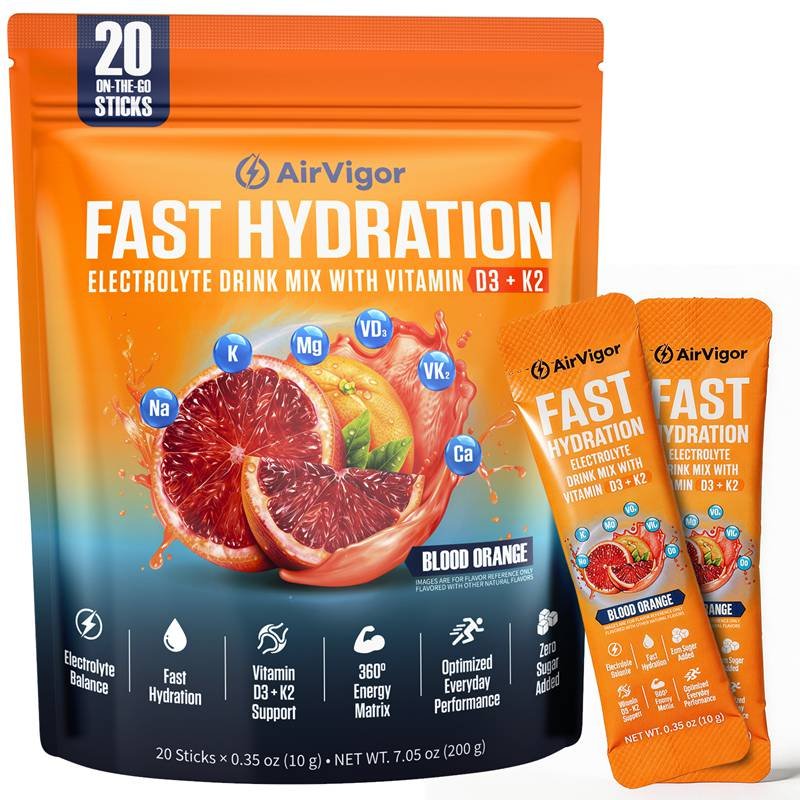
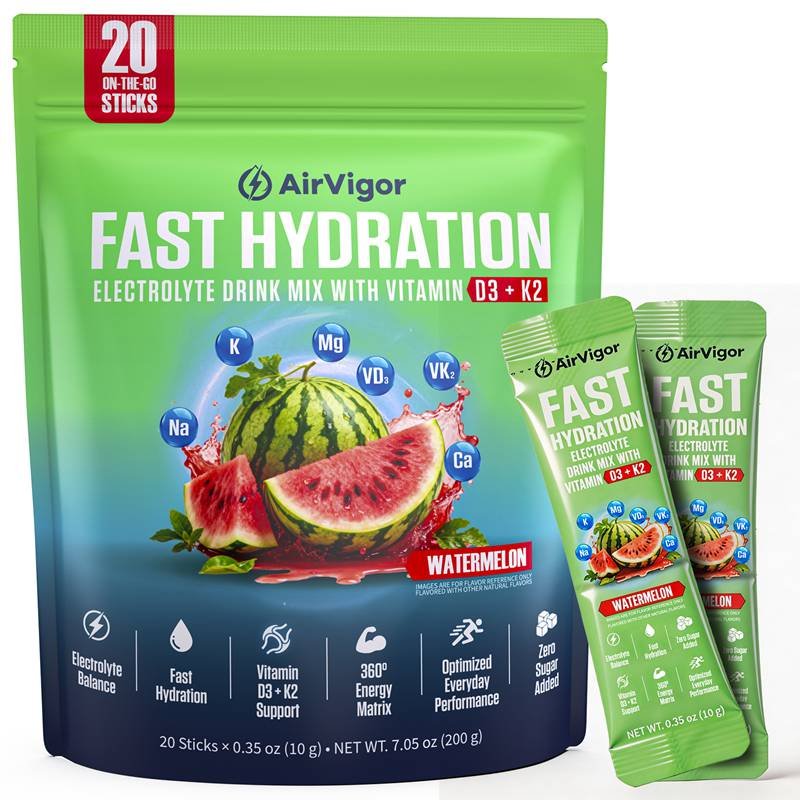
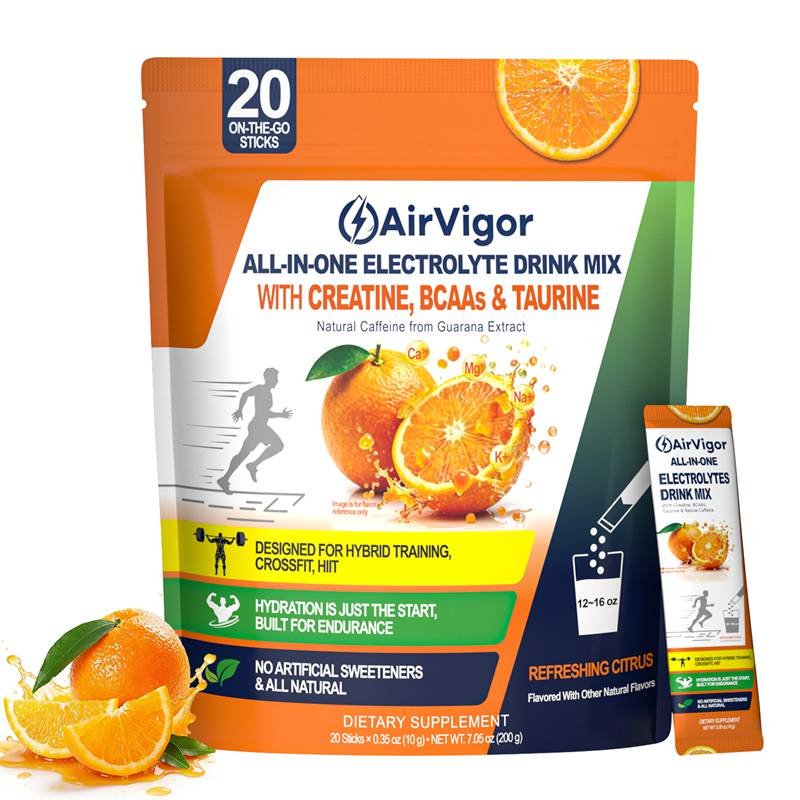
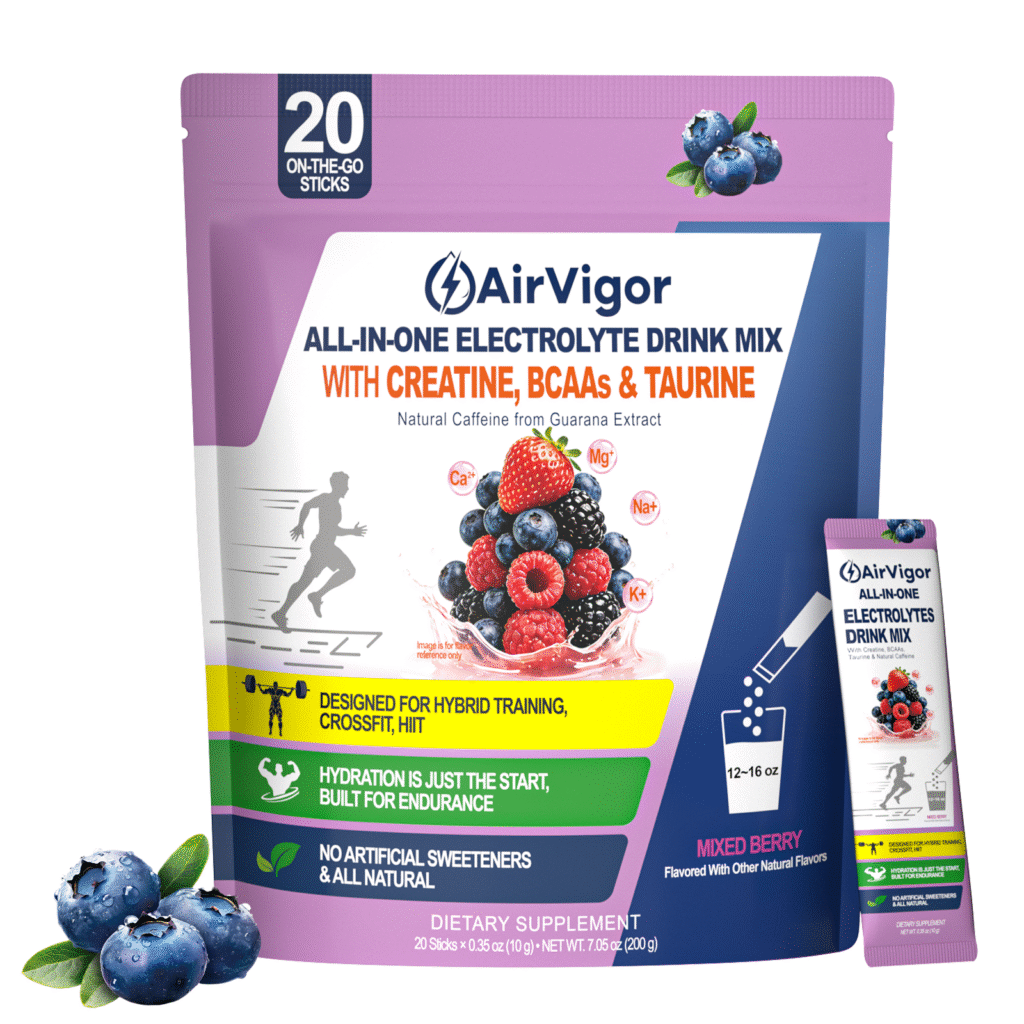
AirVigor electrolyte stick packs are built for real daily hydration situations, not only gym use. They are designed for people who need convenient hydration support during work, travel, sauna use, heat exposure, low water intake, or low-carb routines. Each serving is easy to carry, quick to mix, and suitable for customers who want mineral support without the sugar load of traditional sports drinks.
AirVigor focuses on clear formula expression, high-grade raw materials, stable quality management, and practical product formats. A strong daily electrolyte product should show the mineral content clearly, use a balanced profile of sodium, potassium, magnesium, and calcium, and provide a taste that customers can use repeatedly without flavor fatigue. For non-exercise hydration, these details matter because the product must fit real routines: a desk drawer, a travel bag, a sauna kit, a morning bottle, or an afternoon hydration reset.
For customers who want a ready-to-use product, AirVigor branded electrolyte stick packs offer a simple path to daily hydration support. For business partners, retailers, or channel operators, AirVigor can also support custom electrolyte formulas based on target market, mineral level, flavor direction, serving size, and packaging format. Ready-to-sell branded products are often the faster choice for market entry, while custom formulation can be considered when a brand has clear positioning, volume planning, and specific formula requirements.
Conclusion: Should You Take Electrolytes Without Exercise?
You can take electrolytes without exercise, but the better question is whether your day creates a real hydration need. Electrolytes are most useful when heat, dry indoor air, travel, sauna use, caffeine, alcohol, low-carb eating, mild sweating, or temporary fluid loss makes plain water feel less effective. On a normal day with balanced meals and steady water intake, you may not need an electrolyte drink at all.
The smartest approach is to use electrolytes with context. Look at your routine before choosing a serving. Did you spend hours in heat? Did you drink several coffees and little water? Did you travel, use a sauna, eat low-carb, or wake up feeling dry? If the answer is yes, a balanced electrolyte drink can support fluid balance, normal muscle function, and everyday hydration without needing to be tied to a workout.
For daily non-exercise use, the best electrolyte product should be simple: clearly listed minerals, moderate sodium and potassium support, zero sugar, clean taste, easy mixing, and a format that makes drinking water more consistent. Stick packs are especially practical because they are pre-measured, portable, and easy to use at work, at home, during travel, or after sauna sessions.
AirVigor electrolyte stick packs are designed for these real daily hydration moments. They offer a convenient option for customers who want zero-sugar hydration support without relying on bulky bottles, high-sugar sports drinks, or complicated supplement routines. For most customers, choosing AirVigor branded ready-to-sell products is the fastest way to start. For channel partners or brands with specific market needs, AirVigor can also support custom electrolyte formulas, including flavor direction, mineral profile, serving size, and packaging format.
If you are looking for an easy daily hydration product, explore AirVigor branded electrolyte stick packs. If you are building a hydration product line for your market, contact AirVigor with your target customer, preferred flavor, serving size, packaging style, and order volume to discuss available product and custom formulation options.
Share:
Contact Expert Team
At AirVigor, performance becomes effortless. We transform advanced nutrition science into clean, effective supplements that help you hydrate, recover, and feel stronger every day. Shop AirVigor Supplements on Amazon and experience athlete-trusted formulas—backed by real science and supported by our world-class R&D and production capabilities.
Trust AirVigor
At AirVigor, turning your performance goals into reality is no longer a struggle—it’s a science-driven journey we build together. Whether you’re a runner, lifter, cyclist, yogi, outdoor athlete, or someone simply seeking better daily energy, AirVigor transforms advanced nutrition research into clean, effective, and trustworthy supplements you can feel.
Backed by our U.S. scientific team, global certifications, and world-class production standards, every formula is engineered to deliver real hydration, real recovery, and real performance. And when you’re ready to experience the difference, you’ll find AirVigor products available on Amazon and other major platforms—fast shipping, consistent quality, and a community of athletes already seeing results.
Behind the scenes, our R&D and manufacturing ecosystem also supports specialized formulation development, ensuring AirVigor continues to lead with innovation while keeping quality and safety uncompromised. But at the core, everything we create is built for you—your health, your performance, your momentum.
Choose AirVigor. Feel the science. Elevate your every day.


Subscribe to our newsletter
Sign up to our newsletter and we’ll keep you up to date with the latest arrivals.