Skip to content
Vitamin B for Fatigue : How It Supports Energy and Daily Wellness
# Your Trusted Dietary Supplement Brand In US
- Emily

Table of Contents
Fatigue is one of the most common wellness concerns people search for online, but it is also one of the most misunderstood. For some people, fatigue feels like difficulty feeling alert in the morning. For others, it appears as poor focus after lunch, slower workout recovery, reduced motivation, or persistent low energy that does not improve after a normal night of sleep. Because B vitamins are closely involved in how the body converts food into usable energy, “vitamin B for fatigue” has become an important topic for consumers looking for daily nutritional support rather than short-term stimulation.
Vitamin B may help support fatigue when low intake, poor absorption, restrictive diets, certain medications, heavy alcohol use, or increased daily demands affect B vitamin status. B vitamins do not work like caffeine. They help the body convert carbohydrates, fats, and proteins into usable energy while supporting normal red blood cell formation, nervous system function, and cellular metabolism.
The key point is that fatigue is rarely caused by one factor alone. A person may rely on caffeine, sleep a reasonable number of hours, and still experience persistent low energy if nutrition quality, hydration, stress load, digestive health, and micronutrient intake are not well balanced. This is why vitamin B products should not be positioned as instant energy solutions. A well-designed formula should help consumers build a more consistent foundation for daily vitality, especially when modern routines make balanced nutrition difficult to maintain.
What Causes Fatigue?
Fatigue is usually caused by a combination of sleep quality, stress, hydration, meal timing, nutrient intake, physical activity, medication use, and overall health status. Vitamin B status may be part of the picture, especially when diet quality, absorption, or lifestyle habits affect the body’s ability to maintain normal energy metabolism. However, fatigue should not be viewed as a single-nutrient issue.
Fatigue often develops gradually rather than appearing as an isolated event. A late night may lead to a rushed morning, limited breakfast, higher caffeine intake, reduced water intake, and poor food choices later in the day. By the afternoon, low energy may reflect several overlapping pressures rather than one clear cause. This is why many people feel frustrated when extra sleep or another cup of coffee does not fully solve the problem. The body may be dealing with incomplete recovery, inconsistent fuel, low hydration, and limited micronutrient support at the same time.
Sleep is still one of the most important starting points. In the United States, about one-third of adults report sleeping less than seven hours per day, which can affect alertness, appetite, mood, exercise recovery, and focus. For many consumers, fatigue is not caused by one poor night of sleep. It often comes from weeks or months of insufficient recovery. When the body repeatedly receives “almost enough” rest, tiredness may become part of the normal daily pattern rather than a temporary problem.
Nutrition quality also has a direct influence on daily energy. Many adults consume enough calories but do not consistently get enough protein, vitamins, minerals, or fluids to support stable energy throughout the day. A sweet breakfast, low-protein lunch, skipped meal, or heavy reliance on convenience foods can lead to energy swings that feel like fatigue. B vitamins become relevant here because they help the body convert carbohydrates, fats, and proteins into usable energy. If intake is low or absorption is impaired, normal energy metabolism may not be fully supported.
Hydration is another common but underestimated factor. Mild dehydration does not always feel like strong thirst. It may show up as headache, dry mouth, poor concentration, heavy legs, or afternoon tiredness. This is especially common among people who rely on caffeine, work in air-conditioned offices, travel frequently, exercise, or spend time in hot weather. For these users, vitamin B alone may not be enough. A more complete daily wellness approach may need to consider fluid balance, electrolytes, and nutrient support together.
Stress can also make fatigue feel more intense. Mental workload, screen time, long meetings, family responsibilities, and limited recovery time may leave a person feeling drained even without heavy physical activity. This type of fatigue is one reason consumers are moving away from overly aggressive energy products and looking for daily support formulas that feel cleaner, steadier, and easier to use. In the fatigue-support category, credibility matters. Products should support normal energy metabolism and daily vitality, not promise an instant solution to every cause of tiredness.
| Common Fatigue Trigger | What Customers May Feel | Why It Matters for Energy |
|---|---|---|
| Short sleep | Morning tiredness, poor focus, low motivation | Recovery time may not match daily demands |
| Irregular meals | Energy crashes, cravings, caffeine dependence | The body receives inconsistent fuel |
| Poor hydration | Headache, dry mouth, heavy body feeling | Fluid balance affects comfort and concentration |
| High stress | Mental fatigue, irritability, poor sleep quality | Stress can increase perceived tiredness |
| Restrictive diets | Weakness, low stamina, nutrient gaps | B12, folate, iron, and other nutrients may be low |
| Travel or active routines | Jet lag, dehydration, slower recovery | Routine disruption affects sleep, meals, and fluids |
Is Fatigue Always a Vitamin Problem?
Fatigue is not always a vitamin problem. In many cases, it begins with sleep debt, high stress, poor hydration, irregular meals, low physical recovery, or an underlying health issue. Vitamin status becomes more relevant when tiredness is frequent, difficult to explain, or connected with a diet that may not provide enough key nutrients.
This is especially important for people who follow vegan or vegetarian diets, eat very little animal-based food, skip meals often, drink alcohol frequently, or have digestive issues that may affect absorption. Vitamin B12, for example, is naturally found mainly in animal-based foods. When intake or absorption is low, fatigue may appear together with weakness, pale skin, shortness of breath, tingling sensations, or poor concentration.
A more useful way to evaluate vitamin B is not to ask whether it creates instant energy. The better question is whether the body is receiving enough nutrients to support normal energy metabolism. If someone sleeps poorly, eats inconsistently, drinks little water, and follows a limited diet, vitamin B may be one part of a broader support plan. A responsible fatigue-support formula should reflect this reality by supporting daily energy processes without overstating what one supplement can do.
What Daily Habits Can Drain Energy?
Daily energy is strongly affected by repeated habits. Many people do not feel tired because of one major mistake. They feel tired because several small patterns work against them every day, including a caffeine-led morning routine, inconsistent meals, low water intake, long screen exposure, and limited recovery time.
For example, a person may start the day with coffee, delay breakfast, move quickly into work, drink very little water, and choose a quick lunch with limited protein. By mid-afternoon, reduced focus and low motivation may feel like a lack of willpower, when the real issue is a routine that does not provide steady fuel and hydration. Over time, this pattern can make fatigue feel normal.
This creates a clear opportunity for well-designed vitamin B products. Customers dealing with low energy usually do not want a complicated routine. They want daily support that is easy to understand, easy to take, and realistic for workdays, travel, fitness schedules, and busy family life. Capsules, gummies, liquid sticks, and powder stick packs can all work when the format matches the user scenario. The strongest fatigue-support products are not positioned around aggressive energy claims. They help customers build a more consistent daily wellness routine.
How Does Vitamin B Support Energy?
Vitamin B supports energy by helping the body convert carbohydrates, fats, and proteins into usable fuel. B vitamins do not work like caffeine and do not create an immediate stimulant-like effect. Instead, they act as essential cofactors in normal energy metabolism, red blood cell formation, nervous system function, and cellular processes that influence how efficiently the body uses food for daily physical and mental activity.
When consumers search for vitamin B for fatigue, many are looking for a quick energy solution. The more accurate explanation is that B vitamins help support the systems behind energy production rather than forcing the body to feel alert for a few hours. This matters because fatigue is often connected to inconsistent nutrition, restrictive diets, poor absorption, high daily stress, travel, active routines, or long periods of inadequate recovery. In these situations, the body may still receive calories, but it may not receive enough micronutrient support to use those calories efficiently.
Energy metabolism is not controlled by one B vitamin alone. The B vitamin family works across different steps of the body’s fuel-use process. Thiamin supports carbohydrate metabolism. Riboflavin and niacin are involved in cellular energy pathways. Pantothenic acid contributes to coenzyme A production, which is important for fat and carbohydrate metabolism. Vitamin B6 supports amino acid metabolism and glycogen use. Biotin contributes to fatty acid and glucose metabolism. Folate and vitamin B12 support red blood cell formation, which helps the body maintain normal oxygen transport. This is why B complex products are often positioned for daily energy support, while B12-focused products are commonly chosen by people with low B12 intake or absorption concerns.
| B Vitamin | Common Name | Main Energy-Related Role | Why Customers May Care |
|---|---|---|---|
| B1 | Thiamin | Helps convert carbohydrates into usable energy | Relevant for people with low-quality diets or high carbohydrate intake |
| B2 | Riboflavin | Supports cellular energy production pathways | Helps explain daily metabolism support |
| B3 | Niacin | Supports NAD and NADP activity in energy reactions | Important for food-to-energy conversion |
| B5 | Pantothenic Acid | Helps form coenzyme A | Supports fat and carbohydrate metabolism |
| B6 | Pyridoxine | Supports amino acid metabolism and glycogen use | Relevant for active users and protein metabolism |
| B7 | Biotin | Supports glucose and fatty acid metabolism | Often used in beauty and wellness formulas |
| B9 | Folate | Supports red blood cell and DNA formation | Important for women’s wellness and vitality |
| B12 | Cobalamin | Supports red blood cells and nervous system function | Highly relevant for fatigue-related searches |
For the average customer, the practical value of B vitamins is not about feeling a dramatic rush. It is about supporting a more stable nutritional foundation. Someone who skips meals, eats limited animal-based foods, follows a plant-based diet, travels frequently, or relies heavily on convenience foods may be more likely to experience gaps in B vitamin intake. Over time, those gaps can make fatigue feel more noticeable, especially when combined with poor sleep, dehydration, or high stress.
Vitamin B12 deserves special attention because it is strongly associated with fatigue-related searches. B12 is naturally found mainly in animal-based foods, so people who eat little or no meat, fish, dairy, or eggs may need to pay closer attention to intake. Older adults and people with certain digestive or absorption issues may also have a harder time maintaining healthy B12 status from food alone. In these cases, a targeted B12 supplement or a well-balanced B complex may be more relevant than a generic energy product.
A strong vitamin B formula should be designed around real use, not only label numbers. High-dose products may look impressive, but many consumers want a formula that feels safe, clean, and suitable for daily routines. For fatigue-support products, the format also matters. Capsules may work well for traditional supplement users, while powders, liquid sticks, and gummies may be more attractive for people who want something easy to take at work, during travel, or after a workout.
For supplement brands, this creates an opportunity to develop vitamin B products around clear user scenarios. A B12 liquid stick can fit vegan or busy lifestyle consumers. A B complex capsule can support general daily wellness. A powder stick with B vitamins and electrolytes can appeal to active users, travelers, and office workers who want hydration and energy metabolism support in one routine. The most effective positioning is not “instant energy,” but steady nutritional support for people whose modern routines make balanced intake harder to maintain.
Which B Vitamins Matter Most?
The most important B vitamins for fatigue-related products are usually B12, folate, B6, niacin, riboflavin, thiamin, pantothenic acid, and biotin. B12 often receives the most attention because it supports red blood cell formation and nervous system function, and low B12 status can be associated with tiredness, weakness, poor concentration, and other concerns. Folate works closely with B12 in red blood cell and DNA-related processes, while B6 supports amino acid metabolism and normal nervous system function.
However, fatigue support should not rely on B12 alone unless the product is specifically designed for B12 intake gaps. For broad daily energy support, a B complex may provide a more complete approach because multiple B vitamins participate in food-to-energy conversion. This is especially useful for customers with inconsistent diets, busy work schedules, frequent travel, or active lifestyles. From a product development perspective, the best choice depends on the target audience: B12 for focused support, B complex for broader daily wellness, and combination formulas for users who want energy metabolism plus hydration, beauty, or active lifestyle benefits.
How Do B Vitamins Help the Body Use Food?
B vitamins help the body use food by supporting the metabolic reactions that turn carbohydrates, fats, and proteins into usable energy. This is different from consuming caffeine or sugar. Caffeine changes alertness temporarily, while sugar provides quick calories. B vitamins help the body process nutrients through normal metabolic pathways, which is why they are often included in daily energy, wellness, and active lifestyle formulas.
This distinction is important for customer education. A person can consume enough calories and still feel tired if diet quality is poor or micronutrient intake is inconsistent. For example, a day built around coffee, refined carbohydrates, and low-protein meals may provide energy in the form of calories but may not provide the nutritional support needed for stable daily function. B vitamins help bridge this gap when used responsibly as part of a balanced routine.
For AirVigor-style product development, this means vitamin B products should be positioned around support, consistency, and usability. Customers are more likely to trust a formula that explains how B vitamins support normal energy metabolism than one that promises a fast energy spike. A clean, traceable, easy-to-use formula can help brands reach consumers who want practical daily support without relying on aggressive stimulant claims.

What Are Signs of Low Vitamin B?
Low vitamin B status may appear as persistent fatigue, weakness, reduced stamina, poor concentration, mouth or tongue soreness, pale skin, lightheadedness, tingling sensations, or changes in mood and motivation. These signs are not unique to vitamin B deficiency, which is why they are often overlooked. Many people attribute low energy to stress, aging, poor sleep, or a demanding schedule, and in many cases those factors do contribute. However, when fatigue continues even after improving sleep, hydration, and daily habits, nutrient intake and absorption deserve closer attention.
The early signs of low B vitamin status often resemble ordinary lifestyle fatigue. A person may feel less focused at work, depend on caffeine more often, feel unusually tired after light activity, or notice slower recovery after a busy week. These changes may not seem significant at first, but they become more meaningful when they appear alongside restrictive eating patterns, low animal-food intake, frequent alcohol use, digestive issues, older age, or long-term medication use. In this situation, vitamin B status is not the only possible explanation, but it becomes a reasonable part of the energy-support conversation.
Vitamin B12 is one of the most important nutrients to consider because it supports red blood cell formation, nervous system function, and DNA synthesis. According to the NIH Office of Dietary Supplements, vitamin B12 deficiency can cause fatigue, neurological changes, megaloblastic anemia, glossitis, palpitations, and low red and white blood cell counts. Risk may be higher among people who eat little or no animal-based food, older adults, people with absorption issues, and those using certain medications for long periods. B12 deficiency can also develop even when dietary intake appears adequate if the body has difficulty absorbing it from food.
Folate, also known as vitamin B9, is another key nutrient related to fatigue because it supports DNA formation and normal red blood cell development. Low folate status can contribute to megaloblastic anemia, a condition in which red blood cells become larger than normal and less effective at carrying oxygen. When oxygen delivery is not well supported, people may feel tired, weak, lightheaded, or short of breath during normal activity. Folate intake is especially important for women of childbearing age, but it should be considered alongside vitamin B12 because high folic acid intake may mask certain signs of B12 deficiency while neurological problems continue.
Other B vitamins can also influence how fatigue feels, although they are less commonly searched by name. Thiamin, riboflavin, niacin, pantothenic acid, vitamin B6, and biotin all support different parts of energy metabolism. A person with a poor-quality diet, heavy alcohol intake, limited food variety, or long-term digestive concerns may not receive consistent support from these nutrients. In real life, this may feel less like a clear deficiency and more like a gradual decline in energy, reduced motivation, lower exercise tolerance, or difficulty staying sharp during long workdays.
The most useful approach is to look for patterns rather than one isolated symptom. Occasional tiredness after a late night is normal. Ongoing tiredness with weakness, tingling, pale skin, mouth discomfort, poor concentration, or shortness of breath deserves more attention. A vitamin B supplement may help support normal energy metabolism when intake is low or inconsistent, but persistent, worsening, or unexplained symptoms should be discussed with a healthcare professional, especially when numbness, tingling, balance changes, or other neurological signs are present.
| Possible Sign | What It May Feel Like | Why Vitamin B May Be Relevant |
|---|---|---|
| Persistent fatigue | Tired even after normal rest | B12, folate, and other B vitamins support normal energy metabolism |
| Weakness or low stamina | Daily tasks feel more tiring than usual | Low red blood cell support may affect oxygen delivery |
| Poor concentration | Brain fog, slower thinking, reduced focus | B12 and B6 support normal nervous system function |
| Pale skin or lightheadedness | Feeling weak, dizzy, or unusually drained | May be linked with anemia-related nutrient gaps |
| Tingling or numbness | Pins-and-needles feeling in hands or feet | B12 is important for normal nerve function |
| Mouth or tongue soreness | Tender tongue, mouth discomfort, cracks | B12 or folate status may be worth reviewing |
Are You Low in B12 or Folate?
Low B12 or folate status may be more likely when frequent fatigue appears together with a limited diet, plant-based eating pattern, digestive concerns, older age, heavy alcohol use, or long-term use of certain medications. Vitamin B12 is found naturally mainly in animal-based foods, while folate is commonly found in leafy greens, legumes, citrus fruits, and fortified grains. When these foods are missing from the diet or absorption is reduced, nutrient gaps may develop gradually.
B12 deserves special attention because the body stores it, so low status may not appear immediately after dietary intake changes. Some people experience tiredness, brain fog, reduced stamina, or tingling sensations for months before connecting these changes with B12 intake or absorption. People following vegan or vegetarian diets often need fortified foods or supplements to maintain reliable B12 intake because plant foods do not naturally provide dependable amounts of vitamin B12.
Folate-related fatigue is often connected with red blood cell formation. When folate intake is low, the body may not produce red blood cells normally, which can make fatigue feel more physical than mental. Some people describe this as weakness, lightheadedness, or unusual breathlessness during normal activity. For women planning pregnancy or of childbearing age, folate intake is especially important, but a balanced approach matters. Folate should not be used as a reason to overlook possible B12-related concerns.
Do Diet and Lifestyle Affect B Vitamin Levels?
Diet and lifestyle strongly influence B vitamin status. People who regularly eat varied meals with animal proteins, leafy greens, legumes, whole grains, nuts, seeds, and fortified foods are more likely to maintain steady intake. People who skip meals, follow restrictive diets, drink alcohol frequently, rely on convenience foods, or have digestive issues may be more likely to develop nutrient gaps over time.
The daily value for vitamin B12 on U.S. nutrition and supplement labels is 2.4 mcg, while the daily value for vitamin B6 is 1.7 mg and folate is 400 mcg DFE. These numbers help consumers understand label amounts, but they do not tell the full story. A person may consume enough B vitamins on paper and still have low status if absorption is poor. This is especially relevant for B12 because stomach acid, intrinsic factor, digestive health, age, and medication use can influence how well the body absorbs it.
Modern routines can also make consistent intake difficult. A busy professional may have coffee for breakfast, a quick lunch, and takeout for dinner. A frequent traveler may go several days with irregular meals and low intake of fresh foods. A fitness user may focus on protein but overlook micronutrients. A plant-based consumer may maintain a nutrient-dense diet overall while still requiring reliable B12 intake. These are common consumer scenarios that explain why fatigue-support supplements remain relevant.
For supplement development, this creates a clear opportunity to build products around real daily needs. A B12 liquid stick can serve plant-based or convenience-focused users. A B complex capsule can support general wellness routines. A powder stick with B vitamins, electrolytes, and clean flavoring can appeal to office workers, travelers, and active adults. The strongest product approach connects vitamin B support with daily eating patterns, work schedules, travel routines, and recovery needs.
Which Vitamin B Is Best for Fatigue?
The best vitamin B for fatigue depends on why the fatigue is happening. Vitamin B12 is often the most relevant choice for people with low animal-food intake, plant-based diets, older age, or absorption concerns. A B complex is usually more suitable for broad daily energy support because several B vitamins work together in normal food-to-energy metabolism. Folate and vitamin B6 are also important because they support red blood cell formation, amino acid metabolism, and normal nervous system function.
For many consumers, vitamin B12 is the first nutrient that comes to mind when they search for fatigue support. This makes sense because B12 is closely connected with red blood cell formation and nervous system health. Low B12 status may contribute to tiredness, weakness, poor concentration, pale skin, tingling sensations, and reduced stamina. B12 is naturally found mainly in animal-based foods such as meat, fish, eggs, and dairy, so people who eat little or no animal food may need fortified foods or supplements to maintain reliable intake. Older adults and people with digestive or absorption challenges may also need to pay closer attention, even if their diet appears balanced.
A B12-focused supplement can be a strong option when the customer has a clear reason to focus on B12 intake. This includes vegan or vegetarian eating patterns, limited animal-food intake, older age, certain digestive concerns, or long-term use of medications that may affect B12 status. In these cases, the product message should not simply be “energy boost.” A more credible message is that B12 helps support normal red blood cell formation, nervous system function, and energy metabolism when dietary intake or absorption is not ideal.
B complex products serve a different purpose. Instead of focusing on one nutrient, they provide multiple B vitamins that support different steps of energy metabolism. Thiamin helps the body use carbohydrates. Riboflavin and niacin support cellular energy pathways. Pantothenic acid supports coenzyme A production. Vitamin B6 supports amino acid metabolism. Biotin supports glucose and fatty acid metabolism. Folate and B12 support red blood cell formation. For customers with inconsistent meals, busy work schedules, frequent travel, active routines, or limited food variety, a balanced B complex may feel more complete than a single B vitamin.
Folate and vitamin B6 should not be overlooked. Folate works closely with B12 in red blood cell development and DNA-related processes. Low folate intake may contribute to anemia-related fatigue, especially when intake of leafy greens, legumes, citrus fruits, or fortified grains is low. Vitamin B6 supports amino acid metabolism and normal nervous system function, making it relevant for people with active lifestyles, higher protein intake, or daily mental workload. A well-designed fatigue-support formula often includes B12, folate, and B6 together rather than relying on B12 alone.
| Customer Situation | Better Vitamin B Choice | Why It Fits |
|---|---|---|
| Vegan or vegetarian diet | B12-focused supplement | B12 is naturally found mainly in animal-based foods |
| Older age or absorption concerns | B12-focused supplement | B12 absorption may become less efficient with age or digestive changes |
| Busy schedule with inconsistent meals | B complex | Multiple B vitamins support broader energy metabolism |
| Frequent travel | B complex or B vitamin stick pack | Portable support for irregular routines and diet gaps |
| Active lifestyle or fitness routine | B complex with B6 and B12 | Supports amino acid metabolism and normal energy processes |
| Women’s daily wellness | B complex with folate and B12 | Supports red blood cell formation and daily vitality positioning |
| Clean-label energy product | B vitamins plus hydration support | Fits consumers avoiding heavy stimulant products |
The right choice is easier to understand when it is matched to a real use case. A plant-based customer may search for B12 because they already know their diet may not provide enough. A busy office worker may not know which B vitamin is low, but they may want broad daily support. A traveler may need something portable and easy to take. A fitness user may want B vitamins combined with electrolytes or amino acid support. These different needs explain why the fatigue-support category has room for B12 products, B complex capsules, liquid sticks, gummies, and powder drink mixes.
From a supplement development perspective, the strongest product is not always the one with the highest dose. Customers increasingly look for formulas that are easy to understand, comfortable for daily use, and supported by clean labeling. Very high-dose products may look impressive, but they can also raise questions for cautious consumers. A balanced formula with clear positioning, reliable nutrient forms, and convenient packaging often has stronger long-term potential than a product that depends only on aggressive “energy” language.
Is B12 Better Than B Complex?
B12 is better than B complex when the main concern is low B12 intake or poor B12 absorption. This is common among people who follow vegan or vegetarian diets, eat little animal protein, are older, or have digestive factors that may affect absorption. In these cases, a targeted B12 product can make the benefit easier for customers to understand because the use case is specific and familiar.
B complex is often better for general fatigue support when there is no clear single-nutrient concern. Many people who feel tired are not dealing with one isolated gap. Their energy may be affected by irregular meals, stress, travel, poor hydration, low food variety, or increased daily demands. A B complex supports multiple parts of normal energy metabolism, which makes it easier to position for daily wellness, busy lifestyles, and broad nutritional support.
The best answer is not that B12 is always better or that B complex is always better. B12 is more targeted. B complex is more complete. For brands, this distinction can shape the entire product strategy. A B12 liquid stick may work well for plant-based or convenience-focused consumers, while a B complex capsule or powder may better serve customers looking for everyday energy metabolism support.
Are Food Sources Enough?
Food sources can provide enough B vitamins for many people, especially when the diet is varied and consistent. B12 comes mainly from animal-based foods such as meat, fish, eggs, and dairy. Folate is found in leafy greens, legumes, citrus fruits, and fortified grains. Other B vitamins are found across whole grains, nuts, seeds, meat, eggs, dairy, beans, and vegetables.
The challenge is consistency. Many consumers do not eat poorly every day, but their weekly pattern may still create gaps. A person may eat balanced meals during the weekend, then rely on coffee, quick lunches, takeout, and snacks during busy workdays. A traveler may go several days with limited fresh foods. A fitness user may focus heavily on protein while overlooking micronutrients. A plant-based consumer may have a nutrient-dense diet overall while still needing reliable B12 intake.
This is where supplements can serve a practical role. They should not replace a balanced diet, but they can help support nutritional consistency when daily routines are imperfect. For AirVigor-style product development, this opens several strong product directions: a focused B12 formula for plant-based consumers, a balanced B complex for everyday wellness, or a B vitamin hydration powder for office workers, travelers, and active adults who want clean daily energy support without relying on heavy stimulants.

How Should You Choose a Vitamin B Supplement?
Choose a vitamin B supplement by matching the formula to your diet pattern, fatigue concern, lifestyle, and preferred format. A good product should clearly show which B vitamins are included, how much each serving provides, which nutrient forms are used, and whether the formula is designed for targeted B12 support, full B complex support, or broader daily energy support.
Many customers begin by comparing dosage, but dosage alone does not determine product quality. A formula with very high numbers on the Supplement Facts panel may look impressive, yet it may not be the best choice for routine use. A more useful question is whether the product matches the person using it. Someone following a vegan or vegetarian diet may need reliable B12 support because B12 is naturally found mainly in animal-based foods. A busy professional with irregular meals may benefit more from a complete B complex. A traveler may care more about portability and serving convenience. An active user may prefer B vitamins combined with hydration support, especially when fatigue is connected with sweating, travel, or long workdays.
The product type should be reviewed first. A B12 supplement is more targeted and easier to understand for people with low animal-food intake, older adults, or users concerned about absorption. A B complex supplement is broader because it usually includes B1, B2, B3, B5, B6, B7, B9, and B12, making it more suitable for general energy metabolism support. Functional blends can add another layer by combining B vitamins with electrolytes, amino acids, collagen, antioxidants, or other wellness ingredients, but the formula should still stay focused. When too many ingredients are added without a clear reason, the product becomes harder for customers to understand and trust.
Dose also matters. For reference, U.S. Daily Values for adults are 2.4 mcg for vitamin B12, 1.7 mg for vitamin B6, 400 mcg DFE for folate, 16 mg NE for niacin, 1.2 mg for thiamin, 1.3 mg for riboflavin, 5 mg for pantothenic acid, and 30 mcg for biotin. These values help customers compare labels, although many B vitamin supplements provide more than 100% Daily Value. Higher amounts are common in this category, but they should not be treated as automatically better. For daily wellness, a balanced formula with clear use instructions often feels more credible than an extreme-dose product built mainly around label impact.
Nutrient form is another point worth checking, especially for premium products. Vitamin B12 may appear as cyanocobalamin, methylcobalamin, adenosylcobalamin, or hydroxocobalamin. Cyanocobalamin is widely used and stable, while methylcobalamin is often selected for premium-positioned formulas. Vitamin B6 may appear as pyridoxine hydrochloride or pyridoxal-5-phosphate, while folate may appear as folic acid or methylfolate. These distinctions are especially important for label-aware customers and brands building a more advanced product story. For the average buyer, the main priority is still clarity: the label should be easy to read, the serving method should be simple, and the benefit should be explained without exaggerated energy claims.
Format has a strong effect on whether customers keep using the product. Capsules are familiar and efficient, but not every customer wants another pill. Gummies feel approachable, but sugar content, texture stability, and active ingredient load need careful control. Powders and liquid sticks can feel more modern and convenient, especially for people who want to take supplements at work, during travel, or before activity. In the fatigue-support category, single-serve stick packs can be especially attractive because they turn supplementation into a simple daily routine. For repeat purchase, convenience, taste, and packaging experience can matter almost as much as the formula itself.
| Product Type | Best For | Main Advantage | What to Watch |
|---|---|---|---|
| B12 supplement | Vegan, vegetarian, older adults, low animal-food intake | Targeted support for B12 intake | May be too narrow for broad daily support |
| B complex | Busy adults, irregular meals, general fatigue support | Covers multiple B vitamins in one formula | Doses should be clear and not confusing |
| B vitamin powder | Office workers, active users, wellness routines | Can combine B vitamins with hydration or flavor systems | Taste and mixability are critical |
| Liquid stick | Travelers, convenience-focused users | Portable, modern, easy to use | Flavor and packaging quality matter |
| Gummies | First-time supplement users, lifestyle wellness buyers | Familiar and approachable | Sugar, texture, and active load need control |
| Functional blend | Beauty, energy, hydration, or active lifestyle users | Builds a stronger product story | Formula should stay focused and not overloaded |
The full product experience is shaped by more than the active ingredients. Sweeteners, flavors, colors, caffeine, sugar, allergens, capsule size, serving count, and packaging all influence buying decisions. Some customers want caffeine-free energy support because they already drink coffee. Others want low sugar because they are avoiding traditional energy drinks. Some prefer vegan-friendly formulas, while others care more about clean flavor systems, no artificial colors, or easy digestion. These details often decide whether a product earns repeat use after the first purchase.
What Should You Look for on the Label?
A vitamin B supplement label should make the formula easy to understand. Customers should be able to identify which B vitamins are included, the amount per serving, the percent Daily Value, the nutrient forms, the serving count, suggested use, allergens, sweeteners, and any additional active ingredients. If the product is positioned for fatigue or energy support, the label should explain support for normal energy metabolism rather than relying on vague or aggressive energy language.
The most important label question is whether the product matches the reason for buying. If the customer is looking for B12 support, B12 should be easy to find and understand on the Supplement Facts panel. If the product is a B complex, it should show a complete and balanced profile instead of hiding key nutrients behind a general blend name. If the product is a powder or liquid stick, customers will also review sugar, calories, caffeine, flavor, and serving instructions before deciding whether it fits daily use.
For brands developing a vitamin B product, label clarity can directly affect conversion. Customers often compare several similar products before purchasing. A crowded, confusing, or exaggerated label can create hesitation, especially in the fatigue-support category where trust matters. Simple positioning usually works better: B12 for targeted intake support, B complex for daily energy metabolism, or B vitamins plus hydration for active and busy routines.
Are Clean, Traceable Formulas Better?
Clean, traceable formulas are usually better for long-term customer trust because fatigue-support products are often used repeatedly. Customers want confidence that the product is made with reliable ingredients, clear standards, and a formula they can comfortably use as part of a daily routine. This is especially important for B vitamin products because many customers are not looking for a one-time solution. They are looking for ongoing support that feels safe, consistent, and easy to continue.
Traceability also matters for business buyers. Amazon sellers, retail brands, distributors, and wellness companies need more than an attractive label. They need stable production, batch consistency, documentation support, packaging flexibility, and a manufacturer that understands both formulation and market positioning. A vitamin B product may look simple, but successful development still requires decisions around nutrient forms, dosage balance, flavor systems, excipients, serving format, shelf life, and compliant claims.
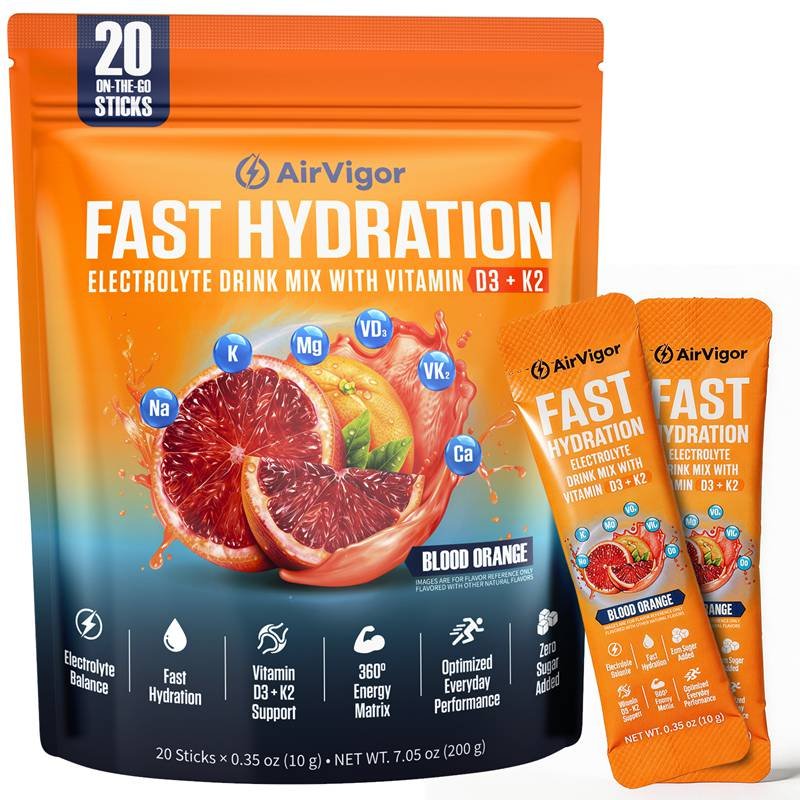
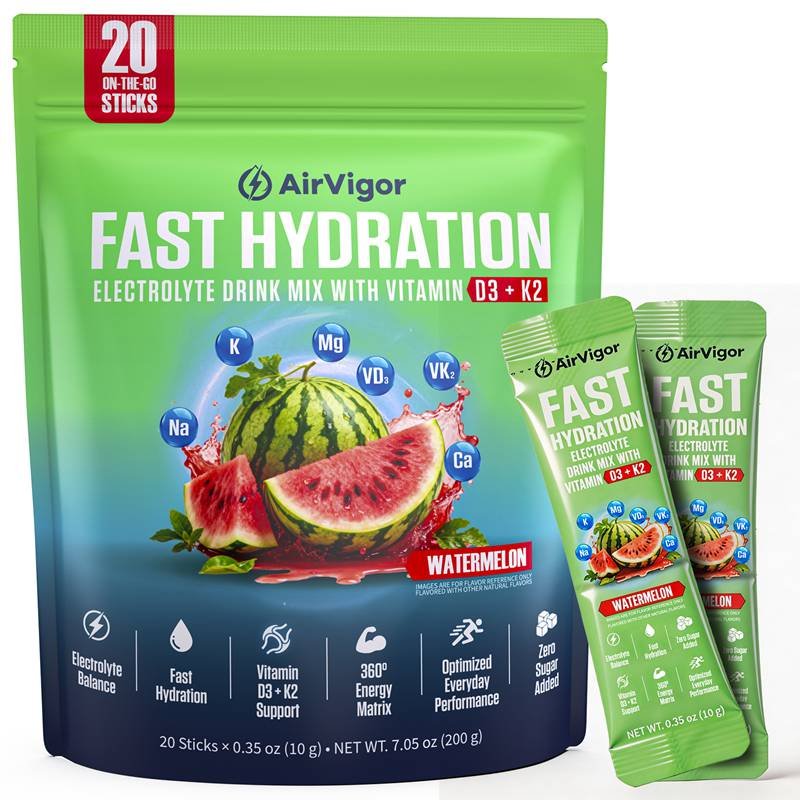
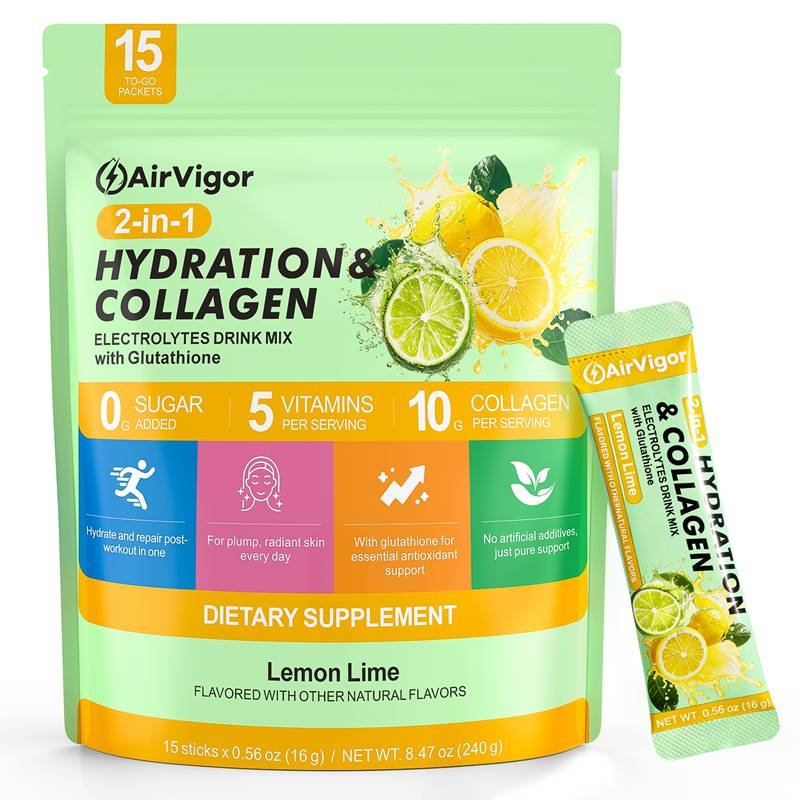
AirVigor supports brands that want to develop vitamin B products for fatigue, daily energy, hydration, beauty vitality, and active lifestyle markets. Whether the goal is a ready-to-order branded product, a private label B complex supplement, a B12 liquid stick, or a custom powder formula, AirVigor can help with formulation, flavor development, packaging options, sample production, and large-scale manufacturing. For brands entering the fatigue-support category, the strongest opportunity is to build a product that customers understand quickly, use consistently, and trust enough to reorder.
Conclusion
Vitamin B can play an important role in fatigue support, but its value should be understood accurately. B vitamins do not create an instant stimulant-like effect. They help the body convert carbohydrates, fats, and proteins into usable energy while supporting normal metabolism, red blood cell formation, nervous system function, and daily vitality. For people with low intake, restrictive diets, poor absorption, frequent travel, or inconsistent nutrition, vitamin B support may be especially relevant as part of a steady wellness routine.
This is also why the fatigue-support category continues to grow. Modern consumers are looking for energy products that feel cleaner, easier to use, and more suitable for daily life than traditional stimulant-heavy options. B12 supplements, B complex capsules, energy powders, hydration blends, beauty vitality formulas, gummies, and portable stick packs all create different opportunities when they are matched to the right customer need.
For supplement brands, successful product development depends on more than adding B vitamins to a formula. The right product needs a clear audience, balanced dosage, suitable nutrient forms, clean flavor systems, convenient packaging, compliant messaging, and a format customers can use consistently. A product built around real routines is more likely to earn trust, repeat use, and long-term market potential.
AirVigor helps brands develop modern dietary supplement products for fatigue, daily energy, hydration, beauty wellness, and active lifestyle markets. Whether you want to order branded vitamin B products, create a private label B complex supplement, develop a B12 liquid stick, launch an energy hydration powder, or customize gummies, capsules, powders, and stick-pack formulas, AirVigor can support formulation, flavor development, packaging design, sample production, and scalable manufacturing.
If you are planning to expand your supplement line or develop a custom vitamin B product, contact AirVigor to discuss ready-to-order products, OEM/ODM manufacturing, private label solutions, custom formulation, and bulk supplement supply.
Share:
Contact Expert Team
At AirVigor, performance becomes effortless. We transform advanced nutrition science into clean, effective supplements that help you hydrate, recover, and feel stronger every day. Shop AirVigor Supplements on Amazon and experience athlete-trusted formulas—backed by real science and supported by our world-class R&D and production capabilities.
Trust AirVigor
At AirVigor, turning your performance goals into reality is no longer a struggle—it’s a science-driven journey we build together. Whether you’re a runner, lifter, cyclist, yogi, outdoor athlete, or someone simply seeking better daily energy, AirVigor transforms advanced nutrition research into clean, effective, and trustworthy supplements you can feel.
Backed by our U.S. scientific team, global certifications, and world-class production standards, every formula is engineered to deliver real hydration, real recovery, and real performance. And when you’re ready to experience the difference, you’ll find AirVigor products available on Amazon and other major platforms—fast shipping, consistent quality, and a community of athletes already seeing results.
Behind the scenes, our R&D and manufacturing ecosystem also supports specialized formulation development, ensuring AirVigor continues to lead with innovation while keeping quality and safety uncompromised. But at the core, everything we create is built for you—your health, your performance, your momentum.
Choose AirVigor. Feel the science. Elevate your every day.


Subscribe to our newsletter
Sign up to our newsletter and we’ll keep you up to date with the latest arrivals.