Skip to content
Best Electrolyte Powder for Endurance Training : Hydration Guide
# Your Trusted Dietary Supplement Brand In US
- Emily

Table of Contents
Endurance training places continuous stress on the body’s hydration system. During long runs, cycling sessions, high-volume cardio, hiking, or outdoor workouts, the body loses large amounts of water and electrolytes through sweat. Many athletes increase water intake during training but still experience muscular heaviness, reduced endurance output, headaches, or slow recovery afterward. In many cases, the issue is not fluid intake alone. The body also requires electrolytes such as sodium, potassium, magnesium, and calcium to help maintain hydration balance, support muscle contraction, and regulate physical performance during prolonged exercise.
Water alone cannot fully replace the fluids and electrolytes lost through extended sweating. This becomes especially important during endurance training in hot weather, humid environments, or workouts lasting longer than 60–90 minutes. Research in sports hydration shows that even mild dehydration may begin affecting endurance capacity, pacing consistency, concentration, and recovery quality. As training duration increases, maintaining electrolyte balance becomes increasingly important for sustaining performance and reducing physical fatigue.
The best electrolyte powder for endurance training is a hydration formula that contains sodium, potassium, magnesium, and other electrolytes to help replace sweat loss, support muscle function, maintain fluid balance, and improve recovery during long workouts. Most endurance athletes benefit from formulas that are easy to drink, portable, lower in sugar, and balanced enough for consistent daily training use.
This shift is one reason electrolyte powder has become significantly more popular among modern endurance consumers than traditional bottled sports drinks. Portable stick packs, customizable serving strength, cleaner ingredient profiles, and smoother flavor systems align more closely with current training habits and wellness preferences. A marathon runner training in summer heat may require higher sodium support during long-distance sessions, while a fitness consumer may prefer a lighter hydration formula after shorter workouts. Hydration needs are no longer identical across all consumers, which is driving growing demand for more flexible electrolyte products across sports nutrition and wellness markets.
What Is Electrolyte Powder?
Electrolyte powder is a hydration supplement formulated to help replace minerals lost through sweating and support fluid balance during endurance training, exercise, heat exposure, travel, and physically demanding activity. Most formulas contain sodium, potassium, magnesium, calcium, and chloride, which are electrolytes involved in hydration regulation, muscle contraction, nerve signaling, and recovery support.
The category has expanded rapidly over the last several years because endurance consumers are changing how they approach hydration. In the past, most athletes relied heavily on bottled sports drinks designed around sugar and carbohydrate intake. Today’s consumers are more focused on hydration efficiency, ingredient quality, portability, stomach comfort, and products that feel practical enough for repeated weekly use. A marathon runner training outdoors in summer conditions may have very different hydration needs from someone attending indoor gym sessions several times per week. This shift has pushed the hydration market toward more flexible electrolyte products that can adapt to different training environments and activity levels.
Electrolyte powder has also become more popular because modern lifestyles quietly increase dehydration risk. Long work hours, caffeine intake, air travel, dry indoor environments, outdoor heat exposure, and repeated exercise sessions all affect fluid balance throughout the week. Many active consumers now use electrolyte powders not only during competition, but also during recovery periods, travel, hiking, gym training, and hot-weather activity where hydration becomes harder to maintain consistently.
What Does Electrolyte Powder Do?
Electrolyte powder helps the body maintain hydration balance during periods of increased fluid and mineral loss. During endurance exercise, the body cools itself by producing sweat. Sweat removes water, but it also removes electrolytes, particularly sodium. As training duration increases, this gradual loss begins affecting hydration efficiency, muscular performance, and recovery quality.
Many endurance athletes do not immediately recognize hydration decline because symptoms usually appear gradually instead of all at once. A runner may notice that maintaining pace becomes harder during the second half of training. A cyclist may experience muscular heaviness during long outdoor rides. Recovery may feel slower despite adequate calorie intake and sleep. In many cases, fluid loss combined with declining electrolyte balance contributes to these problems more than athletes initially realize.
Research in sports hydration commonly shows that endurance performance may begin declining when fluid losses approach approximately 2% of body weight. For athletes training in hot or humid conditions, this threshold can occur surprisingly quickly. Sweat rates during endurance exercise often range between 0.8 and 2 liters per hour depending on climate, workout intensity, body size, and heat adaptation.
| Training Condition | Estimated Sweat Loss Per Hour |
|---|---|
| Indoor moderate cardio | 0.5–1 liter |
| Outdoor endurance running | 1–1.5 liters |
| Long-distance cycling in heat | 1.5–2 liters |
| High humidity endurance training | 2+ liters |
Electrolyte powder helps support hydration by improving the body’s ability to maintain fluid balance during these conditions. Sodium is especially important because it supports fluid retention and sweat replacement during prolonged activity. Potassium and magnesium contribute to muscular and nerve function, while calcium supports muscular contraction.
Hydration products have also evolved beyond traditional sports settings. Many consumers now use electrolyte powder during travel, outdoor recreation, physically demanding work, or long gym sessions because hydration affects energy, physical comfort, and recovery far beyond athletic competition alone.
Which Electrolytes Matter Most?
Sodium is usually the most important electrolyte for endurance training because it is the primary mineral lost through sweat in meaningful quantities. During prolonged exercise, especially in heat, sodium loss can increase significantly. Without adequate sodium replacement, hydration becomes more difficult to maintain efficiently even when water intake remains high.
This is one reason many endurance athletes experience symptoms such as muscular heaviness, unusual fatigue, headaches, or reduced pacing consistency during long training sessions. Water alone cannot fully replace the electrolytes removed through extended sweating.
The role of each major electrolyte during endurance activity differs slightly:
| Electrolyte | Primary Function During Endurance Training |
|---|---|
| Sodium | Supports fluid balance and sweat replacement |
| Potassium | Supports nerve and muscle signaling |
| Magnesium | Supports muscular relaxation and recovery |
| Calcium | Assists muscle contraction |
| Chloride | Supports hydration regulation |
Sweat sodium concentration varies substantially between individuals. Some athletes lose relatively small amounts of sodium, while others lose large amounts during training, especially in hot weather. Athletes sometimes described as “salty sweaters” commonly notice visible white salt residue on shirts, hats, or training equipment after long sessions.
Hydration needs also change according to environment and workout style. A consumer training indoors in cool temperatures generally requires a different electrolyte profile from a marathon runner completing multi-hour outdoor sessions in humid summer conditions.
This growing awareness is changing how consumers evaluate hydration products. Many endurance athletes now compare formulas based on sodium levels, sugar content, portability, flavor smoothness, and stomach comfort instead of simply choosing traditional sports beverages by brand familiarity alone.
The most effective endurance hydration products are usually not the formulas with the most aggressive ingredient profiles. They are the products athletes can continue using comfortably throughout repeated training weeks without flavor fatigue or stomach discomfort becoming barriers to hydration consistency.
Is Electrolyte Powder Better Than Sports Drinks?
For many endurance consumers, electrolyte powder offers practical advantages over traditional bottled sports drinks, particularly during repeated weekly training.
Traditional sports drinks were largely developed around competitive endurance events where rapid carbohydrate intake played a major role. Modern hydration habits are broader. Consumers now use hydration products during gym sessions, recovery periods, outdoor activities, hiking, travel, commuting, and hot-weather work in addition to endurance training itself.
Electrolyte powders fit these situations more naturally because they are portable, flexible, and easier to customize. Athletes can adjust concentration levels depending on climate conditions, workout duration, and sweat rate instead of relying on fixed ready-to-drink formulas.
This flexibility becomes especially important during endurance training because hydration requirements are rarely identical from one session to another. A cyclist riding outdoors for several hours in summer heat may require significantly stronger hydration support than during shorter indoor recovery rides.
| Hydration Format | Main Advantage | Common Limitation |
|---|---|---|
| Bottled sports drinks | Immediate convenience | Less customizable and heavier to carry |
| Electrolyte powder tubs | Flexible serving strength | Less portable outside home |
| Stick-pack electrolyte powders | Portable and travel friendly | Higher packaging cost |
| Electrolyte tablets | Compact format | Limited flavor flexibility |
Taste fatigue is another major factor driving the growth of electrolyte powders. Many endurance athletes find highly sweet sports beverages difficult to consume during long training sessions, particularly in heat. A drink that feels acceptable early in a workout may become unpleasant several hours later when physical stress and heat exposure increase.
As a result, modern hydration products increasingly focus on lighter sweetness, smoother flavor systems, lower sugar levels, and improved stomach comfort. Consumers are far more likely to maintain consistent hydration habits when products feel comfortable enough for repeated use throughout the week.
Who Needs Electrolyte Powder Most?
Electrolyte powder is most useful for people who regularly experience increased sweat loss, heat exposure, prolonged physical activity, or inconsistent hydration patterns. Endurance athletes remain the largest user group, but the category has expanded significantly into broader active lifestyle and wellness markets.
Long-distance runners, cyclists, triathletes, hikers, gym users, and outdoor workers commonly rely on electrolyte powders because their routines involve repeated fluid and mineral loss over extended periods. Multi-hour endurance sessions place continuous stress on hydration balance, particularly during warm weather or humid conditions where sweat rates increase rapidly.
Travel has also become an important hydration category. Frequent flyers often experience dehydration from dry cabin air, disrupted sleep, caffeine intake, alcohol consumption, and irregular hydration habits. Many active consumers now use portable electrolyte powders after flights or during travel recovery before returning to training.
Environmental conditions strongly affect hydration demands as well:
| Environment | Hydration Impact |
|---|---|
| Cool indoor gym training | Lower sweat turnover |
| Moderate outdoor exercise | Moderate fluid loss |
| Hot and humid training | High sweat and sodium loss |
| High-altitude hiking | Increased dehydration risk |
| Outdoor labor in heat | Sustained fluid turnover |
Modern hydration demand is increasingly driven by lifestyle rather than competition alone. Many consumers now view hydration as part of overall physical management, recovery quality, training consistency, and daily wellness instead of something used only during races or elite athletic events.
This shift has created strong opportunities for sports nutrition and supplement brands developing targeted hydration products. Consumers increasingly expect electrolyte formulas designed for specific use cases such as endurance performance, recovery hydration, travel support, outdoor activity, or lower-sugar daily hydration.
How Does Electrolyte Powder Help Endurance Training?
Electrolyte powder helps support endurance training by maintaining hydration balance during prolonged physical activity, especially when sweat loss increases over time. During long-distance running, cycling, hiking, triathlon training, or extended cardio sessions, the body continuously loses both fluids and electrolytes through sweat. As this loss accumulates, endurance performance often becomes more difficult to maintain. Muscular efficiency may decline, pacing consistency may become unstable, recovery may slow, and workouts that normally feel manageable can become physically demanding much earlier than expected.
Hydration stress rarely appears all at once. In most endurance situations, performance decline builds gradually. Athletes often notice heavier legs, reduced focus, unusual fatigue, or slower recovery before they recognize significant dehydration. This is one reason hydration strategy has become far more important in modern endurance training than it was several years ago. Many active consumers now train multiple times per week while balancing work schedules, travel, outdoor activity, heat exposure, and high overall physical volume. As training frequency increases, hydration consistency becomes increasingly important for maintaining stable performance and recovery quality throughout the week.
Can Electrolyte Powder Reduce Fatigue?
Fatigue during endurance training is closely connected to hydration balance, particularly during long sessions or high-temperature environments. As sweating continues, the body gradually loses fluid volume and sodium, both of which influence muscular efficiency and cardiovascular performance. Even relatively small hydration deficits may increase perceived effort during exercise, making familiar training intensities feel significantly harder to maintain.
Research in endurance sports commonly shows that fluid losses approaching approximately 2% of body weight may begin affecting endurance capacity and pacing stability. For athletes training outdoors in heat or humidity, this threshold can occur faster than expected. Sweat rates during endurance activity frequently range between 1 and 2 liters per hour depending on environmental conditions, exercise intensity, and individual sweat rate.
| Training Environment | Estimated Sweat Loss |
|---|---|
| Indoor moderate cardio | 0.5–1 liter per hour |
| Outdoor running | 1–1.5 liters per hour |
| Summer cycling sessions | 1.5–2 liters per hour |
| High-humidity endurance training | 2+ liters per hour |
Many endurance athletes recognize the pattern during longer workouts. Early pacing feels controlled, breathing remains comfortable, and muscular output feels stable. As fluid and sodium losses continue accumulating, maintaining the same pace often requires noticeably greater effort. Recovery quality may also decline later in the day, particularly when hydration balance remains low after exercise ends.
Sodium plays an especially important role because it helps regulate fluid balance during prolonged sweating. Without sufficient sodium replacement, large water intake alone may not fully maintain hydration efficiency during endurance exercise. This becomes more noticeable during multi-hour training sessions, summer conditions, or repeated weekly endurance volume where hydration stress compounds over time.
Fatigue management has therefore become less focused on emergency hydration during competition and more focused on maintaining consistent hydration habits throughout regular training cycles. Many endurance consumers now prioritize hydration before performance noticeably declines because recovery quality, muscular readiness, and next-day training consistency are all affected by fluid balance.
How Does Electrolyte Powder Support Muscles?
Muscular performance depends heavily on both hydration status and electrolyte balance. Every muscular contraction relies on electrical signaling between nerves and muscle fibers, and electrolytes such as sodium, potassium, magnesium, and calcium help regulate those processes during exercise.
As endurance training continues and sweat loss increases, electrolyte depletion gradually affects muscular efficiency. Runners often notice tightening calves during long-distance sessions. Cyclists may experience muscular heaviness during sustained climbs or extended outdoor rides. Recovery between repeated training sessions may also become more difficult when hydration balance remains inconsistent across the week.
Environmental conditions significantly influence muscular hydration stress. Heat and humidity increase sweat production, which accelerates fluid and sodium loss during endurance activity. The same workout performed under cool indoor conditions may feel substantially more demanding during humid summer weather because hydration turnover rises much faster.
| Exercise Type | Typical Hydration Stress |
|---|---|
| Indoor gym cardio | Lower sweat turnover |
| Outdoor endurance running | Moderate-to-high fluid loss |
| Long-distance cycling | Sustained sweat accumulation |
| Hiking in heat | High dehydration exposure |
Modern endurance consumers are also training differently from previous generations. Many combine strength training, endurance sessions, travel, recovery work, sauna use, and physically demanding schedules within the same week. This repeated stress places greater importance on hydration consistency rather than isolated hydration during competition alone.
Recovery quality has become equally important. Consumers increasingly evaluate hydration products not only by workout performance, but also by how they feel several hours afterward. Products that support endurance performance but create stomach discomfort, excessive sweetness, or flavor fatigue often struggle to maintain long-term customer use.
This shift explains why modern endurance hydration products increasingly focus on smoother flavor systems, balanced sodium levels, lower sugar content, and improved drinkability during long sessions. Consistent hydration habits are far easier to maintain when products remain comfortable to consume repeatedly throughout the week.
Why Is Sodium Important in Electrolyte Powder?
Sodium is the primary electrolyte lost through sweat and remains one of the most important components in endurance hydration formulas. During prolonged exercise, especially in heat, sodium loss can increase rapidly depending on workout intensity, climate conditions, and individual sweat rate.
Sweat sodium concentration varies significantly between individuals. Some athletes lose relatively small amounts during training, while others lose substantial sodium levels during endurance exercise. Athletes commonly described as “salty sweaters” often notice visible white salt residue on clothing, hats, or backpacks after long sessions, particularly during outdoor summer training.
| Sodium Function | Why It Matters During Endurance Exercise |
|---|---|
| Supports fluid retention | Helps maintain hydration balance |
| Assists nerve signaling | Supports muscular performance |
| Replaces sweat mineral loss | Helps sustain endurance output |
| Regulates fluid distribution | Supports prolonged exercise hydration |
Hydration becomes increasingly difficult to maintain efficiently when sodium losses remain unaddressed during long workouts. Athletes may consume large amounts of water while still experiencing dehydration-related fatigue, muscular heaviness, or unstable pacing because electrolyte balance continues declining underneath overall fluid intake.
At the same time, formulation balance remains extremely important. Excessively aggressive sodium levels may negatively affect drinkability during prolonged endurance sessions. A hydration formula that initially appears effective may become difficult to consume repeatedly several hours into training, particularly during heat exposure where flavor fatigue becomes more noticeable.
This balance between hydration effectiveness and drinkability has become one of the defining trends in modern endurance nutrition. Consumers increasingly prefer products that support long-term training consistency rather than formulas designed only around maximum intensity positioning.
Does Electrolyte Powder Help Recovery?
Recovery quality is one of the main reasons endurance athletes continue using electrolyte powder outside competition settings. Hydration balance affects far more than workout performance alone. Fluid and electrolyte depletion often continue influencing muscular recovery, energy stability, and physical comfort for several hours after exercise ends.
Many endurance consumers first notice hydration-related recovery issues during periods of repeated weekly training. Recovery may feel slower despite adequate calorie intake and sleep. Muscular fatigue may linger longer than expected. Headaches, unusual physical heaviness, and reduced motivation during the following day’s workout are also common signs that hydration balance remained insufficient after exercise.
| Recovery Issue | Common Hydration-Related Effect |
|---|---|
| Post-workout headaches | Ongoing fluid depletion |
| Heavy muscular fatigue | Incomplete electrolyte replacement |
| Reduced next-day performance | Poor hydration recovery |
| Slower recovery between sessions | Sustained fluid imbalance |
Endurance athletes increasingly approach hydration as a multi-phase process before, during, and after training because recovery quality depends heavily on how quickly fluid balance is restored following prolonged exercise. This becomes especially important for runners, cyclists, and high-frequency gym users training multiple times weekly where cumulative fatigue can affect overall training quality.
Convenience also influences recovery consistency. Portable electrolyte stick packs have become increasingly popular because they allow athletes to hydrate immediately after workouts, during travel, or between sessions without relying on large bottled beverages. Many consumers now carry electrolyte products not only for endurance training itself, but also for travel recovery, outdoor activity, sauna use, and physically demanding work where hydration balance becomes harder to maintain consistently.
Hydration products are therefore evolving beyond traditional sports drinks into broader performance and wellness tools designed around modern active lifestyles. Consumers increasingly expect endurance hydration products to support workout performance, recovery consistency, portability, ingredient quality, and repeat-use comfort at the same time.

Which Electrolyte Powder Is Best?
The best electrolyte powder for endurance training is usually the formula that athletes can continue using comfortably across real training conditions, not simply the product with the highest sodium number or the longest ingredient list. Hydration demands change constantly depending on workout duration, sweat rate, climate, recovery volume, and training frequency. A runner preparing for a marathon in humid summer weather faces very different hydration stress from someone completing moderate indoor cardio several times weekly. This is why endurance consumers increasingly choose electrolyte products based not only on hydration support, but also on drinkability, stomach comfort, portability, and how the product feels during repeated long-session use.
Hydration products have changed significantly over the last several years because endurance training itself has changed. Many active consumers now combine endurance sessions, strength training, travel, outdoor activity, and physically demanding schedules within the same week. Hydration is no longer viewed only as race-day preparation. It has become part of maintaining recovery consistency, muscular performance, and stable training quality throughout longer training cycles. Products that appear strong on paper often struggle under real conditions if sweetness becomes excessive, sodium feels overpowering, or flavor fatigue develops during extended sessions.
What Should Electrolyte Powder Include?
A high-quality endurance electrolyte powder should first solve the core hydration problem effectively before adding unnecessary complexity. During prolonged exercise, the body loses water and electrolytes simultaneously through sweating, particularly sodium. Effective hydration formulas are designed to support fluid balance while remaining comfortable enough to consume repeatedly during long workouts.
| Electrolyte | Primary Function During Endurance Exercise |
|---|---|
| Sodium | Supports sweat replacement and fluid retention |
| Potassium | Supports nerve and muscular signaling |
| Magnesium | Supports muscular relaxation and recovery |
| Calcium | Assists muscular contraction |
| Chloride | Supports overall hydration regulation |
Sodium remains the most important electrolyte in most endurance situations because it is lost through sweat in significantly larger quantities than other minerals. However, sodium level alone rarely determines whether a hydration product performs well over time. Endurance athletes also evaluate how smoothly the formula mixes, how the flavor changes during longer sessions, whether stomach comfort remains stable, and whether the product still feels drinkable after repeated weekly use.
Flavor fatigue becomes much more noticeable after the second hour of endurance training.
This is one reason many modern electrolyte formulas have shifted toward lighter sweetness, smoother mouthfeel, and more balanced sodium profiles instead of highly aggressive flavor systems. Athletes training outdoors for multiple hours often stop drinking enough not because fluids are unavailable, but because overly sweet or heavily salted beverages become physically difficult to consume as fatigue and heat exposure increase.
Additional ingredients are increasingly common in hydration products as well, although their value depends heavily on positioning and usage context.
| Additional Ingredient | Common Formula Positioning |
|---|---|
| Coconut water powder | Natural hydration support |
| Trace minerals | Broader electrolyte profile |
| B vitamins | Energy metabolism support |
| Amino acids | Recovery-focused positioning |
| Vitamin C | Wellness-oriented hydration |
More ingredients do not automatically create a better hydration formula. Many endurance consumers now prefer cleaner, more focused ingredient profiles that prioritize hydration performance, drinkability, and repeat-use comfort instead of excessively crowded formulations designed mainly for marketing appearance.
Is Sugar-Free Electrolyte Powder Better?
Sugar-free electrolyte powder has become increasingly popular because many endurance consumers no longer want highly sweet sports drinks during regular training. Traditional sports beverages were originally built around carbohydrate delivery for competition settings where rapid energy intake played a central role. Modern hydration habits are broader and far more frequent. Consumers now use electrolyte products during gym sessions, recovery periods, travel, outdoor activity, and moderate endurance training where excessive sugar often feels unnecessary.
This shift has changed how athletes approach hydration. Many now prefer controlling hydration and calorie intake separately instead of relying on a single high-sugar beverage to handle both functions simultaneously.
| Formula Style | Typical Usage Preference |
|---|---|
| High-sugar sports drinks | Race-day fueling |
| Moderate-carb hydration | Multi-hour endurance sessions |
| Low-sugar electrolyte blends | Daily endurance training |
| Sugar-free hydration | Wellness and recovery support |
Highly sweet beverages often become harder to tolerate during prolonged endurance activity, particularly in heat. Cyclists, marathon runners, and hikers commonly report that sweetness intensity feels manageable early in training but becomes increasingly unpleasant as sweat loss, physical fatigue, and body temperature rise.
Hydration consistency usually improves when formulas remain easy to drink throughout the full duration of training.
This is why modern electrolyte powders increasingly focus on smoother flavor systems, lower sweetness intensity, lighter texture, and improved stomach comfort instead of relying heavily on sugar concentration. Consumers using hydration products multiple times per week generally prioritize repeat-use comfort far more than aggressive sweetness or heavy flavor intensity.
How Much Sodium Is Enough?
Sodium needs vary substantially between individuals because sweat rate, climate exposure, workout intensity, and exercise duration all influence electrolyte turnover differently. A moderate indoor cardio session may involve relatively limited sodium loss, while a multi-hour endurance workout in humid summer conditions can produce substantial sweat and sodium depletion within a short period.
| Training Environment | Approximate Hydration Stress |
|---|---|
| Indoor moderate cardio | Lower sweat turnover |
| Outdoor endurance running | Moderate sodium loss |
| Summer cycling sessions | High fluid and sodium turnover |
| Humid marathon preparation | Very high sweat exposure |
Many endurance athletes underestimate how aggressively heat and humidity affect hydration demands. Sweat production rises rapidly in hot conditions, increasing both fluid loss and sodium depletion during prolonged exercise. Athletes commonly described as “salty sweaters” often notice visible salt residue on clothing, unusually strong thirst after workouts, or greater fatigue during high-temperature training.
Hydration decline rarely becomes obvious immediately.
Instead, performance deterioration usually develops gradually as sodium and fluid losses accumulate across longer sessions. Athletes may notice heavier legs, unstable pacing, reduced recovery quality, or unusual fatigue before recognizing significant hydration imbalance directly.
At the same time, excessively high sodium formulas may reduce long-session drinkability if the product becomes overly salty during prolonged use. Endurance hydration works best when electrolyte replacement remains effective without creating flavor fatigue or stomach discomfort that discourages consistent intake during training.
Which Electrolyte Powder Ingredients Should You Avoid?
Ingredient quality has become much more important in endurance hydration because consumers now use electrolyte products far more frequently than before. Many athletes no longer purchase hydration formulas only for races or extreme training sessions. Electrolyte powders are commonly used several times weekly during gym workouts, travel, outdoor activity, hiking, sauna recovery, and hot-weather routines.
As usage frequency increases, consumers pay closer attention to how hydration products actually feel during repeated use.
| Ingredient Concern | Common Consumer Issue |
|---|---|
| Excess sugar | Heavy feeling during prolonged sessions |
| Extremely sweet flavor systems | Flavor fatigue during endurance activity |
| Artificial coloring | Preference for cleaner formulations |
| Chalky texture | Reduced drinkability |
| Excess stimulants | Unnecessary intensity for hydration use |
Stomach comfort has become one of the most important factors affecting repeat hydration behavior. A formula that performs well nutritionally but creates digestive discomfort during endurance exercise often struggles to maintain long-term customer retention regardless of ingredient profile.
Consumers are also reading labels more carefully than previous generations. Sodium level, sugar content, ingredient transparency, portability, and serving format all influence purchasing decisions more heavily today than several years ago. As a result, hydration products are increasingly moving toward cleaner positioning, smoother flavor systems, and more balanced formulations designed around long-term usability instead of extreme performance marketing.
Which Electrolyte Powder Format Is Most Convenient?
Convenience strongly affects hydration consistency. Athletes are far more likely to maintain effective hydration habits when products fit naturally into training schedules, travel routines, gym bags, backpacks, and outdoor activity without creating extra preparation barriers.
Portable stick-pack electrolyte powders have become increasingly common among runners, cyclists, travelers, and active consumers because they allow hydration products to be carried easily during training and daily routines.
| Product Format | Main Practical Advantage |
|---|---|
| Stick packs | Portable and pre-measured |
| Powder tubs | Cost-efficient for frequent users |
| Ready-to-drink bottles | Immediate convenience |
| Electrolyte tablets | Compact storage and travel use |
Serving flexibility also matters during endurance training because hydration needs rarely remain identical from one workout to another. A runner training indoors during cool weather may prefer a lighter mixture, while the same athlete preparing for a summer endurance session may increase concentration levels significantly.
Modern hydration products are increasingly expected to support portability, repeat-use comfort, ingredient quality, and practical daily usability at the same time. This broader expectation is one reason electrolyte powders have expanded beyond traditional sports nutrition into wider wellness and active lifestyle markets.
How Should You Use Electrolyte Powder?
Electrolyte powder is most effective when hydration is managed consistently throughout training rather than only after dehydration becomes obvious. During endurance exercise, the body continuously loses water and electrolytes through sweat, especially sodium. As these losses accumulate, muscular efficiency, pacing stability, and recovery quality often begin declining long before athletes recognize significant dehydration directly. This gradual decline is one reason endurance hydration has become a much larger focus in modern sports nutrition. Many active consumers now train several times weekly while balancing strength work, outdoor sessions, physically demanding schedules, travel, heat exposure, and recovery management within the same routine. Under these conditions, hydration consistency becomes increasingly important for maintaining stable performance across entire training cycles instead of isolated workouts alone.
Fluid loss during endurance exercise varies substantially depending on environmental temperature, humidity, workout duration, body size, and sweat rate. During moderate indoor cardio sessions, sweat loss may remain relatively manageable. Long-distance running, outdoor cycling, marathon preparation, and humid summer training often produce much higher fluid turnover. Endurance athletes commonly lose between 1 and 2 liters of sweat per hour during prolonged exercise, while high-temperature or high-humidity conditions may increase sweat production even further.
| Training Environment | Estimated Sweat Loss |
|---|---|
| Indoor moderate cardio | 0.5–1 liter per hour |
| Outdoor endurance running | 1–1.5 liters per hour |
| Long-distance cycling in heat | 1.5–2 liters per hour |
| High-humidity endurance training | 2+ liters per hour |
Hydration decline rarely becomes obvious immediately.
Performance deterioration usually develops gradually across longer sessions as fluid and sodium losses accumulate. Athletes often notice heavier legs, unstable pacing, reduced focus, increased cardiovascular strain, or slower post-workout recovery before recognizing dehydration itself. This is one reason many endurance consumers now approach hydration as part of overall performance management rather than simply drinking more water during workouts.
When Should You Drink Electrolyte Powder?
Hydration timing strongly influences endurance performance because fluid deficits are much easier to prevent than to correct once substantial sweat loss has already occurred. Many endurance athletes therefore begin hydration before training instead of waiting until strong thirst appears.
This becomes especially important during marathon preparation, long-distance cycling, humid outdoor sessions, repeated daily training, or summer endurance blocks where sweat turnover increases rapidly. Many athletes begin workouts already mildly dehydrated because of caffeine intake, travel, poor sleep, dry indoor environments, or inconsistent hydration throughout the day. Even relatively small hydration deficits may increase perceived exertion during prolonged activity.
Research in endurance sports commonly shows that performance decline may begin once fluid losses approach approximately 2% of body weight. For athletes training outdoors during summer conditions, this threshold may develop relatively quickly depending on sweat rate and environmental exposure.
Many endurance athletes now structure hydration in phases before, during, and after training because recovery quality often depends on how quickly fluid balance is restored following prolonged exercise.
| Hydration Phase | Primary Objective |
|---|---|
| Before training | Begin exercise with better hydration balance |
| During training | Reduce ongoing fluid and sodium loss |
| After training | Support recovery and fluid restoration |
Sessions lasting longer than 60–90 minutes generally increase the importance of electrolyte replacement, particularly during outdoor endurance training where sweat accumulation continues rising throughout the session. Recovery hydration has also become more important as training frequency increases. Many endurance consumers now prioritize hydration quality not only for workout performance itself, but also for maintaining muscular readiness and recovery stability across repeated weekly sessions.
How Much Electrolyte Powder Should You Use?
There is no universal electrolyte serving size that fits every endurance athlete because hydration needs vary substantially according to sweat rate, climate exposure, sodium loss, workout duration, and exercise intensity. A shorter indoor workout generally creates lower hydration stress than a multi-hour outdoor endurance session in humid summer conditions.
Humidity has an especially large impact because sweat evaporates less efficiently under humid conditions, forcing the body to produce more sweat to regulate temperature. Athletes commonly described as “salty sweaters” often require stronger sodium replacement than average because their sweat contains substantially higher sodium concentrations. Visible salt residue on clothing, unusually strong thirst after training, and rapid fatigue during heat exposure are all common indicators of elevated sodium loss.
| Training Condition | Approximate Hydration Demand |
|---|---|
| Indoor recovery cardio | Lower electrolyte demand |
| Outdoor endurance running | Moderate sweat and sodium turnover |
| Summer cycling sessions | High fluid and sodium loss |
| Long-distance hiking | Sustained hydration stress |
| Humid marathon preparation | Very high sweat accumulation |
Hydration requirements also change throughout training cycles. A lighter recovery session may require relatively modest electrolyte support, while a multi-hour endurance session may substantially increase sodium and fluid demands. Many endurance consumers therefore adjust hydration concentration according to workout conditions rather than relying on identical intake patterns every day.
Portable electrolyte powders have become increasingly popular partly because this flexibility is much easier to manage compared with fixed ready-to-drink beverages.
Can You Use Electrolyte Powder Every Day?
Many active consumers use electrolyte powder daily because modern routines often create repeated hydration stress throughout the week even outside formal endurance training. Frequent exercise, dry indoor environments, caffeine intake, outdoor heat exposure, travel schedules, and physically demanding work all influence fluid balance more than many consumers initially realize.
| Lifestyle Factor | Common Hydration Effect |
|---|---|
| Frequent caffeine intake | Increased fluid turnover |
| Dry indoor air | Reduced hydration comfort |
| Repeated training sessions | Higher sweat accumulation |
| Air travel | Dehydration from low cabin humidity |
| Outdoor heat exposure | Increased sodium and fluid loss |
Daily hydration products have become increasingly common because many consumers no longer want highly sweet sports drinks during regular use. Lower-sugar electrolyte powders with smoother flavor systems are generally easier to consume repeatedly during workdays, gym training, outdoor activity, and travel recovery.
Hydration products are also being used far beyond traditional sports settings. Many consumers now integrate electrolyte powders into broader recovery and wellness routines because hydration balance affects physical comfort, recovery quality, muscular performance, and training consistency across much larger portions of daily life than competition alone.
Should You Use Electrolyte Powder During Long Runs?
Long-distance running creates sustained hydration stress because sweat and sodium losses continue accumulating for extended periods without meaningful recovery windows during the session itself. As running duration increases, maintaining hydration balance becomes progressively more difficult, particularly during warm-weather or high-humidity training.
Many runners first notice hydration decline through pacing instability rather than severe thirst. Maintaining familiar pace targets often requires greater physical effort as fluid and electrolyte losses increase. Muscular heaviness, post-run headaches, recovery fatigue, and reduced next-day performance also become more common when hydration balance remains inconsistent during longer endurance sessions.
| Long-Run Hydration Issue | Common Performance Effect |
|---|---|
| Sustained sweat loss | Reduced endurance stability |
| Sodium depletion | Increased fatigue and headaches |
| Incomplete hydration | Pacing inconsistency |
| Poor post-run recovery | Reduced next-day readiness |
Marathon runners commonly lose between 1 and 2 liters of sweat per hour depending on environmental conditions and running intensity. Summer endurance training may increase sodium depletion significantly even when overall water intake appears adequate.
Portable stick-pack electrolyte systems have therefore become increasingly common among endurance runners because hydration becomes much easier to manage when products fit naturally into training belts, backpacks, travel kits, and recovery routines without creating additional preparation barriers.
Hydration consistency usually matters more than occasional aggressive intake strategies.
Can You Combine Electrolyte Powder With Other Endurance Supplements?
Many endurance athletes now separate hydration support from calorie intake instead of relying entirely on traditional high-sugar sports drinks. Electrolyte powders are commonly combined with carbohydrate gels, endurance fueling products, recovery shakes, amino acid blends, and other performance supplements depending on workout duration and training intensity.
This flexibility allows endurance consumers to adjust hydration, carbohydrate intake, sodium replacement, and recovery support more precisely according to environmental conditions and training demands. A cyclist completing a multi-hour outdoor ride may prioritize electrolyte intake for hydration balance while using separate carbohydrate fueling during higher-output sections of training. Recovery-focused athletes may combine electrolyte support with protein or amino acid intake following repeated endurance sessions.
Modern endurance hydration increasingly functions as part of a broader performance management strategy rather than a standalone sports drink category. Consumers now expect hydration products to support portability, drinkability, recovery consistency, lower sugar intake, ingredient quality, and long-session usability simultaneously.
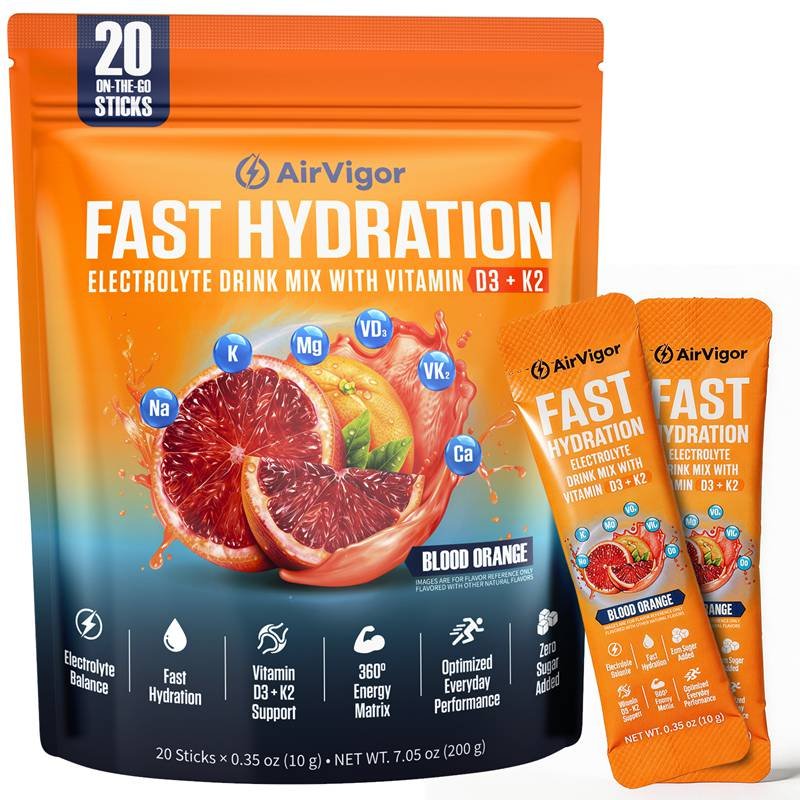
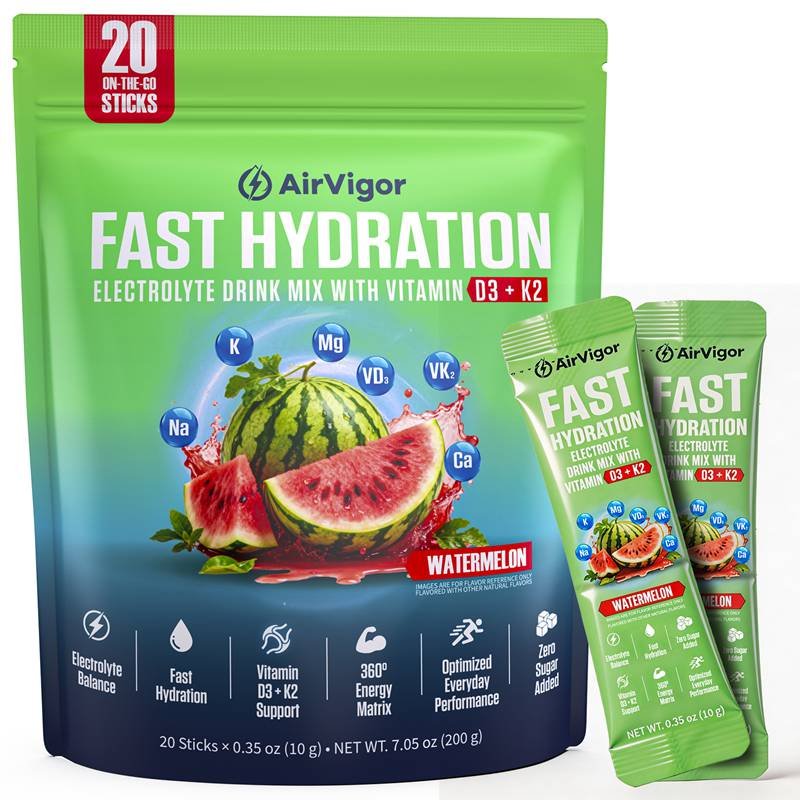
At AirVigor, we help brands develop electrolyte powders designed around modern endurance training behavior and evolving hydration expectations. From higher-sodium endurance systems and lower-sugar hydration blends to portable stick-pack formats and OEM/ODM supplement manufacturing, our team supports flexible product development for sports nutrition, recovery hydration, active lifestyles, and performance-focused wellness markets.

Why Is Electrolyte Powder So Popular?
Electrolyte powder has become far more popular over the last several years because hydration has shifted from being viewed as a sports-only concern to something closely connected with recovery quality, physical performance, travel, outdoor activity, and everyday energy management. Endurance athletes were once the primary users of hydration supplements, but the category now reaches runners, cyclists, gym users, hikers, travelers, outdoor workers, and consumers simply trying to stay hydrated during demanding routines.
Modern lifestyles quietly increase dehydration stress more than many people realize. Repeated caffeine intake, long workdays, dry indoor environments, frequent exercise, air travel, outdoor heat exposure, and inconsistent water intake all affect hydration balance throughout the week. Many active consumers train multiple times weekly while also balancing work schedules, commuting, recovery sessions, and physically demanding routines. Under these conditions, hydration decline often develops gradually across several days rather than during one extreme workout.
Hydration products are also being used differently than before. Traditional sports drinks were heavily associated with sugar delivery and race fueling. Today’s consumers are paying much closer attention to sodium balance, lower sugar intake, portability, stomach comfort, and whether products remain drinkable during repeated long-session use. A hydration formula that works during the first 30 minutes of exercise may become difficult to tolerate several hours later during heat exposure or sustained endurance training.
Hydration habits have changed because endurance training habits have changed.
Many consumers no longer reserve hydration products only for competition. Electrolyte powders are now commonly carried in gym bags, hiking packs, office drawers, airport carry-ons, cycling kits, and travel backpacks because hydration support has become part of broader active lifestyle management rather than isolated sports supplementation.
Why Are Athletes Using More Electrolyte Powder?
Hydration awareness has increased substantially among endurance athletes because fluid balance affects far more than thirst alone. During prolonged exercise, athletes continuously lose both water and sodium through sweat. As these losses accumulate, muscular efficiency, pacing stability, cardiovascular strain, and recovery quality often begin declining long before severe dehydration becomes obvious.
Many runners and cyclists first notice hydration decline through pacing inconsistency rather than physical thirst. Maintaining familiar training intensity often requires greater effort during the later stages of endurance sessions, particularly in warm weather or high-humidity environments where sweat turnover rises rapidly.
| Training Environment | Approximate Sweat Loss |
|---|---|
| Indoor cardio sessions | 0.5–1 liter per hour |
| Outdoor endurance running | 1–1.5 liters per hour |
| Summer cycling sessions | 1.5–2 liters per hour |
| High-humidity endurance training | 2+ liters per hour |
Training frequency has also increased significantly compared with previous generations of endurance consumers. Many athletes now maintain year-round training schedules instead of preparing only for occasional races or seasonal events. Recovery quality therefore becomes much more important because incomplete hydration recovery from one session may affect muscular readiness and endurance stability during the next.
Portable hydration systems have become increasingly common partly because athletes are using electrolyte products much more frequently than before, not only during races but during travel, outdoor activity, recovery periods, and physically demanding work schedules as well.
Is Electrolyte Powder Good for Hot Weather?
Hot weather significantly increases hydration stress because rising environmental temperature forces the body to produce more sweat to regulate internal temperature. This process helps cool the body, but it also accelerates fluid and sodium loss during endurance activity.
Humidity increases the challenge further because sweat evaporates less efficiently in humid environments. The body compensates by producing even more sweat, which increases electrolyte turnover during prolonged exercise. Many endurance athletes notice that workouts performed in humid summer conditions feel substantially harder than the same sessions completed indoors or during cooler weather.
| Environmental Condition | Hydration Impact |
|---|---|
| Cool indoor training | Lower sweat turnover |
| Warm outdoor sessions | Moderate fluid loss |
| Summer endurance activity | High sweat accumulation |
| Humid long-duration training | Very high fluid and sodium turnover |
Many consumers begin paying closer attention to electrolyte intake only after experiencing hydration-related fatigue during summer training blocks. Headaches after outdoor workouts, muscular heaviness, unstable pacing, reduced endurance consistency, and slower recovery are all common signs that hydration balance has become harder to maintain under heat exposure.
Hydration problems rarely begin during races. Most begin during ordinary training weeks.
Why Is Portable Electrolyte Powder Trending?
Convenience strongly influences hydration consistency. Athletes are much more likely to maintain proper hydration habits when products fit naturally into training schedules, commuting routines, travel plans, and outdoor activity without requiring large bottles or complicated preparation.
This is one reason portable stick-pack electrolyte powders have become increasingly common among runners, cyclists, travelers, hikers, and gym users. Lightweight hydration systems are easier to carry during long airport travel days, summer outdoor sessions, recovery workouts, hiking trips, and physically demanding work environments where fluid turnover remains elevated for long periods.
Portable formats also allow consumers to adjust hydration strength depending on workout duration, environmental conditions, or recovery needs instead of relying entirely on fixed ready-to-drink beverages. A runner completing a shorter indoor session may prefer lighter electrolyte concentration, while the same athlete training outdoors during summer heat may require substantially stronger sodium support.
Hydration consistency usually improves when products remain simple to carry and easy to integrate into ordinary routines.
Why Are Lower-Sugar Electrolyte Powders Growing So Fast?
Lower-sugar electrolyte powders have grown rapidly because many consumers no longer want highly sweet sports drinks during regular training or daily hydration use. Traditional sports beverages were originally developed around endurance fueling during competition, where carbohydrate intake played a central performance role. Modern hydration habits are broader and much more frequent.
Many active consumers now use electrolyte products during gym training, travel recovery, hiking, commuting, moderate cardio sessions, and hot-weather activity where large sugar intake often feels unnecessary. Consumers using hydration products several times weekly generally prioritize smoother drinkability, lighter texture, and reduced sweetness intensity over aggressive flavor systems.
| Formula Style | Typical Usage Preference |
|---|---|
| High-sugar sports drinks | Competition fueling |
| Moderate-carbohydrate hydration | Multi-hour endurance sessions |
| Lower-sugar electrolyte blends | Daily endurance training |
| Sugar-free hydration products | Wellness and recovery support |
Flavor fatigue becomes much more noticeable during prolonged endurance activity, especially during heat exposure. Beverages that initially taste refreshing may become difficult to consume several hours into training as body temperature rises and physical fatigue increases.
Modern hydration formulas now place much greater emphasis on smoother flavor systems, lower sweetness intensity, and repeat-use drinkability than traditional sports drinks did several years ago.
How Is Electrolyte Powder Changing Sports Nutrition?
Electrolyte powder is reshaping the sports nutrition category because hydration is now viewed as a foundational part of performance management rather than a narrow sports drink segment. Consumers increasingly expect hydration products to support endurance stability, recovery quality, portability, ingredient transparency, lower sugar intake, and long-session usability at the same time.
Hydration products are also moving beyond traditional endurance sports into broader wellness and active lifestyle categories. Many consumers now use electrolyte powders during travel recovery, physically demanding work, sauna use, hiking, outdoor recreation, and everyday hydration support in addition to formal endurance training.
This broader demand has created strong growth opportunities for supplement brands developing hydration products tailored toward specific usage situations instead of relying on one generic sports drink formula for every consumer type.
Conclusion
Electrolyte powder is no longer used only during races or extreme endurance events. Many runners, cyclists, gym users, hikers, and active consumers now rely on hydration products during ordinary training weeks where repeated sweat loss, heat exposure, travel, inconsistent recovery, and demanding schedules gradually affect physical performance over time.
Most hydration problems develop slowly rather than all at once. Heavy legs during long runs, headaches after summer workouts, unstable pacing, lingering fatigue, and slower recovery often appear before athletes recognize how much fluid and sodium balance has already changed. Water intake alone is not always enough during prolonged endurance activity, especially when training volume and environmental stress continue accumulating throughout the week.
This shift is changing what consumers expect from hydration products. Modern endurance athletes are paying closer attention to sodium balance, smoother drinkability, lower sugar levels, portability, and formulas that remain comfortable during repeated use instead of products designed only for occasional competition. Hydration consistency has become far more important than extreme positioning or aggressive flavor systems.
At AirVigor, we help brands develop hydration products designed around real endurance routines, recovery habits, outdoor activity, and active lifestyles. From portable electrolyte stick packs and lower-sugar hydration blends to higher-sodium endurance formulas and OEM/ODM supplement manufacturing, our team supports flexible product development for modern hydration markets and evolving consumer needs.
Share:
Contact Expert Team
At AirVigor, performance becomes effortless. We transform advanced nutrition science into clean, effective supplements that help you hydrate, recover, and feel stronger every day. Shop AirVigor Supplements on Amazon and experience athlete-trusted formulas—backed by real science and supported by our world-class R&D and production capabilities.
Trust AirVigor
At AirVigor, turning your performance goals into reality is no longer a struggle—it’s a science-driven journey we build together. Whether you’re a runner, lifter, cyclist, yogi, outdoor athlete, or someone simply seeking better daily energy, AirVigor transforms advanced nutrition research into clean, effective, and trustworthy supplements you can feel.
Backed by our U.S. scientific team, global certifications, and world-class production standards, every formula is engineered to deliver real hydration, real recovery, and real performance. And when you’re ready to experience the difference, you’ll find AirVigor products available on Amazon and other major platforms—fast shipping, consistent quality, and a community of athletes already seeing results.
Behind the scenes, our R&D and manufacturing ecosystem also supports specialized formulation development, ensuring AirVigor continues to lead with innovation while keeping quality and safety uncompromised. But at the core, everything we create is built for you—your health, your performance, your momentum.
Choose AirVigor. Feel the science. Elevate your every day.


Subscribe to our newsletter
Sign up to our newsletter and we’ll keep you up to date with the latest arrivals.