Skip to content
What’s the Difference Between Electrolytes and Hydration Tablets : Science Guide
# Your Trusted Dietary Supplement Brand In US
- Emily

Table of Contents
Most people start searching for “electrolytes vs hydration tablets” after realizing plain water does not always feel enough. Long workouts, hot weather, travel, busy workdays, and inconsistent hydration habits can leave people feeling tired, dry, heavy, or low on energy even when they are drinking more fluids. This is why hydration products have rapidly expanded beyond sports nutrition and become part of modern daily wellness routines.
Electrolytes help the body manage fluid balance, muscle function, and hydration support, while hydration tablets provide a convenient and portable way to consume those minerals. The better option depends on how much you sweat, how active you are, how often you travel, and what type of hydration experience feels easiest to maintain consistently. For some customers, stronger electrolyte powders work better for workouts and recovery, while others prefer hydration tablets for travel, commuting, and light daily hydration.
The challenge is that many hydration products today focus heavily on marketing while customers simply want something practical, balanced, and easy to use long term. Understanding how electrolytes and hydration tablets actually work — including sodium levels, ingredient balance, portability, dissolvability, and daily usability — makes it much easier to choose a hydration product that truly fits real life rather than just looking impressive on the label.
What Are Electrolytes vs Hydration Tablets?
Electrolytes are essential minerals that help the body manage hydration, muscle movement, and nerve signaling, while hydration tablets are dissolvable products designed to deliver hydration support in a portable and convenient format. Although many customers treat them as the same thing, they actually solve hydration needs in different ways depending on lifestyle, sweat loss, activity level, and daily habits.
What Are Electrolytes?
Electrolytes are minerals such as sodium, potassium, magnesium, calcium, and chloride that help regulate how the body uses and distributes water. They are involved in fluid balance, muscle contraction, nerve communication, and overall physical performance.
Most people do not think about electrolytes until hydration starts affecting daily life. This often happens during hot weather, intense exercise, long workdays, flights, or periods of low water intake. Customers may notice headaches, muscle tightness, fatigue, dry mouth, or feeling tired even after drinking water.
One important reason is that hydration is not only about water quantity. The body also needs minerals to properly retain and move fluids. Sodium is especially important because it helps maintain fluid balance during sweating. Potassium supports hydration inside cells, while magnesium plays a role in muscle and nerve support.
Approximate sweat loss during activity can vary significantly:
| Activity Type | Estimated Fluid Loss Per Hour |
|---|---|
| Light indoor activity | 0.2–0.5 L |
| Standard gym workout | 0.5–1.2 L |
| Running in summer heat | 1.0–2.5 L |
| Hot yoga or cycling | 1.5–3.0 L |
Because sweat contains both water and minerals, many customers find that plain water alone does not always help them feel fully recovered after sweating heavily.
This is why electrolyte products have expanded far beyond sports nutrition. Today, they are commonly used during travel, office work, outdoor activity, commuting, and general wellness routines, not only during athletic training.
What Are Hydration Tablets?
Hydration tablets are dissolvable tablets that mix into water and provide hydration support in a simple, portable form. Most contain electrolytes together with flavor systems and additional ingredients such as vitamins or minerals.
Their biggest advantage is convenience.
Customers often choose hydration tablets because they are easy to carry and easy to use. A small tube of tablets fits easily into a backpack, desk drawer, gym bag, or carry-on luggage. Instead of measuring powder or carrying large containers, users simply drop a tablet into water and wait for it to dissolve.
This format has become especially popular among travelers, office workers, hikers, and casual gym users who want hydration support without adding extra steps to their routine.
However, hydration tablets vary greatly in formula strength. Some products focus mainly on portability and flavor, while others are designed to deliver stronger electrolyte support.
This is why ingredient labels matter more than marketing claims.
Customers should pay close attention to factors such as sodium level, sugar content, magnesium amount, and serving size because these details strongly influence how useful the product feels in real-world situations.
Many modern customers now prefer hydration products that feel lighter, less sugary, and easier to drink daily. This shift is one reason hydration tablets continue growing rapidly in the wellness market.
How Are They Different?
The main difference is that electrolytes are the actual hydration minerals, while hydration tablets are simply one format used to deliver those minerals.
Electrolytes can come in powders, stick packs, drinks, gummies, capsules, or tablets. Hydration tablets are mainly designed around portability and convenience.
Electrolyte powders usually allow more flexibility because powders can hold larger ingredient systems and more customizable serving sizes. This makes powders especially popular for workouts, recovery, and higher sweat-loss situations.
Hydration tablets are often preferred for travel, commuting, and lighter daily hydration support because they are compact and simple to use.
The difference becomes easier to understand when comparing customer needs:
| Customer Need | Electrolyte Powder | Hydration Tablets |
|---|---|---|
| Intense workouts | Better suited | Moderate |
| Travel convenience | Good | Excellent |
| Formula flexibility | Higher | Lower |
| Quick portability | High | Very high |
| Daily office hydration | Good | Excellent |
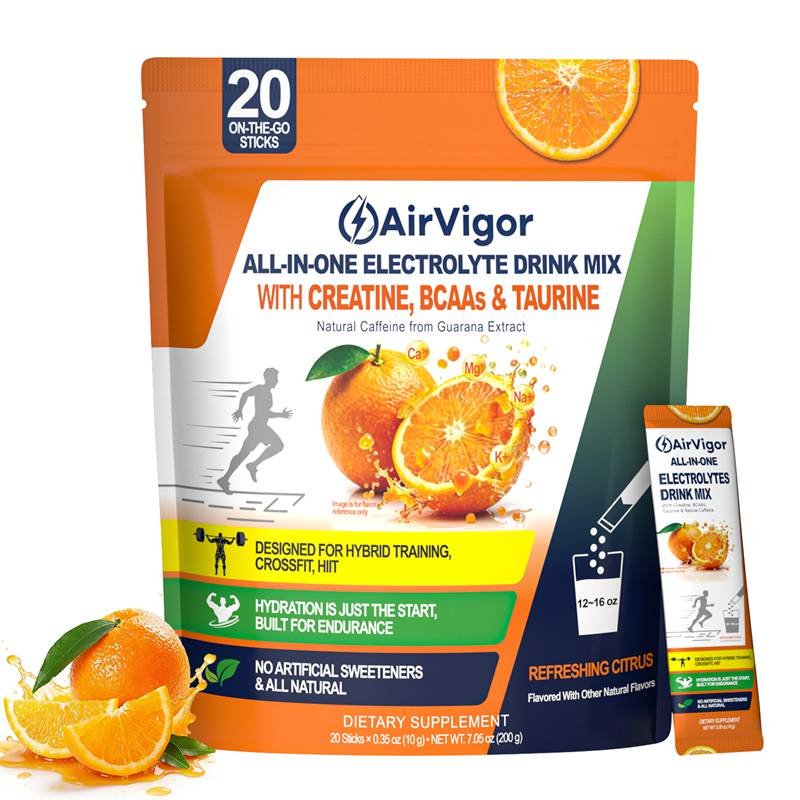
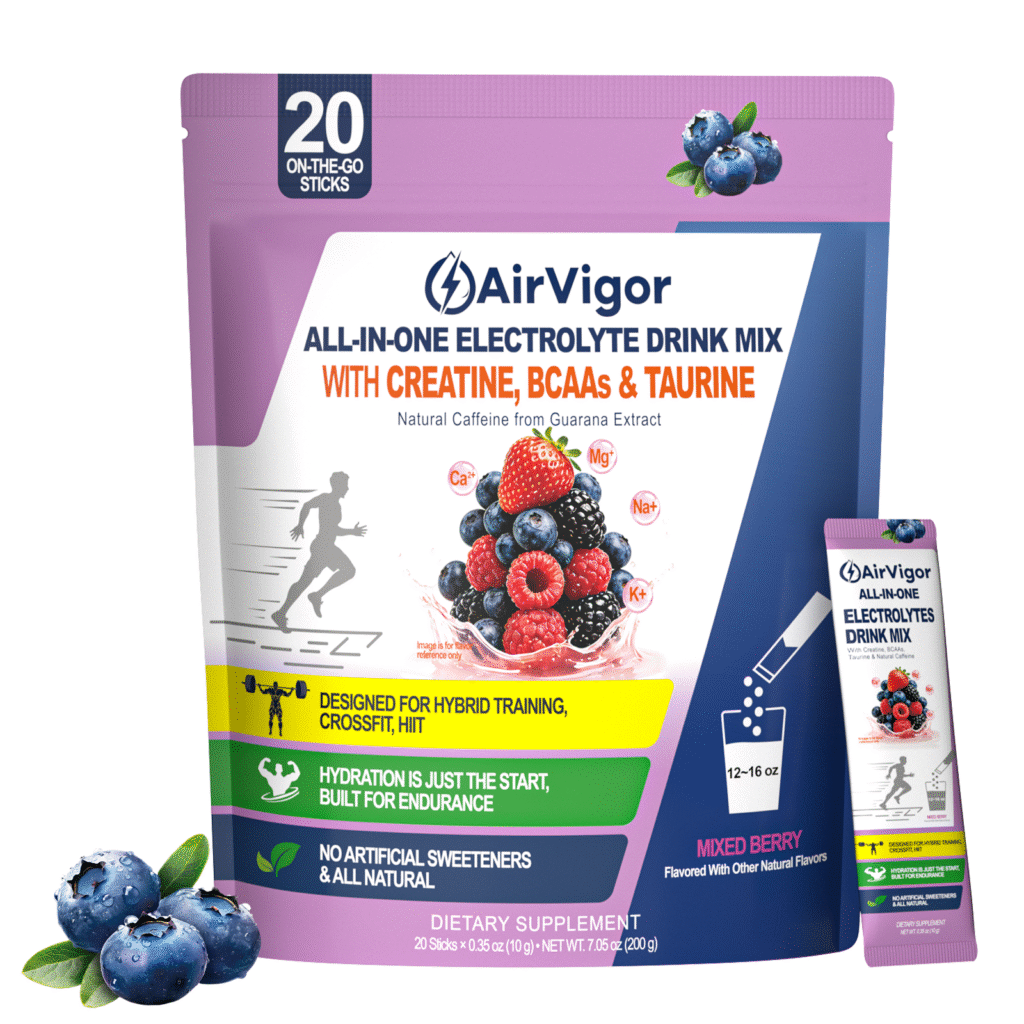
Another important difference is ingredient complexity. Electrolyte powders can more easily include additional ingredients such as creatine, collagen, amino acids, or coconut water powder because powders allow larger serving sizes. Tablets are more limited by physical size.
Still, convenience matters more than many people realize.
A customer may purchase a strong hydration powder, but if it feels inconvenient to carry or prepare, long-term consistency often drops. On the other hand, a hydration tablet that feels easy and enjoyable to use daily may become a much more sustainable habit.
This is one reason the hydration industry has changed so much over the last few years. Customers no longer only want “sports hydration.” They want hydration products that fit naturally into work, travel, fitness, and everyday life.
At AirVigor, hydration product development focuses heavily on this real-world usability approach. Formula design considers ingredient transparency, dissolvability, flavor balance, portability, and long-term daily use so customers can maintain more practical hydration habits across different lifestyles and environments.
How Do Electrolytes vs Hydration Tablets Work?
Electrolytes and hydration tablets both help support fluid balance, but they work differently depending on formula strength, mineral levels, dissolving speed, and usage scenario. Understanding how they function helps customers choose products that actually match their hydration habits, workouts, travel routines, and daily lifestyle needs.
How Do Electrolytes Support Hydration?
Electrolytes help the body absorb, retain, and balance fluids more effectively during sweating, exercise, heat exposure, and daily activity. Sodium, potassium, magnesium, and other minerals work together to support hydration at the cellular level.
Many customers assume hydration simply means drinking more water, but hydration is more complex than water intake alone. The body constantly moves fluids between cells, muscles, blood vessels, and tissues. Electrolytes help regulate that process.
Sodium plays one of the most important roles because it helps the body retain water and maintain fluid balance during sweating. Potassium supports hydration inside cells, while magnesium contributes to muscle and nerve function.
This becomes especially noticeable during activities involving sweat loss.
| Situation | What Customers Commonly Feel |
|---|---|
| Long workouts | Sudden fatigue or reduced endurance |
| Summer heat | Headaches and dry mouth |
| Air travel | Low energy and dehydration |
| Outdoor activity | Heavy sweating and muscle tightness |
| Busy workdays | Feeling tired despite drinking water |
Sweat loss can vary significantly between individuals.
| Activity Type | Average Sweat Loss Per Hour |
|---|---|
| Light exercise | 0.5–1.0 L |
| Moderate gym training | 1.0–1.5 L |
| Outdoor running in heat | 1.5–2.5 L |
| Hot yoga or cycling | Up to 3.0 L |
Along with water, sweat also removes sodium and other minerals. This is why some customers feel weak or dehydrated even after drinking large amounts of plain water.
Modern electrolyte products are designed to help support hydration during these situations without relying heavily on high sugar systems traditionally used in older sports drinks.
Many customers today prefer formulas that feel:
- lighter
- easier to drink
- lower in sugar
- less artificial
- more suitable for daily use
This shift has pushed the hydration industry toward cleaner and more balanced electrolyte systems.
How Do Hydration Tablets Dissolve?
Hydration tablets work by dissolving electrolytes and other ingredients into water through an effervescent reaction, creating a portable and convenient hydration drink that can be prepared quickly almost anywhere.
The dissolving process is one of the main reasons hydration tablets became popular. Customers do not need scoops, shaker bottles, or large supplement containers. A tablet simply drops into water and dissolves within a few minutes.
This convenience strongly appeals to customers with fast-moving lifestyles.
Hydration tablets are commonly used during:
| Usage Scenario | Why Tablets Are Popular |
|---|---|
| Flights and airports | Easy carry-on hydration |
| Office work | Simple desk use |
| Hiking | Lightweight portability |
| Gym sessions | Quick preparation |
| Road trips | No mixing equipment needed |
However, dissolving quality matters more than many customers expect.
A hydration tablet should dissolve:
- evenly
- quickly
- without residue
- without excessive foam
- without gritty texture
Poor dissolving performance often leads to negative customer experiences, even when the ingredient formula itself is good.
Customers frequently stop using hydration products if they experience:
| Common Complaint | Why It Matters |
|---|---|
| Chalky texture | Feels unpleasant |
| Strong artificial aftertaste | Reduces repeat use |
| Slow dissolving | Inconvenient |
| Overly salty flavor | Difficult daily use |
| Too much sweetness | Flavor fatigue |
This is why modern hydration product development now focuses heavily on overall drinking experience, not just ingredient strength.
Hydration tablets are generally optimized around portability and simplicity. Because tablet size is physically limited, formulas are often more moderate compared to larger electrolyte powder systems.
That does not necessarily make tablets weaker for every customer. Many casual hydration users simply want a convenient product they can consistently use during travel, work, or light fitness activity.
Which Works Faster?
The speed of hydration support depends more on formula composition and mineral balance than whether the product comes as a powder or tablet.
Many customers assume hydration tablets work faster because they dissolve visibly in water. Others believe powders are automatically stronger. In reality, both formats can work well when properly formulated.
Several factors influence how effective a hydration product feels:
| Hydration Factor | Why It Matters |
|---|---|
| Sodium level | Supports fluid retention |
| Water intake amount | Electrolytes still require adequate fluids |
| Sweat loss | Higher sweat requires stronger replacement |
| Sugar level | Can affect drinkability and calorie load |
| Activity intensity | Changes hydration demand |
| Flavor balance | Influences long-term consistency |
For example, a high-sodium electrolyte powder may work better during long endurance training, while a lighter hydration tablet may feel more comfortable for office hydration or short travel days.
Customer preference often changes based on environment.
| Customer Situation | Common Preference |
|---|---|
| Intense gym training | Electrolyte powder |
| International travel | Hydration tablets |
| Long cycling sessions | Stronger electrolyte systems |
| Daily office hydration | Moderate hydration tablets |
| Outdoor summer activity | Higher electrolyte support |
One important shift in the hydration market is that customers increasingly prioritize sustainability over intensity.
In the past, hydration products were often built around extremely sweet flavors and aggressive sports branding. Today, many customers simply want hydration products they can comfortably drink every day without feeling overwhelmed.
This is why modern hydration formulas increasingly focus on:
- moderate sweetness
- cleaner labels
- balanced sodium systems
- smoother taste
- portable packaging
- repeat daily usability
At AirVigor, hydration products are developed with these practical daily-use habits in mind. Formula evaluation includes ingredient compatibility, dissolvability, flavor balance, packaging convenience, and long-term usability across multiple real-life scenarios including workouts, travel, office routines, and outdoor activity.
Because for most customers, the best hydration product is not the most extreme formula. It is the product they can consistently use without discomfort, inconvenience, or flavor fatigue.
Which Is Better: Electrolytes vs Hydration Tablets?
Electrolyte powders and hydration tablets both support hydration, but they solve different problems. Electrolyte powders are often better for higher sweat loss, recovery, and stronger ingredient formulas, while hydration tablets are usually preferred for portability, convenience, and lighter daily hydration routines.
Which Is Better for Workouts?
Electrolyte powders are usually more effective for intense workouts because they can provide stronger mineral support, larger serving sizes, and more flexible recovery-focused formulas.
During exercise, the body loses both water and minerals through sweat. Sodium is the main electrolyte lost during sweating, but potassium and magnesium also play important roles in maintaining hydration balance and muscle function.
Many customers notice hydration problems during training long before they think about electrolyte products. Common workout complaints include:
| Common Workout Issue | Possible Hydration Connection |
|---|---|
| Sudden energy drop | Sweat-related fluid loss |
| Muscle tightness | Electrolyte imbalance |
| Heavy fatigue after training | Incomplete recovery hydration |
| Headaches after workouts | Poor fluid replacement |
| Feeling weak in hot weather | Sodium depletion |
Sweat loss varies heavily depending on workout type and climate.
| Activity Type | Estimated Sweat Loss |
|---|---|
| Standard gym workout | 0.5–1.5 L/hour |
| Running outdoors in heat | 1.0–2.5 L/hour |
| Hot yoga | 1.5–3.0 L/hour |
| Cycling | 1.0–2.0 L/hour |
This is one reason electrolyte powders remain popular among runners, cyclists, CrossFit users, and outdoor athletes. Powders can hold larger ingredient systems and are easier to formulate with additional recovery ingredients.
Many workout-focused electrolyte powders now include:
| Added Ingredient | Why Customers Want It |
|---|---|
| Magnesium | Muscle support |
| Potassium | Fluid balance |
| Creatine | Recovery support |
| Amino acids | Workout recovery |
| Coconut water powder | Natural hydration positioning |
| Vitamin C | Daily wellness support |
Hydration tablets can still work well for moderate exercise or casual gym sessions. Many customers simply want something easy to carry and quick to prepare without needing larger tubs or scoops.
For shorter workouts or lighter training, convenience often becomes more important than maximum formula strength.
Which Is Better for Travel?
Hydration tablets are often more convenient for travel because they are compact, lightweight, and easy to use in airports, hotels, offices, and during long flights.
Travel is one of the most overlooked causes of dehydration. Airplane cabins are extremely dry environments, and many travelers drink less water than usual during flights. Coffee, alcohol, poor sleep, and changing climates can further increase dehydration symptoms.
Common travel-related hydration complaints include:
| Travel Complaint | Common Customer Experience |
|---|---|
| Dry mouth | Long flights and low humidity |
| Fatigue | Poor hydration during travel |
| Headaches | Low fluid intake |
| Heavy legs | Long sitting periods |
| Brain fog | Travel exhaustion |
| Dry skin | Cabin air dehydration |
Hydration tablets became popular in travel partly because they reduce inconvenience.
Customers often prefer tablets during travel because:
- they fit easily into carry-on bags
- they require no scooping
- they create less mess
- they are simple to portion
- they work well in hotel rooms and airports
Electrolyte stick packs are also becoming increasingly popular for travel because they combine portability with stronger formulas.
Travel hydration format comparison:
| Travel Need | Electrolyte Powder | Hydration Tablets |
|---|---|---|
| Compact storage | Good | Excellent |
| Formula flexibility | Higher | Moderate |
| Airport convenience | Excellent with stick packs | Excellent |
| Quick preparation | Fast | Very fast |
| Long travel hydration | Stronger options available | Moderate support |
One important trend is that travelers increasingly want hydration products that feel lighter and easier to drink repeatedly during long trips. Many older sports drinks feel too sugary or heavy for travel use.
This is why modern hydration products often focus on:
- lower sugar
- smoother taste
- lighter flavors
- portable packaging
- easier digestion
Which Is Better for Daily Use?
For daily hydration, the better option depends on activity level, climate, sweat rate, and personal routine. Many customers prefer hydration tablets for convenience, while others prefer electrolyte powders for stronger hydration support and ingredient flexibility.
One major shift in the hydration market is that customers now use hydration products far beyond sports.
Today, hydration products are commonly used during:
- office work
- commuting
- outdoor activity
- long screen-time days
- wellness routines
- hot weather
- recovery after poor sleep
- daily gym habits
However, not everyone needs high-strength electrolyte formulas every day.
Many customers now prefer hydration products that feel balanced rather than aggressive.
Important daily-use considerations include:
| Daily Hydration Factor | Why It Matters |
|---|---|
| Sugar level | Impacts long-term usability |
| Flavor intensity | Strong flavors can cause fatigue |
| Sodium amount | Should match activity level |
| Portability | Supports consistency |
| Dissolving quality | Improves user experience |
Some customers stop using hydration products because they feel:
- too salty
- too sweet
- too artificial
- difficult to carry
- inconvenient to prepare
This is why lighter hydration systems are growing rapidly in popularity.
For example:
| Customer Type | Common Preference |
|---|---|
| Office worker | Hydration tablets |
| Frequent traveler | Tablets or stick packs |
| Daily gym user | Electrolyte powder |
| Outdoor worker | Stronger electrolyte systems |
| Wellness-focused customer | Lower sugar hydration products |
Another major trend is that customers increasingly care about repeat drinkability.
A hydration product may initially taste exciting, but if the flavor becomes overwhelming after several days, long-term consistency often drops. Many customers now actively prefer products that taste smoother, lighter, and easier to consume daily.
At AirVigor, hydration product development focuses heavily on practical long-term use rather than only high-intensity positioning. Formulas are evaluated for:
| AirVigor Product Focus | Customer Benefit |
|---|---|
| Ingredient transparency | Easier understanding |
| Dissolvability | Better daily convenience |
| Flavor balance | Easier repeat use |
| Portable packaging | Better travel and work use |
| Stable quality systems | More consistent experience |
This customer-centered approach matters because hydration products are no longer used only by athletes. Many customers simply want products that help them maintain better hydration habits during busy modern lifestyles without feeling complicated or uncomfortable to use.

Are Electrolytes vs Hydration Tablets Safe?
Electrolytes and hydration tablets are generally safe for most healthy adults when used correctly, but the right formula depends heavily on lifestyle, activity level, climate, sweat loss, and overall hydration habits. The safest hydration routine is usually the one that feels balanced, practical, and sustainable long term rather than overly aggressive or excessive.
Can You Use Electrolytes or Hydration Tablets Every Day?
Many customers now use hydration products daily, not only during sports or workouts. This is one of the biggest changes in the hydration industry over the past few years. Electrolyte products are increasingly used during office work, travel, outdoor activity, commuting, long workdays, and general wellness routines.
For healthy adults, moderate daily hydration support is usually considered safe when products are used according to serving instructions. However, daily hydration needs can vary significantly from person to person.
A customer training outdoors in summer heat may lose far more fluid and sodium than someone spending most of the day indoors. Sweat loss during exercise can range from less than 0.5 liters per hour during light activity to more than 2 liters per hour during intense training in hot weather. This difference directly affects how much electrolyte support the body may need.
| Lifestyle Situation | Typical Hydration Demand |
|---|---|
| Office work indoors | Lower to moderate |
| Daily gym training | Moderate |
| Outdoor summer activity | High |
| Long-distance running | High |
| Frequent travel | Moderate |
| Hot climate living | Moderate to high |
One common mistake is assuming hydration products should completely replace normal water intake. In reality, most customers benefit from combining regular water intake with moderate electrolyte support when appropriate.
Another reason daily-use hydration products have changed is customer preference. Many people no longer want extremely sweet sports drinks or heavily salted formulas. Customers increasingly look for products that feel lighter, easier to drink repeatedly, and more suitable for normal life.
This shift explains why modern hydration products now focus more heavily on balanced sodium levels, lower sugar systems, smoother flavors, and better long-term usability.
Do Electrolytes Have Too Much Sodium?
Sodium is one of the most misunderstood ingredients in hydration products. Many customers associate sodium only with unhealthy processed foods, but sodium also plays a critical role in hydration balance, especially during sweating and physical activity.
The body loses sodium naturally through sweat. The more a person sweats, the more sodium is typically lost.
During intense exercise or outdoor heat exposure, sodium loss can become significant enough to affect hydration comfort, endurance, and recovery. This is why many electrolyte products contain noticeably higher sodium levels than regular flavored drinks or wellness beverages.
| Activity Type | Relative Sodium Loss |
|---|---|
| Light daily activity | Low |
| Standard gym workout | Moderate |
| Outdoor exercise in heat | High |
| Endurance training | Very high |
Customers often notice hydration-related symptoms such as headaches, muscle tightness, fatigue, dizziness, or feeling dehydrated despite drinking water. In many cases, these symptoms are related not only to fluid loss but also to electrolyte imbalance.
At the same time, not everyone needs high-sodium hydration formulas every day. A person with minimal sweat loss usually has very different hydration needs compared to someone exercising heavily outdoors for several hours.
This is why hydration products should match actual lifestyle demands rather than simply following trends or assuming stronger formulas are automatically better.
Modern customers are becoming more cautious about this. Many now actively avoid products that feel overly salty, too sugary, or difficult to drink repeatedly. Instead, they prefer hydration systems that feel more balanced and sustainable for long-term use.
Who Should Be More Careful With Hydration Products?
Although hydration products are generally safe for healthy adults, some individuals should pay closer attention to electrolyte intake and hydration strength. Customers following sodium-restricted diets or managing certain medical conditions may need more careful product selection.
Even among healthy users, excessive use of concentrated hydration products may sometimes lead to bloating, digestive discomfort, flavor fatigue, or unnecessary sodium intake. This is especially true when strong hydration products are consumed despite low physical activity or minimal sweat loss.
One reason the hydration market has evolved so quickly is because customers increasingly want realistic hydration support rather than extreme sports positioning. Older sports drinks were often associated with very sweet flavors, heavy sugar content, and aggressive marketing. Today’s hydration customers usually want something much simpler and easier to maintain.
Many consumers now prioritize hydration products that feel clean, moderate, portable, and comfortable to drink daily. This is especially true among office workers, travelers, wellness-focused consumers, and customers who simply want more stable hydration habits during busy routines.
At AirVigor, hydration product development focuses strongly on long-term usability and practical daily experience. Formula evaluation includes ingredient transparency, dissolvability, flavor balance, packaging convenience, and stable quality management to help customers maintain more sustainable hydration habits across work, travel, fitness, and everyday life.
How to Choose Electrolytes vs Hydration Tablets
Choosing between electrolyte powders and hydration tablets depends on more than convenience alone. Sweat level, climate, activity type, ingredient preferences, portability, flavor tolerance, and long-term daily usability all affect which hydration format feels more effective and easier to maintain consistently.
Which Ingredients Matter Most?
The most important hydration ingredients are usually sodium, potassium, and magnesium because these minerals directly influence fluid balance, muscle function, and hydration support during sweating or daily activity.
Many customers focus heavily on front-label marketing terms while overlooking the ingredient panel itself. In reality, the ingredient label often tells far more about how useful a hydration product may feel in daily life.
Sodium is one of the key electrolytes because it helps the body retain fluid during sweating. Potassium supports fluid balance inside cells, while magnesium is commonly associated with muscle and nerve support.
| Electrolyte | Main Hydration Role |
|---|---|
| Sodium | Fluid retention and sweat replacement |
| Potassium | Cellular hydration balance |
| Magnesium | Muscle and nerve support |
| Calcium | Muscle contraction support |
Ingredient balance matters more than simply having the “highest numbers.” For example, customers using hydration products mainly during office work or travel often prefer moderate sodium levels and lighter flavor systems. Customers involved in endurance training or outdoor activity may prefer stronger electrolyte concentrations.
Many modern hydration products now include additional ingredients beyond basic electrolytes.
| Added Ingredient | Common Customer Interest |
|---|---|
| Coconut water powder | Natural hydration positioning |
| Vitamin C | Daily wellness support |
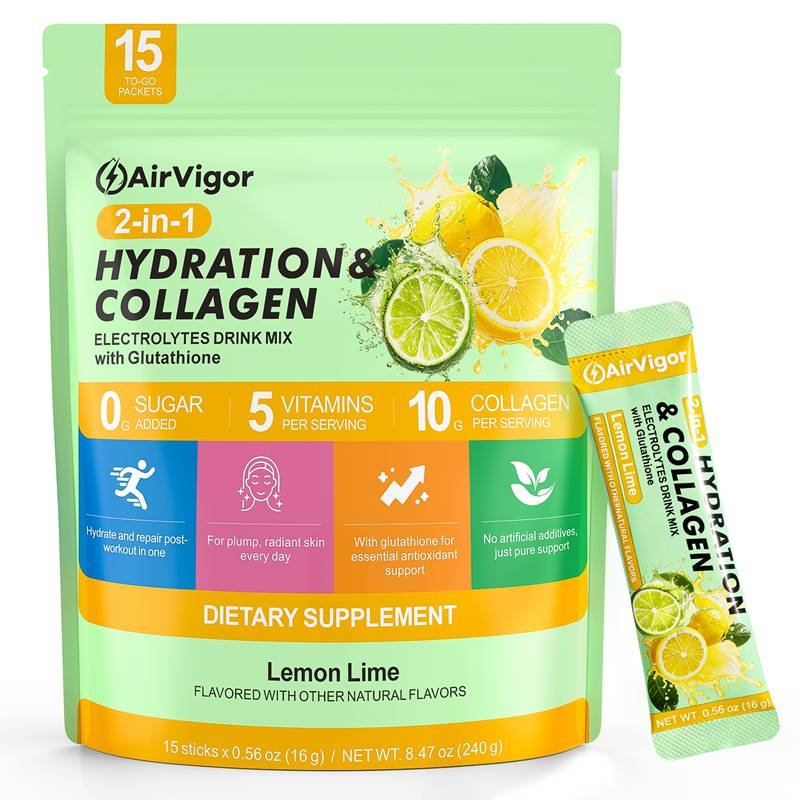
| Collagen | Beauty and skin-focused hydration |
| Amino acids | Workout recovery support |
| Creatine | Fitness recovery positioning |
However, larger ingredient lists do not always improve customer experience. Some highly concentrated formulas become too salty, too sweet, or difficult to drink repeatedly. This is why many customers now prioritize balanced formulas over “maximum strength” positioning.
Which Format Fits Your Lifestyle Better?
Hydration products are most effective when they fit naturally into daily routines. Even a strong formula often fails long term if customers find it inconvenient to carry, prepare, or drink consistently.
Hydration tablets became popular largely because they simplify the process. Customers can place a small tube into a backpack, office drawer, handbag, or carry-on bag and prepare hydration quickly almost anywhere.
Electrolyte powders, especially stick packs, have also become more portable over the last few years while allowing larger and more flexible formulas.
| Lifestyle Need | Electrolyte Powders | Hydration Tablets |
|---|---|---|
| Gym workouts | Very suitable | Moderate |
| Frequent travel | Good with stick packs | Excellent |
| Office hydration | Good | Excellent |
| Outdoor activity | Stronger support available | Moderate |
| Lightweight portability | High | Very high |
Customer preference often depends on environment.
A customer training intensely several times per week may prioritize formula strength and recovery support. A traveler may prioritize compact packaging and quick preparation. An office worker may simply want a hydration product that feels light enough for daily use without tasting like a heavy sports drink.
This is one reason many customers now use multiple hydration formats depending on the situation rather than relying on one single product type for everything.
How Should You Read the Label?
Reading hydration labels carefully has become increasingly important because hydration products now vary greatly in sodium strength, sugar level, ingredient quality, and intended usage.
Some products are designed for endurance athletes with heavy sweat loss, while others are built mainly for light daily hydration or travel support.
Customers should pay close attention to factors such as serving size, sodium level, sugar content, and ingredient transparency.
| Label Area | Why It Matters |
|---|---|
| Sodium amount | Indicates hydration strength |
| Sugar level | Impacts daily usability |
| Serving size | Affects actual intake |
| Flavor system | Influences repeat drinkability |
| Ingredient transparency | Easier product comparison |
One major issue many customers experience is flavor fatigue. A hydration product may taste exciting initially but become unpleasant after repeated daily use if it feels too salty, overly sweet, or heavily artificial.
This is why many successful hydration products now focus on smoother and lighter flavor systems rather than extremely intense sports-drink profiles.
Customers increasingly prefer hydration products that feel:
- easier to drink daily
- lighter in flavor
- lower in sugar
- simpler to understand
- more practical for long-term use
At AirVigor, hydration product development focuses heavily on these real-life customer habits. Formula evaluation includes ingredient transparency, dissolvability, portability, flavor balance, packaging stability, and long-term repeat usability across travel, work, gym, and outdoor environments.
Because for most customers, the best hydration product is usually not the strongest formula on the market. It is the product they can comfortably and consistently use as part of everyday life.
Why Choose AirVigor Electrolytes vs Hydration Tablets?
AirVigor focuses on practical hydration products designed for real daily use rather than overly aggressive sports-drink positioning. From ingredient selection and formula balance to portability, dissolvability, and long-term usability, the goal is to create hydration systems customers can comfortably use across workouts, travel, work, and everyday life.
What Makes AirVigor Different?
AirVigor focuses heavily on ingredient transparency, balanced formulas, and realistic hydration support rather than relying on overly complicated ingredient systems or exaggerated marketing claims.
Many customers today feel overwhelmed by hydration products that promise “extreme performance” but are difficult to drink daily because they taste too salty, too sweet, or too artificial. AirVigor takes a different approach by emphasizing formulas that feel more practical and easier to maintain long term.
The company’s hydration product direction is built around modern customer habits. Hydration products are no longer used only by athletes. Many customers now use them during:
| Daily Situation | Why Hydration Matters |
|---|---|
| Office work | Low daily water intake |
| Frequent travel | Dry cabin air and fatigue |
| Gym training | Sweat and recovery support |
| Outdoor activity | Increased heat exposure |
| Busy schedules | Inconsistent hydration habits |
Because of this shift, AirVigor develops hydration products with a stronger focus on repeat usability rather than only high-intensity positioning.
Customers increasingly prefer products that feel:
- lighter in flavor
- lower in sugar
- easier to carry
- easier to understand
- smoother to drink daily
This is one reason portable hydration formats continue growing rapidly worldwide.
AirVigor’s hydration systems are designed to balance:
| AirVigor Product Focus | Customer Benefit |
|---|---|
| Practical serving sizes | Easier daily use |
| Balanced sodium systems | Better long-term drinkability |
| Portable packaging | Better travel and office convenience |
| Clear ingredient labels | Easier customer trust |
| Stable dissolvability | Better drinking experience |
This customer-centered design approach is especially important because many customers stop using hydration products if they feel inconvenient or unpleasant after repeated use.
How Does AirVigor Support Quality and Formula Stability?
AirVigor places strong emphasis on stable quality management, ingredient consistency, and production reliability across hydration product development and manufacturing.
Hydration products can be sensitive to:
- moisture
- temperature
- ingredient separation
- flavor instability
- packaging performance
- transportation conditions
This is why formula design alone is not enough. The production and packaging systems behind the product also matter heavily.
AirVigor’s manufacturing and operational framework includes:
| Production Area | AirVigor Capability |
|---|---|
| Factory size | 30,000+ square meters |
| Clean workshop standard | 100,000-level clean production environment |
| Quality personnel | 30+ QC staff |
| R&D personnel | 25+ nutrition and food science specialists |
| Formula development | 20,000+ formulation models |
| Patent portfolio | 300+ nutrition-related patents |
The company’s production systems follow internationally recognized management structures including GMP, HACCP, ISO systems, FSSC22000 frameworks, and FDA registration-related operational standards.
Hydration products are evaluated not only for ingredient composition but also for:
| Evaluation Area | Why It Matters |
|---|---|
| Dissolvability | Easier preparation |
| Flavor consistency | Better repeat use |
| Moisture resistance | Better storage stability |
| Packaging compatibility | Better portability |
| Ingredient stability | More consistent product experience |
This becomes especially important for hydration products sold globally because climate conditions vary significantly between regions.
For example:
| Market Environment | Hydration Product Challenge |
|---|---|
| Hot summer climates | Moisture and heat exposure |
| Long-distance shipping | Packaging stability |
| Air travel use | Portability and convenience |
| High-humidity regions | Powder stability and sealing |
AirVigor’s hydration product packaging systems are selected with these practical conditions in mind so customers receive products that remain stable during transportation, storage, and normal daily use.
Why Do Customers Choose AirVigor for Daily Hydration?
Many customers today are no longer looking for hydration products only for intense sports performance. Instead, they want hydration support that feels realistic for normal daily routines.
This is one reason AirVigor products increasingly appeal to customers focused on:
- daily wellness
- consistent hydration habits
- travel support
- gym recovery
- office hydration
- outdoor lifestyles
- active daily routines
Customer feedback across different markets consistently highlights several important factors.
| Customer Preference | Why It Matters |
|---|---|
| Lighter flavor systems | Easier long-term use |
| Portable formats | Better convenience |
| Clear instructions | Simpler product understanding |
| Smooth dissolving | Better user experience |
| Moderate sweetness | Reduced flavor fatigue |
For many customers, hydration consistency matters more than extreme formulas.
A customer who enjoys the product and can comfortably use it every day is often more satisfied long term than someone using a highly concentrated hydration system inconsistently.
This is especially true among:
| Customer Type | Common Hydration Priority |
|---|---|
| Office workers | Daily hydration consistency |
| Travelers | Portability |
| Casual gym users | Easy recovery support |
| Outdoor users | Comfortable hydration during heat |
| Wellness-focused consumers | Balanced daily formulas |
At AirVigor, hydration product development reflects these modern usage habits. Formula systems are designed not only around ingredient strength, but also around how customers actually use hydration products in real life.
That includes evaluating:
- taste comfort
- portability
- repeat drinkability
- dissolving speed
- ingredient transparency
- long-term usability
because modern hydration products are increasingly becoming part of broader lifestyle and wellness routines rather than only traditional sports nutrition systems.
Whether customers are looking for electrolyte powders, hydration tablets, stick packs, travel hydration systems, sports hydration formulas, or customized OEM/ODM hydration supplements, AirVigor focuses on creating products that feel practical, stable, and easy to integrate into everyday life.

Conclusion
Electrolytes and hydration tablets both support hydration, but the better choice depends on your lifestyle, activity level, sweat loss, and daily routine. Electrolyte powders are often preferred for stronger workout and recovery support, while hydration tablets fit customers looking for portability and quick daily hydration.
Modern customers no longer want hydration products that feel overly sugary, artificial, or difficult to use consistently. They want cleaner formulas, balanced ingredients, better taste, and hydration systems that fit naturally into work, travel, fitness, and everyday life.
At AirVigor, hydration products are developed around these real-world needs through practical formulas, transparent ingredients, stable quality management, and portable daily-use designs. Whether for workouts, travel, office hydration, or OEM/ODM hydration supplement development, AirVigor focuses on helping customers build more consistent and comfortable hydration habits long term.
Share:
Contact Expert Team
At AirVigor, performance becomes effortless. We transform advanced nutrition science into clean, effective supplements that help you hydrate, recover, and feel stronger every day. Shop AirVigor Supplements on Amazon and experience athlete-trusted formulas—backed by real science and supported by our world-class R&D and production capabilities.
Trust AirVigor
At AirVigor, turning your performance goals into reality is no longer a struggle—it’s a science-driven journey we build together. Whether you’re a runner, lifter, cyclist, yogi, outdoor athlete, or someone simply seeking better daily energy, AirVigor transforms advanced nutrition research into clean, effective, and trustworthy supplements you can feel.
Backed by our U.S. scientific team, global certifications, and world-class production standards, every formula is engineered to deliver real hydration, real recovery, and real performance. And when you’re ready to experience the difference, you’ll find AirVigor products available on Amazon and other major platforms—fast shipping, consistent quality, and a community of athletes already seeing results.
Behind the scenes, our R&D and manufacturing ecosystem also supports specialized formulation development, ensuring AirVigor continues to lead with innovation while keeping quality and safety uncompromised. But at the core, everything we create is built for you—your health, your performance, your momentum.
Choose AirVigor. Feel the science. Elevate your every day.


Subscribe to our newsletter
Sign up to our newsletter and we’ll keep you up to date with the latest arrivals.