Skip to content
Do You Need Electrolyte Powder for Camping and Hiking : A Clear Explained
# Your Trusted Dietary Supplement Brand In US
- Emily

Table of Contents
Camping hydration is something most people underestimate until they experience the effects themselves. A long hike under summer heat, several hours setting up camp, poor sleep inside a warm tent, or a full day outdoors can quietly drain the body faster than expected. Many campers drink plenty of water but still feel sluggish, heavy, headachy, or unusually tired because sweating removes more than just fluids. Sodium, potassium, magnesium, and other electrolytes are also lost during hiking, heat exposure, and long outdoor activity. This is one reason electrolyte powder for camping has become increasingly popular among hikers, backpackers, RV travelers, festival campers, and outdoor families looking for more practical hydration support.
The best electrolyte powder for camping is usually a lightweight, easy-to-carry hydration mix that helps support fluid balance during hiking, sweating, travel, and hot-weather outdoor activity. Most campers today prefer electrolyte powder packets because they are portable, simple to store, easier to drink during heat, and more practical than carrying multiple bottled sports drinks during multi-day trips.
What makes camping hydration different is consistency. Outdoor routines are unpredictable. Water intake becomes irregular, meals are less balanced, and physical activity increases naturally throughout the day. A camper may not notice dehydration immediately, but by the afternoon the effects often appear through fatigue, dry-mouth thirst, muscle tightness, slower hiking pace, or poor recovery the next morning. That is why more outdoor consumers now keep electrolyte packets inside hiking bags, glove compartments, camping bins, and travel kits as part of their normal camping setup instead of treating hydration as an emergency-only problem.
What Is Electrolyte Powder for Camping?
Electrolyte powder for camping is a portable hydration drink mix designed to help support fluid balance during hiking, heat exposure, sweating, and long outdoor trips. Many campers use electrolyte powders because they are easier to carry, simpler to store, and more practical for multi-day outdoor use than traditional bottled sports drinks.
What Is Electrolyte Powder?
Electrolyte powder is a hydration supplement that dissolves in water and provides minerals the body naturally loses through sweat and physical activity. The most common electrolytes include sodium, potassium, magnesium, and calcium. These minerals help regulate hydration balance, muscle function, and normal nerve signaling, especially during prolonged outdoor activity.
Camping environments increase hydration demand much faster than many people expect. Even casual camping weekends often involve more movement, more sun exposure, less predictable meals, warmer conditions, and lower-quality sleep compared with normal daily routines. A camper may spend several hours walking trails, carrying supplies, setting up tents, cooking outdoors, or simply sitting under direct sunlight for long periods. All of these situations gradually increase fluid and electrolyte loss.
One reason electrolyte powder has become increasingly popular for camping is because many people realize plain water alone does not always feel sufficient during long outdoor days. Campers sometimes drink large amounts of water but still experience dry-mouth thirst, low energy, headaches, or muscle tightness later in the day. In many cases, the body may need both fluids and electrolyte support rather than water alone.
The core electrolytes found in most camping hydration powders each play slightly different roles:
| Electrolyte | Why It Matters During Camping |
|---|---|
| Sodium | Helps support fluid retention and hydration balance during sweating |
| Potassium | Supports normal muscle and nerve function during outdoor activity |
| Magnesium | Commonly associated with muscle comfort and post-hike recovery |
| Calcium | Helps support normal muscle contraction and movement |
Another major reason campers choose electrolyte powder is practicality. Carrying bottled sports drinks during outdoor trips can quickly become inconvenient because they add significant weight and require extra storage space. Powder packets solve this problem by remaining lightweight until mixed with water.
The difference becomes very noticeable during multi-day camping trips.
| Hydration Option | Weight for Multi-Day Use | Storage Space Needed | Outdoor Convenience | Best Camping Use Case |
|---|---|---|---|---|
| Bottled sports drinks | Heavy | Large | Limited | Short campground stays with cooler access |
| Electrolyte powder packets | Very light | Minimal | Excellent | Hiking, backpacking, RV travel, multi-day camping |
| Electrolyte tablets | Light | Small | Moderate | Simple hydration support for shorter outdoor trips |
| Plain water only | Variable depending on supply | Moderate to large | Moderate | Basic hydration when activity and sweating are low |
For backpackers and hikers especially, reducing unnecessary weight can significantly improve comfort during long-distance walking. A few small electrolyte packets can provide several days of hydration support while taking up almost no backpack space.
Why Use Electrolyte Powder for Camping?
Camping changes normal hydration habits more than most people realize because daily routines become less structured outdoors. At home, people usually have easy access to cold drinks, regular meals, refrigerators, air conditioning, and comfortable sleeping conditions. During camping, many of those conveniences disappear.
A camper may wake up slightly dehydrated after sleeping in a warm tent, hike for several hours in heat, eat salty packaged foods, and drink less water than normal simply because outdoor schedules feel less organized. Over the course of a trip, these small factors can gradually affect comfort and energy levels.
This is why many campers begin noticing symptoms such as fatigue, headaches, sluggish hiking performance, dry mouth, irritability, or muscle tightness even during relatively moderate outdoor activity.
Electrolyte powder helps support more consistent hydration during these situations because it encourages regular fluid intake while helping replenish minerals lost through sweat.
The usefulness becomes even more obvious in certain camping environments:
| Camping Environment | Why Hydration Becomes More Difficult |
|---|---|
| Hot-weather camping | Increased sweating throughout the day |
| Mountain camping | Faster fluid loss due to altitude and dry air |
| Desert camping | Sweat evaporates quickly before people notice fluid loss |
| Backpacking trips | Continuous physical activity and limited water carrying capacity |
| Festival camping | Long hours outdoors with inconsistent hydration habits |
| RV travel | Long driving hours and irregular fluid intake |
One detail many experienced campers mention is that electrolyte drinks often feel easier to consume consistently compared with plain water alone, especially during long days in the heat. Extremely sweet drinks may become unpleasant outdoors, but lightly flavored electrolyte powders can make hydration feel more refreshing and manageable throughout the day.
Portability is another reason electrolyte powders fit naturally into camping life. Single-serve packets can easily be stored inside backpack compartments, glove boxes, travel organizers, hiking pouches, or camping supply bins without taking up much space. This convenience makes people more likely to maintain hydration habits consistently during trips.
Unlike large bottled drinks, packets also allow campers to adjust hydration more flexibly based on weather conditions, activity level, and trip duration.
Is Electrolyte Powder Better Than Sports Drinks?
For many camping situations, electrolyte powder is more practical than traditional sports drinks because it provides greater portability, easier storage, and more flexible hydration control.
Traditional bottled sports drinks were originally designed mainly for endurance athletes involved in prolonged high-intensity exercise. Many of these products contain relatively high sugar levels intended to provide fast carbohydrates during athletic performance. While that can be useful during extreme endurance activities, casual campers often want something lighter and easier to drink repeatedly throughout the day.
This difference becomes especially important during hot-weather camping. Drinks that taste refreshing indoors may feel too sugary, heavy, or sticky after several hours outside in the sun.
Modern campers increasingly prefer hydration products that feel:
| Common Outdoor Preference | Why Campers Like It |
|---|---|
| Lighter flavor | Easier to drink during heat |
| Lower sugar | More comfortable for all-day use |
| Portable packets | Easier for hiking and travel |
| Flexible serving size | Better hydration control |
| Faster mixing | More convenient outdoors |
That does not mean sports drinks are always a poor choice. During extremely demanding hikes, long-distance backpacking, or high-calorie outdoor activity, additional carbohydrates may still help support energy intake. However, for general camping use, many outdoor consumers now prefer electrolyte powders because they offer a more balanced daily hydration experience.
Another reason electrolyte powders continue growing in popularity is ingredient variety. Modern hydration powders often include supportive ingredients such as coconut water powder, magnesium glycinate, trace minerals, vitamin C, or collagen. These additions appeal to consumers looking for broader wellness support beyond simple hydration.
| Added Ingredient | Why Some Campers Prefer It |
|---|---|
| Coconut water powder | Natural mineral profile |
| Magnesium glycinate | Popular for muscle comfort |
| Vitamin C | Wellness-oriented hydration |
| Trace minerals | Broader mineral support |
| Collagen | Recovery-focused positioning |
Still, many experienced campers eventually realize the best camping hydration product is usually not the most aggressive formula. The better option is often the one that feels light enough, portable enough, and comfortable enough to use consistently every day of the trip.
Why Take Electrolyte Powder for Camping?
Camping places the body in very different conditions compared with daily indoor life. Heat, hiking, altitude, sweating, long driving hours, and inconsistent meals can gradually affect hydration balance. Many campers use electrolyte powder to stay more comfortable, maintain energy, and recover more easily during outdoor trips.
Does Camping Cause Dehydration?
Camping can increase dehydration risk much faster than many people expect because outdoor routines naturally involve more movement, more heat exposure, and less consistent hydration habits than normal daily life.
Even a “relaxing” camping trip usually includes activities such as carrying gear, setting up tents, walking trails, cooking outdoors, gathering supplies, or spending long hours under direct sunlight. During summer camping, sweat loss may increase significantly even when activity levels feel moderate.
One important detail is that dehydration outdoors often develops slowly. Many campers do not suddenly feel severely dehydrated. Instead, they gradually notice smaller changes throughout the day:
- lower energy during hiking
- dry-mouth thirst
- headaches in the afternoon
- heavier legs
- reduced motivation
- muscle tightness at night
- slower recovery the next morning
This is why dehydration can quietly affect the overall camping experience without people immediately realizing hydration is the issue.
Several outdoor conditions increase fluid and electrolyte loss simultaneously:
| Camping Factor | How It Affects Hydration |
|---|---|
| Hot weather | Increases sweat loss |
| Hiking | Raises fluid and mineral demand |
| High altitude | Causes faster breathing-related fluid loss |
| Dry air | Sweat evaporates quickly and becomes harder to notice |
| Long driving hours | People often drink less water intentionally |
| Poor sleep | Slows physical recovery |
| Alcohol consumption | Can worsen dehydration during trips |
Altitude is especially underestimated. Mountain air is usually drier, and breathing rates increase at higher elevations. Campers may lose more water without noticing obvious sweating.
Long camping trips also create cumulative hydration stress. A camper may feel fine on day one, slightly fatigued on day two, and heavily drained by day three because fluid and electrolyte loss continue building over time.
Another factor many families notice is that children often become dehydrated faster during camping because they spend hours running outdoors while paying less attention to thirst.
Hydration problems also become more common during summer road trips and RV travel because people often reduce water intake to avoid frequent restroom stops. Combined with heat and activity after arrival, dehydration can develop surprisingly quickly.
How Does Electrolyte Powder Help?
Electrolyte powder helps support hydration by replacing minerals lost through sweat while making fluid intake easier and more consistent during outdoor activity.
Many campers assume hydration simply means “drink more water,” but hydration balance depends on both fluids and electrolytes working together. When people sweat, they lose sodium, potassium, and other minerals along with water.
This becomes important during activities such as:
| Outdoor Activity | Why Electrolyte Support Matters |
|---|---|
| Hiking | Continuous sweating and fluid loss |
| Backpacking | Extended physical exertion |
| Fishing trips | Long sun exposure |
| Desert camping | Rapid dehydration risk |
| Festival camping | Heat and irregular hydration habits |
| RV travel | Long periods of inconsistent water intake |
Sodium plays a particularly important role because it helps support fluid balance and encourages water retention. Potassium supports normal muscle and nerve function, while magnesium is commonly associated with muscle comfort and recovery support.
Many campers notice that plain water sometimes does not fully solve outdoor fatigue or thirst during physically active trips. Electrolyte drinks often feel more satisfying because they combine fluid intake with mineral replenishment.
Another practical advantage is drinkability. Some people naturally drink fluids more consistently when water has a lighter flavor instead of tasting completely plain during long outdoor days.
This behavioral difference matters more than many people realize. Hydration works best when maintained gradually throughout the day rather than only after dehydration symptoms become noticeable.
Electrolyte powders are also popular because they simplify hydration routines outdoors.
| Hydration Method | Outdoor Practicality |
|---|---|
| Bottled sports drinks | Heavy and difficult to carry |
| Electrolyte powder packets | Lightweight and portable |
| Large hydration tubs | Less convenient for travel |
| Plain water only | No electrolyte replacement |
Portable packets fit naturally into hiking and camping routines because they are easy to carry inside backpacks, glove compartments, camping kitchen bins, or emergency kits.
Many experienced outdoor users now carry electrolyte packets proactively instead of waiting until they feel exhausted or dehydrated.
Are Electrolytes Important in Hot Weather?
Hot weather is one of the biggest reasons campers use electrolyte powder because heat dramatically increases sweat loss and hydration demand.
During summer camping trips, people often spend several continuous hours outdoors while:
- hiking exposed trails
- setting up campsites
- cooking outdoors
- walking long distances
- swimming or fishing
- attending outdoor festivals
- driving through high-temperature regions
Even moderate activity in warm weather can increase sweating substantially.
One challenge is that dehydration becomes harder to recognize in certain environments. In dry climates such as mountain or desert regions, sweat evaporates quickly, so campers may not realize how much fluid they are losing.
This gradual dehydration can contribute to:
| Common Hot-Weather Issue | Possible Hydration Connection |
|---|---|
| Afternoon headaches | Ongoing fluid and electrolyte loss |
| Low hiking energy | Heat-related dehydration |
| Muscle tightness | Electrolyte depletion |
| Dizziness | Reduced hydration balance |
| Poor recovery | Repeated sweating and fluid loss |
| Dry-mouth thirst | Insufficient fluid retention |
Many campers also find that extremely sugary sports drinks become unpleasant during hot-weather trips. Drinks that taste refreshing indoors may feel too sweet, heavy, or sticky after hours outside in the sun.
This is one reason lighter electrolyte powders have become increasingly popular for camping. Many outdoor users prefer hydration products that feel:
- easier to sip
- lighter during activity
- less sugary
- refreshing in heat
- comfortable for repeated use
Another important detail is hydration timing. Campers who wait until they feel severely thirsty often struggle more with fatigue later in the day.
Experienced hikers and campers frequently use a more consistent hydration routine instead:
| Time of Day | Common Hydration Habit |
|---|---|
| Morning | Begin hydration early before activity |
| During hiking | Small, steady fluid intake |
| Midday heat | Increase hydration frequency |
| After activity | Recovery-focused hydration |
| Evening | Moderate fluid replenishment |
This gradual approach usually feels more manageable than trying to recover from dehydration after symptoms appear.
For many campers, electrolyte powder is not about sports performance. It is simply about feeling more stable, more comfortable, and more capable of enjoying long outdoor days without hydration becoming a problem.
Which Electrolyte Powder for Camping Is Best?
The best electrolyte powder for camping is usually one that balances hydration support, portability, flavor comfort, ingredient transparency, and practical outdoor usability. Most campers prefer hydration powders that are easy to carry, easy to drink during heat, and simple enough to use consistently throughout multi-day trips.
Which Ingredients Matter Most?
A good camping electrolyte powder should first focus on the core minerals the body loses during sweating and outdoor activity. Many consumers get distracted by flashy marketing ingredients, but for most campers, hydration effectiveness starts with the basic electrolyte balance itself.
The most important electrolytes in camping hydration formulas are usually sodium, potassium, magnesium, and calcium.
| Electrolyte | Why It Matters for Camping |
|---|---|
| Sodium | Helps support hydration balance and fluid retention during sweating |
| Potassium | Supports normal muscle and nerve function during outdoor activity |
| Magnesium | Commonly used for muscle comfort and post-hike recovery |
| Calcium | Supports normal muscle contraction and movement |
Sodium is especially important during camping because outdoor activity and heat exposure can increase sweat loss quickly. Hikers, backpackers, and festival campers may sweat for hours continuously without fully replacing sodium through food alone.
However, more sodium is not automatically better. Some endurance-focused sports products contain extremely high sodium levels that may feel overly salty or uncomfortable for casual camping use. Most campers prefer balanced hydration formulas that are easier to drink throughout the day.
Potassium becomes valuable during longer hikes and repeated movement because it helps support muscle function. Magnesium has also become increasingly popular because many campers associate it with evening muscle comfort after physically demanding days outdoors.
Modern electrolyte powders sometimes include additional supportive ingredients as well:
| Added Ingredient | Why Some Campers Prefer It |
|---|---|
| Coconut water powder | Popular for natural mineral support |
| Trace minerals | Broader hydration profile |
| Vitamin C | General wellness support |
| Magnesium glycinate | Gentler magnesium source |
| Amino acids | Recovery-focused hydration formulas |
| Collagen | Outdoor recovery positioning |
Still, many experienced campers eventually prefer simpler hydration formulas instead of products overloaded with unnecessary ingredients. Extremely complicated formulas sometimes create problems outdoors such as:
- overly sweet flavor
- stomach discomfort during hiking
- slower dissolving
- thicker texture
- difficulty drinking repeatedly in heat
Ingredient transparency has also become much more important in recent years. Many outdoor consumers now carefully compare labels and prefer products that clearly list ingredient amounts instead of vague “proprietary blends.”
Campers today often pay attention to:
- sodium level
- sugar content
- magnesium source
- serving size
- packet portability
- flavor profile
- artificial ingredient use
The hydration market has become much more educated and detail-focused compared with several years ago.
Is Sugar-Free Electrolyte Powder Better?
Sugar-free electrolyte powders have become increasingly popular for camping because many outdoor users want hydration support without consuming large amounts of sugar all day long.
Traditional sports drinks were originally designed for endurance athletes doing prolonged high-intensity activity. Many of these drinks contain high sugar levels intended to provide quick carbohydrates during athletic performance.
Camping is often very different.
Many camping situations involve:
- moderate hiking
- outdoor relaxation
- sightseeing
- RV travel
- fishing
- walking trails
- casual outdoor activity
For these situations, many people now prefer lighter hydration formulas that feel easier to drink consistently.
| Hydration Style | Why Campers Choose It |
|---|---|
| High-sugar sports drinks | Long endurance activity |
| Moderate-sugar electrolyte powders | Extended hiking days |
| Sugar-free electrolyte powders | Daily camping hydration |
| Light-flavor hydration blends | Hot-weather comfort |
Taste fatigue becomes a real issue during multi-day camping trips. A drink that tastes good indoors may become difficult to enjoy after several hours outside in warm weather.
Many campers describe very sugary drinks as:
- too heavy
- sticky during heat
- overly sweet after hiking
- uncomfortable during long drives
- difficult to sip repeatedly
This is one reason lower-sugar hydration powders continue growing in popularity.
However, sugar itself is not always negative. During long-distance hiking, steep mountain climbing, or physically demanding backpacking trips, carbohydrates may still help support energy intake.
The better question is usually: “What type of hydration fits the trip?”
For example:
| Camping Situation | Common Hydration Preference |
|---|---|
| Relaxed campground camping | Low-sugar hydration |
| Long hiking days | Electrolytes plus trail snacks |
| Multi-day backpacking | Moderate energy support |
| Summer festivals | Frequent lighter hydration |
| RV road trips | Convenient daily hydration |
Another important factor is stomach comfort. Many outdoor users simply feel better drinking lighter hydration formulas during long periods of movement and heat exposure.
Modern hydration trends increasingly focus on products that feel:
- refreshing
- lighter during activity
- easier to drink repeatedly
- suitable for long-term use
- more comfortable during travel
This shift reflects how hydration products are becoming part of broader outdoor lifestyle routines instead of existing only inside traditional sports nutrition categories.
Are Electrolyte Powder Packets Better for Camping?
For many campers, packets are one of the biggest reasons electrolyte powders have become so practical for outdoor travel.
Camping already requires carrying a large amount of gear:
- tents
- sleeping bags
- cookware
- food
- water
- clothing
- flashlights
- batteries
- hiking equipment
Reducing unnecessary weight becomes extremely important, especially during backpacking or hiking-heavy trips.
Single-serve electrolyte packets solve several outdoor problems at the same time.
| Packet Advantage | Why It Helps Outdoors |
|---|---|
| Lightweight | Easier backpack carrying |
| Compact | Saves storage space |
| Pre-portioned | No measuring required |
| Portable | Convenient for hiking and travel |
| Individually sealed | Better moisture protection |
| Fast mixing | Quick campsite preparation |
Compared with bottled drinks, packets allow campers to carry several days of hydration support without taking up cooler space or adding major weight.
Another major benefit is flexibility.
Packets can be mixed with:
- bottled water
- campsite water
- filtered hiking water
- hydration reservoirs
- insulated flasks
This works especially well during unpredictable outdoor schedules where hydration needs may change depending on weather and activity level.
For example:
| Trip Type | Why Packets Work Well |
|---|---|
| Backpacking | Minimal weight increase |
| RV travel | Easy storage organization |
| Hiking trips | Convenient trail hydration |
| Festival camping | Portable heat hydration |
| Road trips | Compact travel hydration |
| Emergency kits | Long shelf stability |
Another practical advantage is consistency. When hydration feels easier to manage, people are more likely to maintain good hydration habits throughout the trip.
This convenience matters more than many supplement brands realize. A hydration product may contain excellent ingredients, but if it feels bulky, messy, or inconvenient outdoors, many users eventually stop bringing it.
That is why modern outdoor consumers increasingly prioritize:
- portability
- easy storage
- quick preparation
- flavor comfort
- practical usability
The best electrolyte powder for camping is usually the one that fits naturally into real outdoor routines rather than feeling like another complicated piece of gear.

How to Use Electrolyte Powder for Camping?
Electrolyte powder for camping works best when hydration is managed consistently throughout the trip instead of only after dehydration symptoms appear. Many campers use electrolyte drinks before hiking, during hot afternoons, and after outdoor activity to help maintain hydration balance and physical comfort.
When Should You Drink It?
Most experienced campers do not wait until they feel severely thirsty before using electrolyte powder. Outdoor dehydration usually develops gradually, and by the time strong thirst appears, many people are already dealing with fatigue, headaches, or reduced energy.
Hydration timing becomes especially important during camping because outdoor activity often starts early and continues throughout the day. Campers may wake up slightly dehydrated after sleeping in warm tents, dry air environments, or higher-altitude locations. Starting hydration early in the morning can help support better comfort during the rest of the day.
Many outdoor users prefer to use electrolyte drinks during the following situations:
| Camping Situation | Common Hydration Timing |
|---|---|
| Morning campsite setup | Early hydration before heat increases |
| Hiking trails | Small consistent intake during activity |
| Hot afternoons | Additional hydration support |
| Post-hike recovery | Replenishment after sweating |
| Long driving days | Hydration during travel stops |
| Multi-day camping | Daily hydration maintenance |
During hiking, smaller and more consistent hydration usually feels better than drinking very large amounts at once. This is one reason hydration backpacks and reusable bottles have become so common among hikers and backpackers.
Environmental conditions also change hydration timing needs. For example, mountain camping often causes increased fluid loss through breathing because of dry air and altitude. Desert camping may create continuous sweating that evaporates quickly before campers realize how much water they are losing.
Another important detail is that many campers unintentionally reduce water intake during road trips or long drives because they want fewer restroom stops. Combined with outdoor activity after arrival, this can increase dehydration risk significantly.
Many experienced campers now treat hydration as part of the trip routine rather than an emergency response. Consistent hydration often helps people feel steadier throughout the day instead of experiencing major energy drops later in the afternoon.
How Much Electrolyte Powder Should You Use?
There is no single perfect amount of electrolyte powder for every camper because hydration needs depend heavily on weather, activity level, body size, and trip conditions.
A person relaxing at a shaded campground during mild weather will usually need far less hydration support than someone hiking several hours in hot temperatures with a heavy backpack.
Several outdoor factors can increase electrolyte demand:
| Hydration Factor | Why It Increases Electrolyte Needs |
|---|---|
| High temperatures | Increased sweating |
| Long hiking days | Continuous fluid and mineral loss |
| Backpack carrying | Higher physical exertion |
| Humid weather | Sustained sweating |
| Dry climates | Faster water evaporation |
| Altitude | Increased breathing-related fluid loss |
For general camping, many people use one serving daily during warm-weather trips. Hikers or backpackers involved in longer outdoor activity may use additional servings depending on sweat loss and environmental conditions.
| Outdoor Activity Level | Common Hydration Pattern |
|---|---|
| Casual campground stay | 1 serving daily |
| Moderate hiking | 1–2 servings daily |
| Long-distance hiking | Multiple hydration periods throughout the day |
| High-heat backpacking | More frequent hydration support |
However, hydration is not simply about “more electrolytes.” Balance matters. Extremely high sodium intake without enough water can create discomfort, just as excessive water without electrolyte replacement may leave people still feeling sluggish.
Another overlooked detail is food intake during camping. Many camping meals already contain sodium through processed foods, trail snacks, dehydrated meals, jerky, canned soups, or instant noodles.
This is one reason many campers now prefer balanced hydration products instead of extremely concentrated sports formulas designed for endurance racing.
Physical signals are often more useful than strict hydration rules. Campers commonly increase hydration support when they notice:
- dry mouth
- headache
- unusual fatigue
- muscle tightness
- darker urine color
- reduced hiking energy
- sluggish recovery
The goal is usually maintaining stable hydration throughout the trip rather than trying to “fix” dehydration later.
Can You Use Electrolyte Powder Every Day?
Many outdoor users now use electrolyte powder daily during camping trips because hydration demands often remain elevated for several consecutive days.
Camping routines naturally increase hydration stress through:
- repeated outdoor activity
- sun exposure
- inconsistent sleep
- sweating
- irregular meals
- changing weather conditions
This is why many campers maintain daily hydration support throughout the entire trip instead of using electrolytes only occasionally.
Electrolyte powders have also expanded far beyond traditional sports nutrition. Many consumers now use them during:
| Everyday Situation | Why People Use Electrolytes |
|---|---|
| Camping trips | Outdoor hydration support |
| Road travel | Consistent fluid intake |
| Gym training | Sweat replacement |
| Outdoor work | Heat exposure support |
| Long flights | Travel hydration |
| Hiking weekends | Recovery and hydration routines |
Product selection becomes very important for daily use. Some older-style sports drinks contain extremely high sugar levels or very salty formulas designed mainly for endurance athletes. These products may feel too heavy or unpleasant for regular outdoor hydration during camping.
Modern consumers increasingly prefer hydration powders that feel:
- lighter
- less sugary
- easier to sip
- smoother during activity
- comfortable during hot weather
This shift explains why sugar-free and low-sugar electrolyte powders have become increasingly popular among campers and travelers.
Another major reason people use electrolyte packets daily is convenience. Single-serve packets fit easily into outdoor routines because they can be stored almost anywhere:
| Storage Location | Why It Works Well |
|---|---|
| Backpack pockets | Easy hiking access |
| Glove compartments | Convenient road-trip hydration |
| RV storage drawers | Organized daily use |
| Camping kitchen bins | Quick campsite preparation |
| Emergency kits | Long shelf stability |
Consistency becomes much easier when hydration products are simple to carry and quick to prepare.
Still, electrolyte powders work best as part of a broader hydration routine that includes regular water intake, balanced meals, and realistic outdoor pacing. Most experienced campers eventually realize that steady hydration throughout the trip usually feels much better than trying to recover after becoming dehydrated.
Does Electrolyte Powder for Camping Help Hiking?
Hiking places much higher hydration demands on the body than most campers expect. Electrolyte powder for camping is commonly used during hiking because sweating, heat, elevation, and long walking hours can gradually reduce hydration balance, energy, and physical comfort throughout the trip.
Can Electrolytes Help Hiking Fatigue?
Many hikers assume fatigue is caused only by difficult terrain or lack of fitness, but hydration plays a major role in how the body feels during long outdoor activity. Even moderate dehydration can make hiking feel significantly harder, especially during warm weather or multi-hour trails.
During hiking, the body continuously loses fluid through sweating and breathing. This becomes more noticeable when carrying backpacks, climbing elevation, or hiking in direct sunlight for several hours. A person may not feel severely dehydrated, yet still begin noticing lower energy, heavier legs, headaches, or slower movement later in the hike.
Several common hiking conditions increase fluid and electrolyte demand at the same time:
| Hiking Condition | Why Fatigue Increases |
|---|---|
| Hot weather | Increased sweat loss |
| Elevation gain | Higher breathing-related fluid loss |
| Backpack carrying | Greater physical exertion |
| Long trail duration | Ongoing electrolyte depletion |
| Dry mountain air | Faster evaporation and dehydration |
| Repeated hiking days | Cumulative recovery stress |
One reason electrolyte powder has become so popular among hikers is because hydration often feels easier to maintain consistently when water contains electrolytes and light flavor instead of being completely plain.
Many hikers describe a common pattern during long hikes. The first few hours feel manageable, but later in the afternoon energy levels begin dropping sharply. Legs feel heavier, motivation decreases, and physical effort suddenly feels much higher than expected. In many situations, this is not only about conditioning. Gradual dehydration and electrolyte loss may also contribute to the fatigue buildup.
Electrolyte drinks are often used proactively during hiking because many experienced hikers prefer preventing hydration decline instead of trying to recover after symptoms become severe.
This becomes especially important during:
- mountain hiking
- summer trail hiking
- desert trails
- national park hiking
- backpacking routes
- long-distance walking trips
Another important detail is drinkability. During long hikes, some people unintentionally underdrink plain water because it becomes less appealing after several hours. Light-flavored electrolyte drinks often encourage more consistent fluid intake throughout the hike.
That small difference can noticeably affect overall comfort later in the day.
Does Electrolyte Powder Help Recovery?
Recovery becomes increasingly important during camping trips because hiking often happens repeatedly over several consecutive days.
A single hike may only create moderate fatigue, but repeated hiking combined with poor sleep, heat exposure, and outdoor living can gradually increase physical strain on the body.
Many hikers notice that recovery feels slower during camping because outdoor conditions are less controlled than normal daily life. Campers may sleep in warmer temperatures, eat less balanced meals, or spend long hours walking before fully recovering from the previous day.
Several factors commonly affect hiking recovery during camping trips:
| Recovery Stress Factor | Outdoor Effect |
|---|---|
| Long hiking distances | Increased muscle fatigue |
| Heat exposure | Continuous fluid loss |
| Backpack weight | Greater muscle strain |
| Poor sleep outdoors | Slower overnight recovery |
| Irregular hydration | Reduced recovery comfort |
| Multi-day hiking | Cumulative physical fatigue |
After long hiking days, many campers commonly experience:
- muscle tightness
- sore legs
- sluggish movement
- headaches
- reduced energy the next morning
- slower hiking pace on following days
Electrolyte powders are often used after hiking because hydration support may help the body feel more stable and comfortable during recovery periods.
Magnesium-containing hydration formulas have become particularly popular among hikers because magnesium is commonly associated with muscle comfort after prolonged physical activity.
Some modern hiking hydration products also include supportive ingredients such as:
| Added Ingredient | Why Hikers Like It |
|---|---|
| Magnesium glycinate | Popular for muscle comfort |
| Coconut water powder | Natural mineral support |
| Vitamin C | General wellness support |
| Trace minerals | Broader hydration profile |
| Amino acids | Recovery-focused positioning |
Still, many experienced hikers prefer hydration products that remain relatively simple and easy to drink after physically demanding days. Very heavy or overly sweet recovery drinks may feel uncomfortable outdoors, especially during warm weather.
Convenience also matters heavily during recovery. After returning tired to camp, most people prefer hydration routines that require very little effort.
Portable electrolyte packets work well because they can quickly be mixed using:
- bottled water
- filtered campsite water
- hydration reservoirs
- insulated hiking bottles
- portable water systems
The easier hydration feels, the more consistently people tend to maintain it throughout multi-day trips.
Is Electrolyte Powder Good for Long Hiking Trips?
Long hiking trips create very different hydration challenges compared with short campground stays because fluid and electrolyte loss continue building day after day.
Many backpackers and long-distance hikers notice that hydration mistakes often become more noticeable later in the trip rather than immediately.
For example, a hiker may feel completely fine on the first day, slightly more tired on the second day, and unusually sluggish by the third or fourth day. In many situations, this gradual fatigue buildup is partly connected to ongoing dehydration and recovery stress.
Long hiking trips often combine several demanding conditions simultaneously:
| Long Hiking Challenge | Why Hydration Matters |
|---|---|
| Continuous movement | Ongoing sweat loss |
| Limited water access | Harder hydration planning |
| Elevation changes | Increased fluid demand |
| Heavy gear carrying | Higher physical strain |
| Heat exposure | Greater electrolyte depletion |
| Multi-day exertion | Recovery becomes more important |
Portable electrolyte powder packets have become especially valuable for long hiking trips because they solve several practical outdoor problems at once.
Compared with bottled drinks, packets are:
- much lighter
- easier to store
- simpler to portion
- easier to carry during long hikes
- more practical for backpack organization
Weight becomes extremely important during backpacking. Carrying several bottles of sports drinks is unrealistic for most hikers, especially during multi-day routes where every pound matters.
Electrolyte packets also provide flexibility because hikers can adjust hydration support depending on weather and activity level throughout the trip.
| Hiking Situation | Common Hydration Adjustment |
|---|---|
| Cooler morning hiking | Moderate hydration support |
| Midday heat | Increased fluid intake |
| Steep elevation climbs | More consistent hydration |
| Recovery at camp | Post-hike replenishment |
| Multi-day trekking | Daily hydration maintenance |
Another major reason hikers prefer electrolyte powders is storage simplicity. Packets fit easily into backpack pockets, hiking belts, or emergency kits without taking up much space.
This portability makes consistent hydration easier during long trips where convenience directly affects whether people actually maintain good hydration habits.
For many hikers today, electrolyte powder is not viewed as an extreme sports supplement. It has become a practical part of outdoor comfort, hiking recovery, and long-distance travel preparation.
Is AirVigor Electrolyte Powder for Camping Worth It?
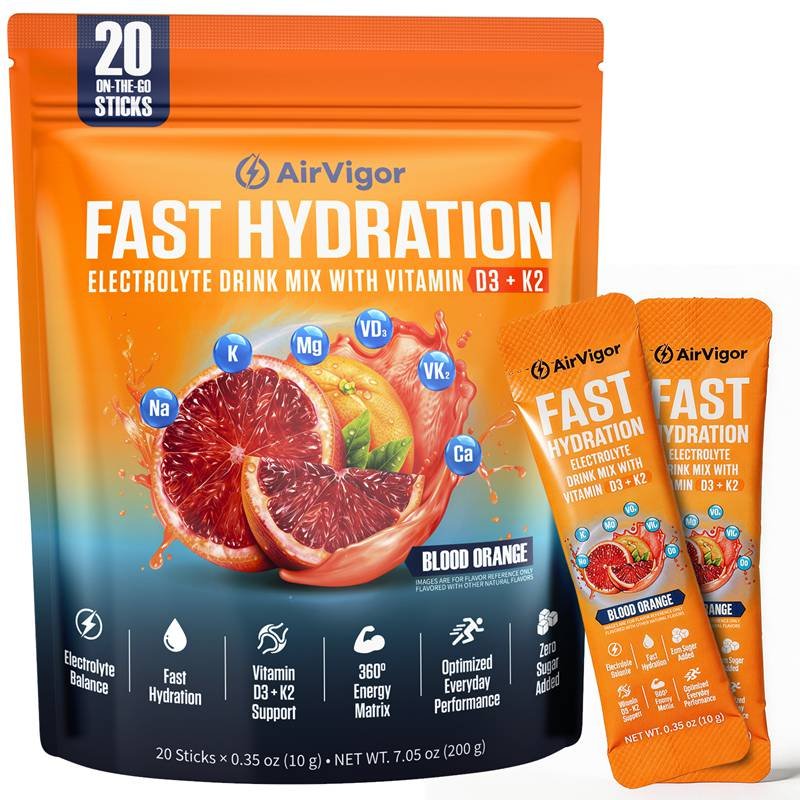
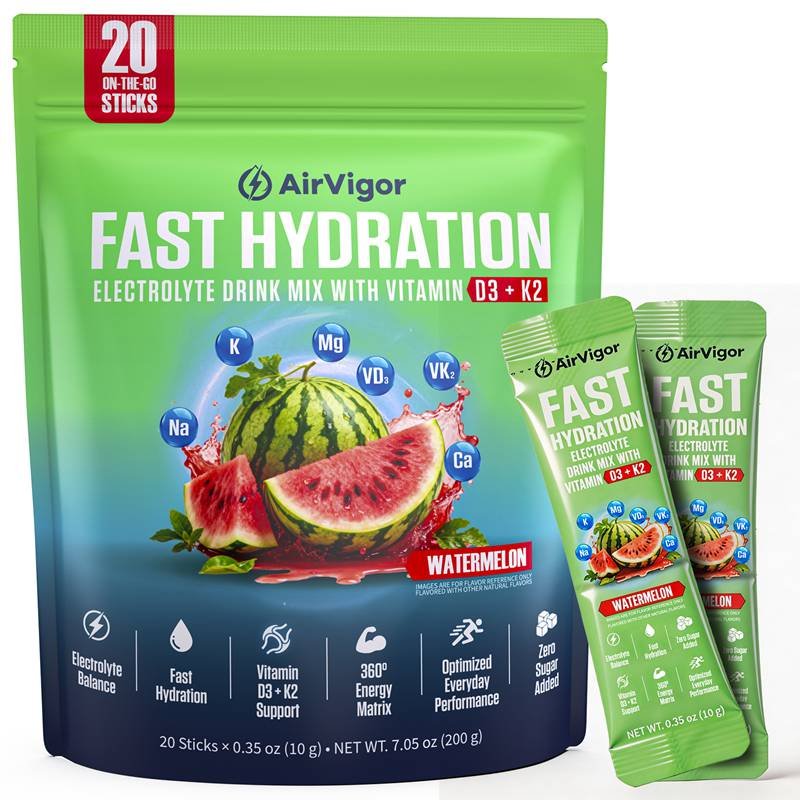
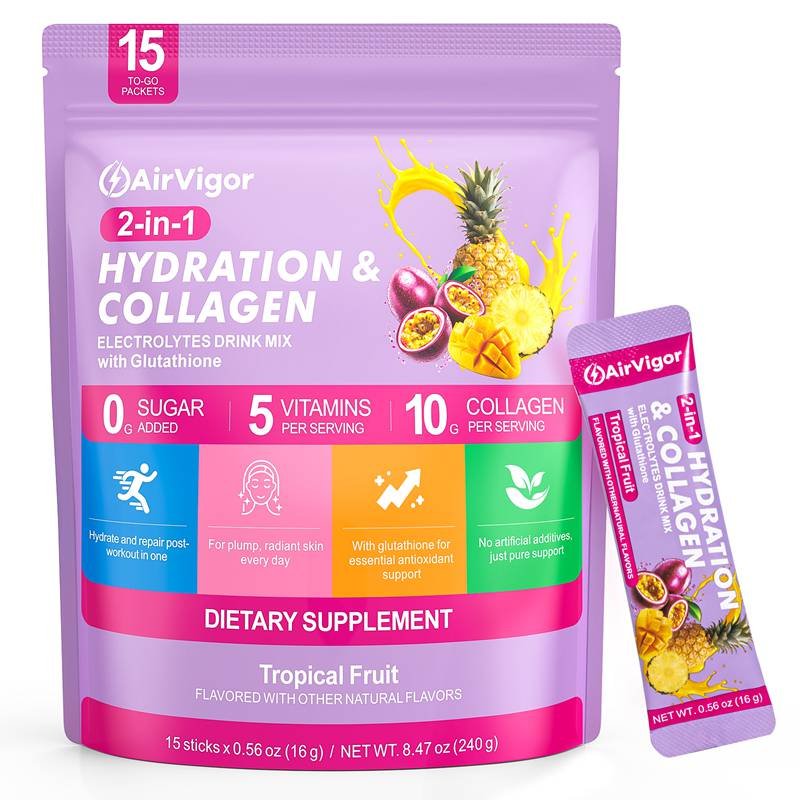
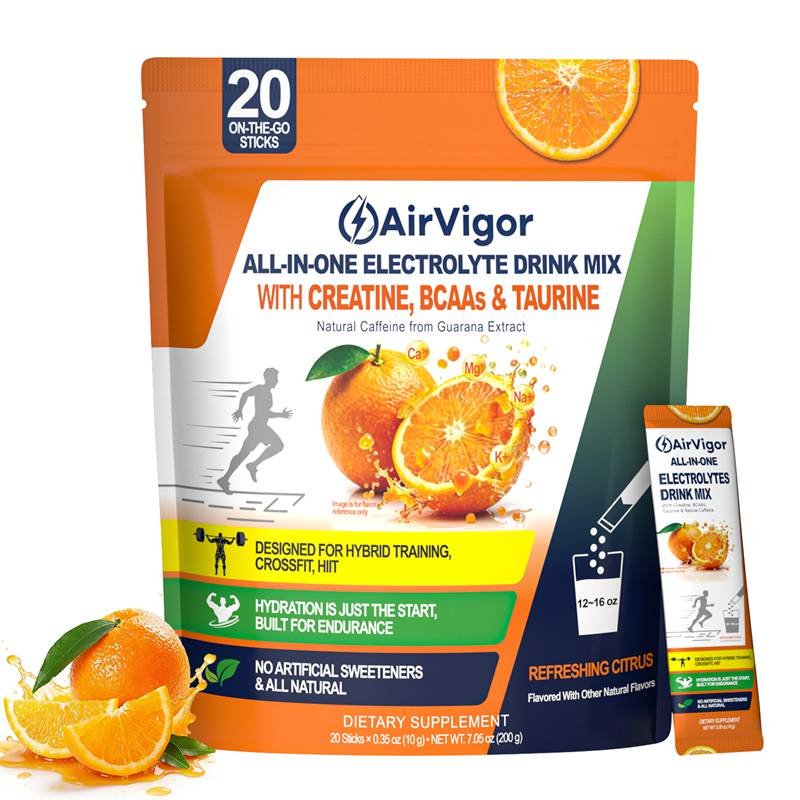
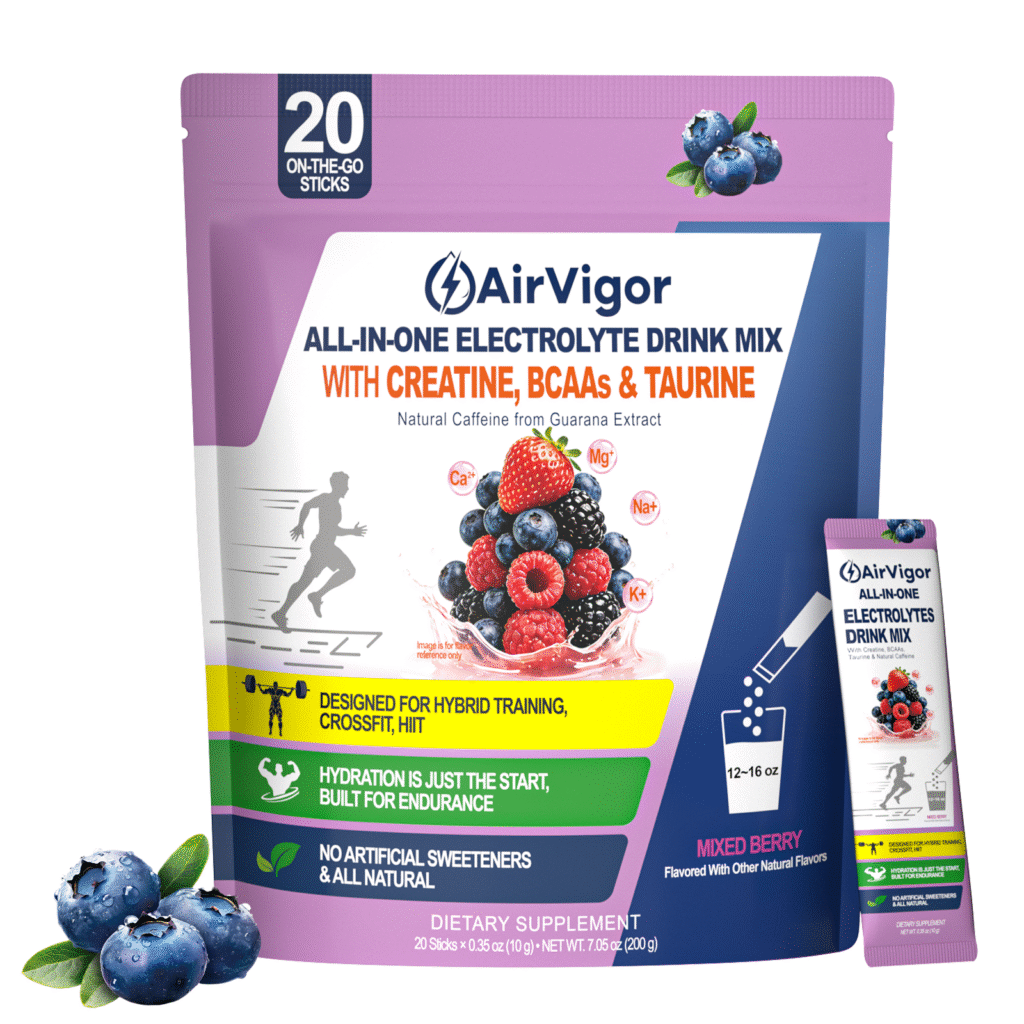
AirVigor electrolyte powder for camping is worth considering for campers, hikers, road-trip travelers, and outdoor retailers who want portable hydration support with clear formula logic, practical packaging, and reliable production standards. It is designed for real outdoor use, not just gym or sports scenarios.
Why Is AirVigor Easy to Carry?
AirVigor electrolyte powder is designed around portable outdoor use, making it easier to pack for camping, hiking, RV travel, road trips, and long outdoor days. The packet format helps reduce weight, storage space, and preparation time.
For camping customers, convenience often decides whether a product gets used consistently. A hydration powder may have a strong ingredient profile, but if it is bulky, messy, or difficult to prepare outdoors, many people will stop bringing it after one trip. AirVigor’s portable packet format solves this common problem by giving users a pre-measured serving that can be mixed with water when needed.
This matters especially during camping because space is always limited. A camper may already be carrying tents, cookware, food, flashlights, power banks, clothes, water bottles, and hiking gear. Compared with bottled sports drinks, electrolyte powder packets take up very little room and do not require cooler storage.
| Outdoor Scenario | Common User Problem | How AirVigor Helps |
|---|---|---|
| Weekend camping | Limited bag space | Compact packets fit easily into camping kits |
| Hiking trails | Heavy bottles are inconvenient | Lightweight servings are easier to carry |
| RV travel | Storage drawers fill quickly | Packets are simple to organize |
| Road trips | Hydration habits become irregular | Easy to keep packets in the car |
| Multi-day trips | Serving control becomes harder | Pre-measured packets reduce guessing |
Another real advantage is flexibility. Campers can mix AirVigor with bottled water, filtered campsite water, reusable bottles, or hydration reservoirs. This makes it useful across different outdoor conditions, from a family campground to a mountain trail.
For consumers, the benefit is simple: less weight, less mess, and easier hydration planning. For sellers and distributors, this also creates stronger product positioning because packet-based electrolyte powder fits several high-demand use cases, including camping, hiking, travel, fitness, hot-weather work, and emergency preparedness.
How Does AirVigor Support Outdoor Hydration?
AirVigor supports outdoor hydration by focusing on the minerals and product experience that campers actually care about: electrolyte balance, easy mixing, drinkability, portability, and clear ingredient presentation. These factors are important because camping hydration needs are different from everyday indoor hydration.
Outdoor users often deal with heat, sweat, altitude, long walking hours, and irregular meals. A product that is too sweet, too salty, or too hard to dissolve may be difficult to drink repeatedly throughout the day. AirVigor’s product development approach focuses on practical daily use rather than overwhelming consumers with complicated formulas.
For camping, the most important hydration features usually include:
| Product Feature | Why Campers Care |
|---|---|
| Sodium support | Helps maintain hydration balance during sweating |
| Potassium support | Supports normal muscle and nerve function |
| Magnesium inclusion | Popular for muscle comfort and recovery routines |
| Fast dissolving powder | Easier to mix at campsites or on trails |
| Light drinking experience | More comfortable in hot weather |
| Clear formula expression | Helps customers understand what they are buying |
AirVigor’s brand philosophy also emphasizes real ingredient addition and clear formula expression. This is important in the supplement market because customers are becoming more careful about labels. Many people now compare electrolyte levels, sugar content, flavor profile, serving size, and ingredient sources before buying.
For outdoor users, trust is built through details. They want to know what is inside the product, how to use it, when to drink it, and whether it fits their real trip routine. A clear label and simple usage direction reduce confusion, especially for first-time electrolyte users.
AirVigor also places strong attention on manufacturing and quality management. The brand’s production system follows recognized quality frameworks such as GMP, HACCP, ISO, FSSC22000, and FDA registration-related management processes. For customers, this means the product is supported by structured ingredient review, formula checking, production control, packaging review, and finished product confirmation.
This matters for camping products because outdoor storage and travel can expose supplements to heat, humidity, and movement. Stable packaging, moisture control, and consistent production quality are not just factory details; they directly affect customer experience.
Why Do Campers Choose AirVigor?
Campers choose AirVigor because it fits the way people actually use hydration products outdoors. It is portable enough for travel, simple enough for daily use, and positioned for multiple outdoor situations such as hiking, backpacking, RV travel, hot-weather camping, and long road trips.
A strong camping hydration product should solve real user problems. It should not only sound good on a product page. It needs to work in situations where people are tired, hot, moving between locations, and trying to keep their routine simple.
| Customer Need | Why It Matters Outdoors | AirVigor Fit |
|---|---|---|
| Easy to carry | Campers avoid heavy or bulky products | Packet format supports portability |
| Easy to understand | Users want clear directions | Formula and usage can be clearly presented |
| Easy to drink | Hot weather reduces tolerance for heavy flavors | Designed for repeat outdoor use |
| Easy to store | Camping gear space is limited | Compact packaging saves space |
| Easy to reorder | Online shoppers want convenient supply | Suitable for Amazon, Shopify, Walmart, and retail channels |
AirVigor is also suitable for different outdoor customer groups. Weekend campers may use it for hot-weather hydration. Hikers may use it during trail activity. RV travelers may keep it in storage drawers for daily travel hydration. Festival campers may use it during long outdoor events. Outdoor workers may use it during heat exposure.
This wider use range gives the product stronger commercial value than a narrow sports-only hydration powder.
From a business perspective, electrolyte powder for camping also fits several growing consumer search behaviors. Customers are not only searching for “electrolyte powder.” They are also searching for hydration products by situation, such as hiking, camping, travel, hot weather, backpacking, sugar-free hydration, and electrolyte packets. AirVigor can be positioned across these use cases with clear content and product education.
For brand owners, Amazon sellers, and distributors, this is valuable because one product can support multiple content angles and landing pages without feeling forced.
Is AirVigor Good for Brands and Retailers?
AirVigor is also worth considering for businesses that want ready-to-sell electrolyte products or customized hydration formulas for their own brand. The company supports brand retail, wholesale cooperation, OEM, ODM, and private label supplement development.
For supplement businesses, camping electrolyte powder is attractive because it connects several large consumer categories at once: outdoor recreation, fitness, travel, wellness, hot-weather hydration, and active lifestyles. This gives retailers more flexibility in product positioning and seasonal marketing.
| Business Need | AirVigor Support |
|---|---|
| Ready-to-sell products | Brand product ordering and channel support |
| Private label projects | OEM and ODM supplement development |
| Formula customization | Electrolyte, flavor, dosage, and ingredient adjustments |
| Packaging options | Packets, jars, bottles, pouches, and larger formats |
| Market expansion | Support for Amazon, Walmart, Shopify, and international channels |
| Quality documentation | COA, MSDS, label review, and compliance-related support |
AirVigor’s sample timeline is also practical for businesses testing a new hydration concept. Powder sample projects can generally be prepared in about 3–7 days, while projects requiring special raw material sourcing or more complex customization may take longer. Standard MOQ can start from 500 pieces depending on product type and packaging structure.
For camping electrolyte products, businesses can explore different positioning directions, such as:
- sugar-free electrolyte powder packets
- hiking hydration powder
- camping electrolyte drink mix
- coconut water electrolyte powder
- magnesium electrolyte powder
- travel electrolyte packets
- family camping hydration packs
This flexibility is useful because outdoor hydration customers do not all buy for the same reason. Some care about sugar-free formulas. Some care about portability. Some want magnesium. Some want natural flavor. Some want value packs for family trips.
AirVigor’s multi-category supplement development capability also makes it suitable for brands planning a broader nutrition line beyond electrolytes, including vitamins, minerals, protein, collagen, creatine, probiotics, and other lifestyle nutrition products.
For consumers, AirVigor electrolyte powder for camping is a practical hydration option for outdoor routines. For businesses, it is a flexible product category with strong seasonal appeal, repeat-use potential, and multiple marketing angles across camping, hiking, travel, and active living.

Conclusion
Camping becomes much more enjoyable when hydration is managed consistently instead of only after fatigue and dehydration appear. Whether the trip involves hiking trails, mountain camping, RV travel, summer road trips, or multi-day outdoor adventures, electrolyte powder offers a lighter, more practical hydration solution than traditional sports drinks for many campers.
AirVigor focuses on portable hydration support with clear ingredient expression, practical packet packaging, and reliable production standards designed for real outdoor use. For consumers looking for camping electrolyte powder or businesses exploring custom electrolyte products, private label hydration formulas, or outdoor supplement opportunities, AirVigor provides flexible solutions for modern outdoor lifestyles.
Share:
Contact Expert Team
At AirVigor, performance becomes effortless. We transform advanced nutrition science into clean, effective supplements that help you hydrate, recover, and feel stronger every day. Shop AirVigor Supplements on Amazon and experience athlete-trusted formulas—backed by real science and supported by our world-class R&D and production capabilities.
Trust AirVigor
At AirVigor, turning your performance goals into reality is no longer a struggle—it’s a science-driven journey we build together. Whether you’re a runner, lifter, cyclist, yogi, outdoor athlete, or someone simply seeking better daily energy, AirVigor transforms advanced nutrition research into clean, effective, and trustworthy supplements you can feel.
Backed by our U.S. scientific team, global certifications, and world-class production standards, every formula is engineered to deliver real hydration, real recovery, and real performance. And when you’re ready to experience the difference, you’ll find AirVigor products available on Amazon and other major platforms—fast shipping, consistent quality, and a community of athletes already seeing results.
Behind the scenes, our R&D and manufacturing ecosystem also supports specialized formulation development, ensuring AirVigor continues to lead with innovation while keeping quality and safety uncompromised. But at the core, everything we create is built for you—your health, your performance, your momentum.
Choose AirVigor. Feel the science. Elevate your every day.


Subscribe to our newsletter
Sign up to our newsletter and we’ll keep you up to date with the latest arrivals.