Skip to content

Modern hydration is no longer just about drinking more water. Many active people today deal with heavy sweating, long workdays, poor sleep, travel, caffeine intake, and repeated training stress at the same time. This is one reason searches for “electrolytes and amino acids stack” continue growing across Google, Amazon, TikTok, Reddit, and fitness communities. People are no longer only looking for sports drinks. They want hydration and recovery support that fits real daily life.
An electrolytes and amino acids stack combines key hydration minerals such as sodium, potassium, magnesium, and calcium with recovery-support amino acids like BCAAs or EAAs. The goal is simple: help support fluid balance, workout endurance, muscle recovery, and recovery comfort in one practical routine. Many users take this type of stack before, during, or after workouts, while others use it during travel, hot weather, or physically demanding schedules.
For many customers, the biggest benefit is not an extreme performance boost. It is feeling more stable during workouts, less drained afterward, and more consistent week after week. Whether someone is doing CrossFit, cycling, hot yoga, running, gym training, or simply trying to stay hydrated during busy workdays, a well-designed electrolytes and amino acids stack can become an easier and more sustainable part of an active lifestyle.
What Is an Electrolytes and Amino Acids Stack?
An electrolytes and amino acids stack combines hydration minerals with recovery-support amino acids in one drink or supplement routine. It is commonly used by active people who want better hydration comfort, smoother training sessions, and easier recovery without using several separate products.
What Are Electrolytes?
Electrolytes are minerals that help the body manage fluid balance, muscle movement, nerve signals, and normal hydration. In sports nutrition, the most common electrolytes are sodium, potassium, magnesium, and calcium.
When people sweat, they lose both water and minerals. This is why plain water may not always feel enough after hard training, hot weather, long runs, cycling, or heated fitness classes. A person may drink a full bottle of water and still feel tired, dry, lightheaded, or tight in the legs because mineral balance has not been fully supported.
| Electrolyte | Main Role | Real-Life Customer Need |
|---|---|---|
| Sodium | Helps maintain fluid balance | Heavy sweating, endurance training, hot weather |
| Potassium | Supports cellular fluid balance | Daily hydration, muscle function |
| Magnesium | Supports muscle relaxation and nerve function | Tightness, cramping tendency, recovery comfort |
| Calcium | Supports normal muscle contraction | Balanced muscle function support |
The key is balance. A light daily-use formula does not need to feel like a salty endurance race drink, while a heavy-sweat training formula should not be so weak that users barely notice support. This is why customers increasingly look for clear labels, real mineral amounts, low sugar, and formulas that match their actual lifestyle.
What Are Amino Acids?
Amino acids are the building blocks of protein. They help support muscle maintenance, repair, and recovery, especially after workouts, long physical activity, or periods of inconsistent meals.
In this type of stack, customers usually see BCAAs, EAAs, taurine, or glutamine. BCAAs include leucine, isoleucine, and valine. EAAs include all nine essential amino acids the body must get from food or supplementation.
| Amino Acid Type | What It Means | Why Customers Use It |
|---|---|---|
| BCAA | 3 branched-chain amino acids | Workout recovery and intra-workout support |
| EAA | 9 essential amino acids | Broader amino acid support |
| Taurine | Common in hydration and endurance formulas | Hydration-focused training support |
| Glutamine | Common in recovery blends | Post-workout recovery comfort |
For many customers, amino acids are not about replacing meals or protein powder. They are about making recovery easier when life is not perfect. Someone may train before breakfast, work out after a long shift, travel frequently, or have low appetite after exercise. In these moments, an amino acid drink can make the recovery routine simpler and easier to maintain.
Why Stack Them?
Electrolytes and amino acids are often stacked because hydration stress and muscle recovery stress usually happen together. During hard activity, the body loses minerals through sweat while muscles also experience physical strain.
A single-purpose drink may only solve part of the problem. Water helps thirst. Electrolytes help mineral balance. Amino acids help support recovery. A stack brings these needs into one practical routine.
| Situation | What Happens | Why the Stack Helps |
|---|---|---|
| CrossFit or HIIT | High sweat and muscle fatigue | Supports hydration and recovery together |
| Running or cycling | Long fluid and mineral loss | Helps maintain hydration while supporting endurance recovery |
| Hot yoga | Heavy sweating in a heated room | Supports mineral replacement and post-class comfort |
| Evening gym training | Body already tired from the day | Helps simplify hydration and recovery after work |
| Travel days | Dryness, irregular meals, fatigue | Portable support for hydration and amino intake |
The biggest reason customers like this stack is convenience. Instead of carrying electrolytes, amino acids, and a separate recovery drink, they can use one product before, during, or after activity. For brands, this also makes the category attractive because it sits between sports nutrition, daily wellness, travel hydration, and active lifestyle recovery.
How Does an Electrolytes and Amino Acids Stack Work?
An electrolytes and amino acids stack works by supporting hydration balance and muscle recovery at the same time. Electrolytes help replace minerals lost through sweat, while amino acids help the body support repair, recovery comfort, and training consistency after physical stress.
How Does It Support Hydration?
Electrolytes help the body hold and use fluids more efficiently, especially during sweating, heat exposure, workouts, travel, and long active days. This is why many users feel better with electrolytes than plain water alone after heavy sweat loss.
Hydration is not only about drinking more water. If someone sweats heavily during HIIT, cycling, running, hot yoga, or outdoor work, they lose water and minerals together. Replacing only water may reduce thirst, but it may not fully support fluid balance. This is why some people still feel tired, dry, weak, or head-heavy even after drinking a large bottle of water.
| Situation | What the Body May Lose | Customer Feeling |
|---|---|---|
| 45–60 min gym session | Water, sodium, potassium | Thirst, lower energy |
| Hot yoga class | Heavy sweat, sodium, magnesium | Lightheaded, drained |
| Long run or ride | Water, sodium, minerals | Dry mouth, heavy legs |
| Outdoor work | Fluid and mineral loss over hours | Fatigue, slow recovery |
| Long flight | Fluid loss from dry air | Dryness, low energy |
A well-balanced electrolyte formula supports a more useful hydration routine. Sodium helps the body retain fluids better during sweat loss. Potassium supports fluid movement in cells. Magnesium and calcium help normal muscle and nerve function. Together, they make hydration feel more complete for users who sweat, train, travel, or spend time in hot environments.
How Does It Support Recovery?
Amino acids support recovery by giving the body key building blocks used for muscle maintenance and repair. This is especially helpful after workouts, long activity, calorie control, fasted training, or busy days when meals are not always consistent.
Many customers do not want complicated recovery routines. They may not want a heavy protein shake immediately after training, especially if they feel hot, tired, or have low appetite. An amino acid drink can be lighter and easier to use during or after activity.
| Recovery Need | How Amino Acids Help |
|---|---|
| Muscle repair | Provide building blocks for recovery |
| Training consistency | Support the body between sessions |
| Fasted workouts | Offer amino support when meals are delayed |
| Long training blocks | Help support repeated physical demand |
| Post-workout comfort | Fit into a lighter recovery routine |
The real value is not that amino acids replace protein-rich meals. They do not. A good diet still matters. The value is that amino acids can make recovery easier to manage when life is imperfect. For example, someone may train before breakfast, go straight from the gym to work, or finish a late workout and not want a heavy meal. In these moments, a hydration and amino acid stack gives the user a simple recovery step that is easier to repeat.
How Does It Support Performance?
This stack supports performance by helping users avoid early fatigue from poor hydration and by supporting recovery during repeated training. For most customers, the benefit feels like steadier workouts, better endurance comfort, and less of a drained feeling afterward.
Many people think performance means a dramatic energy rush. But for most real users, performance is simpler: finishing the workout without crashing, keeping pace during later rounds, feeling less dry during long sessions, and being ready to train again later in the week.
| Training Type | Common Problem | How the Stack May Help |
|---|---|---|
| HIIT | Energy drops in later rounds | Supports hydration and recovery during high output |
| Strength training | Fatigue after main lifts | Helps maintain comfort through longer sessions |
| Running | Heavy legs and post-run thirst | Supports fluid and mineral balance |
| Cycling | Late-session weakness | Helps maintain hydration over time |
| Hot yoga | Drained feeling after class | Supports sweat-related mineral replacement |
For example, a CrossFit user may not suddenly lift more weight because of one drink. But with better hydration and recovery support, they may feel less worn down across repeated sessions. A cyclist may feel more comfortable during the last part of a long ride. A hot yoga user may feel less depleted after class. These small changes are often what customers care about most because they make exercise easier to continue.
How Does It Fit Daily Life?
An electrolytes and amino acids stack works best when it fits naturally into a person’s routine. The easier it is to drink, carry, mix, and understand, the more likely customers are to keep using it.
This is why modern users often prefer stick packs, light flavors, low sugar formulas, and clear serving directions. A product that tastes too sweet, clumps in the bottle, or feels heavy during workouts may not become a repeat-use product.
| Daily Use Moment | Why Customers Use It |
|---|---|
| Before morning workouts | Helps start training with better hydration support |
| During gym sessions | Keeps drinking simple and consistent |
| After evening workouts | Supports recovery without a heavy shake |
| At the office | Helps users drink more fluids during busy days |
| During travel | Portable support for dryness and irregular meals |
For many customers, the best stack is not the most aggressive formula. It is the one they can actually use three to five times per week without getting tired of the taste or confused by the instructions. This is also why formula clarity, real ingredient levels, and practical packaging matter so much in this category.
Which Electrolytes and Amino Acids Matter Most?
The most important electrolytes and amino acids depend on the user’s sweat level, training style, diet, and recovery goal. For most active users, sodium, potassium, magnesium, calcium, BCAAs, EAAs, taurine, and glutamine are the most common ingredients to compare.
Which Electrolytes Matter Most?
Sodium, potassium, magnesium, and calcium are the core electrolytes most customers expect in a serious hydration formula. Each one supports a different part of hydration, muscle function, and training comfort.
For heavy sweating, sodium usually matters most because it is the main electrolyte lost through sweat. For daily hydration balance, potassium is important because it works closely with sodium to support fluid movement. Magnesium is often valued by users who deal with muscle tightness or recovery discomfort. Calcium supports normal muscle contraction and helps complete a balanced electrolyte profile.
| Electrolyte | Why It Matters | Best-Fit Customer Scenario |
|---|---|---|
| Sodium | Supports fluid balance during sweat loss | Runners, cyclists, CrossFit users, hot weather training |
| Potassium | Helps support cellular fluid balance | Daily hydration, active workdays, regular fitness users |
| Magnesium | Supports normal muscle and nerve function | Hot yoga users, gym users, people with tight muscles |
| Calcium | Supports normal muscle contraction | Balanced recovery and hydration formulas |
A customer doing light office hydration may not need the same sodium level as someone running 10 miles in summer heat. This is why formula positioning matters. A daily wellness hydration product should feel easy to drink and not overly salty, while a serious endurance product may need stronger mineral support.
For brands, this is where customer education becomes important. The label should help users understand when to take the product, how strong the electrolyte profile is, and whether it is designed for daily hydration, workouts, travel, or heavy sweat situations.
Which Amino Acids Work Best?
The most common amino acids in this stack include BCAAs, EAAs, taurine, and glutamine. BCAAs are popular for workout recovery, EAAs offer broader essential amino acid support, taurine is often used in hydration and endurance formulas, and glutamine appears frequently in recovery-focused blends.
| Amino Acid | Common Purpose | Customer Benefit |
|---|---|---|
| Leucine | Muscle recovery support | Popular with strength training users |
| Isoleucine | Exercise support | Common in BCAA formulas |
| Valine | Recovery support | Often paired with leucine and isoleucine |
| EAAs | Complete essential amino acid support | Fits users wanting broader recovery coverage |
| Taurine | Hydration and endurance formulas | Popular in active lifestyle products |
| Glutamine | Recovery comfort support | Common in post-workout formulas |
BCAAs are still familiar to many gym users because they are simple, light, and easy to drink during training. EAAs are becoming more popular because customers increasingly want broader recovery support instead of only three amino acids.
Taurine is also worth noting. Many customers do not fully understand it, but they often notice it in modern hydration and performance formulas. It is commonly used in active lifestyle products because it fits well with endurance, hydration, and training-support positioning.
The best amino acid choice depends on the product goal. A light intra-workout drink may use BCAAs and electrolytes. A more complete recovery drink may use EAAs and electrolytes. A lifestyle hydration product may combine electrolytes with taurine or a lighter amino profile for easier daily use.
BCAA or EAA?
BCAAs and EAAs are both useful, but they serve different customer expectations. BCAAs include three amino acids, while EAAs include all nine essential amino acids the body must get from diet or supplementation.
| Formula Type | What It Includes | Best For |
|---|---|---|
| BCAA | Leucine, isoleucine, valine | Simple workout support, intra-workout drinks |
| EAA | Nine essential amino acids | Broader recovery support, higher training frequency |
| Electrolytes + BCAA | Hydration plus basic amino support | Gym users, HIIT, light recovery |
| Electrolytes + EAA | Hydration plus complete essential amino support | Hybrid athletes, strength users, endurance users |
BCAA products are often easier to position for customers who want a simple workout drink. They are familiar, easy to explain, and usually fit well with light flavors. This makes them attractive for general fitness users.
EAA products may be better for customers who want more complete amino acid support. This includes users training frequently, eating inconsistently, doing fasted workouts, or looking for a stronger recovery routine.
The honest answer is that neither one is automatically “better” for everyone. A beginner who trains three times per week may not need a complex formula. A serious athlete doing strength training, conditioning, and endurance work may prefer EAAs. Matching the formula to the customer is more important than chasing ingredient trends.
How Should Brands Choose the Right Formula?
Brands should choose ingredients based on the customer’s real use case, not only on what looks impressive on the front label. A good formula should answer three questions clearly: who is it for, when should they use it, and what problem does it solve?
For example, a product made for heavy sweaters should not be too low in electrolytes. A product made for daily hydration should not taste too salty or feel too intense. A product made for recovery should include a meaningful amino acid direction rather than adding tiny amounts only for marketing.
| Product Position | Better Ingredient Direction | Customer Expectation |
|---|---|---|
| Daily hydration | Balanced electrolytes, light flavor | Easy to drink often |
| Heavy sweat support | Stronger sodium and mineral profile | Better sweat replacement |
| Workout recovery | Electrolytes + BCAA or EAA | Hydration plus recovery support |
| Endurance training | Sodium, potassium, amino support | Longer-session comfort |
| Travel hydration | Portable electrolytes, mild flavor | Convenient daily support |
This is also where AirVigor’s formulation approach becomes valuable. Different customers do not need the same stack. A runner, office worker, hot yoga user, and CrossFit athlete may all search for electrolytes and amino acids, but their formula needs are not identical.
A strong product should feel clear, useful, and believable. Customers should quickly understand why the ingredients are there and how the product fits their day. That clarity often creates more trust than an overloaded ingredient panel.

When Should You Take an Electrolytes and Amino Acids Stack?
Most people use an electrolytes and amino acids stack before, during, or after physical activity depending on sweat level, workout intensity, climate, and recovery needs. The best timing is usually the timing customers can follow consistently within their real daily routine.
Before Training?
Taking an electrolytes and amino acids stack before training helps prepare the body for sweating, fluid loss, and muscular demand. Many active people begin workouts already slightly dehydrated without realizing it, especially after coffee, long workdays, poor sleep, or rushed schedules.
A large number of gym users train after sitting at a desk all day, drinking caffeine, and eating inconsistently. By the time the workout starts, hydration status may already be lower than expected. This is one reason some people feel heavy, tired, or flat during the first half of training even before serious fatigue begins.
| Pre-Workout Situation | What Customers Often Feel |
|---|---|
| Morning training without breakfast | Low energy or dry feeling |
| Evening workouts after work | Fatigue before training starts |
| Hot weather exercise | Early sweating and thirst |
| High caffeine intake | Dry mouth or dehydration feeling |
| Long commutes before gym | Reduced fluid intake during the day |
Many customers now drink electrolyte-amino products 20–45 minutes before activity because it feels easier than trying to “catch up” on hydration later. The goal is not necessarily stimulation like a high-caffeine pre-workout. Most users simply want smoother training sessions and fewer hydration-related problems during exercise.
For example, runners often prefer taking electrolytes before outdoor summer runs because once dehydration starts during the run, it becomes much harder to correct. CrossFit users may drink a hydration blend before class to feel more stable during repeated high-intensity rounds. Office workers training after work often use hydration support before the gym because they know their water intake during the day was not ideal.
The most useful pre-workout hydration products are usually:
- light enough to drink comfortably
- easy to mix quickly
- not overloaded with sugar
- portable for work or travel schedules
- simple enough to repeat consistently
This is one reason stick packs and lighter hydration blends continue growing in popularity.
During Training?
Using an electrolytes and amino acids stack during training helps support hydration and recovery while physical stress is happening. This is especially useful during longer sessions, hot environments, endurance exercise, or workouts with heavy sweating.
Modern training styles place more hydration demand on the body than many people expect. High-intensity interval training, hybrid strength and cardio sessions, indoor cycling, bootcamp classes, and hot yoga can all create significant fluid and mineral loss.
| Workout Type | Why Intra-Workout Support Matters |
|---|---|
| HIIT | Rapid sweat loss and repeated effort |
| Cycling | Long-duration hydration demand |
| Hot yoga | Heavy sweat in heated environments |
| Long lifting sessions | Hydration support across extended training |
| Outdoor running | Heat exposure and endurance demand |
Customers often notice hydration problems most clearly during the second half of workouts. Energy drops faster, muscles feel tighter, focus decreases, and the body starts feeling heavier. This is one reason intra-workout hydration products have become extremely popular across gyms and active lifestyle communities.
The drinking experience matters much more than many brands realize. If a formula tastes too sweet or heavy, users may stop drinking it halfway through the workout. A lighter hydration formula often works better because customers are more likely to finish the bottle consistently.
Many experienced gym users now prefer:
| Customer Preference | Why It Matters |
|---|---|
| Lower sweetness | Easier drinking during exercise |
| Fast mixing powders | More convenient during training |
| Light flavors | Less flavor fatigue |
| Portable packaging | Easy gym-bag use |
| Balanced electrolytes | Better hydration comfort |
For endurance users, small repeated sips during training are often more comfortable than drinking a large amount all at once. This is especially true during cycling, running, or conditioning-based workouts where stomach comfort matters.
After Training?
After training is one of the most common times people use electrolyte and amino acid stacks because this is when hydration loss and muscular fatigue become most noticeable. The body may need support for fluid balance, mineral replacement, and recovery comfort after exercise.
Customers often describe post-workout recovery problems in simple ways:
- “I feel drained after training.”
- “My legs feel heavy the next day.”
- “I recover slower than I used to.”
- “I feel dehydrated after hot workouts.”
- “I don’t want a heavy shake after the gym.”
This is where a lighter hydration-recovery drink becomes useful.
| Post-Workout Issue | Why Customers Use the Stack |
|---|---|
| Sweat loss | Electrolyte replacement support |
| Muscle fatigue | Amino acid recovery support |
| Heavy soreness | Easier recovery routine |
| Late-night workouts | Lighter than large meals or shakes |
| Low appetite after training | Simpler recovery option |
The biggest value after workouts is often consistency. A complicated recovery routine is difficult for many people to maintain long term. Customers who finish late workouts may not want to prepare a full meal immediately. Some people also dislike thick protein shakes after intense exercise or hot training environments.
A hydration-amino drink is often easier to tolerate because it feels lighter and faster to consume.
This becomes increasingly important for:
- people over 35
- high-frequency gym users
- endurance athletes
- customers balancing work and training
- users training several days weekly
Many long-term users judge recovery products based on how they feel the next morning rather than immediately after training.
| What Customers Notice Next Day | Why It Matters |
|---|---|
| Reduced dryness | Better hydration recovery |
| Easier movement | Improved recovery comfort |
| More stable energy | Better daily functioning |
| Less heavy fatigue | Easier training consistency |
For many active adults, this “next-day feeling” matters more than flashy short-term effects.
Should You Take It Every Day?
Many customers now use electrolyte and amino acid products even on non-training days because hydration stress does not only come from workouts. Travel, heat, poor sleep, stress, long office hours, caffeine intake, and outdoor activity can all increase hydration demand.
This is especially common among:
| Daily Lifestyle Group | Why They Use It Regularly |
|---|---|
| Frequent travelers | Dryness and irregular schedules |
| Office workers | Low water intake during work |
| Outdoor workers | Heat exposure |
| Active adults | General hydration support |
| Wellness-focused users | Easier daily hydration habits |
Daily use works best when the formula feels practical rather than extreme. Customers are much more likely to stay consistent with products that:
- taste light
- mix easily
- fit in bags or desk drawers
- have simple instructions
- do not feel overly intense
This is why AirVigor places strong emphasis on real-world usability. A hydration product should fit naturally into a customer’s life instead of feeling like a complicated sports routine.
Is an Electrolytes and Amino Acids Stack Worth It?
An electrolytes and amino acids stack is worth it for people who sweat often, train regularly, recover slowly, travel frequently, or want a simpler hydration and recovery routine. Its real value is usually better consistency, easier recovery comfort, and fewer separate supplements.
Is It Better Than Sports Drinks?
Sports drinks can help during long endurance activity, but many everyday users prefer an electrolytes and amino acids stack because it usually offers lower sugar, better portability, and broader recovery support.
Traditional sports drinks were built mainly around fluid, sodium, and carbohydrates. That can be useful for marathon running, long cycling, or high-heat endurance events where quick energy intake matters. But many customers today are not drinking sports beverages for a two-hour race. They are using hydration products for gym sessions, hot yoga, office hydration, travel, hiking, or post-workout recovery.
For those users, high sugar can feel unnecessary. A 20 oz sports drink may contain around 30–40g of sugar depending on the product, which is close to 7–10 teaspoons. That may make sense during long endurance fueling, but it may not fit someone doing a 45-minute gym workout or trying to reduce daily sugar intake.
| Comparison Point | Traditional Sports Drink | Electrolytes and Amino Acids Stack |
|---|---|---|
| Main Purpose | Hydration + fast carbs | Hydration + recovery support |
| Sugar Level | Often higher | Often lower or sugar-free |
| Amino Acids | Usually not included | BCAA, EAA, taurine, or glutamine may be included |
| Portability | Bottled and bulky | Stick packs, tubs, or sachets |
| Daily Use | Less flexible for low-sugar users | Easier for work, gym, travel, and recovery |
| Best Fit | Long endurance activity | Active lifestyle, workouts, recovery, sweat support |
The biggest difference is use flexibility. A bottle of sports drink may work well during a race, but it is not always the best option for a work desk, gym bag, suitcase, or low-sugar daily routine. A stack product can be mixed when needed, carried easily, and adjusted by water amount based on taste preference.
Customers often switch to this type of stack because they want something that feels lighter and more useful across different situations, not just during competitive sport.
Is It Good for Daily Use?
An electrolytes and amino acids stack can be useful for daily use when the formula is balanced, not overly salty, not too sweet, and easy to drink regularly. It fits best when customers have repeated hydration or recovery demand.
Daily hydration problems are more common than many people think. Someone may sit at a desk for eight hours, drink two coffees, forget water until the afternoon, then train after work. Another person may travel often, sleep poorly, and eat irregularly. In these cases, hydration and recovery are not only workout problems; they become lifestyle problems.
| Daily Situation | Why the Stack May Help |
|---|---|
| Long office hours | Encourages more consistent fluid intake |
| Frequent coffee drinking | Helps rebuild a hydration habit |
| Travel days | Portable support for dry air and irregular meals |
| Hot weather | Supports sweat-related mineral loss |
| Recovery days | Helps maintain hydration while the body recovers |
| Light training days | Provides a lower-burden recovery drink |
That said, more is not always better. Customers with light activity levels may not need high-electrolyte products every day. People with medical conditions, kidney concerns, blood pressure issues, or sodium restrictions should follow professional guidance before using electrolyte products frequently.
For general wellness customers, the best daily-use stack usually has three qualities: clear serving instructions, comfortable taste, and realistic ingredient levels. If the product is too intense, too sweet, or too hard to mix, users may stop after a few days. Long-term value depends on repeat use.
Who Benefits Most?
The people who benefit most are usually those who regularly lose fluids, train often, or struggle with recovery consistency. This includes athletes, gym users, active workers, travelers, and everyday consumers who want a lighter alternative to sugary drinks.
The stack is especially practical when hydration loss and recovery demand happen together. For example, a CrossFit athlete sweats heavily and stresses the muscles in the same session. A cyclist loses fluid over a long ride and also needs recovery support afterward. A hot yoga user may not need a heavy protein shake, but may want minerals and light amino support after class.
| User Type | Common Pain Point | Why It May Be Worth It |
|---|---|---|
| Heavy sweaters | Thirst, fatigue, mineral loss | Helps replace key electrolytes |
| HIIT and CrossFit users | Sudden fatigue, muscle strain | Supports hydration and recovery together |
| Runners and cyclists | Long sweat periods | Useful for endurance hydration comfort |
| Hot yoga users | Drained feeling after class | Helps support sweat-related recovery |
| Busy professionals | Low water intake, late workouts | Simple routine for work-to-gym days |
| Frequent travelers | Dryness, fatigue, irregular meals | Easy to carry and mix anywhere |
| Active adults over 35 | Slower recovery feeling | Helps maintain a more consistent routine |
Many customers are not trying to become elite athletes. They simply want to finish workouts without feeling wiped out, wake up less drained the next day, and keep their weekly routine going. For this group, the stack can be worth it because it solves several small but frustrating problems at once.

Why Choose AirVigor Electrolytes and Amino Acids Stack?
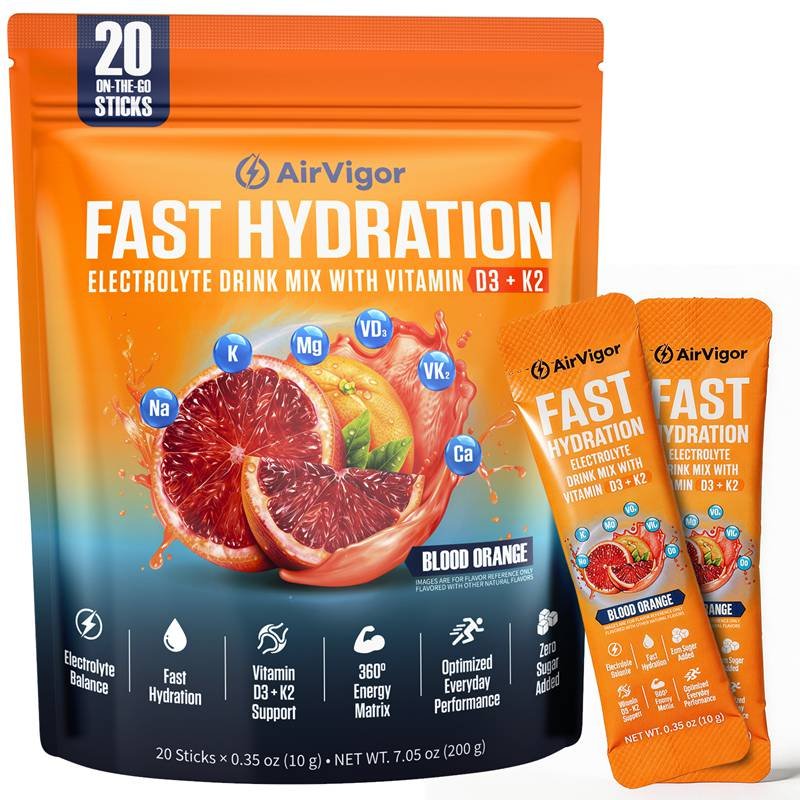
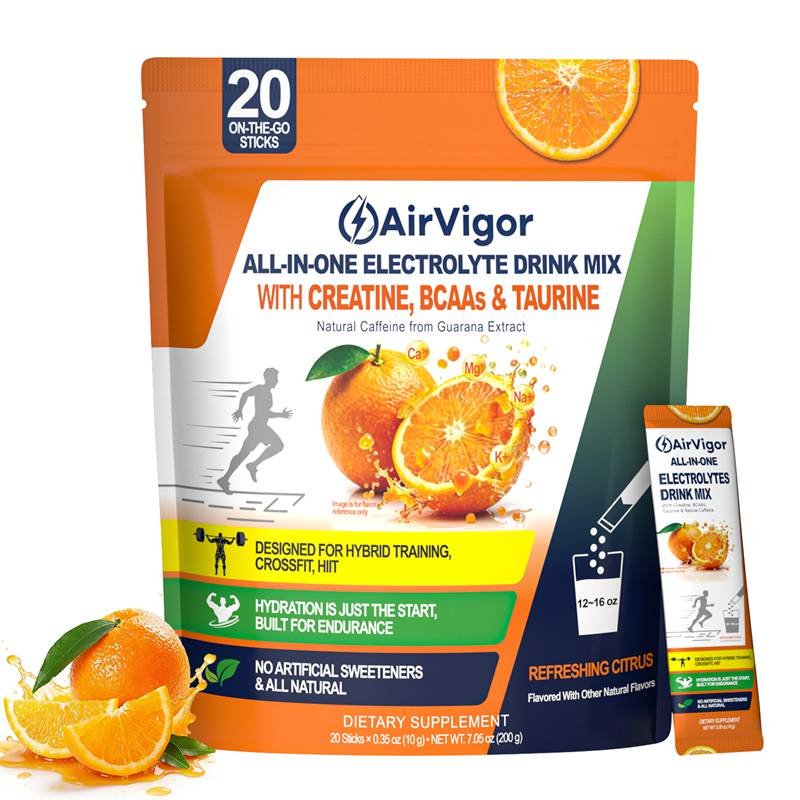
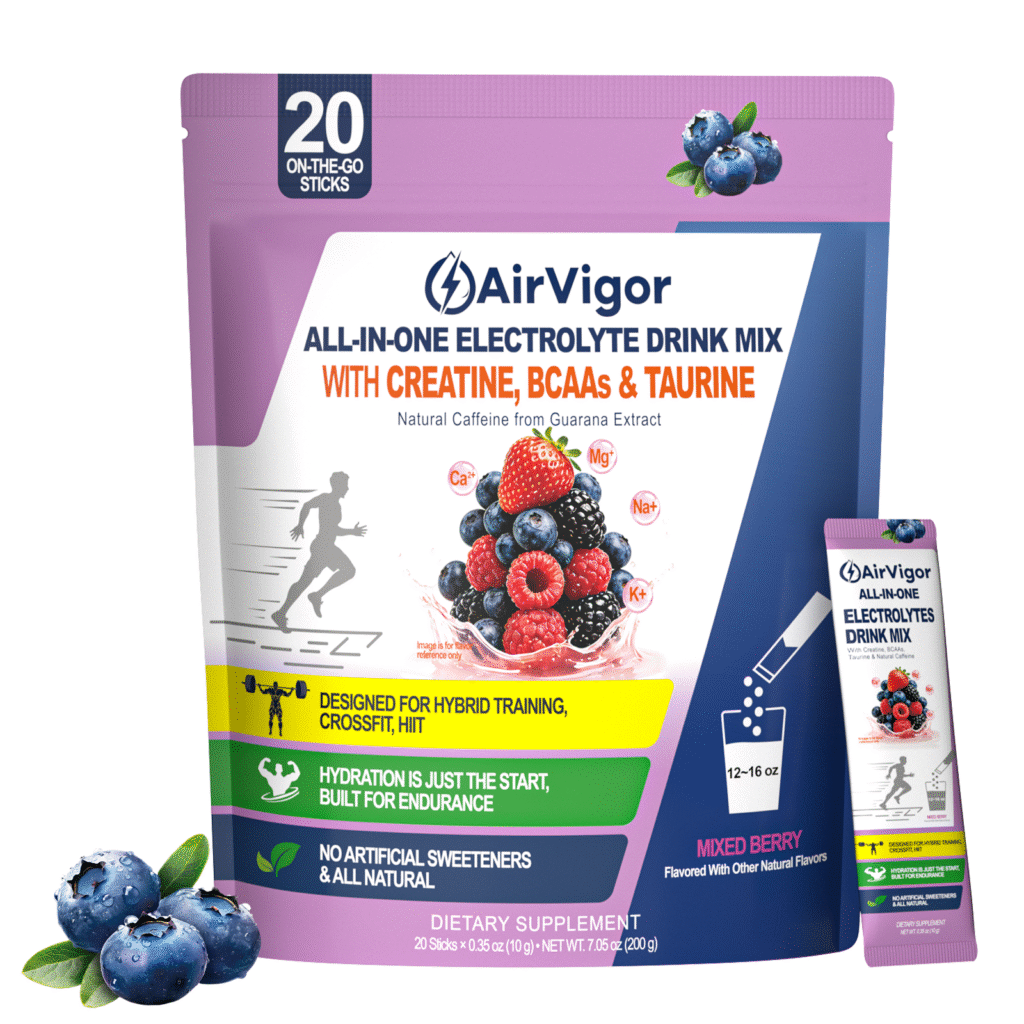
AirVigor focuses on clear formulas, real ingredient use, stable production, and easy daily use. Its electrolytes and amino acids stack is designed for customers who want hydration and recovery support that feels practical, understandable, and suitable for long-term routines.
Why Are the Ingredients Clear?
AirVigor emphasizes clear ingredient expression, so customers can understand what they are drinking and why each ingredient is included. This matters because many supplement users now compare labels carefully before buying.
A strong electrolytes and amino acids stack should not make customers guess. They want to see the electrolyte profile, amino acid direction, serving size, sugar level, flavor style, and suggested use clearly. If a product says “hydration and recovery,” the formula should show ingredients that actually match that purpose.
AirVigor’s formula thinking is built around real user situations: sweating, training, travel, hot weather, busy workdays, and recovery between sessions. Instead of only creating a long ingredient list, the focus is on whether the formula makes sense for how customers will use it.
| Customer Question | What AirVigor Focuses On |
|---|---|
| What electrolytes are included? | Sodium, potassium, magnesium, calcium direction |
| What amino acids are used? | BCAA, EAA, taurine, glutamine, or custom blend options |
| Is it easy to drink? | Light flavor, clean finish, good mixability |
| Is it suitable for daily use? | Balanced taste and practical serving guidance |
| Can it support different markets? | Formula and label adjustment for regional needs |
This is especially important for Amazon, Shopify, Walmart, and retail supplement customers. Many people read reviews, compare supplement facts panels, and look for products that feel believable. A clean formula with clear use instructions often creates more trust than exaggerated claims.
For B2B customers, AirVigor can also support customized formula directions. A sports brand may want a stronger sweat-support formula. A wellness brand may prefer a lighter daily hydration blend. A fitness brand may want electrolytes with EAAs. A travel wellness brand may prefer stick packs with a softer flavor and lower sweetness.
How Is Quality Controlled?
AirVigor builds its product quality around stable raw material selection, formula review, production control, packaging checks, and finished product confirmation. The goal is to reduce batch-to-batch inconsistency and make the customer experience more reliable.
Electrolyte and amino acid powders may look simple, but they require careful control. Minerals can affect taste. Amino acids can affect bitterness. Moisture can affect clumping. Packaging can affect shelf stability. Flavor systems must stay pleasant after mixing. A good product needs more than ingredients; it needs controlled execution.
AirVigor works through a manufacturing and quality management system that includes GMP, HACCP, ISO systems, FSSC22000, and FDA registration frameworks. Its production resources include a 100,000-level clean production workshop, 30,000+ square meters of factory space, 1,000+ personnel, and 30+ quality inspection staff.
| Quality Area | Why It Matters to Customers |
|---|---|
| Raw material screening | Helps keep ingredient quality more stable |
| Formula review | Reduces mismatch between label and product purpose |
| Mixing control | Supports serving consistency |
| Moisture and packaging checks | Helps reduce clumping and storage issues |
| Finished product review | Supports more reliable batch release |
| COA and quality documents | Helps B2B customers with channel and compliance needs |
For customers, this means the product is not only developed for taste or marketing. It is also built around repeat use. A hydration product must stay stable during shipping, storage, and daily handling. This is especially important for stick packs and powder products sold across warm, humid, or cross-border markets.
For brand partners, quality control also affects long-term business. If a product changes taste, clumps easily, or has inconsistent mixing between batches, repeat orders become harder. AirVigor’s system is designed to support product consistency from formula development to packaging output.
Why Is It Easy to Use?
AirVigor designs products around how people actually use supplements. Most customers do not want a complicated routine. They want a drink that mixes fast, tastes clean, fits in a bag, and makes sense before, during, or after activity.
Ease of use is one of the biggest reasons hydration products win repeat customers. A formula can look strong on paper, but if it is too sweet, too salty, hard to dissolve, or inconvenient to carry, customers may stop using it after a few servings.
AirVigor pays attention to practical details such as serving format, flavor strength, powder solubility, packaging protection, and instruction clarity. Stick packs are especially useful because they fit modern routines: gym bags, office drawers, travel pouches, cycling kits, and outdoor backpacks.
| Use Scenario | What Customers Usually Need |
|---|---|
| Before workout | Quick mixing, light taste, no heavy feeling |
| During training | Easy sipping, not too sweet, smooth finish |
| After exercise | Recovery support without a thick shake |
| Office hydration | Simple serving, clean flavor, desk-friendly format |
| Travel | Portable, sealed, easy to use with bottled water |
| Outdoor activity | Stable packaging and convenient single servings |
This practical experience matters because customers often judge supplements by whether they can keep using them. A product that is simple to repeat three to five times per week has more long-term value than a product that feels impressive once but is hard to maintain.
For end consumers, AirVigor aims to make hydration and recovery feel easier. For B2B partners, this gives the product stronger repeat-purchase potential because convenience, taste, and clarity directly affect customer retention.
Why Is AirVigor Suitable for Custom Brands?
AirVigor supports both finished brand products and OEM/ODM development for companies that want to create their own electrolyte and amino acid stack. This is useful for sports nutrition brands, wellness brands, fitness channels, Amazon sellers, and regional supplement distributors.
Different markets need different product directions. A U.S. gym brand may want a stronger recovery formula with EAAs. A European wellness brand may need clearer multilingual label support. A travel-focused brand may want compact stick packs. An Amazon seller may need strong front-label clarity and repeat-purchase flavor design.
AirVigor can support product development across formula, flavor, packaging, label review, sample production, and bulk manufacturing.
| Custom Need | AirVigor Support |
|---|---|
| Formula direction | Electrolytes, BCAA, EAA, taurine, glutamine, vitamins, minerals |
| Flavor development | Light fruit flavors, lower sweetness, market-fit taste profiles |
| Packaging format | Stick packs, tubs, bottles, pouches, bulk packaging |
| Sample timing | Usually 3–7 days; complex projects may take 10–12 days |
| MOQ reference | Standard starting quantity from 500 pcs |
| Production timing | Common bulk production cycle around 15–30 days |
| Market support | North America, Europe, Japan, Korea, Australia, Southeast Asia |
For Amazon and e-commerce brands, this matters because product success is not only about the formula. It also depends on packaging readability, claim wording, customer understanding, flavor acceptance, shipping stability, and review experience.
AirVigor’s advantage is that it can connect formulation with real selling needs. The product must taste good, mix well, explain itself clearly, survive logistics, and fit the customer’s daily routine.
Why Does AirVigor Fit Modern Hydration Trends?
AirVigor fits the modern hydration market because customers are moving away from heavy sugary drinks and complicated supplement stacks. They want cleaner, easier, more portable products that support real daily routines.
Current hydration and recovery customers often look for:
- lower sugar formulas
- light flavors
- stick packs
- clear ingredient labels
- amino acid support
- daily-use flexibility
- workout and travel convenience
This trend creates strong opportunities for electrolytes and amino acids stack products. The category is no longer limited to athletes. It now reaches gym beginners, office workers, travelers, hot yoga users, runners, cyclists, outdoor users, and active adults who care about recovery.
| Market Trend | Why It Matters |
|---|---|
| Low sugar hydration | Customers want lighter daily options |
| Functional hydration | Hydration plus recovery is more attractive than hydration alone |
| Stick pack growth | Portable formats fit gym, work, and travel |
| Label transparency | Customers compare formulas before buying |
| Lifestyle fitness | More non-athletes want recovery support |
| E-commerce growth | Clear product pages and reviews affect purchase decisions |
AirVigor’s direction matches this market shift. The brand focuses on realistic product value: clear ingredients, stable production, practical formats, and customer-friendly use. That is important because today’s supplement customers are more informed and less patient with unclear formulas.
A good electrolytes and amino acids stack should not feel like a product made only for elite athletes. It should feel useful to real people with real schedules: the office worker training after work, the runner dealing with summer heat, the traveler carrying stick packs, the cyclist preparing for a long ride, or the customer who simply wants a better hydration habit.
That is the type of product experience AirVigor is designed to support.
Conclusion
An electrolytes and amino acids stack is no longer only for professional athletes. Today, it is used by runners, gym users, cyclists, travelers, office workers, hot yoga users, and active adults who want better hydration support and easier recovery in daily life.
The best products are usually the ones people can actually use consistently — light flavor, clear ingredients, practical packaging, and balanced hydration and recovery support. That is why AirVigor focuses on real ingredient inclusion, stable manufacturing systems, and customer-friendly formulas designed for modern active lifestyles.
Whether you are searching for a reliable hydration and recovery product, building your own supplement brand, or developing custom electrolyte and amino acid formulas, AirVigor provides practical support for both consumers and B2B partners worldwide.