Skip to content
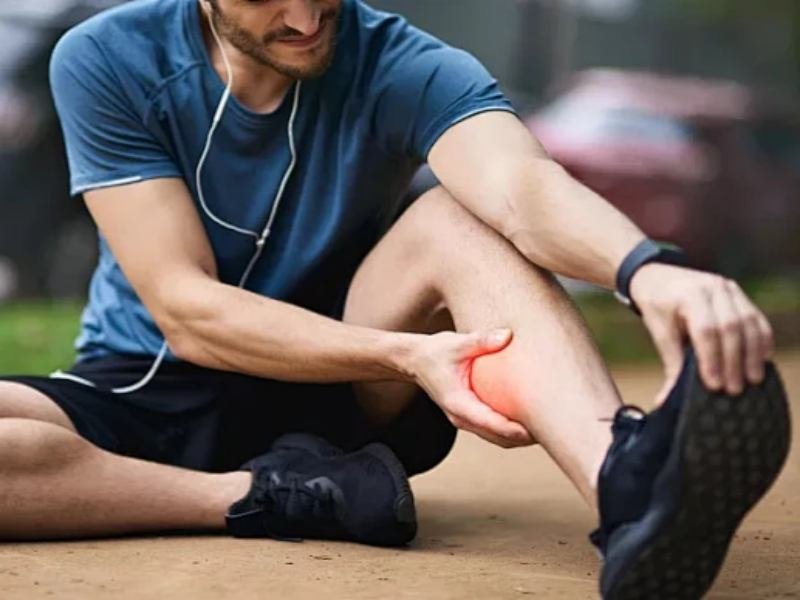
Muscle cramps can happen suddenly during workouts, sleep, travel, or even normal daily activity. For some people, it starts as mild calf tightness after exercise. Others wake up at night with painful leg cramps that make it difficult to move. While dehydration is often blamed first, muscle cramps are usually connected to several factors working together, including electrolyte imbalance, muscle fatigue, poor recovery, heat exposure, and long periods of physical stress.
Muscle cramps are commonly linked to low levels of sodium, magnesium, potassium, or calcium, especially after sweating, intense exercise, poor hydration, or inconsistent recovery habits. Tight muscles, reduced circulation, sleep disruption, and physically demanding routines may also increase cramp frequency. Understanding these deeper causes helps people improve hydration, recovery, and muscle stability more effectively.
Modern lifestyles quietly increase cramp risk more than many people realize. Long workdays, heavy caffeine intake, poor sleep, travel, gym training, and hot-weather activity all place extra stress on muscles and hydration balance. This is why muscle cramps now affect not only athletes, but also office workers, travelers, outdoor workers, and active adults trying to maintain energy, recovery, and long-term physical comfort.
What Are Muscle Cramps?
Muscle cramps are sudden, involuntary muscle contractions that can cause pain, tightness, stiffness, or temporary movement difficulty. They commonly affect the calves, feet, thighs, and hands, especially after exercise, sweating, dehydration, prolonged sitting, or poor recovery.
How Do Muscle Cramps Feel?
Muscle cramps usually feel sudden, sharp, tight, and difficult to control. The muscle may harden visibly, feel like a knot under the skin, or create intense pulling pain lasting several seconds or minutes.
Most people describe cramps as very different from normal muscle soreness. Soreness tends to feel dull and gradual after activity, while cramps feel immediate and forceful.
A calf cramp during sleep, for example, may wake someone instantly because the muscle contracts so hard that moving the leg becomes difficult. Some people immediately stand up, stretch, or massage the area before the muscle finally relaxes.
Common cramp sensations include:
| Feeling | Common Experience |
|---|---|
| Sharp pain | Sudden intense discomfort |
| Tight knot | Muscle feels hard or locked |
| Pulling sensation | Strong involuntary contraction |
| Twitching | Repeated small muscle spasms |
| Weakness afterward | Muscle feels unstable temporarily |
| Lingering soreness | Area remains tender afterward |
The intensity can vary significantly. Some cramps feel mild and resolve quickly, while others become severe enough to interrupt sleep, workouts, walking, or physical activity.
Many people also notice small warning signs before a major cramp happens:
- muscle twitching
- increasing tightness
- unusual stiffness
- reduced flexibility
- heavy feeling in the legs
These signs often suggest the muscle is already under fatigue or hydration stress.
Athletes frequently report cramps near the later stages of activity when fatigue becomes highest. Office workers and travelers may experience them at night after sitting for long hours with limited movement and inconsistent hydration.
Which Muscle Cramps Are Common?
The most common muscle cramps affect the calves, feet, hamstrings, quadriceps, hands, and lower back because these muscles experience repeated daily stress from standing, walking, exercise, gripping, or posture-related tension.
Calf cramps are by far the most frequently reported type. The calf muscles work constantly throughout the day, even during light activity. Walking, climbing stairs, balancing, running, and standing all place repeated stress on the calves.
This constant workload makes them highly sensitive to:
- fatigue
- dehydration
- electrolyte imbalance
- circulation changes
- prolonged inactivity
| Muscle Area | Common Cramp Trigger |
|---|---|
| Calves | Running, dehydration, sleep |
| Feet | Night cramps, yoga, swimming |
| Hamstrings | Sprinting, cycling, fatigue |
| Quadriceps | Heavy leg training, hills |
| Hands | Typing, gripping, repetitive work |
| Lower back | Lifting, posture stress |
Foot cramps are also extremely common, especially during sleep. Many people describe their toes curling painfully or the arch of the foot tightening suddenly.
Hamstring and quadriceps cramps are often associated with:
- cycling
- running
- HIIT workouts
- heavy lower-body training
- sports involving sprinting
Hand cramps increasingly affect modern workers because of repetitive hand use. Typing, driving, hairstyling, gaming, tool use, and long gripping tasks may all contribute to tension in smaller muscle groups.
Interestingly, cramp location often reflects lifestyle patterns. For example:
| Lifestyle Pattern | More Common Cramp Location |
|---|---|
| Endurance training | Calves and hamstrings |
| Long office work | Feet and calves |
| Manual labor | Hands and forearms |
| Heavy gym training | Quadriceps |
| Travel and flights | Calves and feet |
This is important because understanding the pattern may help people identify the deeper cause instead of only treating the cramp itself.
Are Muscle Cramps Dangerous?
Most muscle cramps are not dangerous and improve with hydration, stretching, movement, or recovery support. However, frequent or severe cramps may indicate that the body is struggling with hydration balance, muscle fatigue, circulation, or nutritional recovery.
Occasional cramps after hard activity are very common. Problems become more concerning when cramps:
- happen repeatedly
- interrupt sleep often
- occur during light activity
- involve swelling or numbness
- leave ongoing weakness afterward
Several lifestyle factors may increase cramp frequency over time:
| Lifestyle Factor | Why It May Increase Cramping |
|---|---|
| Heavy sweating | Increases electrolyte loss |
| Poor sleep | Reduces muscle recovery |
| High caffeine intake | May affect fluid balance |
| Long sitting periods | Increases muscle tightness |
| Intense exercise | Raises fatigue accumulation |
| Low mineral intake | Weakens muscle stability |
Age also affects cramp frequency. Adults over 40 often notice more nighttime cramps because muscle recovery, hydration regulation, and circulation patterns gradually change over time.
However, younger active adults increasingly experience cramps as well because modern routines combine:
- intense training
- stress
- poor sleep
- travel
- long work hours
- inconsistent nutrition
For most people, the real problem is not danger but disruption. Muscle cramps interfere with:
- sleep quality
- workout consistency
- recovery comfort
- travel experience
- physical confidence
This is one reason hydration-support supplements and electrolyte powders have become more popular among both athletes and everyday consumers. Many people are not necessarily trying to improve elite performance. They simply want:
- fewer nighttime cramps
- smoother recovery
- more stable hydration
- better workout consistency
- less physical discomfort during busy schedules
Products designed around balanced hydration and practical daily use have become increasingly valuable because consistency matters more than extreme short-term solutions.
What Causes Muscle Cramps?
Muscle cramps are usually caused by muscle fatigue, dehydration, electrolyte imbalance, heat exposure, or poor recovery. In many cases, cramps develop gradually as physical stress, sweating, lack of sleep, and inconsistent hydration place increasing strain on muscles and nerve signaling systems.
Do Hard Workouts Cause Muscle Cramps?
Intense workouts are one of the most common triggers for muscle cramps because repeated muscle contractions create fatigue faster than the body can fully recover. This is especially true during long workouts, high-temperature environments, or training sessions involving repeated explosive movement such as sprinting, cycling, HIIT, or heavy leg training.
As muscles continue working under stress, nerve signaling becomes less stable and muscles may lose some of their normal ability to relax smoothly after contraction. This is why many athletes notice cramps near the end of workouts instead of at the beginning. A runner may feel calf tightness during the final mile of a long run, while a cyclist may experience hamstring cramping after prolonged climbing or repeated intervals.
| Workout Condition | Why Cramp Risk Increases |
|---|---|
| Long-duration exercise | Fatigue accumulates over time |
| Hot weather training | Sweat and electrolyte loss rise |
| High-intensity intervals | Muscles contract repeatedly under stress |
| Limited recovery between sessions | Muscles remain fatigued |
| Poor conditioning | Muscles tire faster under load |
Interestingly, exercise-related cramps do not always happen during activity itself. Many people experience cramps several hours later during recovery or sleep because muscle fatigue, dehydration, and electrolyte imbalance continue affecting the body long after exercise ends.
Modern training culture has also changed how people stress their bodies. Many consumers now combine demanding jobs, irregular sleep, and intense training schedules together. A person may train hard after a full workday while already slightly dehydrated or under-recovered. In this situation, the body may tolerate the stress temporarily before finally responding with nighttime calf cramps or post-workout muscle spasms later.
Can Dehydration Cause Muscle Cramps?
Dehydration contributes strongly to muscle cramps because muscles depend on stable fluid balance to maintain proper contraction and relaxation. When fluid levels begin dropping, blood circulation, heat regulation, and electrolyte balance become less efficient, making muscles more sensitive to tightness and spasms.
One reason dehydration-related cramps are so common is because mild dehydration often develops quietly. Many people do not feel severely thirsty until fluid balance has already declined significantly. A typical busy day may include coffee, long periods of sitting, limited water intake, gym training, sweating, and poor sleep, all of which gradually reduce hydration status.
| Common Dehydration Sign | What People Often Notice |
|---|---|
| Dry mouth | Increased thirst |
| Headaches | Especially after heat or exercise |
| Muscle tightness | Legs feel heavy or stiff |
| Fatigue | Reduced physical energy |
| Dizziness | Lightheadedness after movement |
| Dark urine | Lower fluid balance |
Sweating increases dehydration risk substantially because the body loses water continuously during exercise and heat exposure. Outdoor workers, runners, cyclists, hikers, and warehouse employees often experience large fluid losses without fully realizing how much they are sweating throughout the day.
Travel also affects hydration more than many people expect. Long flights expose the body to very dry cabin air, while sitting for long periods reduces circulation and increases lower-body stiffness. Combined with irregular meals and low water intake, this creates conditions where nighttime calf or foot cramps become more likely after travel days.
Another important point is that muscles lose not only water during sweating, but also minerals. This is why water alone may not always fully solve cramping problems in highly active individuals or heavy sweaters.
Do Electrolytes Cause Muscle Cramps?
Electrolyte imbalance is closely linked to muscle cramps because electrolytes help regulate muscle contraction, nerve communication, and hydration balance. Sodium, potassium, magnesium, and calcium all play important roles in maintaining stable muscle function, especially during exercise, sweating, or heat exposure.
Muscles rely on electrical signals to contract and relax correctly. Electrolytes help control these signals. When electrolyte levels drop too low through sweating or inadequate intake, muscles may become more reactive and more likely to cramp unexpectedly.
| Electrolyte | Main Role in Muscle Function |
|---|---|
| Sodium | Maintains fluid balance |
| Potassium | Supports nerve-muscle communication |
| Magnesium | Helps muscles relax |
| Calcium | Supports muscle contraction control |
Heavy sweating is one of the main reasons electrolyte-related cramps happen. Endurance athletes, construction workers, outdoor laborers, and hot yoga users often lose large amounts of sodium and fluids during prolonged activity. Some people even notice visible salt marks on clothing after workouts, showing how much sodium has been lost through sweat.
Many consumers assume drinking more water automatically solves cramping, but replacing only fluids without electrolytes may sometimes leave muscles unstable during prolonged sweating conditions. This is one reason balanced electrolyte hydration products have become increasingly popular among both athletes and everyday consumers.
The shift is no longer only about sports performance. Many people now use electrolyte powders during:
- long office days
- travel
- hot weather
- physically demanding work
- hiking and outdoor recreation
- post-workout recovery
Consumers increasingly prefer hydration products that are easier to use consistently, contain more transparent ingredient information, and avoid excessive sugar levels commonly found in traditional sports drinks.
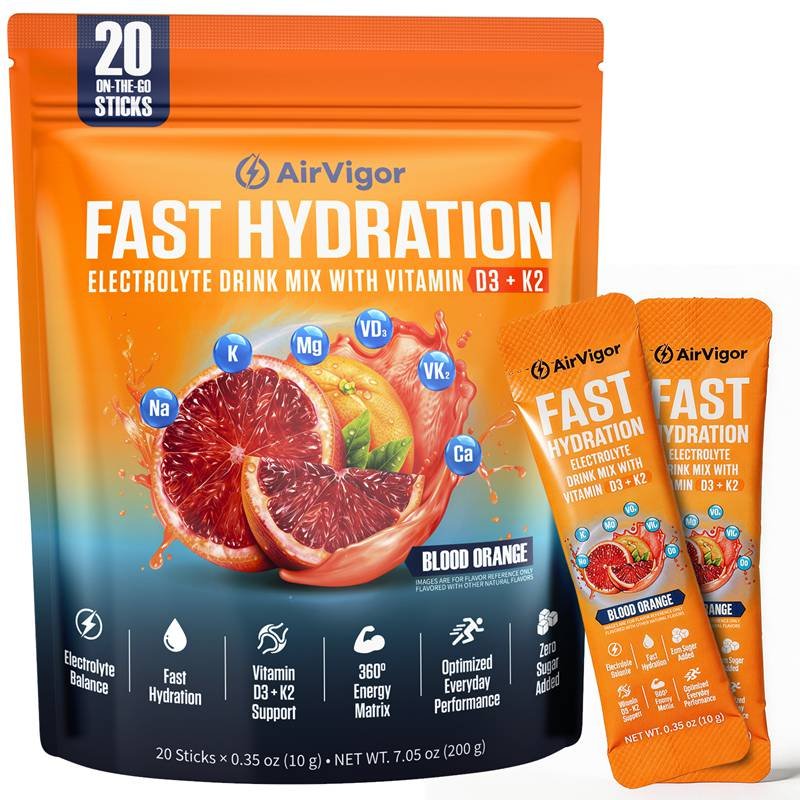
AirVigor’s hydration-focused product systems are developed around these modern lifestyle needs, with emphasis on balanced electrolyte structures, practical daily usability, ingredient transparency, and stable formulation consistency for long-term recovery support.
Can Poor Recovery Cause Muscle Cramps?
Poor recovery increases muscle cramp risk because muscles that remain fatigued, dehydrated, or under-recovered become more sensitive to involuntary contractions. Sleep quality, hydration status, nutrition, stress, and workout frequency all influence how effectively muscles recover between periods of physical stress.
Many people focus heavily on workouts while underestimating the importance of recovery. During sleep and rest periods, the body performs important repair processes related to muscle tissue recovery, nervous system regulation, circulation, and hydration balance. When recovery quality declines, muscles remain under strain longer and become more vulnerable to tightness and cramping.
| Recovery Problem | Common Effect on Muscles |
|---|---|
| Poor sleep | Increased muscle tension |
| Repeated intense workouts | Fatigue accumulation |
| Inadequate hydration | Slower recovery efficiency |
| High stress levels | Greater nervous system strain |
| Inconsistent nutrition | Reduced mineral support |
This explains why cramps often become more common during stressful work periods, heavy training blocks, travel schedules, or weeks with poor sleep habits. Many active adults today combine demanding jobs, long commutes, intense workouts, and irregular recovery routines, creating constant low-level strain on the body.
For some consumers, improving recovery habits creates greater long-term improvement than simply reacting to cramps after they happen. Better hydration consistency, more stable sleep routines, balanced electrolyte intake, and realistic workout recovery often reduce muscle cramp frequency more effectively than relying on short-term solutions alone.
Which Deficiencies Cause Muscle Cramps?
Muscle cramps are commonly linked to low levels of magnesium, potassium, sodium, or calcium. These minerals help muscles contract and relax normally, support nerve signaling, and maintain hydration balance, especially during exercise, sweating, heat exposure, or periods of poor recovery.
Does Low Magnesium Cause Muscle Cramps?
Low magnesium levels may increase muscle cramp risk because magnesium plays an important role in muscle relaxation, nerve function, and recovery balance. When magnesium intake becomes too low, muscles may stay more tense and reactive, especially during sleep or after physical stress.
Magnesium is involved in hundreds of processes inside the body, but its relationship with muscle relaxation is one of the reasons it is frequently discussed in cramp-related conversations. Muscles contract through electrical signals, and magnesium helps regulate how smoothly those signals stop after contraction. Without enough magnesium, muscles may have greater difficulty relaxing fully.
This is one reason people with low magnesium intake often describe:
- calf tightness at night
- muscle twitching
- foot cramps during sleep
- lingering post-workout tension
- restless legs after physically demanding days
| Common Magnesium-Related Sign | What People Often Experience |
|---|---|
| Nighttime calf cramps | Sudden tightness during sleep |
| Muscle twitching | Small involuntary spasms |
| Persistent tightness | Muscles feel tense for long periods |
| Poor recovery | Soreness lasts longer |
| Fatigue | Lower physical energy |
Modern lifestyles can quietly reduce magnesium balance over time. High caffeine intake, heavy sweating, stress, irregular meals, and intense exercise all increase magnesium demand. Many consumers are surprised to learn that even physically fit people may still struggle with magnesium intake if recovery habits are inconsistent.
| Lifestyle Factor | Why Magnesium Needs May Increase |
|---|---|
| Heavy exercise | Muscles use more minerals |
| High stress | Magnesium turnover rises |
| Poor sleep | Recovery becomes less efficient |
| High caffeine intake | Mineral loss may increase |
| Frequent sweating | Electrolytes leave through sweat |
Diet quality also matters significantly. Many processed foods contain far less magnesium than whole-food diets rich in vegetables, nuts, seeds, and legumes.
| Food Source | Approximate Magnesium Level |
|---|---|
| Pumpkin seeds | Very high |
| Almonds | High |
| Spinach | High |
| Black beans | Moderate |
| Avocado | Moderate |
Many people expect magnesium to act like an instant fix, but recovery-related improvements are usually gradual. Consistency tends to matter more than taking extremely large doses occasionally. Hydration, sleep quality, sodium balance, and training load still influence whether cramps improve long term.
Does Low Potassium Cause Muscle Cramps?
Potassium helps muscles and nerves communicate properly. When potassium levels become too low, muscles may become weaker, less coordinated, and more likely to cramp during exercise, sweating, or recovery periods.
Potassium works closely with sodium to regulate fluid movement inside and outside muscle cells. This balance is essential for maintaining normal electrical activity in muscles. If potassium levels drop too far, muscle contractions may become less stable.
Low potassium may contribute to:
- muscle weakness
- faster fatigue
- cramping during exercise
- reduced endurance
- heavy or unstable legs
| Possible Low Potassium Sign | Common Real-World Situation |
|---|---|
| Early fatigue | Workouts feel harder than usual |
| Leg heaviness | Lower-body endurance declines |
| Muscle cramps | Especially after sweating |
| Weak contractions | Reduced physical stability |
| Recovery decline | Muscles feel slower to recover |
Sweating increases potassium loss, especially during:
- long-distance running
- cycling
- outdoor labor
- hot-weather training
- physically demanding jobs
One common misunderstanding is that bananas alone solve potassium problems. While bananas contain potassium, overall dietary patterns matter much more than relying on a single food source.
| Food | Potassium Level |
|---|---|
| Potatoes | Very high |
| Avocados | High |
| Yogurt | Moderate |
| Coconut water | Moderate |
| Bananas | Moderate |
Many active adults gradually develop mild potassium insufficiency without realizing it. The issue is rarely dramatic at first. Instead, people may simply notice:
- reduced workout consistency
- increased cramping during heat
- slower recovery after sweating
- lower endurance during long activity
For endurance athletes and physically active consumers, potassium becomes especially important because fluid balance changes constantly during long activity sessions. A cyclist riding for several hours in summer heat, for example, may lose substantial amounts of both fluids and electrolytes before obvious dehydration symptoms appear.
This is one reason balanced hydration systems now commonly include both sodium and potassium support rather than focusing only on water intake alone.
Can Low Sodium Cause Muscle Cramps?
Low sodium is one of the most overlooked causes of muscle cramps, especially among people who sweat heavily during workouts, outdoor work, or hot-weather activity. Sodium helps maintain fluid balance, nerve signaling, circulation stability, and muscle contraction control.
For years, many consumers viewed sodium only negatively because of concerns related to processed food intake. However, physically active individuals often lose significant sodium amounts through sweat, especially during prolonged activity.
Sweat contains sodium continuously. This becomes important during:
- marathon training
- long cycling sessions
- hiking
- outdoor labor
- warehouse work
- hot yoga
- summer sports
| Sweat-Related Sodium Loss Situation | Why Cramp Risk Increases |
|---|---|
| Long-duration exercise | Continuous electrolyte loss |
| Hot weather | Sweat volume rises |
| Humid environments | Cooling becomes less efficient |
| Physically demanding jobs | Ongoing fluid depletion |
People who lose large amounts of sodium through sweat often describe:
- calf cramps late in workouts
- dizziness after heat exposure
- headaches during recovery
- muscle tightness at night
- unusual fatigue after sweating
Some heavy sweaters even notice visible salt marks on clothing after exercise, indicating substantial sodium loss.
One common mistake is replacing sweat losses with only plain water. While hydration is important, large amounts of water without electrolyte replacement may sometimes dilute sodium levels further during prolonged sweating conditions.
| Hydration Strategy | Possible Result |
|---|---|
| Water only after heavy sweating | Electrolyte imbalance may remain |
| Balanced hydration + electrolytes | Better fluid recovery support |
| Inconsistent hydration | Greater cramp sensitivity |
This is why many modern hydration products focus more heavily on sodium replacement than older low-sodium sports drink trends did in the past.
Consumers today increasingly prefer:
- balanced electrolyte formulas
- transparent ingredient labeling
- portable hydration products
- lower-sugar options
- easier daily-use formats
The shift is no longer only about sports performance. Many consumers use electrolyte support for:
- travel hydration
- physically demanding work
- hot climates
- long office days
- general wellness recovery
AirVigor’s hydration-focused supplement systems are designed around these practical daily-use situations, emphasizing stable electrolyte balance, ingredient transparency, practical portability, and formula consistency for people managing active lifestyles and recovery demands.
Does Low Calcium Cause Muscle Cramps?
Calcium helps regulate muscle contraction and nerve communication. When calcium intake becomes too low, muscles may become more sensitive to spasms, tightness, or irregular contractions, particularly during periods of physical stress or recovery fatigue.
Most people associate calcium only with bone health, but calcium also plays an important role in how muscles function. Muscles use calcium signals during the contraction process itself. If calcium balance becomes unstable, muscles may not contract and relax as efficiently.
| Calcium Function | Why It Matters for Muscles |
|---|---|
| Muscle contraction signaling | Helps muscles activate properly |
| Nerve communication | Supports stable signaling |
| Recovery support | Helps maintain muscle balance |
Low calcium intake may become more likely among people with:
- limited dairy intake
- highly restrictive diets
- poor overall nutrition
- inconsistent meal patterns
- long-term recovery stress
Mild calcium-related symptoms may include:
- muscle tightness
- spasms
- twitching
- unusual cramping during fatigue
| Calcium Food Source | Approximate Calcium Level |
|---|---|
| Greek yogurt | High |
| Cheese | High |
| Milk | High |
| Sardines | Moderate |
| Leafy greens | Moderate |
In reality, calcium-related cramping is often connected to broader recovery patterns rather than calcium alone. Muscles function best when hydration, electrolytes, sleep quality, and nutrition work together consistently.
This is why many active consumers now focus less on isolated ingredients and more on balanced recovery support systems that fit long-term daily use.

Why Do Muscle Cramps Happen at Night?
Night muscle cramps often happen because muscles remain fatigued, dehydrated, tight, or under-recovered after the day’s activity. Poor circulation, electrolyte imbalance, prolonged sitting, sweating, stress, and inconsistent recovery habits can all increase nighttime cramp frequency.
Are Night Muscle Cramps Common?
Night muscle cramps are extremely common, especially in the calves and feet. Many adults experience them occasionally, while others deal with repeated cramps several nights per week, particularly during periods of stress, heavy exercise, dehydration, or poor sleep quality.
Night cramps are most frequently reported in the calf muscles because the calves absorb continuous physical stress throughout the day. Walking, standing, climbing stairs, exercising, and maintaining balance all place repeated tension on these muscles, even in people who are not highly active.
During sleep, muscles remain still for long periods. If a muscle is already tight or fatigued before bedtime, staying inactive for several hours may increase the likelihood of sudden involuntary contractions. This is why many people wake abruptly with intense calf tightness that makes standing or stretching difficult.
| Common Night Cramp Location | Typical Situation |
|---|---|
| Calves | Tightening during sleep |
| Feet | Toes curl painfully |
| Hamstrings | Cramping after heavy training |
| Thighs | Fatigue-related nighttime spasms |
Night cramps also become more common during:
- hot weather
- travel periods
- intense training weeks
- physically demanding jobs
- long periods of sitting
A person who spends most of the day at a desk, trains after work, drinks limited fluids, and sleeps poorly may gradually accumulate enough muscle fatigue and hydration stress to trigger nighttime cramps later.
Many people think nighttime cramps happen “randomly,” but the body is usually responding to stress patterns that developed earlier during the day.
Do Muscle Cramps Affect Sleep?
Night muscle cramps can strongly affect sleep quality because the pain often wakes people suddenly and interrupts normal recovery cycles. Even after the cramp stops, lingering soreness and muscle tension may make it difficult to relax and fall asleep again.
Sleep disruption caused by cramps is more significant than many people realize. Deep sleep is one of the body’s most important recovery periods for muscle repair, nervous system regulation, hydration balance, and physical recovery. When cramps repeatedly interrupt sleep, recovery quality often declines over time.
| Sleep Effect | Common Experience |
|---|---|
| Sudden awakening | Sleep cycle interruption |
| Muscle soreness afterward | Difficulty relaxing again |
| Repeated nighttime cramps | Fragmented sleep quality |
| Fear of future cramps | Increased nighttime stress |
This creates a cycle many active adults recognize:
- muscles cramp during sleep
- sleep quality worsens
- recovery becomes less effective
- muscles stay fatigued longer
- cramp risk increases again
People dealing with repeated nighttime cramps often describe:
- heavier legs in the morning
- increased muscle stiffness
- reduced workout performance
- daytime fatigue
- slower recovery after exercise
Athletes frequently notice nighttime cramps during:
- marathon training
- high-mileage running weeks
- summer heat exposure
- periods of poor hydration
- intense gym training blocks
However, physically active consumers are not the only group affected. Office workers, shift workers, travelers, and older adults commonly experience nighttime cramps because modern routines often combine stress, poor sleep, long sitting periods, and inconsistent hydration habits together.
This is one reason hydration and recovery support products have become increasingly popular among consumers who are not necessarily focused on elite sports performance. Many people simply want smoother recovery, better sleep quality, and fewer interruptions during the night.
Which People Get Night Muscle Cramps?
Night muscle cramps affect many different groups of people, but they are especially common among individuals experiencing heavy muscle fatigue, prolonged sitting, repeated sweating, poor circulation, or inconsistent hydration and recovery habits.
One of the biggest misconceptions is that nighttime cramps only affect older adults. While age can increase cramp frequency, younger active adults increasingly experience nighttime cramps because of modern lifestyle patterns involving stress, intense exercise, long work hours, travel, and poor recovery routines.
| Lifestyle Group | Why Cramp Risk Increases |
|---|---|
| Office workers | Long sitting reduces circulation |
| Runners | Calf fatigue and sweat loss |
| Cyclists | Repetitive lower-body stress |
| Travelers | Dehydration and inactivity |
| Older adults | Slower muscle recovery |
| Outdoor workers | Heat exposure and sweating |
Travel is one of the most overlooked nighttime cramp triggers. Long flights combine several risk factors together:
- prolonged sitting
- dry cabin air
- reduced movement
- low hydration intake
- irregular meals
- physical fatigue
Many travelers notice calf or foot cramps during the first night after arriving at their destination, especially after long-haul flights.
Older adults commonly experience nighttime cramps because muscle flexibility, circulation efficiency, and hydration regulation gradually change with age. Certain medications may also contribute to fluid imbalance or muscle tightness.
At the same time, younger consumers balancing demanding schedules often place their recovery systems under constant pressure. Someone training hard while sleeping poorly, drinking high amounts of caffeine, and working long hours may still appear healthy externally while their muscles remain chronically under-recovered internally.
This is why many consumers now focus more seriously on hydration consistency, electrolyte balance, sleep quality, and recovery support as part of long-term muscle health rather than only reacting once cramps already happen.
How Can You Stop Muscle Cramps?
Muscle cramps can often be reduced through better hydration, balanced electrolyte intake, improved recovery habits, and proper muscle conditioning. Stretching, fluid balance, sleep quality, and reducing excessive fatigue all play important roles in lowering cramp frequency over time.
Does Stretching Stop Muscle Cramps?
Stretching can help stop muscle cramps because it encourages tight muscle fibers to lengthen and relax again. Gentle stretching also improves circulation and temporarily reduces tension inside the affected muscle, especially during calf, hamstring, or foot cramps.
For many people, stretching is the first thing they instinctively do when a cramp happens. A person with a calf cramp often pulls the toes upward or stands carefully to extend the muscle until the contraction releases. This works because stretching interrupts the shortened position of the cramping muscle and helps restore normal muscle length.
Stretching tends to work best when performed slowly rather than aggressively. Sudden forceful stretching may irritate already-fatigued muscles further, especially after exercise or dehydration.
| Common Cramp Area | Stretching Movement Often Used |
|---|---|
| Calves | Pull toes upward toward shin |
| Hamstrings | Slow leg extension |
| Feet | Toe and arch stretching |
| Quadriceps | Gentle standing quad stretch |
People who experience recurring nighttime cramps often notice improvement when adding regular stretching before sleep. Tight calves and hamstrings are especially common among office workers, runners, cyclists, and individuals who sit for long periods during the day.
Muscles gradually shorten and stiffen when movement is limited for hours at a time. This is why someone may feel fine during the day but wake at night with severe calf tightness. Gentle mobility work before bed may help reduce this tension buildup.
Stretching after workouts also supports circulation and muscle relaxation. Athletes who finish intense sessions and immediately sit for long periods afterward may notice greater stiffness later in the evening compared to those who cool down gradually.
However, stretching alone does not fully solve many recurring cramp problems. If dehydration, electrolyte imbalance, poor sleep, or excessive fatigue remain unaddressed, cramps may continue even with regular flexibility work.
Can Water Stop Muscle Cramps?
Water helps support normal muscle function because muscles rely heavily on stable fluid balance to contract and relax properly. Dehydration increases the likelihood of muscle tightness, fatigue, and cramping, especially during exercise, heat exposure, or physically demanding routines.
One reason hydration-related cramps are so common is because many people underestimate how easy it is to become mildly dehydrated. Fluid loss happens continuously through:
- sweating
- breathing
- exercise
- heat exposure
- caffeine intake
- travel
- physically active work
Even small hydration deficits may affect:
- circulation efficiency
- muscle recovery
- nerve signaling
- endurance performance
- body temperature regulation
| Mild Dehydration Sign | Common Experience |
|---|---|
| Dry mouth | Increased thirst |
| Heavy legs | Reduced workout comfort |
| Headaches | Especially after heat exposure |
| Muscle tightness | Stiff calves or feet |
| Fatigue | Lower physical energy |
A common modern routine often combines several dehydration triggers together. Someone may drink coffee throughout the morning, sit at work most of the day, train after work, sweat heavily during exercise, and consume very little water overall. By nighttime, muscles may already be under significant hydration stress.
Travel also contributes more than many people expect. Long flights expose the body to dry cabin air while limiting movement and circulation. This combination often increases nighttime calf and foot cramp frequency after travel days.
However, water alone does not always fully solve muscle cramps, especially for people who sweat heavily. Sweat removes both fluids and electrolytes, which is why some individuals continue cramping despite drinking large amounts of water.
This becomes especially important during:
- long-distance running
- cycling
- outdoor work
- hiking
- hot yoga
- summer training
For many active adults, the goal is not simply “more water,” but more stable hydration throughout the day combined with proper electrolyte replacement and recovery habits.
Do Electrolytes Stop Muscle Cramps?
Electrolytes help support muscle function because they regulate nerve communication, fluid balance, and muscle contraction control. Balanced electrolyte intake may reduce cramp frequency, especially during periods of heavy sweating, dehydration, or prolonged physical activity.
The four most important electrolytes for muscle function are sodium, potassium, magnesium, and calcium. Each plays a slightly different role in how muscles contract and relax.
| Electrolyte | Main Muscle Function |
|---|---|
| Sodium | Maintains fluid balance |
| Potassium | Supports nerve-muscle signaling |
| Magnesium | Helps muscles relax |
| Calcium | Supports contraction control |
When electrolyte levels drop too low, muscles may become more reactive and less stable. This is why cramps are common among:
- endurance runners
- cyclists
- outdoor workers
- warehouse employees
- tennis players
- hikers
- hot yoga users
Heavy sweating increases electrolyte loss significantly. Some athletes lose enough sodium during training to leave visible salt stains on clothing after workouts.
One of the biggest mistakes people make is replacing prolonged sweat loss with only plain water. While hydration matters, large amounts of water without electrolyte replacement may sometimes leave muscle signaling unstable during recovery.
| Situation | Why Electrolytes Matter |
|---|---|
| Long workouts | Sweat loss accumulates |
| Hot weather | Fluid and sodium loss rise |
| Travel | Hydration consistency drops |
| Physically demanding jobs | Ongoing electrolyte depletion |
| Intense training blocks | Recovery demand increases |
Modern hydration products have changed significantly in recent years because consumers increasingly prefer:
- lower sugar content
- balanced sodium levels
- portable stick packs
- transparent ingredient labels
- better flavor consistency
- easier daily usability
Many consumers now use electrolyte powders not only for workouts, but also for:
- travel hydration
- long office days
- physically demanding work
- summer heat
- recovery support
This shift reflects how muscle cramps are no longer viewed only as a sports problem. They are increasingly connected to overall recovery, hydration habits, and daily physical stress management.
AirVigor’s hydration-focused supplement systems are developed around these practical real-world situations. The company emphasizes balanced electrolyte structures, ingredient transparency, stable manufacturing quality, and practical daily-use formats designed for consumers managing active lifestyles, travel routines, workouts, and recovery demands.
Can Better Recovery Reduce Muscle Cramps?
Better recovery reduces muscle cramp risk because muscles function more efficiently when hydration, sleep, nutrition, and recovery balance are maintained consistently. Poor recovery allows fatigue and muscle tension to accumulate, increasing sensitivity to cramping over time.
Many people focus heavily on exercise while underestimating the importance of recovery quality. Muscles repair and restore themselves primarily during rest periods, especially during sleep. If recovery becomes inconsistent, muscles may remain fatigued for longer periods and become more vulnerable to spasms.
| Recovery Factor | Why It Influences Cramping |
|---|---|
| Sleep quality | Supports muscle repair |
| Hydration balance | Maintains fluid stability |
| Electrolyte intake | Supports nerve signaling |
| Workout scheduling | Prevents fatigue overload |
| Nutrition quality | Helps recovery processes |
Sleep is especially important because the body performs many recovery functions overnight:
- muscle tissue repair
- nervous system recovery
- circulation regulation
- fluid balance adjustment
- hormone recovery processes
This is why people often experience more cramps during:
- stressful work weeks
- periods of poor sleep
- overtraining phases
- travel schedules
- summer heat exposure
A physically active adult training intensely while sleeping only five or six hours nightly may appear healthy externally, but internally the muscles may remain under constant recovery strain.
Consumers increasingly recognize that long-term cramp prevention usually comes from improving overall recovery consistency rather than searching for one quick fix. Better hydration habits, more stable electrolyte intake, improved sleep quality, and realistic workout recovery often produce more reliable improvements over time.
Which Supplements Help Muscle Cramps?
Supplements that help support muscle cramps commonly include electrolytes, magnesium, potassium, calcium, and hydration-focused recovery formulas. These nutrients help maintain fluid balance, nerve signaling, and muscle contraction control, especially during sweating, exercise, travel, heat exposure, or periods of physical fatigue.
Are Electrolytes Good for Muscle Cramps?
Electrolyte supplements are among the most commonly used products for muscle cramp support because muscles depend heavily on minerals such as sodium, potassium, and magnesium to maintain stable contraction and relaxation patterns. When people sweat heavily during workouts, outdoor activity, physically demanding jobs, or hot-weather conditions, the body gradually loses both fluids and electrolytes through sweat.
Many consumers are surprised by how quickly electrolyte loss can affect muscle comfort and recovery. A person may feel normal at first, then later experience calf tightness, foot cramps, muscle heaviness, or nighttime spasms after a physically demanding day. This is especially common during long-distance running, cycling, summer training, hiking, warehouse work, or travel periods involving dehydration and fatigue.
| Electrolyte | Main Role in Muscle Function |
|---|---|
| Sodium | Helps maintain hydration balance |
| Potassium | Supports nerve-muscle communication |
| Magnesium | Helps muscles relax after contraction |
| Calcium | Supports stable contraction control |
One reason electrolyte products have become more popular outside sports nutrition is because modern lifestyles create constant low-level dehydration stress. Long office hours, caffeine intake, irregular hydration habits, heat exposure, and frequent travel all contribute to gradual fluid and mineral imbalance. Many people now use electrolyte powders not only during workouts, but also during workdays, flights, outdoor activities, and recovery periods.
Modern consumers also pay much closer attention to product formulation than before. Traditional sports drinks are often criticized for excessive sugar content or unclear electrolyte balance. As a result, many people now prefer hydration products with cleaner ingredient presentation, more balanced sodium levels, and easier daily usability.
| Consumer Preference | Why It Matters |
|---|---|
| Balanced electrolyte levels | Supports stable hydration |
| Lower sugar content | Easier frequent use |
| Portable packaging | Better for work and travel |
| Clear labeling | Easier ingredient understanding |
This shift reflects a larger trend where consumers increasingly view hydration as part of long-term recovery and wellness rather than only athletic performance.
Is Magnesium Good for Muscle Cramps?
Magnesium supplements are widely used for muscle cramp support because magnesium helps regulate muscle relaxation, nerve function, and recovery balance. Low magnesium intake may increase muscle tightness, twitching, and nighttime cramp frequency, especially in physically active adults or individuals with high recovery demands.
Muscles contract through electrical signaling, but they also need to relax efficiently afterward. Magnesium plays an important role in helping muscles return to a relaxed state after contraction. When magnesium levels become too low, muscles may remain more tense and reactive, particularly during sleep or after physical stress.
Many people who experience nighttime calf cramps or persistent muscle tightness often notice that their recovery habits are inconsistent overall. Stress, poor sleep, high caffeine intake, sweating, and irregular eating patterns can all increase magnesium demand over time.
| Common Magnesium-Related Issue | What People Often Notice |
|---|---|
| Nighttime calf cramps | Tightness during sleep |
| Muscle twitching | Small involuntary spasms |
| Persistent muscle tension | Muscles feel tight for longer |
| Slower recovery | Soreness lasts longer after workouts |
Modern diets may also contribute to lower magnesium intake because heavily processed foods often contain significantly less magnesium than whole-food diets rich in vegetables, nuts, legumes, and seeds.
| Food Source | Magnesium Level |
|---|---|
| Pumpkin seeds | Very high |
| Almonds | High |
| Spinach | High |
| Black beans | Moderate |
| Avocados | Moderate |
Many consumers expect magnesium supplements to create immediate dramatic results, but muscle recovery improvements are usually more gradual. A person who trains intensely while sleeping poorly and staying mildly dehydrated may still struggle with cramps even when taking magnesium if overall recovery balance remains poor.
Supplement quality is another growing concern among consumers. Poorly formulated magnesium products may absorb inconsistently or create digestive discomfort, which is why many buyers increasingly look for products with clearer ingredient sourcing, transparent labeling, and stable manufacturing quality.
Can Potassium Supplements Help Muscle Cramps?
Potassium supplements may help support muscle function because potassium is essential for nerve-muscle communication, hydration regulation, and fluid balance inside muscle cells. Low potassium levels may increase muscle fatigue, heaviness, and cramp sensitivity, especially during prolonged sweating or physical activity.
Potassium works closely with sodium to maintain stable electrical signaling within muscles. During exercise or heat exposure, potassium loss gradually increases through sweat and fluid turnover. If recovery nutrition and hydration remain inconsistent, muscles may become less stable over time.
Many physically active consumers first notice potassium-related issues as reduced endurance rather than severe cramping immediately. Legs may feel heavier during workouts, muscles may fatigue earlier, and recovery may become slower after physically demanding days.
| Possible Low Potassium Sign | Common Experience |
|---|---|
| Early muscle fatigue | Workouts feel harder sooner |
| Muscle heaviness | Lower-body fatigue increases |
| Reduced endurance | Energy drops during activity |
| Increased cramping | Especially after sweating |
Although bananas are commonly associated with potassium, overall dietary quality matters much more than relying on one food source alone.
| Food Source | Potassium Level |
|---|---|
| Potatoes | Very high |
| Avocados | High |
| Yogurt | Moderate |
| Coconut water | Moderate |
| Bananas | Moderate |
This is one reason modern electrolyte systems often combine both sodium and potassium support together. Muscles depend on balanced mineral interaction rather than isolated ingredients alone.
Consumers involved in endurance training, physically demanding jobs, or outdoor activity often benefit more from steady hydration and recovery support throughout the week rather than waiting until severe dehydration symptoms appear.
Why Choose AirVigor for Muscle Cramp Support?
Consumers looking for muscle cramp support increasingly prefer products that feel practical, clearly labeled, and realistic for long-term daily use rather than overly aggressive short-term formulas. Most people dealing with recurring cramps are not professional athletes. They are often balancing busy work schedules, workouts, travel, stress, and inconsistent recovery habits at the same time.
This is where hydration-focused supplement systems have become especially important. Many consumers are not simply trying to improve athletic performance. They want smoother recovery, fewer nighttime cramps, more stable hydration, and products that fit naturally into daily routines.
AirVigor develops hydration and recovery-focused supplement systems around these real-world lifestyle needs. The company places strong emphasis on transparent ingredient expression, balanced electrolyte structures, practical portability, and stable manufacturing quality designed for consistent long-term use.
| AirVigor Focus | Consumer Benefit |
|---|---|
| Transparent ingredient labeling | Easier product understanding |
| Balanced electrolyte formulas | More stable hydration support |
| Portable daily-use formats | Better convenience during work or travel |
| Stable manufacturing systems | Consistent product quality |
AirVigor supports product consistency through manufacturing and quality systems aligned with GMP, HACCP, ISO, and FSSC22000 frameworks while also maintaining independent laboratory testing and multi-stage quality management processes.
The company’s supplement ecosystem also extends beyond electrolytes into broader recovery and wellness categories including minerals, vitamins, creatine, collagen, protein nutrition, and hydration-focused formulations. This allows consumers to build more complete recovery systems instead of relying on disconnected products from multiple brands.
For many active adults, consistency matters more than extreme stimulation. Consumers increasingly prefer hydration and recovery products that are easy to understand, convenient to carry, pleasant to use daily, and supportive of long-term muscle comfort and recovery stability.

Conclusion
Muscle cramps are often a sign that the body is struggling with hydration balance, muscle fatigue, electrolyte loss, or poor recovery. While occasional cramps are common, frequent tightness, nighttime cramps, or post-workout spasms usually point to deeper recovery and hydration habits that need attention.
Improving fluid intake, maintaining balanced electrolytes, supporting recovery quality, and building more consistent daily routines can help muscles perform and recover more comfortably over time.
At AirVigor, we focus on practical hydration and recovery support through transparent ingredient formulas, balanced electrolyte systems, and stable manufacturing quality designed for real daily use. Whether for workouts, travel, physically demanding schedules, or everyday wellness, AirVigor helps support more consistent hydration, recovery, and muscle comfort.