Skip to content
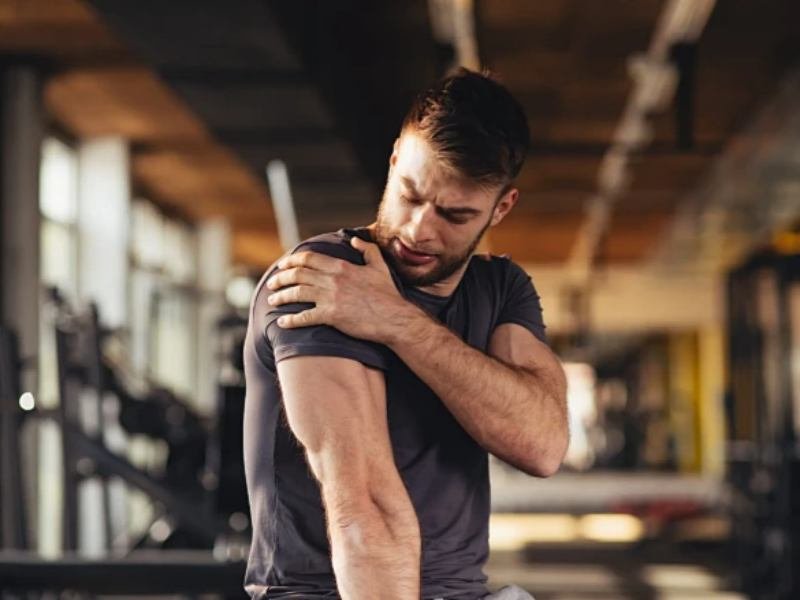
You finish your workout expecting to feel stronger, but instead your legs feel heavy, your energy crashes, and even simple tasks feel harder afterward. For many people, weakness after exercise is not just “normal tiredness.” It can show up as dizziness, shaking, headaches, low energy, muscle fatigue, or feeling completely drained for hours after training. This is becoming more common as modern workouts collide with busy schedules, poor sleep, high caffeine intake, irregular meals, dehydration, and long workdays.
Weak after workout symptoms are usually caused by a combination of glycogen depletion, fluid loss, electrolyte imbalance, poor recovery nutrition, and accumulated fatigue. High-intensity training, heavy sweating, long cardio sessions, and inadequate hydration often increase the risk. In many cases, improving hydration, electrolyte intake, meal timing, sleep quality, and recovery habits can significantly reduce post-workout weakness and help maintain more stable energy after exercise.
A common example is the person who rushes from work straight into a hard gym session after surviving most of the day on coffee and one rushed meal. The workout itself may only last 45 minutes, but the body was already under-recovered before training even began. Understanding why weakness happens after workouts can help you recover faster, train more consistently, and avoid turning everyday fatigue into long-term burnout.
Why Do You Feel Weak After Workout?
Feeling weak after a workout usually happens when the body loses fluids, electrolytes, and stored energy faster than it can recover them. Intense exercise, sweating, poor hydration, low food intake, and inadequate recovery habits can all contribute to post-workout fatigue, heavy legs, dizziness, and low energy.
Weak After Workout and Low Energy
Low energy after exercise is often connected to depleted glycogen stores, inadequate calorie intake, or poor meal timing before training. High-intensity workouts especially increase the body’s demand for fast, available energy.
One of the biggest misunderstandings in fitness is the idea that feeling completely exhausted after every workout means the training was effective. In reality, there is a major difference between productive fatigue and recovery-draining weakness. Many people walk into the gym already under-fueled from long workdays, poor sleep, too much caffeine, or irregular eating patterns. The workout simply exposes the problem more clearly.
The body relies heavily on glycogen during exercise. Glycogen is stored carbohydrate kept mainly in muscles and the liver. During strength training, HIIT, sprint intervals, rowing, cycling, and high-volume gym sessions, glycogen becomes one of the body’s primary fuel sources. When these stores become too low, people commonly describe the feeling as “hitting a wall.”
This type of weakness often appears as:
| Common Feeling After Workout | Possible Energy-Related Cause |
|---|---|
| Shaking hands | Low glycogen availability |
| Heavy legs | Energy depletion |
| Sudden exhaustion | Low calorie intake |
| Brain fog | Low blood sugar |
| Feeling cold after sweating | Glycogen depletion |
| Low motivation after training | Recovery stress |
A common real-world example is the office worker who trains at night after surviving most of the day on coffee and one small lunch. During the workout, adrenaline and caffeine temporarily help performance. But once training ends, the body no longer has enough easily available energy to maintain output, and the crash begins.
This is especially common among people who:
- Skip breakfast regularly
- Train during calorie deficits
- Follow low-carb diets while doing intense exercise
- Train late at night after long work shifts
- Use pre-workouts instead of actual nutrition
- Underestimate how much energy hard training requires
Workout intensity matters as well. A light yoga session places very different energy demands on the body compared with a heavy leg workout or a 60-minute HIIT session. Many people copy advanced training routines online without adjusting food intake to match the increased recovery demand.
| Workout Style | Glycogen Demand Level |
|---|---|
| Walking | Low |
| Yoga or Pilates | Low to moderate |
| Moderate strength training | Moderate |
| HIIT training | High |
| CrossFit-style circuits | Very high |
| Long-distance running | Very high |
This does not mean everyone needs large meals before workouts. In fact, many users feel better with lighter pre-workout meals or snacks. The key is consistency and timing rather than overeating.
Many active adults recover better when they combine:
- Moderate pre-workout carbohydrates
- Steady hydration
- Balanced post-workout meals
- Consistent sleep patterns
- Reduced reliance on stimulants
The body usually responds better to stable support than constant extremes.
Weak After Workout and Dehydration
Dehydration is one of the most common reasons people feel weak after exercise, especially during hot weather, long cardio sessions, indoor cycling, high-sweat gym training, or fast-paced group classes.
Many people underestimate how much fluid they lose during workouts because sweat rates vary dramatically between individuals. Some users lose only small amounts of sweat, while others may lose over a liter of fluid during a single intense session.
The challenge is that water loss affects far more than thirst. When hydration levels drop, circulation efficiency changes, body temperature becomes harder to regulate, heart rate may stay elevated longer, and muscles often feel heavier and slower during recovery.
Mild dehydration may already contribute to:
- Fatigue
- Headaches
- Dizziness
- Reduced focus
- Slower recovery comfort
- Muscle tightness
- Low physical energy
| Estimated Fluid Loss | What Users Often Notice |
|---|---|
| Mild sweat loss | Thirst and dry mouth |
| Moderate fluid loss | Fatigue and reduced energy |
| Higher sweat loss | Headache and dizziness |
| Heavy dehydration | Significant weakness and poor recovery |
One reason dehydration catches people off guard is because thirst is often delayed. Many users do not feel extremely thirsty until hydration levels are already behind.
This becomes more noticeable during:
| High-Risk Situation | Why Weakness Becomes More Likely |
|---|---|
| Hot outdoor workouts | Faster sweat loss |
| Humid gyms | Reduced cooling efficiency |
| Long workdays before training | Already partially dehydrated |
| High caffeine intake | Increased fluid turnover |
| Air travel | Baseline dehydration before workouts |
| Sauna use after training | Additional fluid loss |
A good example is someone attending a 45-minute indoor cycling class after drinking several coffees but very little water during the workday. They may lose a large amount of fluid during class without realizing how depleted they already were before exercise even started.
Many people try to fix this by drinking large amounts of water immediately afterward. Sometimes that helps, but in sweat-heavy situations, the body may also need sodium and other electrolytes to restore proper fluid balance more effectively.
This is why hydration strategies increasingly focus on consistency instead of emergency recovery. Users who hydrate steadily throughout the day often experience fewer energy crashes after exercise compared with those trying to rapidly “catch up” afterward.
Portable hydration solutions have become more common because convenience strongly affects consistency. People are more likely to maintain hydration habits when products are easy to carry during commuting, travel, office work, gym sessions, or outdoor activity.
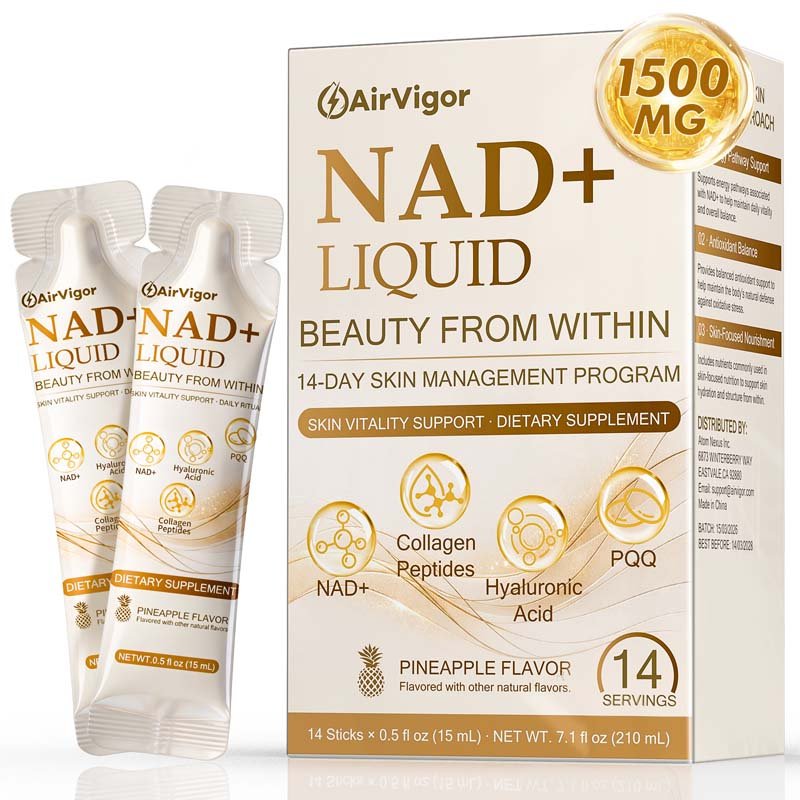
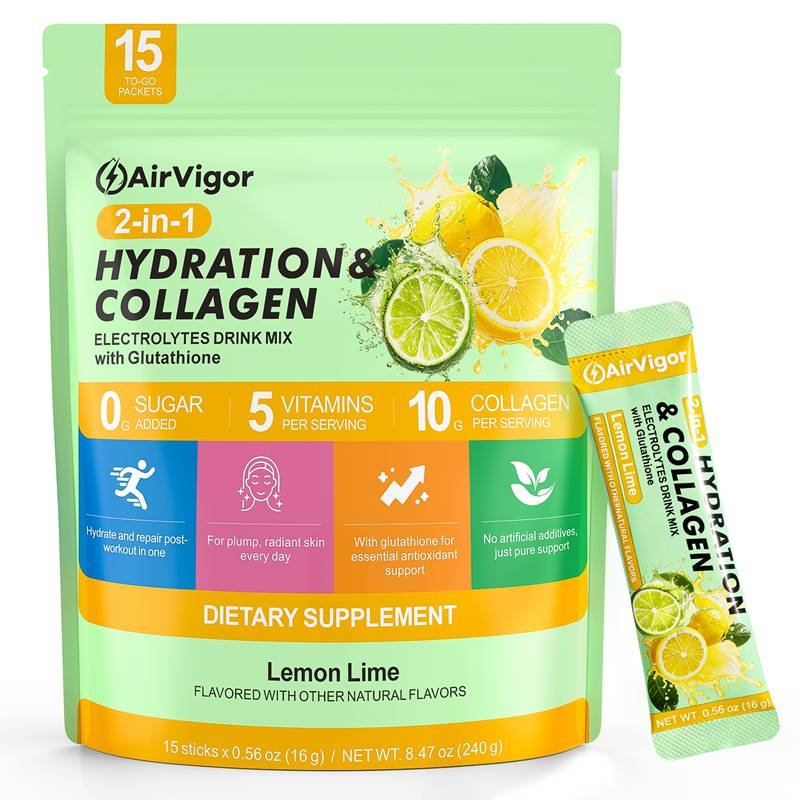
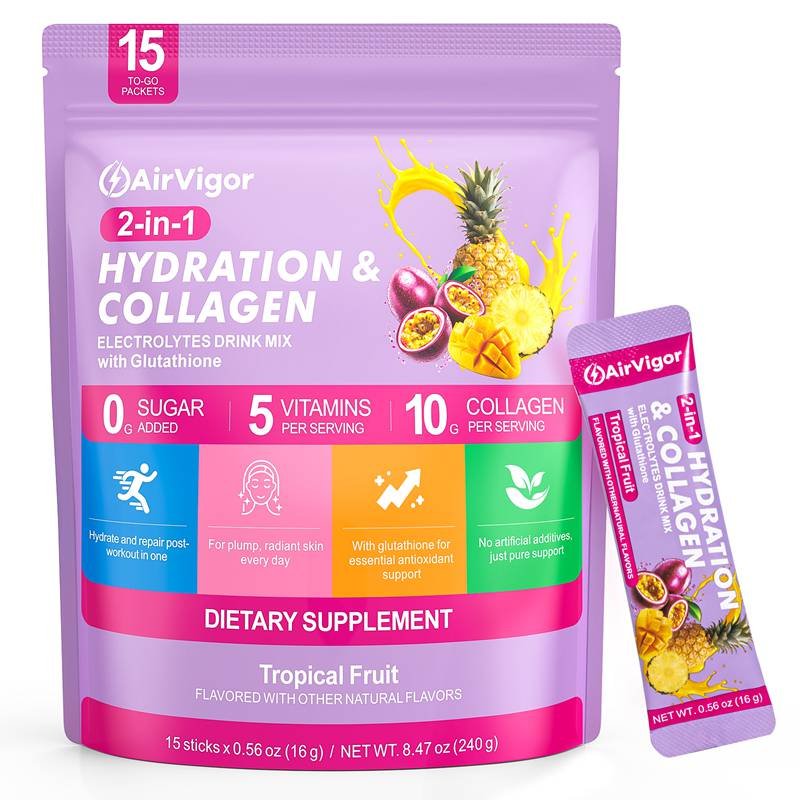
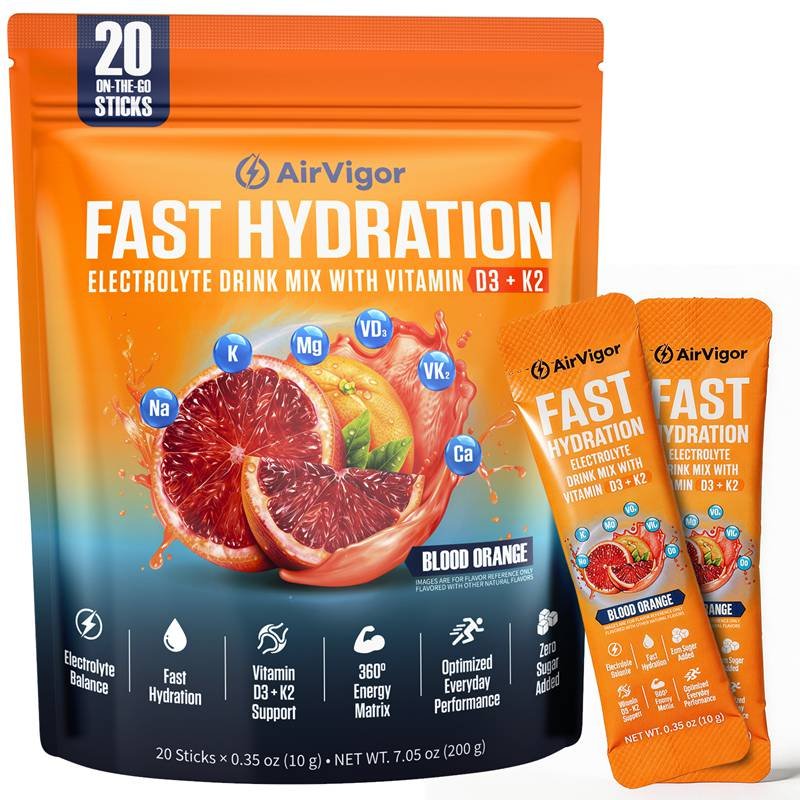
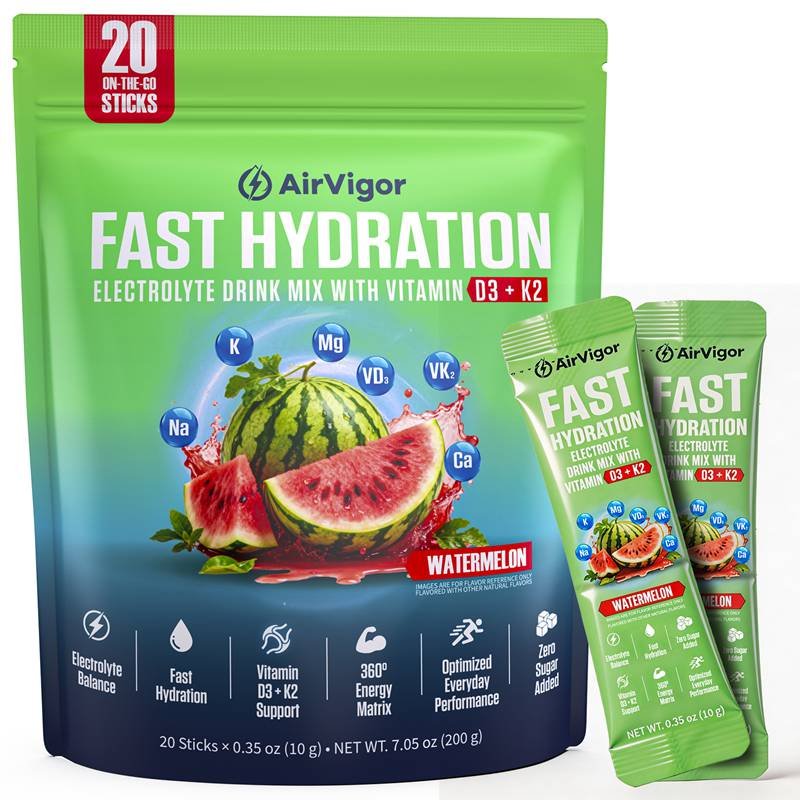
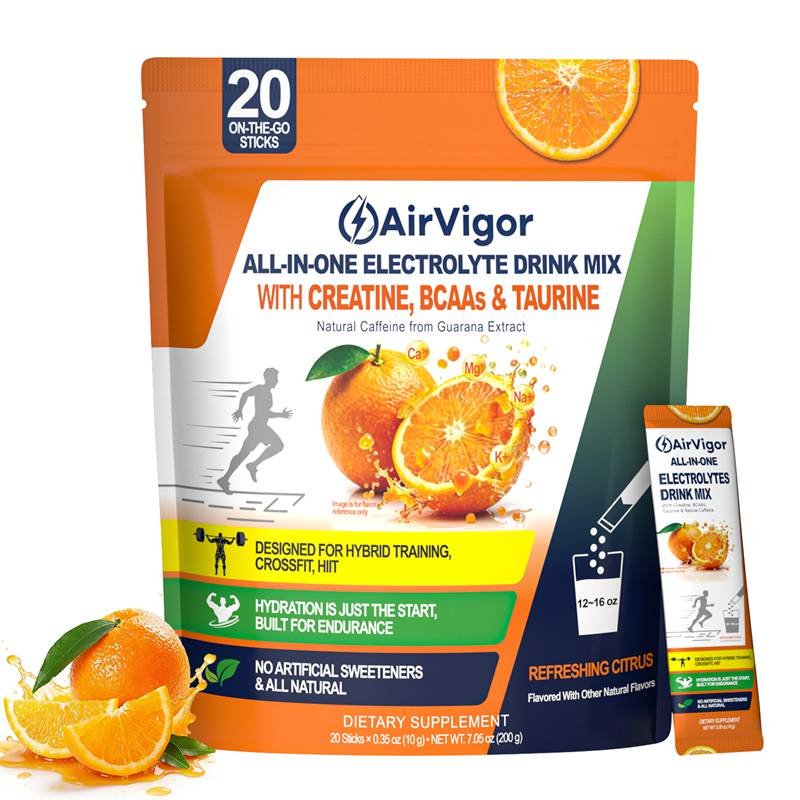
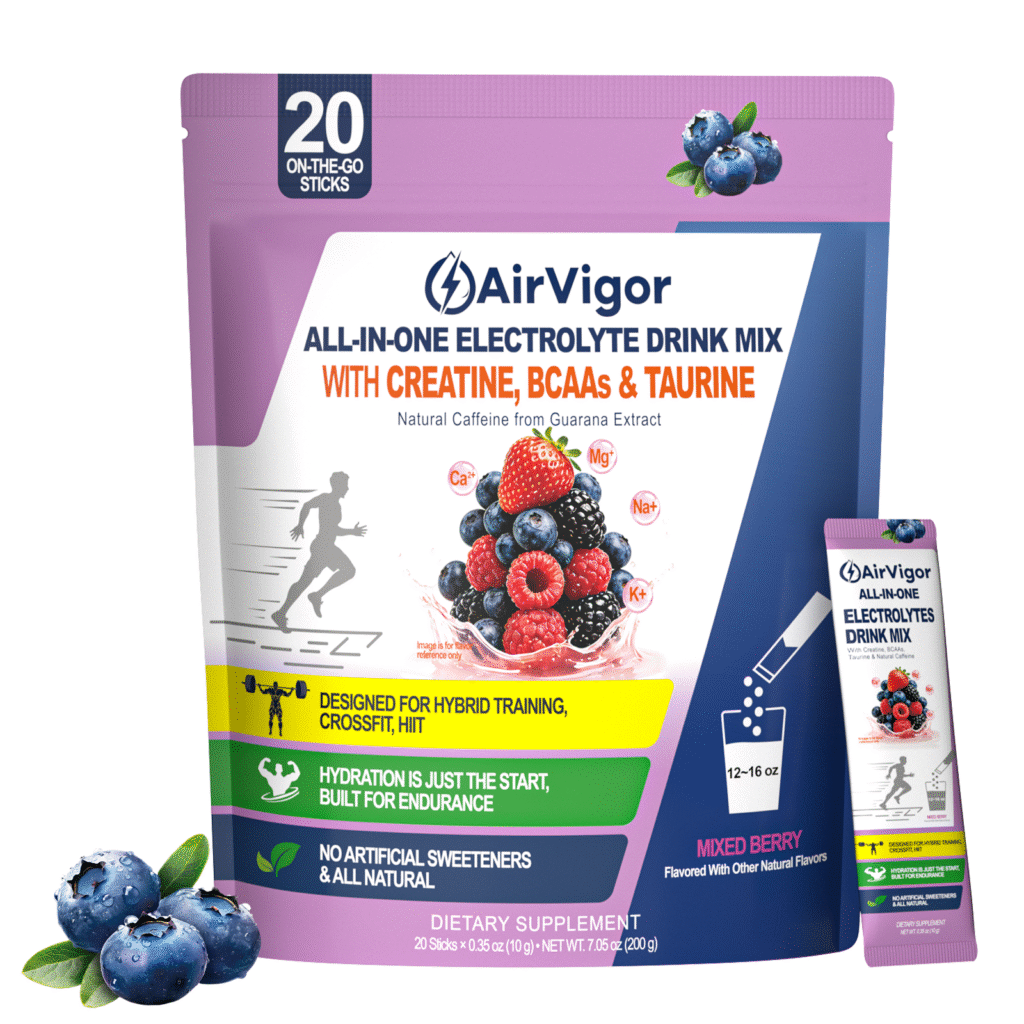
AirVigor develops hydration-support supplements around these real-world usage patterns, emphasizing portability, transparent formulas, practical serving formats, and ingredient consistency designed for active lifestyles.
Weak After Workout and Electrolytes
Electrolytes are minerals that help regulate hydration, muscle contraction, nerve signaling, and fluid balance. The main electrolytes associated with workout recovery include sodium, potassium, magnesium, calcium, and chloride.
During exercise, sweat removes both water and electrolytes at the same time. Sodium is usually the largest electrolyte lost through sweat, which is why many users notice salt marks on clothing or skin after hard workouts.
When electrolyte balance drops too low, people may continue feeling weak even if they drink plenty of water afterward.
This often surprises gym users because they assume hydration only means fluid intake. In reality, fluid balance depends heavily on electrolyte balance as well.
| Electrolyte | Main Recovery Function |
|---|---|
| Sodium | Fluid balance and hydration support |
| Potassium | Muscle and nerve function |
| Magnesium | Muscle relaxation support |
| Calcium | Muscle contraction support |
| Chloride | Fluid regulation |
Electrolyte-related weakness may feel different from ordinary tiredness. Users often describe:
- Heavy or flat muscles
- Persistent fatigue
- Cramping
- Muscle twitching
- Headaches after sweating
- Weakness that water alone does not fix
- Dizziness when standing
Electrolyte loss becomes more important during:
| Workout Situation | Electrolyte Demand |
|---|---|
| Light home workouts | Lower |
| Moderate gym sessions | Moderate |
| HIIT classes | Higher |
| Endurance cardio | High |
| Hot yoga | Very high |
| Outdoor summer training | Very high |
The supplement industry has shifted significantly in recent years because consumers increasingly want hydration products that fit daily wellness routines rather than only sports competition environments.
Modern users often prefer:
- Portable stick packs
- Lower sugar formulas
- Faster dissolving powders
- Lighter flavor profiles
- Clear ingredient labels
- Convenient recovery support
instead of overly sweet traditional sports drinks.
This shift is one reason electrolyte powders continue expanding beyond athletes into broader lifestyle categories including office workers, travelers, hikers, wellness users, shift workers, and active adults trying to maintain stable daily energy.
AirVigor focuses on this practical recovery approach by emphasizing real ingredient inclusion, high-purity raw materials, stable manufacturing systems, and supplement formats designed for long-term consistency rather than short-term hype.
What Causes Weak After Workout Feelings?
Weak after workout feelings usually come from a mismatch between training demand and recovery support. HIIT, strength training, and long cardio can all cause weakness, but the reason may differ. Some workouts drain energy quickly, some stress large muscles, and others create heavy sweat and electrolyte loss.
Weak After HIIT Workouts
HIIT can make you feel weak because it pushes heart rate, breathing, muscle power, and sweat loss in a short period. The body uses stored carbohydrates quickly, and short rest periods may not allow enough recovery between rounds.
HIIT is efficient, but it is also easy to underestimate. A 25-minute HIIT workout may look short on paper, yet it can place a heavier recovery load on the body than a 45-minute easy walk. Fast intervals, jumping movements, battle ropes, rowing sprints, burpees, kettlebell swings, and cycling intervals all demand quick energy output.
The main reason people feel weak after HIIT is that the body burns through glycogen rapidly. Glycogen is the stored form of carbohydrate used heavily during explosive movement. When glycogen drops, muscles may feel flat, breathing may feel harder, and the body may struggle to return to a steady state after training.
| HIIT Factor | What Happens in the Body | How It Feels Afterward |
|---|---|---|
| Short rest periods | Heart rate stays high | Shaky, drained, breathless |
| Explosive movement | Glycogen drops quickly | Heavy legs, low power |
| High sweat rate | Fluid and sodium loss increase | Headache, weakness, dizziness |
| Poor cooldown | Circulation shifts too fast | Lightheaded feeling |
| Fasted training | Blood sugar may drop faster | Sudden energy crash |
A common situation is someone doing HIIT after work with only coffee and a small lunch earlier in the day. During the workout, adrenaline may help them push through. Afterward, the body has to deal with low fluid, low sodium, low glycogen, and nervous system fatigue at the same time. That is when the “I feel completely empty” feeling appears.
HIIT weakness is more likely when:
- The workout lasts longer than 30 minutes
- Rest periods are very short
- The room is hot or humid
- You trained fasted
- You slept poorly
- You used caffeine instead of food
- You skipped hydration before class
For HIIT users, recovery should begin before the workout ends. A 5–10 minute cooldown can help heart rate and breathing come down more gradually. After training, fluid, electrolytes, and a carb-protein meal are usually more useful than simply lying down and waiting for the crash to pass.
Weak After Strength Training
Strength training can cause weakness because heavy lifting stresses large muscle groups, connective tissue, and the nervous system. Weakness may feel like trembling muscles, heavy legs, poor grip strength, or full-body tiredness after hard sets.
Strength workouts often look slower than cardio, but they can create deep fatigue. Heavy squats, deadlifts, lunges, bench press, rows, and overhead presses require coordination, force production, and repeated muscle recruitment. The fatigue may not always feel immediate during the workout, but it can appear strongly after the session ends.
Leg training is one of the clearest examples. The lower body contains large muscle groups, so exercises like squats, deadlifts, split squats, and leg presses require a large energy output. This is why many people feel weak, shaky, or unusually hungry after leg day.
| Strength Session Type | Common Recovery Demand | Common Weak Feeling |
|---|---|---|
| Heavy leg day | High glycogen and muscle demand | Shaky legs, deep fatigue |
| Full-body lifting | Large total workload | Whole-body tiredness |
| High-volume bodybuilding | Repeated muscle stress | Muscle heaviness |
| Superset training | Strength + cardio demand | Weakness and sweating |
| Max-effort lifting | Nervous system stress | Low drive and fatigue |
One mistake many gym users make is focusing only on protein after lifting. Protein is important for muscle repair, but it does not fully solve hydration loss, sodium loss, or glycogen depletion. If someone lifts hard, sweats heavily, and eats very little carbohydrate, weakness may still appear even with enough protein.
Strength training weakness is more common when:
- Training volume increases too quickly
- Rest days are too limited
- Calories are too low
- Carbohydrate intake is too restricted
- Sleep quality is poor
- Hydration is ignored
- The workout includes heavy compound lifts
Recovery after strength training should match the size of the session. A short upper-body workout may only need normal meals and water. A heavy lower-body or full-body session may require more deliberate hydration, electrolytes, carbohydrates, and sleep.
AirVigor’s approach to active nutrition fits this real-world need. Many customers are not looking for complicated supplement stacks. They want clear, practical recovery support that fits training, work, travel, and daily routines without adding extra confusion.
Weak After Long Cardio
Long cardio can make you feel weak because it gradually drains fluid, electrolytes, and stored energy. Running, cycling, rowing, hiking, swimming, and hot yoga often create weakness later in the session or within the first few hours after exercise.
Unlike HIIT, long cardio may not cause an immediate crash. The weakness often builds slowly. You may feel fine in the first 20–30 minutes, then notice heavy legs, thirst, headache, low focus, or sudden loss of pace later. After the workout, the body may feel drained rather than simply tired.
The longer the session lasts, the more important fueling and hydration become.
| Cardio Duration | Main Risk | Practical Recovery Focus |
|---|---|---|
| Under 30 minutes | Usually low risk | Water and normal meals |
| 30–60 minutes | Moderate sweat and energy use | Hydration and light recovery food |
| 60–90 minutes | Higher glycogen and sodium loss | Electrolytes, fluids, carbohydrates |
| Over 90 minutes | High depletion risk | Planned fueling before, during, after |
Long cardio weakness is especially common in hot or humid environments. Heat increases sweat loss, and humidity makes cooling less efficient. This means the body may work harder even at the same pace.
Outdoor runners, cyclists, hikers, and hot yoga users often notice symptoms such as:
- Heavy legs near the end
- Headache after finishing
- Dizziness when stopping
- Strong salt marks on clothing
- Feeling cold after heavy sweating
- Low appetite or nausea
- Tiredness lasting into the next day
For long cardio, plain water may not be enough when sweat loss is high. The body also needs sodium and other electrolytes to support fluid balance. Carbohydrates may also be needed when the session is long enough to reduce glycogen significantly.
A practical long-cardio recovery plan usually includes steady hydration before the session, fluid and electrolytes during longer sessions, and a balanced meal afterward. Waiting until the body feels completely empty often makes recovery slower.
This is why portable electrolyte powders are useful for endurance-style users. They are easier to carry than bottled drinks, simple to mix, and more convenient for runners, cyclists, hikers, travelers, and active people who need hydration support outside the home. AirVigor focuses on clear formula expression, stable product quality, and practical formats that help users build recovery habits they can repeat consistently.
How Do You Fix Weak After Workout Symptoms?
You fix weak after workout symptoms by restoring what exercise used up: fluids, electrolytes, carbohydrates, protein, and recovery time. The most effective approach is not one single trick, but a simple recovery routine that starts soon after training and fits your normal day.
Rehydrate After Workout
Rehydrating after a workout helps restore fluid balance, support circulation, reduce headache risk, and improve recovery comfort. If you sweat heavily, plain water may not be enough because sweat also removes sodium and other electrolytes.
Many people drink water only when they feel thirsty after exercise. That helps, but it may be too late if the workout was hot, long, or intense. By the time thirst feels strong, the body may already be behind on fluid replacement. This is why some users finish training, drink a full bottle of water, and still feel weak, dizzy, or tired afterward.
A better recovery method is to look at the workout situation first. A light 20-minute walk does not require the same hydration plan as a 60-minute spin class or outdoor summer run.
| Workout Situation | What Your Body Likely Needs | Practical Recovery Step |
|---|---|---|
| Light workout, low sweat | Basic fluid replacement | Drink water with a normal meal |
| Moderate gym session | Water + minerals from food | Rehydrate within 30 minutes |
| HIIT or spin class | Fluid + sodium support | Use electrolytes after training |
| Outdoor cardio in heat | Higher fluid and electrolyte replacement | Rehydrate before, during, and after |
| Hot yoga or heavy sweating | Strong hydration focus | Use electrolytes and monitor urine color |
One practical method is checking body weight before and after training. If you lose 1 pound during a workout, that usually represents about 16 ounces of fluid loss. Many people need more than that after exercise because fluid replacement continues as the body cools down.
Recovery hydration should feel steady, not forced. Chugging too much water at once can cause stomach discomfort. Sipping fluids over the next 1–2 hours is often easier and more comfortable.
For high-sweat workouts, electrolyte support is often useful because sodium helps the body hold and use fluid more effectively. This is especially important for people who notice salt marks on clothing, headaches after workouts, muscle cramps, or weakness that plain water does not fully fix.
AirVigor electrolyte products are designed for this kind of real-life recovery need: portable, easy to mix, and simple to use after training, work, travel, or outdoor activity. The goal is not to make hydration complicated, but to make it easier to repeat consistently.
Eat After Workout
Eating after a workout helps restore energy, support muscle repair, and reduce the “empty” feeling that often comes after hard training. A good recovery meal usually includes carbohydrates, protein, fluids, and minerals.
Many people focus only on protein after exercise. Protein matters, but it is not the whole recovery picture. If you feel weak after a workout, your body may also need carbohydrates to refill glycogen and electrolytes to support hydration balance.
Carbohydrates are especially important after:
- HIIT
- Running
- Cycling
- Heavy leg day
- Full-body lifting
- Long cardio
- Hot yoga
- Double workout days
Protein supports muscle repair, but carbohydrates help restore the energy used during training. When people skip carbs completely after intense exercise, they may feel tired for much longer.
| Post-Workout Goal | What Helps Most | Simple Food Example |
|---|---|---|
| Restore energy | Carbohydrates | Rice, oats, banana, potatoes |
| Support muscle repair | Protein | Eggs, yogurt, whey, chicken |
| Rehydrate | Fluids + sodium | Water, electrolytes, soup |
| Reduce heavy fatigue | Balanced meal | Protein + carbs + vegetables |
| Improve routine consistency | Easy preparation | Smoothie, shake, meal bowl |
A useful recovery plate does not need to be perfect. It only needs to be realistic enough to repeat. For many active adults, the best post-workout meal is the one they can actually prepare after work, after commuting, or after a late gym session.
Good recovery options include:
- Greek yogurt with fruit and granola
- Rice bowl with chicken, vegetables, and sauce
- Protein smoothie with banana
- Eggs with toast and fruit
- Oatmeal with protein powder
- Soup with rice or noodles
- Tuna or turkey sandwich with water or electrolytes
Meal timing also matters. If you trained hard and feel weak, waiting 3–4 hours to eat may make recovery slower. A small snack within 30–60 minutes can help bridge the gap until a full meal.
A simple recovery rule is this: the harder the workout, the more intentional the meal should be. A light session may only need normal eating. A hard session needs planned recovery.
Recover After Workout
Recovering after a workout means giving the body enough time and support to return to normal. Weakness often lasts longer when sleep is poor, stress is high, training volume is excessive, or rest days are missing.
Many people try to fix workout weakness with more caffeine, stronger pre-workout formulas, or another hard session the next day. That may work temporarily, but it often makes the fatigue cycle worse. If the body is already under-recovered, more intensity usually adds more stress.
Recovery depends on several areas working together.
| Recovery Area | Why It Matters | What to Do |
|---|---|---|
| Sleep | Supports muscle repair and nervous system recovery | Aim for consistent sleep hours |
| Hydration | Supports circulation and temperature regulation | Drink steadily throughout the day |
| Nutrition | Restores fuel and building blocks | Eat carbs and protein after hard training |
| Electrolytes | Supports fluid balance and muscle function | Use after heavy sweating |
| Rest days | Prevents accumulated fatigue | Schedule lighter days weekly |
| Stress control | Reduces total recovery load | Add walking, stretching, or breathing work |
A common mistake is treating every workout as a test. Not every session needs to be maximum effort. If you feel weak after nearly every workout, the issue may be training load, not discipline.
Better recovery often starts with small adjustments:
- Reduce HIIT frequency if fatigue is constant
- Add one easier training day per week
- Sleep earlier before heavy training days
- Eat before evening workouts
- Use electrolytes after heavy sweating
- Avoid training hard after very poor sleep
- Track whether weakness happens after certain workout types
A simple weekly pattern can help many active adults recover better:
| Training Pattern | Recovery Benefit |
|---|---|
| 2–3 strength sessions | Supports muscle progress without daily overload |
| 1–2 cardio sessions | Builds endurance without constant depletion |
| 1 mobility or light day | Improves movement and recovery |
| 1 full rest day | Allows deeper recovery |
| Hydration plan on sweat-heavy days | Reduces post-workout weakness risk |
Recovery is also where product convenience matters. If a supplement is hard to mix, tastes too strong, or is difficult to carry, users are less likely to use it consistently. AirVigor focuses on practical supplement formats, clear serving guidance, stable ingredient quality, and real formula expression so recovery support can fit into daily life instead of becoming another complicated task.

Do Electrolytes Help Weak After Workout Recovery?
Electrolytes can help weak after workout recovery when weakness is linked to sweating, dehydration, cramping, headache, or heavy legs. They support fluid balance, muscle function, and normal nerve signaling, especially after HIIT, long cardio, hot yoga, outdoor training, or high-sweat gym sessions.
Electrolytes and Hydration
Electrolytes help the body use water more effectively after exercise. Sodium is especially important because it supports fluid balance and helps the body retain the water needed for recovery.
Many people drink water after exercise but still feel weak. This often happens after heavy sweating because sweat is not just water. It also contains sodium, chloride, potassium, magnesium, and calcium. When these minerals are not replaced, plain water may reduce thirst but may not fully solve the weak, flat, or dizzy feeling.
| Recovery Situation | Water Only May Be Enough | Electrolytes May Help More |
|---|---|---|
| Short walk | Yes | Usually not needed |
| Light stretching | Yes | Usually not needed |
| 30–45 min gym workout | Sometimes | If sweating is moderate |
| HIIT class | Often not enough | Yes |
| Hot yoga | Often not enough | Yes |
| Long run or ride | Often not enough | Yes |
| Outdoor summer training | Often not enough | Yes |
The key point is not that everyone needs electrolytes every time. The real question is how much you sweat, how long you trained, and how weak you feel afterward.
Electrolytes are more useful when you notice:
- Salt marks on clothes or skin
- Headache after sweating
- Dry mouth plus low energy
- Dizziness when standing
- Heavy legs after cardio
- Muscle cramps or twitching
- Weakness that plain water does not fix
For many users, the biggest improvement comes from using electrolytes earlier instead of waiting until they already feel depleted. Drinking an electrolyte mix after heavy sweating can help make recovery feel smoother and more predictable.
Electrolytes and Muscle Support
Electrolytes support muscle contraction, relaxation, and nerve communication. When electrolyte balance is low after exercise, muscles may feel heavy, shaky, tight, or slow to recover.
Muscles do not work through energy alone. They also rely on electrical signaling. Sodium and potassium help nerve signals move properly. Calcium supports contraction. Magnesium supports relaxation and normal muscle function. When sweat loss is high, this system may not feel as smooth.
| Electrolyte | Muscle Recovery Role | What Users May Notice When Low |
|---|---|---|
| Sodium | Supports fluid balance and nerve signaling | Weakness, headache, dizziness |
| Potassium | Supports muscle and nerve function | Heavy muscles, low energy |
| Magnesium | Supports muscle relaxation | Tightness, cramps |
| Calcium | Supports muscle contraction | Poor muscle response |
| Chloride | Works with sodium for fluid balance | Hydration imbalance |
This is why some people feel weak after workout sessions even when they ate enough protein. Protein helps repair muscle tissue, but it does not replace sodium lost through sweat or restore hydration balance by itself.
Electrolyte support is especially helpful for people who train in ways that create both muscle stress and sweat loss, such as:
| Workout Type | Why Electrolytes Matter |
|---|---|
| HIIT | High sweat + fast energy use |
| Spin class | Heavy sweating in short time |
| Strength supersets | Lifting + cardio-like sweat |
| Hot yoga | High fluid and mineral loss |
| Long cardio | Gradual sodium and energy loss |
| Outdoor hiking | Heat, duration, and sweat combined |
A practical example is a person who finishes leg day with supersets and treadmill intervals. Their weakness may not come from muscle damage alone. It may be a combination of large muscle fatigue, low glycogen, fluid loss, and sodium loss. In that situation, recovery usually works better when hydration and electrolytes are included alongside a normal meal.
Electrolytes and Energy Balance
Electrolytes do not provide calories, but they can still affect how energized or weak you feel after a workout. Better fluid balance supports circulation, temperature control, muscle function, and overall recovery comfort.
This is important because many people confuse “low energy” with “low calories” only. Food is one part of recovery, but hydration status also changes how the body feels. When fluid balance is poor, the same body may feel heavier, slower, and more tired even after eating.
| Weak After Workout Feeling | Possible Recovery Need |
|---|---|
| Shaky and hungry | Carbohydrates + protein |
| Dizzy and thirsty | Fluids + electrolytes |
| Cramping or twitching | Electrolyte support |
| Heavy legs after sweating | Sodium + hydration |
| Tired for hours | Food + fluids + sleep |
| Weak after water only | Electrolyte balance |
Electrolytes work best as part of a complete recovery routine. They are not a replacement for meals, sleep, or rest days. If someone trains hard, eats too little, sleeps poorly, and drinks only caffeine, electrolytes alone will not fix the whole problem. But when weakness is tied to sweat loss and hydration gaps, they can be a very practical recovery tool.
For everyday users, the most useful approach is simple:
- Use water for light activity.
- Use electrolytes after heavy sweating.
- Pair electrolytes with food after hard workouts.
- Do not rely only on caffeine for energy.
- Pay attention to repeated weakness patterns.
AirVigor’s electrolyte products are built for this kind of daily recovery support. The brand focuses on clear formula expression, real ingredient addition, high-purity raw materials, stable manufacturing control, and convenient formats that are easy to carry, mix, and use consistently. For customers, that means hydration support can fit into real routines: gym bags, office drawers, travel packs, outdoor activities, and post-workout recovery habits.
Which Habits Prevent Weak After Workout Problems?
Preventing weak after workout problems starts before training begins. Better pre-workout nutrition, steady hydration, balanced electrolytes, enough sleep, and smarter recovery planning can reduce energy crashes, heavy legs, dizziness, and repeated fatigue after exercise.
Pre-Workout Nutrition
Pre-workout nutrition helps prevent weakness by giving the body enough fuel before energy demand rises. The goal is not eating a huge meal, but matching food timing and carbohydrate intake to the workout intensity.
Many people feel weak after workout sessions because they start training with low energy reserves. This is common for morning exercisers who train before breakfast, office workers who go to the gym after a long day, and people dieting aggressively while still trying to train hard.
A light session may not need much food. A hard leg day, HIIT class, long run, or cycling session usually needs more preparation. When the body does not have enough available glucose or stored glycogen, fatigue can show up quickly during the workout and become more obvious afterward.
| Workout Plan | Better Pre-Workout Habit | Why It Helps |
|---|---|---|
| Morning light yoga | Water + small snack if needed | Prevents empty-stomach fatigue |
| Evening gym session | Eat lunch + light snack before training | Reduces late-day energy crash |
| HIIT class | Carbs 60–120 minutes before | Supports fast energy output |
| Heavy strength day | Balanced meal 2–3 hours before | Supports large muscle work |
| Long cardio | Carbs + fluids before starting | Reduces early depletion |
For most users, pre-workout nutrition works best when it is simple and repeatable. A banana, oatmeal, rice cakes, toast, yogurt with fruit, or a small rice bowl may be enough depending on the workout. The goal is to avoid walking into training already depleted.
A useful rule is: the harder the session, the more intentional the fuel should be. If the workout involves jumping, sprinting, heavy lifting, long cardio, or high sweat, food and hydration should not be random.
Post-Workout Hydration
Post-workout hydration helps prevent next-day weakness by replacing the fluid and minerals lost during exercise. The more you sweat, the more important it becomes to restore both water and electrolytes.
A lot of people drink water only after they already feel thirsty, but thirst often comes late. Someone may finish training, drink a bottle of water, and still feel tired because sweat loss also includes sodium and other electrolytes.
This is especially common after:
- Spin class
- HIIT workouts
- Hot yoga
- Outdoor running
- Long hikes
- Summer gym sessions
- Strength circuits with short rest
- Training after a dehydrating workday
| Sign After Workout | What It May Suggest | Better Habit |
|---|---|---|
| Headache | Fluid or sodium loss | Rehydrate with electrolytes |
| Heavy legs | Sweat loss + fatigue | Drink steadily after training |
| Dizziness | Low fluid balance | Cool down and replace fluids |
| Dry mouth | Dehydration | Start hydration earlier |
| Salt marks on clothes | Higher sodium loss | Add electrolyte support |
| Weak after plain water | Mineral imbalance | Use water + electrolytes |
A better hydration habit is to begin earlier in the day. People who drink steadily before training usually recover better than those who try to catch up afterward.
For high-sweat sessions, electrolyte powders can be more practical than bottled sports drinks because they are easy to carry, easy to mix, and better suited for gym bags, office drawers, travel packs, and outdoor activity. AirVigor focuses on convenient hydration-support formats with clear formula expression and stable ingredient quality, making it easier for active users to build a repeatable recovery routine.
Sleep and Recovery
Sleep and recovery habits help prevent post-workout weakness by allowing muscles, the nervous system, hormones, and energy stores to reset between sessions. Poor sleep often makes normal workouts feel harder and recovery feel slower.
Many active adults underestimate how much sleep affects exercise tolerance. A workout that feels manageable after 7–8 hours of sleep may feel exhausting after 5 hours. Poor sleep can also increase cravings, reduce focus, increase perceived effort, and make soreness feel worse.
| Sleep Pattern | Common Workout Result | Recovery Risk |
|---|---|---|
| Under 5 hours | Low drive, poor focus | High weakness risk |
| 5–6 hours | Harder effort feels harder | Slower recovery |
| 7–8 hours | More stable performance | Better recovery support |
| Consistent schedule | Better adaptation | Lower fatigue buildup |
Recovery is also affected by total life stress. Long workdays, screen fatigue, travel, irregular meals, and high caffeine intake all add pressure to the body. When intense workouts are added on top, weakness may become a repeated pattern.
A practical weekly recovery structure often works better than pushing hard every day.
| Weekly Habit | Why It Helps |
|---|---|
| 1 full rest day | Reduces accumulated fatigue |
| 1 lighter training day | Keeps movement without overload |
| Planned hydration on sweat-heavy days | Reduces fluid-related weakness |
| Balanced meals after hard sessions | Supports energy restoration |
| Earlier bedtime before heavy workouts | Improves recovery capacity |
| Tracking weak days | Helps identify patterns |
The most sustainable prevention plan is not extreme. It is a routine that fits real life: eat before demanding workouts, hydrate before and after sweating, use electrolytes when needed, sleep consistently, and avoid turning every session into maximum effort.
Is Weak After Workout Ever a Warning Sign?
Weak after workout symptoms can be normal after hard training, but severe dizziness, fainting, chest discomfort, confusion, irregular heartbeat, or weakness that lasts unusually long should not be ignored. The key is whether symptoms improve with food, fluids, electrolytes, and rest.
Weakness and Dizziness
Dizziness after exercise may happen when blood pressure drops quickly, hydration is low, blood sugar is unstable, or the workout stops too suddenly. Occasional mild lightheadedness can happen, but repeated dizziness deserves closer attention.
Many people feel dizzy after intense workouts because they stop moving immediately. During exercise, blood flow increases to working muscles. If you suddenly sit down or stand still after a hard set, sprint, spin class, or hot yoga session, circulation may not adjust smoothly. This can create a lightheaded or weak feeling.
Dizziness becomes more concerning when it appears with sweating, nausea, blurred vision, chest tightness, or feeling close to fainting. In these cases, the body may be signaling that recovery support is not enough, or that the workout exceeded what the body could safely handle that day.
| Dizziness Situation | Possible Cause | What to Do First |
|---|---|---|
| Dizzy right after stopping | Sudden circulation change | Walk slowly and cool down |
| Dizzy after heavy sweating | Fluid and sodium loss | Rehydrate with electrolytes |
| Dizzy after fasted training | Low blood sugar | Eat carbs and protein |
| Dizzy in hot room | Heat stress | Move to cooler area |
| Dizzy with chest pain | Possible medical concern | Seek medical help |
For most users, the first step is to stop intense exercise, sit or lie down safely, breathe slowly, sip fluids, and eat something light if they have not eaten recently. If symptoms do not improve or feel severe, it is better to get medical advice than to “push through.”
Weakness and Overtraining
Weakness after nearly every workout may be a sign that training stress is higher than recovery capacity. This can happen when exercise volume, work stress, poor sleep, low calories, and dehydration build up over time.
Overtraining is not only a problem for competitive athletes. Busy adults can also experience accumulated fatigue when they combine demanding workouts with long work hours, irregular meals, poor sleep, and constant stress. The body does not recover well when every day feels like another high-pressure session.
Early signs often look ordinary at first. You may feel a little more tired than usual, need more caffeine, lose motivation, or notice that normal workouts suddenly feel harder. If ignored, weakness may become more frequent and last longer after each workout.
| Pattern | What It May Suggest |
|---|---|
| Weak after every workout | Poor recovery balance |
| Performance keeps dropping | Training load may be too high |
| Soreness lasts many days | Recovery time may be too short |
| Sleep becomes worse | Nervous system stress |
| Resting heart rate rises | Recovery strain |
| Frequent illness | Immune stress from overload |
| Mood becomes low or irritable | Accumulated fatigue |
A practical way to check overtraining risk is to look at your last two weeks, not just one workout. If you have trained hard repeatedly, slept poorly, eaten less than usual, and felt stressed at work, your weakness may be part of a bigger recovery gap.
In this case, the solution is usually not another harder workout. It may be a lighter training week, more sleep, better hydration, regular meals, and electrolyte support on sweat-heavy days.
When to Seek Help
Most post-workout weakness improves with rest, hydration, electrolytes, and food. However, some symptoms should be treated as warning signs because they may point to a medical issue or unsafe exercise response.
Seek medical attention if weakness appears with:
- Chest pain or pressure
- Fainting
- Severe dizziness
- Confusion
- Irregular heartbeat
- Severe shortness of breath
- One-sided weakness
- Persistent vomiting
- Severe muscle pain or swelling
- Dark cola-colored urine
- Symptoms that do not improve with rest
These signs are not something to solve with a supplement or another recovery drink. They need proper evaluation.
For everyday post-workout weakness, the more common issue is usually poor recovery structure. A realistic prevention routine can make a major difference.
| Symptom Type | Usually Try First | When to Be More Careful |
|---|---|---|
| Mild tiredness | Rest and normal meal | If it lasts all day repeatedly |
| Heavy legs | Hydration and carbs | If walking feels difficult |
| Headache after sweating | Electrolytes and fluids | If severe or persistent |
| Shaky feeling | Carbs + protein | If fainting or confusion occurs |
| Muscle cramps | Electrolytes and rest | If severe swelling appears |
AirVigor products are designed to support normal hydration and recovery needs after exercise, but they are not a replacement for medical care. For healthy active users, a consistent routine of fluids, electrolytes, food, sleep, and smart training usually helps reduce repeated weakness after workouts.

Conclusion
Feeling weak after workouts is often the result of dehydration, electrolyte loss, low energy availability, poor recovery habits, or accumulated stress from daily life. In many cases, small improvements in hydration, nutrition, sleep, and workout recovery can make a noticeable difference in how the body feels after exercise.
For active adults looking for practical recovery support, AirVigor focuses on hydration and performance formulas built around real ingredient inclusion, transparent formula structure, stable quality management, and convenient daily use. From electrolyte powders to recovery-focused supplement solutions, AirVigor helps support more consistent energy, hydration, and workout recovery across modern active lifestyles.