Skip to content

Electrolytes are no longer only for athletes. Today, many people use electrolyte powders during workouts, travel, hot weather, office hours, and busy daily routines when water alone does not feel enough.
Modern lifestyles quietly make hydration harder than most people realize. Many adults drink coffee before water, spend long hours in dry indoor air, sleep inconsistently, travel frequently, and exercise after work while already slightly dehydrated. Over time, these habits can leave people feeling tired, thirsty, mentally foggy, physically heavy, or slow to recover even when they believe they are drinking enough fluids.
Most healthy adults can use electrolytes several times per week, while active people, heavy sweaters, travelers, and people exposed to hot weather may benefit from daily use. Electrolytes are most useful during workouts, heat exposure, travel, illness, or situations where water alone does not fully support hydration and recovery.
Many people first become interested in electrolytes after noticing a frustrating pattern. They drink water all day but still feel thirsty. Workouts suddenly feel heavier than usual. Flights leave them exhausted for an entire day afterward. Afternoon headaches become more common during busy weeks or summer weather. Over time, they begin realizing the issue may not simply be water intake. The body also depends on minerals like sodium, potassium, and magnesium to properly absorb and use fluids throughout the day.
That is why electrolytes have become much more than sports products. For many consumers, they are now part of a practical daily hydration routine designed to support energy, recovery, travel comfort, and more consistent hydration habits in real everyday life.
What Are Electrolytes?
Electrolytes are minerals that help the body regulate hydration, muscle movement, nerve signaling, and fluid balance. The most important electrolytes in hydration products are sodium, potassium, magnesium, and calcium. These minerals help the body absorb and use water more effectively, especially during workouts, sweating, hot weather, travel, and physically demanding routines where fluid loss becomes more noticeable.
What Do Electrolytes Do?
Many people assume hydration simply means drinking more water, but hydration inside the body is more complicated than that. Water works together with minerals to support fluid balance throughout muscles, tissues, and cells. When electrolyte levels become inconsistent, people may still feel tired, thirsty, or physically drained even if they are drinking water regularly.
This is often where consumers begin noticing the difference between “drinking fluids” and actually feeling hydrated.
A common example is after exercise or heat exposure. Someone may finish a workout and drink several bottles of water, yet still develop headaches later in the day or feel unusually heavy and fatigued. Travelers often experience something similar after flights. Even with water intake, dry cabin air, poor sleep, coffee, alcohol, and long walking days can leave the body feeling depleted.
Electrolytes become more important during situations where fluid loss increases naturally. Sweat is one of the biggest examples. Research commonly shows that active adults can lose several hundred milligrams of sodium per hour through sweating, while endurance athletes in hot environments may lose well over 1,000mg per hour depending on sweat rate and climate conditions.
Electrolytes support several important functions throughout the body:
| Electrolyte Function | Why It Matters |
|---|---|
| Fluid balance | Helps the body retain and use water effectively |
| Muscle contraction | Supports movement and exercise performance |
| Nerve signaling | Helps muscles and nerves communicate properly |
| Recovery support | Helps restore hydration after sweating |
| Physical endurance | Supports performance during heat and activity |
Many consumers do not start thinking about electrolytes because of sports performance goals. They start because something feels off during daily life. Workouts feel heavier than usual. Summer heat becomes harder to tolerate. Recovery feels slower. Long travel days suddenly feel exhausting. Often, hydration quality is part of the problem.
Which Electrolytes Matter Most?
Sodium is usually the electrolyte most closely associated with hydration because it directly influences fluid balance. When people sweat, sodium is one of the primary minerals lost. This is why hydration products designed for athletes and active consumers usually prioritize sodium content.
However, hydration is rarely about sodium alone.
Potassium also plays a major role in muscle and nerve function. Many consumers associate potassium with muscle comfort and post-workout recovery because low potassium intake is often discussed alongside cramps, fatigue, and dehydration.
Magnesium has become increasingly popular in modern hydration formulas because many active adults feel they are not recovering as well as they used to. Stress, poor sleep, repeated workouts, and busy schedules all contribute to this feeling. As a result, magnesium is now commonly included in electrolyte products targeting recovery, wellness, and active lifestyle consumers.
Calcium receives less attention in hydration marketing, but it still contributes to normal muscle contraction and mineral balance inside the body.
| Electrolyte | Primary Role | Common Situations Where Needs May Increase |
|---|---|---|
| Sodium | Hydration and fluid retention | Sweating, endurance exercise, heat |
| Potassium | Muscle and nerve support | Physical activity and recovery |
| Magnesium | Recovery and muscle comfort | Stress, workouts, active lifestyles |
| Calcium | Muscle contraction support | Exercise and repeated sweating |
More electrolytes are not always better, especially for casual hydration users. A formula designed for marathon runners may feel far too salty for someone simply looking for better hydration during office hours, travel, or light workouts.
This is one reason the hydration market has changed so much in recent years. Consumers increasingly want products that feel lighter, easier to drink regularly, and more realistic for everyday life. Taste, portability, sugar content, and convenience now influence buying decisions just as much as ingredient numbers on the label.
Why Are Electrolytes Important?
Modern lifestyles create far more hydration challenges than most people realize. Dehydration does not only happen during extreme exercise. It often develops gradually through normal daily habits.
Many adults spend most of the day indoors under dry air conditioning while drinking multiple coffees and far less water than they think. Others exercise after work while already slightly dehydrated from the day. Travel adds another layer through flights, poor sleep, irregular meals, and heat exposure.
Over time, these habits can lead to recurring issues such as afternoon fatigue, headaches during hot weather, dry mouth during travel, slower workout recovery, or the feeling that water alone never fully fixes thirst.
This explains why hydration products have expanded far beyond traditional sports nutrition. Electrolytes are now commonly used by:
- office workers
- travelers
- gym users
- outdoor workers
- wellness-focused consumers
- active aging adults
The shift toward daily hydration products has also changed what consumers expect from formulas. Most people no longer want extremely sugary sports drinks designed only for intense endurance exercise. They want hydration products that are easy to carry, easy to mix, pleasant to drink, and comfortable enough for repeated use throughout busy weeks.
| What Consumers Want From Modern Electrolytes | Why It Matters |
|---|---|
| Lower sugar formulas | Better for repeated daily use |
| Portable stick packs | Easier travel and office convenience |
| Clean ingredient profiles | Stronger wellness appeal |
| Light, refreshing flavors | Less flavor fatigue |
| Easy mixing | Faster everyday use |
Electrolyte powders and stick packs have grown rapidly because they fit naturally into modern routines. A person can keep them inside a gym bag, office drawer, backpack, or carry-on and use them whenever hydration starts becoming harder to maintain.
For many consumers, electrolytes are no longer viewed as emergency sports products. They are becoming part of a broader daily wellness routine focused on hydration consistency, recovery, energy support, and active living.
How Often Should You Use Electrolytes?
Most healthy adults can use electrolytes several times per week, while people who exercise frequently, sweat heavily, travel often, or spend time in hot weather may benefit from daily use. The ideal frequency depends on activity level, climate, hydration habits, diet, and how much fluid loss happens throughout the week.
Can You Use Electrolytes Every Day?
Yes, many people can use electrolytes every day, especially when using balanced formulas designed for regular hydration rather than extremely high-sodium sports products.
Daily electrolyte use has become much more common because modern routines quietly make hydration harder to maintain. Many adults wake up slightly dehydrated, drink coffee before water, spend hours in dry indoor air, and exercise later in the day while already behind on fluid intake. After a while, this starts catching up with people.
A person training several times per week may lose meaningful amounts of fluids and sodium regularly even if the workouts themselves are not extreme. Add summer weather, stress, poor sleep, or travel into the mix, and hydration demands rise quickly.
Sweat loss also varies far more than most people expect. Research commonly shows that some people lose less than 0.5 liters of sweat per hour during moderate activity, while heavy sweaters training in hot conditions may lose over 1.5 liters per hour. Sodium losses can range from a few hundred milligrams to well over 1,000mg per hour depending on genetics, climate, and exercise intensity.
That is why hydration routines often feel very personal. Two people can finish the same workout and feel completely different afterward.
| Lifestyle Situation | Electrolyte Frequency Many People Use |
|---|---|
| Light activity and indoor routines | A few times weekly |
| Regular gym training | 3–5 times weekly |
| Daily exercise | Often daily |
| Hot weather or outdoor activity | Daily as needed |
| Frequent travel | During and after trips |
| Heavy sweating | More consistent use |
Daily-use electrolyte products have grown rapidly because most consumers are not looking for extreme sports formulas anymore. They want hydration support that feels realistic for normal life. A product that mixes quickly, tastes refreshing, and fits easily into workdays, workouts, or travel routines usually gets used far more consistently than something overly intense.
Taste matters more than many brands realize. If a hydration drink feels too salty or too sweet, people eventually stop reaching for it, no matter how strong the formula looks on paper.
How Often Do Active People Use Electrolytes?
Active adults usually use electrolytes more frequently because repeated workouts naturally increase fluid and mineral loss. But the growing interest in hydration is not only about exercise performance. Many people simply feel less recovered than they used to.
Modern fitness routines rarely exist in isolation anymore. Someone might combine strength training, cardio, long work hours, poor sleep, caffeine, commuting, and summer heat all within the same week. Even moderate exercise can start feeling unusually draining when hydration becomes inconsistent day after day.
This is often when people begin noticing patterns. Headaches after workouts become more common. Recovery feels slower. Legs feel heavy after training sessions that previously felt manageable. Some people feel thirsty all evening despite drinking water throughout the day.
Electrolytes often become part of fixing consistency rather than chasing performance.
| Training Style | Common Electrolyte Routine |
|---|---|
| Strength training | Before or after workouts |
| Running | Often during longer sessions |
| HIIT or CrossFit | Frequent weekly use |
| Outdoor sports | Higher use during heat |
| Hot yoga or sauna | Usually afterward |
| Hybrid training | Consistent hydration throughout the week |
Fitness habits have also changed dramatically over the last few years. Many consumers no longer follow one specific activity style. A normal week may now include lifting, walking, Pilates, cycling, hiking, recovery sessions, and outdoor activities all mixed together.
That creates repeated sweat exposure even among people who would never describe themselves as athletes.
Portable hydration products fit naturally into this kind of lifestyle. Many active consumers now keep electrolyte stick packs in gym bags, backpacks, cars, office drawers, or carry-ons simply because hydration becomes easier when it is convenient.
Should You Use Electrolytes on Rest Days?
Electrolytes can still be useful on rest days because hydration demands continue long after workouts end. Heat, travel, stress, poor sleep, alcohol, caffeine, and sauna use can all increase fluid loss even without formal exercise.
A lot of people actually feel dehydration more strongly the day after activity.
Someone may finish a hard evening workout, drink only water afterward, sleep poorly, and wake up feeling unusually dry, tired, or physically heavy the next morning. Travelers experience something similar after flights or long sightseeing days. Everything feels manageable in the moment, but fatigue hits later.
Hydration problems often build gradually instead of all at once.
| Rest Day Situation | Why Electrolytes May Still Help |
|---|---|
| Recovery after training | Restoring fluids and minerals |
| Flights and travel | Dry air and inconsistent hydration |
| Hot weather | Ongoing sweat loss |
| Sauna sessions | Additional fluid depletion |
| Busy office days | Low water intake and high caffeine |
This shift toward daily hydration support is one reason low-sugar electrolyte powders and stick packs have grown so quickly. Consumers want products that fit naturally into everyday routines rather than drinks designed only for marathon runners.
For many people, electrolytes are starting to feel less like “sports nutrition” and more like a practical wellness habit. Not because something is seriously wrong, but because staying consistently hydrated usually feels better than constantly trying to recover afterward.

Who Should Use Electrolytes More Often?
People who sweat regularly, exercise several times per week, spend time outdoors, travel frequently, or struggle to stay hydrated during busy schedules are usually the groups most likely to benefit from using electrolytes more often. Hydration needs are no longer limited to professional athletes. Many normal modern routines quietly increase fluid and mineral loss throughout the week.
Do Athletes Need Electrolytes Daily?
Many athletes and active adults use electrolytes almost every day because repeated training naturally increases sweat and fluid loss. The more often someone exercises, the harder hydration becomes to maintain consistently.
Sweat loss varies much more than most people expect. Research commonly shows that active adults may lose anywhere from 0.5 to over 2 liters of sweat per hour depending on workout intensity, body size, humidity, and temperature. Sodium losses can also vary significantly. Some heavy sweaters may lose over 1,000mg of sodium during intense training sessions in hot conditions.
This is why two people can finish the same workout but feel completely different afterward.
A common situation looks very familiar. Someone works all day, drinks several coffees, rushes to the gym in the evening, finishes a hard workout, and then spends the rest of the night feeling unusually thirsty, tired, or physically heavy. Often the problem is not only the workout itself. Hydration stress has been building quietly since the morning.
Many active adults begin paying more attention to electrolytes after recurring problems start appearing during training weeks. Recovery feels slower than it used to. Cardio sessions feel harder during summer weather. Headaches after workouts become more common. Some people notice muscle tightness or low energy even when training volume has not changed much.
| Activity Type | Common Hydration Demand |
|---|---|
| Strength training | Moderate to frequent electrolyte support |
| Running | Higher fluid and sodium loss during long sessions |
| HIIT / CrossFit | Heavy sweating and recovery demand |
| Outdoor sports | Increased hydration need in heat |
| Endurance exercise | Consistent electrolyte use often important |
| Hot yoga / sauna | Significant fluid loss through sweating |
Fitness habits have also changed dramatically over the last few years. Many people no longer follow one single activity style. A normal week may include lifting, walking, Pilates, cycling, hiking, outdoor workouts, recovery sessions, and weekend sports all mixed together.
That creates repeated sweating and recovery demand even among consumers who would never describe themselves as athletes.
Hydration products have become popular partly because people want workouts to feel manageable again. They want more consistent energy, smoother recovery, and fewer situations where heat, dehydration, or fatigue suddenly ruin the rest of the day.
Are Electrolytes Good for Travel?
Travel is one of the most underestimated causes of dehydration. Many people do not think about hydration until they are halfway through a trip feeling exhausted, thirsty, swollen, or mentally drained.
Flights are especially dehydrating because airplane cabins usually contain very low humidity compared to normal indoor environments. At the same time, travel routines often reduce overall water intake while increasing dehydration pressure through caffeine, alcohol, restaurant food, poor sleep, and long walking days.
A long travel day often combines several small stressors at once. Someone may wake up early for the airport, drink multiple coffees, spend hours inside dry cabin air, walk through crowded terminals, eat irregular meals, and finally arrive late at night already dehydrated before the next day even begins.
This is why many travelers feel surprisingly exhausted the day after arriving rather than during the flight itself.
People commonly notice:
- dry mouth during flights
- headaches after landing
- heavy legs after long walking days
- unusual thirst at night
- low energy during sightseeing
- feeling tired despite sleeping
| Travel Situation | Common Hydration Challenge |
|---|---|
| Long flights | Dry cabin air and reduced water intake |
| Summer vacations | Heat exposure and extended walking |
| Business travel | Coffee, stress, and poor sleep |
| Road trips | Irregular hydration habits |
| Theme parks and sightseeing | Continuous sweating throughout the day |
Portable electrolyte stick packs have become especially popular for travel because they fit naturally into carry-ons, backpacks, handbags, and hotel routines without requiring refrigeration or preparation.
Many travelers now bring electrolytes for the same reason they bring chargers or snacks. They know travel tends to feel harder when hydration falls apart for several days in a row.
Do You Need Electrolytes in Hot Weather?
Hot weather increases fluid loss much faster than many people expect. Even people who are not exercising intensely may lose significant amounts of fluids and sodium simply from spending hours outside during summer.
This becomes obvious during beach vacations, festivals, outdoor sports, hiking trips, amusement parks, or long days walking in direct sun. Many people notice that workouts suddenly feel heavier in summer even when training intensity stays the same.
Heat becomes even more draining when combined with humidity, alcohol, crowded environments, poor sleep, or low water intake.
One reason summer dehydration catches people off guard is because thirst often appears later than expected. Someone may already be mildly dehydrated before they begin feeling extremely thirsty.
That is why many consumers now use electrolytes earlier during hot days instead of waiting until they already feel exhausted.
| Hot Weather Situation | Why Hydration Gets Harder |
|---|---|
| Beach days | Heat and sun exposure |
| Outdoor workouts | Heavy sweating |
| Festivals and events | Long hours outdoors |
| Hiking | Continuous fluid loss |
| Outdoor jobs | Ongoing sweating throughout shifts |
Many people also find that extremely sugary sports drinks become difficult to tolerate during heat exposure. Lighter electrolyte powders and stick packs usually feel easier to drink repeatedly throughout the day, especially when hydration needs continue for several hours.
Summer hydration products have grown rapidly because they solve a very normal consumer problem: people want to enjoy outdoor activities without feeling physically drained afterward.
Can Office Workers Use Electrolytes?
Office workers are becoming one of the fastest-growing groups using electrolyte products regularly. Modern office life may not look physically demanding, but it often creates long periods of low-level dehydration.
A typical workday now includes air conditioning, multiple coffees, stressful schedules, commuting, long meetings, and inconsistent water intake. Many professionals stay busy enough that hydration becomes an afterthought until headaches or fatigue appear later in the afternoon.
Some people drink three to five cups of coffee daily while barely finishing a bottle of water before evening.
After enough days like this, many consumers begin noticing familiar patterns. Afternoon energy crashes become more common. Mental focus feels worse during long meetings. Dry mouth, headaches, and heavy fatigue start appearing during busy workweeks.
| Office Habit | Common Hydration Problem |
|---|---|
| Multiple coffees daily | Reduced hydration consistency |
| Air-conditioned offices | Dry indoor environments |
| Long meetings | Forgetting to drink water |
| Stressful schedules | Inconsistent hydration habits |
| Frequent commuting | Added fatigue and dehydration pressure |
Convenience matters a lot here. Many office workers who first buy electrolytes for workouts eventually continue using them during workdays because hydration simply feels easier to maintain when products are portable and easy to use.
Electrolytes are no longer viewed only as gym products. Many people now keep stick packs inside desk drawers, backpacks, cars, and kitchen cabinets because staying consistently hydrated feels harder than it used to.
How Do You Know You Need Electrolytes?
People who repeatedly feel thirsty, tired, physically heavy, or slow to recover may benefit from more consistent electrolyte intake, especially during periods of frequent sweating, travel, workouts, hot weather, or inconsistent hydration habits. In many cases, the signs appear gradually. Most people do not suddenly realize they are dehydrated. Instead, they start noticing recurring patterns that become harder to ignore over time.
What Happens Without Electrolytes?
Electrolytes help regulate how fluids move throughout the body. When hydration balance becomes inconsistent, the effects often show up in small but frustrating ways during normal daily life. A person may start noticing afternoon headaches several times per week, unusual fatigue after workouts, dry mouth during flights, or the feeling that recovery takes longer than it used to. Summer heat may suddenly feel much harder to tolerate. Long walking days leave the legs feeling unusually heavy. Even short workouts can feel more draining than expected.
One reason these problems are easy to overlook is because modern life creates constant low-level dehydration pressure. A typical day may start with coffee before water, followed by hours inside dry air conditioning, busy work schedules, inconsistent meals, commuting, and evening exercise while already slightly dehydrated. None of these habits alone seem serious, but together they gradually affect hydration quality throughout the week.
Many consumers do not initially connect these symptoms with hydration because the signs overlap with stress, poor sleep, overwork, and fatigue. Someone may assume they are simply tired from a busy schedule when hydration inconsistency is quietly making recovery and energy levels worse.
| Common Symptom | Situation Where It Often Appears |
|---|---|
| Headaches | Workouts, heat exposure, travel |
| Muscle tightness | Sweating and exercise |
| Dry mouth | Flights and office environments |
| Afternoon fatigue | Busy workdays and poor hydration |
| Heavy legs | Long walking days or training |
| Slower recovery | Repeated workouts |
Hydration improvements usually do not feel dramatic overnight. More often, people describe it as finally feeling more stable throughout the day. Travel feels easier. Summer workouts feel more manageable. Recovery becomes smoother instead of constantly feeling like the body is struggling to catch up.
Why Can Water Alone Feel Insufficient?
Many people become interested in electrolytes after going through the same frustrating cycle over and over again. They drink large amounts of water but still feel thirsty, tired, or dehydrated later in the day. Workouts leave them drained for hours afterward. Flights cause headaches even when water intake seems high. The problem is that hydration depends on both fluids and minerals working together. Water alone does not always fully replace the sodium and other electrolytes lost through sweating, heat exposure, alcohol, travel, or repeated physical activity.
A common example happens during summer exercise. Someone finishes a workout already sweating heavily, drinks multiple bottles of plain water afterward, and still develops headaches or unusual fatigue later that evening. Similar situations happen during travel. Long flights combine dry cabin air, caffeine, poor sleep, alcohol, restaurant food, and inconsistent hydration habits all at once. By the next morning, the body often feels far more depleted than expected even if water was available throughout the trip.
Modern routines also make hydration harder because fluid loss now happens constantly in small amounts throughout the day. Coffee intake is higher than ever for many adults. Office environments are dry. Busy schedules make people forget to drink water consistently. Repeated workouts and outdoor activities create additional sweat loss during the week. Over time, many consumers realize the issue is not simply “not enough water.” The body also needs mineral balance to use fluids properly.
| Lifestyle Factor | Why Hydration Gets Harder |
|---|---|
| High caffeine intake | Water intake often becomes inconsistent |
| Air conditioning | Dry indoor air increases fluid loss |
| Busy schedules | Hydration gets forgotten |
| Repeated workouts | Ongoing sweat and sodium loss |
| Hot weather | Increased daily sweating |
| Poor sleep | Recovery becomes less efficient |
This is one reason electrolyte powders and stick packs have become so popular in recent years. Most consumers are not looking for complicated sports nutrition products. They simply want hydration support that feels practical for real life. Products that taste refreshing, mix quickly, and fit naturally into workdays, workouts, travel, and outdoor activities are far easier to use consistently than bulky sports drinks or highly specialized formulas.
What Are Signs of Low Electrolytes?
Low electrolytes usually feel less like a medical event and more like recurring physical frustration. Many people experience symptoms for months before realizing hydration imbalance may be contributing to the problem. Workouts feel heavier than they used to. Recovery seems slower even though training has not changed much. Afternoon energy crashes become more common during busy weeks. Hot weather suddenly feels exhausting instead of manageable.
For active adults, the signs often become more noticeable during periods of repeated sweating or heat exposure. Some people develop muscle cramps during exercise. Others feel unusually thirsty late at night after workouts or outdoor activities. Travelers commonly notice dry mouth, headaches, and low energy after flights. Office workers may feel mentally sluggish during long afternoons after several coffees and very little water intake.
| Situation | Common Hydration Complaint |
|---|---|
| Gym training | Fatigue and muscle tightness |
| Summer heat | Headaches and exhaustion |
| Flights | Dryness and unusual thirst |
| Office routines | Brain fog and low energy |
| Outdoor activities | Heavy sweating and dehydration |
What makes hydration interesting is that many people only recognize the problem after improving it. Someone may begin using electrolytes during workouts and realize recovery feels smoother afterward. A traveler may notice fewer headaches during long flights. An office worker may finally stop feeling drained every afternoon once hydration becomes more consistent throughout the day.
Electrolytes are now used far beyond traditional sports nutrition because modern consumers increasingly connect hydration with energy, recovery, comfort, and overall daily well-being. Many people are not trying to become elite athletes. They simply want to feel better during the routines they already live every week.

Which Electrolytes Are Best for Daily Use?
The best electrolytes for daily use are usually balanced hydration formulas that feel practical enough for normal life. Most consumers today are not looking for extreme sports drinks designed for marathon runners. They want hydration support that works during workdays, gym sessions, travel, hot weather, and busy schedules without feeling overly sugary, salty, or heavy.
Daily hydration products have changed a lot over the last few years because customer expectations have changed. Older sports drinks were largely built around endurance athletics and high carbohydrate intake. Modern consumers are far more focused on ingredient balance, lower sugar content, portability, clean labels, and products they can realistically use several times per week without getting tired of the flavor or feeling weighed down afterward.
What Should an Electrolyte Powder Include?
Most people buying electrolyte powders simply want to feel better during normal daily routines. They want more consistent hydration during workouts, fewer headaches during travel, smoother recovery after sweating, or better energy during long workdays. That is why the best hydration products today usually focus on balance rather than extreme ingredient numbers.
Sodium remains the most important electrolyte for hydration because it helps the body regulate fluid balance. Potassium supports muscle and nerve function, while magnesium has become increasingly popular among active adults who feel physically tight, drained, or slow to recover after repeated workouts and stressful schedules. Calcium is often included in smaller amounts to support overall mineral balance and muscle function.
The challenge for supplement brands is creating formulas strong enough to feel useful without becoming difficult to drink regularly. A product designed for endurance athletes training for several hours in hot weather may contain sodium levels that feel far too salty for someone simply trying to stay hydrated during office hours or moderate exercise.
| Ingredient | Why Consumers Want It |
|---|---|
| Sodium | Supports hydration and fluid balance |
| Potassium | Helps support muscle and nerve function |
| Magnesium | Popular for recovery and muscle comfort |
| Calcium | Supports normal muscle function |
| Lower sugar | Easier for regular use |
| Portable packaging | Better for travel and busy routines |
Taste has become one of the most important factors in repeat purchases. Consumers may buy a hydration product once because the formula looks impressive, but they rarely continue using it if the flavor feels too aggressive or overly sweet. This is one reason lighter electrolyte powders have grown so quickly. People increasingly want hydration products that feel refreshing enough to drink regularly instead of products that feel like heavy sports fuel.
Modern hydration products also need to fit naturally into everyday routines. Consumers want something they can keep inside a backpack, office drawer, gym bag, or carry-on without creating extra effort. Products that mix quickly and feel easy to use during busy schedules almost always perform better long term than products requiring complicated preparation.
Are Electrolyte Powders Better Than Sports Drinks?
Electrolyte powders have become much more popular because they fit modern lifestyles better than traditional bottled sports drinks. Convenience is a major reason. Bottled drinks are bulky, heavy, and inconvenient to carry throughout the day, while powder sticks can easily fit inside gym bags, handbags, office desks, backpacks, or cars.
Flexibility is another advantage. Powder products allow consumers to adjust flavor intensity and water volume depending on the situation. Some people prefer lighter flavor during office hours or flights, while others want stronger hydration support after heavy sweating or long outdoor activities.
| Electrolyte Powders | Traditional Sports Drinks |
|---|---|
| Lightweight and portable | Bulkier and harder to carry |
| Flexible mixing strength | Fixed concentration |
| Easier for travel | Less convenient for mobility |
| Often lower sugar | Frequently higher sugar |
| Smaller storage footprint | Requires more storage space |
The growth of powders also reflects broader changes in wellness habits. Most hydration consumers are not training for extreme endurance events. They are balancing work, workouts, travel, heat exposure, commuting, and busy schedules all within the same week. Hydration products that feel simple and flexible naturally fit these routines better.
Another reason powders perform well is consistency. Customers are far more likely to continue using products that feel easy and convenient during real life. A hydration formula that tastes good, travels easily, and fits naturally into daily habits usually gets used far more consistently than a product reserved only for intense exercise days.
Why Are Electrolyte Stick Packs Popular?
Stick packs have grown rapidly because they make hydration simple. Most consumers already understand that hydration matters. The difficult part is staying consistent during busy schedules where water intake is easy to forget until headaches, fatigue, or thirst start appearing later in the day.
Portable stick packs remove much of that friction. People can throw them into backpacks, gym bags, office drawers, cars, handbags, or carry-ons without worrying about bulky containers or measuring scoops. That convenience matters far more than many brands realize.
A lot of modern wellness habits are now built around portability and speed. Consumers want products that fit naturally into movement-heavy lifestyles where people commute, travel, exercise, work long hours, and move between multiple environments during the same day. Stick packs match these routines extremely well because they feel fast, lightweight, and easy to use almost anywhere.
| Stick Pack Benefit | Why Consumers Like It |
|---|---|
| Single-serving format | Faster and simpler usage |
| Portable packaging | Easy for travel and work |
| No measuring required | More convenient routines |
| Compact storage | Fits active lifestyles |
| Quick mixing | Easier everyday hydration |
The format also feels cleaner and more organized for many customers. Instead of carrying large tubs or bottles, consumers can keep individual packets ready whenever hydration starts becoming difficult to maintain. That is one reason hydration stick packs are now common far beyond gyms and sports environments. Many people keep them in kitchen cabinets, office drawers, travel bags, and cars simply because hydration has become harder to manage consistently during modern routines.
Which Electrolytes Are Best for Hydration?
The best electrolyte formula depends heavily on lifestyle, activity level, climate, sweat rate, and daily habits. Someone working indoors with light activity may prefer a lighter hydration formula with moderate sodium and refreshing flavor, while a runner training outdoors during summer heat may need significantly stronger electrolyte support because sweat losses are much higher.
| Consumer Type | Common Hydration Preference |
|---|---|
| Office workers | Light daily hydration |
| Gym users | Balanced workout support |
| Travelers | Portable hydration products |
| Outdoor workers | Stronger hydration support |
| Endurance athletes | Higher sodium formulas |
| Wellness consumers | Lower sugar and clean ingredients |
Hydration products also need to feel enjoyable enough for repeat use. This is where many formulas fail. Consumers may initially choose products based on ingredient labels, but long-term use usually depends on much more practical factors like flavor, convenience, portability, and how the product feels during normal daily life.
A formula that tastes too salty, feels overly sweet, mixes poorly, or feels heavy after drinking often gets abandoned quickly even if the ingredient profile looks strong on paper.
Hydration has become much broader than traditional sports nutrition. Consumers now connect hydration with energy, recovery, travel comfort, workout consistency, outdoor activity, and general daily well-being. That is why successful electrolyte products today usually combine several things at once: balanced hydration support, lower sugar positioning, refreshing flavor, portability, and realistic everyday usability.
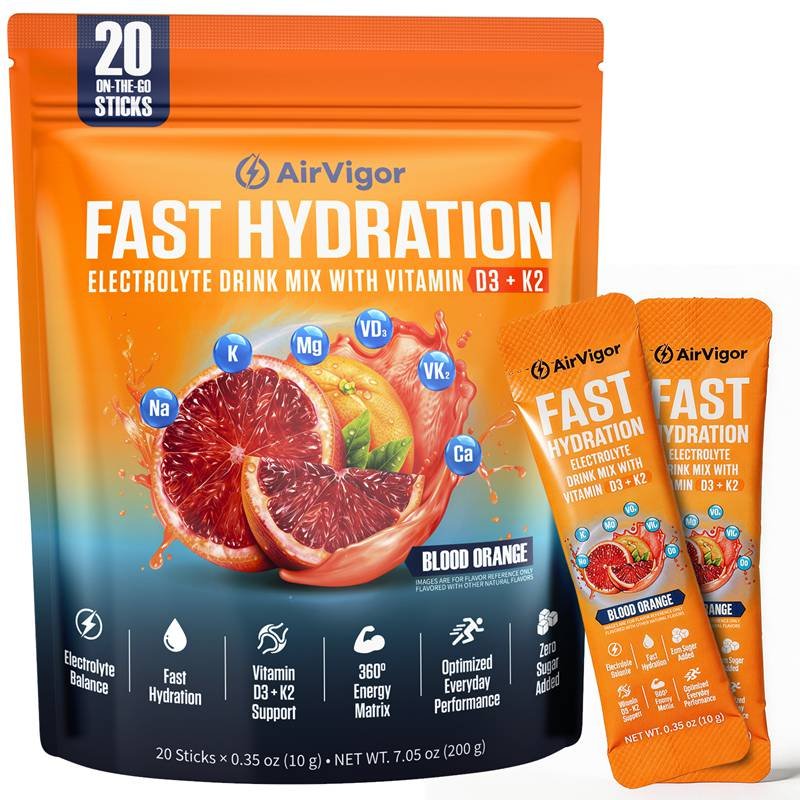
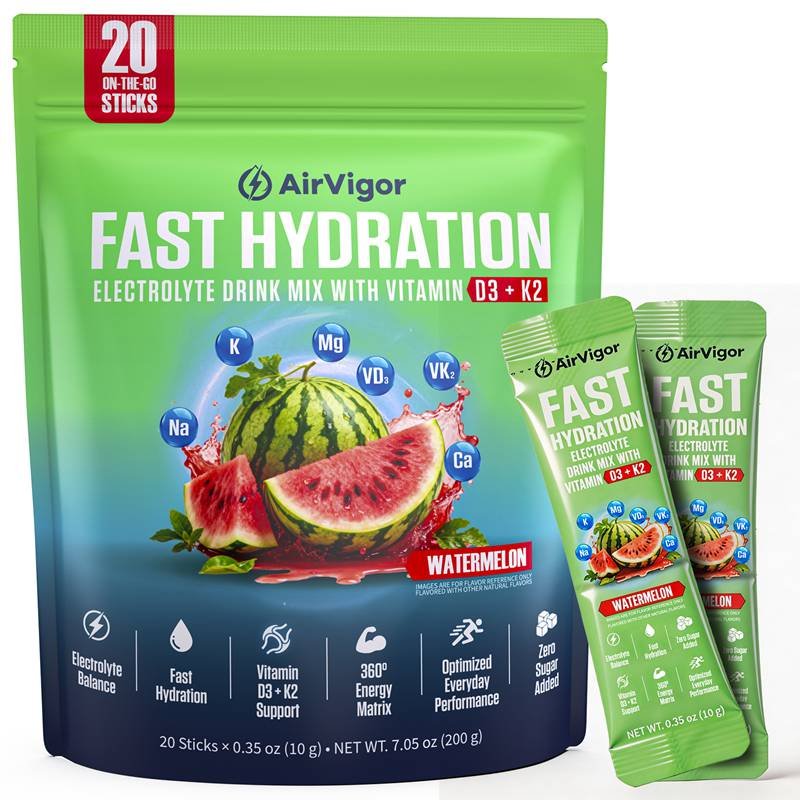
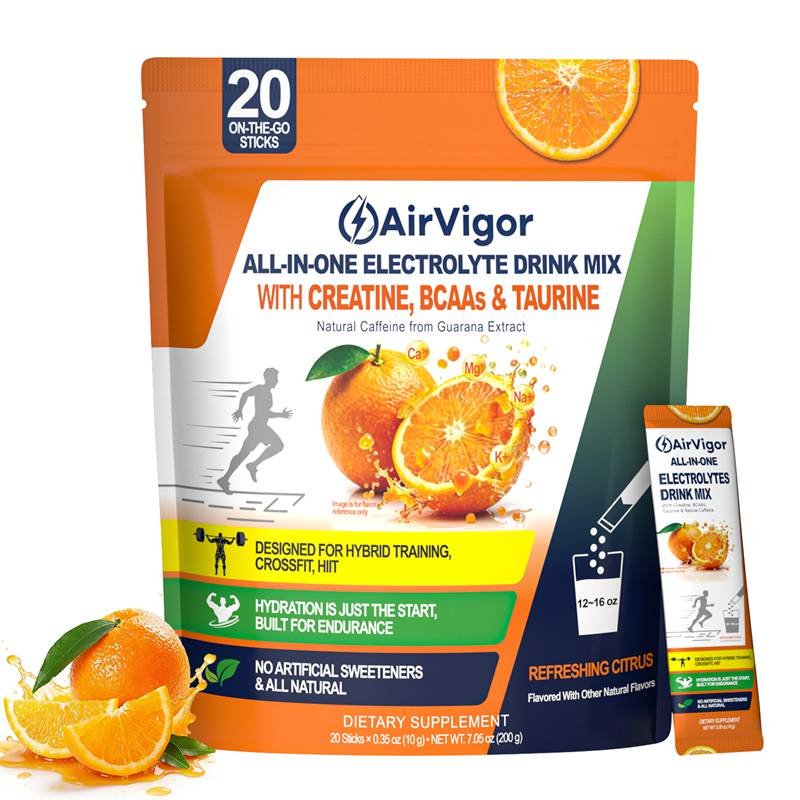
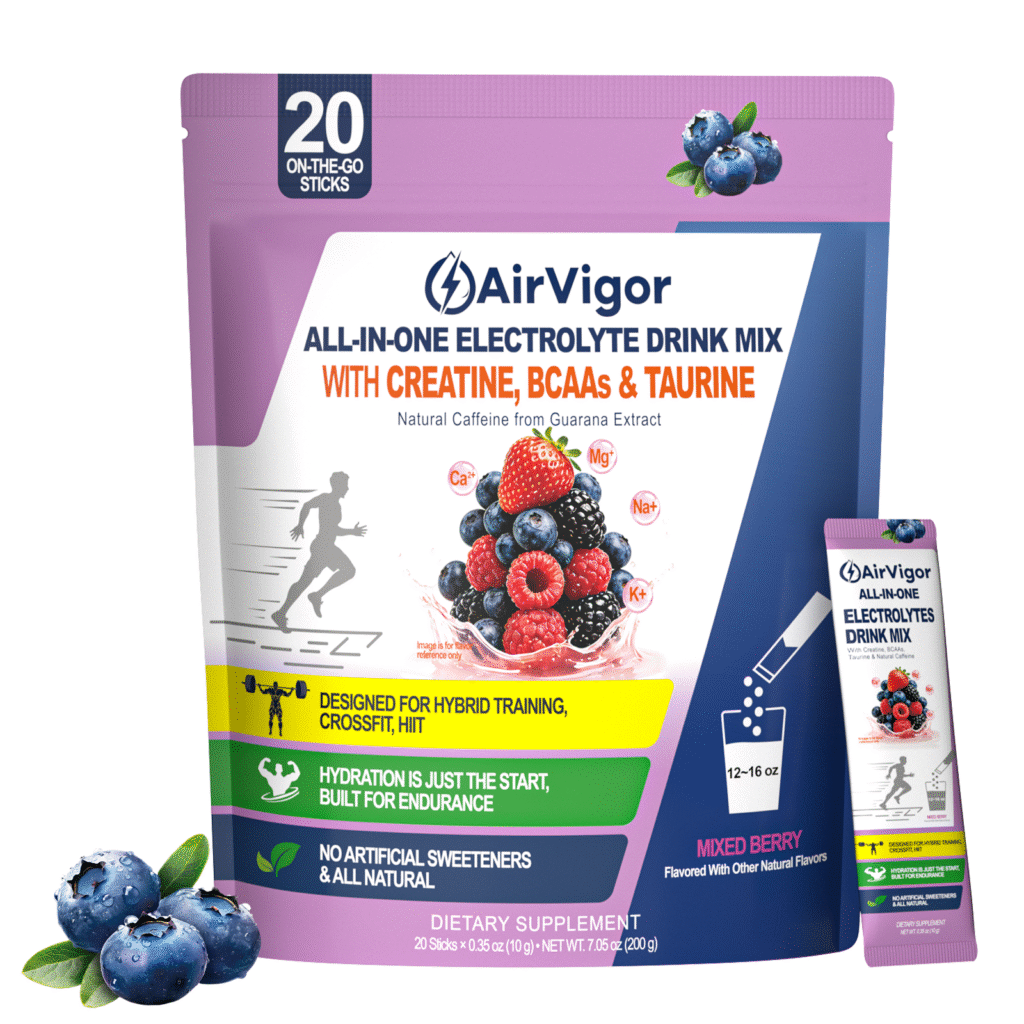
At AirVigor, hydration products are developed around how consumers actually live today. Many people are not looking for aggressive performance formulas. They want electrolyte powders and stick packs that feel easy to use during workdays, workouts, travel, summer heat, and active routines without turning hydration into something complicated.
Why Are More People Using Electrolytes?
More people are using electrolytes because modern routines make hydration harder to maintain than most people realize. Long work hours, frequent coffee intake, indoor air conditioning, workouts after work, travel, poor sleep, hot weather, and repeated sweating all increase fluid loss throughout the week. Many consumers eventually notice that drinking more water alone does not always help them feel fully hydrated, especially during stressful schedules or physically demanding days.
Are Electrolytes Only for Athletes?
Electrolytes used to be associated almost entirely with sports performance, but that perception has changed dramatically. Many regular electrolyte users today are not athletes at all. They are office workers, parents, travelers, students, shift workers, hikers, and people simply trying to feel more stable during busy routines where hydration often gets ignored until headaches, fatigue, or exhaustion start appearing later in the day.
Modern life quietly creates constant low-level dehydration pressure. A typical week may include multiple coffees every day, hours inside dry indoor air, commuting, inconsistent meals, poor sleep, stressful schedules, and workouts squeezed into already exhausting evenings. None of these situations alone may seem serious, but together they can leave people feeling physically drained far more often than they expect.
This is one reason many consumers first become interested in electrolytes after noticing recurring patterns instead of dramatic dehydration symptoms. Workouts feel heavier than they used to. Summer afternoons suddenly feel exhausting. Long flights leave the body feeling depleted for an entire day afterward. Some people feel thirsty all evening despite drinking water throughout the day. Others simply notice that recovery feels slower during busy weeks.
| Modern Routine | Common Hydration Challenge |
|---|---|
| Multiple coffees daily | Inconsistent water intake |
| Air-conditioned offices | Dry indoor environments |
| Evening workouts | Training while already dehydrated |
| Frequent travel | Sleep disruption and fluid loss |
| Hot weather | Increased sweating throughout the day |
Consumers increasingly connect hydration with energy, recovery, travel comfort, and overall daily well-being rather than only sports performance. Many people are not trying to optimize athletic output. They simply want normal routines to feel easier and less physically draining.
Why Are Sugar-Free Electrolytes Growing So Fast?
Sugar-free electrolytes have grown rapidly because hydration habits have changed significantly over the last few years. Traditional sports drinks were largely built around endurance athletics and high carbohydrate intake, but most consumers today are not training for hours at a time. Someone attending a short gym session, walking outdoors during summer, working long office hours, or traveling for work usually does not want a drink that feels overly sweet or heavy.
Many consumers also describe older sports beverages as difficult to use consistently because flavor fatigue builds quickly. A product may taste fine after a hard workout, but drinking the same intensely sweet formula several times per week often becomes unpleasant.
Modern hydration customers now pay much closer attention to:
- sugar levels
- calorie content
- ingredient transparency
- flavor experience
- repeat daily usability
| Consumer Preference | Why It Matters |
|---|---|
| Lower sugar | Easier long-term hydration habits |
| Light flavor | Less flavor fatigue |
| Cleaner ingredients | Better wellness positioning |
| Portable formats | Fits modern schedules |
Hydration products today compete more with wellness supplements than traditional sports drinks. Consumers want products that feel refreshing, practical, and realistic for repeated use during workdays, travel, outdoor activities, and normal daily routines.
As electrolytes become part of everyday hydration habits instead of occasional workout recovery, people naturally begin preferring formulas that feel lighter and easier to drink consistently.
How Are Electrolytes Part of Daily Wellness?
Hydration has gradually become part of broader wellness culture because people increasingly notice how strongly hydration affects energy, recovery, focus, travel comfort, and overall physical comfort throughout the day.
Many consumers now use electrolytes during situations that have nothing to do with competitive sports. Someone may drink electrolytes during long office days to maintain hydration after several coffees. Travelers often use them during flights or vacations because dehydration tends to build quickly during busy travel schedules. Others use them after outdoor walks, gym sessions, hot weather exposure, or sauna use because recovery simply feels smoother afterward.
A normal modern week often combines long work hours, commuting, poor sleep, exercise, heat exposure, caffeine, travel, and inconsistent eating schedules all at the same time. Under these conditions, hydration becomes much harder to maintain consistently than most people expect.
| Daily Situation | Why Electrolytes Are Commonly Used |
|---|---|
| Morning hydration | Rehydrating after sleep |
| Workdays | Supporting consistent fluid intake |
| Gym sessions | Replacing sweat loss |
| Flights and travel | Combating dry environments |
| Outdoor activities | Managing sweat and heat exposure |
Convenience plays a major role in this shift. Electrolyte powders and stick packs fit naturally into modern routines because they are lightweight, portable, and easy to carry inside backpacks, handbags, office drawers, gym bags, and carry-ons. Hydration becomes much easier to maintain when products are available exactly when people need them.
Many consumers now view electrolytes less as sports nutrition and more as part of maintaining stable daily routines. People are not necessarily looking for extreme performance benefits. They want fewer headaches during travel, smoother recovery after workouts, better hydration during summer weather, and more consistent energy throughout demanding weeks.
That is why electrolytes have expanded far beyond gyms and endurance sports. Modern consumers increasingly view hydration as part of feeling functional, comfortable, and physically balanced during everyday life.
Conclusion
Electrolytes are no longer viewed only as sports nutrition products for professional athletes or intense training sessions. For many people today, hydration has become part of managing normal daily life. Workouts, travel, hot weather, long office hours, caffeine intake, poor sleep, and busy schedules all make hydration harder to maintain consistently than most consumers realize.
How often someone should use electrolytes depends heavily on lifestyle, activity level, climate, sweat loss, and daily routines. Some people may only need electrolytes occasionally during workouts, flights, or outdoor activities, while others naturally benefit from more regular hydration support throughout active or demanding weeks.
One of the biggest shifts happening in the hydration industry is that consumers no longer want products designed only for extreme sports situations. Most people simply want hydration products that feel practical enough for real life. They want formulas that taste refreshing, travel easily, mix quickly, feel lighter than traditional sports drinks, and fit naturally into routines they can actually maintain long term.
That is why electrolyte powders and stick packs continue growing rapidly across wellness, fitness, travel, and active lifestyle categories. Consumers increasingly care about hydration products that support consistency, comfort, recovery, and everyday energy rather than only athletic performance.
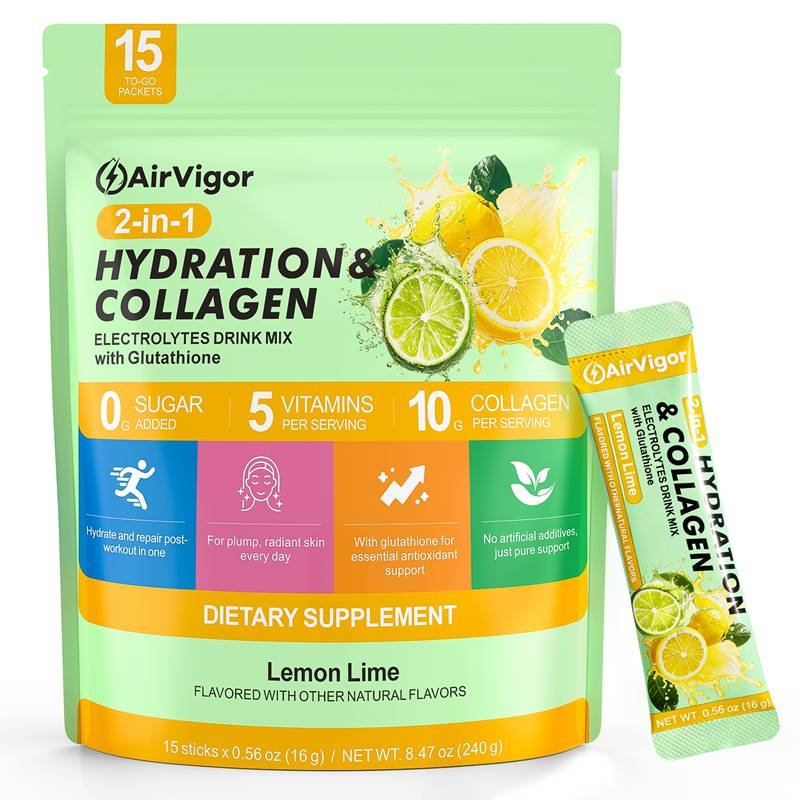
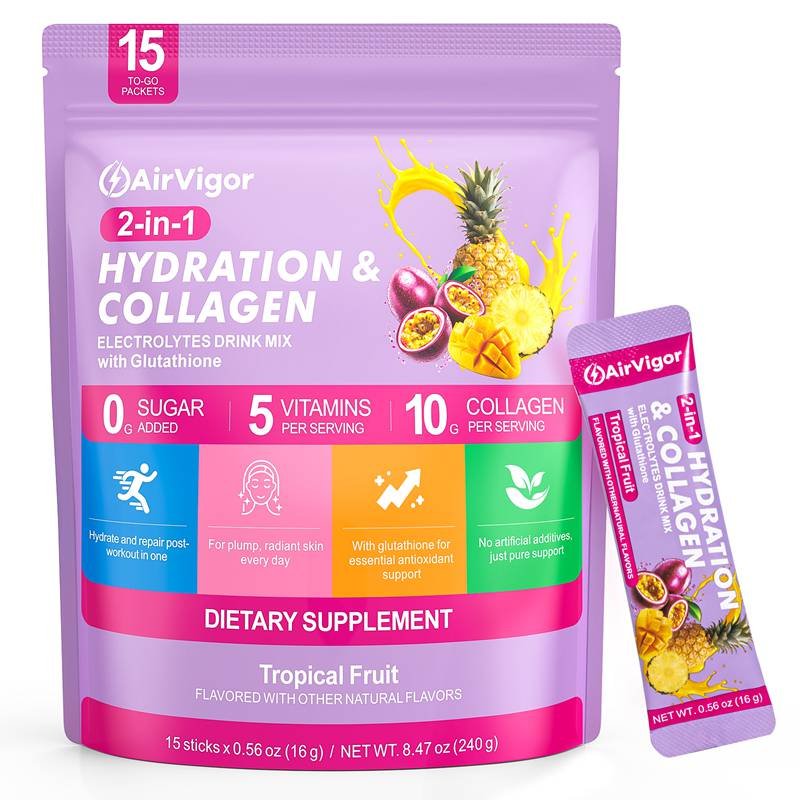
At AirVigor, we develop hydration supplements around how modern consumers actually live today. Whether the goal is a ready-to-launch electrolyte product, collagen hydration blend, creatine electrolyte stick pack, or a custom hydration formula, the focus is always the same: creating products people genuinely enjoy using repeatedly during workdays, workouts, travel, summer weather, and everyday wellness routines.
As hydration continues becoming part of broader daily wellness habits, brands that prioritize convenience, enjoyable flavor, balanced formulas, and realistic everyday usability will likely continue standing out in the growing electrolyte market.