Skip to content
Should You Use Electrolyte Powder for Evening Workouts: A Scientific Guide
# Your Trusted Dietary Supplement Brand In US
- Emily

Table of Contents
Evening workouts create a different hydration problem than morning workouts. By the time many people train after work, they are not starting fresh. They may already be carrying the effect of a full day of coffee, missed water, commuting, warm weather, light dehydration, or simply not paying much attention to fluids. Mayo Clinic notes that if you do activities that make you sweat, you need extra water to replace fluid loss, and that hot or humid weather raises hydration needs further. What makes evening training tricky is that the workout is only part of the hydration story; the rest of the day matters too.
Electrolyte powder can help before evening workouts, but not for every session. Harvard says plain water is usually the best choice when exercise is less than one hour, lower in intensity, and done in moderate temperatures. Electrolytes become more useful when the session is longer, hotter, or sweat-heavier, or when the day has already left you under-hydrated before training even begins. That is why the better question is not “Is it evening?” but “What kind of evening workout am I actually walking into?”
That distinction matters because most people are not really asking a lab-style question. They are asking a routine question: What should I drink at 6 p.m. so I feel better, not heavier? Once you frame it that way, the answer becomes much more useful. Evening hydration is not about choosing the strongest drink. It is about matching the drink to the session, the weather, and the physical cost of the day that came before it.
What Does Electrolyte Powder Do Before Evening Workouts?
Electrolyte powder does not replace water. It changes what water does by adding minerals that support fluid balance and muscle function. Before evening workouts, that matters most when the body is not coming into training fully hydrated, especially if heat, sweat, or a draining day has already increased fluid stress.
What does electrolyte powder do in the body?
Electrolyte powder adds minerals such as sodium, potassium, chloride, and sometimes magnesium to the water you drink. Harvard explains that sports and electrolyte drinks are built to replace fluids and electrolytes such as sodium, potassium, magnesium, and calcium lost during strenuous exercise. ACSM also emphasizes that electrolytes are part of the body’s fluid-balance system, not just a sports-marketing idea. In practical terms, electrolyte powder is a way of changing the mineral profile of your drink, not just the flavor.
For evening exercisers, this matters because the body may begin the workout with less margin than it had earlier in the day. If someone has already gone eight or ten hours with inconsistent fluid intake, then pre-workout hydration is not just about adding liquid. It may also be about making that fluid more supportive under heat or sweat stress. That still does not mean every person needs electrolytes before and after a workout. It means the powder becomes more relevant when the workout is demanding enough that plain water may not feel like the full answer.
A simple comparison makes the difference easier to see:
| What the body needs before training | What water does | What electrolytes can add |
|---|---|---|
| Basic hydration | Adds fluid | Often enough for easier sessions |
| Fluid balance under sweat stress | Helps, but may be limited | Adds minerals that support fluid balance |
| Rehydration after a draining day | Helps restore fluid | May feel more supportive if sweat and salt loss are involved |
That is why electrolyte powder is best understood as a conditional tool, not an automatic upgrade for every bottle.
How does electrolyte powder support evening hydration?
Evening hydration is different because the body has already been “used” all day. Mayo Clinic keeps the baseline simple: drink fluids before, during, and after exercise, especially if you are sweating. ACSM becomes more specific in hot conditions, noting that about 500 milligrams of sodium 90 minutes before exercise in the heat can help maintain fluid and electrolyte balance and delay dehydration. That is one of the clearest reasons electrolyte powder can make more sense before an evening workout than it would before a light session in better conditions.
This matters because many after-work exercisers are not beginning from an ideal hydration baseline. The workout may not even be the hardest part of the hydration problem. The office, traffic, sun exposure, missed meals, and low water intake may have done most of the damage already. In those cases, a correctly mixed electrolyte drink can sometimes feel more supportive than plain water alone. But the keyword is sometimes. If the workout is short and the conditions are mild, water is still often enough. A better routine is based on what the workout and the day actually demand, not on the idea that evening training always needs extra help.
A practical guide looks like this:
| Evening workout situation | Water often enough? | Electrolytes may help more? |
|---|---|---|
| Easy indoor session after a normal day | Usually yes | Often no |
| Moderate session in warm conditions | Often yes | Sometimes |
| Long run or ride after a hot day | Sometimes not | Often yes |
| Heavy-sweat outdoor session | Sometimes not | Often yes |
This is a much more useful rule than “always use electrolytes after work.”
Why does electrolyte powder feel different from water?
Electrolyte powder can feel different from water because it changes both the mineral content and often the taste intensity of what you drink. AHA points out that electrolyte products vary widely in sodium, potassium, magnesium, sugar, and calories. That means two products can both be called “electrolyte drinks” and still feel very different in the mouth, the stomach, and the workout itself.
For evening training, this matters because many people confuse a stronger taste with a better formula. But a stronger taste may simply mean the drink is more concentrated, saltier, sweeter, or heavier. Sometimes that matches the workout. Sometimes it only makes the pre-workout drink feel like too much after a long day. The better question is not whether the drink felt strong. The better question is whether the formula actually matched the session and the way your body felt before it started.
A useful decision guide helps:
| What you notice in the drink | What it may really mean |
|---|---|
| Very strong taste | The drink may be more concentrated |
| Very sweet feel | The formula may be heavier than needed |
| More noticeable effect on hot days | The workout may be creating real fluid stress |
| No clear benefit on short mild sessions | Water may have been enough |
That is why “different” does not automatically mean “better.” It often just means the formula is built for a different level of demand.
Do You Need Electrolyte Powder Before Evening Training?
Not always. For many evening sessions, plain water is enough. Electrolyte powder becomes more useful when the workout is long, hot, sweat-heavy, or when the day has already made hydration harder than usual. The workout matters, but so does what came before it.
Do you need electrolyte powder before evening workouts?
For many people, no. Harvard’s guidance is one of the clearest here: for exercise under one hour, lower in intensity, and in moderate temperatures, plain water is usually the best choice. That rule applies in the evening just as much as it does at any other time of day. The clock itself does not create an electrolyte need.
What changes the answer is the combination of the session and the day. If the workout is easy, indoors, and short, water is usually enough. But if the day has been hot, the workout is longer, or the session is likely to produce heavy sweat, electrolyte powder starts to make more sense. ACSM’s heat-specific sodium guidance supports exactly that kind of selective use. It is not about evening training being special. It is about the hydration burden being higher.
A practical comparison helps:
| Evening session | Water often enough? | Electrolytes may make more sense? |
|---|---|---|
| 30-minute easy gym workout | Usually yes | Often no |
| 45-minute moderate session in mild weather | Often yes | Sometimes no |
| 75-minute run after a hot day | Sometimes not | Often yes |
| Long outdoor conditioning session | Sometimes not | Often yes |
That is why the more useful question is not “Do I train at night?” It is “What kind of night workout is this?”
Is water enough after a normal workday?
For many people, yes. Mayo Clinic’s hydration advice stays very direct: drink fluids before, during, and after exercise, and replace what you lose through sweat. On a normal day followed by a moderate workout, that often still means water is the right first answer. The existence of electrolyte powders does not make water outdated.
This is important because many people treat late-day fatigue as proof that they need electrolytes. But fatigue after work can come from many things: low fluid intake, too much caffeine, poor sleep, small meals, mental stress, or simply the fact that it is the end of the day. Electrolyte powder is most useful when the body is clearly dealing with a hydration challenge, not just because the person feels mentally tired. A smarter evening hydration routine separates general tiredness from actual hydration strain.
A useful “water first” guide helps:
| After-work condition | Water often enough? |
|---|---|
| Mild indoor day + moderate workout | Usually yes |
| Regular meals + cool weather | Usually yes |
| Long hot day + sweaty session ahead | Sometimes not |
| Heavy sweat already before training | Sometimes not |
This is one reason plain water still deserves more credit than hydration marketing often gives it.
Which evening sessions make electrolytes more useful?
The sessions that make electrolytes more useful are usually the ones that involve longer duration, higher sweat loss, or hotter conditions. ACSM specifically links sodium support to heat and fluid balance before exercise. Harvard points to longer and harder sessions in hotter conditions as stronger cases for electrolyte drinks.
This matters because not all evening workouts deserve the same hydration strategy. A 25-minute strength session in an air-conditioned gym is not the same as a 90-minute outdoor run after a hot day. The more demanding the workout is on fluid balance, the more electrolyte powder can earn its place. The less demanding the session is, the more likely it is that water remains enough. This is exactly why the strongest product education is specific. A formula should sound like it belongs to the right sessions, not to every session.
A practical decision table helps:
| Evening session | Water first? | Electrolytes more useful? |
|---|---|---|
| Easy recovery session | Yes | Often no |
| Moderate workout in cool weather | Yes | Sometimes no |
| Long workout over 60 minutes | Yes | Often yes |
| Hot, humid, sweat-heavy evening session | Yes, but may not be enough alone | Often yes |
That is why a better evening hydration strategy is based on workload and conditions, not on the fact that the workout happens after work.

When Should You Drink Electrolyte Powder for Evening Workouts?
The best timing depends on two things at once: what the workout will demand, and what the rest of the day has already done to your hydration. That is what makes evening sessions different. A person training at 6 p.m. may already be carrying the effects of missed water, coffee, long meetings, commuting, heat exposure, or a generally dry day. At the same time, not every evening session needs a sports-style drink. Harvard’s guidance still gives the clearest baseline: for workouts under an hour, lower in intensity, and done in moderate temperatures, water is usually the best choice. Electrolytes become more useful as duration, heat, and sweat loss go up.
When should you drink electrolyte powder before training?
Before training is usually the most useful timing when the evening workout is clearly going to challenge hydration. That often means a longer run after work, outdoor conditioning in warm weather, a humid class, or any session where you already know you will sweat heavily. Mayo Clinic’s exercise guidance recommends drinking fluid before exercise, and ACSM notes that sodium before exercise in the heat can help maintain fluid and electrolyte balance and delay dehydration. That makes pre-workout electrolyte use more logical when the body is already a little behind, and the session is likely to take more out of it.
This matters because evening exercisers often do not start from an ideal baseline. The workout may not even be the hardest part of the hydration problem. The office, traffic, sun exposure, missed meals, and low water intake may have done most of the damage already. In those cases, a correctly mixed electrolyte drink can sometimes feel more supportive than water alone. But the smarter rule is still selective use, not automatic use. If the workout is short and mild, water is often enough. If the day has already been draining and the session will add more sweat loss, electrolyte powder becomes easier to justify.
A practical guide helps:
| Evening session | Water first? | Electrolytes before training may make more sense? |
|---|---|---|
| Easy indoor workout under 45 minutes | Yes | Often no |
| Moderate workout in cool weather | Yes | Sometimes no |
| Long run or ride after a hot day | Yes | Often yes |
| Hot, sweat-heavy outdoor session | Yes | Often yes |
That is a better rule than “always drink electrolytes after work.”
Can you drink electrolyte powder during evening workouts?
Yes, especially when the evening session is long enough or sweaty enough that hydration needs continue once the workout starts. Mayo Clinic recommends drinking during exercise, and NATA-style hydration guidance supports regular fluid intake during longer sessions rather than waiting until you feel clearly depleted. In practical terms, this becomes more relevant as the workout gets longer, hotter, or more physically demanding.
This matters because many people assume mid-workout electrolyte use is only for endurance athletes. It is not. A long, humid evening run, a hard outdoor bootcamp, or a high-sweat team session can make during-workout hydration support very practical, even for recreational exercisers. At the same time, not every 35-minute gym session needs sipping electrolytes between sets. The better rule is to match the drink to the duration, conditions, and sweat rate instead of copying race-day habits from extreme sports. That keeps the routine useful without making it heavier than it needs to be.
A useful guide looks like this:
| Evening training type | Mid-session electrolytes often needed? |
|---|---|
| Short easy workout | Often no |
| Moderate 45-minute indoor session | Sometimes no |
| Long run or ride | Often yes |
| Hot heavy-sweat session | Often yes |
That is why “during training” should respond to workout load, not become a fixed habit.
Should you drink electrolyte powder after evening sessions?
Sometimes yes, especially when the session leaves you clearly depleted. Mayo Clinic’s recovery guidance focuses on replacing fluid lost through sweat, and Harvard’s broader hydration logic supports stronger rehydration when the session is longer, hotter, or more draining than usual. Post-workout electrolyte powder makes the most sense when the body has clearly lost more than ordinary fluid alone.
This matters because many people automatically reserve electrolyte powder for after the workout, even when the more useful timing might have been before or during it. Post-workout use is strongest when the session was long, hot, and clearly sweat-heavy. If dinner is coming soon, the workout was moderate, and sweat loss was not extreme, water plus a normal meal may be enough. If the session was long and hot, electrolytes after training can make more sense because they match the recovery problem more directly. The key is not to treat post-workout powder as a ritual. It is to decide whether the body actually lost enough fluid and minerals to justify it.
A practical recovery guide helps:
| After-session situation | Post-workout electrolytes often useful? |
|---|---|
| Short indoor session + dinner soon | Often no |
| Long sweaty workout | Often yes |
| Hot outdoor evening training | Often yes |
| Mild session with little sweat | Often no |
That is why the smarter timing question is not just “before or after?” It is “where in this session does hydration support matter most?”
How Much Electrolyte Powder Should You Use?
The safest starting point is still the serving size on the label. There is no single scoop size that fits every formula because electrolyte powders differ widely in sodium, potassium, sugar, calories, and total concentration. The most practical rule is simple: start with one labeled serving mixed exactly as directed, then let the workout length, heat, and sweat rate determine whether that was enough. AHA warns that products vary a lot, and more is not automatically better.
How much electrolyte powder should you use before training?
For most people, one serving before training is the clearest starting point when the session actually justifies electrolytes. If the workout is short and easy, you may not need any at all. If the session is longer, hotter, or starts after a draining day, one properly diluted serving is usually a far more sensible starting point than doubling up. ACSM’s note about sodium before exercise in the heat is useful because it shows that pre-workout sodium has a place, but only in the right conditions.
This matters because evening exercisers often try to “make up” for the whole day right before training. That can lead to oversized servings and drinks that are too concentrated. But hydration support is not improved just because the bottle tastes stronger. If the workout is moderate and the conditions are mild, one standard serving may already be more than enough. If the workout is long and hot, one serving is still the best starting point, with extra fluid needs handled according to the session rather than by guesswork. That approach is easier on the body and much more repeatable across a real training week.
A practical starting guide helps:
| Evening training situation | Sensible starting point |
|---|---|
| 30-minute easy session | Water often enough |
| 45-minute moderate session in cool weather | Water first, electrolytes sometimes not needed |
| Long or hot session | One labeled serving may make sense |
| Heavy-sweat outdoor session | One labeled serving is a realistic starting point |
That is a stronger rule than “double it if you feel depleted.”
How much water should you mix with it?
The best answer is still: start with the exact water amount on the package. That is the most reliable rule because formulas vary too much for one universal water amount. If you use less water than directed, the drink becomes more concentrated. If you use more, it becomes lighter and more diluted. Because products differ so much in mineral and sugar content, following the label first is the best way to get the intended formula balance.
This matters even more before an evening workout because many people are already hungry, thirsty, or mentally tired after work. A drink mixed too strongly may feel heavier, sweeter, or saltier than intended. A drink mixed as directed is much easier to judge fairly. If it still feels too strong when prepared correctly, the product may simply be too concentrated for your routine. That is a better conclusion than trying to “fix” every powder by changing the dilution before you have even tested it the way it was designed to be used.
A simple mixing guide helps:
| Mixing choice | What usually happens |
|---|---|
| Less water than directed | Stronger taste, more concentrated drink |
| Label water amount | Intended balance |
| More water than directed | Lighter taste, more diluted drink |
That is why the label direction should always be the first move, especially when energy and judgment may already be lower at the end of the day.
Do you need more after hot evening workouts?
Sometimes yes, but only when the workout and conditions actually justify it. Heat changes the hydration decision much more than the fact that the session is happening in the evening. ACSM highlights sodium support in the heat, and Mayo’s recovery advice on replacing fluid after sweating points to the same idea: hotter sessions with more sweat loss deserve stronger rehydration support than mild sessions do.
This matters because many people assume evenings are automatically cooler and therefore easier to hydrate. That is not always true. In hot climates, the pavement may still be radiating heat, humidity may still be high, and the body may already be carrying fluid strain from the rest of the day. In that setting, a second serving after a clearly depleting workout may make sense. But on a mild evening with moderate sweat loss, extra servings may simply add more sodium, sugar, or sweetness than the session requires. The better rule is to match intake to what the workout and weather actually cost you, not to the feeling that a hard day always needs more powder.
A practical heat guide helps:
| Evening condition | Need for electrolytes |
|---|---|
| Cool indoor session | Often low |
| Mild outdoor session | Sometimes low |
| Hot humid evening workout | Often higher |
| Long sweat-heavy session in heat | Often clearly higher |
That is why the better question is not “Do I train at night?” It is “How much hydration strain did this workout and this day actually create?”
Which Mistakes Should You Avoid?
The biggest mistake is turning electrolyte powder into an automatic after-work habit instead of a response to what the workout and the day actually require. Harvard says plain water is usually the best choice for workouts under an hour at lower intensity in moderate temperatures, while the American Heart Association warns that electrolyte products vary widely and that more is not always better. That means the smartest evening use is not “every session, every time.” It is used when the session, weather, and sweat loss justify it.
Can you use too much electrolyte powder?
Yes. This is one of the easiest mistakes to make with evening training because people often feel drained after work and assume a stronger drink must be the better answer. But the AHA notes that products differ a lot in sodium, potassium, magnesium, sugar, and calories, and it also warns that excess electrolytes can become a problem. Cleveland Clinic makes the same point in more direct language: sports drinks and electrolyte drinks are specialty products, not something to grab whenever you are simply thirsty.
For customers, overuse usually happens quietly. One serving becomes two because the day felt long. A strong bottle becomes the default because the taste feels more effective. But if the workout is short and moderate, extra powder may not improve hydration at all. It may simply add more sodium, sweetness, or calories than the session calls for. Harvard’s “water is usually enough” rule for shorter moderate sessions is a good anchor because it reminds people that not every after-work workout needs a more aggressive hydration strategy.
A simple check helps:
| Habit | Why it can backfire |
|---|---|
| Double-serving before a light evening workout | May add more sodium or sweetness than the session needs |
| Using electrolytes after every workday by default | Turns a situational tool into a reflex |
| Replacing water with electrolyte drinks at night | Ignores that water is still the baseline for many sessions |
That is why the workout should drive the drink, not the other way around.
Is sugary electrolyte powder always better at night?
No. In many evening situations, it is not. The AHA points out that some electrolyte products are much higher than others in sugar and calories, and Harvard’s guidance makes clear that not every workout needs a sports drink. A sweeter formula may make sense for a longer, harder, more depleting session, but that does not automatically make it the best choice for a 40-minute evening lift or moderate cardio session.
This matters because evening users often want support without making the drink feel heavier than the workout requires. After a long day, an overly sweet formula can feel like too much, especially if dinner is coming soon or the session is not especially draining. A lighter, more balanced formula often fits evening use better because it supports hydration without making the whole routine feel more loaded than necessary. The better question is not “Does this taste like sports nutrition?” It is “Does this match what this session is likely to take out of me?”
A practical comparison helps:
| Formula style | Evening use case |
|---|---|
| Higher-sugar sports formula | Longer, harder, more depleting sessions |
| Moderate formula | Mixed-use workouts |
| Lighter or lower-sugar formula | Routine evening sessions, milder support, after-work use |
That is why “better” is not about sweetness. It is about fit.
What should you avoid before sleep?
If you train late, the biggest thing to avoid is turning post-workout hydration into a very heavy, overly concentrated, or unnecessary extra drink right before bed. This is less about a single universal bedtime rule and more about practicality. If the session was short and mild, piling on a large, sweet, concentrated drink late at night may simply feel like too much. If the workout was long, hot, and clearly depleting, then recovery hydration is easier to justify. The useful question is whether the session actually created a rehydration need large enough to carry into the late evening.
For many evening exercisers, late-night comfort matters almost as much as hydration logic. A correctly diluted, well-matched formula often feels easier to use than a product that is too sweet, too salty, or unnecessarily large. If the session ends close to bedtime, a lighter and more balanced approach is usually easier to repeat over time than a “max everything” sports-drink routine. That is one reason good evening formulas should feel practical, not excessive.
A quick comfort guide helps:
| Late-evening mistake | Why it matters |
|---|---|
| Mixing too strong | Can make the drink feel heavy late in the day |
| Using a high-sugar formula after a light session | May not match the recovery need |
| Treating all evening sessions the same | Ignores duration, heat, and sweat loss |
That kind of moderation usually produces a better routine than trying to make every night feel like race recovery.
How Can You Choose a Better Evening Formula?
A better evening formula is not simply the strongest one. It is the one that fits how evening training actually works: a full day already behind you, variable heat exposure, different sweat levels, and the practical need for hydration support that feels helpful instead of heavy. Harvard and ACSM together support a useful middle-ground view: water is often enough for shorter, easier sessions, while electrolytes make more sense as heat, duration, and sweat loss increase. That makes formula selection a question of match, not intensity.
Which electrolytes matter most for evening training?
For evening training, the most important electrolytes are usually sodium, potassium, and chloride, with magnesium adding broader support value. Sodium matters especially because ACSM specifically discusses its role in maintaining fluid and electrolyte balance before exercise in the heat. That makes it one of the clearest markers of whether a formula is built for real sweat-heavy sessions rather than just flavor.
For customers, this matters because many evening formulas are marketed broadly, but after-work training has its own needs. A powder that fits a long, humid run after a hot day is not necessarily the same powder that fits a short evening gym session. A better evening formula usually has a clear hydration purpose, not just an impressive label. If the product is positioned for running, cycling, classes, or outdoor evening training, the electrolyte profile should sound believable for those conditions. That usually builds more trust than simply loading the formula with extra ingredients.
A simple ingredient guide helps:
| Electrolyte | Why it matters for evening training |
|---|---|
| Sodium | Core fluid-balance support, especially after heat and sweat |
| Potassium | Helps round out electrolyte balance |
| Chloride | Supports hydration logic alongside sodium |
| Magnesium | Adds broader muscle and nerve support |
That kind of structure is what makes a powder feel purposeful instead of generic.
What makes the formula feel balanced?
A balanced evening formula usually has three qualities: a clear electrolyte base, a sweetness level that fits after-work use, and a believable use case. It should not feel like a marathon drink if the session is only 35 minutes. It should not feel like plain flavored water if the workout is a hot, sweaty run after a draining day. The strongest evening formulas usually sit in the middle: supportive enough for harder nights, but light enough to use without making the whole session feel heavier than it needs to be.
This matters because most evening users are not professional endurance athletes. They are people with real routines: finish work, hydrate, train, recover, and move into the rest of the evening. A formula that is too intense can feel excessive. One that is too weak can feel pointless. A better product is one that matches the real stress of evening training instead of borrowing the language of extreme performance for every customer. That is one reason balanced formulas often win more trust than aggressive ones. They sound like they belong in real life.
A practical checklist helps:
| What to check | Why it matters |
|---|---|
| Clear sodium amount | Shows real hydration intent |
| Reasonable sweetness | Helps determine whether it fits evening use |
| Straightforward serving size | Makes correct use easier |
| Clear heat / sweat use case | Helps users know when it matters most |
That is why a better evening formula often feels more precise, not more dramatic.
How can AirVigor position itself more clearly?
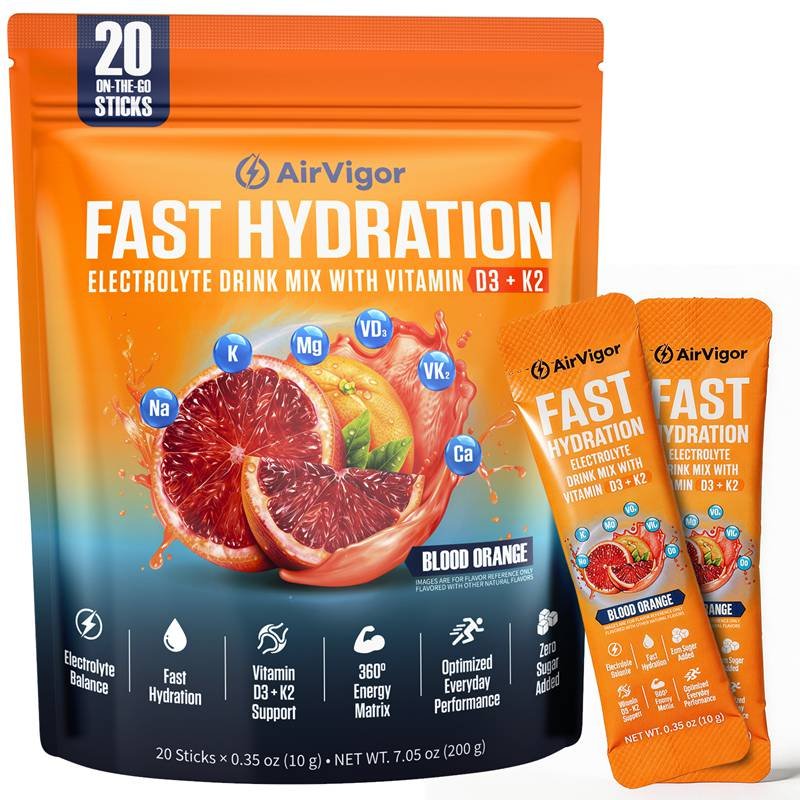
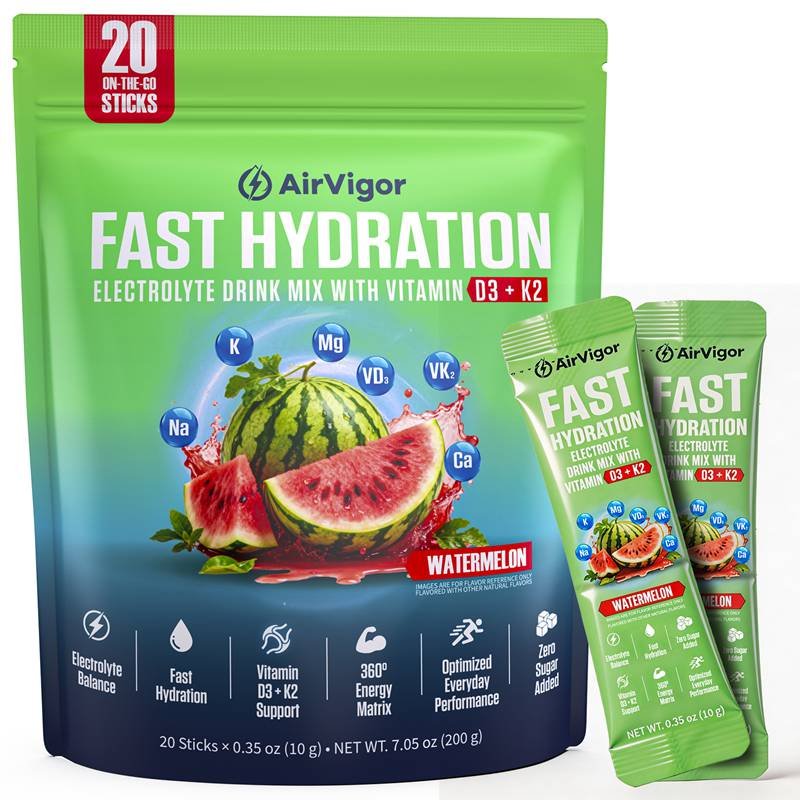
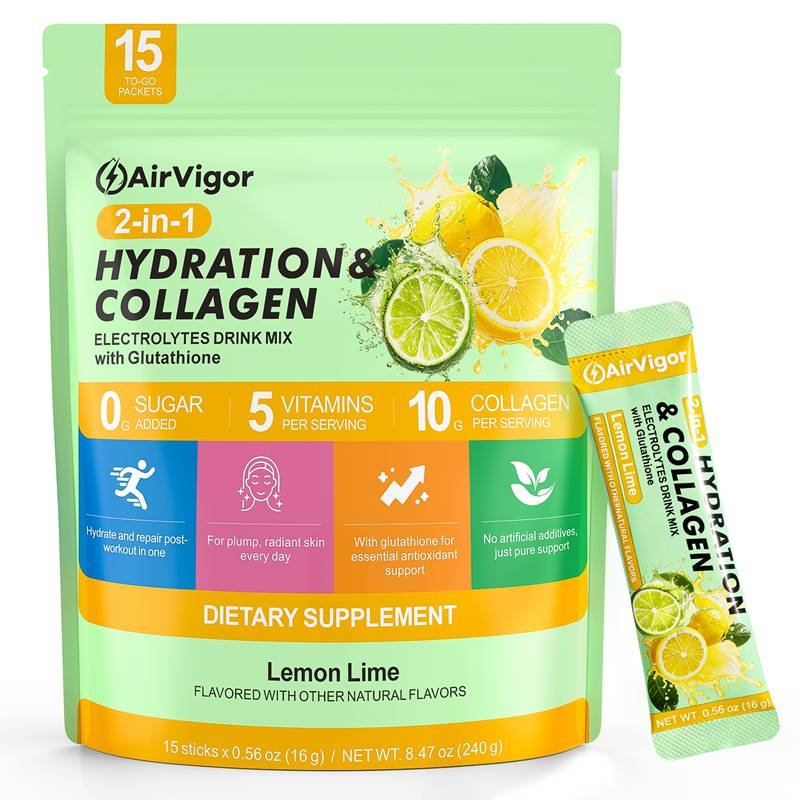
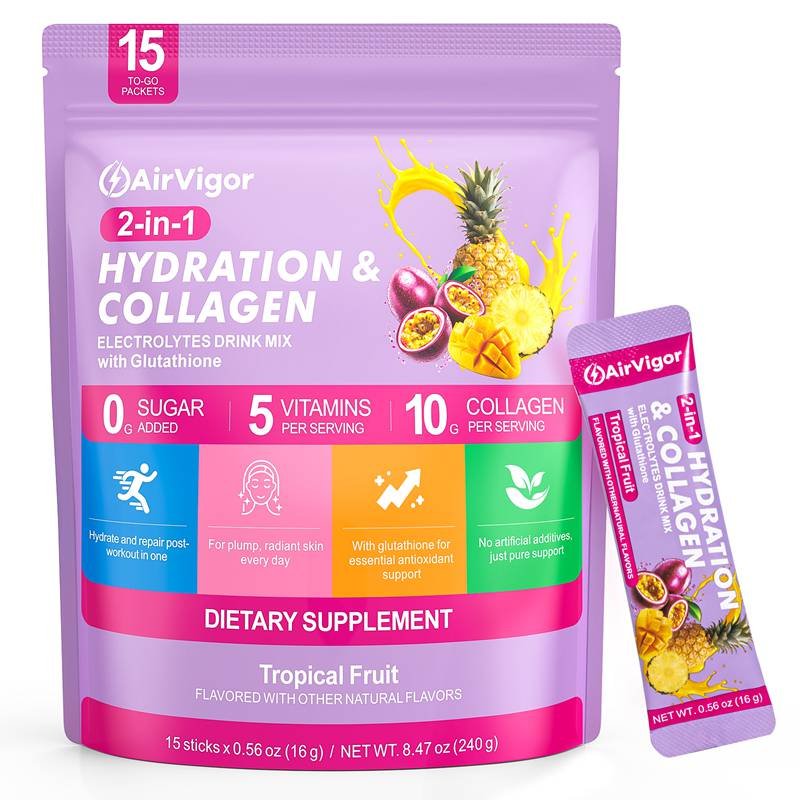
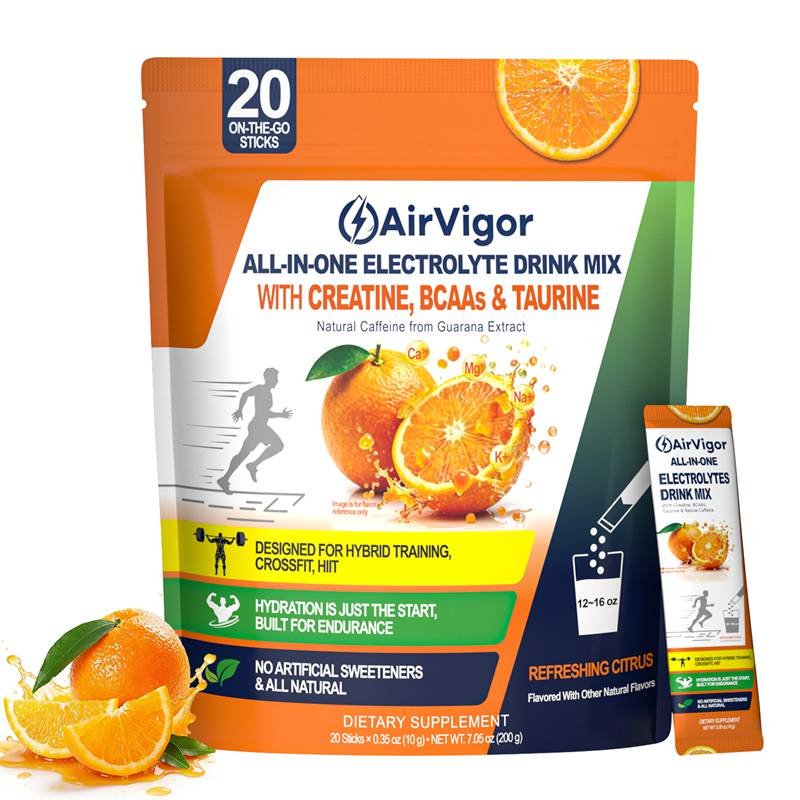
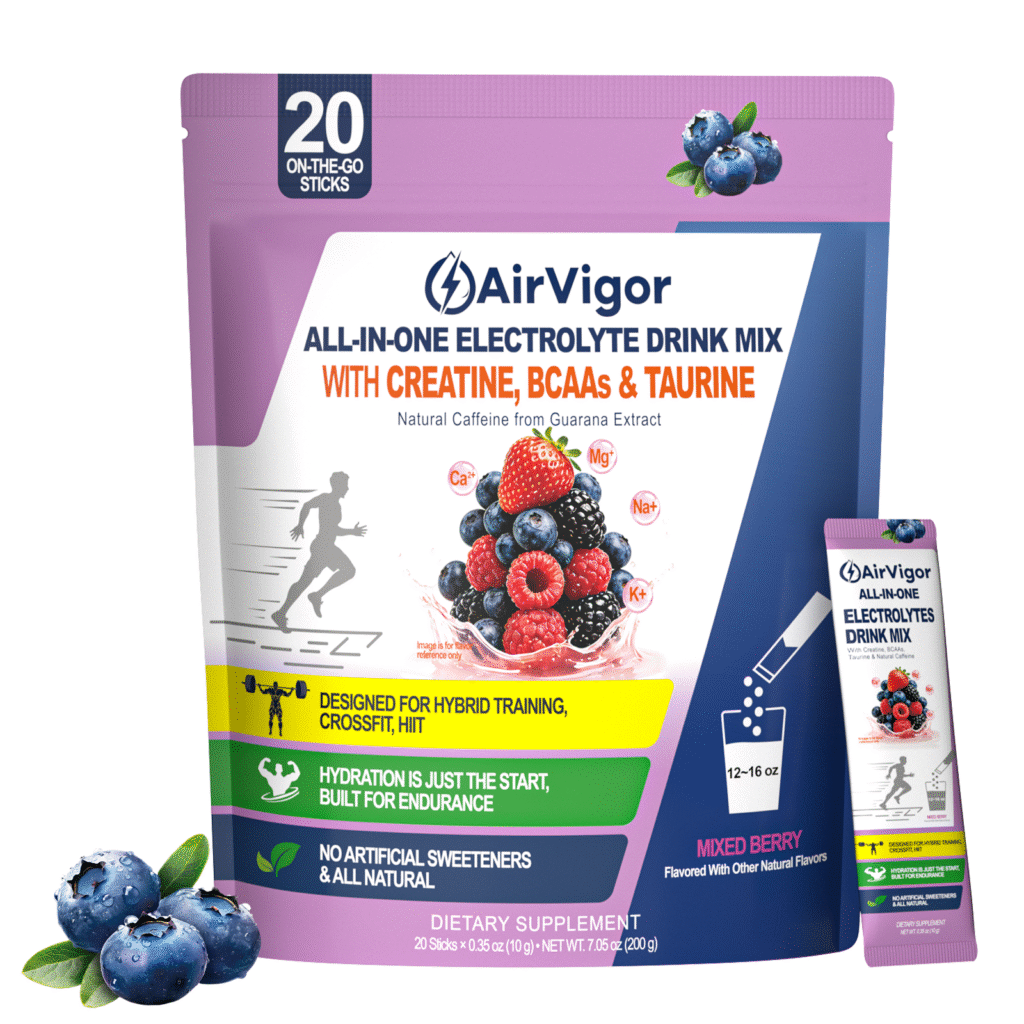
AirVigor can position an evening electrolyte powder more clearly by focusing on fit, not just strength. The strongest message is not “more electrolytes after work.” The stronger message is that the formula is built for the evenings when hydration is genuinely under more strain: hot outdoor training, longer sessions, higher sweat loss, and workdays that already left the body slightly behind before training even started. That lines up much better with Harvard’s, Mayo’s, ACSM’s, and AHA’s guidance than a blanket claim that every evening workout needs electrolyte powder.
For direct customers, that creates several natural positioning angles:
- lighter hydration support for after-work sessions
- more structured support for hot or sweat-heavy evenings
- a more balanced alternative to heavy sports drinks
- a practical formula for repeat evening routines
For OEM and ODM clients, it creates a stronger development path, too. Instead of building another generic sports drink, the concept becomes an evening-training hydration formula with a clear use case and a believable audience. That kind of clarity usually gives a product better commercial staying power, because customers understand immediately when it fits and when it does not.
A positioning comparison helps:
| Positioning style | How it sounds | Commercial strength |
|---|---|---|
| Generic sports hydration | For all workouts | Broad, but less specific |
| High-intensity endurance formula | For long and extreme sessions | Narrower fit |
| Evening workout support | For hot, sweaty, or longer after-work sessions | Strongest balance |
That is exactly where AirVigor can stand out: not louder, but more precise.
Final Thoughts
Electrolyte powder can be useful for evening workouts, but it is not something every after-work session automatically needs. Water is often enough for shorter, easier workouts in mild conditions. Electrolytes make more sense when the session is longer, hotter, sweatier, or when the day has already left you under-hydrated before training begins. That is the practical middle-ground view most consistent with Harvard, Mayo, ACSM, and AHA guidance.
That is why the best evening formula is usually not the most extreme one. It is the one that feels balanced, easy to use after a full day, and matched to the real demands of the session. For a brand like AirVigor, that creates a strong opportunity: not just another electrolyte product, but a better-designed formula for people who train in the evening and want hydration support that actually fits the way after-work workouts work.
Looking to Source a Better Formula or Build Your Own?
If you are looking for:
- an electrolyte powder for evening workouts
- a lighter formula for pre-workout hydration after work
- a better option for hot, sweat-heavy evening sessions
- a more balanced alternative to heavy sports drinks
- an OEM or ODM partner for custom evening hydration development
AirVigor can support both finished branded products and private-label or custom formulation projects. The strongest products in this category are the ones that solve a real training problem clearly, and that is exactly where a well-positioned, balanced evening formula can win.
Share:
Contact Expert Team
At AirVigor, performance becomes effortless. We transform advanced nutrition science into clean, effective supplements that help you hydrate, recover, and feel stronger every day. Shop AirVigor Supplements on Amazon and experience athlete-trusted formulas—backed by real science and supported by our world-class R&D and production capabilities.
Trust AirVigor
At AirVigor, turning your performance goals into reality is no longer a struggle—it’s a science-driven journey we build together. Whether you’re a runner, lifter, cyclist, yogi, outdoor athlete, or someone simply seeking better daily energy, AirVigor transforms advanced nutrition research into clean, effective, and trustworthy supplements you can feel.
Backed by our U.S. scientific team, global certifications, and world-class production standards, every formula is engineered to deliver real hydration, real recovery, and real performance. And when you’re ready to experience the difference, you’ll find AirVigor products available on Amazon and other major platforms—fast shipping, consistent quality, and a community of athletes already seeing results.
Behind the scenes, our R&D and manufacturing ecosystem also supports specialized formulation development, ensuring AirVigor continues to lead with innovation while keeping quality and safety uncompromised. But at the core, everything we create is built for you—your health, your performance, your momentum.
Choose AirVigor. Feel the science. Elevate your every day.


Subscribe to our newsletter
Sign up to our newsletter and we’ll keep you up to date with the latest arrivals.