Skip to content
Should You Use Electrolyte Powder for Early Morning Training: A Practical Guide
# Your Trusted Dietary Supplement Brand In US
- Emily

Table of Contents
Early morning training sounds simple until hydration gets involved. You wake up a little dry, your stomach is not ready for much, the session starts soon, and the weather may already be warm. Some people drink plain water and feel fine. Others swear they perform better with electrolytes before sunrise. The confusion comes from treating all morning workouts the same. They are not the same. A short indoor mobility session is very different from a 75-minute humid run. Harvard notes that plain water is usually the best choice for workouts under an hour at lower intensity in moderate temperatures, while ACSM highlights sodium and electrolyte support more clearly when heat and sweat loss rise.
Electrolyte powder can be useful before early morning training, but not for every session. It makes the most sense when the workout is long, hot, sweat-heavy, or part of a routine where you know hydration falls behind quickly. For shorter and easier sessions in mild conditions, water is often enough. Mayo Clinic also recommends drinking water before exercise, which reinforces that fluid itself still comes first.
That distinction matters because most people are not asking a sports-science question. They are asking a routine question: What should I drink before I train at 6 a.m. so I feel better, not heavier? Once you frame it that way, the answer becomes much more practical. Morning hydration is not about using the strongest product. It is about matching the drink to the session, the weather, and the way your body actually responds before breakfast.
What Does Electrolyte Powder Do Before Morning Training?
Electrolyte powder does not replace water. It changes what water does by adding minerals that support fluid balance and muscle function. Before early training, that can matter most when the session is long, hot, or likely to create meaningful sweat loss.
What does electrolyte powder do in the body?
Electrolyte powder adds minerals such as sodium, potassium, and sometimes magnesium or calcium to the water you drink. Harvard explains that electrolytes are important for hydration and for regulating nerve and muscle function, and that sodium, potassium, and calcium work together to help muscles contract properly.
For an early morning athlete or regular exerciser, this matters because you are not starting the session from a perfectly neutral place. After sleep, many people wake up slightly under-hydrated, and they have a limited window to correct it before they begin moving. That does not mean everyone needs a sports drink before sunrise. It means that when the workout is demanding enough, a fluid-plus-mineral drink can make more sense than plain water alone.
A useful way to understand this is to separate fluid from fluid handling:
| What your body needs before training | What water does | What electrolytes can add |
|---|---|---|
| Basic hydration | Adds fluid | No extra benefit if the session is light |
| Fluid balance under sweat stress | Helps, but may be limited | Supports water retention and mineral replacement logic |
| Muscle and nerve readiness | Indirect support | More direct support role |
That is why electrolyte powder is best understood as a tool for specific training conditions, not a mandatory morning ritual.
How does electrolyte powder support morning hydration?
Morning hydration is often harder than midday hydration because time is compressed. Mayo Clinic recommends drinking roughly 2 to 3 cups of water in the 2 to 3 hours before a workout and about 1/2 to 1 cup every 15 to 20 minutes during exercise. The problem is obvious: early morning exercisers often do not have a full two to three hours before training. They wake up, drink quickly, and head out.
That is where electrolyte powder can become more useful. ACSM says sodium before exercise in the heat can help maintain fluid and electrolyte balance and delay dehydration. In practical terms, that means a correctly mixed electrolyte drink may help some people feel more prepared for a hot, sweat-heavy session than plain water alone, especially if they know they lose a lot of salt in sweat or tend to feel flat early in the workout.
Still, the decision should stay tied to the session. For a short, easy workout in cool weather, the extra minerals may not matter much. For a long, humid run, they may matter a lot more. That is the middle ground many people need: not “electrolytes are always better,” but “electrolytes are more useful when morning hydration is under more strain.”
Why does electrolyte powder feel different from water?
Electrolyte powder can feel different from water because it changes both the mineral profile and often the taste intensity of what you drink. AHA notes that electrolyte products vary widely in sodium, potassium, magnesium, sugar, calories, and sweeteners. That means not every product will feel the same in the stomach, in the mouth, or in the workout.
For early morning training, this matters a lot. Before breakfast, people are often more sensitive to sweetness, saltiness, and concentration. A heavily flavored or overly concentrated drink can feel more like a burden than a benefit. On the other hand, a lighter formula mixed as directed may feel easier to tolerate and may help the session start more smoothly.
This is why “it felt strong” is not a reliable quality test. A stronger taste may simply mean the product is more concentrated or sweeter. A better morning formula is usually not the one that feels the most aggressive. It is the one that fits the session without making the body feel heavier than it should before the first mile or first set.
Do You Need Electrolyte Powder Before Early Morning Training?
Not always. For many early morning workouts, water is enough. Electrolyte powder becomes more useful when the session is long, hot, sweat-heavy, or when you already know your routine tends to start under-hydrated.
Do you need electrolyte powder before morning workouts?
For many people, no. Harvard’s guidance is especially helpful here because it says that when an exercise workout is less than one hour, lower intensity, and done in moderate temperatures, plain water is the best choice. That single point already answers a large share of morning-training situations.
This matters because morning exercisers often assume the early start itself creates a special electrolyte need. But the clock is not the main issue. The workout demand is. A 30-minute easy indoor session is not the same as a 90-minute outdoor run in July. Early training only changes the decision when it also increases the chance that you begin slightly under-hydrated and then lose fluid quickly once the session starts.
A practical way to think about it is this:
| Morning workout type | Do electrolytes usually add much? |
|---|---|
| Easy indoor session under 45 minutes | Often not much |
| Moderate workout around 45–60 minutes in mild weather | Sometimes, but often water is enough |
| Long or hot sweat-heavy session | Often yes |
That is why the better question is not “Is it morning?” It is “What kind of morning session is this?”
Is water enough before early training?
For many people, yes. Mayo Clinic’s pre-workout hydration advice puts water at the center by recommending roughly 2 to 3 cups before exercise. Even if an early session compresses that timeline, the principle is still useful: start with fluid. Morning training does not automatically turn water into the wrong choice.
This matters because sports-drink marketing can make plain water sound too basic. But the simpler answer is often the right one. If the session is short, the weather is mild, and breakfast is coming soon after training, water is usually a very reasonable first option. Electrolytes make more sense when the workout demands more than ordinary hydration — especially heat, duration, or heavy sweat loss.
A practical “water first” guide helps:
| Situation before a morning session | Water often enough? |
|---|---|
| Short workout, mild weather | Usually yes |
| Moderate workout, indoor setting | Often yes |
| Long run or ride in heat | Sometimes not |
| Known heavy sweater outdoors | Sometimes not |
This is one reason good hydration advice often sounds less exciting than product marketing: the best answer is frequently the most situational one.
Which morning sessions make electrolytes more useful?
The sessions that make electrolytes more useful are usually the ones that involve longer duration, hotter conditions, or higher sweat loss. Harvard points to workouts over an hour and harder sessions in hotter conditions as stronger cases for electrolyte drinks, while ACSM says sodium before exercise in the heat can help maintain fluid and electrolyte balance.
This is where precision matters. A 25-minute walk-jog at sunrise does not need the same hydration strategy as a threshold workout, long run, or outdoor cycling session in humid weather. The more demanding the session is on fluid balance, the more electrolyte powder can earn its place. The less demanding the session is, the more likely it is that water remains enough.
A useful decision table makes that clearer:
| Morning session | Water first? | Electrolytes more useful? |
|---|---|---|
| Easy recovery workout | Yes | Often no |
| Moderate workout in cool weather | Yes | Sometimes no |
| Long workout over 60 minutes | Yes | Often yes |
| Hot, humid, sweat-heavy session | Yes, but may not be enough alone | Often yes |
That is why a good morning hydration strategy should be tied to the session load, not just to the habit of training early.

When Should You Drink Electrolyte Powder for Morning Workouts?
The best timing depends on what the session is going to demand from your body. For many short, easier morning workouts, water before training is enough. Mayo Clinic recommends drinking water before exercise, and Harvard says plain water is usually the best choice for workouts under an hour at lower intensity in moderate temperatures. Electrolyte powder becomes more useful when the session is long, hot, or likely to produce meaningful sweat loss. ACSM also notes that sodium before exercise in the heat can help maintain fluid and electrolyte balance and delay dehydration.
When should you drink electrolyte powder before training?
Before training is usually the most useful timing when you already know the session is going to be demanding. That often means a longer run, humid outdoor workout, hard sweat-heavy conditioning session, or any early training block where you do not have much time to eat and drink slowly beforehand. NATA recommends about 500 to 600 mL (17 to 20 oz) of water or a sports drink 2 to 3 hours before exercise, plus 200 to 300 mL (7 to 10 oz) 10 to 20 minutes before exercise. Those numbers matter because they show that pre-workout hydration should begin before the session starts, not after the first signs of fatigue.
This matters for early morning users because the time window is usually compressed. Many people are not awake two to three hours before a 6 a.m. session. In real life, they often wake up, drink quickly, and begin moving. That is one reason electrolyte powder can feel more useful before morning training than later in the day, especially if the workout is hot or long. But that still does not mean every sunrise workout needs it. The more honest rule is simple: use it before the sessions where hydration stress will clearly be higher than normal. That makes the routine easier to trust and easier to repeat.
A simple pre-workout guide helps:
| Morning session | Water first? | Electrolytes before training may make more sense? |
|---|---|---|
| Easy indoor workout under 45 minutes | Yes | Often no |
| Moderate workout in cool weather | Yes | Sometimes no |
| Long run or ride | Yes | Often yes |
| Hot, sweat-heavy outdoor session | Yes | Often yes |
This is a much better decision rule than “always drink electrolytes before morning training.”
Can you drink electrolyte powder during early training?
Yes, especially when the session is long enough or sweaty enough that hydration needs continue once the workout starts. NATA recommends roughly 200 to 300 mL (7 to 10 oz) every 10 to 20 minutes during exercise when fluid replacement is needed. Mayo Clinic gives a similar during-workout range of about 1/2 to 1 cup every 15 to 20 minutes, adjusted for body size and weather. Those recommendations are most relevant for longer or hotter sessions, not for every short morning workout.
This matters because many people assume “during workout” use is only for elite athletes. It is not. A long humid run, a hard interval session outdoors, or a long cycling workout can make during-workout hydration support very practical, even for recreational exercisers. At the same time, not every 30-minute morning workout needs sipping electrolytes mid-session. A much smarter rule is to match the drink to the duration, conditions, and sweat rate instead of copying what endurance athletes do on race day. That kind of moderation is exactly what makes a hydration routine feel sustainable instead of overcomplicated.
A practical guide looks like this:
| Early training type | Mid-session electrolytes often needed? |
|---|---|
| Short easy workout | Often no |
| Moderate 45-minute indoor session | Sometimes no |
| Long run or ride | Often yes |
| Hot heavy-sweat session | Often yes |
That is why “during training” should be a response to workout load, not a fixed habit.
Should you drink electrolyte powder after morning workouts?
Sometimes yes, especially when the session leaves you clearly depleted. Mayo Clinic recommends replacing fluid after exercise and notes that you may need roughly 2 to 3 cups of water for every pound lost during a workout. ACSM and NATA both support the broader idea that rehydration after exercise should reflect how much fluid and sodium were actually lost, rather than following one automatic post-workout rule.
This matters because many people automatically reserve electrolyte powder for after the workout, even when the more useful timing might have been before or during it. Post-workout use is strongest when the session was long, hot, and clearly sweat-heavy. If breakfast is coming soon, the session was moderate, and sweat loss was not extreme, water plus a normal meal may be enough. That is also why post-workout electrolytes should be tied to the actual drain of the session, not to the simple fact that the session happened in the morning. The body does not care what time it is. It responds to heat, sweat, and fluid loss.
A practical recovery guide helps:
| After-session situation | Post-workout electrolytes often useful? |
|---|---|
| Short indoor session + breakfast soon | Often no |
| Long sweaty workout | Often yes |
| Hot outdoor morning training | Often yes |
| Mild session with little sweat | Often no |
That is why the smartest timing question is not just “before or after?” It is “where in this session does hydration support matter most?”
How Much Electrolyte Powder Should You Use?
The safest starting point is still the serving size on the label. Electrolyte products vary widely in sodium, potassium, sugar, and total concentration, so there is no single scoop size that fits every formula. The best practical rule is simple: start with one labeled serving mixed exactly as directed, then let the workout length, heat, and sweat rate determine whether that was enough. ACSM emphasizes that electrolyte needs rise more clearly in heat and with greater sweat loss, while AHA warns that more is not automatically better.
How much electrolyte powder should you use before training?
For most people, one serving before training is the highest-clarity starting point when the session actually justifies electrolytes. A short, easy workout may need only water. A longer or hotter session may justify a more structured pre-workout drink. ACSM notes that about 500 mg of sodium 90 minutes before exercise in the heat can help maintain fluid and electrolyte balance, which gives a strong clue about when pre-workout electrolyte support becomes more relevant. That is a heat-and-sweat rule, not a universal sunrise rule.
This matters because morning exercisers often have very limited time. They wake up, drink quickly, and head out. In that setting, it is easy to make the drink too concentrated because it feels efficient. But a more concentrated drink is not always a better one. On a mild day, one standard serving is often enough if electrolytes are even needed at all. On a harder sweat-heavy day, one serving is still usually the best starting point, with any extra fluid needs handled based on the session rather than guesswork. A more disciplined approach usually works better than trying to “front-load” as much powder as possible before sunrise.
A practical starting guide helps:
| Morning training situation | Sensible starting point |
|---|---|
| 30-minute easy session | Water often enough |
| 45-minute moderate session in cool weather | Water first, electrolytes sometimes not needed |
| Long or hot session | One labeled serving may make sense |
| Heavy-sweat outdoor session | One labeled serving is a realistic starting point |
That is a much stricter rule than “double it if you want better hydration.”
How much water should you mix with it?
The best answer is still: use the exact water amount on the package first. This is not a vague answer. It is the most reliable one because electrolyte products vary too much for a universal water rule. If you use less water than directed, the drink becomes more concentrated. If you use more, it becomes lighter and more diluted. The AHA’s point that products differ widely in sodium, potassium, magnesium, sugar, and calories helps explain why this first-step discipline matters so much.
This matters even more before early training because the stomach is often emptier and more sensitive. A formula mixed too strongly may feel heavier, sweeter, saltier, or less comfortable than intended. A formula mixed correctly is much easier to judge fairly. If it still feels too strong when prepared as directed, the issue may be the fit of the product, not the water amount. That is a much more useful conclusion than trying to “fix” every powder by changing the dilution before you even know how it was meant to work.
A simple mixing guide helps:
| Mixing choice | What usually happens |
|---|---|
| Less water than directed | Stronger taste, more concentrated drink |
| Label water amount | Intended balance |
| More water than directed | Lighter taste, more diluted drink |
That is why the package direction should always be your first move, especially before an early session.
Do you need more on hot mornings?
Sometimes yes, but only when the workout and the weather actually justify it. ACSM specifically highlights sodium’s role before exercise in the heat, which is one of the clearest reasons a hot morning can change the hydration plan. A short easy session on a warm day is not the same as a long run in humid conditions where sweating begins almost immediately. The heat changes the decision more than the morning clock does.
This matters because many people assume “morning” automatically means “cooler” and therefore “easier to hydrate.” That is not always true. In hot climates, even early sessions can produce meaningful sweat loss. The better rule is to match the drink to the environment and the sweat pattern, not to the time on the clock. If the morning is already hot enough that the session will be sweat-heavy, electrolyte powder can make more sense. If the session is still light and mild, water may remain enough. That is exactly why the most useful hydration advice stays conditional instead of absolute.
A practical heat guide helps:
| Morning condition | Need for electrolytes |
|---|---|
| Cool indoor session | Often low |
| Mild outdoor session | Sometimes low |
| Hot humid outdoor workout | Often higher |
| Long sweat-heavy session in heat | Often clearly higher |
That is why heat should change the decision more than the word “morning” itself.
Which Mistakes Should You Avoid?
The biggest mistake is turning electrolyte powder into an automatic morning ritual instead of a response to real training conditions. Harvard says plain water is usually the best choice for workouts under an hour at lower intensity in moderate temperatures, and AHA warns that electrolyte products vary widely and that more is not always better. That means the smartest morning use is not “every session, every time.” It is used when the session, weather, and sweat loss actually justify it.
Can you use too much electrolyte powder?
Yes. This is one of the easiest mistakes to make with early sessions because people often want to “start strong.” But a stronger drink is not always a smarter drink. AHA notes that electrolyte products can differ greatly in sodium, potassium, magnesium, sugar, and calories, and it explicitly cautions that excess electrolytes can also cause problems. That makes portion control especially important before a morning workout, when the body may not need much more than water at all.
For customers, overuse usually happens quietly. One serving becomes two because the workout feels important. A concentrated bottle becomes normal because the taste feels more “effective.” Then the product starts replacing judgment. The better question is not “Can I take more?” It is “What is this session actually going to take out of me?” If the answer is “not much,” then adding extra powder usually does not improve the workout. It just makes the drink heavier, saltier, sweeter, or less necessary. Harvard’s one-hour water rule is a helpful anchor here because it reminds people that not every session deserves a sports-style solution.
A simple check helps:
| Habit | Why it can backfire |
|---|---|
| Double-serving before a light session | May add more sodium or sweetness than the workout needs |
| Drinking electrolytes before every sunrise workout | Turns a situational tool into a reflex |
| Using electrolytes instead of water by default | Ignores that water is still the baseline for many sessions |
This is why the workout should drive the drink, not the other way around.
Is sugary electrolyte powder always better?
No. In many early morning situations, it is not. NATA’s fluid-replacement guidance notes that when carbohydrates are included in a sports drink, the optimal concentration for fluid absorption is generally in the 3% to 8% range, and higher concentrations may slow gastric emptying. That is especially relevant in the morning, when people are often training on a relatively empty stomach and do not want a heavy or overly sweet drink sitting in the gut.
This matters because many morning users confuse a more sports-like formula with a better formula. But a very sweet drink may be more appropriate for a long, highly depleting session than for a short pre-breakfast workout. A lighter or lower-sugar option often makes more sense for routine early training, especially if breakfast is coming soon after the session. The goal is not to make the bottle feel powerful. The goal is to help the body start the session hydrated without making the stomach feel overloaded. That is why a morning formula should be judged by fit, not by sweetness.
A practical comparison helps:
| Formula style | Morning use case |
|---|---|
| Higher-carbohydrate sports formula | Longer, harder, more depleting sessions |
| Moderate formula | Mixed-use workouts |
| Lighter or lower-sugar formula | Shorter, routine early sessions |
That is a much more useful rule than assuming sugary means stronger and stronger means better.
What should you avoid on an empty stomach?
On an empty stomach, the biggest mistake is using a drink that is too concentrated, too sweet, or simply heavier than the workout requires. Mayo’s pre-exercise hydration guidance centers water first, and NATA’s guidance on carbohydrate concentration helps explain why this matters: once a drink becomes too dense, tolerance and fluid handling can become less comfortable. Early morning training compresses time and digestion, so the formula has to work with that reality instead of fighting it.
For many people, the real goal before sunrise is not maximum intensity in a bottle. It is getting enough fluid in without feeling weighed down. A correctly diluted, lighter formula often fits that goal better than a very sweet or very strong one. If a powder feels harsh or heavy before an early session, the answer is not always “stop using electrolytes.” It may simply mean the product is too concentrated, too sugary, or too aggressive for the way you train in the morning. That is an important customer decision point, because comfort before a session often matters just as much as the label itself.
A quick stomach-comfort guide helps:
| Empty-stomach mistake | Why it matters |
|---|---|
| Mixing too strong | Can make the drink feel heavy or too intense |
| Choosing a very sweet formula for a short session | May not match the workout need |
| Treating all morning sessions the same | Ignores duration, heat, and sweat loss |
That is why morning hydration should feel clean and usable, not like a challenge before the workout even starts.

How Can You Choose a Better Morning Formula?
A better morning formula is not simply the strongest one. It is the one that fits how early training actually works: limited time, variable heat, often an emptier stomach, and a hydration need that may or may not go beyond water. Harvard and ACSM together support a useful middle-ground view: water is often enough for shorter, easier sessions, while electrolytes make more sense as heat, duration, and sweat loss increase. That makes formula selection a question of match, not intensity.
Which electrolytes matter most for early training?
For early training, the most important electrolytes are usually sodium, potassium, and chloride, with magnesium adding broader support value. Sodium matters especially because ACSM specifically notes that about 500 mg of sodium 90 minutes before exercise in the heat can help maintain fluid and electrolyte balance and delay dehydration. That does not make sodium the only thing that matters, but it does make it one of the clearest markers of whether a formula is built for real sweat-heavy sessions instead of only flavor.
For customers, this matters because many formulas are compared by how exciting they sound instead of by what problem they solve. A better morning formula is usually the one that can answer a simple question: Is this meant for light routine hydration, or is it meant for hotter and more draining sessions? If the product is positioned for early running, cycling, bootcamp, or outdoor conditioning, the electrolyte profile should sound believable for those conditions. That usually means clear sodium support without turning the whole formula into a heavy endurance drink.
A simple ingredient guide helps:
| Electrolyte | Why it matters for morning training |
|---|---|
| Sodium | Core fluid-balance support, especially in heat |
| Potassium | Helps round out electrolyte balance |
| Chloride | Supports hydration logic alongside sodium |
| Magnesium | Adds broader muscle and nerve support |
That kind of structure is what makes a powder feel purposeful instead of generic.
What makes the formula feel balanced?
A balanced morning formula usually has three qualities: a clear electrolyte base, a sweetness level that fits early training, and a believable use case. It should not feel like a marathon drink if the session is only 35 minutes. It should not feel like plain flavored water if the workout is a hot, sweaty run. The best formulas sit in the middle: strong enough to support the harder mornings, but light enough to use before breakfast without turning hydration into another problem. NATA’s guidance on carbohydrate concentration and Mayo’s emphasis on fluid intake before exercise both support that kind of practical balance.
This matters because most early-morning users are not elite endurance athletes. They are people with a real routine: wake up, hydrate, train, move on with the day. A formula that is too intense can feel excessive. One that is too weak can feel pointless. A better product is one that matches the actual stress of early training instead of borrowing the language of extreme performance for every customer. That is one reason balanced formulas often win more trust than aggressive ones. They sound like they belong in real life.
A practical checklist helps:
| What to check | Why it matters |
|---|---|
| Clear sodium amount | Shows real hydration intent |
| Reasonable sweetness | Helps determine whether it fits morning use |
| Straightforward serving size | Makes correct use easier |
| Clear heat / sweat use case | Helps users know when it matters most |
That is why a better morning formula often feels more precise, not more dramatic.
How can AirVigor position itself more clearly?
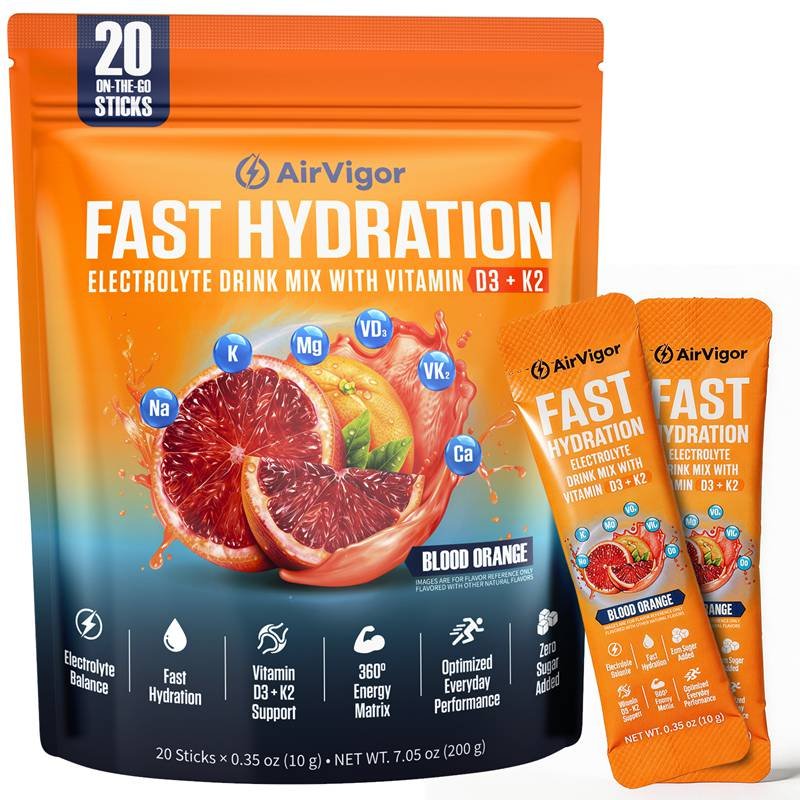
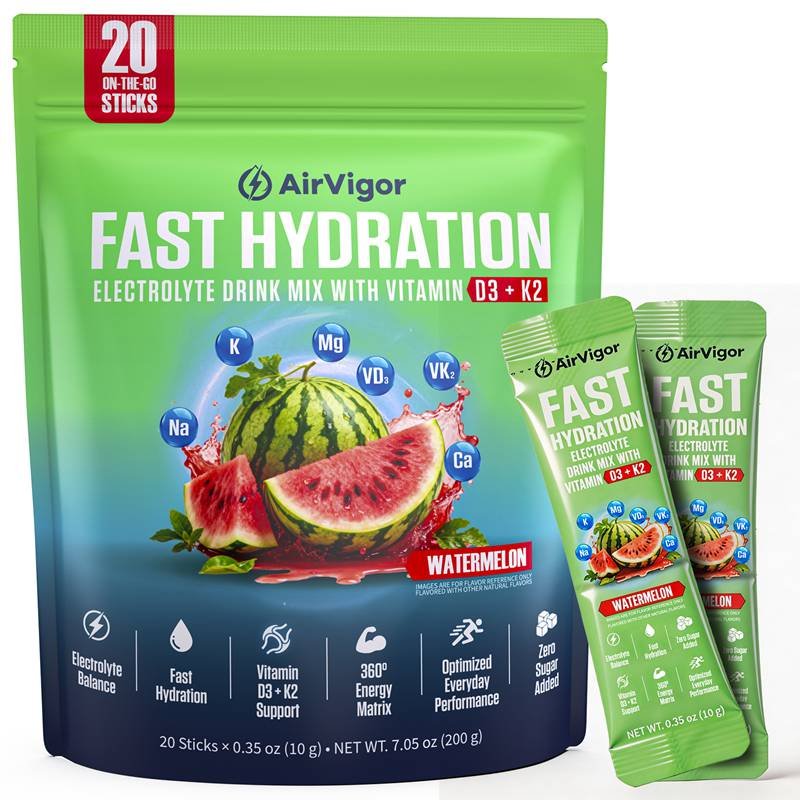
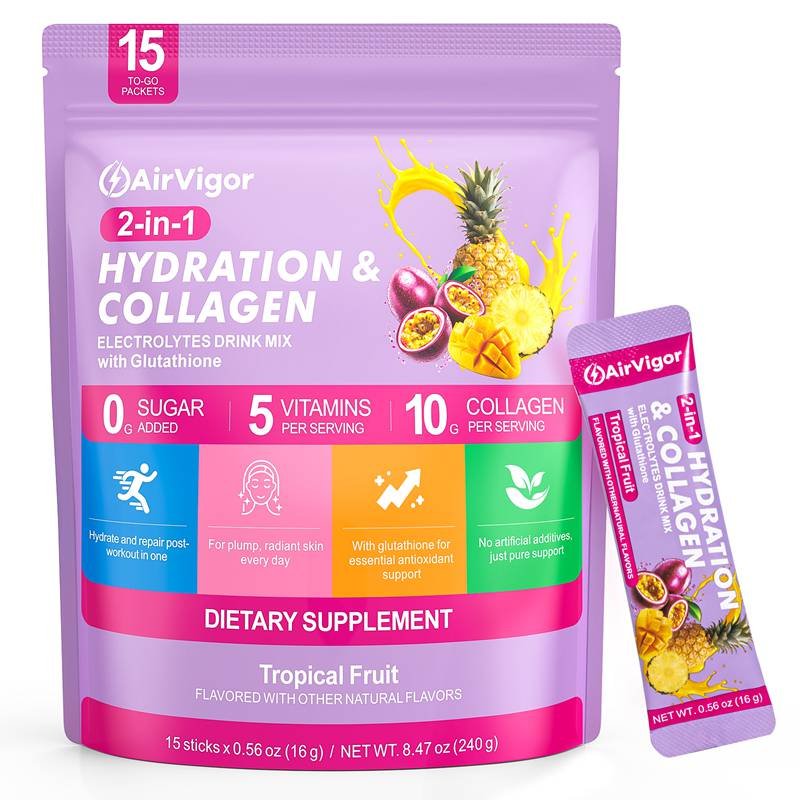
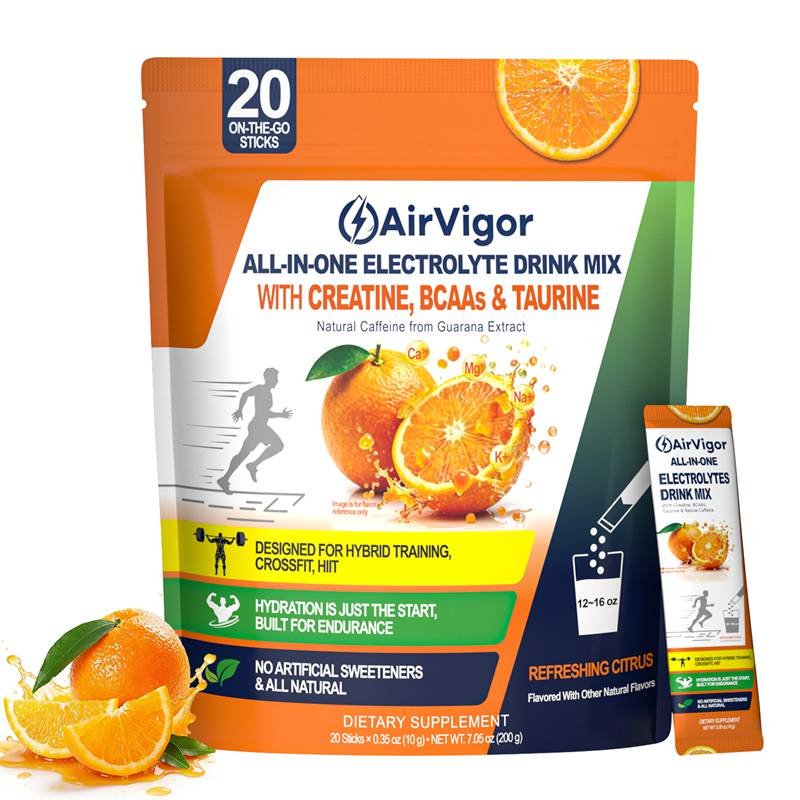
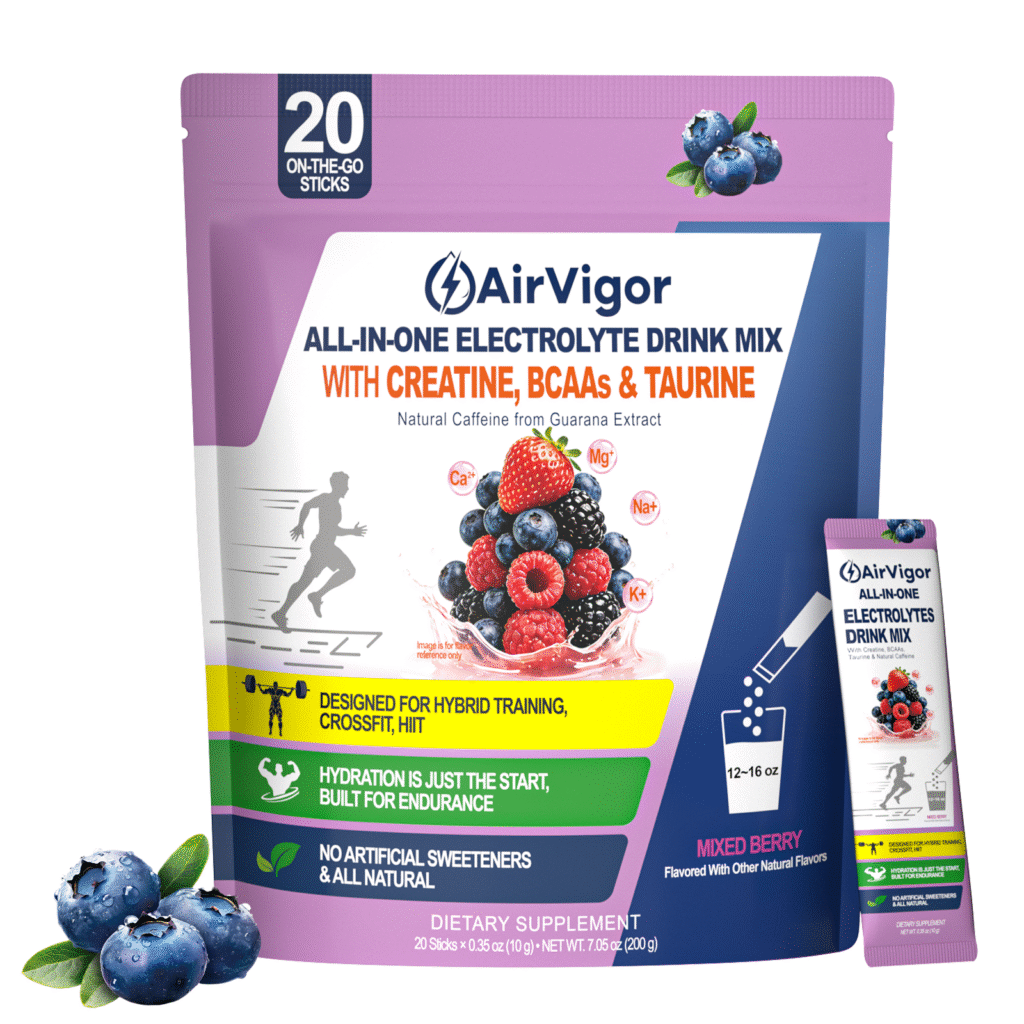
AirVigor can position a morning electrolyte powder more clearly by focusing on fit, not just strength. The strongest message is not “more electrolytes before sunrise.” The stronger message is that the formula is built for the mornings when hydration is genuinely under more strain: hot outdoor training, longer sessions, higher sweat loss, and repeat routines where the right drink can make the workout feel smoother and easier to repeat. That lines up much better with Harvard’s and ACSM’s guidance than a blanket claim that every morning workout needs electrolyte powder.
For direct customers, that creates several natural positioning angles:
- lighter hydration support for early sessions
- more structured support for hot or sweat-heavy mornings
- a more balanced alternative to heavy sports drinks
- a practical formula for repeat sunrise routines
For OEM and ODM clients, it creates a stronger development path too. Instead of building another generic sports drink, the concept becomes a morning-training hydration formula with a clear use case and a believable audience. That kind of clarity often gives a product stronger commercial staying power, because customers understand immediately when it fits and when it does not.
A positioning comparison helps:
| Positioning style | How it sounds | Commercial strength |
|---|---|---|
| Generic sports hydration | For all workouts | Broad, but less specific |
| High-intensity endurance formula | For long and extreme sessions | Narrower fit |
| Early morning training support | For hot, sweaty, or longer early sessions | Strongest balance |
That is exactly where AirVigor can stand out: not louder, but more precise.
Final Thoughts
Electrolyte powder can be useful for early morning training, but it is not something every sunrise session automatically needs. Water is often enough for shorter, easier workouts in mild conditions. Electrolytes make more sense when the session is longer, hotter, sweatier, or more draining than usual. That is the practical middle-ground view most consistent with Harvard, Mayo, ACSM, and NATA-style hydration guidance.
That is why the best morning formula is usually not the most extreme one. It is the one that feels balanced, easy to use before training, and matched to the real demands of the session. For a brand like AirVigor, that creates a strong opportunity: not just another electrolyte product, but a better-designed formula for people who train early and want hydration support that actually fits the way morning workouts work.
Looking to Source a Better Formula or Build Your Own?
If you are looking for:
- an electrolyte powder for early morning training
- a lighter formula for pre-workout hydration
- a better option for hot, sweat-heavy morning sessions
- a more balanced alternative to heavy sports drinks
- an OEM or ODM partner for custom morning hydration development
AirVigor can support both finished branded products and private-label or custom formulation projects. The strongest products in this category are the ones that solve a real training problem clearly, and that is exactly where a well-positioned, balanced morning formula can win.
Share:
Contact Expert Team
At AirVigor, performance becomes effortless. We transform advanced nutrition science into clean, effective supplements that help you hydrate, recover, and feel stronger every day. Shop AirVigor Supplements on Amazon and experience athlete-trusted formulas—backed by real science and supported by our world-class R&D and production capabilities.
Trust AirVigor
At AirVigor, turning your performance goals into reality is no longer a struggle—it’s a science-driven journey we build together. Whether you’re a runner, lifter, cyclist, yogi, outdoor athlete, or someone simply seeking better daily energy, AirVigor transforms advanced nutrition research into clean, effective, and trustworthy supplements you can feel.
Backed by our U.S. scientific team, global certifications, and world-class production standards, every formula is engineered to deliver real hydration, real recovery, and real performance. And when you’re ready to experience the difference, you’ll find AirVigor products available on Amazon and other major platforms—fast shipping, consistent quality, and a community of athletes already seeing results.
Behind the scenes, our R&D and manufacturing ecosystem also supports specialized formulation development, ensuring AirVigor continues to lead with innovation while keeping quality and safety uncompromised. But at the core, everything we create is built for you—your health, your performance, your momentum.
Choose AirVigor. Feel the science. Elevate your every day.


Subscribe to our newsletter
Sign up to our newsletter and we’ll keep you up to date with the latest arrivals.