Skip to content

Teaching doesn’t look like a job that needs electrolytes—until you map the day: constant talking, warm rooms, dry HVAC air, standing and pacing, and long stretches where you can’t freely drink or use the restroom. Many teachers end up “hydrating by chance”: a few sips between periods, a coffee refill, maybe a big bottle they never finish. The result is often predictable: a dry throat by 10 a.m., a dull headache after lunch, and that late-day mental drag where your patience and attention feel thinner than they should.
The best electrolyte drinks for teachers are daily-friendly formulas with moderate sodium plus potassium and magnesium, low or no added sugar, and a light taste you can sip during class. They help water stay in the body longer, support nerve and muscle function for posture and voice use, and reduce common dehydration signals like headaches and “brain fog” without relying on stimulants.
A fourth-grade teacher once told us she didn’t notice hydration was the issue until summer break—when her “normal” afternoon headache vanished. Back in the classroom, she changed one thing: she stopped treating hydration like a single event and started treating it like a routine.
What makes an electrolyte drink best for teachers?
An electrolyte drink is “best” for teachers when it supports steady hydration and clear thinking during long school hours without added sugar overload, harsh saltiness, or stomach upset. Look for moderate sodium (not extreme), potassium and magnesium for balance, transparent labeling (no mystery blends), and a format that fits a teacher routine—like stick packs or a mild powder you’ll actually finish.
Teachers don’t need “athlete fuel.” They need repeatable hydration.
A teacher’s dehydration pattern is usually slow and cumulative, not dramatic. You may not feel thirsty, yet still lose enough fluid to notice:
- more frequent headaches
- dry throat or hoarse voice
- fatigue that feels “heavier than the day deserves”
- reduced patience and slower recall
- cramps/tight calves after standing all day
- stronger afternoon cravings for caffeine or sugar
Even small fluid losses can matter in jobs that depend on attention and mood stability. Many hydration researchers use ~1–2% body mass loss as the range where cognitive and mood effects can start showing up for some people. For a 150 lb (68 kg) teacher, that’s about 1.5–3 lb (0.7–1.4 kg) of fluid—easy to reach across a school day in dry air, warm rooms, and constant talking.
The right electrolyte drink helps because it improves hydration efficiency: water is more likely to be retained and distributed properly when key minerals are present, especially sodium. Potassium and magnesium help balance nerve and muscle function, which matters for posture, pacing, and managing physical stress.
What “best” means for teachers is therefore different from what “best” means for a marathon runner.
What teachers should feel and notice when it’s working
| What you notice | Often means | What a teacher-friendly electrolyte drink should do |
|---|---|---|
| Headache after lunch | Low-level dehydration + poor retention | Help water “stick” better (moderate sodium) |
| Dry throat/voice fatigue | Constant speaking + dry air | Support steady sipping without heavy sweetness |
| Afternoon mental fog | Hydration + stress load piling up | Support stable nerve signaling (balanced minerals) |
| Bloating/too salty | Dose too high for daily use | Use moderate electrolytes, not extreme |
| “Thirsty again” quickly | Water passing through fast | Improve retention with a balanced mineral profile |
Why teachers need a different electrolyte profile
A teacher’s day is high in duration and cognitive load. That changes what works.
- You’re not trying to spike performance. You’re trying to avoid gradual decline.
- You need something drinkable during class. Heavy sweetness or strong salt gets annoying fast.
- You need predictable results. That requires clear dosing and consistent mineral amounts.
A teacher-friendly profile usually lands in a “moderate” range that can be used daily:
- Sodium: enough to improve fluid retention without tasting harsh
- Potassium: to complement sodium and support nerve function
- Magnesium: to support muscle relaxation and stress-related tightness
If a product is built for intense sweating events, it may be unnecessarily strong for classroom use—and can create bloating, thirst rebound, or “I don’t want to drink this again” reactions.
Why sugar-heavy sports drinks often backfire for teachers
Sugary sports drinks were designed around a different problem: fast carbohydrate delivery during prolonged intense exercise. In a classroom:
- Sugar can create a quick lift followed by an energy dip
- Sweet drinks can increase mouth dryness and thirst for some people
- Higher sugar intake can be a poor fit for daily health goals
For most teachers, the goal is not “more calories.” It’s better hydration per ounce. That’s why low-sugar or no-sugar electrolyte options usually fit teaching better—especially if you already drink coffee or eat regular meals.
What electrolytes matter most in teaching days
Here’s the practical “why” behind the three core minerals:
- Sodium: supports fluid retention and circulation. If your electrolyte drink has too little sodium, it may feel like “water that doesn’t last.”
- Potassium: supports nerve signaling and muscle function. It complements sodium and can help reduce that “wired but tired” feeling when hydration is off.
- Magnesium: supports neuromuscular relaxation and helps with stress-related tightness (common after long standing and high-pressure days).
You don’t need extreme amounts—what matters is balance + consistency.
What best looks like on a label
| Label item | Good sign for teachers | Red flag for teachers |
|---|---|---|
| Electrolytes listed with amounts | You can dose consistently | “Proprietary blend” hides amounts |
| Sugar per serving | Low or none for daily use | High sugar “sports drink” levels |
| Flavor intensity | Light, easy to sip | Heavy sweet/salty that you avoid |
| Usage direction | Mentions daily/workday use | Only framed for intense workouts |
| Format | Stick pack or easy powder | Requires multiple scoops/mess |
Why format matters more than people admit
If you can’t use it at school, you won’t use it.
Teachers tend to stick with what’s:
- quick to mix
- easy to store in a desk or bag
- consistent in serving size
- not messy during a short break
This is why stick packs often outperform tubs for classroom routines: they remove friction, and friction is the real enemy of hydration habits.
Which electrolyte drink for teachers makes sense daily?
A daily electrolyte drink for teachers should be easy to tolerate, easy to finish, and safe to repeat five days a week. For most teachers, that means moderate sodium, some potassium, some magnesium, and little to no added sugar—in a format you can use between classes without thinking.
Why “daily” is a different standard than “workout”
A lot of electrolyte products are built around intense sweat loss. Teaching is different. It’s a long, steady day where dehydration creeps up quietly. If the formula is too strong, you’ll notice:
- A salty taste that gets annoying by the second week
- Bloating or stomach heaviness
- Feeling thirstier after drinking it
- You stop using it (and it stops working)
Daily formulas should feel “light” but still effective.
Which electrolytes matter most for teachers
Below are practical daily ranges that usually work for teachers. These aren’t medical targets—they’re “workday-friendly” guidelines that help you compare labels.
| Electrolyte | Why teachers care | Workday-friendly range per serving | When you might want the higher end |
|---|---|---|---|
| Sodium | Helps water stay in the body longer; supports circulation | 200–500 mg | Hot classroom, lots of talking, you sweat easily |
| Potassium | Supports nerve signaling and muscle function | 100–300 mg | You stand/paced all day, feel leg fatigue |
| Magnesium | Helps muscle relaxation; supports stress tolerance | 50–150 mg | You get tight calves, restless sleep, “wired but tired” |
Teacher reality check:
If a product’s sodium is extremely high, it can be useful sometimes—but many teachers won’t enjoy it daily. The best option is the one you can keep using without fighting it.
Is sugar necessary in an electrolyte drink for teachers?
For most teachers: no.
Here’s why teachers often dislike sugary electrolyte drinks for daily use:
- They can feel too sweet for slow sipping
- They can lead to a quick lift + quick dip
- They add calories that don’t always match daily goals
- They can increase mouth dryness for some people
When a small amount of sugar can help:
- If you’re not eating much until lunch
- If you teach PE or have lots of outdoor duty
- If you feel shaky and under-fueled, not just thirsty
For everyone else, low sugar or no sugar is usually the easiest daily fit.
Are low-dose electrolyte drinks better for teachers?
Most of the time: yes.
A “low-dose” drink can still work well if:
- You’re drinking it consistently
- The mineral balance is decent
- The taste encourages you to finish it
Daily hydration works like a budget.
Most teachers don’t need a huge “deposit” once. They need smaller deposits that prevent the balance from going negative.
The “teacher daily formula” checklist
A daily electrolyte drink for teachers should hit most of these:
- Low sugar (ideally low or none)
- Sodium in a moderate range (not extreme)
- Includes potassium (not sodium-only)
- Includes magnesium (if you want stress/tightness support)
- No stimulant feel (you should not feel “amped”)
- Label shows amounts clearly (no mystery blends)
- Taste you can sip slowly (not “chug only”)
- Easy format (stick pack or simple scoop)
Teacher hydration patterns: what people actually do
Here are common teacher schedules and what usually fits:
| Teacher schedule | What happens | What tends to work best |
|---|---|---|
| Coffee early + few breaks | Dry throat + late headache | Low-sugar electrolytes mid-morning |
| Warm classroom / lots of talking | Dehydration creeps in faster | Moderate sodium + light taste |
| Outdoor duty / PE / active day | Higher fluid and salt loss | Slightly higher sodium option |
| After-school workout | Overuse if one drink for all | Daily drink for work + stronger for training |
| Sensitive stomach | Stops using products quickly | Simple ingredients, mild flavor |

How teachers should choose an electrolyte drink?
Teachers should choose an electrolyte drink by checking the mineral amounts, sugar level, label transparency, taste tolerance, and how easy it is to use at school. The best pick is the one you can repeat daily without stomach issues, flavor fatigue, or “too much” dosing.
The most common mistake: choosing based on hype, not fit
Teachers often buy what’s popular, then stop using it. Not because it’s bad—because it doesn’t fit the classroom routine. A teacher-friendly drink must work under constraints:
- Short breaks
- No time for complicated mixing
- Need to sip slowly
- Need to avoid stomach discomfort
- Need to avoid a sugar crash during class
How to read an electrolyte drink label for teachers
When you pick up a label, scan in this order:
- Sugar
- If it’s high, ask yourself: Do I want this daily?
- Sodium
- Too low = water doesn’t last
- Too high = may taste harsh or feel heavy daily
- Potassium + Magnesium
- If missing, it’s often a “one-note” formula
- Ingredient list length
- The more extras, the more chances of taste or stomach issues
- Serving size + format
- If it’s messy or slow, it won’t survive a teacher schedule
“Label green flags” vs “label red flags” for teachers
| Green flags (good signs) | Why it matters | Red flags (watch out) | Why it matters |
|---|---|---|---|
| Mineral amounts listed clearly | Easier to dose daily | Proprietary blend | You can’t compare or control intake |
| Low sugar | Less crash risk | High sugar | Can backfire during long workdays |
| Balanced minerals (Na/K/Mg) | Better overall stability | Sodium-only | Often feels incomplete |
| Mild flavor cues | Better sipping | “Extreme/Intense” messaging | Often built for heavy sweating workouts |
| Simple ingredients | Better tolerance | Lots of dyes/extra additives | Increases stomach or taste issues |
How strong should an electrolyte drink for teachers be?
If you’re teaching a normal day indoors, the best “strength” is usually:
- Strong enough that hydration feels different
- Light enough that you don’t dread the taste
- Moderate enough that you could use it 5 days a week
A practical test:
If you feel bloated, excessively thirsty, or the drink tastes “aggressive,” it’s likely stronger than you need for daily teaching.
Why taste and digestion decide everything
Most people assume ingredients are the deciding factor. In real life, the deciding factor is: will you actually keep using it?
Teachers stop using electrolyte drinks because:
- The taste becomes annoying
- It feels too salty or too sweet
- It sits heavy in the stomach
- It doesn’t mix cleanly and becomes a hassle
A teacher-friendly drink should be:
- Clean-mixing
- Mild flavor
- No gritty feel
- Comfortable on an empty-ish stomach
powders vs ready-to-drink vs tablets
| Format | Teacher pros | Teacher cons | Best for |
|---|---|---|---|
| Stick pack powder | Portable, consistent, easy to store | Needs water bottle | Most teachers (daily routine) |
| Tub powder | Cheapest per serving | Messy; inconsistent scoops | Staff rooms, at-home prep |
| Tablets | Clean, light, easy | Taste varies; lower mineral loads | Minimalists, quick use |
| Ready-to-drink | Zero mixing | Often pricier; may include additives | Emergency convenience |
The “teacher decision” flow
If you want a simple way to pick:
- Do you want daily use? → Choose low sugar, moderate minerals
- Do you get headaches or dry throat often? → Ensure moderate sodium + sip-friendly taste
- Do you get tight legs or feel tense after school? → Look for magnesium in a moderate amount
- Do you have outdoor duty or hot classrooms? → Choose slightly higher sodium than average
- Will you actually bring it to school? → Choose a stick pack or tablet format
what teachers usually report improves first
This is based on common user feedback patterns in daily hydration routines:
| Time using a daily-friendly electrolyte drink | What often improves first |
|---|---|
| 1–3 days | Less dry throat, fewer mid-day headaches |
| 1–2 weeks | More stable afternoon focus, less “crash” feeling |
| 3–4 weeks | Better routine consistency; fewer “bad days” stacking up |
8 best electrolyte drinks for teachers
The 8 best electrolyte drinks for teachers are the ones that match how teachers actually work: long hours, constant talking, limited breaks, and a need for steady focus without sugar crashes. The “best” options aren’t always the strongest—they’re the most repeatable. Below are eight teacher-relevant picks, each tied to a real classroom situation, plus what to look for on a label.
Before the list: the teacher baseline
For most teachers, a solid daily option tends to include:
- Sodium: 200–500 mg (helps water last longer)
- Potassium: 100–300 mg (supports nerve and muscle function)
- Magnesium: 50–150 mg (helps with tightness and stress load)
- Sugar: low or none (better for slow sipping and stable afternoons)
- Taste: light enough to drink repeatedly without getting sick of it
- Format: something you’ll actually bring to school (stick pack/tablet/ready-to-drink)
These ranges aren’t medical rules. They’re practical “teacher-fit” ranges that make comparing products easier.
1) Best overall electrolyte drink for teachers (daily, repeatable)
This is the one that works when your day is busy and unpredictable.
What it should feel like:
- You finish the bottle without forcing it
- You don’t feel bloated
- Your afternoon feels less “heavy”
- Your throat feels less dry by the last period
What to look for on the label:
- Moderate sodium (not extreme)
- Includes potassium, ideally magnesium
- Low or no sugar
- Clear electrolyte amounts (no mystery blends)
Who this helps most:
- Teachers who get recurring afternoon headaches
- Teachers who notice “brain fog” during the last two classes
- Teachers who want a routine they can repeat all week
2) Best low-sugar electrolyte drink for teachers (steady energy)
If you’ve ever had a drink that felt good for 20 minutes and then made you want a snack + coffee, this category matters.
Why low sugar often wins in classrooms:
- Prevents “energy swing” patterns
- Doesn’t leave your mouth feeling sticky
- Works better with coffee habits
Teacher tip:
If you already drink coffee in the morning, a low-sugar electrolyte drink mid-morning often creates a more stable day than adding more caffeine.
Label clues:
- Minimal added sugar
- No heavy syrups or high-calorie “sports drink” levels
- Light flavor profile designed for slow sipping
3) Best electrolyte drink for teachers in hot classrooms (heat + talking)
Hot rooms don’t need PE-level formulas—but they do need smarter hydration.
What teachers in warm classrooms often report:
- Stronger thirst, even with water
- Faster voice dryness
- Earlier fatigue (before lunch)
What works better:
- Slightly higher sodium within “daily-friendly” range
- Low sugar (heat + sugar can feel worse)
- Clean mixing so it’s easy to drink quickly between classes
Quick check:
If your water “doesn’t last,” you likely need more sodium (within moderation), not more water.
4) Best electrolyte drink for teachers with sensitive stomachs (comfort first)
If a drink makes you feel even slightly nauseous during class, you won’t use it again. This category is about staying comfortable.
What to avoid:
- Excess acids
- Heavy sweeteners that upset digestion
- Strong artificial flavors
- Too much sodium in one hit
What to look for:
- Short ingredient list
- Moderate mineral dose
- Mild flavor
- No gritty residue
Teacher reality:
A “perfect” formula you don’t tolerate loses to a “good enough” formula you can drink daily.
5) Best portable electrolyte drink for teachers (desk-drawer easy)
Portability isn’t a nice-to-have. It’s the difference between consistent use and “I forgot again.”
What makes a portable option best for teachers:
- Single-serve stick packs or compact tablets
- Easy to store in a desk, bag, or car
- Consistent serving size (no guessing)
Why teachers love this category:
- You don’t need a measuring scoop
- It fits a short break schedule
- It reduces decision fatigue
Teacher tip:
Keep 3–5 servings in your desk as “backup hydration” for long meeting days or duty days.
6) Best electrolyte drink for teachers who also work out (school + training)
If you train before or after school, the key is not “one drink to rule them all.” It’s separating daily hydration from workout fueling.
A smarter setup:
- Daily drink: moderate electrolytes, low sugar
- Workout drink (if needed): stronger, based on sweat level
Why this works:
- Prevents mineral overdosing during normal teaching hours
- Keeps your workout support targeted
- Reduces the chance you’ll stop using electrolytes because the formula feels too heavy
7) Best clean-label electrolyte drink for teachers (trust + clarity)
Teachers read. They notice inconsistencies. They value transparency.
Clean-label matters because:
- Daily use requires confidence
- Consistency reduces anxiety (“Am I overdoing this?”)
- Clear labels help you adjust based on your day
Look for:
- Exact electrolyte amounts listed
- No proprietary blends hiding doses
- Simple ingredient list
- Clear mixing directions
Teacher tip:
If you can’t quickly tell how much sodium is in a serving, it’s harder to use responsibly.
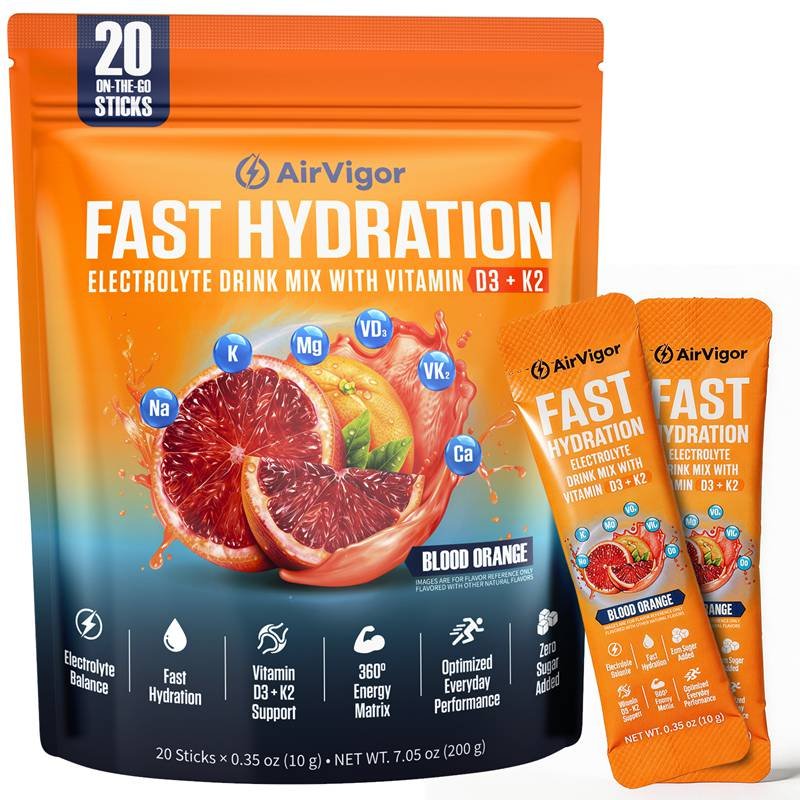
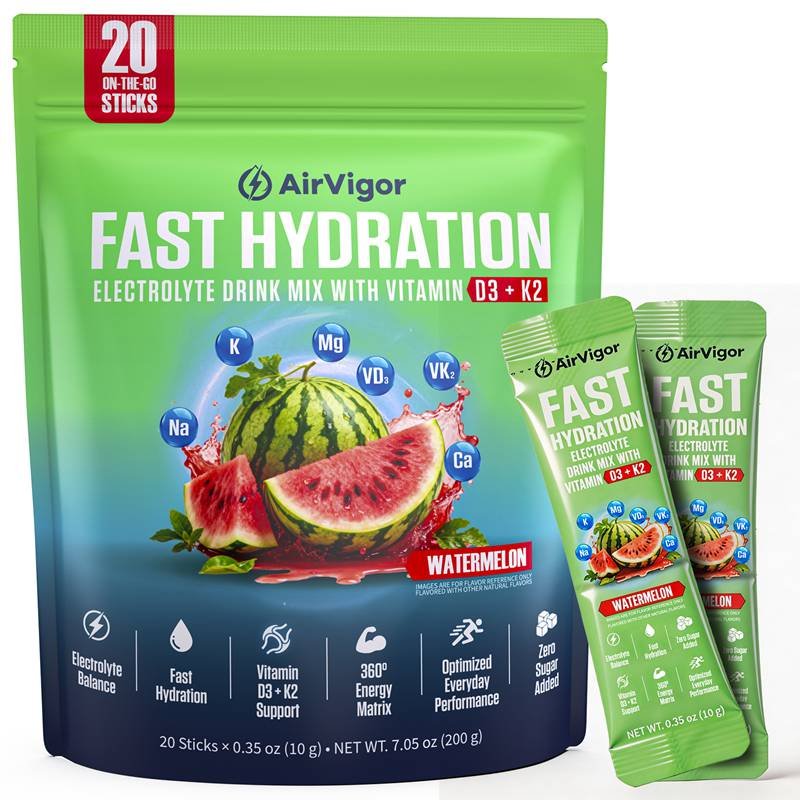
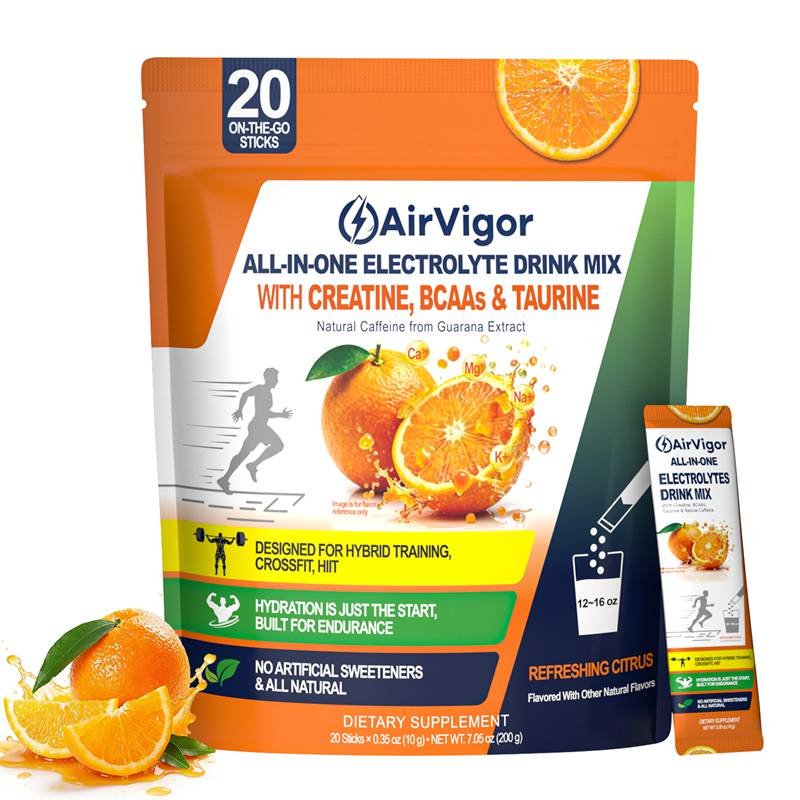
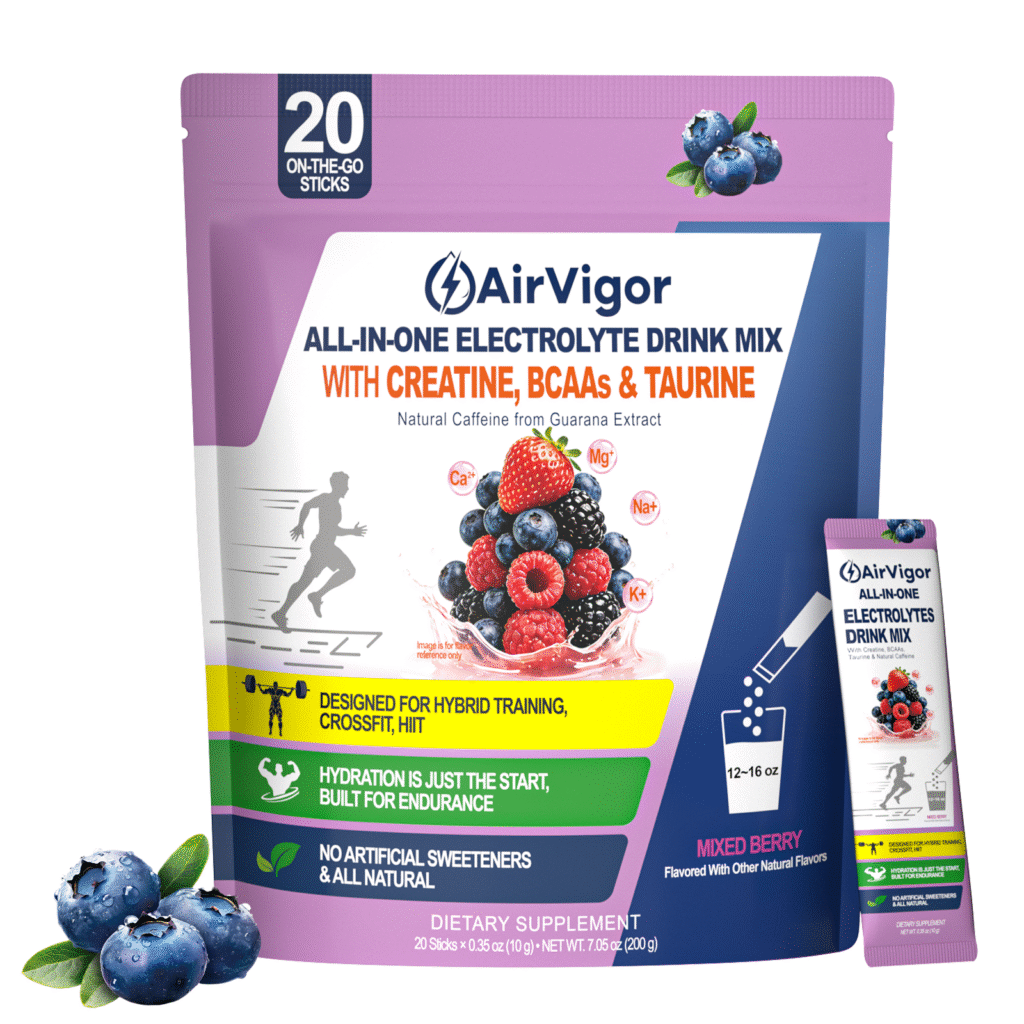
8) Best customizable electrolyte drink for schools and educators (AirVigor)
Some schools and teacher communities want more than individual purchases—they want a stable, repeatable hydration solution for staff wellness programs, district initiatives, sports departments, or education-focused organizations.
Why customization matters in education settings:
- Different climates (Arizona vs. Washington)
- Different staff roles (PE vs. classroom vs. admin)
- Different wellness goals (low sugar, gentle flavors, daily use)
What AirVigor can support (practical capabilities):
- Teacher-friendly electrolyte profiles (daily, moderate dosing)
- Stick packs for desk drawers and staff rooms
- Transparent labeling and consistent batch production
- Private label options for schools, communities, or organizations
- Scalable supply planning (from small pilots to larger programs)
If your goal is consistency across a staff group, customization is often the most practical approach—because it removes the “everyone buys a different product” problem.
Teacher-ready comparison
| Teacher situation | Best type of electrolyte drink | What to prioritize |
|---|---|---|
| Everyday classroom routine | Balanced daily formula | Moderate sodium + low sugar |
| Afternoon crashes | Low-sugar formula | No heavy sweeteners |
| Hot/poor ventilation classrooms | Slightly higher sodium | Still light taste |
| Sensitive stomach | Simple formula | Short ingredient list |
| Always forgets hydration | Portable stick packs/tablets | Convenience |
| Works out after school | Split daily vs workout | Avoid overdoing minerals |
| Wants clarity and trust | Clean-label | No proprietary blends |
| Staff program / group needs | Custom solution (AirVigor) | Consistency + scale |
How teachers should use electrolyte drinks daily?
Most teachers do best with one serving per school day, used proactively (before fatigue hits), and paired with plain water. The goal is not to “feel something.” The goal is fewer bad afternoons.
A teacher-friendly routine that actually works
You don’t need a complicated schedule. Here are three easy patterns teachers use successfully:
Option A: Mid-morning support (most common)
- Drink electrolytes between first and second teaching blocks
- Plain water the rest of the day
Option B: Slow sip through a long block
- Mix one serving in a larger bottle
- Sip during a 2–4 hour window
Option C: Heat / high talking days
- Half serving late morning
- Half serving early afternoon
Signs your drink is too strong for daily teaching use
If you notice any of these repeatedly, reduce dose or switch to a lighter formula:
- Bloating or stomach heaviness
- Harsh salty taste you dread
- Feeling thirstier after drinking it
- Difficulty finishing the bottle
- Headache that doesn’t improve despite drinking

Safety for daily teacher use
Electrolyte drinks are generally safe for daily use when the formula is moderate, low sugar, and clearly labeled. Problems usually come from “extreme” dosing, hidden amounts, or using workout-level formulas every day.
Teachers who should be extra cautious
If you have any of the following, you should ask a healthcare professional before daily use:
- Kidney disease
- Blood pressure conditions requiring sodium restriction
- Medications that affect fluid/electrolyte balance
For everyone else, a moderate daily formula is typically well tolerated.
Conclusion: ordering or customization with AirVigor
If you’re a teacher choosing for yourself, the simplest move is picking a daily-friendly electrolyte drink you can repeat consistently.
If you’re a school, educator group, wellness coordinator, or education-related organization, you may need something more structured—consistent dosing, easy distribution, clear labeling, and stable supply.
AirVigor can support both:
- Ready-to-order teacher-friendly electrolyte products (portable formats, clear dosing)
- Bulk purchasing for staff programs
- Custom electrolyte formulation and private label if you want a product tuned for teaching routines (low sugar, light taste, daily mineral balance)
If you want, share two details and we can recommend a practical starting spec:
- Climate (hot/dry vs mild/humid)
- Main goal (headaches, focus, voice dryness, fatigue, or overall wellness)
Then you can request pricing for either direct ordering or custom formulation through AirVigor.