Skip to content

Most people don’t notice electrolytes until something goes wrong.
A workout that normally feels smooth suddenly turns heavy. Muscles fatigue faster than expected. Focus slips. You might feel lightheaded, unusually thirsty, or notice your legs tightening when they shouldn’t. Many athletes assume these moments are about conditioning, motivation, or even age. In reality, they are often early signals of electrolyte imbalance—not dehydration alone, but a disruption in how your body manages fluids, nerves, and muscle contractions under stress.
Electrolytes are frequently mentioned in sports drinks and hydration powders, yet they’re still widely misunderstood. Some people treat them as optional add-ons, others consume them constantly without knowing whether they’re needed. The truth sits somewhere in between. During exercise, electrolytes play a quiet but essential role in keeping your internal systems coordinated while your body temperature rises, sweat rate increases, and energy demand spikes.
Electrolytes during workouts help regulate fluid balance, support muscle contractions, maintain nerve signaling, and stabilize physical performance. As you sweat, key minerals like sodium, potassium, and magnesium are lost, which can reduce endurance, coordination, and recovery if not replaced. Proper electrolyte intake during exercise improves hydration efficiency, helps prevent cramps and fatigue, and supports consistent training output—especially during long, intense, or high-heat workouts.
At AirVigor, years of formulation research and real-world athlete feedback have shown a consistent pattern: performance drops don’t usually happen suddenly—they accumulate quietly when hydration and mineral balance are ignored. Understanding what electrolytes actually do during workouts is the first step toward training with fewer interruptions and more consistency.
Let’s start with the basics.
What Are Electrolytes in Exercise?
Electrolytes in exercise are minerals that carry an electrical charge and regulate hydration, muscle contraction, nerve signaling, and fluid balance during physical activity. As you sweat, key electrolytes—especially sodium—are lost, which can reduce hydration efficiency and impair performance if not replaced. Maintaining electrolyte balance helps the body absorb water properly and sustain physical output during workouts.
What are electrolytes made of?
Electrolytes are not a single substance but a group of minerals that dissolve in body fluids and become electrically charged ions. In exercise physiology, the most relevant electrolytes are sodium, potassium, magnesium, calcium, and chloride. Each plays a specific role, but their real value comes from how they work together as a system.
Unlike vitamins or stimulants, electrolytes do not “add energy.” Instead, they create the internal conditions that allow muscles and nerves to function predictably when physical stress increases. Without them, even well-trained athletes can experience coordination loss, early fatigue, or inconsistent output.
To make this clearer, the table below summarizes the primary electrolytes involved in exercise and what they actually do:
| Electrolyte | Primary Role in Exercise | What Happens When Low |
|---|---|---|
| Sodium | Regulates fluid balance and hydration efficiency | Poor water absorption, early fatigue |
| Potassium | Supports muscle contraction and nerve signaling | Weakness, coordination issues |
| Magnesium | Aids energy metabolism and muscle relaxation | Cramping, reduced endurance |
| Calcium | Enables muscle contraction mechanics | Reduced force output |
| Chloride | Maintains acid–base and fluid balance | Disrupted hydration balance |
This systems-based view is important. Focusing on only one electrolyte while ignoring others often leads to incomplete hydration support.
What happens to electrolytes during exercise?
When you exercise, your body generates heat. To cool itself, it sweats—and sweat always contains electrolytes. Sodium is lost in the greatest quantity, followed by smaller amounts of potassium, calcium, magnesium, and chloride. The longer the workout and the higher the sweat rate, the greater the loss.
A critical but often overlooked point is that electrolyte loss does not scale evenly with water loss. Two people can lose the same amount of fluid but very different amounts of sodium. This is why hydration strategies that rely on water alone may work for one person but fail for another.
As electrolytes decline, water absorption in the gut becomes less efficient, blood volume can drop, and muscle signaling becomes less reliable. This can lead to the familiar experience of feeling “hydrated but off”—drinking plenty of water yet still experiencing fatigue, tightness, or declining performance.
This is the physiological gap electrolyte supplementation is designed to address.
What are early signs of low electrolytes?
Low electrolytes rarely announce themselves with a single dramatic symptom. More often, they show up as subtle performance changes that are easy to misinterpret as poor conditioning or lack of focus.
Common early signs include:
- Persistent thirst despite drinking water
- Muscle tightness or heaviness
- Reduced power or endurance earlier than expected
- Headaches or lightheadedness during or after workouts
- Difficulty maintaining focus or coordination
As imbalance progresses, symptoms may escalate to cramps, nausea, or dizziness. Importantly, these issues can appear before true dehydration occurs, which is why electrolytes are often the missing variable when water intake alone doesn’t solve the problem.
Brands like AirVigor design electrolyte formulas around these early-stage signals, aiming to support balance before performance breaks down rather than reacting after the fact.
Why This Matters for Training
Understanding what electrolytes are in exercise reframes hydration from a volume problem (“drink more”) into a balance problem (“absorb and retain what you drink”). This shift is essential for anyone training consistently, sweating heavily, or operating in demanding environments.
Electrolytes are not a shortcut or enhancement—they are part of the body’s normal operating system under physical stress. Supporting that system allows training adaptations to happen with fewer interruptions and more predictable recovery.
How Do Electrolytes Support Performance?
Electrolytes support workout performance by enabling proper muscle contraction, maintaining nerve signaling, stabilizing energy production, and preserving fluid balance under physical stress. During exercise, electrolytes help muscles fire efficiently, delay unnecessary fatigue, and keep coordination stable. When electrolyte levels drop, performance can decline even if hydration and calorie intake appear adequate.
How do electrolytes affect muscle contraction?
Muscle contraction is not purely mechanical—it is electrical first. When the brain signals a muscle to move, electrolytes such as sodium, potassium, and calcium shift across cell membranes, creating the electrical impulse that triggers contraction. Calcium then allows muscle fibers to shorten and generate force, while potassium helps reset the muscle so it can contract again.
As exercise continues and electrolytes are lost through sweat, this signaling process becomes less efficient. Muscles may still contract, but they do so with more effort and less precision. Athletes often experience this as heaviness, reduced explosiveness, or earlier-than-expected fatigue rather than complete loss of strength.
To clarify how different electrolytes contribute to muscle function, the table below summarizes their roles:
| Electrolyte | Role in Muscle Performance | Performance Impact When Low |
|---|---|---|
| Sodium | Initiates electrical signals | Slower muscle firing |
| Potassium | Resets muscle cells | Weak or uncoordinated contractions |
| Calcium | Enables force production | Reduced strength output |
| Magnesium | Supports relaxation and recovery | Tightness, cramping |
This is why balanced electrolyte intake matters more than focusing on a single mineral.
How do they support nerve signaling and coordination?
Electrolytes are essential for communication between the nervous system and muscles. Sodium and potassium gradients allow nerve impulses to travel rapidly and accurately. These impulses determine timing, coordination, balance, and reaction speed during movement.
When electrolyte levels drop, nerve signals may slow or lose precision. In training, this often shows up as difficulty maintaining technique, reduced balance, or delayed reactions under fatigue. Endurance athletes may struggle with pacing, while strength athletes may miss reps or experience form breakdown late in sessions.
Electrolytes do not improve skill directly. Instead, they preserve the neurological conditions required for skills to be executed consistently—especially when fatigue begins to accumulate.
How do electrolytes stabilize energy output?
Energy production during exercise depends on ATP, the body’s immediate energy source. Several electrolytes—most notably magnesium—are involved in ATP metabolism and enzymatic reactions that release usable energy.
When electrolyte availability declines, energy production becomes less efficient. This doesn’t feel like running out of fuel; it feels like effort suddenly increasing for the same workload. Athletes may notice strong performance early in a session followed by an unexpected drop-off.
The table below connects electrolyte-related functions with common training sensations:
| Electrolyte Function | What It Supports | What Athletes Often Feel When Low |
|---|---|---|
| ATP metabolism | Sustained energy output | Sudden fatigue, “flat” feeling |
| Nerve transmission | Movement timing | Slower reactions, poor focus |
| Fluid balance | Circulation efficiency | Heavy limbs, early exhaustion |
By supporting these processes, electrolytes help smooth energy delivery across the entire workout rather than front-loading effort and crashing later.
How do electrolytes reduce premature fatigue?
Fatigue is rarely caused by a single factor. It emerges from the interaction of hydration status, nerve signaling, muscle function, and energy availability. Electrolytes sit at the center of this system.
As electrolyte levels decline, muscles require more effort to generate the same output, and nerve signals become less efficient. This raises perceived exertion—the workout feels harder even if intensity hasn’t changed. Over time, this can shorten effective training duration and reduce total training volume.
Maintaining electrolyte balance helps delay this unnecessary fatigue. Many athletes using AirVigor electrolyte formulas describe the benefit not as a surge of energy, but as more stable performance from start to finish—which aligns with how electrolytes are meant to function physiologically.
Why This Matters for Real-World Performance
Electrolytes do not create performance—they protect it. By supporting muscle contraction, nerve signaling, energy metabolism, and hydration efficiency, they remove hidden bottlenecks that quietly limit training quality.
For athletes and active individuals, this means fewer disrupted sessions, more predictable fatigue, and a greater ability to sustain training over time. Consistency, not intensity spikes, is where long-term performance gains are built.

Which Electrolytes Matter Most During Workouts?
The most important electrolytes during workouts are sodium, potassium, magnesium, and calcium. Sodium plays the largest role in hydration and fluid balance, potassium supports muscle and nerve function, magnesium aids energy metabolism and muscle relaxation, and calcium enables muscle contraction. Effective workout hydration depends on balanced intake rather than focusing on a single electrolyte.
Which electrolyte is most important during exercise?
For most workouts, sodium is the single most critical electrolyte. It is lost in the greatest quantity through sweat and directly controls how well the body absorbs and retains fluids. Without sufficient sodium, drinking water alone may not prevent dehydration symptoms, especially during long or high-sweat sessions.
Sodium also helps maintain blood volume, which supports circulation and oxygen delivery to working muscles. When sodium levels drop too low, athletes often experience early fatigue, dizziness, or a sudden decline in performance—even if total fluid intake seems adequate.
That said, sodium does not work alone. While it is the primary driver of hydration efficiency, performance outcomes depend on how sodium interacts with other electrolytes inside muscle and nerve cells.
Which electrolytes support muscle contraction and power?
Muscle contraction relies on a coordinated interaction between calcium, potassium, and sodium. Sodium initiates the electrical signal, calcium enables muscle fibers to generate force, and potassium helps reset the muscle cell so it can contract again.
If calcium availability is insufficient, force production may decline. If potassium balance is disrupted, muscles may feel weak, sluggish, or poorly coordinated. These issues often appear late in workouts, when electrolyte losses accumulate and fatigue increases.
The table below shows how different electrolytes contribute specifically to muscle performance:
| Electrolyte | Primary Muscle Role | Common Performance Effect When Low |
|---|---|---|
| Sodium | Triggers electrical signals | Early fatigue, poor hydration |
| Calcium | Enables force production | Reduced strength and power |
| Potassium | Resets muscle contractions | Weak or uncoordinated movement |
| Magnesium | Supports relaxation | Tightness, cramping |
Which electrolytes help prevent cramps and fatigue?
Muscle cramps and premature fatigue are complex and not caused by a single deficiency. However, sodium and magnesium are most often associated with these issues during exercise.
Low sodium increases muscle excitability and disrupts fluid balance, while low magnesium affects muscle relaxation and neuromuscular control. When both are inadequate, muscles may contract involuntarily or struggle to relax between repetitions.
Fatigue follows a similar pattern. As electrolyte balance deteriorates, muscles and nerves require more effort to produce the same output. This raises perceived exertion and shortens effective training time. Balanced electrolyte intake helps reduce these unnecessary stress signals, allowing fatigue to scale more predictably with workload.
Which electrolytes support endurance and sustained output?
Endurance performance places sustained demands on sodium, potassium, and magnesium. Sodium supports hydration efficiency and circulation, potassium maintains nerve signaling over time, and magnesium supports ATP-related energy metabolism.
When endurance athletes neglect electrolyte intake, they often report strong starts followed by disproportionate drop-offs in pace or power. This is not always a fuel issue—it is frequently a hydration and mineral balance issue.
The table below links electrolytes to endurance-specific demands:
| Training Demand | Key Electrolytes Involved | Why They Matter |
|---|---|---|
| Long duration | Sodium | Maintains fluid balance |
| Repeated muscle firing | Potassium | Sustains nerve signaling |
| Energy efficiency | Magnesium | Supports ATP metabolism |
For this reason, endurance-oriented electrolyte formulas emphasize balanced, sustained support rather than high sugar or stimulant content.
Why balanced electrolyte formulas matter more than single minerals
Many athletes make the mistake of targeting one electrolyte—usually sodium—while ignoring others. While sodium is essential, performance relies on the interaction between multiple minerals across different physiological systems.
Overemphasizing one electrolyte can create new imbalances, especially with frequent use. Balanced formulations are designed to support hydration, muscle function, and energy metabolism simultaneously, reducing the risk of over- or under-supplementation.
This systems-based approach is central to how AirVigor designs its electrolyte products. Rather than chasing extreme dosages, the focus is on ratios that support real training conditions, from short gym sessions to long endurance efforts.
No single electrolyte determines workout performance. Sodium leads hydration, potassium and calcium drive muscle and nerve function, and magnesium supports energy and recovery. Together, they form the foundation that allows training to feel controlled, repeatable, and sustainable.
Understanding which electrolytes matter—and why—helps athletes move beyond generic hydration advice and toward strategies that actually support consistent performance.
Do Electrolytes Improve Hydration Efficiency?
Yes, electrolytes improve hydration efficiency by helping the body absorb, retain, and distribute fluids more effectively than water alone. Sodium and other electrolytes regulate fluid movement across cell membranes, support blood volume, and reduce excessive fluid loss. During exercise, this allows the water you drink to contribute directly to performance and thermoregulation rather than passing through unused.
Are electrolytes good for you when working out?
Electrolytes are beneficial during workouts because exercise fundamentally changes how the body handles fluids. As intensity and sweat rate increase, the body does not simply need more water—it needs the right conditions to use that water effectively.
Electrolytes, especially sodium, help maintain plasma volume and osmotic balance, which allows fluids to stay in circulation rather than being rapidly excreted. This supports oxygen delivery, temperature control, and cardiovascular stability during training. Without electrolytes, athletes may drink large volumes of water yet still experience thirst, fatigue, or declining performance.
It’s important to note that electrolytes are context-dependent. For short, low-sweat workouts, water may be sufficient. As duration, heat, or sweat loss increases, electrolytes become progressively more valuable. This is why hydration strategies that work for casual activity often fail during demanding training.
Do electrolytes hydrate better than water alone?
Electrolytes don’t replace water—they enhance how water works in the body.
Water alone can hydrate effectively at rest or during light activity. During exercise, however, fluid absorption and retention depend heavily on electrolyte availability. Sodium plays a key role by facilitating fluid uptake in the small intestine and helping the kidneys regulate fluid loss.
When electrolytes are absent, especially sodium, water may dilute remaining electrolytes in the bloodstream. This can reduce hydration efficiency and lead to symptoms such as bloating, frequent urination, or a lingering feeling of dehydration despite drinking enough fluid.
The table below highlights the practical difference between water-only and electrolyte-supported hydration during workouts:
| Hydration Approach | How the Body Uses Fluid | Common Training Outcome |
|---|---|---|
| Water only | Absorbed, but less retained | Thirst returns quickly |
| Electrolytes + water | Better absorption and retention | More stable hydration |
| Excess water, low electrolytes | Dilution of minerals | Fatigue, imbalance |
This difference becomes more pronounced as workout demands increase.
How do electrolytes improve fluid absorption in the body?
Electrolytes influence hydration through osmotic and transport mechanisms. Sodium is central to this process. In the gut, sodium helps drive water absorption by creating an osmotic gradient that pulls fluid into the bloodstream. This process is further enhanced when sodium is paired appropriately with small amounts of carbohydrates, though high sugar is not required.
Once absorbed, electrolytes help distribute fluids across compartments—inside blood vessels, between cells, and within muscle tissue. This distribution is critical for maintaining blood pressure, circulation, and thermoregulation during exercise.
Without sufficient electrolytes, water may remain in the digestive tract longer or be excreted more rapidly, limiting its usefulness during training.
How does hydration efficiency affect performance and recovery?
Hydration efficiency determines not just how much you drink, but how much of that fluid actually supports performance. When hydration is efficient, heart rate remains more stable, perceived exertion is lower, and heat tolerance improves.
Poor hydration efficiency, even with adequate fluid intake, increases cardiovascular strain and accelerates fatigue. Muscles may feel heavy, coordination may suffer, and recovery between sets or intervals may slow.
Over time, consistently inefficient hydration can reduce training quality and increase recovery demands. This is why many athletes transition from water-only strategies to electrolyte-supported hydration as training volume and intensity increase.
Why electrolyte balance matters more than total fluid intake
A common hydration mistake is focusing exclusively on fluid volume. Drinking more does not always mean hydrating better. In fact, excessive water intake without electrolytes can worsen imbalance by diluting sodium levels.
Balanced electrolyte intake ensures that fluids are absorbed, retained, and used where they’re needed most. This balance-based approach aligns with how the body regulates hydration under stress and is why modern hydration strategies emphasize quality of hydration, not just quantity.
This philosophy is reflected in how AirVigor designs its electrolyte products—prioritizing mineral ratios and usability over excessive sweetness or extreme dosing, making them suitable for both training and daily active use.
Electrolytes improve hydration efficiency by making water work harder for your body. They help fluids stay in circulation, support thermoregulation, and reduce unnecessary fatigue during exercise. As workouts become longer, hotter, or more intense, hydration efficiency—not just fluid intake—becomes a decisive factor in performance and recovery.

How Should Electrolytes Be Used During Training?
Electrolytes should be used during training based on workout duration, intensity, sweat rate, and environment. Short, low-sweat workouts may only require water, while longer or high-intensity sessions benefit from electrolyte intake before, during, or after exercise. Consistent, moderate electrolyte use aligned with sweat loss is more effective than occasional high doses.
How often should you drink electrolytes when exercising?
There is no single rule that applies to everyone, but frequency matters more than total quantity. For most people, electrolyte intake becomes useful once workouts exceed 45–60 minutes, involve high intensity, or occur in hot or humid conditions.
Rather than consuming a large dose at once, smaller and more frequent intake helps maintain balance as sweat losses accumulate. Many athletes find that sipping electrolytes every 20–30 minutes during longer sessions supports steadier hydration and performance.
For shorter workouts with minimal sweating, electrolytes may not be necessary every time. Overuse can be unnecessary and uncomfortable. The goal is matching intake to physiological demand, not drinking electrolytes by habit alone.
How much electrolytes do you need during a workout?
Electrolyte needs vary widely between individuals. Sweat rate, body size, training intensity, and genetics all influence how much sodium and other minerals you lose during exercise.
Rather than chasing precise numbers, most athletes benefit from starting with moderate doses and adjusting based on how they feel during and after training. Signs that intake may be too low include persistent thirst, early fatigue, or muscle tightness. Excess intake may cause stomach discomfort or bloating.
The table below provides practical, experience-based guidance rather than rigid prescriptions:
| Workout Type | Duration | Suggested Electrolyte Approach |
|---|---|---|
| Light training | <45 min | Water usually sufficient |
| Moderate training | 45–75 min | Optional electrolytes |
| Long or intense | 75+ min | Regular electrolyte intake |
| Hot / high sweat | Any length | Electrolytes recommended |
This flexible approach reflects how hydration actually works in real training conditions.
When should electrolytes be taken—before, during, or after training?
Electrolytes can be used at different times depending on the goal:
- Before training: Useful when starting dehydrated, training in heat, or exercising early in the day. Pre-loading electrolytes can help begin sessions with better fluid balance.
- During training: Most effective for long or high-sweat workouts. This helps replace ongoing losses and maintain hydration efficiency and performance.
- After training: Supports recovery by restoring minerals lost through sweat and helping normalize fluid balance. Particularly useful after long endurance sessions or multiple daily workouts.
Many athletes benefit from splitting intake across these phases rather than concentrating it at one point.
How does electrolyte use change by training type?
Different training styles place different demands on hydration and mineral balance. Electrolyte strategies should reflect this.
| Training Type | Sweat Loss | Electrolyte Priority |
|---|---|---|
| Strength training | Moderate | Performance stability |
| HIIT / CrossFit | High | Fatigue and cramp prevention |
| Endurance sports | Very high | Hydration efficiency |
| Hot yoga / outdoor | High | Fluid retention |
Endurance and high-intensity interval training typically benefit the most from structured electrolyte use, while short strength sessions may require less frequent supplementation.
Why consistency matters more than high doses
A common mistake is treating electrolytes as a “fix” rather than a maintenance tool. Large, infrequent doses may temporarily address symptoms but often come too late to support performance effectively.
Consistent, moderate intake aligned with sweat loss helps prevent imbalance before it affects training. This approach reduces the likelihood of sudden fatigue, cramps, or hydration issues that disrupt sessions.
This philosophy aligns with how AirVigor designs its electrolyte products—favoring usability, balance, and tolerance over extreme dosing, so athletes can integrate electrolytes into daily training without overthinking or discomfort.
Effective electrolyte use during training is about timing, frequency, and balance, not maximal intake. As workouts become longer, hotter, or more intense, electrolytes help maintain hydration efficiency and performance stability. Used correctly, they support training consistency rather than acting as a last-minute correction.
Are Electrolytes Necessary for All Workouts?
No, electrolytes are not necessary for all workouts. Short, low-intensity sessions with minimal sweating can usually be supported by water alone. Electrolytes become increasingly important as workout duration, intensity, sweat rate, and heat exposure rise. Using electrolytes strategically—rather than automatically—helps support performance without unnecessary supplementation.
Are electrolytes needed for short or light workouts?
For short workouts—generally under 30–45 minutes—electrolytes are often unnecessary, especially in cool environments and when sweat loss is minimal. In these cases, the body’s existing electrolyte stores and normal meals are usually sufficient to maintain balance.
Many strength-training sessions, light cardio, yoga, or mobility work fall into this category. Drinking water alone typically meets hydration needs, and adding electrolytes may not provide noticeable benefits.
However, there are exceptions. Individuals who sweat heavily, train multiple times per day, or exercise first thing in the morning (when hydration status may already be low) may still benefit from light electrolyte support—even during shorter sessions. Context matters more than duration alone.
3: When do electrolytes become necessary during workouts?
Electrolytes become increasingly necessary as physiological stress increases. This stress comes from a combination of workout length, intensity, environmental heat, and individual sweat characteristics.
The table below summarizes when electrolyte use becomes more relevant:
| Training Condition | Electrolyte Need |
|---|---|
| <45 min, low sweat | Usually not needed |
| 45–75 min, moderate sweat | Optional |
| 75+ min duration | Recommended |
| High heat or humidity | Recommended |
| Heavy or salty sweater | Recommended |
As sweat loss increases, electrolyte depletion accelerates. At this point, water alone may not maintain hydration efficiency or performance stability, making electrolytes a functional requirement rather than a convenience.
Who benefits most from regular electrolyte use?
Certain groups benefit more consistently from electrolyte supplementation due to their training patterns or environments:
- Endurance athletes (running, cycling, swimming)
- HIIT, CrossFit, and high-volume gym trainees
- Outdoor workers or athletes training in heat
- Individuals with high sweat rates
- People training multiple sessions per day
These users often report that electrolytes help maintain energy consistency, reduce late-session fatigue, and improve recovery between sessions. For them, electrolytes are less about peak performance and more about training sustainability.
This is why brands like AirVigor design electrolyte products for frequent, repeatable use rather than occasional “emergency hydration.”
Is daily electrolyte use safe or excessive?
For most healthy adults, daily electrolyte use is safe when intake matches activity level and sweat loss. Problems usually arise at the extremes—either chronic underconsumption during heavy training or excessive intake without need.
Daily use makes sense for people who train frequently, sweat heavily, or live in hot climates. For less active individuals, daily electrolyte supplementation may be unnecessary and provide little benefit beyond regular hydration and meals.
The key is appropriateness, not frequency. Electrolytes should support your routine, not override your body’s natural balance mechanisms.
Why “not always necessary” doesn’t mean “not useful”
A common misunderstanding is that if electrolytes aren’t required for every workout, they must be optional or unimportant. In reality, electrolytes function more like a situational tool than a universal requirement.
They are most valuable when the body’s regulatory systems are under stress—long sessions, heavy sweating, heat, or cumulative fatigue. Used appropriately, electrolytes help prevent small imbalances from becoming performance-limiting problems.
Avoiding electrolytes entirely can be just as unhelpful as overusing them. The goal is informed use, guided by training demands rather than habit or marketing.
Electrolytes are not mandatory for every workout, but they are essential for many. As training demands increase, electrolytes shift from optional to necessary by supporting hydration efficiency, muscle function, and performance stability. Knowing **when you need them—and when you don’t—**is the foundation of smart, sustainable training.
Conclusion
Electrolytes don’t make workouts harder, faster, or stronger on their own. What they do is remove friction. They help your body do what it already knows how to do—move, adapt, recover—without unnecessary interruptions from fatigue, dehydration, or imbalance.
For athletes and active individuals, that consistency is everything.
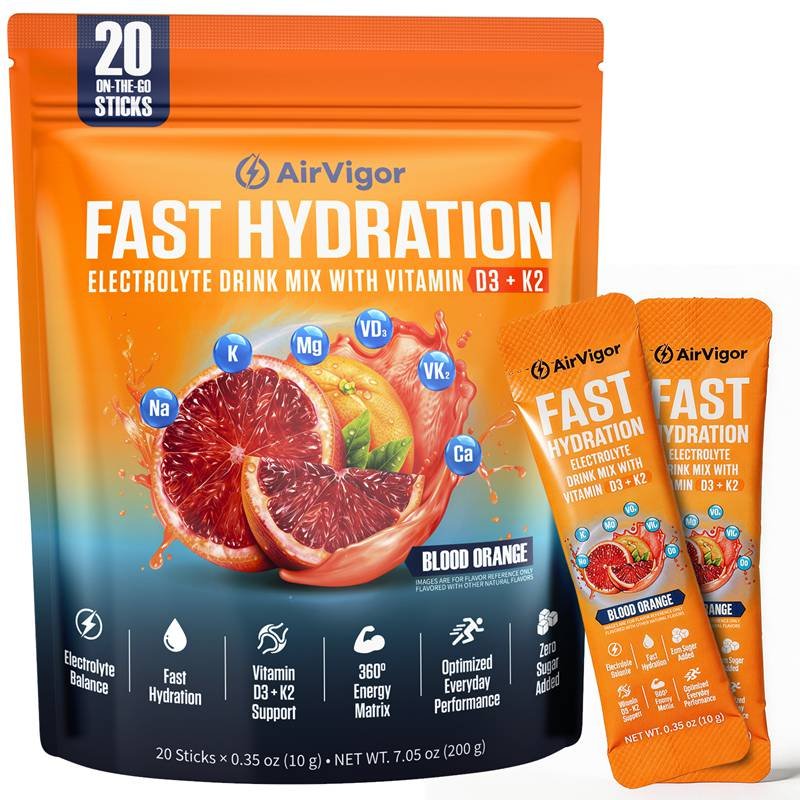
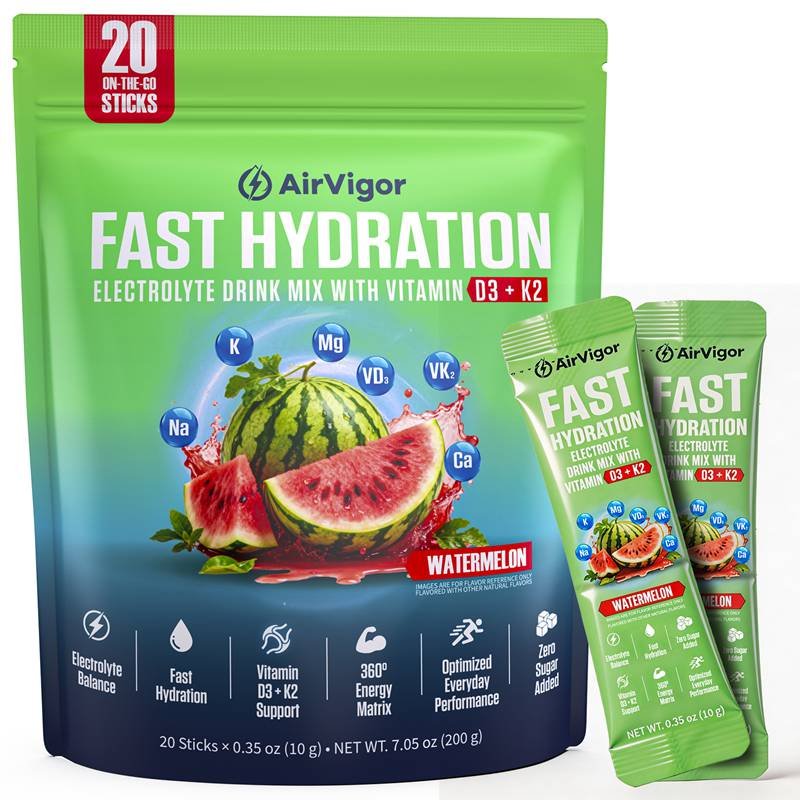
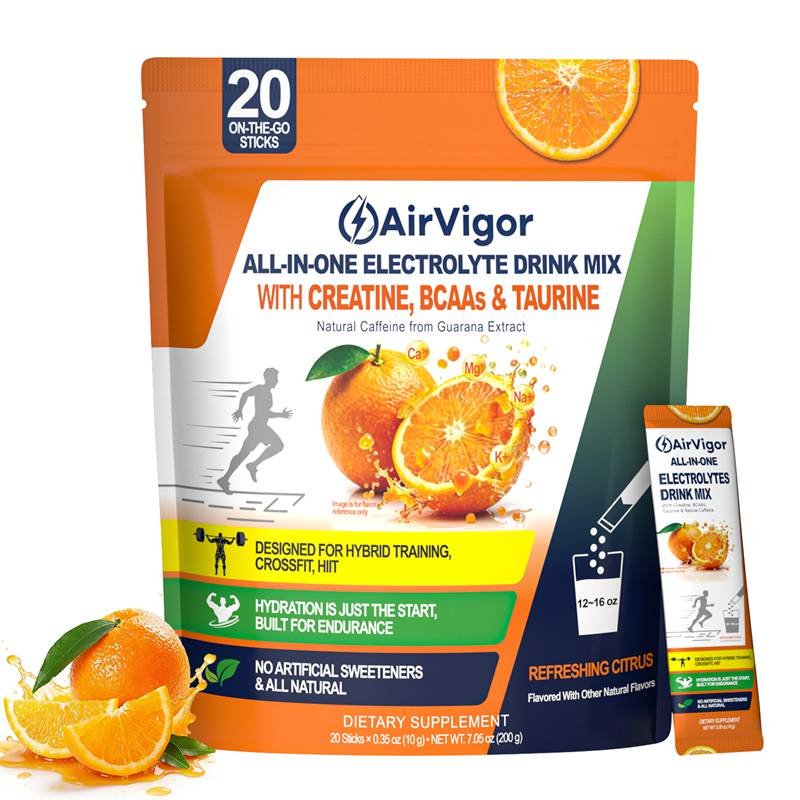
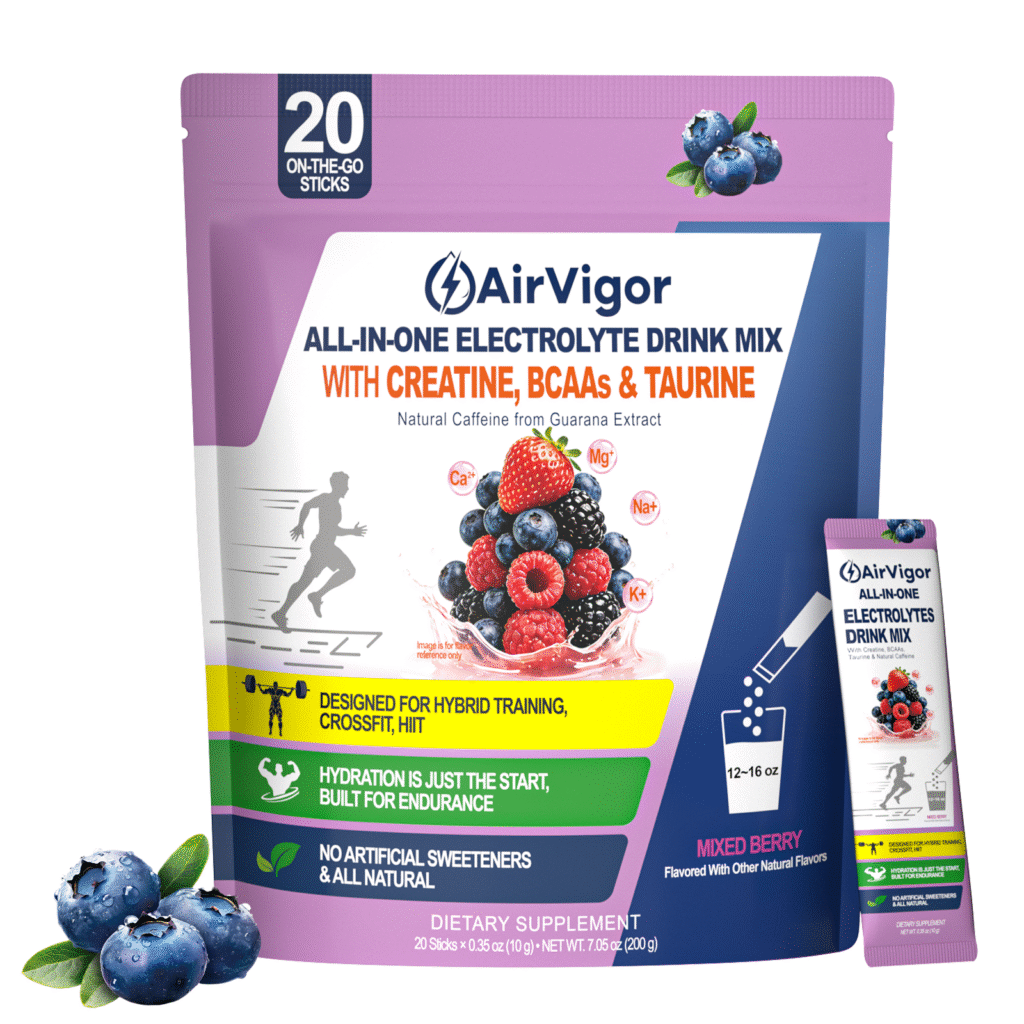
If you’re looking for ready-to-ship electrolyte products, AirVigor electrolytes are available on Amazon with stable inventory and fast delivery, making it easy to integrate into your training routine without disruption.
If you’re a brand owner, gym, coach, or distributor seeking custom electrolyte formulations, AirVigor also provides OEM / ODM services, from rapid sampling to scalable production—backed by in-house R&D, certified manufacturing, and global logistics support.
Choose hydration that works with your body, not against it.
Train consistently. Recover reliably. And let electrolytes do what they’re meant to do—quietly support your performance, rep after rep, mile after mile.