Skip to content
Why Is Sodium in Electrolyte Powder Important: A Practical Hydration Guide
# Your Trusted Dietary Supplement Brand In US
- Emily

Table of Contents
Hydration is often treated as a simple habit—drink more water and you will feel better. In practice, it rarely works that way. Many people drink enough fluids but still experience fatigue, unstable energy, or poor recovery after physical activity. The reason is that hydration is not just about volume. It depends on whether the body can retain and use the fluid effectively, and that process is closely tied to sodium balance.
Sodium is the primary electrolyte lost through sweat. When sodium levels drop, the body becomes less efficient at holding onto water. This is why people can drink large amounts of water and still feel dehydrated. The fluid enters the body, but it does not stay where it is needed or support normal function.
Sodium in electrolyte powder is important because it helps the body absorb and retain water, supports nerve signaling, and maintains muscle function. When sodium is replaced in appropriate amounts, hydration becomes more stable and effective, especially during exercise, heat exposure, travel, and other conditions where fluid loss occurs.
In real use, this difference becomes noticeable. A person finishing a workout may drink water and still feel drained, while another using a properly balanced electrolyte drink recovers more steadily. The difference is not the amount of fluid, but how well that fluid is supported by electrolytes.
What Is Sodium in Electrolyte Powder?
Sodium in electrolyte powder is a measured mineral component added to improve how the body absorbs, retains, and distributes fluids. It helps maintain fluid balance between blood and tissues, supports normal muscle contraction, and enables nerve signaling. In practical use, sodium determines whether the water you drink actually contributes to stable hydration or is quickly lost.
What sodium does in the body
Sodium is the primary electrolyte in the fluid outside cells, which means it directly influences blood volume and overall hydration status. When sodium levels are adequate, the body can maintain a more stable circulation of fluids. When sodium is low, fluid balance becomes less efficient, and hydration may feel short-lived.
Key roles of sodium include:
Fluid distribution control
Sodium helps regulate how water moves between the bloodstream and tissues. This affects how hydrated a person feels after drinking fluids.
Muscle contraction support
Sodium works with other electrolytes to allow muscles to contract and relax properly. Low sodium levels may lead to reduced strength or early fatigue.
Nerve signal transmission
Sodium ions are involved in sending electrical signals between nerves. This supports coordination and physical responsiveness.
A comparison based on functional impact:
| Function Area | Adequate Sodium | Low Sodium |
|---|---|---|
| Fluid retention | More stable | Less efficient |
| Muscle response | Consistent | Fatigue-prone |
| Nerve signaling | Normal | Slower or weaker |
| Hydration effect | Longer lasting | Short-term |
For users, these differences are often noticed as changes in energy, endurance, and recovery.
Why sodium matters more than most users expect
Many people focus on how much water they drink but pay less attention to how well that water is used. Sodium is a key factor in that process.
Sweat contains both water and sodium, with sodium being the most abundant electrolyte lost. Typical sodium loss:
- 400–700 mg per liter of sweat for moderate conditions
- 700–1,200 mg per liter for heavier sweating
During a standard 60-minute workout, this can translate to:
- 500–900 mg sodium loss in moderate conditions
- Over 1,000 mg in hotter environments
If sodium is not replaced, hydration may remain incomplete even when fluid intake is sufficient.
Users often report:
- Drinking water but still feeling tired
- Reduced performance during longer sessions
- Slower recovery after activity
These experiences are often linked to sodium imbalance rather than fluid shortage alone.
How sodium differs from other electrolytes in a formula
Electrolyte powders typically include sodium, potassium, and magnesium, but each plays a different role. Sodium is the primary driver of fluid balance, while the others support additional functions.
| Electrolyte | Main Function | Practical Effect |
|---|---|---|
| Sodium | Fluid balance and retention | Determines hydration efficiency |
| Potassium | Intracellular fluid balance | Supports cellular hydration |
| Magnesium | Muscle relaxation and recovery | Helps reduce muscle tension |
Sodium is the main factor that determines whether hydration feels effective. Potassium and magnesium contribute to balance and recovery but do not replace sodium’s role in fluid regulation.
This is why two electrolyte powders with similar ingredient lists can perform differently in real use. The sodium level often explains the difference.
What happens when sodium is too low during fluid loss
When sodium intake does not match fluid loss, the body may struggle to maintain balance. This does not always result in immediate symptoms, but it can affect performance and recovery over time.
Common effects of low sodium during fluid loss:
- Reduced endurance during activity
- Increased fatigue after exercise
- Muscle tightness or cramping
- Difficulty maintaining energy levels
In some cases, drinking large amounts of water without sodium can dilute existing electrolyte levels, making hydration less effective.
A simple comparison:
| Condition | Fluid Intake | Sodium Intake | Result |
|---|---|---|---|
| Balanced hydration | Adequate | Adequate | Stable performance |
| Water only | High | Low | Incomplete hydration |
| Low fluid and sodium | Low | Low | Dehydration risk |
For customers, this highlights the importance of matching sodium intake to actual conditions rather than relying on water alone.
Why sodium content per serving matters in product selection
Not all electrolyte powders provide the same sodium levels, even if they appear similar. Sodium content per serving is one of the most important indicators of how a product will perform.
Typical ranges:
| Product Type | Sodium per Serving |
|---|---|
| Low sodium formula | 100–300 mg |
| Moderate formula | 300–600 mg |
| Performance formula | 600–1,000 mg |
| High sodium formula | 1,000 mg+ |
Products with lower sodium may be suitable for light daily use but may not support users who sweat regularly. Higher sodium products are more appropriate for training, heat exposure, or longer activity sessions.
For buyers and users, clear sodium labeling helps:
- Match the product to specific use cases
- Avoid under-dosing or over-dosing
- Improve overall satisfaction with the product
Sodium in electrolyte powder is best understood as a functional component that determines how effective hydration will be in real-world conditions.
Why Add Sodium in Electrolyte Powder?
Sodium is added to electrolyte powder to make hydration more effective and more predictable. It helps the body absorb fluids efficiently, maintain stable blood volume, and replace sodium lost through sweat and daily fluid turnover. In real use, this means the fluid you drink is more likely to stay in the body and support energy, muscle function, and overall performance rather than being quickly lost.
Why water alone is often not enough
Water replaces fluid volume, but it does not replace the electrolytes that are lost at the same time. During sweating, both water and sodium leave the body. If only water is consumed, hydration becomes incomplete because one part of the loss is not addressed.
This is why people often notice:
- Drinking large amounts of water but still feeling tired
- A temporary improvement followed by a quick drop in energy
- Reduced endurance during longer activity
A simple comparison illustrates the difference:
| Hydration Method | Fluid Replacement | Sodium Replacement | Practical Result |
|---|---|---|---|
| Water only | Yes | No | Short-term relief |
| Electrolyte powder with sodium | Yes | Yes | More stable hydration |
In situations with fluid loss, water alone can help but may not fully restore balance. Sodium helps complete that process.
How sodium improves fluid retention and absorption
Sodium supports how the body handles fluids after they are consumed. It helps move water into the bloodstream and reduces how quickly that fluid is lost.
Key effects include:
Improved absorption
Sodium supports transport mechanisms in the digestive system that move water into circulation more efficiently.
Better fluid retention
Adequate sodium helps reduce rapid fluid loss, allowing hydration to last longer.
More stable blood volume
During fluid loss, maintaining blood volume supports circulation and energy levels.
From a user perspective, this often shows up as:
- Hydration that feels more sustained rather than temporary
- Less need to drink repeatedly in short intervals
- More stable energy during activity
These differences are not always immediate but become noticeable over longer sessions or repeated use.
Why sodium matters during sweating and heat exposure
Sweating is the main reason sodium is included in electrolyte formulas. Sodium is the primary electrolyte lost in sweat, and the amount lost can increase quickly depending on conditions.
Typical sodium loss:
| Condition | Sodium Loss per Hour |
|---|---|
| Light sweating | 300–500 mg |
| Moderate sweating | 500–900 mg |
| Heavy sweating | 900–1,500 mg |
In hot environments, even low-intensity activity can lead to significant sodium loss. Over time, this affects:
- Muscle performance
- Endurance
- Hydration stability
Without replacement, users may experience:
- Reduced performance during activity
- Increased fatigue afterward
- Slower recovery
This is why sodium becomes more important as sweating increases.
Why sodium is relevant beyond sports
Sodium is often associated with sports hydration, but it is also relevant in everyday situations where fluid balance is affected.
Common non-sport scenarios include:
- Long hours in air-conditioned environments
- Frequent air travel with low humidity
- Irregular hydration habits during workdays
- Warm climates with ongoing fluid loss
These situations may not involve heavy sweating, but they still create mild dehydration or imbalance.
Typical user experiences:
- Feeling tired despite drinking fluids
- Difficulty maintaining focus
- Low energy in the afternoon
Moderate sodium intake can help improve how the body responds to fluid intake in these conditions.
Why formulation design matters when sodium is added
Not all electrolyte powders are formulated with the same purpose. Sodium levels, serving size, and ingredient balance all influence how effective a product will be.
Important factors include:
Sodium level per serving
Determines whether the product can match fluid loss
Serving size accuracy
Ensures the listed sodium reflects real use
Electrolyte balance
Sodium should be combined with potassium and magnesium in appropriate ratios
Consistency across batches
Reliable formulation ensures predictable results
A comparison between different product types:
| Product Type | Sodium Level | Use Suitability |
|---|---|---|
| Low sodium formula | 100–300 mg | Light daily hydration |
| Moderate formula | 300–600 mg | General use |
| Performance formula | 600–1,000 mg | Exercise and sweating |
For customers and buyers, products with clear sodium positioning and transparent labeling are easier to evaluate and more likely to deliver consistent results.
Sodium is added to electrolyte powder not as a general ingredient, but as a functional component that directly affects hydration quality. When matched correctly to the intended use, it helps ensure that fluid intake translates into real and noticeable hydration support.

How Much Sodium in Electrolyte Powder?
Sodium in electrolyte powder typically ranges from 200 mg to over 1,500 mg per serving, but the right amount depends on how much sodium your body loses and how long that loss continues. Sweat rate, activity type, environment, and daily habits all affect sodium needs. Choosing the correct level is important because too little may not support hydration effectively, while unnecessary excess may not improve results.
What counts as low, moderate, and high sodium levels
Electrolyte powders are usually designed for different use cases, and sodium levels reflect that positioning. Understanding these ranges helps users quickly identify which products match their needs.
| Sodium Level | Range per Serving | Typical Use Scenario |
|---|---|---|
| Low | 100–300 mg | Light daily hydration |
| Moderate | 300–600 mg | Daily use + light activity |
| High | 600–1,000 mg | Regular training, sweating |
| Very high | 1,000–1,500 mg+ | Endurance, heat exposure |
Many products on the market stay in the low to moderate range because they are easier to drink and appeal to a broader audience. However, for users who sweat regularly, these levels may not be sufficient.
A practical takeaway:
- Low sodium formulas are suitable for light use
- Moderate levels support general hydration needs
- Higher levels are more appropriate for performance and recovery
The effectiveness of a product depends on how well its sodium level matches real usage conditions.
How sweat loss changes sodium requirements
Sweat is the main factor that determines how much sodium a person needs. The amount of sodium lost varies between individuals, but the pattern is consistent: more sweating leads to higher sodium loss.
Average sodium loss in sweat:
| Sweat Level | Sodium Loss per Hour |
|---|---|
| Light | 300–500 mg |
| Moderate | 500–900 mg |
| Heavy | 900–1,500 mg |
This means that even a single session can create a measurable deficit. For example:
- A 60-minute moderate workout can result in 500–900 mg sodium loss
- A 90-minute session in heat can exceed 1,000 mg
If sodium is not replaced, hydration becomes less efficient over time.
Users often notice:
- Reduced endurance during activity
- Slower recovery afterward
- Feeling fatigued despite fluid intake
These effects are usually linked to electrolyte imbalance rather than lack of water alone.
How climate and environment affect sodium needs
Environmental conditions can significantly increase sodium requirements, even without intense exercise.
| Environment | Effect on Sodium Loss |
|---|---|
| Cool indoor | Minimal |
| Warm indoor | Moderate |
| Outdoor heat | High |
| High humidity | Very high |
In humid conditions, sweat does not evaporate efficiently, which often leads to prolonged sweating and greater sodium loss.
Travel is another factor. Airplane cabins typically have low humidity, which can contribute to fluid imbalance. Even without visible sweating, users may experience:
- Fatigue
- Mild headaches
- Reduced energy
In these situations, moderate sodium intake can help restore fluid balance more effectively than water alone.
How to match sodium intake to activity type
Matching sodium intake to activity is one of the most practical ways to choose an electrolyte powder.
| Activity Type | Recommended Sodium Range |
|---|---|
| Daily use (low activity) | 200–400 mg |
| Light exercise | 300–600 mg |
| Gym training | 500–800 mg |
| High-intensity sessions | 600–1,200 mg |
| Endurance or long duration | 800–1,500 mg |
This approach works because it reflects actual sodium loss rather than general assumptions.
A common issue is using the same product for all situations. For example:
- Using a low-sodium formula during heavy training
- Using a high-sodium product during sedentary days
Both cases reduce effectiveness.
Adjusting sodium intake based on activity improves hydration consistency and overall results.
Why serving size and labeling can mislead buyers
Not all electrolyte labels reflect real usage clearly. Sodium content is often listed per serving, but the defined serving size may not match how the product is actually used.
Common issues include:
- Small serving sizes that understate total intake
- Multiple servings required for effectiveness
- Sodium content grouped in blends without clear breakdown
Example comparison:
| Product Type | Sodium per Serving | Real Intake per Use |
|---|---|---|
| Low-dose formula | 200 mg | 400–600 mg (2–3 servings) |
| Performance formula | 700 mg | 700 mg (1 serving) |
Customers who rely only on “per serving” numbers may misjudge the effectiveness of a product.
For better evaluation:
- Look at total sodium per actual use
- Consider how many servings are needed
- Choose products with clear, transparent labeling
Understanding these details helps users select electrolyte powders that align with their needs and deliver consistent results.
Is Sodium in Electrolyte Powder Bad?
Sodium in electrolyte powder is not inherently harmful. Its effect depends on how much is consumed and whether it matches real fluid and electrolyte loss. When used to replace sodium lost through sweat, heat, or dehydration, it supports hydration and physical performance. Concerns arise mainly when intake is consistently higher than the body’s needs, especially in low-activity conditions.
Why sodium has a negative reputation
Sodium is often associated with health concerns because of its presence in processed foods. In many diets, sodium intake is already high due to packaged meals, snacks, and restaurant food. This type of intake is usually uncontrolled and not linked to physical demand.
Typical daily sodium sources:
| Food Type | Approximate Sodium Content |
|---|---|
| Processed meals | 800–1,500 mg per serving |
| Fast food items | 1,000–2,000 mg per meal |
| Packaged snacks | 200–500 mg per serving |
Because these foods are consumed regularly, sodium intake can easily exceed general dietary guidelines. This has shaped the perception that sodium is always something to limit.
However, this perception does not fully apply to electrolyte powder. In that context, sodium is used in controlled amounts and for a specific purpose.
Why sodium in electrolyte powder is different from dietary excess
The key difference is how sodium is used and measured. In electrolyte powder, sodium intake is intentional and tied to specific situations such as exercise, sweating, or dehydration.
Comparison of intake types:
| Sodium Source | Intake Pattern | Purpose |
|---|---|---|
| Processed foods | Continuous, unregulated | Flavor and preservation |
| Electrolyte powder | Measured, situational | Hydration support |
Electrolyte powders typically provide sodium in defined amounts, such as:
- 300–600 mg for moderate hydration
- 600–1,000 mg for performance use
This allows users to adjust intake based on activity level and environment.
In practice, this means sodium from electrolyte powder is easier to manage and align with actual needs.
When sodium intake is actually beneficial
Sodium becomes beneficial when the body is actively losing fluids and electrolytes. This occurs in several common situations:
- Physical activity with sweating
- Hot or humid environments
- Outdoor work or prolonged exposure
- Travel with low humidity and irregular hydration
- Recovery after fluid loss
In these cases, sodium helps maintain:
- Fluid balance
- Muscle function
- Energy stability
Estimated sodium loss during activity:
| Activity Condition | Sodium Loss per Hour |
|---|---|
| Moderate exercise | 500–900 mg |
| Intense training | 800–1,500 mg |
| Heat exposure | 1,000 mg+ |
Replacing sodium in these conditions supports more complete hydration.
When sodium becomes excessive
Sodium becomes excessive when intake consistently exceeds what the body requires, particularly in situations with little fluid loss.
This can occur when:
- High-sodium diets are combined with electrolyte supplements
- High-sodium formulas are used without sweating or activity
- Intake is not adjusted across different days
Possible long-term effects may include:
- Fluid retention
- Electrolyte imbalance
- Increased blood pressure in some individuals
A practical comparison:
| Lifestyle Context | Sodium Intake vs Need | Outcome |
|---|---|---|
| Active and sweating | Intake matches loss | Balanced hydration |
| Active with low sodium intake | Intake below loss | Reduced performance |
| Low activity with high intake | Intake exceeds need | Potential imbalance |
The issue is not sodium itself, but whether intake matches actual conditions.
How to judge whether your sodium intake is appropriate
The most effective way to evaluate sodium intake is to relate it to your daily routine and fluid loss.
Questions to consider:
- Do you sweat regularly during activity?
- Do you feel fatigued even after drinking fluids?
- Is your environment warm or dry?
- Are you using electrolyte products daily or occasionally?
Practical reference:
| Condition | Sodium Intake Assessment |
|---|---|
| Regular activity with sweating | Additional sodium needed |
| Occasional activity | Moderate sodium sufficient |
| Low activity | Lower sodium preferred |
Users who align sodium intake with real conditions tend to experience more stable hydration and better results.
Another useful approach is to monitor how you feel:
- Consistent energy and recovery → intake likely appropriate
- Persistent fatigue or poor hydration response → intake may be too low
- Unnecessary heaviness or discomfort → intake may be too high
This type of adjustment is more effective than relying on fixed numbers alone.
Why low-sodium formulas are not always the safer choice
Low-sodium electrolyte products are often perceived as a safer option, but they may not provide sufficient support in situations involving fluid loss.
Common limitations of low-sodium formulas:
- Insufficient replacement of sweat losses
- Reduced effectiveness during longer activity
- Limited support for recovery
Comparison:
| Product Type | Sodium Level | Practical Effect |
|---|---|---|
| Low sodium | 100–300 mg | Suitable for light use |
| Moderate sodium | 300–600 mg | Balanced daily support |
| Higher sodium | 600–1,000 mg | Effective for activity and sweating |
For users who sweat or train regularly, choosing a low-sodium product may lead to incomplete hydration.
The safer choice is not always the lowest sodium option, but the one that best matches actual needs.
Who Needs Sodium in Electrolyte Powder?
Sodium in electrolyte powder is relevant for more than just athletes. It is useful for anyone who experiences fluid loss, inconsistent hydration, or environments that increase dehydration risk. The need for sodium is driven by how much fluid and electrolytes the body loses, not by whether someone identifies as “active” or not.
Why athletes and high-sweat users need more sodium
Athletes and physically active individuals have the most direct and measurable need for sodium because sweat loss is continuous during training.
Typical sodium loss during exercise:
| Activity Type | Sodium Loss per Hour |
|---|---|
| Light training | 300–500 mg |
| Strength training | 400–800 mg |
| HIIT / Cross-training | 500–1,200 mg |
| Endurance (running, cycling) | 800–1,500 mg |
Over a standard 60–90 minute session, total sodium loss can easily exceed 1,000 mg, especially in warm conditions.
Without adequate replacement, this affects:
- Muscle contraction efficiency
- Endurance and output consistency
- Recovery between sessions
Common feedback from users in this group includes:
- Performance drops midway through training
- Muscles feel less responsive
- Increased fatigue after sessions
Electrolyte powders with appropriate sodium levels help maintain more stable performance and reduce variability between workouts.
Why everyday users may still benefit from sodium
Many people who are not engaged in structured exercise still experience mild but consistent hydration imbalance. This often comes from daily habits rather than obvious fluid loss.
Typical situations include:
- Drinking coffee or caffeinated beverages more frequently than water
- Long working hours with irregular hydration
- Skipping meals or inconsistent eating patterns
- Spending most of the day in air-conditioned environments
These factors can lead to:
- Low energy levels
- Reduced concentration
- A general sense of fatigue
Users often describe this as “feeling off” despite drinking fluids.
In these cases, moderate sodium intake can improve how the body utilizes water, making hydration more effective and stable.
A practical comparison:
| User Type | Hydration Pattern | Effect of Adding Sodium |
|---|---|---|
| Office workers | Irregular water intake | More stable hydration |
| Busy professionals | Inconsistent routines | Improved energy consistency |
| Low-activity users | Low awareness of hydration | Better daily balance |
This is one reason electrolyte powders are increasingly used outside of sports contexts.
How lifestyle factors affect sodium needs
Lifestyle and environment play a significant role in determining sodium requirements. Even without formal exercise, certain conditions increase fluid loss or disrupt hydration patterns.
Key influencing factors:
| Lifestyle Factor | Impact |
|---|---|
| Hot climate | Increased sweating |
| High humidity | Prolonged fluid loss |
| Air travel | Dry air, reduced hydration |
| Outdoor work | Continuous exposure to heat |
| Long commutes | Limited fluid intake |
For example:
- A person working outdoors in warm conditions may lose sodium steadily throughout the day
- A frequent traveler may experience dehydration due to low cabin humidity and irregular water intake
- Someone commuting long hours may not drink fluids consistently
These situations do not always feel like “dehydration,” but they still affect fluid balance.
Users in these categories often report:
- Afternoon fatigue
- Mild headaches
- Reduced focus
In these cases, moderate sodium intake can help maintain more consistent hydration.
How different hydration habits change sodium requirements
Hydration habits vary widely, and they directly influence how much sodium is needed.
Examples of different patterns:
| Hydration Habit | Effect on Sodium Need |
|---|---|
| Drinking water regularly | Lower additional sodium required |
| Drinking large amounts at once | Less efficient hydration |
| High caffeine intake | Increased fluid turnover |
| Low fluid intake | Higher risk of imbalance |
For instance:
- Someone who drinks water consistently throughout the day may require only moderate sodium intake
- Someone who drinks infrequently but in large amounts may not absorb fluids as efficiently
Another important factor is consistency. Hydration is cumulative. Small imbalances over several days can lead to noticeable effects.
Matching sodium intake to hydration habits helps maintain stability rather than relying on occasional corrections.
Why sodium needs vary more than most people expect
Sodium requirements are not the same for everyone. Two people performing the same activity may have very different sodium losses.
Factors that influence variation include:
- Individual sweat composition
- Body size and metabolism
- Acclimation to heat
- Training level
For example:
- Some individuals lose less than 500 mg sodium per hour
- Others may lose over 1,200 mg per hour under similar conditions
This variation explains why:
- One person feels fine with a low-sodium product
- Another experiences fatigue with the same product
A more flexible approach is to adjust sodium intake based on personal experience rather than fixed numbers.
Indicators that sodium intake may need adjustment:
- Feeling consistently fatigued despite fluid intake
- Performance variability between sessions
- Difficulty maintaining hydration in heat
Recognizing these patterns helps users choose electrolyte products that better match their needs.
Sodium in electrolyte powder is relevant for a wide range of users. The common factor is not activity level alone, but whether hydration needs are fully met. When sodium intake aligns with real conditions, hydration becomes more stable and predictable.

How to Choose Sodium in Electrolyte Powder?
Choosing the right sodium level in electrolyte powder is mainly about matching the product to real usage. The most suitable option depends on how often you use it, how much you sweat, and your daily hydration habits. A well-matched formula should feel consistent and effective in real situations, not just look good on the label.
How to choose sodium level based on your routine
The starting point is your primary use scenario. Sodium levels should reflect how much fluid and electrolyte loss you experience on a typical day.
| Routine Type | Recommended Sodium Range |
|---|---|
| Low activity / daily hydration | 200–400 mg |
| Light activity | 300–600 mg |
| Regular gym training | 500–800 mg |
| High-intensity training | 600–1,200 mg |
| Endurance / hot environments | 800–1,500 mg+ |
Using this approach helps avoid two common issues:
- Using a low-sodium product during heavy sweating, which leads to incomplete hydration
- Using a high-sodium product on low-activity days, which may feel unnecessary
A useful way to decide is to look at your most frequent scenario rather than occasional use. Consistency in matching intake to routine tends to produce better results than switching products frequently.
What to look for on electrolyte powder labels
Label clarity is one of the most important indicators of product quality. A clear label allows you to understand exactly what you are consuming and whether it fits your needs.
Key elements to check:
- Sodium content per serving, clearly stated in milligrams
- Full electrolyte breakdown, including potassium and magnesium
- Serving size that reflects actual usage
- Absence of proprietary blends that hide ingredient amounts
- Manufacturing standards such as GMP, ISO, or HACCP
A practical evaluation table:
| Label Feature | What to Check | Why It Matters |
|---|---|---|
| Sodium level | mg per serving | Determines effectiveness |
| Electrolyte balance | Na, K, Mg listed | Supports overall hydration |
| Serving size | Realistic portion | Avoids under-dosing |
| Ingredient transparency | No hidden blends | Builds trust |
| Certifications | Quality standards | Ensures consistency |
Products that clearly present this information are easier to evaluate and more likely to meet expectations.
How to avoid common mistakes when choosing products
Many users select electrolyte powders based on taste, branding, or price without considering actual function. This often leads to inconsistent results.
Common mistakes include:
- Choosing the lowest sodium option by default
- Ignoring how many servings are needed per use
- Assuming all electrolyte powders provide similar hydration benefits
- Not adjusting sodium intake based on activity or environment
These mistakes can result in:
- No noticeable improvement in hydration
- Reduced performance during activity
- Lack of consistency in daily use
A more effective approach is to prioritize function first. Once the sodium level matches your needs, factors such as flavor and convenience can be considered.
Why formulation transparency and consistency matter
For long-term use, consistency is as important as formulation. A product should deliver the same sodium level and performance across different batches.
Important factors include:
- Stable sodium content in each serving
- Reliable mixing and dissolution
- Consistent taste and usability
- Clear and repeatable labeling
This is especially important for users who rely on electrolyte powders regularly. Inconsistent products can lead to:
- Variability in hydration results
- Difficulty adjusting intake
- Reduced trust in the product
For business buyers, formulation transparency also affects customer retention. Products that clearly communicate sodium levels and deliver consistent performance are easier to position and scale.
How to evaluate value beyond price
Price alone is not a reliable indicator of product quality. Evaluating value requires looking at how much sodium and functional benefit you receive per use.
A simple comparison:
| Product Type | Price per Serving | Sodium per Serving | Practical Value |
|---|---|---|---|
| Low-cost product | Low | 200 mg | May require multiple servings |
| Mid-range product | Moderate | 500 mg | Balanced daily use |
| High-performance product | Higher | 800–1,000 mg | Suitable for heavy use |
In some cases, a lower-priced product may require multiple servings to reach effective sodium levels, which reduces its actual value.
For better evaluation:
- Compare sodium per use, not just per serving
- Consider how many servings are needed
- Look at overall formulation quality
Choosing the right electrolyte powder is not about selecting the cheapest or most popular option. It is about finding a product that consistently matches your hydration needs and delivers predictable results.
Conclusion — Choosing the Right Sodium Level for Real Hydration
Sodium in electrolyte powder is a key factor in whether hydration is effective. Drinking water alone is not always enough. When sodium intake matches fluid loss, hydration becomes more stable and noticeable in real use.
With the right sodium level, users typically experience:
- More consistent energy
- Better performance during activity
- Faster recovery after fluid loss
- Improved daily hydration stability
The goal is not to choose the highest or lowest sodium product, but to select a formula that fits your routine. Clear sodium labeling and consistent formulation are what make a product reliable over time.
From a practical standpoint, ready-to-use electrolyte powders are often the most efficient choice. They offer defined sodium levels, balanced formulas, and consistent quality, making them suitable for both individual use and business applications.
Custom formulation is available for specific needs, but for most users and buyers, starting with a proven, ready-made product allows for faster use and more predictable results.
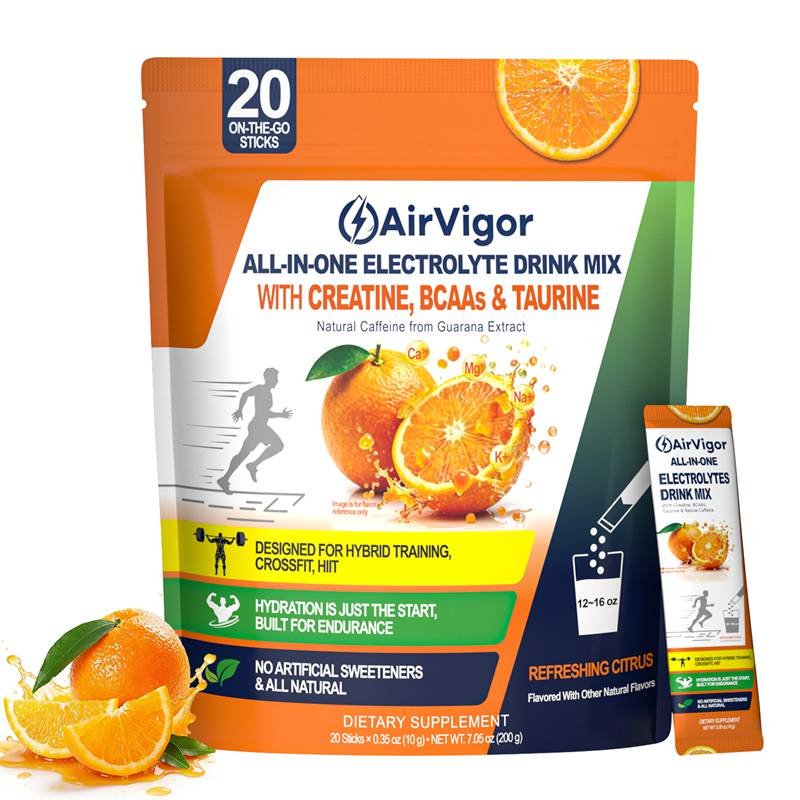
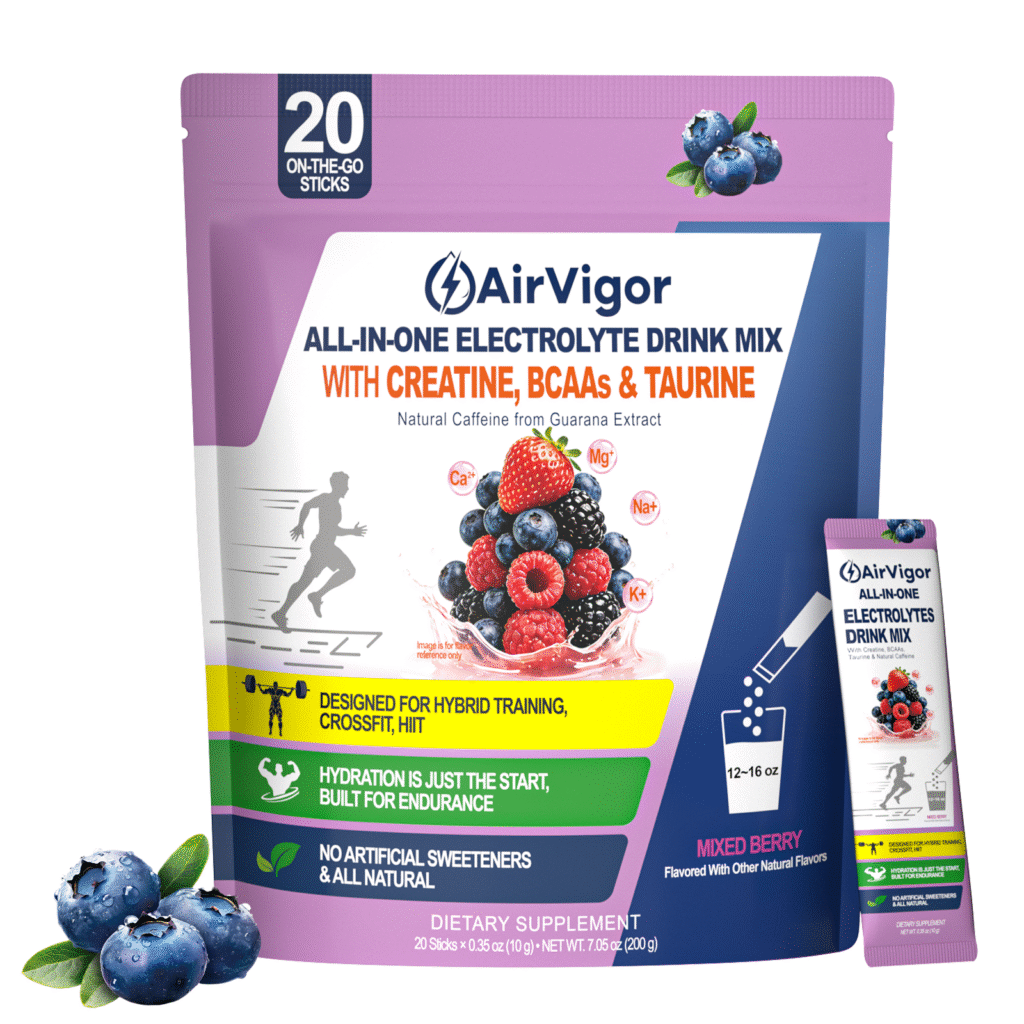
AirVigor provides electrolyte powders with clear sodium positioning, high-quality raw materials, and stable production standards. Choosing a product with transparent formulation and consistent performance will help ensure a more reliable hydration experience.
Share:
Contact Expert Team
At AirVigor, performance becomes effortless. We transform advanced nutrition science into clean, effective supplements that help you hydrate, recover, and feel stronger every day. Shop AirVigor Supplements on Amazon and experience athlete-trusted formulas—backed by real science and supported by our world-class R&D and production capabilities.
Trust AirVigor
At AirVigor, turning your performance goals into reality is no longer a struggle—it’s a science-driven journey we build together. Whether you’re a runner, lifter, cyclist, yogi, outdoor athlete, or someone simply seeking better daily energy, AirVigor transforms advanced nutrition research into clean, effective, and trustworthy supplements you can feel.
Backed by our U.S. scientific team, global certifications, and world-class production standards, every formula is engineered to deliver real hydration, real recovery, and real performance. And when you’re ready to experience the difference, you’ll find AirVigor products available on Amazon and other major platforms—fast shipping, consistent quality, and a community of athletes already seeing results.
Behind the scenes, our R&D and manufacturing ecosystem also supports specialized formulation development, ensuring AirVigor continues to lead with innovation while keeping quality and safety uncompromised. But at the core, everything we create is built for you—your health, your performance, your momentum.
Choose AirVigor. Feel the science. Elevate your every day.


Subscribe to our newsletter
Sign up to our newsletter and we’ll keep you up to date with the latest arrivals.