Skip to content
Can Recovery Electrolyte with D3K2 Be Taken with Coffee: A Complete Guide
# Your Trusted Dietary Supplement Brand In US
- Emily

Table of Contents
Coffee and electrolyte powders often appear in the same routine, but they solve different problems. Coffee is usually used for alertness, focus, and getting the day started. Recovery Electrolyte with D3K2 is used for hydration, mineral balance, and support after sweat loss. The confusion begins when both show up close together: coffee in the morning, training later, an electrolyte drink after exercise, or sometimes both in the same few hours. That is why so many people ask whether taking them together is smart, unnecessary, or uncomfortable.
For most healthy adults, the answer is yes—Recovery Electrolyte with D3K2 can usually be taken with coffee. The real issue is not whether the two ingredients “conflict,” but whether the timing, stomach comfort, workout intensity, and total fluid intake make sense for the person using them. Coffee does not do the same job as electrolytes, and electrolytes do not replace the role of coffee. One is mainly about caffeine and mental lift. The other is about replacing minerals and supporting hydration when sweat loss becomes meaningful.
This is also where disappointing product experiences often begin. Someone may drink strong coffee on an empty stomach, exercise too soon, feel bloated or unsettled, and blame the electrolyte powder. Another person may expect the combination to feel like an energy drink and decide it “did nothing.” In reality, the issue is often poor timing, not poor formulation. Understanding what each product is supposed to do can make the difference between a rough session and a routine that feels much more stable.
What Is Recovery Electrolyte with D3K2?
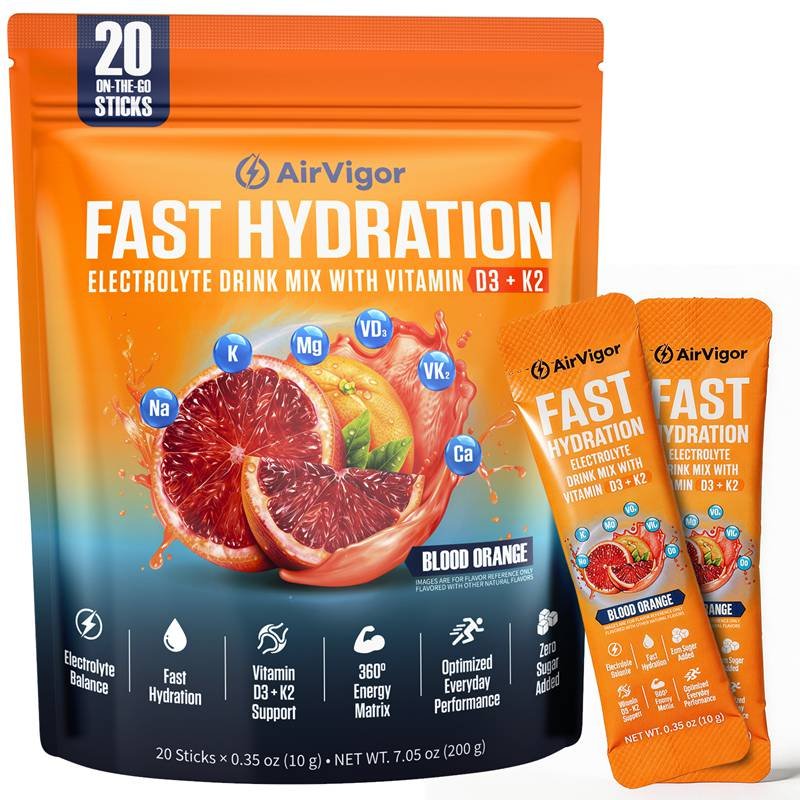
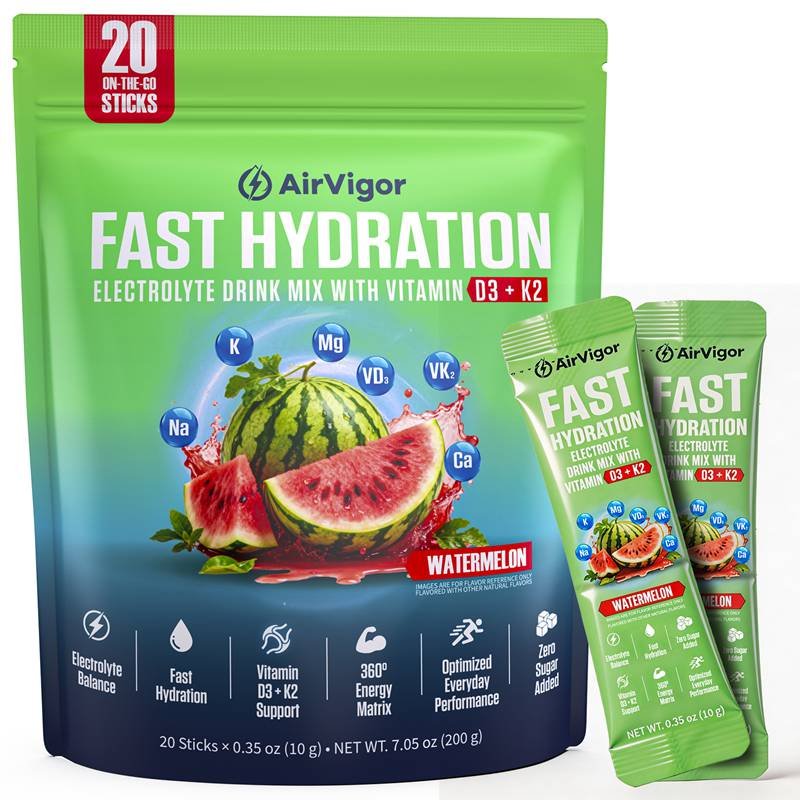
Recovery Electrolyte with D3K2 is a hydration-focused formula designed to help replace important minerals lost through sweat. Instead of stimulating the nervous system, it supports fluid balance, muscle function, and recovery by supplying electrolytes such as sodium, potassium, magnesium, and calcium, along with vitamins D3 and K2 to support calcium use and broader mineral balance.
How Does Recovery Electrolyte with D3K2 Work?
When the body sweats, it loses more than water. It also loses electrolytes, and that changes how well the body can hold, move, and use fluid. This is why some people drink plenty of water after training but still feel flat, cramp-prone, or not fully recovered.
Recovery Electrolyte with D3K2 is built around this basic need. It helps replace the minerals most closely tied to hydration and muscular function. These minerals do not work in isolation. They work together.
| Nutrient | Main Job in the Body | Why It Matters After Sweating |
|---|---|---|
| Sodium | Helps maintain fluid balance and blood volume | Important for rehydration efficiency |
| Potassium | Helps regulate fluid balance inside cells | Supports muscle and nerve function |
| Magnesium | Supports energy metabolism and muscle relaxation | Helpful for post-training comfort |
| Calcium | Supports contraction and signaling | Relevant in exercise and recovery |
For active people, this matters most in situations like these:
- workouts lasting more than 45–60 minutes
- hot or humid training environments
- repeated sweating throughout the day
- long runs, cycling sessions, or outdoor work
- recovery after high-output sessions
A simple way to think about it is this: plain water adds fluid, but electrolytes help the body use that fluid more effectively when sweat loss becomes meaningful.
Why Does Recovery Electrolyte with D3K2 Include D3K2?
A lot of people understand why sodium, potassium, and magnesium belong in an electrolyte powder. D3 and K2 are less obvious at first glance, but they give the formula a broader recovery role.
Vitamin D3 helps support calcium absorption. Vitamin K2 helps support how calcium is used in the body. Since calcium is involved in muscle contraction and signaling, adding D3K2 makes the formula feel more complete than a simple flavored mineral drink.
| Nutrient | Role in the Formula |
|---|---|
| Vitamin D3 | Supports calcium absorption |
| Vitamin K2 | Supports calcium utilization |
| Calcium | Supports contraction and signaling |
This makes the product especially relevant for people who want hydration support with a stronger mineral-balance angle, not just a quick sports drink taste.
In practical terms, that often appeals to:
- regular gym users
- endurance athletes
- active adults training several times per week
- people who prefer fewer separate products in one routine
So while Recovery Electrolyte with D3K2 is still a hydration product first, it is built with a little more structure than a basic electrolyte mix.
Who Uses Recovery Electrolyte with D3K2?
This type of formula is no longer limited to marathon runners or elite athletes. The user base is much wider now because modern life creates many different hydration problems.
Common groups include:
- strength training users
- runners and cyclists
- hot-yoga participants
- outdoor workers in warm climates
- travelers dealing with dehydration and schedule disruption
- office workers who train before or after work
Each group may use the product for a different reason, but the underlying need is often similar: fluid loss, mineral loss, or a more structured hydration routine.
| User Group | Why It May Fit |
|---|---|
| Gym users | Sweat loss during longer or harder sessions |
| Runners | Longer duration fluid and mineral loss |
| Cyclists | Repeated hydration demand over time |
| Outdoor workers | Heat exposure and steady sweating |
| Travelers | Inconsistent hydration and fatigue |
| Busy professionals | Need for convenient hydration support |
This is important for the coffee question because many of these same people also drink coffee. That is exactly why the topic keeps coming up. The overlap is real.
Can Recovery Electrolyte with D3K2 Be Taken with Coffee?
Yes, in most daily routines, Recovery Electrolyte with D3K2 can be taken on the same day as coffee. The two do not cancel each other out, and they do not serve the same purpose in the body. Coffee is mainly used for alertness because of caffeine. Recovery Electrolyte with D3K2 is used to support hydration and replace minerals lost through sweat.
The key point is not whether the two can exist in the same routine. The key point is when and why they are used.
Coffee affects the central nervous system. Electrolytes affect fluid balance, nerve signaling, and muscle contraction. Because their roles are different, they usually do not interfere with each other directly. However, the overall experience depends on several practical factors:
- caffeine tolerance
- timing relative to exercise
- total fluid intake during the day
- stomach sensitivity
- how much sweating actually occurs
For many active people, the routine looks something like this:
| Daily Situation | Coffee | Recovery Electrolyte with D3K2 |
|---|---|---|
| Morning focus before work | Common | Usually unnecessary |
| Short gym workout (30–40 min) | Optional | Often optional |
| Long workout (>60 min) with sweating | Optional | More useful |
| Hot outdoor activity | Optional | Often helpful |
| Post-workout recovery | Not required | Often useful |
This comparison shows that the two products are not competing. They simply serve different needs.
Why Coffee and Recovery Electrolyte with D3K2 Do Different Jobs
Coffee is mostly consumed for caffeine, which affects alertness and mental focus. A typical cup of brewed coffee contains roughly 80–120 mg of caffeine, depending on bean type and brewing method.
Recovery Electrolyte with D3K2 does not provide stimulation. Instead, it focuses on hydration and mineral balance.
Sweat contains several key electrolytes:
| Electrolyte | Average Sweat Loss Range |
|---|---|
| Sodium | 500–1500 mg per liter of sweat |
| Potassium | 150–300 mg per liter |
| Magnesium | 10–20 mg per liter |
| Calcium | 10–40 mg per liter |
During light activity, this loss may be small, but during longer training sessions or hot conditions, the loss can accumulate quickly.
For example:
| Activity Type | Estimated Sweat Loss |
|---|---|
| 30-minute light workout | ~0.3–0.5 L |
| 60-minute moderate training | ~0.5–1.0 L |
| 90-minute intense training | ~1.0–2.0 L |
When fluid loss reaches these levels, water alone sometimes feels insufficient because minerals have also been lost. This is where an electrolyte formula becomes more useful than coffee.
Coffee does not replace sodium or potassium. Electrolytes do not create caffeine stimulation. The two serve different physiological roles.
When the Combination Feels Comfortable
Many people successfully include both in the same day because they naturally separate them.
A comfortable routine often follows this pattern:
| Routine Step | Example Timing |
|---|---|
| Coffee | Early morning |
| Regular water intake | Throughout the day |
| Training session | Afternoon or evening |
| Electrolyte drink | During or after sweaty activity |
This spacing works because:
- caffeine effects peak earlier
- stomach stress is lower during training
- hydration needs are addressed when sweat loss actually occurs
People who follow this pattern rarely notice problems.
Situations Where the Combination May Feel Uncomfortable
Discomfort usually comes from timing or habit patterns, not from a direct conflict between coffee and electrolytes.
The most common situations include:
| Situation | Possible Result |
|---|---|
| Strong coffee on empty stomach before hard training | Stomach discomfort |
| Coffee immediately before running | Higher GI sensitivity |
| Multiple coffees plus electrolyte drink in a short time | Overloaded stomach |
| Coffee late in the evening | Sleep disruption |
These experiences sometimes lead people to blame the electrolyte product, even though the discomfort may have started with caffeine timing.
A more balanced routine usually prevents this problem.
Practical Guidelines for Using Both
For most adults with normal caffeine tolerance, the following habits work well:
1. Do not rely on coffee as hydration
Coffee contains water, but it should not replace daily fluid intake. Regular water consumption throughout the day remains important.
2. Match electrolytes to sweat loss
Electrolytes make the most sense when sweating is significant:
- endurance exercise
- hot weather
- long gym sessions
- outdoor physical work
3. Avoid stacking everything at once
Drinking coffee, starting intense exercise, and taking electrolytes within the same short window increases the chance of stomach discomfort.
4. Watch late-day caffeine
Even when electrolytes are useful for recovery, caffeine late in the day can still interfere with sleep.
A Simple Daily Example
Below is a realistic routine many active adults follow:
| Time | Routine |
|---|---|
| 7:00 AM | Coffee with breakfast |
| Morning work hours | Water intake |
| Afternoon workout | Training session |
| Post-workout | Recovery Electrolyte with D3K2 |
| Evening | Normal hydration |
In this structure, coffee supports alertness while electrolytes support hydration and recovery.
The two products do not compete. They simply serve different needs at different times of the day.
Which Recovery Electrolyte with D3K2 Users Should Be Careful?
Most people can fit coffee and Recovery Electrolyte with D3K2 into the same day without a serious problem. Still, that does not mean the combination feels good for everyone. The real issue is usually not a direct conflict between coffee and electrolytes. It is the routine around them: empty-stomach coffee, high caffeine intake, poor timing before exercise, not enough water, or training late in the day.
Some people feel fine with a cup of coffee in the morning and an electrolyte drink later around training. Others notice stomach discomfort, shaky energy, or poor sleep. That difference usually comes down to caffeine sensitivity, workout timing, and total fluid habits.
In practical use, the people who should be more careful are not just “sensitive users.” They are people whose schedule, digestion, or training style makes the combination less comfortable.
Does Recovery Electrolyte with D3K2 and Coffee Upset the Stomach?
Yes, they can for some people, but the stomach issue usually starts with the coffee pattern, not the electrolyte minerals.
The most common discomfort triggers are:
- drinking coffee on an empty stomach
- using strong coffee too close to training
- doing running or high-impact exercise soon after coffee
- not eating enough before exercise
- mixing too many things into one short time window
A lot of people blame the electrolyte powder because it was the second thing they drank, but in many cases, the stomach was already under stress.
A useful pattern comparison looks like this:
| Routine | Stomach Comfort |
|---|---|
| Coffee with breakfast, training later | Usually easier |
| Black coffee on empty stomach, hard workout soon after | Higher discomfort risk |
| Coffee earlier, electrolytes during or after training | Often more comfortable |
| Strong coffee + intense run + no food | Higher GI risk |
This matters most for runners, HIIT users, and anyone who already gets loose stools, cramps, or urgency before training. For these users, even a good formula can feel “wrong” if the timing is poor.
How Can Recovery Electrolyte with D3K2 and Coffee Affect Sleep?
Sleep problems are one of the most overlooked parts of this topic.
Recovery Electrolyte with D3K2 is not designed to stimulate the nervous system. Coffee is. That means the sleep issue usually comes from when the coffee is used, not from the electrolyte formula.
This matters for people who:
- train after work
- drink coffee in the late afternoon
- use caffeine to “push through” evening fatigue
- already struggle with light or interrupted sleep
A practical timing table makes this easier to judge:
| Routine | Sleep Impact |
|---|---|
| Morning coffee, electrolytes later in the day | Usually lower risk |
| Afternoon coffee, evening workout | Moderate to higher risk |
| Evening electrolytes without caffeine | Usually easier for recovery-focused routines |
| Strong coffee late in the day | Higher chance of poor sleep |
For many active adults, this is the real turning point. They do not need “more energy” at night. They need better hydration and a smoother recovery routine. In that situation, stimulant-free support usually fits better than adding more coffee.
Which Recovery Electrolyte with D3K2 Users Should Avoid Coffee?
Not everyone needs to avoid coffee completely. But some groups should be much more cautious about using coffee near their electrolyte routine or training window.
These groups include:
- people who are clearly caffeine-sensitive
- people who get reflux or nausea from coffee
- runners with repeated GI issues before training
- late-evening trainees trying to protect sleep
- people already using multiple caffeine sources in one day
A simple decision guide can help:
| User Type | Coffee Near Electrolytes? |
|---|---|
| Morning gym user with normal caffeine tolerance | Often manageable |
| Evening trainee with sleep issues | Better to reduce or separate coffee |
| Runner with pre-workout stomach problems | Better to be cautious |
| High-caffeine user already drinking multiple cups daily | Better to watch total intake |
The goal is not to make the routine strict. The goal is to make it predictable and comfortable.

How Should You Use Recovery Electrolyte with D3K2 with Coffee?
Recovery Electrolyte with D3K2 and coffee can be used in the same day when they serve different purposes. Coffee is best used earlier for alertness, while Recovery Electrolyte with D3K2 is more useful during or after activities that cause sweating. Avoid drinking strong coffee immediately before intense exercise. A balanced routine usually includes coffee earlier, regular water intake throughout the day, and electrolytes when hydration support is actually needed.
When Should Recovery Electrolyte with D3K2 Be Taken Around Coffee?
Timing is where most routines either work smoothly or fall apart.
For many people, the most comfortable approach is:
- coffee earlier in the day
- water through normal daily activity
- Recovery Electrolyte with D3K2 during or after sweat-heavy activity
A simple timing guide:
| Time Window | Better Fit |
|---|---|
| Early morning | Coffee if desired |
| Before easy daily activity | Usually water is enough |
| During long sweaty training | Electrolytes matter more |
| After heavy sweating | Electrolytes often fit well |
| Late evening | Better to avoid extra coffee |
This structure helps reduce two common problems:
- stomach discomfort from stacking coffee too close to training
- sleep disruption from pushing caffeine too late
The routine does not need to be perfect. It just needs enough separation to let each product do its own job.
How Much Recovery Electrolyte with D3K2 Makes Sense with Coffee?
The right amount depends much more on sweat loss than on the coffee itself.
If there is little or no sweating, electrolytes may not be necessary. If there is heavy sweating, electrolytes may make sense, whether coffee was used earlier or not.
A practical use table:
| Situation | Coffee | Electrolytes |
|---|---|---|
| Desk work morning | Optional | Usually not needed |
| Short easy workout | Optional | Often optional |
| 60–90 min training with visible sweat | Optional, depending on tolerance | More useful |
| Long hot-weather session | Optional, watch comfort | Often useful |
| Post-workout recovery after heavy sweat loss | Not required | Often useful |
This is one of the biggest misunderstandings in the category: electrolytes should not be taken just because coffee was consumed. They should be taken because the body actually lost fluid and minerals.
What Is the Best Recovery Electrolyte with D3K2 Routine with Coffee?
The best routine is usually the simplest one.
For most people, it looks something like this:
- use coffee earlier when alertness is useful
- do not rely on coffee as hydration
- keep normal water intake steady through the day
- use Recovery Electrolyte with D3K2 when sweat loss justifies it
- avoid stacking coffee, hard exercise, and empty-stomach training too close together
A balanced daily example:
| Routine Step | Why It Works |
|---|---|
| Morning coffee with food | Easier on the stomach |
| Water during regular daily activity | Covers baseline hydration |
| Electrolytes around sweaty training | Matches real recovery need |
| Less caffeine later in the day | Helps protect sleep |
This kind of routine feels more stable because it respects what each product is actually designed to do.
Why Does Recovery Electrolyte with D3K2 May Get Bad Reviews with Coffee?
When people leave negative reviews about using Recovery Electrolyte with D3K2 together with coffee, the issue is often not the formula itself. More often, the problem comes from wrong timing, wrong expectations, or an uncomfortable routine.
A lot of users do one of these things:
- drink strong coffee on an empty stomach
- train too soon after coffee
- expect electrolytes to feel like an energy drink
- use coffee instead of proper hydration
- take both late in the day and then blame the product for poor sleep
That is why this topic matters for review prevention. A hydration formula can get criticized for something that actually started with caffeine timing, GI sensitivity, or a lack of water earlier in the day.
The real pattern behind many disappointing experiences is simple: the person expected one product to fix a problem created by the other. Coffee may provide alertness, but it does not replace sweat minerals. Electrolytes may support hydration, but they do not act like stimulants. Once those roles get mixed up, the routine becomes harder to judge fairly.
Do Recovery Electrolyte with D3K2 Reviews Come from Timing Problems?
Yes, very often they do.
Timing is one of the biggest reasons one person says the combination works well while another says it feels terrible. A comfortable routine usually has enough separation between coffee, meals, training, and hydration support. An uncomfortable routine often stacks everything into one short window.
Common timing mistakes include:
- coffee immediately before training
- coffee with no food before a hard session
- drinking electrolytes only after already feeling dehydrated
- using coffee late and expecting recovery to feel smooth later
- taking both together during a period of stomach stress
A simple comparison makes the pattern easier to see:
| Routine | Likely Experience |
|---|---|
| Coffee with breakfast, workout later | Often smoother |
| Black coffee on empty stomach, hard training soon after | Higher discomfort risk |
| Coffee earlier, electrolytes during or after sweaty training | Often more balanced |
| Late coffee, evening workout, poor sleep later | Higher chance of dissatisfaction |
This matters because many bad reviews are really bad timing reviews. The formula may be fine, but the overall routine makes the experience feel worse than it needed to.
How Can Recovery Electrolyte with D3K2 Labels Prevent Complaints?
Clear labeling can prevent a surprising number of complaints.
Most people do not want complicated science when they pick up a hydration product. They want to know:
- what the product is for
- when to use it
- how much to use
- what it is not designed to do
When those points are not clear, confusion grows. Someone may assume the formula should create an energy effect. Another person may drink it in a situation where water alone would have been enough. A third person may combine it with coffee in a way that feels rough and then blame the product.
The most useful label elements usually include:
| Label Element | Why It Helps |
|---|---|
| Serving size | Prevents overuse or underuse |
| Mixing instructions | Improves taste and usability |
| Usage timing | Helps fit the product into real routines |
| Scenario guidance | Shows when hydration support matters most |
| Product role clarity | Reduces confusion with energy drinks |
A hydration product should make its purpose obvious. The clearer the product positioning, the lower the risk of unrealistic expectations.
What Should Users Know Before Taking Recovery Electrolyte with D3K2 with Coffee?
Before combining coffee with Recovery Electrolyte with D3K2, it helps to check a few practical points about caffeine use, hydration needs, and workout timing. These quick questions can help avoid stomach discomfort, sleep disruption, or unnecessary electrolyte intake.
Q1: Am I drinking coffee for focus or just out of habit?
A typical cup of coffee contains 80–120 mg of caffeine. If focus is not needed, reducing coffee may make hydration routines simpler.
Q2: Am I sweating enough to need electrolytes today?
Electrolytes are most useful when sweat loss is meaningful, such as workouts longer than 45–60 minutes or hot-weather activity.
Q3: Did I drink coffee too close to my workout?
Leaving about 60–90 minutes between coffee and intense exercise usually feels more comfortable for digestion.
Q4: Does coffee usually upset my stomach before exercise?
Some people experience cramps, reflux, or loose stools after coffee before workouts. If this happens often, move coffee earlier.
Q5: Am I already dehydrated before drinking coffee?
Starting the day with 300–500 ml of water before coffee often improves hydration balance.
Q6: Have I had enough plain water today?
Most adults benefit from roughly 2–3 liters of daily fluid intake, depending on body size and activity.
Q7: Am I training in heat or sweating heavily?
Sweat loss can reach 0.5–1.5 liters per hour during hard training. Electrolytes help replace lost minerals in these situations.
Q8: Am I drinking coffee late enough to affect sleep?
Caffeine can remain active for 4–6 hours or longer, which may interfere with evening recovery.
Q9: Am I consuming caffeine from multiple sources today?
Pre-workouts, energy drinks, tea, and coffee together can easily push daily caffeine intake above 300–400 mg.
Q10: Am I expecting electrolytes to create an energy boost?
Recovery Electrolyte with D3K2 supports hydration and mineral balance, not stimulant effects like caffeine.
These quick checks help keep the routine simple:
coffee for alertness, electrolytes for hydration when sweat loss makes them useful.

How Does AirVigor Improve Recovery Electrolyte with D3K2?
A good hydration formula is not only about ingredients on a label. It is also about how clearly the product is positioned, how well it dissolves, how stable it is in storage, how easy it is to use, and how consistent the experience feels from one purchase to the next.
This is where AirVigor has an advantage. Based on the company information provided, the brand is supported by a broader system that includes:
- research-driven formulation work
- controlled manufacturing
- packaging review and usability planning
- quality systems and traceability
- multi-market distribution experience
That matters because hydration products are judged in very practical ways. People notice if the powder mixes fast, if the taste feels clean, if the packaging is convenient, and if the instructions are easy to follow. A formula may look strong on paper, but if the product experience is confusing, trust drops quickly.
Why Is AirVigor Recovery Electrolyte with D3K2 Easy to Understand?
One of the strongest parts of the AirVigor positioning is clarity.
The company information you provided shows a strong focus on:
- clear ingredient presentation
- dosage guidance
- usage instructions
- storage stability
- packaging that supports real-life use
That is especially useful for a product like Recovery Electrolyte with D3K2, because this type of formula can easily be misunderstood. Some people see “electrolyte” and think sports drink. Others think recovery product. Others assume it should feel like a pre-workout. Clear product communication reduces that confusion.
A practical product is easier to trust when users can quickly understand:
| What People Want to Know | Why It Matters |
|---|---|
| How much to use | Prevents misuse |
| When to use it | Improves comfort and results |
| What ingredients do | Builds confidence |
| What the product is for | Reduces wrong expectations |
When a formula is easy to understand, it becomes easier to use correctly.
How Is AirVigor Recovery Electrolyte with D3K2 Tested?
Based on the brand information provided, AirVigor’s development system includes laboratory evaluation of:
- raw material purity
- active ingredient content
- solubility
- stability
- simulated use performance
Those points are highly relevant for electrolyte products. A hydration powder is not judged only by its label. It is judged by whether it:
- dissolves fast
- stays stable
- tastes consistent
- performs the same from batch to batch
The company profile also notes support from a team of more than 25 researchers and more than 20,000 formulation models developed and validated over the past five years. That kind of background gives stronger support to the idea that the product is built through a structured development process rather than casual formula assembly.
For a hydration formula, that usually translates into better consistency in:
| Product Experience Area | Why It Matters |
|---|---|
| Solubility | Easier daily use |
| Stability | Better shelf and transport performance |
| Ingredient consistency | More predictable user experience |
| Quality control | Stronger trust over time |
What Makes AirVigor Recovery Electrolyte with D3K2 More Reliable?
Reliability in this category comes from more than one thing. It is usually the result of a complete system.
Based on your company information, that system includes:
- research-backed formulation
- in-house production structure
- packaging control
- batch traceability
- global logistics planning
- standardized quality management
The company profile also highlights broad distribution across major platforms and more than 120 countries and regions. That matters because products sold across multiple markets need stronger packaging discipline, clearer labeling, and more stable operational systems.
A useful way to look at brand reliability is this:
| Reliability Factor | Why It Supports Trust |
|---|---|
| Research team | Stronger formulation logic |
| Quality systems | More consistent production |
| Packaging review | Better usability and stability |
| Global warehousing | More stable delivery experience |
| Traceability | Easier batch accountability |
This makes AirVigor relevant not only for direct product sales but also for brands looking for manufacturing partners with a stronger structure behind the formula.
Conclusion: How Can You Use Recovery Electrolyte with D3K2 with Coffee More Comfortably?
For most healthy adults, coffee and Recovery Electrolyte with D3K2 can fit into the same routine. The key is not treating them like the same kind of product.
Coffee is mainly about:
- alertness
- caffeine intake
- mental lift
Recovery Electrolyte with D3K2 is mainly about:
- hydration support
- mineral balance
- sweat-related recovery
That means the best routine is usually not “take both together and expect more performance.” The better routine is more intentional:
- use coffee when alertness is useful
- use plain water for regular daily hydration
- use Recovery Electrolyte with D3K2 when sweat loss makes hydration support more meaningful
- avoid stacking coffee, empty-stomach training, and hard exercise too closely if stomach comfort is an issue
- be more careful with caffeine later in the day if sleep matters
This kind of structure reduces disappointment and makes the product easier to judge fairly.
For product orders, brand collaboration, or custom supplement development, AirVigor offers more than finished hydration products. Based on the company information you provided, the brand also supports:
- OEM manufacturing
- ODM formulation development
- private-label supplement solutions
- custom electrolyte product planning
If you want to order AirVigor products directly, request samples, or discuss a custom hydration formula for your brand, you can contact us.
A good hydration routine feels simple when each product is used for the job it was built to do. That is exactly where Recovery Electrolyte with D3K2 fits best.
Share:
Contact Expert Team
At AirVigor, performance becomes effortless. We transform advanced nutrition science into clean, effective supplements that help you hydrate, recover, and feel stronger every day. Shop AirVigor Supplements on Amazon and experience athlete-trusted formulas—backed by real science and supported by our world-class R&D and production capabilities.
Trust AirVigor
At AirVigor, turning your performance goals into reality is no longer a struggle—it’s a science-driven journey we build together. Whether you’re a runner, lifter, cyclist, yogi, outdoor athlete, or someone simply seeking better daily energy, AirVigor transforms advanced nutrition research into clean, effective, and trustworthy supplements you can feel.
Backed by our U.S. scientific team, global certifications, and world-class production standards, every formula is engineered to deliver real hydration, real recovery, and real performance. And when you’re ready to experience the difference, you’ll find AirVigor products available on Amazon and other major platforms—fast shipping, consistent quality, and a community of athletes already seeing results.
Behind the scenes, our R&D and manufacturing ecosystem also supports specialized formulation development, ensuring AirVigor continues to lead with innovation while keeping quality and safety uncompromised. But at the core, everything we create is built for you—your health, your performance, your momentum.
Choose AirVigor. Feel the science. Elevate your every day.


Subscribe to our newsletter
Sign up to our newsletter and we’ll keep you up to date with the latest arrivals.