Skip to content
Electrolyte Powder for CrossFit Training: A Practical Guide
# Your Trusted Dietary Supplement Brand In US
- Emily

Table of Contents
CrossFit is not just another workout style. It puts the body through a fast-changing mix of heavy lifting, repeated explosive movement, high heart-rate conditioning, and short recovery windows. One minute you may be pulling a barbell from the floor, the next minute you are rowing, jumping, sprinting, or hanging from a pull-up bar. This kind of training creates a very different hydration challenge from a steady treadmill run or a casual gym session.
Many CrossFit athletes drink plenty of water but still feel flat halfway through a workout. Some finish training with a headache, dry mouth, heavy legs, or unusual muscle tightness. Others notice that their second or third training day of the week feels much harder than the first. In many cases, the issue is not effort or motivation. It is poor fluid and electrolyte replacement.
Electrolyte powder for CrossFit training helps replace minerals lost through sweat, especially sodium, potassium, and magnesium. These minerals support fluid balance, muscle contraction, nerve signaling, endurance, and recovery. For athletes who train hard, sweat heavily, or work out in warm environments, a well-balanced electrolyte powder can help make hydration more efficient than water alone.
The real value is not only during the workout. Better electrolyte habits can affect how an athlete warms up, how long performance stays stable, how the body feels after training, and how ready the athlete feels the next day. This is why electrolyte powder has moved from being a “hot weather drink” to a daily training tool for many functional fitness athletes.
A simple example makes this clear. Imagine two athletes doing the same 45-minute CrossFit class. Both drink water. One replaces only fluid. The other replaces fluid plus sodium and supporting minerals. By the final round, the second athlete may not suddenly become stronger, but the body has better conditions to maintain pacing, control body temperature, and support muscle function. Over weeks of training, that difference can become meaningful.
What Is Electrolyte Powder for CrossFit Training?
Electrolyte powder for CrossFit training is a hydration supplement designed to help the body replace minerals lost through sweat during high-intensity workouts. Unlike plain water, electrolyte powder contains important minerals such as sodium, potassium, magnesium, and calcium that support fluid balance, muscle contraction, nerve signaling, and recovery.
CrossFit places a very different demand on the body compared to traditional gym workouts. A single session may combine Olympic lifting, rowing, sprint intervals, gymnastics movements, and metabolic conditioning with very little rest between exercises. Because of this, body temperature rises quickly and sweat production increases rapidly. Many athletes finish a class having lost a significant amount of fluid without fully realizing how much stress hydration systems were under during the workout.
Research on high-intensity functional training shows that active individuals can lose approximately 0.8 to 2.0 liters of sweat per hour depending on workout intensity, gym temperature, humidity, body size, and individual sweat rate. More importantly, sweat does not only contain water. It also removes electrolytes from the body, especially sodium, which is the primary mineral lost during exercise.
| Electrolyte Lost in Sweat | Average Amount Per Liter of Sweat |
|---|---|
| Sodium | 700–1200 mg |
| Potassium | 150–300 mg |
| Magnesium | 10–30 mg |
| Calcium | 10–40 mg |
This explains why many CrossFit athletes experience symptoms such as heavy fatigue, headaches, persistent thirst, muscle tightness, or reduced endurance even when they are drinking large amounts of water. In many cases, the issue is not simply fluid intake. The body may still be struggling to restore electrolyte balance after repeated sweat loss.
Why CrossFit Athletes Use Electrolyte Powder
CrossFit athletes use electrolyte powder because hydration directly affects workout quality, recovery speed, and overall training consistency. Unlike traditional strength training where athletes may rest several minutes between sets, CrossFit often keeps the heart rate elevated continuously while demanding both muscular strength and cardiovascular endurance at the same time.
This combination creates a higher hydration demand than many people expect. During longer WODs, competition-style workouts, or summer training sessions, athletes may begin losing performance gradually as sweat loss increases. The first signs are often subtle. Pacing becomes harder to maintain, breathing feels heavier, focus decreases, and muscles may feel unusually tight late in the workout.
Many experienced athletes eventually realize that drinking more plain water alone does not always solve the problem. Some actually notice that they urinate frequently yet still feel thirsty or depleted afterward. This happens because hydration is not only about fluid quantity. The body also needs enough electrolytes, especially sodium, to retain and distribute fluids effectively.
Electrolyte powder helps improve this process by supporting hydration efficiency rather than simply increasing water intake. This is why many CrossFit athletes now use electrolyte powder before training, during long sessions, or after workouts as part of their regular recovery routine.
The need becomes even more noticeable for athletes who:
- Train four to six times weekly
- Sweat heavily during workouts
- Live in hot climates
- Attend double training sessions
- Participate in competitions or endurance-style events
For these athletes, hydration stress is cumulative. If Monday’s workout creates large fluid and sodium losses that are not fully replaced, recovery quality may already begin declining by midweek.
What Ingredients Matter Most
Not all electrolyte powders are designed for high-intensity training. Some products are built mainly for casual hydration and contain relatively small mineral amounts that may not match the demands of CrossFit workouts.
For most CrossFit athletes, sodium is the most important electrolyte because it plays a central role in fluid retention, circulation, and muscular function. Potassium supports muscle and nerve signaling, while magnesium contributes to recovery and muscle relaxation. Calcium also supports muscular contraction and movement coordination.
A balanced CrossFit electrolyte formula often focuses on the following structure:
| Ingredient | Main Function |
|---|---|
| Sodium | Fluid retention and hydration support |
| Potassium | Muscle and nerve function |
| Magnesium | Recovery and muscle relaxation |
| Calcium | Muscular contraction support |
Modern consumers also pay much closer attention to overall formula quality than in previous years. Many athletes now prefer hydration products with lower sugar content, cleaner ingredient labels, and flavors that feel light enough for daily use. Extremely sugary sports drinks have become less attractive for people training consistently because they can feel heavy during workouts and difficult to use multiple times per week.
This shift has increased demand for electrolyte powders that are designed specifically for functional fitness lifestyles rather than traditional sports drink positioning.
Why Water Alone Often Feels Insufficient
One of the most common things CrossFit athletes say is that they drink plenty of water but still feel dehydrated after training. In many situations, this happens because water alone cannot fully restore hydration balance when electrolyte losses are high.
Sodium plays an important role in helping the body maintain blood volume and regulate fluid movement throughout muscles and tissues. When sodium levels fall after heavy sweating, the body may struggle to hold onto fluids effectively. As a result, athletes sometimes continue feeling thirsty even after drinking large amounts of water.
This becomes more obvious during:
- Long conditioning sessions
- Hot summer workouts
- Outdoor training events
- Competition weekends
- Murph-style endurance workouts
Athletes with high sweat rates often notice white salt stains on shirts, hats, or gym equipment after training. This usually indicates substantial sodium loss during exercise.
Hydration problems also tend to build gradually rather than appearing instantly. Many athletes feel relatively normal early in a workout but notice declining performance later in the session. Heavy legs, slower pacing, headaches, dizziness, or reduced focus often become more noticeable during the final rounds of hard workouts.
Electrolyte powder helps address this issue by improving how the body uses and retains fluids. For many athletes, this creates a more stable hydration feeling compared to water alone, especially during periods of repeated intense training.
Why Electrolyte Powder Has Become Popular in CrossFit
The growing popularity of electrolyte powder in CrossFit reflects a larger shift in how athletes think about recovery and performance. Hydration is no longer viewed only as something important during extreme heat or endurance races. Many athletes now see hydration as part of daily performance preparation.
CrossFit culture has also evolved significantly over the past several years. Athletes increasingly focus on training sustainability, recovery quality, sleep, mobility, and long-term consistency rather than simply surviving difficult workouts. Because of this, products that support recovery and daily performance have become more valuable.
Modern CrossFit consumers usually want hydration products that:
- Fit easily into daily routines
- Mix quickly before or after training
- Avoid excessive sugar
- Feel light on the stomach
- Support both workouts and recovery
Portable stick packs have become especially popular because they are convenient for gym bags, office use, travel, and competitions. Convenience matters because consistency matters. Even the best hydration formula is unlikely to help if athletes do not use it regularly.
Which Electrolyte Powder for CrossFit Training Works Best?
The best electrolyte powder for CrossFit training is usually not the product with the longest ingredient list or the most aggressive marketing claims. For most athletes, the best formula is the one that actually matches the way they train, sweat, recover, and hydrate throughout the week.
CrossFit creates a different hydration demand from traditional gym workouts because it combines strength training, conditioning, explosive movement, and limited recovery time into a single session. Athletes may move rapidly between rowing, Olympic lifts, pull-ups, sprint intervals, kettlebell work, and bodyweight movements while keeping the heart rate elevated for long periods. As workout intensity rises, sweat loss increases quickly, especially in warm gyms or outdoor training conditions.
Because of this, electrolyte powders designed for casual hydration often feel insufficient for serious CrossFit athletes. Many users eventually realize that they do not simply need “more water.” They need a formula that helps the body retain fluids, support muscle function, and maintain performance during repeated high-intensity sessions.
A strong CrossFit electrolyte powder should support:
- Hydration efficiency
- Sweat-loss recovery
- Muscle function
- Daily training consistency
- Easy long-term use
Among all electrolyte ingredients, sodium is usually the most important factor because it is the primary mineral lost through sweat.
Sodium for CrossFit Performance
Sodium plays a central role in hydration because it helps regulate fluid balance and supports the body’s ability to retain water. During intense CrossFit training, athletes can lose substantial amounts of sodium through sweat, especially during long WODs, summer training blocks, or competition-style workouts.
Research on exercise hydration shows that many active individuals lose approximately 700–1200 mg of sodium per liter of sweat. Heavy sweaters may lose considerably more.
| Sweat Level | Estimated Sodium Loss Per Hour |
|---|---|
| Light sweating | 400–700 mg |
| Moderate sweating | 700–1200 mg |
| Heavy sweating | 1200–2000+ mg |
This explains why some athletes experience symptoms such as persistent thirst, headaches, heavy fatigue, or muscle tightness even after drinking large amounts of water. The issue is often incomplete sodium replacement rather than fluid intake alone.
Athletes who lose more sodium typically notice clear physical signs during training. White salt marks on shirts, burning eyes from sweat, or strong salt residue on the skin often indicate higher sodium loss.
For this reason, many CrossFit athletes prefer electrolyte powders with stronger sodium support than standard sports drinks.
A practical sodium range for CrossFit hydration often looks like this:
| Training Situation | Sodium Per Serving |
|---|---|
| Light training | 300–500 mg |
| Standard CrossFit sessions | 500–800 mg |
| High sweat loss or hot climates | 800–1200 mg |
| Long competition events | Multiple servings often needed |
However, sodium needs are highly individual. Two athletes completing the same workout may have completely different sweat rates and sodium losses. Larger athletes, athletes training outdoors, and naturally salty sweaters often require more aggressive hydration strategies.
The most important thing is observing how the body responds. Better hydration usually feels noticeable through more stable workout energy, improved recovery, and reduced thirst after training.
Magnesium for Recovery
Magnesium is commonly included in CrossFit electrolyte powders because of its connection to muscular function and recovery quality. Although magnesium losses through sweat are much smaller than sodium losses, athletes often pay close attention to magnesium because recovery quality becomes increasingly important when training volume rises.
CrossFit places repeated stress on the muscular and nervous systems. Heavy lifting, explosive movement, repeated impact, and high conditioning volume can all contribute to muscle tightness and accumulated fatigue across the week.
Many athletes describe poor recovery as:
- Feeling physically drained
- Persistent muscular tightness
- Slower recovery between sessions
- Difficulty relaxing after training
- Feeling unusually heavy during warm-ups
Magnesium supports normal muscle and nerve function, which is why moderate magnesium levels are often included in hydration formulas designed for performance-focused users.
| Magnesium Amount | Common Purpose |
|---|---|
| 20–50 mg | Basic hydration support |
| 50–150 mg | Recovery-focused hydration |
| 200+ mg | Usually recovery-specific products |
For most CrossFit athletes, moderate magnesium levels tend to work best because they support recovery while remaining comfortable enough for daily use. Extremely high magnesium intake around workouts may create digestive discomfort, especially during movement-heavy training sessions.
This is why many successful hydration products aim for balance rather than maximum dosage.
Potassium for Muscle Support
Potassium works together with sodium to help regulate fluid balance and support muscle and nerve signaling. While sodium is generally the dominant electrolyte lost during sweat, potassium still plays an important supporting role in muscular performance.
CrossFit workouts involve repeated muscular contractions under fatigue. Movements such as thrusters, box jumps, rowing intervals, double-unders, and Olympic lifts all require consistent coordination between muscles and nerves.
When potassium intake and hydration balance become inconsistent, athletes may notice:
- Faster muscular fatigue
- Reduced endurance late in workouts
- Weakness during conditioning pieces
- Poor recovery sensation after training
Most electrolyte powders include moderate potassium levels because athletes also obtain potassium from normal food intake such as potatoes, fruit, yogurt, bananas, and coconut water.
| Formula Type | Typical Potassium Amount |
|---|---|
| Basic hydration products | 100–200 mg |
| Sports hydration formulas | 200–400 mg |
| Performance-focused formulas | 300–500 mg |
A well-balanced electrolyte formula usually feels more effective than a product that simply tries to maximize every ingredient equally. CrossFit hydration formulas generally work best when sodium remains the primary focus while potassium and magnesium provide supportive balance.
Balanced Electrolyte Formulas
The best electrolyte powders for CrossFit training are usually balanced enough for real-world daily use. Many products fail because they focus too heavily on one feature while neglecting practical usability.
Some formulas contain very low sodium levels and provide minimal support during heavy sweating. Others contain excessive sugar, overly salty flavor systems, or ingredient combinations that feel too heavy during exercise.
Most experienced CrossFit athletes eventually care more about how a product performs consistently than how complicated the ingredient list looks.
In practice, athletes usually prioritize:
- Effective hydration support
- Pleasant taste
- Easy stomach comfort
- Reasonable sugar levels
- Fast mixing
- Convenient portability
Taste matters far more than many brands realize. Even a technically strong hydration formula becomes difficult to use daily if it tastes overly artificial, excessively salty, or syrup-like during training.
This is one reason modern electrolyte flavor trends have shifted toward lighter and cleaner flavor profiles such as citrus, mixed berry, tropical fruit, watermelon, and lemon-lime blends.
Sugar content has also become an important factor for many CrossFit consumers.
| Formula Type | Most Common Use |
|---|---|
| Higher sugar | Long endurance sessions |
| Moderate sugar | General sports hydration |
| Low sugar | Daily CrossFit hydration |
| Zero sugar | Fat-loss or low-calorie routines |
Many CrossFit athletes already consume carbohydrates through meals, recovery shakes, or workout nutrition, so they may not want large amounts of sugar from hydration products as well.
Packaging convenience also strongly affects long-term consistency. Stick packs have become increasingly popular because they fit naturally into gym bags, office routines, travel situations, and competition weekends.

How to Use Electrolyte Powder for CrossFit Training
Using electrolyte powder correctly for CrossFit training is not simply about drinking it during workouts. The timing of intake, workout intensity, sweat loss, gym temperature, and recovery habits all influence how effective hydration support will actually feel. Many athletes only think about electrolytes after they already feel exhausted, cramped, or dehydrated. In reality, hydration works much better when it is managed consistently throughout the day and across the training week.
CrossFit places repeated stress on the body through high heart rates, explosive movement, muscular fatigue, and frequent sweating. Because of this, hydration quality on one day often affects how the next workout feels. Athletes who maintain better hydration habits typically notice more stable energy, improved recovery between sessions, and less performance drop-off during demanding workouts.
Electrolyte powder is most effective when it becomes part of a repeatable routine rather than an emergency solution after exhaustion appears.
Before CrossFit Workouts
Pre-workout hydration is one of the most overlooked factors in CrossFit performance. Many athletes pay close attention to caffeine, pre-workout supplements, or carbohydrates but underestimate how much hydration status affects workout quality before training even begins.
The body does not instantly absorb and distribute fluids the moment they are consumed. Water and electrolytes require time to move through digestion and circulation before they can fully support hydration balance. Starting a workout already dehydrated often makes high-intensity exercise feel noticeably harder.
This is especially common among early morning athletes. During sleep, the body naturally loses fluid through breathing and normal overnight metabolic activity. By the time someone wakes up for a 6:00 AM class, hydration levels may already be lower than expected.
Many athletes notice poor pre-workout hydration through symptoms such as dry mouth, elevated heart rate during warm-ups, headaches during conditioning pieces, or unusual fatigue appearing very early in the workout. In these situations, electrolyte powder often feels more effective than plain water because sodium helps the body retain and utilize fluids more efficiently.
Pre-workout electrolyte intake becomes even more useful during:
- Summer training
- Outdoor workouts
- Competition preparation
- Double-session training days
- Long conditioning-focused classes
A practical hydration structure before training often looks like this:
| Timing Before Workout | Main Goal |
|---|---|
| 60–90 minutes | Begin fluid intake |
| 30–45 minutes | Add electrolyte support |
| 10–15 minutes | Small water adjustment if needed |
Most athletes do not need excessive fluid intake before workouts. In fact, drinking too much plain water may create bloating or stomach discomfort during running, jumping, rowing, or gymnastics movements. This is one reason many CrossFit athletes prefer electrolyte powders that mix easily, feel light on the stomach, and avoid excessive sweetness.
Portable stick packs have also become increasingly popular because they fit naturally into busy schedules. Athletes can keep them in gym bags, cars, backpacks, or office drawers and use them quickly before class without needing complicated preparation.
During Long WODs
Not every CrossFit workout requires electrolyte intake during exercise. A shorter class in a cool gym environment may only require normal water intake. However, as workout duration, sweat loss, and environmental heat increase, electrolyte support becomes much more valuable.
Long WODs, Murph-style endurance workouts, competition weekends, and outdoor conditioning sessions can create substantial sodium and fluid losses. During these workouts, performance decline often happens gradually rather than all at once.
Athletes commonly notice that:
- Pacing becomes harder late in workouts
- Breathing feels heavier
- Muscles tighten during later rounds
- Movement quality decreases
- Focus becomes less stable
Hydration affects more than physical endurance alone. CrossFit also demands coordination, reaction speed, and technical movement control under fatigue. Olympic lifts, gymnastics skills, and rapid transitions all become more difficult when dehydration builds during training.
Research consistently shows that even mild dehydration may negatively affect endurance, heat tolerance, concentration, and muscular efficiency. This explains why many experienced athletes now view hydration as part of performance preparation rather than simply recovery afterward.
During longer sessions, smaller and more consistent fluid intake usually works better than drinking large amounts all at once.
| Workout Type | Hydration Approach |
|---|---|
| Short WOD (<45 min) | Water often enough |
| Moderate conditioning session | Light electrolyte intake |
| Long or high-sweat training | Regular electrolyte support |
| Outdoor heat or competition | Higher sodium support often needed |
Athletes with naturally high sweat rates often benefit the most from intra-workout electrolytes. Many of them notice white salt stains on clothing, strong salt residue on the skin, or persistent thirst after training. These are usually signs of larger sodium losses through sweat.
For these athletes, electrolyte powder can help maintain more stable hydration and reduce the sharp energy decline that sometimes appears late in demanding sessions.
After CrossFit Sessions
Post-workout hydration is where many athletes underestimate the value of electrolyte intake. Once training ends, the body immediately begins trying to restore fluid balance, regulate temperature, and support muscular recovery.
This recovery process becomes more difficult when sweat losses are not properly replaced. Athletes who recover poorly often describe feeling flat the next day, unusually sore, mentally tired, or heavy during warm-ups even after a full night of sleep.
Electrolyte powder after training may help support:
- Faster hydration recovery
- Better fluid retention
- More stable recovery between sessions
- Reduced post-workout headaches
- Improved next-day readiness
This becomes increasingly important for athletes who train multiple times per week or live in hot environments where sweat loss accumulates over time.
A practical post-workout hydration structure often looks like this:
| Recovery Window | Hydration Goal |
|---|---|
| First 30 minutes | Begin fluid and sodium replacement |
| 30–90 minutes | Continue hydration alongside meals |
| Evening | Maintain steady hydration balance |
Recovery hydration also works together with sleep, protein intake, carbohydrate replenishment, and overall recovery habits. Many athletes eventually realize that poor hydration affects the following workout more than the current one.
Taste and stomach comfort strongly affect long-term consistency here. Extremely sugary or heavily salted drinks may feel unpleasant after hard workouts. Most athletes prefer hydration formulas that feel refreshing enough to use regularly without becoming difficult to drink.
Daily Hydration Timing
One of the biggest changes in modern sports nutrition is that athletes no longer view hydration as something needed only during exercise. Many now treat hydration as part of overall daily performance and recovery management.
This matters because recovery from CrossFit does not fully reset every 24 hours. Training stress, sweat loss, sleep quality, and muscular fatigue often accumulate throughout the week. Poor hydration habits on one day may still affect workout quality several days later.
Many athletes now structure hydration more consistently across the entire day rather than relying only on post-workout drinks.
| Time of Day | Hydration Purpose |
|---|---|
| Morning | Replace overnight fluid loss |
| Before training | Prepare for sweat loss |
| During training | Maintain hydration status |
| After training | Support recovery |
| Evening | Restore fluid balance |
Athletes frequently report that improved hydration habits affect much more than gym performance alone. Better hydration may support more stable energy throughout the workday, reduced headaches, improved focus, easier travel recovery, and more consistent readiness for training.
This broader lifestyle connection is one reason electrolyte powders have expanded beyond traditional sports nutrition audiences. Modern consumers increasingly want hydration products that fit naturally into work schedules, gym routines, travel, and daily wellness habits.
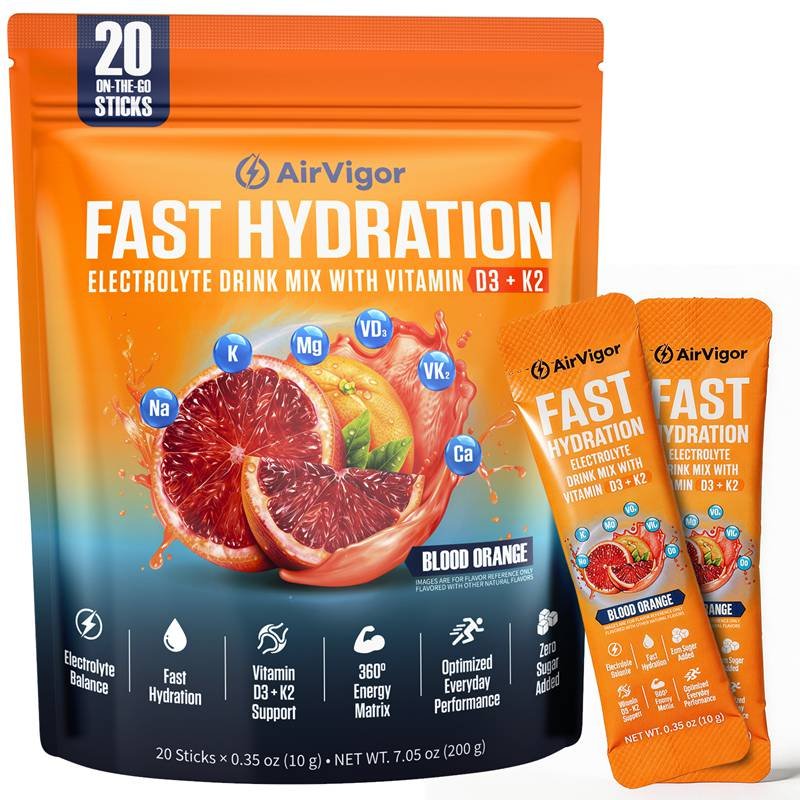
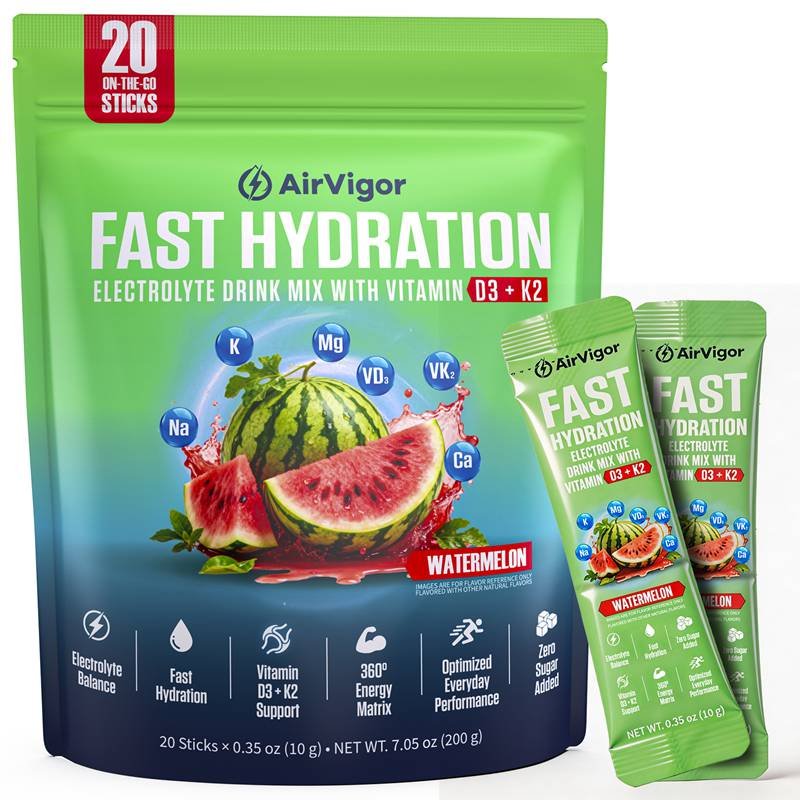
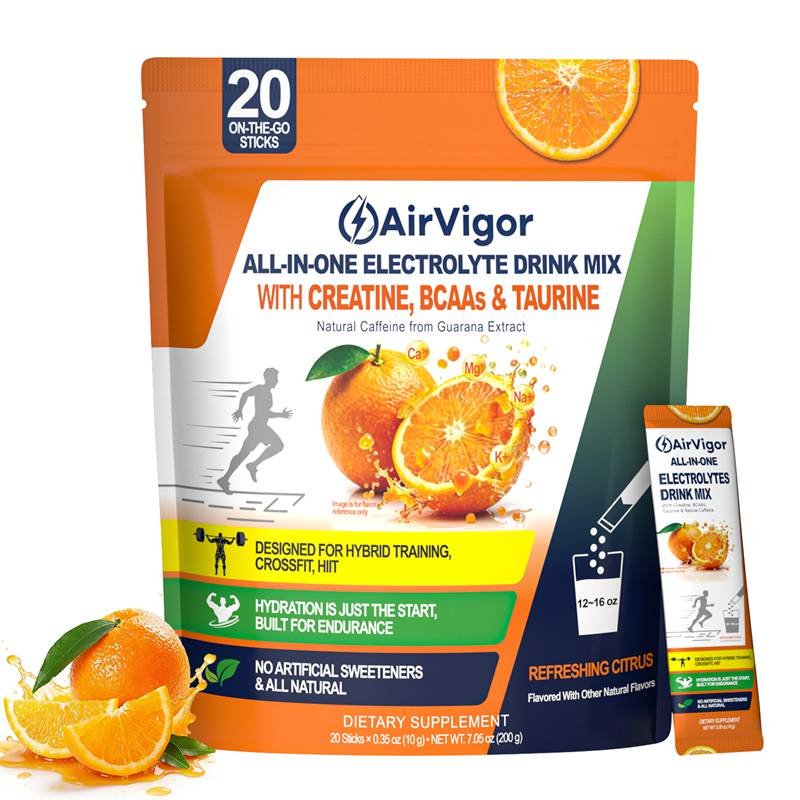
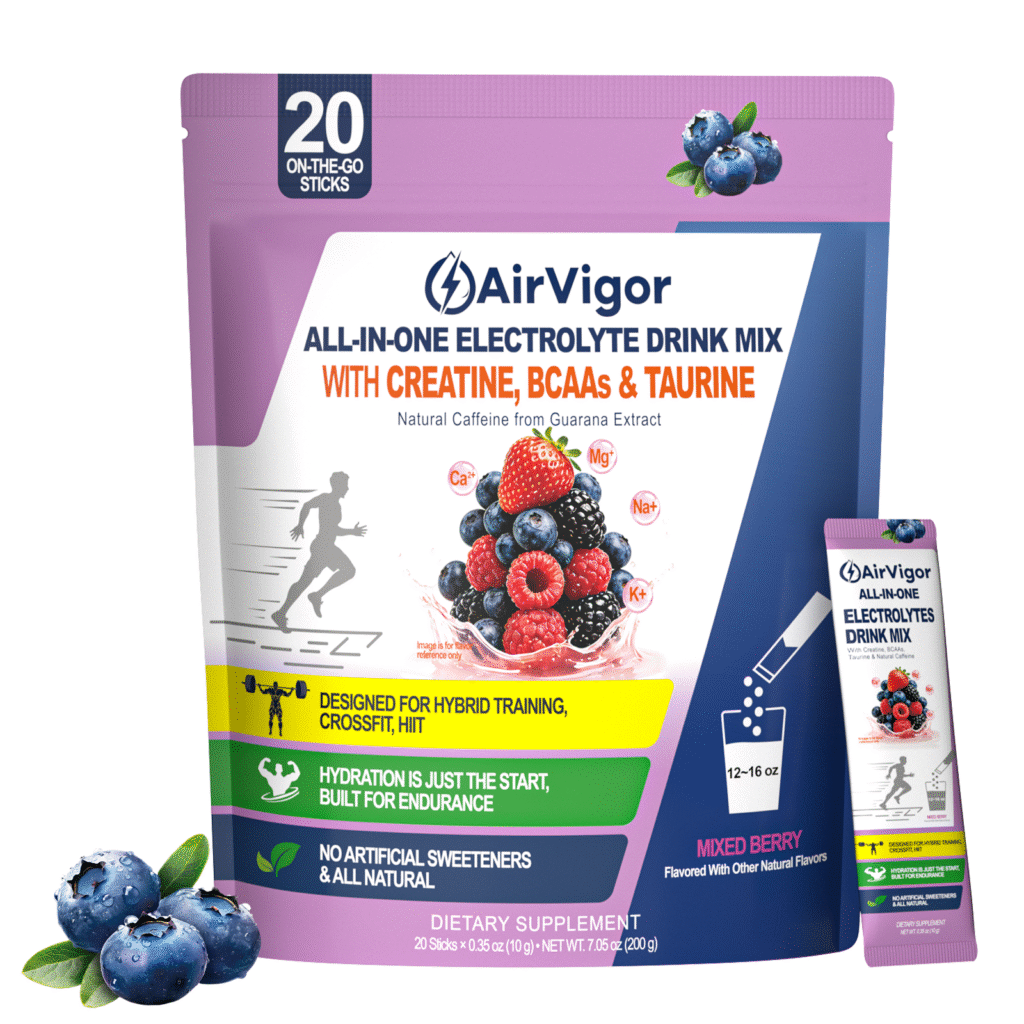
For brands like AirVigor, this creates strong demand for electrolyte powders that are practical, portable, low in sugar, easy to use consistently, and designed specifically for active lifestyles rather than casual hydration alone.
How to Choose Electrolyte Powder for CrossFit Training
Choosing the right electrolyte powder for CrossFit training is not about finding the product with the most ingredients or the most aggressive marketing claims. The best formula is usually the one that matches how an athlete actually trains, sweats, hydrates, and recovers throughout the week.
CrossFit creates a very different hydration demand compared to casual gym workouts. High heart-rate conditioning, repeated explosive movement, heavy lifting, and limited rest periods can all increase sweat loss quickly. Athletes who train four to six times weekly often experience repeated fluid and sodium depletion across the week, especially during hot weather or high-volume training cycles.
Because of this, many athletes eventually realize that basic sports drinks or low-electrolyte hydration products do not feel sufficient during demanding training blocks. A good CrossFit electrolyte powder should support hydration efficiency, recovery consistency, muscle function, and long-term usability without feeling overly sugary or difficult to drink regularly.
For most athletes, the products that work best are the ones they can realistically use every day.
High Sodium vs Low Sodium
Sodium is usually the most important electrolyte in a CrossFit hydration formula because it is the primary mineral lost through sweat. During intense training, sodium helps regulate fluid balance, circulation, and muscular function.
Research on exercise hydration shows that many active individuals lose approximately 700–1200 mg of sodium per liter of sweat, while some heavy sweaters lose significantly more.
| Sweat Type | Estimated Sodium Loss Per Liter |
|---|---|
| Light sweater | 400–700 mg |
| Moderate sweater | 700–1200 mg |
| Heavy sweater | 1200–2000+ mg |
This is why sodium needs vary dramatically between athletes. Two people may complete the exact same workout while losing very different amounts of sodium depending on genetics, body size, environment, and sweat rate.
Athletes with high sodium loss often notice visible signs such as white salt marks on shirts, strong salt residue on the skin, or persistent thirst even after drinking water. Many also report headaches, reduced endurance, or heavy fatigue late in workouts when hydration falls behind.
A practical sodium range for CrossFit hydration often looks like this:
| Training Situation | Typical Sodium Range |
|---|---|
| Light exercise | 300–500 mg |
| Standard CrossFit sessions | 500–800 mg |
| High sweat loss or summer training | 800–1200 mg |
| Long competition events | Higher intake often needed |
Many traditional sports drinks contain relatively low sodium because they are designed for casual consumers rather than high-sweat athletes. This is one reason many CrossFit athletes prefer electrolyte powders specifically designed for performance training.
At the same time, extremely high sodium is not necessary for everyone. Athletes who train in cooler environments or naturally sweat less may feel comfortable with moderate sodium levels. The goal is balance rather than simply choosing the strongest formula available.
Sugar or Zero Sugar
Sugar content has become one of the biggest decision factors in the electrolyte market. Traditional sports drinks were originally designed around carbohydrate delivery and sweetness, but modern CrossFit athletes often want more flexible hydration options that fit different training goals and daily routines.
Higher-sugar formulas can still be useful during long endurance sessions, competition weekends, or extended conditioning blocks where athletes need additional carbohydrate intake during exercise.
However, many athletes now prefer lower-sugar or zero-sugar electrolyte powders for daily use because they already consume carbohydrates through meals, protein shakes, fruit, or intra-workout snacks.
| Formula Type | Most Common Use |
|---|---|
| Higher sugar | Long endurance sessions |
| Moderate sugar | General sports hydration |
| Low sugar | Daily CrossFit hydration |
| Zero sugar | Fat-loss or lower-calorie routines |
Taste and stomach comfort are also important. Extremely sugary hydration products may feel heavy during high-intensity movement, especially during workouts involving burpees, rowing, sprint intervals, or gymnastics movements.
This is one reason flavor trends have shifted toward lighter and cleaner profiles such as citrus, lemon-lime, mixed berry, tropical fruit, and watermelon. Athletes generally want hydration products that feel refreshing rather than syrup-like during repeated use.
Many athletes eventually stop using products that feel overly sweet because flavor fatigue builds quickly during daily training routines.
Clean Ingredient Formulas
Ingredient quality has become increasingly important for CrossFit consumers. Many athletes now read labels carefully and prefer hydration formulas that feel simpler, cleaner, and easier to trust.
A clean electrolyte formula usually focuses on:
- Meaningful sodium levels
- Moderate sugar content
- Easy digestion
- Fast mixing
- Transparent ingredient amounts
Athletes training intensely several days per week often become more sensitive to products that contain excessive artificial coloring, overly thick textures, or ingredients that feel heavy during movement.
Digestive comfort matters especially in CrossFit because workouts involve constant movement, jumping, sprinting, and elevated heart rates. A hydration drink that causes bloating or stomach discomfort quickly becomes difficult to use consistently.
This is why many successful electrolyte products focus on practical usability instead of trying to include every trending ingredient available.
Modern consumers also increasingly use electrolyte powders outside the gym itself. Many now drink them:
- During work
- While traveling
- In hot weather
- After flights
- During outdoor activities
As a result, hydration products that feel suitable for both workouts and everyday life often perform better long term than products positioned only for extreme exercise situations.
Recovery Support Ingredients
Many CrossFit athletes now prefer electrolyte powders that support both hydration and recovery. This has increased interest in formulas that combine electrolytes with additional recovery-focused ingredients.
Common additions include magnesium for muscle relaxation, taurine for cellular hydration support, coconut water minerals, amino acids, and vitamin C. These ingredients are often included to help athletes feel more supported during repeated high-intensity training weeks.
| Ingredient | Common Purpose |
|---|---|
| Magnesium | Muscle relaxation and recovery |
| Taurine | Hydration support |
| Coconut water powder | Natural mineral support |
| Amino acids | Recovery support |
| Vitamin C | General recovery support |
However, more ingredients do not always create a better product. Extremely overloaded formulas often become difficult to flavor properly, more expensive, or uncomfortable to digest during workouts.
Most experienced CrossFit athletes eventually prioritize products that:
- Hydrate effectively
- Taste good consistently
- Feel light on the stomach
- Support recovery without heaviness
- Fit naturally into daily routines
In practice, simplicity and consistency usually matter more than complexity.
Flavor, Mixability, and Daily Use
Flavor and mixability strongly influence whether athletes continue using a hydration product long term. Even a technically strong formula becomes ineffective if athletes stop drinking it after several weeks.
CrossFit athletes often use electrolyte powders:
- Before training
- During long sessions
- After workouts
- During workdays
- While traveling
Because of this, products need to feel convenient and pleasant enough for repeated daily use.
One common reason athletes abandon hydration products is poor drink experience. Extremely salty flavor systems, chalky textures, artificial aftertaste, or difficult mixing quickly reduce consistency.
Portable stick packs have become especially popular because they fit naturally into gym bags, work schedules, and travel routines. Convenience directly affects long-term usage habits.
For brands like AirVigor, this creates strong opportunities to develop electrolyte powders designed specifically for modern functional fitness lifestyles. Today’s CrossFit consumers are usually looking for products that:
- Support real sweat-loss recovery
- Provide meaningful sodium levels
- Avoid excessive sugar
- Taste clean and refreshing
- Mix easily
- Fit naturally into everyday routines
The market has moved far beyond traditional sugary sports drinks. Modern CrossFit athletes increasingly want hydration products that support both performance and long-term training consistency without making hydration feel complicated.

Is Electrolyte Powder for CrossFit Training Worth It?
Electrolyte powder for CrossFit training is worth it for many athletes, especially those who train hard, sweat heavily, feel drained after workouts, or struggle to recover consistently between sessions. CrossFit creates repeated fluid and mineral loss across the week, so hydration problems often build gradually rather than showing up in one workout.
The value of electrolyte powder is not that it suddenly makes an athlete stronger. Its real value is helping the body maintain better conditions for training. When hydration and sodium levels are more stable, athletes may experience steadier pacing, better heat tolerance, fewer dehydration-related headaches, less post-workout fatigue, and more consistent recovery.
For athletes training once or twice a week in a cool gym, plain water and a balanced diet may be enough. But for athletes training four to six times weekly, sweating heavily, working out in hot environments, or preparing for competitions, electrolyte powder can become a practical part of the routine.
Better Hydration Support
Hydration affects performance before strength or endurance even becomes the limiting factor. When the body loses too much fluid, circulation becomes less efficient, body temperature rises faster, and effort feels harder. In high-intensity CrossFit workouts, this can show up as slower pacing, heavier breathing, reduced focus, or a sudden drop in output during later rounds.
Even a fluid loss of around 2% of body weight may negatively affect endurance and exercise performance. For many athletes, that level of loss can happen within one hard workout, especially in warm gyms or long conditioning sessions.
| Athlete Weight | 2% Fluid Loss |
|---|---|
| 150 lb | 3.0 lb |
| 180 lb | 3.6 lb |
| 210 lb | 4.2 lb |
This matters because sweat loss is not always obvious in the moment. An athlete may feel fine during the warm-up, start strong, and then suddenly feel heavy or unfocused halfway through the WOD. By that point, fluid and sodium loss may already be affecting performance.
Electrolyte powder helps because sodium supports fluid retention. Instead of simply drinking more water and hoping the body uses it well, electrolytes help make hydration more efficient. For many CrossFit athletes, this means water feels more “useful” and hydration feels more stable throughout the session.
Reduced Muscle Fatigue
Muscle fatigue in CrossFit does not come from one source. It can come from high training intensity, low carbohydrate availability, poor sleep, nervous system stress, and hydration imbalance. Electrolytes are not the only factor, but they are one of the easiest factors to control.
Sodium, potassium, magnesium, and calcium all support normal muscle and nerve function. During CrossFit, the body repeatedly asks muscles to contract, relax, stabilize, and produce force under fatigue. This is true whether the workout includes thrusters, rowing, wall balls, box jumps, deadlifts, double-unders, or pull-ups.
| Electrolyte | Training Role |
|---|---|
| Sodium | Fluid balance and muscle contraction |
| Potassium | Nerve signaling and cellular fluid balance |
| Magnesium | Muscle relaxation and recovery support |
| Calcium | Muscle contraction and movement signaling |
When sweat loss is high and electrolyte intake is low, athletes may notice muscle tightness, cramping sensations, reduced endurance, or slower transitions between movements. This is especially common during long WODs, summer training, competition events, or workouts with repeated lower-body demand.
Electrolyte powder is not a cure for poor conditioning or overtraining, but it can help reduce hydration-related fatigue. For heavy sweaters, the difference can be especially noticeable because they lose more sodium and fluid per session than average athletes.
Faster Recovery Routine
Recovery is one of the strongest reasons CrossFit athletes use electrolyte powder. Many athletes focus on protein after training but overlook fluid and mineral replacement. Yet the body cannot recover efficiently if it remains dehydrated.
After a hard CrossFit session, the body needs to restore fluid balance, regulate temperature, support circulation, and begin muscular recovery. If sweat loss is not replaced well, athletes may feel flat the next morning even if they ate enough protein and slept reasonably well.
Common signs of poor hydration recovery include waking up thirsty, feeling heavy during warm-ups, having post-workout headaches, or needing longer than usual to feel normal after training.
| Recovery Issue | How Electrolytes May Help |
|---|---|
| Post-workout thirst | Supports fluid retention |
| Headaches after training | Helps replace sodium loss |
| Heavy legs next day | Supports hydration recovery |
| Poor training readiness | Helps stabilize daily fluid balance |
The benefit becomes more important when athletes train multiple days in a row. A small hydration deficit after Monday’s workout may still affect Tuesday’s class. By Thursday or Friday, repeated small deficits can make training feel harder than expected.
A simple post-workout electrolyte routine can help prevent hydration recovery from becoming the weak link in the training week.
Daily Performance Benefits
Electrolyte powder can also be worth it outside the gym. Many CrossFit athletes train early, work long hours, travel often, drink coffee, or spend time in warm environments. These daily habits can all affect hydration before the workout even begins.
Hydration influences more than physical performance. It can affect daily energy, concentration, mood, heat tolerance, and overall readiness to train. This is why many athletes now use electrolyte powder in the morning, during work, or after travel rather than only during workouts.
For active users, the value is often practical. They want fewer headaches, less afternoon fatigue, better workout readiness, and a hydration routine that is easy to repeat.
A realistic daily use pattern may look like this:
| Situation | Why Electrolytes May Be Useful |
|---|---|
| Morning training | Replaces overnight fluid loss |
| Hot workdays | Supports sweat-loss hydration |
| Travel days | Helps restore fluid balance |
| Heavy training weeks | Supports recovery consistency |
| Competition prep | Helps manage repeated sweat loss |
This is also why low-sugar electrolyte powders have become more popular. Many athletes want hydration support without turning every serving into a high-calorie sports drink. A clean, light, easy-to-mix formula fits better into daily routines.
For AirVigor, this creates a strong product opportunity. CrossFit consumers are not only looking for hydration during one workout. They want a product that helps them train consistently, recover better, and feel prepared for the next session. A well-designed electrolyte powder can support that routine without adding complexity.
Conclusion
CrossFit training places exceptional demands on hydration, endurance, recovery, and muscular performance. Because workouts combine high sweat loss with repeated weekly intensity, many athletes eventually realize that water alone is not always enough to support consistent training quality.
Electrolyte powder for CrossFit training has become popular because it helps address one of the most common hidden performance problems: incomplete hydration recovery. Balanced electrolyte intake may support better fluid retention, muscular function, recovery quality, and overall workout consistency.
The most effective hydration strategy is usually not extreme or complicated. It is consistent. Athletes who maintain steady hydration habits before, during, and after training often experience more stable performance over time compared to relying only on reactive hydration after exhaustion appears.
As the sports nutrition industry evolves, consumers are increasingly searching for electrolyte products that fit real modern lifestyles:
- Clean ingredients
- Practical daily use
- Lower sugar
- Recovery support
- Convenient routines
This is exactly where AirVigor continues focusing product innovation.
Whether you are looking for high-performance electrolyte powders for CrossFit athletes, daily hydration support products, or customized private-label supplement solutions, AirVigor can help support your brand development goals with modern functional formulations designed for today’s active consumers.
Share:
Contact Expert Team
At AirVigor, performance becomes effortless. We transform advanced nutrition science into clean, effective supplements that help you hydrate, recover, and feel stronger every day. Shop AirVigor Supplements on Amazon and experience athlete-trusted formulas—backed by real science and supported by our world-class R&D and production capabilities.
Trust AirVigor
At AirVigor, turning your performance goals into reality is no longer a struggle—it’s a science-driven journey we build together. Whether you’re a runner, lifter, cyclist, yogi, outdoor athlete, or someone simply seeking better daily energy, AirVigor transforms advanced nutrition research into clean, effective, and trustworthy supplements you can feel.
Backed by our U.S. scientific team, global certifications, and world-class production standards, every formula is engineered to deliver real hydration, real recovery, and real performance. And when you’re ready to experience the difference, you’ll find AirVigor products available on Amazon and other major platforms—fast shipping, consistent quality, and a community of athletes already seeing results.
Behind the scenes, our R&D and manufacturing ecosystem also supports specialized formulation development, ensuring AirVigor continues to lead with innovation while keeping quality and safety uncompromised. But at the core, everything we create is built for you—your health, your performance, your momentum.
Choose AirVigor. Feel the science. Elevate your every day.


Subscribe to our newsletter
Sign up to our newsletter and we’ll keep you up to date with the latest arrivals.