Skip to content

Many people only think about electrolyte powder after they already feel thirsty, tired, or drained. That is understandable, but it is not always the most effective way to use it. By the time strong thirst appears, the body may already be working harder to maintain fluid balance. This is why timing matters. Electrolyte powder is not just something to drink after a hard workout. It can also be useful in the morning, before exercise, during hot weather, after sweating, while traveling, or whenever your daily routine makes hydration harder to maintain.
The best time to take electrolyte powder is when your body has a clear hydration need: after waking, before or after exercise, during heavy sweating, in hot weather, or when fluid intake has been inconsistent. For most people, the most practical timing is once in the morning or around workouts, because these moments match natural fluid loss and higher electrolyte demand.
A common mistake is treating hydration as a “drink more water” problem. Water matters, but electrolytes help the body hold and use that fluid more effectively. Sodium supports fluid retention, potassium helps cellular balance, and magnesium supports normal muscle function. When these minerals are used at the right time, hydration can feel more stable, especially for active people, busy professionals, and anyone who often feels low-energy despite drinking enough water.
Think about a person who wakes up, drinks coffee, skips water until lunch, trains after work, and only takes electrolytes after feeling exhausted. That person is not lacking effort. Their timing is simply late. A better routine may only require one small change: take electrolyte powder before the body starts falling behind.
What Is the Best Time to Take Electrolyte Powder?
The best time to take electrolyte powder is when the body is most likely to need fluid and mineral support. This usually means after waking, before exercise, after sweating, during hot weather, or when daily fluid intake has been low. The goal is not to take electrolytes randomly, but to match intake with real hydration demand.
What does best time to take electrolyte powder mean?
The phrase “best time” does not mean everyone needs to take electrolyte powder at exactly 8:00 a.m. or exactly 30 minutes after exercise. A better way to understand timing is to look at hydration pressure points. These are moments when the body is more likely to be low on fluids, actively losing minerals, or preparing for physical demand.
For example, after 7–8 hours of sleep, most people have gone the entire night without fluid intake. Even if they are not severely dehydrated, they may start the day with lower fluid availability. This is one reason some people feel heavy, foggy, or slow in the morning before they drink anything.
Exercise creates a different situation. During sweating, the body loses both water and electrolytes, especially sodium. Depending on body size, temperature, intensity, and sweat rate, a person may lose around 0.5–2.0 liters of fluid per hour during activity. Sweat sodium loss can also vary widely, often ranging from about 400–1,000 mg per liter of sweat.
That means the best time to take electrolyte powder depends on what your body is doing. If you are about to train, timing should support performance. If you just finished sweating, timing should support recovery. If you are starting the day, timing should support fluid balance before caffeine, work, and activity increase demand.
| Situation | Why Timing Matters | Practical Timing |
|---|---|---|
| Morning | No fluid intake during sleep | After waking |
| Pre-workout | Supports fluid availability before sweating | 20–45 minutes before exercise |
| Post-workout | Replaces fluid and minerals lost through sweat | Within 30–60 minutes after exercise |
| Hot weather | Fluid loss increases even with light activity | Before and during exposure |
| Travel | Cabin dryness and routine disruption reduce hydration | Before or during long travel |
How does timing affect electrolyte powder use?
Timing affects whether electrolyte powder is used as prevention, support, or correction. These three uses feel different in real life.
When taken before fluid loss, electrolyte powder can help the body prepare. This is useful before workouts, outdoor work, long walks, sauna sessions, or hot-weather activity. In this case, the goal is not to “fix” dehydration. The goal is to reduce how quickly the body falls behind.
When taken after fluid loss, electrolyte powder helps replace what was lost. This is especially important after intense exercise, long runs, heavy sweating, or a day spent outdoors. Plain water can help restore volume, but electrolytes make the recovery process more complete because the body also needs minerals to manage fluid distribution.
When taken after symptoms appear, electrolyte powder becomes more of a correction tool. This may still help, but it is usually less efficient than earlier use. If someone waits until they have a headache, dry mouth, dark urine, or strong fatigue, hydration has already become a problem rather than a routine.
A simple way to think about it:
| Use Pattern | Example | Result |
|---|---|---|
| Preventive | Before workout or heat exposure | Helps reduce early fatigue |
| Supportive | Morning or during busy day | Helps maintain steady hydration |
| Corrective | After dehydration signs appear | Helps recover, but later than ideal |
For most users, the best strategy is a mix of preventive and supportive timing. That means taking electrolyte powder before predictable fluid loss and using it consistently during moments when hydration is often neglected.
Is timing important when you take electrolyte powder?
Yes, timing is important, but it should not become complicated. The body does not need a perfect schedule. It needs a routine that matches real life.
For example, taking electrolyte powder before exercise may help someone feel better during training because fluid and sodium are already available. Taking it only after exercise may still support recovery, but it will not help as much with endurance during the session. Taking it in the morning may improve early hydration, but it may not be enough if the person later sweats heavily for 90 minutes.
This is why timing should be connected to use case.
| Goal | Better Timing | Why It Works |
|---|---|---|
| Morning energy | After waking | Restores fluid after sleep |
| Workout performance | Before or during exercise | Supports hydration before sweat loss becomes high |
| Recovery | After exercise | Replaces fluid and minerals |
| Heat tolerance | Before going outdoors | Reduces the need to catch up later |
| Daily hydration | Same time each day | Builds consistency |
The biggest value of timing is not perfection. It is consistency. A person who takes electrolyte powder at a useful moment every day will usually get better results than someone who waits until they feel bad and then tries to recover quickly.
When to Take Electrolyte Powder During the Day?
The best time to take electrolyte powder during the day depends less on the clock and more on how your routine creates hydration gaps. Most people do not maintain steady fluid intake from morning to evening. Instead, hydration typically drops after sleep, becomes inconsistent during work hours, and may not be fully restored after physical activity. This is why timing matters. Taking electrolyte powder at moments when the body is more likely to be low on fluids—such as after waking, during long gaps between meals, or after sweating—helps maintain a more stable internal balance.
Morning intake is often the most reliable starting point because it addresses overnight fluid loss. Midday intake can help offset the effects of low water consumption and caffeine, while evening use is more situational and depends on activity level and overall hydration during the day. In practice, the most effective timing is not the most precise one, but the one that fits naturally into your routine and can be repeated consistently.
Is morning the best time to take electrolyte powder?
Morning is often one of the most effective times to take electrolyte powder because the body has gone several hours without fluid intake. During sleep, the body continues to lose water through respiration and skin, typically in the range of 0.3 to 0.7 liters. While this level of loss is not severe, it is enough to affect how the body feels upon waking, especially in terms of energy, alertness, and physical comfort.
Many people start their day with coffee, but caffeine does not replace hydration needs. In some cases, it may even increase fluid turnover, which makes starting the day properly hydrated more important. Taking electrolyte powder in the morning helps restore fluid balance more efficiently than water alone, particularly for individuals who wake up feeling dry, tired, or mentally slow.
This timing is especially relevant for people who:
- Sleep in warm or dry environments
- Drink coffee shortly after waking
- Train in the morning or later in the day
- Delay their first meal or fluid intake
- Follow lower-sodium or restrictive diets
In most cases, one serving mixed into 12–16 oz (350–500 ml) of water shortly after waking is sufficient. This creates a simple and repeatable habit that establishes a hydration baseline before the day becomes busy.
For active individuals, morning hydration also plays a supporting role in performance later in the day. Many hydration issues during workouts are not caused solely by the session itself, but by starting the day already slightly dehydrated. Addressing this early makes it easier to maintain balance throughout.
A practical morning routine may look like this:
| Time | Action | Purpose |
|---|---|---|
| After waking | Drink electrolyte powder with water | Restore fluid after sleep |
| 30–60 minutes later | Coffee or breakfast | Avoid relying on caffeine alone |
| Midday | Drink water regularly | Maintain hydration |
| Before workout | Add electrolytes if needed | Prepare for fluid loss |
Should you take electrolyte powder with meals?
Electrolyte powder can be taken with meals, but it is not always necessary. The decision depends on how balanced your meals are and whether they provide sufficient fluids and electrolytes on their own. Meals that include a mix of whole foods—such as vegetables, proteins, and lightly salted ingredients—often provide some level of sodium and potassium, which may reduce the need for additional supplementation at the same time.
However, in many real-world situations, meals are either too light or not accompanied by enough fluid intake. For example, a quick lunch consisting of a small portion of food and coffee may not provide adequate hydration. In this case, fatigue later in the day may be partly related to fluid and electrolyte imbalance rather than calorie intake alone.
Electrolyte powder becomes more useful when there is a clear gap. This can happen when meals are low in sodium, when fluid intake is limited, or when the body is recovering from earlier activity. In these situations, taking electrolytes either with the meal or between meals can help stabilize hydration levels.
Between-meal intake is often more effective for people who:
- Forget to drink water during work hours
- Experience an afternoon drop in energy or focus
- Rely on caffeine instead of fluids
- Have long gaps between meals
The key point is that electrolyte powder should complement, not replace, a balanced diet. Its role is to support hydration where food and fluid intake fall short, not to act as a substitute for proper nutrition.
Can you take electrolyte powder at night?
Electrolyte powder can be taken at night, but timing and quantity should be adjusted carefully to avoid interfering with sleep. Evening use is most beneficial when the body has accumulated a fluid deficit during the day, particularly after exercise, heat exposure, or inconsistent hydration.
For individuals who train in the evening or sweat later in the day, taking electrolyte powder helps restore fluid balance before sleep. This can improve overall comfort and reduce the likelihood of waking up feeling dehydrated. However, consuming large amounts of fluid immediately before bed may increase nighttime awakenings due to bladder activity.
A more effective approach is to take electrolyte powder approximately 60–90 minutes before bedtime. This allows sufficient time for absorption while minimizing sleep disruption. In most cases, a moderate serving is enough, especially when combined with steady hydration earlier in the evening.
Nighttime use is particularly relevant for those who engage in late physical activity, spend extended time in warm environments, or notice signs of dehydration before bed, such as dry mouth or fatigue. On the other hand, individuals who already consume large amounts of fluid late at night or frequently wake during sleep may benefit from shifting hydration earlier.
In general, evening electrolyte use should focus on restoring balance rather than increasing total intake. When timed appropriately, it supports overnight hydration without negatively affecting sleep quality.

How to Take Electrolyte Powder Around Workouts?
The best way to take electrolyte powder around workouts is to match intake with how much fluid you expect to lose and how hard your body is working. Exercise changes hydration needs quickly. As intensity, duration, and temperature increase, both water and electrolyte loss rise, especially sodium. Taking electrolyte powder at the right time helps maintain fluid balance, reduces early fatigue, and supports recovery after training.
For most people, electrolyte timing around workouts falls into three practical windows: before exercise, during longer sessions, and after training. Not every workout requires all three, but understanding how each stage works makes it easier to adjust based on real conditions.
Should you take electrolyte powder before exercise?
Taking electrolyte powder before exercise is useful when you expect to sweat, train for more than 45 minutes, or exercise in warm conditions. The goal of pre-workout intake is to improve fluid availability before the body starts losing it.
Sweat loss begins early during exercise, even before you feel it. If you start a workout already slightly dehydrated, performance may decline faster. Pre-workout electrolytes help reduce this gap.
Typical sweat rates:
| Exercise Type | Fluid Loss per Hour |
|---|---|
| Light training | 0.3–0.6 liters |
| Moderate training | 0.5–1.0 liters |
| Intense training | 1.0–2.0 liters |
Sodium loss in sweat can range from approximately 400 to 1000 mg per liter, depending on the individual. This means even a short session can create a measurable electrolyte deficit.
Taking electrolyte powder 20–45 minutes before exercise allows time for absorption without causing discomfort. A moderate serving mixed with water is usually sufficient. Drinking too much fluid immediately before training can feel heavy and does not necessarily improve hydration.
Pre-workout intake is especially useful for:
- Endurance activities such as running, cycling, or rowing
- Strength sessions with high volume or short rest intervals
- Training in hot or humid environments
- Fasted morning workouts
- Individuals who sweat heavily or notice salt marks on clothing
For shorter or low-intensity sessions, plain water may be enough. The need for electrolytes increases with duration, intensity, and heat.
Should you take electrolyte powder during workouts?
Electrolyte powder during workouts is most useful for sessions lasting longer than 60 minutes or for activities with high sweat loss. During exercise, the body is continuously losing fluids, and replacing some of that loss in real time helps maintain performance.
For shorter workouts under 45–60 minutes, especially in moderate temperatures, additional electrolyte intake during the session is often not necessary. However, for longer sessions, hydration becomes a limiting factor.
A practical guideline for longer workouts:
| Workout Duration | Hydration Strategy |
|---|---|
| Under 45 minutes | Water is usually sufficient |
| 45–90 minutes | Water + optional electrolytes |
| Over 90 minutes | Electrolytes recommended during session |
During exercise, it is better to drink small amounts regularly rather than large amounts at once. This improves comfort and absorption.
Electrolyte intake during workouts helps:
- Maintain blood volume
- Support muscle function
- Reduce perceived fatigue
- Delay performance decline in longer sessions
This is particularly important in endurance sports, team sports, or any activity with continuous movement.
When to take electrolyte powder after workouts?
After workouts, electrolyte powder helps replace fluid and minerals lost through sweat and supports the body’s recovery process. This is often the most noticeable timing window for many users.
Post-workout hydration should begin within 30–60 minutes after exercise, especially if sweat loss was significant. At this point, the body is trying to restore fluid balance, normalize temperature, and support recovery processes.
A simple way to estimate fluid loss is body weight change. Losing 1 pound (0.45 kg) during exercise is roughly equivalent to losing about 16 oz (475 ml) of fluid. Replacing this gradually over the next few hours is more effective than trying to drink large amounts immediately.
Post-workout electrolyte intake is especially useful when:
- Clothing is heavily soaked with sweat
- Salt residue is visible on skin or clothing
- Training duration exceeds one hour
- Exercise takes place in heat
- You feel fatigued, lightheaded, or slow to recover
A structured recovery approach may include:
| Step | Action | Purpose |
|---|---|---|
| Step 1 | Electrolyte powder with water | Replace sodium and fluids |
| Step 2 | Continue water intake | Maintain hydration over time |
| Step 3 | Eat a balanced meal | Support overall recovery |
Electrolytes do not replace nutrition, but they improve how the body manages fluid during recovery.
Do you need electrolyte powder on rest days?
Even without structured exercise, hydration needs do not disappear. Many people still experience fluid loss through daily activity, heat exposure, or inconsistent water intake.
Electrolyte powder on rest days may be useful if:
- You trained hard the previous day and are still recovering
- You spend time outdoors or in warm environments
- You have a physically active job
- Your fluid intake is inconsistent
- You follow a diet that is relatively low in sodium
On rest days, the goal is not to match workout-level intake, but to maintain baseline hydration. A single serving, often in the morning or during the day, is usually sufficient.
If activity level is low, diet is balanced, and water intake is steady, electrolyte powder may not be necessary every rest day. The need should be guided by conditions and how the body feels rather than a fixed rule.
When Should You Take Electrolyte Powder in Special Situations?
Electrolyte powder becomes especially relevant in situations where normal hydration patterns are disrupted or fluid loss increases beyond typical daily levels. These include dehydration, hot weather, illness, and travel. In these conditions, the body is under higher stress, and relying on standard water intake alone is often not enough to maintain balance. Timing intake correctly in these situations helps the body recover more efficiently and reduces the likelihood of prolonged fatigue or discomfort.
Unlike regular daily use, special situations require a more responsive approach. The key difference is that hydration demand rises quickly, and waiting too long to respond often makes recovery slower. Taking electrolytes earlier—when fluid loss begins or when intake drops—tends to be more effective than trying to correct a larger imbalance later.
When to take electrolyte powder for dehydration?
Electrolyte powder should be taken at the early stages of dehydration rather than waiting until symptoms become more pronounced. In everyday conditions, mild dehydration often develops gradually and may not be immediately obvious. However, even a small drop in body water—around 1–2%—can begin to affect mental clarity, energy levels, and physical performance.
As dehydration progresses, symptoms become more noticeable. These may include dry mouth, reduced urination, darker urine, headaches, or unexplained fatigue. At this point, the body is already working harder to maintain fluid balance. Taking electrolyte powder helps improve fluid retention, largely due to the role of sodium in regulating how water is distributed and conserved in the body.
A gradual rehydration approach is generally more effective than rapid intake. Drinking moderate amounts of fluid with electrolytes over a period of time allows the body to absorb and utilize it more efficiently.
| Step | Action | Purpose |
|---|---|---|
| Initial intake | Electrolyte powder with 12–16 oz water | Begin restoring fluid and sodium balance |
| Follow-up | Continue water intake over the next 1–2 hours | Maintain hydration without overloading |
| Monitoring | Observe thirst and urine color | Assess hydration recovery |
This approach avoids the common mistake of consuming large volumes of plain water, which may be excreted quickly without fully correcting the imbalance.
Should you take electrolyte powder in hot weather?
Hot weather increases hydration demand even when activity levels are low. The body relies on sweating to regulate temperature, and this leads to continuous loss of both water and electrolytes throughout the day. In temperatures above approximately 25°C (77°F), baseline fluid needs rise, and the impact becomes more pronounced with physical activity.
Sweat rates vary, but under warm conditions, fluid loss can increase significantly:
| Activity Level | Fluid Loss per Hour |
|---|---|
| Light activity | 0.3–0.6 liters |
| Moderate activity | 0.5–1.2 liters |
| Intense activity | 1.0–2.0 liters |
Along with water, sodium loss becomes an important factor. Individuals with higher sweat rates may experience noticeable fatigue, reduced endurance, or slower recovery if electrolyte balance is not maintained.
In these conditions, timing shifts from reactive to preventive. Instead of waiting until strong thirst develops, it is more effective to support hydration before and during exposure to heat. Taking electrolyte powder before going outdoors, maintaining fluid intake during prolonged exposure, and replenishing afterward helps stabilize hydration levels.
This approach is particularly relevant for people who spend extended time outdoors, exercise in warm climates, or experience fatigue more quickly in heat. Consistent intake throughout the day is generally more effective than trying to compensate with a large amount of fluid at the end.
When to take electrolyte powder when sick?
Illness can create a combination of increased fluid loss and reduced intake, making hydration more difficult to maintain. Factors such as fever, sweating, reduced appetite, or digestive discomfort can all contribute to this imbalance.
During illness, hydration needs to be approached more carefully. Large volumes of fluid are often not well tolerated, especially when appetite is low. Instead, smaller and more frequent intake tends to be more effective.
Electrolyte powder helps support fluid absorption and maintain basic physiological balance during these periods. It can be taken between meals or at regular intervals throughout the day, depending on comfort and tolerance.
| Condition | Suggested Timing Approach |
|---|---|
| Fever or sweating | Small servings spaced throughout the day |
| Low appetite | Take between meals |
| General weakness | Morning and midday intake |
The goal during illness is not to maximize intake, but to maintain steady hydration in a way that the body can handle. Consistency at a lower volume is often more effective than infrequent large servings.
When to take electrolyte powder when traveling?
Travel frequently disrupts normal hydration patterns, even in individuals who are otherwise consistent. Air travel, in particular, exposes the body to low humidity environments, typically around 10–20%, compared to more comfortable indoor levels of 40–60%. This leads to gradual fluid loss without obvious signs such as sweating.
In addition to environmental factors, travel often involves irregular eating, reduced water intake, increased movement, and changes in routine. These combined effects can result in fatigue, headaches, or a general feeling of low energy upon arrival.
Electrolyte powder can help maintain hydration across different stages of travel. Taking it before departure helps establish a stable baseline, while continued intake during long travel periods supports ongoing fluid balance. Replenishing fluids after arrival helps the body adjust more quickly.
| Travel Stage | Timing |
|---|---|
| Before departure | Electrolytes with water to prepare for travel |
| During travel | Regular fluid intake, add electrolytes if needed |
| After arrival | Restore hydration and reduce fatigue |
| Following day | Optional morning intake if needed |
Maintaining hydration during travel is less about large volumes and more about steady intake. This approach helps reduce the cumulative effects of dehydration and supports overall comfort.

Do You Need to Take Electrolyte Powder Every Day?
Electrolyte powder does not need to be taken every day for everyone. The need depends on how much fluid you lose, how consistent your water intake is, and how your daily routine affects hydration. For people with stable routines, low activity, and balanced diets, occasional use may be enough. For others—especially those who train regularly, sweat more, or live in warm climates—daily use can help maintain a more stable hydration baseline.
The key is not frequency alone, but whether electrolyte intake matches actual demand. Taking it every day without need may have little noticeable effect, while not taking it when needed can lead to recurring fatigue, slower recovery, or inconsistent performance.
Is daily use the best approach?
Daily use is most helpful when hydration demand is consistent. This typically applies to people whose routines include repeated fluid loss or limited intake throughout the day.
For example, individuals who exercise several times per week often lose measurable amounts of fluid and sodium through sweat. Even moderate training sessions can result in fluid loss of 0.5 to 1.0 liters per hour, along with significant sodium loss. If this pattern repeats throughout the week, using electrolyte powder regularly helps maintain balance instead of correcting deficits after they build up.
Daily use is also relevant for people who:
- Work in warm or physically demanding environments
- Sweat easily, even during light activity
- Drink multiple cups of coffee or caffeinated beverages
- Follow low-sodium or restrictive diets
- Experience frequent afternoon fatigue or low energy
In these cases, one consistent daily serving—often in the morning or around activity—is usually enough to improve hydration stability without overcomplicating the routine.
How often should you take electrolyte powder?
Frequency should reflect lifestyle rather than a fixed rule. A simple way to think about it is to match intake with how often your body experiences fluid stress.
| Lifestyle Pattern | Suggested Frequency |
|---|---|
| Mostly indoor, low activity | 2–3 times per week |
| Light daily activity | 3–5 times per week |
| Regular workouts (3–5 times/week) | Once per day |
| High sweat or hot climate | 1–2 times per day |
This table is not a strict guideline, but it helps illustrate how needs change with activity and environment.
Many people benefit from choosing one consistent timing point—such as morning intake—and then adjusting based on conditions like exercise, weather, or fatigue. This keeps the routine simple while still allowing flexibility.
Can you take electrolyte powder too often?
Electrolyte powder can be taken regularly, but intake should still match your body’s needs. Taking more than necessary, especially without sufficient water, may lead to temporary imbalances.
For example, consuming high amounts of sodium without enough fluid may cause:
- A feeling of bloating or heaviness
- Increased thirst
- Mild fluid retention
On the other hand, underuse is more common than overuse. Many people rely on water alone even when they are losing both fluids and electrolytes, which can lead to inefficient hydration.
A practical way to adjust intake is to pay attention to simple signals:
| Signal | What It May Indicate |
|---|---|
| Clear urine, no thirst | Hydration is likely adequate |
| Darker urine | Fluid intake may be too low |
| Frequent fatigue | Possible hydration imbalance |
| Strong thirst | Body is already behind on fluids |
| Feeling bloated | Intake may be higher than needed |
These signals are not exact measurements, but they provide useful feedback for adjusting daily intake.
How to decide if daily use is right for you
Instead of focusing on whether electrolyte powder should be taken every day, it is more useful to evaluate how your body responds over time.
Daily use is likely helpful if you notice:
- More stable energy levels when using it regularly
- Less fatigue during workouts
- Improved recovery after activity
- Fewer signs of dehydration throughout the day
If these changes are noticeable, maintaining a simple daily routine may be beneficial. If not, adjusting frequency based on specific situations—such as workouts or hot weather—may be more appropriate.
How to Choose Your Best Time to Take Electrolyte Powder?
Choosing the best time to take electrolyte powder is less about finding a “perfect” schedule and more about understanding when your body consistently falls behind on hydration. For most people, hydration gaps are predictable. They occur after sleep, during long work periods with low fluid intake, and around physical activity. Identifying these patterns is the most reliable way to decide when electrolyte intake will actually make a difference.
Rather than adjusting timing every day, it is more effective to build one or two stable intake points that match your routine. This approach improves consistency, which has a greater impact on hydration than constantly changing timing based on short-term conditions.
How to find your personal hydration gaps
The first step is to observe when hydration-related symptoms appear during your day. These are often subtle and easy to overlook, but they tend to follow consistent patterns.
Common indicators of hydration gaps include:
- Feeling slow or low-energy in the morning
- Noticeable fatigue in the mid-afternoon
- Reduced performance during workouts
- Strong thirst late in the day
- Darker urine or infrequent urination
These signals often correspond to specific times rather than random moments. For example, someone who feels consistently tired at 3 PM may not be eating too little, but rather drinking too little between lunch and the afternoon.
A simple way to identify patterns is to track how you feel at three points in the day: morning, mid-afternoon, and after activity. Over a few days, patterns usually become clear.
| Time of Day | Common Signal | What It Suggests |
|---|---|---|
| Morning | Dry mouth, low energy | Overnight fluid deficit |
| Mid-afternoon | Fatigue, low focus | Inconsistent fluid intake |
| Post-workout | Heavy fatigue, thirst | Fluid and sodium loss |
Once these patterns are clear, electrolyte timing becomes easier to structure.
How to match timing with your routine
After identifying hydration gaps, the next step is to align electrolyte intake with your daily schedule. The goal is to support the body before or during these gaps, not after they become more pronounced.
For most people, effective timing falls into one or two consistent windows:
- After waking, to restore baseline hydration
- Around physical activity, to manage fluid loss
- During long work periods, if water intake is inconsistent
For example, someone with a desk job who drinks little water during the day may benefit more from a midday serving than from additional intake at night. In contrast, someone who trains regularly may prioritize pre- or post-workout timing.
A simple structure can look like this:
| Routine Type | Suggested Timing |
|---|---|
| Low activity, indoor work | Morning or midday |
| Regular exercise | Morning + pre/post workout |
| High sweat or outdoor work | Morning + during activity |
| Irregular schedule | Flexible, based on symptoms |
The key is to choose timing that fits naturally into what you already do. If it requires extra effort or breaks your routine, it is less likely to be maintained.
How formulation influences timing decisions
The type of electrolyte powder you use can also affect when it works best. Different formulations are better suited to different situations, even if they appear similar on the surface.
For example, a formula with moderate sodium and low sugar may be suitable for daily hydration, while a higher sodium formula may be more effective around workouts or in hot conditions where sweat loss is significant.
| Timing Scenario | Useful Formula Characteristics |
|---|---|
| Morning | Balanced electrolytes, moderate sodium |
| Pre-workout | Higher sodium for fluid retention |
| Post-workout | Electrolytes with recovery support |
| Evening | Lower volume, no stimulants |
In practice, many users prefer a single well-balanced formula that can be used across multiple situations. This reduces complexity and makes it easier to stay consistent.
How to build a routine that lasts
The most effective electrolyte routine is one that requires minimal decision-making. Complex plans tend to break down over time, especially when schedules change.
A simple structure is often enough:
- Start with one fixed intake point, usually in the morning
- Add a second intake only when needed, such as during workouts or heat
- Adjust based on how you feel, rather than following strict rules
Over time, this creates a stable hydration pattern without requiring constant adjustments.
Consistency matters because hydration is cumulative. Small daily improvements lead to more stable energy, better performance, and fewer noticeable drops in focus or recovery.
Conclusion:
The best time to take electrolyte powder is not a single fixed moment—it is a simple system built around when your body needs hydration the most. For most people, three key timing points cover nearly all real-life situations: after waking, around physical activity, and during periods of fluid loss such as heat, travel, or long workdays.
If you want a practical starting point, keep it simple:
- Morning: 1 serving after waking to restore overnight fluid loss
- Workout days: 1 serving before or after exercise to support performance and recovery
- High-demand days (heat, travel, fatigue): add 1 extra serving as needed
This approach works because it is easy to follow consistently. And consistency is what drives results—not perfect timing.
Over time, using electrolyte powder at the right moments can help improve:
- Daily energy stability
- Hydration efficiency
- Workout endurance and recovery
- Overall comfort in demanding environments
The key is not to overthink it. Start with one or two reliable timing habits, observe how your body responds, and adjust based on your routine.
For brands, distributors, or businesses looking to develop electrolyte products that align with real user behavior, timing and usability matter just as much as formulation. A product that fits naturally into daily routines will always outperform one that is difficult to use consistently.
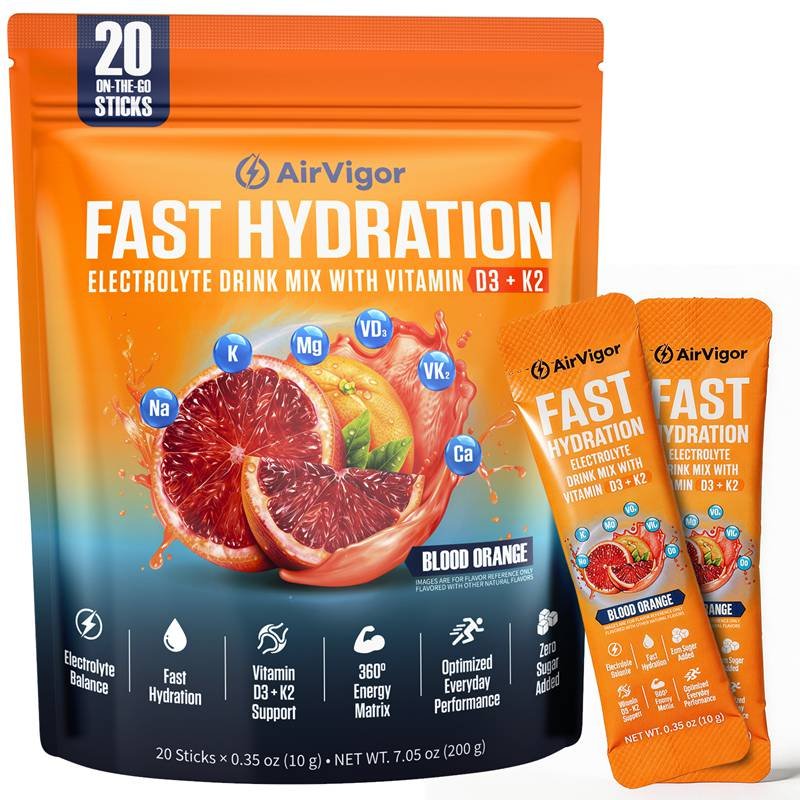
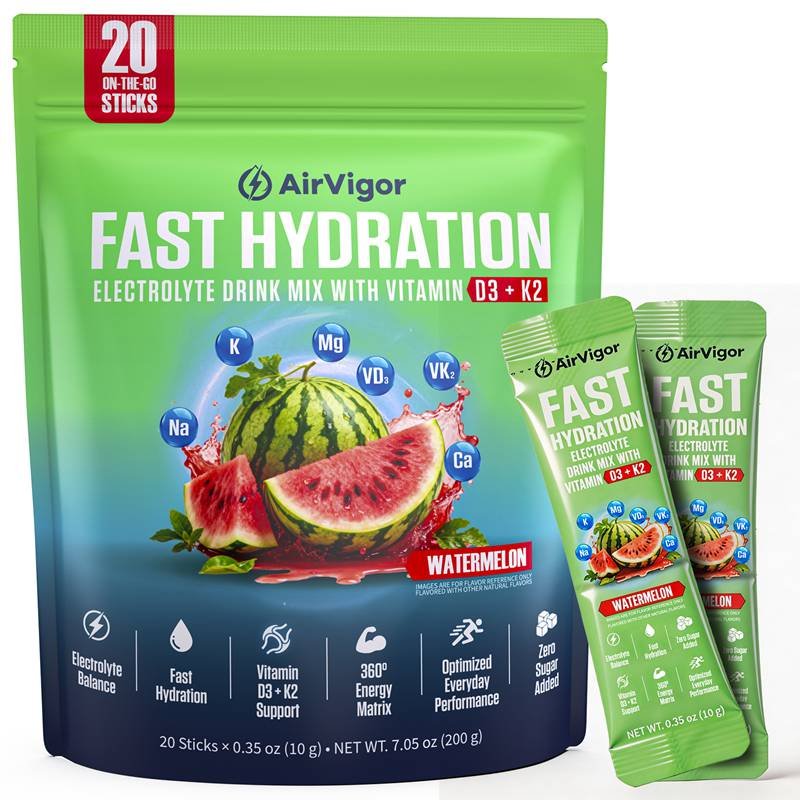
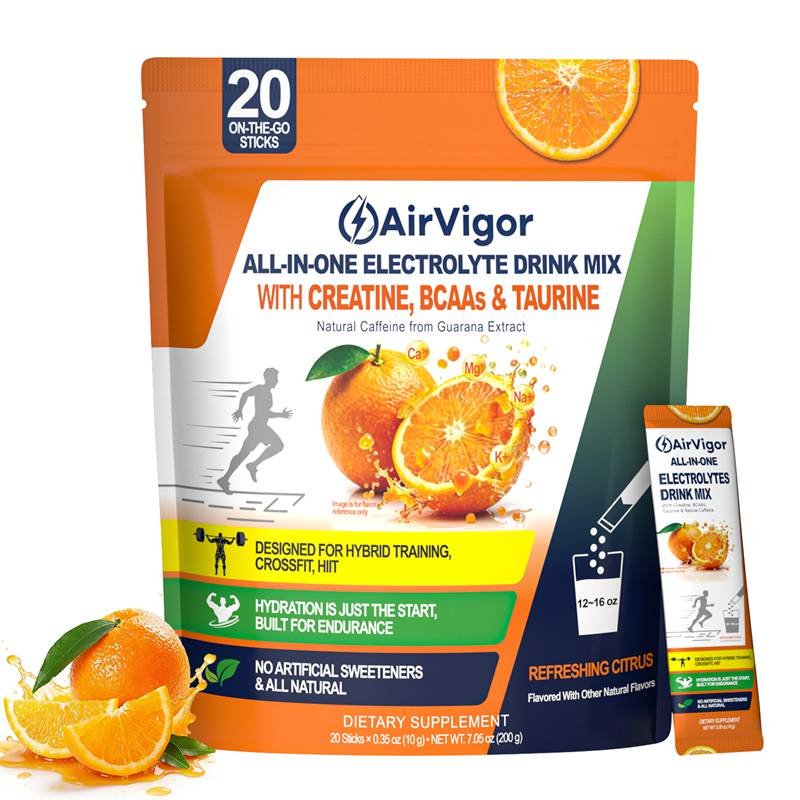
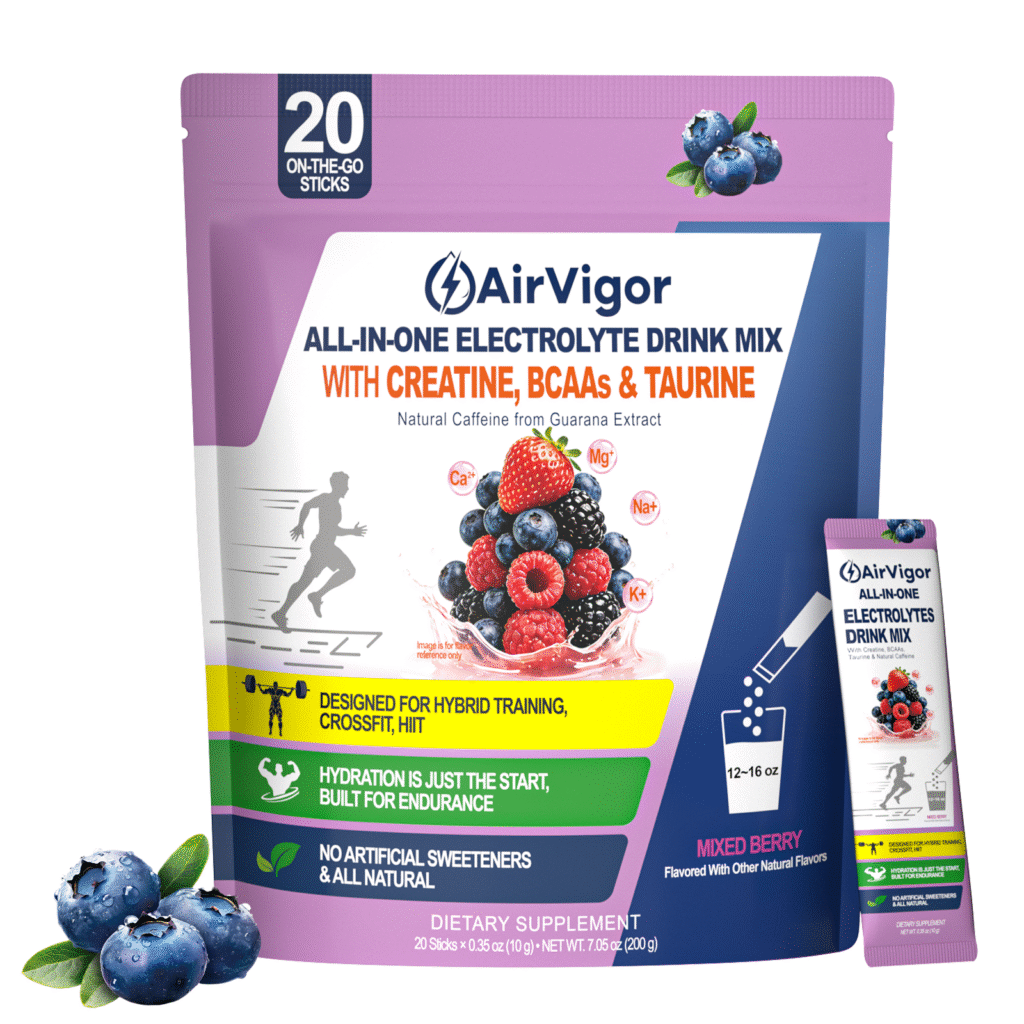
AirVigor focuses on building electrolyte solutions designed for real-life timing—simple to use, balanced in formulation, and adaptable across different daily scenarios.
If you are exploring product sourcing, private label opportunities, or custom formulations, now is a good time to build a hydration solution that matches how people actually live and train.
Reach out to AirVigor to request samples, pricing, or customized product development support.