Skip to content
Recovery Electrolyte D3K2 Clumping After Shipping: Is It Still Safe to Use?
# Your Trusted Dietary Supplement Brand In US
- Emily

Table of Contents
Electrolyte powders have become a daily hydration tool for millions of people—from athletes and cyclists to office workers, travelers, and people exercising in hot climates. These products are designed to dissolve quickly in water and help replace minerals lost through sweat. Occasionally, however, a customer opens a package and notices something unexpected: the powder is no longer perfectly loose and has formed small clumps or compacted pieces.
This situation can easily cause concern. Some buyers may wonder whether the product was damaged during shipping, whether moisture entered the package, or whether the formula has spoiled. In reality, clumping alone is not a reliable indicator of product quality. Electrolyte powders often contain mineral salts that naturally absorb small amounts of moisture from the air during transportation or storage. As long as the package seal remains intact, the powder smells normal, and it dissolves properly in water, the product is usually still safe to use.
A fitness coach once shared a simple example that illustrates this point well. During a humid summer afternoon, he opened a shipment of electrolyte powder that looked slightly compacted. At first glance, it seemed unusual, but once he mixed it with water, the powder dissolved instantly and tasted exactly the same as expected. That small experience highlights an important reality: understanding how powdered supplements behave in real-world environments can make the difference between unnecessary worry and a confident user experience.
What Is Recovery Electrolyte with D3K2?
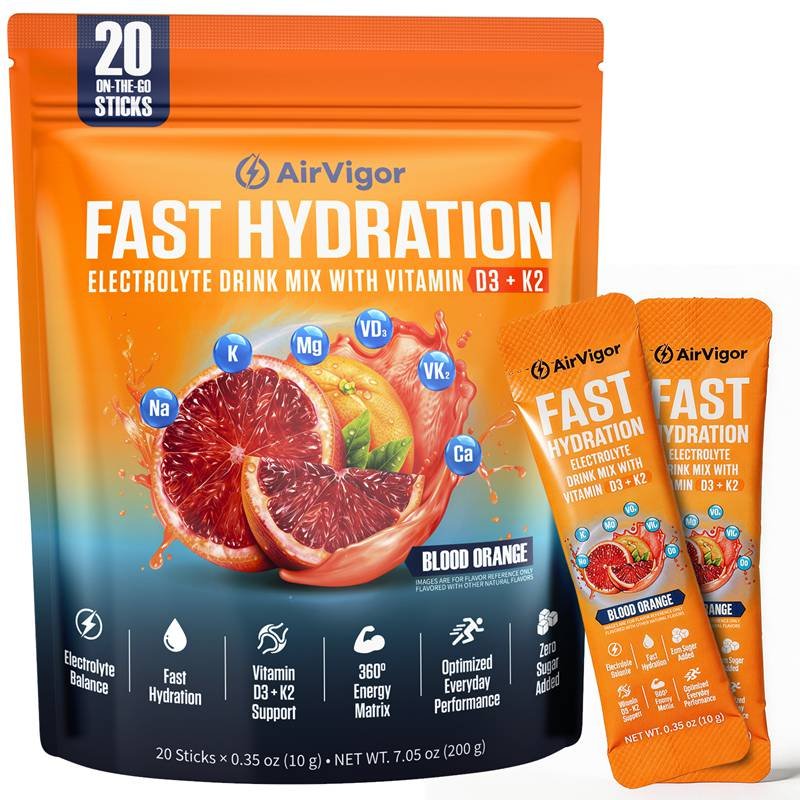
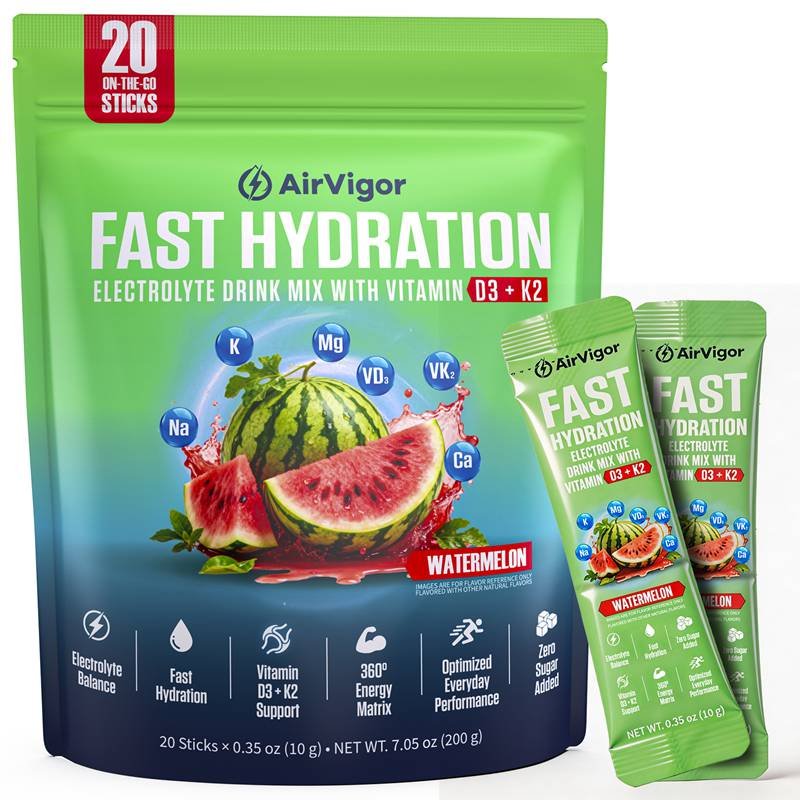
Recovery Electrolyte with D3K2 is a mineral-based hydration formula designed to help the body recover fluids and key electrolytes lost through sweat. It is built for real-life use in situations such as gym training, outdoor work, endurance exercise, travel, heat exposure, and other conditions where hydration needs go beyond plain water alone.
Most users do not buy an electrolyte formula because they want something complicated. They buy it because they want a product that helps them feel more stable during or after exertion. That usually means fewer signs of dehydration, better hydration comfort, and a more structured way to replace what sweating removes.
The formula typically centers on four main electrolyte minerals:
- sodium
- potassium
- magnesium
- calcium
These nutrients matter because hydration is not just about fluid volume. It is also about how well the body holds, distributes, and uses that fluid. If water intake rises but electrolyte balance is off, the body may still feel less than fully recovered.
Recovery Electrolyte with D3K2 goes a step further by combining these hydration-focused minerals with vitamin D3 and vitamin K2, which help support calcium handling in the body. That gives the formula a broader recovery role than a simple flavored mineral drink.
How Recovery Electrolyte with D3K2 Supports Hydration and Recovery
The core job of an electrolyte formula is to support fluid balance after sweating. When the body sweats, it does not lose only water. It also loses dissolved minerals that help regulate muscle contraction, nerve signaling, and water movement inside and outside cells.
Each key electrolyte plays a slightly different role:
| Nutrient | Main Role in the Body | Why Users Care |
|---|---|---|
| Sodium | Helps maintain fluid balance and blood volume | Important after heavy sweating |
| Potassium | Helps regulate fluid balance inside cells | Supports normal muscle and nerve function |
| Magnesium | Supports energy metabolism and muscle relaxation | Often linked to post-exercise comfort |
| Calcium | Supports contraction and signaling | Relevant in training and recovery |
That is why some people still feel “off” after drinking plain water following a long sweat-heavy workout. Water helps with fluid replacement, but it may not fully replace the mineral side of the equation.
Approximate hourly sweat loss can vary quite a lot:
| Activity Level | Approximate Sweat Loss Per Hour |
|---|---|
| Light indoor training | 0.5–1.0 L |
| Moderate gym workout | 1.0–1.5 L |
| Outdoor cardio in heat | 1.5–2.0 L |
| Intense endurance effort | 2.0+ L |
This is one reason electrolyte formulas matter more in certain situations than others. For someone taking a short walk in cool weather, plain water may be enough. For someone finishing a long, hot session with visible sweat loss, a recovery electrolyte formula may make much more sense.
The formula is most useful when hydration demand is real.
Why Recovery Electrolyte with D3K2 Includes D3K2
Many customers immediately understand why sodium or potassium belongs in a hydration formula. Fewer instantly understand why vitamin D3 and vitamin K2 are there.
The reason is connected to calcium use.
Calcium is not only associated with bones. It is also involved in muscular signaling and contraction. Vitamin D3 helps the body absorb calcium effectively. Vitamin K2 helps regulate how calcium is used.
This creates a more complete mineral support structure:
| Nutrient | Role in the Formula |
|---|---|
| Vitamin D3 | Supports calcium absorption |
| Vitamin K2 | Supports calcium utilization |
| Calcium | Supports contraction and signaling |
For users, that means the product is not positioned only as a quick hydration mix. It is also designed with broader mineral support in mind.
That can be especially relevant for:
- regular gym users
- endurance athletes
- active adults training multiple times per week
- people who prefer fewer separate supplements
In practical terms, D3K2 helps make the product feel more like a recovery-focused hydration system than a basic sports drink.
Who Usually Uses Recovery Electrolyte with D3K2
This formula is useful to a wider range of users than many people expect. It is not limited to elite athletes.
Common user groups include:
- gym and strength-training users
- runners, cyclists, and endurance athletes
- outdoor workers in hot environments
- travelers dealing with dehydration and schedule disruption
- lifestyle users who sweat often and want structured hydration support
What these groups usually share is one or more of the following:
- meaningful sweat loss
- repeated training sessions
- heat exposure
- recovery needs after physical demand
A practical user breakdown looks like this:
| User Type | Why the Formula May Fit |
|---|---|
| Gym user | Sweat loss during training |
| Runner or cyclist | Longer-duration mineral loss |
| Outdoor worker | Heat and repeated fluid loss |
| Traveler | Inconsistent hydration and fatigue |
| Active lifestyle user | Wants hydration support beyond plain water |
This broad use case also explains why shipping and storage stability matter so much. A product used in multiple climates, travel settings, and workout environments must be able to handle real-world conditions well. That is exactly why understanding clumping, moisture behavior, and packaging protection is such an important part of the customer experience.

Is Recovery Electrolyte with D3K2 Safe After Clumping?
For most consumers, the first reaction to clumping is concern about safety. When a powder no longer looks perfectly loose, it is natural to wonder whether moisture has damaged the product or whether the ingredients have degraded. In reality, small clumps in electrolyte powders are quite common and usually do not mean the product is unsafe. What matters more is the overall condition of the powder and how it behaves when mixed with water.
Electrolyte formulas like Recovery Electrolyte with D3K2 contain mineral salts such as sodium, potassium, magnesium, and calcium. Many of these compounds are slightly hygroscopic, meaning they can absorb tiny amounts of moisture from the surrounding air. During shipping, products may travel through different climates—air-conditioned warehouses, warm delivery trucks, humid coastal regions, or rainy environments. Even when packaging is sealed correctly, small changes in temperature and humidity can cause powder particles to stick together.
The key point for consumers is that clumping is usually a texture change, not a chemical breakdown. Mineral electrolytes remain stable under normal storage conditions. A powder that forms soft, dry clumps can still function normally if the formula dissolves well and the ingredients remain unchanged.
To judge whether the powder is still safe to use, consumers should focus on a few practical indicators rather than appearance alone.
What Signs Suggest the Product Is Still Usable?
In many cases, a clumped electrolyte powder is still perfectly usable if it meets several simple conditions. These checks can be done quickly at home.
A product is usually still acceptable when:
- the package seal is intact
- the powder remains dry rather than sticky
- the smell is normal for the flavor
- the color is consistent across the powder
- the powder dissolves well in water
If these conditions are met, clumping is often only a physical change caused by humidity exposure.
The table below summarizes typical signs that the powder is still in normal condition.
| Check Item | What to Expect | What It Means |
|---|---|---|
| Package seal | Fully intact | Product protected during shipping |
| Texture | Dry clumps that break easily | Minor moisture exposure |
| Smell | Mild and normal | No sign of spoilage |
| Color | Even and consistent | Ingredients stable |
| Mixing | Dissolves quickly | Formula functioning normally |
For most users, the mixing test is especially important. If the powder dissolves smoothly and the taste remains unchanged, the formula is usually still performing as intended.
When Clumping Might Be a Warning Sign
Although clumping is often harmless, there are situations where the product should be examined more carefully. Certain signs suggest that the powder may have been exposed to excessive moisture or contamination.
Consumers should be cautious if they notice:
- a damaged or broken package seal
- wet or sticky powder rather than dry clumps
- strong sour or unusual odors
- dark spots or uneven color changes
- poor dissolving performance in water
These conditions can indicate that the powder absorbed too much moisture or was stored improperly for an extended period.
The following comparison helps distinguish between harmless clumping and potential product damage.
| Powder Condition | Likely Cause | Recommended Action |
|---|---|---|
| Small dry clumps | Normal humidity exposure | Break apart and mix normally |
| Powder slightly compacted | Shipping vibration or pressure | Shake container before use |
| Wet or sticky mass | Excess moisture exposure | Do not use product |
| Sour smell or discoloration | Possible contamination | Replace product |
Most clumping cases fall into the first two categories rather than the last two.
Why Electrolyte Powders Clump More Easily Than Some Supplements
Electrolyte formulas are slightly more prone to clumping than some other powdered supplements because of the mineral structure of their ingredients. Many hydration formulas rely on mineral salts that are highly soluble in water. This solubility is beneficial when mixing the drink, but it also means the particles can interact with moisture in the air.
Several environmental factors during shipping can influence powder texture:
| Environmental Factor | Effect on Powder |
|---|---|
| High humidity | Increases moisture absorption |
| Warm delivery trucks | Accelerates particle bonding |
| Temperature swings | Can create small condensation changes |
| Long transit routes | Increases exposure time |
For example, a product shipped from a dry warehouse to a humid coastal city may experience different environmental conditions within just a few days.
Because of this, manufacturers often design packaging to reduce moisture exposure. Common protective strategies include:
- moisture-barrier foil packaging
- sealed stick packs
- desiccant packets
- airtight container liners
These packaging systems help maintain powder stability, but minor clumping can still occur in humid conditions.
What Really Matters for Users
From the customer’s perspective, the most important question is not whether the powder looks perfectly loose. The more practical question is whether the product still performs normally when prepared as directed.
Consumers typically care about four things:
- safety
- dissolving performance
- taste consistency
- hydration effectiveness
If the powder still dissolves quickly, tastes normal, and produces the same hydration drink, minor clumping is unlikely to affect the user experience.
| User Concern | What to Check |
|---|---|
| Safety | Seal intact, no unusual smell |
| Mixing performance | Powder dissolves easily |
| Taste | Flavor remains consistent |
| Effectiveness | Hydration experience unchanged |
For many users, once the powder is mixed into water, any small clumps disappear completely, and the drink behaves exactly as expected.
Understanding this helps customers evaluate the product more confidently and prevents unnecessary worry when minor texture changes occur during shipping or storage.
How Should You Handle Recovery Electrolyte with D3K2 Clumping?
Once a customer sees clumping, the next question is usually practical: “What should I actually do now?” In many cases, the answer is simple. If the product passes the basic safety checks, handling soft clumps is usually easy and does not require any special tools.
The biggest mistake users make is assuming clumping always means the product should be thrown away immediately. In reality, many electrolyte powders can still be used normally after mild compacting, especially if the clumps are dry and the product dissolves well.
The better approach is:
- inspect first
- break up if needed
- mix correctly
- store more carefully after opening
That process solves most minor clumping situations without wasted product.
What You Can Do with Recovery Electrolyte with D3K2 Clumps
If the powder has formed dry soft clumps, there are a few simple ways to handle it.
Start with the least aggressive step: gently shake the container before opening or scooping. This can loosen compacted particles that settled during transport. If clumps remain, many users can break them up with a clean, dry spoon.
For soft, dry clumps, this is usually enough:
- shake the package or jar gently
- use a spoon to loosen the powder
- scoop normally
- mix with the correct water amount
Here is a practical handling guide:
| Handling Step | What It Helps With |
|---|---|
| Shake container | Loosens compacted powder |
| Break soft clumps | Restores easier scooping |
| Use dry spoon only | Prevents new moisture exposure |
| Mix immediately | Confirms normal dissolving performance |
Once the powder is mixed in water, minor clumping often becomes irrelevant. The main thing that matters is whether the formula dissolves the way it should.
How Recovery Electrolyte with D3K2 Should Be Stored After Opening
A lot of clumping problems become worse after opening, not during shipping. Once the package seal is broken, the powder becomes more exposed to humidity in the surrounding environment.
This is especially common in places like:
- humid kitchens
- bathrooms
- garages
- gym lockers
- hot cars
To keep the product in better condition after opening, users should follow a few simple habits:
- close the lid or zipper tightly after every use
- keep the product in a cool, dry place
- avoid storing it near steam or moisture
- use only dry scoops or spoons
- do not leave the package open while mixing
These steps make a real difference.
| Storage Habit | Result |
|---|---|
| Tight resealing | Less air and humidity exposure |
| Cool, dry storage | Slower texture change |
| Dry scoop use | Reduces accidental moisture transfer |
| Avoiding humid rooms | Helps keep powder flowable longer |
Good storage does not just reduce clumping. It also improves customer experience because the powder stays easier to scoop and handle.
Which Packaging Types Help Most with Recovery Electrolyte with D3K2 Stability
Not all packaging protects powder equally. The format of the product plays a big role in how well it resists moisture during shipping and storage.
Some packaging types are better for moisture-sensitive powders than others.
| Packaging Type | Stability Advantage |
|---|---|
| Stick packs | Each serving stays sealed until use |
| Foil pouches | Strong moisture barrier |
| Rigid tubs with liner seal | Good protection if closed well |
| Large refill bags | More exposure after repeated opening |
For many active users, stick packs are especially practical because they reduce repeated air exposure. A tub may be opened dozens of times, while each stick pack stays sealed until needed.
This is one reason packaging decisions matter so much in electrolyte products. The formula may be good, but user experience after shipping and opening is strongly influenced by packaging performance.
That is also why brands that care about customer satisfaction often pay close attention not only to formula design, but also to barrier films, desiccants, sealing quality, and storage instructions.
Why Does Recovery Electrolyte with D3K2 May Get Bad Reviews for Clumping?
In many supplement categories, negative reviews are often caused by product performance problems. With electrolyte powders, however, complaints about clumping frequently come from misunderstandings rather than true quality defects.
Most customers expect powdered supplements to remain completely loose forever. When that expectation is not met, concern appears immediately. A user may open the container, see compacted powder, and assume the formula was damaged during shipping or stored improperly before delivery.
In reality, powder texture can change for many harmless reasons. Long shipping routes, temperature swings, and humidity exposure can all affect how mineral powders behave. This is especially true for electrolyte formulas, where ingredients such as sodium and potassium salts naturally interact with moisture in the air.
Because many users do not know this, clumping can trigger quick negative reactions:
- assumptions that the product has expired
- concern that moisture entered the package
- doubts about safety or effectiveness
- immediate refund or replacement requests
The issue is not always the powder itself. Often, it is a gap between customer expectations and real-world powder behavior.
Understanding why these reactions happen helps brands reduce unnecessary complaints and helps customers evaluate the product more fairly.
How Misunderstanding Leads to Negative Reviews
When consumers encounter an unexpected change in product appearance, they often judge quality based on the first visual impression.
For electrolyte powders, that first impression may include:
- visible clumps
- slightly compacted texture
- powder that is less “fluffy” than expected
Without context, these signs can look worrying. A customer may assume that moisture contamination occurred or that the product degraded during transportation.
However, in many cases, the formula remains completely functional.
A useful comparison illustrates how perception can differ from reality:
| Customer Observation | Possible Reality |
|---|---|
| Powder forms small clumps | Mild humidity exposure |
| Powder looks compacted | Normal shipping vibration |
| Powder not perfectly loose | Minor moisture absorption |
| Powder dissolves normally | Formula still stable |
This mismatch between appearance and actual product condition is a major driver of unnecessary complaints.
When customers understand that minor clumping can occur without affecting product performance, they are more likely to evaluate the powder based on how it mixes and tastes, not just how it looks in the container.
How Clear Instructions Can Reduce Complaints
Many complaints about clumping can be prevented before they happen simply through clear product communication.
When packaging explains how powder products behave during shipping and storage, users are less likely to misinterpret normal texture changes.
Helpful instructions often include:
- recommended storage conditions
- reminders to keep containers sealed
- guidance about humidity exposure
- explanation that minor clumping can occur naturally
For example, simple packaging guidance might tell users:
- store the product in a cool, dry location
- close the container immediately after use
- avoid exposing the powder to steam or humidity
- break apart soft clumps before mixing if needed
Providing this type of information makes the user experience smoother.
What Customers Should Check Before Leaving a Review
Before assuming a product is defective, it helps to perform a few quick checks.
These checks help distinguish between normal texture changes and genuine product problems.
Customers can ask themselves the following questions:
- Is the outer packaging still sealed properly?
- Does the powder smell normal for its flavor?
- Is the color still consistent across the powder?
- Do the clumps break apart easily?
- Does the powder dissolve well in water?
If the product passes these checks, the powder is often still usable.
These steps can prevent unnecessary negative reviews and help customers judge the product based on actual performance rather than appearance alone.

How AirVigor Improves Recovery Electrolyte with D3K2 Stability
In the sports nutrition industry, a good formula is only one part of the product experience. Stability during shipping, storage, and daily use matters just as much as ingredient quality.
AirVigor approaches this challenge through a combination of scientific formulation, controlled manufacturing systems, and protective packaging design.
The brand operates under Atom Nexus Inc., a nutrition company focused on sports supplements such as electrolyte powders, creatine, protein formulas, and functional performance products.
The company’s research and development structure includes:
- more than 25 researchers in nutrition science and food engineering
- over 20,000 tested formulation models
- more than 300 nutrition-related technology patents
This research framework allows the company to design products with real-world conditions in mind, including long shipping distances and varied climate environments.
Why AirVigor Recovery Electrolyte with D3K2 Is Easier for Customers to Understand
One of the most common frustrations consumers face with supplements is unclear labeling. When instructions are vague, users may misunderstand how a product should behave or how it should be stored.
AirVigor focuses on providing clear, practical information directly on packaging and product pages.
Important product details typically include:
- ingredient composition per serving
- electrolyte levels and mineral structure
- recommended mixing ratio
- suggested usage scenarios
This clarity helps customers understand how the product is intended to be used.
When users know exactly how much powder to mix and when to use it, the experience becomes far more predictable. This reduces confusion and helps prevent incorrect assumptions about product performance.
How AirVigor Tests Recovery Electrolyte with D3K2
Quality testing is a major part of supplement manufacturing.
Before products reach customers, they undergo several evaluation stages designed to confirm both safety and performance.
These testing stages often include:
- raw material purity verification
- active ingredient concentration testing
- dissolution performance testing
- stability evaluation under simulated conditions
These processes help ensure that the formula behaves consistently when mixed in water and when stored under normal consumer conditions.
Manufacturing also follows internationally recognized quality systems such as:
| Quality System | Purpose |
|---|---|
| GMP | Ensures consistent production standards |
| HACCP | Controls food safety risks |
| ISO22000 | Manages food quality systems |
| FSSC certification | Confirms advanced safety compliance |
These frameworks support reliable product quality across production batches.
How AirVigor Maintains Product Stability During Global Shipping
Electrolyte supplements often travel long distances before reaching consumers. Products may pass through multiple climate zones and transportation environments along the way.
To help protect powder stability, AirVigor uses several protective strategies.
These include:
- moisture-resistant packaging materials
- sealed single-serving stick packs
- controlled warehouse environments
- batch traceability systems
The company also operates a global distribution structure that includes warehouses in several regions.
These logistics hubs support more stable product storage and faster delivery.
| Distribution Region | Purpose |
|---|---|
| United States | Primary North American distribution |
| Canada | Regional supply support |
| Germany | European distribution center |
| Japan | East Asian logistics hub |
| Australia | Oceania regional supply |
This network helps reduce the time products spend in uncontrolled shipping environments and helps maintain product quality from the factory to the customer.
Conclusion: How Should You Judge Recovery Electrolyte with D3K2 After Shipping?
Electrolyte powder clumping can look concerning when customers first open the package. However, in many cases, it is simply the result of humidity exposure during transportation rather than a sign of product damage.
Small, dry clumps are often harmless if the product still smells normal, maintains consistent color, and dissolves easily in water. Understanding this difference allows consumers to judge the product more accurately and avoid unnecessary waste.
Recovery Electrolyte with D3K2 is designed as a hydration support formula that combines essential electrolyte minerals with vitamin D3 and K2. When stored properly and used according to instructions, the product is built to maintain stability across real-world training and lifestyle environments.
For consumers seeking reliable hydration supplements, AirVigor offers research-driven formulas supported by structured manufacturing systems and global distribution experience.
In addition to finished consumer products, AirVigor also supports:
- OEM electrolyte supplement manufacturing
- ODM custom formula development
- private-label hydration products for global brands
Businesses, distributors, and health brands interested in launching their own electrolyte supplements can work directly with AirVigor to develop customized solutions.
To learn more about AirVigor Recovery Electrolyte with D3K2 or to request product samples and manufacturing support, you can contact the team directly.
Clear information, thoughtful product design, and stable manufacturing systems help ensure that hydration supplements remain reliable—even when they travel thousands of miles before reaching the customer.
Share:
Contact Expert Team
At AirVigor, performance becomes effortless. We transform advanced nutrition science into clean, effective supplements that help you hydrate, recover, and feel stronger every day. Shop AirVigor Supplements on Amazon and experience athlete-trusted formulas—backed by real science and supported by our world-class R&D and production capabilities.
Trust AirVigor
At AirVigor, turning your performance goals into reality is no longer a struggle—it’s a science-driven journey we build together. Whether you’re a runner, lifter, cyclist, yogi, outdoor athlete, or someone simply seeking better daily energy, AirVigor transforms advanced nutrition research into clean, effective, and trustworthy supplements you can feel.
Backed by our U.S. scientific team, global certifications, and world-class production standards, every formula is engineered to deliver real hydration, real recovery, and real performance. And when you’re ready to experience the difference, you’ll find AirVigor products available on Amazon and other major platforms—fast shipping, consistent quality, and a community of athletes already seeing results.
Behind the scenes, our R&D and manufacturing ecosystem also supports specialized formulation development, ensuring AirVigor continues to lead with innovation while keeping quality and safety uncompromised. But at the core, everything we create is built for you—your health, your performance, your momentum.
Choose AirVigor. Feel the science. Elevate your every day.


Subscribe to our newsletter
Sign up to our newsletter and we’ll keep you up to date with the latest arrivals.