Skip to content
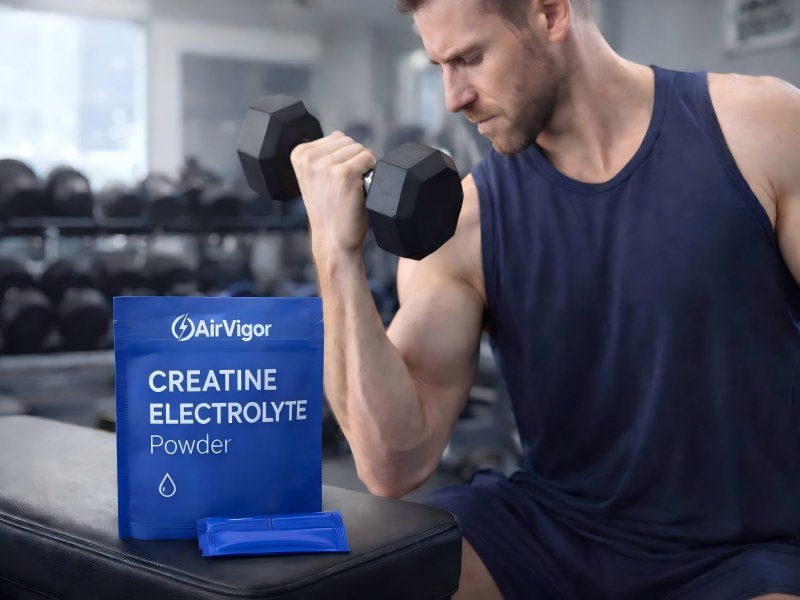
Hydration is trendy. Protein is mainstream. But creatine? It’s the supplement that quietly sits behind a lot of the “how are they progressing so fast?” stories—without the hypey energy drink vibe. The funny part is most people think they know creatine: “It’s for bodybuilders,” “It makes you puffy,” or “It’s basically a steroid.” None of those are accurate, and that confusion is exactly why creatine is one of the most underestimated tools in performance nutrition.
Here’s the real-life angle: if you’ve ever felt like your workouts are limited by that last 10–20%—the final reps, the final sprint, the last round of intervals—creatine lives right in that zone. It doesn’t replace hard training, sleep, or food. It helps you get more out of them, week after week, by supporting quick energy availability in your cells.
Creatine is good for improving strength, power, and repeated high-intensity performance by increasing the body’s ability to rapidly regenerate ATP (cellular energy). It can support training volume, lean mass gains over time, and faster recovery between hard efforts. Research also suggests potential benefits for brain energy and mental fatigue in certain situations. For most healthy adults, creatine monohydrate is considered safe to take daily at 3–5 grams.
And if you’ve ever watched someone “suddenly” level up in the gym, it often isn’t magic—it’s consistency, smart programming… and a few boring, proven basics. Creatine is one of the basics. Let’s unpack what it’s actually good for, who it helps most, and how to use it in a way that fits real life.
What Is Creatine?
Creatine is a naturally occurring compound your body uses to rapidly recycle ATP—the immediate “energy currency” your cells spend during short, high-intensity work. Most creatine is stored in skeletal muscle as phosphocreatine, where it helps you sustain power and recover faster between repeated efforts (sets, sprints, intervals). Your body makes creatine and you can get it from food, but supplementation can raise muscle creatine stores beyond baseline.
Creatine is one of the most researched and widely used performance supplements in sports nutrition, but it’s still misunderstood because people confuse what it is with what it feels like. Creatine doesn’t “stimulate” you like caffeine. It doesn’t directly burn fat. It doesn’t act like a hormone. Instead, creatine supports a very specific, very practical system inside your body: fast energy recycling.
To understand why the body uses creatine, you only need one core idea:
When your muscles (and even your brain) need energy right now, creatine helps you rebuild that energy faster.
That “right now” matters—because many real-world activities are not slow and steady. They’re stop-and-go: lifting weights, sprinting, jumping, climbing stairs, carrying groceries, HIIT, CrossFit-style workouts, and repeated bursts in sports.
Below is a clear, science-based breakdown of what creatine is, what it does in the body, and why it matters.
What Is Creatine?
Creatine is a nitrogen-containing compound made from amino acids. Think of it as part of your body’s “rapid response” energy system. Your body stores creatine primarily in skeletal muscle, and a smaller amount in the brain and other tissues.
In muscle cells, creatine is stored in two main forms:
- Free creatine
- Phosphocreatine (PCr)
Phosphocreatine is the key one for performance. It acts like a quick-access reserve that helps your body regenerate ATP during intense effort.
Why it matters: ATP is the immediate fuel for muscle contraction, but your ATP supply is small and gets used quickly during maximal or near-maximal effort.
Why Does the Body Use Creatine?
ATP (adenosine triphosphate) is the “spendable energy” your cells use. Every time a muscle fiber contracts, ATP is broken down into ADP + phosphate, releasing energy.
The problem is: your stored ATP only lasts a few seconds during high-intensity work.
That’s where creatine comes in.
Phosphocreatine donates its phosphate to ADP to rapidly rebuild ATP:
ADP + PCr → ATP + creatine
This is one of the fastest ways your body can regenerate ATP.
So in a practical workout sense, creatine supports:
- More power early in a set
- Less performance drop-off across repeated sets
- Better “repeat sprint” ability
- Faster recovery between bursts
That’s why creatine is especially relevant for:
- Strength training (heavy sets, repeated efforts)
- Explosive sports (jumping, sprinting, team sports)
- HIIT and interval training
- Any training plan with short rest periods
Where Is Creatine Stored in the Body?
Roughly the vast majority of creatine is stored in skeletal muscle (commonly cited around ~95% in many sports nutrition references), because muscle is where repeated high-intensity energy demands happen most.
Muscle cells need rapid ATP recycling to support:
- Quick force production (lifting, sprinting)
- Repeated contraction cycles
- High output under fatigue
The brain also uses creatine—because the brain is extremely energy-dependent too. But in terms of total storage, muscle is the main reservoir.
Creatine’s main “job” is not to create energy. It helps your body recycle energy faster when demand spikes.
How Does the Body Make Creatine Naturally?
Your body can produce creatine on its own using amino acids—primarily:
- Glycine
- Arginine
- Methionine
This process happens mainly through steps involving the kidneys and liver.
But the body’s natural production + dietary intake doesn’t always fully saturate muscle creatine stores. That’s why supplementation can increase total muscle creatine availability.
Which Foods Contain Creatine?
Dietary creatine is mainly found in animal-based foods like:
- Red meat (beef, lamb)
- Fish (salmon, herring, tuna)
People who may have lower baseline creatine stores include:
- Vegetarians and vegans (little to no dietary creatine)
- People who eat very low amounts of animal protein
- Some older adults (depending on diet and muscle mass)
Why it matters: If baseline stores are lower, increasing creatine stores may lead to a more noticeable performance response.
What Does “Creatine Saturation” Mean?
Creatine works best when muscle stores are “topped up.” This is called creatine saturation.
When your muscle creatine stores are higher, you typically get better support for:
- Repeated high-intensity work
- Training volume (more reps over time)
- Performance consistency
That’s why most evidence-based creatine protocols emphasize daily intake, not “only on workout days.”
Creatine doesn’t act like a pre-workout you “feel” immediately. It’s more like filling a tank. Once full, you maintain it.
Is Creatine Only for Athletes?
Your body uses creatine every day, not just when you lift weights.
Even outside the gym, creatine supports quick energy availability during:
- Standing up quickly
- Carrying things
- Stair climbing
- Short bursts of activity
- Many “real life” movements that are naturally anaerobic
So while athletes get the most measurable performance boost, creatine is still part of normal human metabolism for everyone.
If you’re busy, your biggest training limitation is often time. Creatine helps you get more quality output from the limited time you have—without relying on stimulants.
Creatine in the Body
| Question people ask | Simple answer | Why it matters |
|---|---|---|
| What is creatine? | A natural compound stored in muscle | Supports rapid energy recycling |
| Why does the body use it? | To regenerate ATP quickly | Helps power short, intense efforts |
| Where is it stored? | Mostly in skeletal muscle | Muscle needs rapid ATP for contraction |
| Do we make it naturally? | Yes, from amino acids | But stores aren’t always fully saturated |
| Can food provide enough? | Sometimes, but not always | Supplements raise stores beyond baseline |
| Who benefits most? | High-intensity trainees, low-meat diets | Bigger “room to improve” in stores |
Creatine is used by the body because it plays a key role in the phosphocreatine energy system, helping regenerate ATP rapidly during short, intense efforts. Most creatine is stored in muscles, making it especially useful for strength training, sprinting, HIIT, and repeated bouts of high output. While the body can produce creatine and you can get it from food, supplementation can increase muscle creatine stores and support more consistent performance over time.
How Is Creatine Good for Muscle Growth and Recovery?
Creatine is good for muscle growth and recovery because it helps you perform more high-quality training by improving rapid ATP regeneration, supporting repeated high-effort sets, and reducing performance drop-off across workouts. Over time, this leads to greater training volume, stronger hypertrophy signals, and more consistent recovery between sessions. Creatine does not build muscle directly, but it enhances the conditions that make muscle growth and recovery possible.
Muscle growth is not triggered by supplements. It’s triggered by mechanical tension, sufficient training volume, and progressive overload, followed by adequate recovery. Creatine earns its place in this process because it supports the execution of those fundamentals—especially when training intensity is high and fatigue accumulates.
Think of creatine less as a “muscle builder” and more as a training capacity amplifier. When your muscles can regenerate ATP faster, you’re better able to repeat hard efforts, maintain load across sets, and show up for the next session without performance collapsing. Over weeks and months, that difference compounds.
Below is a detailed, evidence-aligned breakdown of how creatine fits into muscle growth and recovery.
What Are the Benefits of Taking Creatine for Muscle Development?
The primary muscle-building benefit of creatine is increased effective training volume.
When muscle creatine stores are higher, many people experience:
- More reps at the same weight
- Less strength drop-off between sets
- Better ability to maintain intensity across a workout
- Improved repeat performance session to session
Even small improvements—1 extra rep per set, or maintaining load instead of reducing it—translate into more mechanical tension over time, which is one of the strongest drivers of hypertrophy.
Importantly, creatine does not replace protein intake or training quality. Instead, it helps ensure that the work you plan to do is the work you can actually complete. That reliability is critical for long-term muscle gain.
How Does Creatine Support Muscle Protein Synthesis Indirectly?
Creatine does not directly stimulate muscle protein synthesis (MPS) the way dietary protein or amino acids do. Instead, it supports MPS indirectly by improving the training stimulus that triggers it.
Here’s the chain reaction:
- Creatine increases phosphocreatine availability
- Faster ATP regeneration allows higher output during training
- Higher output = more volume and/or higher intensity
- Greater mechanical tension = stronger hypertrophy signal
- Protein intake then turns that signal into muscle tissue
In other words, creatine strengthens the input (training stimulus), while protein and calories support the output (muscle growth).
This is why creatine works best when paired with:
- A progressive resistance training program
- Adequate daily protein intake
- Sufficient recovery (sleep, calories, hydration)
Does Creatine Help Muscles Recover Faster After Workouts?
Creatine does not work like an anti-inflammatory or painkiller. It won’t instantly remove soreness. However, it can support functional recovery, meaning your ability to perform well again in the next session.
Users often report:
- Less performance drop-off across training days
- Improved ability to train hard multiple times per week
- Reduced “flat” or depleted feeling during back-to-back sessions
Mechanistically, this is likely related to:
- Faster ATP restoration between bouts
- Improved cellular hydration status
- Better energy availability during early recovery phases
This makes creatine especially useful for:
- High-frequency training (4–6 days/week)
- Programs with short rest periods
- Athletes balancing strength and conditioning
How Does Creatine Affect Muscle Cell Hydration?
One well-documented effect of creatine is increased intracellular water content in muscle cells. This is often misunderstood as “bloating,” but it’s biologically different.
Intracellular hydration can:
- Support muscle contraction efficiency
- Improve training readiness
- Enhance the cellular environment for growth
From a hypertrophy perspective, hydrated muscle cells are associated with improved anabolic signaling and reduced protein breakdown. While this alone doesn’t cause growth, it supports an environment favorable to adaptation.
This is also why hydration habits matter when using creatine—especially during the first 1–2 weeks.
Does Creatine Reduce Muscle Soreness (DOMS)?
Creatine is not a guaranteed DOMS reducer, but it may help some users feel less debilitated after intense sessions.
Soreness is influenced by:
- Novel exercises
- High eccentric loading
- Overall training stress
Creatine may help by improving energy availability and reducing excessive fatigue accumulation, but it won’t eliminate soreness caused by unfamiliar or very damaging workouts.
The more realistic benefit is this:
You may feel more capable of training again on schedule, even if soreness is still present.
How Does Creatine Improve Long-Term Training Consistency?
From a customer-centered perspective, this is one of creatine’s most valuable benefits.
Consistency is what builds muscle—not perfect workouts. Creatine helps by:
- Making hard sessions feel more repeatable
- Reducing sudden performance crashes
- Supporting confidence under load
For people balancing work, stress, and limited gym time, this reliability matters more than any short-term “pump.”
Creatine doesn’t force progress—but it removes friction that often derails it.
How Creatine Supports Muscle Growth & Recovery
| Aspect | How Creatine Helps | Why It Matters Long Term |
|---|---|---|
| Training volume | Maintains reps & load | More hypertrophy stimulus |
| ATP availability | Faster regeneration | Better set-to-set performance |
| Recovery capacity | Less performance drop-off | Higher training frequency |
| Muscle hydration | Increased intracellular water | Supports contraction & signaling |
| Consistency | More repeatable workouts | Sustainable progress |
Creatine is good for muscle growth and recovery because it improves the quality and consistency of high-intensity training. By enhancing rapid ATP regeneration, creatine helps you perform more total work, maintain intensity across sets, and recover functional capacity between sessions. While it does not directly build muscle, creatine strengthens the training stimulus that drives hypertrophy and supports recovery patterns needed for long-term progress.

What Is Creatine Good For Beyond Muscles?
Beyond muscles, creatine is good for supporting brain energy metabolism, mental fatigue resistance, and overall cellular energy availability. Because the brain and nervous system rely heavily on ATP, creatine may help buffer energy during high cognitive demand, sleep deprivation, or low dietary creatine intake. While not a stimulant or nootropic, creatine can support cognitive performance and daily energy resilience in specific contexts.
Creatine’s Role Beyond Muscle Tissue
Creatine is often framed as a “muscle supplement,” but that framing is incomplete. The real reason creatine works in muscle—supporting rapid ATP regeneration—is also relevant to other high-energy tissues, especially the brain and nervous system.
If muscles are the most obvious users of creatine, the brain is the most underappreciated one.
Your brain:
- Uses a disproportionate amount of daily energy
- Has limited energy storage
- Is highly sensitive to ATP availability under stress
This is why researchers have increasingly explored creatine’s role beyond physical performance—particularly in cognitive function, mental fatigue, and resilience under stress.
It’s important to set expectations correctly: creatine is not caffeine, not a stimulant, and not a “focus hack.” Its effects are subtle, cumulative, and context-dependent. But for the right person, in the right situation, those effects are meaningful.
Is Creatine Good for Your Brain and Cognitive Energy?
Yes—creatine can be good for the brain because the brain, like muscle, depends on ATP to function efficiently.
Neurons fire, recycle neurotransmitters, and maintain membrane potentials using energy. During periods of high demand—intense focus, multitasking, stress, or sleep loss—the brain’s ATP turnover increases. Creatine helps by acting as an energy buffer, supporting faster ATP regeneration when demand spikes.
Research has shown that creatine is present in brain tissue and that increasing creatine availability may support:
- Short-term memory and reasoning tasks
- Cognitive performance under stress
- Mental performance during sleep deprivation
These effects tend to be more noticeable in people with lower baseline creatine levels (for example, vegetarians or those with low meat intake).
Can Creatine Help With Mental Fatigue and Daily Energy Demands?
Many people describe creatine’s non-muscle benefit not as “more energy,” but as less mental crash.
Creatine does not increase alertness the way caffeine does. Instead, it may help:
- Reduce perceived mental fatigue
- Support sustained performance across long days
- Improve resilience during cognitively demanding periods
This distinction matters for real-world users. If your problem is sleepiness, caffeine helps. If your problem is mental exhaustion from constant demand, creatine may support your baseline capacity.
This is especially relevant for:
- Office workers with long focus hours
- Shift workers
- Students during intense study periods
- People training physically while managing cognitive load
Creatine’s role here is supportive, not dramatic—but supportive is often what makes routines sustainable.
Does Creatine Support the Nervous System and Neuromuscular Function?
Creatine’s benefits aren’t limited to muscle fibers themselves—it also supports neuromuscular performance, which sits at the intersection of the nervous system and muscle.
Efficient movement requires:
- Fast nerve signal transmission
- Reliable muscle activation
- Repeated firing without rapid fatigue
By supporting ATP availability in both muscle and neural tissue, creatine may help maintain:
- Better coordination under fatigue
- More consistent force output
- Reduced performance drop-off in complex movements
This is one reason creatine often benefits activities that require both strength and coordination, such as team sports, technical lifts, or high-intensity interval training.
Is Creatine Useful for Non-Athletes and Everyday Life?
Yes—but again, context matters.
Even outside the gym, daily life includes many short, high-energy tasks:
- Carrying groceries
- Climbing stairs
- Standing up quickly
- Short bursts of physical effort
Creatine supports the same rapid energy systems in these activities. While the effect may be subtle, over time it can contribute to better physical resilience and reduced fatigue, especially as people age or become less physically active.
For non-athletes, creatine is best viewed as:
- A baseline energy-support nutrient, not a performance enhancer
- A complement to strength training and adequate protein intake
- A long-term support tool rather than a quick fix
Does Creatine Play a Role in Healthy Aging?
Healthy aging is increasingly defined by maintaining function, not just avoiding disease. That includes:
- Preserving muscle strength
- Maintaining cognitive resilience
- Supporting daily energy and independence
Creatine is being studied in aging populations because:
- Muscle creatine stores may decline with age
- Older adults are more sensitive to fatigue and recovery limitations
- Strength training combined with creatine may support functional outcomes
While creatine is not an anti-aging cure, its safety profile, low cost, and energy-support role make it a reasonable supplement to consider as part of a broader lifestyle strategy that includes resistance training, protein adequacy, and hydration.
How Creatine Works Beyond Muscles
| Area | How Creatine Helps | Why It Matters |
|---|---|---|
| Brain energy | Supports ATP buffering | Helps under high mental demand |
| Mental fatigue | Improves energy resilience | Less cognitive “crash” |
| Nervous system | Supports neuromuscular signaling | Better coordination under fatigue |
| Daily activity | Aids short bursts of effort | Functional energy in real life |
| Aging support | Helps maintain energy systems | Preserves performance capacity |
Creatine is good for more than muscles because it supports ATP regeneration in other high-energy tissues, especially the brain and nervous system. By buffering cellular energy availability, creatine may help reduce mental fatigue, support cognitive performance under stress, and improve neuromuscular efficiency. While its effects outside muscle are more subtle, creatine can contribute to overall energy resilience and functional performance when used consistently.
Is Creatine Good for Endurance, Hydration, and Electrolyte Balance?
Creatine can be beneficial for endurance athletes when endurance performance includes repeated high-intensity efforts such as sprints, hills, intervals, or surges. It supports rapid ATP regeneration and may help maintain power output late in training or competition. Creatine does not replace hydration or electrolytes; instead, it works best alongside proper fluid and electrolyte intake to support performance consistency, especially during heavy sweating or heat exposure.
How Creatine Fits into Endurance, Hydration, and Electrolyte Science
Endurance nutrition is often misunderstood as “only carbs and water.” In reality, most real-world endurance performance—whether running, cycling, rowing, team sports, or functional fitness—includes mixed energy demands. Even long events rely on moments of high power: accelerations, climbs, tactical surges, and finishing kicks.
This is where creatine becomes relevant.
Creatine does not improve slow, steady aerobic output directly. Instead, it supports the high-intensity spikes embedded inside endurance activity, and helps reduce performance drop-off when fatigue accumulates. To fully understand its role, it’s important to separate three related but distinct systems:
- Creatine → rapid energy (ATP) recycling
- Hydration → fluid balance and blood volume
- Electrolytes → nerve signaling, muscle contraction, and fluid regulation
They do different jobs—and confusing them leads to poor performance decisions.
Does Creatine Work for Endurance Athletes?
Yes, creatine can work for endurance athletes—but how it works matters.
Creatine is most useful in endurance contexts that involve:
- Interval training
- Hill repeats
- Sprint finishes
- Tactical surges
- Repeated accelerations
In these scenarios, athletes rely on the phosphocreatine energy system to rapidly regenerate ATP. Higher muscle creatine stores can help:
- Sustain higher power output during surges
- Reduce drop-off across repeated efforts
- Improve training quality during speed sessions
For purely steady-state endurance at low intensity, creatine’s direct effect is smaller. However, most modern endurance training programs intentionally include high-intensity work, making creatine a relevant support supplement for many endurance athletes.
Does Creatine Cause Dehydration or Water Retention?
This is one of the most common myths.
Creatine does not cause dehydration. What it does is increase intracellular water content—meaning more water is held inside muscle cells, not under the skin.
Why this matters:
- Hydrated muscle cells function better
- Intracellular water supports contraction efficiency
- This is different from bloating or fluid imbalance
In hot environments or heavy sweat conditions, hydration still matters. Creatine does not replace fluids, but it also does not pull water away from circulation when hydration intake is adequate.
Creatine changes where water is stored, not whether you are hydrated.
How Does Creatine Interact With Hydration During Training?
Hydration supports:
- Blood volume
- Thermoregulation
- Oxygen delivery
Creatine supports:
- Rapid ATP recycling
- Short-duration power output
When training volume or intensity increases, both systems matter. If hydration is poor, performance will suffer regardless of creatine use. Conversely, if hydration is adequate, creatine’s benefits on repeat performance become more noticeable.
For endurance athletes, this means:
- Drink enough fluids relative to sweat loss
- Pay attention to training conditions (heat, humidity)
- Use creatine as a performance support, not a hydration solution
What Is the Role of Electrolytes?
Electrolytes (especially sodium, potassium, magnesium, and calcium) are essential for:
- Nerve impulse transmission
- Muscle contraction
- Fluid balance across cells
Creatine does none of these directly.
This distinction is critical for endurance athletes. Many performance issues blamed on “low energy” are actually due to electrolyte depletion, especially sodium loss through sweat.
Creatine supports energy recycling inside muscle cells.
Electrolytes support communication between cells and fluid balance.
They are complementary, not interchangeable.
Is Creatine More Effective When Combined With Electrolytes?
For many athletes, yes—especially those who:
- Sweat heavily
- Train in hot climates
- Do long or high-intensity sessions
- Experience late-session fatigue or cramping
Using creatine daily to support ATP regeneration, while using electrolytes strategically around training, helps address two major performance bottlenecks at once:
- Energy availability during intense efforts
- Fluid and mineral balance during sweat loss
This combination often results in more stable performance across long sessions or multiple training days.
Creatine vs Hydration vs Electrolytes
| System | Primary Function | Supports | Does NOT Replace |
|---|---|---|---|
| Creatine | ATP regeneration | Power, repeat effort | Fluids, minerals |
| Hydration | Fluid balance | Blood flow, cooling | Energy recycling |
| Electrolytes | Nerve & muscle signaling | Contraction, endurance | ATP production |
Who Benefits Most From Creatine in Endurance Contexts?
Creatine tends to be most useful for:
- Endurance athletes doing interval-based training
- Team sport athletes with endurance + sprint demands
- Hybrid athletes (CrossFit, Hyrox, tactical fitness)
- Athletes experiencing late-session power drop-off
It is less impactful for:
- Pure low-intensity, steady-state endurance only
- Athletes with minimal speed or strength demands
Creatine can support endurance performance when endurance activity includes repeated high-intensity efforts. It helps maintain power output and reduce performance drop-off during sprints, intervals, and surges by improving ATP regeneration. Creatine does not replace hydration or electrolytes; instead, it works best as part of a complete strategy that includes adequate fluids and electrolyte intake, particularly during heavy sweating or training in heat.

Who Is Creatine Good For and Who Should Avoid It?
Creatine is good for people who perform repeated high-intensity efforts—such as strength trainers, HIIT athletes, team-sport players, and individuals seeking consistent training progress. It can also benefit those with low dietary creatine intake. Most healthy adults tolerate creatine well, but people with kidney disease, those who are pregnant or breastfeeding, or anyone under medical supervision should consult a healthcare professional before use.
Creatine isn’t a “one-size-fits-all” supplement—but it is one of the few supplements that fits many people when the context is right. The key to using creatine responsibly (and effectively) is understanding who benefits most, who may see limited value, and who should pause or seek guidance first.
Who Benefits Most From Creatine Supplementation?
Creatine is most effective for people whose daily activities or training rely on repeated bursts of effort and high ATP turnover.
These groups typically benefit the most:
- Strength and resistance trainers Lifters, bodybuilders, powerlifters, and recreational gym users benefit from improved set-to-set performance, training volume, and consistency.
- HIIT, CrossFit, and functional fitness athletes Creatine supports repeated high-output intervals, short rest periods, and mixed-modal workouts.
- Team-sport athletes Sports like soccer, basketball, hockey, and rugby involve constant accelerations, sprints, and directional changes—exactly where creatine’s ATP-buffering role matters.
- Endurance athletes with speed components Runners, cyclists, and rowers who train intervals, hills, or finishing kicks often benefit more than those doing only steady-state cardio.
- People returning to training after a break Creatine can help rebuild training capacity and reduce early performance drop-off as conditioning returns.
Is Creatine Good for Females?
Yes—creatine is good for females, and its safety and effectiveness are supported by research.
Important clarifications for women:
- Creatine does not alter hormones
- It does not cause masculinization
- It does not inherently cause fat gain
Women benefit from creatine in the same functional ways as men:
- Improved strength and power output
- Better training volume and progression
- Support for recovery in high-frequency training
Some women notice a small increase in scale weight early on due to intracellular water retention in muscle. This is not fat gain and often stabilizes. For women focused on performance, body recomposition, or maintaining strength with busy schedules, creatine is often a practical, low-risk option.
Is Creatine Helpful for Older Adults?
Creatine can be especially relevant for older adults when paired with resistance training.
As people age:
- Muscle mass and strength decline more easily
- Recovery between sessions becomes slower
- Fatigue limits training frequency
Creatine may help by supporting:
- Training intensity during strength sessions
- Functional strength (standing, lifting, carrying)
- Overall training consistency
That said, older adults are more likely to be managing medical conditions or medications, so professional guidance is recommended before starting supplementation.
Who May See Limited Benefits From Creatine?
Creatine is less impactful for individuals whose activities do not stress the phosphocreatine system.
Examples include:
- People doing only low-intensity steady-state cardio
- Individuals who are largely sedentary and not strength training
- Those expecting creatine to replace sleep, nutrition, or training quality
Creatine supports performance execution—it does not create motivation or compensate for lack of physical stimulus.
Who Should Avoid Creatine or Consult a Professional First?
While creatine is widely considered safe for healthy adults, certain groups should proceed with caution or seek medical advice:
- People with kidney disease or impaired renal function Creatine can increase blood creatinine levels (a breakdown marker), which may complicate lab interpretation.
- Pregnant or breastfeeding individuals There is limited long-term safety data in these populations.
- People taking medications affecting kidney function or hydration Professional oversight helps avoid unintended interactions.
- Individuals under 18 Although creatine has been studied in youth athletes, supplementation should be guided by a qualified professional.
This doesn’t mean creatine is “dangerous” for these groups—it means context and supervision matter.
Is Creatine Right for You?
| Person Type | Likely Benefit | Recommendation |
|---|---|---|
| Strength / HIIT athlete | High | Strong candidate |
| Team-sport player | High | Strong candidate |
| Endurance + intervals | Moderate–High | Situationally useful |
| Sedentary individual | Low | Limited benefit |
| Older adult (training) | Moderate | Consult professional |
| Kidney disease | Uncertain | Avoid unless advised |
Creatine is good for people who perform repeated high-intensity efforts and want more consistent training output, strength gains, and recovery capacity. It is suitable for most healthy adults, including women, when used at standard doses. However, individuals with kidney conditions, those who are pregnant or breastfeeding, and anyone with complex medical considerations should consult a healthcare professional before use. Creatine works best when matched to the right goals and training demands.
How Should You Take Creatine for Best Results?
For best results, take creatine consistently every day—most people do well with 3–5 grams of creatine monohydrate daily. A loading phase can speed saturation but is optional. Timing is flexible; consistency matters more than pre- or post-workout timing. Mix with water or a meal, stay well hydrated, and choose a high-quality, clearly labeled product for long-term use.
Creatine works differently from most supplements. You don’t “feel” it immediately, and taking more doesn’t mean better results. The goal is simple but often misunderstood: fully saturate muscle creatine stores and keep them saturated over time.
Everything about dosing, timing, and cycling flows from that principle. Below is a practical, science-aligned guide designed to answer the questions people actually have—and to perform well in Google and AI search results.
How Much Creatine Should You Take Per Day?
For the vast majority of healthy adults, the optimal daily dose is:
- 3–5 grams per day of creatine monohydrate
This dose range has been repeatedly shown to:
- Saturate muscle creatine stores over time
- Maintain those stores long-term
- Minimize gastrointestinal discomfort
You do not need to scale creatine aggressively with body weight. Larger or very high-volume athletes may choose the upper end (5 g), but more is not better.
Daily, moderate dosing is more effective and safer than occasional high doses.
Is a Creatine Loading Phase Necessary or Optional?
A loading phase is optional, not required.
Two common approaches:
- With loading (faster saturation):
- ~20 g/day split into 4 doses for 5–7 days
- Then 3–5 g/day maintenance
- Without loading (slower, gentler):
- 3–5 g/day from the start
- Full saturation in ~3–4 weeks
Both approaches lead to the same long-term result.
For many people—especially beginners or those with sensitive digestion—skipping the loading phase is the smarter choice. Consistency matters more than speed.
When Is the Best Time to Take Creatine?
There is no single “perfect” time—but there is a best rule:
Take creatine at a time you’ll remember, every day.
Research suggests timing differences (pre- vs post-workout) are small compared to daily consistency.
That said:
- On training days, many people take creatine after workouts as part of their routine
- On rest days, take it with a meal or at the same time as usual
Creatine does not need to be cycled around workouts to work.
Should You Take Creatine on Rest Days?
Yes—absolutely.
Creatine works by maintaining saturated muscle stores. Skipping rest days slows or reverses that process.
Think of creatine like filling and maintaining a tank:
- Training days = you use the fuel
- Rest days = you still need to keep the tank full
Daily intake keeps muscle creatine levels stable, which is essential for consistent results.
Is Creatine OK to Take Daily Long-Term?
For most healthy adults, yes.
Creatine monohydrate is one of the most studied supplements in sports nutrition, and long-term daily use at recommended doses (3–5 g/day) is widely considered safe.
Important clarifications:
- Creatine is not a stimulant
- It does not require cycling for safety or effectiveness
- It does not damage healthy kidneys
However, creatine can increase blood creatinine levels (a lab marker), which does not necessarily indicate kidney damage but can confuse lab interpretation. If you monitor labs regularly or have kidney concerns, discuss creatine use with a healthcare professional.
Should Creatine Be Taken With Food, Carbs, or Protein?
Creatine can be taken:
- With water
- With meals
- With protein or carbs
Some evidence suggests insulin (from carbs or protein) may slightly enhance creatine uptake, but the effect is small and not required for results.
The practical rule:
- Take creatine in the simplest way you’ll stick to
- Avoid overcomplicating timing or combinations
If mixing creatine into a post-workout shake or daily drink helps consistency, that’s ideal.
Does Hydration Matter When Taking Creatine?
Yes—but not in the way many people fear.
Creatine increases intracellular water content in muscle cells. This does not cause dehydration, but it does mean adequate fluid intake matters, especially in the first 1–2 weeks.
Best practices:
- Drink fluids normally throughout the day
- Pay extra attention if training in heat or sweating heavily
- Combine creatine with proper electrolyte intake when needed
Creatine supports energy recycling; hydration and electrolytes support fluid balance and muscle contraction. They work best together.
Which Type of Creatine Is Best?
The most evidence-backed and cost-effective option is:
- Creatine monohydrate
Other forms (HCL, buffered, nitrate, blends) are often marketed as superior, but research does not consistently show better results.
What matters more than the form:
- Clear labeling (no proprietary blends)
- Reliable manufacturing standards
- Good solubility and taste (for compliance)
If a product dissolves poorly or tastes unpleasant, long-term consistency suffers—and consistency is everything.
Best-Practice Creatine Protocol
| Question | Best Answer |
|---|---|
| Daily dose | 3–5 g |
| Loading phase | Optional |
| Timing | Any time you’ll remember |
| Rest days | Take it |
| Long-term use | Yes, for healthy adults |
| Best form | Creatine monohydrate |
| Hydration | Maintain normal fluid intake |
To take creatine for best results, use a simple, consistent daily protocol. Most people benefit from 3–5 grams of creatine monohydrate per day, taken consistently with or without food. A loading phase is optional, and timing is less important than daily adherence. Creatine is safe for long-term use in healthy adults and works best when paired with adequate hydration, proper training, and sufficient protein intake.

Is Creatine Worth Taking for Your Goals?
Creatine is worth taking if your goals involve improving strength, power, training volume, or repeated high-intensity performance. It’s one of the most researched and cost-effective sports supplements, with benefits that compound over weeks as training quality improves. If your main barriers are inconsistent training, poor sleep, low protein intake, or dehydration, address those first—then use creatine as a reliable “multiplier” to help your program deliver better results.
“Is creatine worth it?” is really three questions disguised as one:
- Will creatine help my type of training?
- Will I actually use it consistently?
- Are my basics good enough for creatine to matter?
Creatine is not a magic shortcut. It’s one of the rare supplements that consistently supports performance when the limiting factor is high-intensity energy availability and repeat effort. That’s why creatine has survived every supplement trend: it targets a real bottleneck in human physiology.
But it’s also why creatine can feel “underwhelming” to the wrong person. If you don’t train in a way that stresses the phosphocreatine system—or you’re missing fundamentals like sleep, protein, and hydration—creatine won’t feel like a game-changer.
Below is a detailed, customer-first way to decide whether creatine is worth it for your goals.
Is Creatine Effective Without Intense Training?
Creatine can still be helpful without extreme training, but the benefits are often smaller and less noticeable.
Creatine primarily supports short, high-intensity efforts:
- Heavy sets in resistance training
- Sprint intervals
- Explosive movements
- Repeated bursts in sports
If your activity is mostly light walking or steady-state cardio at low intensity, your body isn’t relying heavily on the phosphocreatine system. In that case, creatine may feel optional.
However, many “non-intense” routines still include strength training—because people want better body composition, stronger joints, and improved function. If you do any consistent resistance training—even moderate—you’re likely to get some value from creatine, especially in training consistency and repeat performance.
If you lift weights or do intervals more than once per week, creatine becomes much more “worth it.”
Which Goals Does Creatine Support Best?
Creatine is worth taking when your goals align with what it actually improves:
High-fit goals (strong value):
- Getting stronger (progressive overload)
- Building muscle over time
- Improving HIIT or sprint repeatability
- Maintaining intensity across sets or rounds
- Faster functional recovery between hard efforts
- Training more consistently week to week
Lower-fit goals (limited direct value):
- Pure slow endurance with no speed work
- Weight loss without resistance training
- “Energy” in the stimulant sense
- Fixing fatigue caused by poor sleep or low calories
Creatine improves performance capacity, not motivation. If you want better results from training, it’s a strong candidate. If you want instant energy, you’re thinking of caffeine.
Is Creatine Worth It for Women?
Yes—creatine is absolutely worth considering for women if the goals include strength, muscle tone, performance, or consistent training progress.
Women often benefit because:
- Consistency is a common constraint (work, stress, family load)
- Creatine can support better session quality without stimulants
- Strength training outcomes improve with better repeat performance
The only “downside” some women dislike is a temporary scale weight increase early on due to intracellular water in muscle. This is not fat gain. For many women pursuing body recomposition, improved training output is worth far more than a minor, non-fat weight shift.
Is Creatine Worth It for Endurance Athletes?
Creatine is worth it for endurance athletes when endurance includes high-intensity components:
- Intervals
- Hills
- Surges
- Sprint finishes
- Tactical racing
In purely slow, steady endurance with no speed work, creatine’s benefit is smaller. But most modern endurance plans include intervals, and endurance performance often depends on the high-power moments near the end.
If your endurance training includes speed or strength sessions, creatine becomes more useful.
How Does Creatine Fit Into a Long-Term Supplement Routine?
Creatine is one of the few supplements that fits long-term because it’s:
- Low complexity (no cycling required for most)
- Non-stimulant
- Compatible with most training styles
- Easy to stack with foundational nutrition habits
A smart long-term “foundation stack” (for many active people) is:
- Creatine (daily) → performance and training consistency
- Protein support (as needed) → muscle repair and growth
- Electrolytes (as needed) → hydration stability and contraction support
This is also why brands like AirVigor build product systems around core, repeatable habits rather than hype ingredients: long-term results come from repeatable routines.
What Should You Look for in a High-Quality Creatine Supplement?
Creatine is one ingredient where quality is mostly about purity, transparency, and consistency.
Look for:
- Creatine monohydrate (most studied)
- Clear dosing (3–5 g per serving if single-serve, or flexible scoop dosing)
- No proprietary blends hiding dosage
- Reliable manufacturing and testing documentation when available (e.g., COA)
- Good solubility and taste neutrality (so you’ll use it daily)
If a creatine product clumps, tastes bad, or upsets your stomach, you won’t take it consistently—and then it doesn’t matter how “pure” it is.
Creatine “Worth It” Decision
| Your Goal / Situation | Is Creatine Worth It? | Why |
|---|---|---|
| Strength & progressive overload | Yes (High) | Supports repeated high-effort output |
| Muscle gain / recomposition | Yes (High) | Improves training volume & consistency |
| HIIT / CrossFit / intervals | Yes (High) | Helps repeat sprint/round performance |
| Team sports | Yes (High) | Supports bursts, accelerations, late-game output |
| Endurance with speed work | Yes (Moderate–High) | Helps surges and sprint finishes |
| Pure steady-state endurance only | Maybe (Low–Moderate) | Less reliance on phosphocreatine |
| Weight loss with no training | Low | Doesn’t replace training stimulus |
| Poor sleep / under-eating | Fix basics first | Creatine can’t compensate for deficits |
Creatine is worth taking for goals that depend on strength, power, training volume, and repeated high-intensity performance. Its benefits build over time by helping you complete more quality work, maintain intensity across sets, and train more consistently. If your barriers are sleep, protein intake, hydration, or inconsistent training, address those first. Then creatine becomes one of the simplest, most reliable supplements to support long-term progress.
Make Creatine Work in Real Life
Creatine is good for one core reason: it supports your ability to produce and repeat high-intensity effort by improving ATP recycling. From there, the benefits stack—better training volume, better strength progress, more consistent performance, and potentially better resilience when life is mentally demanding. It’s not hype. It’s a boring, proven tool that rewards people who do the basics.
If you want an easy next step:
- Buying on Amazon (In-Stock): If you’re ready to start with a simple, daily creatine routine (or pair it with hydration support for training in heat), you can purchase AirVigor’s in-stock products on Amazon and build a repeatable plan you’ll actually follow.
- Custom Wholesale Quote: If you need custom creatine blends, reach out to AirVigor for a fast quotation and sampling timeline.