Skip to content
Do Electrolytes Help With Cramps : A Complete Guide

Electrolytes may help with cramps when cramps are related to dehydration, heavy sweating, heat exposure, low mineral intake, or poor fluid balance. Sodium, potassium, magnesium, and calcium support normal muscle and nerve function. However, not all cramps are electrolyte-related. Muscle fatigue, overuse, medications, circulation concerns, and underlying health conditions can also contribute.
What Causes Muscle Cramps During Exercise: Common Triggers Explained

Muscle cramps are commonly linked to low levels of sodium, magnesium, potassium, or calcium, especially after sweating, intense exercise, poor hydration, or inconsistent recovery habits. Tight muscles, reduced circulation, sleep disruption, and physically demanding routines may also increase cramp frequency. Understanding these deeper causes helps people improve hydration, recovery, and muscle stability more effectively.
Electrolytes for Marathon Race Day: Enhance Performance & Hydration

Electrolyte replenishment is necessary not only for preventing dehydration but also for ensuring that your muscles continue to work efficiently. By understanding how electrolytes affect hydration and performance, marathoners can strategically manage their intake before, during, and after the race to optimize results and recover faster.
What Are Electrolytes: A Complete Guide
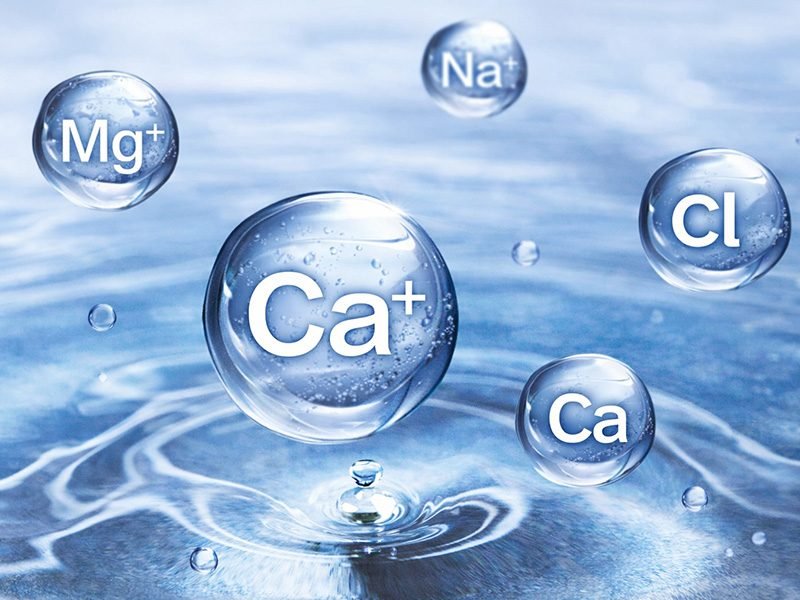
Electrolytes are minerals with an electrical charge, vital for maintaining fluid balance, muscle function, and nerve signaling. They play a key role in hydration, muscle performance, and recovery, making them essential for overall physical function and well-being during exercise and daily activities. Proper electrolyte balance supports efficient body function and helps prevent dehydration, cramping, and fatigue.