Skip to content
How Can You Recover Faster After Exercise : A Practical Guide

Recovering faster after exercise usually comes down to doing the basics sooner and more consistently. For most people, that means replacing fluids, eating enough protein and carbohydrates, sleeping well, using light movement when appropriate, and paying attention to the difference between ordinary soreness and warning signs that something is off. Cleveland Clinic says delayed onset muscle soreness commonly shows up one to three days after intense exercise and often fades as muscles heal, while Mayo Clinic says post-workout recovery is supported by fluids plus a meal with carbohydrates and protein.
Why Do You Feel Weak After Workout : A Ultimate Guide
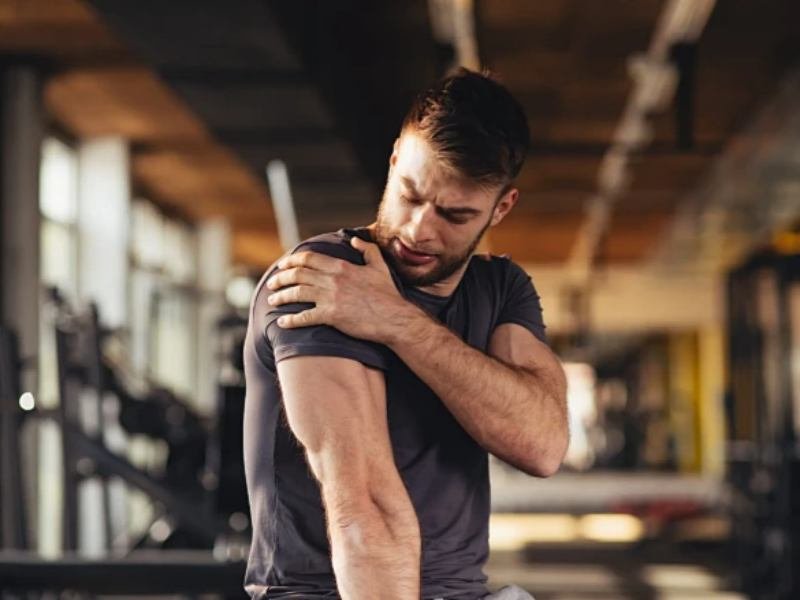
Weak after workout symptoms are usually caused by a combination of glycogen depletion, fluid loss, electrolyte imbalance, poor recovery nutrition, and accumulated fatigue. High-intensity training, heavy sweating, long cardio sessions, and inadequate hydration often increase the risk. In many cases, improving hydration, electrolyte intake, meal timing, sleep quality, and recovery habits can significantly reduce post-workout weakness and help maintain more stable energy after exercise.
What Is Hydration: A Complete Guide
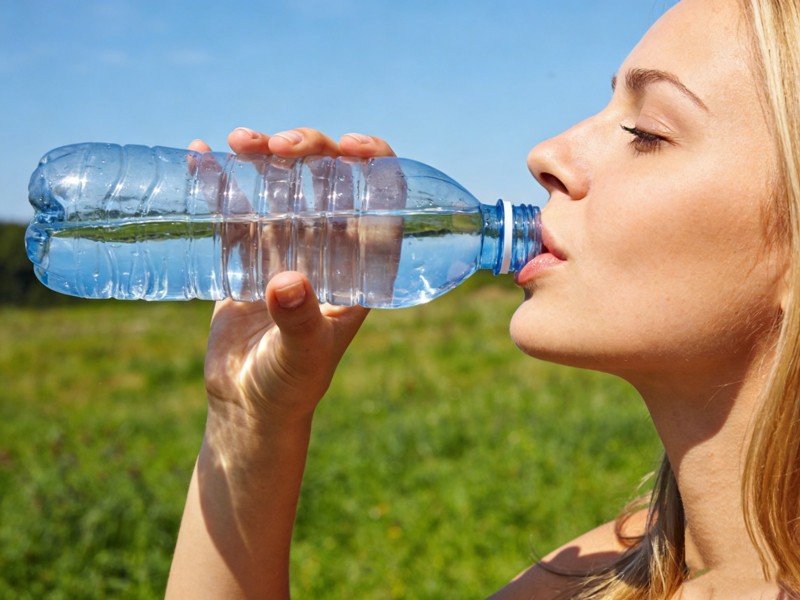
Most people think hydration is simple: drink water, feel better, move on. In real life, it is more complicated than that. A person can carry a large bottle all day and still feel tired, flat, cramp-prone, or unusually drained after training or heat exposure.