Skip to content
Should You Take Vitamin C Before or After Workout: A Complete Guide
# Your Trusted Dietary Supplement Brand In US
- Emily

Table of Contents
Most people think about vitamin C only when they feel a cold coming. But if you train regularly, sweat often, travel frequently, or feel run down after workouts, vitamin C may deserve a more serious place in your routine. It is not a stimulant. It will not work like caffeine. It will not instantly make you lift heavier or run faster. What it can do is support several background systems your body depends on after physical stress: immune function, collagen production, antioxidant balance, iron absorption, and general recovery nutrition.
For most active adults, vitamin C is usually more useful after a workout because the body is entering a recovery phase. After training, you may need to replace fluids, rebuild nutrient balance, support connective tissue, and maintain immune defense during repeated training stress. Some people may also take vitamin C before exercise, especially before long outdoor workouts, high-sweat sessions, travel days, or hot-weather training.
The real answer is not “before is always better” or “after is always better.” It depends on your workout type, diet quality, sweat level, stomach comfort, and recovery goal. A runner training in summer heat, a CrossFit user doing high-intensity sessions, and an office worker doing evening strength training may all use vitamin C differently. That is why this guide looks at timing from a practical user angle, not just from a supplement label angle.
Many people do not notice recovery problems immediately. They first feel small signs: heavier legs, slower bounce-back, dry mouth after sweating, lower motivation, or getting sick more often during hard training periods. When these signs appear, timing and formula quality begin to matter.
What Does Vitamin C Before or After Workout Do?
Vitamin C before or after workout supports the body during exercise-related stress. It helps maintain normal immune function, supports collagen formation for connective tissue, contributes to antioxidant protection, and fits well into hydration and recovery routines. It does not directly build muscle or replace protein, electrolytes, sleep, or food, but it may help active people stay more consistent during repeated training weeks.
Why Do Active People Use Vitamin C?
Active people use vitamin C because workouts create more stress than most people notice in the moment. A hard session is not only about burning calories or working muscles. The body also has to manage sweat loss, increased oxygen use, connective tissue loading, immune stress, and recovery demand after training ends.
For someone who trains once in a while, this may not feel like a big issue. But for people who exercise three to five times per week, work long hours, travel often, or train in hot weather, these small stressors build up. The first signs are usually very practical: slower recovery, dry mouth after sweating, tired legs, lower motivation, or feeling “run down” after several workouts in a row.
Vitamin C is especially relevant because it supports collagen formation. Collagen is part of tendons, ligaments, cartilage, skin, blood vessels, and other connective tissues. These areas matter for runners, lifters, cyclists, CrossFit users, yoga users, and people doing repetitive movement. Muscles often get the attention, but joints and connective tissues are usually what make people feel stiff, tight, or less ready for the next session.
Active consumers often use vitamin C when they want support for:
- Recovery after repeated workouts
- Immune health during heavy training periods
- Connective tissue and joint support
- Hydration routines with electrolytes
- Daily wellness during travel, heat, or busy schedules
| User Situation | Why Vitamin C May Be Useful |
|---|---|
| Running or cycling outdoors | Supports recovery during sweat-heavy sessions |
| Strength training | Supports collagen formation for connective tissue |
| HIIT or CrossFit | Helps support the body during high-intensity stress |
| Hot yoga | Fits well into post-sweat hydration routines |
| Frequent travel | Supports wellness when sleep and meals are irregular |
| Busy work + evening gym | Helps build a simple daily support routine |
A good vitamin C routine is not about taking the largest dose possible. It is about matching the supplement to real life. A person who eats fruit daily, sleeps well, and trains lightly may need less support than someone training hard, drinking coffee all day, and eating quick meals between meetings. This is why timing, dosage, and formula quality all matter.
Does Vitamin C Support Recovery?
Vitamin C can support workout recovery, but it should be viewed as one part of the recovery system. It does not repair muscle the way protein helps muscle tissue. It does not replace electrolytes lost in sweat. It does not make up for poor sleep. Its value comes from supporting background processes the body already depends on after exercise.
After a workout, the body needs to restore fluid balance, repair tissue stress, regulate oxidative stress, and prepare for the next session. Vitamin C contributes to antioxidant protection and collagen formation, which can be useful during repeated training. This is especially relevant for people who feel fine after one workout but begin to feel drained after several days of training.
A stronger recovery routine usually includes:
- Water and electrolytes for fluid balance
- Protein for muscle repair
- Carbohydrates after longer or harder workouts
- Vitamin C for collagen and antioxidant support
- Sleep for deeper recovery and adaptation
| Recovery Need | What Usually Helps Most |
|---|---|
| Muscle repair | Protein and enough daily calories |
| Heavy sweating | Water, sodium, potassium, magnesium |
| Connective tissue support | Vitamin C with collagen-related nutrition |
| Low energy after long sessions | Carbohydrates, hydration, balanced meals |
| Poor weekly recovery | Better sleep, nutrition, and routine consistency |
The practical reason many people take vitamin C after workout is simple: it fits into the recovery window naturally. After exercise, people are already drinking water, mixing electrolytes, taking protein, or eating a meal. Adding vitamin C to that routine is easier than remembering another supplement at a random time of day.
This also explains why vitamin C is increasingly used in electrolyte powders, collagen blends, and recovery drinks. Consumers want fewer separate steps. They want products that are easy to mix, easy to carry, and easy to repeat.
For supplement brands, this matters. A strong formula is not only about ingredient names. Customers also care about taste, solubility, stomach comfort, sugar level, serving size, and whether the label is clear. If the product feels too sweet, clumps badly, or causes discomfort, people will not keep using it no matter how good the concept sounds.
Is Vitamin C Good for Daily Training?
Vitamin C can be useful for daily training because most fitness progress comes from consistency. The goal is not to feel perfect after one workout. The goal is to recover well enough to keep training across weeks and months without feeling constantly depleted.
Daily training does not always mean extreme exercise. Many active consumers are doing moderate but repeated routines: 30 minutes of gym training after work, morning HIIT, weekend cycling, hot yoga classes, light strength training, or regular running. These routines can still increase recovery demand when combined with poor sleep, work stress, caffeine, travel, or irregular meals.
Vitamin C becomes more valuable when the user’s lifestyle is not perfectly controlled. This is the reality for most people. They may train seriously, but they are also handling meetings, family schedules, flights, late dinners, and limited recovery time.
Vitamin C may be especially useful for daily training when someone has:
- Low fruit and vegetable intake
- Frequent sweating
- Repeated workouts during the week
- Busy workdays with evening training
- Travel or inconsistent sleep
- Interest in hydration and recovery support
| Daily Training Pattern | Why Vitamin C May Fit |
|---|---|
| 3–5 workouts per week | Supports steady recovery habits |
| Long workdays + gym | Helps simplify daily wellness support |
| Hot-weather training | Pairs well with hydration products |
| Travel workouts | Useful when food and sleep are less consistent |
| Light but frequent exercise | Supports long-term routine stability |
The best daily supplement routine is usually the one people can keep using. This is where AirVigor’s product direction fits the needs of modern active consumers. A workout supplement should be clear, stable, and easy to use. For vitamin C products, that means practical dosage, clean taste, good mixing performance, transparent ingredient information, and reliable quality control.
For many customers, the question is not “Will this change my workout today?” The better question is: “Can this help me maintain a better routine over the next few months?” That is where vitamin C can become a meaningful part of daily training support.
Is Vitamin C Before Workout Better?
Vitamin C before workout may be useful for people who train in heat, sweat heavily, exercise outdoors, or want a lighter pre-workout routine without strong stimulants. It is not an instant energy booster, but it can fit well into a pre-training hydration habit. For most people, pre-workout vitamin C works best when combined with proper water intake, electrolytes, and balanced nutrition.
Can Vitamin C Support Energy?
Vitamin C does not work like caffeine, so it will not create a sudden energy rush. This is important because many consumers expect every pre-workout ingredient to feel immediately noticeable. Vitamin C is different. Its role is more about supporting normal body function during physically demanding periods.
Many active people today are moving away from harsh stimulant-heavy routines. They may still want to train hard, but they do not want jitters, crashes, sleep disruption, or a racing heartbeat before every session. This is especially common among office workers training after work, adults over 30, women who prefer lighter fitness products, and travelers who do not want extra stimulation on top of poor sleep.
Vitamin C can support a more balanced pre-workout routine when the person’s main problem is not lack of stimulation, but lack of consistency. If someone is tired because they are dehydrated, underfed, stressed, or poorly recovered, adding more caffeine may only cover the problem for one workout. A better routine may focus on hydration, minerals, adequate food, and moderate vitamin support.
A more balanced pre-workout routine may include:
- Water or electrolyte drink 30–60 minutes before training
- A small meal or snack if training lasts longer or feels draining
- Moderate vitamin C intake when daily diet is inconsistent
- Lower stimulant intake if sleep quality is already poor
| Pre-Workout Approach | What It Feels Like to Users |
|---|---|
| High-stimulant pre-workout | Strong rush, possible crash or jitters |
| Sugar-heavy sports drink | Quick taste appeal, possible stomach heaviness |
| Water only | Simple, but may not replace sweat minerals |
| Electrolytes + vitamin C | Lighter support for hydration and wellness |
| Balanced snack + hydration | More stable for longer sessions |
For AirVigor customers, this matters because many modern supplement users want products that feel practical, not extreme. They want a routine that works before gym sessions, outdoor walks, cycling, yoga, travel days, and busy workweeks. Vitamin C can be part of that lighter, more sustainable approach.
Does Vitamin C Help Hydration?
Vitamin C is not an electrolyte, so it does not replace sodium, potassium, magnesium, or calcium. However, it can work well inside hydration formulas because workout hydration is no longer only about water. People now want hydration products that also support recovery, wellness, and daily routine consistency.
During exercise, the body loses water and electrolytes through sweat. If the session is long, intense, or done in hot weather, fluid loss can affect how the person feels during and after training. Many users do not recognize hydration problems immediately. They may only notice headache, dry mouth, brain fog, heavy legs, or low motivation later in the day.
This is why vitamin C is often paired with electrolyte powders. The electrolytes handle the hydration side more directly, while vitamin C adds recovery and wellness value. Together, they create a more useful product for active consumers than plain vitamin tablets or plain water alone.
Common hydration-related complaints include:
- Feeling thirsty even after drinking water
- Headache after sweating
- Heavy legs during the second half of training
- Dry mouth during outdoor workouts
- Low energy later in the day after exercise
| Hydration Concern | What Consumers Often Look For |
|---|---|
| Heavy sweat | Electrolytes with clear mineral support |
| Sweet sports drinks | Lower-sugar, lighter taste |
| Poor mixing powders | Fast-dissolving formulas |
| Travel dehydration | Portable stick packs |
| Post-workout fatigue | Hydration plus recovery support |
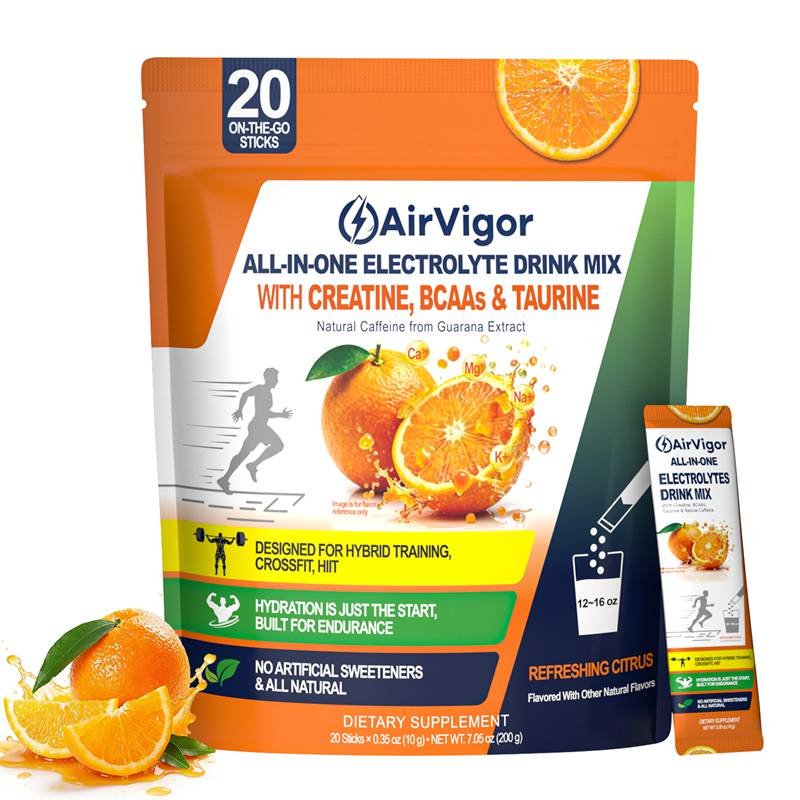
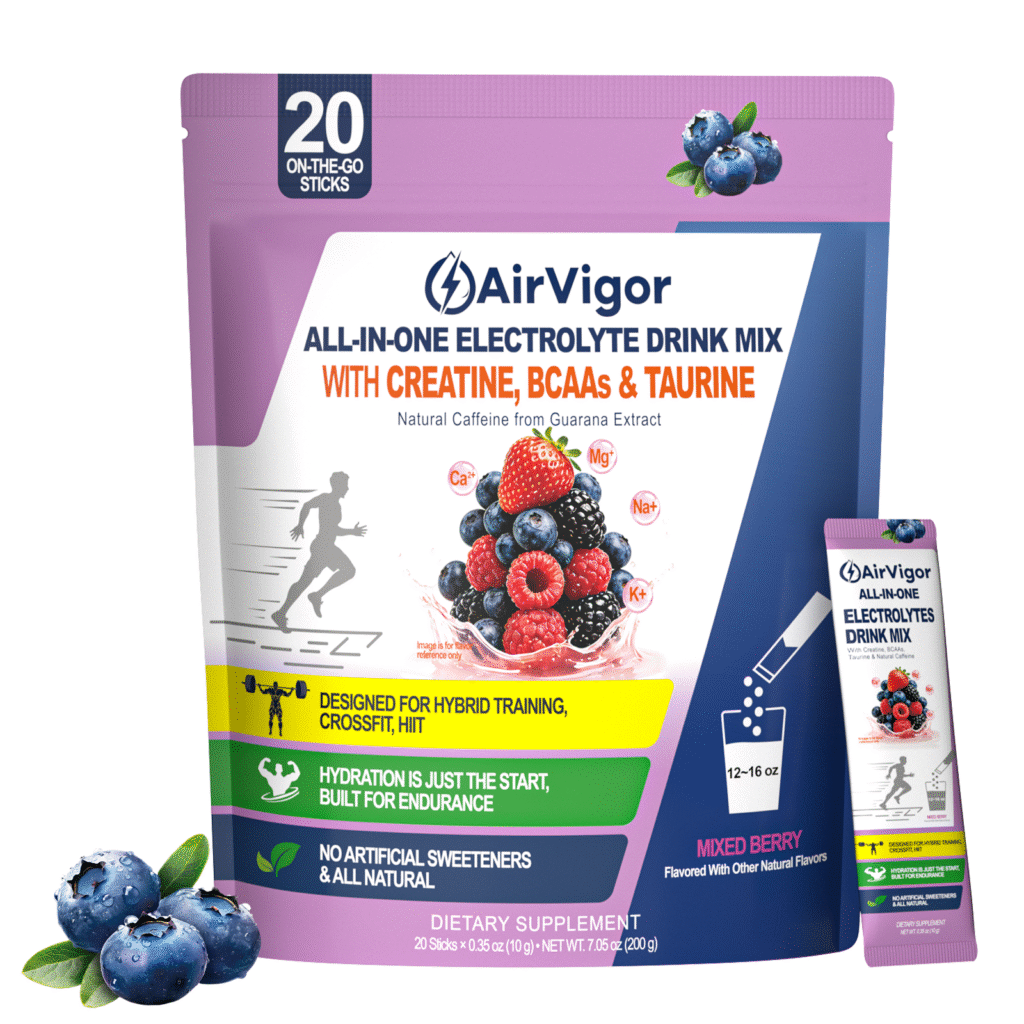
Taste is a major part of hydration success. If a drink is too sweet, too salty, or difficult to dissolve, users will not drink it consistently. This is why AirVigor emphasizes solubility, flavor balance, ingredient stability, and practical packaging in hydration-related product development.
A good vitamin C hydration product should be easy to use in real settings: gym bags, office drawers, carry-on luggage, outdoor training, and daily wellness routines. The easier the product is to repeat, the more likely customers are to experience consistent value.
Which Workouts Need Vitamin C Most?
Vitamin C before workout is most relevant for training that creates higher sweat loss, repeated physical stress, or longer recovery demand. It is usually less important for very light exercise and more useful for people doing regular, intense, or heat-exposed activity.
Endurance workouts are a strong example. Running, cycling, hiking, rowing, and long cardio sessions increase sweat loss and recovery demand over time. The user may feel fine at the start, but fatigue often builds slowly. A hydration routine with electrolytes and vitamin C can be easier to maintain before these sessions than trying to fix dehydration afterward.
HIIT and CrossFit-style workouts create a different kind of challenge. They are shorter, but the intensity is high. Heart rate rises quickly, sweat increases, and the body experiences strong muscular and metabolic stress. Many users feel drained after these sessions even when the workout lasts less than one hour.
Strength training also deserves attention. Heavy lifting places stress on muscles, joints, tendons, and ligaments. Protein and calories remain essential, but vitamin C may fit into a broader connective tissue support routine, especially when training volume is high.
Workouts where vitamin C may fit best include:
- Long outdoor runs or cycling sessions
- HIIT and CrossFit workouts
- Hot yoga or high-sweat classes
- Heavy strength training blocks
- Outdoor bootcamps or summer training
| Workout Type | Why Vitamin C May Fit |
|---|---|
| Running | Sweat loss and repeated impact |
| Cycling | Long-duration hydration demand |
| HIIT | High stress in a short time |
| CrossFit | Intense mixed training demand |
| Strength training | Connective tissue support |
| Hot yoga | Heavy sweating and hydration needs |
The key is matching the supplement to the workout. A person doing light stretching may not need a specific vitamin C workout routine. But someone training hard several times per week, sweating heavily, or working out in heat may find vitamin C more useful as part of a hydration and recovery plan.
AirVigor’s product approach fits this practical reality. The goal is not to sell one rigid timing rule to every customer. The goal is to provide clear, well-made supplement options that active people can use according to their own training style, lifestyle, and recovery needs.
Is Vitamin C After Workout Better?
For many active people, vitamin C after workout feels more natural because recovery begins immediately once training ends. After exercise, the body is trying to restore fluids, regulate temperature, recover from sweating, and handle the physical stress created during movement. This is why many consumers prefer taking vitamin C alongside post-workout hydration, protein, or recovery drinks instead of at a completely separate time of day.
Does Vitamin C Help Muscle Recovery?
Most people think about recovery only in terms of muscles, but workouts affect much more than muscle tissue alone. Running, lifting, HIIT, cycling, and repeated gym training all place stress on joints, tendons, ligaments, and connective tissues. These areas usually recover more slowly than muscles, especially when workouts become more frequent.
This is one reason many active adults begin noticing recovery problems gradually instead of suddenly. At first, training feels manageable. Then after several weeks of busy schedules and repeated workouts, the body starts giving smaller warning signs. Legs feel heavier during later sessions. Knees or elbows feel tighter after lifting. A workout that normally feels routine suddenly feels harder to recover from the next morning.
Vitamin C matters here because it supports collagen formation. Collagen is part of connective tissues throughout the body, including tendons, cartilage, skin, and ligaments. While protein remains central for muscle repair, vitamin C is often included in recovery-focused routines because recovery is broader than muscle growth alone.
This shift is changing how consumers approach post-workout nutrition. Instead of only focusing on “building muscle,” many active adults are now prioritizing:
- Better recovery consistency
- Joint and connective tissue support
- Easier hydration habits
This is especially common among adults who train several times weekly while also balancing demanding work schedules, travel, poor sleep, or long commuting hours. Recovery quality becomes much more important once fitness has to coexist with real life.
| What People Often Feel After Repeated Training | What Usually Becomes More Important |
|---|---|
| Heavy legs and soreness | Recovery consistency |
| Tight joints or tendons | Connective tissue support |
| Feeling run down after workouts | Hydration and overall recovery habits |
| Difficulty maintaining workout schedules | Sustainable recovery routines |
This is one reason recovery supplements have evolved so much over the last few years. Consumers increasingly prefer products that combine hydration, recovery, and wellness support into simpler systems that feel easier to maintain long term.
Can Vitamin C Reduce Fatigue?
Workout fatigue rarely comes from exercise alone. In real life, most active people are already carrying physical and mental stress before training even begins. Long office hours, poor sleep, frequent caffeine intake, inconsistent meals, travel schedules, and dehydration often overlap with workouts throughout the week.
At first, the effects can feel small. Someone may simply feel less motivated to train after work. Then workouts start feeling heavier than normal. Recovery takes longer. Afternoon brain fog becomes more noticeable after hard gym sessions. Even moderate exercise can begin feeling harder than it used to.
This is one reason modern fitness culture is changing so quickly. Many consumers are moving away from extremely aggressive gym routines built around heavy stimulation and short-term intensity. Instead, they are trying to maintain stable energy and physical consistency across entire weeks rather than pushing maximum intensity for one workout.
Vitamin C fits naturally into this type of recovery-focused routine because many people already pair post-workout habits with:
- Hydration drinks
- Recovery powders
- Protein shakes
- Electrolyte systems
The goal is no longer only “more energy.” For many adults, the real goal is avoiding the feeling of constantly running low.
This trend is especially noticeable among:
- Office workers training at night
- Adults over 30
- Travelers with inconsistent schedules
- Lifestyle-focused gym users
- Consumers focused on long-term wellness instead of extreme bodybuilding
| Older Fitness Trend | What Many Consumers Prioritize Today |
|---|---|
| Heavy pre-workout stimulation | Stable energy throughout the week |
| Intense short-term performance | Sustainable workout consistency |
| Large supplement stacks | Simpler daily routines |
| Gym-only recovery mindset | Full lifestyle recovery support |
What many active consumers eventually realize is that training consistency depends heavily on how the body feels outside the gym. A recovery routine that supports hydration, sleep, and daily wellness often becomes more valuable long term than constantly increasing workout intensity.
Is Vitamin C Good After Sweating?
Heavy sweating changes recovery demand much more than most people expect. Sweat loss is not only about losing water. It also affects hydration balance, muscle comfort, energy levels, and how the body feels later in the day or the following morning.
This becomes especially obvious during summer workouts, outdoor cardio, hot yoga, long cycling sessions, or high-humidity environments. Many people finish training believing they hydrated properly because they drank water during the workout, but later begin noticing symptoms that suggest recovery is still incomplete. Dry mouth, headaches, tight muscles, afternoon fatigue, or feeling unusually drained the next day are all common signs.
One reason this happens is because hydration routines are often inconsistent. Many active adults:
- Drink coffee throughout the day
- Undereat before workouts
- Delay water intake until exercise starts
- Sweat heavily without replacing electrolytes
As a result, recovery becomes harder even when workouts themselves are not extreme.
This is why post-workout hydration products have become one of the fastest-growing supplement categories globally. Consumers increasingly want recovery systems that feel:
- Easier to drink regularly
- Less sugary
- More portable
- Better suited for everyday life
The shift away from older sports drinks is especially noticeable among wellness-focused consumers who dislike thick textures, artificial sweetness, or stomach heaviness after exercise.
| Common Post-Workout Problem | What Consumers Usually Look For |
|---|---|
| Feeling dehydrated later in the day | Better hydration support |
| Sports drinks feeling too heavy | Cleaner and lighter formulas |
| Too many separate supplements | Simpler recovery systems |
| Powders that mix poorly | Fast-dissolving drink formats |
This is why product experience now matters almost as much as ingredients themselves. Even a strong formula becomes useless if consumers stop using it because it tastes unpleasant or feels inconvenient during busy schedules.
AirVigor develops hydration and recovery products around these real-world habits. Solubility, flavor balance, portability, ingredient transparency, and long-term usability are all treated as important parts of helping consumers maintain healthier workout and recovery routines consistently.

How Much Vitamin C Before or After Workout Should You Take?
Most active adults do not need extremely high amounts of vitamin C, but regular training, sweating, travel, and busy schedules can increase the importance of consistent intake. For most people, moderate daily use alongside balanced meals works better long term than very large occasional doses.
What Is a Good Daily Amount?
A lot of people begin paying attention to vitamin C intake only after recovery starts feeling less predictable. At first, workouts feel normal. Then over time, the body begins reacting differently to stress. Someone who used to recover easily after evening gym sessions may suddenly feel unusually tired the next morning. Outdoor runs feel heavier during hot weather. Long workweeks combined with training start creating lingering fatigue that lasts several days instead of one night.
This is usually when people start searching online and immediately run into extreme supplement advice. Some fitness influencers recommend very high vitamin C intake every day, while others claim active people barely need supplementation at all. In reality, most active adults fall somewhere in the middle.
The best amount depends less on internet trends and more on lifestyle. Someone sleeping well, eating balanced meals, and training moderately may already get reasonable vitamin C intake through food. But many active consumers today are balancing workouts with:
- Long office hours
- Frequent caffeine intake
- Irregular meals
- Poor sleep quality
- Travel-heavy schedules
In these situations, maintaining consistent intake often matters more than chasing massive dosages.
Foods naturally rich in vitamin C still play an important role. Citrus fruits, strawberries, kiwi, bell peppers, tomatoes, and broccoli all contribute meaningful amounts. Supplements work best when they support an already reasonable routine instead of replacing nutrition entirely.
For most active adults, moderate intake tends to fit more comfortably into long-term wellness habits because it is easier on digestion and easier to maintain consistently across busy schedules.
| Lifestyle Situation | Common Daily Vitamin C Range |
|---|---|
| General wellness support | 100–250mg |
| Moderate weekly training | 250–500mg |
| Frequent intense exercise | 500–1000mg |
| Heavy sweat or travel stress | 500–1000mg |
One major shift in the supplement market is that consumers are becoming less interested in “mega-dose” marketing and more interested in products that feel realistic for everyday life. Many people no longer want extremely aggressive formulas that look impressive online but feel difficult to maintain daily.
This is especially true for hydration and recovery products where flavor, stomach comfort, portability, and routine simplicity strongly influence whether people continue using the product consistently.
Can You Take Too Much Vitamin C?
Many active consumers assume that because vitamin C is water-soluble, taking very large amounts must always be harmless or automatically better. This idea became especially popular during the peak of high-dose wellness trends, when more supplements were marketed around “maximum strength” positioning.
But real-life supplement use is usually more complicated than that.
A person training several times weekly while drinking multiple coffees daily, sleeping six hours per night, and eating inconsistently will probably not solve recovery problems simply by taking extremely high vitamin C amounts. In many situations, poor hydration, stress overload, and recovery inconsistency create much larger problems than vitamin C intake itself.
This is why sports nutrition has gradually moved toward a more balanced approach. Instead of constantly increasing dosage levels, many consumers are now paying closer attention to whether supplements:
- Feel easy to digest
- Fit daily routines comfortably
- Support hydration habits
- Work consistently long term
Very high vitamin C intake may sometimes lead to stomach discomfort, digestive irritation, or loose stools, especially when taken repeatedly in large amounts throughout the day. This is one reason many experienced supplement users eventually move away from “more is always better” thinking.
Another important point is that exercise itself creates stress inside the body, and some of that stress is part of normal adaptation. Recovery support matters, but trying to eliminate every form of exercise stress with extremely aggressive antioxidant intake is not always viewed as necessary or practical.
| Older Supplement Mindset | What Many Consumers Prefer Today |
|---|---|
| Bigger doses always look better | Balanced daily support |
| Extremely aggressive formulas | Easier digestion and usability |
| Complicated supplement stacks | Simpler long-term routines |
| Intensity-focused marketing | Sustainable wellness support |
Consumers today are far more experienced than they were years ago. Many have already tried products that looked impressive on labels but felt unpleasant in real life. A supplement that causes stomach discomfort, tastes overly artificial, or feels difficult to maintain usually gets abandoned quickly regardless of marketing claims.
This is why AirVigor focuses heavily on practical usability alongside ingredient quality. Product experience matters because long-term consistency is usually more valuable than short periods of extreme supplementation.
Should Athletes Take More Vitamin C?
Highly active people usually place greater recovery demand on the body, but that does not automatically mean every athlete needs extremely high vitamin C intake. In real life, recovery needs are influenced by much more than workout intensity alone. Sleep quality, hydration habits, training frequency, climate, work stress, travel schedules, and overall nutrition all affect how the body handles repeated physical stress over time.
This becomes especially noticeable during periods of accumulated fatigue. Most active people do not suddenly burn out after one difficult workout. Recovery usually declines gradually across several demanding weeks. A runner training outdoors in summer heat may start noticing heavier legs during later runs. Someone balancing evening gym sessions with long office hours may feel increasingly drained by the end of the week. Frequent travelers often notice workouts feeling harder after flights, poor sleep, and inconsistent hydration routines.
Many active adults first recognize recovery problems through smaller warning signs rather than major performance drops. Workouts begin feeling less stable. Motivation becomes harder to maintain. Soreness lasts longer than expected. Afternoon fatigue becomes more noticeable after training days. In many cases, these issues are connected not only to exercise itself, but also to the combination of physical stress and modern lifestyle pressure happening simultaneously.
This is one reason recovery-focused wellness supplements continue growing rapidly among runners, cyclists, CrossFit users, outdoor fitness consumers, and adults trying to maintain consistent training schedules while balancing demanding daily routines. Modern fitness culture is gradually shifting away from the idea that harder training always produces better long-term results. More consumers now care about whether they can recover well enough to continue exercising consistently week after week.
Many active consumers now prioritize:
- Stable energy throughout the week
- Better hydration habits
- Easier long-term recovery routines
instead of trying to maximize short-term intensity at all costs.
This shift has also changed what people expect from supplements themselves. Consumers increasingly prefer products that fit naturally into real schedules instead of complicated systems requiring multiple tubs, bottles, and timing rules. Portable hydration stick packs, recovery powders, and multi-functional wellness blends have become more popular largely because they feel easier to maintain during work, travel, commuting, and repeated training cycles.
| Training Situation | Why Recovery Demand Often Increases |
|---|---|
| Outdoor endurance training | Higher sweat and hydration demand |
| Repeated weekly workouts | Greater cumulative recovery stress |
| Hot climate exercise | Increased fluid turnover |
| Travel-heavy lifestyles | Less stable sleep and hydration routines |
| Multi-session training | Increased overall physical fatigue |
At AirVigor, product development is built around these real-world workout patterns rather than unrealistic “perfect routine” assumptions. Formulas are designed with strong attention to ingredient transparency, flavor balance, easy mixing, portability, and long-term usability because the most effective recovery routine is usually the one consumers can realistically maintain consistently alongside everyday life.

How Should You Take Vitamin C Before or After Workout?
Vitamin C can be taken either before or after workouts, but the best timing usually depends on workout type, hydration habits, diet quality, and recovery goals. For most active adults, the easiest approach is taking vitamin C at the time they are already drinking fluids, eating a recovery meal, or following a regular supplement routine. Consistency matters much more than trying to find a “perfect minute” around exercise.
Can You Mix Vitamin C With Electrolytes?
A lot of active people first begin mixing vitamin C with electrolytes after realizing plain water is not always enough during busy training weeks. This usually happens gradually. Someone may finish a workout feeling normal at first, then later in the afternoon develop dry mouth, headache, mental fog, or unusually heavy legs. Others notice they are drinking large amounts of water but still feeling tired after outdoor runs or high-sweat workouts.
These situations are becoming more common because modern training rarely happens under perfect conditions. Many people now train while also dealing with:
- Long office hours
- Air-conditioned environments
- Frequent coffee intake
- Hot-weather commuting
- Irregular eating schedules
By the time a workout starts, hydration may already be lower than expected.
This is one reason hydration powders containing vitamin C have become much more popular over the past few years. Consumers no longer want sports drinks that feel extremely sugary or heavy during exercise. Instead, they increasingly prefer lighter hydration systems that feel easier to drink repeatedly throughout the week.
For many people, the biggest difference is not “performance enhancement.” It is simply feeling more stable during and after workouts. A cleaner hydration routine often helps people avoid the cycle of:
- Feeling exhausted after training
- Overusing caffeine the next day
- Entering the next workout under-recovered again
Another important shift is convenience. Most active adults are no longer interested in carrying multiple bottles and separate supplement containers everywhere. They want something that fits naturally into gym bags, office desks, backpacks, and travel routines without becoming complicated.
| Common Hydration Frustration | What Consumers Usually Prefer |
|---|---|
| Sports drinks that feel too sugary | Lighter hydration formulas |
| Powders that clump badly | Fast-dissolving drink mixes |
| Too many separate supplements | Simple all-in-one systems |
| Heavy drinks during workouts | Cleaner and easier hydration |
This is why product experience matters so much in hydration supplements. Even strong ingredients become meaningless if the product feels unpleasant to drink consistently. Many consumers stop using hydration products not because the formula is weak, but because the taste, texture, or mixing experience does not fit daily life.
AirVigor develops hydration-focused products around these real-world habits. Solubility, flavor balance, portable packaging, and stable ingredient systems are treated as essential parts of long-term supplement consistency rather than secondary details.
Can You Take Vitamin C With Protein?
For many active adults, post-workout recovery has become less about “muscle building” and more about feeling physically functional again the next day. This is one reason vitamin C is increasingly combined with protein, collagen, and recovery drinks instead of being treated as a completely separate supplement.
After hard workouts, many people do not just feel muscle soreness. They feel general physical fatigue. Legs feel heavy walking downstairs. Shoulders stay tight longer than expected. Long workdays become harder after evening training sessions. This becomes especially noticeable for people balancing workouts with jobs, commuting, parenting, or inconsistent sleep.
Protein remains central for muscle recovery, but recovery itself has become much broader than muscle tissue alone. Many active consumers now pay more attention to:
- Hydration quality
- Joint comfort
- Connective tissue stress
- Daily energy consistency
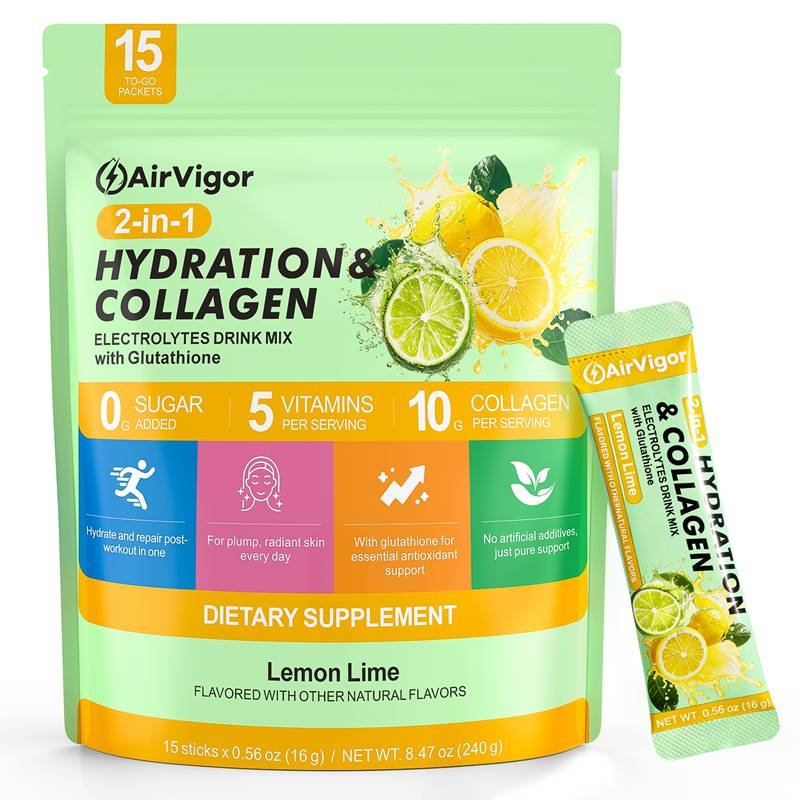
This is why collagen recovery products have grown so quickly in recent years. Many of these formulas already include vitamin C because collagen production and vitamin C work closely together nutritionally. Instead of building large bodybuilding-style supplement stacks, consumers increasingly prefer recovery systems that feel simpler and easier to maintain long term.
The shift is especially visible among:
- Runners
- Pilates users
- Yoga consumers
- Adults over 30
- Lifestyle-focused gym users
Many of these users are not trying to maximize gym intensity at all costs. They are trying to train consistently while still feeling good enough to function comfortably in daily life.
| What Recovery Used to Focus On | What Many Active Consumers Focus On Now |
|---|---|
| Muscle size only | Full-body recovery quality |
| Aggressive bodybuilding stacks | Simpler recovery systems |
| Short-term gym performance | Long-term workout consistency |
| Heavy post-workout drinks | Lighter daily-use recovery products |
Another reason vitamin C works naturally alongside protein is routine simplicity. Most people already consume a shake, smoothie, hydration drink, or recovery beverage after exercise. Adding vitamin C into the same routine feels much easier than remembering another separate supplement later in the day.
This is why modern recovery products are increasingly designed around usability rather than only ingredient quantity. Consumers care much more now about:
- Taste quality
- Digestive comfort
- Easy mixing
- Portable formats
- Long-term daily convenience
AirVigor develops recovery-oriented products with these real-life habits in mind. Product experience, ingredient transparency, flavor balance, and practical serving formats all help consumers maintain routines more consistently across busy schedules.
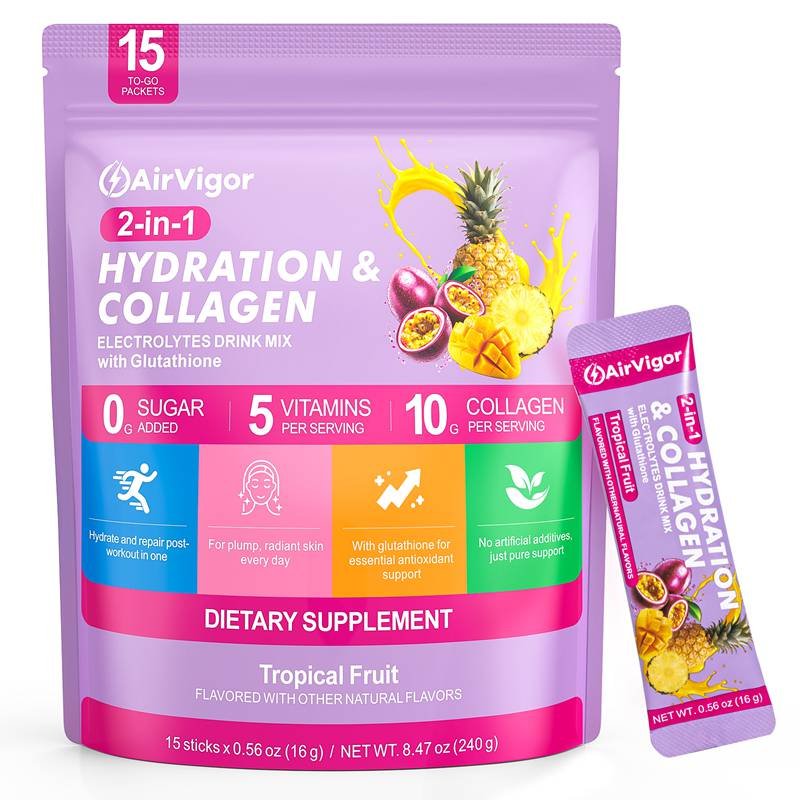
Which AirVigor Vitamin C Fits Best?
The best vitamin C format usually depends less on fitness level and more on how someone actually lives day to day. A person training before sunrise, commuting long hours, and squeezing gym sessions into work schedules often needs very different supplement routines compared to someone training casually at home a few times weekly.
This is why supplement preferences have changed so much in recent years. Consumers increasingly choose products based on:
- Convenience
- Portability
- Ease of mixing
- Daily routine compatibility
rather than simply choosing the strongest-looking label.
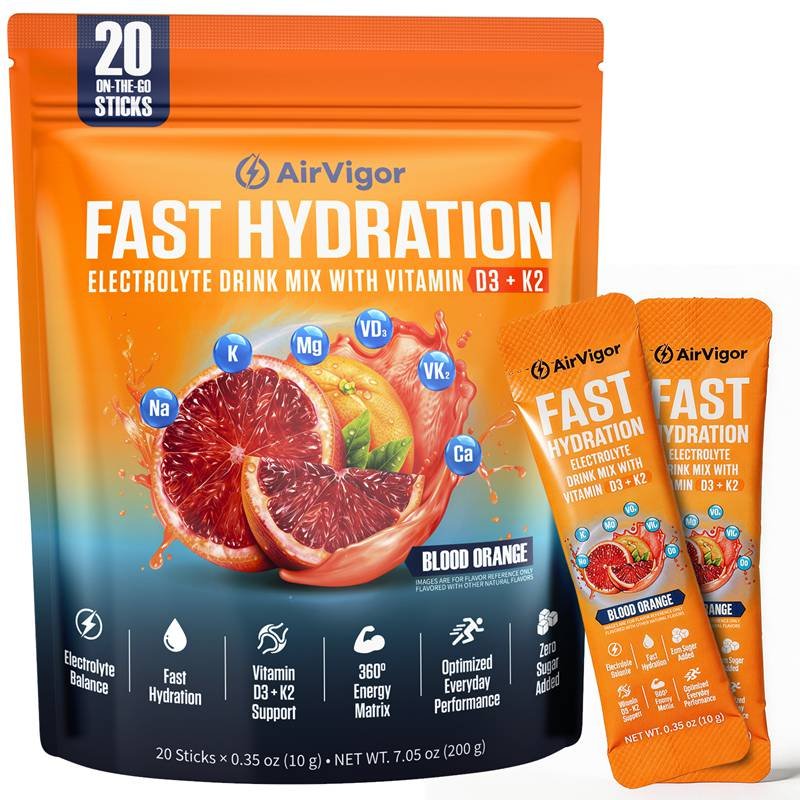
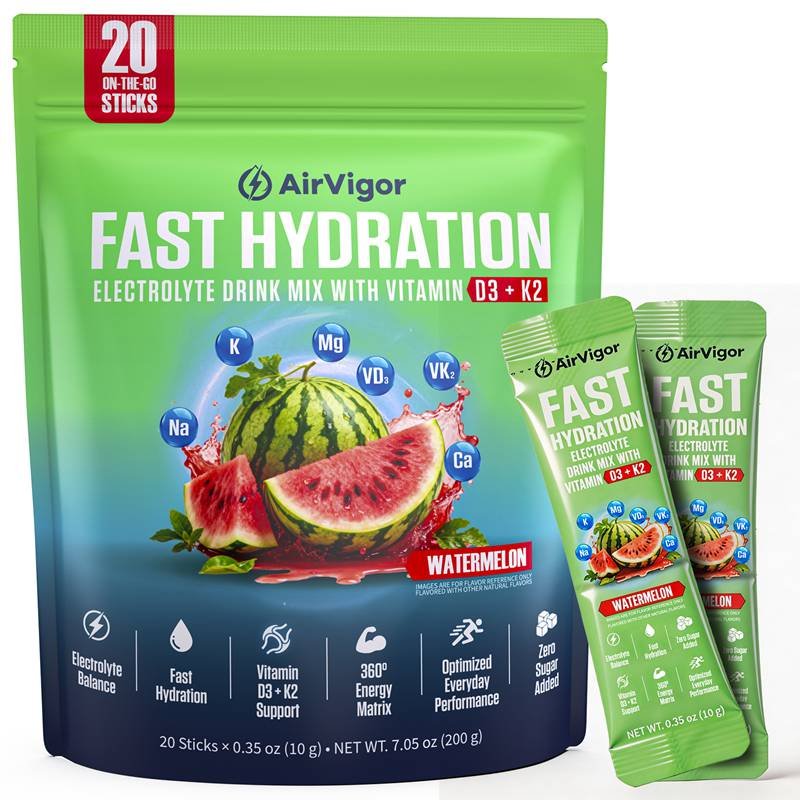
For example, someone doing outdoor cardio several times per week may prefer hydration stick packs because they travel easily and mix quickly during workouts. A busy office worker may prefer a lighter wellness powder that can stay inside a desk drawer without requiring complicated preparation. Someone focused on recovery may naturally lean toward collagen-based recovery systems that already include vitamin C as part of a broader routine.
Modern consumers also pay far more attention to product experience than before. Many now compare:
- Sugar levels
- Flavor quality
- Solubility
- Packaging convenience
- Ingredient transparency
- Manufacturing standards
before deciding whether a product feels realistic for long-term use.
| Lifestyle Situation | Product Style Many Consumers Prefer |
|---|---|
| Frequent gym training | Recovery hydration systems |
| Travel-heavy schedules | Portable stick packs |
| Office and commuting routines | Easy daily-use wellness powders |
| Outdoor cardio training | Electrolyte-focused hydration support |
| Recovery-focused wellness users | Collagen recovery blends |
One major change in the wellness industry is that consumers increasingly want products that simplify routines rather than complicate them further. Many active adults are already balancing work, exercise, sleep, hydration, and nutrition imperfectly. They do not want supplement systems that feel overwhelming or difficult to maintain every day.
This is why AirVigor focuses heavily on practical usability during product development. Clean flavor systems, stable manufacturing quality, easy-mix formats, transparent ingredient standards, and portable packaging all help products fit more naturally into modern active lifestyles.
For consumers who already know what works best for their own routine, ready-to-use hydration and recovery products are often the simplest and most sustainable choice. AirVigor also supports future OEM and ODM development for wellness brands and business partners, but the strongest long-term consumer trend continues moving toward convenient, daily-use products that people can realistically maintain across real-world schedules.
Conclusion
Vitamin C can support recovery, hydration balance, connective tissue health, and overall workout consistency when used as part of a balanced daily routine. For most active adults, taking vitamin C after workouts is often the more practical option because it fits naturally alongside hydration, protein, and recovery nutrition. However, some people may also benefit from using it before training during periods of heavy sweating, outdoor exercise, travel, or demanding schedules.
The most important factor is not chasing extreme dosages or complicated supplement routines. Consistency, hydration habits, ingredient quality, and products that fit real daily life usually matter much more over time.
At AirVigor, we focus on creating workout and wellness supplements designed for modern active lifestyles, including vitamin C formulas, hydration blends, electrolyte powders, collagen recovery products, and daily wellness support supplements. Our products are developed with transparent ingredient standards, reliable manufacturing systems, practical serving formats, and user-friendly flavor profiles to help consumers maintain healthier long-term routines.
Whether you are looking for ready-to-purchase wellness supplements for daily training support or exploring future custom supplement opportunities for your brand, AirVigor provides stable product quality, global supply capabilities, and professional nutrition-focused product development support for today’s growing wellness market.
Share:
Contact Expert Team
At AirVigor, performance becomes effortless. We transform advanced nutrition science into clean, effective supplements that help you hydrate, recover, and feel stronger every day. Shop AirVigor Supplements on Amazon and experience athlete-trusted formulas—backed by real science and supported by our world-class R&D and production capabilities.
Trust AirVigor
At AirVigor, turning your performance goals into reality is no longer a struggle—it’s a science-driven journey we build together. Whether you’re a runner, lifter, cyclist, yogi, outdoor athlete, or someone simply seeking better daily energy, AirVigor transforms advanced nutrition research into clean, effective, and trustworthy supplements you can feel.
Backed by our U.S. scientific team, global certifications, and world-class production standards, every formula is engineered to deliver real hydration, real recovery, and real performance. And when you’re ready to experience the difference, you’ll find AirVigor products available on Amazon and other major platforms—fast shipping, consistent quality, and a community of athletes already seeing results.
Behind the scenes, our R&D and manufacturing ecosystem also supports specialized formulation development, ensuring AirVigor continues to lead with innovation while keeping quality and safety uncompromised. But at the core, everything we create is built for you—your health, your performance, your momentum.
Choose AirVigor. Feel the science. Elevate your every day.


Subscribe to our newsletter
Sign up to our newsletter and we’ll keep you up to date with the latest arrivals.