Skip to content
How Much Electrolytes Is Too Much: Safe Limits Explained
# Your Trusted Dietary Supplement Brand In US
- Emily

Table of Contents
Electrolytes have quietly shifted from a situational tool into a daily habit. What used to be reserved for endurance races, heat exposure, or illness is now consumed at desks, in short gym sessions, and even as a replacement for plain water. The assumption is simple: if electrolytes improve hydration, using them more often must be better.
But electrolytes are not energy boosters or wellness shortcuts. They are regulatory minerals that control fluid balance, nerve signaling, muscle contraction, and blood volume—systems your body works hard to keep within narrow limits. When intake matches real losses from sweat or heat, electrolytes support comfort and performance. When intake repeatedly exceeds demand—especially from sodium-heavy drinks on low-sweat days—the same products can lead to bloating, persistent thirst, headaches, and the feeling that hydration is somehow “off.”
Electrolytes become too much when you consistently consume more—particularly sodium—than your body is losing through sweat, heat, or illness. Most healthy adults meet baseline needs through food alone, and additional electrolyte drinks are typically only helpful during heavy sweating, long training sessions, hot environments, or dehydration risk. This guide explains where that practical boundary lies, how to recognize overuse early, and how to use electrolyte products safely without turning hydration into a daily stressor.
What Electrolytes Do?
Electrolytes are charged minerals that help your body manage water movement, muscle and nerve function, and blood volume. The big four in hydration products are sodium, potassium, magnesium, and calcium. They’re essential—but they’re also tightly regulated.
Electrolytes don’t boost hydration by default
Electrolytes help when they solve a real problem:
- You’re losing sodium in sweat (heat, endurance, high-output training, physical labor)
- You’re losing fluids quickly (diarrhea, vomiting—medical care may be needed depending on severity)
- You’re drinking a lot of plain water quickly (risking dilution of sodium in certain scenarios)
- You’re in a low-carb/keto transition phase (temporary sodium and water shifts)
When those conditions aren’t present, high electrolyte intake can become a strain: your kidneys must excrete the excess, your body may retain more water to balance sodium concentration, and your gut may not love concentrated minerals.
Why sodium dominates the “too much electrolytes” problem?
Most electrolyte products are sodium-forward because sodium is the electrolyte you lose most in sweat. But sodium is also the electrolyte people most easily overconsume because it’s:
- in food (often invisibly)
- in drinks and powders (very visibly)
- used daily even when sweat loss is minimal
So in practice, “too much electrolytes” usually means too much sodium relative to your needs.
| Electrolyte | What it mainly controls | Why it matters for hydration | What “too much” tends to feel like |
|---|---|---|---|
| Sodium | Fluid outside cells, blood volume | Helps retain fluid and support circulation | Thirst that won’t quit, puffiness, headache, higher BP sensitivity |
| Potassium | Fluid inside cells, nerve signaling | Balances sodium, supports muscle/nerve function | Usually from supplements + kidney issues; can be serious if extreme |
| Magnesium | Muscle relaxation, enzymes | May support cramp resilience and recovery | Loose stools, GI upset (common) |
| Calcium | Muscle contraction, signaling | Important but less “hydration urgent” | Rare from drinks; issues usually dietary/medical |
Electrolytes are conditional tools. They’re valuable when demand is high—less helpful when demand is low.
How Much Electrolytes You Actually Need Per Day?
Most people already get enough electrolytes from food. “Daily electrolyte needs” are not fixed numbers you must hit perfectly—your body adjusts day by day through thirst, hormones, and kidney regulation. But you can use reference ranges to avoid extremes.
Most sedentary to moderately active adults
If you’re not sweating heavily and you’re eating normal meals, you usually don’t need electrolyte drinks daily. The “need” in everyday life is typically met through:
- salt in food (sodium)
- fruits/vegetables/beans (potassium)
- nuts/whole grains (magnesium)
- dairy/fortified foods (calcium)
Sweat days: needs rise sharply
Sweat loss changes everything. Some people lose a lot of sodium per liter of sweat; others lose less. Heat, humidity, clothing, pace, and genetics all matter.
A common real-world range: ~300–1,000+ mg sodium per hour of heavy sweating. Some salty sweaters lose more. That’s why one person thrives on an electrolyte drink and another feels bloated from the same product.
| Electrolyte | Typical adequate intake range (adults) | Where most people get it | Notes |
|---|---|---|---|
| Sodium | ~1,500–2,300 mg/day | Salted foods, sauces, packaged foods | Many people exceed this without realizing |
| Potassium | ~2,600–3,400 mg/day | Fruits, potatoes, beans, leafy greens | Commonly under-consumed from diet |
| Magnesium | ~310–420 mg/day | Nuts, seeds, whole grains, legumes | Under-consumed; supplements may cause GI effects |
| Calcium | ~1,000–1,200 mg/day | Dairy, fortified alternatives, greens | Less “hydration-specific,” more long-term health |
These aren’t “electrolyte drink targets.” They’re total intake reference points. Your electrolyte powder is only one piece of the day.
The most common misunderstanding
People ask, “How much electrolytes do I need?” but what they really need to know is:
How much extra sodium (and fluids) do I need on top of my normal diet—based on sweat and heat today?
That’s the core of safe, effective electrolyte use.
How Much Electrolytes Is Too Much?
There’s no single number that fits everyone, but you can define “too much” in a way that’s accurate, safe, and useful.
The most reliable definition
Electrolytes become too much when:
- Your intake repeatedly exceeds your losses, and
- The excess is large enough to cause noticeable symptoms (bloating, thirst, GI upset, swelling, headaches), and/or
- You maintain high-sodium electrolyte habits even on low-sweat days.
This is why most “electrolyte problems” aren’t caused by a single drink. They come from patterns: daily use, stacking, and replacing water with electrolyte beverages.
“4,000 mg of electrolytes” is that too much?
It depends what that number means.
- If it’s 4,000 mg sodium, that’s a lot for most people and likely unnecessary unless you’re in a heavy-sweat, long-duration scenario (and even then it should be planned).
- If it’s 4,000 mg total minerals combined, sodium might be 1,000–2,000 mg, which could be reasonable across a hot training day—but excessive on a rest day.
Rule: Always interpret electrolyte totals through the lens of sodium content and your sweat day reality.
Is two electrolyte drinks a day too much?
Not automatically. Ask three questions:
- Sodium per serving (300 mg? 1,000 mg? big difference)
- Sweat volume (did you truly sweat hard and long?)
- Dietary sodium (salty meals + powders stack fast)
Two moderate-sodium drinks during heat exposure can be fine. Two high-sodium drinks on a desk day is often unnecessary.
“Too much” often comes from stacking
People don’t realize how many sodium sources they combine:
- electrolyte powder + “hydration” bottled drink
- salty lunch + restaurant dinner
- pre-workout or recovery product with added minerals
- salty snacks “because I trained”
Stacking creates overload without one obvious culprit.
| Your day looks like… | Likely electrolyte need | What “too much” risk looks like |
|---|---|---|
| 60–90 min intense training + heavy sweat | Moderate to high | Mainly if you keep dosing after training ends |
| Hot outdoor work (several hours) | High | Risk rises if you also eat very salty foods and keep drinking mixes all day |
| Light workout (<45 min) in cool gym | Low to optional | Common overuse scenario if you drink high-sodium mixes daily |
| Rest/desk day | Usually none | Highest risk if you replace water with electrolytes |
Overuse is about mismatch, not morality. Your body doesn’t reward extra minerals when they’re not needed.

What Happens If You Take Too Much Electrolytes?
Excess electrolytes often feel like “bad hydration” rather than a dramatic event. The body is trying to restore balance, and you feel the side effects of that process.
| Symptom | What’s happening physiologically | Most common trigger |
|---|---|---|
| Persistent thirst | Higher sodium concentration drives thirst signaling | High-sodium drink with low sweat loss |
| Bloating / puffiness | Body retains more water to dilute sodium | Daily electrolyte use + salty diet |
| GI discomfort / nausea | High mineral concentration irritates gut | Strong mix or multiple servings quickly |
| Headaches | Fluid shifts + pressure sensitivity | Over-salting + inadequate plain water |
| “Flat” performance | Nerve/muscle signaling feels off when balance is strained | Chronic overuse, poor overall fueling, sleep stress |
The irony: too many electrolytes can mimic dehydration
This is where people get trapped.
- You feel thirsty → you drink more electrolytes
- You feel bloated → you assume you’re “holding water from dehydration stress”
- You feel off → you double down on salt and minerals
But if the root problem is excess sodium without matching sweat loss, more electrolytes can worsen it.
Safety note: who should be extra cautious
If someone has kidney disease, uncontrolled hypertension, heart failure, or is on medications affecting fluid/electrolyte balance (diuretics, certain blood pressure meds), electrolyte products can become risky sooner. In those cases, personalized medical guidance matters.
For healthy adults, problems are usually comfort/performance issues rather than emergencies—but discomfort is still a useful signal to adjust.
When symptoms matter more than numbers?
Even if your intake is “within typical ranges,” your body can still tell you it’s too much—for you—when:
- you’re not sweating much
- your diet already includes plenty of sodium
- you’re using high-dose mixes daily
Your symptoms are feedback, not failure.
Who Overdoes Electrolytes Most Often?
Electrolyte overuse is rarely intentional. It’s a mismatch between lifestyle and a strategy borrowed from endurance sports.
The most common high-risk profiles
Desk workers using electrolyte drinks daily
Minimal sweat loss + frequent sodium dosing is a classic recipe for bloating and persistent thirst.
Casual gym-goers drinking performance-level mixes
A 30–45 minute lift session in a cool gym usually doesn’t require high sodium. People often drink electrolytes because they want to be “optimized,” not because they actually lost minerals.
People stacking hydration products
Powder + sports drink + salty snacks + “recovery” supplements adds up quickly.
High-sodium diet + electrolyte drinks
Even without supplements, many diets are already sodium-heavy. Add a high-sodium hydration mix daily and you can exceed what feels good quickly.
Low-carb/keto users who never taper
Low-carb transitions can increase sodium needs early. The mistake is treating that early-phase need as permanent at high doses, even when training load and sweat don’t justify it.
Why marketing makes this worse?
Many hydration products are framed as:
- “daily wellness”
- “all-day balance”
- “better than water”
That messaging encourages default use. But smart hydration is not about replacing water. It’s about deploying electrolytes when conditions demand them.
| Question | If “yes,” consider adjusting |
|---|---|
| Do you drink electrolytes even when you didn’t sweat much? | You may be dosing out of routine, not need |
| Do you feel thirstier after electrolyte drinks? | Mix may be too strong or too frequent |
| Do you stack multiple hydration products daily? | Likely overdoing sodium without realizing |
| Do you rarely drink plain water anymore? | Highest “creeping overuse” pattern |
The goal isn’t to fear electrolytes. The goal is to stop using them mindlessly.
How to Use Electrolytes Safely?
If you want hydration that works for years—not just a week—use a framework that adjusts to your life. The best approach is flexible: more on heavy-sweat days, less on light days, mostly water when appropriate.
Match electrolytes to sweat, heat, and duration
Electrolytes are most useful when:
- training is long or intense
- sweat is heavy
- heat exposure is high
- travel/altitude increases dehydration risk
- illness increases fluid loss (seek medical help when severe)
Track sodium per serving
Look at the label and focus on sodium first. Many people accidentally overdose sodium because they only look at “electrolyte blend” totals.
Don’t replace all daily water with electrolyte drinks
A common safe pattern:
- plain water as baseline
- electrolytes used strategically around sweat loss
- food as the foundation
| Use case | Typical approach | What to avoid |
|---|---|---|
| Desk day / rest day | Mostly water; electrolytes usually unnecessary | Habitual high-sodium mixes “just because” |
| Light workout (<45 min, cool) | Water or low-dose electrolytes if you prefer | High-dose mixes that cause thirst/bloating |
| 60–90 min hard training | One serving during or after | Multiple high-sodium servings without heavy sweat |
| 2+ hours sweat-heavy endurance | Regular dosing based on sweat + comfort | Guessing blindly; ignoring GI feedback |
| Hot outdoor work | Small, repeated doses + water | One giant concentrated bottle that upsets stomach |
“How do I know I got it right?”
You’re likely using the right amount when:
- thirst feels normal (not “chasing hydration”)
- urine is generally light yellow (not always clear)
- stomach feels calm
- you don’t feel puffy or heavy
- performance feels steady
Signs you’re overshooting:
- thirst increases after electrolyte drinks
- bloating/puffiness rises
- GI discomfort appears
- workouts feel oddly flat
- you feel better when you switch back to water
Electrolyte supplements vs sports drinks
Supplements (powders/stick packs) are often easier to use safely because dosing is transparent and adjustable. Sports drinks can encourage accidental overconsumption because they’re sweet, large-volume, and “easy to sip.”
| Factor | Electrolyte powders | Sports drinks |
|---|---|---|
| Dosing transparency | High (label-based per serving) | Often less intuitive per bottle |
| Sugar load | Optional (can be zero/low) | Often moderate to high |
| Overuse risk | Lower with mindful mixing | Higher due to palatability + size |
| Best for | Targeted hydration | Long endurance events (original intent) |
Neither is “good” or “bad.” The safe choice is the one that matches your context.
Food-first vs supplement-first
For most people:
- Food covers baseline electrolytes
- Supplements handle situational spikes (sweat, heat, travel)
It’s difficult to overconsume electrolytes from whole foods alone. Concentrated supplements are where intentionality matters.
A brand note
If you’re choosing a product, prioritize:
- clear sodium disclosure
- simple formula (no mystery “proprietary blends”)
- guidance based on activity level
- mixability and gut comfort
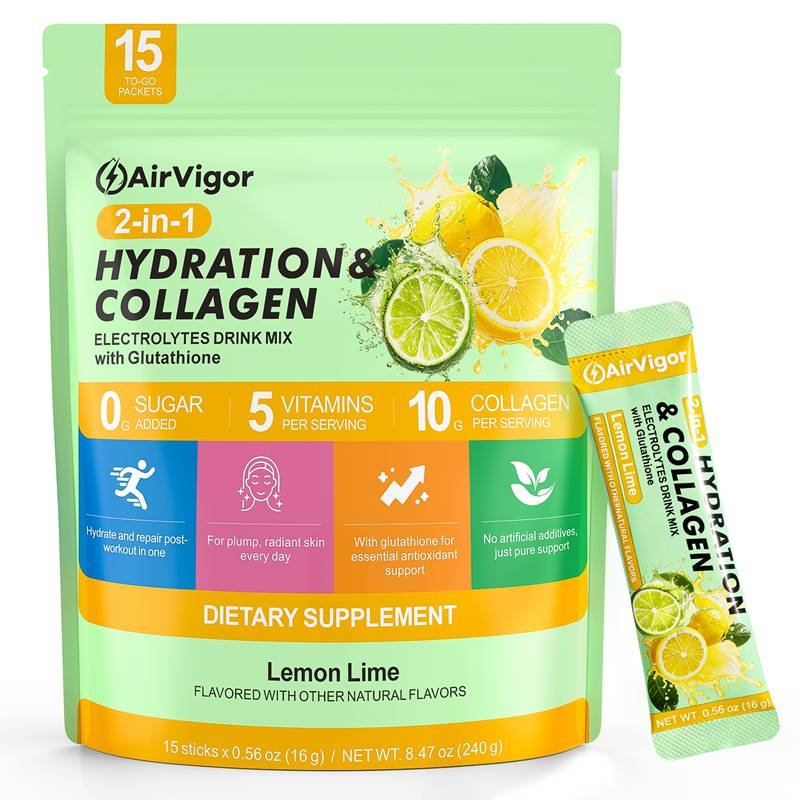
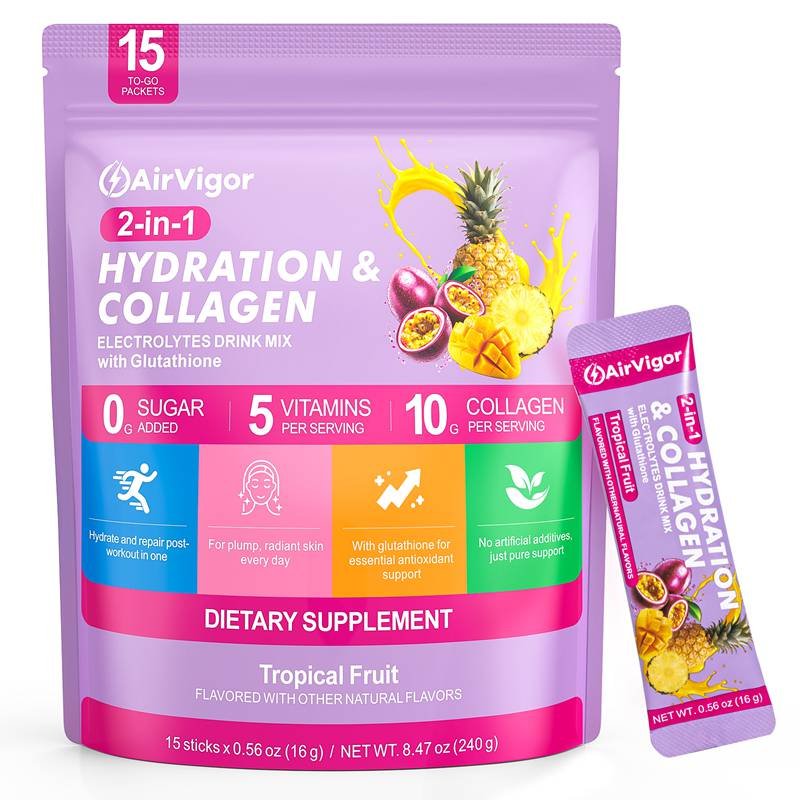
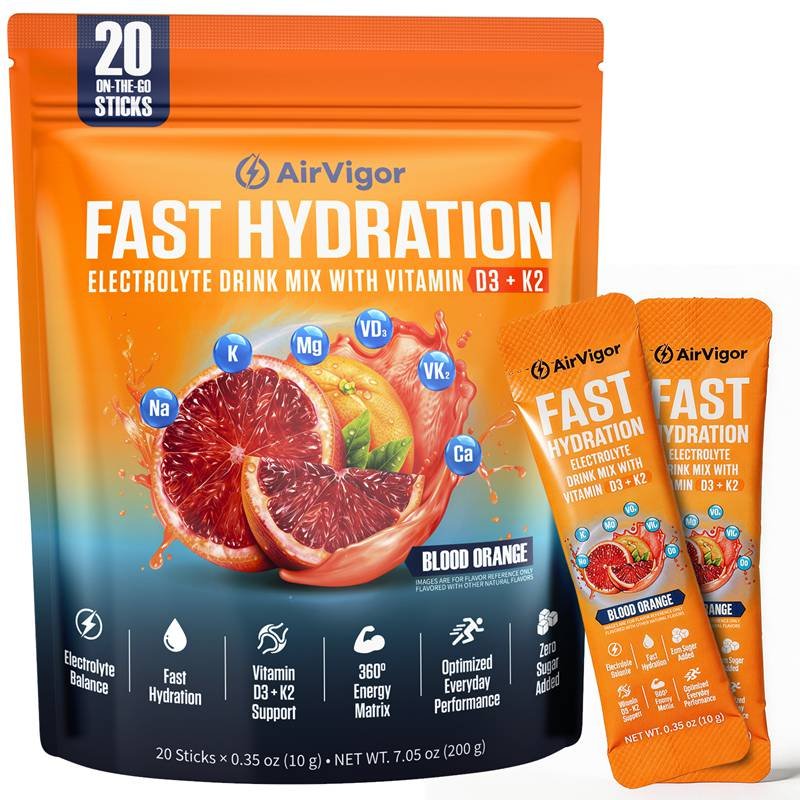
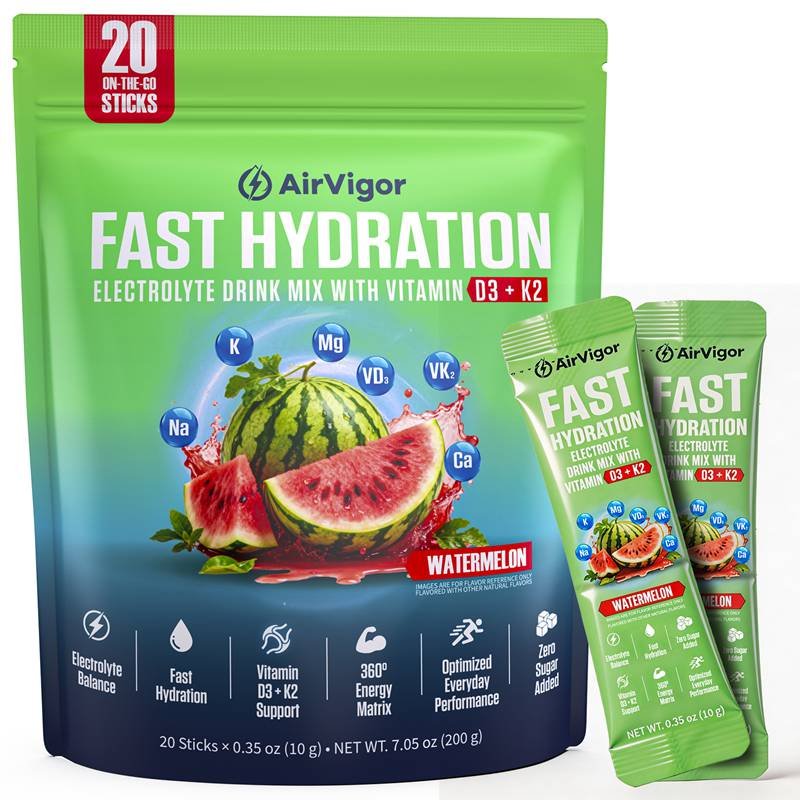
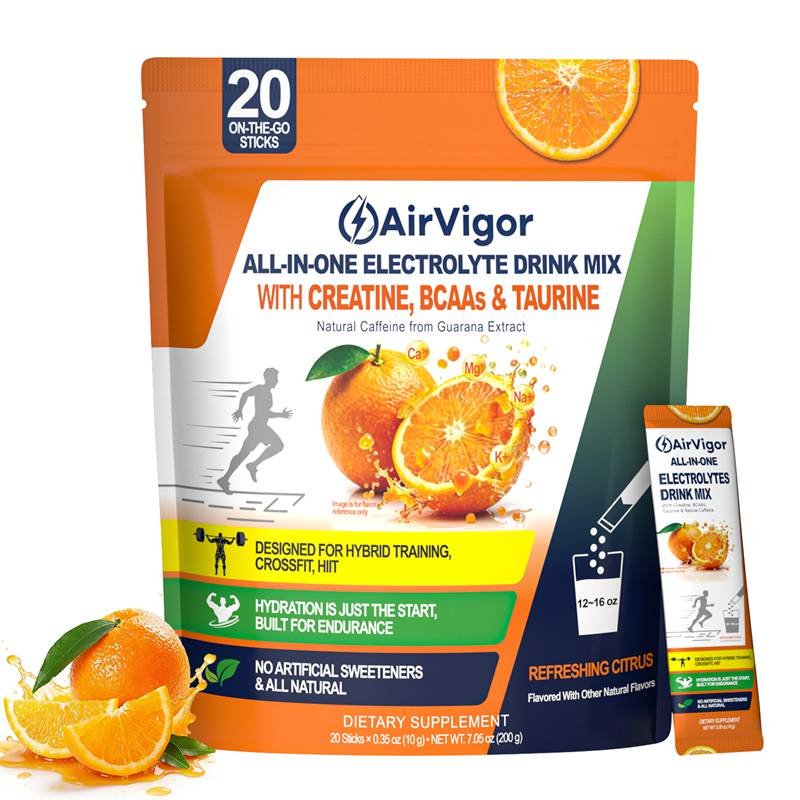
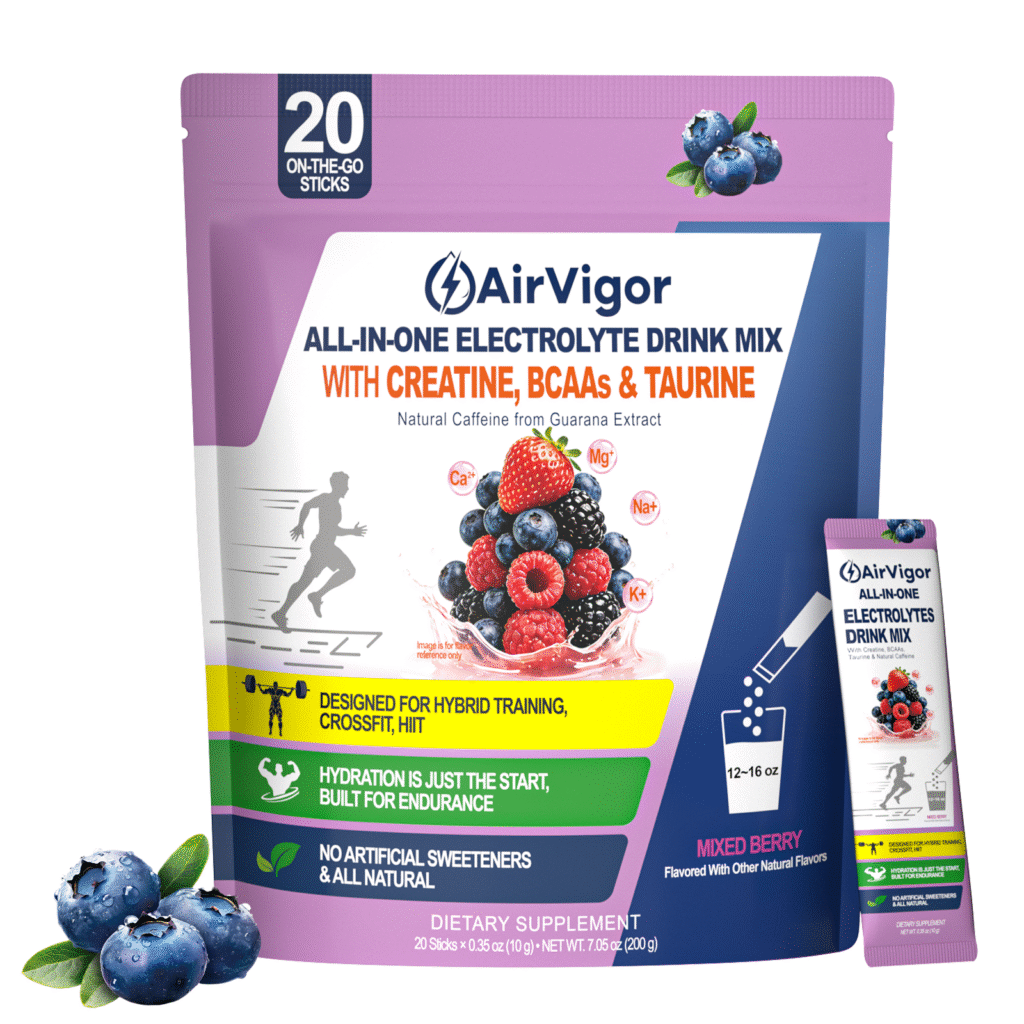
Brands like AirVigor position electrolytes as a precision tool—helping users match intake to sweat loss instead of turning electrolyte drinks into an all-day default.

Conclusion
Electrolytes work best when they solve a real problem—not when they replace water by default. For most people, “too much electrolytes” isn’t about one drink, but about habits: using high-sodium mixes on low-sweat days, stacking hydration products, or assuming more minerals always mean better hydration.
A simple rule holds long-term: match electrolyte intake to sweat, heat, and activity—then return to water. When hydration feels calm, digestion is comfortable, and thirst is normal, you’re likely using the right amount.
For those seeking clear sodium dosing, clean formulas, and flexible electrolyte options, AirVigor focuses on hydration as a precision tool—helping users support performance without drifting into excess.
Hydration isn’t about adding more. It’s about adding what actually fits your body’s needs.
Share:
Contact Expert Team
At AirVigor, performance becomes effortless. We transform advanced nutrition science into clean, effective supplements that help you hydrate, recover, and feel stronger every day. Shop AirVigor on Amazon and experience athlete-trusted formulas—backed by real science and supported by our world-class R&D and production capabilities.
Trust AirVigor
At AirVigor, turning your performance goals into reality is no longer a struggle—it’s a science-driven journey we build together. Whether you’re a runner, lifter, cyclist, yogi, outdoor athlete, or someone simply seeking better daily energy, AirVigor transforms advanced nutrition research into clean, effective, and trustworthy supplements you can feel.
Backed by our U.S. scientific team, global certifications, and world-class production standards, every formula is engineered to deliver real hydration, real recovery, and real performance. And when you’re ready to experience the difference, you’ll find AirVigor products available on Amazon and other major platforms—fast shipping, consistent quality, and a community of athletes already seeing results.
Behind the scenes, our R&D and manufacturing ecosystem also supports specialized formulation development, ensuring AirVigor continues to lead with innovation while keeping quality and safety uncompromised. But at the core, everything we create is built for you—your health, your performance, your momentum.
Choose AirVigor. Feel the science. Elevate your every day.


Subscribe to our newsletter
Sign up to our newsletter and we’ll keep you up to date with the latest arrivals.