Skip to content

Walk down any supplement aisle—or scroll Amazon for a few minutes—and everything looks convincing. Bright labels. Big numbers. Claims like “clinically dosed,” “advanced,” “professional grade.” Yet despite this abundance, many users share the same quiet frustration: results feel inconsistent. One month a supplement seems helpful, the next it feels like nothing changed at all.
This confusion isn’t accidental. The supplement industry is divided into two very different approaches. On one side are generic supplements—products built around common ingredient lists and broadly acceptable doses. On the other are science-based formulas, designed through controlled formulation logic, testing, and repeatable manufacturing standards. On the surface, they may look similar. Underneath, they behave very differently in the body.
Most consumers don’t wake up asking whether a formula is “generic” or “science-based.” They ask more practical questions: Why does this work for some people but not me? Why do doctors sometimes warn against supplements? Are cheaper options just as good? These are not beginner questions—they’re the questions of people who care about long-term health, training consistency, and predictable outcomes.
The real difference between generic supplements and science-based formulas lies in how they are designed, tested, and controlled. Generic supplements use standard ingredient lists and broad dosages, while science-based formulas are built around absorption, stability, and validated ratios. For long-term use—especially in sports nutrition—science-based formulas offer greater consistency, safety, and reliability across batches and training conditions.
To understand why this matters, it helps to look beyond labels and into how supplements are actually made—and why some feel stable over months while others don’t.
What Are Generic Supplements?
Generic supplements are products formulated using standardized ingredient lists and broadly accepted dosage ranges rather than purpose-driven nutritional science. They are designed to meet regulatory minimums and appeal to the widest possible consumer base. While generic supplements may provide basic nutritional support, they are rarely optimized for absorption, ingredient interaction, or long-term consistency—especially for athletes or users with repeat supplementation needs.
What defines a generic supplement?
A generic supplement is defined less by what it contains and more by how it is designed. Most generic formulas are built from pre-existing industry templates—ingredient combinations that are widely used, legally safe, and easy to manufacture at scale. These templates circulate among factories, private-label suppliers, and contract manufacturers, allowing brands to launch products quickly with minimal research investment.
The key characteristic of a generic supplement is non-specific intent. The formula is not built to solve a clearly defined physiological problem such as hydration efficiency, recovery speed, or endurance stability. Instead, it aims to be “acceptable” for most people, under most conditions, without accounting for how ingredients interact in real use.
This is why many generic supplements look impressive on paper but feel inconsistent in practice.
What ingredients do generic supplements typically use?
Generic supplements usually rely on commodity-grade ingredients that are widely available and cost-stable. These ingredients often meet regulatory purity requirements but may vary significantly in:
- particle size
- mineral form
- solubility behavior
- gastrointestinal tolerance
For example, two electrolyte powders may list identical sodium and potassium values, yet dissolve differently, taste harsher, or cause stomach discomfort depending on ingredient form and processing quality. Generic formulas rarely test for these variables because their goal is compliance, not optimization.
Another common feature is high-level dosing without context. Generic products often assume that “more equals better,” ignoring absorption limits, synergy between nutrients, or the cumulative effect of daily use.
Are generic vitamins just as good?
This is one of the most searched questions globally—and the honest answer is: sometimes, but not consistently.
Generic vitamins can be sufficient for short-term or occasional use, especially for individuals addressing a simple deficiency. However, when supplements are taken daily or used to support physical performance, generic formulas frequently fall short. The issue is not that they lack nutrients, but that they lack formulation logic.
Without attention to bioavailability, ingredient ratios, and stability across batches, generic supplements often produce uneven results. This inconsistency is the main reason users report that a product “worked before but not anymore.”
Why are generic supplements so widely sold?
Generic supplements dominate the market for three main reasons:
- Speed to market – Brands can launch quickly without long development cycles.
- Lower production cost – Commodity ingredients and minimal testing reduce expenses.
- Broad marketing appeal – Generic claims resonate with casual users and first-time buyers.
From a business perspective, this model works. From a user perspective—especially for athletes, frequent trainers, or people managing long-term health—it often leads to trial-and-error supplementation.
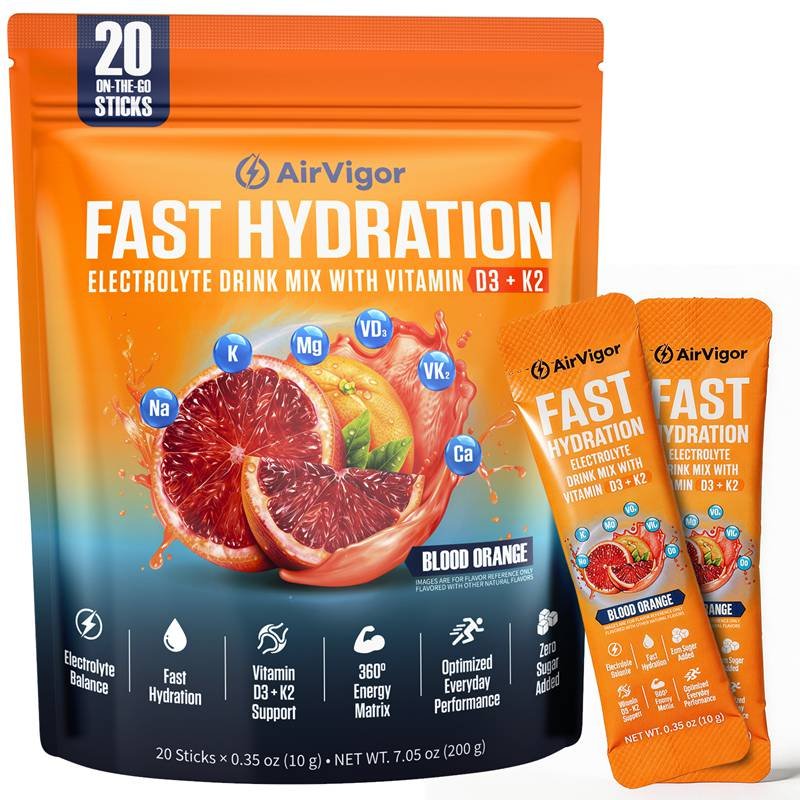
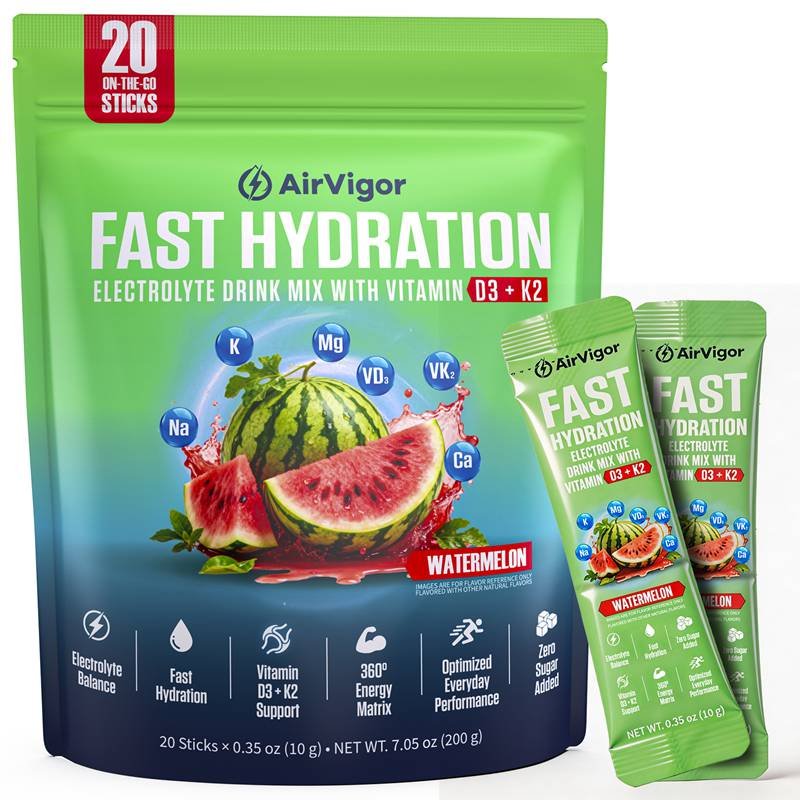
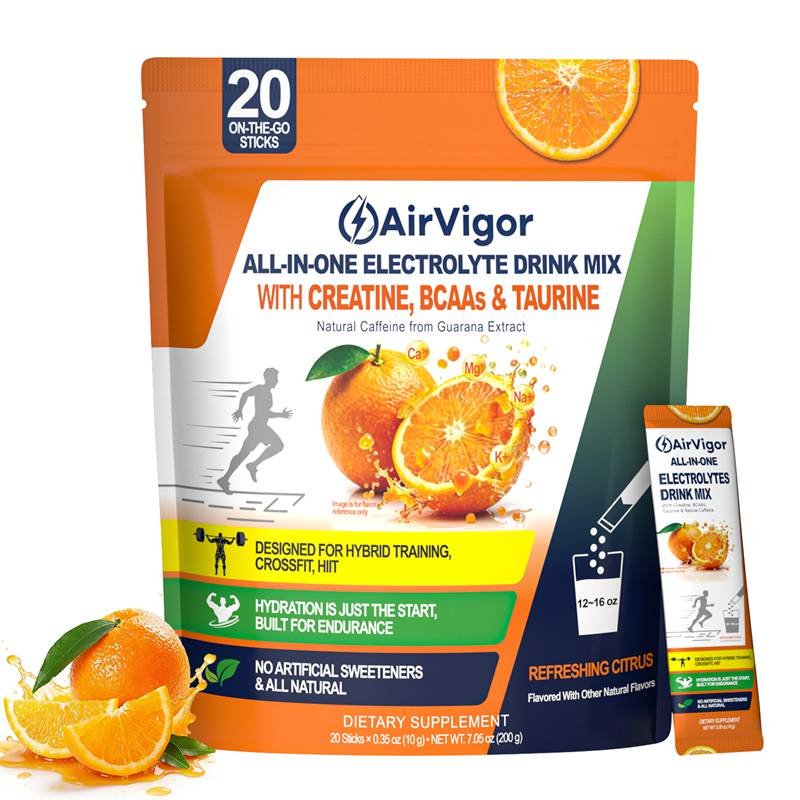
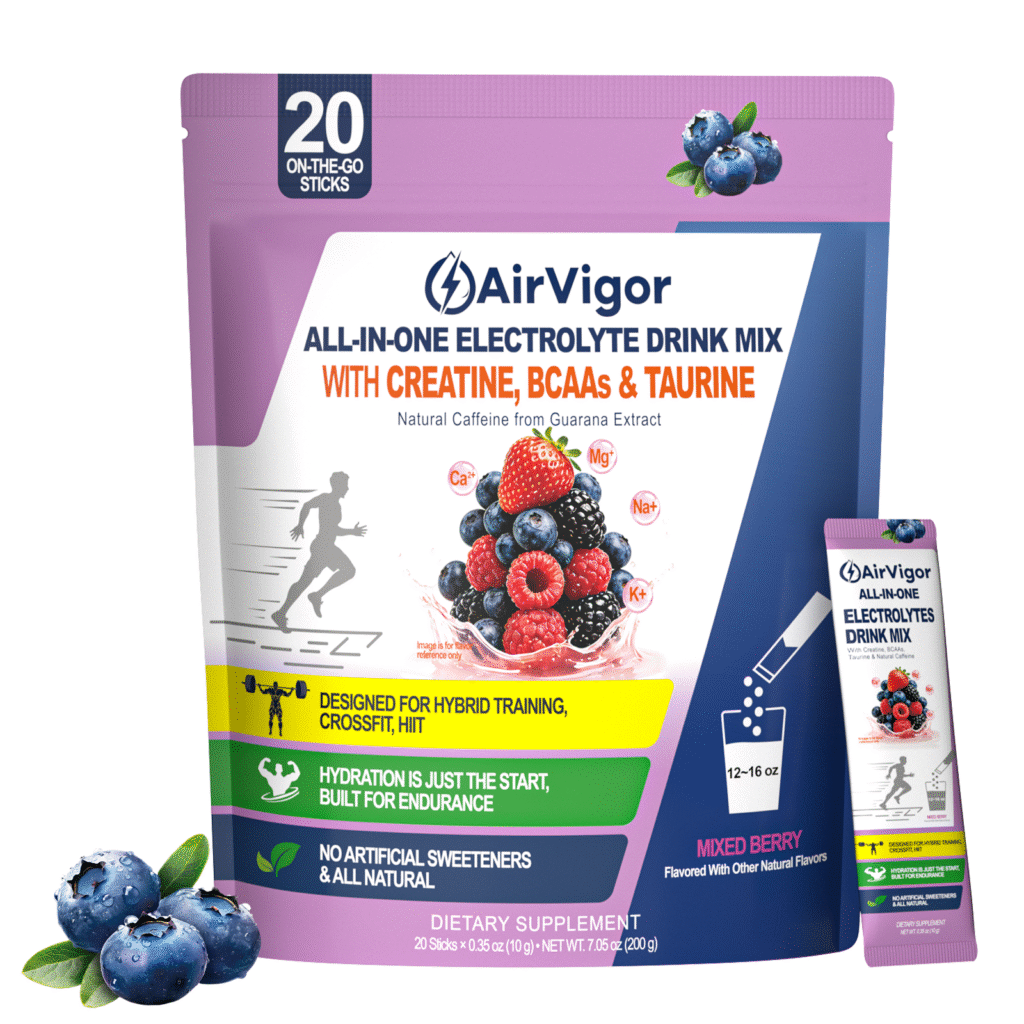
This gap between availability and effectiveness is exactly why science-based brands have gained attention in recent years. Companies that invest in formulation testing, batch consistency, and real-world use modeling—such as AirVigor—aim to solve the limitations inherent in generic supplement design rather than simply repackage them.
Key Characteristics of Generic Supplements
| Dimension | Generic Supplements | What This Means for Users |
|---|---|---|
| Formula origin | Based on widely used industry templates | Formulas are copied, not purpose-built for specific outcomes |
| Ingredient selection | Commodity-grade, availability-driven | Ingredients meet minimum standards but vary in performance |
| Dosage logic | Broad, generalized ranges | Dosages may be safe, but not optimized for real use scenarios |
| Ingredient interaction | Rarely evaluated | Nutrients may compete or cancel each other out |
| Absorption focus | Minimal consideration | Listed amounts ≠ absorbed amounts |
| Solubility behavior | Inconsistent across batches | Texture, taste, and mixability may change over time |
| Batch consistency | Variable between production runs | One purchase may feel different from the next |
| Testing depth | Compliance-level only | Products pass regulations, not performance benchmarks |
| Usage guidance | Generic instructions | Users must self-adjust through trial and error |
| Target user profile | Broad, undefined audience | Not tailored for athletes or frequent users |
| Best use case | Occasional or short-term supplementation | Works temporarily, less suitable for routines |
| Long-term reliability | Limited | Hard to trust for daily or multi-month use |
What Are Science-Based Formulas?
Science-based formulas are dietary supplements developed using nutritional research, formulation modeling, and controlled testing rather than generic ingredient templates. They focus on how nutrients are absorbed, interact, and perform in real-life conditions. Unlike generic supplements, science-based formulas are designed for consistency, stability, and long-term use—especially for athletes and users who rely on supplements daily.
What does “science-based” actually mean?
In the supplement industry, “science-based” does not mean adding more ingredients or citing isolated studies. It refers to a development process grounded in physiological outcomes. A science-based formula begins with a clearly defined function—hydration efficiency, recovery support, endurance stability, or metabolic balance—and works backward to select ingredients, ratios, and forms that support that outcome.
Instead of asking “What ingredients can we include?”, science-based development asks “How does the body behave under this condition?” This shift in thinking is what separates functional formulas from label-driven ones.
How are science-based formulas developed?
Science-based formulas are developed through iterative modeling and validation, not one-time formulation. This typically involves:
- reviewing existing nutritional and sports science research
- building multiple formulation models with controlled variable changes
- testing solubility, taste fatigue, and gastrointestinal tolerance
- adjusting ratios based on real-world usage feedback
Brands that follow this process treat formulation as an ongoing system rather than a finished product. This approach allows formulas to remain stable even as raw materials, production environments, or user demographics change.
Companies like AirVigor invest heavily in internal R&D and scenario-based testing—such as training sessions, heat exposure, long workdays, and travel—to ensure their formulas behave consistently outside the lab.
What role does testing play in science-based formulas?
Testing is the backbone of science-based supplementation. Unlike compliance-only testing, which simply confirms safety thresholds, science-based testing evaluates performance variables:
- active ingredient content accuracy
- dissolution speed and stability over time
- batch-to-batch consistency
- tolerance during repeated use
This level of testing reduces uncertainty for users. When a formula is tested not only for what it contains, but for how it behaves, it becomes something users can trust as part of a routine—not a variable they need to manage.
Why are science-based formulas better suited for long-term use?
Long-term supplementation demands predictability. Small formulation flaws that go unnoticed in short-term use become problematic over weeks or months—digestive discomfort, taste fatigue, uneven results, or diminishing perceived benefit.
Science-based formulas are designed to minimize these friction points. By prioritizing absorption, balance, and consistency, they support adherence, which is often the missing factor between “trying supplements” and actually benefiting from them.
Key Characteristics of Science-Based Formulas
| Dimension | Science-Based Formulas | Why It Matters |
|---|---|---|
| Formula origin | Research-driven models | Designed for specific physiological outcomes |
| Ingredient selection | Function-validated forms | Better absorption and tolerance |
| Dosage logic | Ratio-optimized | Reduces inefficiency and excess |
| Ingredient interaction | Actively evaluated | Prevents nutrient competition |
| Absorption focus | Core design priority | What’s listed is more likely absorbed |
| Solubility & stability | Tested across scenarios | Consistent experience over time |
| Batch consistency | Strictly controlled | Each purchase behaves the same |
| Testing depth | Performance + compliance | Reliability beyond regulations |
| Intended use | Daily and long-term | Built for routines, not trials |

Which One Works Better for Athletes?
For athletes and physically active users, science-based formulas consistently outperform generic supplements. Training places repeated stress on hydration, mineral balance, energy metabolism, and recovery systems. Science-based formulas are designed to remain stable under these conditions, while generic supplements often produce inconsistent results over time. For athletes who train regularly, consistency—not novelty—is what determines long-term performance and recovery.
Which supports training consistency?
Athletes don’t judge supplements by how they feel once—they judge them by whether results repeat. Training consistency depends on inputs behaving the same way every session. Even small formulation differences can compound when workouts are frequent.
Generic supplements often fail here. Because they rely on broad dosage ranges and minimal batch control, athletes may notice subtle but disruptive changes: hydration feels slower, stomach comfort varies, or energy drops unexpectedly. These issues rarely feel dramatic, but they disrupt rhythm.
Science-based formulas are designed around repeatability. By controlling ingredient ratios, absorption behavior, and batch consistency, they help athletes maintain predictable training output week after week—especially during high-volume blocks.
How do recovery outcomes differ?
Recovery is where formulation quality becomes most visible. After training, the body is sensitive to electrolyte balance, fluid movement, and nutrient uptake. Generic supplements may technically replace nutrients, but often do so inefficiently.
Science-based formulas focus on how quickly the body returns to baseline, not just on what nutrients are present. Improved solubility, balanced mineral ratios, and better tolerance reduce post-training discomfort and shorten perceived recovery time. Over weeks of training, this difference directly affects how often and how well an athlete can train.
This is why endurance athletes, HIIT practitioners, and strength trainees often gravitate toward formulas that feel “lighter,” easier to digest, and more predictable—hallmarks of science-based design.
Do results vary by training intensity?
Yes—and intensity amplifies formulation flaws.
For light or occasional exercise, generic supplements may feel adequate. But as sweat loss increases, sessions lengthen, or training density rises, inefficiencies become obvious. Poorly balanced formulas may lead to cramping, bloating, taste fatigue, or inconsistent hydration.
Science-based formulas are built with these stressors in mind. Brands like AirVigor test their formulas across real-world conditions—heat, long sessions, back-to-back training days—to ensure performance doesn’t collapse under pressure.
Generic vs Science-Based for Athletes
| Performance Factor | Generic Supplements | Science-Based Formulas |
|---|---|---|
| Training-day consistency | Variable | Highly predictable |
| Hydration efficiency | Inconsistent | Optimized |
| Recovery comfort | Mixed | Designed for tolerance |
| GI stability | Often fluctuates | Actively tested |
| High-intensity reliability | Limited | Built for stress |
| Long-term adherence | Lower | Higher |
| Suitability for daily training | Not ideal | Strong fit |
Are Generic Supplements Safe Long Term?
Generic supplements are generally safe for short-term or occasional use when taken as directed. However, long-term daily use can introduce risks related to dosage stacking, ingredient imbalance, and batch inconsistency. Most safety concerns raised by healthcare professionals stem not from supplements themselves, but from generic formulas that lack context-specific dosing, absorption control, and long-term design logic.
Why do doctors discourage supplements?
This is one of the most misunderstood questions in nutrition. Doctors rarely discourage supplements outright—they discourage unstructured supplementation.
In clinical settings, physicians often see patients taking multiple products simultaneously: a multivitamin, an electrolyte powder, a protein shake, plus fortified foods. Generic supplements, designed with broad and non-specific dosing, make it easy to unintentionally exceed sensible intake levels over time.
The concern is not toxicity from a single product, but cumulative exposure without oversight. When formulas are not designed for daily, long-term use, even “safe” doses can become problematic when layered or used continuously.
Are generic dosages appropriate for long-term use?
Generic supplements typically use one-size-fits-all dosing logic. These doses are chosen to sit comfortably within regulatory limits for the general population—not to match individual training load, sweat loss, metabolic rate, or frequency of use.
For occasional supplementation, this approach works. For daily users, it often does not. Over time, users may experience:
- digestive discomfort
- electrolyte imbalance symptoms
- diminishing perceived effectiveness
These outcomes are rarely acute or dangerous, but they erode confidence and adherence—two key factors in long-term health routines.
What role does batch inconsistency play?
One of the least discussed long-term risks of generic supplements is variability. Generic products often rely on different raw material lots, suppliers, or processing conditions across batches. While each batch may meet regulatory standards, the user experience can change subtly from purchase to purchase.
For long-term users, this inconsistency creates a feedback loop of adjustment: changing dosage, mixing ratios, or timing to “fix” something that worked before. Over months, this trial-and-error behavior increases both frustration and risk.
How are science-based formulas different long term?
Science-based formulas are designed with repeat exposure in mind. Instead of asking whether a formula is safe once, they ask whether it remains appropriate after weeks or months of use.
Brands that follow this model—such as AirVigor—focus on controlled ingredient ratios, absorption behavior, and batch-level verification. This reduces the need for users to self-correct or stack products, making long-term routines simpler and safer.
Long-Term Safety Considerations
| Factor | Generic Supplements | Science-Based Formulas |
|---|---|---|
| Intended use duration | Short or occasional | Daily and long-term |
| Dosage structure | Broad, non-specific | Context-aware |
| Risk of stacking | Higher | Lower |
| Batch variability | Common | Actively minimized |
| Digestive tolerance over time | Unpredictable | Tested for consistency |
| Doctor concerns | Often related to misuse | Reduced through structure |

How Do Science-Based Brands Ensure Quality?
Science-based supplement brands ensure quality through controlled sourcing, standardized manufacturing, batch-level testing, and transparent documentation. Instead of relying on marketing claims, they build systems that verify ingredient purity, dosage accuracy, absorption behavior, and consistency across production runs. This approach reduces variability, improves long-term reliability, and allows supplements to perform predictably in real-world use.
What are the biggest red flags for supplement quality?
One of the most common user questions is: “How do I know if a supplement is low quality?”
Across the industry, several warning signs appear repeatedly:
- Proprietary blends that hide exact ingredient dosages
- No mention of batch-level testing or COA availability
- Vague ingredient sourcing (“premium minerals” without specification)
- Aggressive claims that imply guaranteed results
These red flags don’t necessarily indicate immediate danger, but they signal a lack of accountability. When users can’t verify what’s inside—or whether it’s consistent—quality becomes a matter of trust rather than evidence.
How does ingredient sourcing affect quality?
Quality begins long before manufacturing. Science-based brands treat raw materials as performance variables, not interchangeable inputs. Differences in mineral form, purity, and processing can significantly affect solubility, absorption, and tolerance.
For this reason, science-based brands implement supplier audits, incoming material testing, and rejection criteria. Ingredients that meet legal standards but fail performance benchmarks are not used. This sourcing discipline is essential for maintaining consistent behavior across batches—especially for products used daily or during training.
Why does batch-level testing matter?
Many supplements are tested once during development and never re-evaluated. Science-based brands operate differently. They test every production batch to confirm:
- active ingredient content matches label claims
- dissolution and stability remain within defined ranges
- no contamination or degradation occurred during production
This batch-level verification ensures that the product you buy today behaves the same way as the one you bought last month. For long-term users, this consistency is the foundation of trust.
How do manufacturing systems protect consistency?
Quality is not just about ingredients—it’s about process control. Science-based brands rely on standardized operating procedures (SOPs), equipment calibration, environmental monitoring, and documented cleaning protocols to reduce variation.
Brands like AirVigor operate integrated production systems where formulation, manufacturing, packaging, and labeling are all managed under the same quality framework. This reduces handoff errors and allows full traceability from raw material to finished product.
What role do certifications and documentation play?
Certifications such as GMP, HACCP, ISO, and third-party COAs are not marketing badges—they are accountability tools. When combined with internal quality systems, they create a verifiable paper trail that regulators, partners, and consumers can audit.
Science-based brands use these systems proactively, not defensively. Transparency is not an afterthought; it’s part of how quality is maintained at scale.
How Science-Based Brands Control Quality
| Quality Area | Generic Brands | Science-Based Brands |
|---|---|---|
| Ingredient sourcing | Price- and availability-driven | Performance- and purity-driven |
| Supplier oversight | Minimal | Audited and verified |
| Batch testing | Occasional or absent | Standard for every batch |
| COA transparency | Rare | Available and traceable |
| Manufacturing control | Fragmented | Integrated systems |
| Consistency across markets | Variable | Actively maintained |
| Long-term reliability | Uncertain | Designed and monitored |
How Should Consumers Choose Between Them?
Consumers should choose supplements based on formulation logic, transparency, and consistency rather than brand popularity or ingredient count. The most reliable supplements clearly explain why ingredients are included, how they are tested, and who they are designed for. For frequent or long-term users, science-based formulas are generally the better choice because they reduce uncertainty and support consistent results over time.
What labels should you actually read?
Most consumers look at supplement labels backwards. They focus on whether a product contains a certain ingredient instead of asking whether it was designed to work in a real routine.
Start by reading labels for clarity, not excitement. Reliable supplements clearly state ingredient forms, exact dosages, and intended use scenarios. Vague phrases, proprietary blends, or overemphasized numbers without explanation should raise questions. A label should help you understand how to use the product—not force you to guess.
How do you evaluate transparency beyond the label?
Transparency goes beyond what’s printed on the bottle. It’s reflected in whether a brand explains its formulation choices, testing standards, and quality controls in plain language.
One of the most common questions users ask—“What is the #1 most trustworthy vitamin company?”—misses the point. Trust isn’t a ranking; it’s a pattern of behavior. Brands earn trust by consistently showing how products are made, tested, and updated over time. When transparency is real, it’s repeatable.
Which users benefit most from science-based formulas?
Science-based formulas are especially valuable for people who:
- train multiple times per week
- rely on supplements daily or seasonally
- are sensitive to digestion or taste fatigue
- want predictable results without constant adjustment
For these users, inconsistency is not a minor inconvenience—it disrupts routines. Science-based formulas reduce this friction by behaving the same way every time they’re used.
How do you avoid common decision mistakes?
Many consumers cycle through supplements because they confuse short-term sensation with long-term effectiveness. A product that feels intense at first may not support sustainable use.
A better approach is to ask: Does this supplement disappear into my routine? If it’s easy to use, easy to tolerate, and produces stable outcomes, it’s doing its job. Supplements should support habits—not demand attention.
How does AirVigor fit into this decision?
Brands like AirVigor are built around this philosophy. Their formulas are developed for real-world use, tested across scenarios, and produced within controlled systems that prioritize consistency over novelty.
For consumers who want fewer decisions, fewer surprises, and a supplement they can rely on day after day, this approach simplifies the choice.

Frequently Asked Questions
1. Are generic supplements bad for you?
Generic supplements are not inherently bad or dangerous. They are generally safe for short-term or occasional use when taken as directed. The main concern arises with long-term daily use, where broad dosing, limited absorption design, and batch inconsistency can reduce effectiveness or create unnecessary imbalance over time.
2. Are generic vitamins just as effective as science-based formulas?
Generic vitamins can be effective for addressing simple or temporary needs. However, science-based formulas are typically more effective for long-term or performance-related use because they are designed around absorption, ingredient interaction, and consistency—not just ingredient presence.
3. Why do doctors often discourage supplement use?
Doctors usually discourage unstructured or excessive supplementation, not supplements themselves. Many concerns come from dosage stacking, unclear formulations, or patients taking multiple products without understanding cumulative intake—issues more common with generic formulas.
4. What are the biggest red flags when choosing supplements?
Common red flags include proprietary blends that hide dosages, lack of batch-level testing or COA transparency, vague ingredient sourcing, and overly aggressive performance claims. These signals often indicate limited quality control rather than intentional harm.
5. Do science-based supplements cost more?
Science-based supplements may appear more expensive upfront due to research, testing, and quality systems. However, they often reduce trial-and-error purchases and inconsistent results, making them more cost-efficient for long-term users.
6. Can beginners use science-based formulas?
Yes. Science-based formulas are suitable for beginners because they prioritize tolerance, clarity of use, and predictable behavior. In many cases, they are easier to stick with than generic products that require frequent adjustment.
7. How long does it take to notice differences between formulas?
The difference is rarely obvious after one serving. Most users notice clearer benefits after several weeks of consistent use, especially in terms of recovery comfort, hydration stability, and reduced variability between sessions.
8. Are science-based supplements safer for daily use?
They are generally better suited for daily use because they are designed with repeat exposure in mind. Controlled dosing, absorption focus, and batch consistency reduce the need for users to self-correct or stack products.
9. How can consumers verify supplement quality?
Consumers should look for clear ingredient disclosure, third-party testing or COA availability, manufacturing certifications such as GMP, and consistent labeling across markets. Brands that explain their quality process openly tend to be more reliable.
10. How does AirVigor differ from typical supplement brands?
AirVigor focuses on science-driven formulation, batch-level testing, and real-world performance consistency. Instead of relying on generic templates, its products are designed for long-term use across training, recovery, and daily hydration scenarios.
Conclusion
Generic supplements exist because they are easy to produce and easy to scale. Science-based formulas exist because long-term users demand consistency. The real difference between the two rarely appears after one serving—it becomes clear after weeks and months of real use, when stability, tolerance, and predictable results start to matter more than claims on a label.
This is the principle behind AirVigor. By grounding formulation in nutritional science, controlled testing, and batch-level quality systems, AirVigor focuses on supplements that behave the same way every time—whether for training, recovery, or daily hydration.
If you’re looking for ready-to-ship, science-driven sports nutrition, AirVigor products are available on Amazon with fast local fulfillment. For brands, gyms, or distributors seeking OEM/ODM solutions, AirVigor also provides formulation development and scalable manufacturing support built for long-term use.