Skip to content
What Are the Benefits of Electrolytes: Explained Guide
# Your Trusted Dietary Supplement Brand In US
- Emily

Table of Contents
Hydration advice sounds simple—“drink more water.” But if you’ve ever finished a workout (or a hot day) feeling headachy, crampy, lightheaded, or oddly tired even after drinking plenty, you’ve already learned the real rule: hydration isn’t just fluid intake—it’s fluid + electrolytes.
Electrolytes (mainly sodium, potassium, magnesium, calcium, and chloride) help your body absorb water, hold it in circulation, and move it into working tissues. That’s why they can make a noticeable difference during sweat-heavy training, heat exposure, long shifts, or travel—when water alone often creates the “drink more, pee more, still feel off” loop.
In this guide, you’ll get the real, practical benefits of electrolytes, how to tell when you actually need them, and exactly when to use them for workouts, heat, and daily life—without overdoing it.
What Are Electrolytes?
Electrolytes are minerals that carry an electric charge in body fluids—mainly sodium, potassium, magnesium, calcium, chloride, and phosphate. Your body needs them to regulate fluid balance, nerve impulses, muscle contractions, and pH. When you lose electrolytes through sweat, heat, or illness—or dilute them by drinking lots of water without minerals—you may feel fatigued, crampy, dizzy, or underpowered in workouts.
What are electrolytes and what are they made of?
Electrolytes are the “conductors” of your body. In water, minerals dissolve into ions (charged particles). That charge allows your body to do three big things: move water where it’s needed, send electrical signals, and power muscle function. This isn’t gym-bro science; it’s basic physiology.
The most relevant electrolytes for everyday hydration are sodium and potassium because they strongly control water distribution. But magnesium and calcium matter for neuromuscular function, and chloride often accompanies sodium to maintain fluid balance. Phosphate plays roles in cellular energy systems. Your body uses them together like a system—not as isolated “magic ingredients.”
Why are sodium, potassium, magnesium, and calcium essential to human physiology?
Sodium is the main electrolyte outside your cells and a key regulator of blood volume. When you sweat, sodium loss can be significant, which is why “water only” can leave you feeling washed out. Potassium lives mostly inside cells and supports normal muscle and nerve firing. Magnesium supports hundreds of biochemical reactions, including energy metabolism and muscle relaxation. Calcium helps trigger muscle contraction and supports signaling pathways.
A helpful way to think about it: sodium helps you hold fluid in circulation, potassium helps fluid function inside cells, magnesium helps muscles relax and nerves stay steady, and calcium helps muscles contract properly. If any of these are out of range, your body can still function—but it may feel like you’re driving with the parking brake on.
How electrolytes regulate fluid balance, nerve signaling, and muscle function
Your cells maintain a voltage difference across their membranes—basically, they’re tiny batteries. Electrolytes maintain that “battery” so nerves can send signals and muscles can contract on command. Electrolytes also manage osmosis, the movement of water across membranes. That’s why electrolyte imbalance isn’t just about thirst—it can show up as coordination issues, cramps, headaches, and sudden fatigue.
| Electrolyte | Primary Job | Why It Matters for Hydration & Performance | Common “Off” Feelings (Non-diagnostic) |
|---|---|---|---|
| Sodium | Maintains blood volume & fluid retention | Helps water stay in circulation during sweating/heat | Headache, dizziness, early fatigue, low heat tolerance |
| Potassium | Supports cellular hydration & muscle firing | Helps muscles and nerves work smoothly | Weakness, “flat” workouts, cramp-prone feeling |
| Magnesium | Supports relaxation, energy enzymes, nervous system | Helps recovery and muscle comfort | Tightness, twitching, restless sleep, fatigue |
| Calcium | Triggers muscle contraction & signaling | Supports coordinated movement | Muscle issues, fatigue (often multi-factor) |
| Chloride | Works with sodium for fluid balance; stomach acid support | Supports hydration balance and digestion | Low energy, dehydration-like sensations |
| Phosphate | Cellular energy (ATP), cell membranes | Supports energy systems | Low energy (often multi-factor) |
What Are the Main Benefits of Electrolytes for the Body?
Electrolytes improve hydration efficiency by helping your body retain and distribute water properly. They support nerve impulses, muscle contraction and relaxation, and normal cardiovascular function. The benefits people notice most are steadier energy, fewer headaches in heat, reduced cramp risk, and more consistent performance during sweat-heavy activity. Compared with water alone, electrolytes help prevent the “drink a lot, pee a lot, still feel off” cycle
What are the benefits of drinking electrolytes compared to water alone?
Water hydrates—up to a point. But during sweat-heavy activity, heat exposure, or long days with lots of fluid intake, water can become incomplete. Many people experience a pattern: they drink more, urinate more, and still feel under-hydrated. That’s often because electrolytes are what help the body hold water and use it effectively.
Drinking electrolytes can:
- improve how quickly you feel “back to normal” after sweating,
- reduce post-activity headaches or lightheadedness,
- help endurance feel steadier late in a session,
- and make hydration more predictable during travel or hot weather.
It’s not about turning every sip into a sports drink. It’s about adding electrolytes when the situation calls for them.
How electrolytes improve hydration efficiency at the cellular level?
Hydration isn’t just how much you drink—it’s how much fluid stays in the right compartments (bloodstream, tissues, inside cells). Sodium helps maintain plasma volume, supporting circulation. Potassium supports intracellular hydration and muscle function. When these are balanced, your body doesn’t have to “work as hard” to stabilize fluid status.
That’s why electrolytes can feel like a “multiplier.” You’re not simply adding minerals—you’re improving water utilization. For people who sweat heavily or train frequently, this can be the difference between “surviving workouts” and consistently performing.
How electrolytes support muscle contraction, relaxation, and coordination?
Muscle function depends on electrical signaling. Sodium and potassium help generate nerve impulses and muscle firing. Calcium triggers contraction. Magnesium supports relaxation and helps regulate neuromuscular excitability. When electrolyte status is poor, muscles may feel tight, shaky, weak, or prone to cramps—especially late in sessions.
A common misconception is that cramps always mean “low magnesium.” In reality, cramps often reflect a combination: fatigue, heat, training load, and electrolyte imbalance. A balanced electrolyte strategy is more reliable than chasing one mineral.
How electrolyte balance supports heart rhythm and blood pressure stability?
Electrolytes help regulate the electrical system of the heart and support blood volume. When you lose fluid and sodium through sweat, blood volume can drop, leading to dizziness or unusually high heart rate for a given effort. Replacing electrolytes helps stabilize circulation and can improve heat tolerance.
Safety note: If you have kidney disease, heart conditions, uncontrolled hypertension, or take medications that affect electrolytes (e.g., diuretics), consult a clinician before using high-electrolyte products—especially high sodium or high potassium formulas.
How Do Electrolytes Improve Athletic Performance and Endurance?
Electrolytes support athletic performance by maintaining hydration status, blood volume, and muscle firing during exercise. Sweat loss reduces fluid and sodium, which can raise heart rate and increase perceived effort. Replacing electrolytes—especially sodium—helps sustain pace, power, and coordination during longer or hotter sessions. For heavy sweaters and endurance athletes, electrolytes can reduce performance drop-off and improve consistency across workouts.
How electrolyte loss affects strength, power output, and stamina?
When sweat loss increases, your body has to compensate. Blood volume may dip, the heart works harder at the same workload, and your brain perceives greater effort. That’s when workouts feel “weirdly hard” even if fitness is fine. In strength training, this can show up as poor pump, shaky reps, or early fatigue. In endurance training, it can show up as pace drift and a rising heart rate.
Electrolytes won’t replace conditioning, but they can help you access the conditioning you already built—especially when training is frequent and recovery windows are tight.
Why athletes and active individuals need electrolytes?
If you do short, low-sweat workouts, water is often enough. But the minute intensity, time, or heat rises, electrolytes matter. Athletes need electrolytes because sweat contains minerals—especially sodium. When you replace only water, you may dilute blood sodium concentration and reduce hydration efficiency. The result can be fatigue, headache, nausea, or “dead legs.”
This is why experienced athletes plan electrolytes instead of waiting until they feel bad. They’re protecting performance and reducing variability.
How electrolytes help sustain performance during intense training sessions?
Electrolytes support endurance by maintaining fluid balance and neuromuscular function under stress. Practically, that means better tolerance to heat, steadier output late in the session, and fewer “crash” moments. The key is matching your intake to your sweat rate and session demands.
| Training Style | Typical Stress | Best Electrolyte Approach | What It Helps Most |
|---|---|---|---|
| CrossFit / HIIT | High intensity, high sweat | Pre + post, or during | Consistent output, reduced crash |
| Strength training | Variable sweat, high neural demand | Pre if training fasted; post if sweaty | Stable reps, less fatigue |
| Running / cycling | Long duration, steady sweat | During + post | Pace stability, heat tolerance |
| Team sports | Intervals + heat + long sessions | During + post | Reduced drop-off, fewer cramps |
| Outdoor training | Heat and humidity | Throughout | Hydration efficiency, safety |

How Do Electrolytes Support Recovery and Reduce Fatigue?
Electrolytes support recovery by restoring fluid balance, enabling normal muscle contraction, stabilizing nerve signaling, and supporting energy metabolism after physical or mental stress. When electrolytes like sodium, potassium, magnesium, and calcium are depleted through sweat or stress, fatigue accumulates faster and recovery slows. Proper electrolyte intake—matched to sweat loss—helps reduce perceived exhaustion, supports neuromuscular function, and allows the body to return to baseline more efficiently.
Why Recovery Depends on Electrolyte Balance?
Recovery is often framed as “sleep more” or “take protein,” but physiologically, recovery begins with restoring internal balance. During training, heat exposure, or prolonged cognitive stress, the body loses not just water—but electrically active minerals that regulate how muscles fire, how nerves communicate, and how energy is produced at the cellular level.
Without adequate electrolyte balance:
- Muscles struggle to relax after contraction
- Nerve signals become inefficient or delayed
- Fluid remains trapped outside muscle cells
- Perceived fatigue rises even when calories are sufficient
Electrolytes don’t “create energy,” but they remove the bottlenecks that prevent your body from using energy efficiently during recovery.
How Electrolytes Reduce Neuromuscular Fatigue?
Neuromuscular fatigue occurs when muscles and nerves can no longer communicate efficiently. Electrolytes are central to this process.
- Sodium & potassium maintain the electrical gradient that allows nerves to fire and muscles to contract and relax
- Magnesium supports muscle relaxation and helps prevent prolonged tension or cramping
- Calcium is required for the contraction–relaxation cycle of muscle fibers
When these minerals are depleted, muscles may feel:
- Heavy
- Weak
- “Unresponsive”
- Tight even at rest
This is why post-workout fatigue often feels neurological as much as muscular. Replenishing electrolytes helps normalize signal transmission, reducing lingering fatigue and stiffness.
How Electrolytes Support Cellular Rehydration?
Drinking water alone does not guarantee effective rehydration.
For water to move into muscle cells, electrolytes—especially sodium—must be present in the right ratio.
Electrolytes support recovery by:
- Pulling water into cells via osmotic gradients
- Restoring plasma volume after sweat loss
- Supporting circulation of oxygen and nutrients to recovering tissue
Without electrolytes, water may remain in the digestive tract or be rapidly excreted, leading to the common complaint:
“I drank a lot, but I still feel drained.”
This is especially relevant after:
- High-sweat training
- Hot environments
- Long workdays with low fluid intake
- Travel or jet lag
How Electrolytes Help Reduce Central Fatigue?
Fatigue isn’t just muscular—it’s also central, meaning it originates in the brain and nervous system.
Electrolytes influence:
- Nerve impulse speed
- Brain hydration status
- Perceived effort and alertness
Even mild electrolyte imbalance can contribute to:
- Brain fog
- Reduced focus
- Irritability
- Slower reaction time
This explains why people often report feeling mentally clearer after proper rehydration—even without caffeine or sugar.
For professionals who train after work, or athletes managing both physical and cognitive load, electrolyte balance plays a quiet but critical role in mental recovery.
| Electrolyte | Primary Recovery Role | What Happens When Low |
|---|---|---|
| Sodium | Restores fluid balance, supports nerve firing | Persistent fatigue, dizziness, poor rehydration |
| Potassium | Cellular signaling, muscle responsiveness | Weakness, sluggish recovery |
| Magnesium | Muscle relaxation, neuromuscular calm | Tightness, cramps, poor sleep quality |
| Calcium | Muscle contraction cycle, signaling | Reduced contraction efficiency |
The key is not megadosing one mineral, but balanced replenishment aligned with sweat loss and workload.
Why Electrolytes Improve “Next-Day” Recovery?
One of the clearest benefits users report is not how they feel immediately—but how they feel the next day.
Proper electrolyte recovery can:
- Reduce delayed onset muscle tightness
- Improve morning energy levels
- Decrease residual heaviness or soreness
- Support consistent training frequency
This happens because electrolyte balance helps the body:
- Normalize fluid distribution overnight
- Support parasympathetic (rest-and-digest) nervous system activity
- Prevent low-grade dehydration that accumulates across days
Recovery is cumulative. Electrolytes help stop fatigue from stacking invisibly.
Why Electrolytes Alone Are Not Enough?
Electrolytes are not a replacement for:
- Calories
- Protein
- Sleep
But without them, those recovery inputs don’t work as well.
Think of electrolytes as the infrastructure layer of recovery:
- Protein repairs muscle
- Carbohydrates restore glycogen
- Sleep drives adaptation
- Electrolytes make all three usable
This is why modern recovery formulas increasingly combine electrolytes with amino acids or creatine—when done transparently and correctly.
How Structured Electrolyte Formulas Improve Recovery Outcomes?
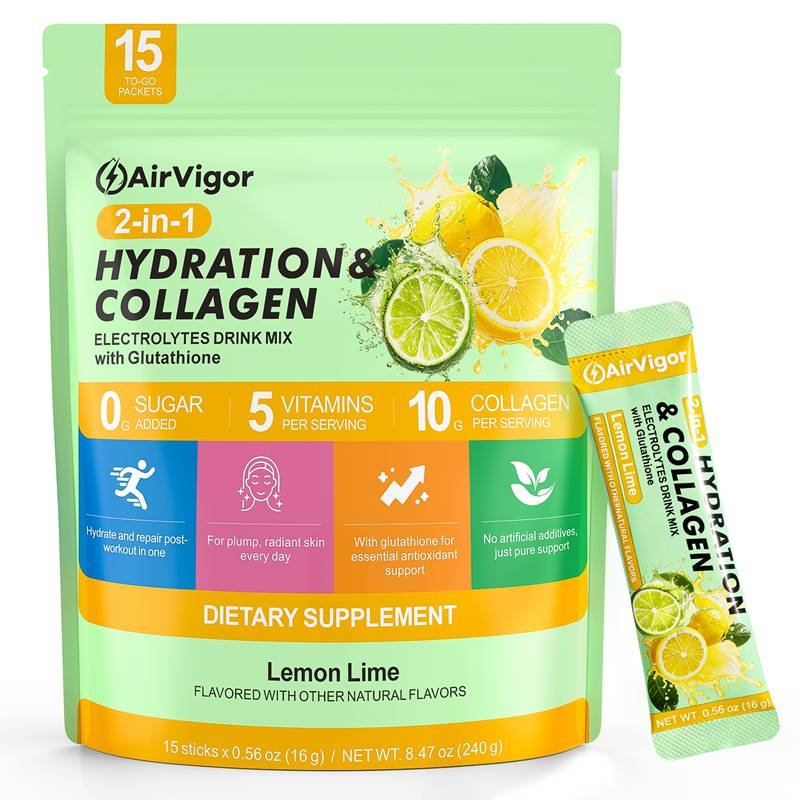
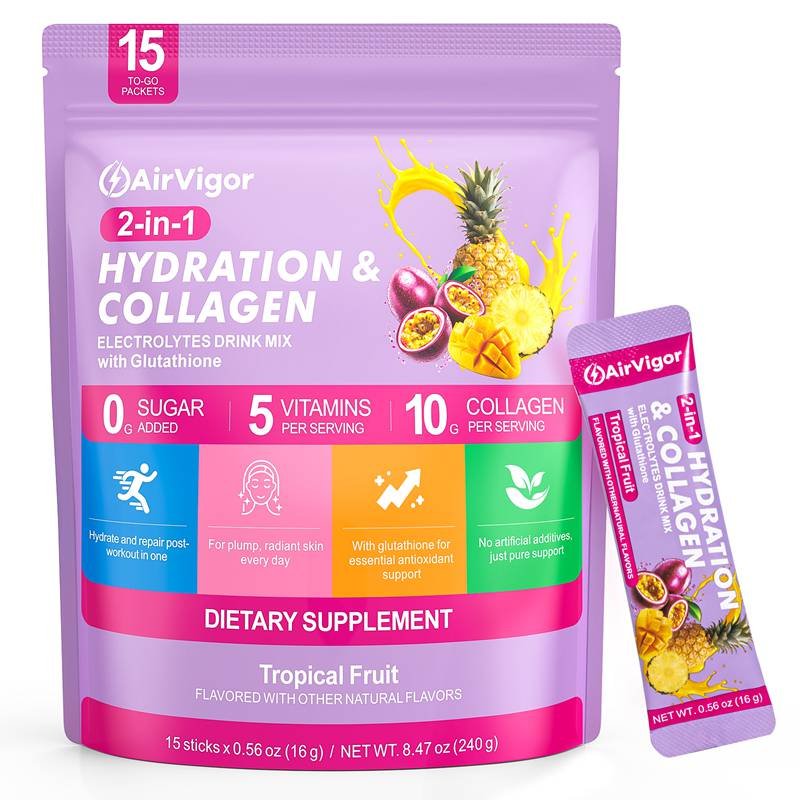
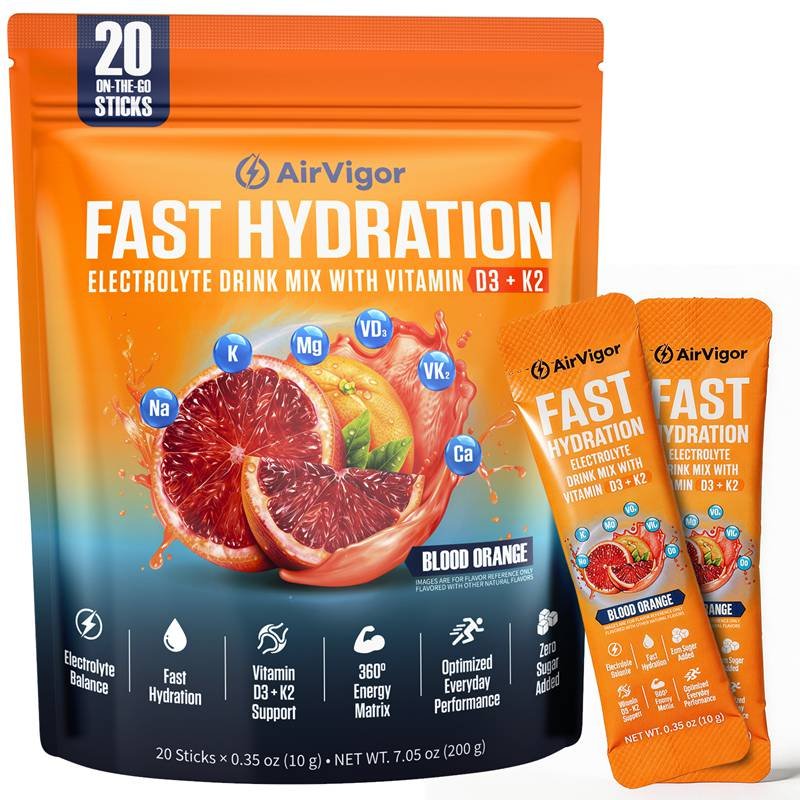
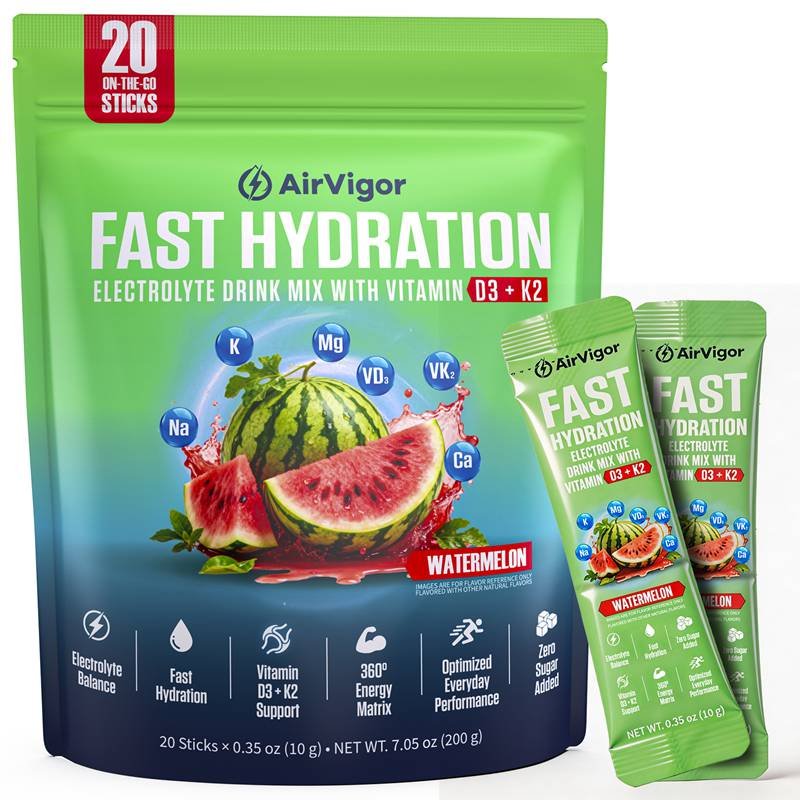
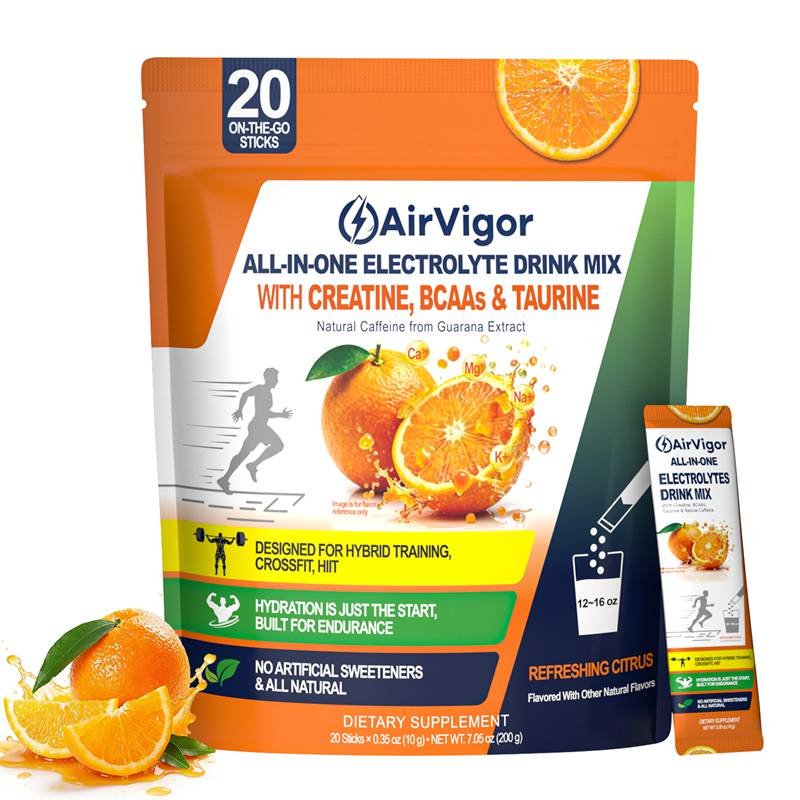
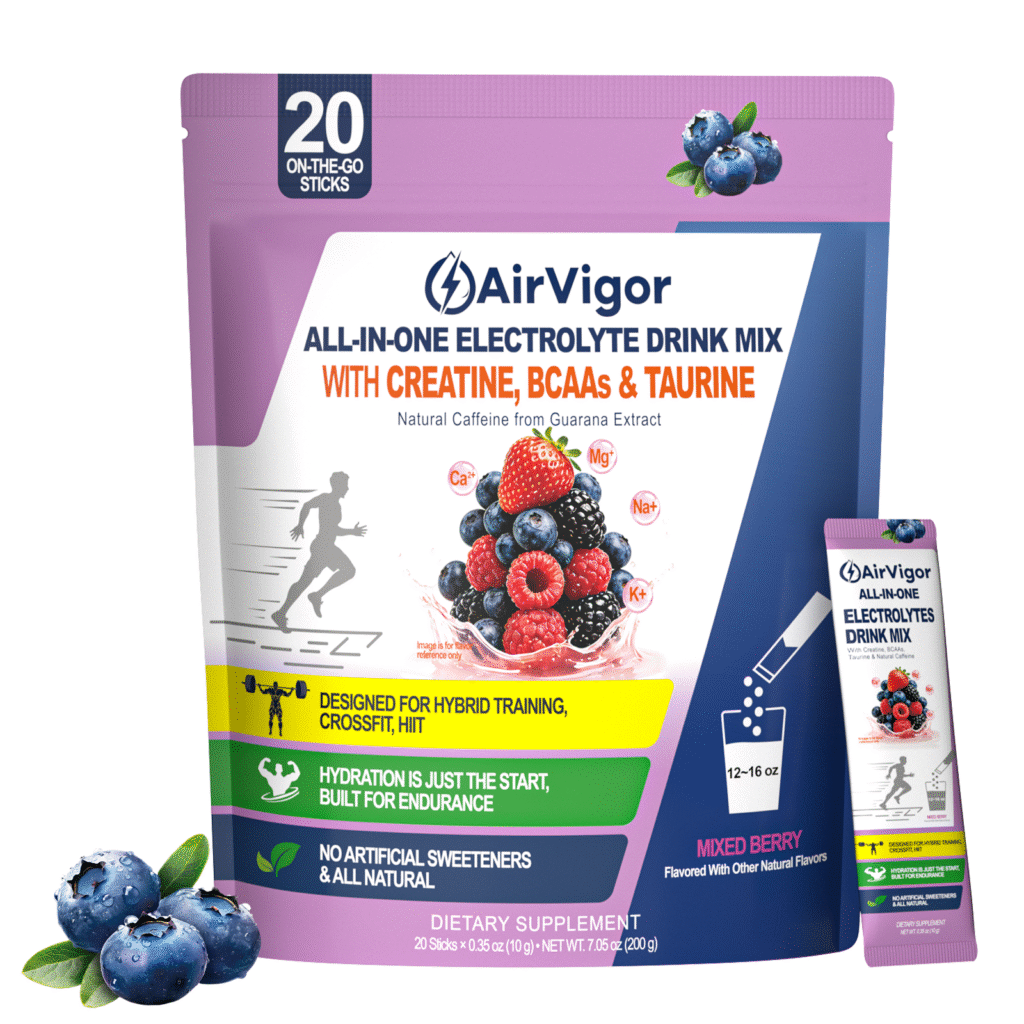
Well-designed electrolyte products—like those developed by AirVigor—focus on:
- Clinically relevant mineral ranges (not marketing megadoses)
- Clear usage timing (post-training, high sweat days)
- Fast dissolution for rapid uptake
- Reduced gastrointestinal load
This structure helps users recover without overhydration or mineral overload, a common problem with generic sports drinks.
Electrolytes Reduce Fatigue by Removing Physiological Friction
Electrolytes don’t stimulate recovery the way caffeine stimulates alertness.
They work by removing the internal resistance that slows recovery down.
When electrolyte balance is restored:
- Muscles respond normally
- Nerves fire efficiently
- Cells rehydrate properly
- Fatigue resolves instead of lingering
That’s why electrolytes are not just “for during workouts,” but a core recovery tool when used intentionally and appropriately.
Who Benefits Most from Electrolyte Supplementation?
Those who benefit most from electrolytes include athletes, heavy sweaters, people training in heat, outdoor workers, frequent travelers, and individuals who experience headaches, cramps, dizziness, or fatigue when sweating. You may need electrolytes if water doesn’t restore energy, if you urinate frequently yet feel thirsty, or if workouts feel unusually hard in warm conditions. Needs vary based on sweat rate, diet, and activity level.
How do you tell if you need electrolytes?
Electrolyte need isn’t always obvious. Many people interpret the signals as “I’m out of shape” or “I need more sleep.” Sometimes that’s true. But if symptoms cluster around sweating, heat, or long active days, electrolytes are a smart lever.
Look for patterns:
- You sweat a lot or train in heat.
- You get headaches after workouts.
- You crave salty foods after sweating.
- You feel lightheaded standing up after training.
- You drink lots of water but still feel “not hydrated.”
| If this happens… | It could suggest… | Quick test for 7 days |
|---|---|---|
| You cramp late in workouts | Sweat loss + fatigue | Add electrolytes during/after |
| Water makes you pee more but doesn’t help | Low mineral balance | Add electrolytes to 1–2 servings/day |
| Heat wrecks your performance | Sodium/fluid mismatch | Add sodium-focused electrolytes |
| Post-workout headache | Fluid + sodium deficit | Add electrolytes after training |
| Travel leaves you puffy or dry | Fluid distribution disruption | Use electrolytes on travel days |
If symptoms improve noticeably in a week, that’s actionable feedback.
Are electrolytes only for athletes?
Non-athletes can benefit when life mimics athletic stress: outdoor work, high heat, long standing shifts, travel, or simply a schedule that makes meals and hydration inconsistent. People who are dieting, fasting, or doing low-carb often notice electrolyte needs rise because water balance shifts.
Electrolytes can also help people who want “steady energy” in a very practical way: fewer afternoon crashes tied to dehydration and better comfort during busy days.
Which lifestyles increase electrolyte needs?
The biggest drivers are:
- Heat exposure (summer, warm gyms, outdoor labor)
- Sweat-heavy training (HIIT, CrossFit, endurance)
- Long work shifts (delivery, construction, events)
- Frequent travel (flying, time zone changes, dehydration habits)
- Diet changes (low carb, fasting, low sodium eating)
If your week includes two or more of these, you’re a prime candidate for electrolyte planning.

How Should Electrolytes Be Used for Best Results?
Use electrolytes when you’re likely to lose fluids or perform under heat stress: before workouts if you start dehydrated, during long or hot sessions, and after heavy sweating to restore balance. Many people do best with electrolytes around training, outdoor work, hot yoga, sauna, and travel days. The best schedule depends on sweat rate and diet. Choose formulas with clear dosages and avoid unnecessary sugar if hydration is the main goal.
When should you drink electrolytes?
Use timing to match need:
- Before: Great for morning training, hot days, or “I always start dry.”
- During: Best for long sessions, endurance, and heavy sweating.
- After: Ideal if you finish drenched, get headaches, or feel depleted.
A simple rule: if you’re still thinking about hydration after the workout, you probably needed electrolytes during or immediately after.
How much electrolytes does the body actually need per day?
Rather than chasing a universal number, anchor on real-world signals:
- Sweat rate (how soaked are your clothes?)
- Climate (dry heat vs humidity)
- Workout length and intensity
- Diet (low sodium or low carb increases need)
If you want precision, weigh yourself before/after training (without clothes changes). Big drops suggest high fluid loss and likely electrolyte needs. Even without numbers, your body’s feedback is fast: steadier energy and fewer headaches are good signs.
How to choose the right electrolyte formula based on activity level and sweat loss
A quality electrolyte product should have:
- transparent sodium/potassium/magnesium amounts,
- reliable solubility (no gritty residue),
- clean labeling and consistent taste,
- and evidence of quality controls (batch testing/COA).
If you’re training, portability matters. Sticks are convenient for gym bags and travel; tubs are cost-effective for home use; pouches can work as refills. Choose the format you’ll actually use consistently.
How Should You Take Electrolytes for Best Results?
Electrolytes are generally safe for daily use when matched to your needs and used in appropriate doses. Daily electrolytes often help athletes, heavy sweaters, people in hot climates, and frequent travelers. However, high sodium or high potassium formulas may not be suitable for everyone, especially those with kidney disease, heart conditions, uncontrolled hypertension, or certain medications. Choose tested products with transparent dosages, and avoid megadoses.
Is it good to drink electrolytes daily for hydration and health?
For many active people, daily electrolytes are simply a consistency tool. If you train most days, sweat heavily, or live in heat, daily electrolytes can reduce variability: fewer random bad sessions, fewer headaches, steadier energy. That’s valuable.
For sedentary people who don’t sweat much, daily electrolytes might be unnecessary. In that case, use them strategically: workout days, hot days, travel, or long work shifts. The best routine is the one that solves a real problem, not the one that looks impressive.
Is it possible to take too many electrolytes?
Yes. Too much of anything can cause issues—GI discomfort, bloating, or imbalance. High sodium intake isn’t appropriate for everyone. High potassium can be risky for people with kidney issues or certain medications. This is why choosing a responsibly dosed product matters.
If you stack products (pre-workout + electrolyte + recovery formula), check total intake. Don’t unknowingly double up. If you have a medical condition, talk to a clinician before using electrolyte supplements routinely.
Why formulation quality, testing, and transparency matter for long-term use
Long-term use demands consistency and trust. That means:
- clear labeling (no proprietary blends hiding dosages),
- quality systems (GMP/HACCP/ISO),
- batch-level testing (COA) and contamination screening,
- packaging that protects from moisture and heat.
A brand’s manufacturing and QA approach isn’t “boring background”—it’s what makes long-term use reliable. When a product dissolves consistently, tastes consistent, and delivers consistent doses, people stick with it. Consistency is what creates results over months, not hype over days.
Conclusion
Electrolytes don’t “boost” you like caffeine—they fix hydration bottlenecks. When sweat, heat, long activity, or travel drains minerals, electrolytes help you hydrate more effectively, support normal muscle and nerve function, and reduce the chance of headaches, cramps, and early fatigue. The key is simple: match electrolytes to your loss, not to a trend.
If you want an easy, consistent option with clear mineral amounts and a clean formula, AirVigor is built for real-world hydration—training days, hot days, and travel—without unnecessary sugar or fluff.
Buy In-Stock or Build Your Own Formula
If you take nothing else from this guide, take this: electrolytes make hydration functional. They help your body use water effectively, keep muscles and nerves firing smoothly, and stay steady under sweat stress. For athletes, heavy sweaters, outdoor workers, frequent travelers, and anyone who feels “water isn’t enough,” electrolytes are one of the simplest upgrades with the biggest real-life payoff.
Buy AirVigor In-Stock on Amazon
If you want a no-drama routine for training, heat, or travel, choose AirVigor’s in-stock products on Amazon—ideal for gym bags, work days, and consistent hydration habits.
Request a Custom Electrolyte Product Quote
If you’re a brand, coach, gym owner, retailer, or creator planning a launch, AirVigor supports OEM/ODM customization—from formulation and sampling to compliance, packaging, and FBA-ready delivery.
Share:
Contact Expert Team
At AirVigor, performance becomes effortless. We transform advanced nutrition science into clean, effective supplements that help you hydrate, recover, and feel stronger every day. Shop AirVigor on Amazon and experience athlete-trusted formulas—backed by real science and supported by our world-class R&D and production capabilities.
Trust AirVigor
At AirVigor, turning your performance goals into reality is no longer a struggle—it’s a science-driven journey we build together. Whether you’re a runner, lifter, cyclist, yogi, outdoor athlete, or someone simply seeking better daily energy, AirVigor transforms advanced nutrition research into clean, effective, and trustworthy supplements you can feel.
Backed by our U.S. scientific team, global certifications, and world-class production standards, every formula is engineered to deliver real hydration, real recovery, and real performance. And when you’re ready to experience the difference, you’ll find AirVigor products available on Amazon and other major platforms—fast shipping, consistent quality, and a community of athletes already seeing results.
Behind the scenes, our R&D and manufacturing ecosystem also supports specialized formulation development, ensuring AirVigor continues to lead with innovation while keeping quality and safety uncompromised. But at the core, everything we create is built for you—your health, your performance, your momentum.
Choose AirVigor. Feel the science. Elevate your every day.


Subscribe to our newsletter
Sign up to our newsletter and we’ll keep you up to date with the latest arrivals.