Skip to content
Dietary Supplement Benefits: A Complete and Professional Guide
# Your Trusted Dietary Supplement Brand In US
- Emily

Table of Contents
In today’s world, people are increasingly turning to dietary supplements to bridge the gap between their nutritional needs and the demands of modern life. With busy schedules, processed foods, and constant stress, getting enough of the essential vitamins, minerals, and nutrients required for optimal health can be challenging. But do dietary supplements really work, or are they just a passing trend?
Dietary supplements provide essential nutrients like vitamins, minerals, and electrolytes, filling gaps in our diets that often go unnoticed. They can improve overall health, enhance performance, support muscle recovery, and boost mental focus. Supplements are especially helpful when our food choices fall short or when specific physical or mental demands arise.
However, not all supplements are created equal, and choosing the right one is key to experiencing their benefits. Whether you’re trying to optimize your hydration, improve muscle recovery, or support cognitive health, understanding how supplements benefit your body can make all the difference. Keep reading to learn how different types of supplements work in synergy with your diet and lifestyle to maximize your well-being.
What Are Dietary Supplements?
Dietary supplements are products designed to enhance your daily diet, providing additional nutrients that may be missing or insufficient in your regular meals. They include a wide range of ingredients such as vitamins, minerals, amino acids, herbal extracts, and even substances like electrolytes and proteins. Available in various forms like pills, powders, liquids, capsules, and gels, supplements are often used to boost overall health or target specific needs, whether for immunity, energy, recovery, or well-being.
While supplements can offer a convenient solution for nutrient deficiencies, it’s important to remember that they should complement, not replace, a balanced diet. When used correctly, they can contribute to a healthier, more vibrant life. However, like all health products, not all dietary supplements are equal in quality or effectiveness.
What Defines a Dietary Supplement
A dietary supplement is any product that contains vitamins, minerals, herbs, amino acids, or other substances that are intended to supplement the diet. These supplements come in many forms, including pills, powders, capsules, and liquids, and they provide nutrients that may not be sufficiently obtained through food alone. Supplements may target general health or address specific needs such as heart health, bone density, immune function, or muscle recovery.
According to the U.S. Food and Drug Administration (FDA), dietary supplements are regulated under a different set of regulations than those covering conventional food and drugs. While supplements can’t claim to cure or treat diseases, they can support bodily functions, such as muscle health, joint flexibility, and digestive health. However, manufacturers must ensure their products are safe and do not mislead consumers, and they are required to list ingredients clearly on the label.
How Do Supplements Contribute to Overall Health
Dietary supplements contribute to overall health by filling in nutritional gaps that can occur due to dietary restrictions, age, lifestyle, or even stress. For example, vitamin D helps maintain bone health, magnesium supports muscle relaxation, and omega-3 fatty acids contribute to heart health. When we are deficient in certain nutrients, supplements become a practical and reliable source of those vitamins and minerals, ensuring the body operates at its full potential.
Supplements are particularly beneficial for individuals with limited diets, such as vegans who may lack vitamin B12 or those who avoid dairy, who might need calcium and vitamin D. They are also essential for athletes, who experience higher nutrient depletion through physical activity and need specific muscle recovery supplements like electrolytes, amino acids, or creatine.
However, it’s essential to balance the use of supplements with a nutritious diet and consult with a healthcare provider, especially if you are already taking medications or managing a chronic illness.
Types of Dietary Supplements Commonly Used
There are several categories of dietary supplements, each serving a different purpose. Below is a breakdown of some of the most commonly used supplements:
| Supplement Type | Main Benefits | Common Uses |
|---|---|---|
| Vitamins | Supports immune function, energy production, bone health | Vitamin D, Vitamin C, B vitamins |
| Minerals | Essential for muscle function, hydration, bone health, metabolism | Magnesium, Calcium, Potassium, Iron |
| Electrolytes | Maintains fluid balance, muscle function, nerve signaling | Sodium, Potassium, Calcium, Magnesium |
| Proteins | Supports muscle recovery and growth | Whey protein, plant-based proteins |
| Amino Acids | Builds muscle, supports metabolic function | BCAAs, Glutamine, Arginine |
| Herbal Supplements | Support digestive health, immunity, reduce inflammation | Echinacea, Turmeric, Ginger |
| Fish Oils / Omega-3 | Supports heart health, reduces inflammation, enhances brain function | Omega-3 EPA/DHA, Flaxseed oil |
These supplements work synergistically with your body’s natural processes to support daily functions.

What Are the Key Benefits of Dietary Supplements?
Dietary supplements are formulated to fill specific gaps in your nutrition and support overall health and wellness. Their benefits go beyond simply providing nutrients; they can enhance daily functions, improve performance, and support long-term health. From addressing nutrient deficiencies to optimizing bodily functions, supplements have become an integral part of modern health routines. Whether you’re seeking to boost immunity, enhance energy, or aid recovery, dietary supplements offer tailored solutions to meet your needs.
Why Supplements Help Fill Nutritional Gaps
Many people struggle to obtain all the essential nutrients their bodies need from food alone. Poor dietary habits, busy lifestyles, and restricted eating patterns can result in nutrient gaps, which can impact overall health. Supplements help to bridge these gaps by providing nutrients like vitamins, minerals, and electrolytes in a concentrated, easy-to-absorb form.
| Nutrient | Common Deficiency Causes | Supplement Benefits |
|---|---|---|
| Vitamin D | Limited sun exposure, diet low in fortified foods | Supports bone health, immune system function |
| Magnesium | Inadequate diet, stress, dehydration | Improves muscle function, sleep quality |
| Iron | Low iron intake, menstruation, pregnancy | Supports red blood cell production, energy |
| Calcium | Dairy avoidance, inadequate intake | Supports bone health, muscle function |
How Supplements Support Overall Wellness and Vitality
Supplements can play a vital role in maintaining overall wellness and vitality by improving how the body functions at a systemic level. Many supplements offer multiple benefits that go beyond individual nutrients. For instance, omega-3 fatty acids help reduce inflammation while supporting heart health, brain function, and even mood regulation. B vitamins are essential for converting food into energy and improving metabolism.
| Supplement | Main Benefits | Common Uses |
|---|---|---|
| Omega-3 Fatty Acids | Reduces inflammation, supports heart and brain health | Supports heart health, cognitive function |
| B-Vitamins | Boosts energy production, improves metabolism | Energy support, stress relief |
| Probiotics | Supports gut health, immunity | Digestive health, improved immunity |
| Vitamin C | Supports immune system, reduces oxidative stress | Immune support, skin health |
Supplements also support long-term health by filling in missing nutrients that contribute to key physiological functions like cell repair, metabolism, and muscle recovery.
Can Supplements Aid in Muscle Recovery and Performance
Muscle recovery and performance are two areas where dietary supplements can have a significant impact. Electrolytes like sodium, potassium, and magnesium help maintain proper fluid balance and are essential for muscle contraction and relaxation. During exercise, especially intense or endurance-based activities, electrolytes are lost through sweat, leading to muscle fatigue, cramps, or decreased performance. Replenishing these key minerals through supplements can support muscle function and reduce the risk of cramping.
| Electrolyte | Role in Muscle Recovery | Common Benefits |
|---|---|---|
| Sodium | Maintains fluid balance, supports muscle contraction | Helps prevent dehydration, muscle cramps |
| Potassium | Supports nerve signaling, fluid balance | Reduces muscle fatigue, supports nerve health |
| Magnesium | Supports muscle relaxation, energy metabolism | Reduces cramping, promotes muscle relaxation |
| Calcium | Aids muscle contraction, bone health | Supports muscle contraction, prevents muscle weakness |
How Do Dietary Supplements Impact Muscle Function and Performance?
Dietary supplements play a critical role in optimizing muscle function and performance by providing essential nutrients that the body needs for growth, recovery, and efficiency. These nutrients can enhance hydration, regulate electrolyte balance, and support muscle recovery after strenuous activity. Different types of supplements, including electrolytes, amino acids, and protein, help athletes and active individuals perform at their best while minimizing fatigue and recovery time.
How Electrolytes Support Muscle Hydration
Electrolytes are essential minerals that help maintain fluid balance in the body. Sodium, potassium, calcium, and magnesium are crucial for hydrating muscles and ensuring that muscle contractions occur efficiently. When we exercise, electrolytes are lost through sweat, and this imbalance can lead to muscle fatigue, cramping, and impaired performance.
| Electrolyte | Role in Muscle Hydration | Benefit for Muscle Function |
|---|---|---|
| Sodium | Maintains fluid balance and blood volume | Prevents dehydration, supports muscle contractions |
| Potassium | Helps balance fluids inside and outside cells | Reduces muscle fatigue, supports nerve signaling |
| Magnesium | Helps regulate muscle relaxation | Prevents cramping, promotes recovery |
| Calcium | Regulates muscle contraction | Ensures proper muscle contraction and function |
Role of Magnesium and Potassium in Muscle Function
Magnesium and potassium are vital for muscle function. Magnesium plays a central role in muscle relaxation and energy metabolism. Without adequate magnesium, muscles can become stiff or overactive, leading to cramps and fatigue. On the other hand, potassium helps muscles contract efficiently by maintaining the electrical potential across muscle cells. A deficiency in potassium can result in muscle weakness and cramping during exercise.
| Mineral | Function | Benefits for Muscle Function |
|---|---|---|
| Magnesium | Supports muscle relaxation and energy metabolism | Reduces muscle cramping, supports energy levels |
| Potassium | Regulates nerve signals and muscle contraction | Prevents cramps, improves muscle response |
How Protein and Creatine Supplements Improve Muscle Growth
Protein and creatine are two of the most popular and effective muscle-building supplements. Protein is essential for muscle repair and growth following physical activity. When combined with resistance training, adequate protein intake stimulates muscle protein synthesis, leading to muscle hypertrophy. On the other hand, creatine supports muscle strength and explosive power by replenishing ATP, the primary energy source for muscle contractions during high-intensity activities.
| Supplement | Role in Muscle Growth | Benefit for Muscle Function |
|---|---|---|
| Protein | Promotes muscle repair and growth | Stimulates muscle protein synthesis, reduces muscle breakdown |
| Creatine | Provides energy for muscle contractions | Enhances strength, supports high-intensity performance |
Both protein and creatine are effective in improving muscle strength and growth, but their benefits are most noticeable when combined with regular strength training and proper recovery strategies.

How Do Supplements Support Mental Health and Focus?
Supplements can significantly contribute to mental health and cognitive function, providing much-needed support for stress management, anxiety reduction, and overall brain health. With the increasing pace of modern life, more people are turning to supplements to alleviate stress, enhance focus, and support mental well-being. Nutrients like B-vitamins, magnesium, and omega-3 fatty acids are often used to maintain mental clarity, improve cognitive function, and reduce the symptoms of anxiety and depression.
Can Supplements Reduce Stress and Anxiety
Stress and anxiety have become pervasive in modern society, affecting both mental and physical well-being. While conventional treatments, such as therapy and medication, are often used, certain dietary supplements can provide additional support in reducing these conditions.
Adaptogens such as ashwagandha are well-known for their ability to lower cortisol levels, while L-theanine, found in tea, promotes relaxation without sedation, improving overall mood and reducing anxiety. B-vitamins, particularly B6 and B12, help regulate the nervous system, preventing the fatigue and irritability that often come with high-stress levels.
Supplements like these can serve as a natural way to manage anxiety, but they should complement other strategies like exercise, a balanced diet, and adequate sleep for the most effective results.
How B-Vitamins and Magnesium Improve Cognitive Function
B vitamins are essential for maintaining healthy brain function. Deficiencies in B12 and folate, in particular, are linked to cognitive decline and memory issues. They help in the production of neurotransmitters, which are chemicals responsible for transmitting signals in the brain.
Magnesium, on the other hand, plays a crucial role in neurotransmission, and a deficiency can lead to symptoms like anxiety, brain fog, and difficulty concentrating.
Magnesium’s role in neuroplasticity (the brain’s ability to adapt and form new connections) also helps with long-term brain health. In combination, B vitamins and magnesium support cognitive function by improving brain cell communication, reducing the risk of neurodegeneration, and enhancing memory.
Role of Omega-3 in Brain Health
Omega-3 fatty acids, especially DHA (docosahexaenoic acid) and EPA (eicosapentaenoic acid), are critical for maintaining healthy brain function. They form a significant part of the brain’s structure, helping cells communicate and improving cognitive processes. Omega-3s are also known for their ability to reduce inflammation in the brain, which has been linked to depression, anxiety, and cognitive decline.
Studies have shown that regular omega-3 supplementation can improve mental clarity, focus, and even help reduce symptoms of depression and anxiety. Omega-3 supplements, like those found in fish oil, also help support long-term brain health and protect against cognitive decline.
What Are the Risks of Taking Dietary Supplements?
While dietary supplements can offer numerous health benefits, it’s essential to acknowledge the potential risks associated with their use. Overuse, improper combinations, or reliance on supplements as a substitute for a healthy diet can lead to unintended consequences. In this section, we will explore the risks of overuse, the side effects of popular supplements, and how to make informed decisions about choosing safe and effective products.
Are There Risks Associated with Overuse
Overuse of dietary supplements can lead to a range of adverse effects, even if the product in question is generally considered safe. For example, fat-soluble vitamins like vitamin A, D, E, and K can build up in the body, leading to toxicity when consumed in excessive amounts. Water-soluble vitamins (e.g., B-vitamins and vitamin C) are excreted through urine when taken in excess, but consistently high doses can still cause issues like nausea, headaches, and gastrointestinal discomfort.
For minerals such as iron, calcium, and magnesium, overuse can result in organ damage, constipation, or kidney stones. In the case of electrolytes, while necessary for hydration and muscle function, excessive intake—especially of sodium—can lead to high blood pressure and fluid imbalances.
It’s essential to recognize that more is not always better when it comes to supplements. The body can only process a certain amount of nutrients at once, and taking supplements in excess can do more harm than good.
Potential Side Effects of Popular Supplements
Many popular supplements come with their own set of potential side effects. For example, creatine, widely used to enhance muscle performance, can cause water retention, digestive discomfort, and, in rare cases, kidney stress. Protein powders, another popular supplement, can lead to bloating, gas, and kidney strain if consumed in excess without proper hydration.
Herbal supplements, like ginseng and St. John’s Wort, may interact with prescription medications, potentially leading to dangerous side effects. Omega-3 fatty acids from fish oil are generally safe but can cause stomach upset or a fishy aftertaste in some individuals.
It’s important to keep in mind that not all supplements are created equal. Some products are not subject to the same quality controls or regulations as pharmaceuticals, meaning there may be inconsistencies in ingredient amounts, contamination risks, or hidden additives that can affect your health.
How to Choose Safe and Effective Supplements
Choosing a safe and effective supplement starts with understanding the product’s ingredients and how they support your specific health goals. First, always check the label for clear information on the dosages, ingredients, and quality certifications (e.g., GMP, NSF, or USP). This transparency indicates a higher level of trust and quality assurance.
It’s also important to consult a healthcare professional before starting any new supplement, especially if you have underlying health conditions or are taking prescription medications. Third-party testing from independent organizations can verify the purity and potency of the product, ensuring that what is on the label matches what is in the product.
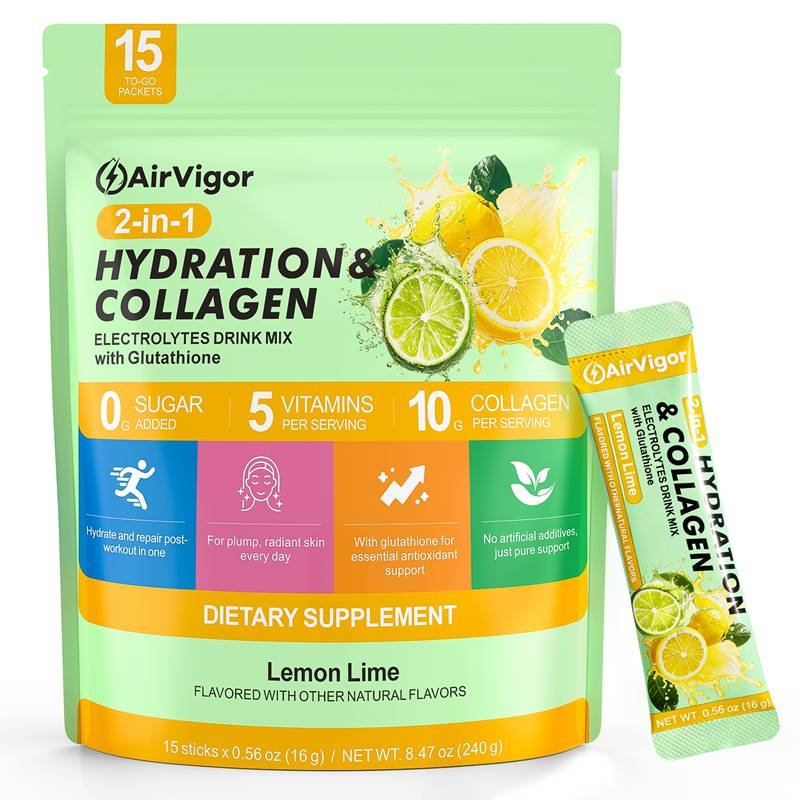
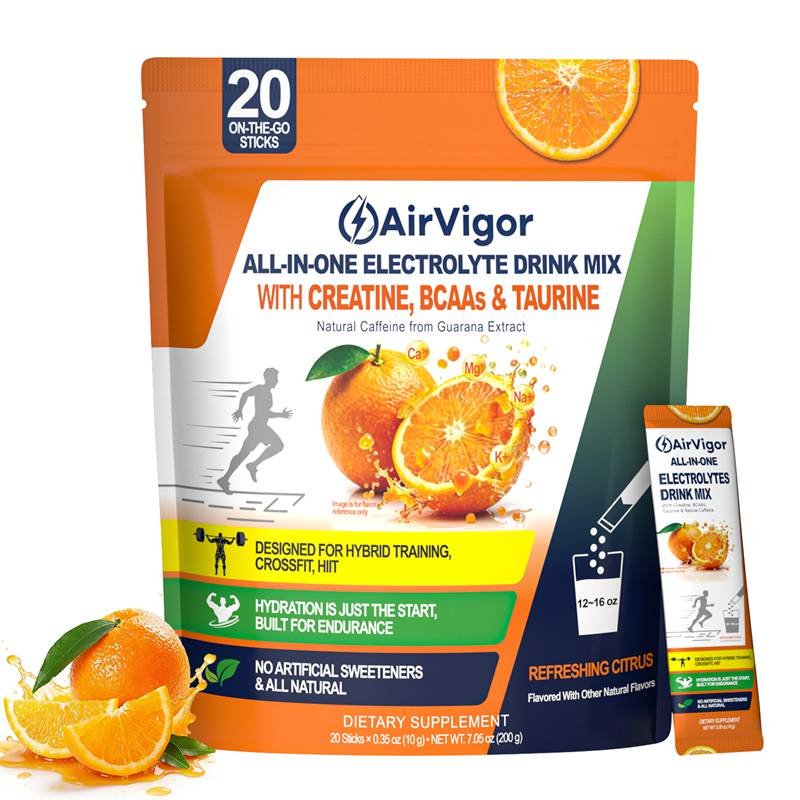
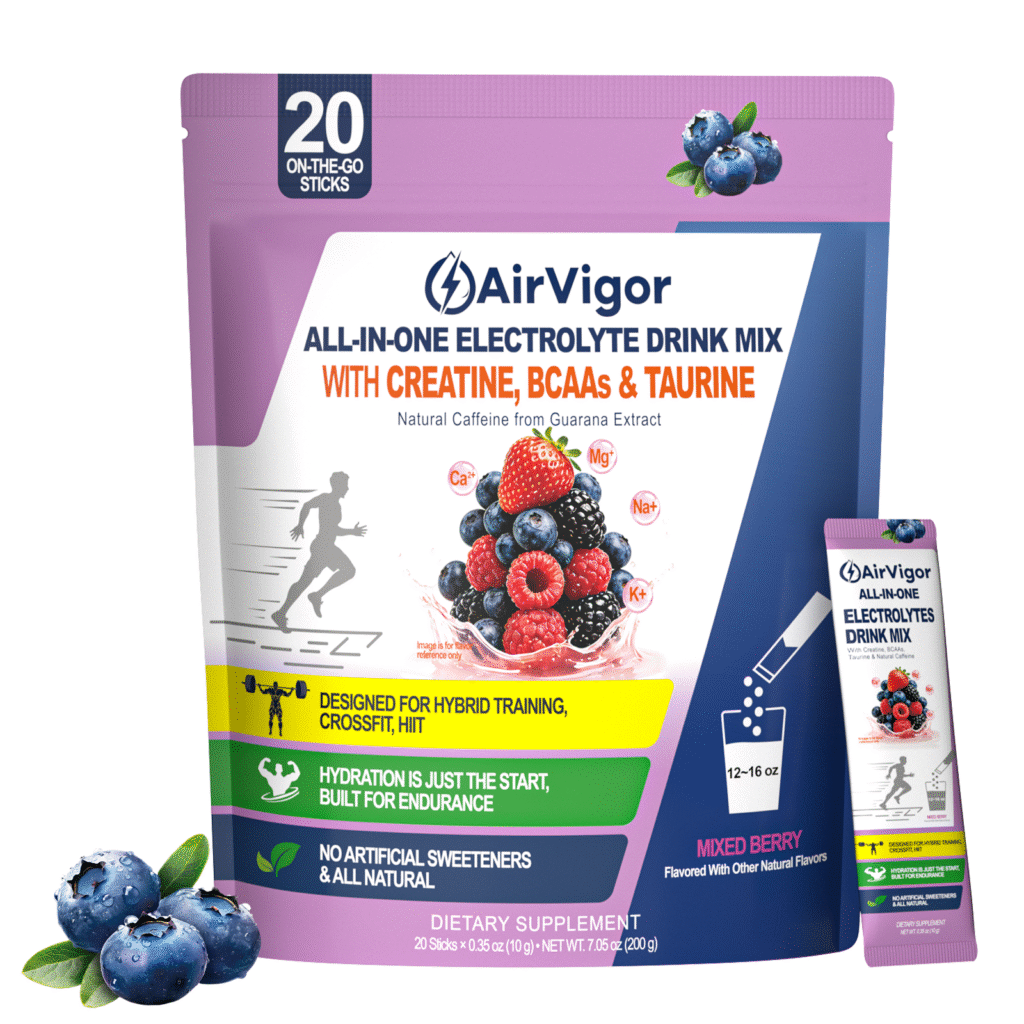
Additionally, when choosing electrolyte supplements, look for formulations that provide balanced electrolytes such as sodium, potassium, magnesium, and calcium without excessive added sugars or artificial ingredients. For example, AirVigor’s electrolyte powder contains a blend of essential electrolytes, including calcium and magnesium (for muscle recovery), designed to support hydration, muscle function, and overall wellness.
Be wary of supplements with vague or misleading labels, proprietary blends, or claims that sound too good to be true. A reputable company will provide evidence-based claims, ensuring you get exactly what you need for your health journey.
How to Incorporate Supplements into Your Daily Routine?
Incorporating dietary supplements into your daily routine isn’t as simple as taking them at random times throughout the day. To maximize their effectiveness, it’s essential to understand timing, dosage, and how to combine supplements with a balanced diet. This section will explore best practices for supplement timing and dosage, how to combine supplements for a more comprehensive health strategy, and how to integrate electrolytes for better hydration.
Best Practices for Supplement Timing and Dosage
Timing and dosage are critical factors when it comes to maximizing the effectiveness of dietary supplements. Taking too much of a supplement, or taking it at the wrong time, can reduce its effectiveness or even cause side effects. Here’s how to optimize your timing and dosage:
- Follow recommended dosages: Each supplement comes with its own dosage recommendation based on the ingredient’s potency and your body’s needs. Taking more than the recommended dose doesn’t necessarily provide better results and can cause harm.
- Consider absorption windows: Some supplements are best taken with food to enhance absorption (e.g., fat-soluble vitamins like A, D, E, and K), while others, like magnesium, can cause digestive discomfort if taken on an empty stomach.
- Split dosages: For some supplements, like electrolytes, it can be beneficial to split the daily dosage into multiple smaller doses to keep the nutrient levels steady throughout the day. This is especially true for electrolytes used in sports or post-workout recovery.
Combining Supplements with a Balanced Diet
Supplements should complement a balanced diet, not replace it. Here’s how to combine supplements with healthy eating habits for optimal health outcomes:
- Food-first approach: Always prioritize whole, nutrient-dense foods in your diet. Supplements are intended to fill nutritional gaps when diet alone isn’t sufficient, but they cannot replace a balanced diet rich in fruits, vegetables, lean proteins, and healthy fats.
- Complementary supplementation: Use supplements to target specific nutritional needs. For example, if you’re not getting enough magnesium through your diet, a magnesium supplement can help support muscle function and recovery.
- Pay attention to nutrient interactions: Some supplements work synergistically with others. For instance, vitamin D helps with calcium absorption, so taking them together may enhance their effectiveness. Similarly, omega-3 fatty acids can support joint health, which complements the benefits of glucosamine supplements.
Supplement Dosage and Timing Guidelines
| Supplement | Optimal Time | Recommended Dosage | Best With Food? | Absorption Tips |
|---|---|---|---|---|
| Electrolyte Powder | Before or during exercise | 10g (per serving) | Yes (with water) | Drink with 500mL water for better hydration |
| Magnesium | Before bed | 300-400mg | Yes | Helps with sleep and muscle relaxation |
| Vitamin D3 | Morning | 1000-2000 IU | Yes (fatty foods) | Take with a meal containing fat for better absorption |
| Omega-3 | Morning or with meals | 1000-3000mg | Yes (fatty foods) | Take with food to reduce fishy aftertaste and enhance absorption |
How to Integrate Electrolytes into Your Hydration Plan
Proper hydration is more than just drinking water—it involves replenishing the electrolytes lost during physical activity, illness, or hot weather. Here’s how you can integrate electrolytes into your daily hydration plan:
- Daily hydration: For general hydration, electrolytes may not be necessary unless you’re sweating excessively or engaging in prolonged physical activity. However, adding a small serving of electrolyte powder to your daily water intake can help support overall hydration balance and prevent fatigue.
- Post-workout recovery: After exercise, especially intense or endurance activities, electrolyte replenishment is critical. Electrolyte powders like AirVigor’s electrolyte powder provide a balanced mix of sodium, potassium, magnesium, and calcium that promote muscle recovery, fluid balance, and overall hydration.
- Hot weather or travel: During hot weather or when traveling, you may sweat more than usual. Adding electrolytes to your water can help replace minerals lost through sweat and prevent dehydration, cramps, or dizziness.
Electrolyte Hydration Plan
| Situation | Electrolyte Needs | Recommended Dose | Timing |
|---|---|---|---|
| Daily Hydration | Moderate levels of electrolytes | 5g-10g per day | Throughout the day with water |
| Post-Workout | High levels of electrolytes | 10g per serving | Immediately post-workout |
| Hot Weather/Travel | Moderate to high levels | 5g-10g per day | Throughout the day with water |
| Endurance Sports | High levels of electrolytes | 10g per hour | Every hour during intense exercise |

How Does AirVigor’s Electrolyte Powder Fit into Your Supplement Routine?
AirVigor’s electrolyte powder is designed to enhance your daily hydration and recovery routine by providing targeted electrolyte replenishment. Whether you’re an athlete pushing your limits, someone dealing with dehydration due to work or travel, or just looking for a more effective recovery solution, this product integrates seamlessly into your supplement routine. In this section, we’ll explore how AirVigor’s electrolyte powder stands out from others on the market and why it’s the ideal choice for optimal recovery and health.
What Makes AirVigor’s Electrolyte Powder Different
AirVigor’s electrolyte powder is formulated with a carefully selected combination of ingredients designed to support hydration and muscle function while also enhancing recovery. What makes it stand out from other electrolyte supplements?
- Balanced electrolyte profile: Unlike many other products that are heavy on sodium or potassium, AirVigor’s formulation includes a balanced mix of calcium, magnesium, sodium, potassium, and chloride. This ensures that all the key minerals involved in muscle function and fluid balance are effectively replaced.
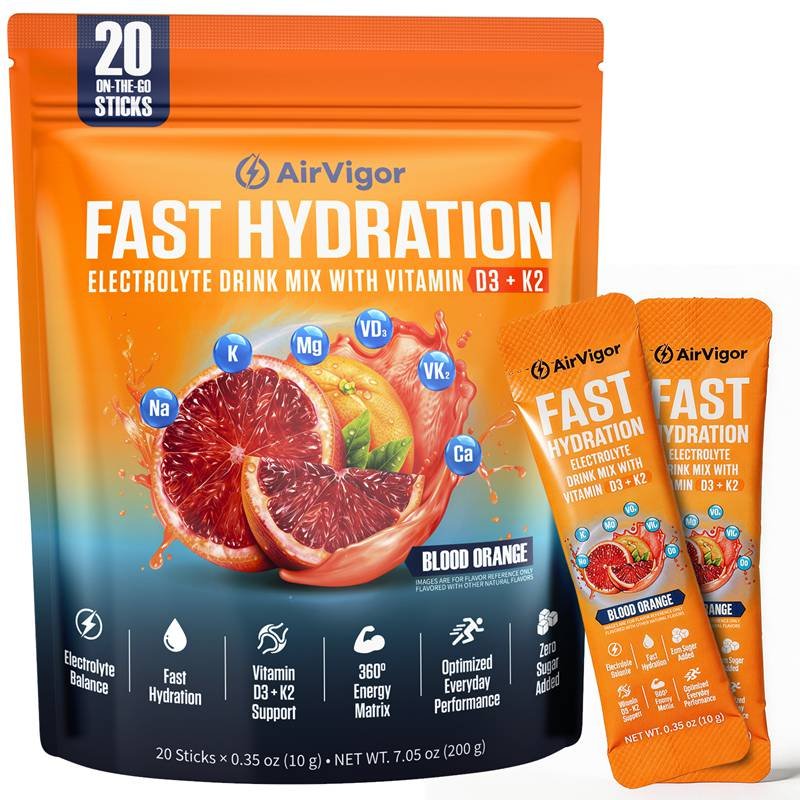
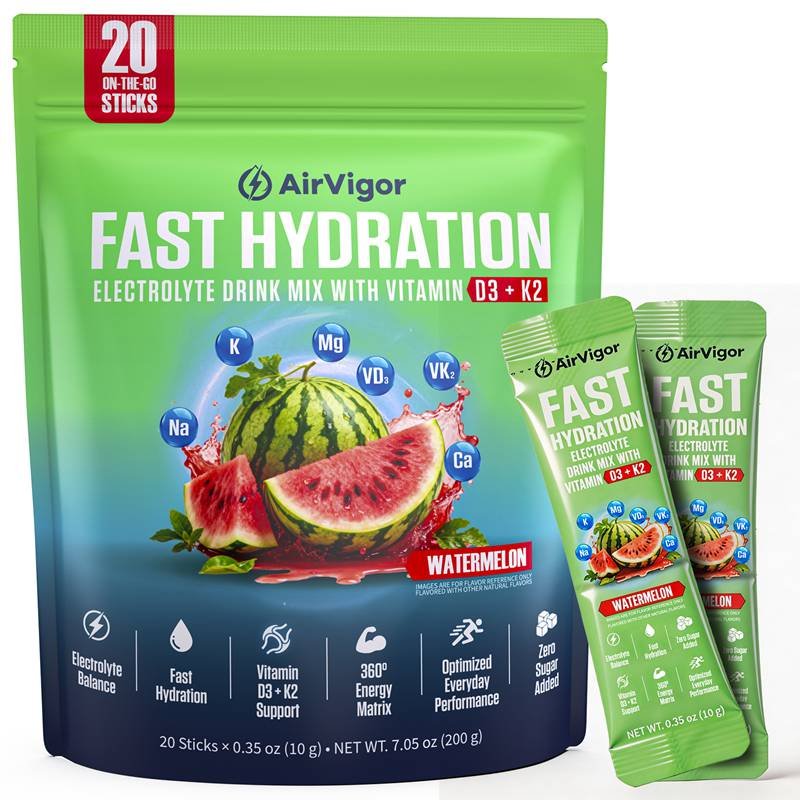
- Vitamin D3 and K2: These two vitamins enhance mineral absorption, making AirVigor’s formula more effective in replenishing lost electrolytes after intense exercise or heat exposure.
- Natural flavoring: AirVigor uses natural fruit flavors like blood orange and watermelon, avoiding artificial sweeteners or colors. This makes the drink enjoyable without the need for extra additives.
- No fillers: AirVigor’s product focuses purely on electrolyte replenishment, without excessive sugars or unnecessary fillers. This means you’re getting a clean, potent formula that works in synergy with your body.
Why AirVigor’s Electrolyte Powder is Ideal for Recovery
When it comes to post-workout recovery, AirVigor’s electrolyte powder is uniquely designed to address the needs of muscles after intense exercise. Here’s why:
- Hydration support: After exercise, electrolyte depletion can leave you feeling sluggish and sore. AirVigor’s combination of sodium, potassium, and magnesium helps rehydrate your body, replenish lost minerals, and restore fluid balance, ensuring you feel energized and restored.
- Muscle recovery: The added magnesium in AirVigor plays a critical role in reducing muscle cramping and fatigue. Promoting muscle relaxation, it helps prevent soreness the day after your workout, facilitating faster recovery.
- Prevention of overtraining: Overtraining can be detrimental to performance, leaving you fatigued and prone to injury. AirVigor’s vitamin D3 and K2 combination aids in bone health and muscle function, which can reduce injury risk during high-intensity workouts or long-duration activities.
- Supports immune function: The added vitamin D3 helps support your immune system, which can be compromised after strenuous physical activity. This added immune support can be especially important when training consistently.
How AirVigor Ensures Quality and Transparency
AirVigor takes quality and transparency seriously to provide you with the best possible product. Here’s how we ensure our electrolyte powder meets the highest standards:
- Certified quality control: All ingredients in AirVigor’s formula are sourced from trusted suppliers and undergo rigorous quality control checks. We adhere to GMP (Good Manufacturing Practices), ensuring that each batch is produced to the highest standards of safety and effectiveness.
- No hidden ingredients: Transparency is key to maintaining trust. AirVigor provides a complete list of all ingredients on the label, with exact dosages so you know exactly what you’re putting into your body.
- Third-party testing: To ensure that AirVigor’s electrolyte powder meets its potency and purity claims, it undergoes third-party testing. This independent verification ensures that you are receiving a clean, effective product free of contaminants.
- Customer satisfaction guarantee: If you’re not satisfied with AirVigor’s product, we offer a money-back guarantee. We believe in the quality of our products and want to ensure that you are fully satisfied with your purchase.
AirVigor Quality Control Features
| Feature | Description |
|---|---|
| GMP Certification | Ensures high-quality manufacturing standards |
| Ingredient Transparency | Complete list of ingredients and dosages |
| Third-Party Testing | Independent verification of potency and purity |
| Customer Satisfaction Guarantee | Full refund if you’re not satisfied with the product |
Purchase AirVigor Electrolyte Powder Today!
If you’re looking for a high-quality electrolyte supplement to boost hydration, muscle recovery, and overall wellness, AirVigor’s electrolyte powder is the ideal solution. Try it today for a clean, effective way to support your active lifestyle and enhance recovery.
Available now on Amazon—click here to purchase AirVigor Electrolyte Powder and experience the difference for yourself!
Share:
Contact Expert Team
At AirVigor, performance becomes effortless. We transform advanced nutrition science into clean, effective supplements that help you hydrate, recover, and feel stronger every day. Shop AirVigor on Amazon and experience athlete-trusted formulas—backed by real science and supported by our world-class R&D and production capabilities.
Trust AirVigor
At AirVigor, turning your performance goals into reality is no longer a struggle—it’s a science-driven journey we build together. Whether you’re a runner, lifter, cyclist, yogi, outdoor athlete, or someone simply seeking better daily energy, AirVigor transforms advanced nutrition research into clean, effective, and trustworthy supplements you can feel.
Backed by our U.S. scientific team, global certifications, and world-class production standards, every formula is engineered to deliver real hydration, real recovery, and real performance. And when you’re ready to experience the difference, you’ll find AirVigor products available on Amazon and other major platforms—fast shipping, consistent quality, and a community of athletes already seeing results.
Behind the scenes, our R&D and manufacturing ecosystem also supports specialized formulation development, ensuring AirVigor continues to lead with innovation while keeping quality and safety uncompromised. But at the core, everything we create is built for you—your health, your performance, your momentum.
Choose AirVigor. Feel the science. Elevate your every day.


Subscribe to our newsletter
Sign up to our newsletter and we’ll keep you up to date with the latest arrivals.