Skip to content
Are Electrolytes Safe for Daily Use: A Practical Guide
# Your Trusted Dietary Supplement Brand In US
- Emily

Table of Contents
A lot of people are comfortable taking coffee every morning, a multivitamin at lunch, and protein after a workout, but they still hesitate when it comes to electrolytes. The concern usually sounds the same: are electrolytes something the body needs regularly, or are they only meant for intense workouts, dehydration, and extreme heat? That question matters because daily life now puts far more stress on hydration than many people realize. Long office hours, caffeine, travel, poor sleep, skipped meals, indoor heating, air conditioning, and regular exercise can all quietly increase fluid and mineral loss. Many people do not feel obviously dehydrated, but they still deal with headaches, lower focus, muscle tightness, afternoon fatigue, or that heavy, flat feeling that shows up for no clear reason.
For most healthy adults, electrolytes are safe for daily use when the amount is moderate and the formula is balanced. The biggest factors are sodium level, total intake, activity level, diet quality, and whether the product fits real daily needs rather than extreme performance use. Daily electrolytes are usually helpful when they support normal hydration, not when they overload it.
The real issue is not simply whether electrolytes are safe. It is whether your daily routine creates a reason to use them. A person who sweats often, drinks several coffees, eats irregularly, and feels drained by mid-afternoon may have very different needs from someone who sits indoors, eats balanced meals, and rarely loses much fluid. That is why this topic deserves a closer look before turning daily electrolytes into a habit.
Are Electrolytes Safe for Daily Use?
For most healthy adults, electrolytes are safe for daily use when intake is moderate and aligned with actual needs. The key factors are dosage, activity level, diet, and overall health condition. Problems are rarely caused by electrolytes themselves, but by taking amounts that are too high for a person’s daily routine or using formulas designed for intense performance in a low-demand lifestyle.
Are electrolytes safe for daily use for most people?
In practical terms, yes—most people can use electrolytes daily without issues, as long as the product matches their lifestyle.
Electrolytes are not stimulants or performance enhancers. They are minerals already present in everyday foods such as salt, vegetables, dairy products, and whole grains. The body continuously uses sodium, potassium, and magnesium to regulate fluid balance, support nerve signaling, and maintain muscle function. Because these processes are ongoing, small and consistent replenishment is generally well tolerated.
However, safety depends on context rather than assumption. The same formula that works well for an active individual may feel excessive for someone with low physical activity.
A useful way to evaluate safety is to compare intake with actual daily demand:
| Daily Situation | Typical Electrolyte Loss | Daily Use Suitability |
|---|---|---|
| Low activity, minimal sweating | Low | Moderate use or occasional use |
| Moderate exercise (3–5 times/week) | Moderate | Daily use usually appropriate |
| High sweat exposure (heat, training) | High | Daily use recommended |
For example, a person training regularly in a gym environment may lose between 500–1000 ml of fluid per session, along with measurable sodium loss. In this case, daily electrolyte use helps maintain balance. In contrast, a person working indoors with minimal sweat loss may not require daily supplementation.
This is why safety is closely tied to relevance. When intake reflects actual loss, daily use tends to feel natural and beneficial rather than excessive.
Can daily electrolytes cause side effects?
Side effects are uncommon under normal use, but they can occur when intake exceeds what the body needs.
The most common issue is related to sodium. Many electrolyte products designed for endurance sports contain 800–1000 mg of sodium per serving. While this level is useful during prolonged sweating, it may be unnecessary for daily use in low-activity conditions.
Excess sodium intake in these situations may lead to:
- Mild bloating or water retention
- Increased thirst after consumption
- Temporary changes in blood pressure in sensitive individuals
Other potential issues are usually related to formulation rather than electrolytes themselves:
- Magnesium can cause mild digestive discomfort if the form or dose is not well tolerated
- High sugar content in some products may lead to unnecessary calorie intake
- Artificial sweeteners or strong flavor systems may affect long-term usability
The following table outlines common scenarios:
| Usage Pattern | Likely Outcome |
|---|---|
| Moderate daily use (1 serving, balanced formula) | Low risk, generally well tolerated |
| High-sodium product used daily without sweat loss | Increased likelihood of bloating or discomfort |
| Multiple servings per day without clear need | Unnecessary intake, reduced benefit |
| Poor-quality formula (high sugar, harsh additives) | Reduced tolerance over time |
In most cases, users who experience discomfort are not reacting to electrolytes themselves, but to excessive intake or poorly matched formulations.
How much electrolytes is safe per day?
A safe daily amount depends on both dietary intake and lifestyle. However, general ranges can help guide practical use.
For daily supplementation (not including food intake), the following ranges are commonly considered reasonable:
| Electrolyte | Practical Daily Supplement Range | Notes |
|---|---|---|
| Sodium | 200–500 mg | Suitable for general hydration support |
| Potassium | 100–400 mg | Supports muscle and fluid balance |
| Magnesium | 30–150 mg | Supports recovery and neuromuscular function |
These values are designed to complement a normal diet, not replace it.
For most people, one serving per day within this range is sufficient to support hydration without creating excess intake. Higher amounts may be appropriate only when fluid loss increases significantly, such as during prolonged exercise or high heat exposure.
It is also important to consider total sodium intake from food. In the United States, average daily sodium consumption often exceeds 3000 mg. In this context, adding a very high-sodium electrolyte product on top of an already high-salt diet may not provide additional benefit.
A practical guideline is:
- If daily activity includes noticeable sweating, one serving is usually appropriate
- If activity is low and diet is balanced, use can be occasional rather than daily
- If multiple servings are needed regularly, it may indicate higher physical demand rather than a need to increase intake arbitrarily
What makes an electrolyte product safe for daily use?
Safety is not only about how much you take—it is also about what you are taking.
A daily-use electrolyte product should meet several practical criteria:
- Moderate sodium level, not designed only for endurance conditions
- Balanced mineral profile, including potassium and magnesium
- Low or no added sugar to avoid unnecessary intake
- Clean ingredient structure that is easy to tolerate over time
- Consistent taste that does not become unpleasant with repeated use
Products designed specifically for daily routines tend to focus on usability rather than intensity. They are easier to integrate into workdays, travel, and regular training without creating fatigue or discomfort.
In contrast, formulas designed for extreme performance may feel too concentrated for everyday use, even if they are technically safe.
What Are Electrolytes for Daily Use?
Electrolytes for daily use are minerals added in moderate amounts to help the body maintain stable hydration throughout normal routines. Unlike high-intensity sports formulas, daily-use electrolytes are designed to support consistent fluid balance, muscle function, and energy levels without overwhelming the body or requiring extreme conditions.
What are electrolytes in daily use?
In everyday use, electrolytes are not about emergency hydration. They are about improving how the body handles water across typical daily conditions.
Most people assume hydration is simply a matter of drinking enough water. In practice, hydration depends on how well the body absorbs, retains, and distributes that water. This process is influenced by electrolyte levels, especially sodium and potassium.
A common situation looks like this:
- A person drinks several glasses of water
- They still feel slightly tired or unfocused
- They need to use the restroom frequently
- Their energy drops later in the day
This often happens because water alone is not being efficiently retained.
Electrolytes help regulate this process by supporting fluid balance between cells and blood. In daily use, this means:
- Water stays in the body longer
- Hydration feels more stable, not temporary
- Physical and mental performance remain more consistent
The goal is not to increase water intake, but to improve how that water is used.
Which electrolytes matter most daily?
For most daily-use situations, three electrolytes do the majority of the work: sodium, potassium, and magnesium.
Each one plays a different role, and imbalance in any of them can affect how hydration feels.
| Electrolyte | Primary Function | What Users Typically Notice |
|---|---|---|
| Sodium | Maintains fluid balance and blood volume | More stable hydration, less frequent urination |
| Potassium | Regulates fluid inside cells and supports muscle function | Reduced fatigue, better muscle response |
| Magnesium | Supports muscle relaxation and energy processes | Less tightness, smoother recovery |
Sodium is often misunderstood. It is commonly associated with high-salt diets, but in the context of hydration, it plays a necessary role. Without enough sodium, the body cannot effectively retain water, especially when fluid loss is present.
Potassium works alongside sodium to balance fluids inside and outside cells. If sodium is too high and potassium is too low, hydration may feel uneven. This is why balanced formulas tend to perform better in daily use.
Magnesium is usually included at lower levels but still contributes to muscle comfort and overall recovery, especially for people who experience tension or fatigue.
How are daily electrolytes different from sports electrolytes?
One of the most common sources of confusion is the difference between daily-use formulas and high-performance sports formulas.
Many electrolyte products on the market are designed for endurance athletes, where fluid and sodium loss can be very high. These formulas are not always suitable for everyday use.
The comparison below highlights the difference:
| Feature | Daily-Use Electrolytes | Sports Electrolytes |
|---|---|---|
| Sodium level | Moderate (200–500 mg) | High (700–1000 mg or more) |
| Sugar content | Low or none | Often higher for energy |
| Taste intensity | Light, easy to drink regularly | Strong, designed for short-term use |
| Usage frequency | Daily or frequent | Situational (workouts, long sessions) |
For most people, daily routines do not create the same level of fluid loss as endurance training. Using a high-sodium sports formula every day may feel too heavy and unnecessary.
Daily-use electrolytes are designed to be:
- Easier to tolerate
- More consistent over time
- Better suited to work, travel, and general activity
Do you need electrolytes every day?
The need for daily electrolytes depends on how often your routine disrupts hydration balance.
There are several common factors that increase daily demand:
| Factor | Impact on Hydration |
|---|---|
| Regular sweating (exercise or heat) | Increases fluid and sodium loss |
| High caffeine intake | Increases fluid turnover |
| Irregular meals | Reduces consistent mineral intake |
| Long indoor hours (AC or heating) | Causes gradual fluid loss |
| Travel (especially flights) | Reduces hydration through dry air |
If one or more of these factors are present consistently, daily electrolyte use can help maintain a more stable baseline.
On the other hand, if daily conditions are stable—balanced meals, low sweat loss, consistent water intake—the benefit of daily electrolytes may be smaller.
This is why some users feel a noticeable difference, while others do not.
What does “daily use” actually look like?
Daily use does not mean constant intake throughout the day. In most cases, it means using electrolytes once at a consistent time when the body is most likely to benefit.
Typical daily-use patterns include:
| Time of Use | Purpose |
|---|---|
| Morning | Restore hydration after sleep |
| Post-workout | Replace sweat loss and support recovery |
| Afternoon | Reduce fatigue and stabilize energy |
Most users do not need multiple servings unless activity level is high.
A practical daily routine might look like:
- Regular water intake throughout the day
- One serving of electrolytes during a key moment
This approach avoids overuse while still improving hydration efficiency.

Who Needs Electrolytes Daily Use?
Daily electrolyte use is most relevant for people whose routines consistently reduce hydration quality through sweat, caffeine, dry environments, or irregular nutrition. While not everyone needs electrolytes every day, certain patterns of daily life create ongoing fluid and mineral loss that makes regular replenishment more useful.
Who benefits from daily electrolyte use?
In real-world use, the people who benefit most from daily electrolytes are not always athletes. Many are individuals with routines that gradually disrupt hydration without obvious signs.
Hydration issues often show up in subtle ways rather than extreme symptoms. Common patterns include:
- Energy dropping in the afternoon
- Difficulty maintaining focus during long work periods
- Feeling tired despite adequate sleep
- Mild headaches or muscle tightness
- Needing repeated caffeine intake to stay alert
These situations are often linked to low hydration efficiency, not simply low water intake.
Several lifestyle patterns increase the likelihood of this issue:
| Daily Pattern | Why It Affects Hydration |
|---|---|
| Long hours sitting indoors | Reduced movement slows fluid circulation |
| High caffeine intake (2–4 cups daily) | Increases fluid turnover and mineral imbalance |
| Irregular meals | Reduces consistent intake of minerals from food |
| Air-conditioned or heated environments | Causes gradual fluid loss through respiration and skin |
| Busy schedules | Leads to inconsistent water intake |
For these users, electrolytes help maintain a more stable baseline throughout the day. The benefit is usually not immediate or dramatic, but becomes noticeable over time through improved consistency.
Do active people need electrolytes daily?
For physically active individuals, daily electrolyte use is often more clearly justified.
Sweat contains measurable amounts of sodium and smaller amounts of potassium and magnesium. Even moderate exercise can result in meaningful fluid and mineral loss.
Here is a general reference:
| Activity Type | Estimated Fluid Loss | Electrolyte Loss Impact |
|---|---|---|
| Light activity (walking, stretching) | 300–500 ml | Low to moderate |
| Moderate training (gym sessions, cycling) | 500–1000 ml | Moderate |
| High-intensity training (HIIT, CrossFit) | 1–2+ liters | High |
Sodium loss during sweating can vary widely but is commonly estimated between 300–800 mg per liter of sweat, depending on the individual.
This means that during a typical gym session, a person may lose:
- 300–800 mg sodium
- Smaller but meaningful amounts of potassium and magnesium
When this loss happens repeatedly across the week, it may not be fully restored through diet alone, especially if meals are not consistently balanced.
Active users often report:
- Strong performance early in workouts but noticeable decline later
- Increased fatigue across consecutive training days
- Muscle tightness or slower recovery
Daily electrolyte use helps reduce these fluctuations by maintaining a more consistent internal balance, rather than relying on recovery after depletion has already occurred.
Who should avoid daily electrolyte use?
Although electrolytes are generally safe, there are situations where daily use should be limited or adjusted.
Individuals who should be cautious include:
- People with kidney conditions affecting fluid or mineral balance
- Individuals with sodium-sensitive high blood pressure
- Those taking medications that influence fluid retention or electrolyte levels
- People already consuming high levels of sodium from their diet
For these users, additional electrolyte intake may not provide benefit and could increase unnecessary load.
There is also a group of people who simply may not need daily electrolytes:
| Condition | Likelihood of Daily Need |
|---|---|
| Low physical activity | Low |
| Minimal sweating | Low |
| Balanced diet with sufficient mineral intake | Low to moderate |
| Stable daily routine with consistent hydration | Low |
For these individuals, electrolytes may still be useful, but in specific situations rather than daily use, such as:
- Hot weather
- Occasional exercise
- Travel or long flights
How to tell if you personally need electrolytes daily
Rather than relying on general recommendations, it is more useful to evaluate personal patterns.
Signs that daily electrolytes may be beneficial include:
- Frequent afternoon fatigue despite adequate sleep
- Feeling thirsty even after drinking water
- Regular exercise with noticeable sweating
- Muscle tightness or slower recovery
- Heavy caffeine intake combined with inconsistent hydration
The table below provides a simple self-check:
| Indicator | What It Suggests |
|---|---|
| Energy drops at the same time each day | Possible hydration inconsistency |
| Clear urine but still feeling tired | Water intake may be high, but absorption may be inefficient |
| Performance decline during workouts | Electrolyte loss not fully replaced |
| Frequent travel or dry environments | Increased fluid loss without awareness |
If several of these apply consistently, daily electrolyte use is more likely to provide noticeable benefits.
How to Take Electrolytes Daily Use?
Electrolytes should be taken in a way that fits daily routines rather than following a fixed rule. For most people, one serving per day at the right time is enough to improve hydration consistency. The key factors are timing, frequency, total intake, and how electrolytes are combined with regular water consumption.
How often should you take electrolytes daily?
Frequency should reflect actual fluid and mineral loss, not habit.
For most users, one serving per day is sufficient. Increasing frequency does not necessarily improve results and may lead to unnecessary intake.
A practical guideline based on lifestyle looks like this:
| Daily Routine | Suggested Frequency | Reason |
|---|---|---|
| Low activity, mostly indoors | 3–4 times per week | Limited fluid loss |
| Moderate activity (gym 3–5 times/week) | 1 time per day | Regular sweat loss |
| High activity or heat exposure | 1–2 times per day | Increased fluid and sodium loss |
In real use, many people start taking electrolytes daily but gradually adjust based on how they feel. For example:
- If energy feels stable and hydration improves, the frequency is likely appropriate
- If there is no noticeable difference, daily use may not be necessary
- If bloating or discomfort occurs, intake may be too high for current needs
Consistency is more effective than occasional high intake. Using electrolytes regularly in moderate amounts helps maintain balance more efficiently than using large amounts only when dehydration becomes noticeable.
When is the best time for daily electrolytes?
Timing has a direct impact on how effective electrolytes feel. The goal is to use them when the body is most likely to need support.
There are three common timing windows that align well with daily routines:
Morning (after waking)
During sleep, the body loses fluids through breathing and normal metabolic activity. Most people wake up slightly dehydrated, even if they do not feel thirsty.
Taking electrolytes in the morning can:
- Improve early-day hydration
- Support mental clarity
- Reduce the need for multiple cups of coffee
This is especially useful for people who start the day quickly without drinking enough fluids.
After exercise or physical activity
This is the most widely recognized use.
After sweating, the body needs both fluid and electrolytes to restore balance. Water alone may not fully replace what is lost.
Electrolytes at this time help:
- Restore sodium levels
- Support muscle function
- Improve recovery between sessions
For individuals training regularly, this timing often provides the most noticeable benefit.
Afternoon (energy decline period)
Many people experience a drop in energy between 2–5 PM. This is often addressed with caffeine, but hydration can also play a role.
Using electrolytes in the afternoon may:
- Improve hydration-related fatigue
- Support more stable energy
- Reduce reliance on additional caffeine
This timing is particularly relevant for office workers and long workdays.
How should electrolytes be combined with water?
Electrolytes should be used together with water, not as a replacement.
Water provides the volume needed for hydration, while electrolytes help regulate how that water is absorbed and retained.
A simple comparison:
| Approach | Result |
|---|---|
| Water only | Basic hydration, may fluctuate |
| Electrolytes only (low water intake) | Incomplete hydration |
| Water + electrolytes | More stable and effective hydration |
In daily use, a balanced approach works best:
- Drink water consistently throughout the day
- Use one serving of electrolytes during a key time
Most electrolyte powders are designed to be mixed with 400–600 ml of water per serving. This helps ensure proper dilution and absorption.
Using too little water can make the drink too concentrated, while using too much water may reduce the perceived effect.
Should electrolytes be taken every day at the same time?
Not necessarily. While consistency helps, timing should remain flexible based on daily conditions.
For example:
- On workout days, post-exercise use may be more effective
- On rest days, morning or afternoon use may be more relevant
- During travel, use may shift depending on schedule and hydration needs
The goal is to match intake to when the body is most likely to benefit, rather than following a fixed routine without adjustment.
How to avoid taking too much electrolytes
Overuse is usually unintentional and often comes from misunderstanding how electrolytes work.
Common situations include:
- Taking multiple servings without increased activity
- Using high-sodium formulas designed for endurance sports
- Combining electrolyte drinks with high-sodium diets
To avoid excessive intake:
- Limit daily use to 1 serving unless activity level justifies more
- Choose moderate formulas rather than high-intensity products
- Be aware of sodium intake from food sources
The following table provides a simple reference:
| Intake Pattern | Recommendation |
|---|---|
| 1 serving daily, moderate formula | Generally appropriate |
| 2+ servings daily without heavy sweating | May be unnecessary |
| High-sodium formula used daily | Consider switching to a balanced option |
Most people do not need large amounts of electrolytes. The benefit comes from consistency and balance, not volume.
What makes an electrolyte routine sustainable
The most effective daily routines are simple and easy to maintain over time.
Users are more likely to stay consistent when the product:
- Has a light, neutral taste
- Mixes easily without residue
- Does not cause stomach discomfort
- Fits naturally into existing habits
This is why daily-use electrolyte products are often designed differently from sports-focused formulas. They prioritize usability and consistency rather than intensity.
A sustainable routine often looks like:
- Regular water intake throughout the day
- One serving of electrolytes during a key moment
- Adjustments based on activity level and environment

Do Electrolytes Improve Daily Hydration?
Electrolytes improve daily hydration by helping the body retain, distribute, and use water more effectively. While drinking water is essential, hydration quality depends on how well fluids stay in circulation and reach cells. Electrolytes—especially sodium and potassium—play a central role in this process, making hydration more stable throughout the day.
Do electrolytes hydrate better than water daily?
Water is necessary, but it does not always provide consistent hydration on its own.
Many people increase water intake when they feel tired or dehydrated, yet still experience:
- Frequent urination shortly after drinking
- Persistent thirst
- Energy drops later in the day
This often happens because fluid intake is not matched with adequate electrolyte balance.
Sodium, in particular, helps regulate how water is retained in the bloodstream. Without enough sodium, water may pass through the body quickly instead of being held where it is needed.
A simple comparison illustrates this difference:
| Hydration Method | Fluid Retention | Typical Experience |
|---|---|---|
| Water only | Lower retention | Short-term hydration, possible fluctuations |
| Water + electrolytes | Higher retention | More stable hydration over time |
In practical terms, electrolytes help reduce the “in and out” cycle of water intake. Instead of temporary hydration followed by rapid loss, fluids remain available longer, supporting more consistent function.
This effect becomes more noticeable in situations such as:
- Long workdays with limited breaks
- Regular caffeine consumption
- Light but consistent physical activity
- Indoor environments with low humidity
Electrolytes do not replace water, but they make hydration more efficient.
How do electrolytes affect energy daily?
Hydration is closely linked to how energy is experienced throughout the day.
When fluid balance is stable, circulation and oxygen delivery remain consistent. When hydration fluctuates, even slightly, it can affect:
- Mental clarity
- Physical endurance
- Reaction time
- Muscle coordination
These effects are often subtle but noticeable over time.
For example, a person may:
- Start the day feeling normal
- Experience reduced focus by early afternoon
- Feel physically or mentally “slower” later in the day
This pattern is commonly attributed to workload or lack of sleep, but hydration often plays a role.
Electrolytes help maintain stability in several ways:
| Electrolyte | Functional Role | Daily Impact |
|---|---|---|
| Sodium | Maintains blood volume and fluid balance | Supports steady circulation and reduces fatigue |
| Potassium | Regulates cellular hydration and muscle function | Helps prevent early muscle fatigue |
| Magnesium | Supports neuromuscular function and relaxation | Reduces tension and supports recovery |
Rather than creating a noticeable boost, electrolytes reduce variability. Many users report that they feel more consistent across the day, with fewer sudden drops in energy.
How much difference do electrolytes make in daily hydration?
The impact of electrolytes depends on the individual’s baseline hydration habits and lifestyle.
For someone already well-hydrated with balanced nutrition, the difference may be minimal. For someone with inconsistent hydration, the improvement can be more noticeable.
A practical way to understand the difference is through common before-and-after patterns:
| Situation | Without Electrolytes | With Electrolytes |
|---|---|---|
| Afternoon energy | Declines noticeably | More stable |
| Water intake | High but inconsistent effect | Moderate with better results |
| Workout recovery | Slower, more fatigue | Improved consistency |
| Thirst perception | Frequent | Reduced |
In general, electrolytes provide the most benefit when:
- Fluid loss is repeated (exercise, heat)
- Hydration habits are inconsistent
- Daily routines create mild but continuous demand
They are less impactful when hydration and nutrition are already well managed.
Do electrolytes help with hydration during non-exercise days?
Yes, but the effect depends on daily conditions.
Even without exercise, several factors influence hydration:
- Indoor environments reduce humidity and increase fluid loss
- Air travel exposes the body to very dry air conditions
- Caffeine increases fluid turnover
- Long periods of sitting reduce circulation
In these situations, hydration may feel uneven even without noticeable sweating.
Electrolytes can help:
- Maintain fluid balance across long periods of inactivity
- Reduce mild dehydration during travel
- Improve comfort during long workdays
For example, during air travel, cabin humidity levels can drop below 20 percent, compared to 40–60 percent in typical indoor environments. This increases fluid loss through respiration and skin, even without physical activity.
In these conditions, adding electrolytes to water may help maintain hydration more effectively than water alone.
Which type of electrolyte works best for daily hydration?
Not all electrolyte products improve hydration equally in daily use.
Some formulas are designed for short-term, high-intensity situations and may not be suitable for regular use. These often contain:
- Very high sodium levels
- Strong flavors that become difficult to consume daily
- Added sugars intended for rapid energy
For daily hydration, a more balanced approach is generally more effective.
| Formula Type | Hydration Effect | Daily Suitability |
|---|---|---|
| High sodium sports formula | Strong but intense | Limited to heavy sweating conditions |
| High sugar drinks | Quick hydration, short-lived | Not ideal for regular use |
| Balanced electrolyte formula | Steady hydration support | Suitable for daily routines |
| Electrolyte + functional blends | Hydration + added benefits | Suitable for long-term use |
Balanced formulas tend to:
- Support hydration without overloading sodium
- Be easier to drink consistently
- Fit into a wider range of daily situations
This is why many users prefer formulations that are designed for everyday use rather than extreme conditions.
Conclusion:
Electrolytes are not essential for everyone every day—but for many people, they solve a problem that water alone does not fully address.
The value of daily electrolytes is not in dramatic changes. It is in reducing variability:
- Fewer energy crashes
- More consistent hydration
- Better recovery between days
- Less dependence on stimulants
For users with:
- Active routines
- Busy schedules
- Irregular hydration habits
Daily electrolytes often become a simple, practical upgrade.
The key is not using more—but using the right amount, at the right time, with the right formula.
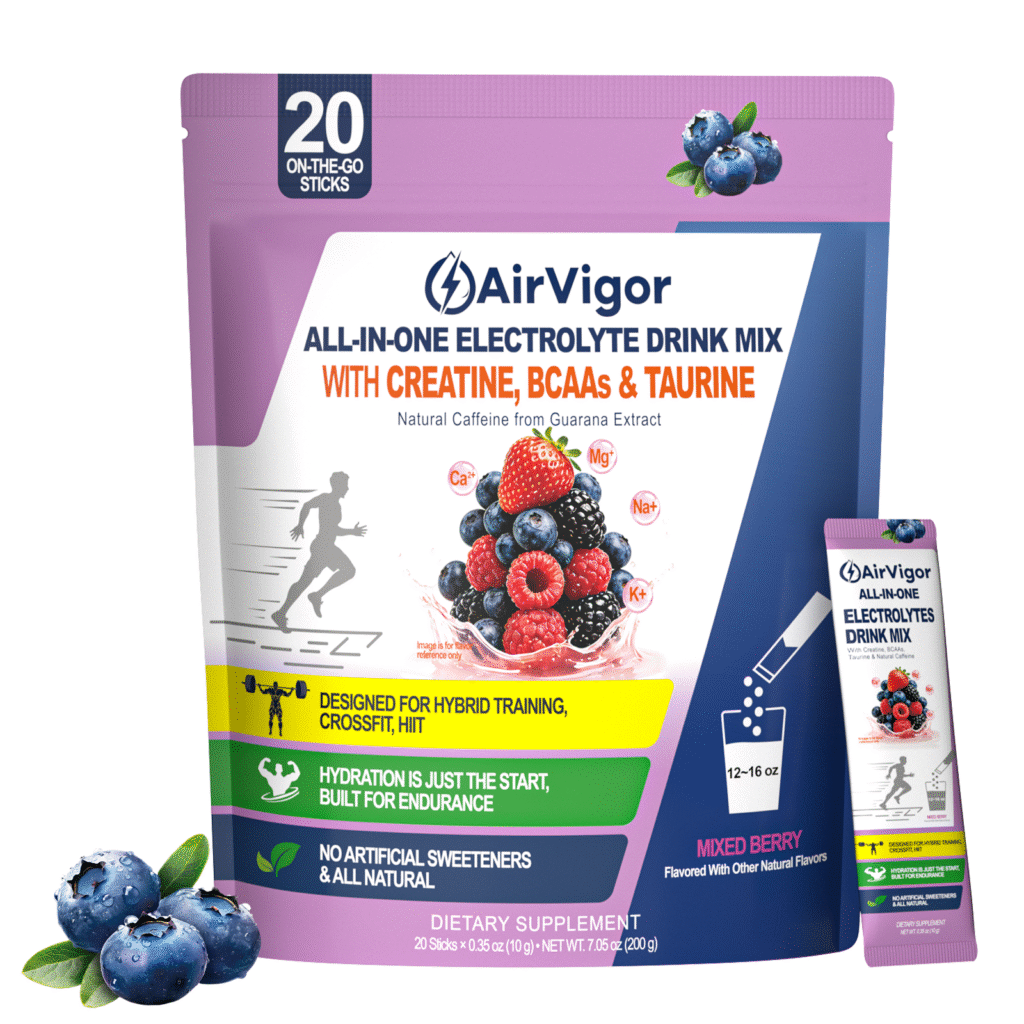
Why More Customers Are Choosing AirVigor
Customers today are not just looking for strong formulas. They are looking for products they can actually use every day without friction.
AirVigor focuses on:
- Clear ingredient structure
- Balanced formulations designed for daily use
- Consistent product quality across batches
- Practical formats that fit real routines
The goal is not to overload the formula, but to make it repeatable and sustainable.
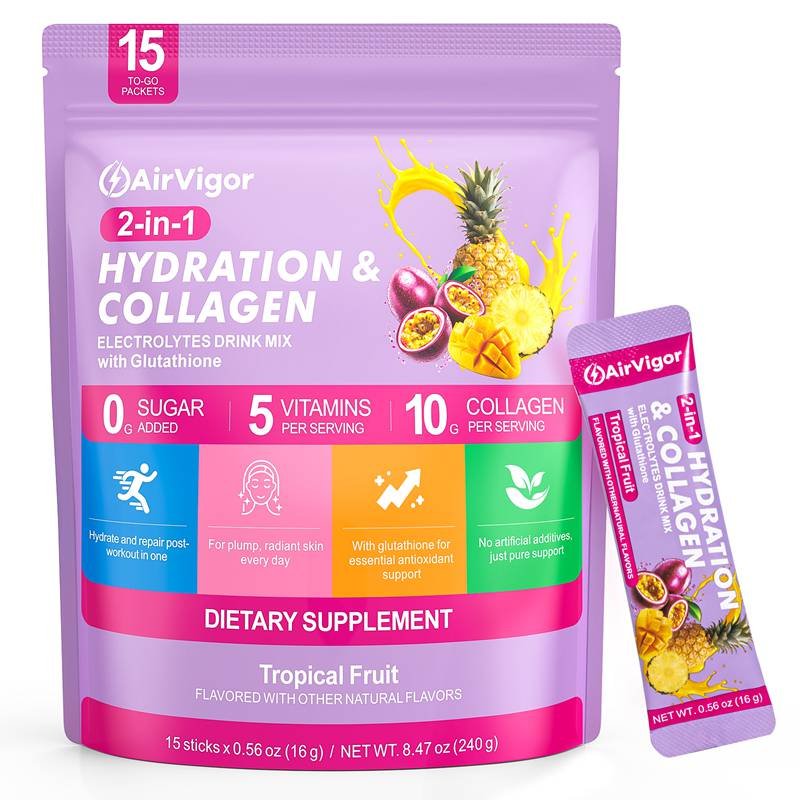
The Electrolyte Collagen Recovery Drink Mix is designed around this idea:
- Hydration support for daily use
- Collagen for recovery and structural support
- Light taste and easy mixing
- Suitable for work, travel, and training
This approach aligns with how people actually live—not just how they perform during peak moments.
Share:
Contact Expert Team
At AirVigor, performance becomes effortless. We transform advanced nutrition science into clean, effective supplements that help you hydrate, recover, and feel stronger every day. Shop AirVigor Supplements on Amazon and experience athlete-trusted formulas—backed by real science and supported by our world-class R&D and production capabilities.
Trust AirVigor
At AirVigor, turning your performance goals into reality is no longer a struggle—it’s a science-driven journey we build together. Whether you’re a runner, lifter, cyclist, yogi, outdoor athlete, or someone simply seeking better daily energy, AirVigor transforms advanced nutrition research into clean, effective, and trustworthy supplements you can feel.
Backed by our U.S. scientific team, global certifications, and world-class production standards, every formula is engineered to deliver real hydration, real recovery, and real performance. And when you’re ready to experience the difference, you’ll find AirVigor products available on Amazon and other major platforms—fast shipping, consistent quality, and a community of athletes already seeing results.
Behind the scenes, our R&D and manufacturing ecosystem also supports specialized formulation development, ensuring AirVigor continues to lead with innovation while keeping quality and safety uncompromised. But at the core, everything we create is built for you—your health, your performance, your momentum.
Choose AirVigor. Feel the science. Elevate your every day.


Subscribe to our newsletter
Sign up to our newsletter and we’ll keep you up to date with the latest arrivals.
Lorem ipsum dolor sit amet, consectetur adipiscing elit. Ut elit tellus, luctus nec ullamcorper mattis, pulvinar dapibus leo.