Skip to content
What Happens When You Lack Electrolytes: A Complete Guide

A lot of people think they are hydrated because they drink water all day. But hydration is not just about how much water you drink. It is also about whether your body has enough minerals to hold, move, and use that water correctly.
How to Use Electrolytes Correctly for Hydration and Exercise
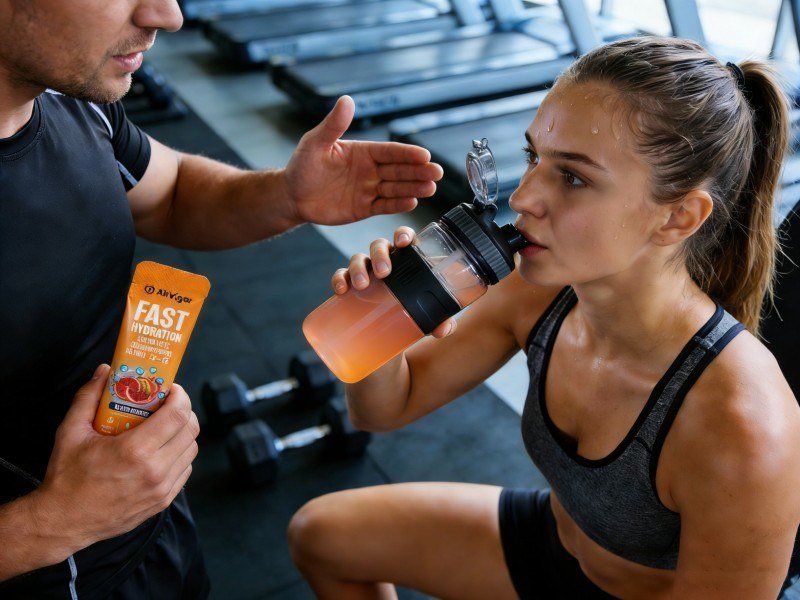
A lot of people now buy electrolyte products for reasons that sound sensible on the surface. They feel tired during workouts. They sweat more in summer. They travel often. They sit in air conditioning all day and feel flat by the afternoon. They hear that electrolytes help hydration, so they assume more must be better.
Common Hydration Mistakes: What Most People Get Wrong

Most people do not have a hydration knowledge problem. They have a hydration execution problem. They know water matters, they know sweating changes fluid needs, and they know sports drinks or electrolyte products exist. But daily life makes hydration messy. Coffee replaces water. Meetings replace breaks.
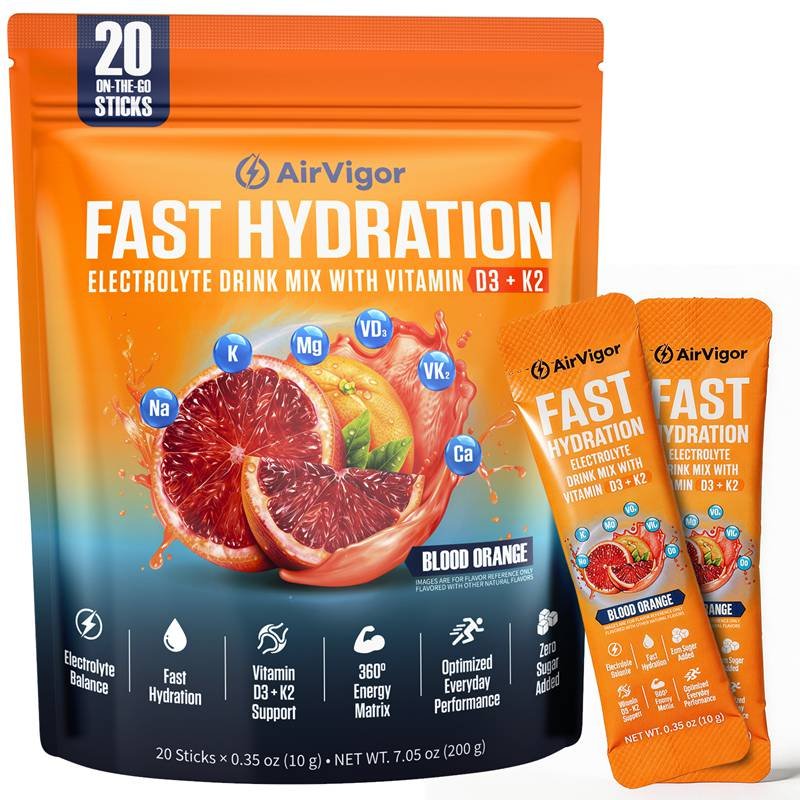
Recovery Electrolyte with D3K2 Ingredient Breakdown: Vitamin K2
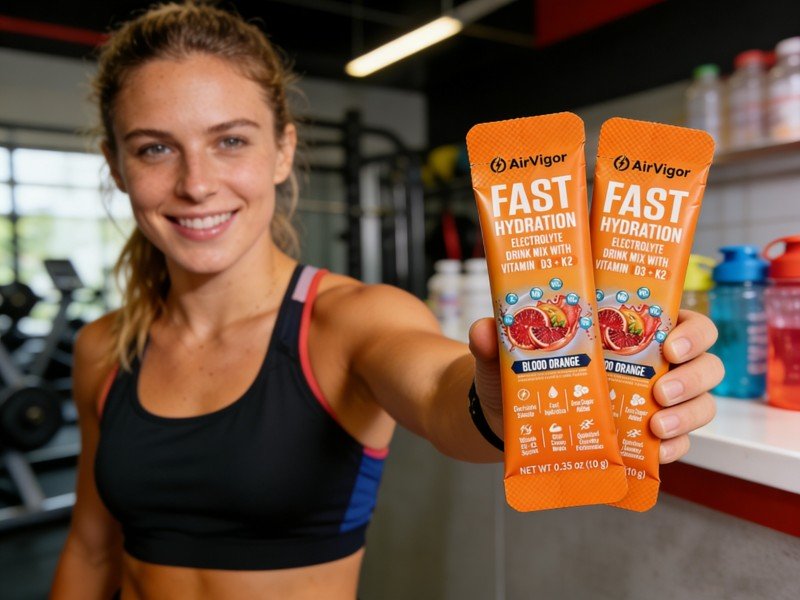
When people read an electrolyte label, they usually know why sodium is there. Sodium helps explain hydration fast. Vitamin K2 is different. It is not a sweat mineral, it is not a quick energy ingredient, and it does not create an immediate “I feel it” effect after one serving. That is exactly why it deserves a clearer explanation. In a formula like Recovery Electrolyte with D3K2, Vitamin K2 is there because many active adults want more than simple rehydration.
Recovery Electrolyte with D3K2 Ingredient Breakdown: Vitamin D3
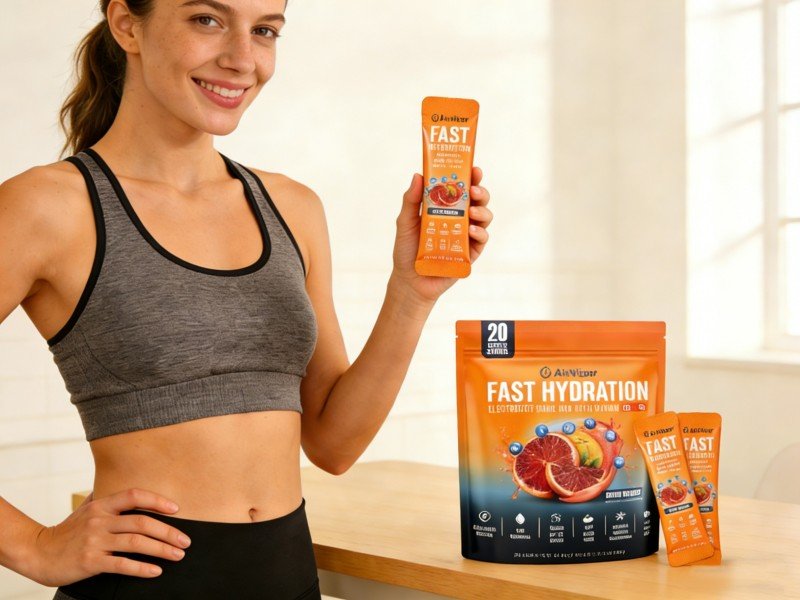
Vitamin D3 in Recovery Electrolyte with D3K2 mainly supports calcium absorption and helps maintain normal calcium and phosphate status in the body. That matters because active adults are not only losing sweat. They are also repeatedly stressing muscle, connective tissue, and bone through training, work, commuting, and daily movement.
Recovery Electrolyte with D3K2 Ingredient Breakdown: Stevia

Stevia in Recovery Electrolyte with D3K2 is mainly there to provide sweetness without adding much sugar or many calories. Purified steviol glycosides are commonly described by FDA materials as about 200 to 400 times sweeter than table sugar, so even a very small amount can noticeably change the drinking experience.
How to Drink Recovery Electrolyte with D3K2 During Workout

Recovery Electrolyte with D3K2 works best during a workout when it is used as a steady sip-based hydration tool, not as a “drink only when you are already struggling” product. For many training sessions, one serving mixed into 500–750 mL of water is a practical starting point, with sip frequency adjusted by heat, workout length, and sweat rate.
Sodium in Recovery Electrolytes: Benefits, Dose & Safety
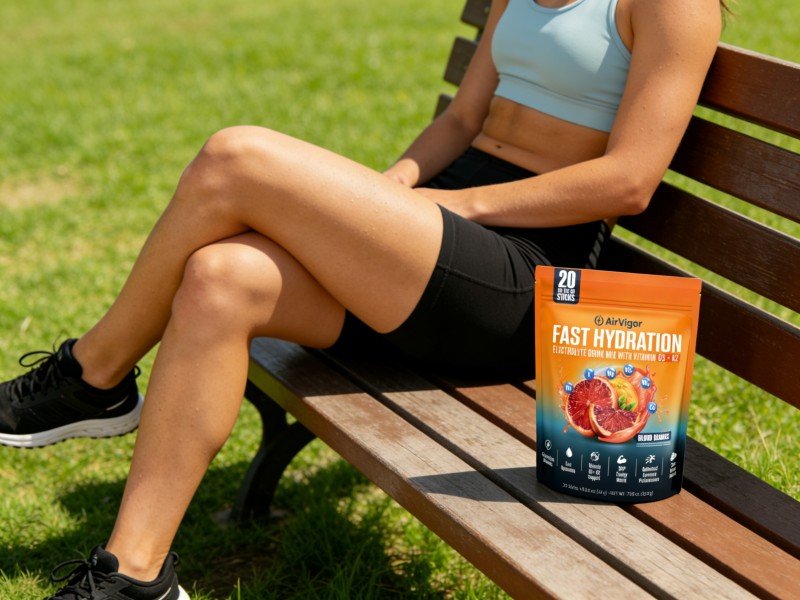
Sodium in Recovery Electrolyte with D3K2 supports hydration by helping the body maintain fluid balance and by making rehydration more effective than water alone in many longer or hotter exercise settings. In sports use, sodium is not the same conversation as everyday public-health sodium limits: WHO recommends adults keep total daily sodium intake below 2,000 mg/day to reduce chronic disease risk in the general population, but sports products are designed around sweat replacement and training context, not ordinary sedentary eating patterns. That distinction is one of the biggest reasons people get confused when reading electrolyte labels.
Types of Supplements: A Complete Guide
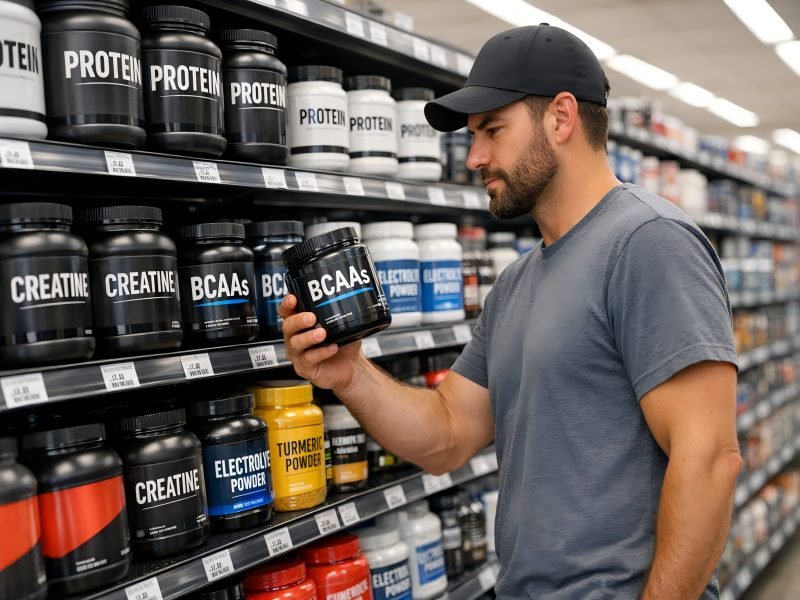
Walk into a supplement aisle—or scroll Amazon for five minutes—and you’ll see the same promise in different fonts: energy, immunity, recovery, focus, hydration, gut, sleep. The problem isn’t that supplements don’t work. It’s that most people don’t know what they’re actually trying to fix.
How to Drink Recovery Electrolyte with D3K2 Before Workout
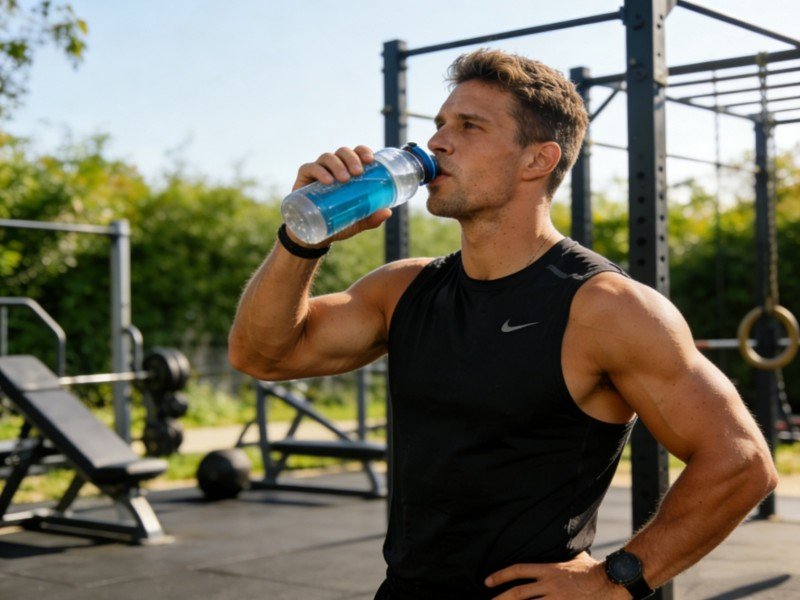
Recovery Electrolyte with D3K2 works best before training when it is used as a measured pre-workout hydration tool, not as a random drink. For many people, one serving mixed into about 400–700 mL of water is a practical starting point, used before sessions that are likely to involve sweat loss, heat, or longer duration.
Best Nutritional Supplements for Elderly: A Practical Guide

The best nutritional supplements for elderly adults are those that address age-related needs such as muscle maintenance, hydration efficiency, bone support, and nutrient absorption. Protein supplements, essential vitamins, and balanced electrolytes are often the most practical options.
How to Drink Recovery Electrolyte with D3K2 After Workout
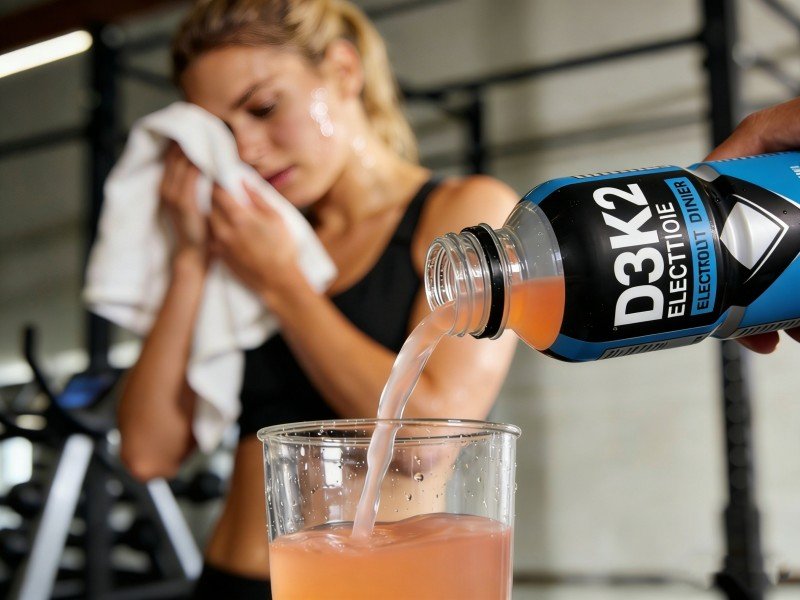
Recovery Electrolyte with D3K2 is best used after training by matching the serving to sweat loss, mixing it with an appropriate amount of water, and drinking it within the early recovery window rather than randomly hours later. For most post-workout situations, one serving in roughly 400–700 mL of water works as a practical starting point, while heavier sweat loss may require more fluid and sometimes more than one serving over time.