Skip to content
Recovery Electrolyte with D3K2: Lactose & Fish Allergy Guide
# Your Trusted Dietary Supplement Brand In US
- Emily

Table of Contents
Many people choose recovery supplements for one simple reason: they want to feel better after physical exertion. Less fatigue after training, fewer muscle cramps, steadier energy levels, and faster recovery after heavy sweating are all common goals. This is why electrolyte powders have become widely used—not only by endurance athletes, but also by gym users, shift workers, travelers, outdoor workers, cyclists, and people who simply want more reliable daily hydration support.
At the same time, consumers have become more careful when choosing supplements. People now read ingredient labels more closely and often ask where vitamins or flavor ingredients come from. This is especially true for individuals who are sensitive to lactose or cautious about fish-derived ingredients. In many situations, the product itself is not unsafe, but unclear labeling or unexplained ingredient sources can create confusion and hesitation.
Most Recovery Electrolyte with D3K2 formulas are suitable for general use, but people with lactose intolerance or fish allergies should always review ingredient lists and allergen statements before trying a new supplement. Electrolyte minerals themselves are rarely the issue; concerns usually come from supporting ingredients or uncertainty about vitamin sources. Clear labeling and transparent ingredient information help consumers make confident decisions and avoid unnecessary misunderstandings.
What Is Recovery Electrolyte with D3K2?
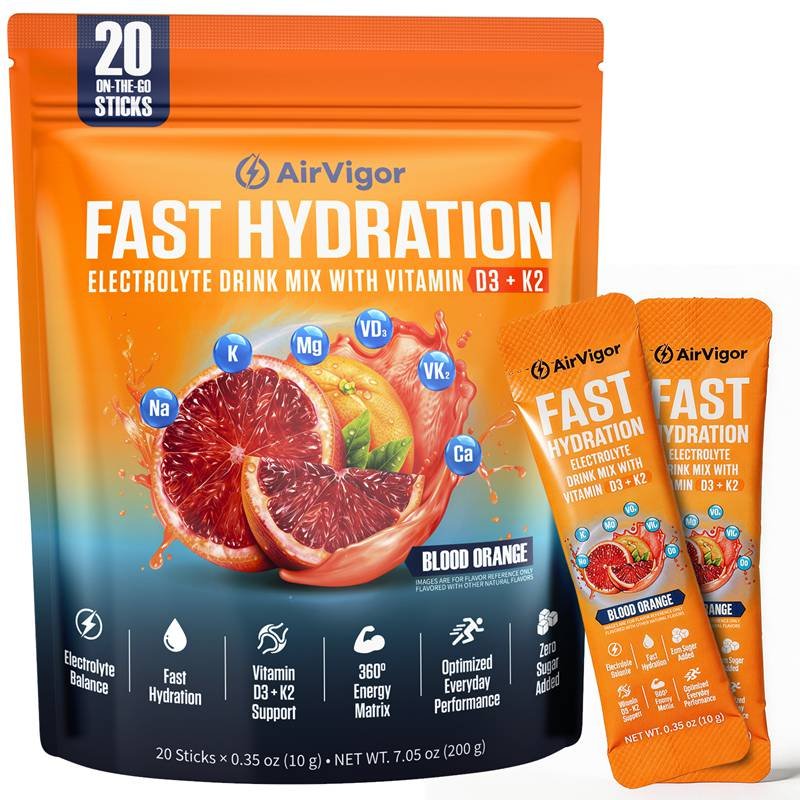
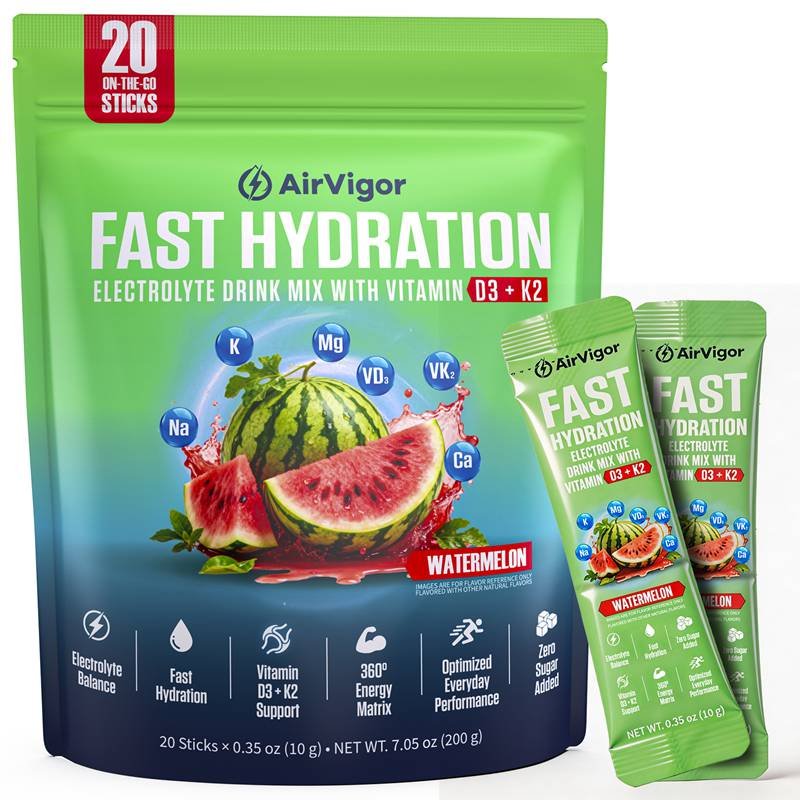
Recovery Electrolyte with D3K2 is a hydration and recovery formula built to do more than simply replace water. It is designed to help restore minerals lost through sweat while also supporting calcium use, muscle function, and post-exercise recovery. In simple terms, it is meant for people who do not want hydration support alone — they want a formula that also fits into a broader recovery routine.
Many people think hydration just means drinking more water. In real life, that is often not enough, especially after long workouts, heavy sweating, heat exposure, or physically demanding work. When sweat loss is high, the body loses not only fluid but also key minerals that affect muscle contraction, nerve signaling, and water balance. If those minerals are not replenished, people may feel tired, flat, dizzy, cramp-prone, or slow to recover.
A well-designed recovery electrolyte formula usually focuses on four core minerals:
| Mineral | Main Job in the Body | Why Users Care |
|---|---|---|
| Sodium | Helps hold fluid and maintain hydration balance | Supports rehydration after sweating |
| Potassium | Helps with muscle and nerve function | Useful for reducing the “drained” feeling |
| Magnesium | Supports energy metabolism and muscle relaxation | Often linked with recovery comfort |
| Calcium | Supports muscle contraction and signaling | Important during training and recovery |
A formula that also includes vitamin D3 and vitamin K2 goes one step further. These vitamins are not added just to make the label look more impressive. They are included because they play a role in how calcium is absorbed and used in the body. For active people, that matters because muscle function, skeletal support, and mineral balance all work together.
Many consumers now want products that feel more complete. Instead of buying a separate electrolyte powder, a separate bone support formula, and another general recovery product, they prefer a smarter all-in-one option when the formula is well structured and easy to understand.
How Does Recovery Electrolyte with D3K2 Support Recovery?
Recovery support starts with mineral balance. During exercise, the body uses water to regulate temperature. As sweating increases, the body loses sodium and other electrolytes. This is why some people feel noticeably weaker or more sluggish after long or intense sessions, especially in hot weather.
A recovery electrolyte formula supports the body in several practical ways:
- helps restore fluid balance after sweating
- supports normal muscle contraction
- supports nerve communication
- helps reduce the “washed out” feeling after hard training
- supports better readiness for the next session
This is particularly relevant in the following situations:
| Activity or Situation | Why Recovery Support Matters |
|---|---|
| CrossFit or HIIT | High sweat loss and repeated muscular effort |
| Long-distance running | Extended fluid and mineral loss |
| Cycling | Long-duration output with steady sweat loss |
| Hot yoga | Heavy sweating in enclosed heat |
| Outdoor labor | Long work hours in hot conditions |
| Frequent travel | Dehydration and routine disruption |
A lot of customers do not use recovery electrolytes because they are chasing an extreme performance edge. They use them because they want to feel more stable. They want fewer headaches after sweating, fewer muscle tightness complaints, and less of that “I’m not fully back yet” feeling the next day.
That is where formula balance becomes important. Too little sodium and the hydration effect may feel weak. Too much sweetness and the product can become hard to drink consistently. Too many trendy ingredients and the product may feel complicated or risky for sensitive users. The best recovery formulas usually work because they stay focused on what the body actually needs.
Why Add Vitamin D3 and K2 to Recovery Electrolyte with D3K2?
This is one of the biggest questions customers ask, and it is a fair one. Most people understand why electrolytes are in a hydration powder. Fewer people immediately understand why vitamin D3 and vitamin K2 are included.
The short reason is this: D3 and K2 help support how the body handles calcium. Calcium is widely known for bone health, but it also plays a role in muscle contraction and signaling. Vitamin D3 helps the body absorb calcium more effectively, while vitamin K2 helps direct calcium where it is supposed to go.
Here is a simple view:
| Ingredient | Main Function | Why It Fits Recovery |
|---|---|---|
| Vitamin D3 | Helps calcium absorption | Supports mineral use after physical stress |
| Vitamin K2 | Helps calcium placement in the body | Supports long-term calcium balance |
| Calcium | Supports muscle and nerve function | Relevant in training and recovery |
This combination can be especially appealing to:
- adults doing regular strength training
- active people over 30 who care about long-term recovery
- people who sweat often and want broader mineral support
- users who prefer a more complete recovery formula
From a customer perspective, this matters because many people no longer shop only for “hydration.” They shop for functional recovery. They want a product that fits into a bigger lifestyle pattern: train, recover, work, repeat. A formula with D3 and K2 can feel more purposeful when the label explains clearly why those vitamins are included.
That said, the inclusion of D3 is also where source questions begin. Some users want to know whether the vitamin D3 comes from fish oil, lanolin, or another source. That is exactly why transparent labeling matters so much in this category.
Who Commonly Uses Recovery Electrolyte with D3K2?
One mistake brands sometimes make is assuming that electrolyte users are a narrow group. In reality, the audience is broad, and the reasons for purchase are very practical.
Common user groups include:
Strength training users
They want support after hard lifting sessions, especially when training volume is high, and sweating is significant.
Endurance users
Runners, cyclists, swimmers, and long-distance athletes often need more structured hydration support than plain water alone.
Hot-environment users
People training outdoors or working in the heat often lose fluid steadily for hours at a time.
Busy professionals with active routines
A growing number of customers sit all day, train in the evening, and want to recover without using overly sugary sports drinks.
Daily wellness users
Some people are not doing intense sports at all. They simply want a clean hydration product they can use after travel, long workdays, or low-energy days.
This range matters for two reasons. First, it explains why the market for recovery electrolytes keeps expanding. Second, it shows why ingredient transparency is not optional. The broader the audience, the more likely it is that some users will have dietary restrictions, digestive sensitivities, or ingredient concerns.

Is Recovery Electrolyte with D3K2 Safe for Lactose Intolerance?
For most users, Recovery Electrolyte with D3K2 is generally compatible with lactose intolerance, because the core ingredients used in electrolyte powders do not normally contain dairy. Electrolytes such as sodium, potassium, magnesium, and calcium are mineral compounds rather than milk-derived nutrients. However, people who are sensitive to lactose should still check product labels carefully before trying any supplement, especially flavored powders or multi-ingredient recovery formulas.
The reason is simple: the electrolyte minerals themselves are usually safe, but supporting ingredients used in flavor systems, vitamin carriers, or processing aids can sometimes involve dairy derivatives. These ingredients are not always obvious to consumers who are reading supplement labels for the first time. A product may look like a simple hydration powder, but the complete formulation may include additional components designed to improve taste, stability, or mixing performance.
Understanding where lactose can appear in supplements helps consumers avoid discomfort and choose products that match their dietary needs.
Why Electrolyte Minerals Are Normally Lactose-Free
The main electrolytes used in recovery formulas are mineral salts that do not originate from dairy. These minerals are produced through mineral processing or chemical reactions rather than food extraction.
Below is a simplified overview of common electrolyte ingredients and their origin.
| Electrolyte | Typical Chemical Form | Origin |
|---|---|---|
| Sodium | Sodium chloride / sodium citrate | Mineral salt |
| Potassium | Potassium chloride / potassium citrate | Mineral salt |
| Magnesium | Magnesium citrate / magnesium glycinate | Mineral compound |
| Calcium | Calcium carbonate / calcium citrate | Mineral compound |
Because these ingredients are inorganic minerals, they do not naturally contain lactose.
This is why most basic electrolyte powders are considered suitable for lactose-intolerant individuals.
However, electrolyte formulas rarely contain only minerals. Flavor systems, sweeteners, vitamin premixes, and texture agents may also be included. That is where consumers need to pay closer attention.
Where Lactose Can Appear in Supplement Formulas
In some supplements, lactose is used as a carrier ingredient or filler because it dissolves easily and has a mild taste. While it is uncommon in electrolyte powders, it can appear in certain situations.
Possible lactose sources include:
- dairy-based flavor carriers
- milk powder used in flavor blends
- whey protein additives
- lactose used as a processing filler in vitamin premixes
- cross-contact in facilities that handle dairy products
The table below summarizes the most common dairy-related ingredients that lactose-intolerant users should recognize.
| Ingredient Name | What It Means |
|---|---|
| Lactose | Milk sugar, direct lactose source |
| Whey | Dairy protein containing lactose traces |
| Milk powder | Dehydrated milk containing lactose |
| Casein | Milk protein sometimes used in blends |
| Milk solids | Dairy ingredient mixture |
When these ingredients appear on a supplement label, lactose-sensitive individuals may want to avoid the product or confirm the amount with the manufacturer.
Fortunately, many modern electrolyte formulas are designed to avoid these ingredients entirely.
How Common Is Lactose Intolerance Among Supplement Users?
Lactose intolerance is extremely common worldwide, which is why many supplement brands now prioritize dairy-free formulations.
Approximate lactose intolerance rates by region are shown below.
| Region | Estimated Lactose Intolerance Rate |
|---|---|
| East Asia | 70–90% |
| Southeast Asia | 60–80% |
| Africa | 50–80% |
| Southern Europe | 40–60% |
| North America | 15–25% |
| Northern Europe | 5–15% |
These numbers explain why supplement companies increasingly highlight labels such as:
- dairy-free
- lactose-free
- non-dairy formula
For consumers with lactose sensitivity, these labels make product selection much easier.
Signs a Recovery Electrolyte Product May Contain Dairy
When evaluating an electrolyte supplement, lactose-sensitive users should review three parts of the product information.
1. Ingredient list
Look for obvious dairy terms such as:
- milk
- whey
- lactose
- milk solids
- casein
2. Allergen statement
Food labeling regulations in many countries require manufacturers to list major allergens if they are present.
Examples include:
- “Contains milk”
- “Dairy-free”
- “Manufactured in a facility that also processes milk.”
3. Product description or FAQ
Many brands now explain ingredient sources on their websites. This section may clarify whether flavor systems or vitamin carriers contain dairy components.
The table below summarizes how these sections help consumers evaluate supplement safety.
| Label Section | What It Helps Identify |
|---|---|
| Ingredient list | Direct dairy ingredients |
| Allergen statement | Confirmed allergen presence |
| Product FAQ or description | Ingredient source explanation |
Practical Tips for Lactose-Sensitive Users
People who are lactose intolerant can usually use electrolyte powders safely by following a few simple guidelines.
Check ingredient lists before first use
Even if the product category is typically lactose-free, verifying the label prevents surprises.
Start with a small serving
When trying a new supplement, using a smaller serving first allows the body to adjust and helps detect any digestive sensitivity.
Choose transparent brands
Products that clearly explain their ingredient sources, production standards, and allergen policies are easier to evaluate.
Look for simple formulations
Electrolyte powders with shorter ingredient lists are often easier to assess for dietary restrictions.
These habits help consumers enjoy the benefits of hydration supplements while avoiding unnecessary discomfort.
Is Recovery Electrolyte with D3K2 Safe for Fish Allergies?
For most consumers, Recovery Electrolyte with D3K2 does not contain fish ingredients. Electrolyte minerals such as sodium, potassium, magnesium, and calcium are mineral compounds and are not derived from seafood. However, people with fish allergies often look closely at supplements containing vitamin D3, because some older vitamin D supplements historically used fish liver oil as a source.
Today, the situation is different. Most modern dietary supplements no longer rely on fish oil to produce vitamin D3. Instead, manufacturers commonly use lanolin-derived vitamin D3, which is produced from compounds found in sheep wool. This form of vitamin D3 is widely used across the sports nutrition industry because it is stable, effective, and suitable for most users.
Even so, consumers with fish allergies tend to be careful when trying new supplements. That caution is understandable. Food allergies can be serious, and supplement ingredient names are sometimes unfamiliar. Because of this, responsible supplement brands usually provide clear ingredient lists and allergen information so users can evaluate a product safely before using it.
In the case of electrolyte recovery powders, the biggest source of confusion is usually ingredient origin, not the electrolyte formula itself. When consumers understand where vitamins come from and how they are produced, most allergy concerns become much easier to evaluate.
Can Recovery Electrolyte with D3K2 Use Fish-Derived Ingredients?
In modern sports nutrition formulas, fish-derived ingredients are uncommon in electrolyte powders. The primary components of these products are mineral salts and vitamin blends that typically come from controlled industrial production rather than seafood extraction.
However, consumers often associate certain nutrients with fish products, especially vitamin D3. This is because early nutritional supplements sometimes used fish liver oil as a source of vitamin D.
Today, vitamin D3 used in dietary supplements generally comes from three main sources.
| Vitamin D3 Source | How It Is Produced | Typical Use in Supplements |
|---|---|---|
| Fish liver oil | Extracted from marine fish oils | Historically common but now less used |
| Lanolin | Processed from sheep wool | Most common modern source |
| Lichen | Plant-based fermentation | Vegan supplements |
Lanolin-derived vitamin D3 is widely used because it provides a reliable and scalable source of cholecalciferol. It does not involve seafood proteins, which means it does not carry the same allergen concerns as fish-based ingredients.
Electrolyte formulas that use lanolin-based vitamin D3 are therefore generally suitable for individuals avoiding fish-derived ingredients. Still, users who have severe allergies often prefer to confirm the source before trying a new product.
Clear ingredient sourcing information helps reduce confusion and builds confidence for consumers who are cautious about allergens.
Why Do Fish-Sensitive Users Ask About Recovery Electrolyte with D3K2?
Fish allergies are one of the major food allergies recognized by global food safety authorities. Even when a product does not contain seafood, consumers who live with allergies often develop careful habits around label reading.
Several factors explain why fish-sensitive users frequently ask about vitamin D3 sources.
First, the supplement label may simply say vitamin D3 (cholecalciferol) without explaining where it comes from. For someone who has heard that vitamin D can come from fish oil, this can create uncertainty.
Second, supplement ingredient lists often include technical names that are unfamiliar to everyday consumers. Without context, a user may assume that an ingredient has an animal origin even when it does not.
Third, many people today buy supplements online. When customers cannot physically inspect a product package, they rely heavily on product descriptions and brand transparency to decide whether a product is safe for them.
This is why modern supplement brands increasingly provide additional information such as:
- ingredient origin explanations
- allergen disclosure statements
- detailed product pages
- customer support for ingredient questions
Providing this information helps reduce unnecessary concerns and allows consumers to evaluate products with confidence.
How Should Fish-Sensitive Users Check Recovery Electrolyte with D3K2?
Consumers with food allergies often develop a simple routine when evaluating supplements. This routine focuses on identifying both direct ingredients and potential cross-contact risks.
A careful review usually includes the following steps.
Check the ingredient list
Look for any references to fish oil, marine extracts, seafood-derived ingredients, or fish collagen.
Review the allergen statement
Most supplement labels include a section that lists major allergens such as milk, soy, wheat, peanuts, or fish if they are present in the formula.
Check manufacturing disclosures
Some labels indicate whether the product is produced in a facility that also processes certain allergens. While this does not mean the ingredient is present, it provides transparency about the manufacturing environment.
The table below shows the most common places consumers find this information.
| Label Section | What You Can Learn |
|---|---|
| Ingredient list | Identifies the primary formula components |
| Allergen statement | Discloses major allergens if present |
| Manufacturing note | Indicates shared facility risks |
| Product description | Sometimes explains vitamin source |
Following this simple process helps fish-sensitive users evaluate electrolyte supplements safely without relying on guesswork.
Why Do Some Recovery Electrolytes with D3K2 Products May Get Bad Reviews?
When consumers read product reviews online, it is easy to assume that negative comments mean a product does not work. In reality, the reasons behind supplement complaints are often more complex.
Many negative reviews are not about the formula itself. Instead, they arise from misunderstandings, mismatched expectations, or incomplete product information.
Electrolyte supplements are particularly vulnerable to this issue because they serve a wide range of users. Some customers expect a sports drink taste, others expect a medical hydration solution, and some simply want a daily wellness product. When expectations differ, reviews can vary widely.
Understanding the common causes of negative feedback can help both consumers and supplement brands make better decisions.
Do Recovery Electrolyte with D3K2 Complaints Often Come from Ingredient Concerns?
Ingredient confusion is one of the most frequent sources of consumer hesitation. Many supplement ingredients have technical names that do not immediately explain their origin or purpose.
For example:
- Vitamin D3 may raise questions about fish sources
- Mineral salts may look unfamiliar to new users
- Flavor systems may appear complex on labels
When consumers cannot easily understand what they are reading, they may assume the worst. Even if the formula is well designed, unclear communication can create doubt.
Consumer review research across online supplement platforms often shows patterns similar to the following.
| Complaint Category | Approximate Share of Reviews |
|---|---|
| Taste preference issues | 30–40% |
| Ingredient misunderstanding | 15–20% |
| Digestive sensitivity | 10–15% |
| Shipping or packaging issues | 10–15% |
| Performance expectations | 15–20% |
Ingredient misunderstanding is, therefore a meaningful contributor to negative reviews. When brands explain ingredients clearly, this category of complaints can decrease significantly.
How Can Clear Labels Prevent Negative Reviews?
A well-designed supplement label is more than a legal requirement. It is one of the most powerful tools for building consumer confidence.
Clear labels help customers answer the questions they naturally ask before trying a new supplement:
- What exactly is in this product?
- Where do these ingredients come from?
- Is it suitable for my dietary needs?
- How should I use it correctly?
The following table shows how different levels of product transparency affect consumer perception.
| Level of Product Information | Consumer Reaction |
|---|---|
| Basic ingredient list only | Moderate trust |
| Ingredient explanation provided | Higher trust |
| Source information and allergen clarity | Strong confidence |
Consumers rarely expect supplements to be perfect. What they want is clarity. When brands provide clear explanations, users are more likely to understand the product and use it correctly.
What Should Users Check Before Trying Recovery Electrolyte with D3K2?
Before purchasing or using any electrolyte supplement, consumers can take a few practical steps to ensure the product matches their needs.
Start by reviewing the formula structure. Look for balanced levels of sodium, potassium, magnesium, and calcium. These minerals form the foundation of most hydration formulas.
Next, check the vitamin levels. Recovery formulas that include D3 and K2 should clearly state the dosage per serving so users can integrate the supplement into their broader nutrition routine.
It is also helpful to review the intended use case. Some electrolyte products are designed for endurance athletes, while others are intended for daily hydration or light activity.
The following checklist can help consumers evaluate electrolyte supplements more effectively.
| What to Check | Why It Matters |
|---|---|
| Electrolyte composition | Determines hydration effectiveness |
| Vitamin dosage | Helps manage total nutrient intake |
| Allergen statements | Reduces sensitivity risk |
| Usage instructions | Improves user experience |
| Brand transparency | Builds trust before purchase |
When consumers understand how to evaluate a supplement properly, they are far more likely to have a positive experience.

How Does AirVigor Improve Transparency for Recovery Electrolyte with D3K2?
In the supplement industry, product trust does not come only from ingredient lists. It also comes from how clearly a company explains its formulas, how carefully it controls production, and how consistently it maintains quality across batches.
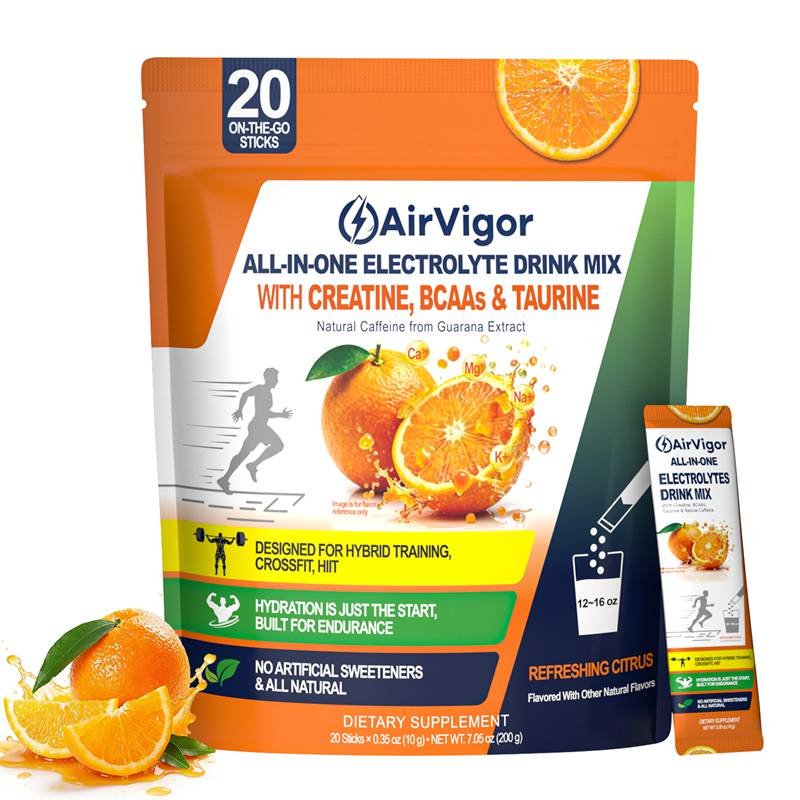
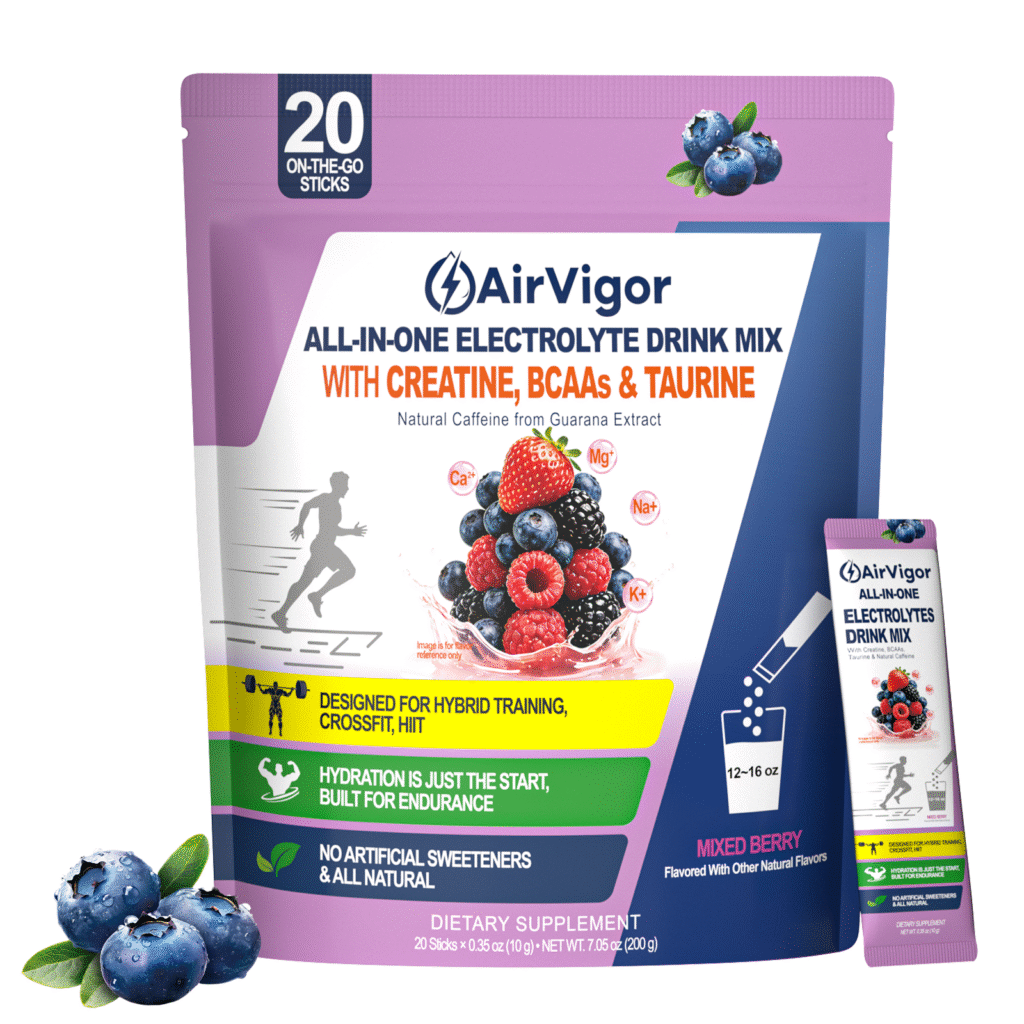
AirVigor approaches electrolyte supplement development with the goal of making products easier for consumers to understand and evaluate. Many supplement complaints arise when labels are confusing or when ingredient origins are not clearly explained. To reduce these issues, AirVigor places strong emphasis on transparent labeling, consistent quality control, and detailed ingredient verification.
This approach is especially important for electrolyte products that serve a wide range of users. Athletes, gym users, travelers, office workers, and outdoor workers all use electrolyte powders for slightly different reasons. Some are focused on performance, others on hydration comfort, and others on daily wellness. Clear product information allows each group to understand whether the product fits their needs.
Transparency also helps users who are sensitive to specific ingredients. When supplement labels clearly show mineral levels, vitamin sources, allergen statements, and usage instructions, consumers can make informed decisions before they buy.
Why Clear Ingredient Labeling Matters
When consumers read supplement labels, they are usually looking for three main types of information:
- What the product contains
- How much of each ingredient is included
- Whether the product fits their dietary needs
AirVigor designs its labels to make these answers easy to find. Instead of relying on vague ingredient blends, the label structure focuses on clarity and direct information.
Important label elements typically include:
- complete ingredient list
- mineral dosage per serving
- vitamin dosage information
- allergen statements
- usage instructions
- storage recommendations
The goal is to allow customers to quickly understand what the product does and how to use it.
The following table shows the type of information most consumers expect to find on a well-structured supplement label.
| Label Section | Purpose |
|---|---|
| Ingredient list | Shows all formula components |
| Nutrition facts | Displays dosage per serving |
| Allergen statement | Identifies possible sensitivities |
| Directions for use | Explains mixing and serving size |
| Storage guidance | Helps maintain product stability |
When this information is easy to read, consumers are more comfortable trying the product and less likely to misunderstand what they are buying.
How AirVigor Tests Recovery Electrolyte Formulas
Ingredient transparency works best when it is supported by reliable testing. AirVigor maintains a research-driven development process supported by an internal testing system.
The company works with a team of nutrition science researchers, food engineers, and quality specialists who evaluate ingredient performance before formulas enter production.
Testing typically includes several key steps.
Raw ingredient verification
Before ingredients are approved for production, they are tested for purity and consistency. This helps confirm that mineral compounds and vitamin sources meet expected quality standards.
Active ingredient measurement
The amount of each electrolyte and vitamin is verified to ensure that the dosage matches the formula specification.
Solubility testing
Electrolyte powders must dissolve easily in water. Solubility tests evaluate how quickly the powder disperses and whether any clumping occurs.
Stability testing
Products are tested under different temperature and humidity conditions to ensure they remain stable during storage and shipping.
These tests help ensure that the product maintains consistent performance across production batches.
Below is a simplified overview of common supplement quality checks.
| Test Category | What It Evaluates |
|---|---|
| Ingredient purity | Verifies raw material quality |
| Dosage accuracy | Confirms ingredient levels |
| Solubility testing | Measures mixing performance |
| Stability testing | Evaluates shelf life |
| Microbial screening | Ensures product safety |
By performing these checks before products reach the market, manufacturers reduce the risk of inconsistent quality and improve overall reliability.
Manufacturing Standards and Production Control
Supplement quality also depends heavily on manufacturing practices. Even the best formulas can lose effectiveness if production processes are poorly controlled.
AirVigor operates production facilities designed specifically for nutritional supplements. These facilities follow internationally recognized food safety systems that guide everything from ingredient storage to final packaging.
Several quality systems are commonly used in supplement manufacturing.
| Certification System | Function |
|---|---|
| GMP | Standardizes supplement manufacturing practices |
| HACCP | Prevents food safety hazards |
| ISO22000 | Global food safety management system |
| FSSC | Advanced food safety certification |
These systems help ensure that products are produced under controlled conditions. Equipment, personnel training, cleaning procedures, and ingredient handling are all managed through structured protocols.
Production facilities also monitor environmental conditions such as temperature, humidity, and cleanliness. Maintaining stable production environments is particularly important for powdered supplements because moisture exposure can affect flowability and solubility.
AirVigor’s manufacturing facilities include controlled production areas and automated equipment designed to maintain consistent mixing and packaging performance.
Key facility features include:
- clean production environments
- automated mixing and filling equipment
- calibrated measurement instruments
- standardized cleaning procedures
- batch tracking systems
These practices help maintain consistent product quality from one production run to the next.
Global Distribution and Supply Stability
Another important factor in supplement reliability is supply stability. Consumers often prefer brands that can maintain consistent availability rather than experiencing frequent stock shortages.
AirVigor products are distributed across multiple international markets, supported by a network of regional warehouses and logistics partners.
The company’s distribution structure helps ensure that products remain accessible to consumers in different regions while maintaining stable storage conditions.
Key elements of this system include:
- regional warehouse centers
- coordination with major e-commerce platforms
- temperature-controlled storage where needed
- reliable shipping partnerships
This system supports product availability across North America, Europe, Asia, and other regions.
An overview of AirVigor’s operational scale helps illustrate this structure.
| Operational Indicator | Approximate Scale |
|---|---|
| Countries served | 120+ |
| Nutrition formula models developed | 20,000+ |
| Technology patents related to nutrition | 300+ |
| Consumers and brand partners served | 2.1 million+ |
Maintaining a stable supply and consistent formulation across these markets helps ensure that consumers receive the same product experience regardless of where they purchase it.
FAQ About Recovery Electrolyte with D3K2
Q1: Is electrolyte powder usually dairy-free?
Answer: Most electrolyte powders are dairy-free because they are made from mineral salts such as sodium, potassium, magnesium, and calcium. However, some flavored supplements may include dairy-derived ingredients, so checking the label is always recommended.
Q2: Can lactose-intolerant people use Recovery Electrolyte with D3K2?
Answer: In most cases, yes. Electrolyte minerals do not contain lactose. However, lactose-sensitive users should review the ingredient list to ensure no dairy-based additives are included.
Q3: Does vitamin D3 always come from fish?
Answer: No. Most supplements use vitamin D3 derived from lanolin (sheep wool), not fish oil.
Q4: Is Recovery Electrolyte with D3K2 safe for people with fish allergies?
Answer: Most formulas do not contain fish ingredients, but people with severe fish allergies should still review ingredient sources before use.
Q5: What are the main ingredients in Recovery Electrolyte with D3K2?
Answer: Common ingredients include sodium, potassium, magnesium, calcium, vitamin D3, and vitamin K2.
Q6: When should Recovery Electrolyte with D3K2 be used?
Answer: It is commonly used after intense exercise, heavy sweating, endurance training, or heat exposure.
Q7: Can electrolyte powders be used daily?
Answer: Yes, many electrolyte supplements can be used daily when taken according to recommended serving sizes.
Q8: How do electrolytes support recovery after exercise?
Answer: Electrolytes help restore minerals lost through sweat and support hydration, muscle function, and nerve signaling.
Q9: Where can allergen information be found on supplement labels?
Answer: Allergen information is usually listed in the ingredient list and allergen statement on the product label.
Q10: What should consumers check when choosing an electrolyte supplement?
Answer: Consumers should review ingredient transparency, electrolyte balance, vitamin sources, and allergen information.
Conclusion: Using Recovery Electrolyte with D3K2 with Confidence
Recovery Electrolyte with D3K2 supplements is designed to support hydration, mineral balance, and post-exercise recovery. By combining essential electrolytes with vitamins that support calcium metabolism, these formulas can provide a convenient recovery option for people who train regularly or experience heavy sweating.
For most users, these products are safe and easy to incorporate into daily routines. However, individuals with dietary sensitivities—such as lactose intolerance or fish allergies—should always review ingredient lists and allergen statements before trying any new supplement. Understanding ingredient sources helps reduce unnecessary concerns and allows consumers to choose products that match their needs.
In many cases, negative product reviews occur not because a formula is ineffective, but because the user did not fully understand what the product contained. Clear labeling, transparent ingredient sourcing, and reliable manufacturing standards help prevent these situations.
AirVigor focuses on combining research-based formulation, transparent labeling, and controlled manufacturing processes to create electrolyte products that consumers can evaluate with confidence. By maintaining strict quality systems and clear communication, the company aims to deliver supplements that remain consistent in composition, taste, and performance.
For individuals looking for dependable hydration support—or businesses interested in developing their own electrolyte products—AirVigor offers several options.
The company provides support for:
- ready-to-market electrolyte supplements
- customized formula development
- flavor and packaging design
- OEM and ODM supplement production
- global product distribution support
Consumers, distributors, and brand partners who are interested in Recovery Electrolyte with D3K2 products or custom supplement solutions can contact AirVigor directly for additional information.
Share:
Contact Expert Team
At AirVigor, performance becomes effortless. We transform advanced nutrition science into clean, effective supplements that help you hydrate, recover, and feel stronger every day. Shop AirVigor Supplements on Amazon and experience athlete-trusted formulas—backed by real science and supported by our world-class R&D and production capabilities.
Trust AirVigor
At AirVigor, turning your performance goals into reality is no longer a struggle—it’s a science-driven journey we build together. Whether you’re a runner, lifter, cyclist, yogi, outdoor athlete, or someone simply seeking better daily energy, AirVigor transforms advanced nutrition research into clean, effective, and trustworthy supplements you can feel.
Backed by our U.S. scientific team, global certifications, and world-class production standards, every formula is engineered to deliver real hydration, real recovery, and real performance. And when you’re ready to experience the difference, you’ll find AirVigor products available on Amazon and other major platforms—fast shipping, consistent quality, and a community of athletes already seeing results.
Behind the scenes, our R&D and manufacturing ecosystem also supports specialized formulation development, ensuring AirVigor continues to lead with innovation while keeping quality and safety uncompromised. But at the core, everything we create is built for you—your health, your performance, your momentum.
Choose AirVigor. Feel the science. Elevate your every day.


Subscribe to our newsletter
Sign up to our newsletter and we’ll keep you up to date with the latest arrivals.