Skip to content

Desert hiking often appears less demanding than mountain trekking, yet hydration challenges in hot, dry environments can escalate faster and more quietly. Intense sun exposure, rapid sweat evaporation, radiant ground heat, and limited shade create conditions where fluid loss accumulates before hikers fully recognize the strain. Many outdoor enthusiasts only notice the impact when energy drops suddenly, focus weakens, or simple terrain begins to feel unusually exhausting.
The most effective desert hike hydration strategy is to begin fully hydrated, drink consistently on a schedule, and replace key electrolytes as heat and sweat loss increase. In real-world desert conditions, this means planning fluid intake based on temperature and effort, using portable electrolyte support on longer or hotter hikes, and treating hydration as a core safety system rather than a secondary comfort measure.
Understanding how hydration behaves in extreme heat helps hikers maintain steady pacing, reduce heat-related fatigue, and make smarter gear decisions. For both individual adventurers and outdoor product buyers, desert hydration is not just about carrying more water — it is about building a reliable system that supports endurance, clarity, and confidence throughout the entire trail experience.
Why Desert Hike Hydration Matters
Desert hike hydration matters because desert conditions can drain fluid faster than many hikers expect while hiding the signs early on. In dry heat, sweat evaporates quickly, thirst often arrives late, and performance can decline before the hiker understands what is happening. Good hydration supports energy, focus, pacing, and heat safety from the first mile to the last.
What makes desert hike hydration harder?
Desert hike hydration is harder because the environment is doing several things at once. A person is not just walking in heat. They are often dealing with strong sunlight, hot rock or sand reflecting heat upward, dry wind, little shade, and long exposure without easy refill points. Each one adds stress. Together, they can change a moderate hike into a high-demand hydration situation.
One of the biggest problems is invisible sweat loss. In humid conditions, a hiker usually notices soaked clothing, wet skin, or sweat dripping off the face. In the desert, sweat often disappears almost immediately. That feels comfortable for a while, but it creates a false sense of control. The body is still losing water. The hiker just cannot see it as clearly. That is why many people say they “didn’t even feel that sweaty” right before they develop a headache, unusual fatigue, or poor concentration.
The table below shows why desert hiking often feels easier than it really is in the first half of the hike:
| Desert Condition | What the Hiker Feels | What Is Actually Happening |
|---|---|---|
| Dry air | “I’m not sweating much” | Sweat is evaporating fast |
| Light breeze | “The weather feels okay” | Water loss and cooling demand rise |
| Bright sun | “It’s warm, but manageable” | Skin and core heat load increase |
| Open trail | “The route is simple” | Long exposure raises cumulative strain |
| Low humidity | “The heat is not sticky” | Thirst cues can lag behind actual need |
For customers buying hydration products, this matters a lot. Desert users usually want something simple, portable, and easy to use under fatigue. They do not want a product that only works in perfect conditions. They want a hydration format that still feels drinkable in heat, mixes fast, and helps them keep moving when appetite drops and plain water starts feeling less effective.
From a product development angle, this is exactly why desert hike hydration cannot be treated like general lifestyle hydration. The usage setting is harsher. The margin for error is smaller. The consumer is often carrying every gram on their back. In real use, that means the best products are usually those that balance function, portability, taste tolerance, and clear instructions.
Is desert hike hydration different from normal hiking?
Yes, desert hike hydration is different from normal hiking, and the difference is large enough that many people under-prepare. On a mild forest trail, a person may be able to drink based on thirst, refill more easily, take shade breaks, and recover body temperature with less effort. A desert hike removes many of those advantages. Less shade, higher sun exposure, hotter surfaces, and fewer refill opportunities make hydration more strategic and less forgiving.
A normal hiking mistake might leave someone tired at the end of the route. A desert hiking mistake can reduce coordination, slow judgment, and turn the return section into the hardest part of the day. That is why experienced hikers often talk about desert planning in terms of systems, not just supplies. Water quantity, electrolyte support, start time, route timing, pack weight, and refill certainty all work together.
Here is a useful comparison:
| Factor | Temperate Hike | Desert Hike |
|---|---|---|
| Sweat visibility | Usually obvious | Often less obvious |
| Shade access | Often available | Often limited |
| Refill options | More likely | Less reliable |
| Thirst as a guide | More useful | Less reliable |
| Heat accumulation | Moderate | High |
| Electrolyte importance | Situational | Often more important |
This difference also changes what customers look for when buying. A casual gym hydration powder may work fine after a workout indoors, but a desert hiker is judging products by a different standard. They want to know:
- Does it help maintain drinking consistency when the hike gets hot?
- Is the sodium level meaningful enough for sweat-heavy conditions?
- Can it be packed as single servings?
- Does it taste clean when mixed with warm or not-perfectly-cold water?
- Does it create stomach heaviness when used during movement?
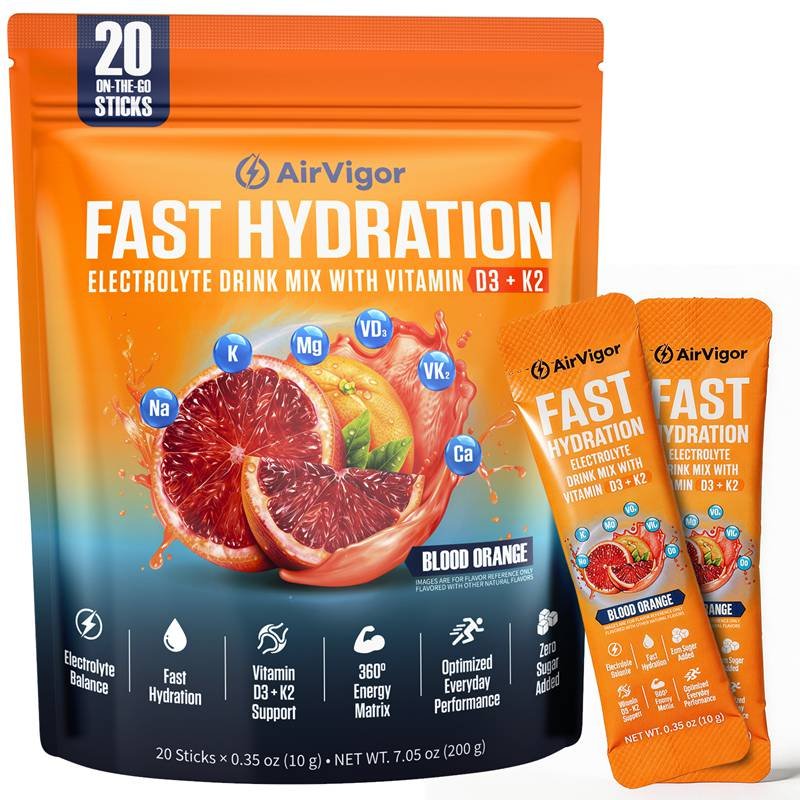
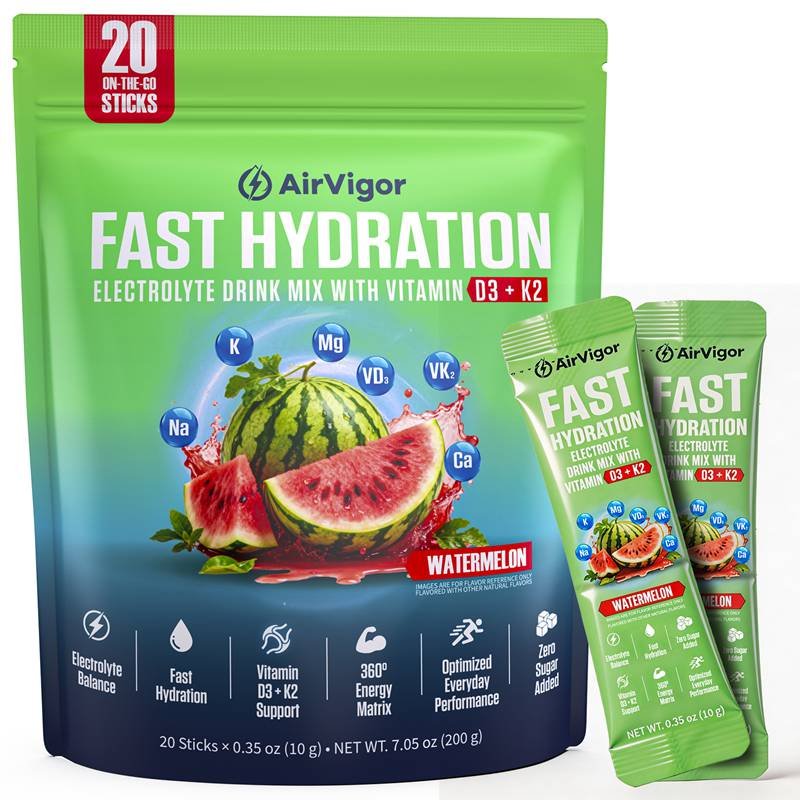
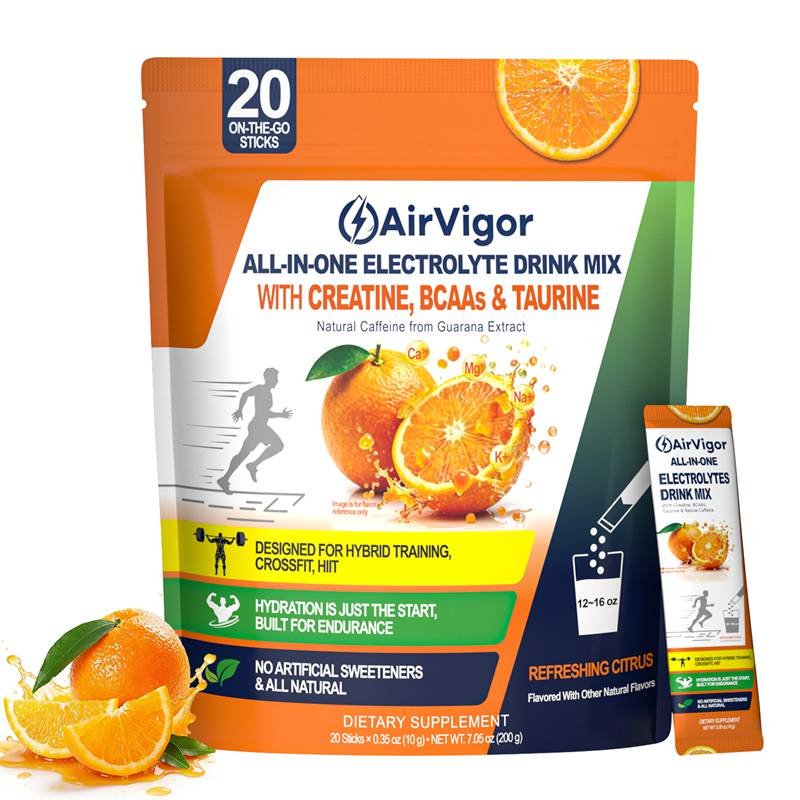
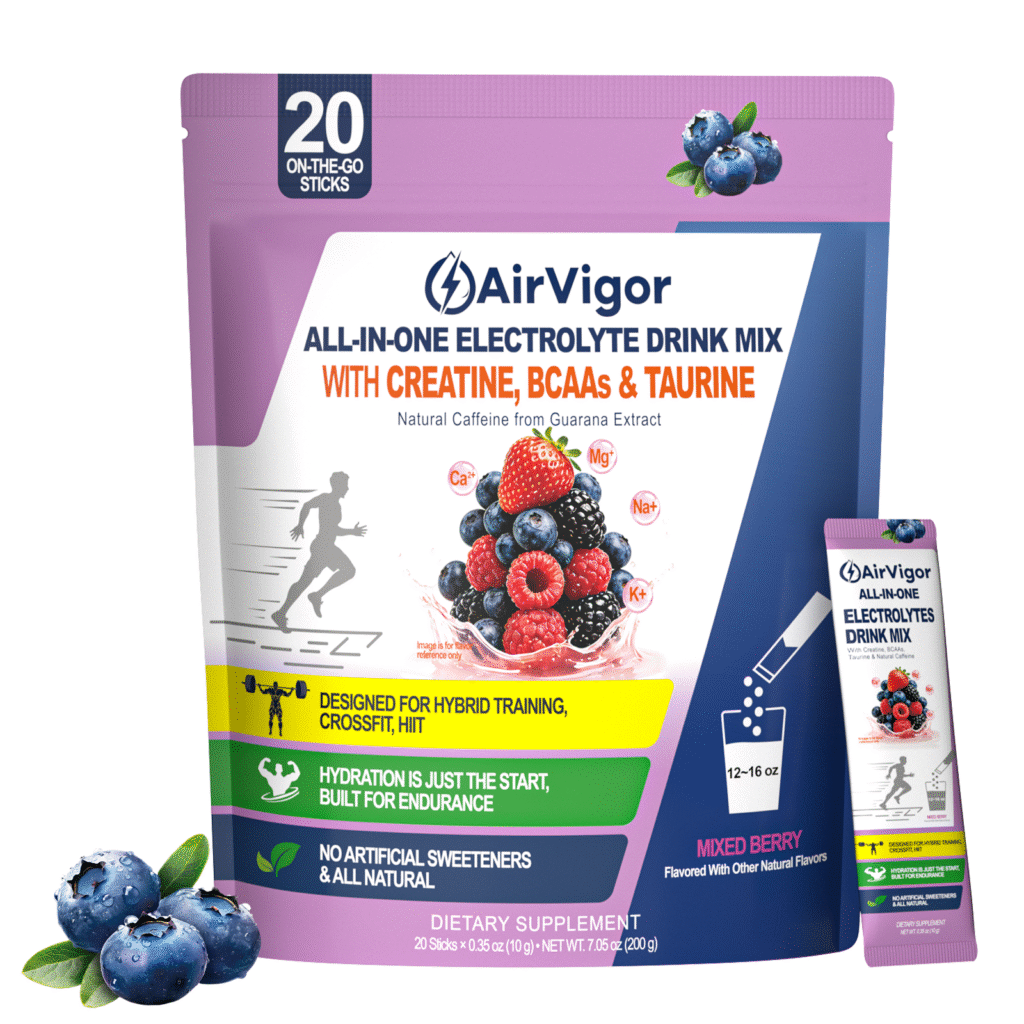
These are practical buying questions, not abstract nutrition questions. Brands that understand desert hike hydration tend to design around real trail use: portable stick packs, clear water-to-powder ratio, stable packaging, and taste profiles that remain acceptable during heat stress. For a company like AirVigor, that kind of user-centered design is far more persuasive than vague performance language because desert consumers can feel the difference immediately when a formula is easy to use under pressure.
How fast can desert hike hydration fail?
Desert hike hydration can fail faster than many hikers expect because fluid loss builds quietly and then shows up all at once in performance. The early stage often feels normal. The hiker is moving, talking, and enjoying the route. Then the first shift appears: pace drops, breaks become more frequent, and climbing feels harder than it should. If the person keeps pushing without correcting fluids and electrolytes, the second shift can be much more obvious: dizziness, irritability, nausea, poor focus, heavier legs, and a strong feeling that the return trip is much longer than planned.
A useful way to think about hydration failure is not “Am I thirsty yet?” but “How much function have I already lost before I noticed?” Even a relatively small body-water loss can affect endurance and comfort. Once losses increase, catching up becomes harder because some hikers stop wanting to drink, or plain water begins to feel unsatisfying.
The chart below gives a practical trail-use view:
| Approximate Fluid Deficit | What Many Hikers Notice | What It Can Affect |
|---|---|---|
| Mild | Dry mouth, slight thirst | Comfort, pacing |
| Moderate | Headache, rising fatigue | Endurance, concentration |
| Higher | Dizziness, low drive, heavy legs | Decision-making, stability |
| Severe | Confusion, nausea, collapse risk | Safety, emergency response |
Another important point for customers is that hydration failure is not only about total liters. It is also about timing. A hiker who drinks small amounts consistently may perform better than someone carrying more water but drinking too late. The best hydration products support that steady behavior. They encourage regular sipping, improve palatability, and help the user stay ahead of the problem rather than reacting after the body is already stressed.
The table below shows a simple decision model many consumers find useful when choosing what to carry:
| Hike Condition | Water Alone May Be Enough? | Electrolytes Recommended? |
|---|---|---|
| Short, cool, easy hike | Often yes | Optional |
| 1–2 hours in moderate heat | Sometimes | Helpful |
| 2+ hours in strong heat | Less reliable | Usually yes |
| Heavy sweater, salty sweat, repeated climbs | Often no | Strongly recommended |
| Remote hike with no refill certainty | Risky to rely on water alone | Strongly recommended |
This is where buying intent becomes clearer. Customers planning desert hikes are not just looking for a flavored powder. They are looking for confidence. They want to know they can stay steady longer, reduce the chance of hitting a wall, and use a hydration system that fits the real pace of outdoor movement. That is why the desert hiking segment responds well to products that combine practical serving formats, clean dissolution, stable taste, and mineral support that matches sweat-heavy conditions.
For B2B buyers, this user behavior is valuable. It shows where demand becomes more serious: hot-weather hikers, trail runners, off-road travelers, RV users, park visitors, and outdoor workers all share a similar concern. They do not simply want “hydration.” They want hydration that still works when the environment becomes unforgiving. That is a stronger market position, and it is one reason structured electrolyte products continue to gain attention across outdoor and performance categories.
Before moving into exact fluid amounts, one idea is worth remembering: in the desert, hydration problems rarely begin with a dramatic warning. They usually begin with small signals that are easy to dismiss. The hiker who understands that early tends to finish stronger. The brand that builds for that reality tends to earn repeat use faster.
How Much Desert Hike Hydration Do You Need
Desert hike hydration needs are higher and more variable than many hikers first expect. The amount of fluid a person requires depends on temperature, sun exposure, terrain difficulty, body size, sweat rate, and hiking speed. A simple “bring a couple bottles” approach often works in mild environments but becomes risky once temperatures rise above comfortable levels.
For most adult hikers, a practical starting point is planning 0.5 to 1 liter of fluid per hour in desert heat. However, this range is only a baseline. On steep routes, exposed ridgelines, or sandy terrain that requires extra effort, real needs can move toward the upper end — or even beyond it.
How much water does desert hike hydration require?
A structured hydration estimate helps hikers avoid both under-packing and carrying unnecessary weight. The table below shows a simplified planning guide based on commonly observed outdoor conditions.
| Temperature Range | Effort Level | Suggested Fluid Intake |
|---|---|---|
| 68–77°F (20–25°C) | Easy walking | 0.4–0.6 L per hour |
| 77–86°F (25–30°C) | Moderate hiking | 0.5–0.8 L per hour |
| 86–95°F (30–35°C) | Steady climbing or fast pace | 0.7–1.0 L per hour |
| 95°F+ (35°C+) | Exposed desert terrain | 0.9–1.3 L per hour |
These numbers matter because many hydration failures happen when hikers rely on intuition rather than planning. A person may feel comfortable early in the hike, drink less, and only realize the shortfall after several hours. By that point, catching up requires larger fluid intake at once, which can feel heavy in the stomach and slow movement.
Consumers who regularly hike in hot climates often prefer hydration systems that make volume tracking easier. Single-serve electrolyte sticks, measured hydration bottles, or hydration bladders with volume markers can help maintain awareness of intake without constant mental calculation.
Does desert hike hydration change by distance?
Yes, distance has a strong influence on hydration strategy. Short hikes may allow for simpler planning because fluid deficits remain smaller and recovery happens quickly after finishing. Longer desert hikes create cumulative stress. Each hour adds sun exposure, muscular fatigue, and progressive electrolyte depletion.
A useful field guideline looks like this:
| Hiking Duration | Hydration Planning Focus |
|---|---|
| Under 90 minutes | Pre-hydrate well, carry moderate water |
| 2–3 hours | Structured drinking schedule recommended |
| 3–5 hours | Electrolytes increasingly helpful |
| Full-day desert hike | Hydration becomes a central safety factor |
Distance also affects pack weight decisions. Carrying excessive water can slow pace and increase energy expenditure. Carrying too little increases safety risk. Many experienced hikers aim to balance this by planning refill points or staging hydration supplies when possible. However, in remote desert environments, refill uncertainty is common. This is why consumers often value compact electrolyte formats that allow them to carry lighter total fluid while still maintaining hydration efficiency.
From a product purchasing perspective, this creates demand for solutions that help hikers feel “hydrated longer,” not simply drink more volume. Taste fatigue, stomach comfort, and mixability in warm water become surprisingly important features during long desert outings.
Can desert hike hydration needs change by temperature?
Temperature is one of the most powerful hydration variables. Even a small rise in air temperature can significantly increase sweat rate and cardiovascular strain. Desert ground surfaces such as rock, sand, or canyon walls can reflect heat upward, raising perceived temperature beyond what weather reports suggest.
The chart below illustrates how hydration demand may escalate as heat increases:
| Heat Condition | Likely Body Response | Hydration Adjustment |
|---|---|---|
| Mild desert warmth | Light sweating | Normal fluid planning |
| Strong sun exposure | Higher heart rate | Increase drinking frequency |
| Midday heat peak | Rapid sweat loss | Add electrolytes and rest breaks |
| Extreme heat wave | High heat stress | Shorten hike duration |
For outdoor consumers, temperature-driven hydration planning is often more realistic than relying on distance alone. A short hike at noon in July may require more hydration than a longer sunrise hike in spring. Brands that educate customers on this relationship tend to build stronger trust because they help users make safer decisions.
In practical use, hikers who combine early start times, shaded rest intervals, and electrolyte-supported hydration often maintain steadier energy and clearer focus. This is particularly important for group hikes, guided tours, or endurance-oriented trekking where performance consistency matters.

Is Water Enough for Desert Hike Hydration
Water is essential for desert hike hydration, but in many real-world conditions it may not be enough on its own. When sweat loss becomes substantial, the body also loses sodium and other electrolytes that help regulate fluid balance, nerve signaling, and muscle function. Replacing fluid without replacing minerals can sometimes lead to continued fatigue, reduced endurance, or discomfort during long hikes.
This is why experienced desert hikers often combine water intake with structured electrolyte support, especially on hotter days or routes involving sustained effort.
When does desert hike hydration need electrolytes?
Electrolyte support becomes more relevant as sweating increases. A person walking slowly in mild conditions may not require additional mineral intake. However, once hiking intensity rises or exposure lengthens, electrolyte losses can accumulate.
Here is a practical decision guide many outdoor users follow:
| Hiking Situation | Electrolytes Likely Helpful? |
|---|---|
| Short scenic walk in cool morning | Usually optional |
| Moderate hike with noticeable sweating | Often beneficial |
| Multi-hour desert trek | Strongly recommended |
| High-intensity trail running or fast hiking | Very helpful |
| Repeated hikes over consecutive days | Increasingly important |
Customers frequently report that electrolyte-supported hydration helps them maintain more stable energy levels and reduces the “sudden wall” feeling that sometimes occurs late in hot hikes. This does not mean electrolytes replace water; rather, they help the body use fluids more effectively.
For hydration product buyers, this translates into demand for balanced mineral formulas with practical dosing clarity. Too little sodium may feel ineffective. Excessively sweet or heavy formulas may discourage consistent drinking. The most appreciated products tend to be those that feel light, dissolve quickly, and remain palatable even when water temperature is less than ideal.
Which minerals support desert hike hydration?
Several electrolytes play roles in hydration stability, but sodium is often considered the primary mineral lost through sweat. Potassium, magnesium, and calcium also contribute to muscle contraction efficiency and nerve transmission.
The following table provides a simplified functional overview:
| Electrolyte | Role in Hiking Hydration |
|---|---|
| Sodium | Supports fluid retention and circulation stability |
| Potassium | Helps muscle contraction rhythm |
| Magnesium | Supports neuromuscular relaxation and endurance |
| Calcium | Contributes to muscle signaling processes |
Outdoor consumers are increasingly ingredient-aware. They often read labels and compare mineral quantities rather than choosing products solely based on branding. Transparent dosing and clear usage guidance can therefore influence purchasing decisions more strongly than marketing slogans.
This awareness also creates opportunity for manufacturers and private-label buyers. Hydration products designed for desert use can position themselves around evidence-based mineral balance, portability, and taste neutrality, rather than extreme stimulation or overly complex ingredient stacks.
Is sodium the key to desert hike hydration?
Sodium plays a central role in desert hydration because it helps maintain plasma volume and supports effective fluid distribution in the body. During prolonged sweating, insufficient sodium replacement may contribute to symptoms such as low energy, muscle weakness, or persistent thirst despite drinking.
However, sodium intake should be practical rather than excessive. The goal is not to create a salty taste that discourages drinking but to provide enough mineral support to sustain hydration efficiency.
Many hikers find that moderate sodium intake combined with steady fluid consumption creates a more comfortable and sustainable hydration rhythm. This approach can help prevent both under-hydration and the discomfort that sometimes occurs when large volumes of plain water are consumed rapidly.
From a market standpoint, sodium-focused hydration solutions continue to gain traction among endurance hikers, trail runners, and outdoor workers. Consumers in these segments are often willing to try new formulations if they promise better drinkability, easier packability, and reliable performance in heat-intensive environments.
For brands like AirVigor, this aligns naturally with product positioning centered on structured electrolyte science, portable packaging systems, and real-world outdoor usability. Hydration is not just about ingredient lists. It is about whether the product helps the user keep moving safely and confidently when the trail becomes demanding.
How to Plan Desert Hike Hydration
Good desert hike hydration does not begin on the trail. It starts hours — sometimes even a full day — before stepping into the heat. Planning hydration means preparing the body’s fluid balance, choosing practical drinking timing, and selecting hydration formats that are easy to use under real outdoor conditions.
Hikers who treat hydration as a system rather than a single action often experience more stable endurance, clearer thinking, and lower perceived effort across long desert routes.
How should you start desert hike hydration?
Starting hydrated is one of the simplest but most overlooked performance advantages in desert hiking. Many people begin hikes already mildly dehydrated due to travel, caffeine intake, poor sleep, or early morning logistics. Entering desert heat in this state accelerates fatigue and increases the likelihood of overheating.
A practical pre-hike hydration routine may look like this:
| Time Before Hike | Suggested Hydration Action |
|---|---|
| Evening before | Drink fluids consistently, include balanced meals |
| 2–3 hours before | 400–600 ml water or light electrolyte drink |
| 20–30 minutes before | Small top-up drink (150–250 ml) |
| At trail start | Begin steady sipping strategy |
This gradual approach supports plasma volume stability without creating stomach heaviness. Many outdoor consumers prefer hydration products that feel “light” during pre-hike use. Overly sugary drinks or thick textures can reduce willingness to drink early, which may compromise performance later.
From a product design standpoint, this is why clean taste profiles and rapid dissolution are highly valued in hot-weather hydration solutions.
How often should you drink for desert hike hydration?
Consistency is more important than large single drinking episodes. Waiting until thirst becomes strong often means hydration deficit has already begun affecting endurance. Structured drinking intervals help maintain fluid balance with less digestive discomfort.
Field experience suggests the following simple rhythm works well for many hikers:
| Hiking Intensity | Suggested Drinking Frequency |
|---|---|
| Easy scenic pace | Every 15–20 minutes |
| Moderate steady hiking | Every 10–15 minutes |
| Steep climbing / exposed heat | Small sips every 5–10 minutes |
| Trail running / fast trekking | Continuous micro-sipping |
This pattern reduces sudden stomach load and improves fluid absorption. Many hikers notice they feel more energetic and mentally clear when hydration is distributed evenly across time rather than concentrated at rest stops.
Customers often evaluate hydration products based on how well they support this behavior. Portable stick packs, lightweight packaging, and clear mixing ratios make it easier to maintain routine drinking even when fatigue or heat reduces motivation.
How do you recover after desert hike hydration loss?
Post-hike hydration recovery supports muscle comfort, temperature regulation, and next-day readiness. Desert hiking can create delayed fatigue if fluid and electrolyte deficits are not addressed after finishing.
A practical recovery model includes:
| Post-Hike Timeframe | Hydration Focus |
|---|---|
| Immediately after finish | Moderate fluid intake with electrolytes |
| Within 1 hour | Balanced meal + additional fluids |
| Evening | Continued steady hydration |
| Next morning | Assess urine color, thirst, and energy |
Consumers often report that electrolyte-supported recovery feels more complete than water alone after long hot hikes. Reduced muscle tightness, clearer mental state, and faster energy rebound are commonly cited reasons for continued use.
For hydration brands and B2B buyers, this reinforces the value of positioning products not only for “during activity” but also for structured recovery routines.

How to Protect Desert Hike Hydration
Desert hike hydration planning reduces risk, but real safety comes from recognizing early warning signs and adjusting behavior in time. Protection means understanding both dehydration and overhydration risks, as well as environmental strategies that reduce fluid demand.
What are early desert hike hydration warning signs?
Early dehydration signals are often subtle and easy to ignore, especially when hikers are focused on reaching scenic goals or maintaining group pace. Learning to identify these signs allows timely correction before performance declines further.
Common early indicators include:
- Increasing thirst combined with reduced sweating sensation
- Mild headache or unusual irritability
- Declining walking rhythm or heavier breathing
- Slight dizziness during uphill movement
- Reduced interest in food or conversation
These signs often appear before severe symptoms. Many experienced desert hikers use scheduled drinking and rest breaks to prevent escalation rather than reacting after discomfort becomes obvious.
For customers choosing hydration solutions, this reinforces the importance of easy-to-consume formats that remain appealing even when appetite drops in heat.
Can poor desert hike hydration cause cramps?
Muscle cramps during desert hikes can have multiple causes, including fatigue, electrolyte imbalance, and neuromuscular stress. While hydration alone does not guarantee cramp prevention, maintaining fluid and mineral balance reduces one major contributing factor.
The relationship can be simplified as follows:
| Condition | Possible Cramp Risk Trend |
|---|---|
| Adequate fluids + balanced electrolytes | Lower likelihood |
| High sweat loss + low sodium intake | Increased likelihood |
| Fatigue + dehydration combined | Noticeably higher likelihood |
Hikers who experience repeated cramping often become highly attentive to hydration quality rather than just quantity. This creates demand for products that provide predictable electrolyte dosing and consistent taste acceptance across different weather conditions.
How do you avoid overdrinking in desert hike hydration?
Overhydration, although less common, can occur when hikers consume large amounts of plain water without adequate electrolyte intake. This may dilute sodium levels and contribute to discomfort or reduced performance.
Practical prevention strategies include:
- Drinking according to structured intervals rather than anxiety-driven intake
- Including electrolyte support during longer or hotter hikes
- Monitoring urine color and overall comfort
- Avoiding rapid consumption of large fluid volumes
Balanced hydration planning supports both safety and endurance. Many outdoor users find that measured hydration products with clear serving guidance help maintain this balance more easily than improvising on the trail.
Conclusion
Desert hike hydration is ultimately about preparation, consistency, and practical mineral balance. Hikers who plan fluid intake early, drink at steady intervals, and adjust hydration strategy based on heat intensity are far more likely to maintain stable energy and safer performance in extreme environments.
As hot-weather outdoor participation continues to grow, many consumers are turning to structured electrolyte solutions that are portable, easy to mix, and designed for real trail conditions. Hydration products developed with usability, balanced mineral support, and clean drinkability in mind — such as those from AirVigor — can help outdoor users stay consistent and confident when desert conditions become demanding.
Smart hydration is not simply about comfort. In extreme heat, it becomes part of performance, safety, and long-term outdoor enjoyment.