Skip to content
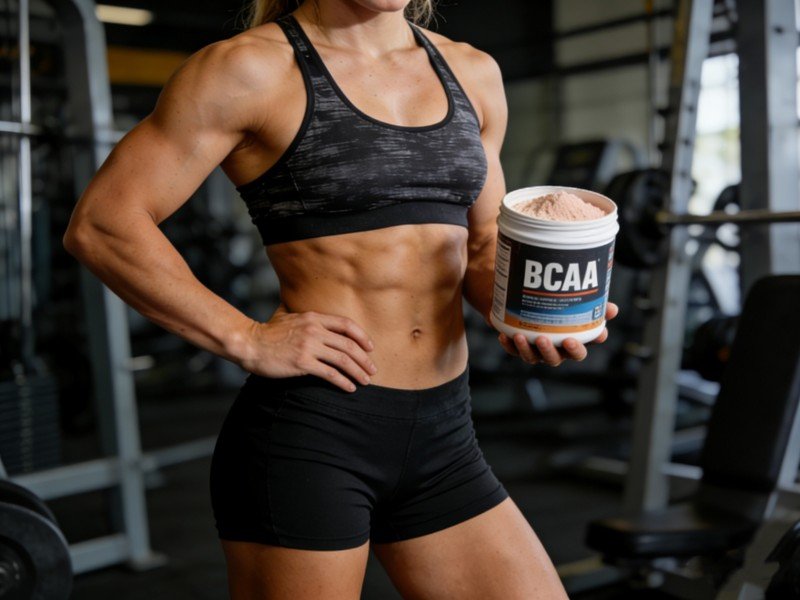
BCAA is one of those sports-nutrition terms that almost everyone has seen, but far fewer people actually understand. Some customers treat it like a shortcut to muscle growth. Others assume it is outdated and useless. Both views miss the bigger picture. BCAA is real, relevant, and still widely used, but its value depends heavily on context. It matters more when you look at the full routine: how much protein a person eats, how hard they train, whether they want a lighter in-session formula, and whether their real problem is muscle support, recovery support, or just poor basic nutrition. NIH’s Office of Dietary Supplements identifies BCAA as the three branched-chain amino acids leucine, isoleucine, and valine, and notes that evidence does not consistently show that BCAA supplements improve performance, build muscle, or improve recovery across the board.
BCAA stands for branched-chain amino acids: leucine, isoleucine, and valine. These are essential amino acids, which means the body must get them from food or supplements. They are already present in complete protein foods and in protein supplements like whey. Leucine is especially important because it helps trigger muscle protein synthesis signaling, but BCAA alone still provides only three of the nine essential amino acids, so it does not replace a complete protein source.
That is why BCAA creates so much confusion in real buying decisions. A person doing CrossFit may use it differently from a person who already drinks whey twice a day. A person training fasted may care about it more than someone eating well-structured meals. A hydration formula with BCAA inside it may make more sense than a stand-alone BCAA tub. Once you understand what BCAA actually is, the conversation gets much more practical. You stop asking whether BCAA is “good” in general and start asking whether it fits the job you need it to do. That is where smart supplement choices begin.
What Is BCAA?
BCAA means branched-chain amino acids, specifically leucine, isoleucine, and valine. These three amino acids are essential, so they must come from diet or supplementation. In sports nutrition, BCAA is mainly discussed because of its role in muscle protein metabolism, exercise support, and recovery-related product design. What makes the topic confusing is that BCAA is important, but it is still only one part of the bigger protein picture.
What Does BCAA Mean?
The term looks technical, but the meaning is straightforward. “Amino acids” are the smaller units that make up proteins. “Essential amino acids” are the ones the body cannot make on its own. “Branched-chain” refers to the chemical structure of three specific essential amino acids: leucine, isoleucine, and valine. NIH’s Office of Dietary Supplements lists these three as the branched-chain amino acids used in sports-supplement discussions.
This matters because many customers first meet BCAA as a product label, not as a nutrition concept. They often know the word before they know the function. That creates a lot of confusion when comparing BCAA powders, whey protein, essential amino acid products, and recovery blends.
A simple table helps place the term correctly:
| Term | What it means |
|---|---|
| Protein | A larger nutrient made from amino acids |
| Essential amino acids | Amino acids the body must get from diet |
| BCAA | Leucine, isoleucine, and valine |
| Complete protein | A protein source that contains all essential amino acids |
What Is in BCAA?
By definition, BCAA contains three amino acids and only those three: leucine, isoleucine, and valine. These are not random compounds added for marketing. They are real, naturally occurring essential amino acids found in protein-rich foods and in human muscle proteins. NIH’s Office of Dietary Supplements notes that BCAAs account for about 25% of the amino acids in foods containing complete proteins and about 14%–18% of the amino acids in skeletal muscle proteins.
That fact is useful because it shows two things at once. First, BCAA is not fake or trivial. These amino acids matter in real human physiology. Second, BCAA is not separate from food-based protein nutrition. It already exists inside normal protein sources.
A source comparison makes this easier to understand:
| Source | Contains BCAA? | Contains all essential amino acids? |
|---|---|---|
| BCAA supplement | Yes | No |
| Whey protein | Yes | Yes |
| Eggs | Yes | Yes |
| Dairy | Yes | Yes |
| Meat or fish | Yes | Yes |
What Does BCAA Do?
This is where the topic gets more interesting. BCAA is most often discussed for three reasons: muscle protein signaling, exercise support, and recovery support. Among the three BCAAs, leucine gets the most attention because it plays a key role in activating mTOR-related pathways involved in muscle protein synthesis. The literature review explains that BCAA, especially leucine, can stimulate anabolic signaling in human muscle.
But customers should be careful here. A signal to build muscle is not the same as a complete supply of building material. BCAA can help turn on the process, but the body still needs the other essential amino acids to fully support new muscle protein synthesis. That is why BCAA matters, but not in the exaggerated way it is often sold.
A practical role table helps:
| BCAA role | What that means in real use |
|---|---|
| Leucine signaling | Helps activate muscle-building pathways |
| Exercise support | May fit around hard or long sessions |
| Recovery support | May help some soreness-related outcomes |
| Complete protein replacement | No |
Is BCAA the Same as Protein?
No, and this is one of the most important distinctions in the entire article.
Protein is a broader category. It includes all the amino acids arranged into larger molecules the body can use for tissue repair, growth, enzymes, hormones, and many other functions. A complete protein contains all essential amino acids in meaningful amounts. BCAA contains only three essential amino acids. Wolfe’s review on BCAA and muscle protein synthesis makes the central point clearly: all essential amino acids must be available in adequate amounts for optimal new muscle protein synthesis, so isolated BCAA cannot produce the same full anabolic response as complete protein.
A direct comparison makes the difference clearer:
| Question | BCAA | Complete protein |
|---|---|---|
| Contains leucine | Yes | Yes |
| Contains all essential amino acids | No | Yes |
| Can fully replace protein nutrition | No | Yes, depending on dose and quality |
| Better for full post-workout protein support | No | Yes |
For customers, this single distinction prevents a lot of wasted money. If the real issue is low protein intake, BCAA is usually not the first answer. Complete protein, better meals, or a stronger recovery formula is usually the bigger priority.

How Does BCAA Work?
BCAA works mainly through its role in muscle protein metabolism and anabolic signaling, especially through leucine. It can also play a role in exercise-related product design, where it is used to support training formulas or recovery formulas. But the most important thing to understand is that BCAA works as a partial tool, not a complete one. It affects part of the muscle-building and recovery conversation, but not all of it.
How Does BCAA Work in the Body?
The body uses BCAAs in several ways, but the most discussed role in sports nutrition is their link to muscle metabolism. Leucine, in particular, is well known for helping activate signaling pathways related to muscle protein synthesis. Recent review literature describes increased anabolic signaling after BCAA intake, especially via leucine-related pathways.
This is why BCAA keeps showing up in workout formulas. The logic is not completely wrong. The problem is that many labels stop at the signaling story and do not explain the limitation. Signaling is only part of the process. The body still needs the rest of the essential amino acids to build new muscle proteins effectively.
A mechanism table helps simplify that point:
| Step | What BCAA may do |
|---|---|
| Signal muscle-building pathways | Yes, especially through leucine |
| Provide some essential amino acids | Yes |
| Provide all essential amino acids | No |
| Match the full anabolic effect of complete protein | Usually no |
How Does BCAA Relate to Muscle Recovery?
A lot of people do not care about signaling pathways in abstract terms. They care about whether they feel better after training. That makes recovery the most practical BCAA question.
Here the evidence is mixed but not empty. NIH’s Office of Dietary Supplements says there is not much strong evidence that BCAA supplements reliably improve recovery in a consistent, broad way. At the same time, more recent reviews in athletes report that BCAA may reduce some post-exercise soreness and muscle-damage markers, even if effects on body composition and performance are small or negligible overall.
That means BCAA can still be relevant, especially when customers care about:
- soreness management
- back-to-back training days
- lighter training-support drinks
- formulas built for hybrid performance use
A recovery table makes this easier to judge:
| Recovery question | Practical answer |
|---|---|
| Can BCAA help some soreness outcomes? | Sometimes |
| Is BCAA a full recovery solution? | No |
| Does it replace protein, hydration, and sleep? | No |
| Can it make more sense inside a broader formula? | Yes |
How Does BCAA Relate to Training Fatigue?
This is another place where product marketing often runs ahead of what the evidence clearly supports. BCAA is often positioned as a fatigue-support ingredient, especially in endurance or mixed-training formulas. NIH’s Office of Dietary Supplements says there is limited scientific evidence that BCAA improves performance outcomes in a consistent way. A 2022 athlete-focused review similarly found that while anabolic signals tended to rise, the benefits for performance and body composition were negligible overall.
That does not mean BCAA has no place in performance formulas. It means customers should not expect it to act like a guaranteed performance booster by itself.
A useful expectation table:
| Claim | What is more realistic |
|---|---|
| “BCAA will make me stronger fast.” | Not supported well as a standalone promise |
| “BCAA may help inside a broader workout formula.” | More realistic |
| “BCAA replaces good fueling.” | No |
For customers, the real-world value of BCAA is usually stronger when it is part of a wider system that also handles hydration, training support, and recovery logic.
How Does BCAA Compare With Complete Protein?
This is still the most important comparison point in the article.
Complete protein remains the stronger overall choice for full muscle-support nutrition because it provides the entire essential amino acid profile, not just three of them. Review literature consistently shows that isolated BCAA can activate parts of the anabolic process, but the muscle protein synthesis response is smaller than what is observed after complete protein ingestion.
A side-by-side table makes this easier for customers:
| Nutrition choice | Leucine present? | Full EAA profile? | Better for complete muscle support? |
|---|---|---|---|
| BCAA | Yes | No | No |
| Whey protein | Yes | Yes | Yes |
| High-protein meal | Yes | Yes | Yes |

What Are the Common BCAA Mistakes?
The biggest BCAA mistake is treating it like a full solution instead of a partial tool. That is where most confusion starts. Customers often see “amino acids,” “muscle,” and “recovery” on the same label and assume BCAA can cover everything from protein support to soreness control to workout performance. The science does not support that kind of broad promise. NIH’s Office of Dietary Supplements says the evidence does not consistently show that BCAA supplements improve athletic performance, increase muscle mass, or improve recovery in a reliable across-the-board way. At the same time, newer reviews suggest BCAA may help some soreness and muscle-damage markers in specific exercise settings.
That mixed reality is exactly why customers make repeat mistakes. They often buy BCAA when the real problem is low total protein, weak post-workout nutrition, poor hydration, or a training plan that is simply too aggressive. In those cases, BCAA becomes an expensive side addition instead of a smart fix.
A simple mistake map helps:
| Common mistake | What usually makes more sense |
|---|---|
| “BCAA builds muscle by itself.” | Complete protein matters more for full muscle-building support. |
| “BCAA is better than whey.” | Whey usually does more because it includes all essential amino acids. |
| “I use BCAA, so I do not need to worry about protein.” | Daily protein intake still matters much more. |
| “More BCAA means more results.” | More grams do not fix weak diet, weak recovery, or weak training structure. |
Does BCAA Build Muscle by Itself?
Not in the way many labels imply.
BCAA, especially leucine, can help activate anabolic signaling in muscle. That part is real. Leucine is the most influential of the three BCAAs when people talk about muscle protein synthesis. But activation is only one part of the process. To actually build new muscle tissue efficiently, the body still needs the rest of the essential amino acids in adequate amounts. Reviews summarized by NIH and recent human research updates keep returning to the same core point: BCAA alone can stimulate part of the anabolic response, but the response is smaller than what is seen after complete protein intake.
This matters because many customers treat BCAA like a direct muscle-gain product. In practice, the more important questions are:
- Are you eating enough total protein each day?
- Are you using complete protein around training?
- Are your meals evenly distributed across the day?
- Are you training hard enough and recovering well enough for growth to happen?
A practical table makes the difference easier to see:
| Nutrition situation | Muscle-building support level |
|---|---|
| BCAA alone | Partial |
| Whey protein | Stronger |
| Complete meal with high-quality protein | Stronger |
| Low total daily protein + added BCAA | Still weak overall |
For customers focused on muscle gain, BCAA should be seen as secondary support, not the main foundation. If the diet is weak, BCAA usually does not solve the bigger problem.
Is BCAA Better Than Whey Protein?
For most muscle-support goals, no.
This is one of the most important comparison points because it changes how customers spend money. Whey protein already contains BCAA, including leucine, but it also provides the rest of the essential amino acids needed for fuller protein-building support. The ISSN position stands on protein and exercise recommends acute protein doses of about 20–40 g, or about 0.25 g/kg, and notes that those doses should provide leucine together with a balanced array of essential amino acids. That is exactly why complete protein tends to outperform isolated BCAA for full anabolic support.
A direct comparison helps:
| Question | BCAA | Whey protein |
|---|---|---|
| Contains leucine | Yes | Yes |
| Contains all essential amino acids | No | Yes |
| Better for complete post-workout protein support | No | Yes |
| Better when total protein intake is low | No | Yes |
| Better as a light in-session support ingredient | Sometimes | Sometimes less practical |
This does not mean BCAA has no role. It means the role is narrower. Whey is usually the stronger standalone choice when the customer wants broader muscle-support nutrition. BCAA makes more sense when the customer wants a lighter format, amino-acid support inside a broader training formula, or something less heavy than a protein shake during hard sessions.
Do You Need BCAA If You Already Eat Enough Protein?
Often, maybe not.
This is where BCAA becomes a strategy question instead of a hype question. If someone already hits daily protein targets, uses complete protein regularly, and recovers well, the extra value of stand-alone BCAA usually becomes smaller. NIH notes that BCAA is already naturally present in complete-protein foods, which is one reason extra isolated BCAA is not always the most important next step.
A practical checklist helps readers judge their own situation:
| If this is already true | Stand-alone BCAA may matter less |
|---|---|
| You regularly hit protein goals | Yes |
| You already use whey or complete protein | Yes |
| Your recovery is solid | Yes |
| You are not training in long mixed sessions | Yes |
| You mainly want muscle growth support | Yes |
Where BCAA may still make sense:
- You train early and do not want a full shake.
- You use lighter workout drinks during long sessions.
- You want amino acid support inside a performance formula.
- You care about convenience more than full meal replacement during training.
Is More BCAA Always Better?
No. More BCAA is not automatically more useful.
This is a classic supplement mistake. Customers often assume that if one serving sounds helpful, then a bigger serving must be more effective. But if the real issue is poor total protein intake, poor recovery meals, bad hydration, or inconsistent training structure, increasing the BCAA dose does very little to fix the actual problem. Current human-focused reviews and ODS guidance do not support the idea that simply pushing BCAA intake higher produces broad performance or body-composition advantages.
A practical reality table:
| Real problem | Will “more BCAA” solve it well? |
|---|---|
| Low total protein intake | Usually no |
| Weak post-workout meal | Usually no |
| Poor hydration | No |
| Hard mixed training needing lighter amino-acid support | Sometimes |
| Customer just wants a stronger label claim | No practical value |
Which AirVigor Products Relate to BCAA?
This is where BCAA becomes much more practical. Most customers do not buy BCAA as an isolated idea. They buy a product because they want better training support, easier recovery, less supplement clutter, or a more convenient routine. That is exactly why BCAA often works better inside a broader formula than as a standalone tub.
Based on your product information, AirVigor’s three products relate to BCAA in three very different ways:
| Product | How BCAA fits |
|---|---|
| Peak Performance Pre-Workout Powder | BCAA is part of a full training-support matrix |
| All-in-One Sports Recovery & Hydration Formula | BCAA is not the core; broader recovery support matters more |
| Recovery Anti-Fatigue Electrolyte Formula | BCAA is not the focus; hydration and anti-fatigue support are the focus |
How Does BCAA Fit a Pre-Workout Formula?
This is the clearest and strongest BCAA use case in the AirVigor line.
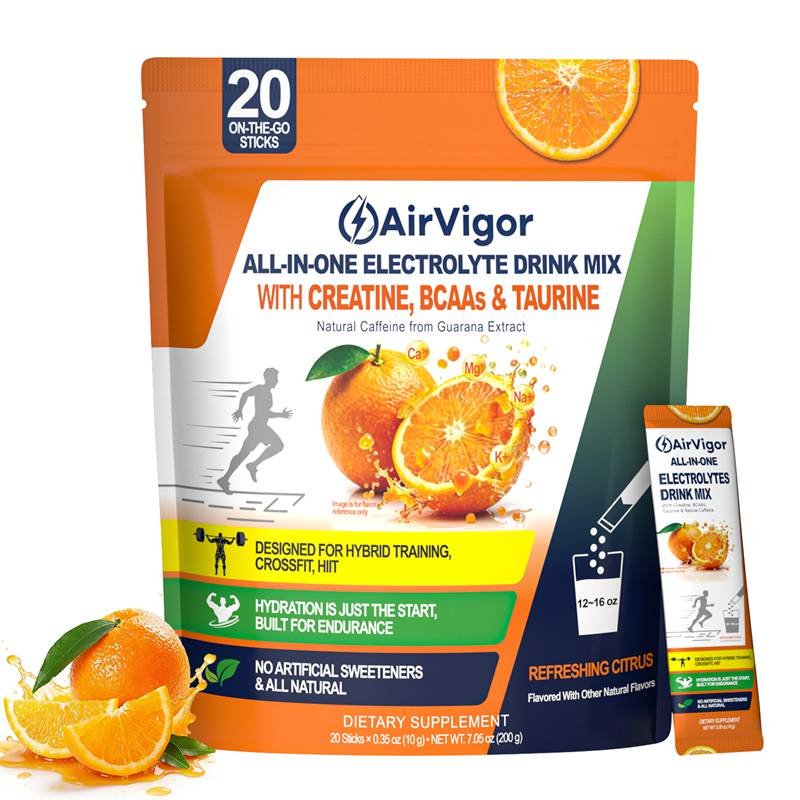
Your Peak Performance Pre-Workout Powder includes electrolytes, creatine, taurine, amino acids, BCAA, citrulline, and guarana extract. That means BCAA is not acting alone. It is one part of a broader support system designed for:
- mixed training
- repeated hard efforts
- hydration support
- strength and endurance support
- less need for multiple separate products
This structure matters because BCAA becomes more useful when it is part of a formula built for real workout demands rather than marketed as a single answer to everything.
A fit table makes this easier to see:
| Customer need | Why this formula fits better |
|---|---|
| CrossFit or HIIT support | BCAA sits inside a broader performance system |
| Training support without multiple tubs | The formula reduces product stacking |
| Hard sessions with sweat loss | Electrolytes and amino acids work together |
| Wanting a lighter workout drink than a full protein shake | Better practical fit |
How Does BCAA Fit a Recovery Formula?
This is a more nuanced situation.
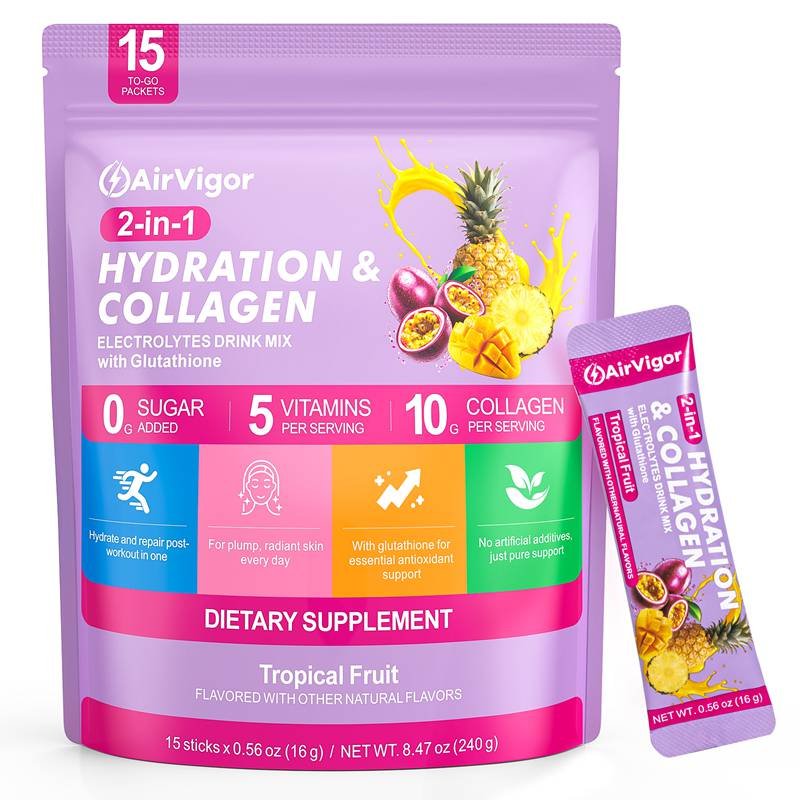
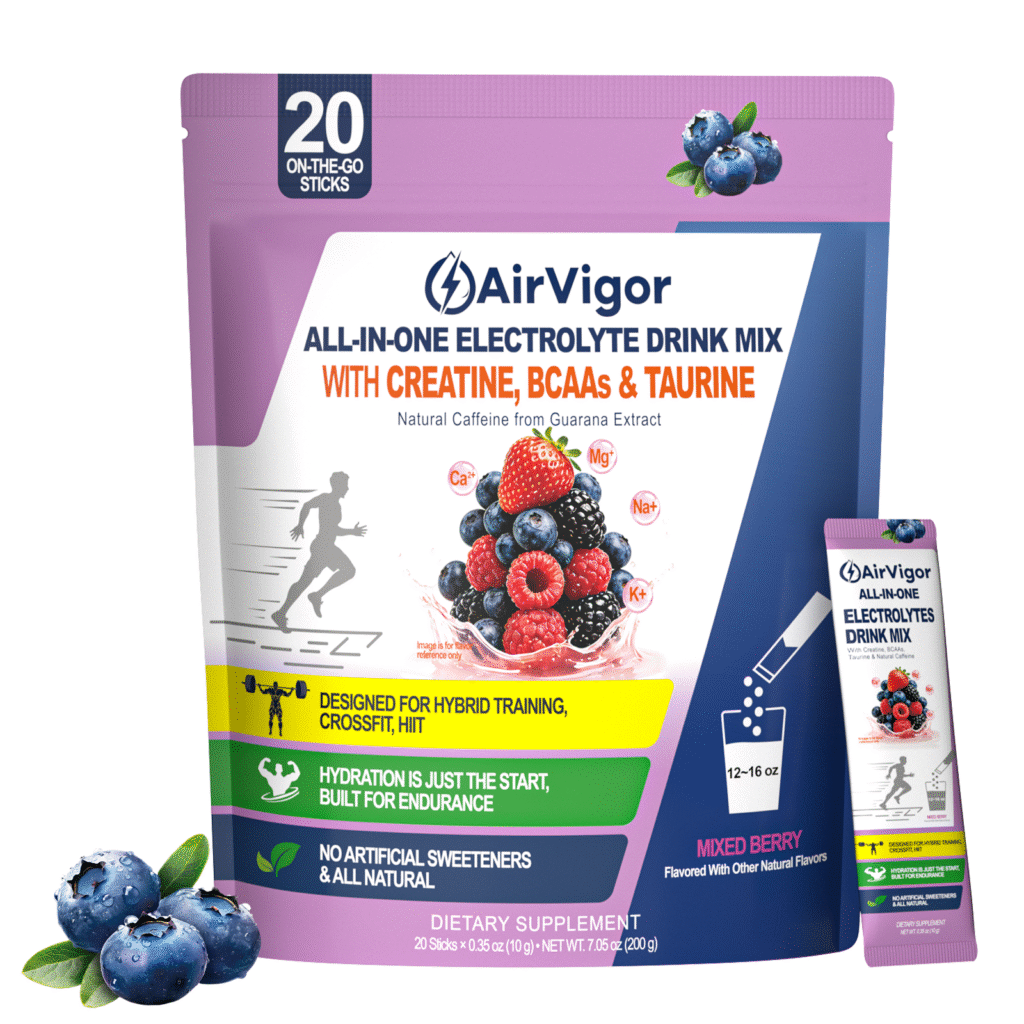
Your All-in-One Sports Recovery & Hydration Formula is designed around electrolytes, collagen blend, vitamins, and broader recovery support. That means the product’s main job is not “deliver BCAA.” Its job is to make post-workout recovery easier and more complete. This is important because many customers looking at BCAA are actually dealing with a broader recovery gap:
- they are thirsty
- they are tired
- they do not want solid food right away
- they delay recovery nutrition
- they need something easier than a heavy shake
In that kind of context, a fuller recovery formula often makes more sense than isolated BCAA.
A comparison table helps:
| Recovery need | Stand-alone BCAA logic | AirVigor recovery formula logic |
|---|---|---|
| “I want some amino-acid support” | Narrower | Broader |
| “I need hydration plus recovery” | Partial | Stronger fit |
| “I do not want a heavy meal right after training” | Limited | Better fit |
How Does BCAA Fit a Hydration Formula?
In a hydration-first formula, BCAA is usually not the main attraction.
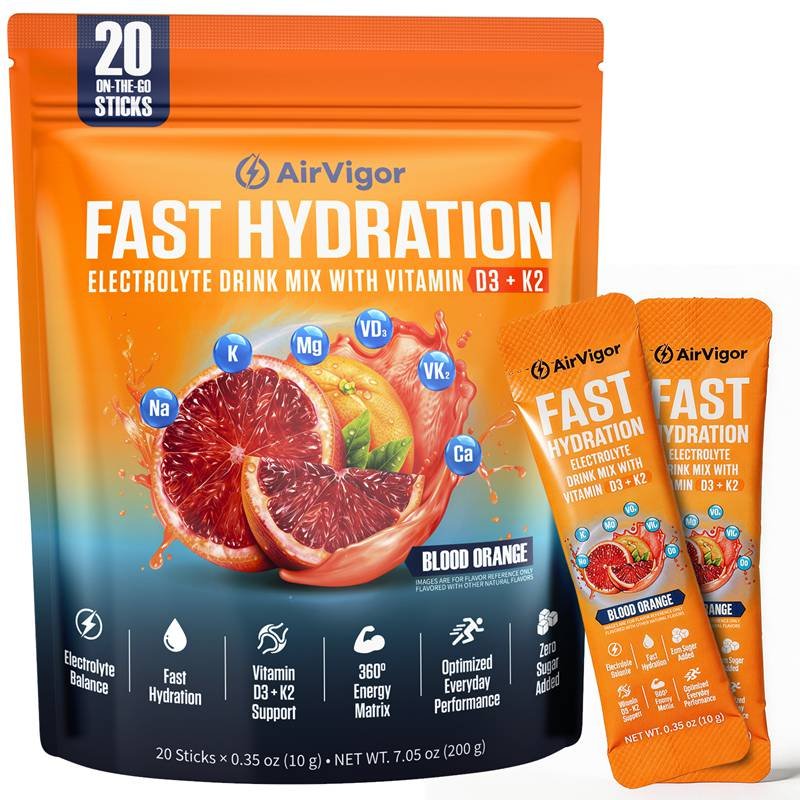
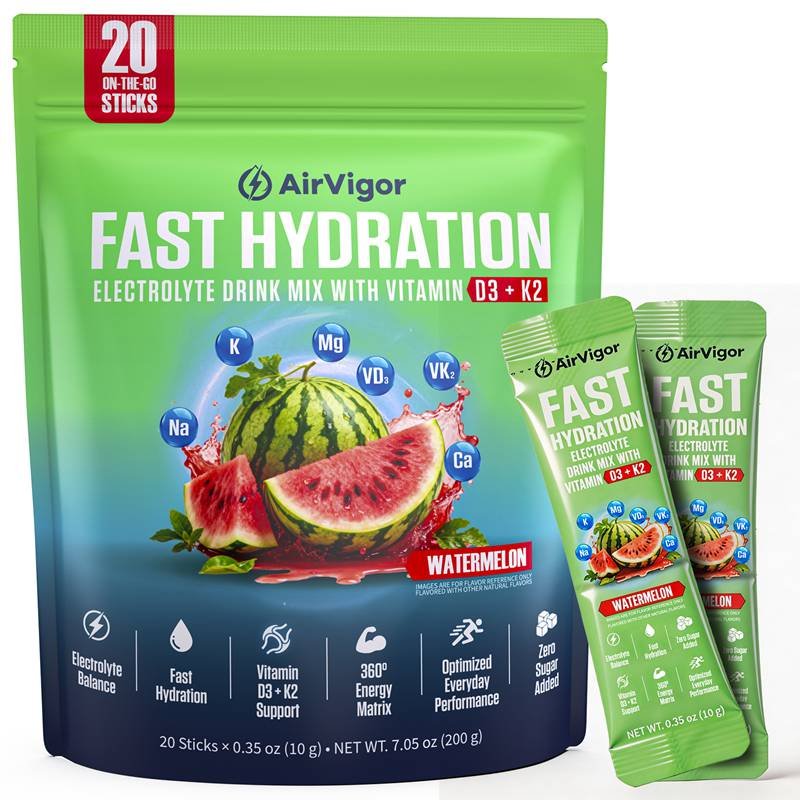
Your Recovery Anti-Fatigue Electrolyte Formula centers on sodium, potassium, chloride, calcium, magnesium, and vitamins D3 + K2. That means its main job is:
- hydration support
- sweat-loss support
- anti-fatigue support
- simpler broad-use recovery support
This matters because many users assume every workout-related problem should be solved with amino acids. But for general exercisers, office workers who sweat lightly, or people who mainly need hydration after activity, BCAA is often not the missing piece.
A practical fit table helps:
| Main need | Is BCAA the main answer? |
|---|---|
| Better hydration after sweating | Usually no |
| Anti-fatigue daily support | Usually no |
| Broad lifestyle recovery support | Usually no |
| Amino-acid support during hard mixed training | More likely yes |

Which AirVigor Product Fits Your BCAA Goal?
This becomes simple when the goal is clear.
Use this decision table:
| If the real goal is… | Best AirVigor fit |
|---|---|
| Hard-session support during mixed training | Peak Performance Pre-Workout Powder |
| Broader post-workout recovery support | All-in-One Sports Recovery & Hydration Formula |
| Daily hydration and anti-fatigue support | Recovery Anti-Fatigue Electrolyte Formula |
- Choose Peak Performance Pre-Workout Powder if BCAA is part of a bigger performance and in-session support need
- Choose All-in-One Sports Recovery & Hydration Formula if the real issue is post-workout recovery, not stand-alone amino-acid intake
- Choose Recovery Anti-Fatigue Electrolyte Formula if the real issue is hydration and general fatigue support
For customers, the smartest rule is this: choose the product that matches the recovery or performance gap, not the ingredient name that looks most familiar on the label.