Skip to content
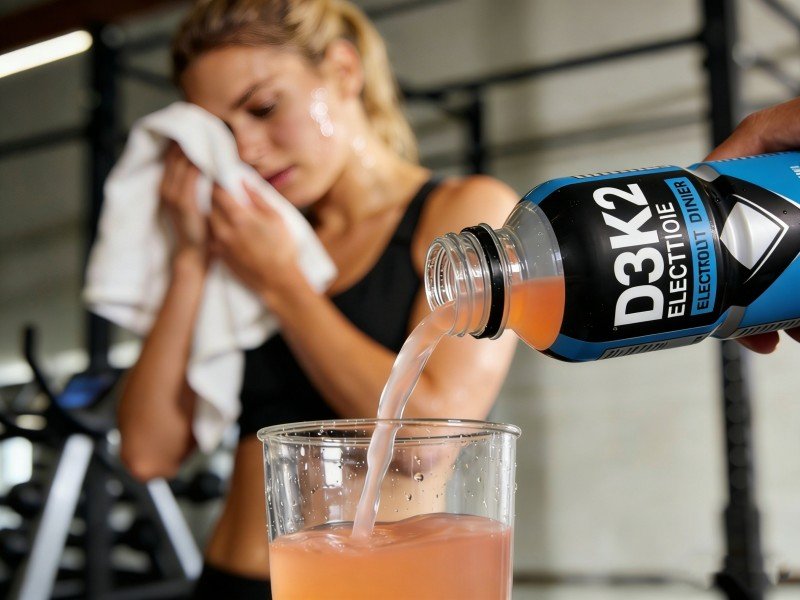
A lot of people finish a workout and immediately ask the wrong question. They ask, “Should I drink electrolytes or just water?” A better question is, “How much did I lose, and what kind of recovery do I actually need?” That shift matters. After training, recovery is not only about quenching thirst. It is about replacing fluid, restoring electrolyte balance, and giving the body a practical path back to a more stable state—especially if the workout was long, sweaty, hot, or repeated later in the day. Trusted sports-hydration guidance consistently says that after exercise, the goal is to replace fluid and electrolyte deficits, and that a more aggressive rehydration plan matters more when the deficit is larger or recovery time is short.
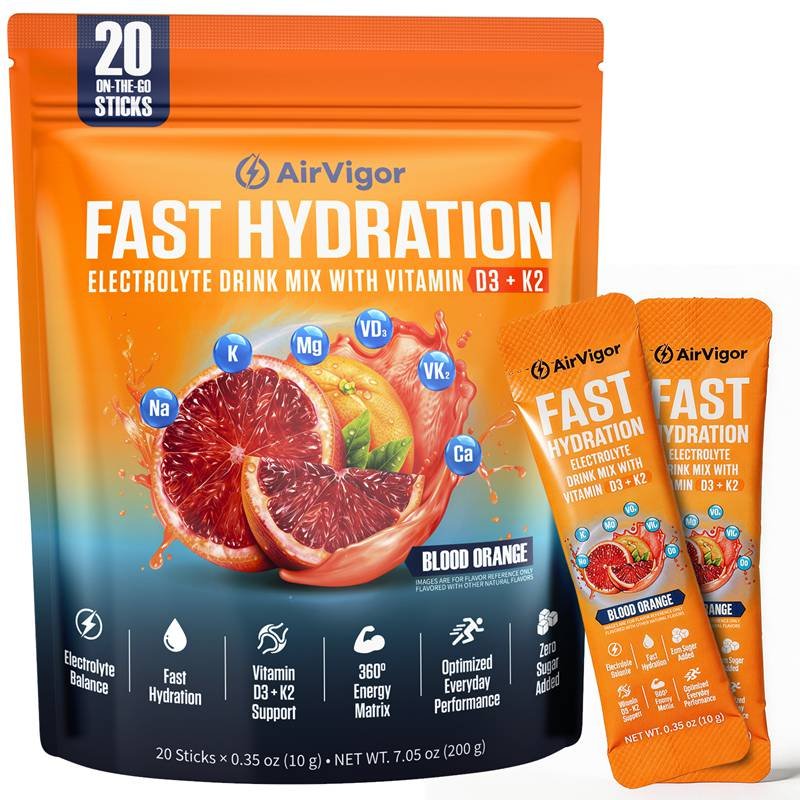
Recovery Electrolyte with D3K2 is best used after training by matching the serving to sweat loss, mixing it with an appropriate amount of water, and drinking it within the early recovery window rather than randomly hours later. For most post-workout situations, one serving in roughly 400–700 mL of water works as a practical starting point, while heavier sweat loss may require more fluid and sometimes more than one serving over time. Guidance from hydration experts also notes that post-exercise rehydration often works best when people replace more than the exact fluid lost—commonly around 20–24 oz per pound lost or about 150% of body-mass loss over the recovery period.
That is why this topic matters so much for a product like Recovery Electrolyte with D3K2. The product itself can be well designed, but the outcome still depends on how you use it: too little water and it may feel too concentrated, too late and the recovery window is less useful, too much “just in case,” and the routine becomes less practical than it needs to be. If you have ever finished a session, drank something random, and still felt heavy, thirsty, flat, or under-recovered later in the day, the issue may not have been the idea of electrolytes at all. It may have been the timing, the water ratio, or the mismatch between the workout and the way you drank it. That is exactly what we are going to fix in this guide.
What Is Recovery Electrolyte with D3K2?
Recovery Electrolyte with D3K2 is a post-workout hydration formula designed to support more than thirst. It is meant to help replace fluid and electrolytes after sweating while fitting into a broader recovery routine. Water alone can help after light activity, but after longer, hotter, or sweat-heavier sessions, a recovery-focused electrolyte drink is often more useful because it helps address both fluid loss and electrolyte loss at the same time.
What Does Recovery Electrolyte with D3K2 Do?
A recovery electrolyte formula is built for the period after exercise, when the body is trying to restore fluid balance and return to a more stable state. That is different from an intra-workout product, which is mainly there to support performance while the session is still happening.
After training, the main jobs are usually:
- replacing fluid lost through sweat
- restoring part of the sodium and other electrolytes lost during exercise
- making post-workout hydration easier to execute
- supporting a smoother transition into the next meal, rest period, or training session
This is where product purpose matters. A basic flavored drink may help with taste. A recovery electrolyte is supposed to do more than that.
| Product type | Main post-workout role |
|---|---|
| Plain water | Replaces fluid, but not electrolytes |
| Basic sports drink | Supports general fluid and sodium replacement |
| Recovery Electrolyte with D3K2 | Supports fluid replacement plus broader recovery-oriented hydration |
For customers, the value is practical. The formula should make recovery easier to do correctly, not more complicated.
Why Drink Recovery Electrolyte with D3K2 After Training?
The biggest reason is simple: post-workout hydration is often underestimated. Many people stop paying attention once the workout ends, even though the body may still be in a clear fluid and electrolyte deficit. Guidance from major sports-hydration sources notes that recovery should start soon after exercise and that replacing the losses becomes even more important when a person has sweated heavily, trained in heat, or has another activity coming later.
A recovery electrolyte becomes more useful after training when the session includes:
- visible sweat loss
- heat or humidity
- longer duration
- repeated rounds or intervals
- another training session on the same day
- low appetite right after exercise, making fluids easier than food at first
This is also why many users say that plain water helps with thirst, but not always with recovery quality. Water can reduce dryness. A better electrolyte routine can make the whole recovery process feel more structured.
A useful way to think about it is:
| Post-workout condition | Water alone | Recovery Electrolyte with D3K2 |
|---|---|---|
| Light session, little sweat | Often enough | Sometimes unnecessary |
| Long or sweaty session | May feel incomplete | Usually more useful |
| Hot-weather training | Often less targeted | Better suited to recovery needs |
| Back-to-back workouts | Limited support | More practical |
That difference is what customers usually feel, even if they do not describe it in technical language.
Is Recovery Electrolyte with D3K2 Better Than Plain Water?
Sometimes yes, sometimes no. The right answer depends on the workout.
For short, low-sweat exercise, plain water is often enough. That is still the right answer for many light sessions. But once the workout becomes longer, hotter, or sweatier, sports hydration guidance favors drinks that help replace both fluid and electrolytes. Prolonged exercise, especially beyond about an hour or in hot weather, is where electrolyte-containing drinks start to make more practical sense.
The easiest way to judge this is by situation:
| Workout situation | Plain water | Recovery Electrolyte with D3K2 |
|---|---|---|
| 20–30 min easy workout | Usually enough | Often unnecessary |
| 45–60 min gym session with clear sweat | Sometimes enough | Often useful |
| 60–90 min run or ride | Less complete | Usually better |
| HIIT in heat | Often not enough by itself | Usually better |
| Outdoor work plus training | Often not enough by itself | Strong fit |
So the better question is not “Is it always better than water?” The better question is “Did this workout create enough fluid and electrolyte loss that water alone will probably feel incomplete?” That is the more useful recovery standard.
Which Workouts Need Recovery Electrolyte with D3K2 Most?
Not every session creates the same kind of recovery demand. The workouts that usually benefit most are the ones that combine duration, sweat, heat, or repeated stress.
That often includes:
- long runs
- long rides
- HIIT classes with heavy sweat
- hot-weather strength sessions
- team practices lasting an hour or more
- physically demanding workdays followed by exercise
A simple ranking helps:
| Workout type | Need for recovery electrolyte |
|---|---|
| Easy mobility session | Low |
| Short low-sweat lift | Low to moderate |
| Moderate gym session with heavy sweat | Moderate to high |
| Long endurance workout | High |
| HIIT in heat | High |
| Outdoor labor plus evening workout | High |
For many customers, this section is where the product starts to make sense. It is not about drinking electrolytes after every movement session. It is about using them when the session creates a recovery problem that is worth solving.

How Much Recovery Electrolyte with D3K2 Should You Drink?
The right amount depends on how hard you trained, how much you sweated, how hot it was, and how fast you need to recover. That is why one fixed answer rarely works for everyone. A short gym session in a cool room does not create the same recovery demand as a 75-minute run in summer heat. Post-exercise hydration guidance consistently recommends replacing fluid based on actual losses, not guesswork, and commonly suggests about 20–24 fluid ounces per pound lost or roughly 150% of body mass lost over the recovery period.
For most healthy users, the most practical starting point after a normal sweaty workout is 1 serving of Recovery Electrolyte with D3K2 mixed into 400–700 mL of water. That is usually enough to begin recovery without making the drink too concentrated or too hard to finish. If sweat loss was higher than usual, the better move is often to increase total fluid intake across the next 1–2 hours, not automatically double the powder in one bottle.
How Much Recovery Electrolyte with D3K2 Per Serving?
For most post-workout situations, one serving is the right place to start. That usually works well when:
- the workout lasted about 45–90 minutes
- sweating was noticeable
- the session is already over
- you are planning to eat later
- you do not have another hard workout within the next few hours
This is the most practical routine because it is easy to repeat and easy to remember. Many people do better with a simple, consistent rule than with a complicated plan they never follow.
A useful starting guide looks like this:
| Post-workout situation | Good starting use |
|---|---|
| Moderate gym session with sweat | 1 serving |
| 60-minute run in warm weather | 1 serving |
| Hard HIIT class with heavy sweat | 1 serving |
| Long hot workout | 1 serving to start, then reassess fluids |
| Two-a-day training | 1 serving early, then continue recovery fluids |
The key idea is that one serving is a starting point, not always the full answer. If the workout caused a larger fluid deficit, recovery may require more total water afterward, and in some cases another serving later may make sense.
How Much Water Should You Mix With Recovery Electrolyte with D3K2?
Water amount changes both the taste and the practical usefulness of the drink. If the mix is too concentrated, it can feel too strong, too salty, or simply harder to finish after a workout. If it is too diluted, it may feel weak and less satisfying.
For most users, a practical water range is:
- 400–500 mL if you want a stronger, more concentrated recovery drink
- 500–700 mL for a balanced, everyday post-workout routine
- 700 mL or more if you are using the serving as part of a longer rehydration process
A simple mixing guide:
| Water amount | What it usually feels like |
|---|---|
| 400–500 mL | Stronger taste, more concentrated |
| 500–700 mL | Balanced, easiest for everyday use |
| 700+ mL | Lighter taste, better for slower sipping |
The “best” water amount is usually the one that helps you finish the full fluid volume comfortably. A drink that looks ideal on paper but is too strong to finish is not helping recovery as much as a slightly lighter mix you can actually drink.
How Much Recovery Electrolyte with D3K2 After Heavy Sweat?
This is where body-weight change becomes very useful. Several hydration references recommend replacing about 20–24 oz of fluid for every 1 pound lost after exercise, and the Korey Stringer Institute summarizes post-exercise rehydration as about 150% of body mass lost, ideally within the early recovery period.
That means:
| Body weight lost after exercise | Approximate fluid target |
|---|---|
| 1 lb lost | 20–24 oz / about 600–710 mL |
| 2 lb lost | 40–48 oz / about 1.2–1.4 L |
| 3 lb lost | 60–72 oz / about 1.8–2.1 L |
This does not mean you need to drink all of it immediately. It means your full recovery plan should reflect the size of the loss.
A practical heavy-sweat routine often looks like this:
- Start with 1 serving of Recovery Electrolyte with D3K2
- Continue drinking fluids over the next 1–2 hours
- Reassess based on thirst, urine color, and whether you lost measurable body weight
- Use meals and normal hydration to finish the recovery process
This is usually a better plan than making the first bottle extremely strong and hoping that fixes everything.
Can You Drink Too Much Recovery Electrolyte with D3K2?
Yes. More is not always better, especially if the workout did not create a large fluid or electrolyte deficit.
Overuse usually happens in one of these ways:
- using multiple servings after a short, low-sweat session
- mixing the drink too strongly with too little water
- drinking it out of habit after every workout, regardless of need
- trying to “catch up” by drinking a large amount too quickly
Sports-hydration guidance also warns against overdrinking. The goal is appropriate replacement, not maximum possible intake.
A simple decision table helps:
| Use pattern | Better or worse idea |
|---|---|
| 1 serving after a sweaty workout | Usually appropriate |
| 1 serving after a light low-sweat session | Sometimes unnecessary |
| Multiple servings after minimal sweat loss | Often too much |
| Matching intake to sweat loss and heat | Better strategy |
For most people, the safest and smartest rule is this: match the drink to the workout. Do not let the product decide the dose. Let the session decide it.
How Should You Adjust the Amount for Different Workouts?
Not every session needs the same amount.
A more practical way to think about intake is by training scenario:
| Workout type | Practical starting plan |
|---|---|
| 20–30 min light workout, low sweat | Water may be enough |
| 45–60 min gym workout with moderate sweat | 1 serving in 500–700 mL |
| 60–90 min run or ride | 1 serving to start, then continue fluids |
| HIIT in heat | 1 serving in 500–700 mL, consider more fluid later |
| Outdoor work + evening training | 1 serving early, then continue rehydration |
This is often where customers make better decisions. Instead of asking, “What is the perfect amount for everyone?” ask, “What kind of session did I actually just finish?”
That one question usually leads to a better recovery choice than obsessing over one universal serving rule.
When Should You Drink Recovery Electrolyte with D3K2?
The best time to drink Recovery Electrolyte with D3K2 is not about being obsessive or trying to drink it within a perfect minute. What matters more is starting early enough that the body is still in a useful recovery window. For most people, the first 15–30 minutes after training is a very practical place to begin. At that point, fluid loss and electrolyte loss are still fresh, and the body is generally more ready to absorb and use what you are giving it.
A common mistake is not refusing to rehydrate, but simply waiting too long.
That often looks like this:
- finishing training and only taking a few sips of water
- driving home first and delaying recovery
- showering, eating, or getting busy, then remembering electrolytes much later
- sweating heavily but not starting a real recovery routine until the evening
That does not make later hydration useless, but it often makes it less efficient.
For most workouts that produce noticeable sweat, the more practical rule is:
- start recovery soon after training
- finish your first recovery serving early
- continue fluid intake afterward if the workout or heat level was significant
That matters more than chasing a perfect minute-by-minute schedule.
How Soon After a Workout Should You Drink Recovery Electrolyte with D3K2?
For most active people, a very practical answer is:
Start drinking it within 15–30 minutes after the workout ends.
This works especially well when:
- the workout lasted more than 45 minutes
- sweating was obvious
- the weather was hot or humid
- you are not eating a full recovery meal right away
- you still have a busy day ahead of you
If the workout was light, sweat loss was low, and a full meal is coming soon, the urgency is lower. But if your shirt is wet, your mouth feels dry, your legs feel heavy, or you feel “drained” after training, waiting too long usually makes recovery less smooth.
A simple timing guide looks like this:
| Time you start drinking | How useful it usually is |
|---|---|
| 0–15 minutes | Excellent |
| 15–30 minutes | Very practical for most people |
| 30–60 minutes | Still useful, but less ideal |
| 1–2 hours later | Can still help, but recovery has already slowed |
The real goal is not perfect timing. The goal is to avoid missing the early recovery window.
Is Recovery Electrolyte with D3K2 Better Right After Training?
In many cases, yes.
This is especially true after:
- longer endurance sessions
- high-intensity interval workouts
- hot-weather training
- strength sessions with a lot of sweat
- days with two workouts
The main advantage of drinking it right after training is not that it creates a dramatic effect. The advantage is that it gives the body a clear and timely recovery signal while dehydration and electrolyte loss are still recent.
For many people, this also helps with consistency. If the drink is taken soon after training, it is much easier to turn recovery into a habit. If it is delayed too long, many users end up:
- forgetting to drink it
- replacing it with random snacks or plain water
- drinking too little later in the day
- feeling more depleted than necessary
A simple comparison looks like this:
| Workout type | Is immediate use more useful? |
|---|---|
| Light mobility or walking | Not usually necessary |
| Standard gym session with sweat | Usually yes |
| Running, cycling, HIIT | Strongly yes |
| Outdoor summer training | Very useful |
| Evening workout before commuting home | Very practical |
So the better answer is not “always drink it immediately.” The better answer is: the more recovery demand the workout creates, the more useful early drinking becomes.
Can You Drink Recovery Electrolyte with D3K2 Later in the Day?
Yes, but the reason matters.
Later use still makes sense when:
- your first round of recovery was not enough
- sweat loss was high, and you are still rehydrating
- your appetite was low immediately after training
- you are spacing fluids across several hours
- the workout happened earlier, but recovery is still ongoing
The mistake is not drinking it later. The mistake is assuming timing never matters.
If the body is still showing signs of incomplete recovery, later use can still be practical. Those signs often include:
- lingering thirst
- darker urine
- a heavy or “empty” feeling after training
- unusually high sweat loss earlier in the day
- more activity is still coming later
If those signs are still there, later use can still support recovery. If they are not, the product may no longer be necessary for that session.
How Often Can You Drink Recovery Electrolyte with D3K2?
Frequency should follow training demand and sweat loss, not habit alone.
In general, more regular use makes sense for people who:
- train 4–6 times per week
- sweat heavily during workouts
- work in hot environments
- need repeated recovery support across the week
Less frequent use usually makes more sense when:
- workouts are short
- sweat loss is low
- training is light
- daily hydration and food intake are already stable
A practical frequency guide looks like this:
| Situation | Practical frequency idea |
|---|---|
| High-sweat training several times a week | Can be used regularly |
| Outdoor work in heat | Useful on high-heat, high-sweat days |
| General gym training with noticeable sweat | Use as needed after harder sessions |
| Light exercise with low sweat loss | Not needed every time |
| Non-training rest day | Usually unnecessary |
The smartest routine is not to use it automatically after everything. It is to use it when the day actually creates a recovery need.

How Should You Drink Recovery Electrolyte with D3K2 in Real Life?
Real-life recovery is usually messier than lab-style advice. Most people do not finish a workout, weigh themselves, calculate exact sweat loss, and follow a perfect rehydration formula. They finish training, feel tired, rush to the car, go back to work, head home for dinner, or move straight into the next responsibility. That is why a good recovery routine has to be simple enough to repeat. The best post-workout hydration plan is not the most technical one. It is the one people can actually follow after a hard session, a hot shift, or a busy day. Sports hydration guidance consistently shows that recovery needs depend on duration, sweat loss, heat, and how quickly you need to perform again, which means the most practical routine is one that changes with the session instead of treating every workout the same.
For most users, the most useful way to drink Recovery Electrolyte with D3K2 is to adjust three things:
- when you start drinking
- how much water do you mix with one serving
- how much total fluid do you continue to drink afterward
In most real training situations, one serving in 500–700 mL of water works well as a starting point after a sweaty workout. The difference comes from what happens next. A runner finishing a 90-minute summer run often needs continued fluids after that first serving. A lifter leaving a 60-minute gym session may not. An outdoor worker finishing a hot shift may need to think about the whole afternoon, not just one bottle. That is why real-life use matters so much more than one fixed rule.
How Should Runners Drink Recovery Electrolyte with D3K2?
Runners usually benefit most when the session is long enough or sweaty enough to create a real recovery gap. That often means:
- runs longer than 45–60 minutes
- interval sessions
- tempo runs
- long runs
- warm or humid weather runs
For runners, the biggest post-workout issues are often not just thirst. They may feel:
- heavy legs
- a dry mouth but low appetite
- early fatigue later in the day
- poor recovery before the next run
A practical running plan usually looks like this:
- Start within 15–30 minutes after the run
- Mix 1 serving in 500–700 mL of water
- Finish that first bottle steadily, not all at once
- Continue with water and food afterward if the run was long or hot
A simple running guide:
| Running session | Practical recovery use |
|---|---|
| Easy 20–30 min run | Water is often enough |
| 45–60 min sweaty run | 1 serving usually makes sense |
| 75–90 min run | 1 serving to start, then continue fluids |
| Long summer run | Early recovery drink is especially useful |
For runners, this drink works best as the first step in recovery, not the only step.
How Should Lifters Drink Recovery Electrolyte with D3K2?
Lifters often underestimate recovery hydration because they do not always associate lifting with electrolyte loss the same way runners do. But long sessions, poor gym ventilation, full-body training, high-volume leg days, and strength-plus-cardio combinations can all create more fluid loss than people expect. In these cases, post-workout hydration matters not because lifting is “cardio,” but because repeated effort, rising body temperature, and sweat loss still affect recovery quality.
The lifters who usually benefit most are the ones doing:
- sessions lasting 45–90 minutes
- high-volume training
- leg days
- CrossFit-style lifting and conditioning
- warm indoor training
A practical lifting routine:
- 1 serving
- mixed into 400–600 mL of water
- consumed soon after the workout
- followed by more plain water if sweat loss was high
A useful lifting table:
| Lifting session | Practical post-workout use |
|---|---|
| Short low-sweat strength session | Often optional |
| Standard 60-min gym session with sweat | Usually useful |
| Long leg day | Strong fit |
| Strength + conditioning combo | Very useful |
For many lifters, the drink is not about feeling “energized.” It is about feeling less drained and less flat later.
How Should HIIT Users Drink Recovery Electrolyte with D3K2?
HIIT users are often some of the best candidates for a structured recovery routine because these workouts create a high load in a short amount of time. A 25–35 minute HIIT session may look short on paper, but if it is dense, sweaty, and intense, the recovery demand can still be high. This is especially true when the session is done:
- in heat
- in a packed studio
- first thing in the morning
- before work
- with very short rest periods
The most common mistake HIIT users make is assuming the workout was “too short” to require real recovery hydration. But many of them finish feeling:
- shaky
- overly thirsty
- flat or foggy
- unusually tired for the rest of the morning
A practical HIIT routine usually looks like this:
| HIIT situation | Practical recovery use |
|---|---|
| Light short interval workout | Optional |
| Hard sweat-heavy HIIT class | Usually useful |
| Morning HIIT before work | Very practical |
| Hot studio HIIT | Strong fit |
For most HIIT users, 1 serving in 500–700 mL water is a good starting point. If appetite is low right after the class, a slightly lighter mix is often easier to finish than a stronger one.
How Should Outdoor Workers Drink Recovery Electrolyte with D3K2?
Outdoor workers are one of the most practical user groups for this kind of formula, especially during hot months. Their issue is not only “exercise recovery.” It is hours of repeated fluid loss, often followed by continued activity or even a separate workout later in the day. This is where a recovery electrolyte stops acting like a sports-only product and starts functioning more like a structured high-sweat recovery tool.
This is especially relevant for:
- construction workers
- delivery workers
- landscapers
- warehouse staff in the heat
- people working outdoors and still training later
A practical routine often looks like this:
- Use 1 serving in 600–700 mL of water
- Drink it after the shift or after the later workout that follows the shift
- Continue plain water afterward if the day was especially hot
- Pair it with a meal when possible
A real-life heat/work table:
| Workday situation | Practical recovery use |
|---|---|
| Mild weather, low sweat | May not be needed |
| Hot shift with visible sweat | Useful |
| Hot shift plus evening training | Very useful |
| Repeated summer workdays | Often useful as part of routine |
For these users, the main benefit is often simple: ending the day less depleted.
How Should You Adjust Recovery Electrolyte with D3K2 for Different Recovery Needs?
Not every person needs the same strength, water amount, or total recovery volume. That is why the smartest real-life use plan is based on the session, not the label alone.
A practical adjustment model looks like this:
| Recovery need | Better approach |
|---|---|
| Light sweat, normal gym session | 1 serving in 500–700 mL |
| Moderate sweat, hard workout | 1 serving in 500–600 mL |
| Heavy sweat, hot conditions | 1 serving to start, then continue fluids |
| Multiple sessions per day | 1 serving early, reassess total hydration later |
The key distinction is this:
- when the session was harder, you often need more total fluid
- you do not always need a stronger mix
- sometimes adding more water later is smarter than adding more powder immediately
This is one of the most important real-life recovery habits people can learn. A better recovery routine is not always about increasing serving strength. Very often, it is about increasing follow-through.
What Does a Simple Everyday Routine Look Like?
Most people do better with a short repeatable system than with a complicated “perfect” protocol. A very practical post-workout routine for Recovery Electrolyte with D3K2 looks like this:
- finish workout
- start within 15–30 minutes
- mix 1 serving in 500–700 mL of water
- drink it steadily
- continue with water and a meal if the session was long or hot
That works well for many real users because it is easy to remember and easy to repeat.
A simple everyday use chart:
| Session type | Simple routine |
|---|---|
| Low-sweat light workout | Water first, electrolyte often optional |
| Moderate sweaty workout | 1 serving after training |
| Long or hot workout | 1 serving, then continue fluids |
| Two-a-day or heavy heat day | 1 serving early, reassess later |
That is usually the best way to use this kind of product in real life: not as a complicated performance ritual, but as a clear, repeatable recovery habit that matches the session.

Who Should Drink Recovery Electrolyte with D3K2?
Recovery Electrolyte with D3K2 is most useful for people whose workouts create a real recovery demand, not just mild thirst. In practice, that means people who sweat a lot, train longer than usual, work out in heat, or need to recover well enough to perform again later the same day or the next day. Sports-hydration guidance consistently shows that electrolyte-containing drinks become more useful as exercise duration, heat exposure, and sweat loss increase.
For healthy adults, that usually makes this kind of product a strong fit for runners, cyclists, HIIT users, frequent gym-goers, and outdoor workers. But it is not automatically necessary after every light workout, and it is not ideal for everyone. People with kidney disease or those taking medications that affect potassium balance should be more careful, because potassium-containing products need to match the user’s health situation, not just the workout.
Who Benefits Most From Recovery Electrolyte with D3K2?
The people who usually get the most value are those who deal with repeated fluid loss and incomplete recovery, not just occasional exercise.
That often includes:
- endurance athletes training longer than 60 minutes
- HIIT users who sweat heavily in short sessions
- lifters doing long or hot gym sessions
- outdoor workers in the heat
- active adults training 4–6 times per week
These users tend to care about more than just thirst. They often want:
- better post-workout hydration structure
- less “flat” feeling after training
- a quicker return to normal energy later in the day
- a recovery routine they can repeat consistently
A practical fit table looks like this:
| User type | How well it usually fits | Why |
|---|---|---|
| Endurance athlete | High | Longer duration increases fluid and electrolyte recovery needs |
| High-sweat HIIT user | High | Short sessions can still create large sweat loss |
| Frequent gym user | Moderate to high | Useful after longer, hotter, or sweatier sessions |
| Outdoor worker in heat | High | Repeated daily fluid loss makes recovery more important |
| Light exerciser | Low to moderate | Water is often enough after easier sessions |
For these groups, the main advantage is usually not dramatic performance enhancement. It is a more reliable recovery routine that fits real life.
Who May Not Need Recovery Electrolyte with D3K2?
Not every workout creates enough loss to justify a dedicated recovery drink.
Many people may not need it after:
- a short walk
- a 20-minute easy workout
- light mobility or stretching
- cool-environment training with little sweat
- short sessions followed by a normal meal and water
This is where many people overcomplicate hydration. If the session was short, easy, and low-sweat, plain water is often enough. Electrolyte drinks become more useful when the workout is long enough, hot enough, or sweaty enough to create a real recovery gap.
A simple decision table helps:
| Workout situation | Is Recovery Electrolyte with D3K2 usually needed? |
|---|---|
| 20-minute easy session | Often no |
| Light strength workout, little sweat | Often no |
| 60-minute run in heat | Usually yes |
| Hard HIIT class with heavy sweat | Usually yes |
| Outdoor labor plus evening gym session | Very often yes |
That is the smarter standard: use it when the day actually creates a recovery problem worth solving.
Who Should Be Careful With Recovery Electrolyte with D3K2?
Most healthy adults can use a moderate-dose recovery electrolyte without much concern, but some users should be more careful because the formula includes electrolytes such as potassium.
The main caution groups include:
- people with chronic kidney disease
- people with reduced kidney function
- people with a history of high blood potassium
- people using medications that raise potassium
Potassium safety depends heavily on kidney function. When the kidneys are not clearing potassium well, even normal-looking intake can become a problem. That is why potassium-containing products deserve more attention in higher-risk users than plain water or low-electrolyte beverages.
A practical safety view looks like this:
| Health situation | Practical use level |
|---|---|
| Healthy adult, normal kidney function | Usually reasonable |
| Healthy athlete, heavy sweating | Usually reasonable |
| CKD or reduced kidney function | Needs caution |
| History of high potassium | Needs medical review |
| Already using potassium supplements | Needs more caution |
For healthy users, this product can fit well. For higher-risk users, it should be chosen more carefully.
Is Recovery Electrolyte with D3K2 Safe for Daily Use?
For most healthy adults, daily use can be reasonable when the daily need is real. That usually means people who train frequently, sweat often, or work in hot conditions. The better question is not “Can I drink it every day?” but “Does my routine create enough fluid and electrolyte turnover to justify drinking it every day?”
Daily use makes more sense when:
- you train hard several times per week
- you sweat heavily on most training days
- you work outdoors in heat
- plain water often feels incomplete after sessions
Daily use makes less sense when:
- workouts are short and low-sweat
- activity levels are light
- the product is replacing normal hydration out of habit rather than need
A practical daily-use table:
| Pattern | Daily use fit |
|---|---|
| Frequent sweaty training | Good fit |
| Repeated outdoor heat exposure | Good fit |
| Light training with little sweat | Often unnecessary |
| No clear recovery need | Weak fit |
For healthy users, the smartest rule is simple: use it regularly when your routine regularly creates recovery demand.
Working With AirVigor
Once you understand how much to drink, how much water to use, and when to use it, a product like Recovery Electrolyte with D3K2 becomes much easier to judge. The real value is not just that it contains electrolytes. It is that it gives people a clear, repeatable post-workout routine after the sessions that actually deplete them.
That matters for both consumers and brands.
For end users, the product needs to be practical:
- the serving has to make sense
- the water ratio has to be realistic
- the timing has to fit real life
- the drink has to be easy to finish after training
For businesses, the same logic applies at the formulation level. A serious recovery product is not built by combining ingredients randomly. It has to answer real questions such as:
- What should one serving look like after a normal, sweaty workout?
- How strong should the drink taste in 400 mL versus 700 mL of water?
- Is the formula better suited to runners, gym users, HIIT users, or outdoor workers?
- How should sodium, potassium, and the rest of the formula be balanced for repeat use?
Based on the company profile you provided, AirVigor is positioned to support both finished product ordering and custom development. With its in-house R&D structure, internal testing systems, manufacturing standards, and OEM/ODM support, AirVigor can help turn a recovery idea into a practical product that fits real users, real sales channels, and real repeat-purchase behavior.
So whether you are:
- looking to order AirVigor branded products
- developing a private-label recovery electrolyte
- planning a custom D3K2 recovery formula
The best next step is to define the actual use case clearly: post-run recovery, gym recovery, high-sweat hydration, travel recovery, or daily training support. Once that is clear, the right serving size, water amount, flavor strength, and packaging format become much easier to build around.
If you want to explore product ordering, OEM/ODM development, or custom formula pricing, contacting the AirVigor team is the most practical next move. The best recovery product is not the one with the most complicated label. It is the one people can use correctly, consistently, and confidently after the workouts that actually demand it.