Skip to content
Best Hydration Routine for Squat, Bench, and Deadlift: Maximize Your Performance
# Your Trusted Dietary Supplement Brand In US
- Emily

Table of Contents
In powerlifting, hydration is one of the most overlooked aspects of performance. While squats, bench presses, and deadlifts demand a lot from your muscles, what you drink before, during, and after lifting can make or break your workout. Staying hydrated does more than quench thirst; it fuels your muscles, maintains electrolyte balance, and supports recovery. You might have the perfect training routine, but without proper hydration, your muscles may not perform at their best.
The science of hydration tells us that water is essential for energy production, muscle contraction, and nutrient delivery. But the right balance of water and electrolytes is crucial, especially when lifting heavy. In this article, we’ll explore how proper hydration can optimize your performance in the squat, bench, and deadlift. From understanding the electrolytes you need to when and how much to drink, we’ve got everything you need to fuel your lifts.
Why Hydration Matters for Powerlifting?
Hydration is crucial for powerlifting because it directly impacts muscle performance, endurance, and recovery. Powerlifting exercises such as squats, bench presses, and deadlifts are physically demanding, and your muscles need proper hydration to perform at their best. Dehydration can impair strength, slow down recovery, and even cause muscle cramps, making it more difficult to complete sets and achieve your goals. Staying hydrated isn’t just about drinking water—it’s about maintaining the right balance of water and electrolytes in your body to support muscle function during intense lifting sessions.
Hydration and Muscle Performance
Hydration is essential for muscle function during powerlifting. Water helps transport essential nutrients like glucose and oxygen to your muscles, enabling them to generate energy. It also helps muscles contract and relax efficiently, while flushing out waste products, such as lactic acid, that build up during exercise. Without proper hydration, these processes are hindered, leading to fatigue, poor performance, and potential injury.
Impact of Dehydration on Strength and Performance
Research has shown that even mild dehydration can impair performance. A loss of just 2% of your body weight in fluids can significantly reduce strength, endurance, and mental focus. When you’re dehydrated, muscles contract less efficiently, leading to slower reaction times, weaker lifts, and increased fatigue.
| Dehydration Level | Impact on Powerlifting Performance |
|---|---|
| 2% loss of body weight | Decreased muscle strength, slower muscle contractions, reduced endurance |
| 4% loss of body weight | Severe fatigue, difficulty maintaining proper lifting form, muscle cramps |
| 6% loss of body weight | Reduced mental clarity, high risk of injury, inability to complete lifts |
How It Affects Strength?
Proper fluid balance is vital to strength training. Muscles are made up of around 70-75% water, and dehydration reduces the volume of fluid within muscle cells. This limits their ability to generate force and contract effectively. Dehydrated muscles also receive fewer nutrients and less oxygen, resulting in early fatigue and compromised strength during lifts.
| Fluid Level in Muscle Cells | Effect on Performance |
|---|---|
| Full hydration | Optimal muscle contraction, better endurance, stronger lifts |
| Dehydrated muscle cells | Reduced contraction force, increased fatigue, impaired recovery |
As fluid volume decreases, so does your ability to maintain strength and endurance during your powerlifting session. This fluid imbalance also affects blood volume, which means less oxygen and nutrients are delivered to your muscles, further diminishing performance. Proper hydration ensures that muscles have the fluid they need to stay strong and energized, allowing you to push through heavy lifts and maintain your form.
The Key to Preventing Cramps and Fatigue
Electrolytes such as sodium, potassium, magnesium, and calcium are crucial for maintaining hydration and muscle function. These electrolytes help regulate fluid balance, muscle contraction, and nerve signaling, all of which are essential for powerlifting performance.
When you sweat during intense training, you lose electrolytes, which can lead to cramps, fatigue, and poor muscle recovery. Restoring these electrolytes helps your muscles contract more efficiently, reduces the risk of cramping, and speeds up recovery.
| Electrolyte | Function in Powerlifting |
|---|---|
| Sodium | Maintains fluid balance, prevents muscle cramps, aids in hydration |
| Potassium | Supports muscle contractions, regulates fluid inside cells |
| Magnesium | Aids muscle relaxation, prevents cramping, supports energy production |
| Calcium | Essential for muscle contraction, supports bone health |
Sodium, in particular, is critical for retaining water in the body. When sodium levels drop, so does your body’s ability to retain water, increasing the risk of dehydration. Potassium and magnesium support muscle function and prevent cramps, ensuring that your muscles can continue to perform under the stress of heavy lifts.
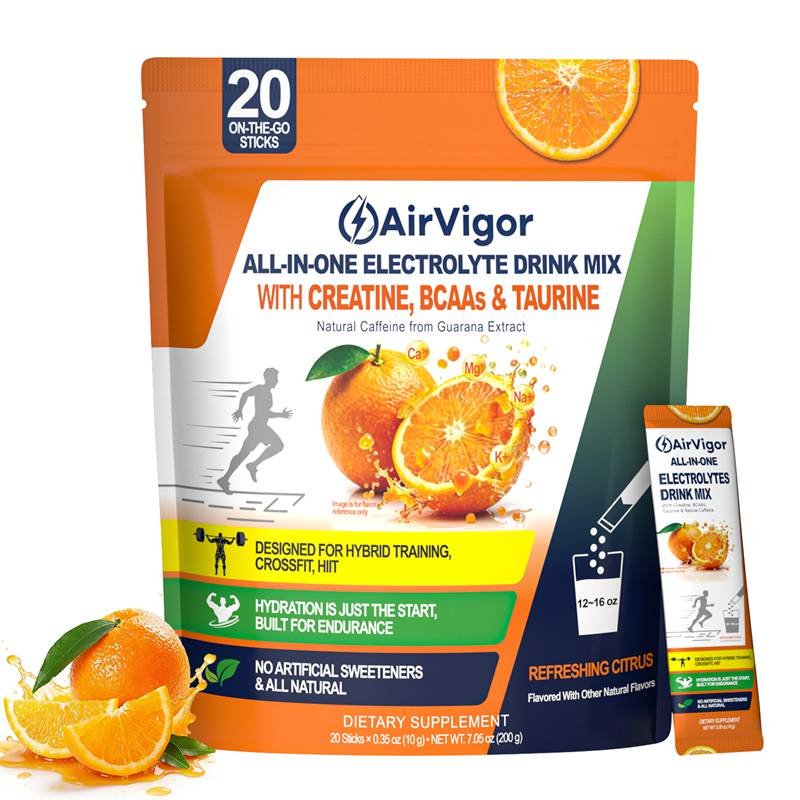
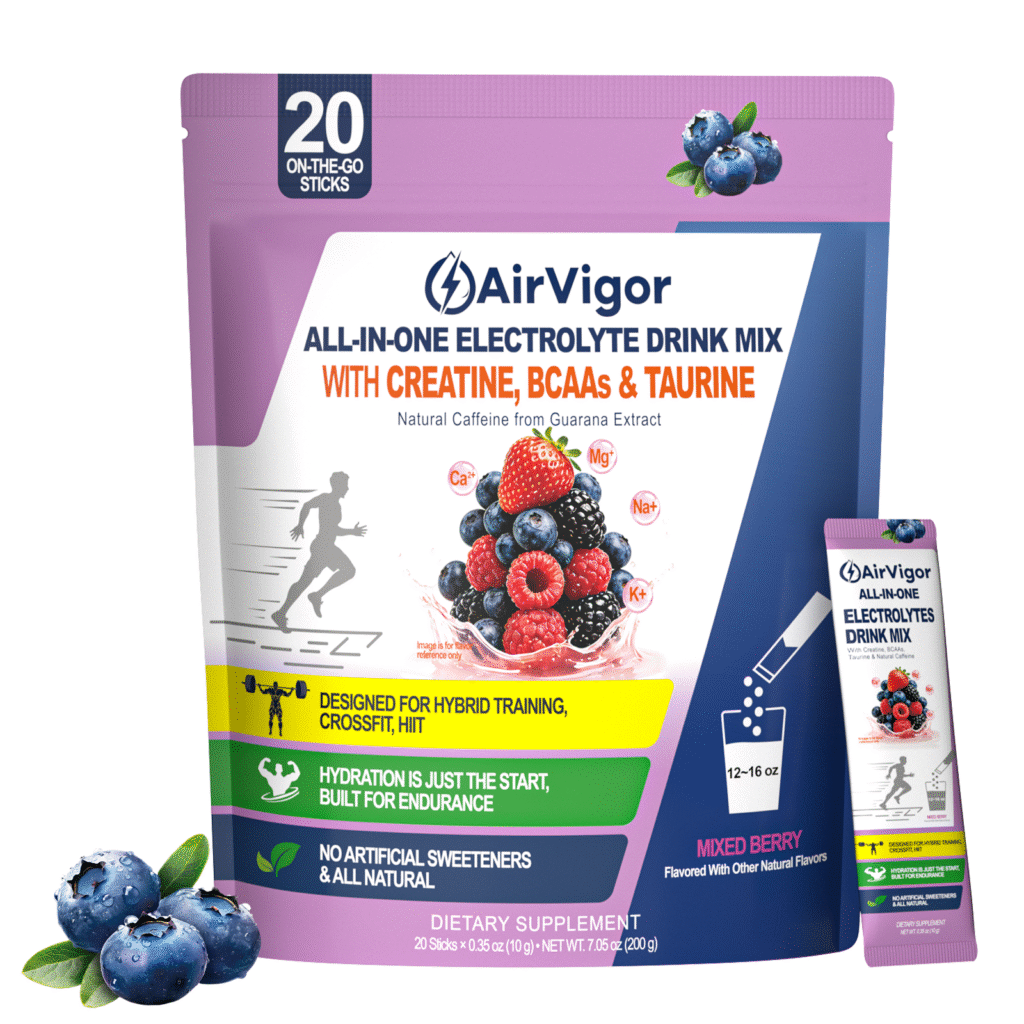
Hydration is more than just drinking water—it’s about keeping your body fueled with the right balance of water and electrolytes. For powerlifters, staying hydrated ensures that muscles remain strong, endurance is maintained, and recovery is optimized. Incorporating AirVigor’s electrolyte-rich hydration products can help replenish lost minerals, reduce fatigue, and enhance muscle performance during your lifting sessions. If you’re looking to take your hydration to the next level, contact AirVigor for tailored solutions and orders. Proper hydration helps you perform at your best, so make sure you’re ready for every lift.
How Hydration Affects Strength?
Hydration is a fundamental component of your powerlifting routine. While many lifters focus on lifting techniques, training volume, and recovery, proper hydration is equally crucial. Hydration directly influences strength, endurance, and recovery during and after heavy lifts like squats, bench presses, and deadlifts. Inadequate hydration can impair muscle function, increase fatigue, and reduce your ability to perform at your best. Here’s how hydration impacts your strength and lifting performance.
Muscle Function and Hydration
Your muscles rely on water to function properly during strength training. During lifting, muscles contract and release repeatedly, which requires energy. Water plays a role in energy production by helping to transport nutrients and oxygen to muscle cells. Without enough water, the transportation of glucose, which is needed for energy during workouts, becomes less efficient. This lack of efficiency leads to quicker fatigue and diminished strength.
Hydrated muscles also perform better in terms of contraction. When you’re well-hydrated, your muscles can contract more forcefully and rapidly, allowing you to lift heavier weights and perform more reps. Dehydration, on the other hand, leads to slower muscle contractions, weaker lifts, and greater fatigue during sets.
Data on Dehydration and Performance
A study published in the International Journal of Sports Nutrition and Exercise Metabolism found that even a 2% decrease in body weight due to dehydration can lead to a noticeable decline in performance. When body weight drops by 2%, strength performance decreased by approximately 6%, and endurance capacity dropped by 10%. This shows just how significantly hydration can affect lifting performance, even at seemingly small levels of fluid loss.
| Dehydration Level | Impact on Muscle Performance |
|---|---|
| 2% dehydration | 6% decrease in strength, 10% decrease in endurance |
| 4% dehydration | Increased muscle fatigue, slower recovery, decreased lifting capacity |
| 6% dehydration | Risk of injury, severe muscle cramps, inability to complete lifts |
Hydration and Muscle Endurance
Endurance isn’t just about how long you can perform; it’s about maintaining strength throughout your training. Hydration helps delay the onset of fatigue by maintaining a steady flow of oxygen and nutrients to your muscles. When you’re properly hydrated, your muscles can maintain high levels of performance for longer periods, allowing you to push through sets, complete more repetitions, and maintain your form during heavy lifts.
For example, imagine you’re lifting heavy squats or performing multiple sets of deadlifts. Each time you lift, your muscles rely on stored energy (glycogen) and the ongoing supply of oxygen to continue performing. Hydration directly affects glycogen storage and oxygen transportation, making it easier for your body to replenish energy and prevent muscle fatigue. Without enough hydration, the body struggles to maintain these levels, causing quicker fatigue and reducing your overall lifting capacity.
Electrolytes and Muscle Function
Electrolytes, including sodium, potassium, magnesium, and calcium, are essential for maintaining muscle function during strength training. These electrolytes help regulate fluid balance, muscle contractions, and nerve signaling, ensuring that your muscles perform optimally.
- Sodium: Sodium plays a critical role in maintaining fluid balance. It helps your body retain water, which is essential for muscle hydration. Adequate sodium levels allow your muscles to stay hydrated, which is necessary for optimal performance. If sodium levels drop, it becomes more difficult for muscles to contract efficiently, and dehydration sets in quickly, causing fatigue and muscle cramps.
- Potassium: Potassium helps your muscles contract by regulating the fluid balance inside muscle cells. It supports muscle function and prevents muscle weakness and cramping. Maintaining potassium levels is crucial during powerlifting because it allows muscles to perform at their peak.
- Magnesium: Magnesium is involved in muscle relaxation. While potassium helps muscles contract, magnesium helps them relax after contraction. This is essential for preventing cramping and for overall muscle recovery, especially after intense lifting sessions.
- Calcium: Calcium is also involved in muscle contraction, helping the muscles contract efficiently when lifting. It supports the smooth operation of your muscles, and a deficiency can lead to poor performance and muscle cramps.
| Electrolyte | Role in Muscle Function |
|---|---|
| Sodium | Maintains fluid balance, prevents cramps, supports hydration |
| Potassium | Regulates muscle contraction, maintains fluid inside muscle cells |
| Magnesium | Aids in muscle relaxation, prevents cramping, supports recovery |
| Calcium | Helps with muscle contraction, supports smooth muscle function |
Intra-Workout Hydration: Keeping Muscles Energized
While drinking water is essential, incorporating electrolyte-rich drinks during your workout is equally important. During intense lifting sessions, muscles lose fluids and electrolytes, especially when performing compound lifts like squats, bench presses, and deadlifts. To keep your muscles hydrated, it’s important to replenish those fluids regularly.
The ideal hydration plan includes sipping water or an electrolyte drink every 15-20 minutes during a lifting session. This ensures that your body remains hydrated throughout the workout, preventing dehydration from setting in and sustaining your muscle function. Electrolyte drinks not only hydrate but also help replace the sodium and potassium lost through sweat, ensuring that your muscles can continue working efficiently and without cramps.
Post-Workout Hydration for Recovery
After a powerlifting session, your muscles need to recover and rebuild. Rehydrating with water and electrolytes is critical in the recovery phase. Drinking water helps flush out metabolic waste products that accumulate during intense lifting, while electrolytes support the rebuilding of muscle function and prevent cramping or stiffness.
Proper post-workout hydration also helps reduce soreness and speeds up recovery by replacing lost fluids and electrolytes, restoring glycogen stores, and providing the nutrients necessary for muscle repair. This allows you to be ready for your next training session and reduces the risk of overtraining and injury.
Hydration is more than just a part of your lifting routine—it’s essential for strength, endurance, and recovery. By maintaining adequate hydration levels and replenishing electrolytes, you ensure that your muscles perform optimally during squats, bench presses, and deadlifts. A solid hydration strategy, including pre, intra, and post-workout hydration, supports muscle function, prevents fatigue, and enhances recovery, helping you achieve your powerlifting goals.
For the best hydration support, consider using AirVigor’s specially formulated electrolyte drinks. Designed to fuel your performance and recovery, AirVigor products help replace the minerals lost during training, keeping your muscles hydrated and ready to perform. Reach out to AirVigor today to place an order or inquire about custom hydration products tailored to your specific needs.
Best Electrolytes for Hydration
When it comes to staying hydrated during strength training, water is essential, but it’s the electrolytes that make a real difference in your lifting performance. Electrolytes, including sodium, potassium, magnesium, and calcium, help regulate fluid balance, muscle contractions, and nerve function—all of which are crucial for powerlifting exercises like squats, bench presses, and deadlifts. Without proper electrolyte balance, dehydration can set in quickly, leading to fatigue, muscle cramps, and impaired performance.
In this section, we’ll break down the best electrolytes for hydration, their roles in muscle function, and why they’re so important for lifters. Additionally, we’ll explain how you can replenish them during your training to keep your muscles functioning at their best.
Sodium: The Key to Fluid Retention
Sodium is perhaps the most important electrolyte when it comes to maintaining hydration. Sodium helps your body retain water, ensuring that fluids are not lost too quickly during your workout. Proper sodium levels are essential for preventing dehydration, maintaining blood volume, and keeping muscle function at its peak.
When you’re lifting heavy weights, your body produces sweat, which contains sodium. If sodium levels drop too low, it becomes harder for your body to retain water, which accelerates dehydration. Without adequate sodium, your muscles can’t contract properly, leading to cramping and decreased strength.
How Sodium Affects Powerlifting Performance?
- Fluid Retention: Sodium helps maintain fluid levels inside and outside muscle cells, which is crucial for muscle hydration and optimal function during lifts.
- Muscle Contraction: Sodium plays a vital role in muscle contraction. Without it, your muscles won’t be able to contract forcefully enough to generate maximum strength.
- Electrolyte Balance: Sodium works with other electrolytes like potassium to maintain the right fluid balance, ensuring that muscles stay hydrated and perform at their best.
| Sodium Deficiency Symptoms | Impact on Lifting |
|---|---|
| Muscle cramps, weakness, dizziness | Decreased strength, poor performance, fatigue |
| Reduced endurance, dehydration | Inability to complete sets, early fatigue |
Potassium: Supporting Muscle Contraction
Potassium is another critical electrolyte that helps regulate fluid balance within your muscle cells. It plays an essential role in muscle contractions, making it vital for strength training. Adequate potassium ensures that your muscles contract effectively and that nerve signals are transmitted properly, allowing you to perform heavy lifts.
Potassium deficiency can lead to muscle weakness, fatigue, and cramps—especially when lifting heavy. It’s crucial to maintain proper potassium levels, as low potassium can cause your muscles to cramp during squats, deadlifts, and bench presses, significantly impairing your performance.

How Potassium Affects Powerlifting Performance?
- Muscle Contraction: Potassium regulates the electrical impulses that allow muscles to contract. Without it, muscles won’t function properly during lifts, leading to poor performance.
- Nerve Function: Potassium helps transmit nerve signals that control muscle movement. This is important for maintaining focus and control during each rep.
- Preventing Cramps: Potassium is essential for preventing muscle cramps, which can interfere with your ability to complete your sets and make lifting feel more difficult.
| Potassium Deficiency Symptoms | Impact on Lifting |
|---|---|
| Muscle cramps, weakness, fatigue | Decreased performance, early fatigue, loss of strength |
| Irregular heart rhythms, dizziness | Risk of injury, inability to finish lifts |
Magnesium: Muscle Relaxation and Recovery
Magnesium is another key electrolyte that plays a vital role in muscle function. It helps muscles relax after contraction, which is crucial for recovery and preventing cramping. Magnesium also supports energy production in the body, which is essential for sustained performance during strength training.
During powerlifting, magnesium helps reduce the risk of cramps, improves muscle recovery, and ensures that your muscles can relax after intense sets. When you’re lifting heavy weights, magnesium helps your muscles “reset” after each contraction, allowing you to perform at your best.
How Magnesium Affects Powerlifting Performance:
- Muscle Relaxation: Magnesium helps muscles relax after they contract, preventing cramps and allowing you to recover faster between sets.
- Energy Production: Magnesium supports ATP production, the energy currency of the body, helping muscles maintain energy during high-intensity lifts.
- Recovery: Magnesium aids in post-workout muscle recovery, reducing soreness and improving overall recovery time.
| Magnesium Deficiency Symptoms | Impact on Lifting |
|---|---|
| Muscle cramps, fatigue, weakness | Decreased strength, slower recovery, increased risk of injury |
| Poor sleep, irritability | Reduced focus, inability to lift heavier weights |
Calcium: Muscle Contraction and Bone Health
Calcium is vital for muscle contraction and bone health. During powerlifting, calcium helps your muscles contract efficiently by regulating the release of calcium ions, which activate muscle fibers. Without enough calcium, your muscles can’t contract properly, leading to decreased strength and increased risk of injury.
In addition to supporting muscle function, calcium also supports bone health, which is critical for powerlifters. Strong bones are necessary to support heavy lifting, and calcium plays an essential role in maintaining bone density.
How Calcium Affects Powerlifting Performance:
- Muscle Contraction: Calcium is required for muscle contraction. It activates the proteins that allow muscles to contract, which is essential during every squat, bench press, and deadlift.
- Bone Health: Calcium helps maintain strong bones, providing the structural support necessary for lifting heavy weights without risking fractures or other injuries.
- Nerve Function: Calcium also plays a role in nerve function, ensuring that your body responds quickly and efficiently during intense lifts.
| Calcium Deficiency Symptoms | Impact on Lifting |
|---|---|
| Muscle cramps, weak bones, fatigue | Poor lifting form, muscle weakness, injury risk |
| Decreased bone density, poor recovery | Higher risk of fractures, slower recovery time |
How to Replenish Electrolytes for Powerlifting Performance?
Electrolytes—sodium, potassium, magnesium, and calcium—are critical for muscle function, strength, endurance, and recovery during powerlifting. Ensuring that you maintain proper electrolyte levels will keep your muscles hydrated, reduce fatigue, and allow you to perform at your peak during squats, deadlifts, and bench presses.
AirVigor’s electrolyte-rich hydration products are designed to replenish the electrolytes lost during intense training. These products help maintain fluid balance, prevent cramps, and support muscle recovery, so you can lift heavier, recover faster, and achieve your goals more effectively. If you’re serious about enhancing your powerlifting performance, reach out to AirVigor today to learn more about our hydration products and inquire about custom orders tailored to your needs.
Hydration Timing: Pre, Intra, and Post-Workout
Hydration isn’t just about drinking water when you’re thirsty. The timing of your hydration can significantly impact your performance, endurance, and recovery during powerlifting. Whether you’re preparing for a heavy squat session, pushing through a tough bench press, or lifting deadlifts, knowing when to hydrate and how much to drink before, during, and after your workout can help you lift more, recover faster, and avoid fatigue.
Pre-Workout Hydration: Setting the Stage for Performance
Proper pre-workout hydration is crucial for optimizing muscle function and strength output. Hydrating before your workout ensures that your muscles have enough fluid to function at their best, allowing you to hit those squats, bench presses, and deadlifts with maximum force. If you go into a training session dehydrated, your muscles will be at a disadvantage from the start, and you’ll feel fatigued sooner, limiting your lifting capacity.
How Much to Drink Pre-Workout:
- Aim for 16-20 ounces of water 30-60 minutes before your workout. This will help replenish your body’s fluids and prepare it for intense lifting.
- If you know you’ll be lifting for an extended period or in a hot environment, include an electrolyte drink with a moderate amount of sodium to help maintain fluid balance and prevent early fatigue.
| Pre-Workout Hydration | Benefits | Amount to Drink |
|---|---|---|
| Water (16-20 oz) | Prepares muscles, supports nutrient transport | 30-60 minutes before workout |
| Electrolyte drink | Helps replenish sodium, prevent cramps | 30 minutes before workout |
Hydrating before a workout helps ensure that your muscles are fueled with water and electrolytes needed to avoid fatigue, muscle cramping, and dehydration. If you’re training in the heat or for longer sessions, adding electrolytes to your water will provide an extra layer of protection against cramping and dehydration.
Intra-Workout Hydration: Keep Muscles Fueled
Once your workout begins, it’s crucial to stay hydrated to maintain energy levels and muscle function throughout your lifting session. Hydrating during your workout helps replace the fluids lost through sweat, supports muscle contraction, and reduces the risk of cramps. It also aids in sustaining mental focus and physical endurance, especially during long training sessions.
How Much to Drink Intra-Workout:
- Drink about 8-10 ounces of water or an electrolyte drink every 15-20 minutes during your lifting session.
- For workouts lasting longer than an hour or during heavy lifting, opt for an electrolyte drink with sodium and potassium to help restore electrolytes lost through sweat.
| Intra-Workout Hydration | Benefits | Amount to Drink |
|---|---|---|
| Water (8-10 oz every 15-20 minutes) | Prevents dehydration, supports muscle hydration | Throughout workout |
| Electrolyte drink | Replenishes sodium, potassium, prevents cramping | Every 15-20 minutes during workout |
Maintaining hydration during your workout is key to sustaining performance and avoiding a dip in energy. An electrolyte-rich drink ensures that you replace the essential minerals lost while sweating, preventing cramping and helping muscles perform at their best.
Post-Workout Hydration: Accelerate Recovery
Post-workout hydration is equally important for recovery. After a heavy lifting session, your muscles need to replenish the fluids and electrolytes lost during your workout. Drinking the right fluids after exercise helps prevent muscle soreness, supports faster recovery, and restores hydration levels. It also ensures that your muscles have enough water to transport nutrients and repair themselves after intense exertion.
How Much to Drink Post-Workout?
- Drink 20-24 ounces of water or an electrolyte drink within 30 minutes of finishing your workout.
- For intense training sessions, add carbohydrates to your post-workout drink to help restore glycogen stores, aiding in muscle recovery.
| Post-Workout Hydration | Benefits | Amount to Drink |
|---|---|---|
| Water (20-24 oz) | Rehydrates, supports nutrient transport | Within 30 minutes after workout |
| Electrolyte drink + Carbs | Replenishes lost electrolytes, restores glycogen stores | 30 minutes post-workout |
Rehydrating after your workout not only helps muscle recovery but also replenishes lost electrolytes, ensuring you’re ready for your next training session. Including carbohydrates in your post-workout drink will help refuel muscles and improve overall recovery.
Hydration Timing for Maximum Performance
Understanding when and how much to hydrate before, during, and after your powerlifting session can have a significant impact on your performance, endurance, and recovery. Proper hydration helps maintain fluid balance, prevents muscle cramps, and ensures that your muscles perform at their peak during heavy lifts like squats, deadlifts, and bench presses.
By following a clear hydration strategy—drinking water pre, intra, and post-workout—you can avoid fatigue, improve endurance, and reduce muscle soreness. AirVigor’s electrolyte-rich hydration products are designed to help you stay hydrated throughout your training, prevent cramping, and speed up recovery. If you want to take your hydration routine to the next level, reach out to AirVigor for custom products tailored to your needs and to optimize your strength performance.
How Much Water Should You Drink for Optimal Performance?
Hydration is essential for maintaining peak performance during powerlifting. However, how much water you should drink depends on several factors, including your body weight, the intensity of your workout, and environmental conditions. Understanding your individual hydration needs can help you avoid fatigue, muscle cramps, and dehydration, ensuring that you lift more effectively and recover faster.
Hydration Guidelines Based on Body Weight
The amount of water you need varies depending on your body weight. A common guideline is to drink half of your body weight in ounces of water each day. For example, if you weigh 180 pounds, you should aim for approximately 90 ounces of water per day. This amount supports basic hydration needs, but additional water is required when engaging in intense physical activity, like powerlifting.
How Much Water Should You Drink Based on Your Weight?
| Body Weight | Daily Water Intake |
|---|---|
| 120 lbs | 60 oz |
| 140 lbs | 70 oz |
| 160 lbs | 80 oz |
| 180 lbs | 90 oz |
| 200 lbs | 100 oz |
For powerlifters, your water intake should increase when you’re lifting, especially if you’re sweating heavily. Heavy training or lifting sessions demand more fluid to replace what is lost during exercise, ensuring that your muscles can function optimally.
Hydration During Training: How Much to Drink During Workouts
When you’re in the gym lifting heavy, it’s essential to keep replenishing lost fluids to maintain muscle function, strength, and focus. Your body can lose a significant amount of water and electrolytes during intense sessions, particularly with exercises like squats, deadlifts, and bench presses.
How Much to Drink During Your Lifting Session:
During your workout, aim to drink 8-10 ounces of water or an electrolyte drink every 15-20 minutes. This regular hydration helps maintain fluid balance and supports muscle function as you lift.
| Workout Duration | Recommended Water Intake | Electrolyte Drink (if necessary) |
|---|---|---|
| 30 minutes | 8 oz every 15 minutes | Optional, depending on sweat loss |
| 1 hour | 16 oz throughout workout | Electrolyte drink every 20 minutes |
| 2+ hours | 20-32 oz during workout | Replenish electrolytes every 20 minutes |
If your lifting sessions are longer or in hot environments, you may need more water to prevent dehydration. Drinking an electrolyte beverage will help replenish lost sodium, potassium, and magnesium, all of which are important for muscle contractions and fluid balance.

Hydration After Training: Replenishing Lost Fluids
After your workout, your body needs to recover from the fluid loss caused by intense lifting. Rehydrating post-workout is essential to help muscles recover, reduce soreness, and restore electrolyte balance.
How Much to Drink After Your Workout:
Immediately after your workout, aim to drink at least 20-24 ounces of water or an electrolyte drink within the first 30 minutes. This helps your muscles recover by replenishing lost fluids and electrolytes and kick-starts the muscle repair process.
| Post-Workout Hydration | Benefits | Amount to Drink |
|---|---|---|
| Water (20-24 oz) | Rehydrates, replenishes fluids | Within 30 minutes |
| Electrolyte Drink + Carbs | Replenishes lost electrolytes, restores glycogen stores | Within 30 minutes |
If you’ve had an especially intense session or have been sweating heavily, it’s beneficial to consume an electrolyte drink with some carbohydrates, as this helps restore glycogen levels in muscles, aiding in recovery. Carbohydrates also support the rehydration process by encouraging water retention in muscles.
Hydration in Hot or Humid Environments
When lifting in hot or humid conditions, the body loses fluids much faster due to increased sweat production. This requires even greater hydration to ensure that muscle function remains optimal. In these conditions, it’s essential to drink more water and electrolytes than usual to maintain hydration and prevent heat-related issues.
How Much to Drink in Heat or Humidity?
If you’re lifting in a hot environment, increase your intake by 16-32 ounces of water or electrolyte drinks for every hour of training. Sweating increases your body’s need for sodium, potassium, and magnesium, which means adding an electrolyte drink can help maintain fluid balance and prevent cramping.
| Hot/ Humid Conditions | Additional Water/Electrolyte Drink | Reason |
|---|---|---|
| 30-60 minutes of lifting | Additional 8-16 oz of water | Replaces sweat lost due to heat |
| 1-2 hours of lifting | Additional 16-32 oz of water | Ensures optimal hydration and performance |
Hydrating properly in these environments will prevent you from overheating, reduce the risk of muscle cramps, and allow you to continue performing at your best. Electrolyte drinks with sodium are particularly important, as sodium helps with fluid retention and prevents heat exhaustion.
Optimizing Hydration for Powerlifting Performance
Hydration is essential for maintaining optimal performance during powerlifting sessions. Proper water intake before, during, and after your workout helps prevent dehydration, muscle cramps, and fatigue, ensuring that you can lift heavier, perform more reps, and recover more effectively.
By following the hydration guidelines based on your body weight, workout duration, and environmental conditions, you can ensure that your muscles stay fueled and hydrated throughout your training.
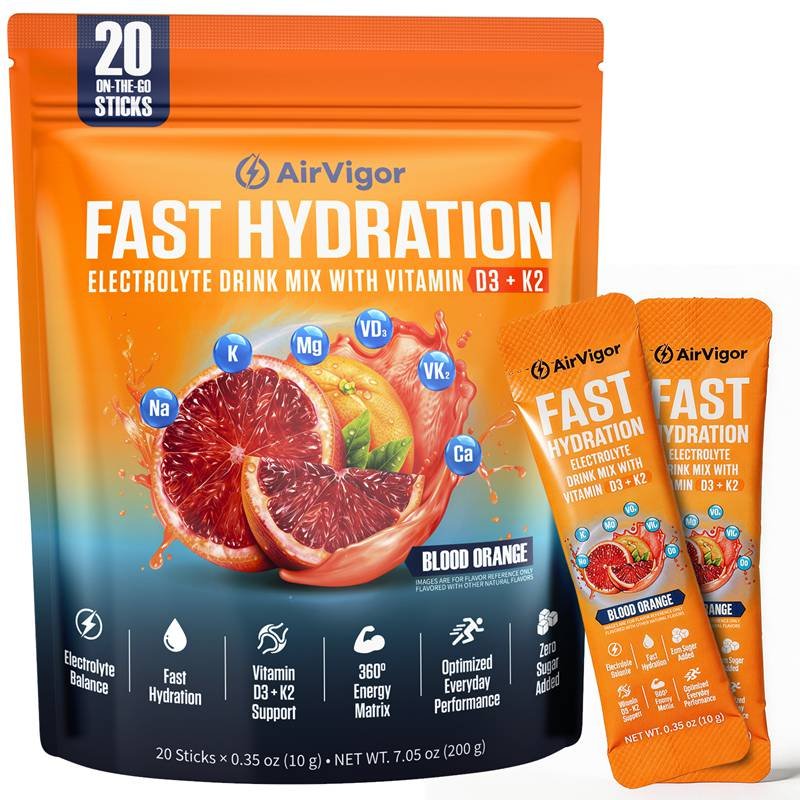
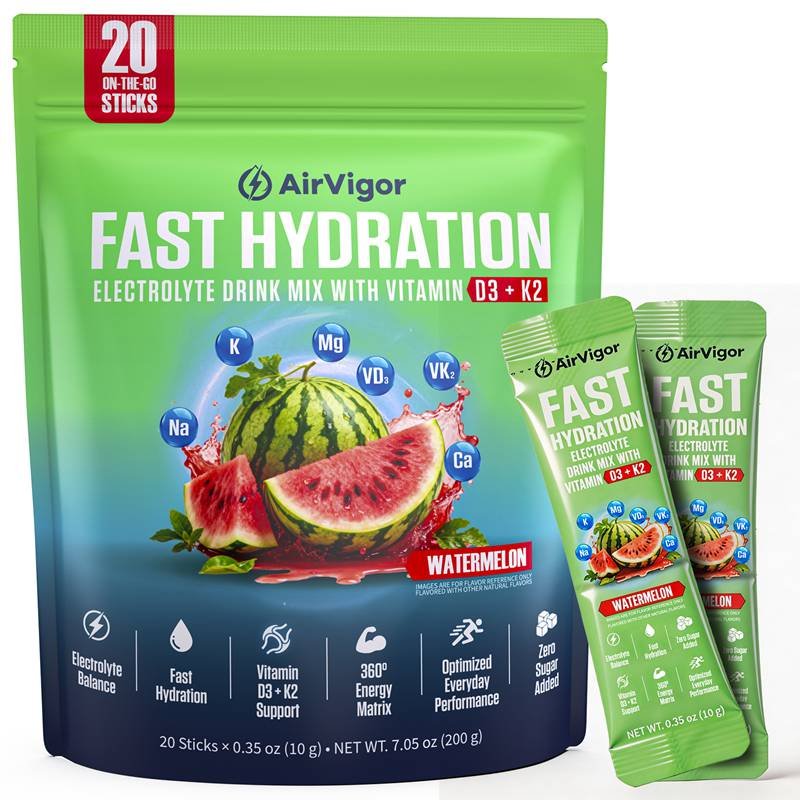
For athletes looking to optimize their hydration even further, AirVigor’s electrolyte drinks are designed to replenish the essential minerals lost during intense lifting. These drinks provide the perfect balance of sodium, potassium, magnesium, and calcium to keep your muscles performing at their peak. Reach out to AirVigor today to learn more about our products or inquire about custom hydration solutions tailored to your specific needs.
Conclusion
Proper hydration is an often-overlooked but critical aspect of achieving peak performance in powerlifting. Whether you’re squatting, bench pressing, or deadlifting, the right amount of water and electrolytes will support your muscle function, prevent fatigue, and enhance recovery. Hydrating before, during, and after your workout is essential for maintaining strength, energy, and endurance throughout your lifting session, ensuring that you get the most out of every rep.
By understanding your hydration needs based on body weight, training intensity, and environmental factors, you can avoid the common pitfalls of dehydration, such as muscle cramps and reduced strength. The key electrolytes—sodium, potassium, magnesium, and calcium—play specific roles in keeping muscles hydrated, energized, and ready to perform at their best.
For lifters looking to optimize their hydration, AirVigor’s scientifically formulated electrolyte drinks offer the perfect solution. Designed to replenish essential minerals lost during intense workouts, these drinks help you maintain optimal performance, accelerate recovery, and reduce the risk of injury.
Don’t let dehydration limit your lifting potential. Incorporate a well-structured hydration routine into your powerlifting sessions and make sure your muscles are fueled for success. Reach out to AirVigor today for more information on how our hydration products can support your training goals. Stay hydrated, lift stronger, and recover faster—take your performance to the next level with AirVigor.
Share:
Contact Expert Team
At AirVigor, performance becomes effortless. We transform advanced nutrition science into clean, effective supplements that help you hydrate, recover, and feel stronger every day. Shop AirVigor on Amazon and experience athlete-trusted formulas—backed by real science and supported by our world-class R&D and production capabilities.
Trust AirVigor
At AirVigor, turning your performance goals into reality is no longer a struggle—it’s a science-driven journey we build together. Whether you’re a runner, lifter, cyclist, yogi, outdoor athlete, or someone simply seeking better daily energy, AirVigor transforms advanced nutrition research into clean, effective, and trustworthy supplements you can feel.
Backed by our U.S. scientific team, global certifications, and world-class production standards, every formula is engineered to deliver real hydration, real recovery, and real performance. And when you’re ready to experience the difference, you’ll find AirVigor products available on Amazon and other major platforms—fast shipping, consistent quality, and a community of athletes already seeing results.
Behind the scenes, our R&D and manufacturing ecosystem also supports specialized formulation development, ensuring AirVigor continues to lead with innovation while keeping quality and safety uncompromised. But at the core, everything we create is built for you—your health, your performance, your momentum.
Choose AirVigor. Feel the science. Elevate your every day.


Subscribe to our newsletter
Sign up to our newsletter and we’ll keep you up to date with the latest arrivals.