Skip to content
Magnesium for Recovery: What Research Really Says
# Your Trusted Dietary Supplement Brand In US
- Emily

Table of Contents
Recovery is the unglamorous part of fitness that quietly determines everything. You can have the perfect training plan, the best coach, and all the motivation in the world—but if you don’t recover, your progress eventually stalls. And that’s where the confusion starts: recovery is a system, not a single trick. Sleep, calories, hydration, stress, and smart programming are the foundation. Supplements are supposed to help—but most people either expect a miracle or ignore them completely.
Magnesium sits in a weird middle zone. It’s not flashy like creatine or caffeine, and it doesn’t “hit” like a pre-workout. Yet it’s one of the most searched minerals for cramps, sleep, soreness, and fatigue. Athletes talk about it for muscle relaxation. Office workers take it for stress. Biohackers stack it at night for “deep recovery.” Somewhere in that noise is a real question that deserves a real answer:
Magnesium supports recovery by helping muscles relax normally, stabilizing nerve signaling, improving energy efficiency, and supporting sleep quality. Research shows it is most helpful when intake is low, training stress is high, or sleep quality is compromised. Magnesium does not directly speed muscle repair, but it removes common physiological bottlenecks that make recovery slower and less consistent.
What Is Magnesium in Recovery?
Magnesium is an essential mineral that helps regulate muscle contraction/relaxation, nerve signaling, energy metabolism, and electrolyte balance. In recovery, it supports the body’s ability to “downshift” after stress—reducing unnecessary muscle tension, supporting normal neuromuscular function, and helping the body use energy efficiently for repair and adaptation. It’s foundational: you may not feel it immediately, but low magnesium can make recovery noticeably harder.
What does magnesium do in muscles?
Muscles don’t just “get sore.” They contract, relax, rebuild, and re-learn patterns after training. That cycle requires minerals to control signals inside muscle cells—especially calcium and magnesium. Calcium is heavily involved in contraction. Magnesium helps muscles return toward relaxation by supporting normal ionic balance and signal regulation. When magnesium intake is low, people often describe feeling persistently tight, twitchy, or cramp-prone—especially after sweating or hard sessions.
A useful mental model: magnesium doesn’t “build muscle” like protein does. It helps your muscles operate smoothly, so your training stress becomes productive instead of chaotic. Over time, smoother neuromuscular function can mean you tolerate training volume better, feel less “wired” after workouts, and recover into the next session with fewer lingering tension signals.
This matters for everyday gym-goers too. If you sit all day, train at night, and then try to sleep, your body has to transition from high tension to relaxation quickly. Magnesium supports that transition.
What role does magnesium play in nerves?
Recovery is not purely muscular—it’s neurological. The nervous system decides how hard you can push, how efficiently you move, and whether your body stays in “fight-or-flight” mode after training. Magnesium supports normal nerve function and acts like a stabilizer for signaling balance. When levels are marginal, the nervous system can feel more reactive: restlessness, difficulty relaxing, sensitivity to stress, and sometimes disrupted sleep.
That’s why magnesium gets recommended for stress and sleep. And for athletes, stress and sleep aren’t separate from recovery—they are recovery. If your nervous system can’t calm down, you may still be sore, but more importantly you’ll feel “not ready” the next day. Magnesium doesn’t replace sleep hygiene, but it can support the physiology that makes restful sleep more likely.
Why is magnesium linked to fatigue?
Fatigue often feels like “low energy,” but biologically it’s often “low efficiency.” Magnesium is required for many enzymatic reactions involved in energy metabolism. One key idea from nutrition science: ATP (the body’s energy currency) is typically biologically active in a magnesium-bound form. When magnesium is low, energy processes can be less efficient—which can show up as earlier fatigue, poorer recovery between sets, or that heavy feeling that lingers longer than expected.
This doesn’t mean magnesium is a stimulant. It means magnesium can be a bottleneck remover. If your training is consistent and your nutrition is decent, but you still feel oddly drained, magnesium sufficiency is worth checking—especially if you sweat a lot or your diet is low in magnesium-rich foods.
How Does Magnesium Support Recovery?
Magnesium supports recovery by helping muscles relax normally, stabilizing neuromuscular signaling, supporting energy metabolism, and improving sleep-related recovery quality. It’s most helpful when baseline intake is low, when training stress is high, or when sleep is suboptimal. Think “recovery consistency,” not “instant recovery hack.”
Does magnesium actually help with recovery?
The most honest answer is: often, yes—but not like a pre-workout. Magnesium works in the background. You don’t take it and suddenly feel superhuman. You usually notice it indirectly: fewer nighttime cramps, less twitching, easier relaxation after training, or more stable sleep.
Why do outcomes vary so much? Because magnesium’s effect depends on your starting point. If you already get plenty of magnesium from food, extra supplementation may do very little. But if you’re borderline—common in active people, dieters, heavy sweaters, and high-stress lifestyles—then magnesium can make recovery feel smoother and more predictable.
A strong practical rule: if your recovery problems show up as “tension + poor sleep + fatigue” rather than “I need more muscle,” magnesium tends to be more relevant.
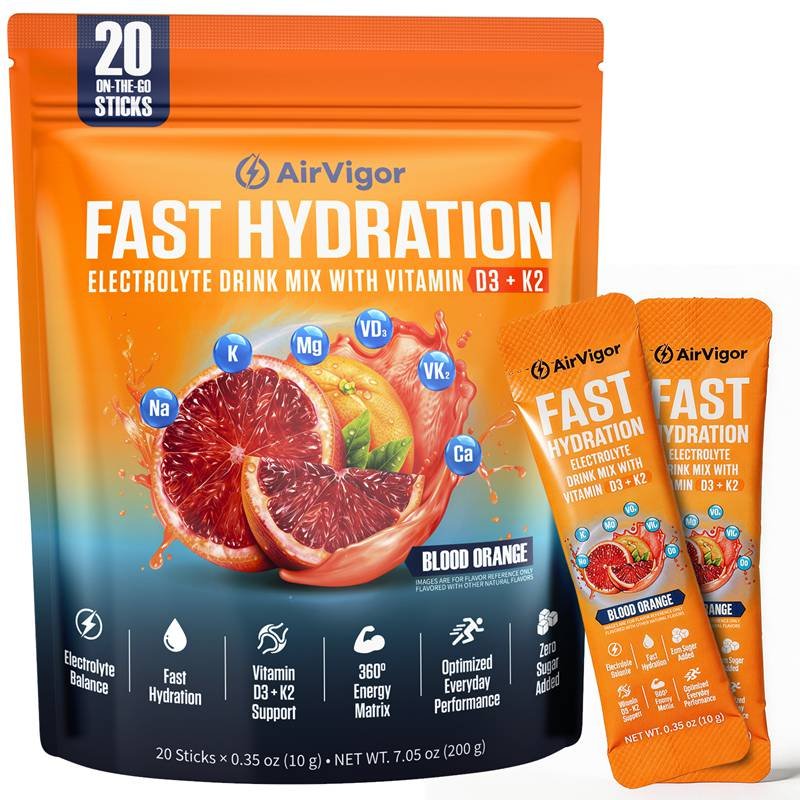
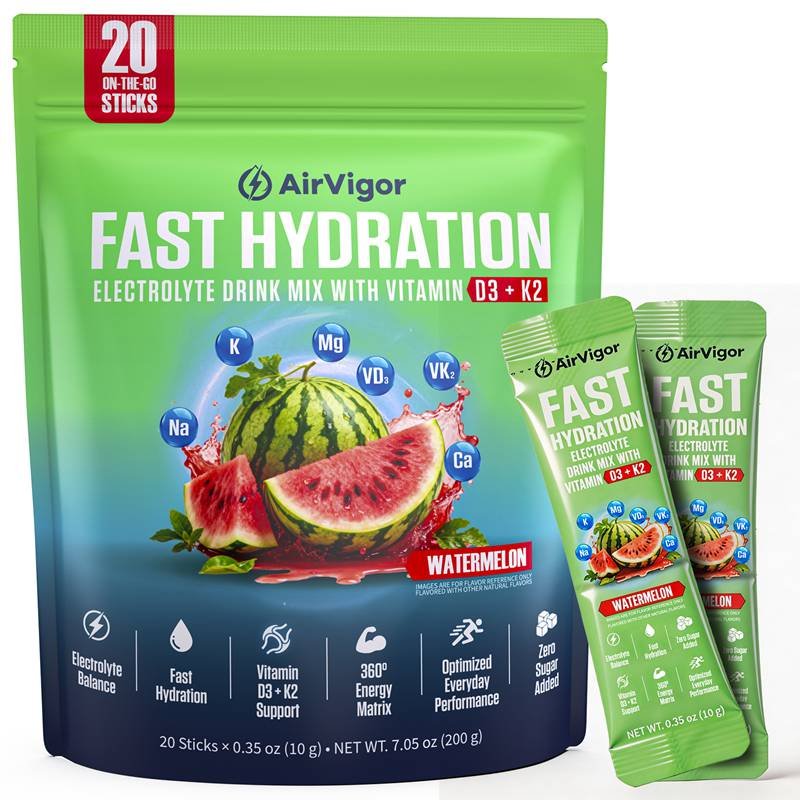
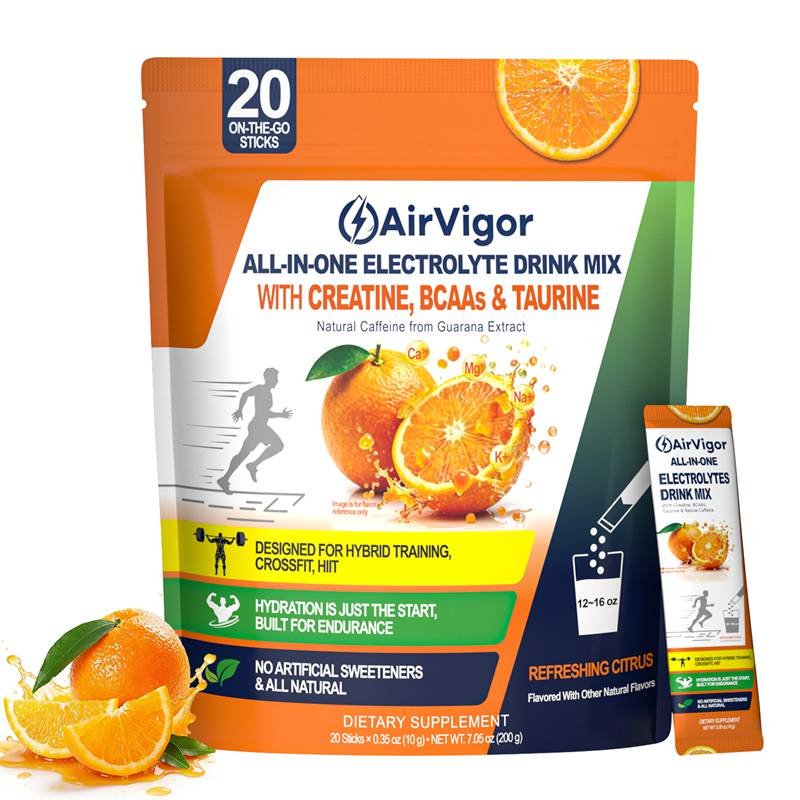
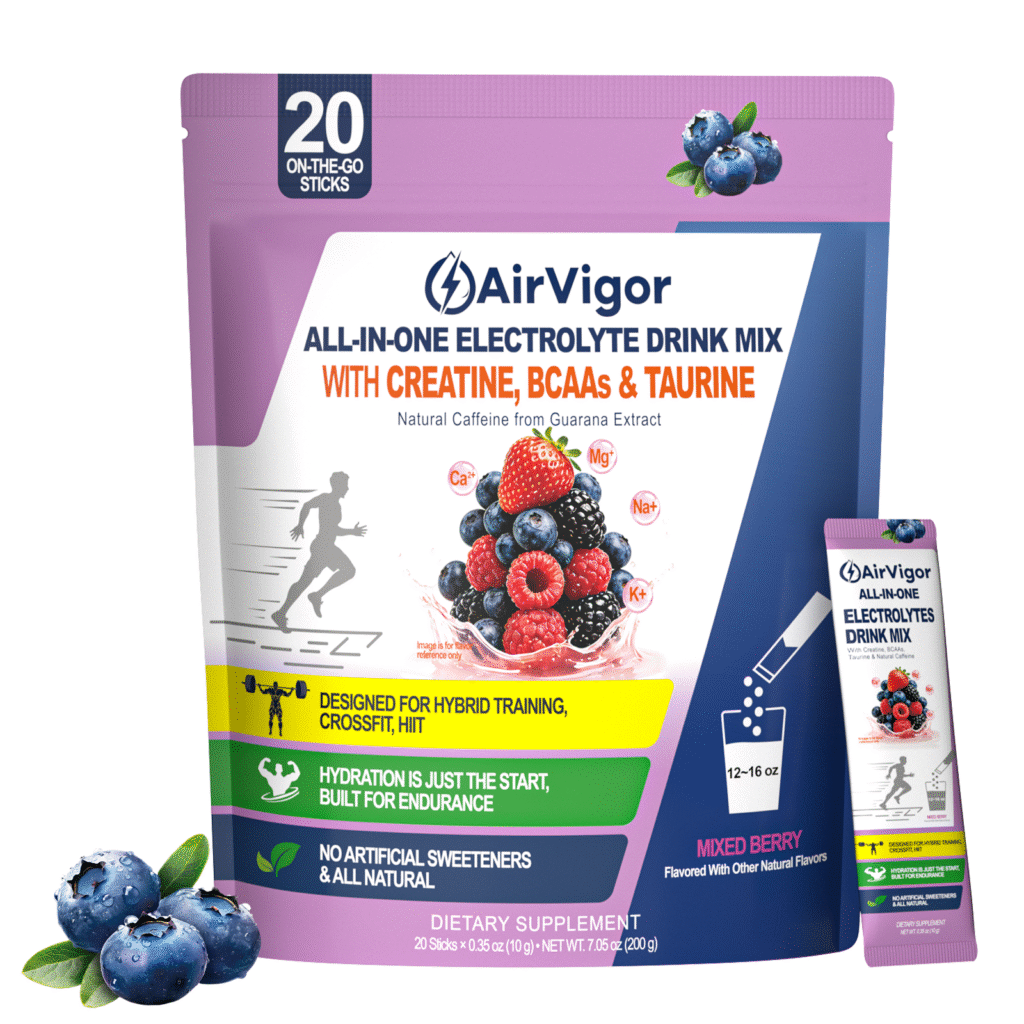
AirVigor angle (natural fit): At AirVigor, we look at recovery through a systems lens. Magnesium is rarely the only lever. Recovery is typically best supported as a mineral + hydration + sleep stack—especially for athletes who sweat, travel, or train after long workdays.
How does magnesium affect muscle relaxation?
Muscle relaxation isn’t passive—it’s a controlled process. After a contraction, the body needs to reset ionic conditions so the fiber can relax. Magnesium helps support that reset and helps regulate the balance between contraction signals and relaxation signals.
That’s why magnesium is commonly associated with cramps. But cramps are the extreme end of the spectrum. Many people live in the middle: tight calves during sleep, “wired” legs after training, stiff shoulders, twitching eyelids, or that annoying low-grade tension that won’t fully disappear.
If magnesium helps you shift from “activated” to “relaxed,” you recover better because you spend more time in the state where repair and adaptation can happen.
How does it influence energy metabolism?
Training doesn’t just damage muscle—it burns through metabolic resources and increases the need for cellular repair. Magnesium supports enzymes involved in energy pathways and helps maintain efficient energy use. If you’re under-eating, training hard, or stacking stimulants while sleeping less, your body’s recovery machinery is already strained. Magnesium sufficiency helps keep that machinery from running “underpowered.”
This is also why magnesium is more likely to matter during:
- high-volume training blocks
- cutting phases (calorie deficit)
- high heat / high sweat seasons
- high stress + poor sleep weeks
Magnesium doesn’t replace calories. But it can help your body do more with what it has.
How does magnesium support sleep quality?
Sleep is the recovery multiplier. Magnesium is widely used for sleep support because it helps regulate nervous system signaling and relaxation pathways. Recent controlled trials have examined magnesium forms like bisglycinate in adults with poor sleep quality, and results suggest potential improvement in sleep-related outcomes for some participants.
Important nuance: sleep studies are mixed across populations and designs. But in real-world athletic routines, magnesium is often most useful when sleep is the weak link—especially if you’re training late, traveling, or dealing with stress.
A practical application: magnesium in the evening can pair well with hydration strategies (electrolytes earlier, adequate fluids) to reduce the “wake up dehydrated and tight” problem.
What Does Research Say About Magnesium?
Research supports magnesium’s essential role in neuromuscular function and energy metabolism, and studies suggest supplementation may reduce muscle soreness and support recovery outcomes in some contexts—especially when intake is low or exercise stress is high. Evidence is meaningful but not magical: benefits are typically moderate and dependent on baseline status, dose, and magnesium form.
Is magnesium scientifically proven for recovery?
If “scientifically proven” means “guaranteed to make everyone recover faster,” then no supplement qualifies. But if it means “magnesium is required for recovery-related physiology and supplementation can help under certain conditions,” then the answer is yes, with context.
Magnesium is undeniably essential—recommended intakes for adults are in the 310–420 mg/day range depending on age and sex.That’s a foundational fact. What research is still clarifying is how much supplementation helps beyond adequate intake, and in which populations.
This framing matters because most recovery supplement marketing ignores baseline status. Research doesn’t. Magnesium tends to show clearer benefits when there’s a deficiency or borderline intake, or when exercise stress is intense.
What studies link magnesium to recovery?
A helpful way to think about the literature: there are mechanistic reasons magnesium should support recovery, and there are intervention studies exploring whether adding magnesium changes outcomes like soreness and performance.
For example, controlled research has looked at magnesium supplementation and outcomes like muscle soreness and performance in the context of training stress. Recent reviews also discuss magnesium’s potential to reduce soreness and support recovery markers in physically active individuals, while noting that effects vary by design and population.
In short: magnesium isn’t an “ergogenic shortcut.” It’s more like a reliability mineral—helping your body handle training stress with fewer recovery disruptions.
Are results consistent across athletes?
Not fully—and that’s actually good news, because it explains why your friend swears magnesium changed their life while you feel nothing.
Results tend to differ based on:
- baseline magnesium intake
- sweat rate and heat exposure
- training volume and intensity
- sleep quality and stress
- magnesium form and dose
- timing and compliance
Endurance athletes and high-sweat athletes often have more reason to pay attention to minerals in general. Strength athletes may benefit more when sleep and nervous system recovery are limiting factors.
What limitations exist in research?
Magnesium research faces a few practical limitations:
- Measuring magnesium status is tricky. Blood magnesium doesn’t always reflect intracellular status.
- Study designs vary widely. Different forms, doses, durations, training conditions, and endpoints.
- Real recovery is multi-factorial. Sleep, calories, hydration, and training load interact.
So the best interpretation isn’t “magnesium always works.” It’s: magnesium is biologically essential, and supplementation is most likely to help when magnesium is a limiting factor in your recovery system.

Which Magnesium Type Is Best?
For recovery-focused use, choose magnesium forms with good bioavailability and good GI tolerance. Citrate is generally more bioavailable than oxide, while chelated forms like glycinate are often well-tolerated and popular for sleep and relaxation. Avoid choosing solely by “elemental magnesium” numbers—absorption and tolerance matter more.
Which form of magnesium is best for recovery?
If you only remember one thing: the best magnesium is the one you can take consistently without stomach issues.
For recovery, most people prioritize:
- stable absorption
- low laxative effect
- support for relaxation and sleep
- compatibility with training + hydration routines
Chelated forms (like magnesium glycinate/bisglycinate) are widely used for recovery routines because they’re typically gentle on digestion and align with “evening relaxation” goals. Evidence on exact superiority varies, but the practical advantage is high compliance.
Citrate is a strong “general use” form and is often better absorbed than oxide in studies comparing forms. Oxide often has high elemental magnesium per pill but lower absorption in many contexts, making it less ideal when recovery is the goal rather than laxative use.
Magnesium glycinate vs citrate
This is one of the highest-intent searches because people want a decision, not a lecture. Here’s the clean comparison:
| Goal | Best Pick | Why |
|---|---|---|
| Sleep & relaxation | Glycinate / Bisglycinate | Often gentler, recovery-friendly |
| Constipation relief | Citrate | More osmotic effect in gut |
| General daily support | Glycinate or Citrate | Depends on tolerance |
| Sensitive stomach | Glycinate | Often better tolerated |
Citrate has solid absorption evidence compared with oxide. Glycinate’s popularity is driven by tolerance and sleep-adjacent routines; newer trials specifically examine bisglycinate in people with poor sleep quality.
Are blends better than single forms?
Blends can be great—or marketing fluff. Here’s how to tell quickly:
A good blend:
- lists each form clearly
- states elemental magnesium per serving
- explains why each form exists (sleep vs energy vs GI tolerance)
A suspicious blend:
- emphasizes “proprietary blend”
- lists oxide first with tiny amounts of chelates
- doesn’t clarify elemental magnesium
If you’re stacking magnesium with electrolytes (common in recovery plans), simpler is often better. Your body doesn’t need complexity—it needs consistency.
AirVigor note: AirVigor’s R&D mindset is “function first.” Whether it’s electrolytes or recovery minerals, the formula should be easy to execute in real life: clear dose, predictable tolerance, and stable results across batches.
How Much Magnesium Do You Need?
Adult magnesium needs are typically 310–420 mg/day from all sources, varying by age and sex. Supplements often provide 100–300 mg/day depending on diet and goals. Athletes under heavy training may need more magnesium than sedentary individuals, but megadosing can cause GI side effects and isn’t always better.
How much magnesium for athletes?
Athletes aren’t a different species—but they do have different demands. Training increases metabolic turnover, stress hormones, and sometimes sweat losses. Some research discussions suggest people engaged in intense exercise may have higher magnesium requirements than sedentary individuals.
Instead of chasing big numbers, most experienced coaches do this:
- try to meet needs via food,
- add a moderate supplemental dose if needed,
- adjust based on sleep quality, cramping, and digestion.
Practical athlete range (common approach):
- 100–200 mg/day supplemental if diet is strong
- 200–300 mg/day supplemental if diet is weak or training is heavy
- split dosing if GI sensitivity is an issue
(If you have kidney disease or take medications that interact with magnesium, talk to a clinician first.)
Does sweat increase magnesium loss?
Magnesium is lost in sweat, though usually less than sodium. The bigger issue is that heavy sweating often means your mineral system is under stress overall: sodium shifts, potassium shifts, fluid shifts, and neuromuscular fatigue increases. Magnesium becomes more relevant when the whole system is strained.
This is why many athletes see better results when magnesium is part of a recovery mineral plan, not an isolated “pill fix.”
Can too much magnesium cause issues?
Yes. The common short-term problem is digestive distress—loose stools, cramping, urgency—especially with certain forms or high doses.
Use this simple safety logic:
- If magnesium causes GI issues, your body isn’t benefiting.
- If you can’t take it consistently, it won’t help recovery long-term.
- If you’re stacking multiple products (multivitamin + greens powder + ZMA + electrolyte blends), you may be doubling up without realizing.
| Your situation | Food magnesium likely | Supplement approach |
|---|---|---|
| Whole-food diet + good sleep | Higher | 0–100 mg/day (optional) |
| Heavy training + sweat + cramps | Medium | 100–300 mg/day |
| Poor sleep + stress + tension | Medium–Low | 150–300 mg/day (evening) |
| Sensitive stomach | Varies | Glycinate, split dose |
| Constipation issues | Varies | Citrate (carefully) |
(Again: medical conditions can change this—especially kidney issues.)
When Should You Take Magnesium?
Magnesium timing depends on your goal. Evening dosing is popular for relaxation and sleep support; post-workout dosing can support the transition into recovery. The biggest driver is consistency: taking magnesium regularly (in a tolerated form) matters more than perfect timing.
Is magnesium better post-workout?
Post-workout is a logical time because you’re actively trying to shift into recovery mode. Your nervous system is elevated, your muscles are activated, and your body is pushing fluids and minerals around.
But magnesium doesn’t work like “post-workout carbs.” It’s not a one-hour window deal. If taking magnesium right after training fits your routine and doesn’t upset your stomach, great. If it disrupts digestion, move it later.
A strong recovery habit for many athletes is:
hydration + sodium/potassium during/after training, then magnesium later in the day to support relaxation.
Should magnesium be taken at night?
For many people, night is the sweet spot—especially when the primary benefit is better sleep quality and less restlessness. Recent trials have explored magnesium forms like bisglycinate in adults with poor sleep quality, suggesting potential improvements in sleep-related outcomes.
Even if your sleep doesn’t “feel” dramatically different, small improvements can compound across weeks. Better sleep means better hormone rhythm, better nervous system reset, and better next-day performance.
Can magnesium stack with electrolytes?
Yes—and in many real routines, it makes the most sense that way. Electrolytes (especially sodium and potassium) support hydration and performance during sweating. Magnesium supports neuromuscular stability and relaxation, which can improve recovery quality.
| When | Goal | What to consider |
|---|---|---|
| Pre / During training | Hydration & output | Electrolytes (sodium + potassium) |
| Post training | Rehydrate & reset | Fluids + electrolytes if sweaty |
| Evening | Downshift & sleep | Magnesium (often glycinate) |
| Daily baseline | Consistency | Whole foods + minerals |
AirVigor fit: AirVigor’s product ecosystem (electrolytes + performance nutrition) is built for real athletes who want fewer products, clearer dosing, and predictable outcomes. Magnesium is a natural “recovery layer” in that system.

Who Benefits Most From Magnesium?
Magnesium is most helpful for athletes and active people who sweat heavily, train frequently, sleep poorly, or have low dietary intake. It can also benefit sedentary adults with stress and sleep issues, but recovery-related effects are more noticeable when physical stress is high.
What does Dr. Berg say about magnesium?
Dr. Berg frequently talks about magnesium in the context of relaxation, cramps, and sleep support. People like his content because it’s practical and often aligns with common user experiences: when sleep is poor and stress is high, magnesium can feel like a “missing piece.”
Important distinction: influencer/educator advice isn’t the same as controlled research. The best way to use Dr. Berg-style content is as a hypothesis, then validate it through:
- your own symptoms and routine
- product quality and dosing
- what research says about mechanisms and outcomes
This approach keeps you grounded: you get practical guidance without confusing it with evidence.
Do endurance athletes need more magnesium?
Endurance athletes (running, cycling, long hikes) often live in a mineral-heavy environment: longer sweat exposure, higher fluid turnover, and greater chance of cumulative fatigue. For them, magnesium can support neuromuscular stability and reduce the chance that small mineral gaps become big recovery problems.
If you’re an endurance athlete and you:
cramp at night
feel “wired but tired” after long sessions
struggle with sleep after late workouts
sweat heavily or train in heat
…magnesium deserves a place in your recovery plan.
Are strength trainers at risk of deficiency?
Strength trainers sweat less than marathoners—sometimes—but they still place intense demand on neuromuscular output. Heavy lifting stresses the nervous system, and many strength athletes stack stimulants, train late, and sleep less than ideal. That combination makes magnesium particularly relevant.
A common pattern: strength athletes don’t “feel dehydrated,” but they feel tight, restless, and sleep-fragile. Magnesium can help support the downshift that strength training often disrupts.
Do sedentary adults benefit too?
Yes—especially if their “recovery” problem is actually a stress/sleep problem. If you sit all day, your body still experiences physiological stress: posture tension, screen exposure, mental load. Magnesium won’t replace lifestyle changes, but it can support relaxation pathways and sleep routines that restore daily energy.
Conclusion
Magnesium isn’t a shortcut to faster muscle growth—but it can make recovery more predictable by supporting relaxation, neuromuscular stability, energy efficiency, and sleep quality (especially when intake is low or training stress is high). Keep it simple: pick a well-tolerated form (often glycinate for recovery routines), use a moderate dose consistently, and pair it with smart hydration/electrolytes on sweaty training days.
If you want an easier “no-guesswork” routine, AirVigor fits naturally as a recovery system: electrolytes for hydration stability, plus recovery minerals that support day-to-day consistency—so you spend less time feeling tight, flat, or under-recovered, and more time training productively.
Ready to Buy or Build a Better Recovery Formula with AirVigor?
If you want a recovery routine that’s easy to execute and built for real training schedules, AirVigor can support you in two ways:
1) Buy AirVigor In-Stock
- Ideal for athletes who want reliable, ready-to-ship products
- Great for consistent re-ordering during training blocks
- Easy to integrate with your hydration + recovery plan
2) Request Custom Products or Bulk Pricing
If you’re a brand owner, gym chain, distributor, or creator building your own recovery line, AirVigor (Atom Nexus Inc., Eastvale, CA) can help with:
- Custom magnesium + recovery mineral blends
- Electrolyte + performance stacks
- Packaging formats (sticks, tubs, pouches)
- Compliance-ready labeling and documentation (GMP/HACCP/ISO systems, COA, etc.)
Share:
Contact Expert Team
At AirVigor, performance becomes effortless. We transform advanced nutrition science into clean, effective supplements that help you hydrate, recover, and feel stronger every day. Shop AirVigor on Amazon and experience athlete-trusted formulas—backed by real science and supported by our world-class R&D and production capabilities.
Trust AirVigor
At AirVigor, turning your performance goals into reality is no longer a struggle—it’s a science-driven journey we build together. Whether you’re a runner, lifter, cyclist, yogi, outdoor athlete, or someone simply seeking better daily energy, AirVigor transforms advanced nutrition research into clean, effective, and trustworthy supplements you can feel.
Backed by our U.S. scientific team, global certifications, and world-class production standards, every formula is engineered to deliver real hydration, real recovery, and real performance. And when you’re ready to experience the difference, you’ll find AirVigor products available on Amazon and other major platforms—fast shipping, consistent quality, and a community of athletes already seeing results.
Behind the scenes, our R&D and manufacturing ecosystem also supports specialized formulation development, ensuring AirVigor continues to lead with innovation while keeping quality and safety uncompromised. But at the core, everything we create is built for you—your health, your performance, your momentum.
Choose AirVigor. Feel the science. Elevate your every day.


Subscribe to our newsletter
Sign up to our newsletter and we’ll keep you up to date with the latest arrivals.