Skip to content
How Much Electrolytes Per Day Do You Really Need:A Science-Based Guide for Daily Hydration
# Your Trusted Dietary Supplement Brand In US
- Emily

Table of Contents
Hydration used to sound simple: drink water when you’re thirsty. But modern life quietly broke that rule. Today, people lift heavier, sweat more, sit longer, drink more coffee, travel farther, and still wonder why they feel foggy, crampy, or drained—despite carrying a giant water bottle everywhere.
The missing piece for many people isn’t effort. It’s electrolyte balance.
You can drink plenty of water and still feel dehydrated if the minerals that help your body retain and distribute fluid aren’t there. At the same time, blindly adding electrolyte drinks every day—without understanding sweat loss, diet, or activity—can lead to bloating, excessive thirst, or stomach discomfort.
Most people need 0–1 electrolyte drink per day, mainly on days with extra sweat, heat, travel, or dehydration symptoms. Athletes and heavy sweaters often benefit from 1–2 drinks per day during long or intense training. The right amount depends on sweat loss, sodium intake from food, and how you feel. If electrolytes reduce headache, cramps, or fatigue without bloating or thirst, you’re likely in range.
The goal of this guide is simple: help you stop guessing and start using electrolytes in a way that actually improves how you feel—without overdoing it.
The Electrolyte Dosage Guide
This is the fastest, safest way to decide how much electrolytes per day you need.
Step 1: Did you lose more today?
- Heavy sweat
- Hot or humid environment
- Long workout (>60 min)
- Travel, flying, sauna, hot yoga
- Illness, diarrhea, or poor fluid intake
Yes → Go to Step 2
No → You likely need 0 servings
Step 2: Start low
- Begin with 1 electrolyte drink
Step 3: Check how you feel within 30–60 minutes
- Feel better (less headache, cramps, fatigue)? → Stay here
- Still depleted after heavy sweat/long training? → Add 1 more
- Bloated, puffy, very thirsty? → You took too much; reduce next time
This symptom-based approach is exactly how experienced athletes and sports nutritionists dial in hydration—without chasing arbitrary numbers.
Why Does Daily Intake Matter?
Electrolytes are minerals—like sodium, potassium, magnesium, calcium, and chloride—that regulate fluid balance, nerve signals, and muscle contraction. Daily intake matters because hydration is not just about water volume. Without enough electrolytes, water isn’t retained or distributed properly, which can cause fatigue, cramps, headaches, and poor performance—even when you’re drinking plenty of fluids.
What do electrolytes do in the body?
Electrolytes carry an electrical charge in your blood and cells. That charge allows nerves to fire, muscles to contract, and fluids to move where they’re needed. Sodium and chloride manage fluid outside cells, potassium controls hydration inside cells, magnesium supports muscle relaxation and enzymatic reactions, and calcium enables muscle contraction.
In short: electrolytes decide whether the water you drink actually works.
Why electrolyte balance matters more than just drinking water
Drinking large amounts of plain water without replacing minerals can dilute sodium levels and increase urination. The result is often feeling “washed out” rather than hydrated. This is why people who drink a lot of water sometimes still feel thirsty, tired, or cramp-prone.
Do electrolytes hydrate you faster than water?
In many real-world situations—heavy sweat, heat, travel, dehydration—yes. Electrolytes help your gut absorb fluid and your bloodstream retain it, which can lead to faster relief from dehydration symptoms.
| Electrolyte | Primary role | Lost most from | Common low signals* |
|---|---|---|---|
| Sodium | Fluid retention, blood volume | Sweat, heat | Headache, dizziness |
| Potassium | Cellular hydration | Sweat + low produce | Weakness, cramps |
| Magnesium | Muscle relaxation | Low intake, stress | Tightness, poor sleep |
| Calcium | Muscle contraction | Diet-related | Cramping (rare) |
| Chloride | Works with sodium | Sweat | Low energy |
- Symptoms overlap; use as clues, not diagnosis.

How Much Electrolytes Per Day Does the Average Person Need?
Most sedentary or lightly active adults need 0–1 electrolyte drink per day, and many days need none. Food provides baseline electrolytes, while drinks are best used on higher-loss days—such as heat exposure, travel, caffeine-heavy days, or when dehydration symptoms appear.
Do you need electrolytes if you drink a gallon of water a day?
Not automatically. Drinking excessive water without minerals can increase urine output and worsen electrolyte dilution. If you drink a gallon due to heavy sweat or heat, electrolytes help. If it’s just habit, you may feel better drinking closer to thirst and adding electrolytes only when needed.
How climate, diet, and habits change baseline needs?
- Heat & humidity: increase sweat losses
- Low-carb/keto diets: increase sodium loss
- High caffeine intake: may worsen dehydration feel
- Low-salt diets: increase reliance on electrolyte drinks
| Lifestyle | Typical daily need |
|---|---|
| Sedentary, cool climate | 0 |
| Light exercise | 0–1 |
| Travel day | 0–1 |
| Hot environment | 1 |
| Heavy sweat | 1–2 |
How Much Electrolytes Per Day Do Athletes and Active People Need?
Athletes typically need 1 electrolyte drink on training days, and up to 2 per day during long, intense, or hot workouts. Sweat rate—not sport type—determines needs.
Is 2 electrolyte drinks too much?
Two drinks are appropriate when sweat loss is high. They may be excessive on rest days or low-sweat sessions. If the second drink causes bloating or thirst, reduce intake.
| Step | Action | Insight |
|---|---|---|
| Weigh pre-workout | Minimal clothing | Baseline |
| Weigh post-workout | Same setup | Fluid loss |
| Difference | 1 lb ≈ 16 oz | Sweat volume |
Which Electrolytes Matter Most in Daily Intake?
For hydration, sodium is the most influential electrolyte because it helps you retain and distribute fluid, especially when you sweat. Potassium supports cellular hydration and muscle function and is often best obtained through food. Magnesium matters for recovery, muscle relaxation, and sleep quality, especially if intake is low or training stress is high. In practice, the best results come from the right ratio, not mega-doses.
Which electrolytes are most commonly depleted?
For active people, sodium is the most commonly under-replaced because it’s lost in sweat and many “healthy” diets unintentionally reduce salt. Potassium is commonly low when fruit/vegetable intake is low. Magnesium intake is often below optimal in modern diets and may become more noticeable with high training stress.
Do all electrolytes need to be replenished every day?
No. Most people can cover potassium, calcium, and magnesium through food. Sodium needs are the most variable because sweat loss changes day to day. Instead of treating electrolytes as a fixed daily supplement, treat them as a loss-replacement tool.
How does electrolyte ratio matter more than total quantity?
If sodium is too low for your sweat rate, hydration won’t stick. If sodium is too high for your needs, you may feel bloated or excessively thirsty. Balance matters more than extremes.
This is why ingredient transparency matters. Brands that clearly list sodium/potassium/magnesium per serving make it easier to match your needs.

Can You Get Too Much Electrolytes Per Day?
Yes—especially if you stack multiple electrolyte drinks on top of a high-sodium diet without heavy sweating. Too much can cause bloating, stomach upset, increased thirst, or elevated sodium intake over time. The safest approach is to match electrolytes to loss: more on high-sweat/heat days, less on rest days. People with kidney, heart, or blood pressure conditions should be especially cautious and consult a clinician.
Is it possible to consume too much electrolytes?
Absolutely. “Electrolytes” sounds harmless, but it can mean a lot of sodium. If you’re not sweating much and you add multiple servings daily, you can push sodium higher than your body needs.
Potassium and magnesium overdosing is less common from typical drinks (doses are usually modest), but it can happen if you combine multiple supplements. If you’re using electrolyte drinks plus magnesium capsules plus potassium supplements, be cautious.
What are the symptoms of excessive electrolyte intake?
Common practical signals include:
- Bloating or “heavy” feeling
- Very strong thirst after an electrolyte drink
- Puffy fingers, face, or ankles
- Stomach discomfort or nausea
- Elevated blood pressure readings (in salt-sensitive individuals)
If symptoms improve when you reduce electrolyte dose or frequency, that’s a strong clue you were overshooting.
When does more hydration turn into electrolyte overload?
Overload tends to happen when:
- Activity level drops but routine doesn’t change
- It’s winter / cooler climate but you keep “summer dosing”
- You use electrolytes as a daily habit rather than a need
- Your diet already includes lots of sodium
A smart strategy is to keep two modes:
- Maintenance mode: light use, mostly food + water
- Performance mode: higher intake on high-loss days
How Should You Adjust Electrolyte Intake by Activity and Conditions?
Adjust electrolytes based on sweat, heat, and stress, not on a fixed daily number. Use more on long workouts, hot days, travel days, sauna/hot yoga, or illness-related fluid loss. Use less on rest days or low-sweat days. A reliable approach is to increase electrolytes when you notice dehydration symptoms (headache, cramps, fatigue) that improve within 30–60 minutes after a serving.
How should electrolyte intake change in hot weather or high humidity?
Heat multiplies sweat loss. Even moderate exercise can become a high-loss scenario. If you train outdoors or work in heat, electrolytes become less optional.
Practical tips:
- Start with 1 serving on hot days
- Add another serving only if sweat is heavy or symptoms persist
- Don’t rely on thirst alone—heat can blunt signals
How do travel, long work hours, and dehydration affect needs?
Flights, dry hotel air, caffeine, irregular meals, and time-zone disruption can combine into “silent dehydration.” Many people notice:
- dry mouth
- fatigue that feels like jet lag
- headache
- constipation
An electrolyte drink paired with normal water intake can improve comfort—especially when your diet is irregular.
How should electrolyte intake differ between rest days and training days?
Rest days are where most people accidentally overdo it. If you’re not sweating, you usually don’t need “training-dose” electrolytes.
A simple weekly rhythm:
- Training days: 1 serving (up to 2 if heavy sweat)
- Rest days: 0–1, only if symptoms or heat/travel apply
Are Electrolyte Powders Better for Daily Use?
Electrolyte powders are often better than ready-to-drink sports beverages because they can be lower sugar, more transparent in dosing, and easier to adjust per day. Daily use is generally okay for healthy people when doses are moderate and matched to sweat loss. The best choice depends on your goals: daily hydration support, performance, travel, or recovery. Look for clear labeling, clean ingredients, and a sodium level that matches your sweat profile.
Is it okay to consume electrolytes every day?
For many people, yes—but “every day” should not mean “high dose every day.” If you’re active, sweat often, or travel frequently, daily electrolytes can be part of a stable routine. If you’re sedentary and eating a normal diet, daily use may not provide extra benefits.
Think of electrolytes like sunscreen: great when conditions call for it; not something you need to over-apply indoors.
Are electrolyte powders safer than sports drinks for daily hydration?
Often, yes—because many sports drinks include significant sugar and calories. Sugar isn’t inherently bad (it can help endurance fueling), but it’s not ideal for people using electrolytes for daily hydration, office focus, or low-carb lifestyles.
Powders also let you:
- choose your sodium level
- adjust concentration
- carry single-serve packets for travel or gym bags
How do sugar-free electrolyte formulas fit into daily use?
Sugar-free formulas are popular for daily hydration because they add minerals without extra calories. They’re especially useful for:
- strength training
- hot yoga
- office workers who sip all day
- travelers
- people reducing sugar intake
The main tradeoff is taste and sweetener sensitivity. Choose a formula you can actually drink consistently.
Brand note:
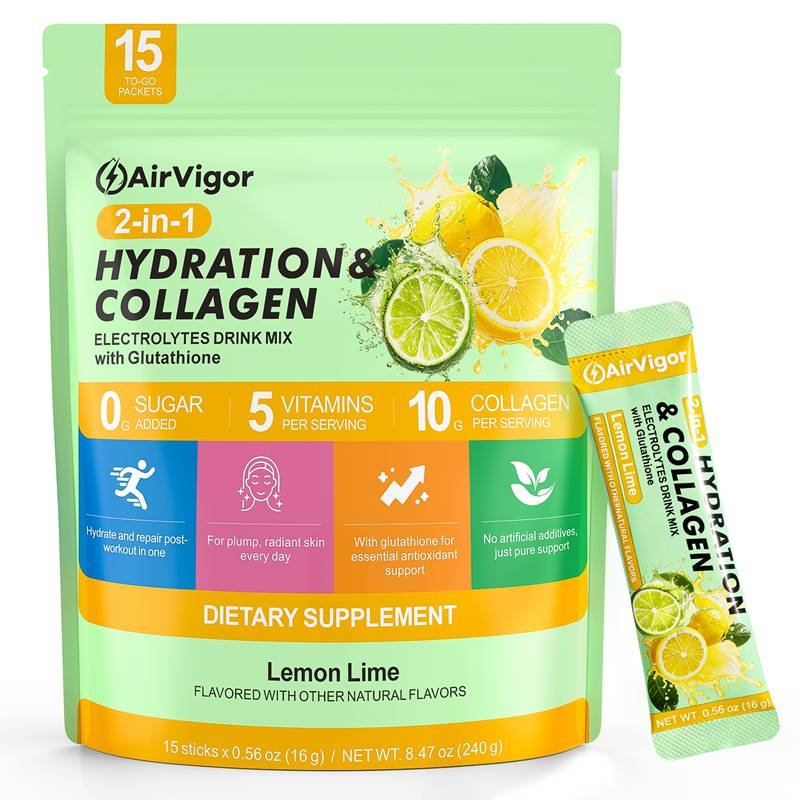
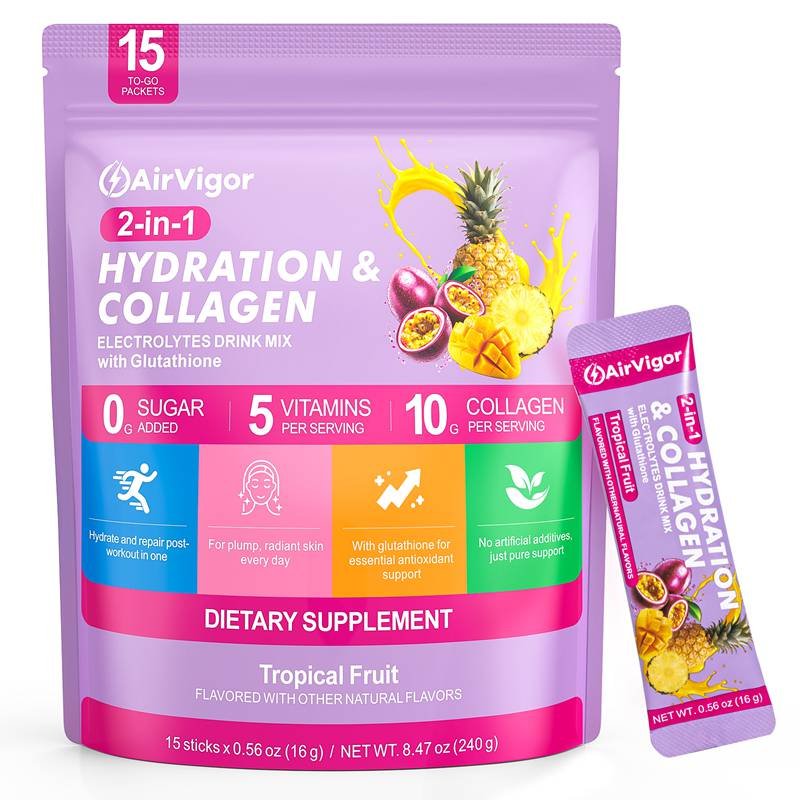
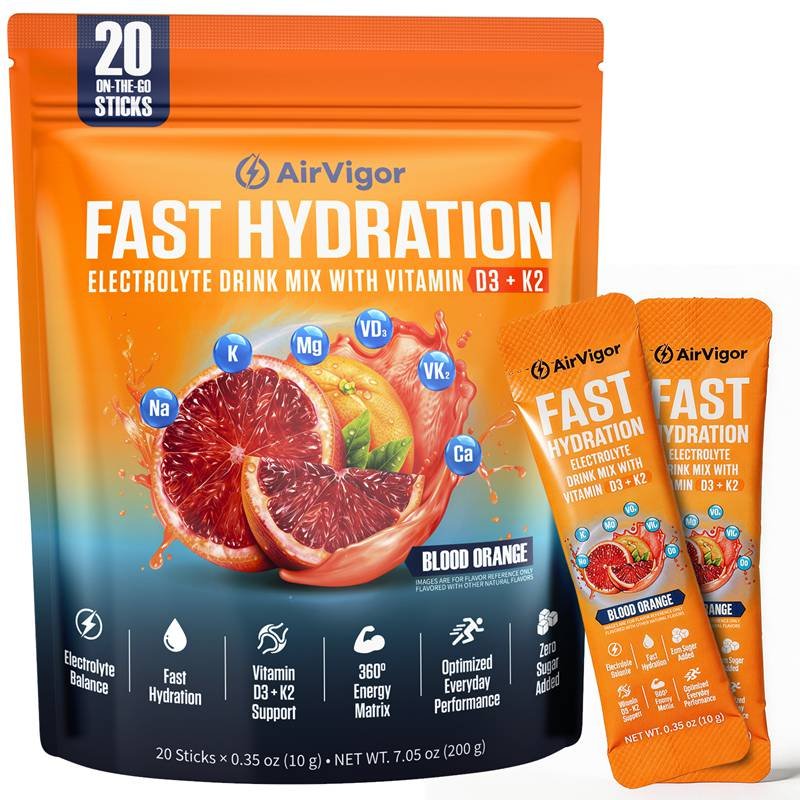
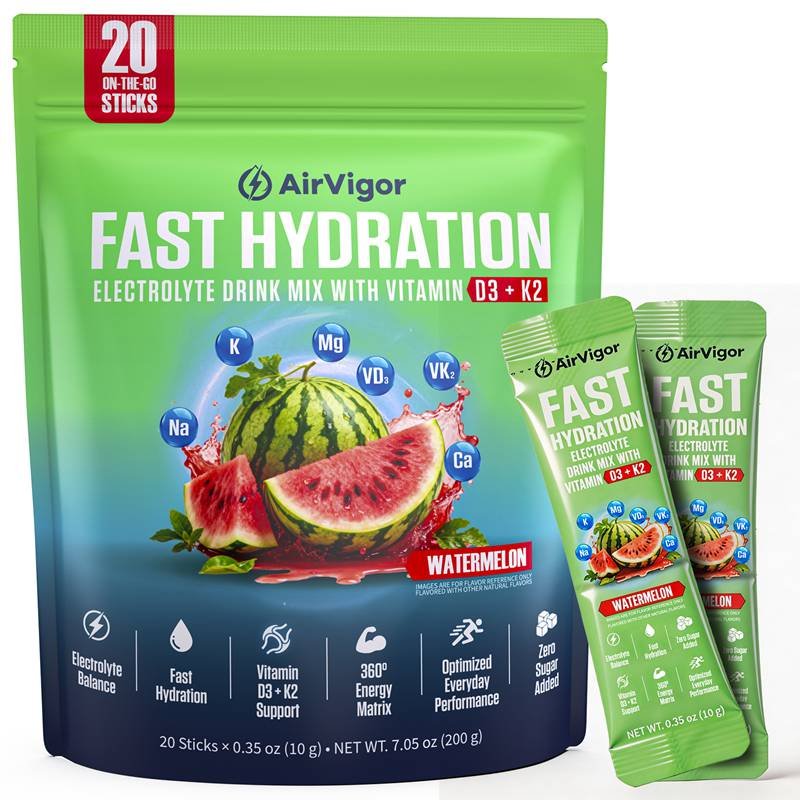
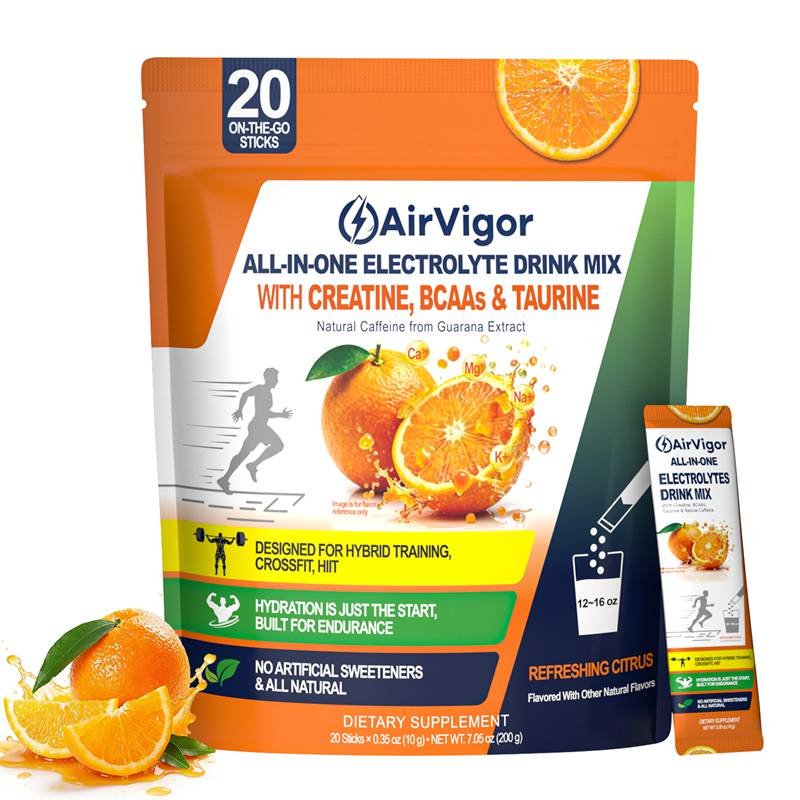
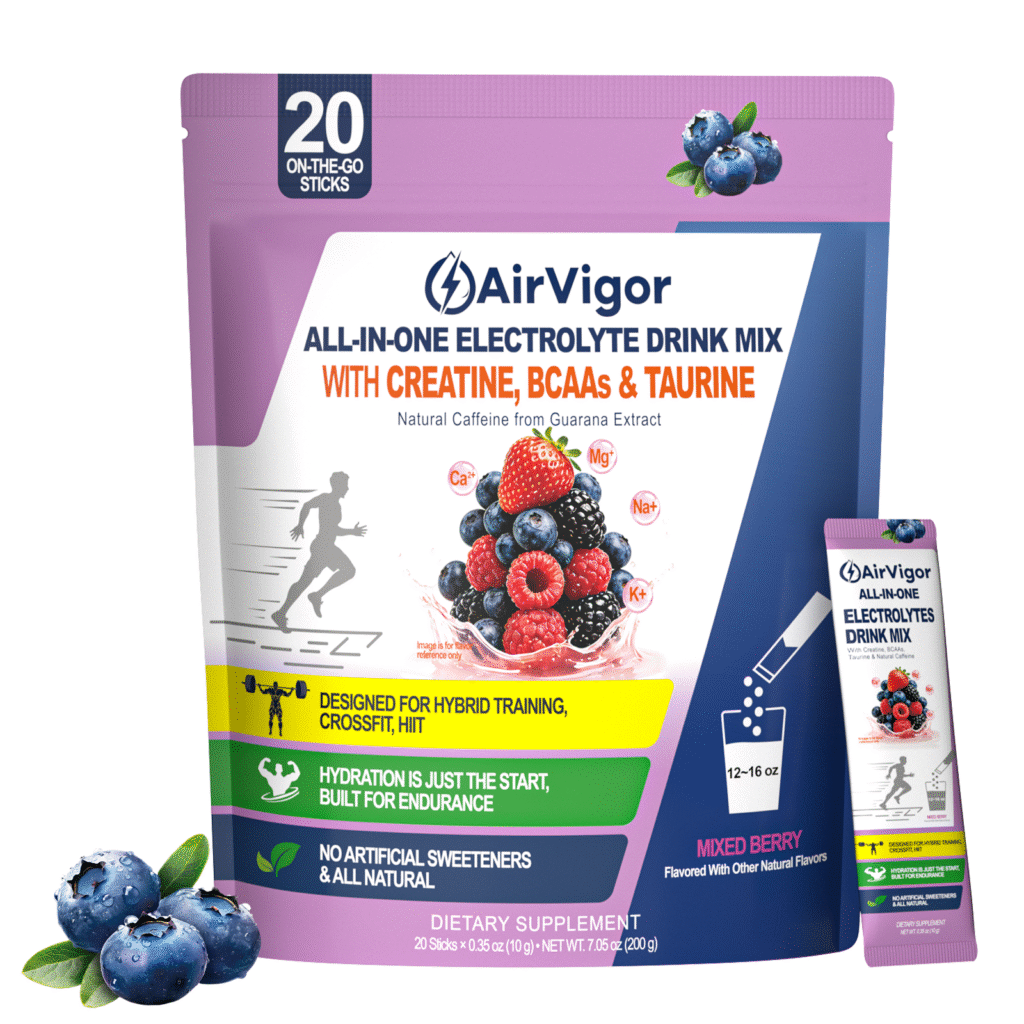
AirVigor’s product design philosophy is built around clear dosing, transparent labeling, and predictable user experience—which is exactly what daily electrolyte users need. When a brand supports consistent dissolution, stable flavor, and quality documentation (COA, GMP/HACCP/ISO systems), it reduces the “trial-and-error tax” for customers trying to dial in hydration.

How Do You Know If Your Daily Electrolyte Intake Is Right for You?
Your daily electrolyte intake is likely right if hydration feels effortless: steady energy, normal thirst, clear-to-light-yellow urine, fewer cramps, and stable training output. If you feel bloated, unusually thirsty, puffy, or get stomach upset, you may be taking too much. The best approach is symptom-based tuning: start with the lowest effective dose, increase only on high-loss days, and reassess after 1–2 weeks.
What signs suggest you may need more electrolytes?
You might benefit from electrolytes if:
- you sweat heavily and your clothes show salt marks
- you get headaches after workouts or heat exposure
- you cramp or feel “dead legs”
- you feel thirsty even after lots of water
- you feel better within 30–60 minutes of an electrolyte serving
What signs suggest you may be consuming too much?
You may be overshooting if:
- you feel bloated or “waterlogged”
- you become very thirsty after electrolyte drinks
- you notice puffiness
- your stomach feels unsettled
- your blood pressure trends up (salt-sensitive individuals)
How can you fine-tune daily electrolyte intake without overdoing it?
Use a simple three-step method:
- Start low: 0–1 serving/day
- Match loss: add only on heavy sweat/heat/travel days
- Track outcome: energy, cramps, thirst, workout consistency
If you want an objective check, use the sweat-loss method (Table 3). If you barely lose weight in training, you probably don’t need high-dose replacement.
Conclusion
Most people don’t need electrolytes every day in high doses. A practical rule is: 0 servings on low-sweat days, 1 serving on moderate-loss days, and up to 2 servings on long/hot/heavy-sweat days—then adjust based on how you feel (energy, thirst, cramps, bloating). The best daily strategy is food-first for baseline minerals, and electrolyte drinks as a targeted tool when conditions demand it.
If you want a simple, repeatable way to execute that without guesswork, AirVigor is built for daily real life and training: clear dosing, fast mixing, and balanced electrolytes you can scale up on high-loss days and scale down on rest days—so hydration feels steady instead of random.
If you want a straightforward, travel-friendly way to dial in hydration:
Buy AirVigor electrolyte products (in stock):
Search “AirVigor electrolytes” on Amazon and choose the format that fits your routine (stick packs for gym/travel, larger packs for home use).
If you’re a brand owner, gym, distributor, or seller looking for a reliable manufacturer:
Request OEM/ODM pricing and custom formulation:
Atom Nexus Inc. (Brand: AirVigor) supports OEM/ODM, flavor development, label localization, and compliance documentation for multiple markets.
Whether you’re a consumer trying to feel better day-to-day, or a business building a hydration line that customers actually stick with—AirVigor can support both the product and the long-term experience.
Share:
Contact Expert Team
At AirVigor, performance becomes effortless. We transform advanced nutrition science into clean, effective supplements that help you hydrate, recover, and feel stronger every day. Shop AirVigor on Amazon and experience athlete-trusted formulas—backed by real science and supported by our world-class R&D and production capabilities.
Trust AirVigor
At AirVigor, turning your performance goals into reality is no longer a struggle—it’s a science-driven journey we build together. Whether you’re a runner, lifter, cyclist, yogi, outdoor athlete, or someone simply seeking better daily energy, AirVigor transforms advanced nutrition research into clean, effective, and trustworthy supplements you can feel.
Backed by our U.S. scientific team, global certifications, and world-class production standards, every formula is engineered to deliver real hydration, real recovery, and real performance. And when you’re ready to experience the difference, you’ll find AirVigor products available on Amazon and other major platforms—fast shipping, consistent quality, and a community of athletes already seeing results.
Behind the scenes, our R&D and manufacturing ecosystem also supports specialized formulation development, ensuring AirVigor continues to lead with innovation while keeping quality and safety uncompromised. But at the core, everything we create is built for you—your health, your performance, your momentum.
Choose AirVigor. Feel the science. Elevate your every day.


Subscribe to our newsletter
Sign up to our newsletter and we’ll keep you up to date with the latest arrivals.