Skip to content
Best Budget-Friendly Electrolyte Blends: Smart Hydration Guide
# Your Trusted Dietary Supplement Brand In US
- Emily

Table of Contents
If you search for “cheap electrolyte powder” or “budget hydration drinks,” you’ll quickly notice something confusing: prices vary wildly, ingredient lists look similar, and marketing claims often contradict each other. Some blends cost less than a dollar per serving, while others charge premium prices for what seems like the same minerals. So what actually makes an electrolyte blend budget-friendly — and does cheaper always mean worse?
For athletes, outdoor workers, travelers, and even office professionals dealing with long hours and mental fatigue, electrolytes are no longer just a sports supplement. They’re part of daily hydration strategies. But as demand grows, so does misinformation. Many consumers either overpay for unnecessary ingredients or underpay and unknowingly consume poor-quality formulations loaded with sugar, fillers, or imbalanced mineral ratios.
It’s finding cost-efficient electrolytes — blends that deliver effective hydration, stable absorption, and long-term safety without inflating your monthly supplement budget.
The best budget-friendly electrolyte blends focus on essential minerals like sodium, potassium, and magnesium, avoid unnecessary sugars and fillers, and offer clear dosing per serving. Affordable electrolytes are not simply the cheapest options, but those with evidence-based formulas, transparent labeling, and consistent manufacturing quality that deliver reliable hydration at a reasonable cost.
Behind every smart hydration choice is a balance of price, formulation, and real-world use. In this guide, we’ll break down how to identify that balance — and why brands like AirVigor approach affordability differently than most mass-market options.
What Makes an Electrolyte Budget-Friendly?
A budget-friendly electrolyte blend is not defined by the lowest shelf price or the highest number of labeled servings. Instead, it delivers reliable hydration at the lowest cost per effective serving—meaning one serving actually works without the need for doubling, stacking, or frequent replacement.
Truly budget-friendly electrolytes focus on the core minerals that drive hydration efficiency, primarily sodium, potassium, and magnesium, provided in doses that reflect real daily losses from sweat, urine, stress, and routine activity. When these electrolytes are underdosed, users often compensate by taking multiple servings, which quickly erases any apparent savings. Effective dosing is therefore the foundation of real affordability.
Equally important, budget-friendly formulas avoid unnecessary cost drivers that add price without improving hydration outcomes. Excess sugars, trendy “hydration extras,” artificial colors, and complex flavor systems often inflate production costs while reducing daily tolerability. Over time, these ingredients increase waste, lower compliance, and raise the true cost of use—even if the product appears cheap upfront.
Transparent labeling is another key factor. When mineral amounts are clearly listed in milligrams and serving sizes reflect realistic use, consumers can dose accurately and predict monthly costs. Products that rely on proprietary blends or vague “electrolyte complexes” often shift the financial burden to the user through trial-and-error dosing.
Consistency also matters. Budget-friendly electrolytes are produced under reliable manufacturing standards so that every serving performs the same way. Inconsistent solubility, taste variation, or batch-to-batch differences lead to abandoned containers and repurchases—hidden expenses that undermine affordability.
In practice, the most budget-friendly electrolyte is the one that:
- Works in one serving
- Can be used consistently without discomfort
- Matches daily hydration needs rather than extreme performance scenarios
- Keeps monthly spending predictable
When affordability is measured by outcomes and repeatability, not marketing price points, budget-friendly electrolytes become a tool for long-term hydration stability rather than short-term savings.
Understanding Budget-Friendly Beyond “Cheap”
When people search for “budget-friendly electrolyte blends” or “cheap electrolyte powder,” they are usually trying to solve a practical problem:
How can I stay properly hydrated without overspending or wasting money on ineffective products?
From a formulation and consumer-usage perspective, an electrolyte product is only budget-friendly if it satisfies four core conditions at the same time:
- It works at the labeled serving size
- It delivers electrolytes that people actually lose
- It can be used repeatedly without side effects
- It keeps the long-term cost predictable
Below, we break these principles down in detail.
Why a low price alone does not define “budget-friendly.”?
A low sticker price is often the least reliable indicator of value in electrolyte products.
Many low-priced blends reduce cost by lowering mineral dosage, especially sodium and magnesium. As a result, users often compensate by taking multiple servings per use. This creates a situation where the product appears cheap but becomes expensive over time.
What matters is not how cheap the product looks, but how much it costs to achieve real hydration once.
| Metric | Cheap-Looking Product | Truly Budget-Friendly Product |
|---|---|---|
| Price per container | Low | Moderate |
| Electrolytes per serving | Low | Adequate |
| Servings needed per use | 2–3 | 1 |
| User behavior | Overconsumption | Controlled use |
| Monthly cost | Unstable | Predictable |
From a budget perspective, needing more product is never a savings.
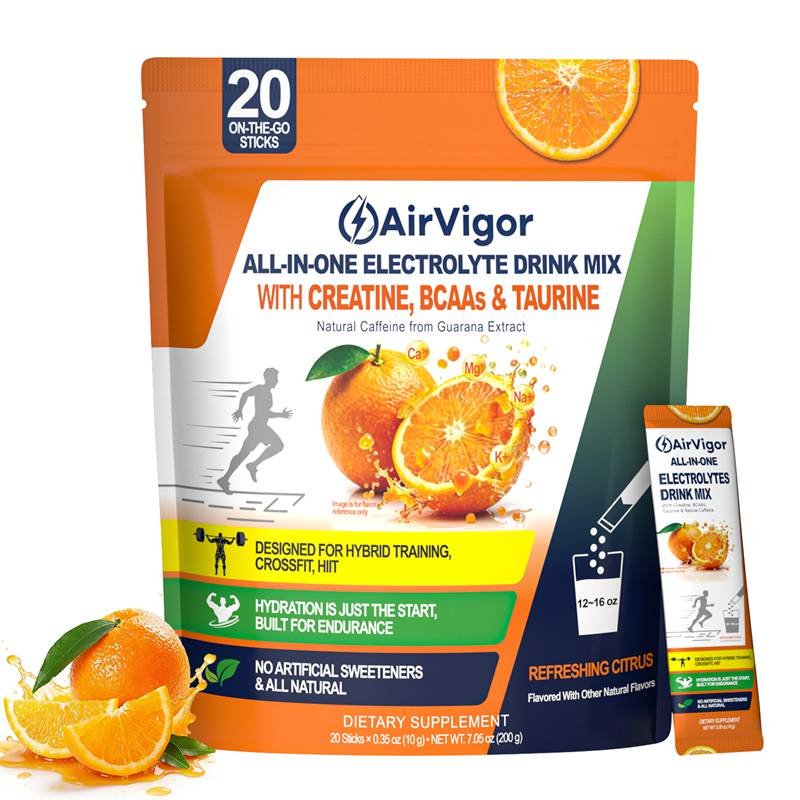
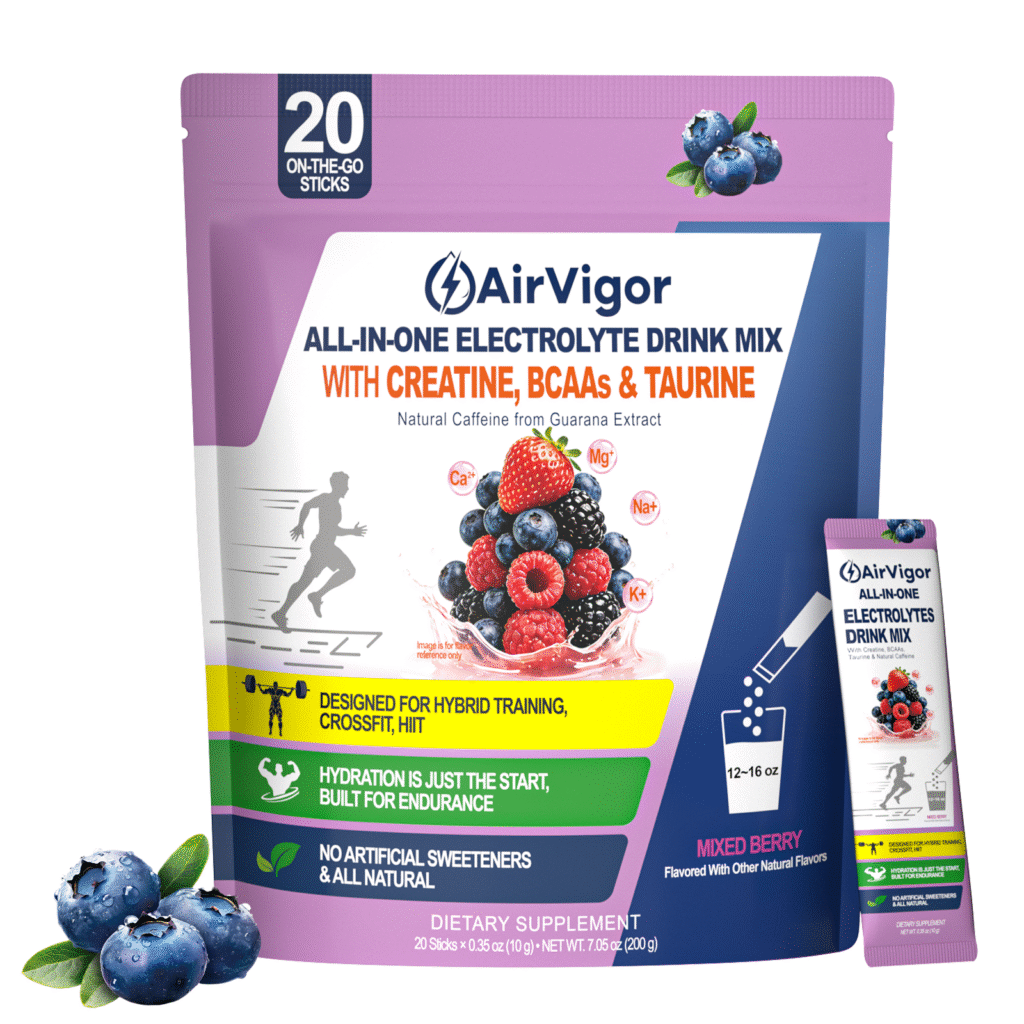
Brands like AirVigor design electrolyte blends so one serving matches real-world hydration needs, which helps users control both intake and spending over time.
Cost per effective serving is the most important metric
One of the most overlooked budgeting concepts in supplements is cost per effective serving.
An effective serving is not the serving size printed on the label. It is the amount actually required to:
- Replace sweat-related sodium loss
- Support cellular hydration via potassium
- Reduce cramping and fatigue with magnesium
If a product’s labeled serving does not meet these needs, the user must increase intake — and cost.
| Product Scenario | Container Price | Labeled Servings | Effective Servings | Cost per Effective Serving |
|---|---|---|---|---|
| Very cheap blend | $14.99 | 30 | 12–15 | $1.00–$1.25 |
| Balanced electrolyte blend | $22.99 | 30 | 30 | ~$0.77 |
| Sugary drink mix | $18.99 | 20 | 8–10 | ~$2.00 |
This is why moderately priced, well-dosed electrolyte powders often cost less over time than the cheapest options on the shelf.
Ingredient quality matters more than ingredient count
Budget-friendly electrolytes are often misunderstood as “simple” formulas. In reality, they are efficient formulas.
Sodium and potassium are inexpensive ingredients. They rarely drive cost. What increases cost — and value — is how minerals are selected and processed, especially magnesium.
| Component | Cost Impact | Why It Matters |
|---|---|---|
| Sodium | Low | Primary hydration driver |
| Potassium | Low | Cellular fluid balance |
| Magnesium (high-quality forms) | Medium–High | Muscle & nerve function |
| Calcium | Low–Medium | Supportive, not primary |
| Flavor systems | Medium | Often unnecessary |
| Testing & QA | Medium | Safety & consistency |
Many low-cost products overspend on flavor systems and branding while under-investing in magnesium quality or testing. Budget-friendly blends prioritize functional minerals over cosmetic appeal, keeping performance high and waste low.
Sugar and fillers increase cost without improving hydration
Sugar is frequently added to electrolyte products for taste or “energy.” While it may improve short-term palatability, it is one of the least cost-efficient hydration strategies.
Sugar-heavy blends often:
- Encourage higher intake
- Reduce suitability for daily use
- Increase calorie load
- Inflate long-term cost
| Feature | Sugar-Heavy Electrolyte | Functional Electrolyte |
|---|---|---|
| Hydration efficiency | Medium | High |
| Daily usability | Low | High |
| Metabolic stability | Low | High |
| Budget predictability | Poor | Strong |
From a budget standpoint, sugar is a liability, not a benefit.
Transparency directly reduces long-term spending
Transparent labeling is an underrated budget feature.
When labels clearly disclose:
- Exact electrolyte amounts
- Serving logic
- Intended use scenarios
Users can match intake to actual needs, instead of guessing or overdosing.
| Label Type | User Control | Risk of Overuse | Cost Control |
|---|---|---|---|
| Proprietary blend | Low | High | Weak |
| Fully disclosed formula | High | Low | Strong |
Products with transparent electrolyte panels help users budget hydration intentionally, which is essential for long-term affordability.
Packaging and real-world usage affect total cost
Packaging influences how people use electrolytes — and misuse them.
| Packaging Format | Budget Impact | Why It Matters |
|---|---|---|
| Large tubs | High efficiency | Good for home use |
| Stick packs | High efficiency | Prevent overdosing |
| Bottled drinks | Low efficiency | High cost per serving |
Stick packs often look more expensive upfront, but they:
- Prevent over-scooping
- Improve dosage accuracy
- Reduce waste
Which ultimately lowers cost per correct use.
Why Do People Need Electrolytes Daily?
People need electrolytes daily because the body continuously loses sodium, potassium, magnesium, and chloride through sweat, urine, breathing, and metabolic activity. These minerals are essential for fluid balance, nerve signaling, muscle contraction, and energy regulation. Even without intense exercise, modern lifestyles such as long work hours, stress, caffeine intake, and travel can increase electrolyte loss, making daily replenishment beneficial for many people.
Daily Electrolyte Loss Is a Normal Biological Process
Many people associate electrolytes only with intense workouts or extreme heat. In reality, electrolyte loss is a continuous, everyday process, driven by basic physiology rather than athletic activity alone.
Electrolytes regulate how water moves in and out of cells, how nerves transmit signals, and how muscles contract and relax. Because these processes never stop, electrolyte turnover also never stops. The question is not whether electrolytes are lost daily, but how much is lost and whether diet and hydration are sufficient to replace them.
How the body loses electrolytes every day?
Even on rest days, the human body loses electrolytes through multiple unavoidable pathways:
| Loss Pathway | Electrolytes Affected | Why It Happens |
|---|---|---|
| Urination | Sodium, potassium | Fluid balance regulation |
| Sweat (baseline) | Sodium, chloride | Temperature control |
| Respiration | Sodium, chloride | Moisture loss through breathing |
| Digestion | Potassium, magnesium | Metabolic processing |
| Stress hormones | Magnesium | Increased nervous system demand |
This means that electrolyte depletion is not optional or situational. It is built into daily human physiology.
For individuals who rely solely on water without mineral intake, mild imbalances can gradually develop, often presenting as fatigue, headaches, reduced focus, or muscle tightness.
Why modern lifestyles increase daily electrolyte demand?
Modern life doesn’t always look “dehydrating,” but it quietly creates conditions where the body loses water and minerals more frequently than we realize. The key difference compared to previous generations is consistency: you may not sweat intensely every day, yet you repeatedly face low-grade electrolyte stress—through caffeine, climate control, long sitting, high mental workload, irregular meals, and travel. Over time, these small losses add up, and the result is often subtle but persistent symptoms: tiredness that doesn’t match your activity level, headaches, muscle tightness, or a “dry” feeling even when you drink plenty of water.
Electrolytes matter here because hydration isn’t just about volume—it’s about fluid distribution and retention. Sodium helps pull water into circulation and supports absorption. Potassium helps move water into cells. Magnesium supports neuromuscular stability and recovery. When modern lifestyle patterns reduce intake or increase loss of these minerals, plain water may not fully resolve hydration-related fatigue.
| Lifestyle Factor | Electrolytes Affected | What’s Happening Physiologically | What You Might Notice |
|---|---|---|---|
| Long sitting hours | Potassium, magnesium | Lower movement reduces circulation and can worsen perceived fatigue; poor meal patterns can reduce mineral intake | Sluggish energy, leg tightness, “flat” feeling |
| Mental stress | Magnesium | Stress hormones increase magnesium demand; sleep quality often drops, raising recovery needs | Tension, poor sleep, irritability, muscle tightness |
| Caffeine intake | Sodium, potassium (and fluid) | Caffeine can increase urine output in some people, accelerating fluid and mineral loss | Frequent urination, afternoon crash, mild headaches |
| Air conditioning / heating | Sodium (fluid balance) | Low humidity dries airways and increases insensible water loss without obvious sweating | Dry mouth, thirst, brain fog, “can’t hydrate” feeling |
| Air travel | Sodium, potassium (fluid loss) | Cabin air is very dry; long sitting + limited water intake compounds dehydration | Headache, fatigue, constipation, dry skin |
This is why office workers, frequent travelers, and high-pressure professionals often report hydration issues without heavy exercise. The problem isn’t that they “need sports drinks.” It’s that their daily routine repeatedly shifts fluid balance in ways that make electrolytes more relevant.
Why these factors hit non-athletes especially hard?
Non-athletes often assume electrolytes only matter if you sweat a lot. But modern life increases electrolyte demand through three overlooked pathways:
Insensible water loss (dry air, AC, heating, flights)
You lose water through breathing and skin evaporation even without sweating—often without feeling thirsty.
Behavior-driven dehydration (coffee, meetings, skipping water, irregular meals)
When fluid intake is inconsistent, the body’s regulation becomes less stable, and mineral intake may fall too.
Stress + sleep disruption (magnesium demand rises)
Chronic stress doesn’t just affect mood; it shifts recovery needs and can make muscles feel tighter or more reactive.
These pathways explain why many people feel better not from “more water,” but from better water utilization—which requires adequate electrolytes.
When do electrolytes make sense in modern life?
Daily electrolytes are most useful when they support stability, not extremes. If you relate to multiple factors above—heavy caffeine, long desk hours, travel, AC exposure, frequent mild headaches, or muscle tightness—using a moderate, low-sugar electrolyte on demanding days can improve how effectively your body retains and uses fluids.
A simple approach many people find sustainable:
- Use electrolytes on travel days, high-stress days, hot days, or workout days
- Keep it light and repeatable (avoid overly sweet, high-sugar formulas for daily use)
- Prioritize sodium + potassium + magnesium with clear labeling
This lifestyle-based view is also why brands focused on long-term hydration (like AirVigor’s approach) emphasize balanced dosing, daily tolerability, and transparent labels—because modern hydration problems are often chronic and subtle, not dramatic.
What happens when daily electrolyte needs are not met?
When daily electrolyte intake does not keep pace with ongoing losses, the body initially compensates by redistributing fluids and minerals. In the short term, this compensation masks obvious problems. Over time, however, chronic low-grade electrolyte depletion reduces efficiency across multiple physiological systems, even when calorie intake and water consumption appear normal.
Unlike acute dehydration, this process is gradual and subtle. Electrolytes are not stored in large reserves, so repeated small deficits—caused by sweat, caffeine, stress, air conditioning, or irregular meals—slowly disrupt how the body manages fluids, nerves, and muscles. As a result, hydration becomes less effective, recovery slows, and energy regulation becomes inconsistent.
At the cellular level, insufficient electrolytes impair osmotic balance—the mechanism that allows water to move into and stay inside cells. This explains why people often feel thirsty, fatigued, or “flat” even when they are drinking plenty of water.
| Electrolyte Imbalance | What Happens Physiologically | Common Symptoms |
|---|---|---|
| Sodium imbalance | Reduced fluid absorption and blood volume regulation | Lightheadedness, low energy, headaches |
| Potassium deficit | Impaired cellular hydration and nerve signaling | Muscle weakness, poor endurance, fatigue |
| Magnesium depletion | Increased neuromuscular excitability and stress response | Muscle tightness, cramps, poor sleep |
| Chloride imbalance | Inefficient fluid transport and digestion | Persistent thirst, bloating, incomplete hydration |
These symptoms are rarely severe enough to trigger medical concern, which is why they are frequently misattributed to lack of sleep, aging, stress, or workload. In reality, the underlying issue is often that fluids are being consumed without adequate mineral support.
Why water alone doesn’t fully solve the problem?
A common response to fatigue or thirst is simply to drink more water. While hydration volume is important, water without electrolytes can dilute existing mineral levels, especially sodium and potassium. This dilution further reduces the body’s ability to retain fluids, creating a loop where people drink more but feel no better.
In this state:
- Water passes through the body more quickly
- Urination increases
- Cells remain under-hydrated
- Thirst and fatigue persist
Electrolytes break this cycle by restoring the mineral gradients that allow water to be absorbed, distributed, and retained effectively.
Why symptoms often appear “non-specific.”?
Electrolytes influence multiple systems simultaneously—hydration, nerves, muscles, and circulation. When levels are mildly low, the body does not fail outright; instead, performance becomes less efficient.
This inefficiency shows up as:
- Energy that fluctuates throughout the day
- Muscles that feel tight rather than sore
- Workouts that feel harder than usual
- Difficulty concentrating or staying mentally sharp

Because these symptoms overlap with common lifestyle stressors, electrolyte deficiency is often overlooked.
The long-term impact of ignoring daily needs
While occasional electrolyte imbalance is not dangerous for healthy individuals, persistent neglect can compound over time. Repeated days of mild deficiency may increase reliance on stimulants (caffeine, sugar), reduce exercise tolerance, and impair recovery quality.
Addressing daily electrolyte needs early—through balanced intake rather than aggressive dosing—helps restore baseline stability. This is why moderate, daily-appropriate electrolyte strategies often feel more effective than sporadic high-dose interventions.
Do all people need the same electrolytes every day?
No. Daily electrolyte needs vary based on activity level, environment, and individual physiology.
| User Type | Daily Electrolyte Strategy |
|---|---|
| Sedentary / office worker | Light, balanced intake |
| Regular exerciser | Moderate sodium + potassium |
| Heavy sweater | Higher sodium requirement |
| High-stress lifestyle | Increased magnesium support |
| Frequent traveler | Consistent daily replenishment |
This is why one-size-fits-all electrolyte products are rarely budget-friendly. Over-formulated blends increase cost and unnecessary intake, while under-formulated blends fail to deliver benefits.
Brands like AirVigor address this by offering different electrolyte profiles for daily hydration, training, and recovery—allowing users to match intake to real needs instead of overconsuming a single formula.
Why daily electrolyte intake does not mean high-dose supplementation?
Daily electrolyte intake does not mean consuming high-sodium or performance-level formulas every day.
A common misconception is that electrolytes are either:
- unnecessary, or
- only useful at extreme doses
In reality, low-to-moderate daily replenishment supports baseline hydration, while higher doses are reserved for heavy sweat or intense activity.
| Day Type | Recommended Approach |
|---|---|
| Rest / workday | Light electrolyte support |
| Training day | Performance-focused blend |
| Hot climate | Increased sodium |
| Travel / jet lag | Balanced daily intake |
This approach improves hydration efficiency without increasing cost or risk, making it central to a budget-friendly strategy.
Why electrolytes improve hydration more than water alone?
Water alone restores fluid volume, but electrolytes determine where that water goes.
Without sodium and potassium:
- Water is poorly retained
- Cellular hydration is inefficient
- Excess fluid is quickly excreted
| Hydration Method | Retention | Cellular Absorption |
|---|---|---|
| Water only | Low | Limited |
| Water + electrolytes | High | Efficient |
This is why people often feel “still thirsty” after drinking large amounts of plain water.
People need electrolytes daily because:
- The body loses them continuously
- Modern lifestyles increase depletion
- Water alone cannot maintain balance
Daily intake does not require high doses, but it does require consistency, correct ratios, and context-aware use.
Daily electrolytes are not about performance. They are about maintaining efficiency, stability, and hydration resilience.
Which Electrolytes Matter Most?
The most important electrolytes for hydration and performance are sodium, potassium, and magnesium. Sodium regulates fluid balance and prevents dehydration, potassium supports cellular hydration and nerve signaling, and magnesium plays a key role in muscle function and recovery. Calcium and chloride have supportive roles but are usually secondary. Effective, budget-friendly electrolyte blends prioritize these core electrolytes at usable doses rather than adding unnecessary ingredients.
Electrolytes are often presented as a long list of minerals, which can make all of them seem equally important. In practice, the body relies on certain electrolytes far more than others, especially when it comes to hydration efficiency, muscle performance, and daily fatigue prevention.
From both a physiological and budget perspective, understanding which electrolytes actually matter helps users avoid paying for ingredients that contribute little to real outcomes.
1. Sodium — the primary driver of hydration
Sodium is the most critical electrolyte for hydration. It controls:
- Fluid retention
- Blood volume
- Sweat replacement
- Water absorption in the intestines
When sodium levels are too low, drinking water alone can actually worsen hydration efficiency, because the body quickly excretes excess fluid.
| Function | Role of Sodium |
|---|---|
| Fluid balance | Keeps water in the bloodstream |
| Exercise hydration | Replaces sweat loss |
| Blood pressure stability | Maintains circulation |
| Thirst regulation | Signals proper hydration |
Many “cheap” electrolyte products drastically reduce sodium to appeal to low-salt trends. While this may look healthier on paper, it often leads to ineffective hydration, forcing users to take multiple servings and increasing long-term cost.
A truly budget-friendly blend includes enough sodium to work in one serving, rather than requiring repeated use.
2. Potassium — essential for cellular hydration
If sodium manages water outside the cell, potassium manages water inside the cell. It is essential for:
- Muscle contraction
- Nerve signal transmission
- Cellular fluid balance
Potassium deficiency does not always feel dramatic, but it often shows up as:
- Early fatigue
- Reduced endurance
- Muscle weakness
| Aspect | Why Potassium Matters |
|---|---|
| Cellular hydration | Moves water into cells |
| Muscle performance | Prevents weakness |
| Nerve signaling | Maintains coordination |
Budget electrolyte blends should include meaningful potassium levels, but not excessive amounts. Extremely high potassium adds cost without proportional benefit and may not be suitable for all users.
3. Magnesium — the recovery and stability mineral
Magnesium is often underdosed in budget electrolyte products because high-quality magnesium forms cost more. However, magnesium plays a disproportionate role in:
- Muscle relaxation
- Cramp prevention
- Nervous system balance
- Sleep quality
| Magnesium Role | Impact |
|---|---|
| Muscle recovery | Reduces tightness |
| Nerve function | Improves neuromuscular control |
| Stress regulation | Supports calmness |
| Sleep support | Aids nighttime recovery |
Low magnesium intake is common, especially among people with:
- High stress
- Regular exercise
- High caffeine intake
From a value perspective, magnesium is one of the most cost-effective electrolytes when properly dosed, because it reduces downstream issues like cramps and fatigue that often lead to overuse of other supplements.
4. Calcium — supportive but not primary
Calcium contributes to muscle contraction and nerve signaling, but it is rarely lost in large amounts through sweat and is usually well supplied by food.
| Factor | Calcium’s Role |
|---|---|
| Muscle contraction | Supportive |
| Bone health | Long-term |
| Sweat loss | Minimal |
Including moderate calcium in an electrolyte blend can be helpful, but high calcium doses add cost without improving hydration. For budget-friendly formulas, calcium should remain a secondary component.
5. Chloride — often overlooked but functionally important
Chloride works closely with sodium to:
- Maintain fluid balance
- Support digestion
- Regulate acid-base balance
Because chloride usually accompanies sodium (as sodium chloride), it is rarely added separately.
| Chloride Function | Why It Matters |
|---|---|
| Fluid regulation | Works with sodium |
| Digestive support | Aids stomach acid |
| pH balance | Supports metabolic stability |
A lack of chloride is uncommon, but insufficient sodium intake often implies insufficient chloride as well.
Which electrolytes should be prioritized for different users?
Not everyone needs the same electrolyte emphasis. Budget efficiency improves when intake matches actual demand.
| User Profile | Priority Electrolytes |
|---|---|
| Office / sedentary | Potassium, magnesium |
| Regular exerciser | Sodium, potassium |
| Heavy sweater | Sodium (primary) |
| High-stress lifestyle | Magnesium |
| Outdoor / heat exposure | Sodium + potassium |
This is why single-formula electrolyte products are often inefficient. Users either under-dose on key minerals or overpay for ingredients they do not need.
Brands like AirVigor address this by offering multiple electrolyte profiles (daily hydration, performance, recovery), allowing users to choose what fits their lifestyle rather than overconsuming a generic blend.
Why does “more electrolytes” not mean better value?
Some products advertise long ingredient lists to appear more advanced. In reality:
- Extra trace minerals rarely improve hydration
- Complex formulas increase cost
- Unnecessary ingredients raise the risk of imbalance
| Formula Style | Budget Efficiency | Real Benefit |
|---|---|---|
| Focused (3–5 electrolytes) | High | Strong |
| Overloaded (10+ minerals) | Low | Marginal |
Budget-friendly electrolyte blends are focused, not crowded.
Focus on What Actually Matters?
The electrolytes that matter most are:
- Sodium for fluid balance
- Potassium for cellular hydration
- Magnesium for muscle and nerve stability
Calcium and chloride play supportive roles but should not dominate the formula.
Effective hydration is not about more ingredients. It is about the right electrolytes, at the right dose, for the right person.
How to Compare Affordable Electrolyte Blends?
To compare affordable electrolyte blends, evaluate cost per effective serving, sodium/potassium/magnesium dosages, ingredient quality, sugar and filler load, label transparency, and manufacturing standards. The best value products work at one serving, match your sweat and lifestyle needs, and maintain consistent quality through testing and clear labeling. Avoid blends that look cheap but require double-dosing to feel results.
A Practical Comparison System That Actually Works
Most “electrolyte comparisons” online focus on brand popularity or taste. That’s not what budget buyers need. If you’re aiming for real affordability, the correct approach is more like comparing fuel efficiency than comparing packaging.
A truly affordable electrolyte blend is the one that delivers reliable hydration outcomes at the lowest cost per effective use, while staying safe for repeat intake.
Below is a simple, repeatable comparison system you can apply to any electrolyte product (including DIY, powders, tubs, stick packs, and drink mixes).
Step 1 — Compare Cost per Effective Serving (not label servings)
Most labels tell you the cost per serving, but they don’t tell you if that serving is effective. The question you should ask is:
“Does one serving actually meet my hydration needs?”
If not, you’ll take 2–3 servings. That instantly doubles or triples your real cost.
| What to Check | Why It Matters | Rule of Thumb |
|---|---|---|
| Serving size | Determines usage rate | Smaller isn’t always better |
| Sodium dose | Main driver of hydration | Needs to be meaningful |
| Magnesium dose | Often underdosed in cheap blends | Look for real amounts |
| “Feels effective at 1 serving” | Determines real value | Avoid double-dosing products |
| Container size | Affects monthly spend | Calculate per month |
How to calculate quickly:
Real cost per use = price ÷ (servings that actually work)
Step 2 — Check the “Big 3” Electrolytes First
For affordability, focus on what matters most: sodium, potassium, and magnesium. If these are weak or missing, no amount of fancy extras can save the formula.
The Big 3 Comparison Matrix
| Electrolyte | What It Does | Why Budget Buyers Should Care |
|---|---|---|
| Sodium | Fluid retention, sweat replacement | Under-dosing forces extra servings |
| Potassium | Cellular hydration, nerve signaling | Too low reduces endurance stability |
| Magnesium | Recovery, cramps, neuromuscular control | Cheap blends often skip or underdose |
If you only remember one thing:
A budget electrolyte that underdoses sodium or magnesium is rarely budget-friendly long term.
Step 3 — Match the Dosage to Your Lifestyle
A lot of people accidentally waste money by buying the wrong “strength” of electrolytes.
- If you work at a desk most days, you likely need lighter daily hydration
- If you sweat heavily, you need higher sodium formulas
- If you cramp easily or train often, magnesium becomes more important
| Your Situation | Best Formula Focus | Why It’s More Affordable |
|---|---|---|
| Office / sedentary | Light + balanced | Prevents overuse and waste |
| Regular workouts | Moderate sodium + potassium | Covers daily training needs |
| Heavy sweating / heat | Higher sodium | Avoids fatigue and double dosing |
| High stress / poor sleep | Add magnesium support | Reduces cramps & recovery issues |
| Travel / outdoor | Portable stick packs | Improves compliance & consistency |
This is where multi-formula systems (daily / performance/recovery) can be more cost-efficient than a single one-size-fits-all blend. Brands like AirVigor typically design different profiles so you don’t overpay for a high-sodium formula on low-sweat days.
Step 4 — Evaluate Sweeteners, Sugars, and “Flavor Costs”
Flavor is nice, but in budget products, it often becomes an expensive distraction.
Common budget traps:
- High sugar content increases cost and encourages overuse
- Heavy flavor systems can cause taste fatigue
- Strong sweetness makes daily use harder for many people
| Ingredient Type | Value Impact | Budget Guidance |
|---|---|---|
| Added sugar | Low value | Avoid for daily use |
| Dyes / heavy flavoring | Low | Often marketing-driven |
| Multiple sweeteners | Medium risk | May cause GI issues |
| Simple natural flavor | High | Better daily compliance |
| Unnecessary “trend ingredients” | Low | Inflates price without hydration benefit |
If your goal is affordability, you want a blend that feels “easy to drink” without relying on sugar or overly complex taste systems.
Step 5 — Verify Label Transparency and Mineral Forms
Transparency is a budget feature. When the label is clear, you can dose correctly and avoid wasted servings.
What to look for:
- Exact mg listed for sodium, potassium, and magnesium
- No “proprietary electrolyte blend” hiding dosages
- Mineral forms that are reasonable for absorption and tolerance
| Label Feature | Score Impact | Why It Matters |
|---|---|---|
| Full mg disclosure | High | Lets you compare products accurately |
| Clear serving guidance | High | Prevents overdosing |
| Proprietary blends | Negative | Hides low dosages |
| “Hydration matrix” claims only | Negative | Usually marketing fluff |
AirVigor-style labeling typically emphasizes clarity and use-case guidance (workouts vs daily hydration), which reduces guesswork and improves value.
Step 6 — Don’t Ignore Quality Systems (cheap can become expensive fast)
Even if a product is “cheap,” poor manufacturing can lead to:
- inconsistent dosing
- clumping / poor solubility
- taste variation
- user dropout (wasted container)
Budget-friendly products should have evidence of:
- GMP / HACCP / ISO standards
- COA availability or batch testing culture
- traceability and consistency across regions
| Quality Signal | Why It Protects Budget Value |
|---|---|
| GMP production | Reduces contamination risk |
| Batch consistency | Prevents “bad tubs” and waste |
| Testing / COA culture | Confirms label accuracy |
| Stable solubility | Avoids user abandonment |
This is where AirVigor’s manufacturing setup (lab testing, batch control, multi-market compliance) supports affordability: it reduces the risk that you buy a “cheap” product that you stop using halfway.
A Simple 10-Point “Budget Value Score” You Can Use
If you want a quick way to compare products, score each category 0–2:
| Category | 0 | 1 | 2 |
|---|---|---|---|
| Effective at 1 serving | No | Sometimes | Yes |
| Big 3 dosed well | Weak | Mixed | Strong |
| Low sugar/fillers | High | Moderate | Low |
| Transparent label | No | Partial | Full |
| Quality standards | Unclear | Some | Strong |
Total score: /10
- 8–10 = strong budget value
- 5–7 = acceptable, depends on lifestyle
- 0–4 = “cheap” but not truly budget-friendly
Compare Like a Pro, Not Like a Shopper
To compare affordable electrolyte blends, always prioritize:
- cost per effective serving
- the “Big 3” electrolytes at usable doses
- Lifestyle fit to avoid overbuying
- low sugar and minimal filler load
- transparent labeling and quality systems
The best budget electrolyte is the one you can use consistently, safely, and effectively—without needing to double-dose.
Are Cheap Electrolytes Safe to Use?
Cheap electrolytes can be safe if they are manufactured under certified quality systems, use approved ingredient forms, and provide transparent dosing. Safety risks arise when products lack testing, underdose or overdose key minerals, or rely on poor manufacturing controls. Price alone does not determine safety—manufacturing quality, label accuracy, and usage context do.
Safety Depends on Process, Not Price
Many consumers assume that “cheap” automatically means “unsafe.” In reality, electrolyte safety is not determined by price, but by how the product is formulated, manufactured, tested, and used.
Some low-cost electrolyte blends are safe and effective because they are produced at scale with efficient formulations. Others become problematic because they cut corners in areas consumers cannot see—such as testing, dosing accuracy, or ingredient quality.
Understanding these distinctions helps users avoid unnecessary fear while still making informed choices.
When cheap electrolytes are generally safe?
Electrolytes are among the simplest supplement categories. Sodium, potassium, magnesium, calcium, and chloride are well-studied minerals with established safety ranges.
Cheap electrolyte products are usually safe when all of the following are true:
| Safety Condition | Why It Matters |
|---|---|
| GMP-certified production | Ensures cleanliness and consistency |
| Approved mineral forms | Reduces absorption and tolerance issues |
| Transparent dosage labeling | Prevents accidental misuse |
| Clear usage guidance | Aligns intake with real needs |
| Stable batch consistency | Avoids uneven dosing |
In these cases, affordability comes from efficient manufacturing, not safety compromises.
Where do safety risks actually come from?
Safety issues rarely come from electrolytes themselves. They come from how they are handled and presented.
The most common risk factors include:
| Risk Factor | Potential Issue |
|---|---|
| Inaccurate dosing | Too much or too little mineral intake |
| Poor mixing uniformity | Uneven mineral distribution |
| No batch testing | Undetected contaminants |
| Vague labels | User overdosing |
| Excessive sugar or additives | Digestive discomfort |
These risks are invisible to consumers but are controlled through manufacturing discipline. Brands like AirVigor mitigate them by operating under GMP, HACCP, ISO 22000, and batch-level testing systems.
1. Sodium safety — the most misunderstood concern
Sodium often causes unnecessary fear. While excessive sodium can be problematic, context matters.
| Situation | Sodium Risk Level |
|---|---|
| Heavy sweating / heat | Low risk, often needed |
| Moderate daily activity | Low–moderate |
| High intake without sweat | Moderate |
| Chronic high-dose misuse | Elevated |
Most “cheap” electrolytes are more likely to underdose sodium than overdose it. The real risk is not sodium itself, but using a high-sodium formula every day without need, which is why usage guidance matters more than price.
2. Potassium and magnesium — underuse vs overuse
Potassium and magnesium safety concerns are often exaggerated in healthy individuals.
| Electrolyte | Typical Risk in Cheap Products | |
|---|---|---|
| Potassium | Usually underdosed | |
| Magnesium | Often too low to cause issues |
Problems arise only when:
- Extremely high doses are taken
- Users have pre-existing kidney conditions
- Products encourage uncontrolled consumption
For most users, underdosing is far more common than overdosing, making many cheap products ineffective rather than unsafe.
3. Sugar, fillers, and digestive tolerance
While not directly dangerous, sugar-heavy electrolyte blends can:
- Increase calorie intake unintentionally
- Cause GI discomfort
- Encourage excessive use
| Additive Type | Safety Impact |
|---|---|
| High sugar | Metabolic strain |
| Artificial dyes | Sensitivity in some users |
| Heavy flavor systems | Digestive upset |
From a safety and budget perspective, simpler formulations are usually better tolerated.
Why label transparency protects safety?
Transparent labels are one of the strongest safety signals.
| Label Feature | Safety Benefit |
|---|---|
| Exact mg disclosure | Prevents overdosing |
| Clear serving size | Aligns intake |
| Use-case guidance | Reduces misuse |
| No proprietary blends | Improves trust |
Opaque labels increase risk not because the ingredients are dangerous, but because users are forced to guess.
Are cheap electrolytes safe for daily use?
They can be — if dosage matches daily needs.
Daily safety depends on:
- Mineral concentration
- Frequency of use
- User lifestyle and sweat level
| Usage Pattern | Safety Outlook |
|---|---|
| Light daily hydration | Generally safe |
| Performance formulas daily | May be excessive |
| Context-based use | Safest approach |
This is why multi-formula systems (daily vs performance vs recovery) improve safety and affordability.
Red flags to watch for when evaluating cheap electrolytes
Not all low-cost products are equal. Watch for these warning signs:
| Red Flag | Why It Matters |
|---|---|
| No manufacturing info | Unknown quality |
| Proprietary blends | Hidden dosages |
| Extreme sweetness | Encourages overuse |
| No testing mention | Unknown safety |
| Unrealistic claims | Marketing over science |
Cheap Does Not Mean Unsafe, But Blind Buying Is Risky
Cheap electrolytes are often safe when they are simple, transparent, and properly manufactured. Safety risks arise from poor quality control, misleading labels, and misuse—not from affordability itself.
Which Budget Electrolytes Fit Your Lifestyle?
The best budget electrolyte depends on your lifestyle, not the lowest price. Office workers benefit from light, balanced electrolytes, while athletes and heavy sweaters need higher sodium formulas. Travelers and outdoor users require portable, stable options. Choosing a formula that matches your activity level prevents overuse, reduces waste, and lowers long-term cost—making lifestyle fit the key to true affordability.
Budget Efficiency Comes From Lifestyle Matching
One of the most common reasons people overspend on electrolytes is buying the wrong type for their daily life.
Many consumers assume:
- “More electrolytes must be better,” or
- “One formula should work for everything.”
In reality, electrolyte needs vary dramatically by lifestyle, and mismatched formulas lead to:
- unnecessary intake
- faster product depletion
- digestive discomfort
- higher monthly spending
From a budget perspective, the most affordable electrolyte is the one that matches your actual physiological demand, not the one with the biggest claims.
Office workers and sedentary lifestyles
People who spend most of their day sitting often underestimate their hydration needs. While sweat loss is low, electrolyte loss still occurs through:
- urine
- caffeine intake
- air-conditioned environments
- mental stress
For this group, high-sodium performance electrolytes are usually unnecessary and wasteful.
| Needs | Best Electrolyte Profile | Budget Advantage |
|---|---|---|
| Focus & energy stability | Low–moderate sodium | Prevents overuse |
| Long work hours | Potassium + magnesium | Supports nerve function |
| Daily use | Light, balanced formula | Extends product lifespan |
Using a lighter daily electrolyte allows consistent hydration without paying for minerals you don’t need, making it the most budget-friendly option for desk-based lifestyles.
Regular exercisers and fitness enthusiasts
People who train several times per week fall into a middle category: electrolyte loss is meaningful, but not extreme every day.
This group benefits most from moderate sodium formulas that can be used around workouts without excess on rest days.
| Training Pattern | Electrolyte Focus | Why It’s Cost-Effective |
|---|---|---|
| 3–5 workouts/week | Moderate sodium + potassium | Covers sweat loss |
| Mixed cardio & strength | Add magnesium | Improves recovery |
| Not always heavy sweat | Avoid extreme sodium | Reduces waste |
Budget efficiency improves when users alternate formulas: lighter hydration on rest days, performance electrolytes on training days.
Brands like AirVigor structure their electrolyte lineup this way to prevent “one formula misuse,” which is a hidden cost driver.
Heavy sweaters and high-heat environments
Some people naturally lose more sodium than others, especially:
- endurance athletes
- outdoor workers
- people training in hot climates
For them, under-dosing electrolytes is more expensive than over-dosing, because fatigue, cramps, and poor performance lead to repeated use.
| Condition | Electrolyte Priority | Budget Impact |
|---|---|---|
| Heavy sweating | High sodium | Prevents double dosing |
| Long sessions | Potassium support | Sustains endurance |
| Frequent use | Clear serving guidance | Controls intake |
In this case, budget-friendly does not mean low sodium. It means enough sodium to work in one serving, reducing the need for repeated consumption.
High-stress lifestyles and poor recovery
Stress increases electrolyte demand, especially magnesium, due to elevated nervous system activity.
People in this category include:
- long-hour professionals
- shift workers
- poor sleepers
- frequent caffeine users
| Stress Factor | Electrolyte Need | Budget Benefit |
|---|---|---|
| Mental fatigue | Magnesium | Reduces reliance on stimulants |
| Muscle tension | Magnesium + potassium | Fewer recovery supplements |
| Poor sleep | Balanced minerals | Improves consistency |
From a cost perspective, adequate magnesium reduces downstream spending on additional recovery aids, making it one of the most cost-efficient minerals for this group.
Travelers and frequent flyers
Travel accelerates dehydration due to:
- low cabin humidity
- disrupted routines
- irregular hydration habits
For travelers, budget efficiency depends on compliance and portability, not just price.
| Travel Need | Best Option | Why It Saves Money |
|---|---|---|
| Easy dosing | Stick packs | Prevents overdosing |
| Stability | Dry powder | No spoilage |
| Consistency | Pre-measured servings | Reduces waste |
Products that are inconvenient to carry often go unused, which is the least budget-friendly outcome possible.
Outdoor enthusiasts and endurance users
Hikers, cyclists, and endurance athletes often face prolonged electrolyte loss with limited access to food.
| Scenario | Electrolyte Focus | Budget Logic |
|---|---|---|
| Long-duration activity | Sodium + potassium | Sustains hydration |
| Multi-hour sessions | Magnesium | Reduces cramps |
| Limited resupply | Concentrated powder | Lower carry weight |
In these scenarios, concentrated, efficient formulas outperform diluted drinks both logistically and financially.
Why are one-size-fits-all electrolytes are rarely budget-friendly?
Products marketed as “for everyone” often fail everyone slightly.
| One-Size Formula Issue | Budget Consequence |
|---|---|
| Too strong for daily use | Overconsumption |
| Too weak for heavy sweating | Double dosing |
| Generic dosing | Faster depletion |
Matching electrolytes to lifestyle is not about optimization for elites—it is about avoiding unnecessary spending.
| Lifestyle | Best Electrolyte Type | Budget Outcome |
|---|---|---|
| Office / sedentary | Light daily hydration | Lowest monthly cost |
| Regular exercise | Moderate performance blend | Balanced spend |
| Heavy sweat / heat | High-sodium formula | Prevents waste |
| High stress | Magnesium-supportive | Reduces add-ons |
| Travel | Stick packs | Improves compliance |
| Outdoor endurance | Concentrated powder | Efficient logistics |
The Cheapest Electrolyte Is the One That Fits Your Life
Budget-friendly electrolytes are not defined by price tags. They are defined by fit.
When the formula matches your lifestyle:
- You use fewer servings
- You avoid side effects
- You stay consistent
- You monthly cost drops naturally
How Does AirVigor Balance Cost and Quality?
AirVigor balances cost and quality by using efficient, evidence-based electrolyte formulas, controlling manufacturing through certified systems, and scaling production across global markets to reduce cost per unit. Instead of cutting corners on ingredient integrity or testing, AirVigor lowers costs through streamlined formulations, batch consistency programs, optimized packaging formats, and logistics efficiency—delivering reliable hydration at a competitive price.
“Affordable” Should Mean Efficient, Consistent, and Verified
Most electrolyte brands try to become “budget-friendly” by doing one of two things:
- Lower the price by lowering the formula, or
- Raise the price by adding hype
AirVigor takes a third approach: build efficiency into the entire system—from formulation logic to manufacturing, packaging, and distribution—so the product stays affordable without sacrificing what actually matters: dosage accuracy, safety, and consistent performance.
Below are the core mechanisms that allow AirVigor to balance cost and quality in a way that feels practical for everyday users and serious athletes alike.
What makes AirVigor formulas efficient?
A cost-efficient electrolyte blend is not the one with the fewest ingredients. It’s the one where every ingredient earns its place.
AirVigor formulates around the electrolytes that consistently drive real-world hydration outcomes:
- Sodium for fluid retention and sweat replacement
- Potassium for cellular hydration and nerve signaling
- Magnesium for recovery and neuromuscular stability
- Supportive minerals only when they add real utility (not label clutter)
This matters because many products inflate cost with “long ingredient lists” that look impressive but contribute little to hydration. AirVigor keeps the formula focused and measurable, which reduces waste in both manufacturing and user consumption.
| Formula Strategy | What It Looks Like | Cost Result | User Result |
|---|---|---|---|
| Efficient / focused | Core electrolytes, usable doses | Lower long-term cost | Works in one serving |
| Hype / overloaded | Many extras, “matrix” claims | Higher price | Marginal benefit |
| Cheap / diluted | Low doses, heavy flavor | Hidden high cost | Requires double dosing |
When a blend works in one serving, users buy less over time. That’s how formula efficiency becomes budget efficiency.
How large-scale manufacturing lowers cost without lowering standards?
AirVigor’s affordability is supported by scale—but scale alone doesn’t guarantee quality. What matters is how scale is managed.
AirVigor operates with:
- Internal R&D systems (25+ specialists)
- Independent testing capacity
- Batch-level verification mindset
- Global market distribution (120+ countries)
This scale reduces per-unit cost through:
- optimized raw material sourcing
- stable production runs
- lower packaging and logistics cost per unit
- fewer production interruptions
But importantly, scale is paired with process control—so cost reductions come from efficiency, not shortcuts.
Where Cost Savings Come From?
| Cost Lever | Typical Low-Price Brand | AirVigor Approach |
|---|---|---|
| Ingredients | Cheaper forms, lower dose | Functional forms, usable dose |
| Testing | Minimal | Batch consistency culture |
| Production | Outsourced, variable | Controlled quality systems |
| Packaging | Cheapest materials | Use-case optimized formats |
| Shipping | Ad-hoc | Multi-warehouse network |
The result is a product that stays competitively priced without becoming inconsistent between batches.
Why does manufacturing control protect both safety and value?
With electrolytes, manufacturing quality impacts more than safety—it impacts whether users keep using the product. Poor solubility, clumping, odd taste shifts, or inconsistent strength often cause people to stop using a “cheap” product halfway through. That’s not budget-friendly—it’s wasted money.
AirVigor controls this through:
- standardized SOPs across mixing and filling
- traceable batch systems
- stability testing for solubility and moisture resistance
- packaging integrity testing for transport and storage
This matters because electrolyte powders are sensitive to humidity, clumping, and uneven mixing—small problems that quickly become consumer complaints.
Why Consistency Matters for Budget Buyers?
| Issue | What Happens | Budget Impact |
|---|---|---|
| Clumping | Hard to mix, unpleasant use | Product abandoned |
| Poor solubility | Gritty texture | Lower compliance |
| Inconsistent taste | Trust drops | Repurchase stops |
| Uneven dosing | Some servings too weak | Double dosing |
By keeping consistency high, AirVigor protects the consumer’s repeat usability, which is a hidden but critical aspect of cost efficiency.
How packaging choices improve cost per correct use?
Packaging is not just branding—it is a dosing and stability system.
AirVigor uses packaging formats designed for real-world behavior:
- stick packs for training, travel, and on-the-go accuracy
- tubs / bags for home use and cost-per-gram efficiency
- moisture-resistant structures to preserve flow and solubility
For budget buyers, the important metric isn’t “cheapest packaging.” It’s least waste over time.
| Format | Best For | Cost Efficiency Advantage |
|---|---|---|
| Stick packs | Travel, gym, outdoor | Prevents overdosing |
| Tubs | Home, daily use | Best cost per gram |
| Bottled drinks | Occasional | High cost per use |
If a product is inconvenient, it gets used less. If dosing is inconsistent, it gets wasted. AirVigor treats packaging as part of affordability.
Why a multi-formula system prevents overspending?
One of the most common budget mistakes is using a high-sodium performance electrolyte every day, even on low-sweat days. That increases both intake and cost, and can make users feel “too salty” or bloated.
AirVigor’s product logic is designed to prevent that by offering profiles aligned to real needs:
- Daily hydration (lighter and balanced)
- Performance (higher sodium for sweat loss)
- Recovery (supportive minerals for muscle function)
This allows users to scale consumption based on context instead of brute-forcing the same formula every day.
| Day Type | Best Electrolyte Profile | Why It Saves Money |
|---|---|---|
| Desk / low activity | Light daily hydration | Avoids excess dosing |
| Training day | Performance blend | Works in one serving |
| Heat / heavy sweat | Higher sodium | Reduces repeat use |
| Post-workout | Recovery blend | Fewer extra supplements |
That flexibility is part of what makes AirVigor “budget-friendly” in a real, month-to-month sense.
Why transparency builds trust and lowers total cost?
Budget buyers don’t want mystery formulas—they want predictable outcomes.
AirVigor emphasizes:
- clear electrolyte quantities
- usage instructions aligned to sweat level and lifestyle
- compliance-ready labeling across markets
Transparency reduces trial-and-error, and trial-and-error is expensive. When people don’t know what they’re taking, they either under-dose (no results) or over-dose (waste and discomfort).
AirVigor’s Affordability Comes From System Efficiency
AirVigor balances cost and quality by:
- using focused, evidence-based formulas
- lowering per-unit cost through scalable production
- maintaining consistency through controlled manufacturing and testing culture
- reducing waste through packaging and day-type matching
- keeping labeling transparent so users dose correctly
How to Choose Smart, Not Cheap?
Choosing smart electrolytes means prioritizing effective dosage, lifestyle fit, label transparency, and manufacturing quality—not the lowest price tag. A “cheap” blend may underdose key minerals, rely on sugar or fillers, or lack testing, forcing double dosing and raising long-term cost. The smartest choice is a cost-efficient formula that works in one serving, matches your sweat level, and stays consistent across batches.
If you’ve made it this far, you already know the big truth about budget hydration:
Cheap electrolytes optimize shelf price. Smart electrolytes optimize outcomes and repeatability.
Most people don’t overspend because they “love premium supplements.” They overspend because they buy the wrong formula, dose blindly, and end up chasing results with extra servings. The goal is not to spend more—it’s to spend once, use correctly, and get consistent hydration benefits.
Below is a simple framework you can use to choose smart electrolytes every time—whether you’re shopping on Amazon, Walmart, or comparing products in-store.
What questions should buyers ask?
Before comparing brands, ask yourself three questions. These instantly narrow the product type you need:
- What am I replacing?
- Heavy sweat? You need sodium-first.
- Mental fatigue/stress? Magnesium matters more.
- Low energy during workouts? Sodium + potassium likely.
- When will I use it?
- Daily workdays: lighter formulas are more cost-efficient.
- Training: performance-level formulas can prevent double-dosing.
- How often will I realistically take it?
- If you won’t stick to it, even the “best deal” becomes wasted money.
| Your Answer | Smart Direction | Why It Saves Money |
|---|---|---|
| “I sweat a lot” | Higher sodium | Works in one serving |
| “I work long hours” | Balanced daily hydration | Prevents overuse |
| “I cramp often” | Include magnesium | Less trial-and-error |
| “I travel frequently” | Stick packs | Higher consistency |
| “I just want cheap” | Check effective serving | Avoid double dosing |
Smart buying starts with self-matching, not brand chasing.
How to avoid marketing traps?
Electrolytes are one of the most marketing-heavy supplement categories. Many products are designed to look advanced, not to work efficiently.
Here are common traps that cost consumers money over time:
- “Hydration matrix” with no mineral amounts
- Proprietary blends that hide low dosages
- Long ingredient lists that inflate price without improving hydration
- High sweetness / high flavor load that reduces daily usability
- “Zero sugar” claims that still contain heavy sweetener stacks that some users can’t tolerate
| Claim on Front Label | What to Verify on Back Label | Why It Matters |
|---|---|---|
| “Ultra Hydration” | Sodium mg per serving | Sodium drives hydration |
| “Performance Blend” | Potassium + magnesium levels | Recovery and stability |
| “Advanced Formula” | Are extras functional? | Avoid paying for hype |
| “Clinically dosed” | Actual mineral amounts | Many misuse this phrase |
| “Great taste” | Sugar/sweetener load | Taste can increase overuse |
If the label doesn’t let you compare dosages clearly, you’re not comparing value—you’re comparing marketing.
Is long-term value more important than price?
For electrolytes, long-term value matters more than price because electrolytes are typically used repeatedly. A product that seems cheaper but fails on consistency can end up costing more due to:
- Double dosing
- Abandoning half-used containers
- Buying “backup” products
- Cycling between brands
- Adding extra supplements to compensate
| Outcome | Cheap Product | Smart Product |
|---|---|---|
| Works in one serving | Often no | Usually yes |
| Monthly usage | High | Stable |
| Risk of waste | High | Low |
| Repurchase confidence | Low | High |
| True cost over 90 days | Higher | Lower |
If you want the most budget-friendly outcome, your goal is predictable hydration at predictable cost.
A simple 5-step “Smart Electrolyte Checklist.”
Use this checklist when shopping online:
Does one serving work?
If reviews say “I need two scoops,” it’s not budget-friendly.
Are the Big 3 present at usable levels?
Sodium + potassium + magnesium.
Is the label transparent?
No proprietary blends, clear mg.
Is it tolerable for repeat use?
Low sugar, not overly sweet, no unnecessary fillers.
Does the product match my lifestyle?
Office vs training vs travel requires different profiles.
Smart Value Score (10-point method)
| Category | 0 | 1 | 2 |
|---|---|---|---|
| Effective at 1 serving | No | Sometimes | Yes |
| Big 3 dosed well | Weak | Mixed | Strong |
| Low sugar/fillers | High | Medium | Low |
| Transparent label | No | Partial | Full |
| Quality signals | Unclear | Some | Strong |
8–10 = smart buy
5–7 = depends on lifestyle
0–4 = cheap but inefficient
Where AirVigor fits in a “smart, not cheap” strategy?
AirVigor’s approach aligns with smart buying because it focuses on:
- functional mineral dosing so one serving works
- lifestyle-fit profiles (daily / performance/recovery) to prevent overuse
- transparent labeling so you can compare without guessing
- consistent manufacturing standards to avoid batch surprises and waste
The result is not “the cheapest powder,” but a cost-efficient system that supports repeatable hydration—especially for fitness-focused users who care about performance and recovery without inflating monthly supplement spend.
Smart Beats Cheap Every Time
If you’re choosing budget-friendly electrolytes, remember:
- Cheap is a price tag
- Smart is a strategy
Smart electrolytes:
- work at one serving
- match your lifestyle
- stay consistent
- reduce waste
- lower long-term cost naturally
Conclusion
When it comes to choosing the best budget-friendly electrolyte blends, price alone is not the most important factor. True affordability is found in products that deliver effective hydration with the right balance of essential electrolytes, at a reasonable cost per serving. As we’ve explored, electrolyte powders that are underdosed or rely on sugars and fillers may seem cheap upfront, but they ultimately cost you more in the long run due to the need for higher servings and the potential for poor hydration outcomes.
The most budget-friendly electrolytes are those that meet your specific hydration needs, whether you’re an office worker, an athlete, or someone dealing with stress or heat exposure. By prioritizing products with transparent labeling, high-quality ingredients, and reliable performance, you can ensure that you’re getting value for your money without sacrificing effectiveness.
Brands like AirVigor stand out because they focus on ingredient efficiency, batch consistency, and transparent dosing, ensuring that you get the minerals your body truly needs without overpaying for unnecessary additives or marketing claims. Smart buyers understand that hydration isn’t just about drinking water—it’s about delivering the right minerals at the right time, making hydration more sustainable, predictable, and ultimately more affordable.
Share:
Contact Expert Team
At AirVigor, performance becomes effortless. We transform advanced nutrition science into clean, effective supplements that help you hydrate, recover, and feel stronger every day. Shop AirVigor on Amazon and experience athlete-trusted formulas—backed by real science and supported by our world-class R&D and production capabilities.
Trust AirVigor
At AirVigor, turning your performance goals into reality is no longer a struggle—it’s a science-driven journey we build together. Whether you’re a runner, lifter, cyclist, yogi, outdoor athlete, or someone simply seeking better daily energy, AirVigor transforms advanced nutrition research into clean, effective, and trustworthy supplements you can feel.
Backed by our U.S. scientific team, global certifications, and world-class production standards, every formula is engineered to deliver real hydration, real recovery, and real performance. And when you’re ready to experience the difference, you’ll find AirVigor products available on Amazon and other major platforms—fast shipping, consistent quality, and a community of athletes already seeing results.
Behind the scenes, our R&D and manufacturing ecosystem also supports specialized formulation development, ensuring AirVigor continues to lead with innovation while keeping quality and safety uncompromised. But at the core, everything we create is built for you—your health, your performance, your momentum.
Choose AirVigor. Feel the science. Elevate your every day.


Subscribe to our newsletter
Sign up to our newsletter and we’ll keep you up to date with the latest arrivals.